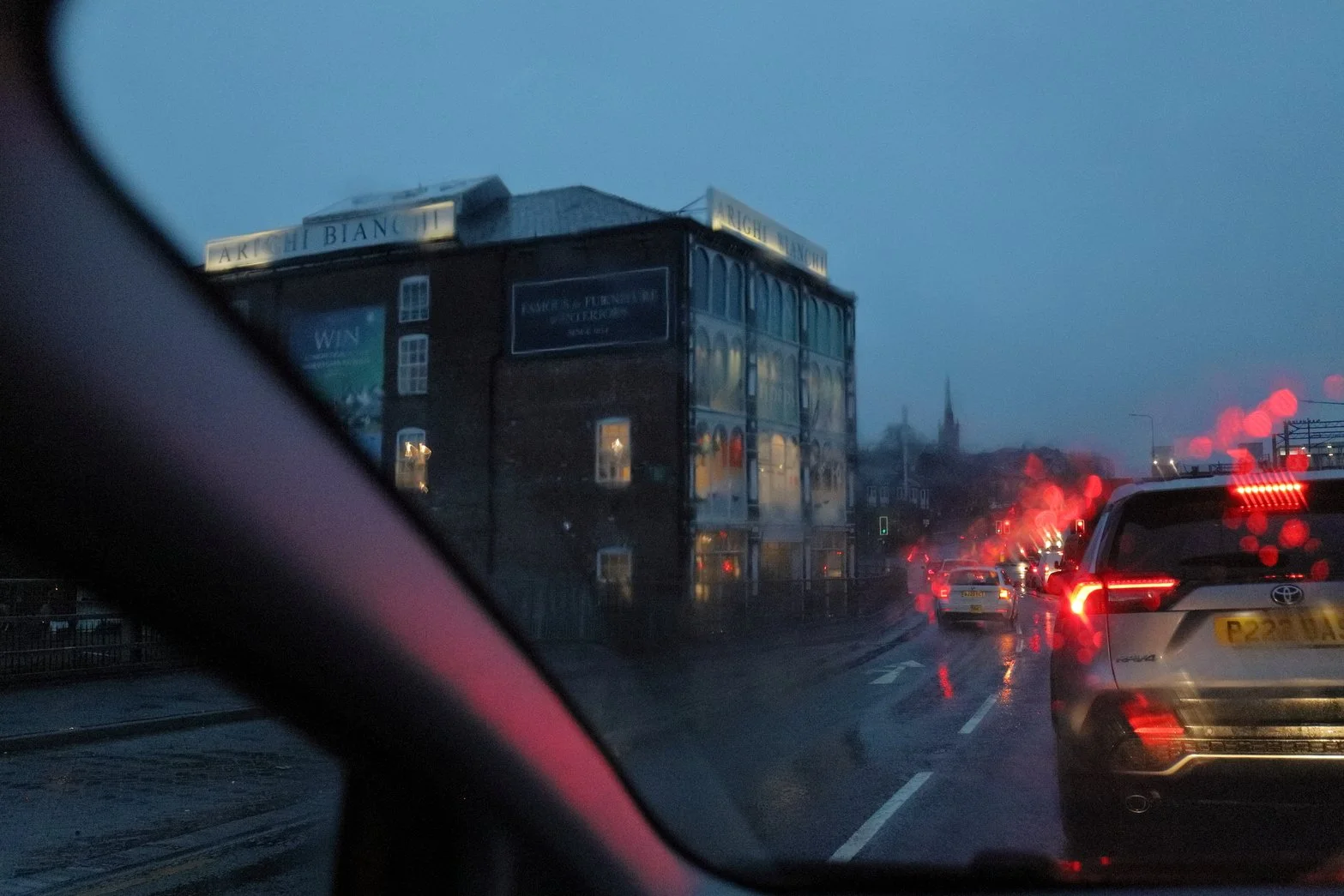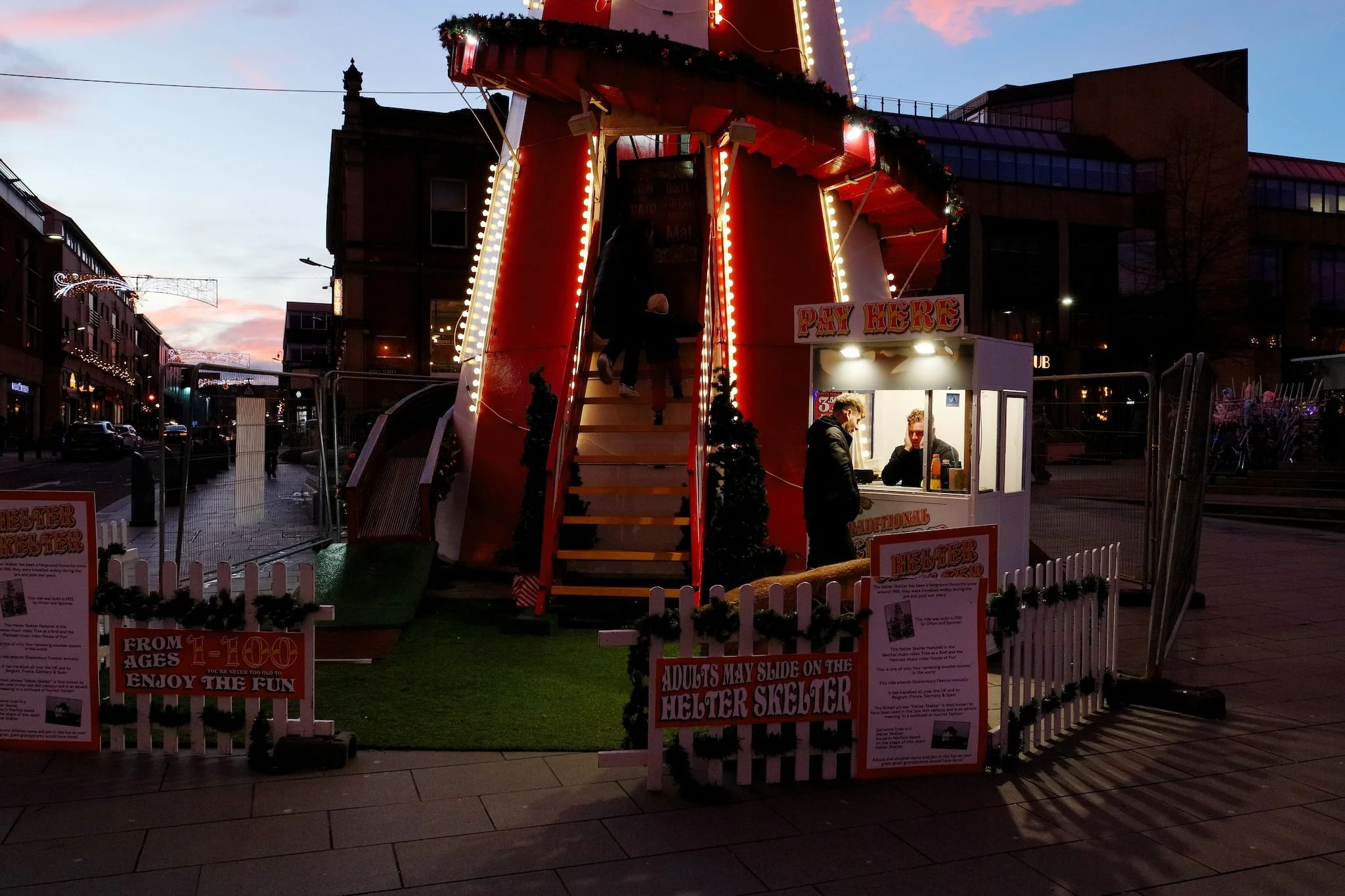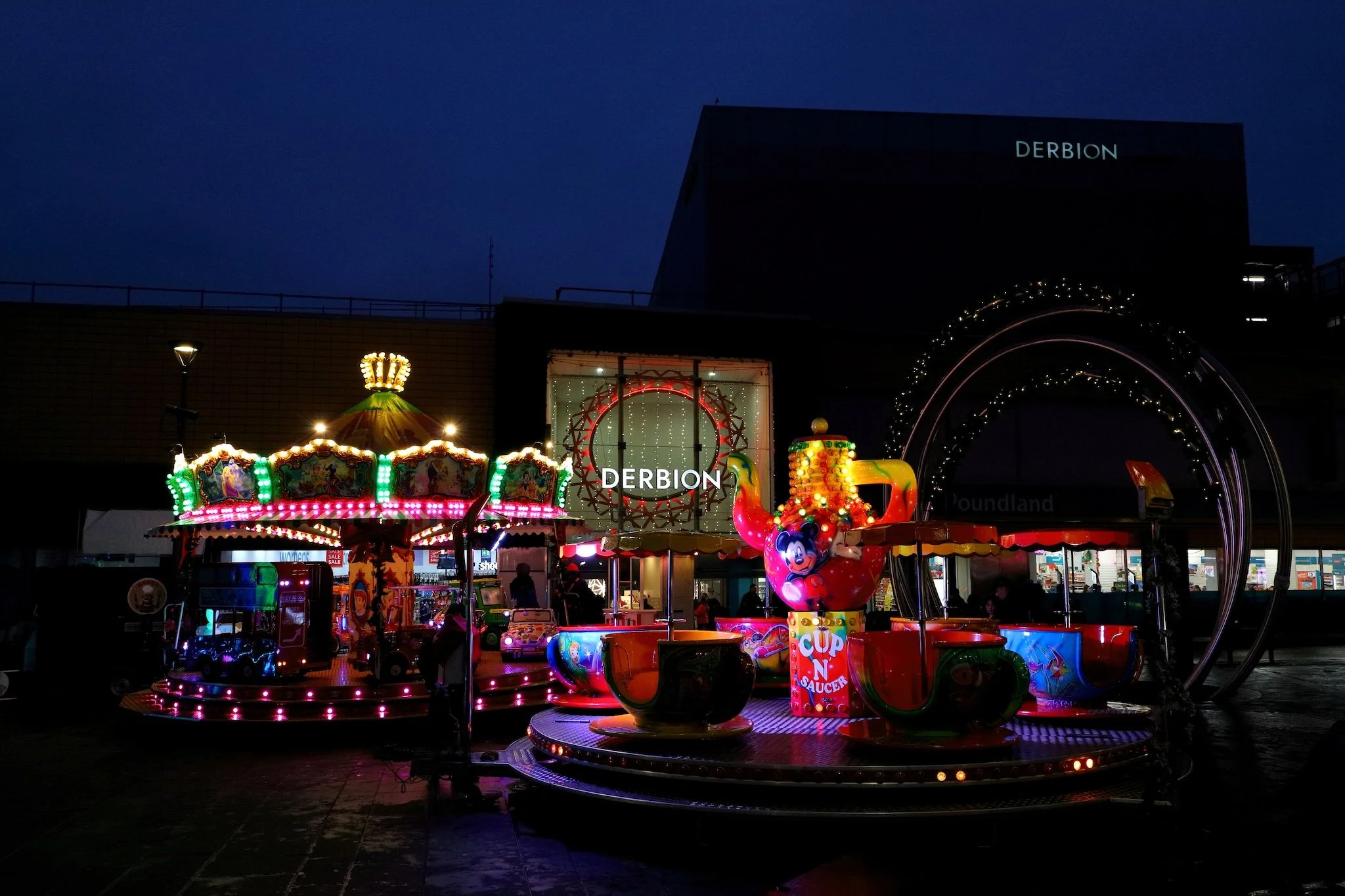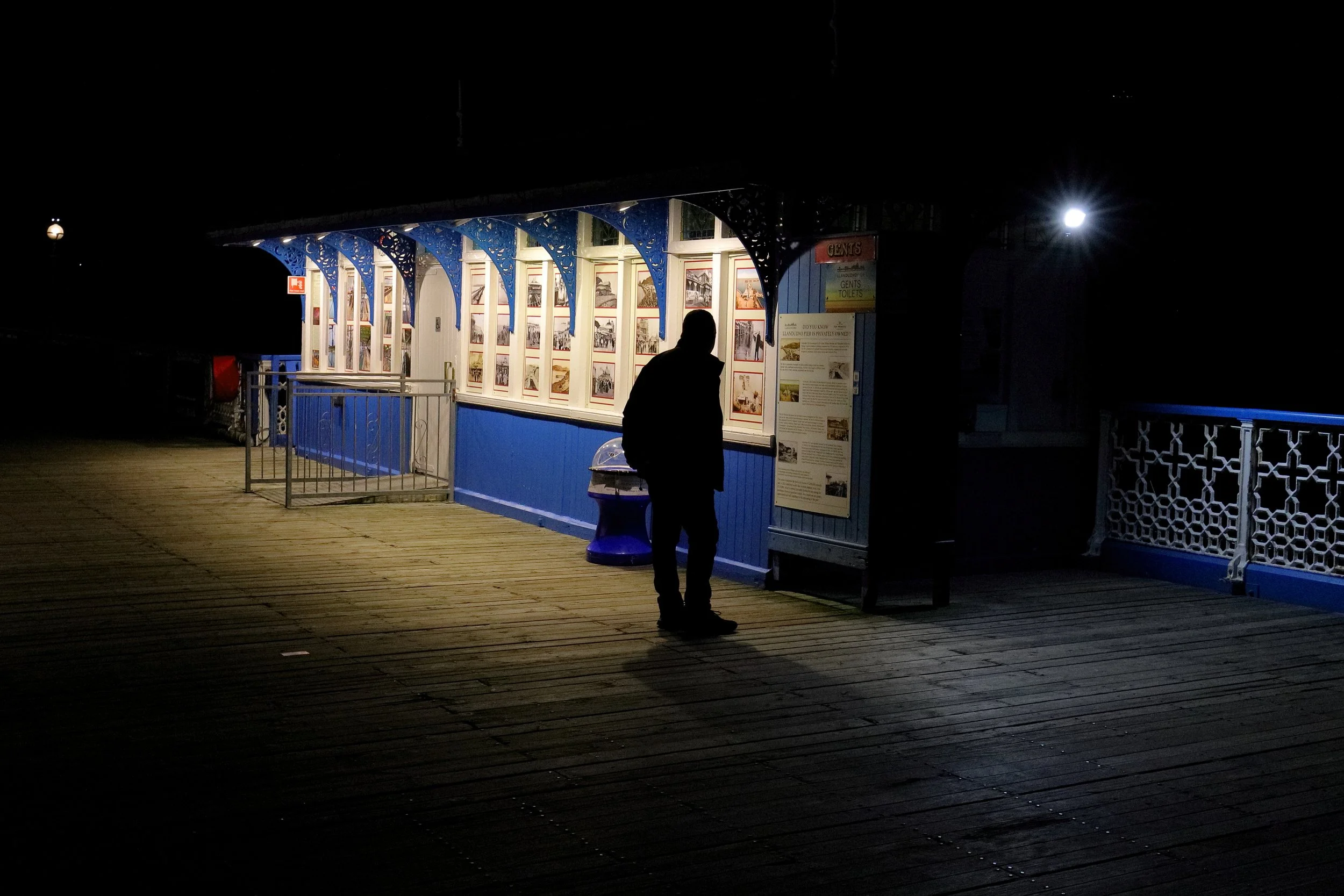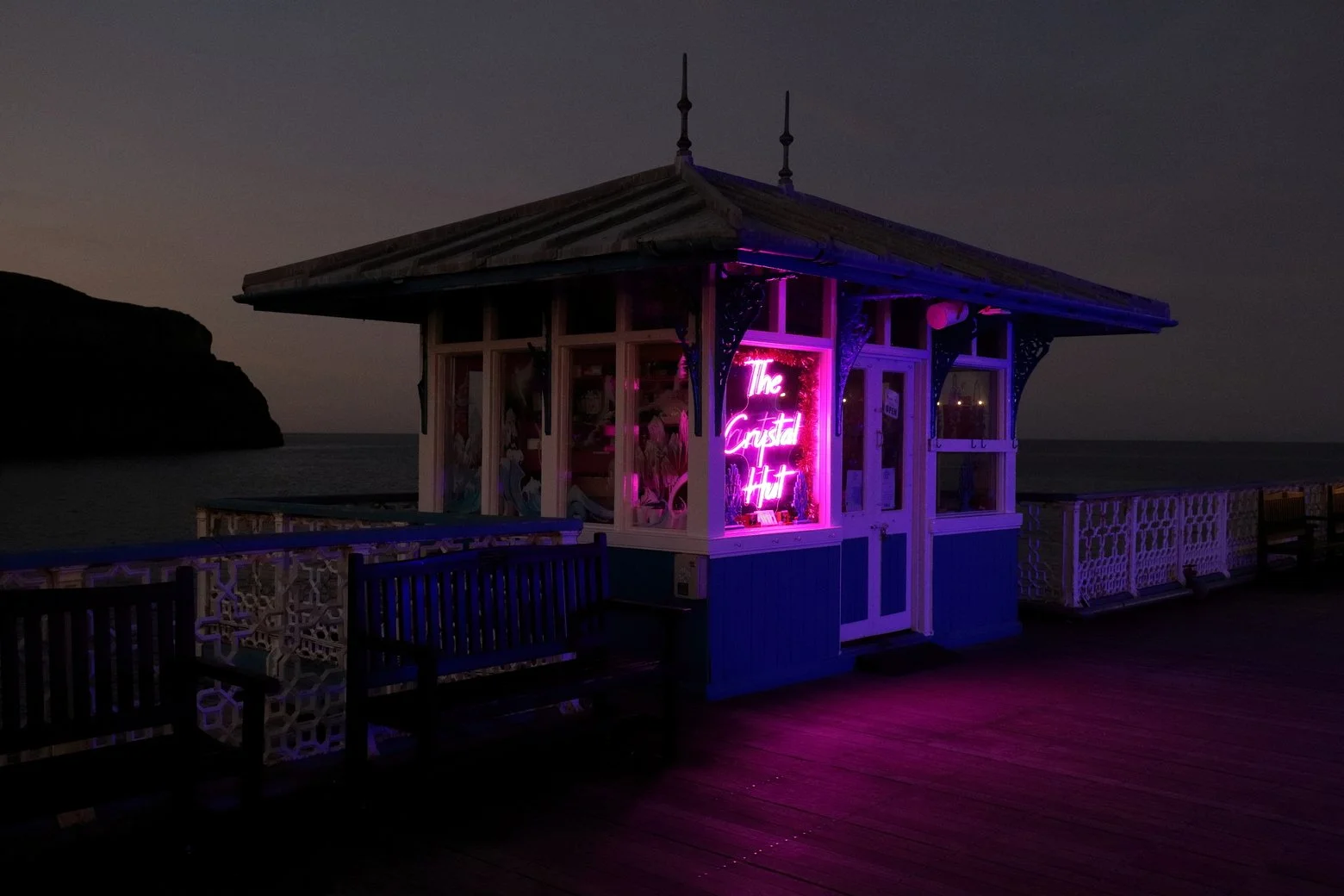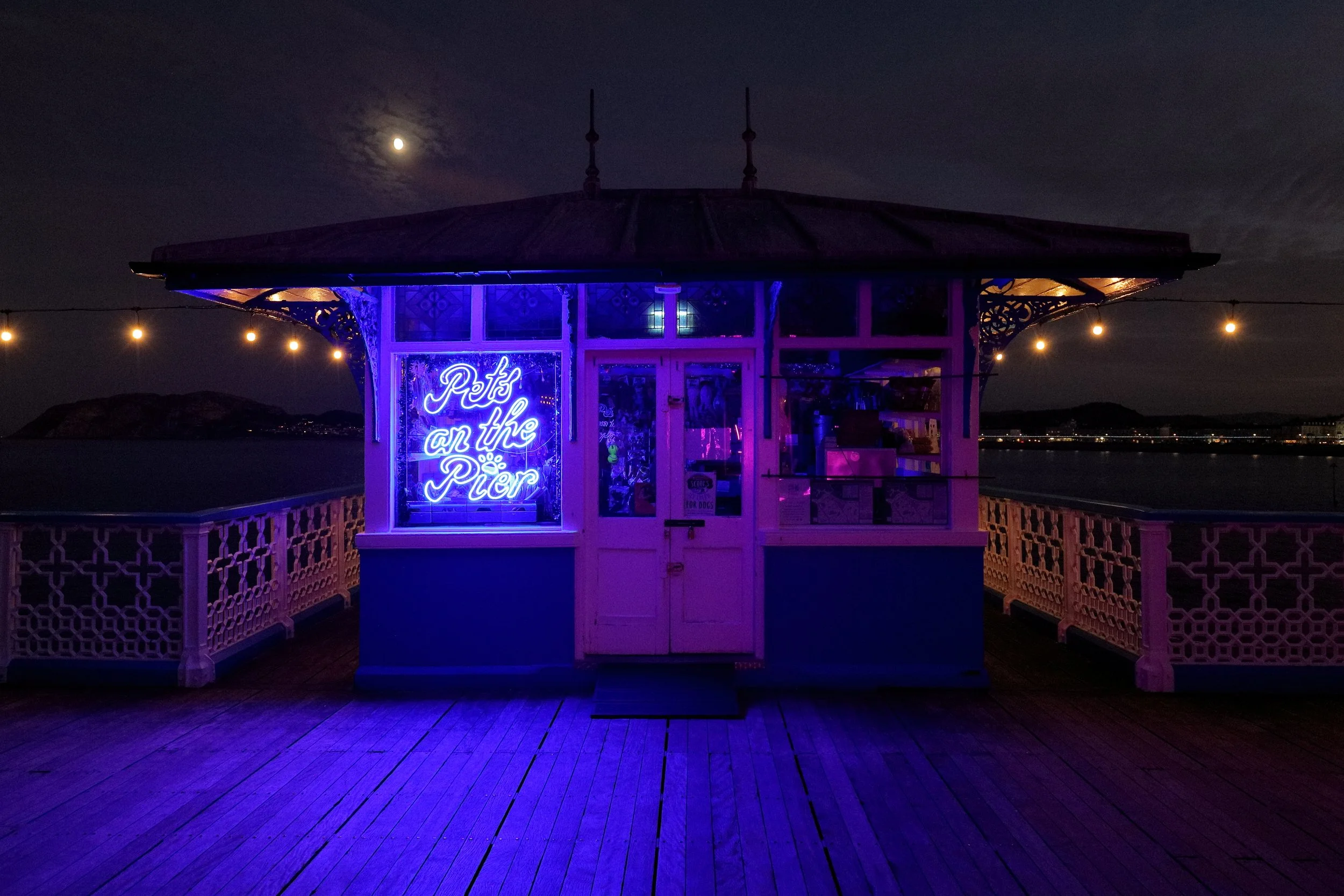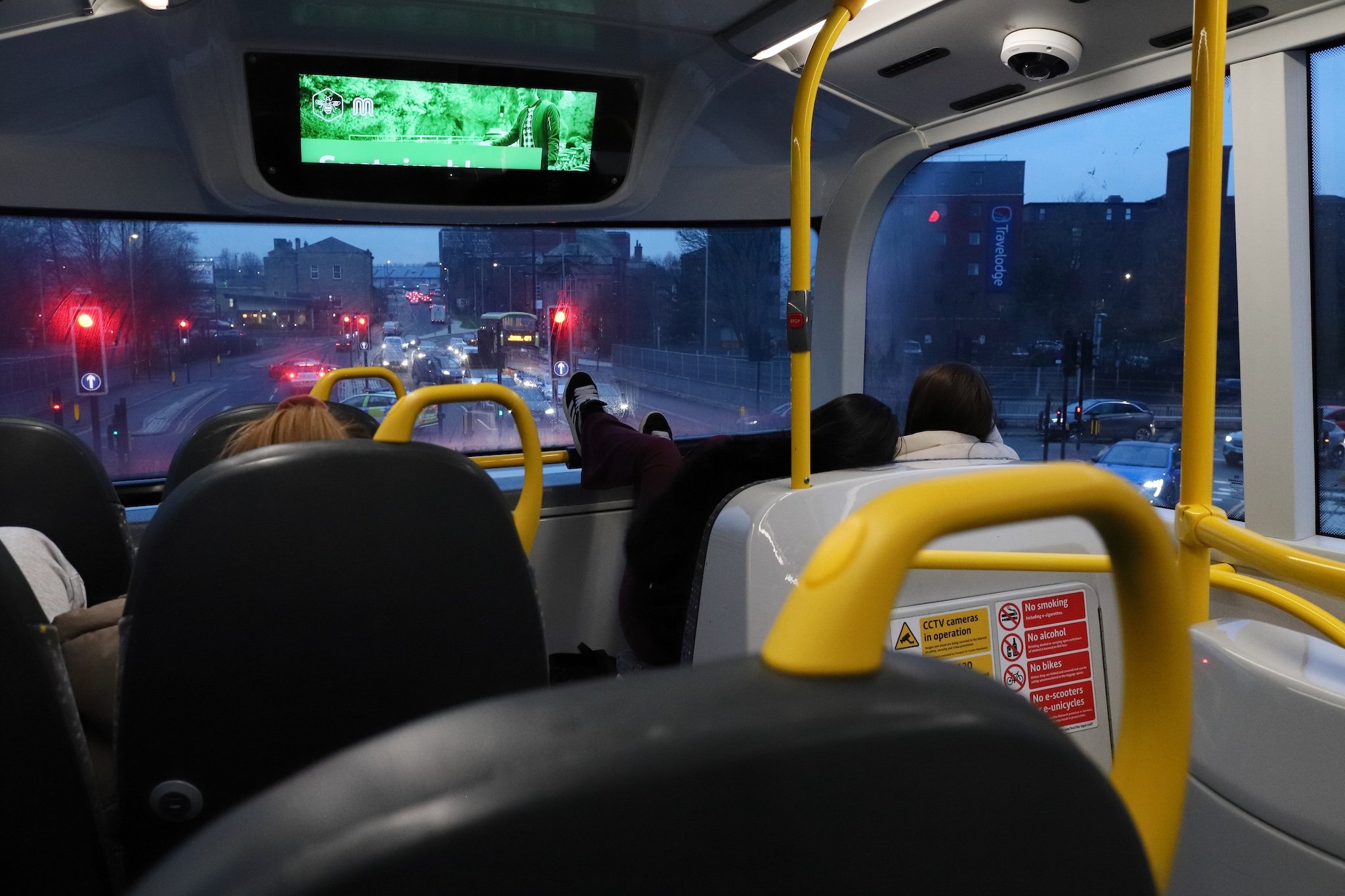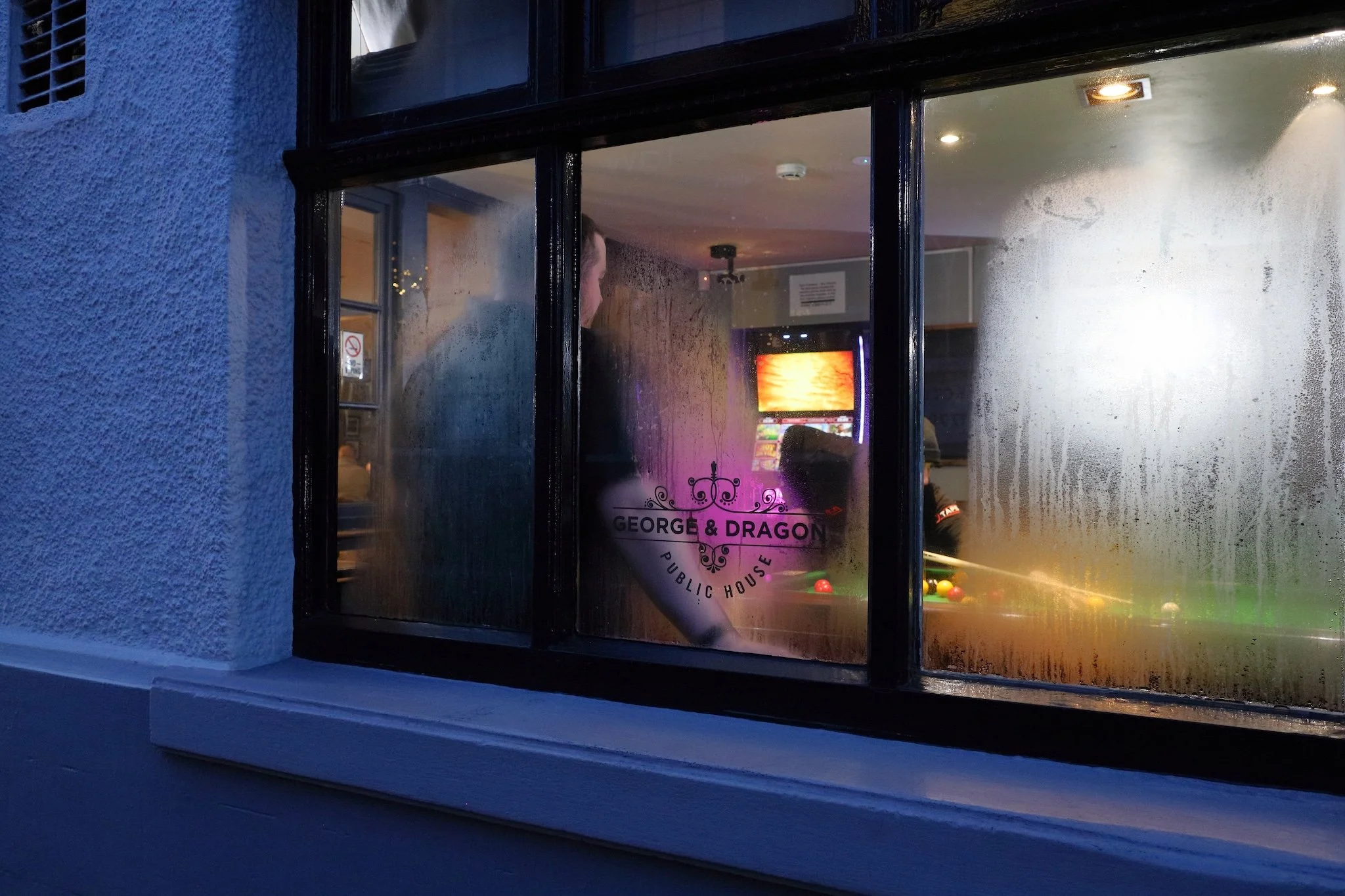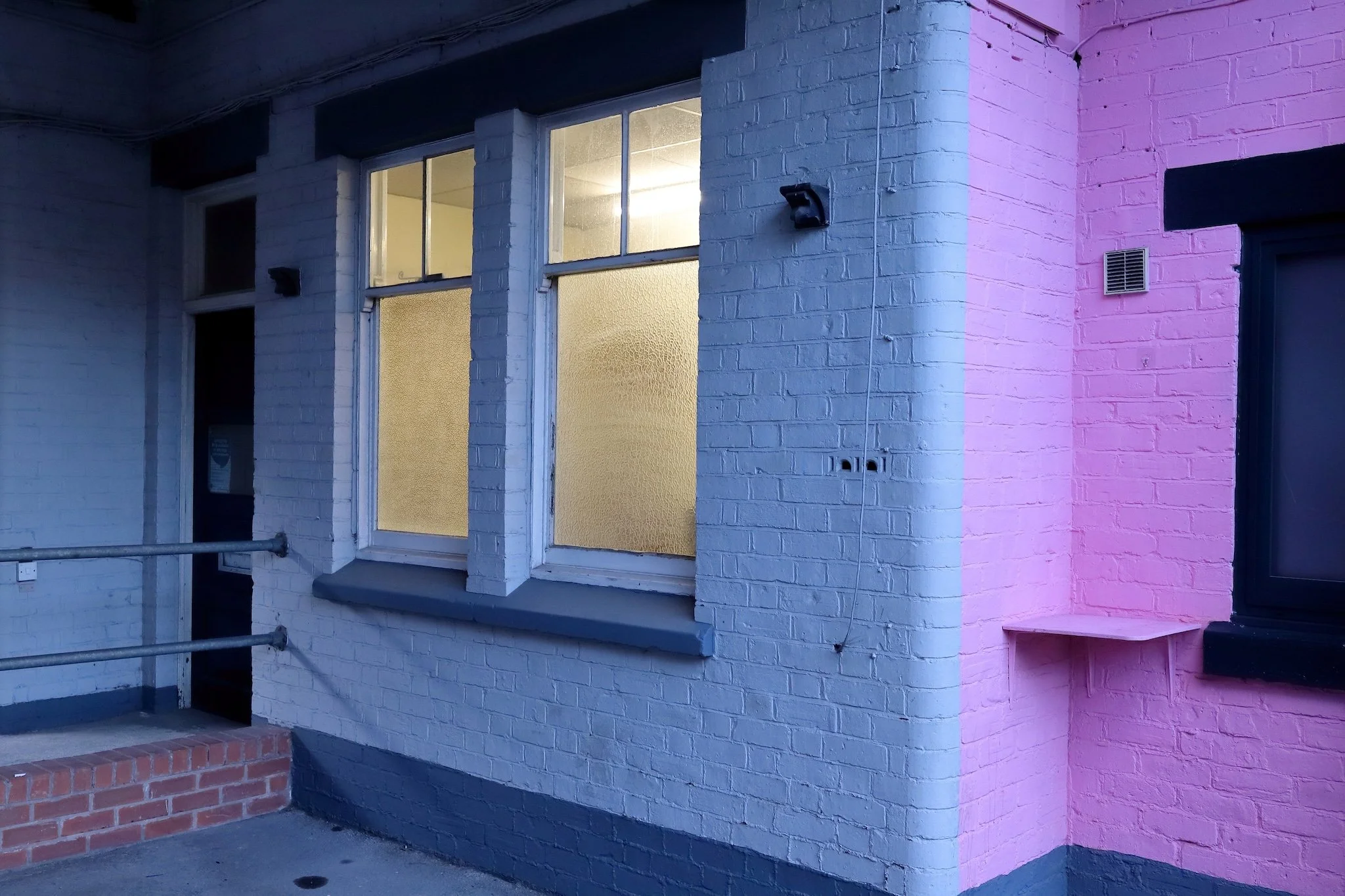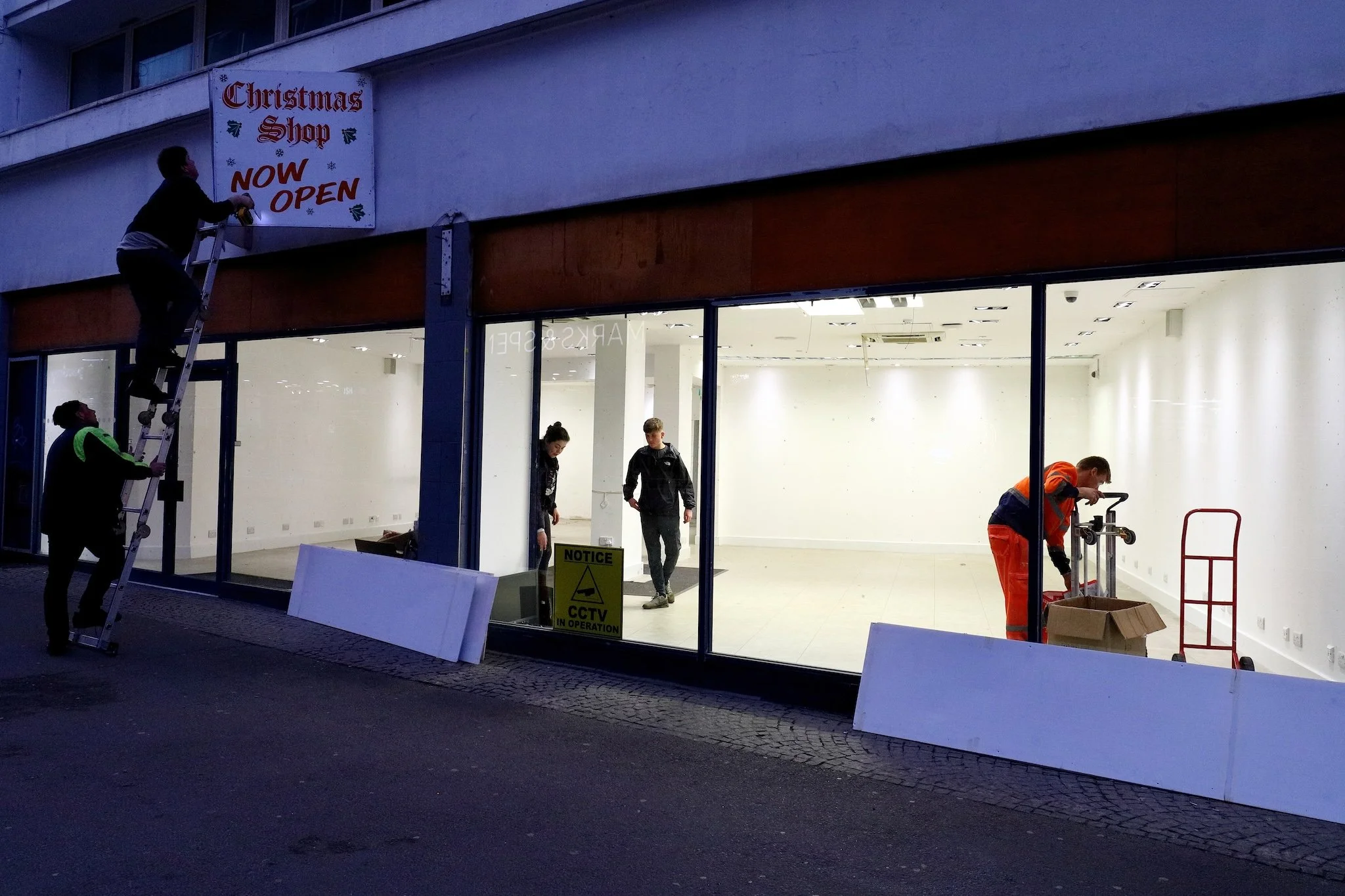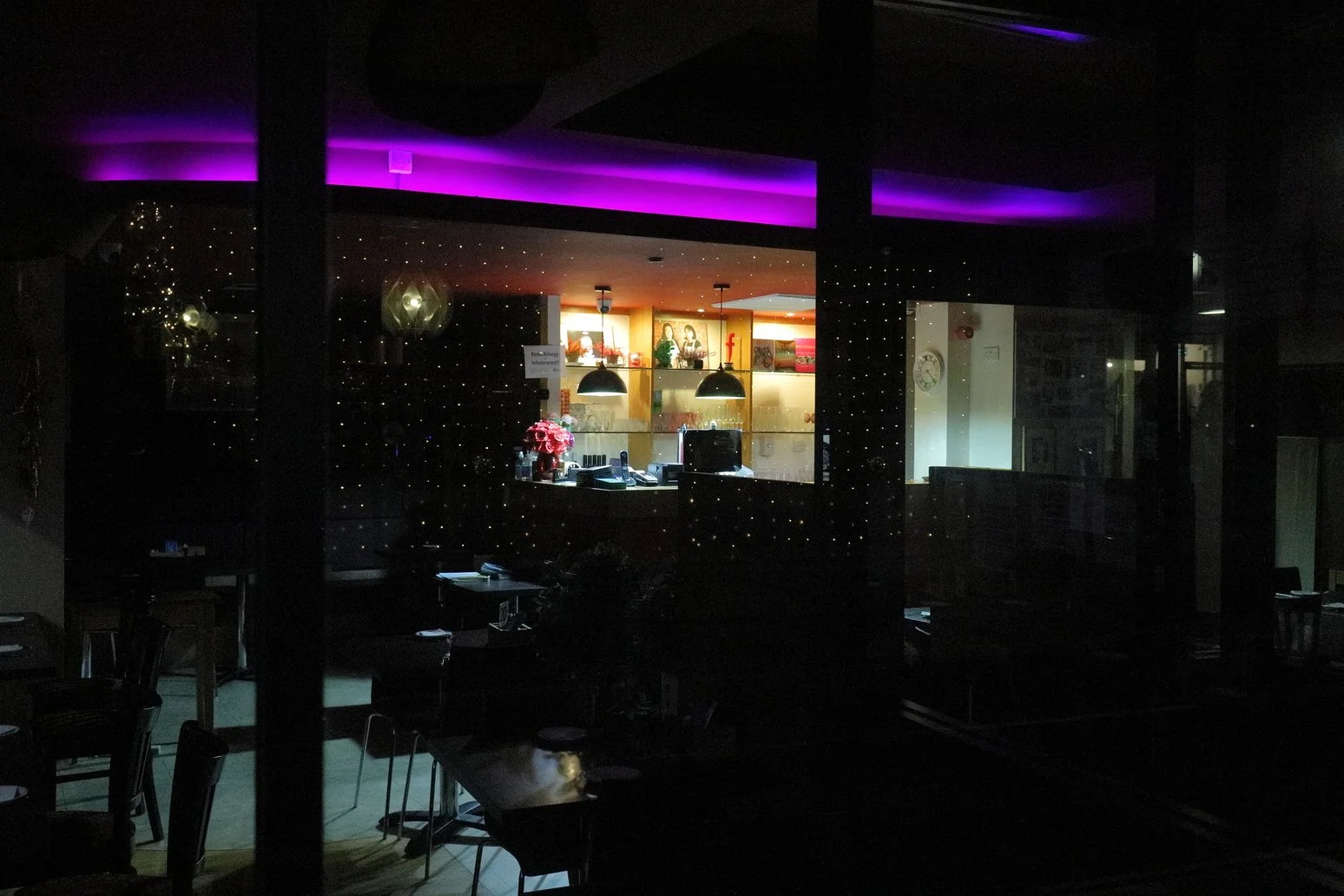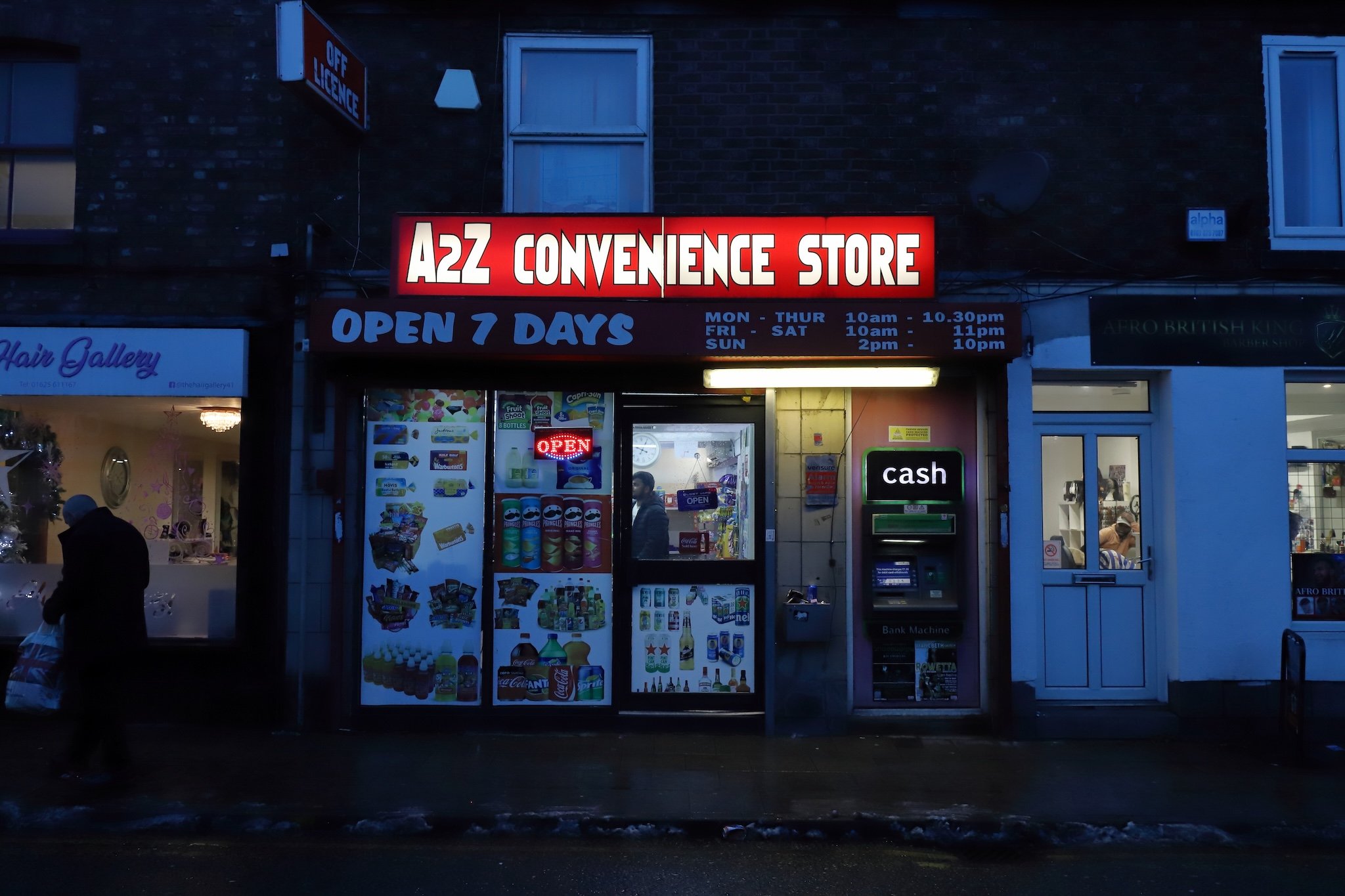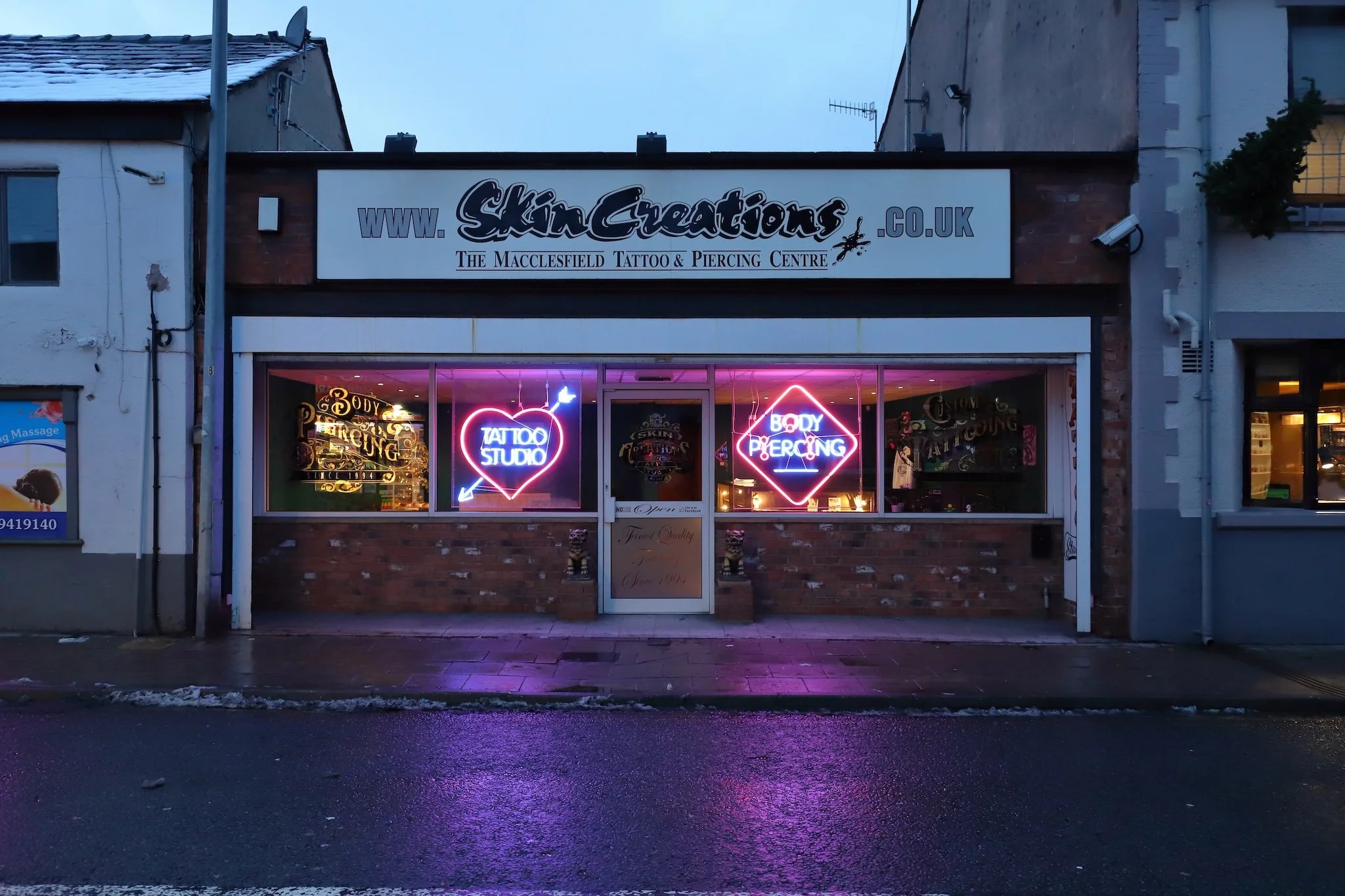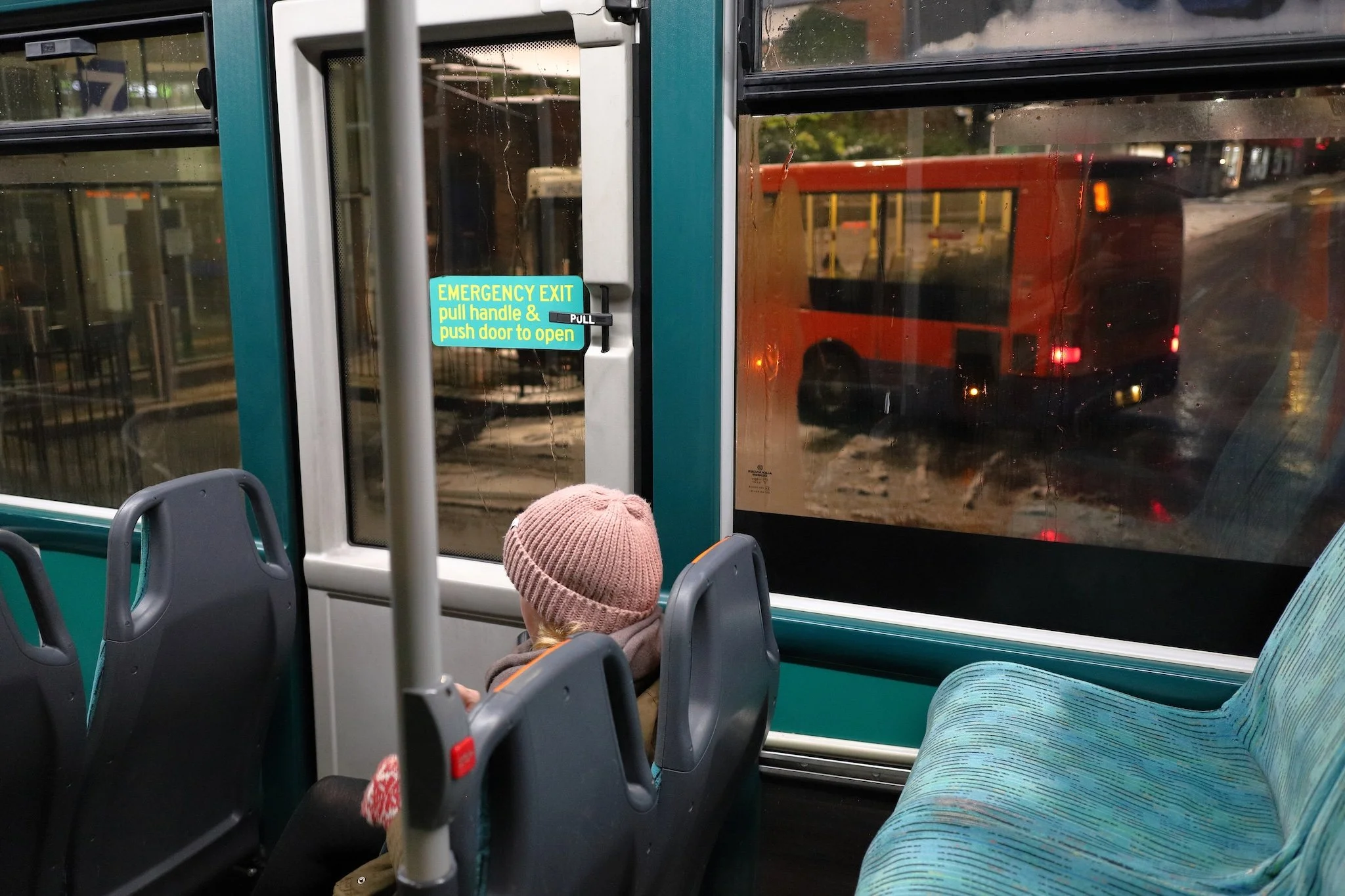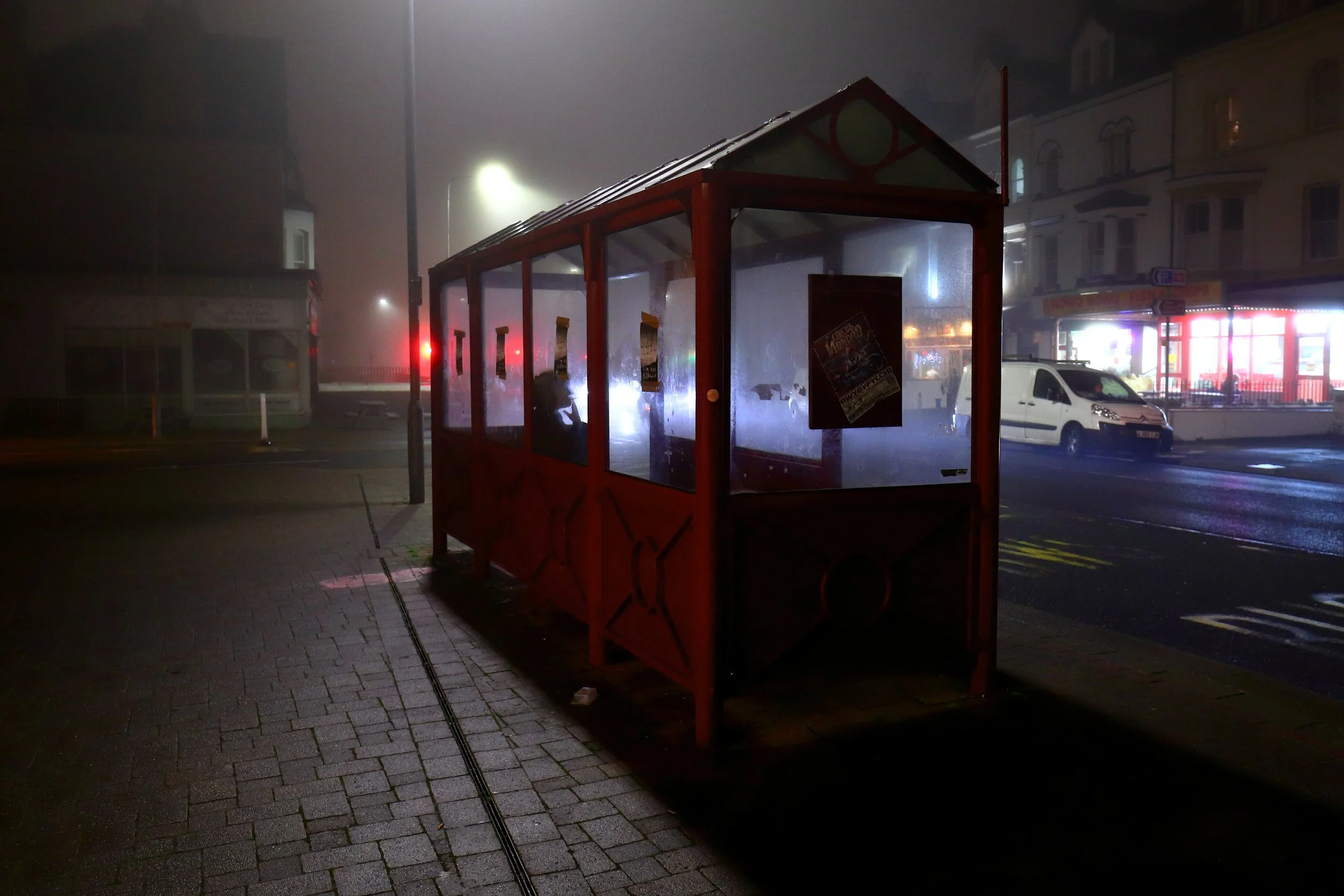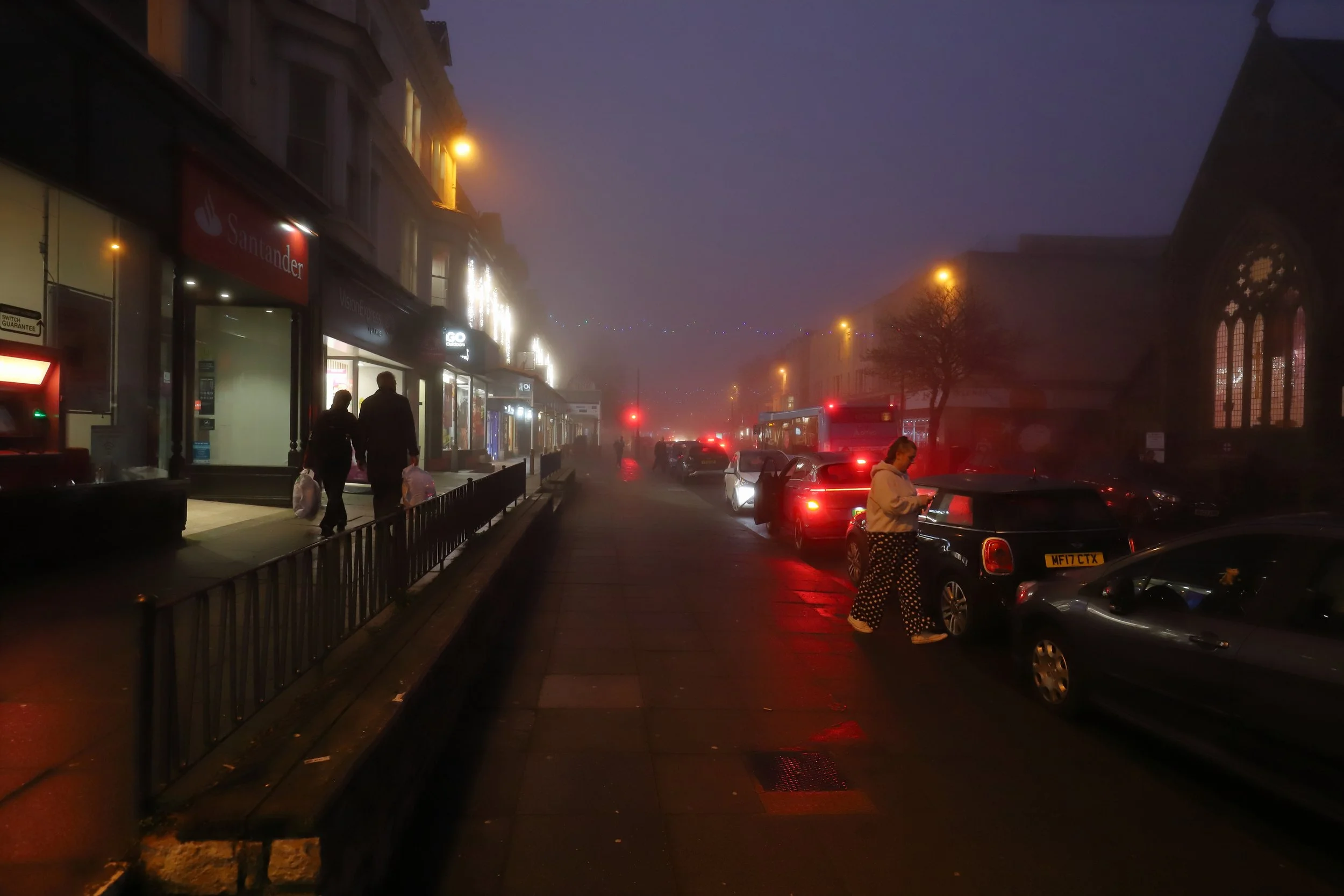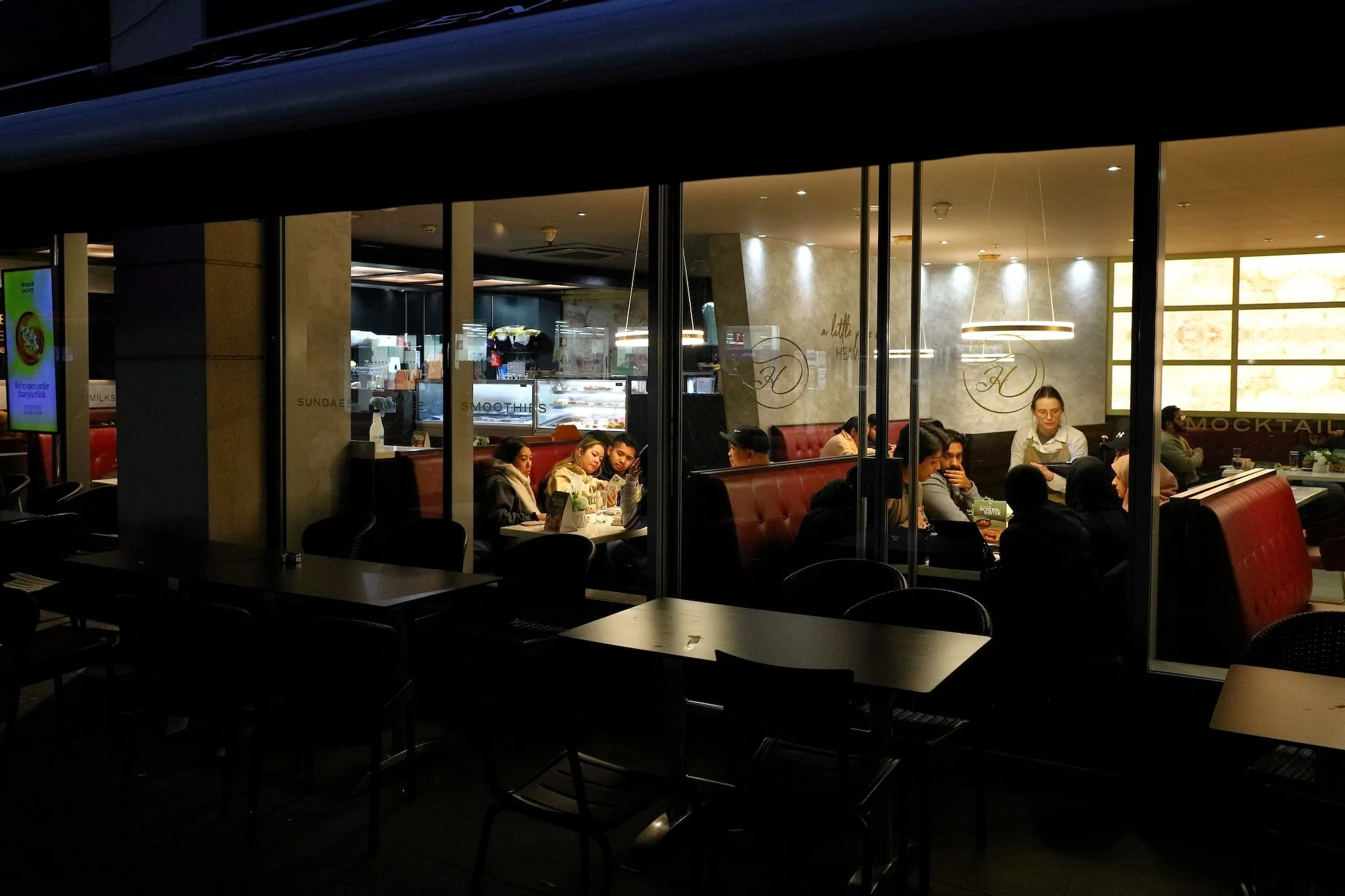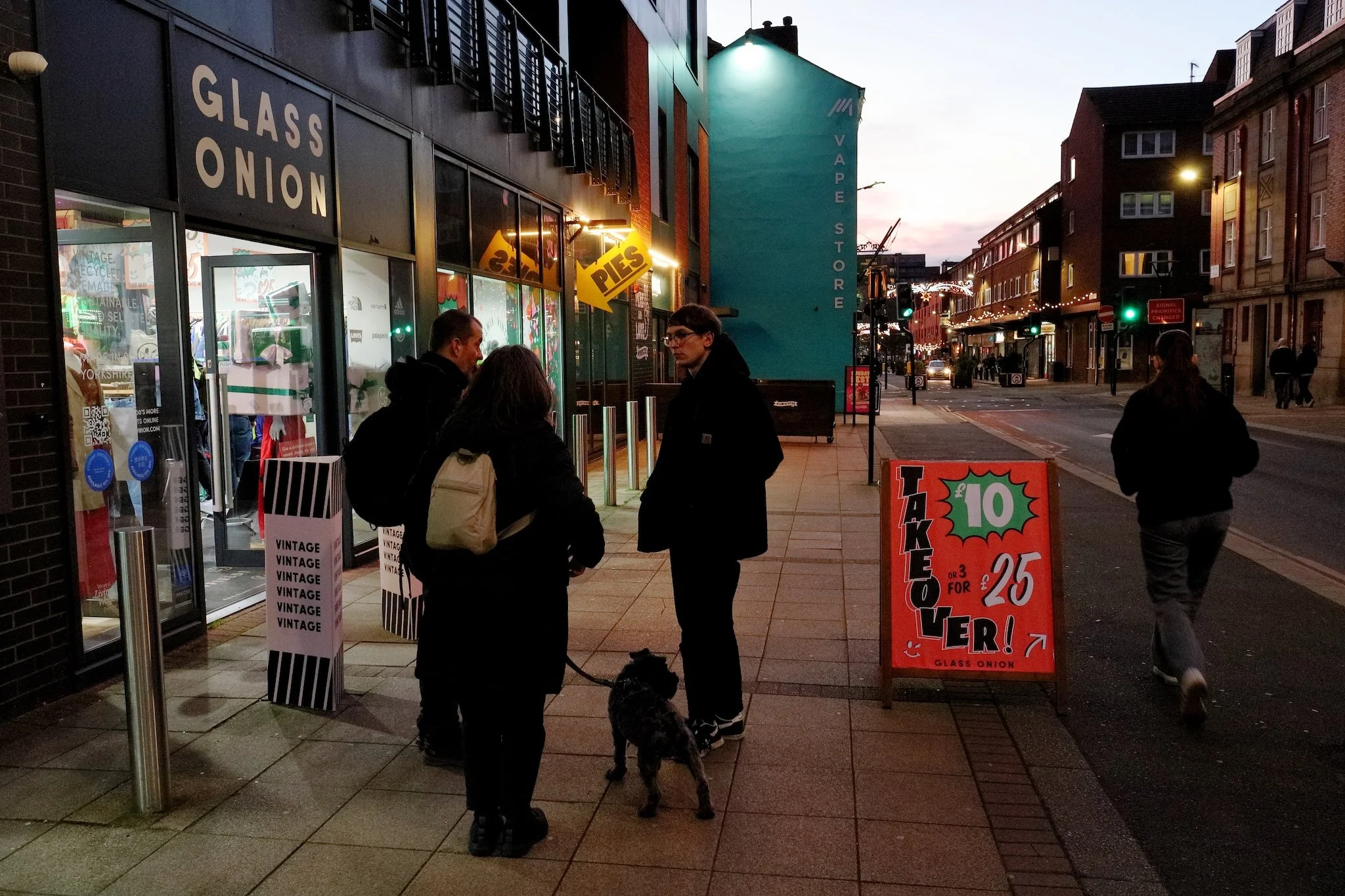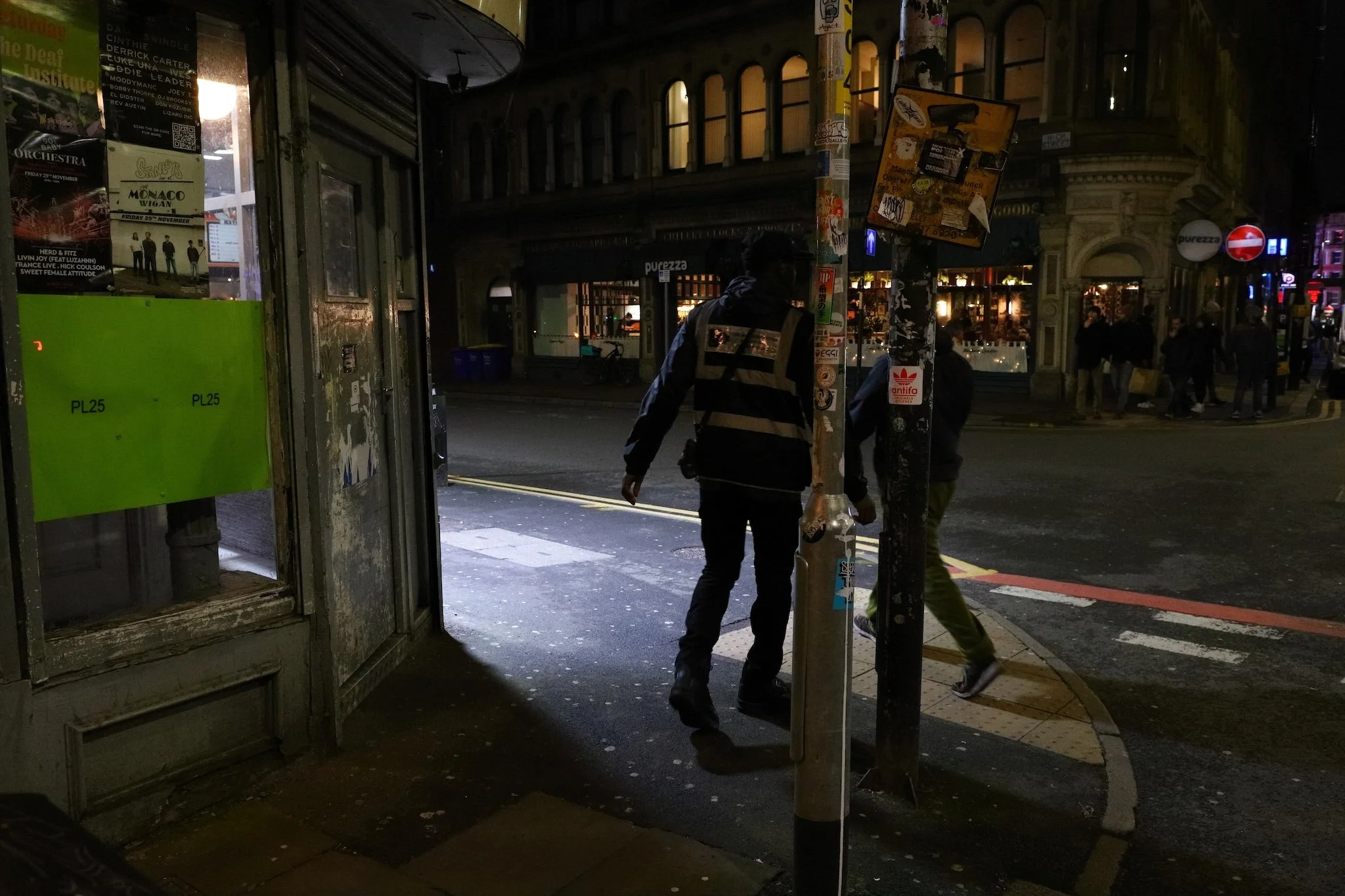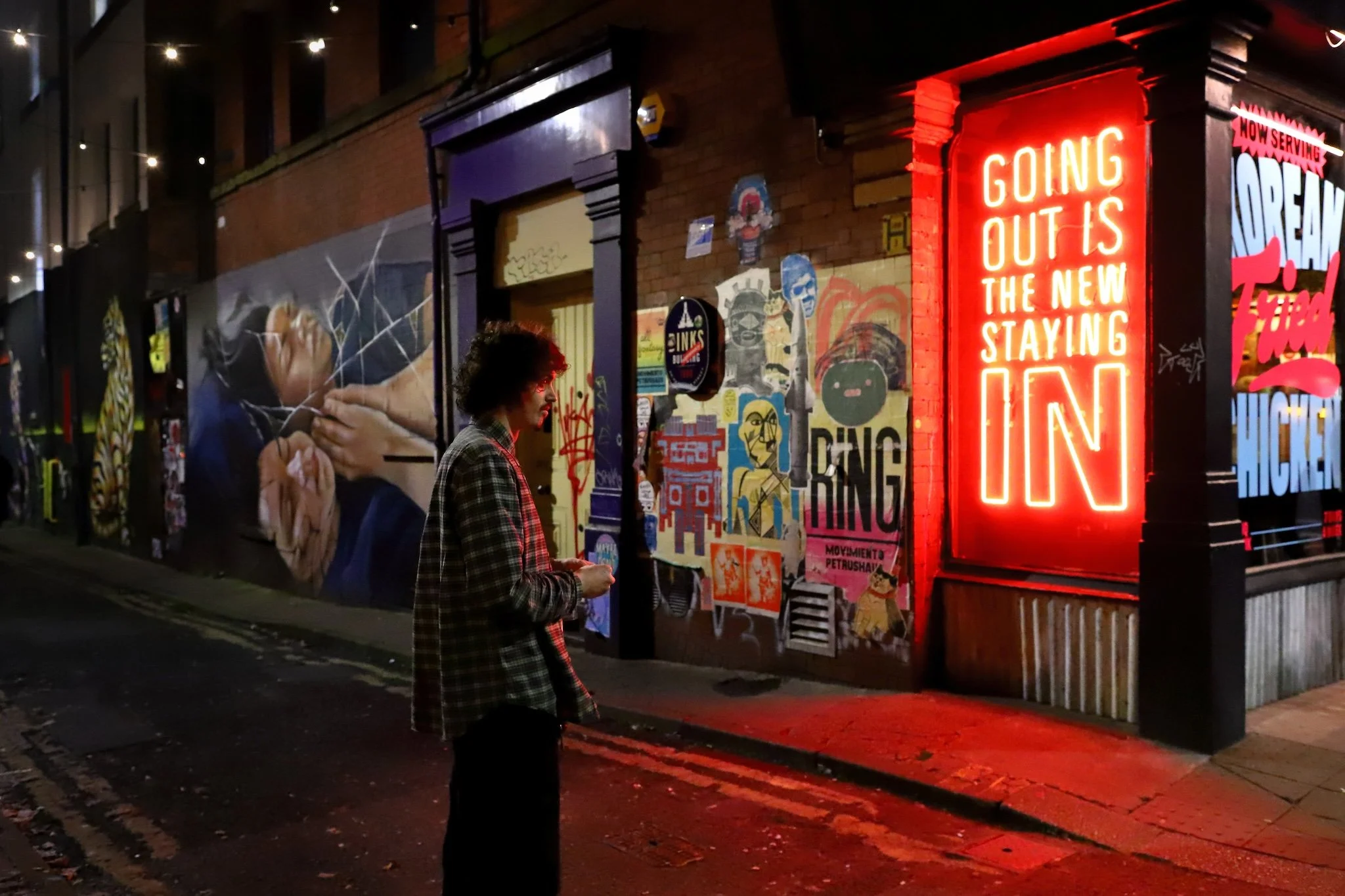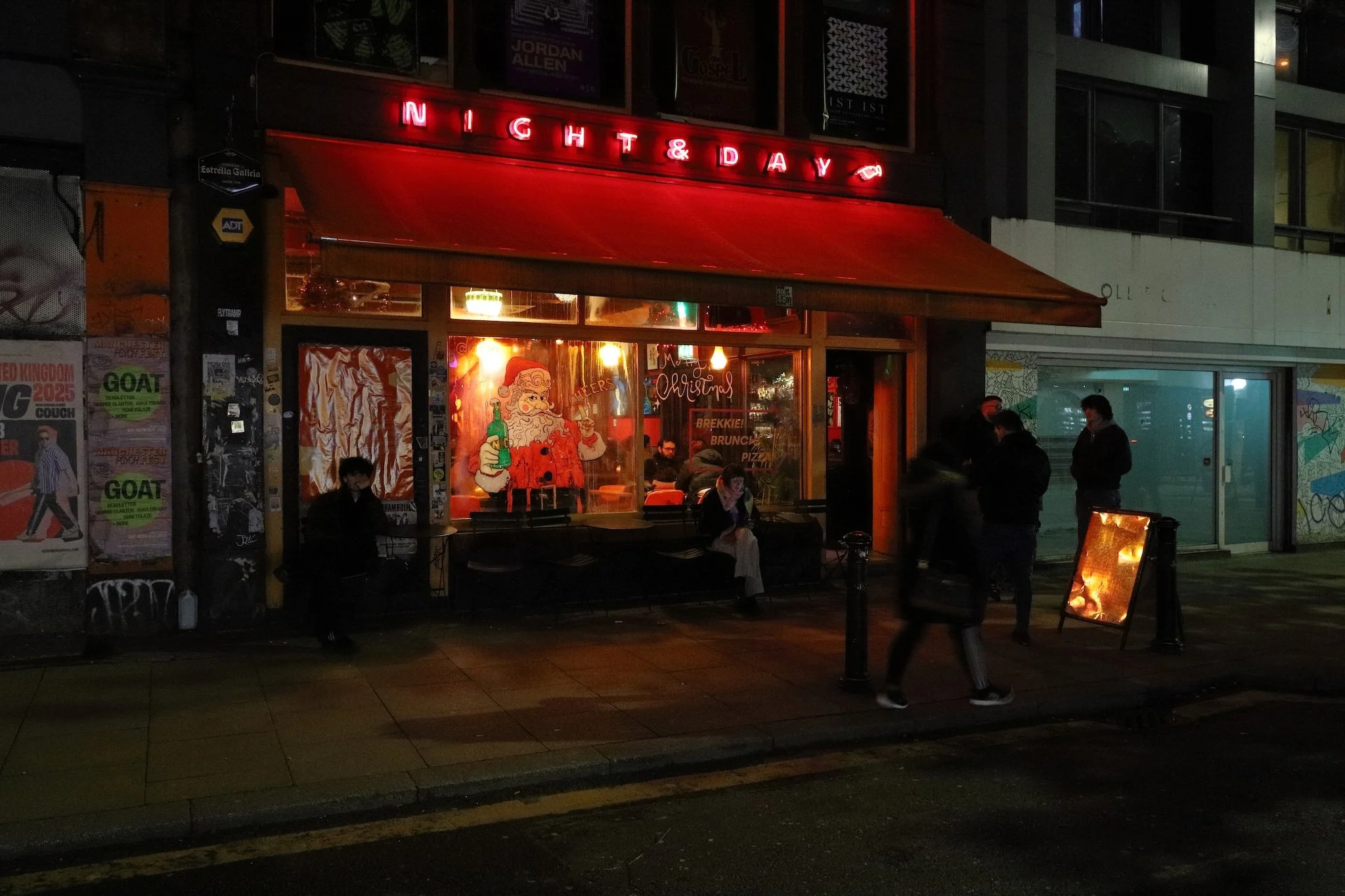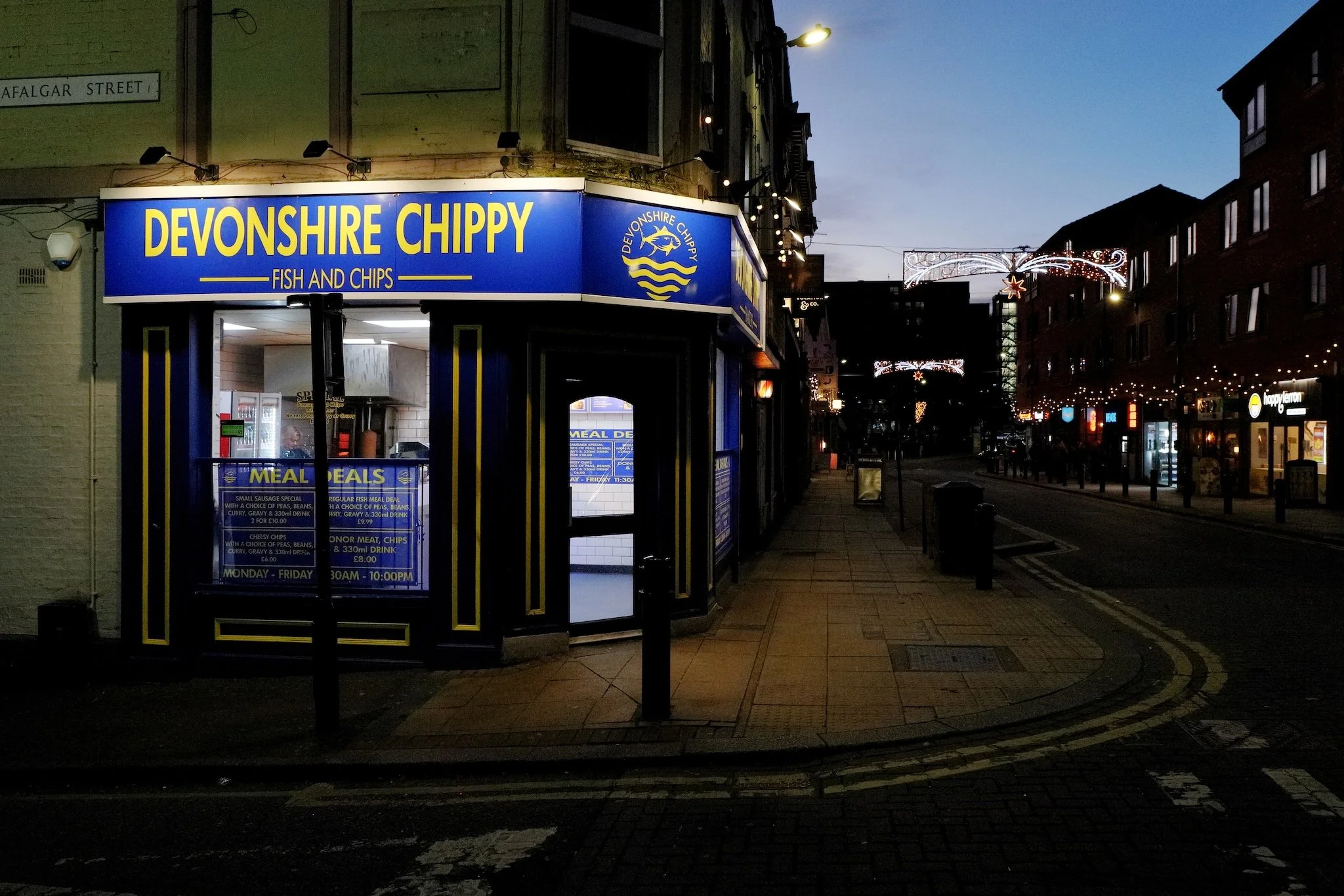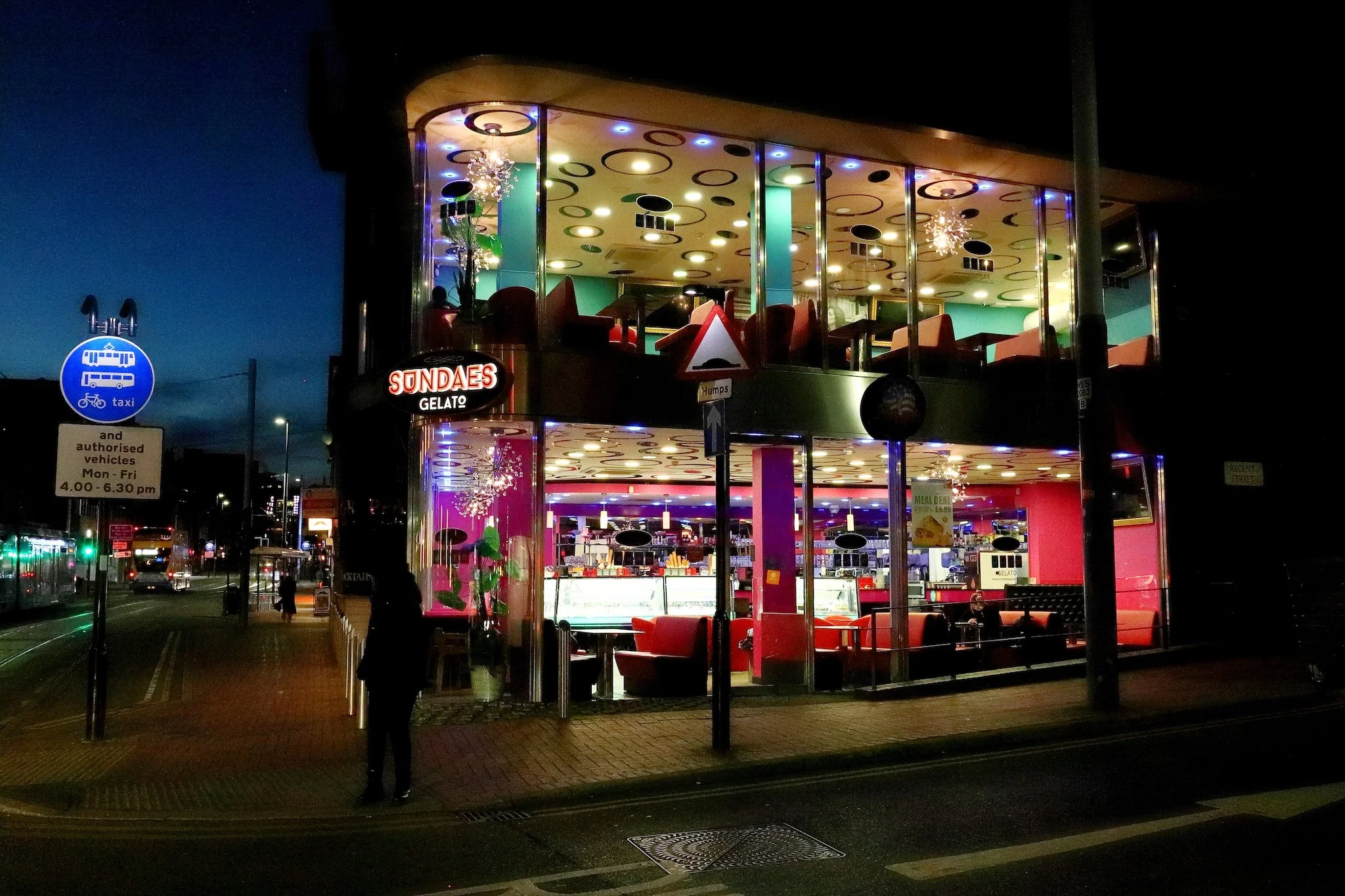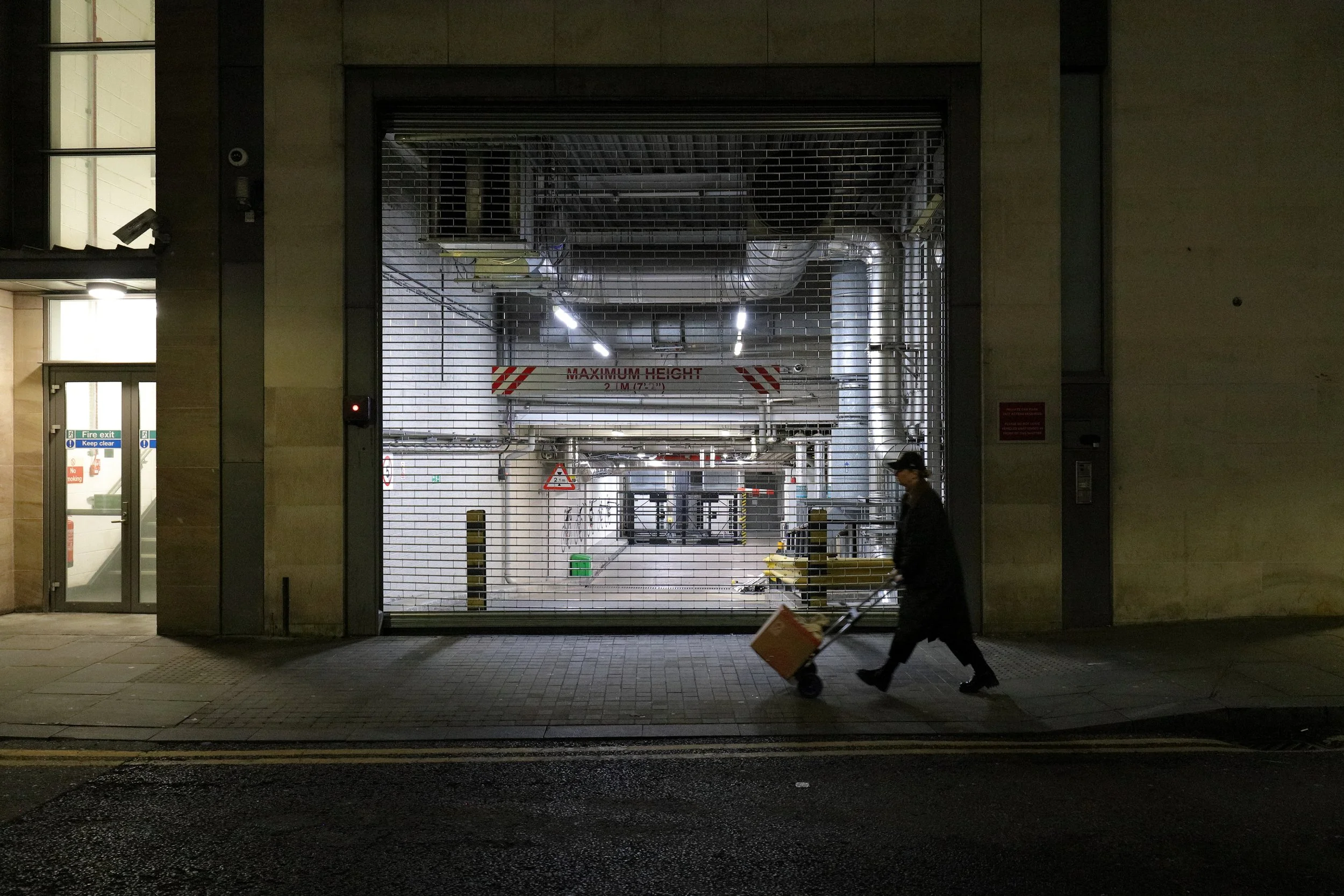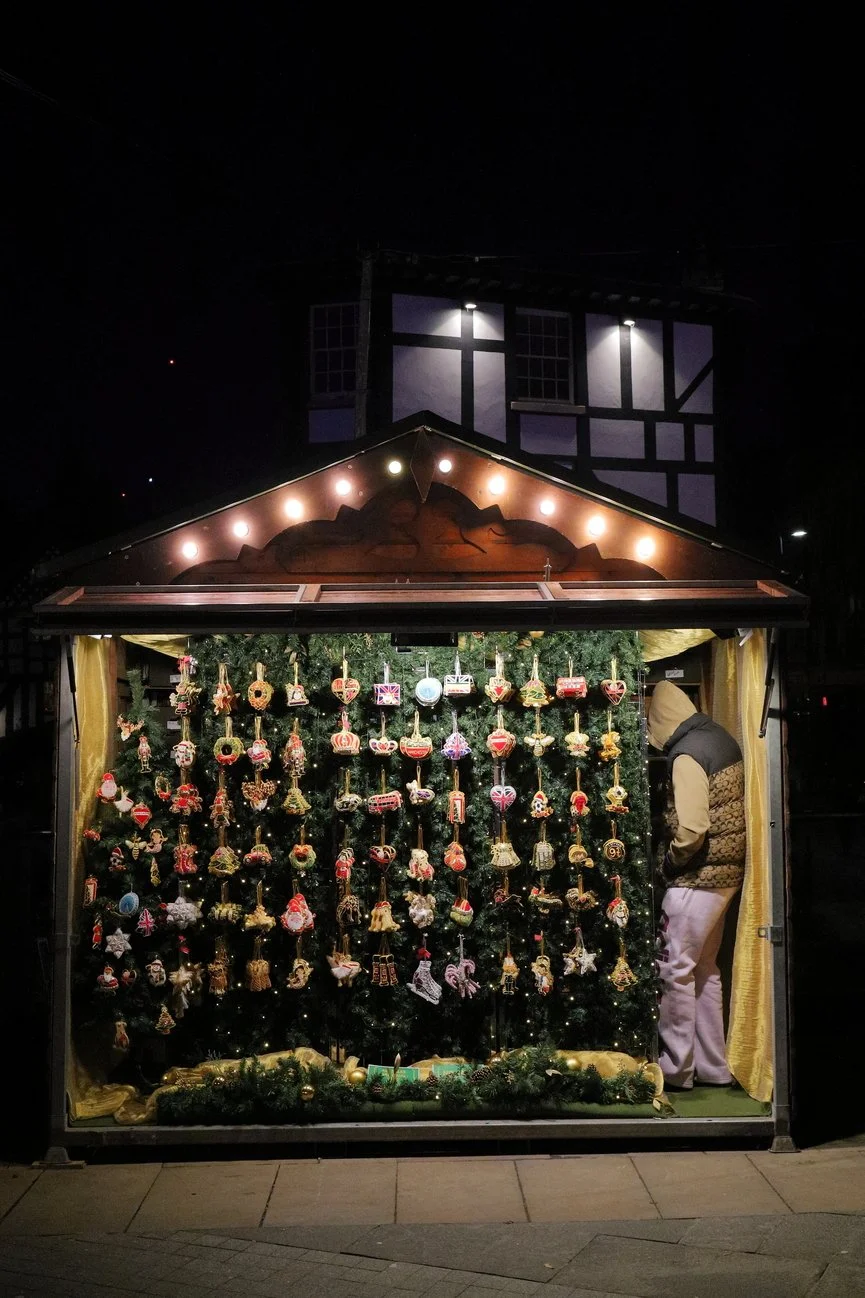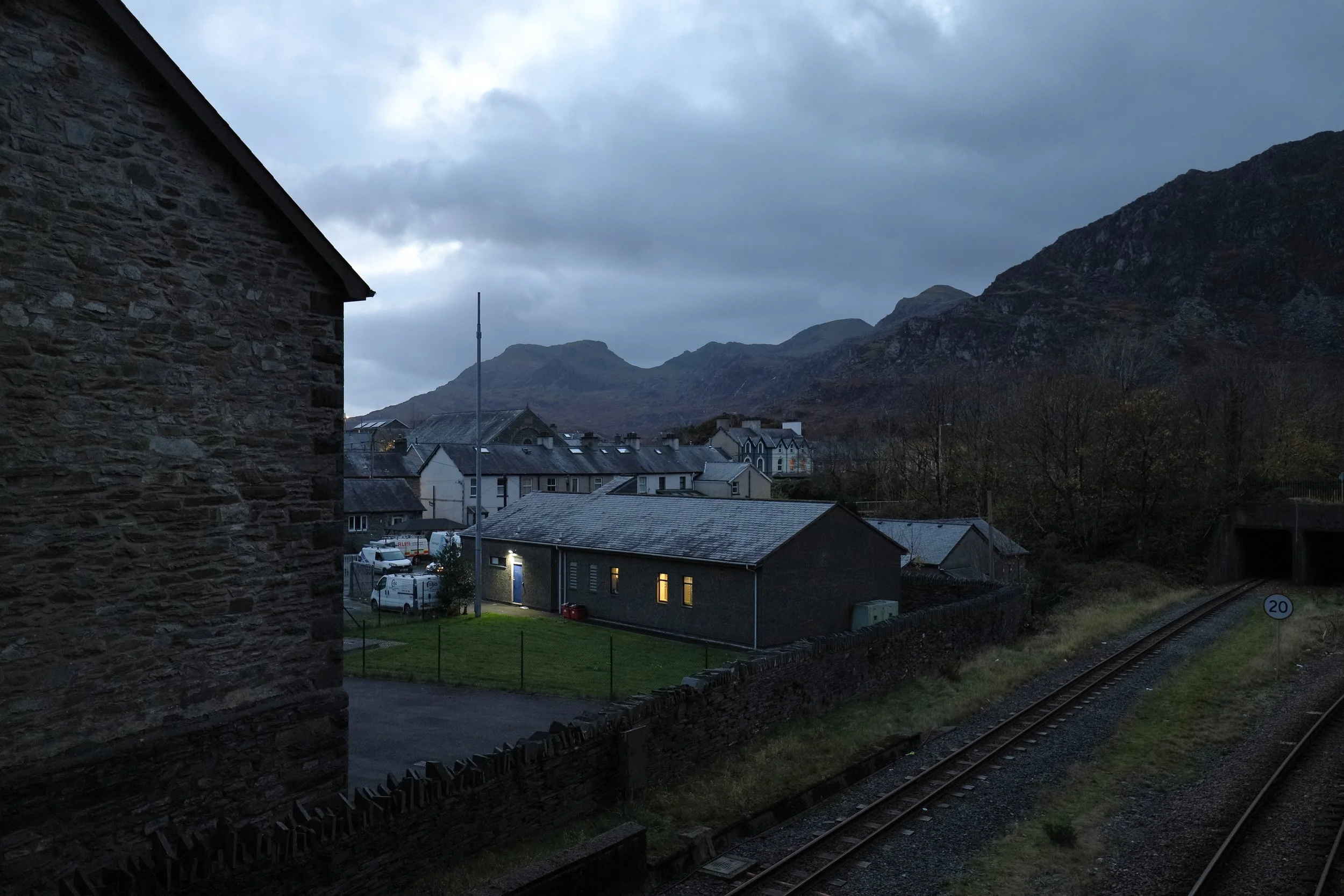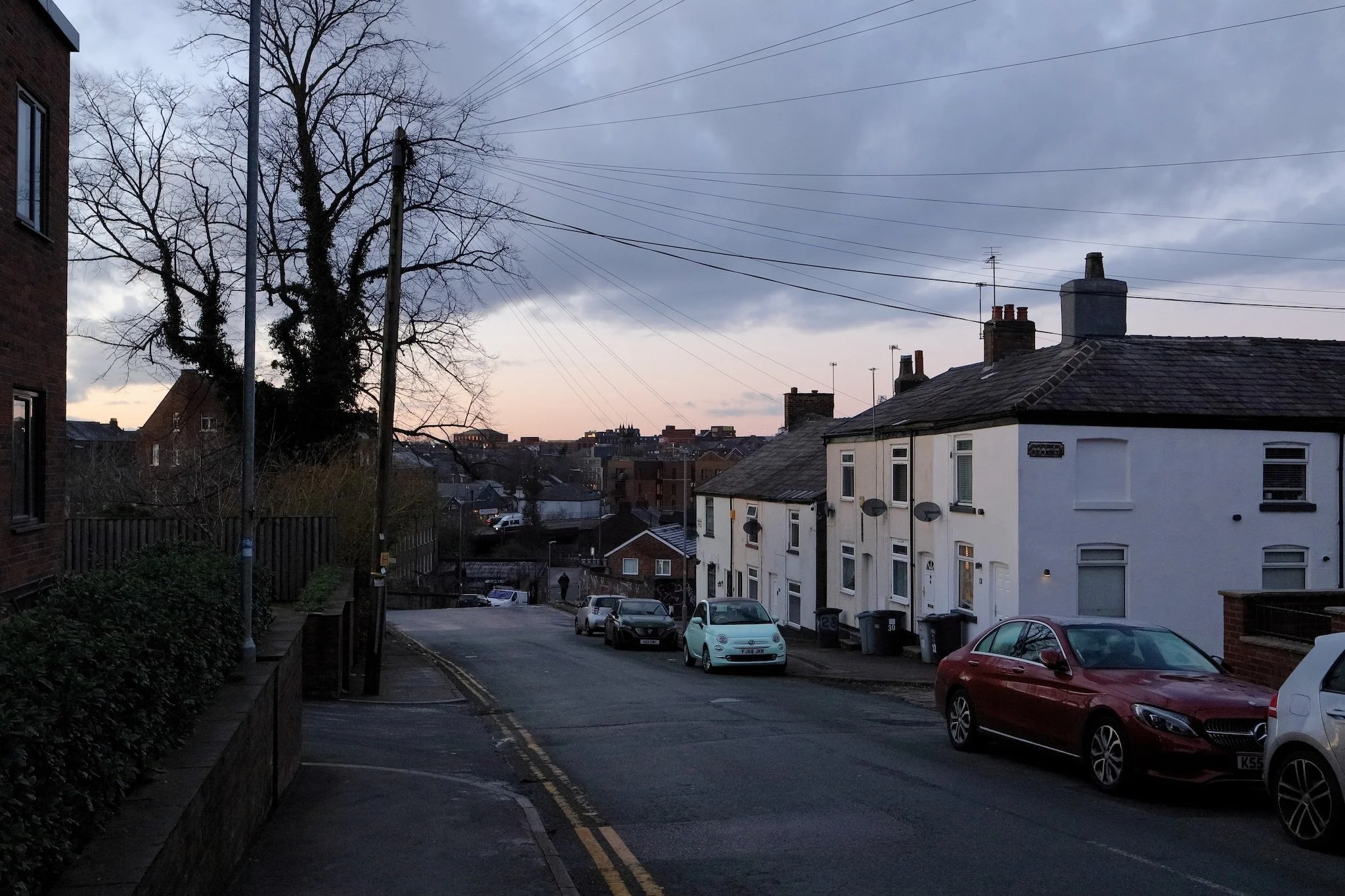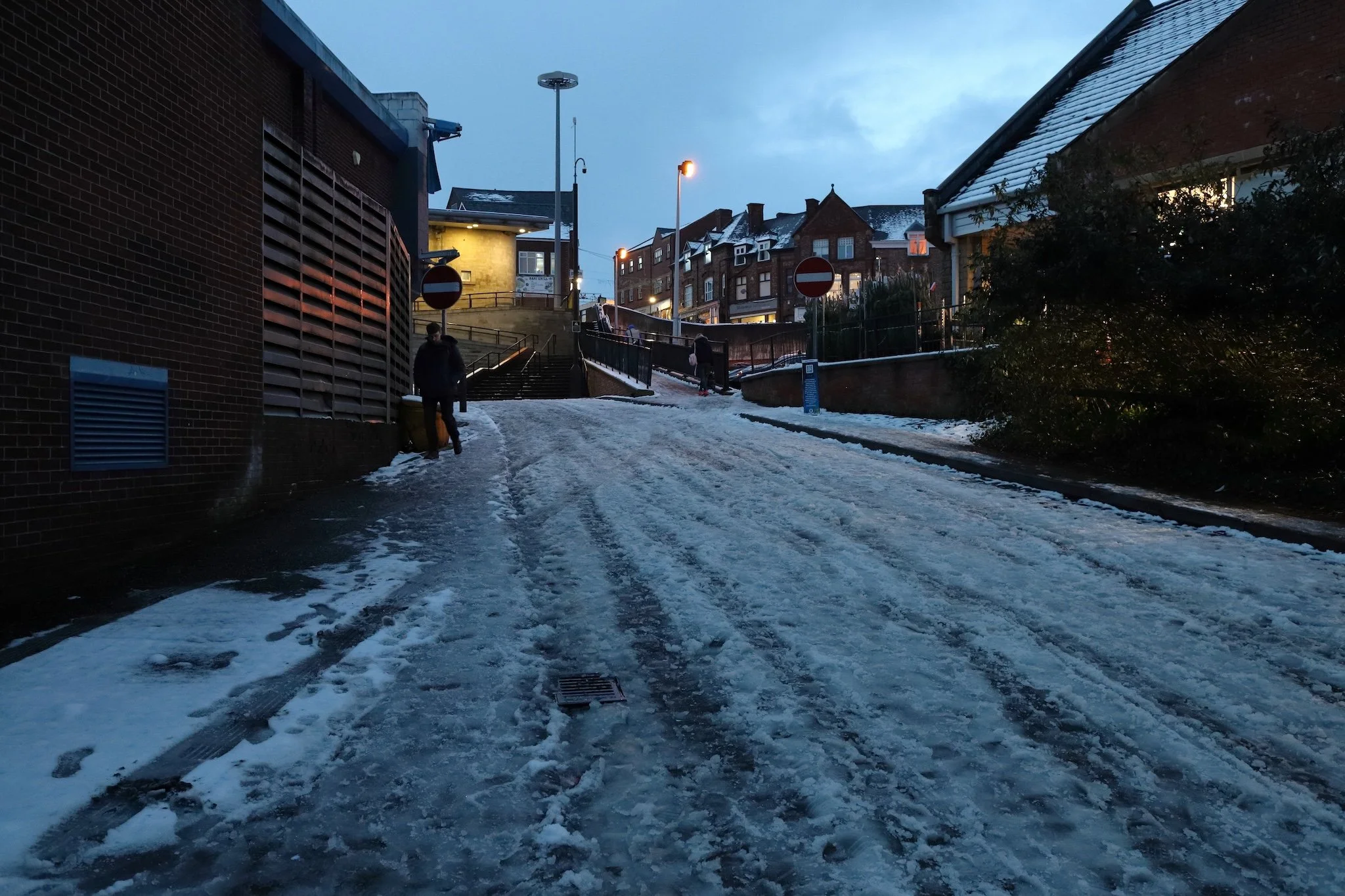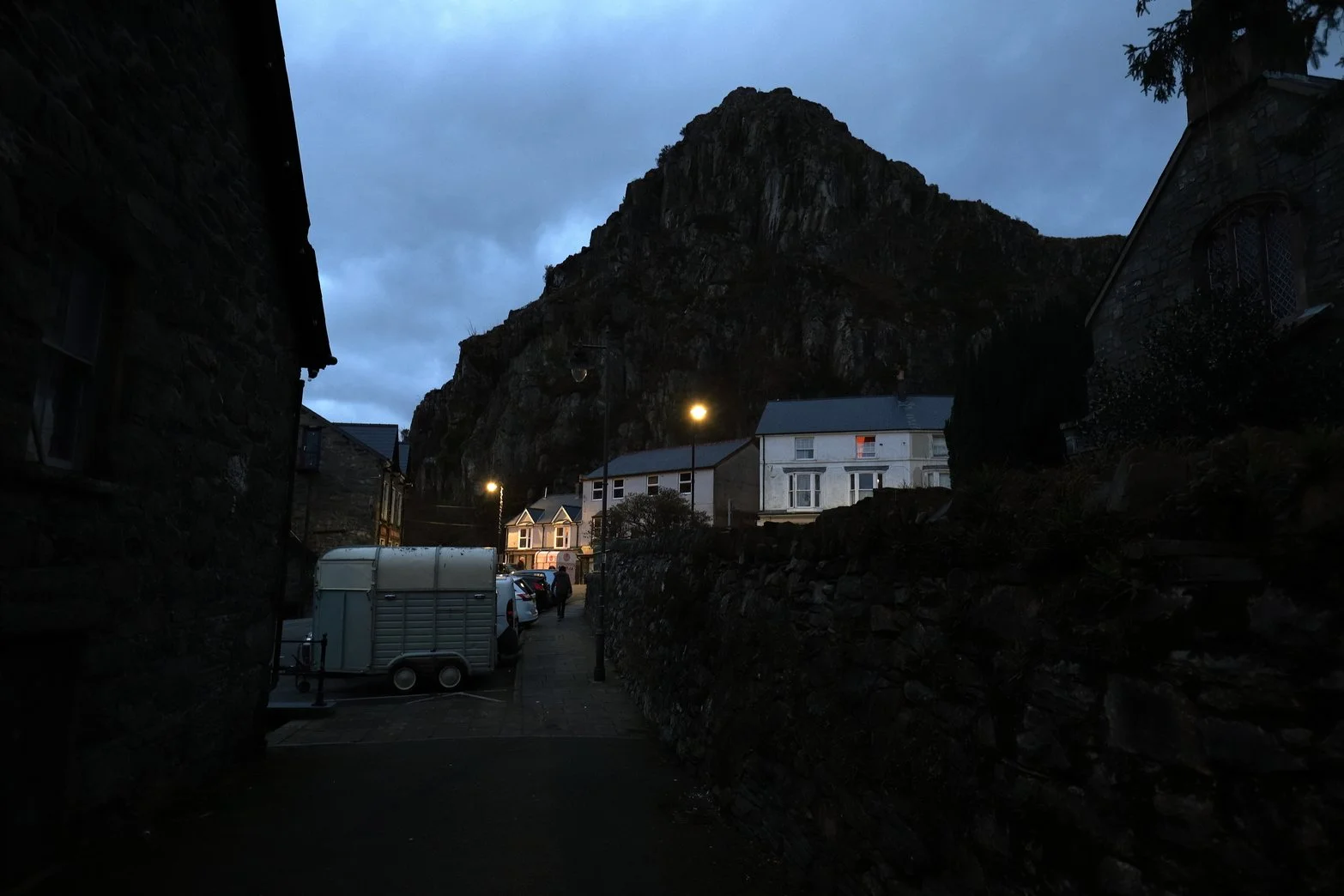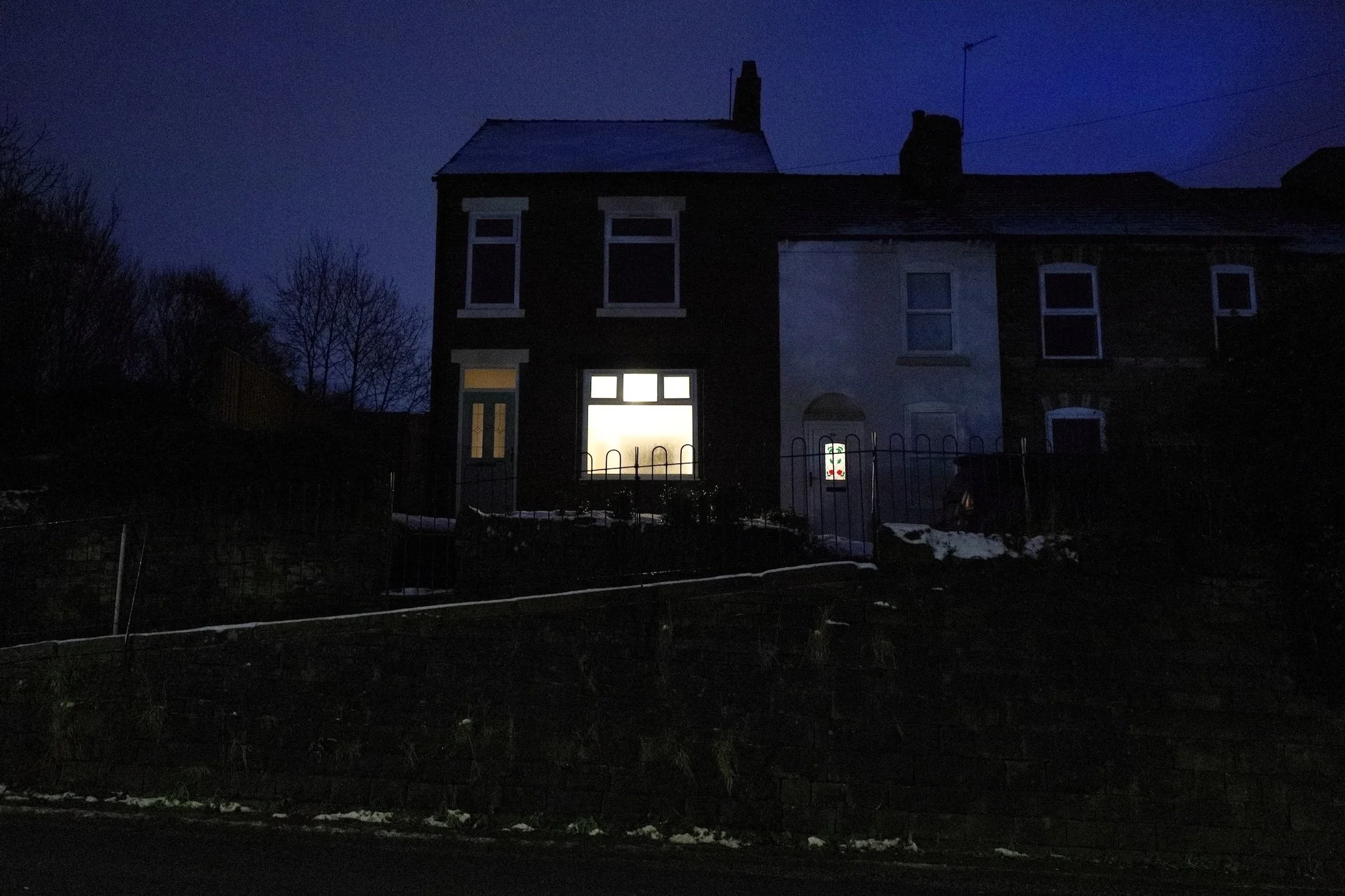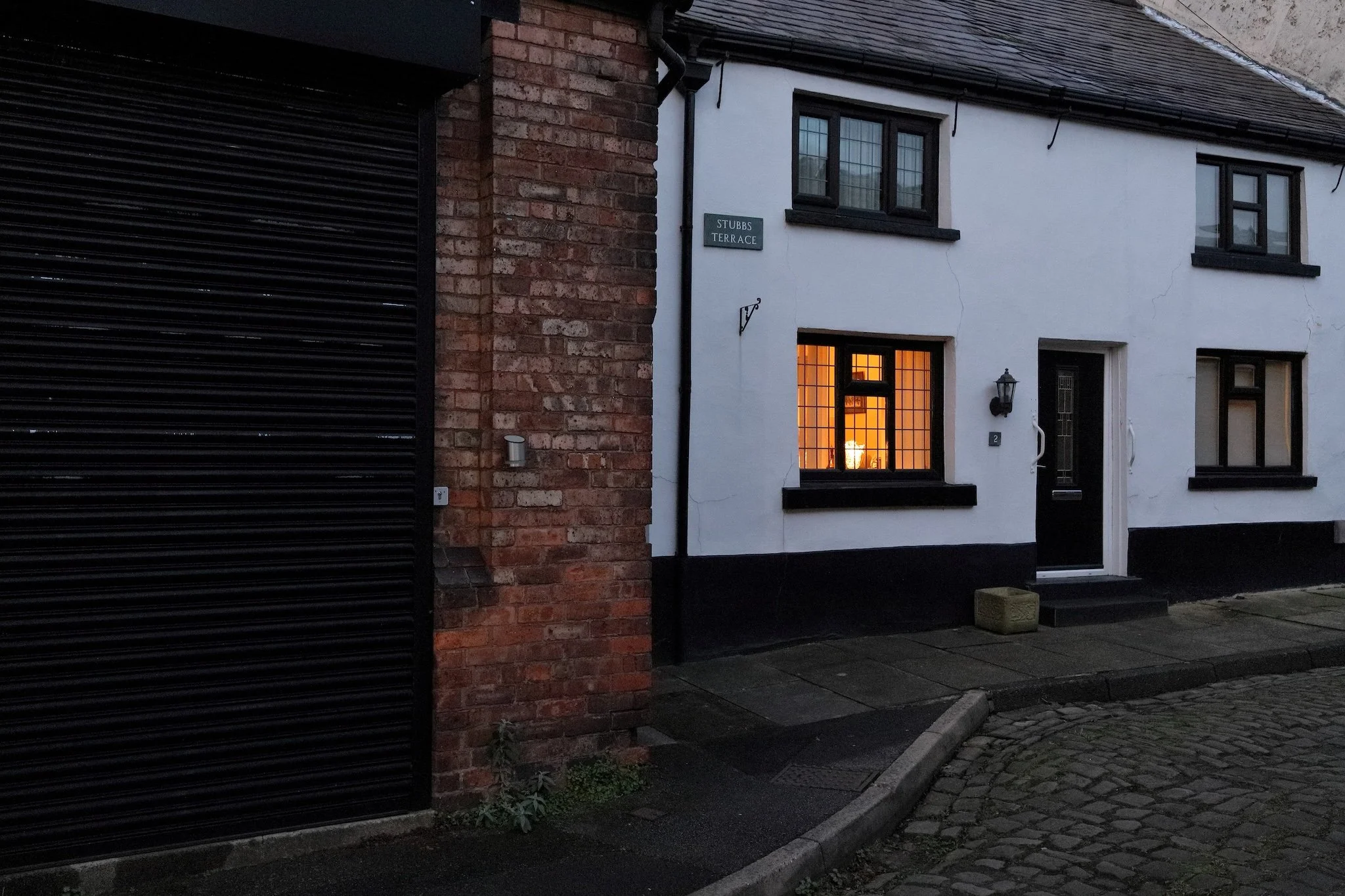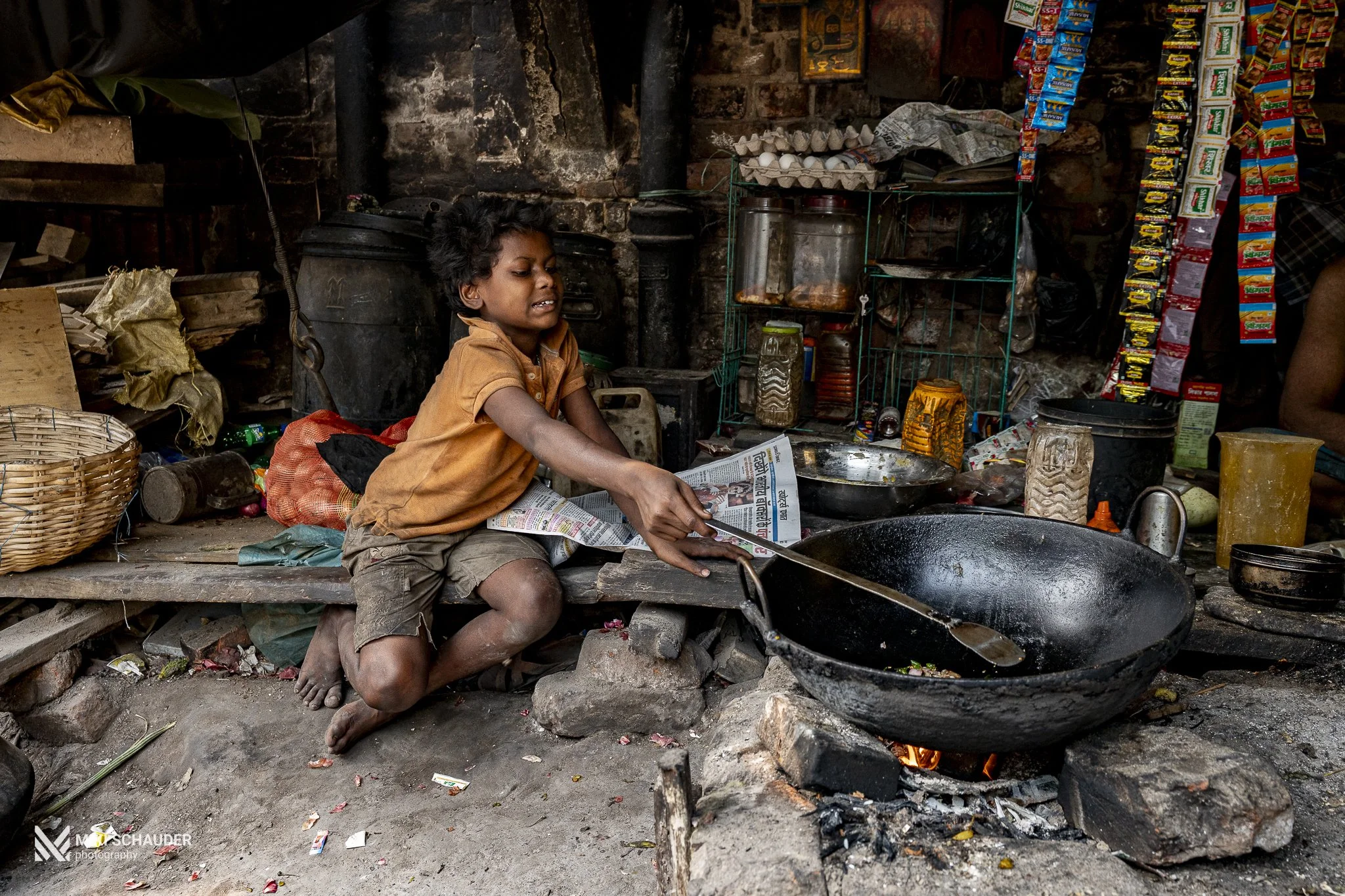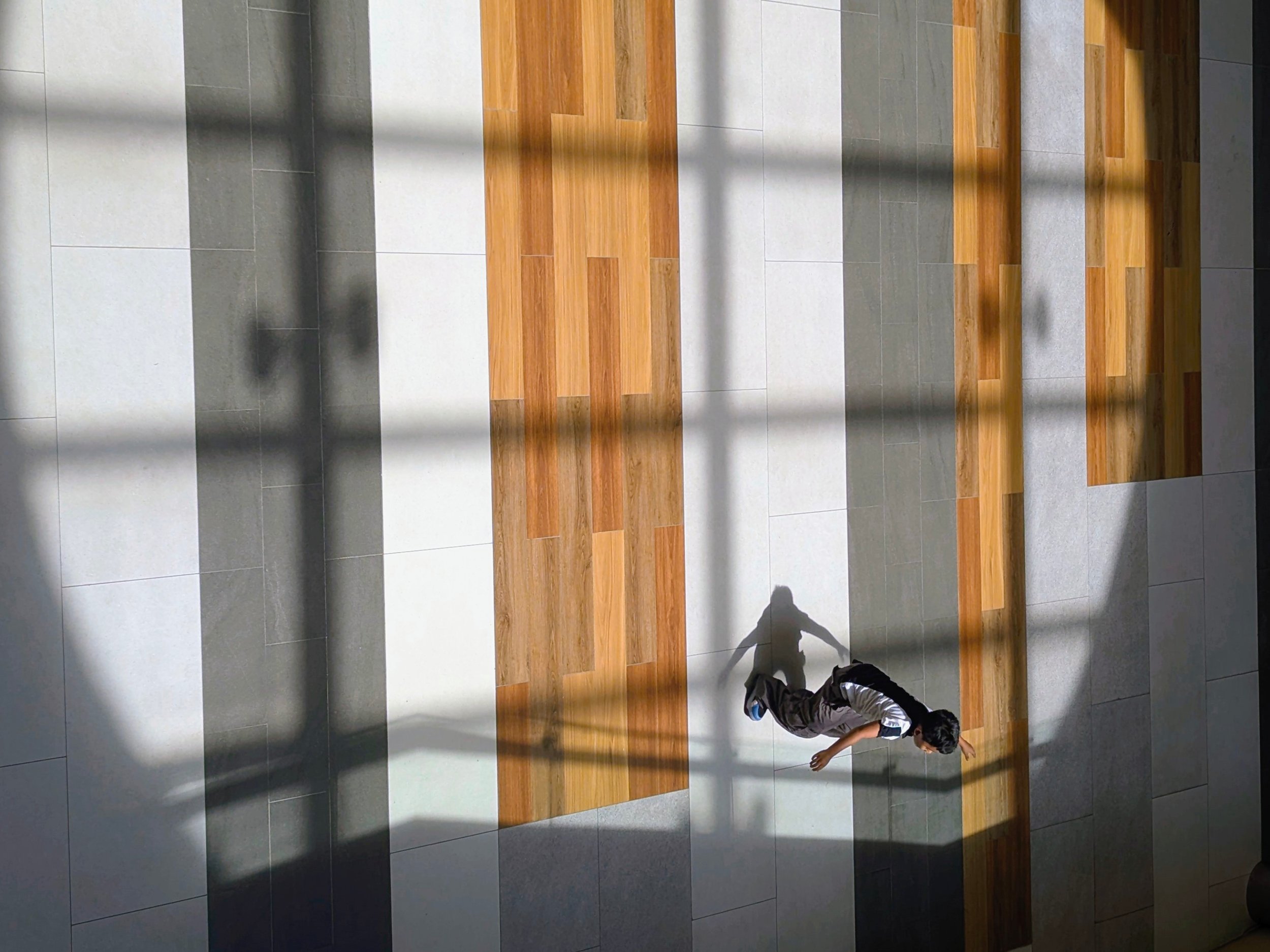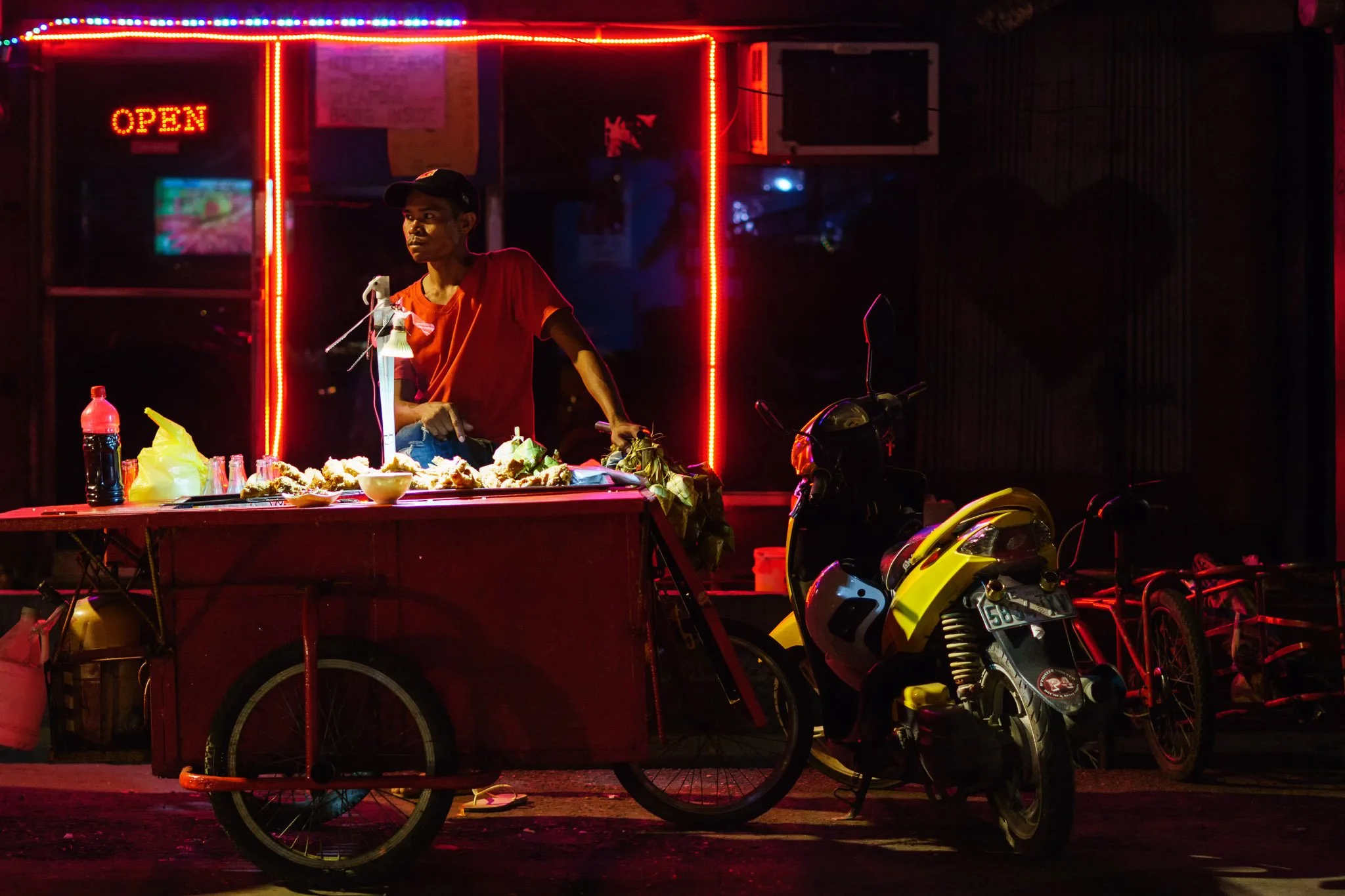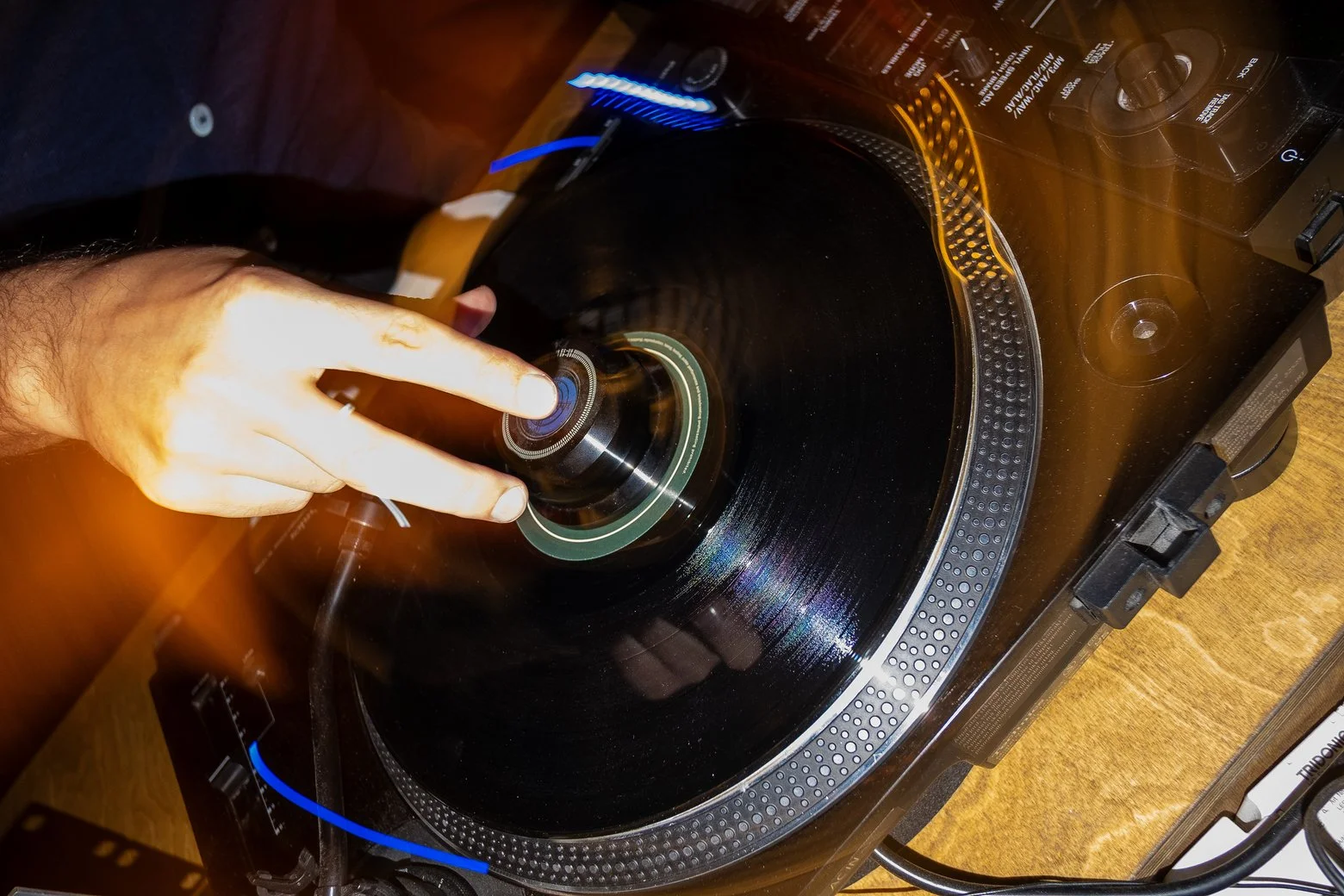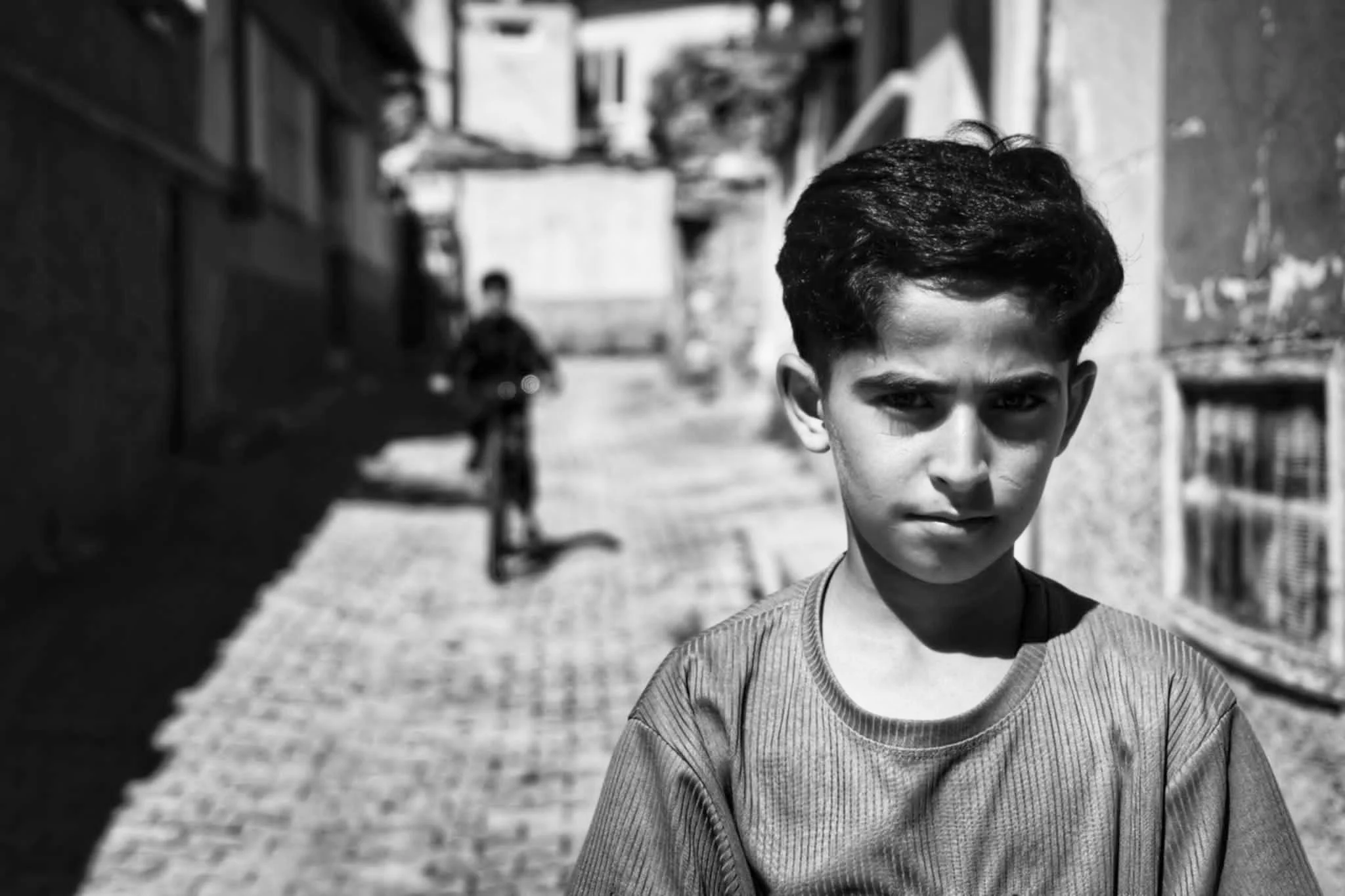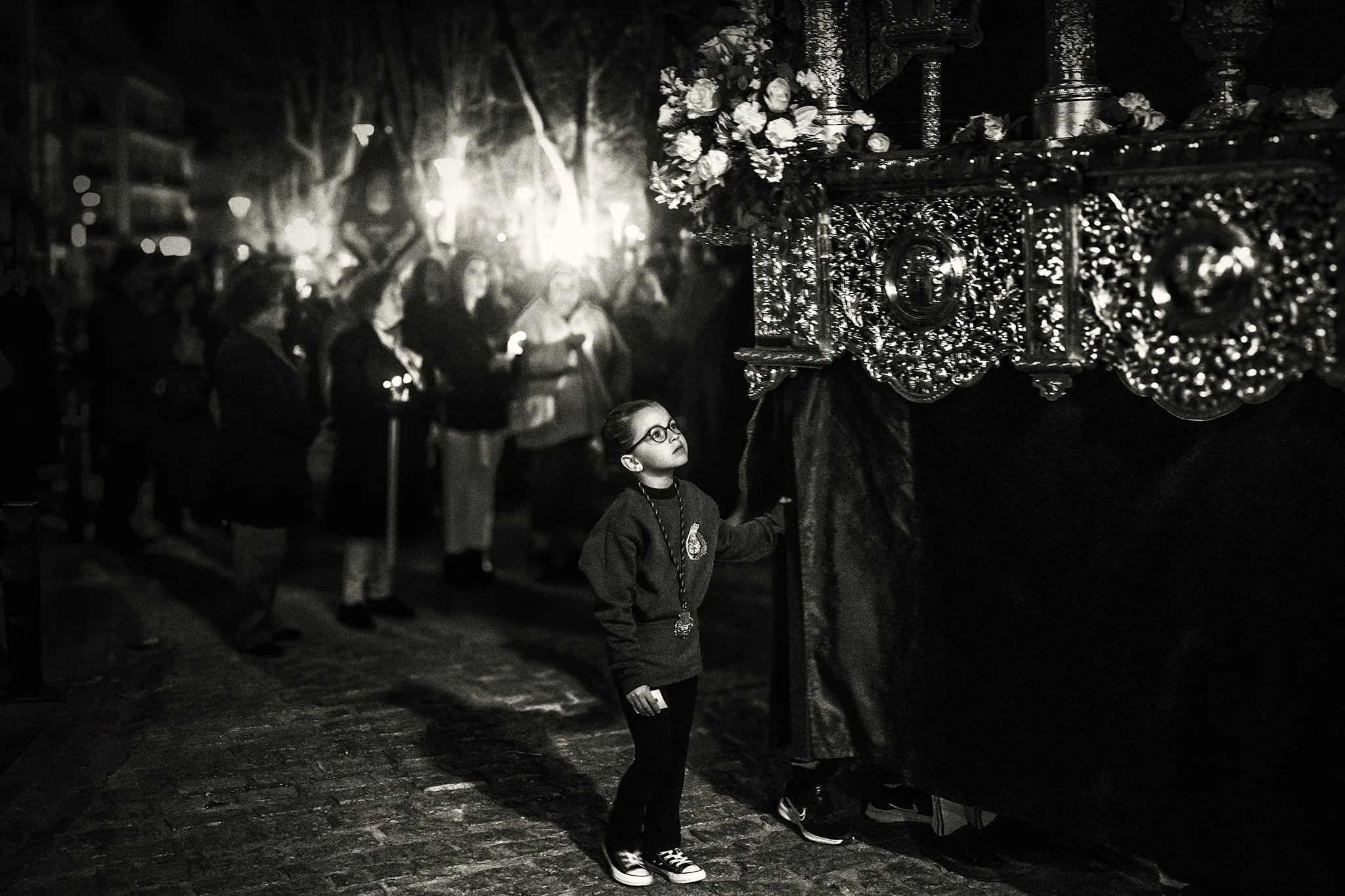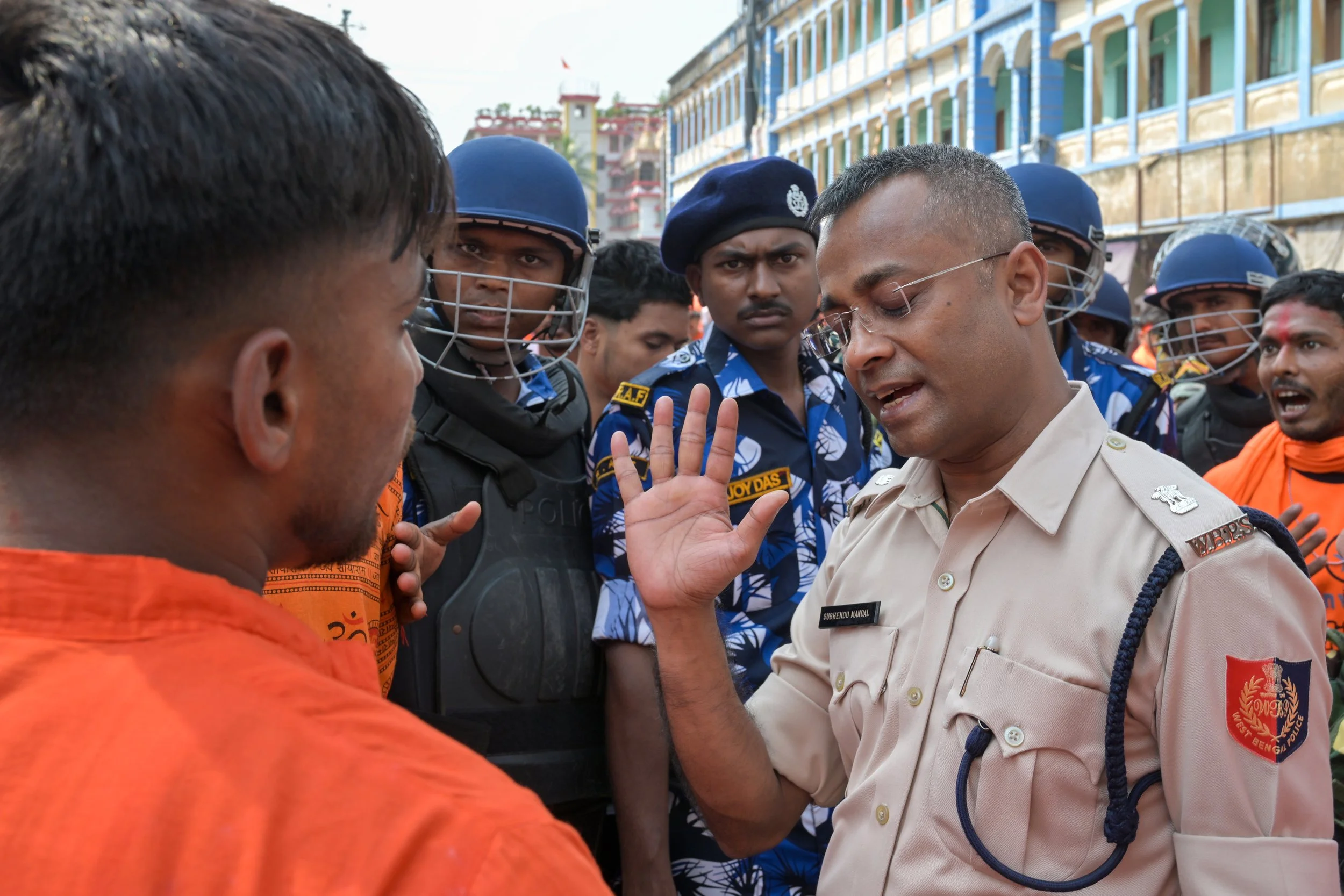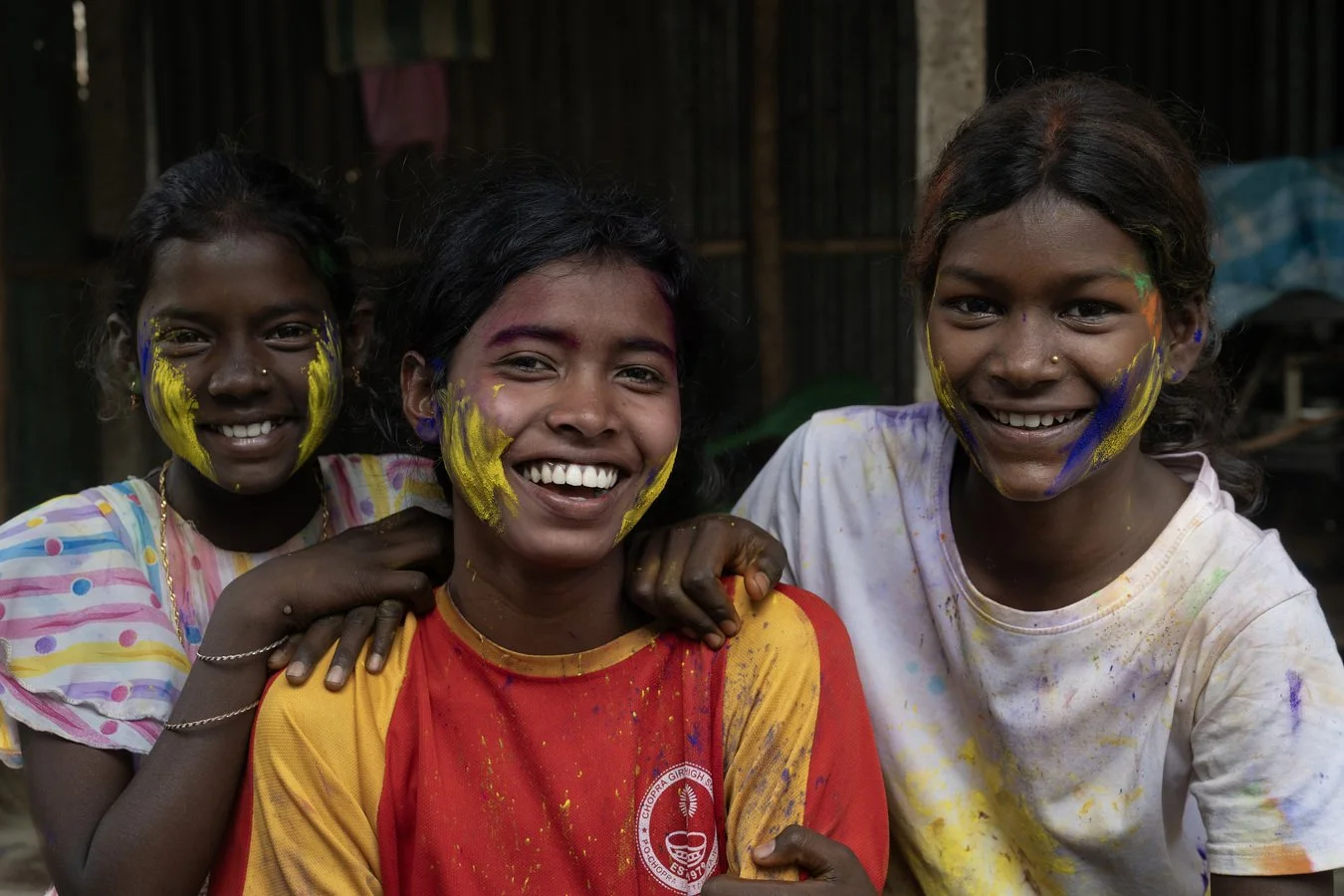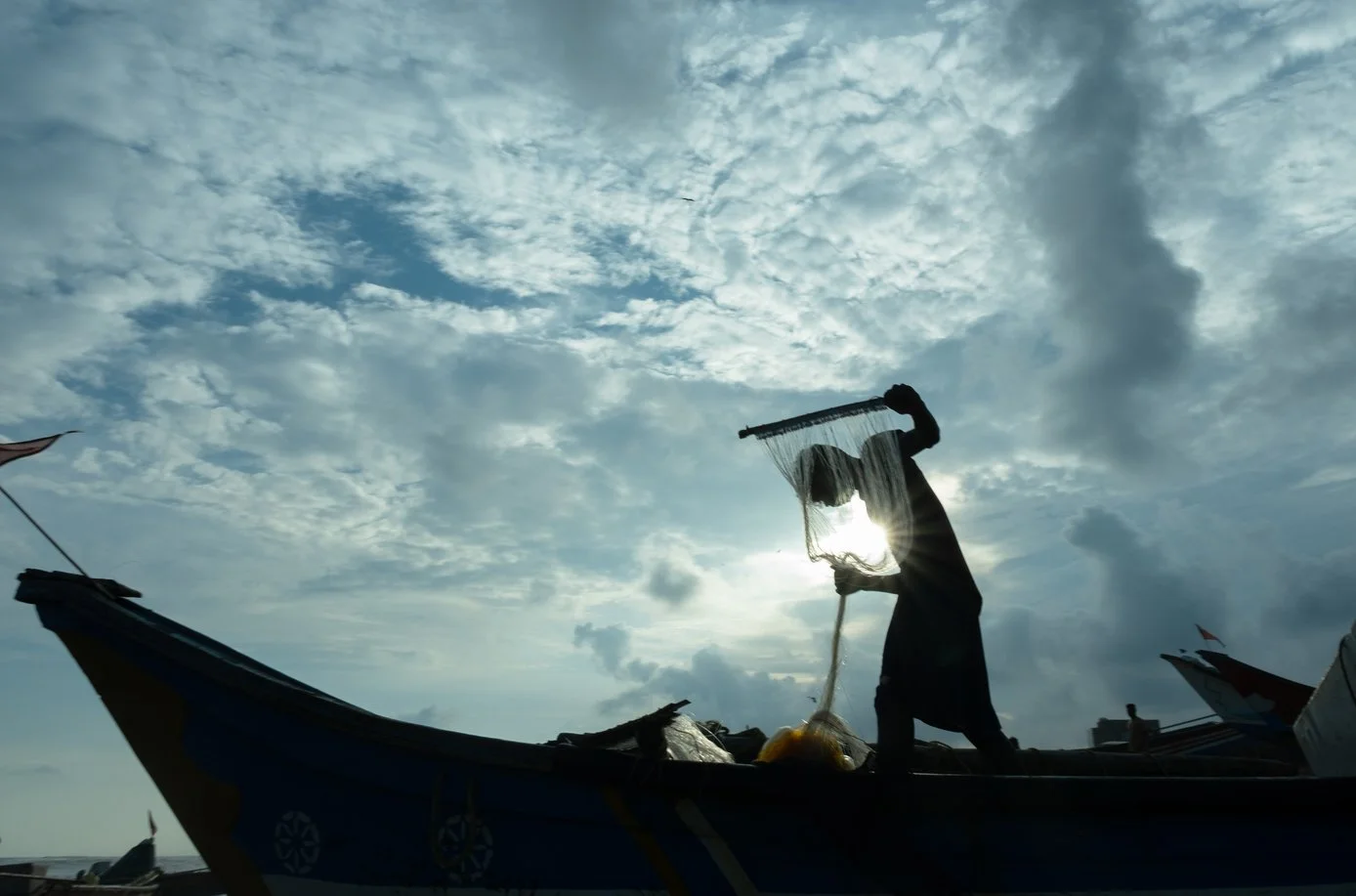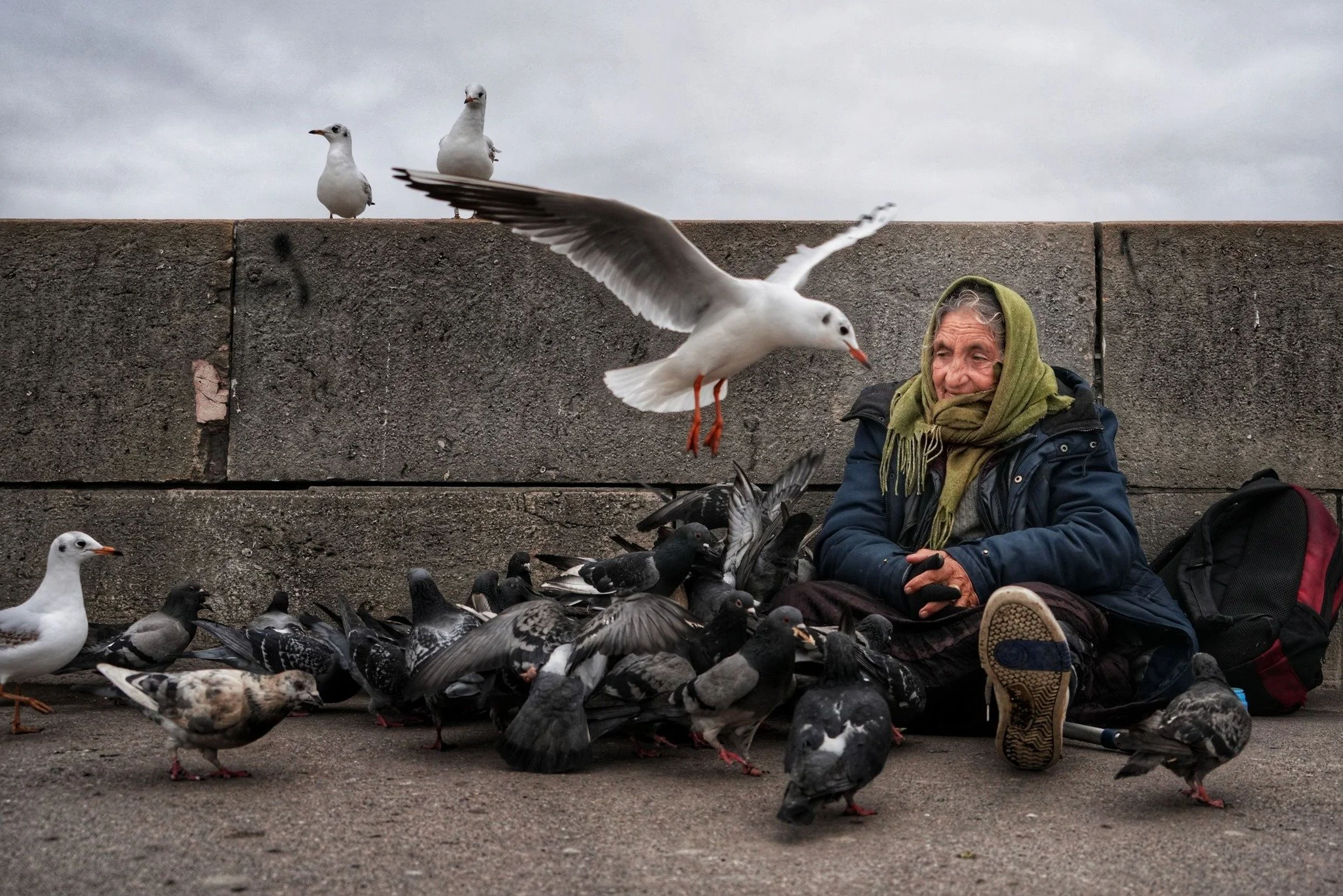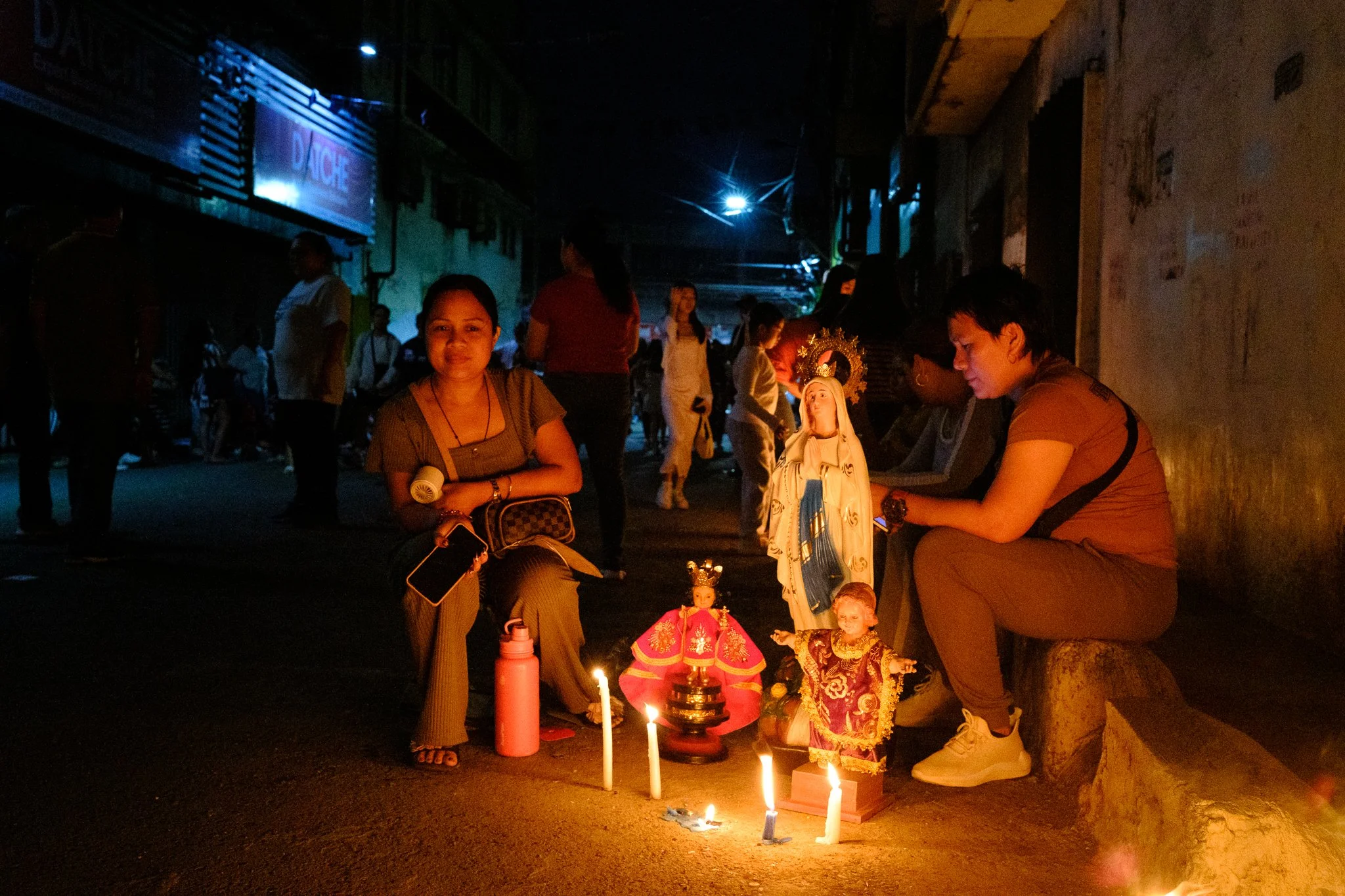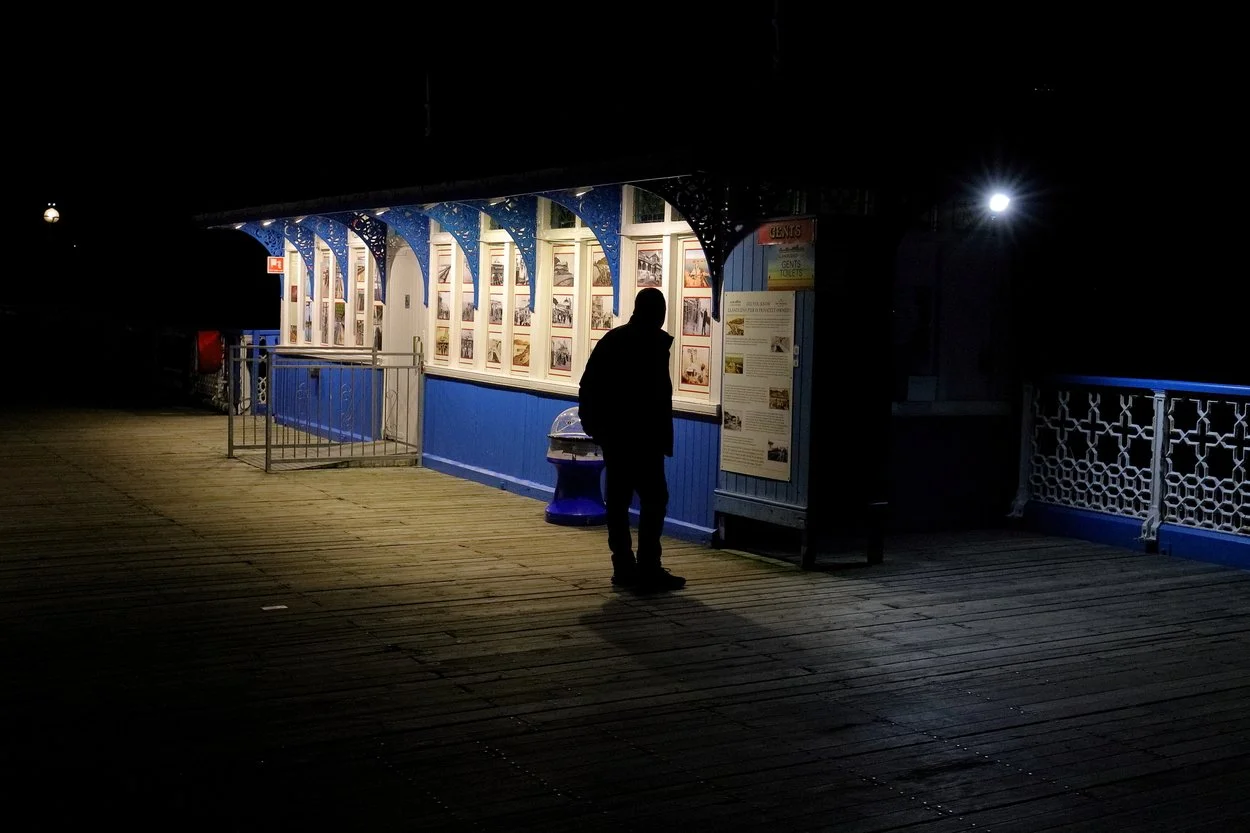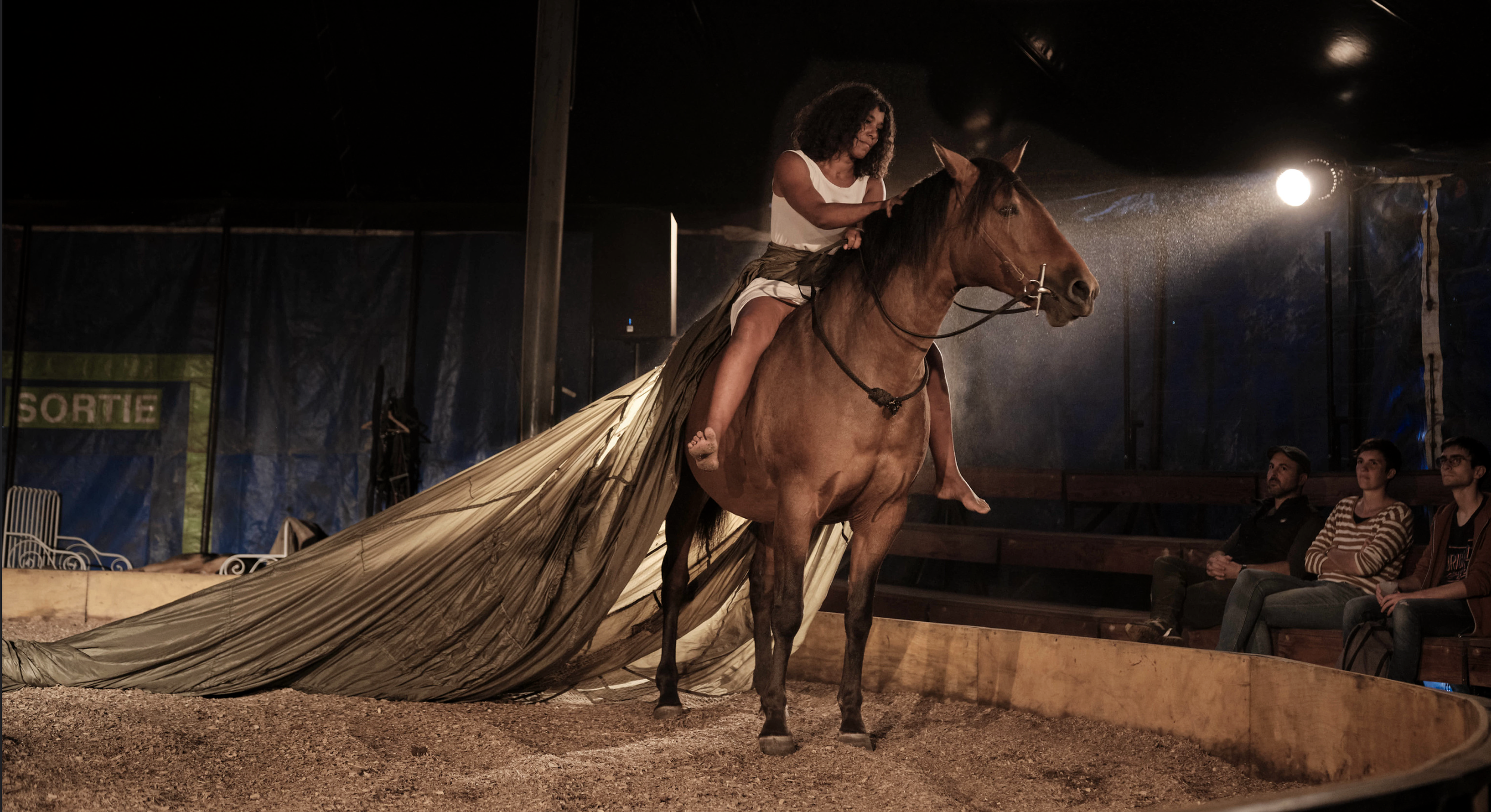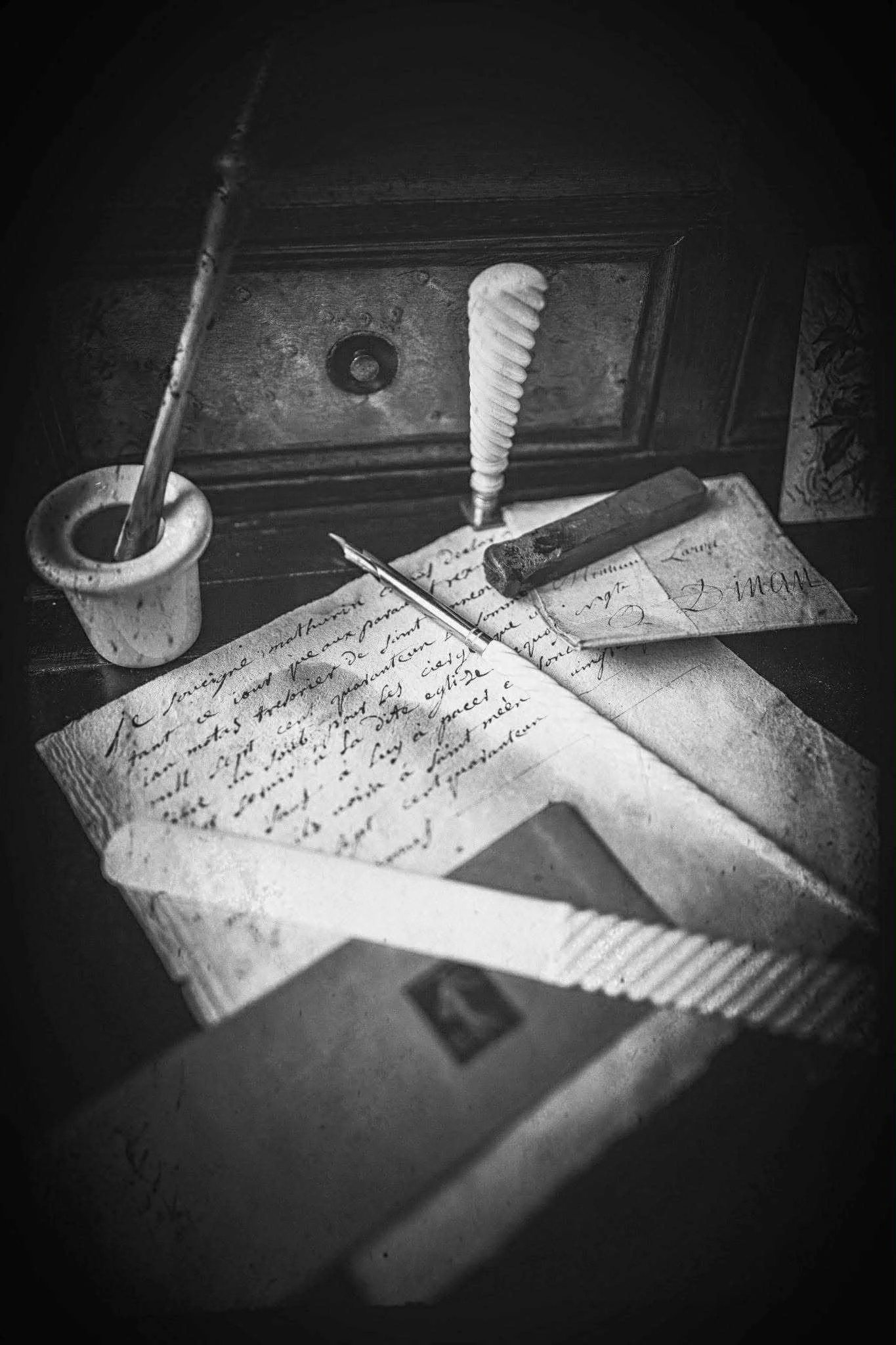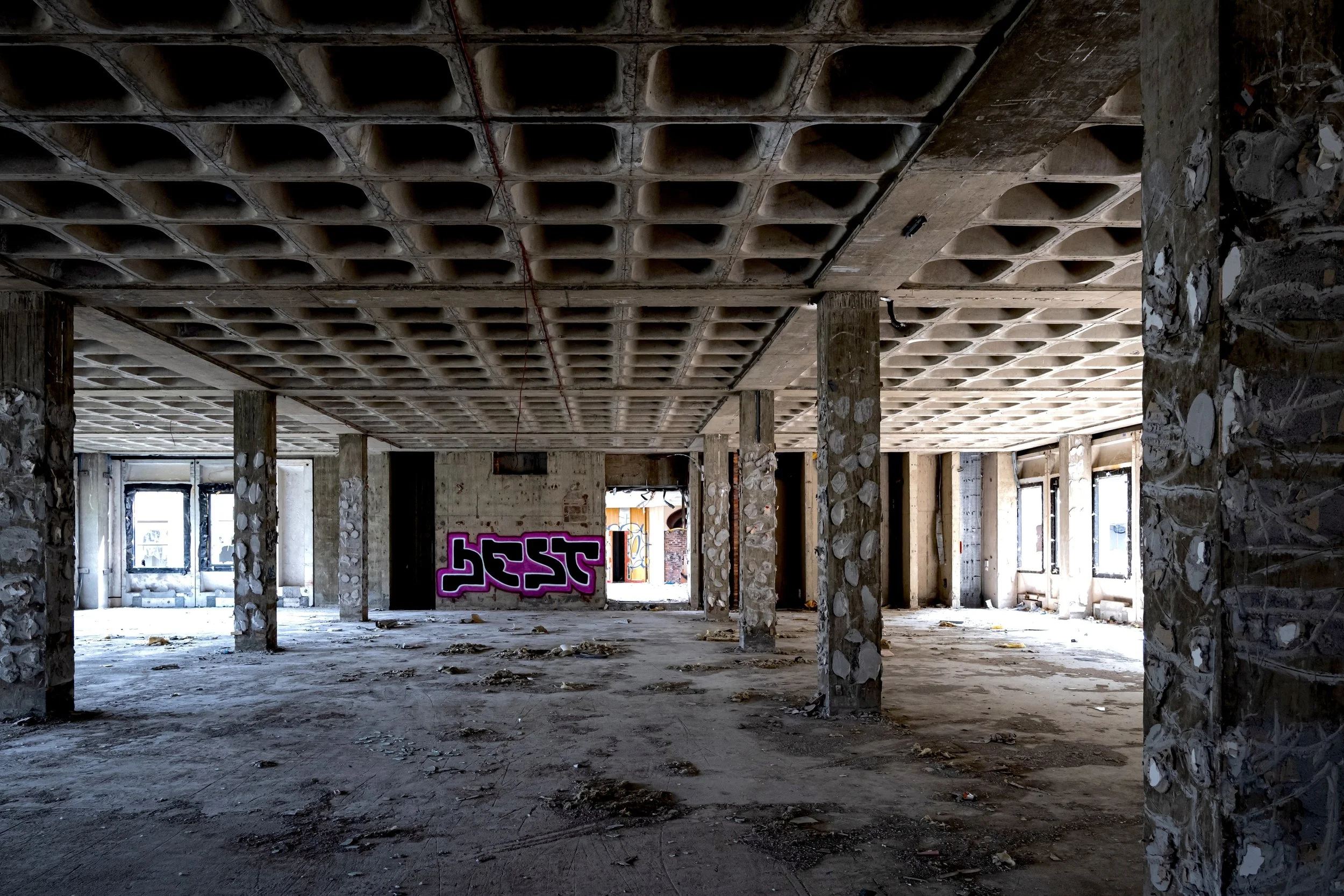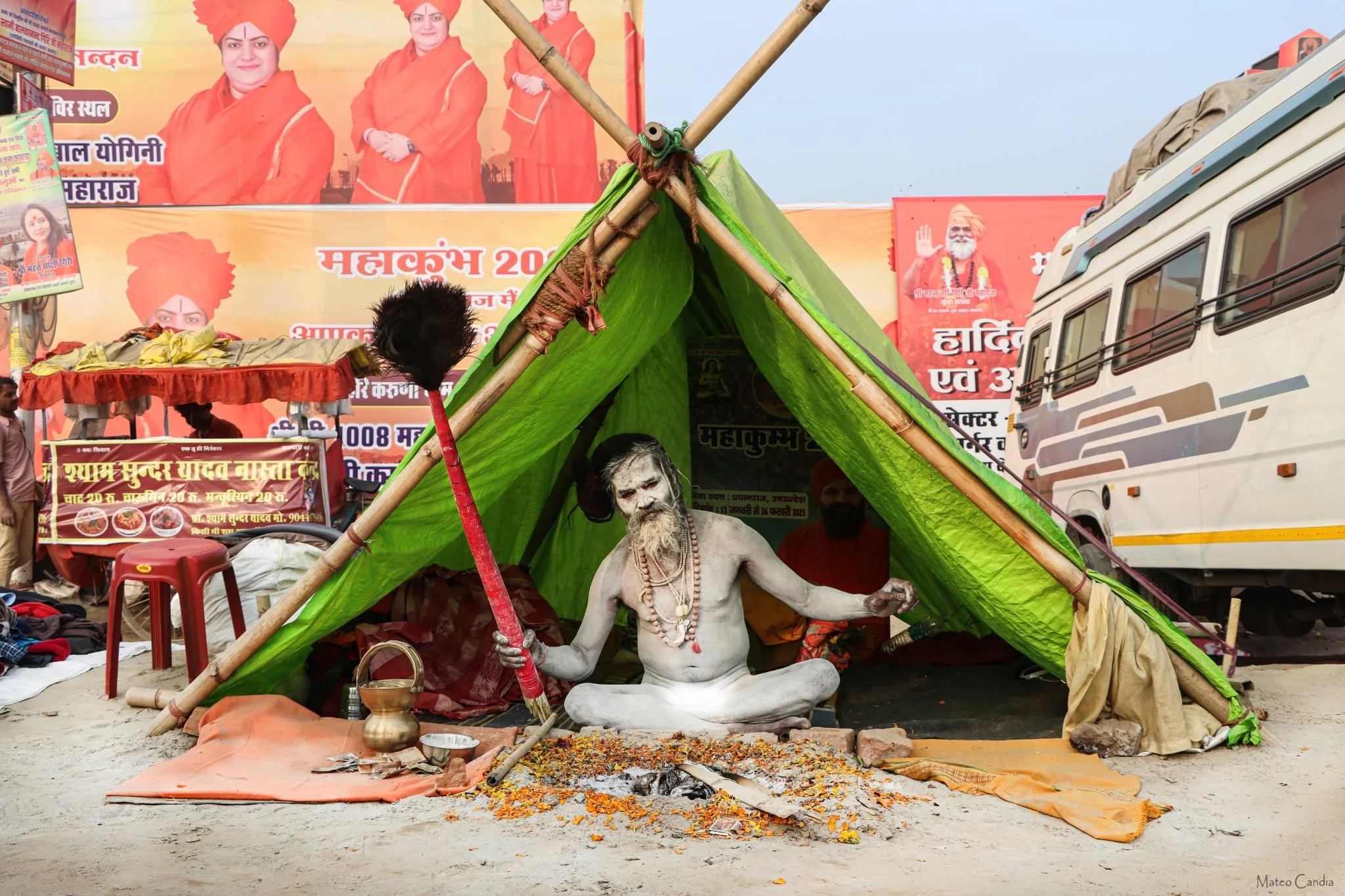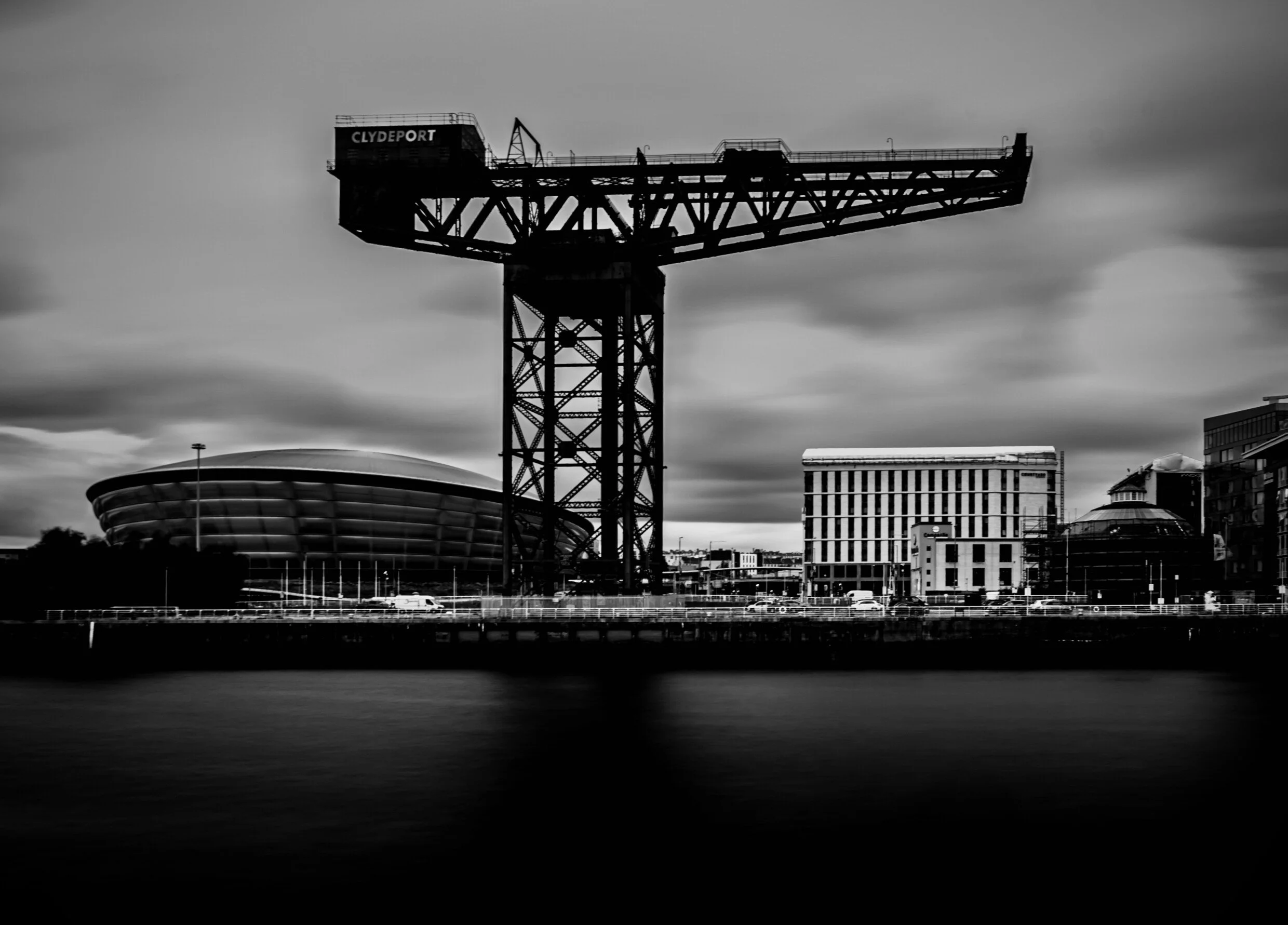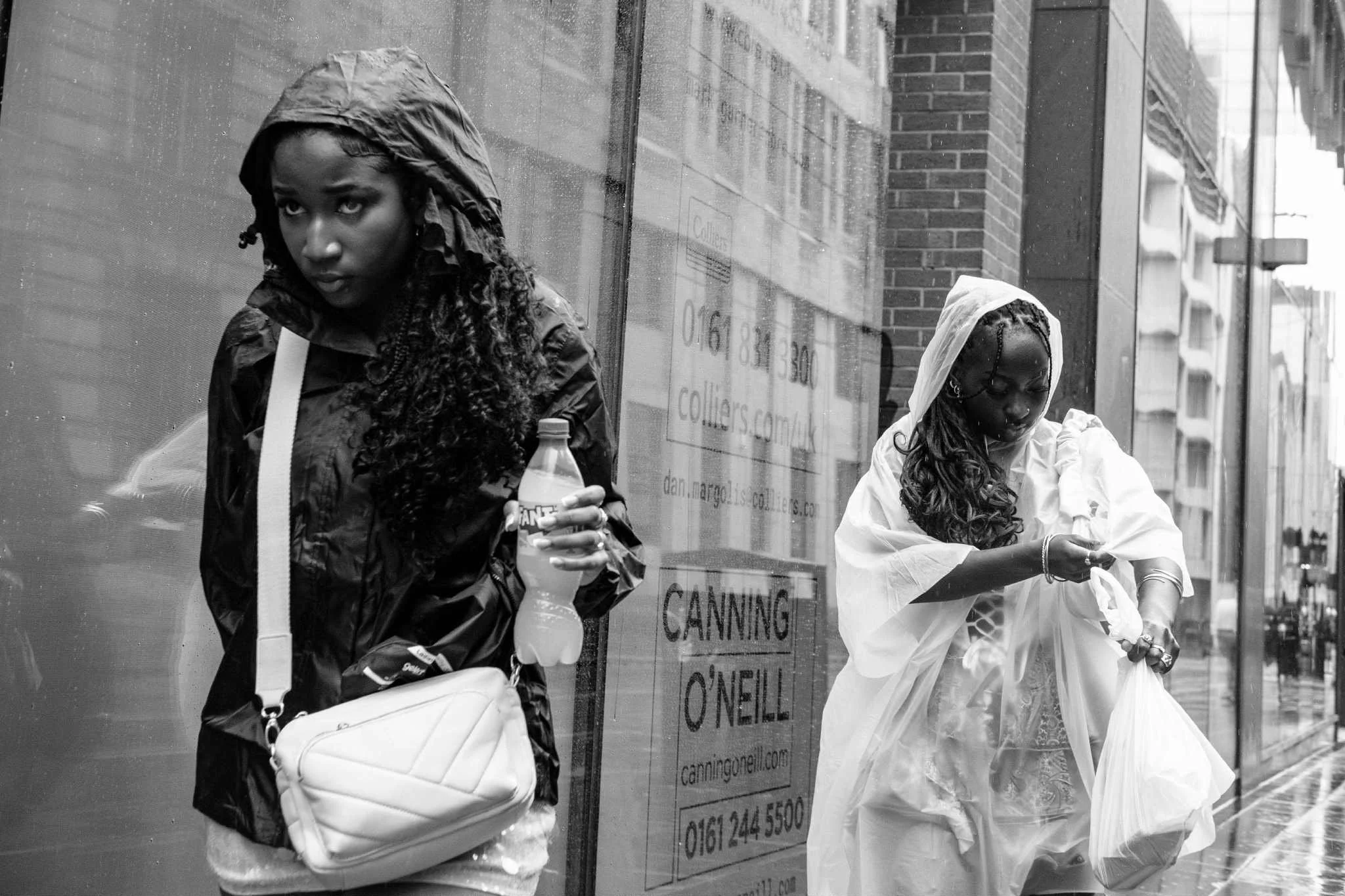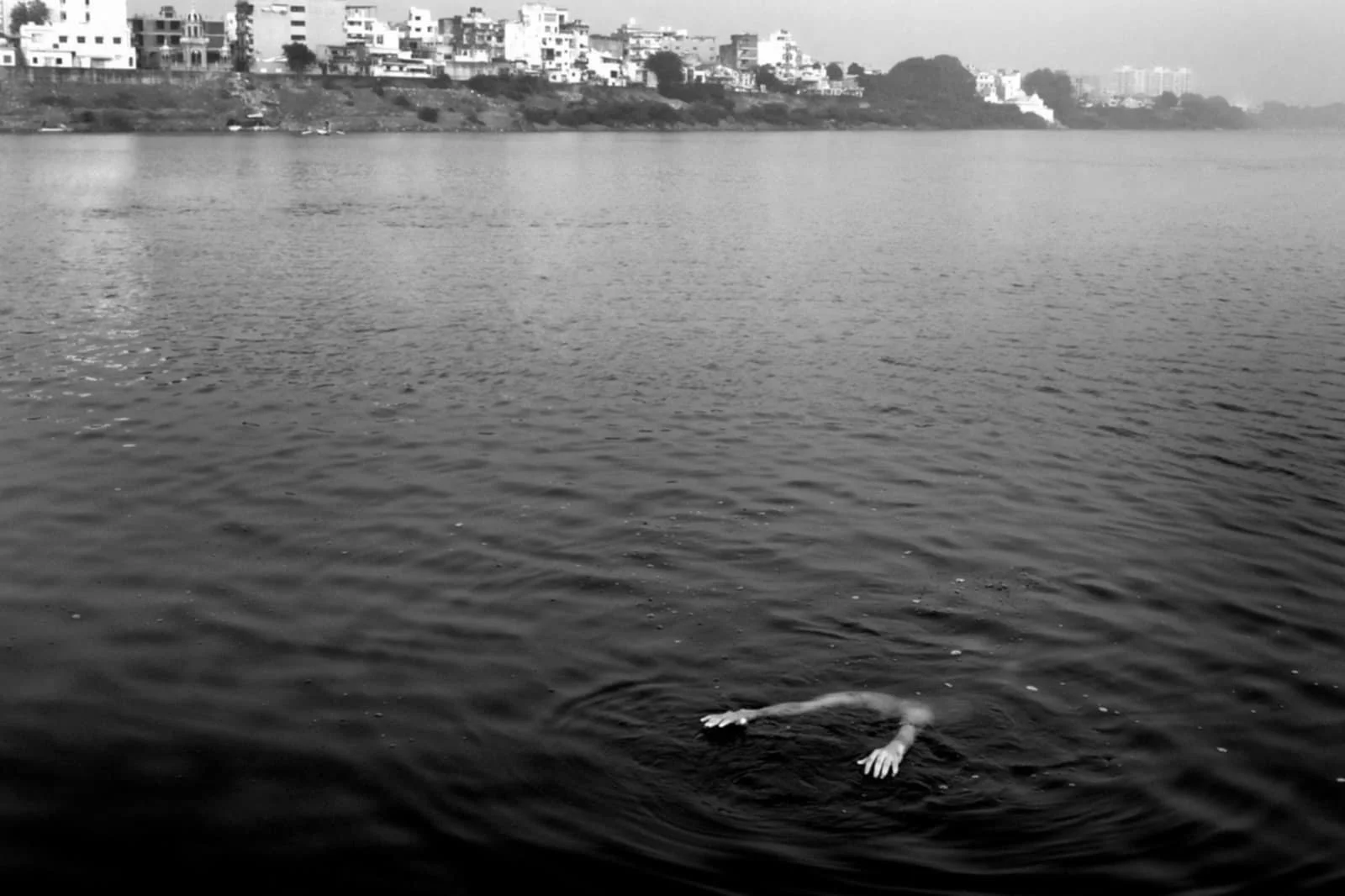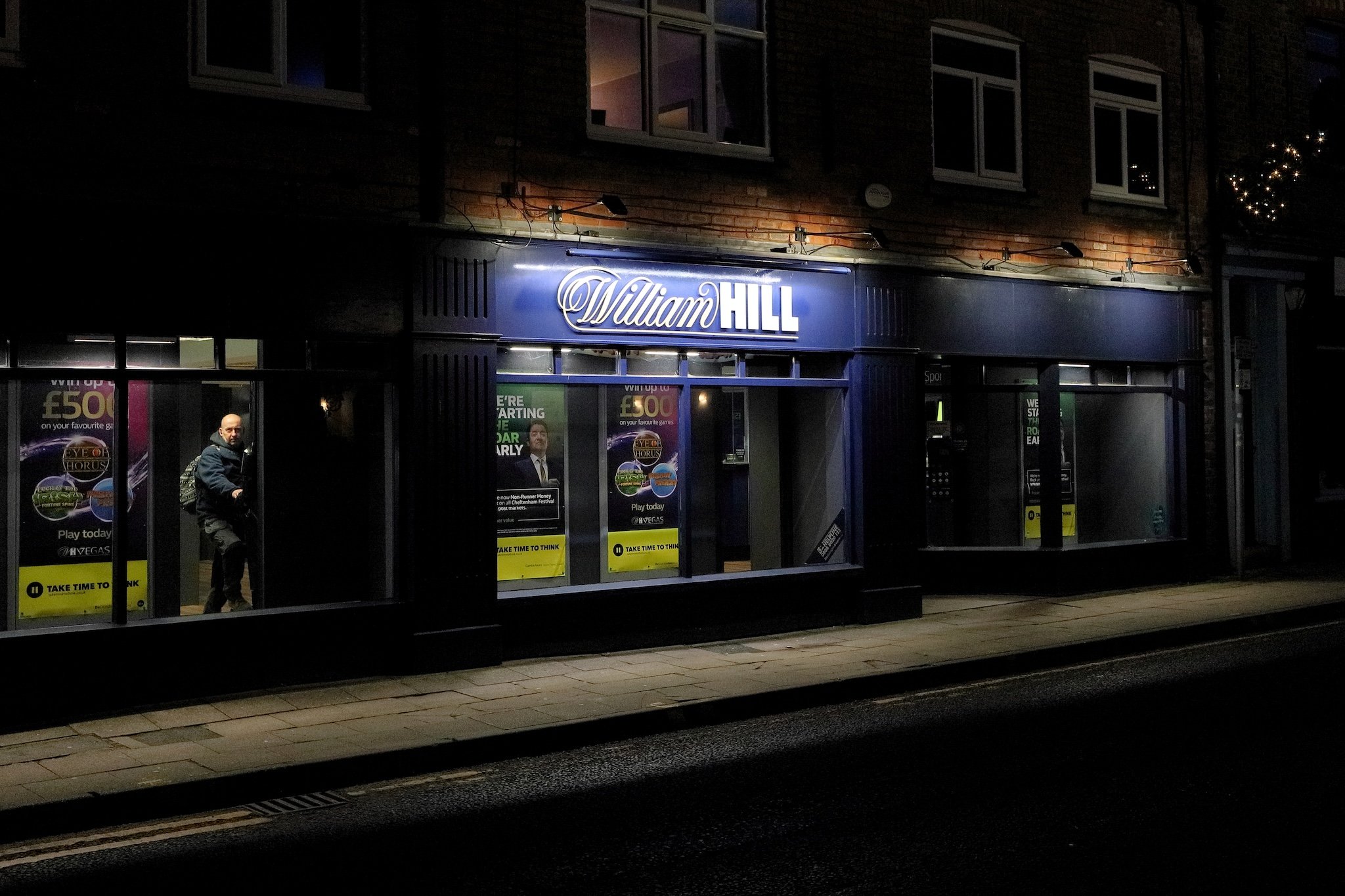
In this series, I have brought together some of my low-light, twilight and night photographs made over the last couple of years. These images are all from the north and north midlands of England and north Wales and are all urban scenes, from the cities and towns of Manchester, Macclesfield, Sheffield, Llandudno, Blaenau Ffestiniog and Derby. For this selection, I have tried to concentrate on urbanscapes and urban studies, and images that show something of how the built environment is transformed at nightfall. While I have included work both with and without a human presence, I have tried to avoid images that are primarily street photographs or street portraits that just happen to have been taken after dark.
The dark of night is a wide and deep theme in art and photography, and has long been used to create atmosphere in painterly nocturnes, as well as acting as a powerful symbol of primal fear and the mysterious unknown. This symbolism is no mere artistic whimsey - after all, it would have been a bold caveman who stepped beyond the flickering circle of light from the fire into the foreboding darkness beyond. And while the idea of elemental night may seem to have little relevance to the urban landscape of the north, the night-time image is an aesthetic decision as well as a symbolic device. Vincent van Gogh wrote that the night was more alive and more richly coloured than the day, with hues of the most intense violets, blues and greens. For me, the appeal of night-time photography lies somewhere between these two aspects, in some combination of the caveman's firelight and all it stands for and the aesthetic darkness of Van Gogh's rich violets and blues. I think this contrast between warm lit interiors and the shadowy blues of twilight and dark night can be seen in at least some of these photographs.
The practice of night photography is not that much younger than photography itself, and by the end of the nineteenth century photographers such as Paul Martin in London and Alfred Stiglitz in New York were able to produce significant bodies of nocturnal work. These pioneering efforts were developed and expanded upon by figures as diverse as Brassai and O. Winston Link, and more recently photographers such as Richard Misrach, Steve Fitch and Joel Meyerowitz have all produced night or twilight work.
One significant change in the practice of night photography, or significant for me at least, has been the development of the digital camera. Until fairly recently, night photography has been a relatively cumbersome business, usually requiring at least a tripod and long exposure and some rudimentary planning before taking a photograph. And while this is still perhaps the ideal method for achieving a pin-sharp night-time image, the twilight and night photographs featured here have all been made in a more-or-less street-photography style, using a hand-held digital SLR, wide-angle lens and ISO of up to 3200, 6400 and sometimes 128000. None of these images were made as part of a planned series of night photographs, and many were taken fortuitously, after a day of urban photography, or in short breaks around other activities. Had a tripod and shutter-release cable been necessary for taking these photographs, very few of them would have been made in the first place.
Photographs taken with a Canon 6dii, with a 28 mm or 35 mm fixed-length lens, or a 16-35 mm or 24-70 mm zoom