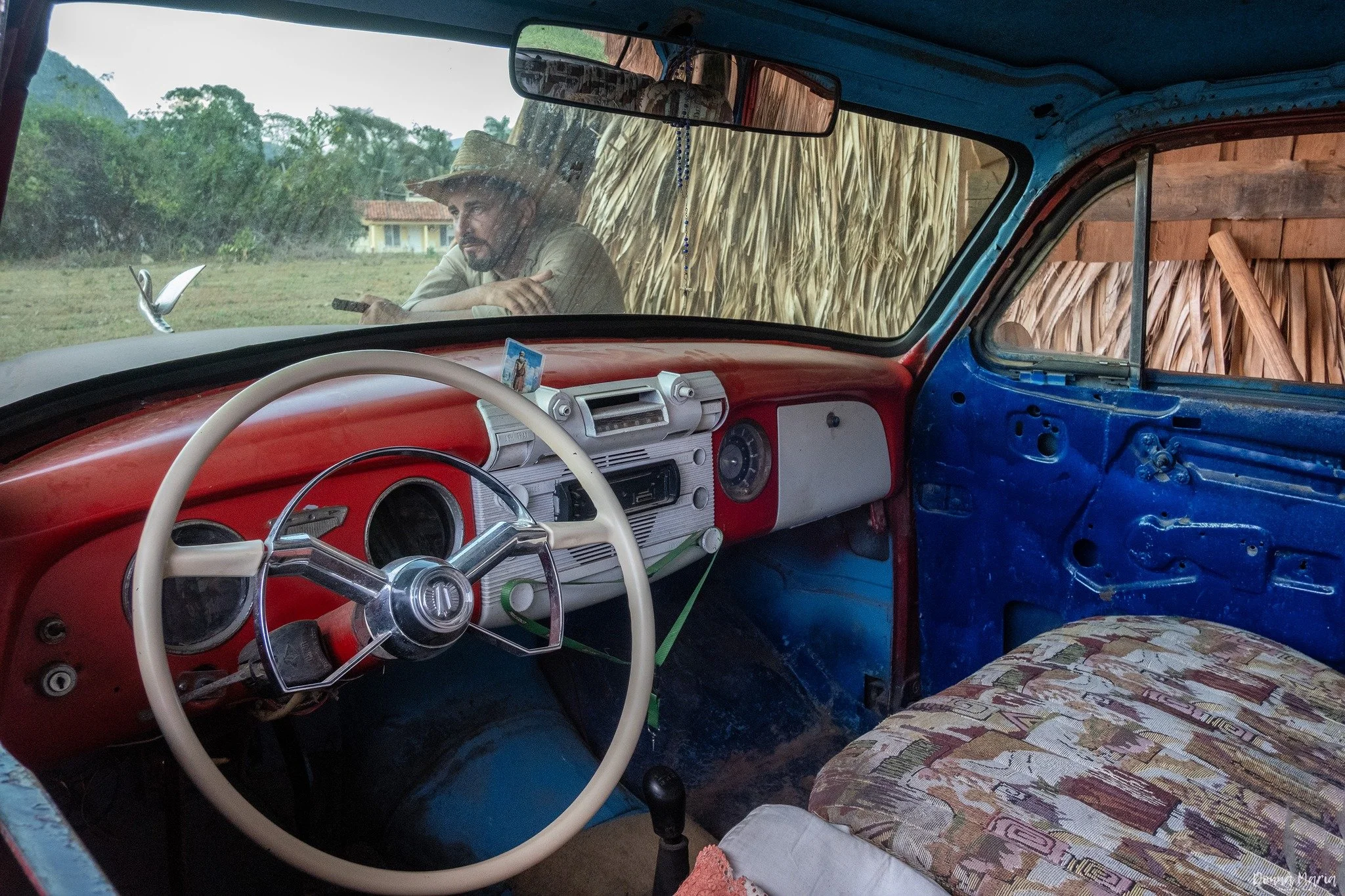
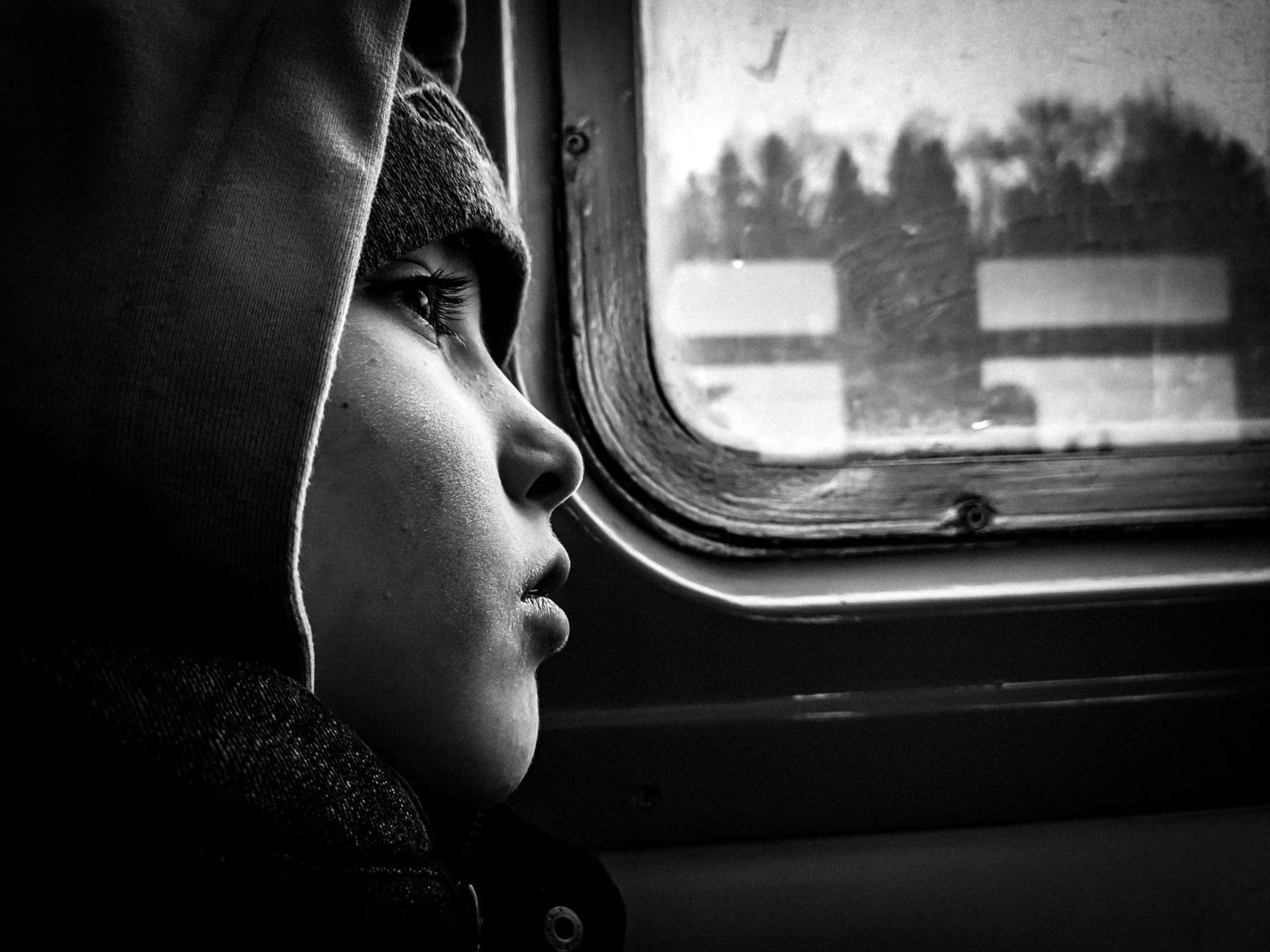
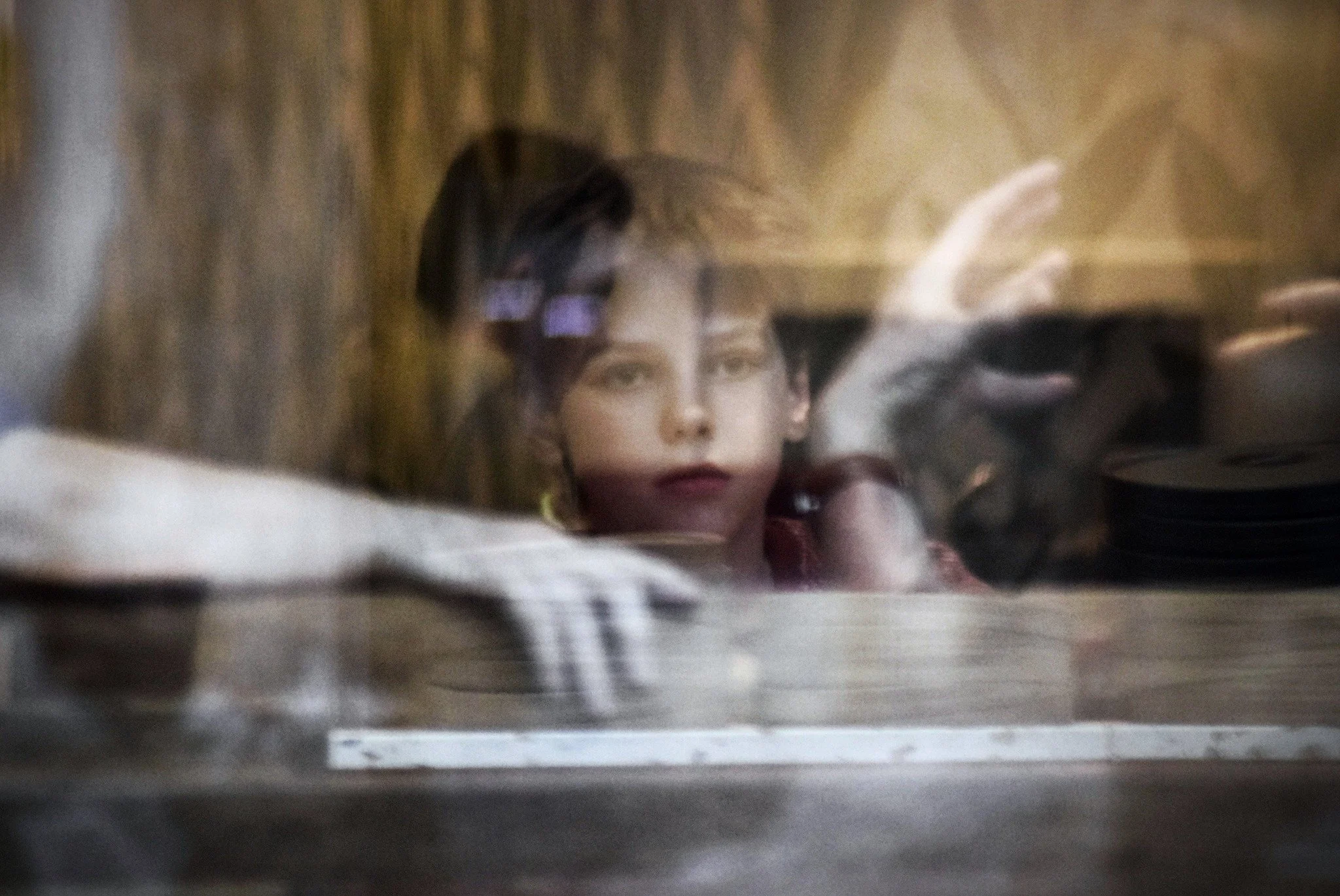
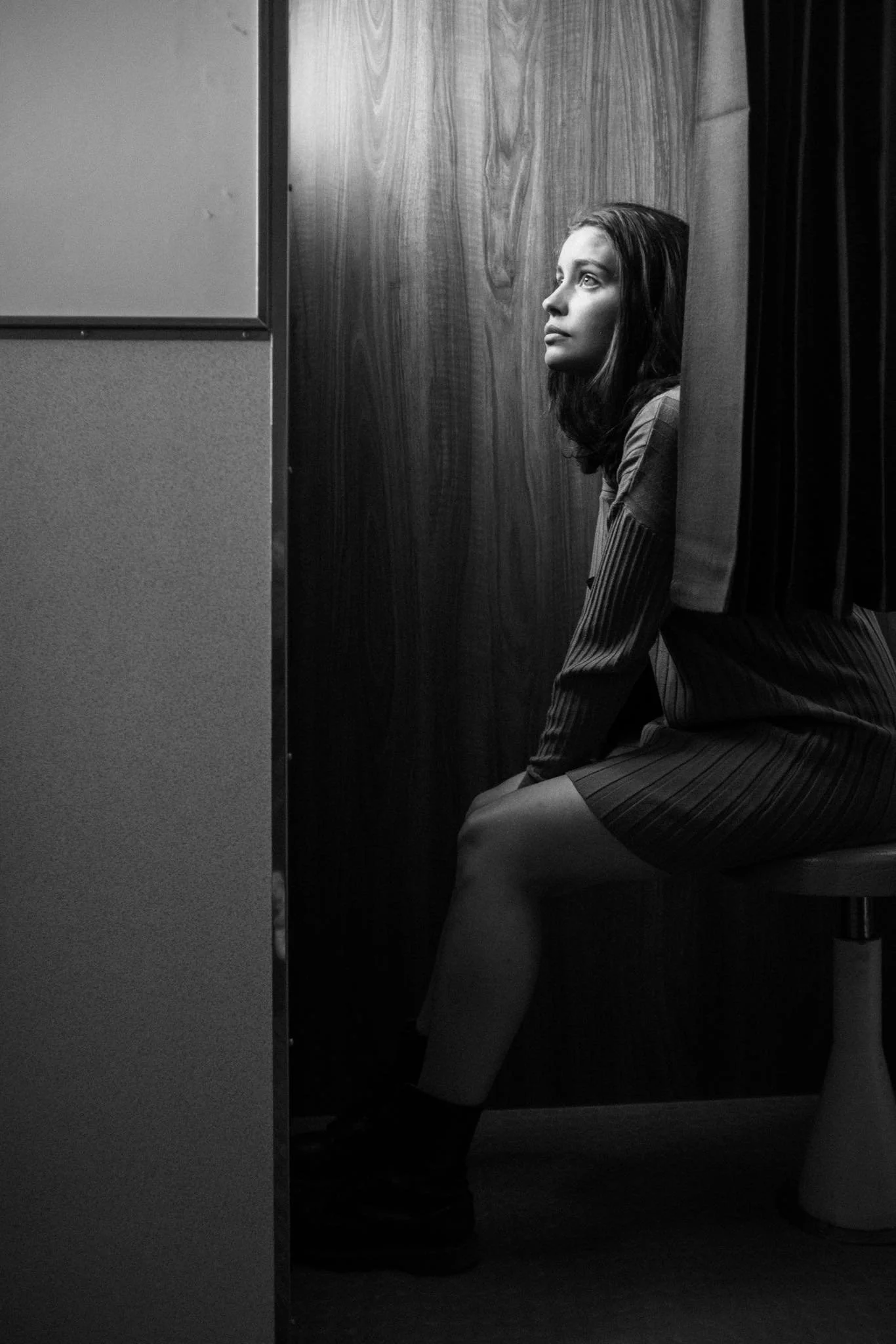
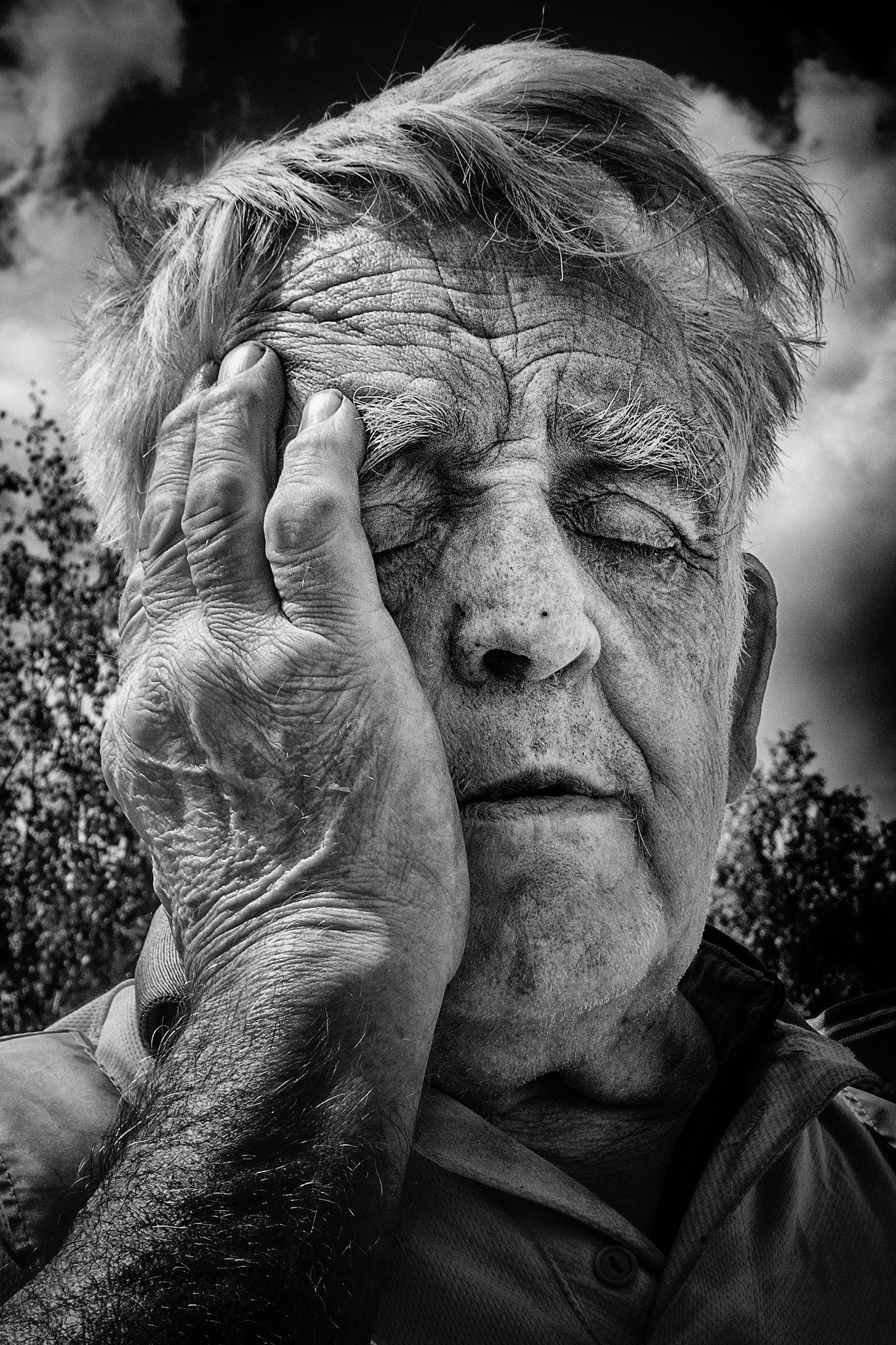
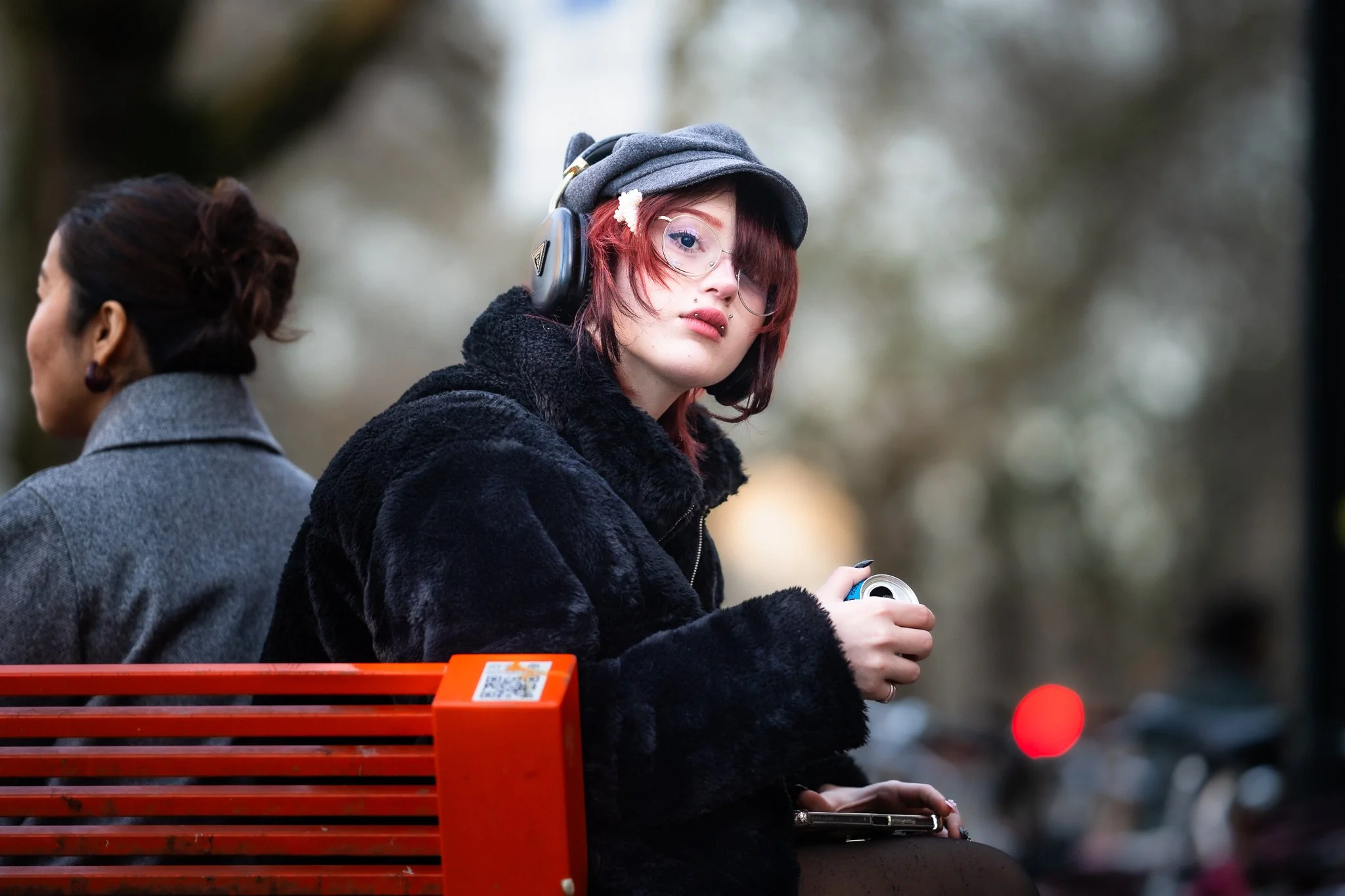
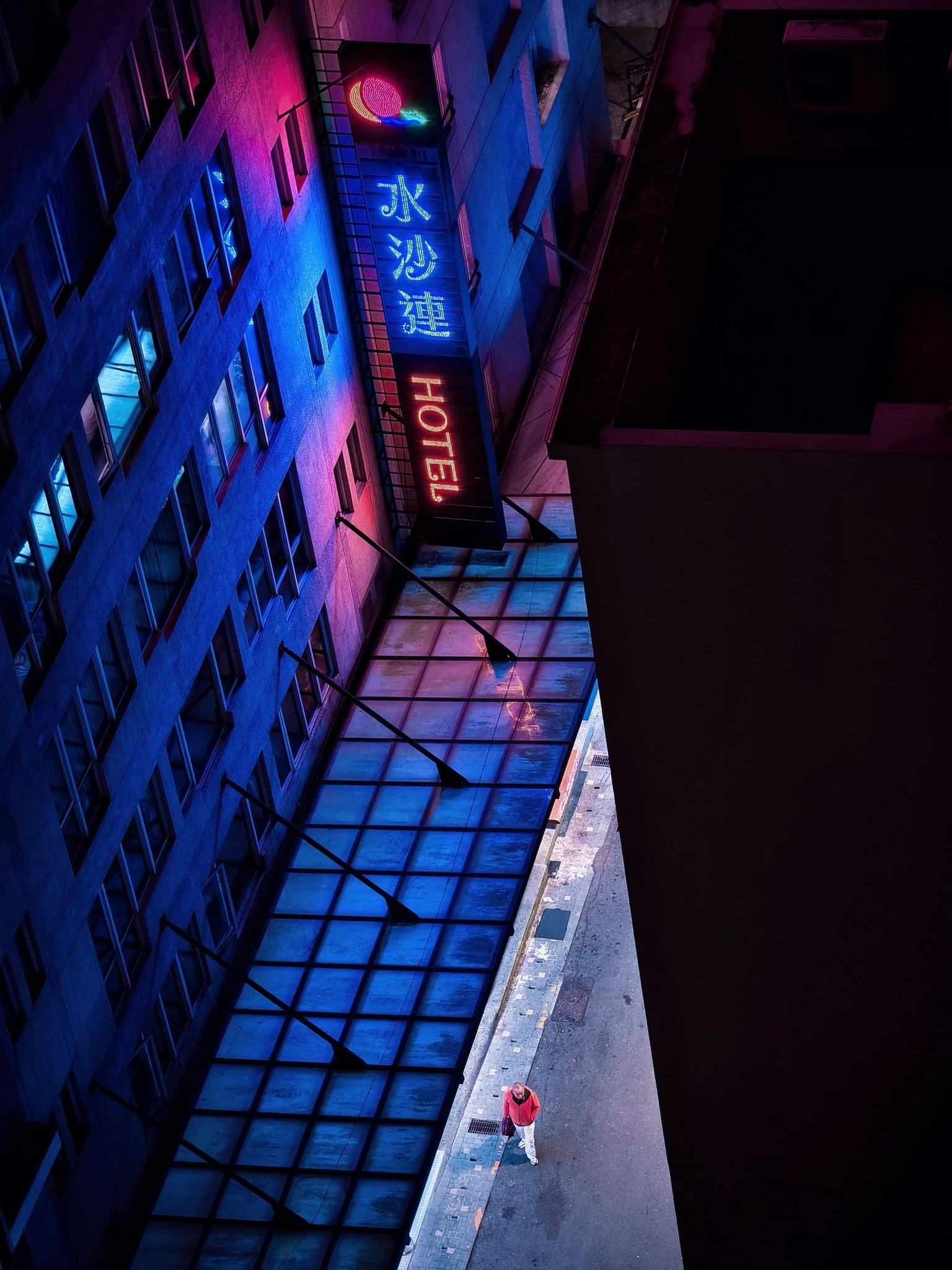
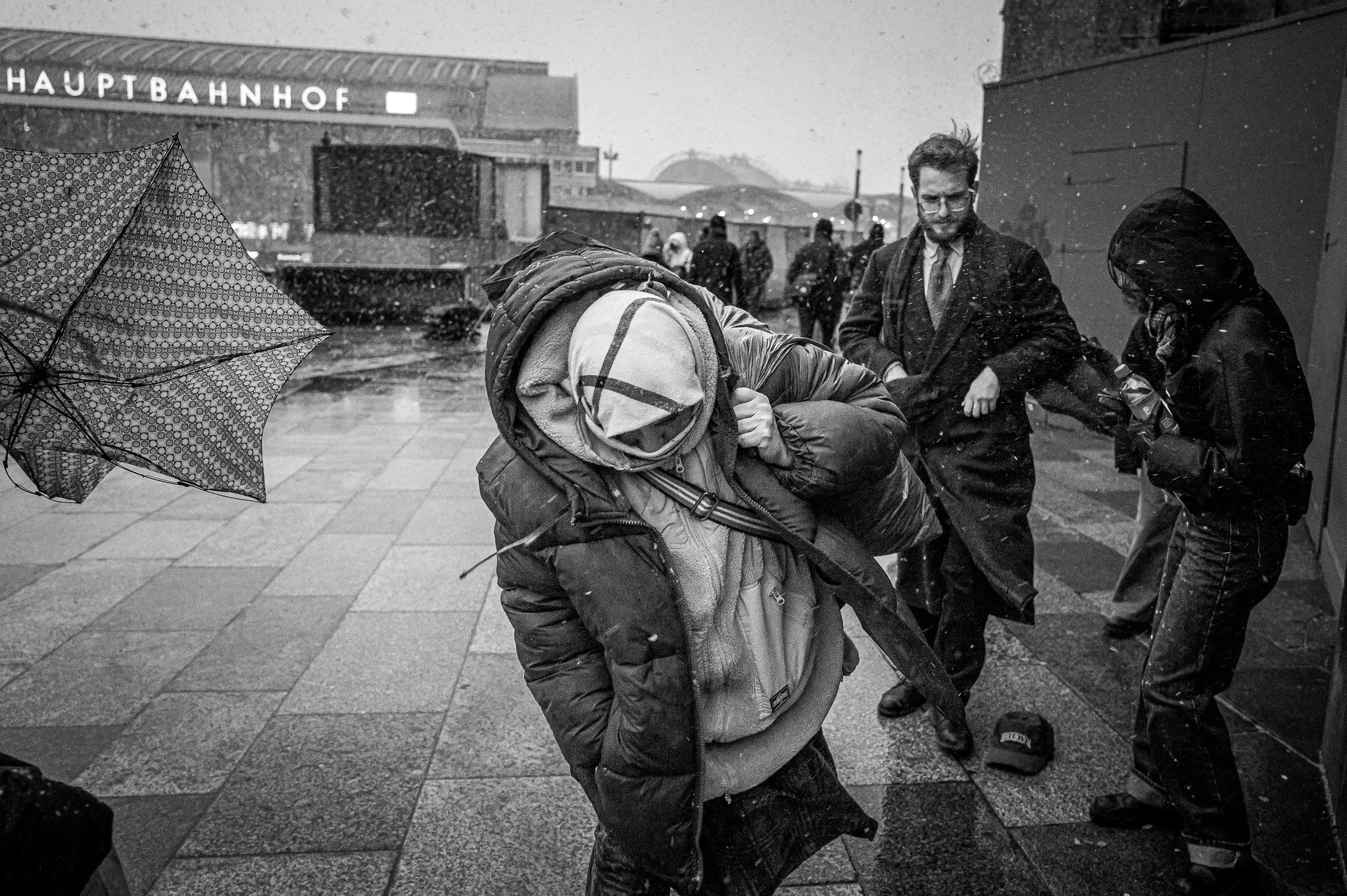
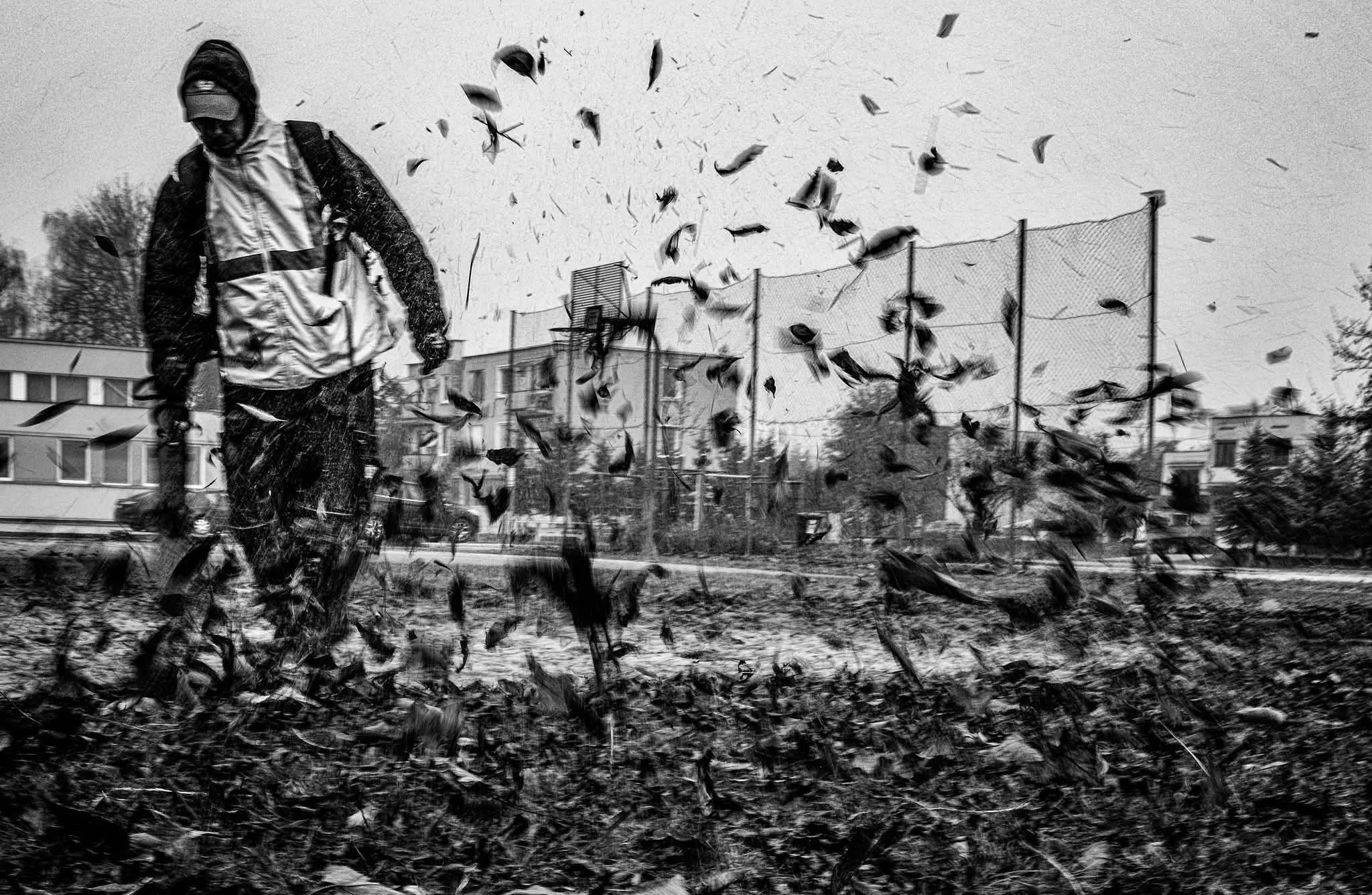
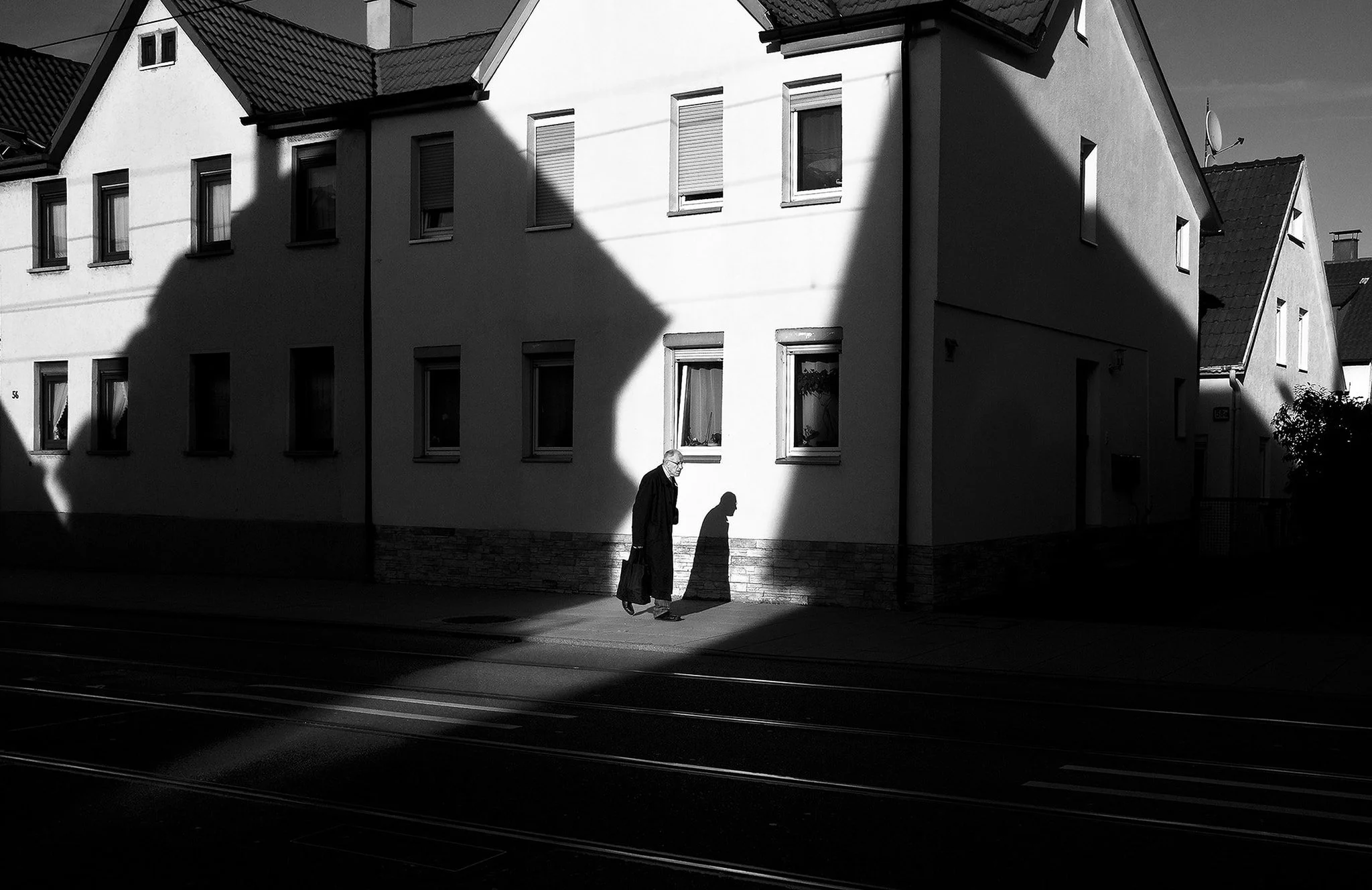
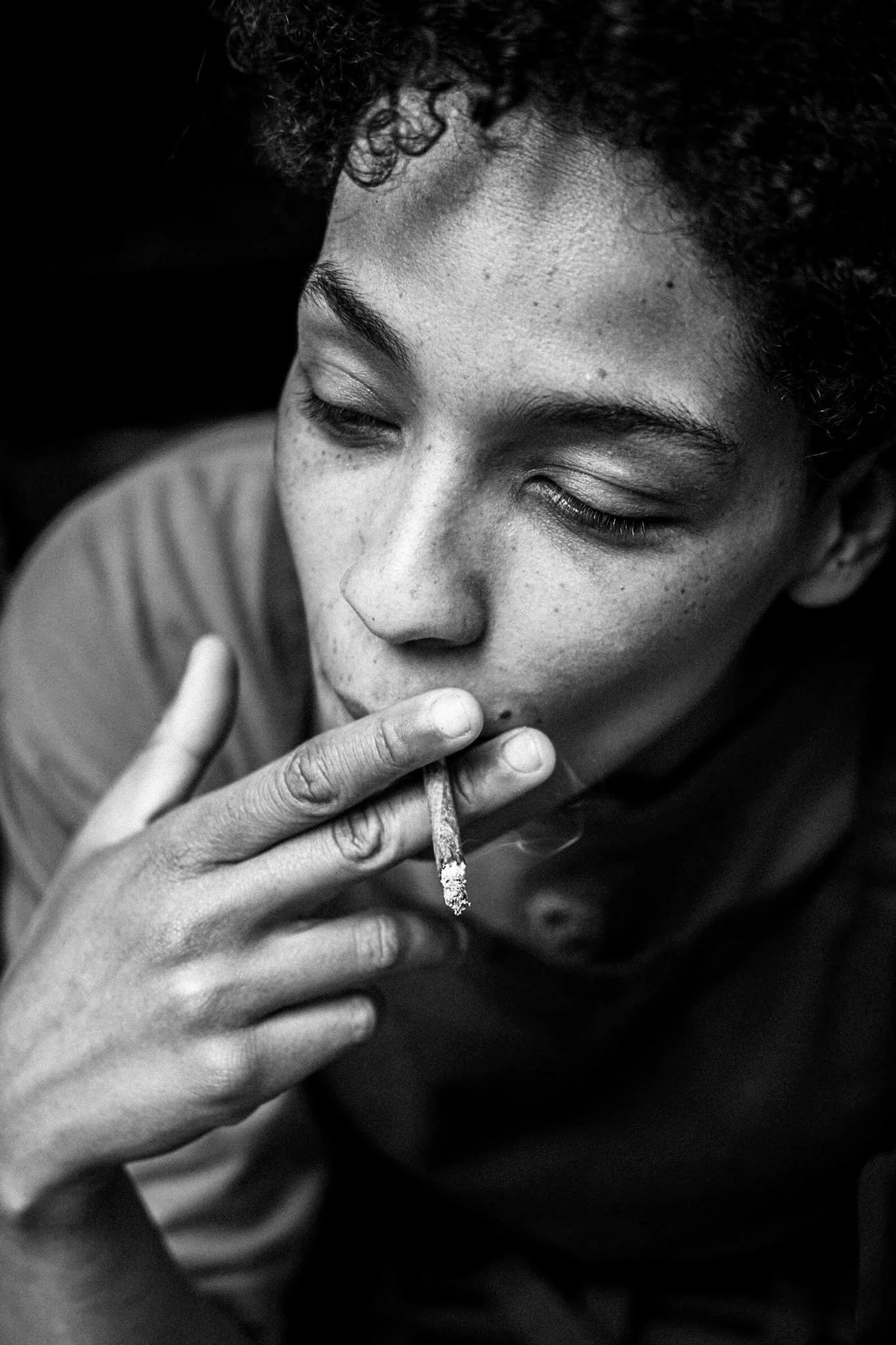
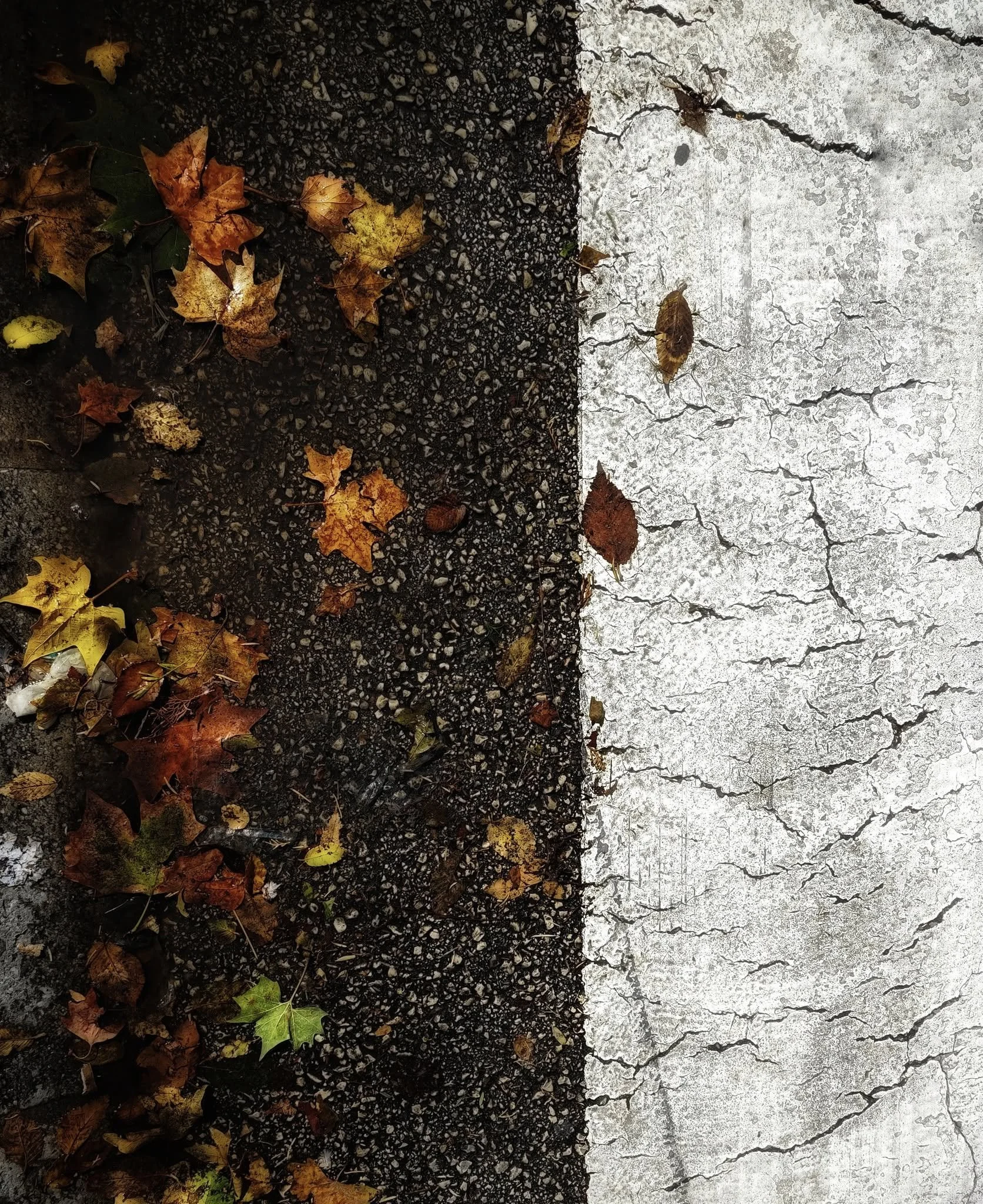
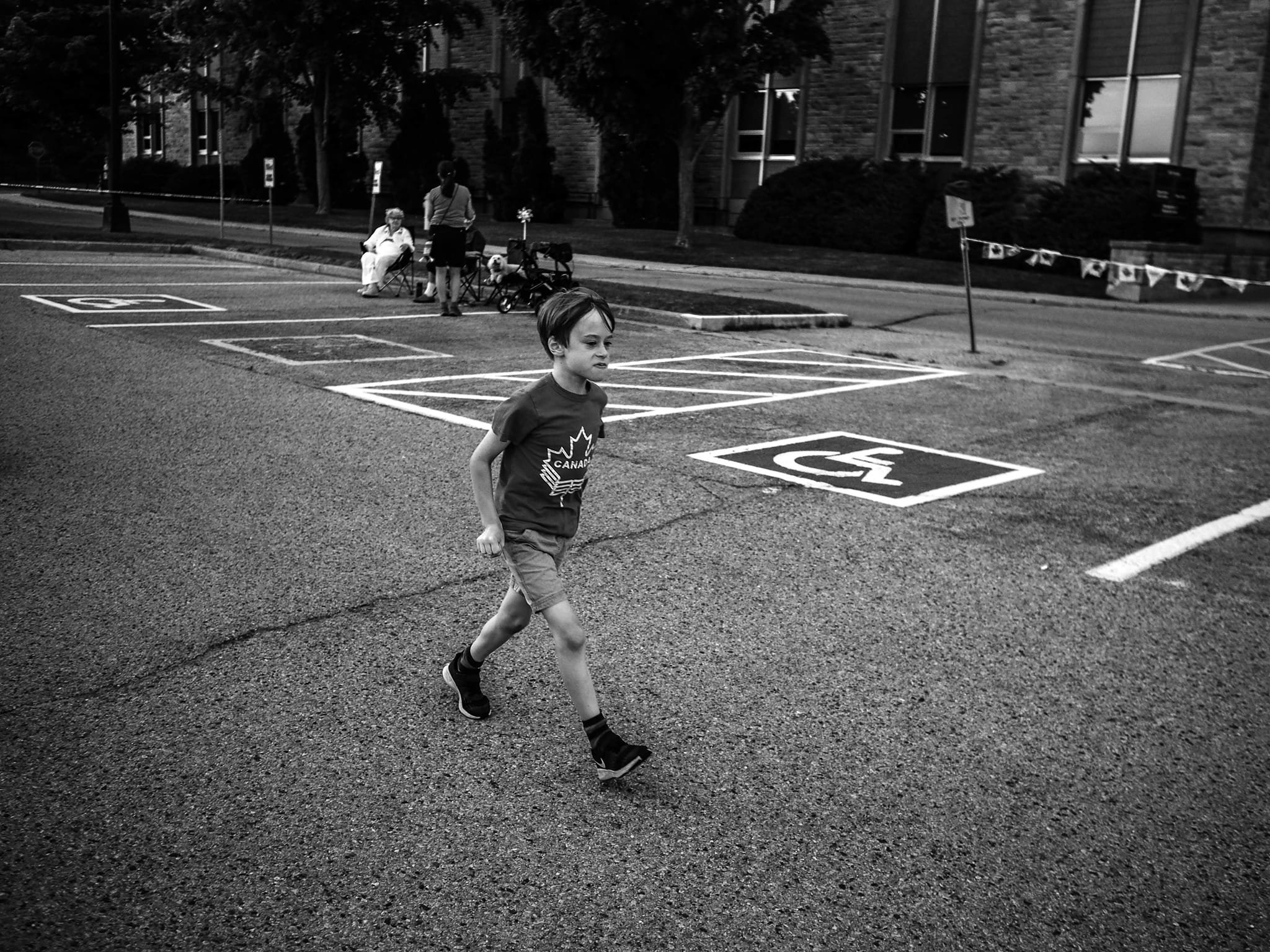
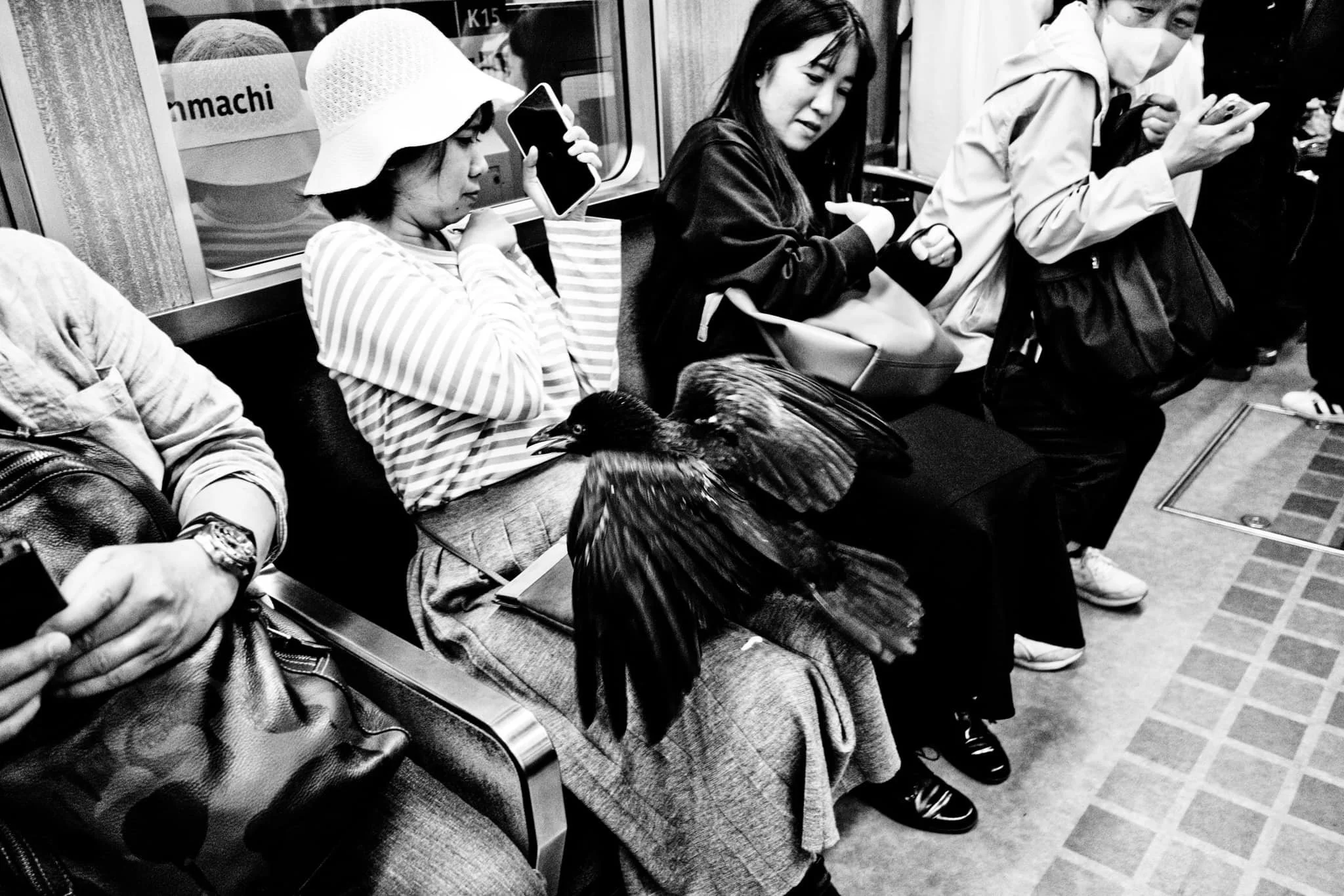
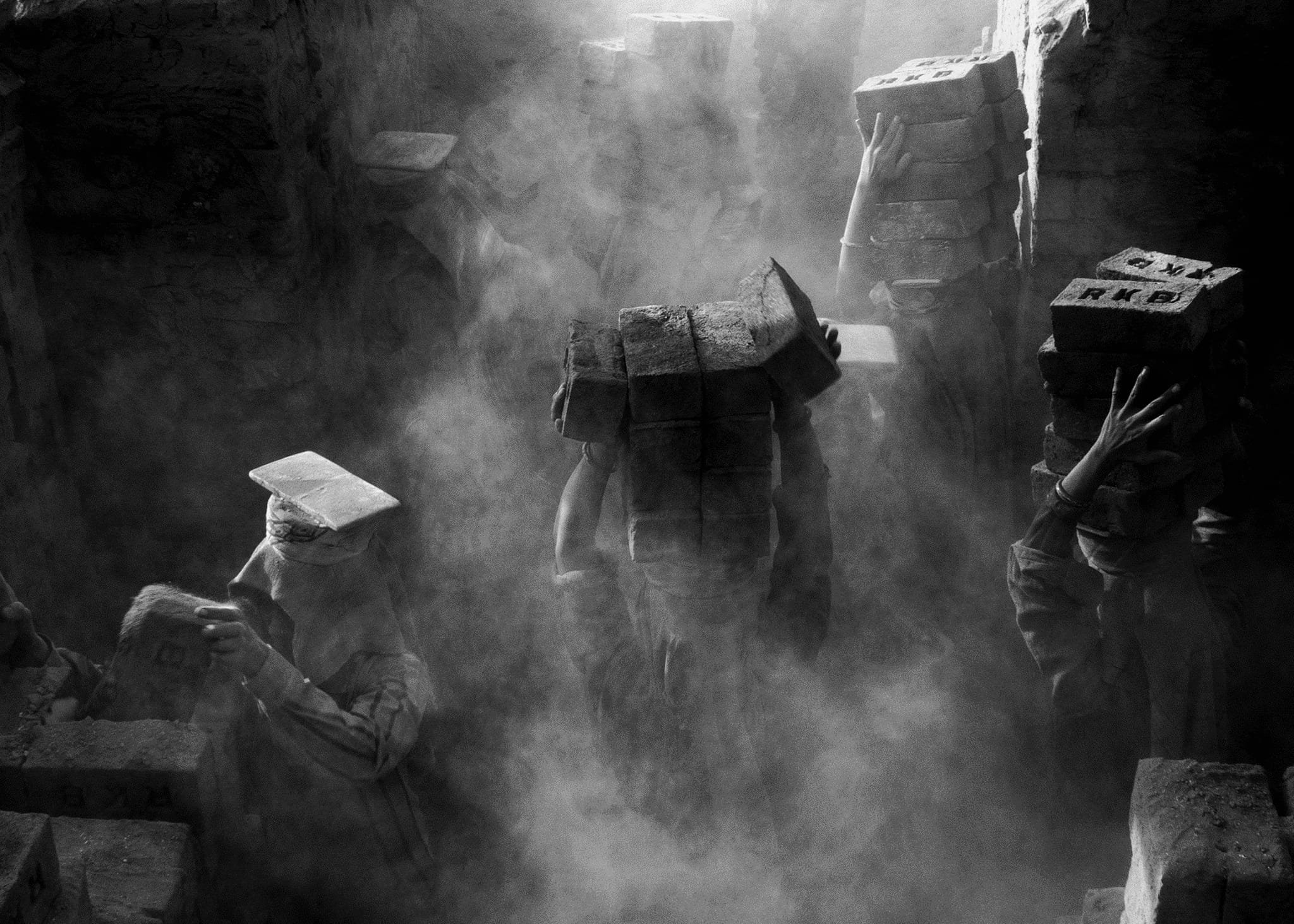
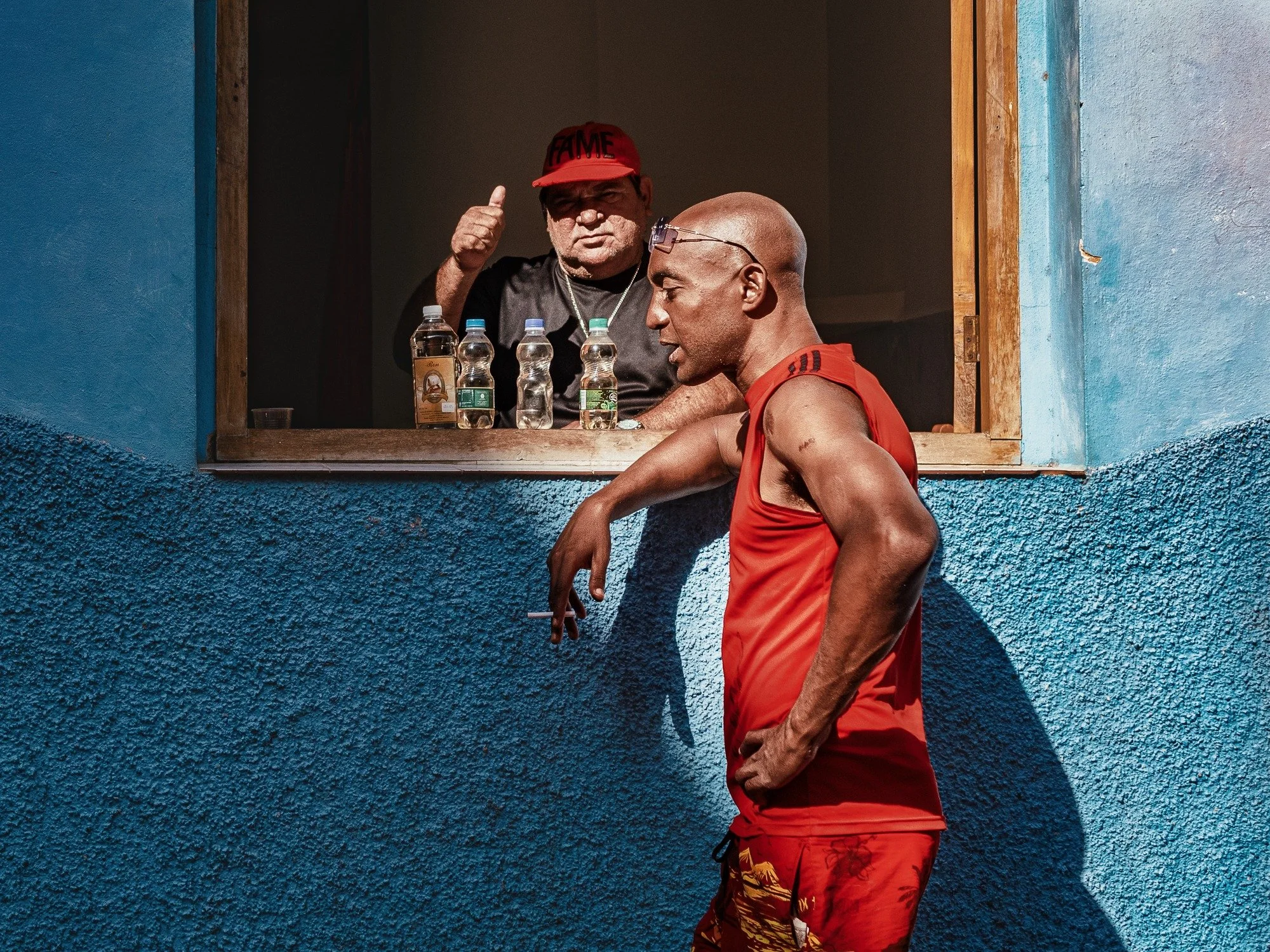
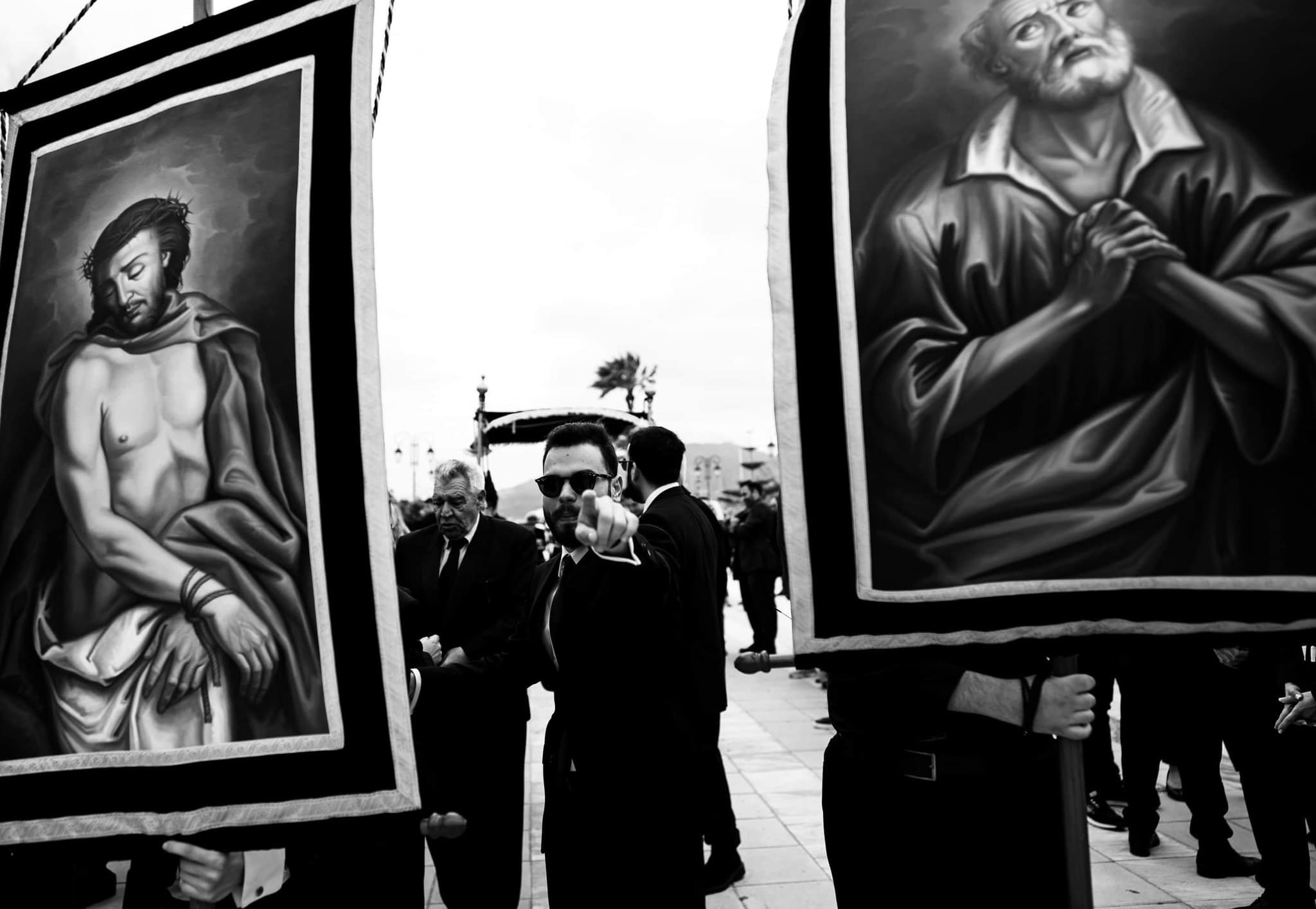
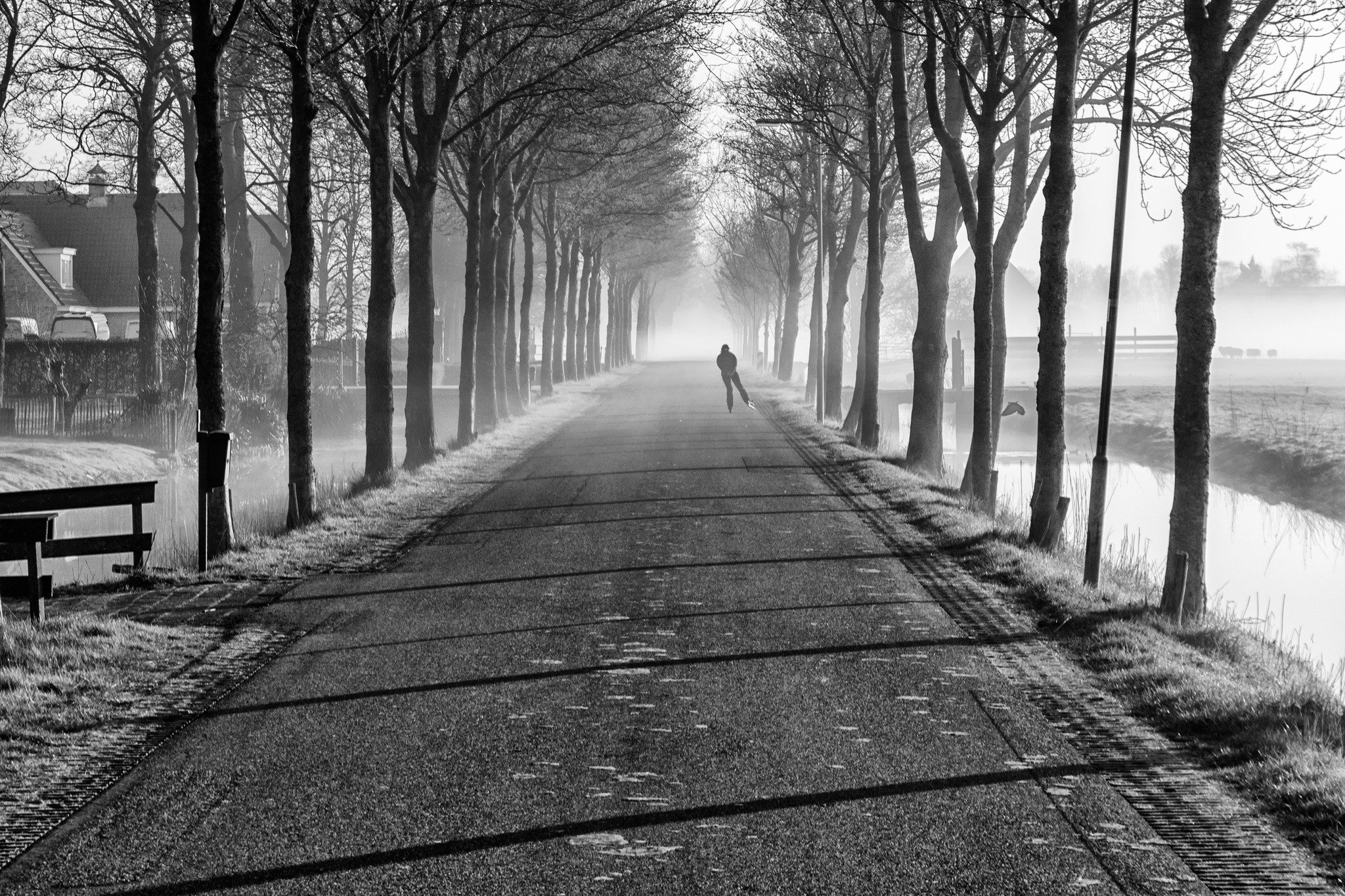
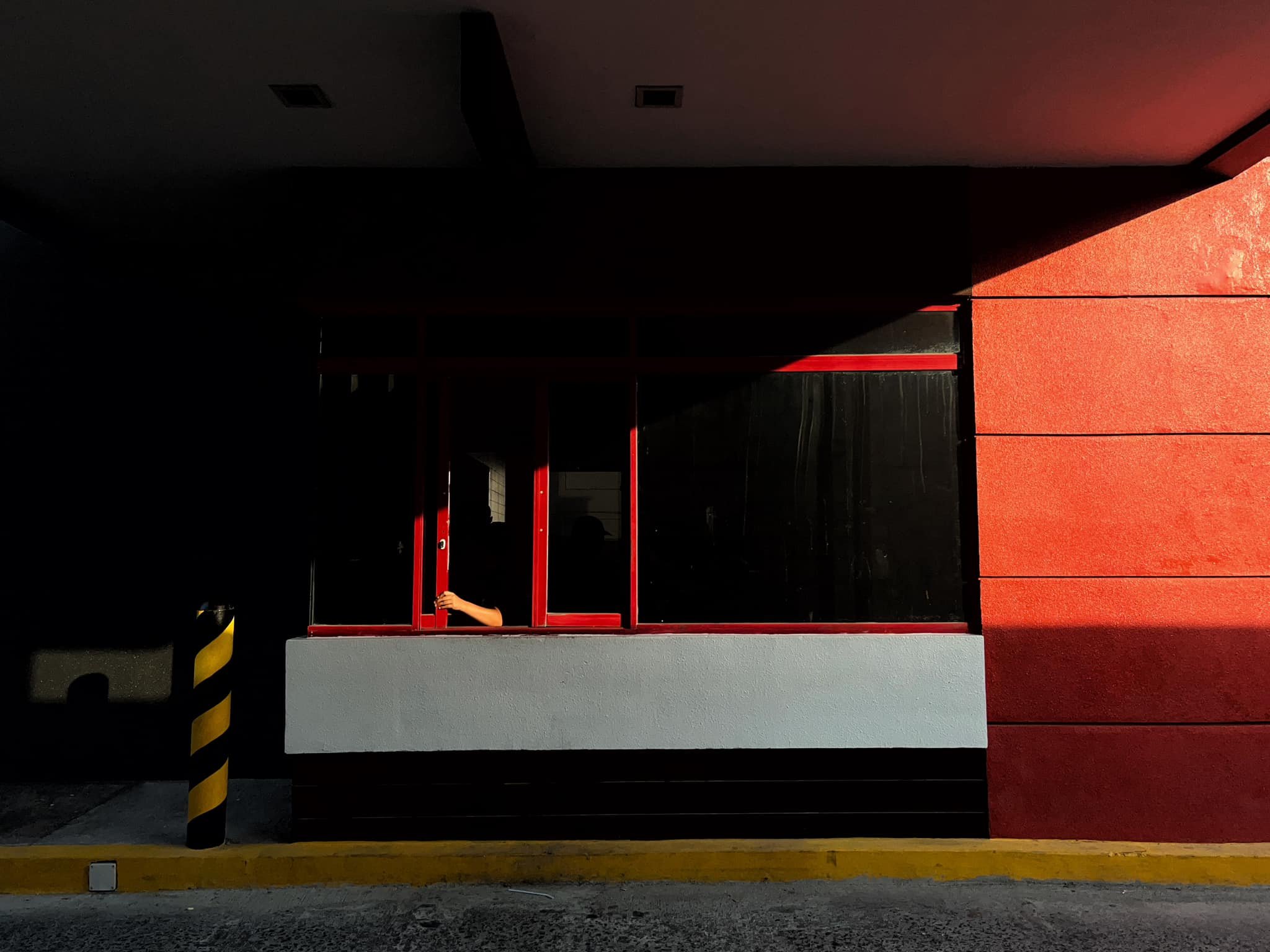
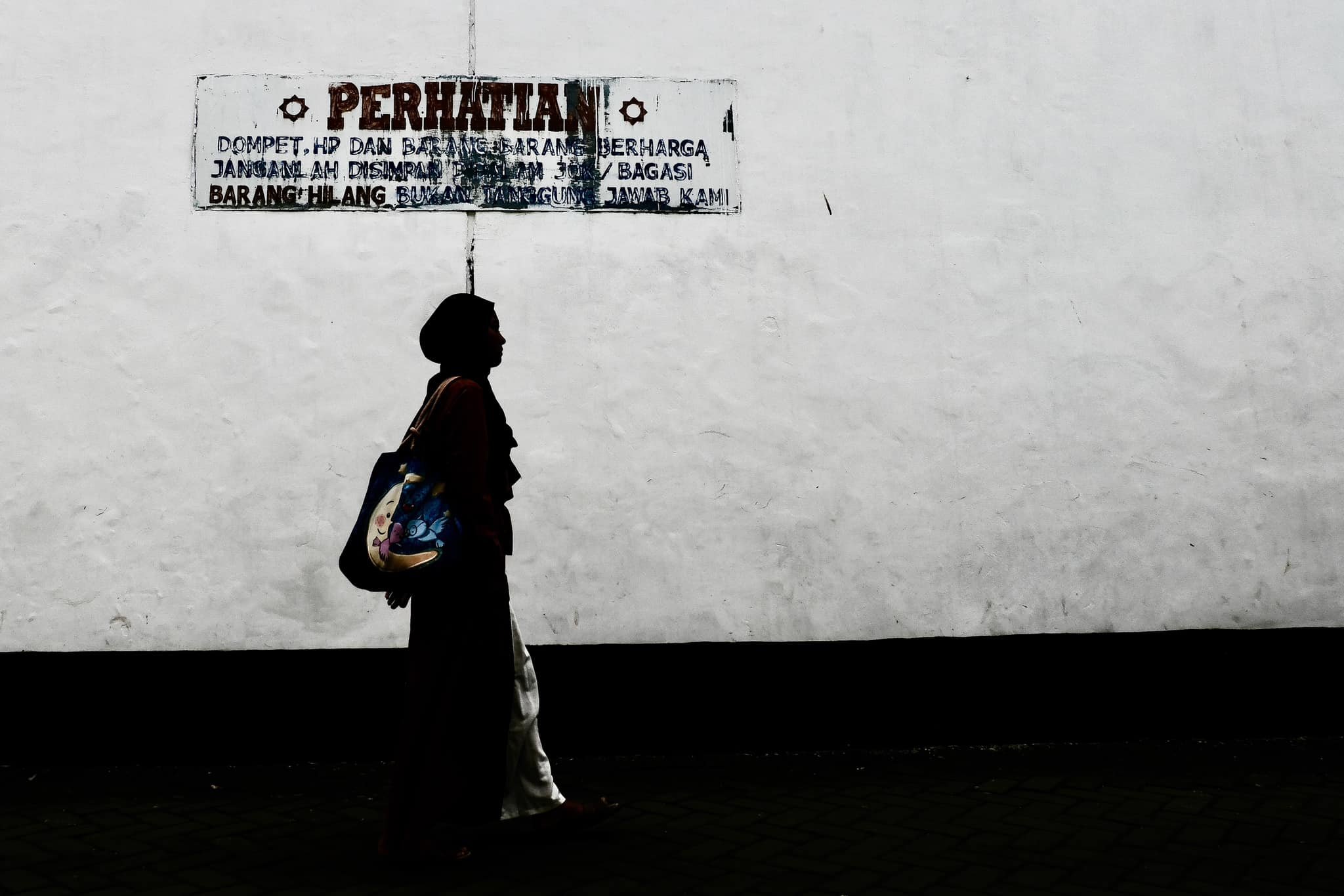
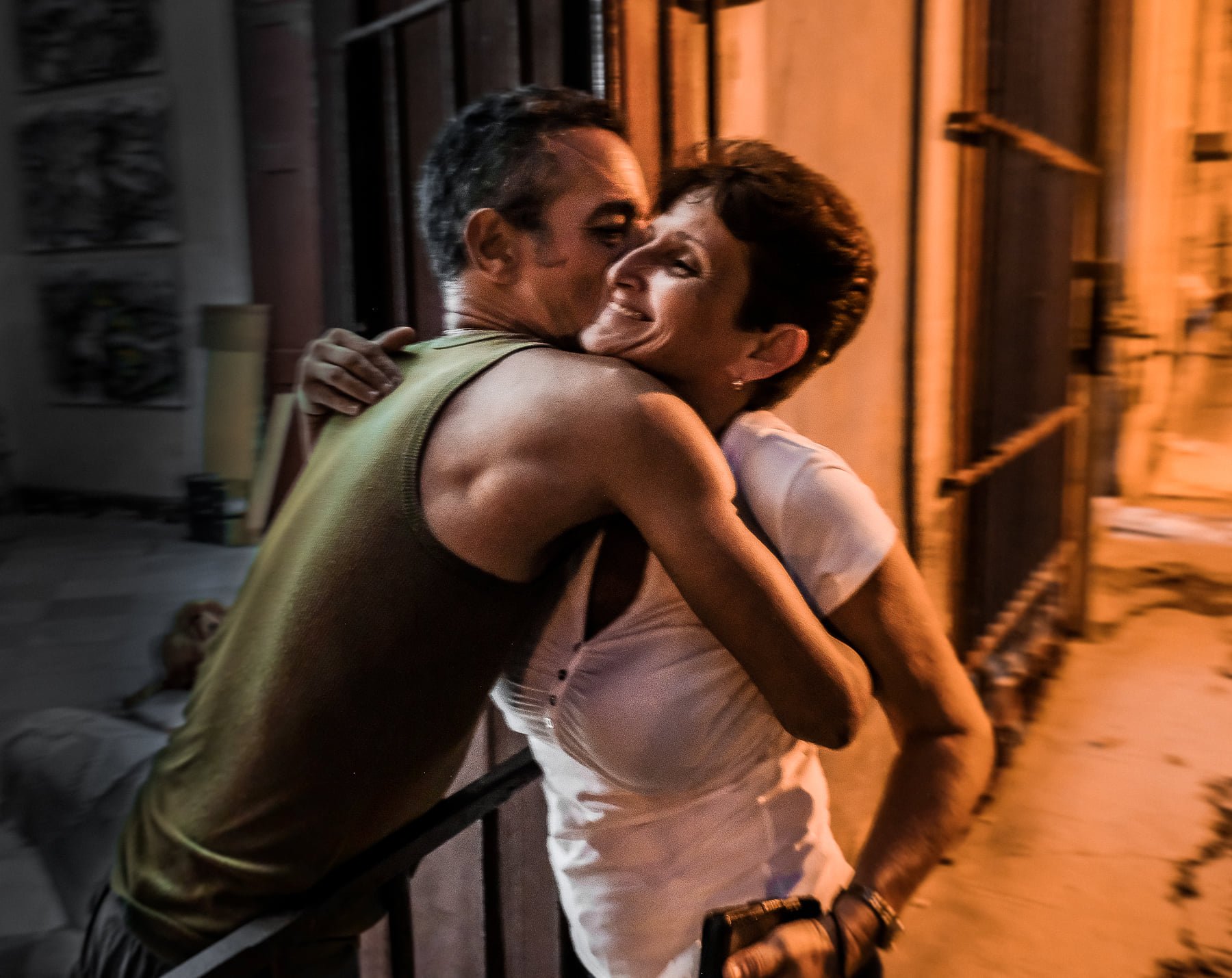
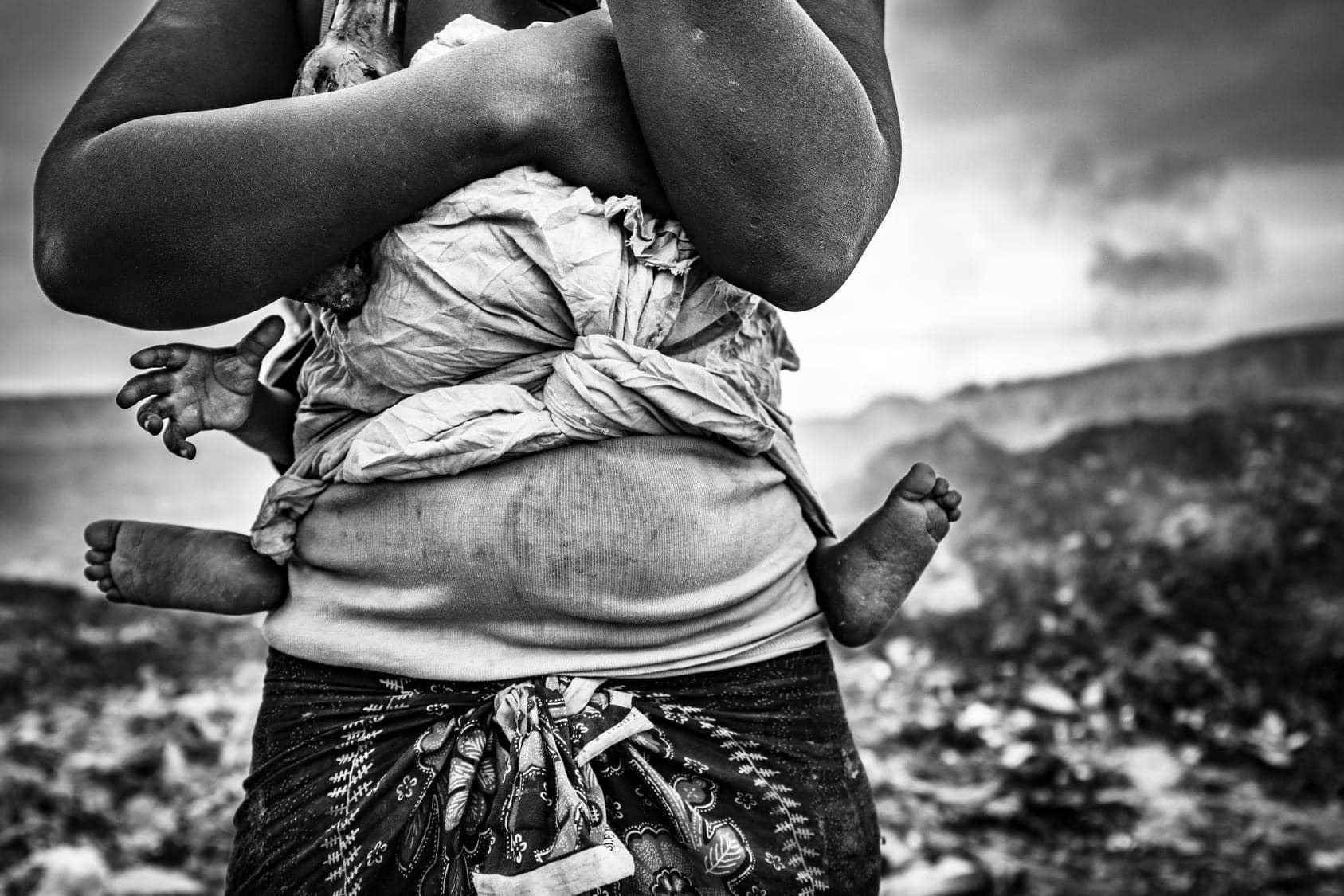
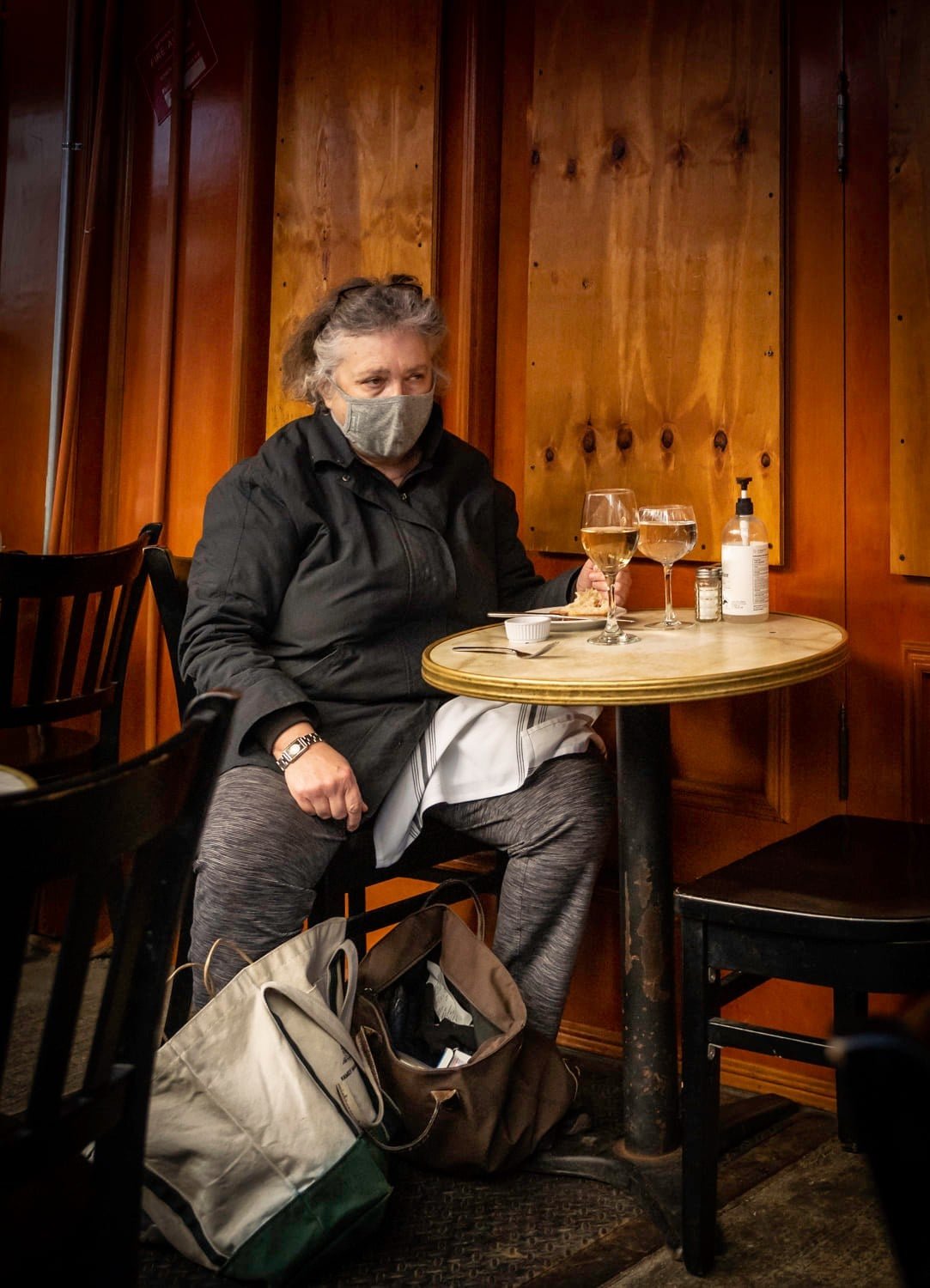
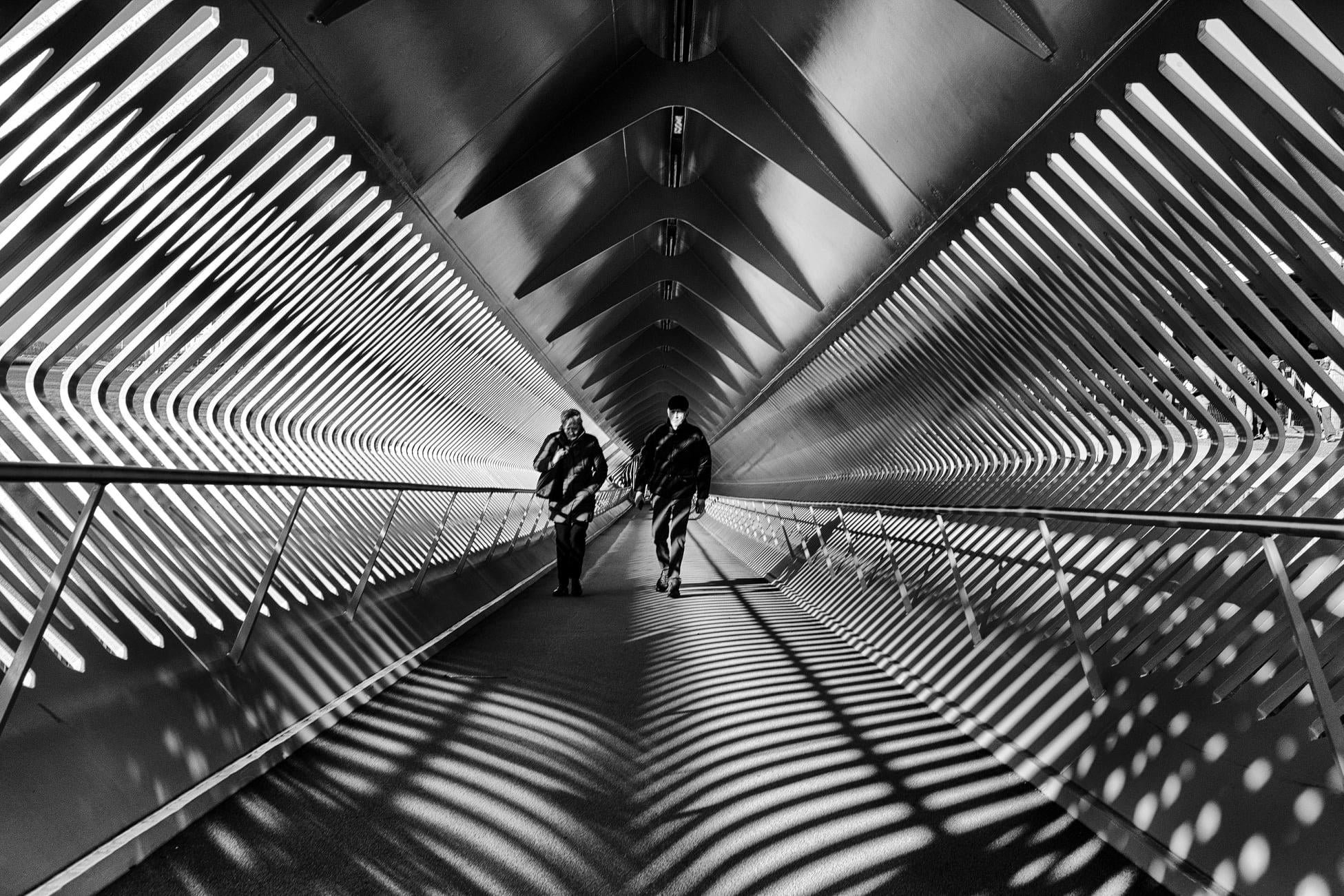
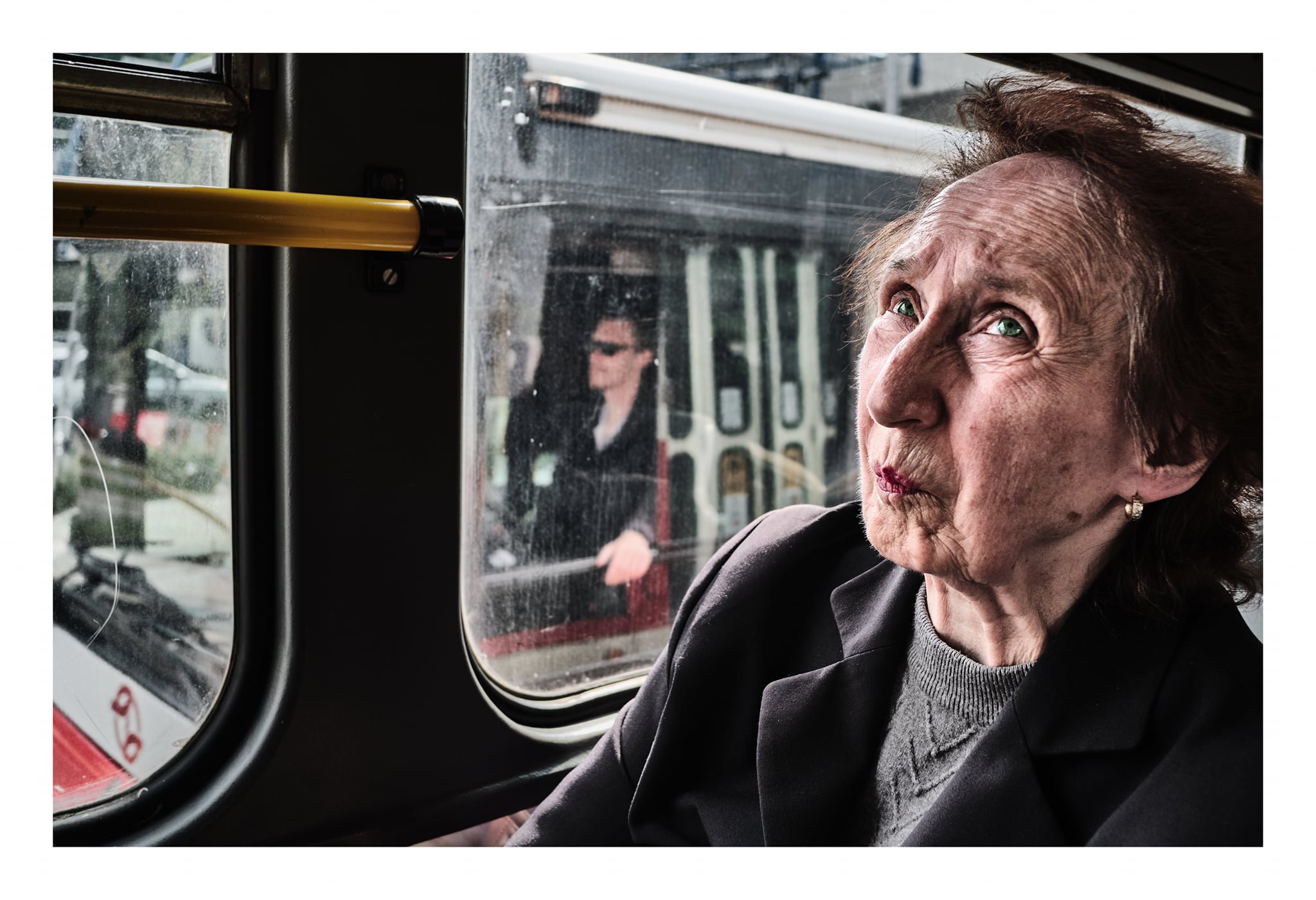
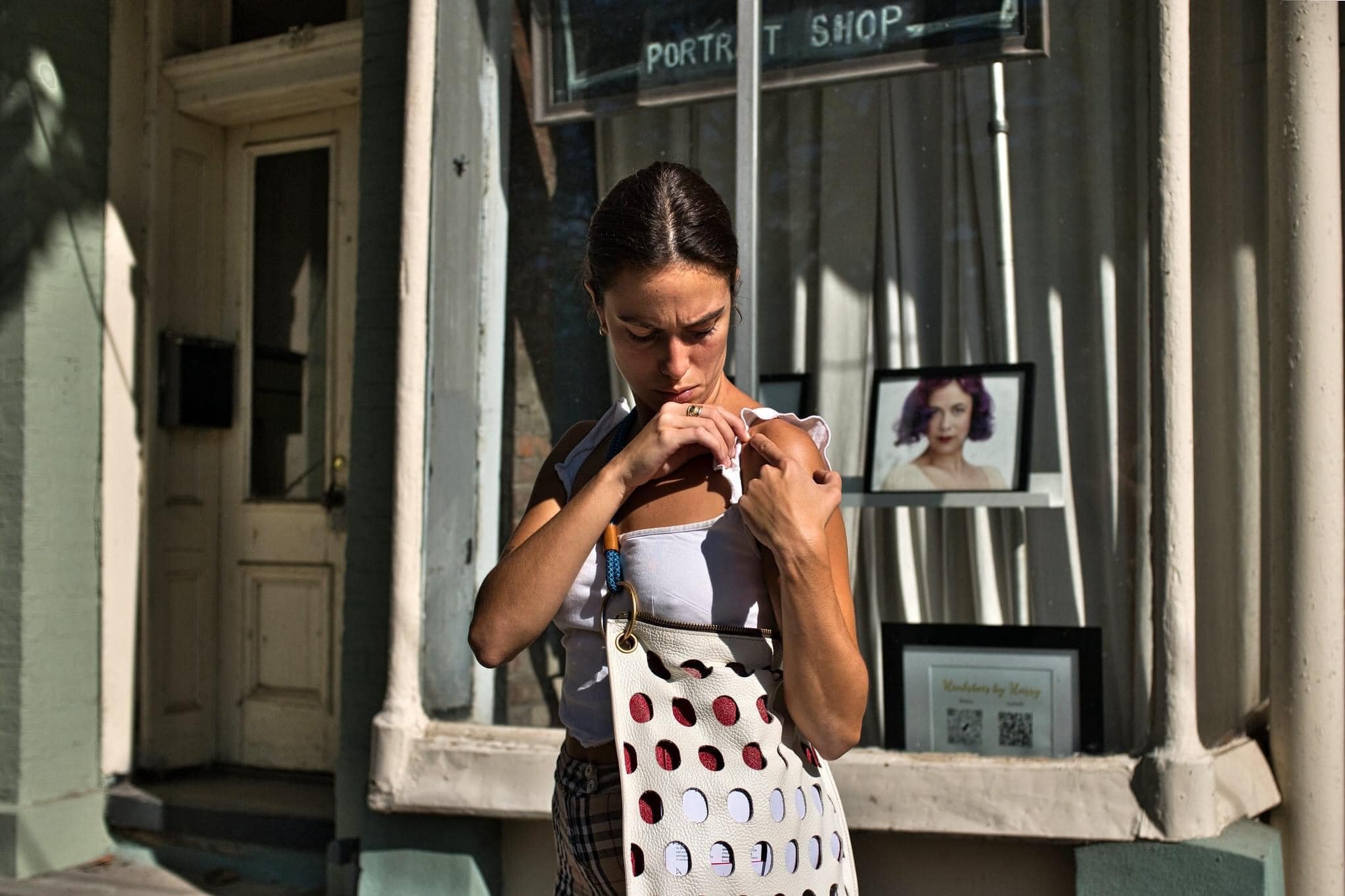
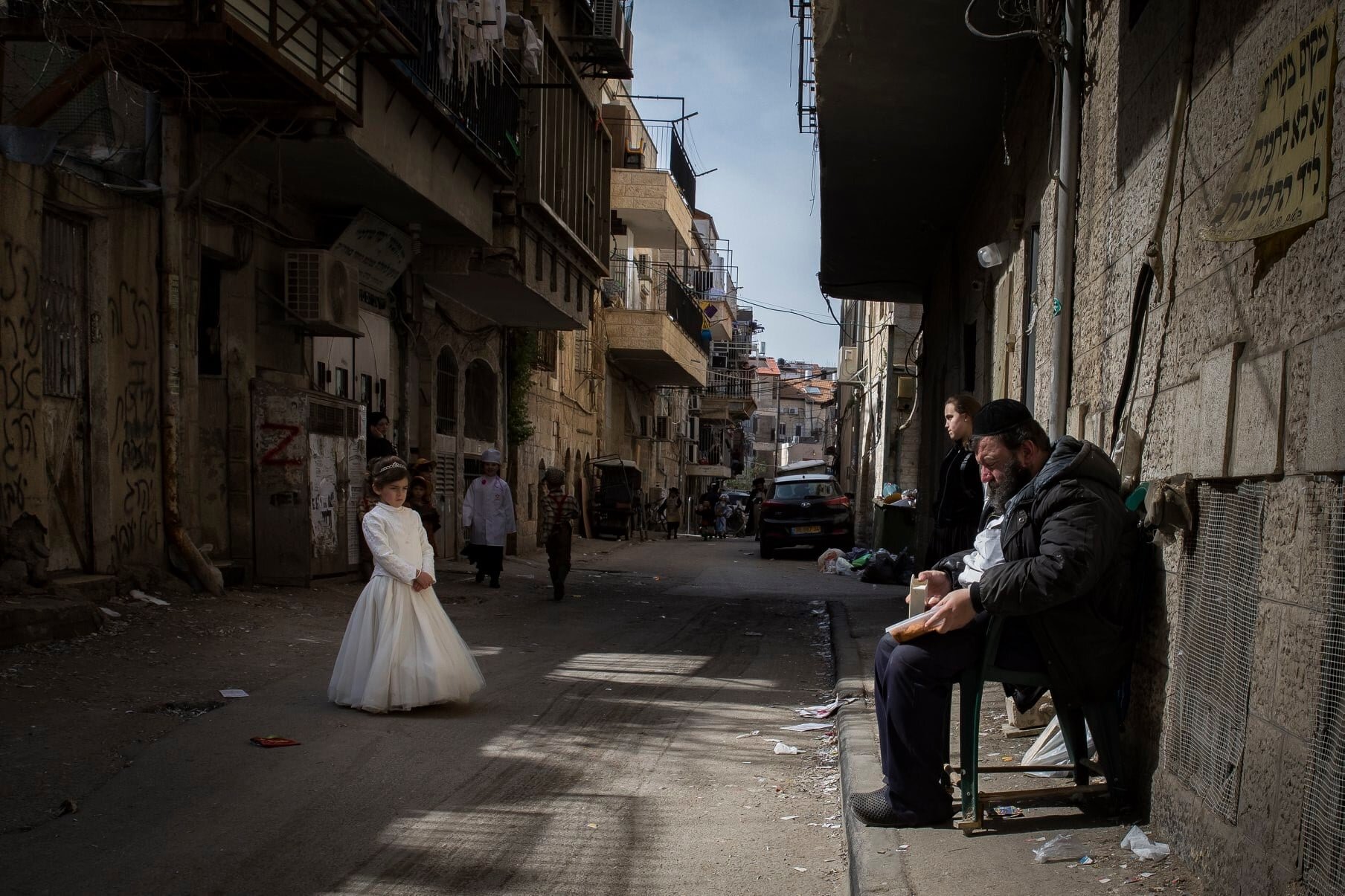
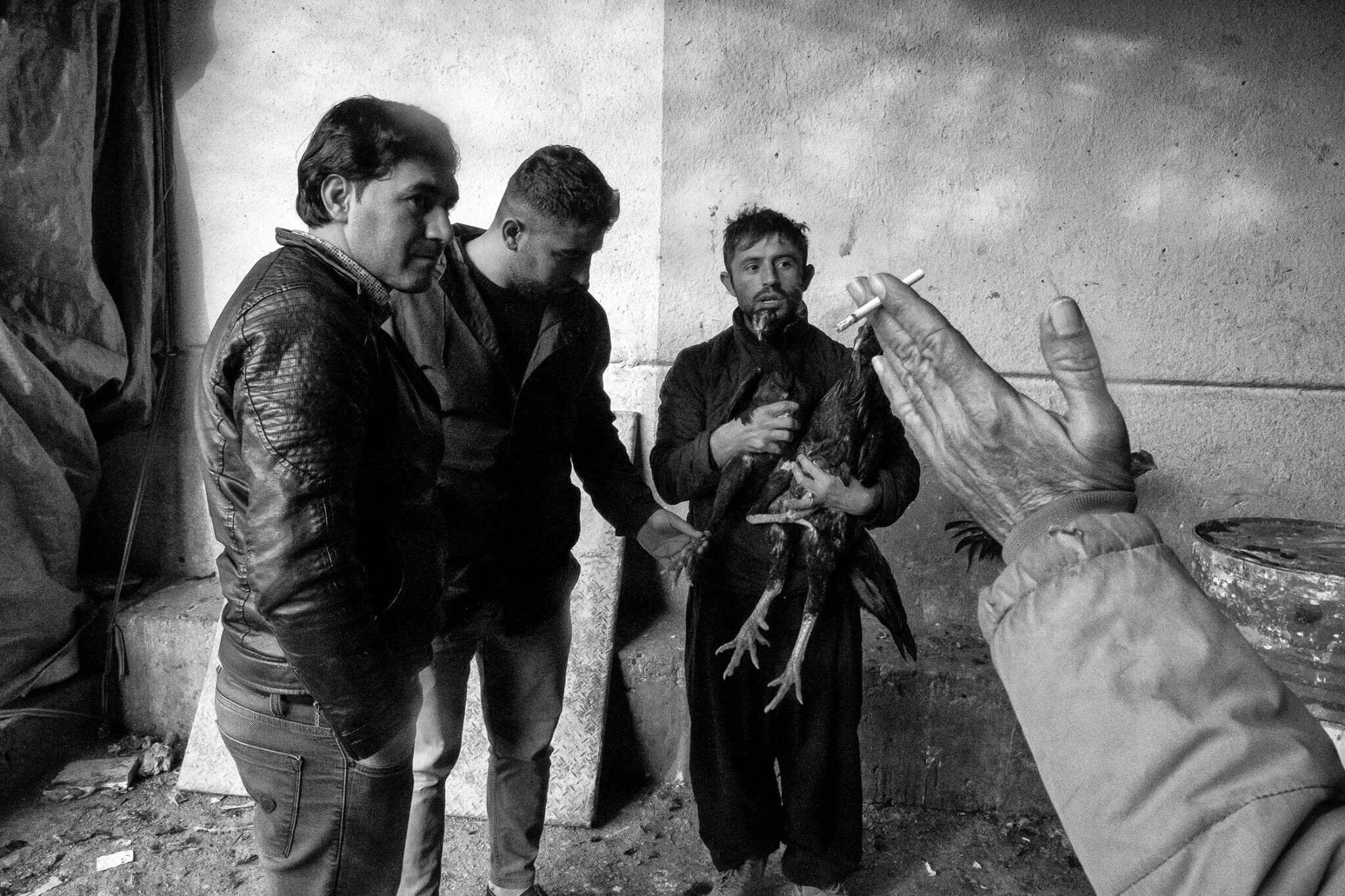
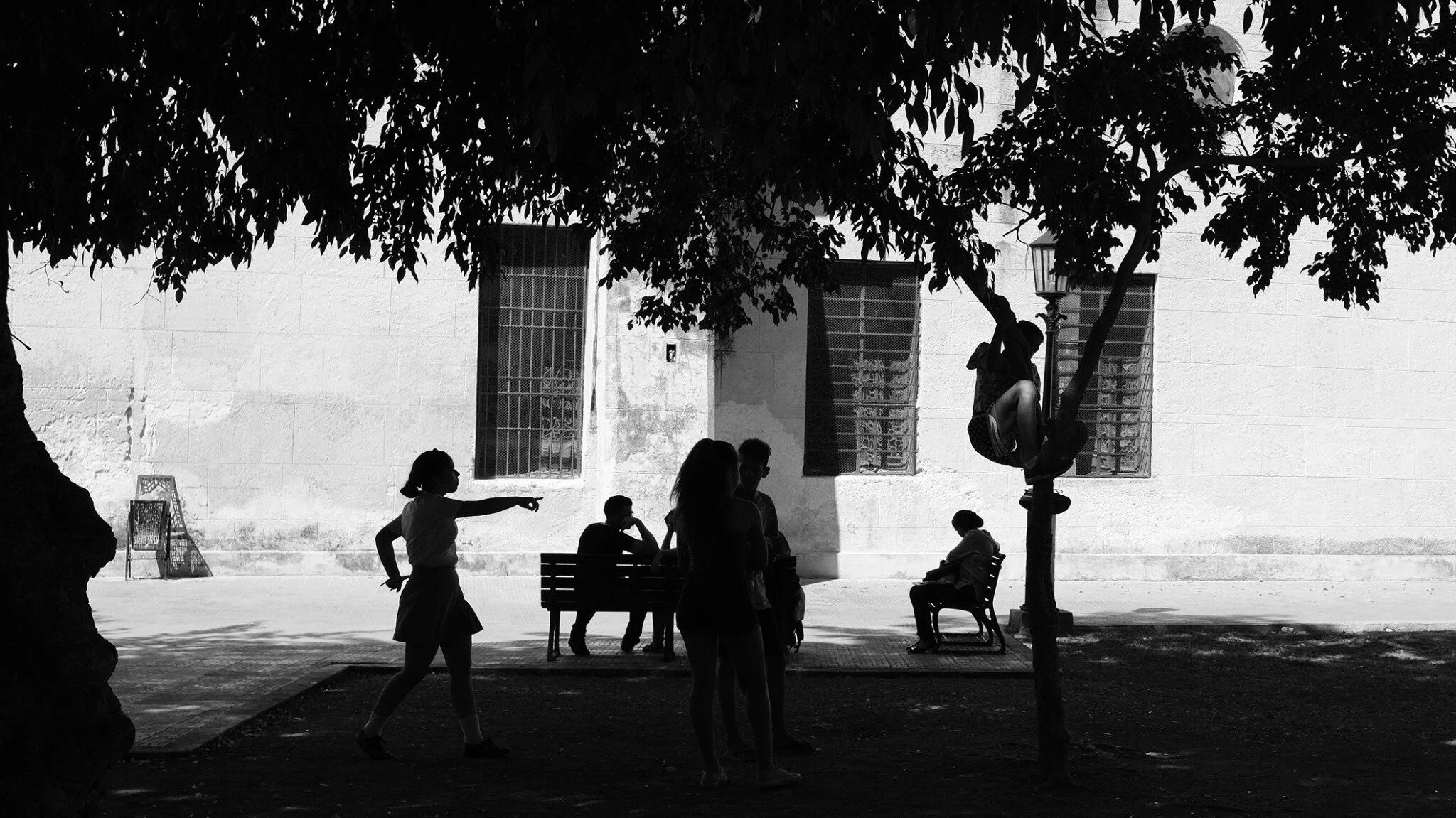
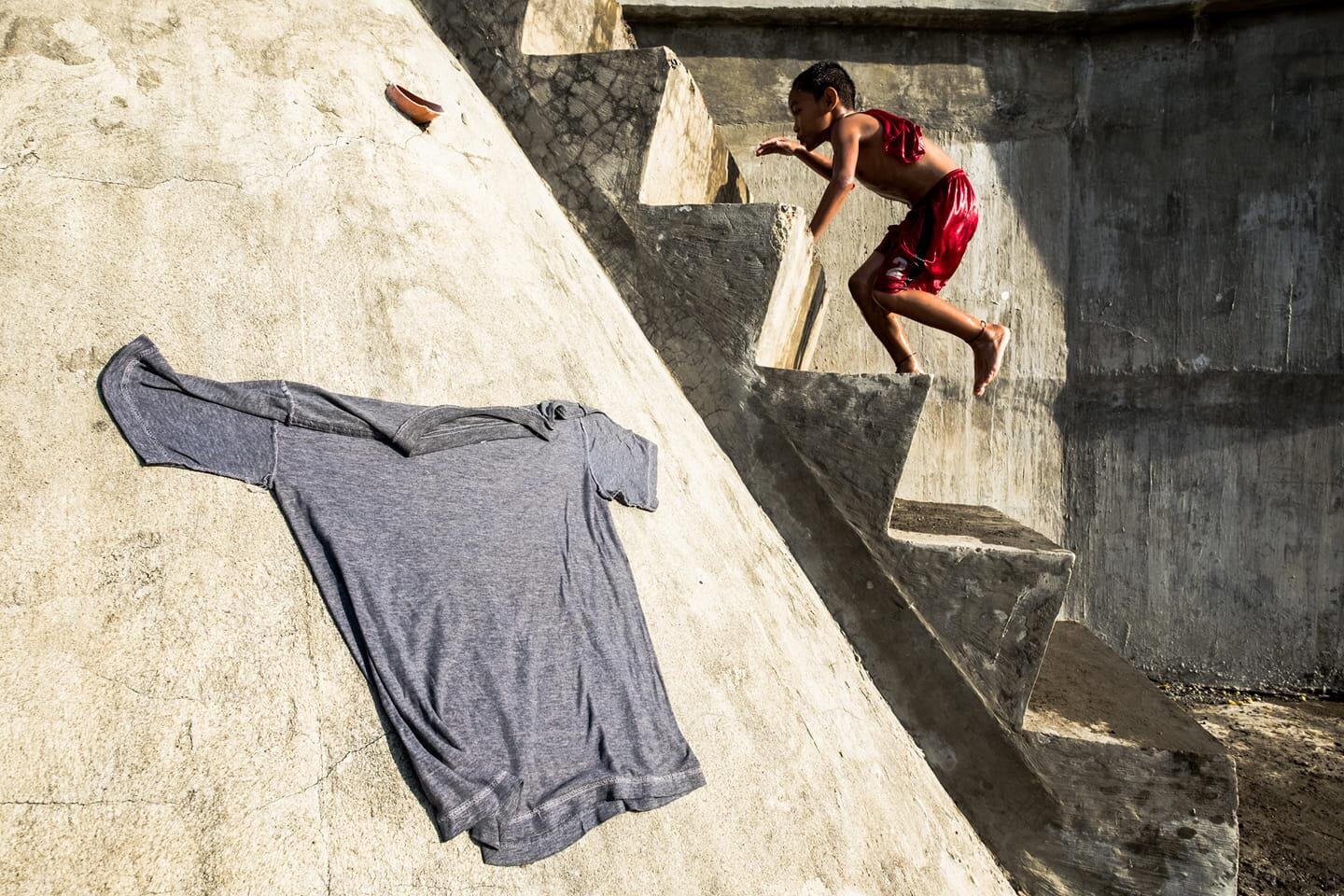
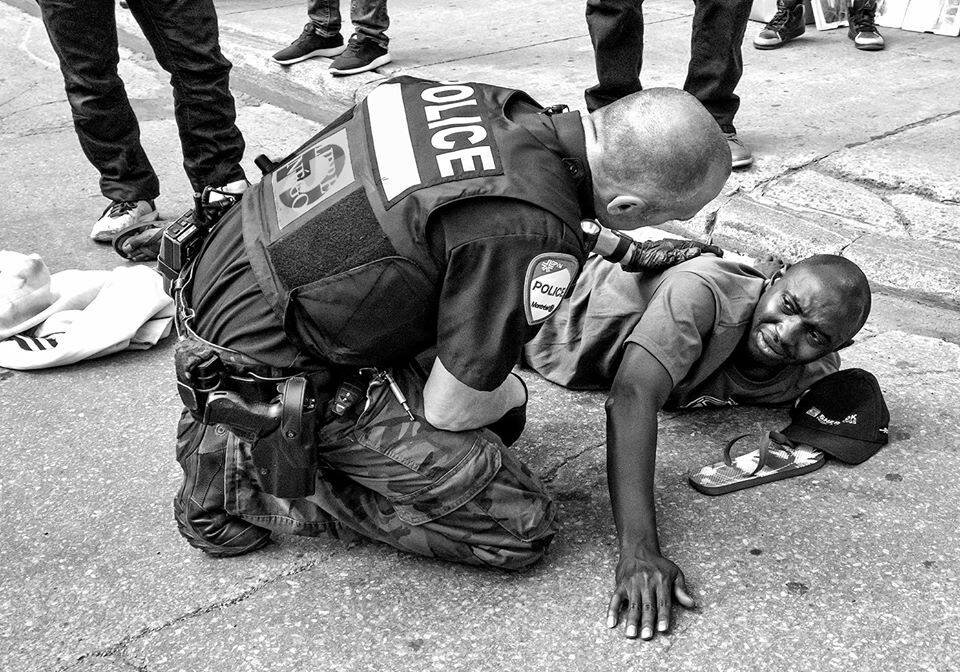
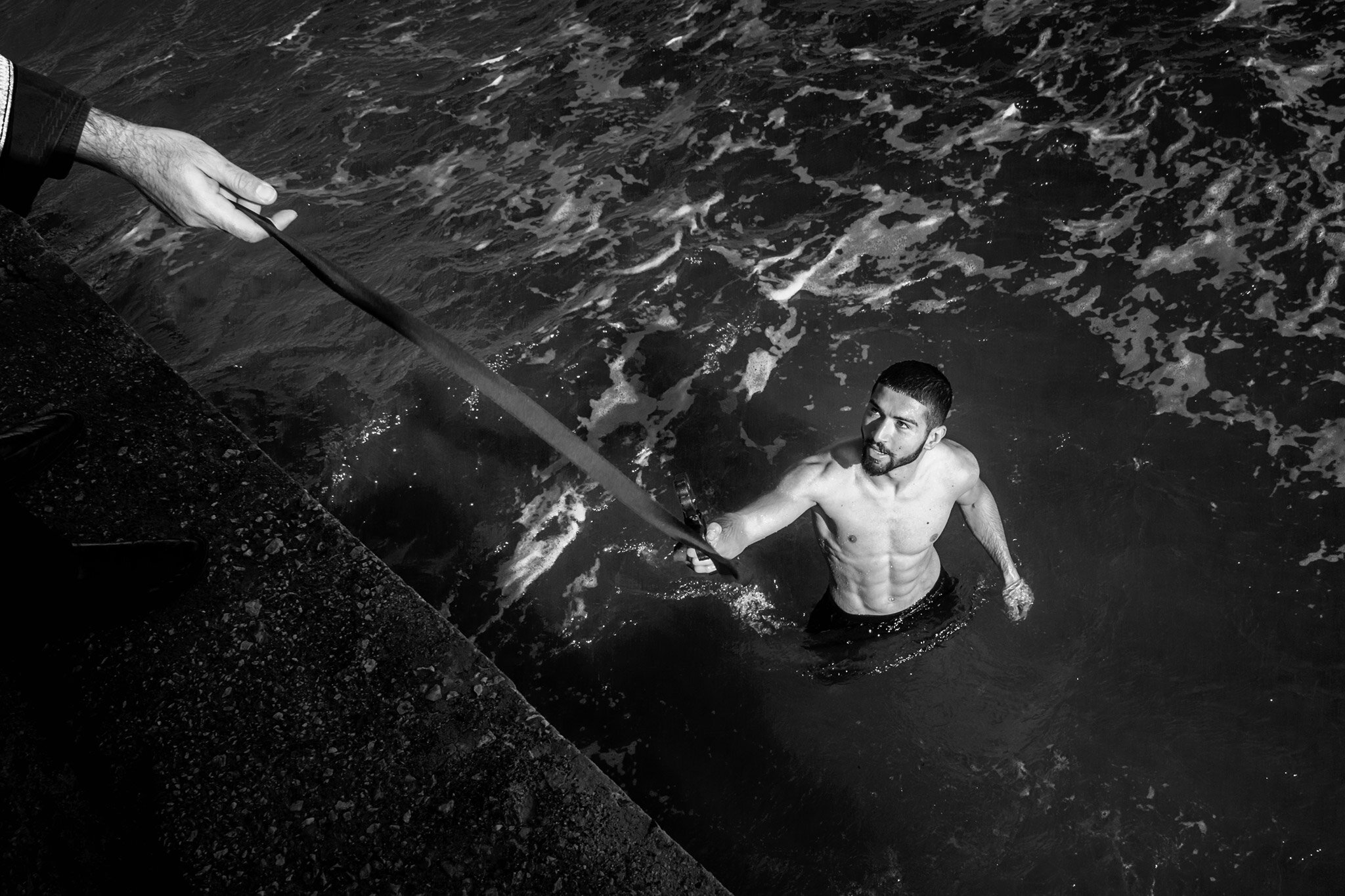
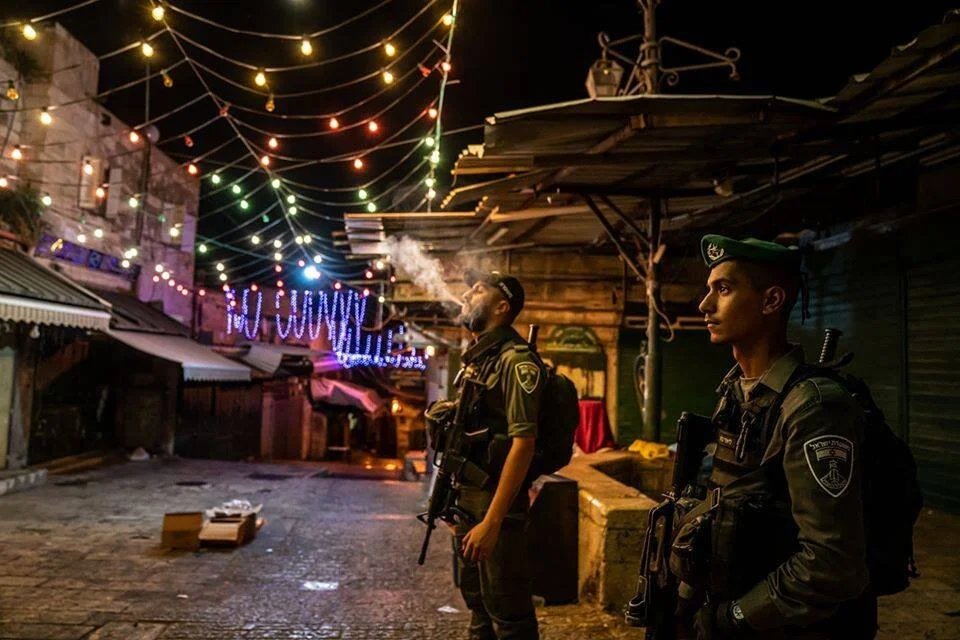
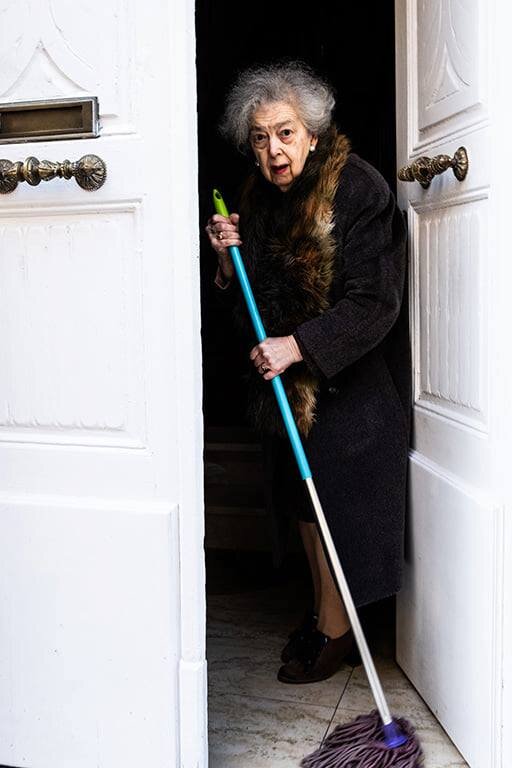
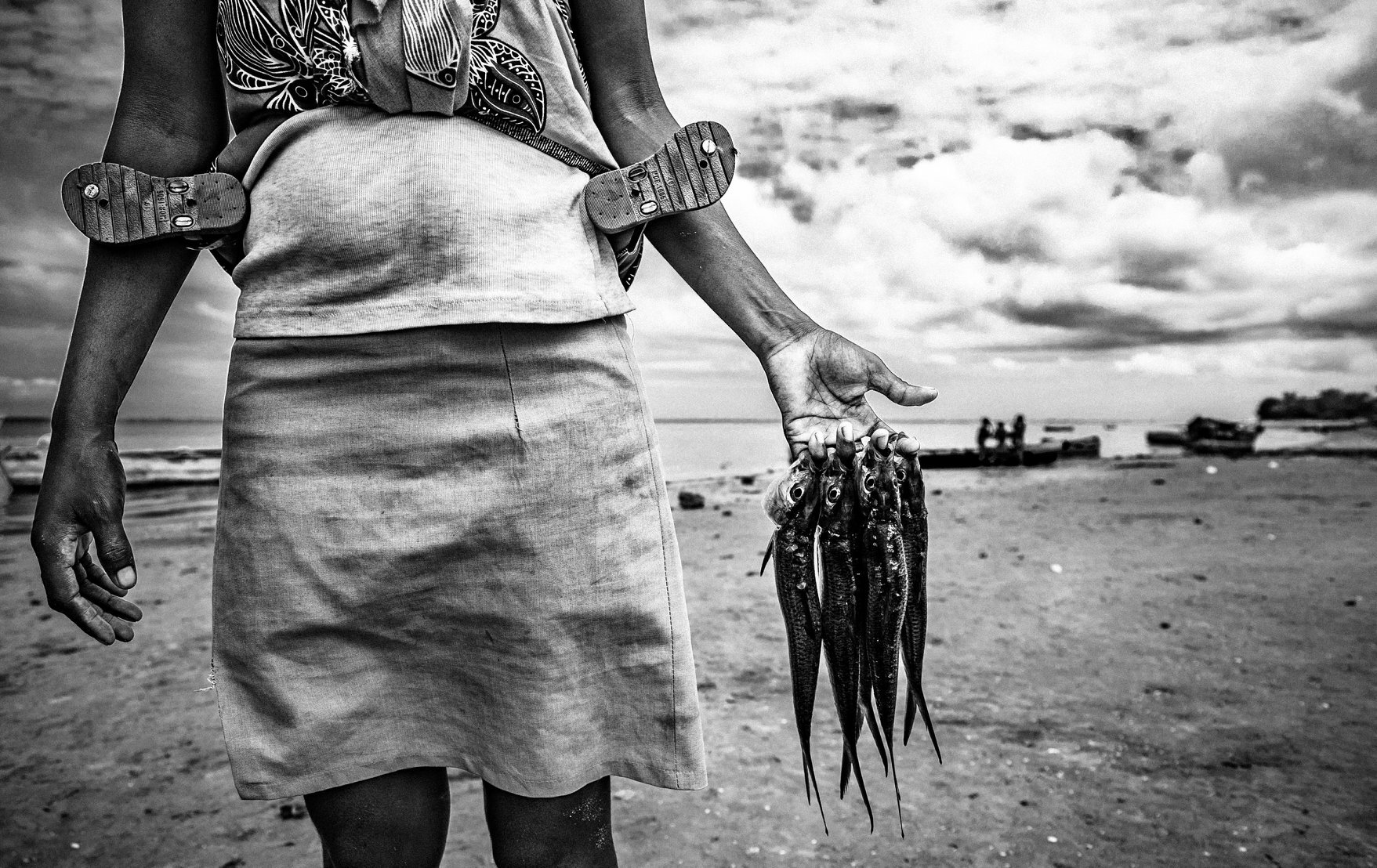
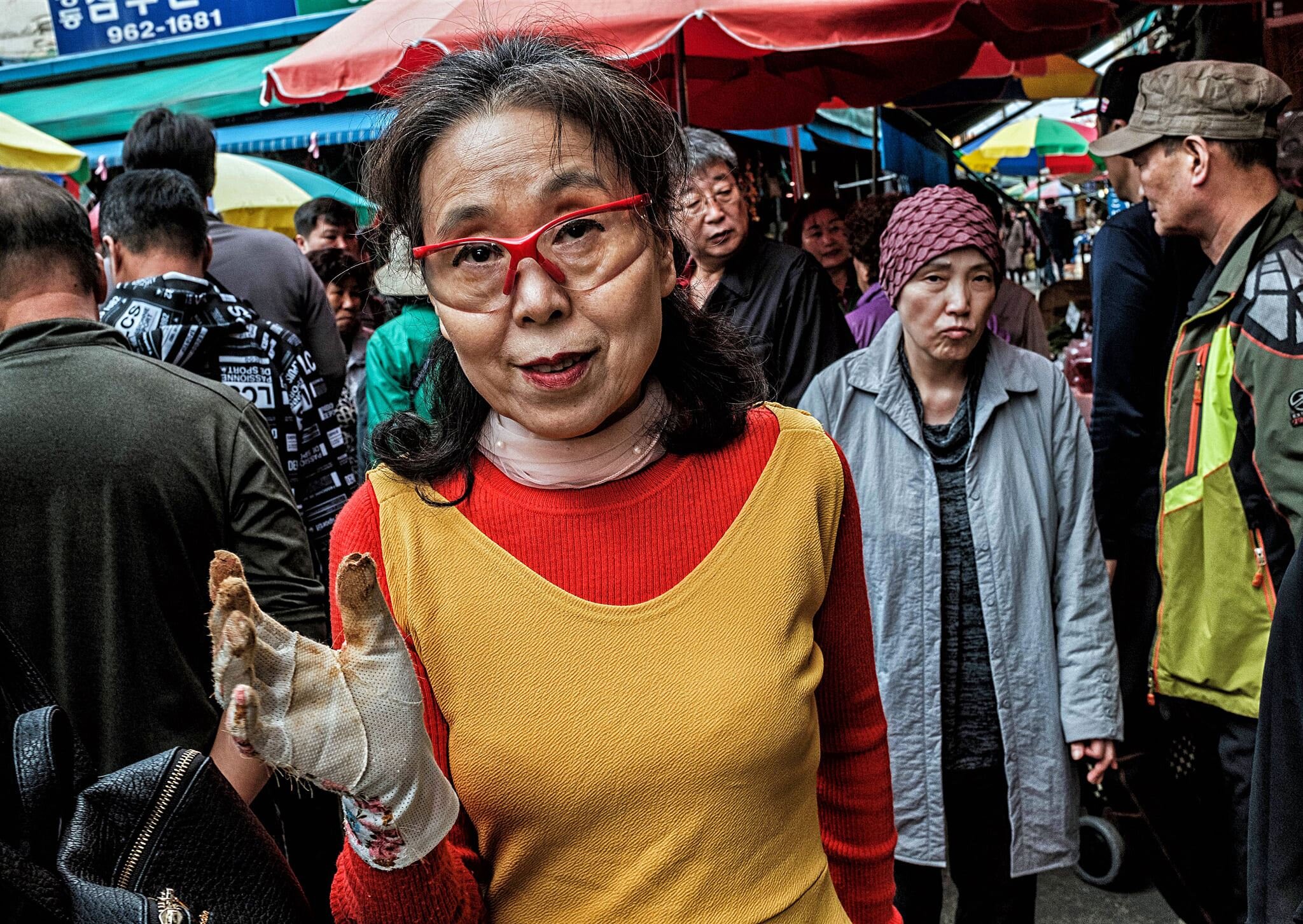
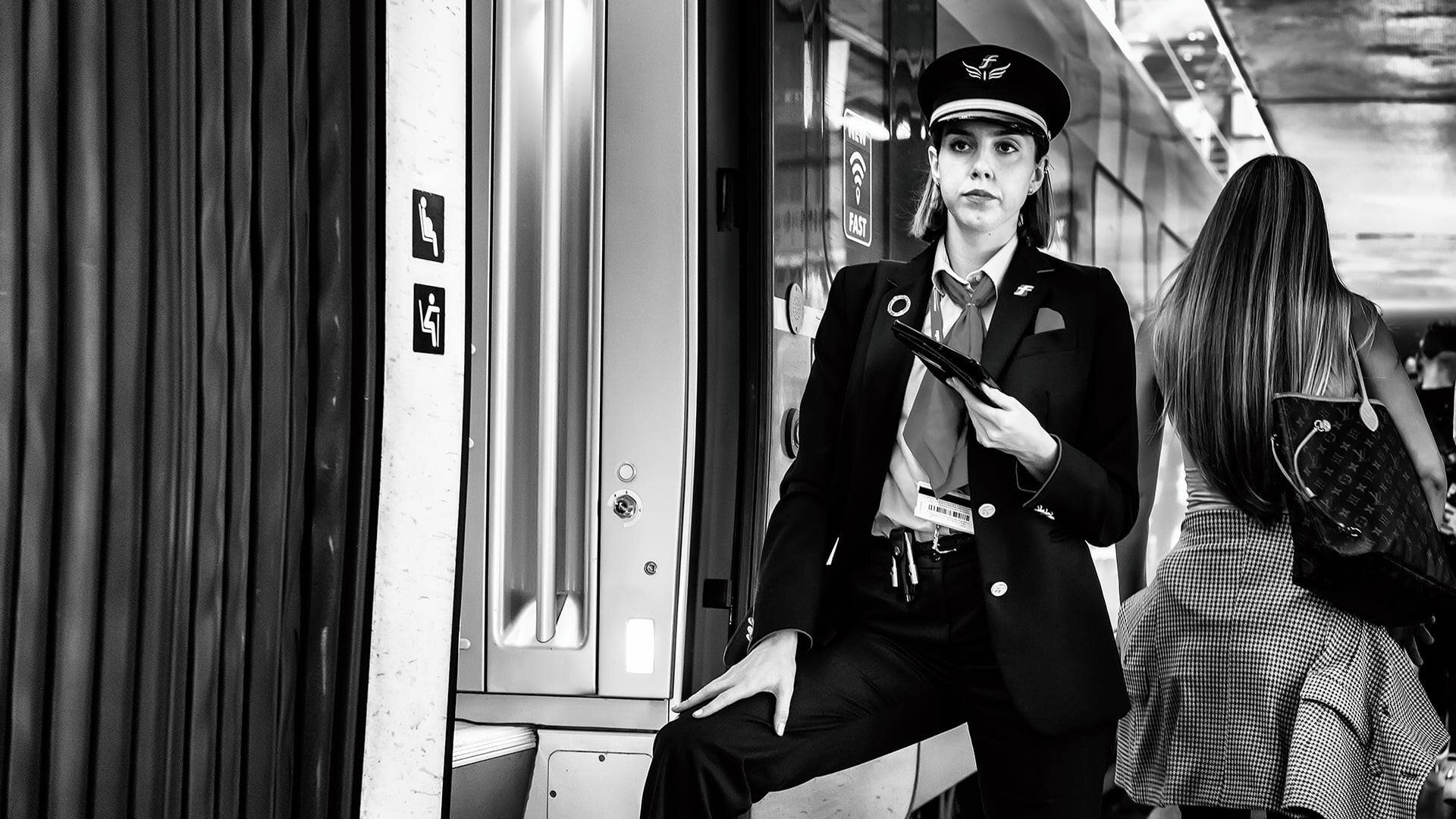
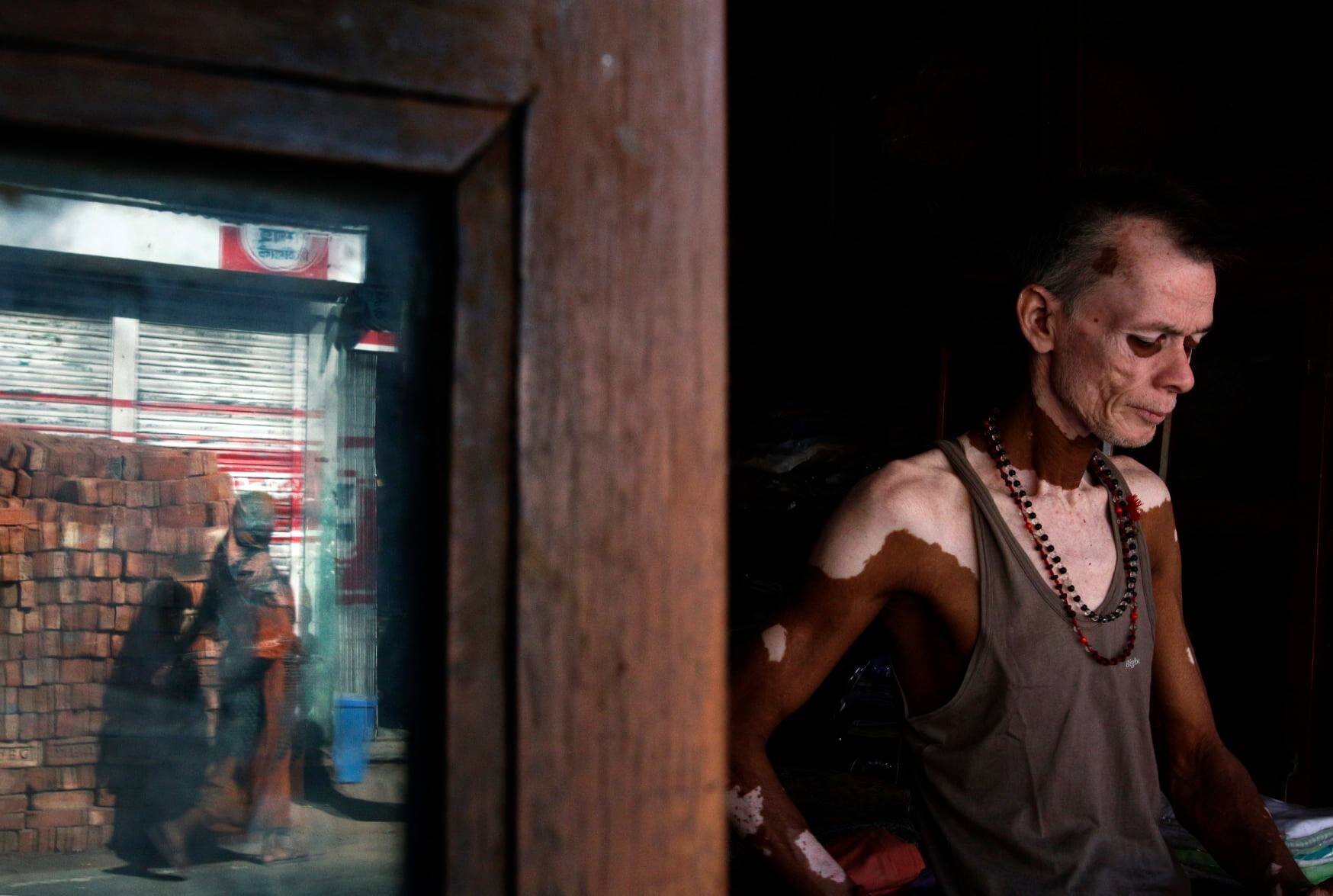
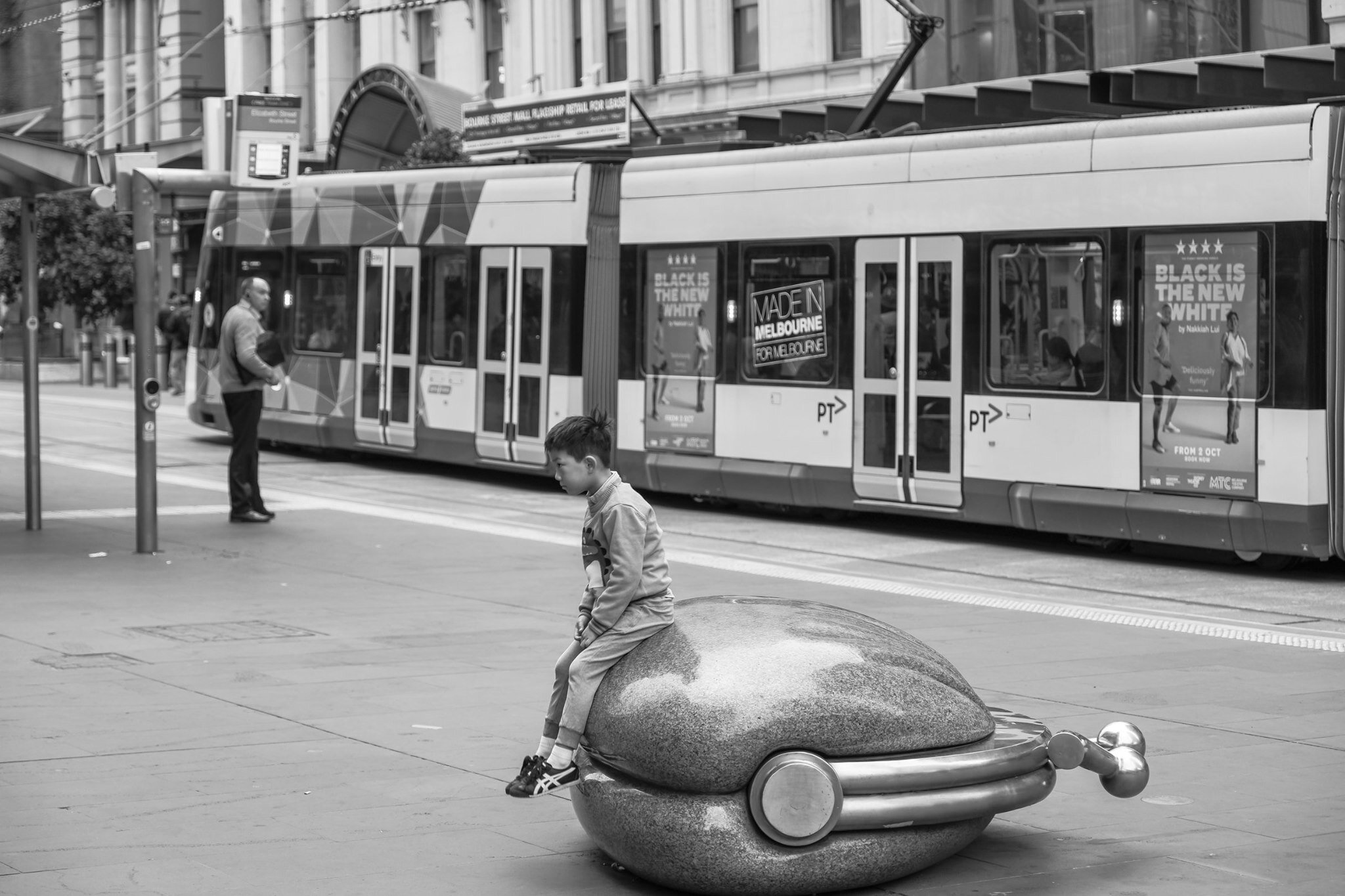
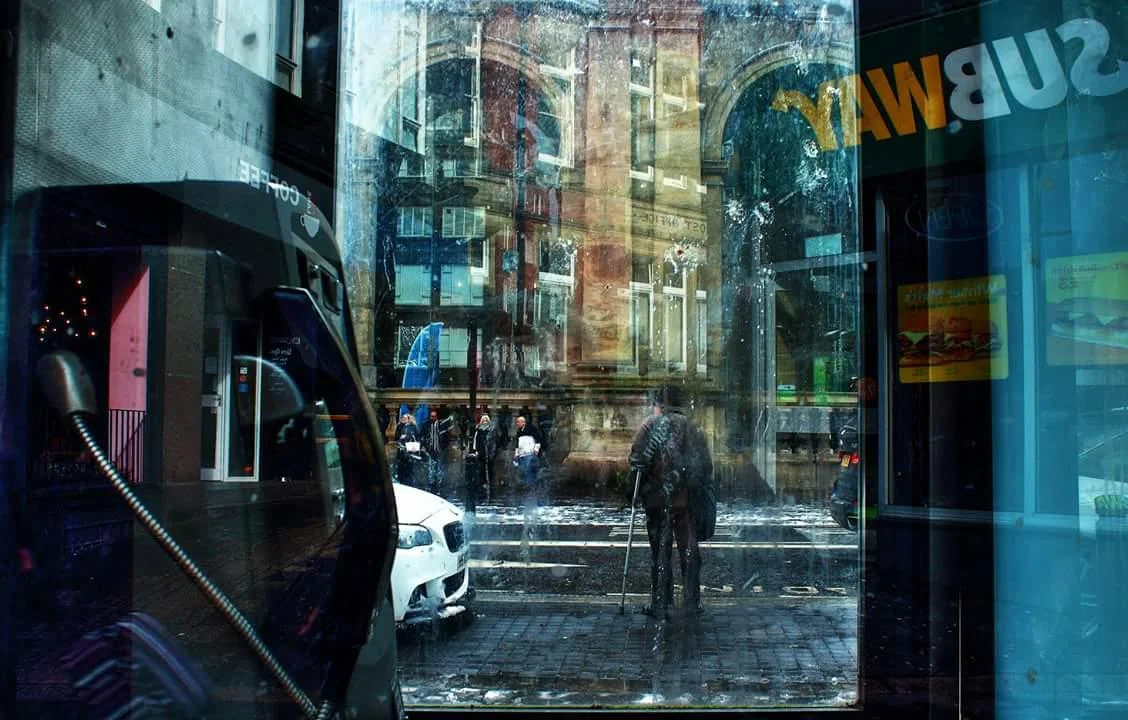
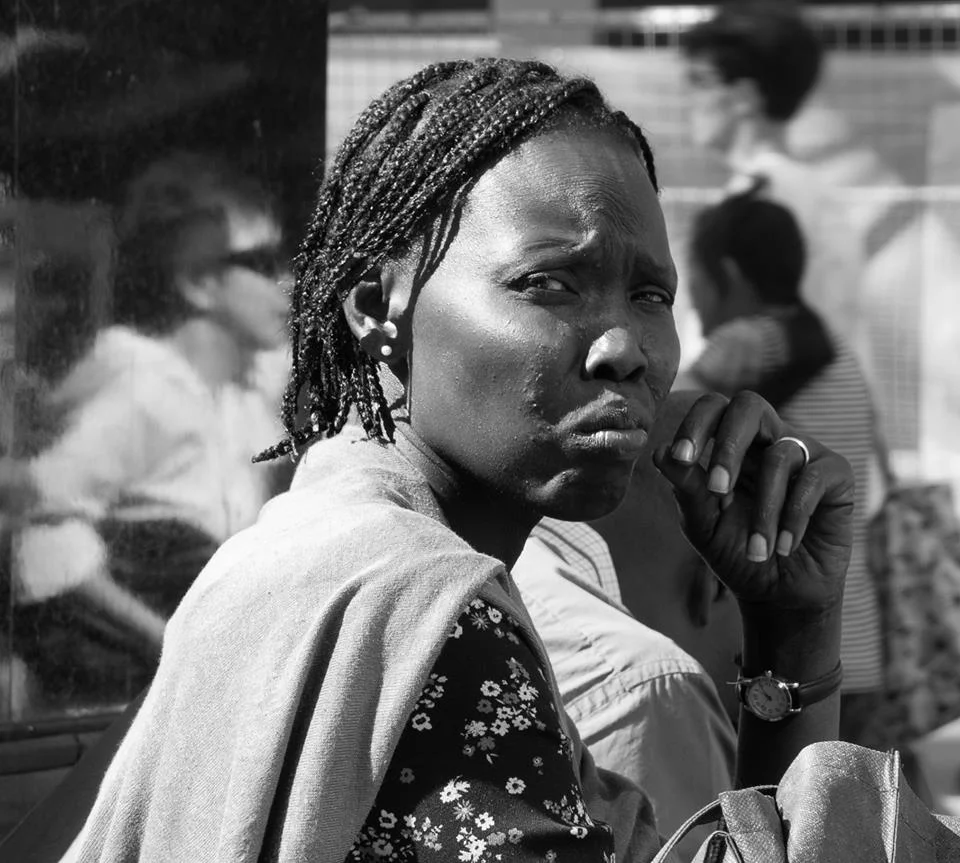
Chosen by Batsceba Hardy from our Facebook Galleries and changed every Monday morning.
In today's society, recognition and appreciation have become significant to many individuals. In our group and on our website, we recognize noteworthy accomplishments such as Photo of the Week, but we do not claim superiority. We proudly display your award-winning photos in our galleries and share them with you. Although we acknowledge our imperfections, we strive to provide you with the best possible experience using our intelligent features, magazines and books. Our ultimate goal is to help you appreciate your own photography as well as that of others whilst also encouraging thought and contemplation.
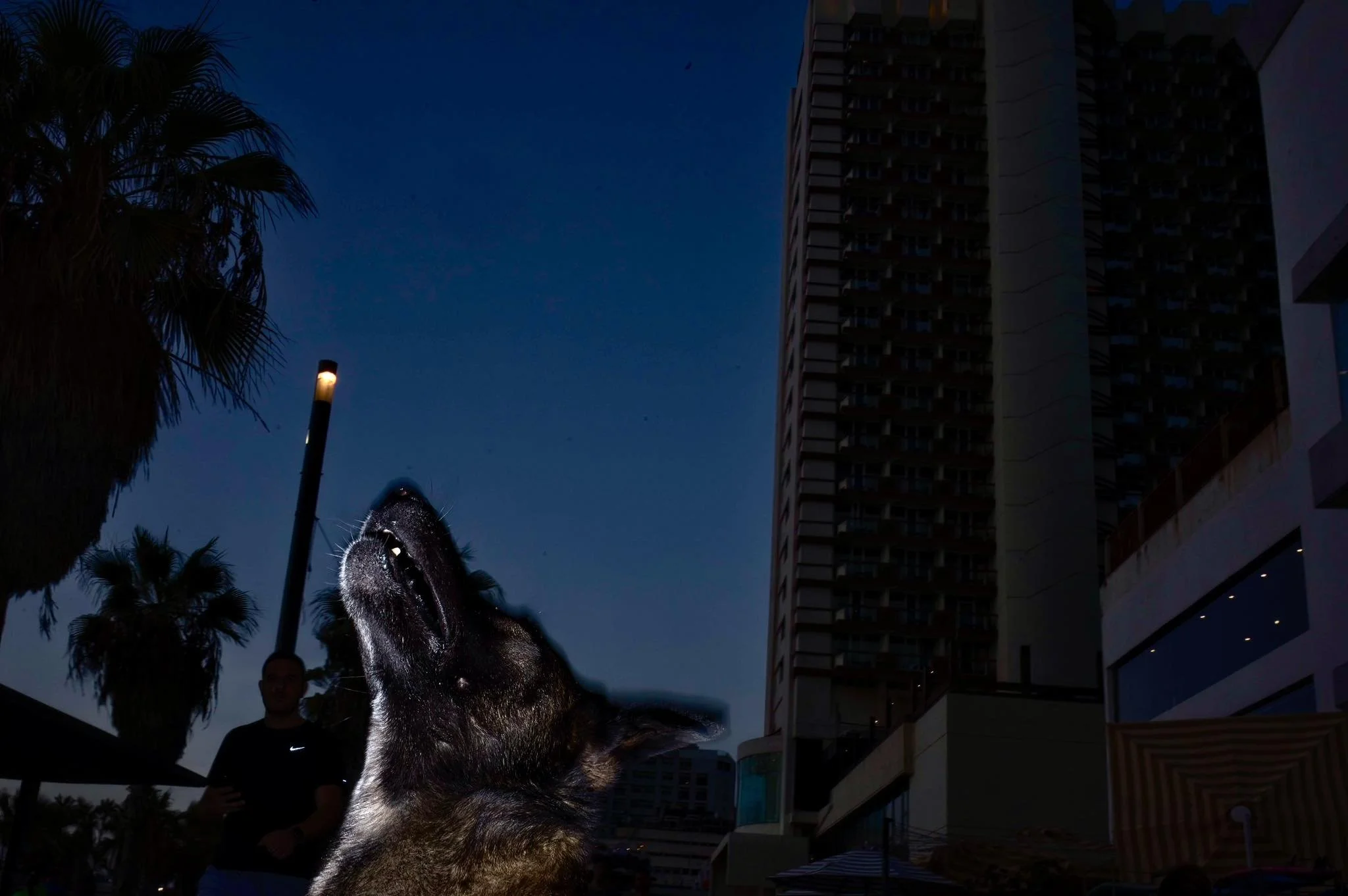
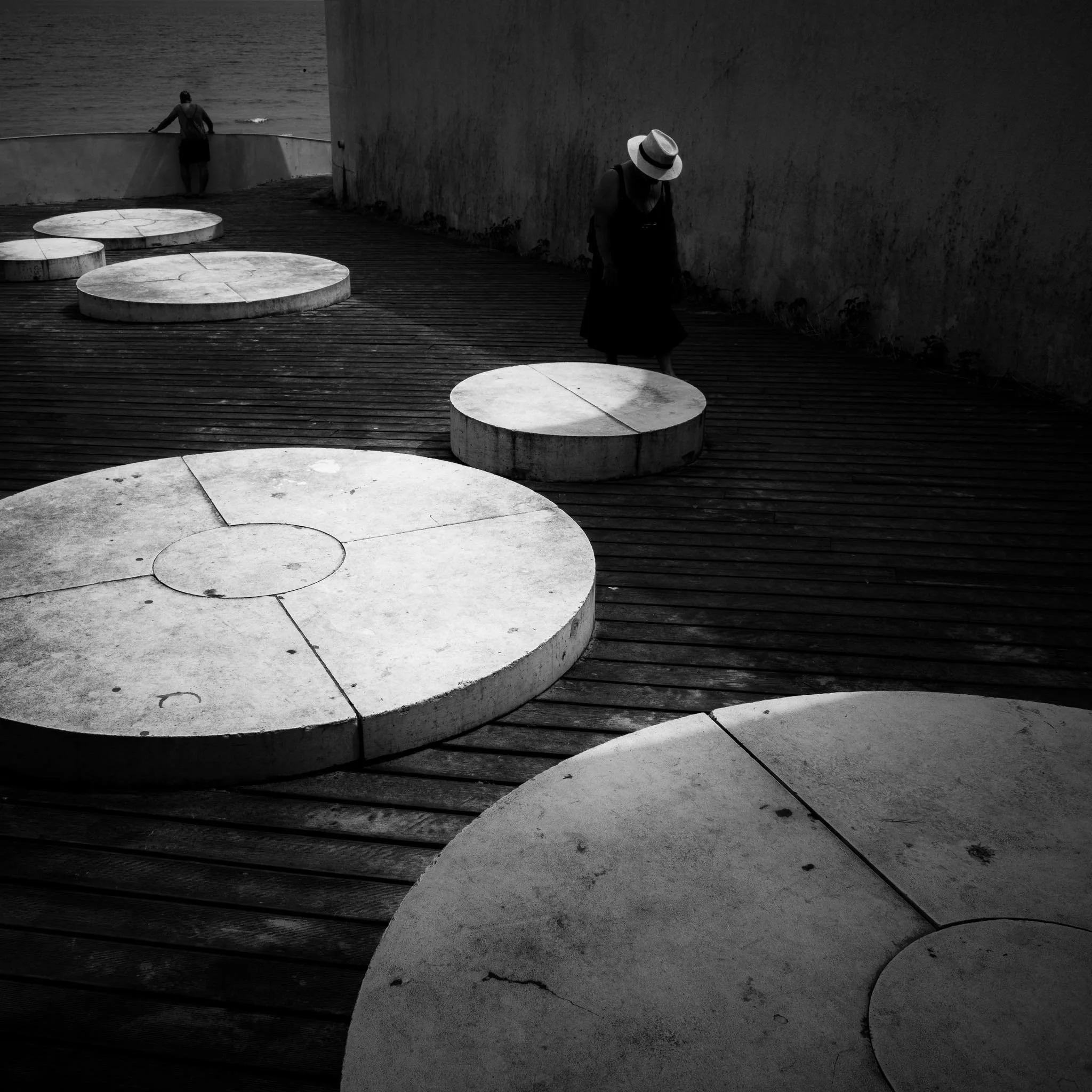
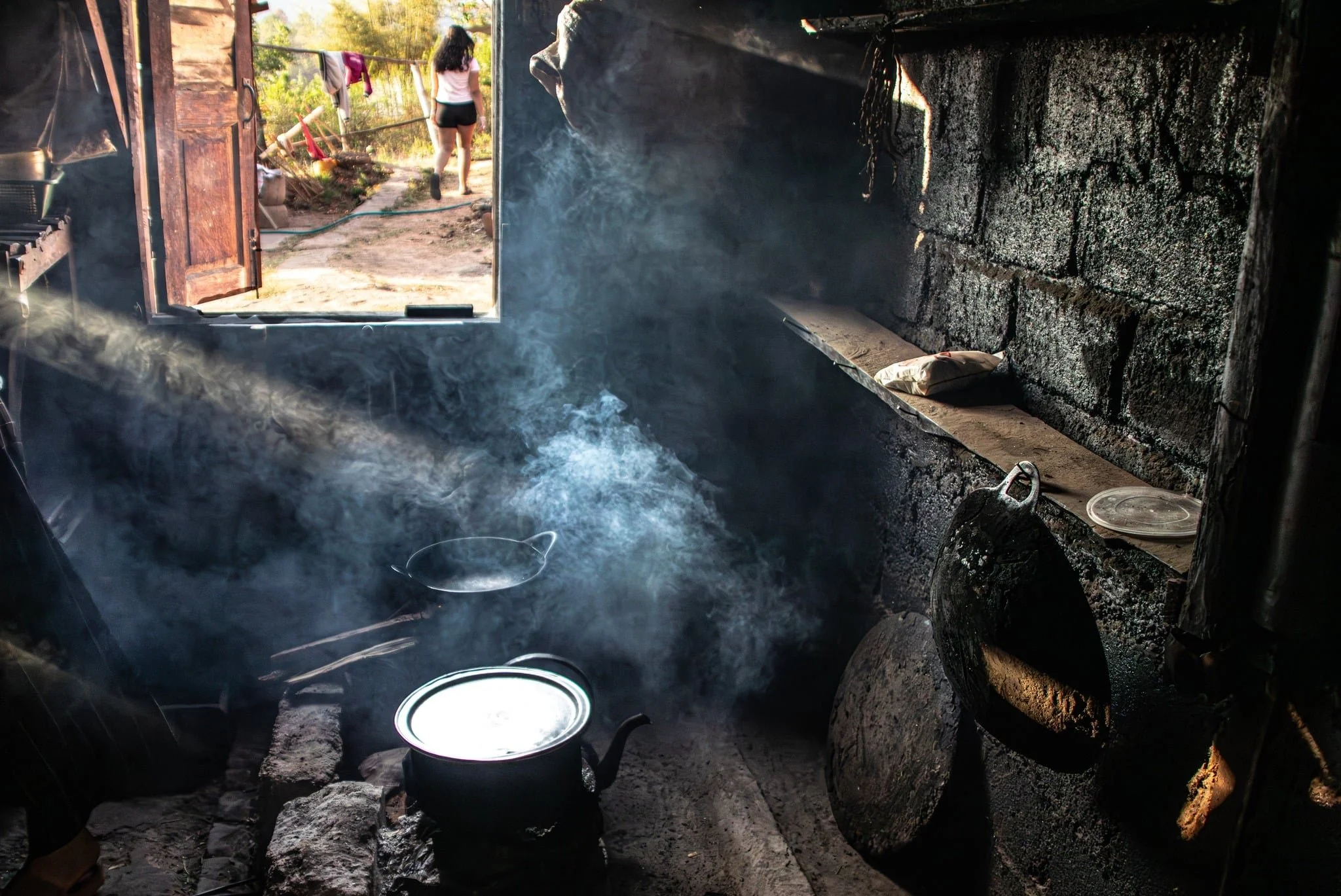
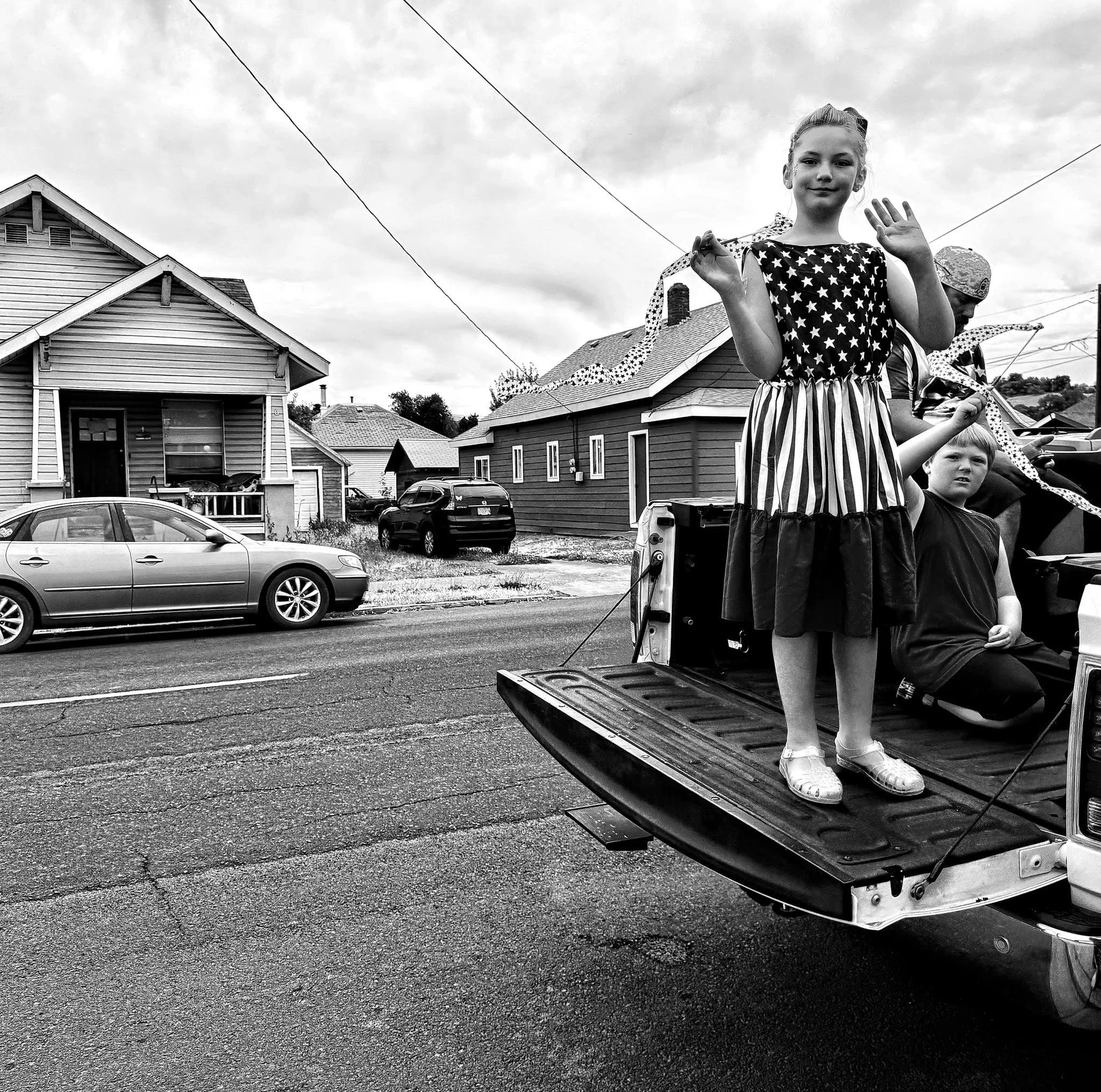
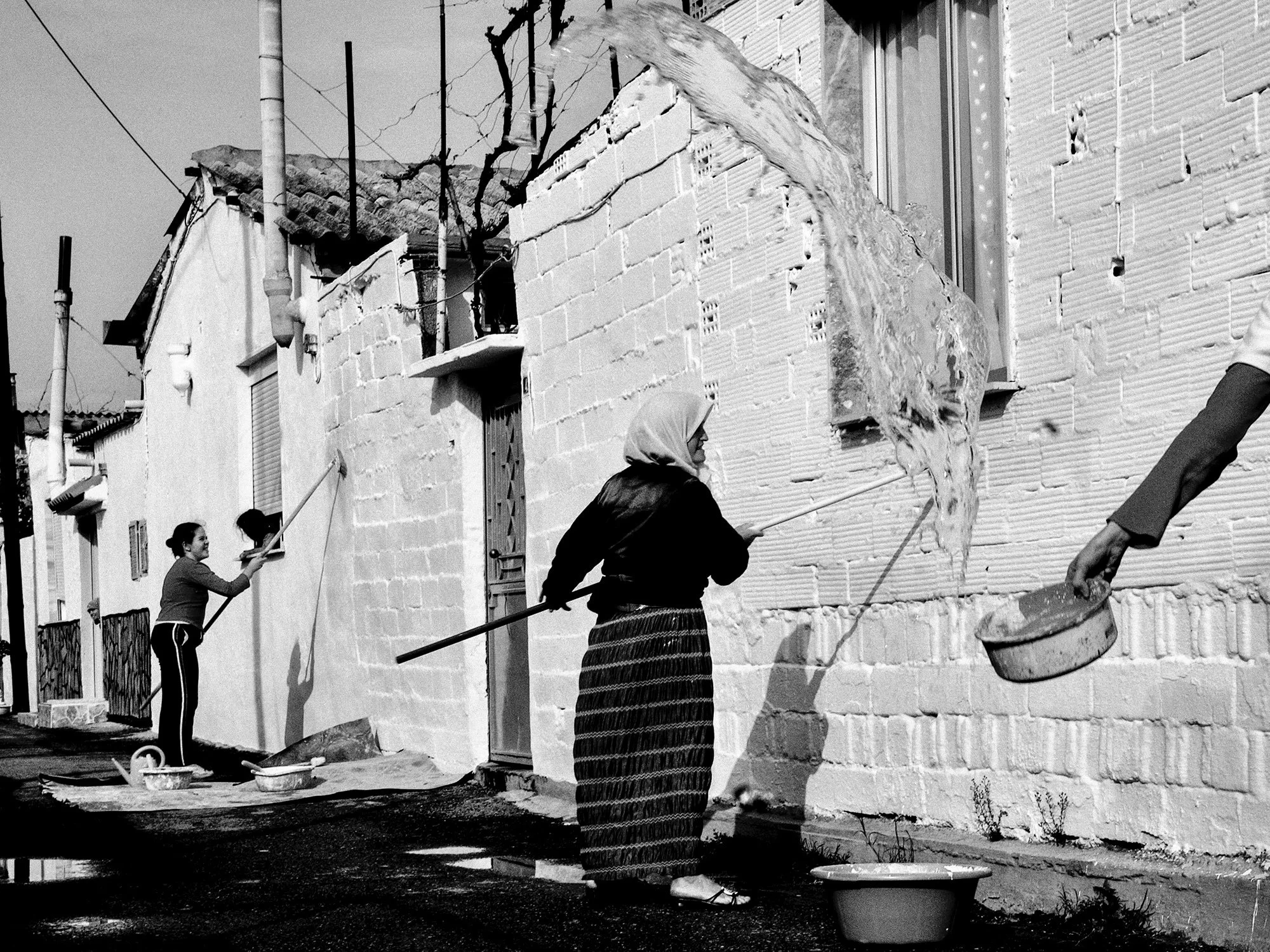
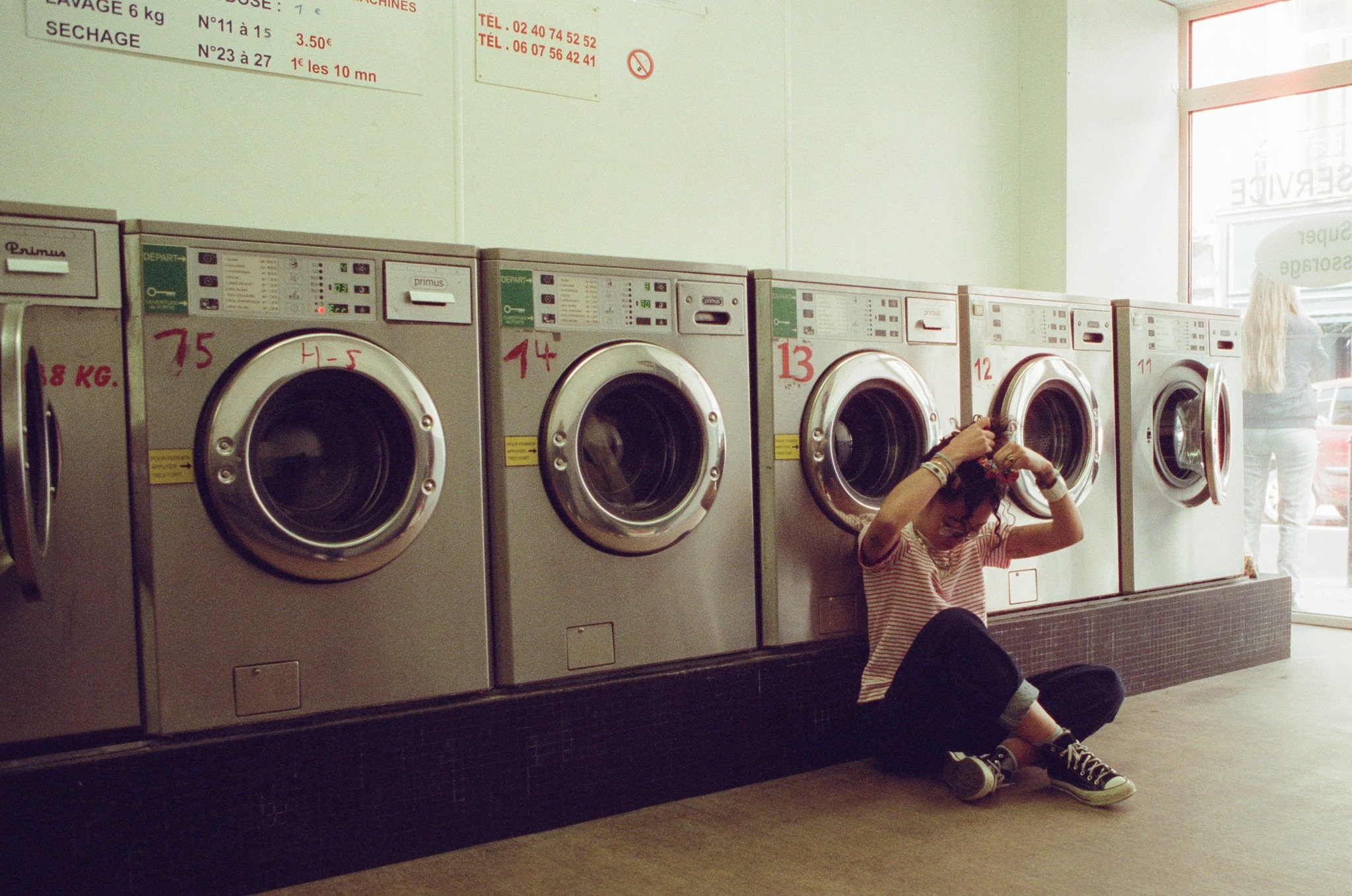
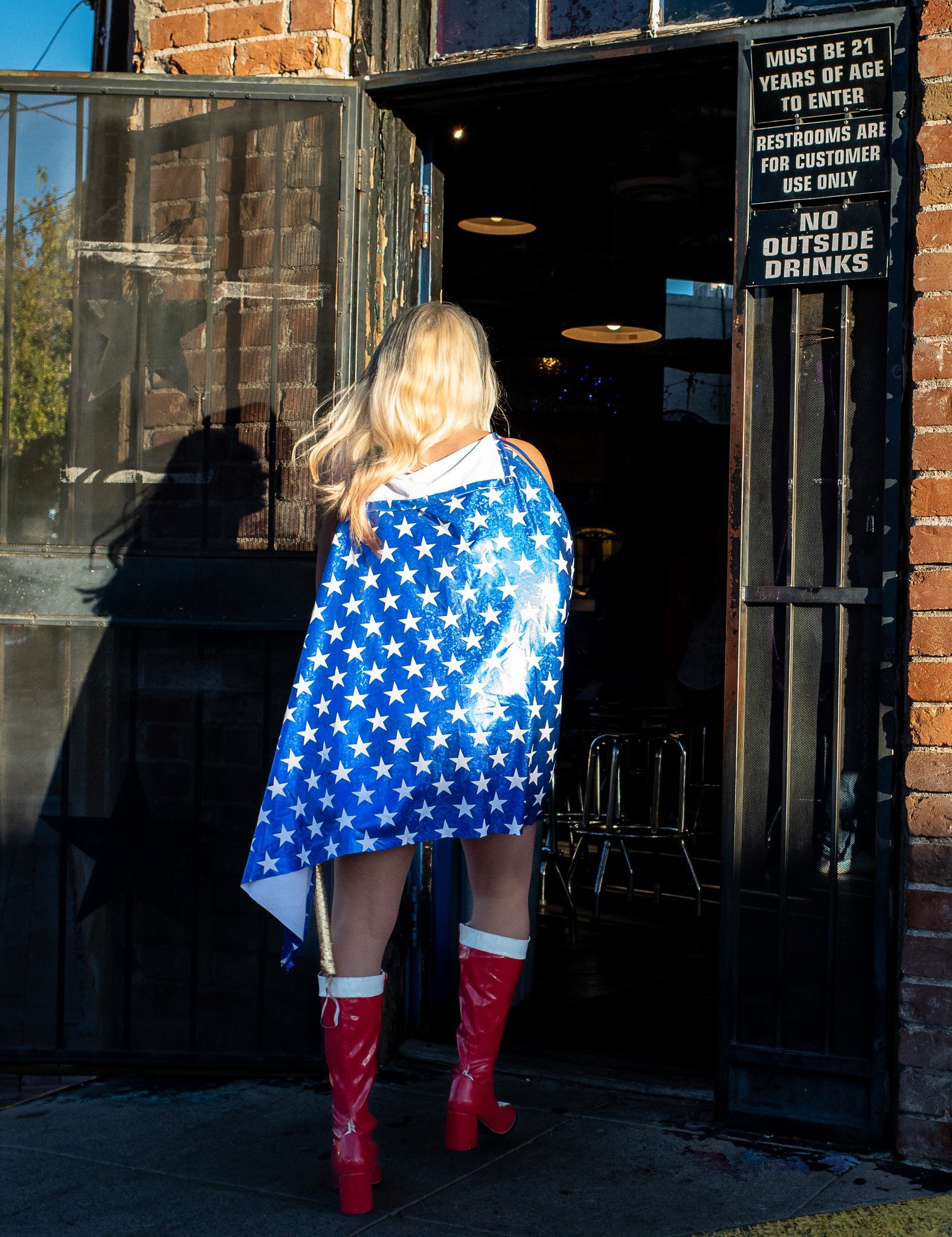
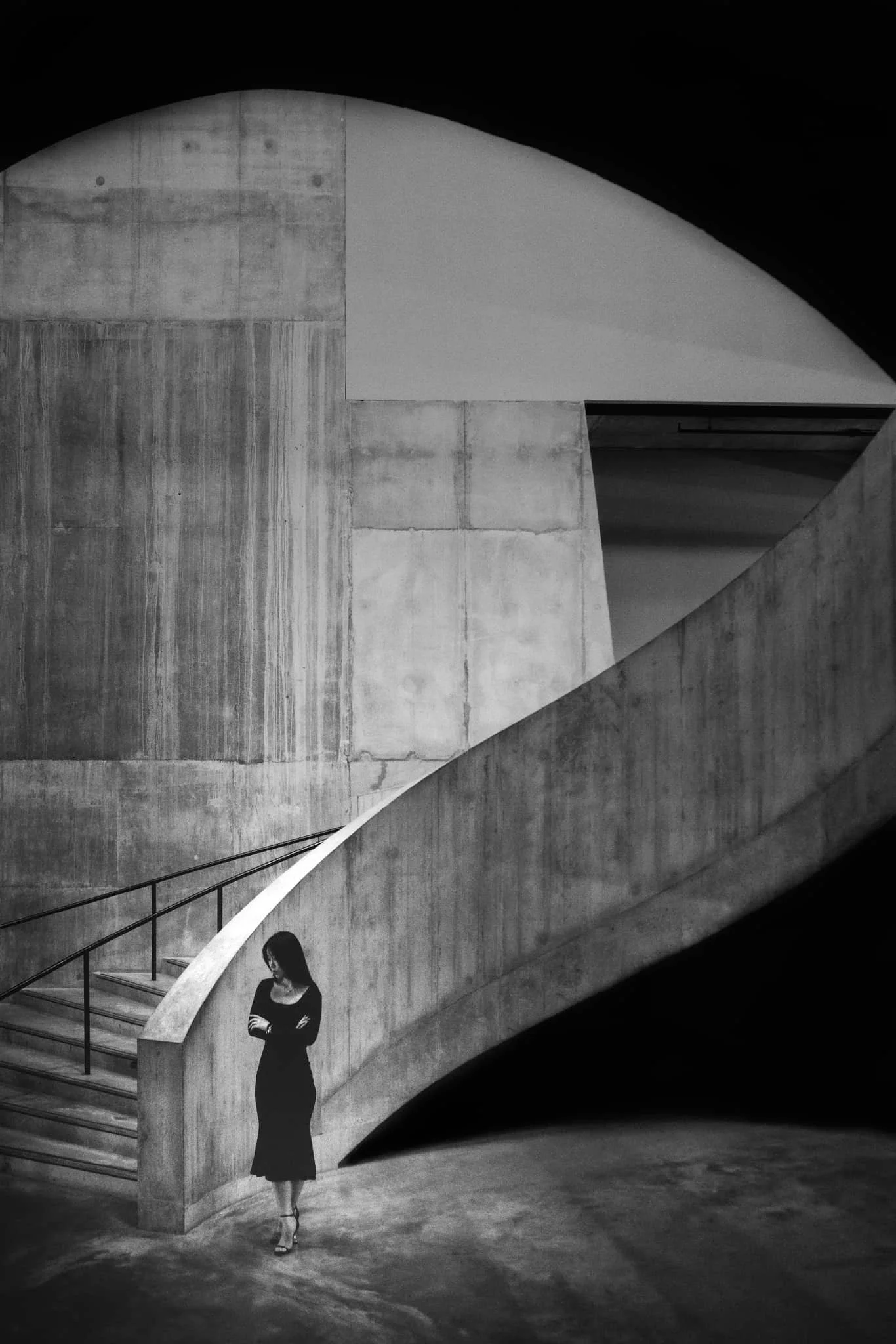
Monday 03.08.26
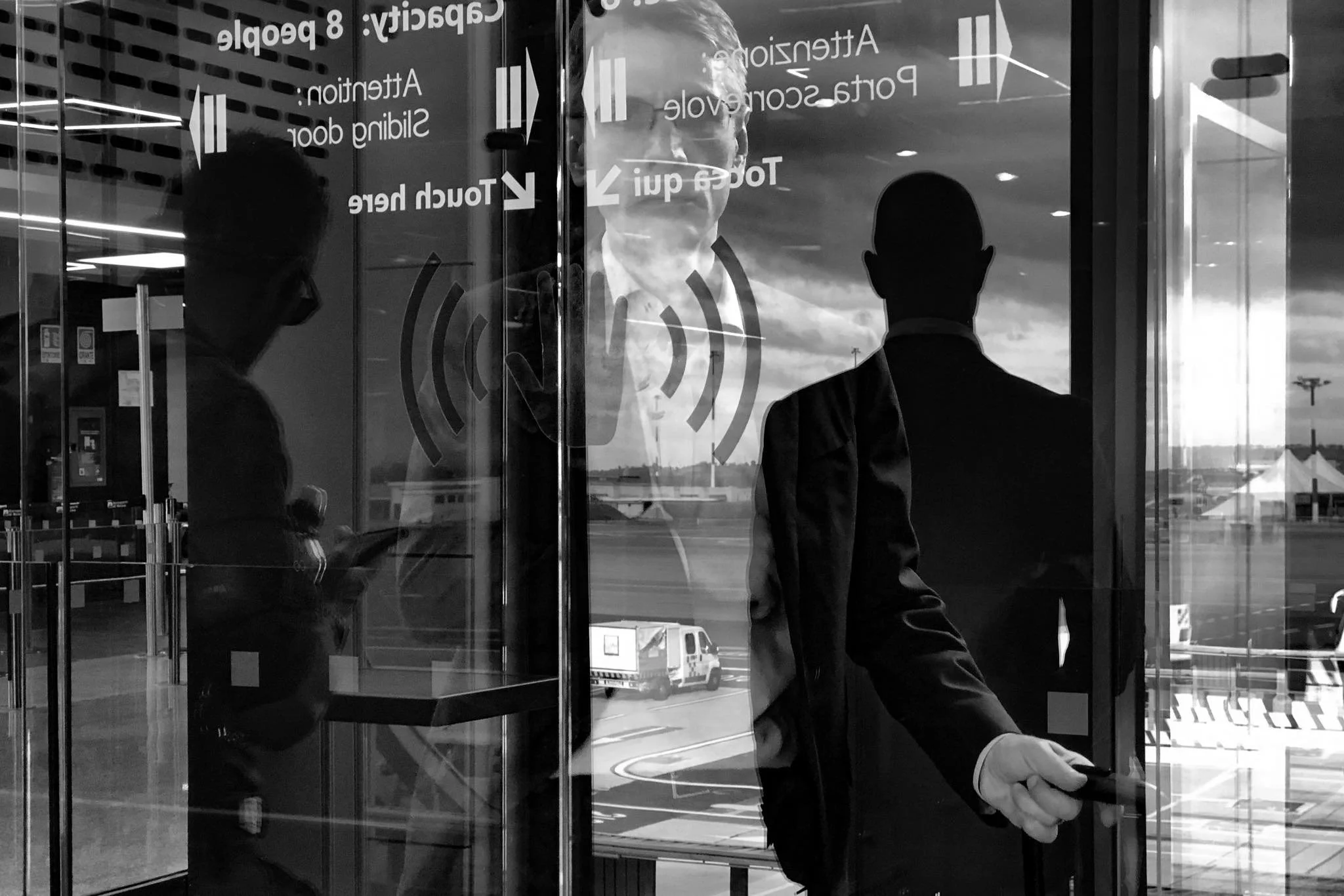
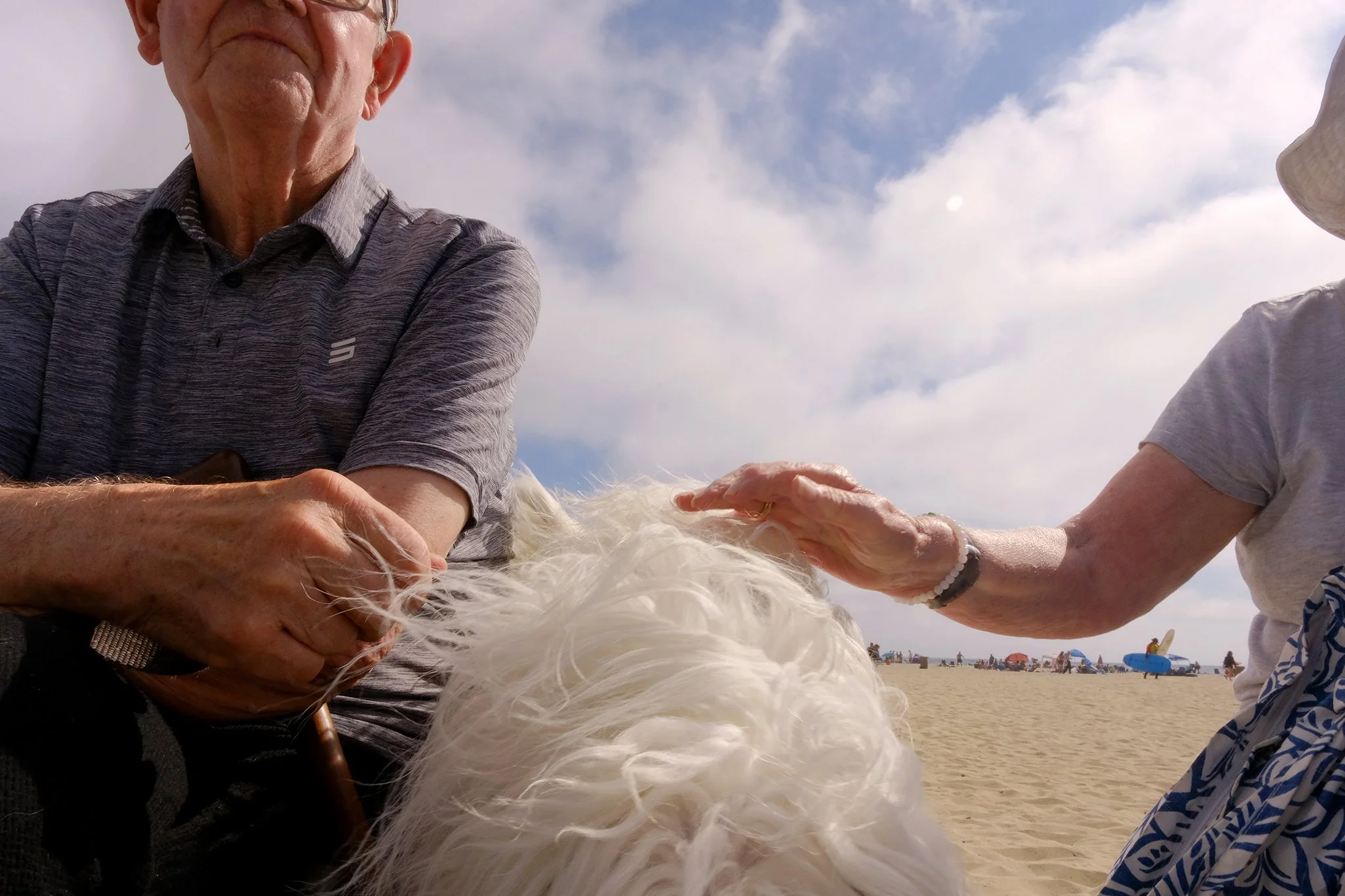
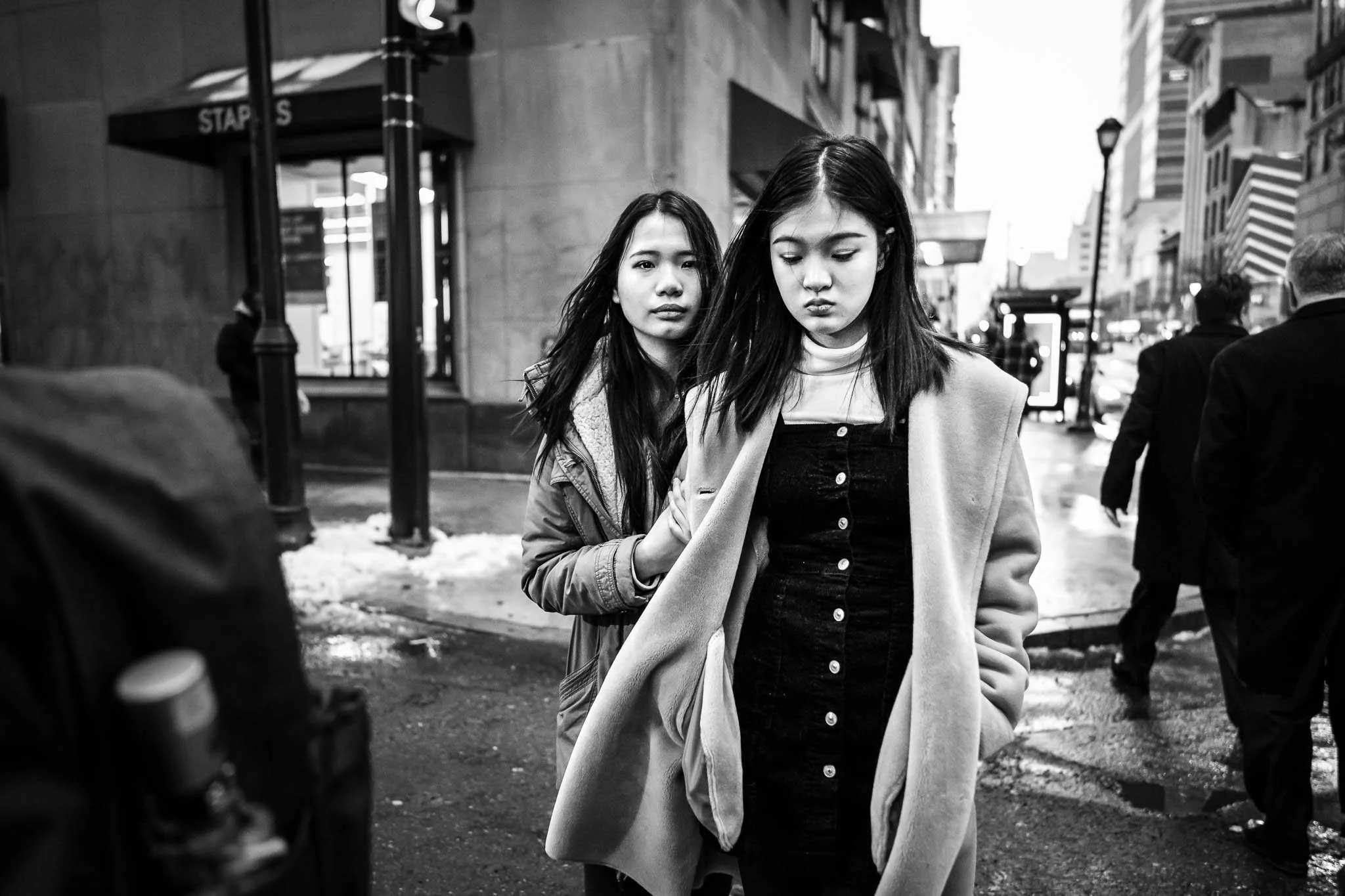
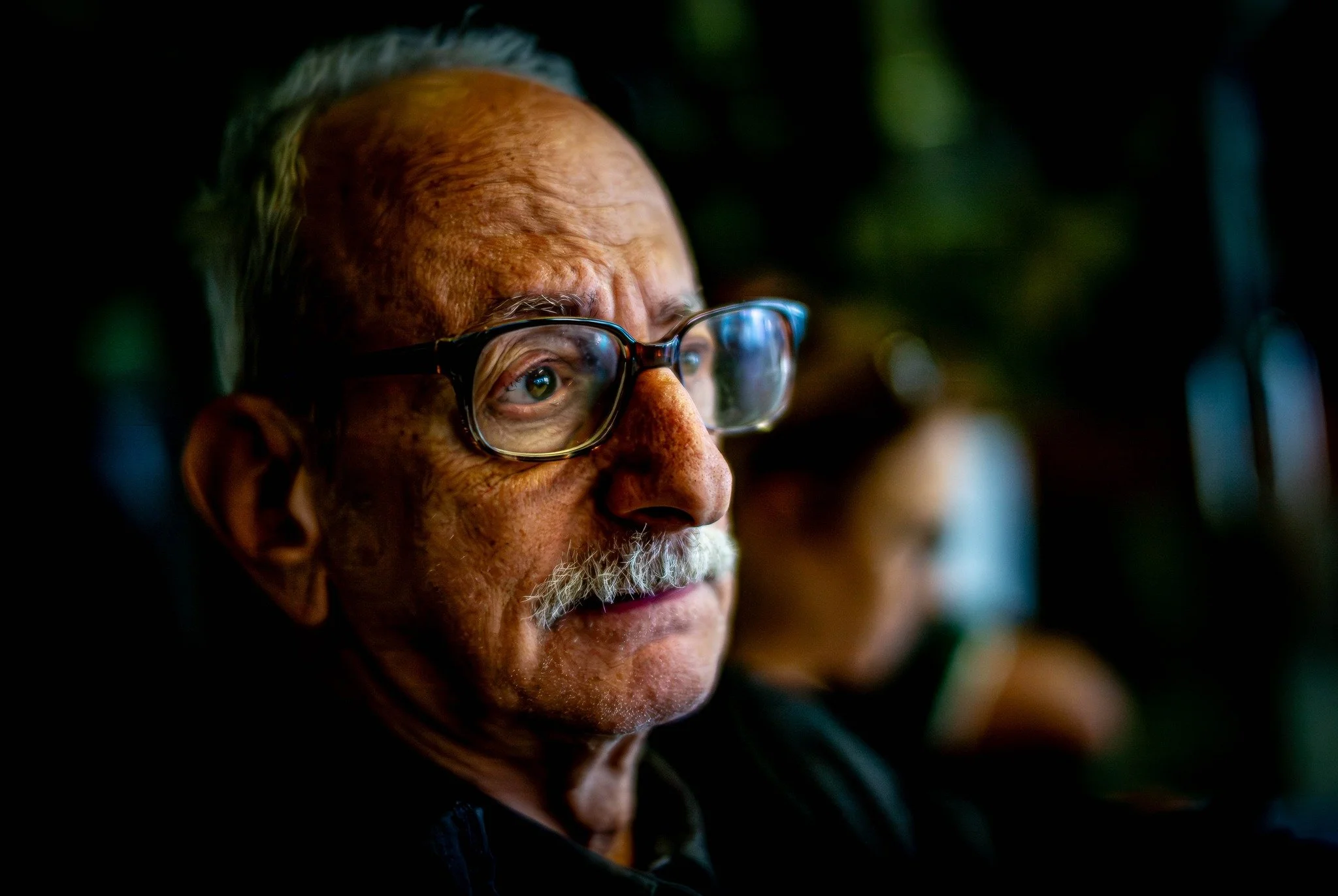
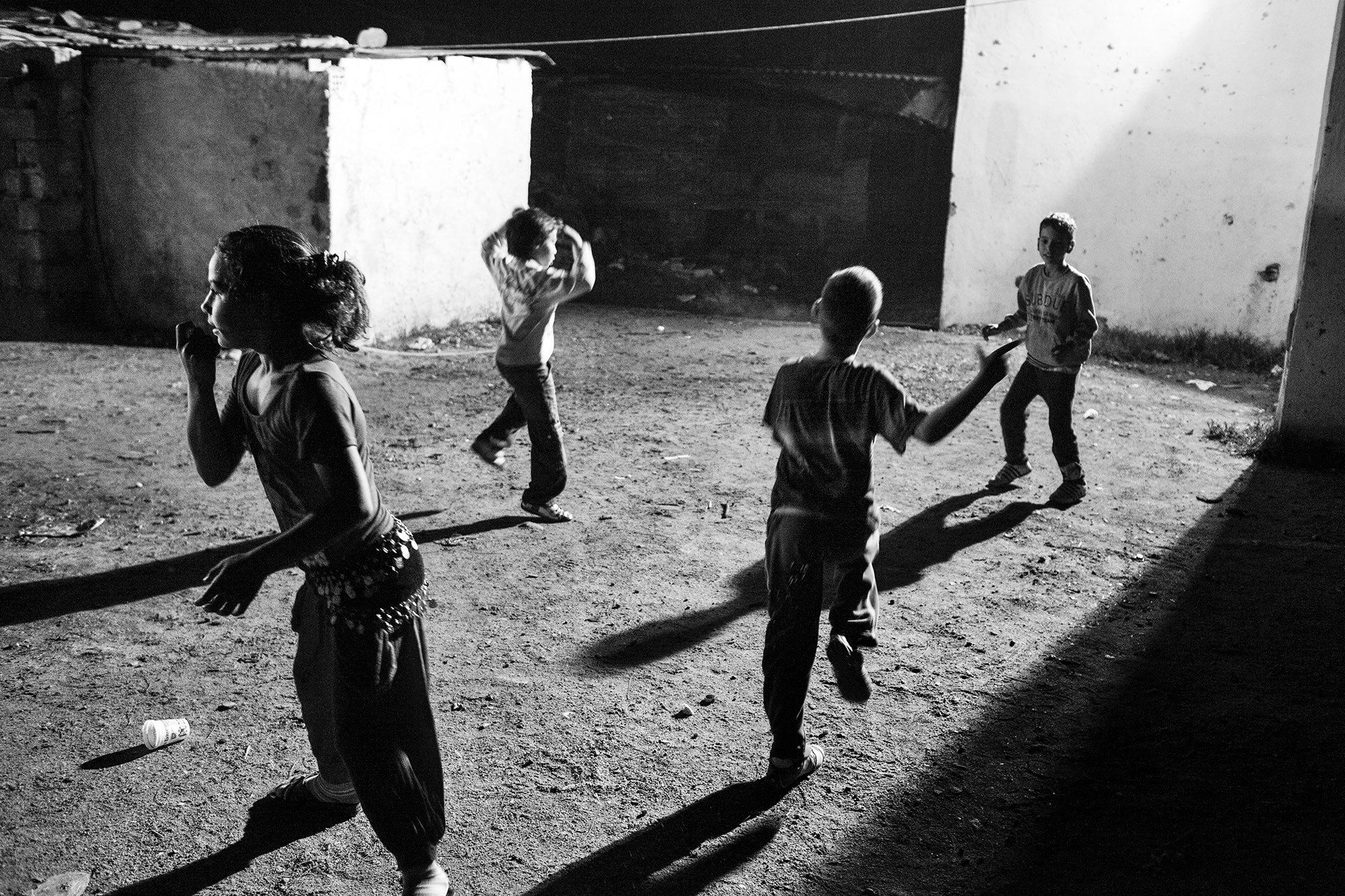
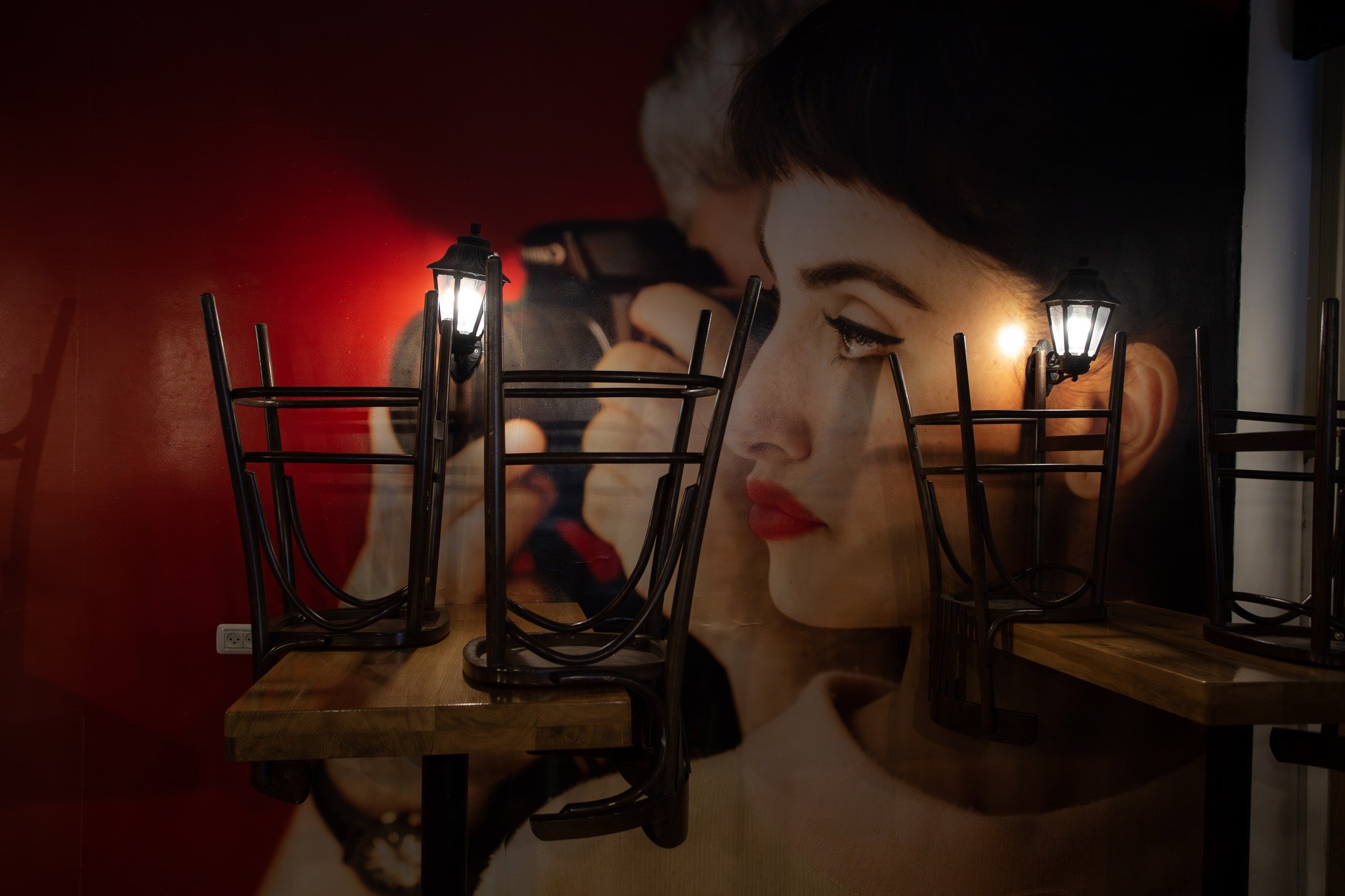
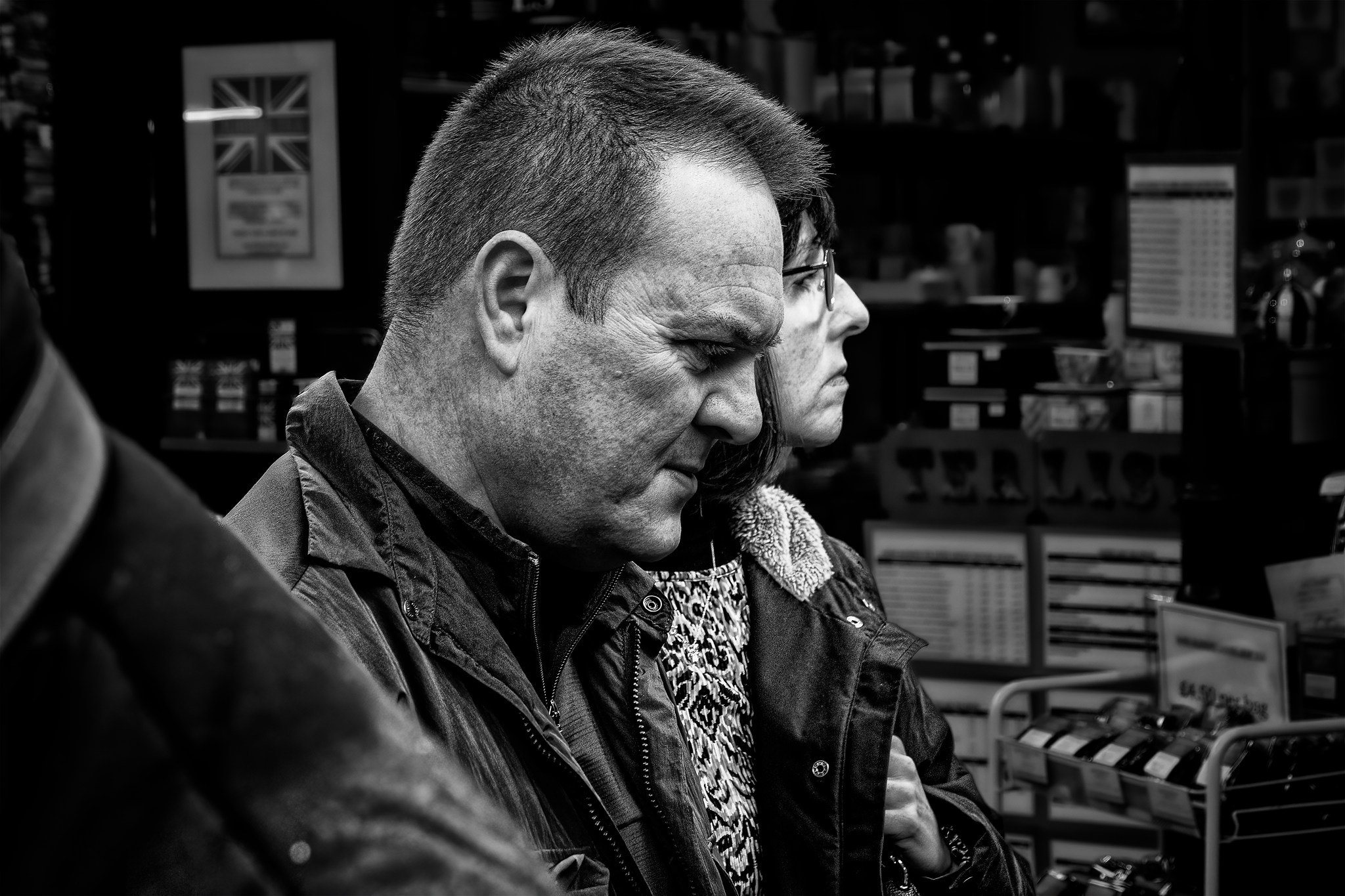
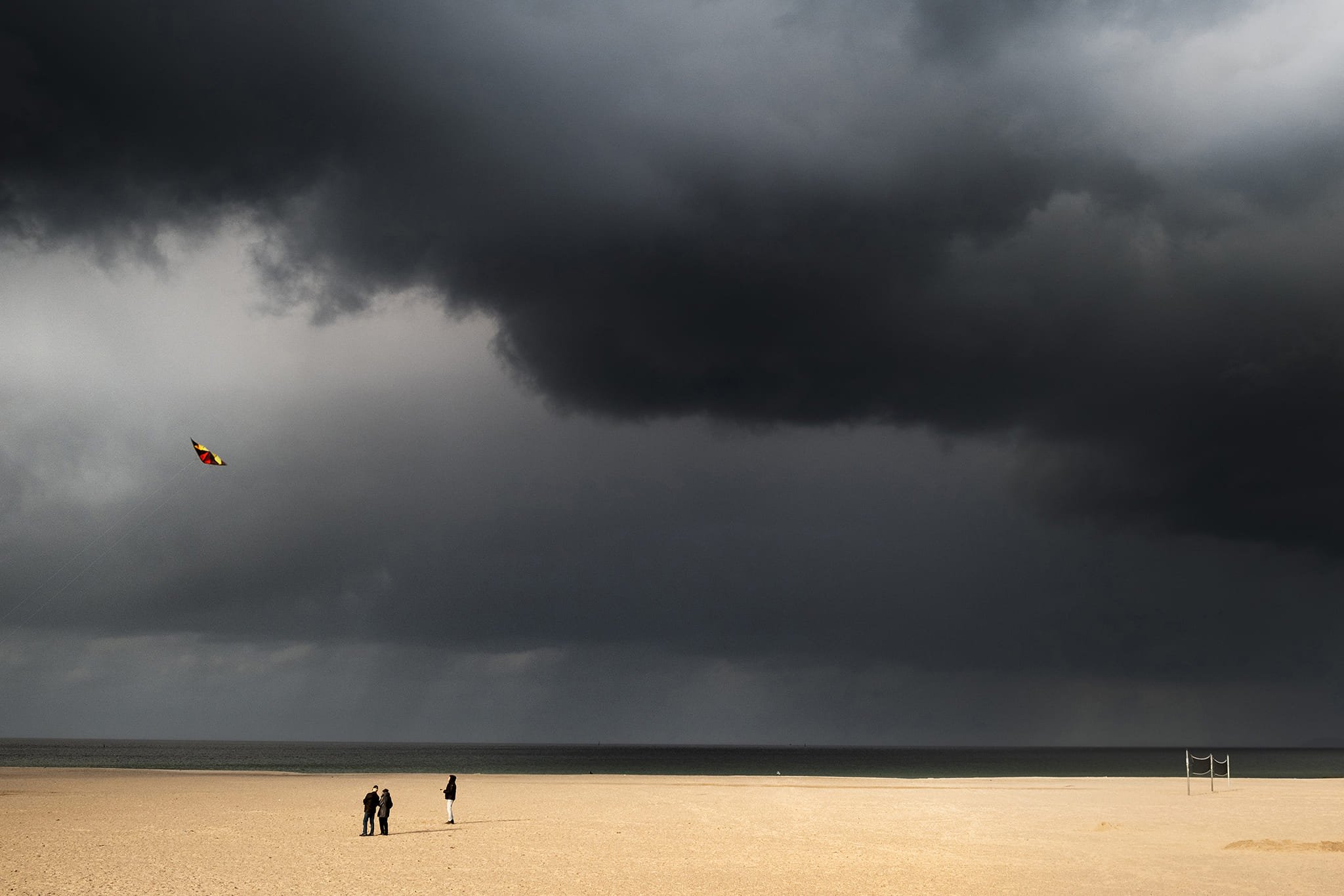
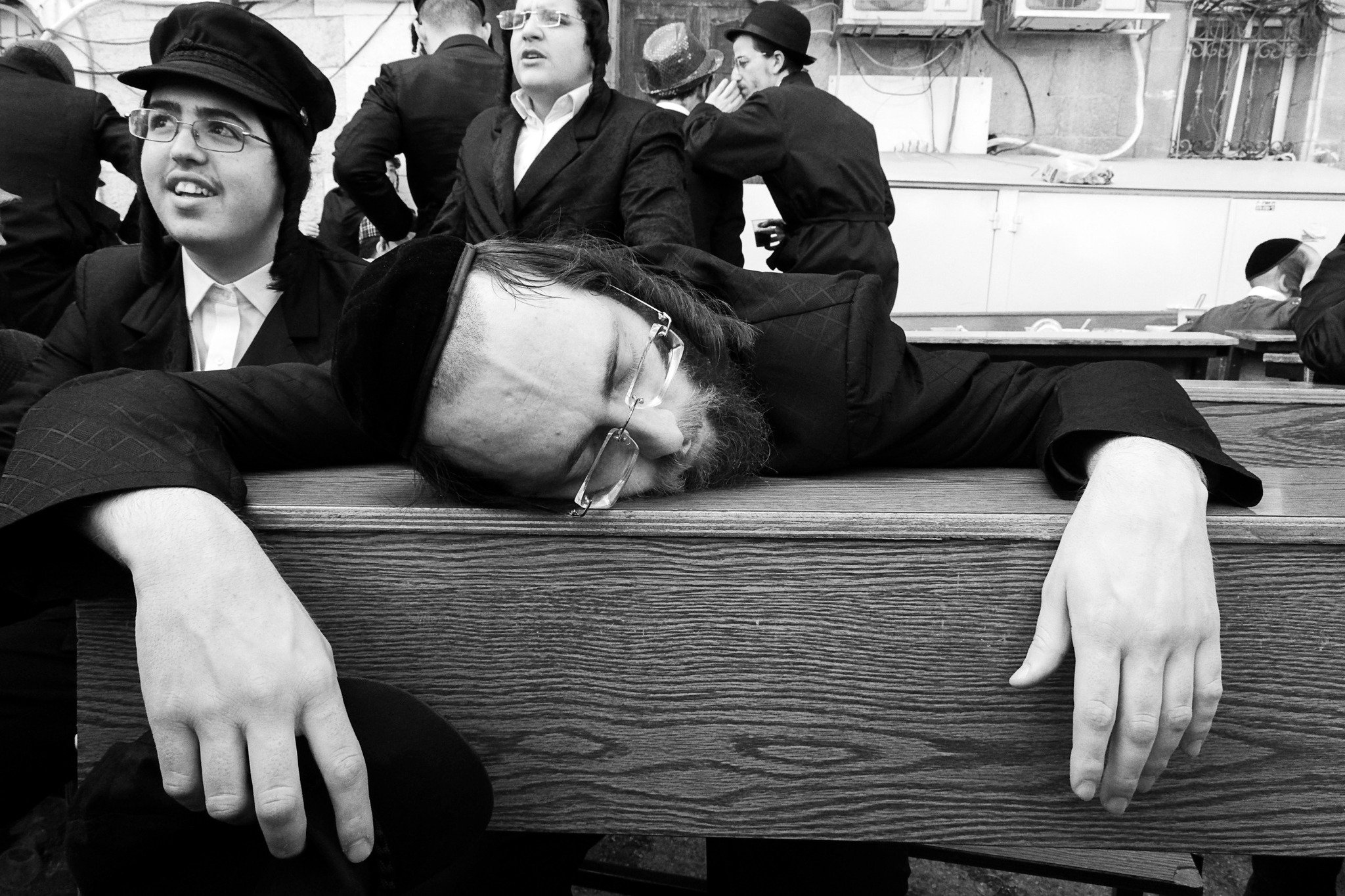
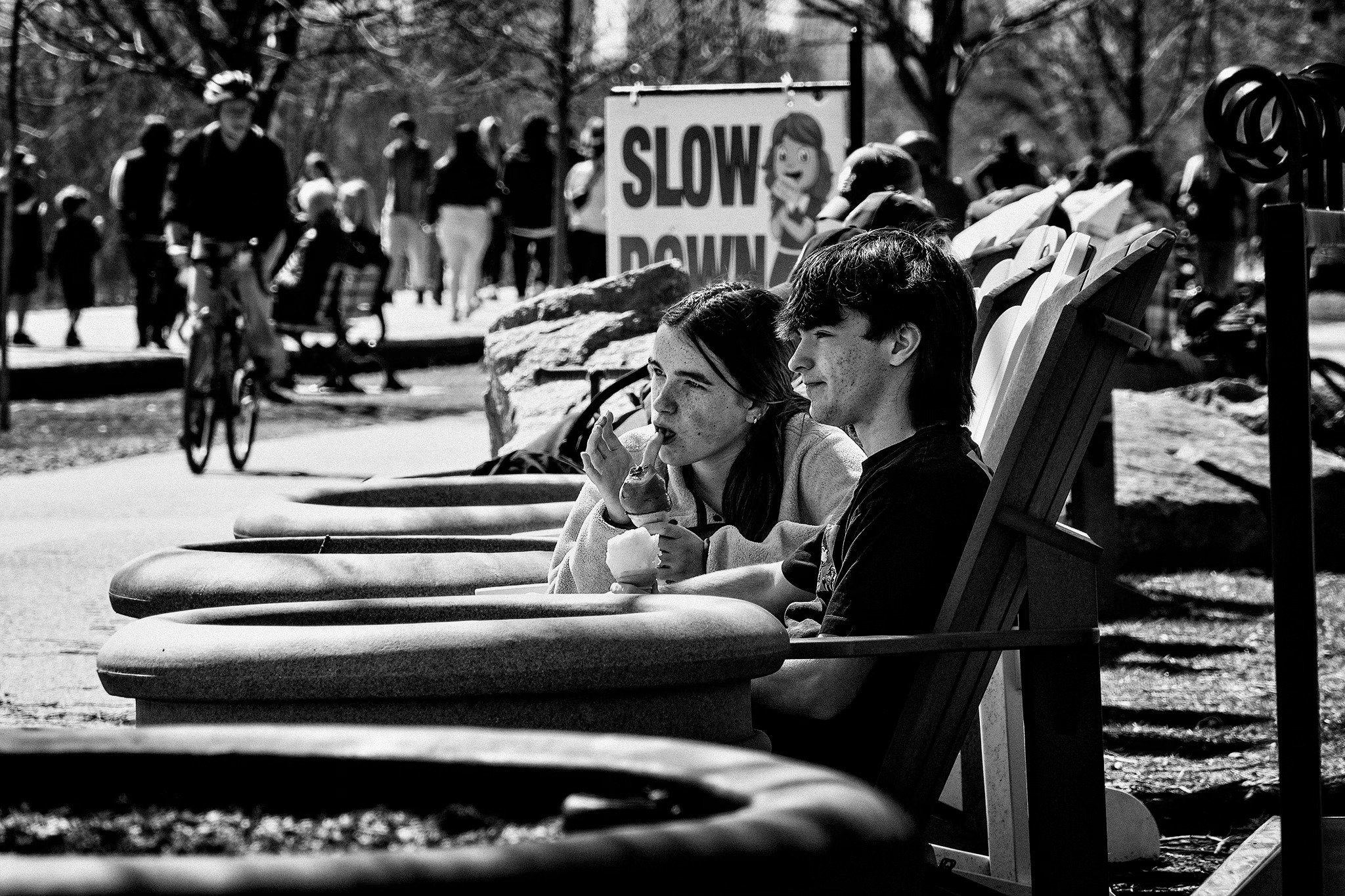
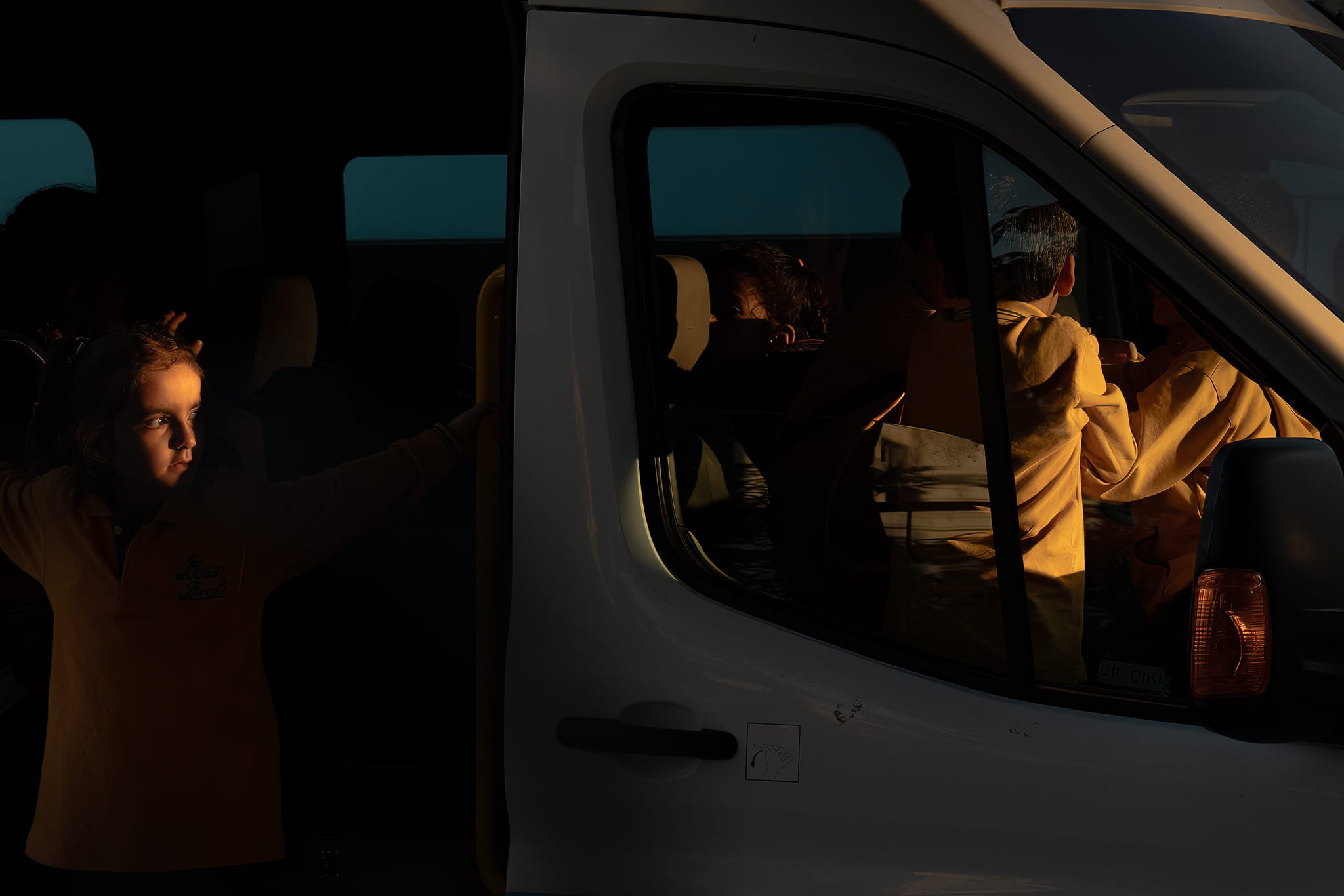
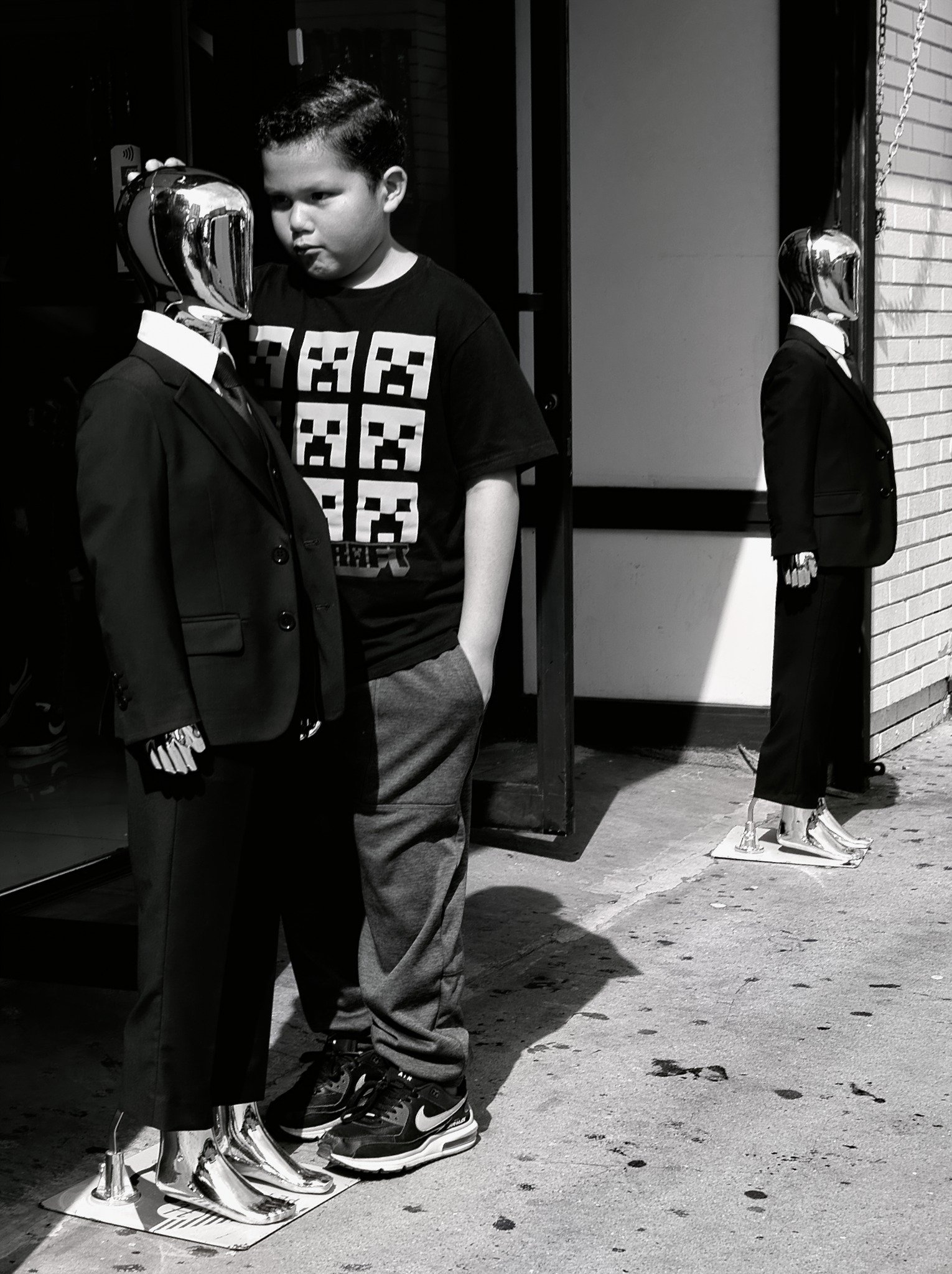
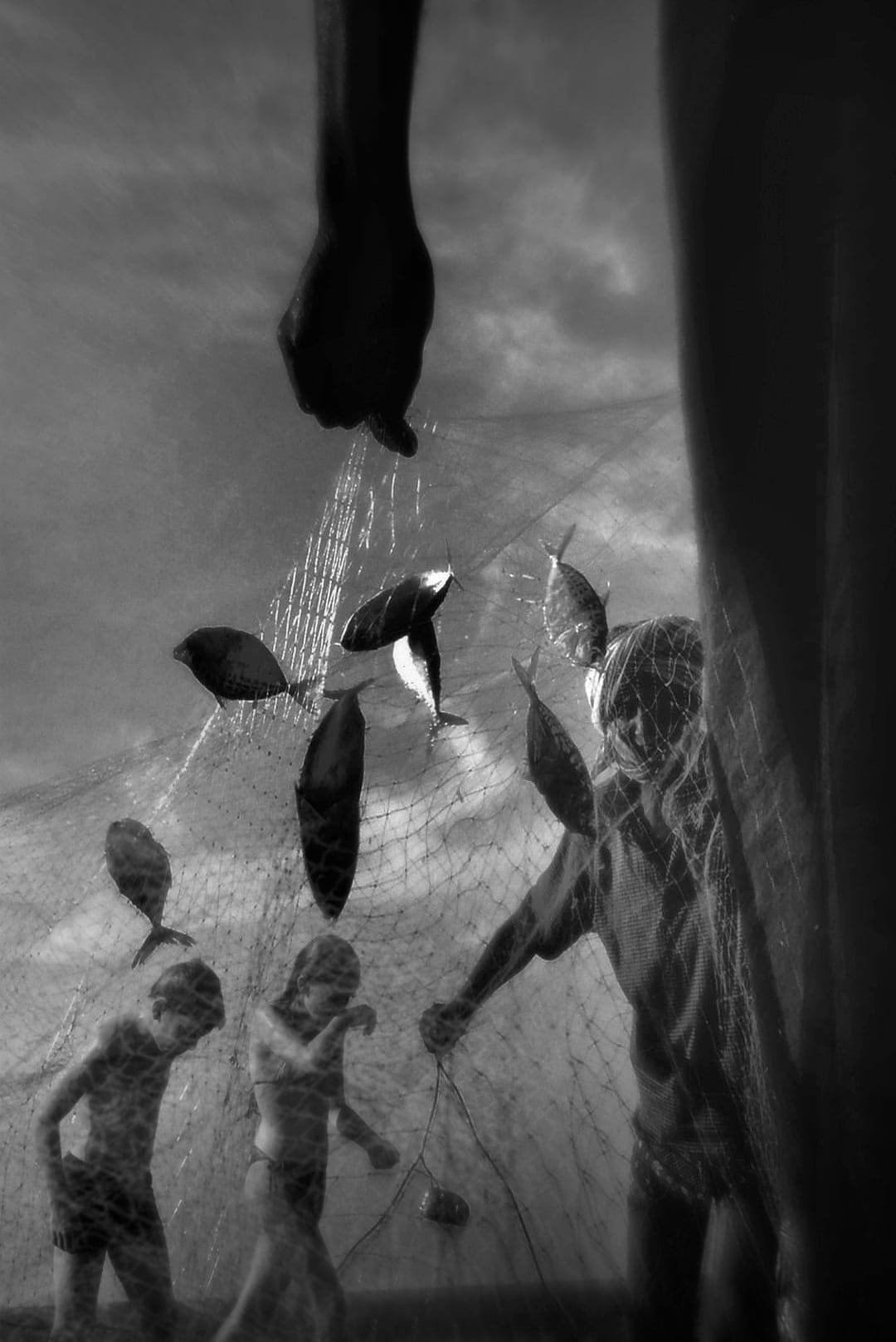
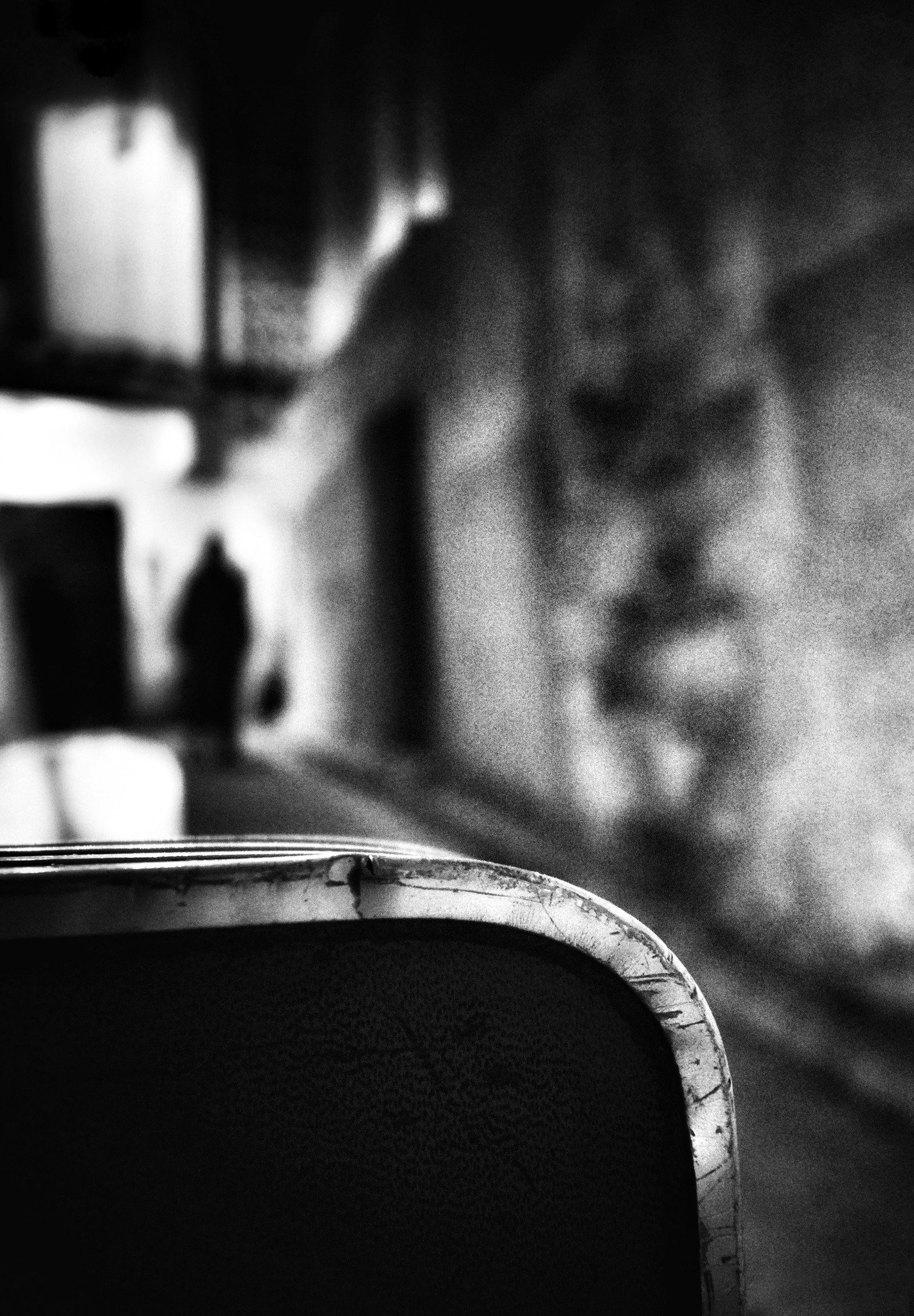
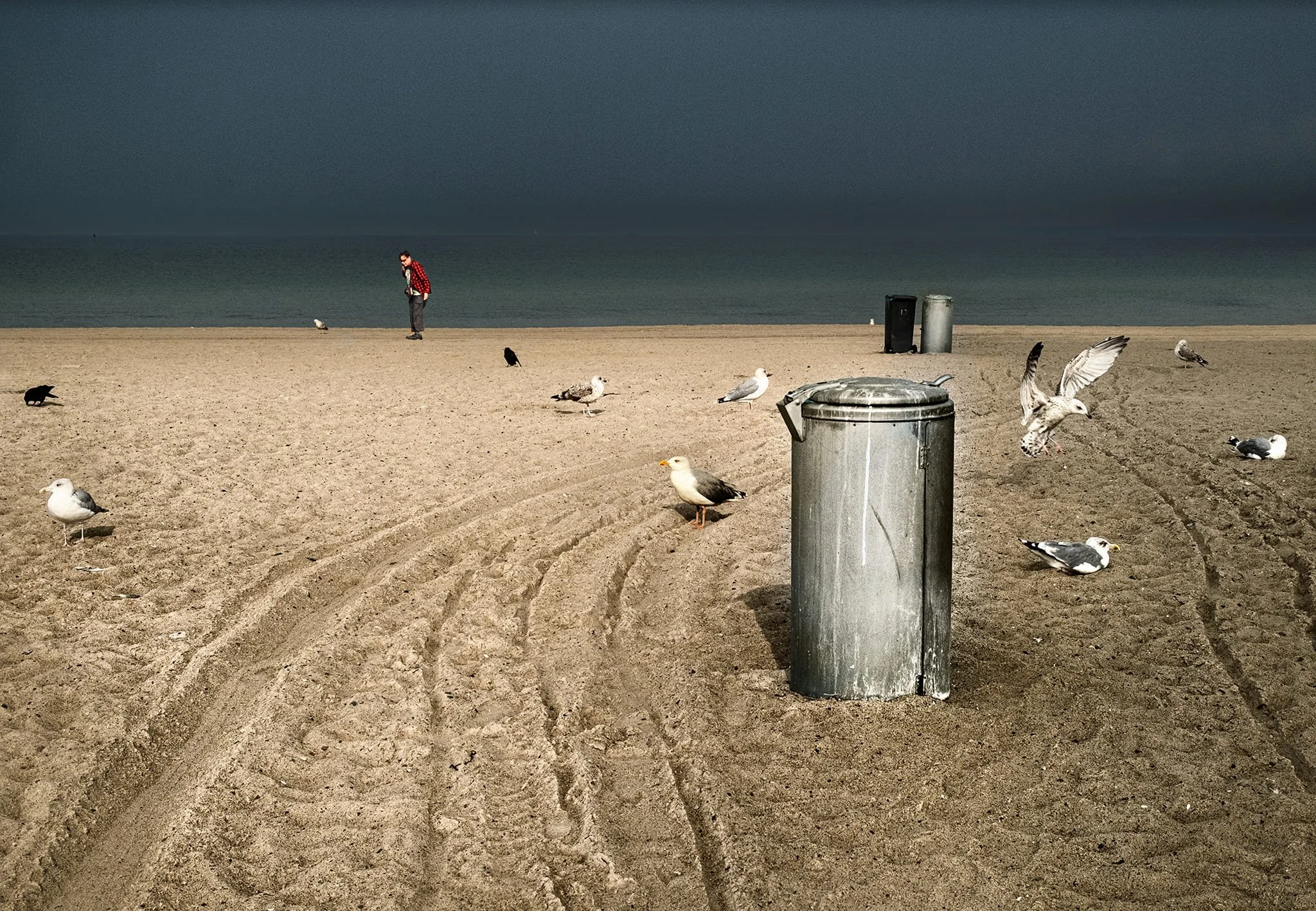
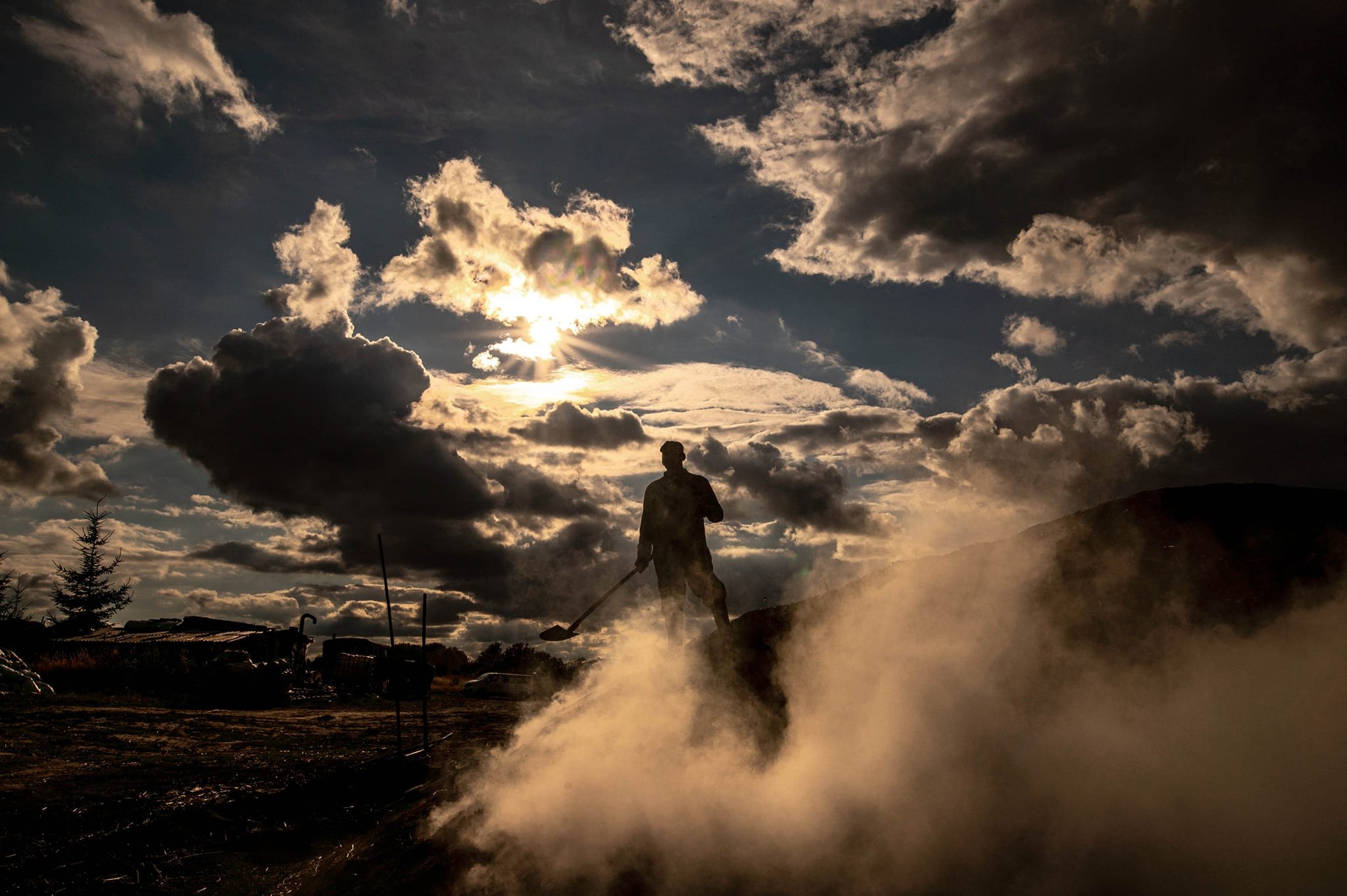
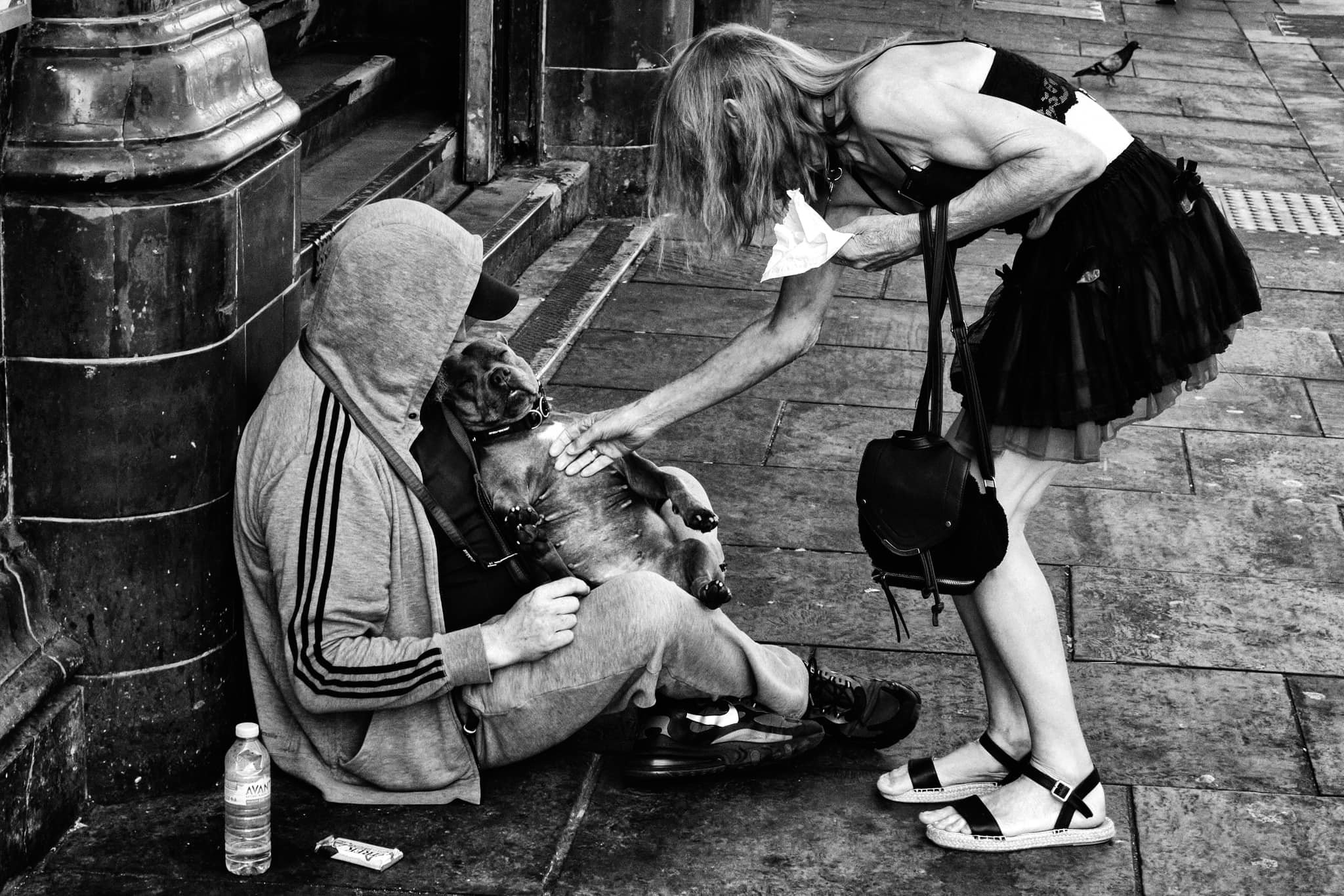
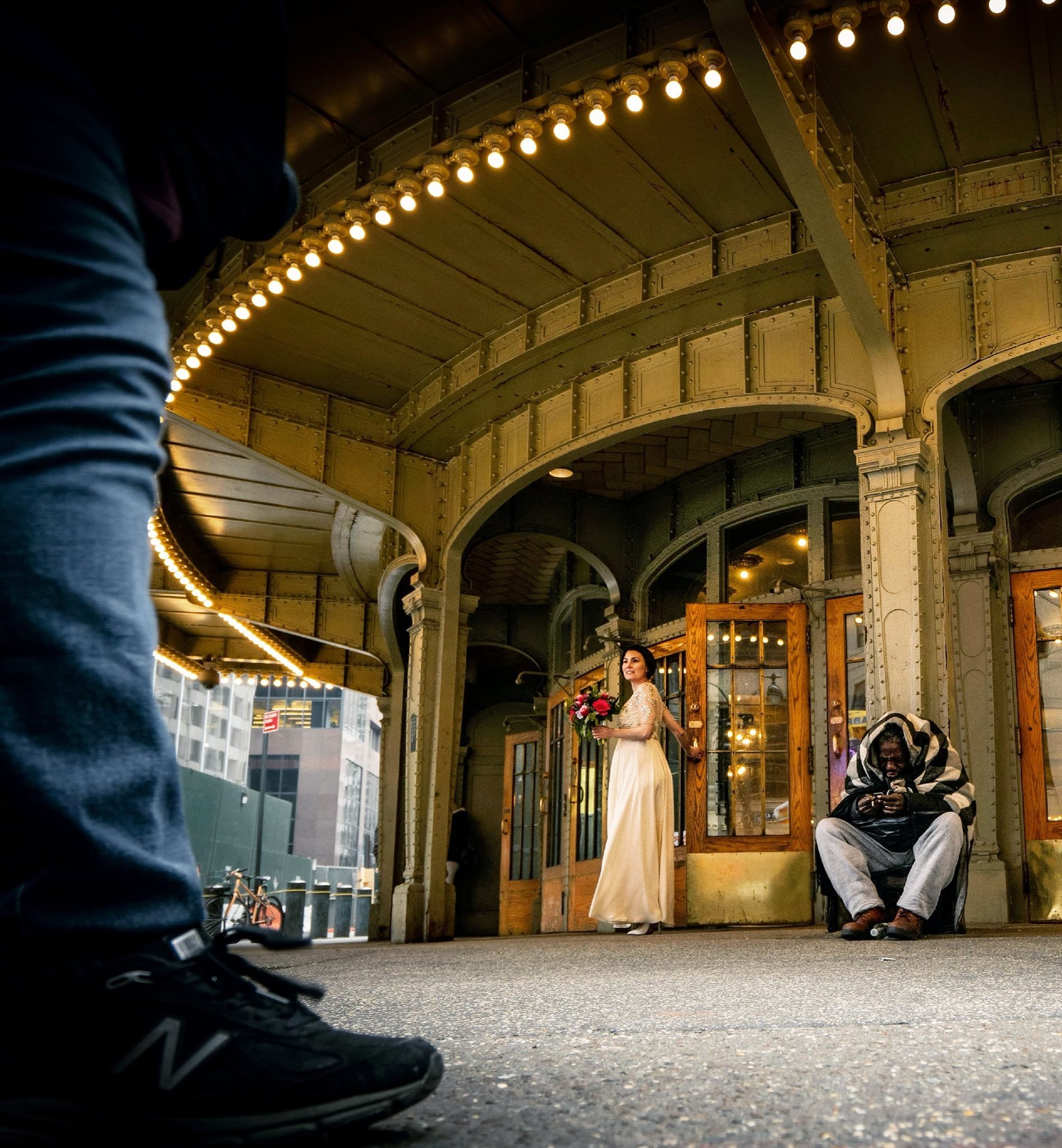
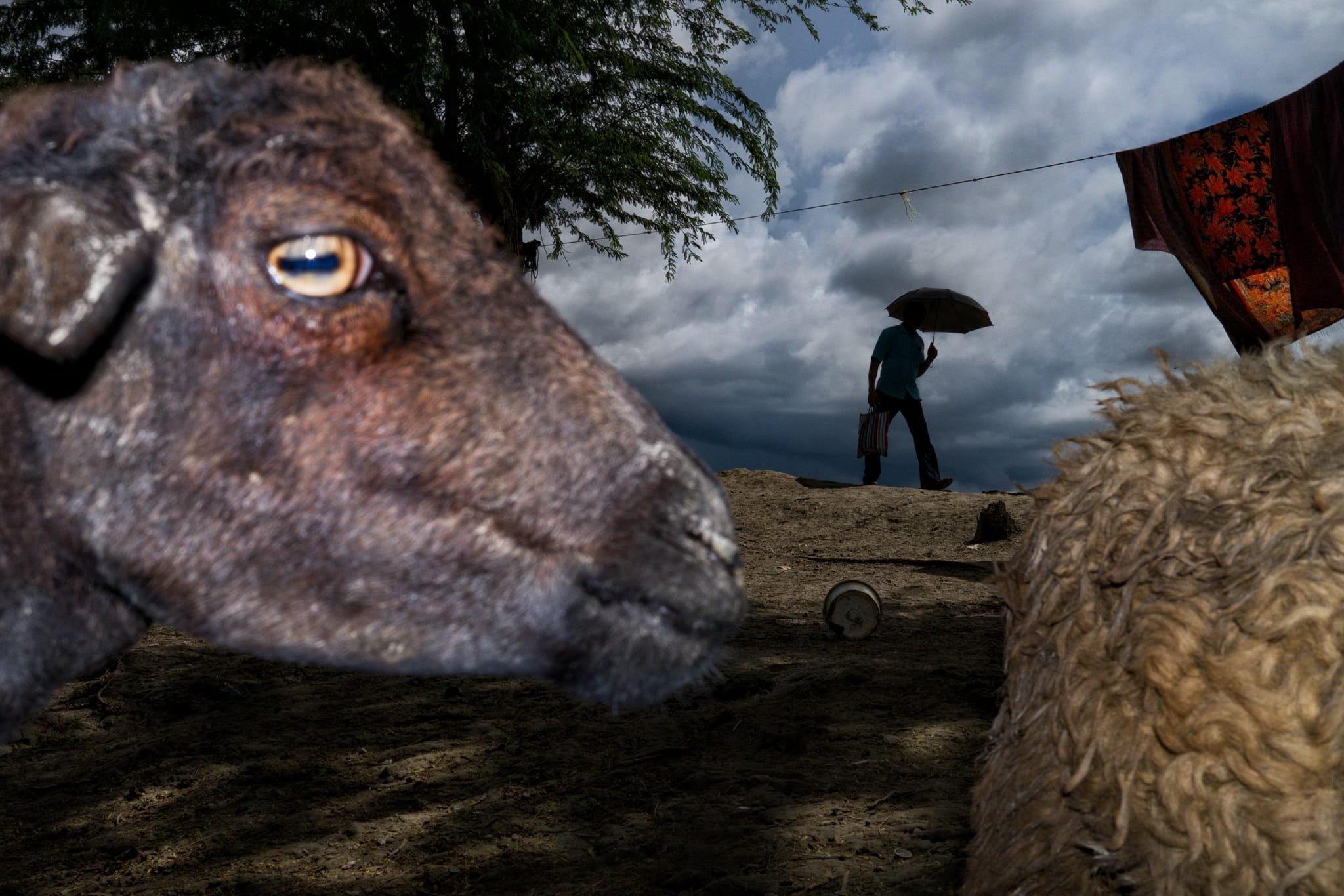
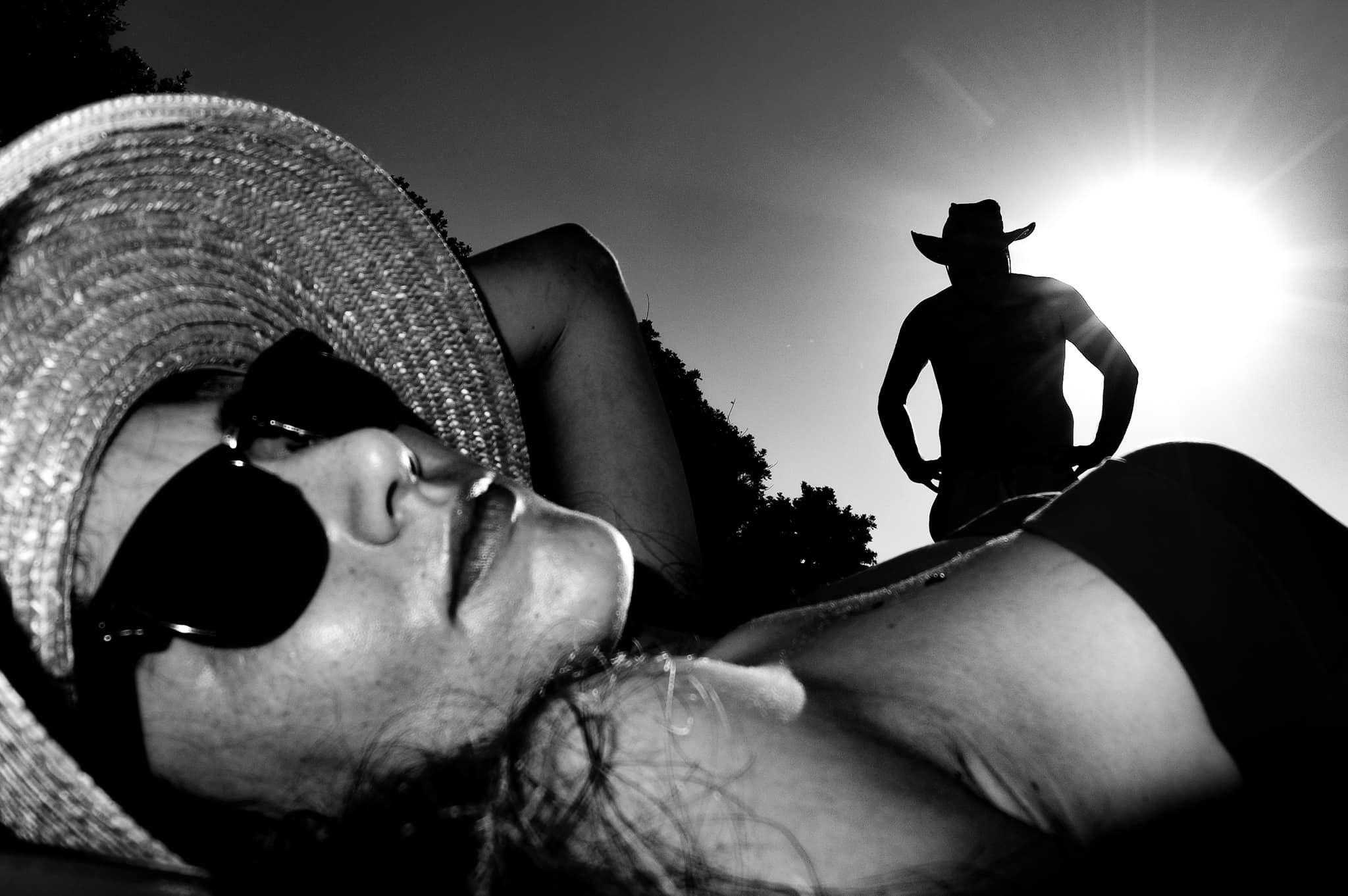
Karel Přikryl & Victor Borst & Eduard Idelson
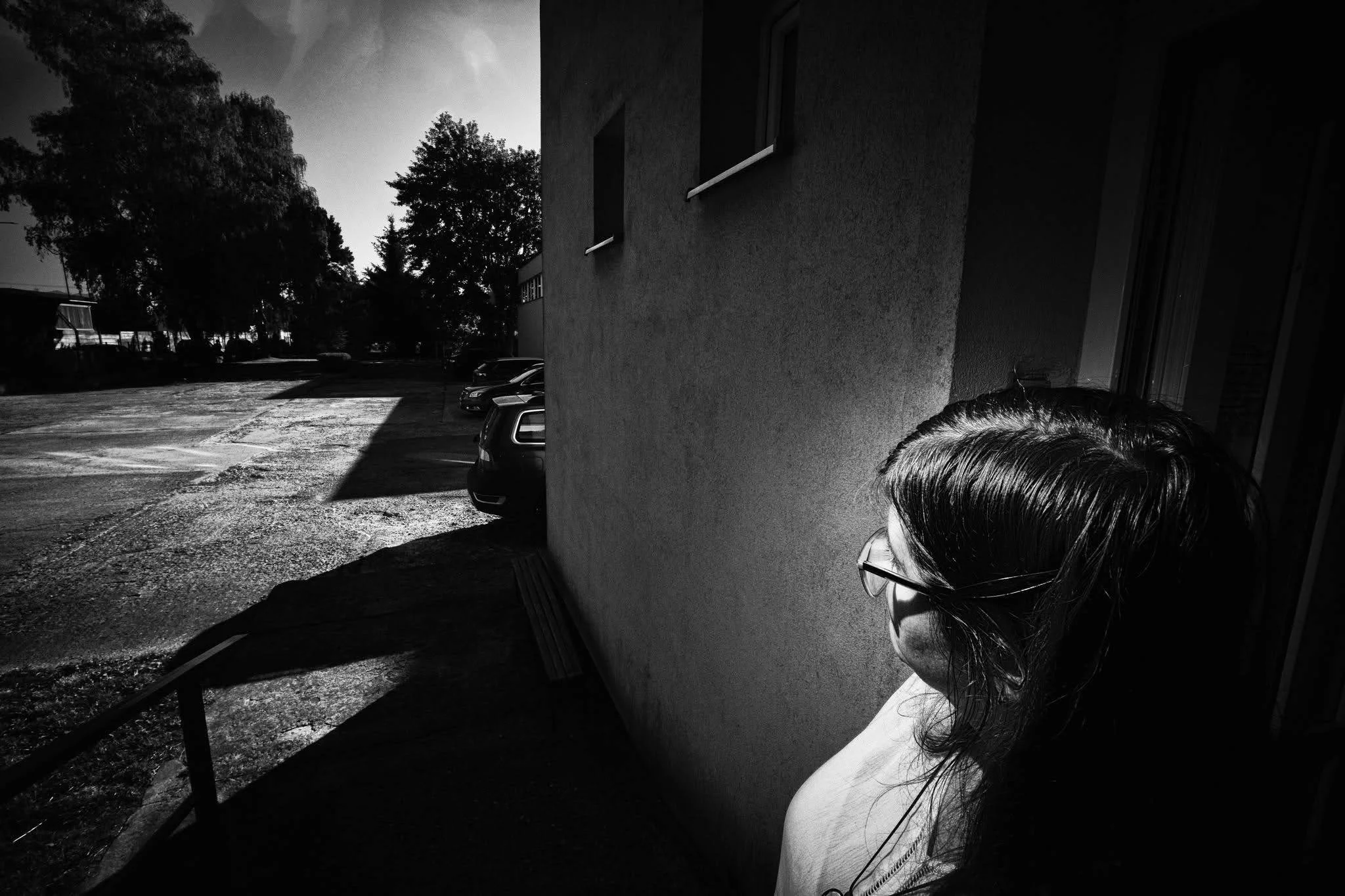
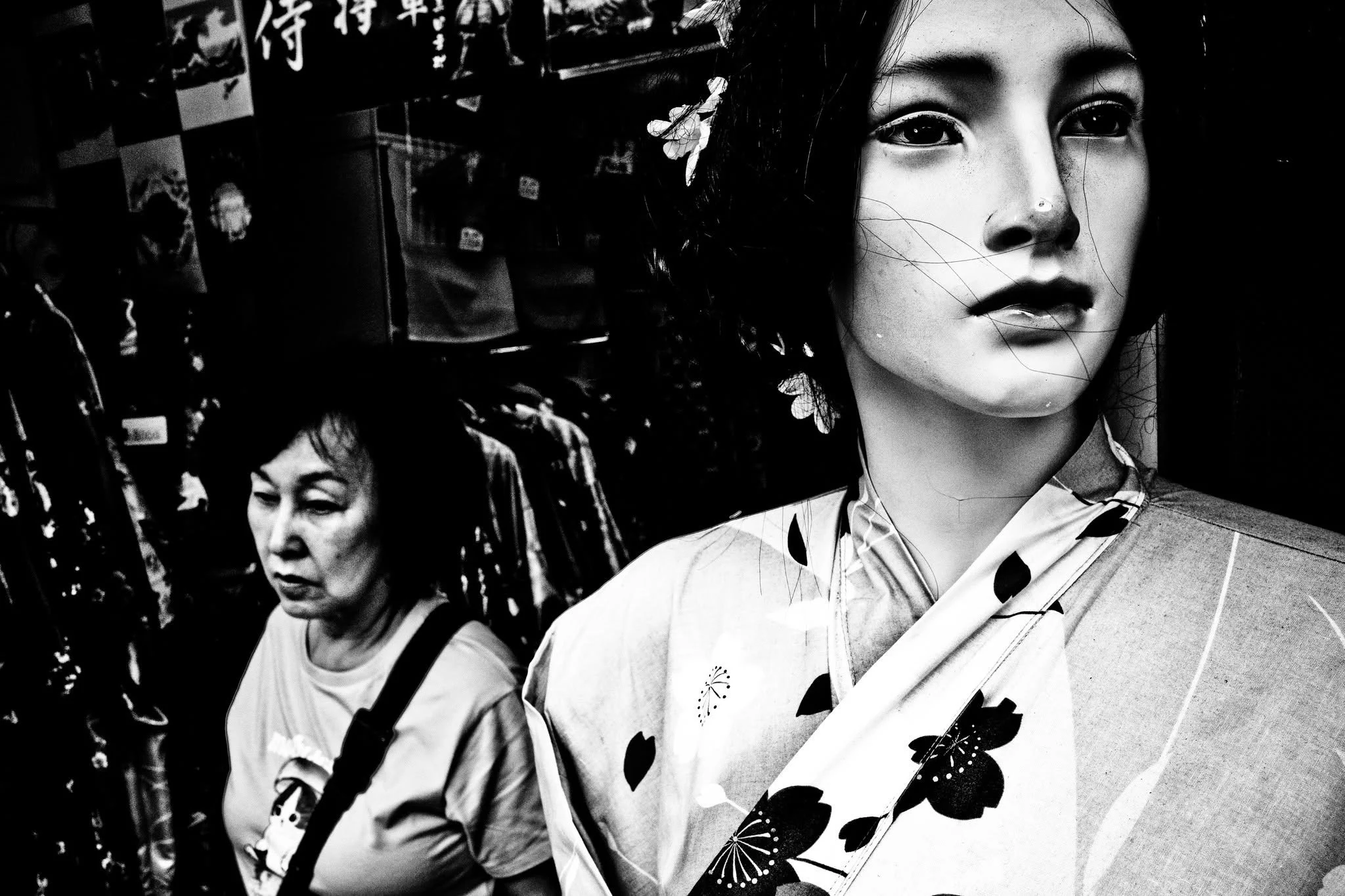
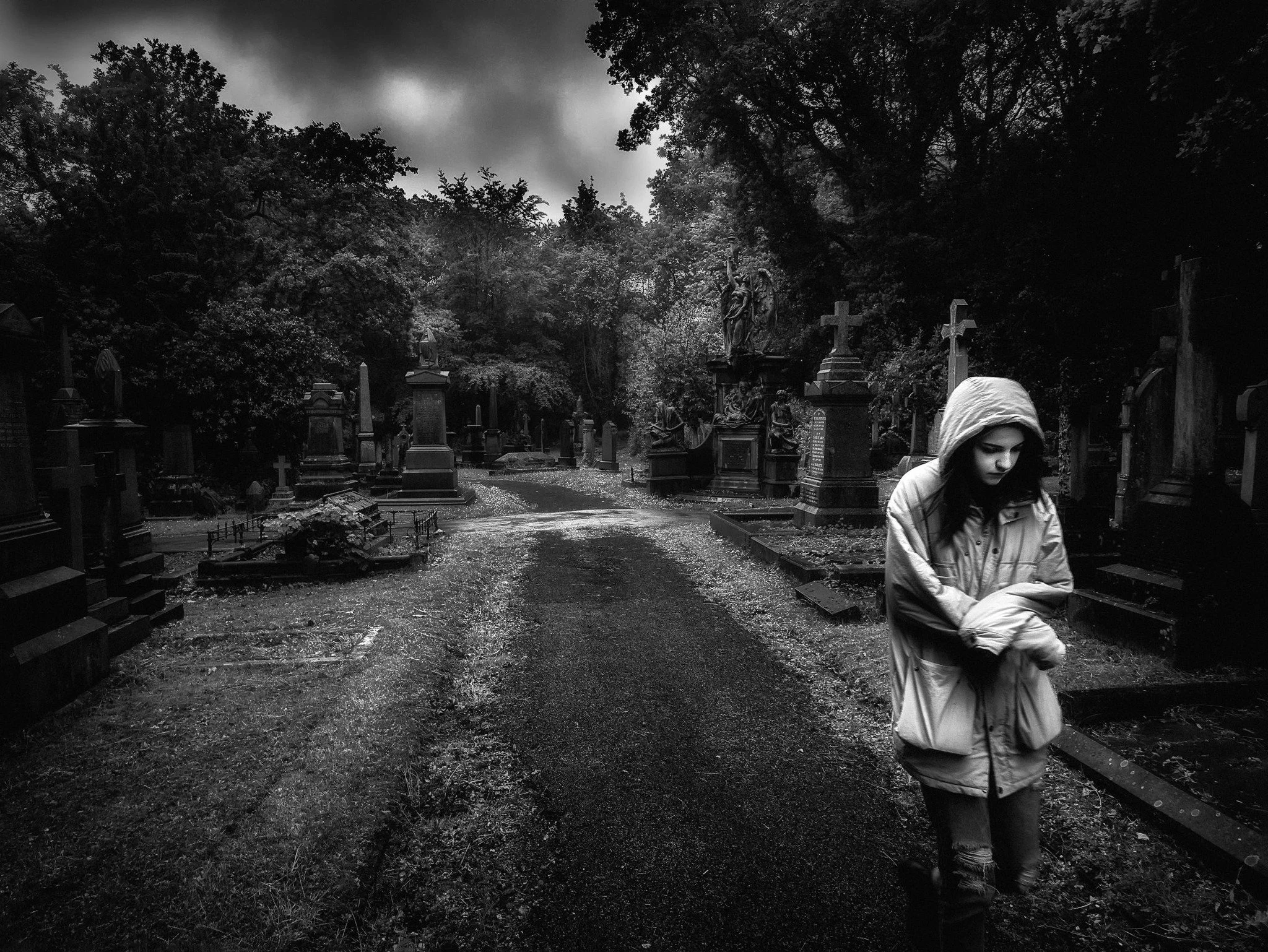
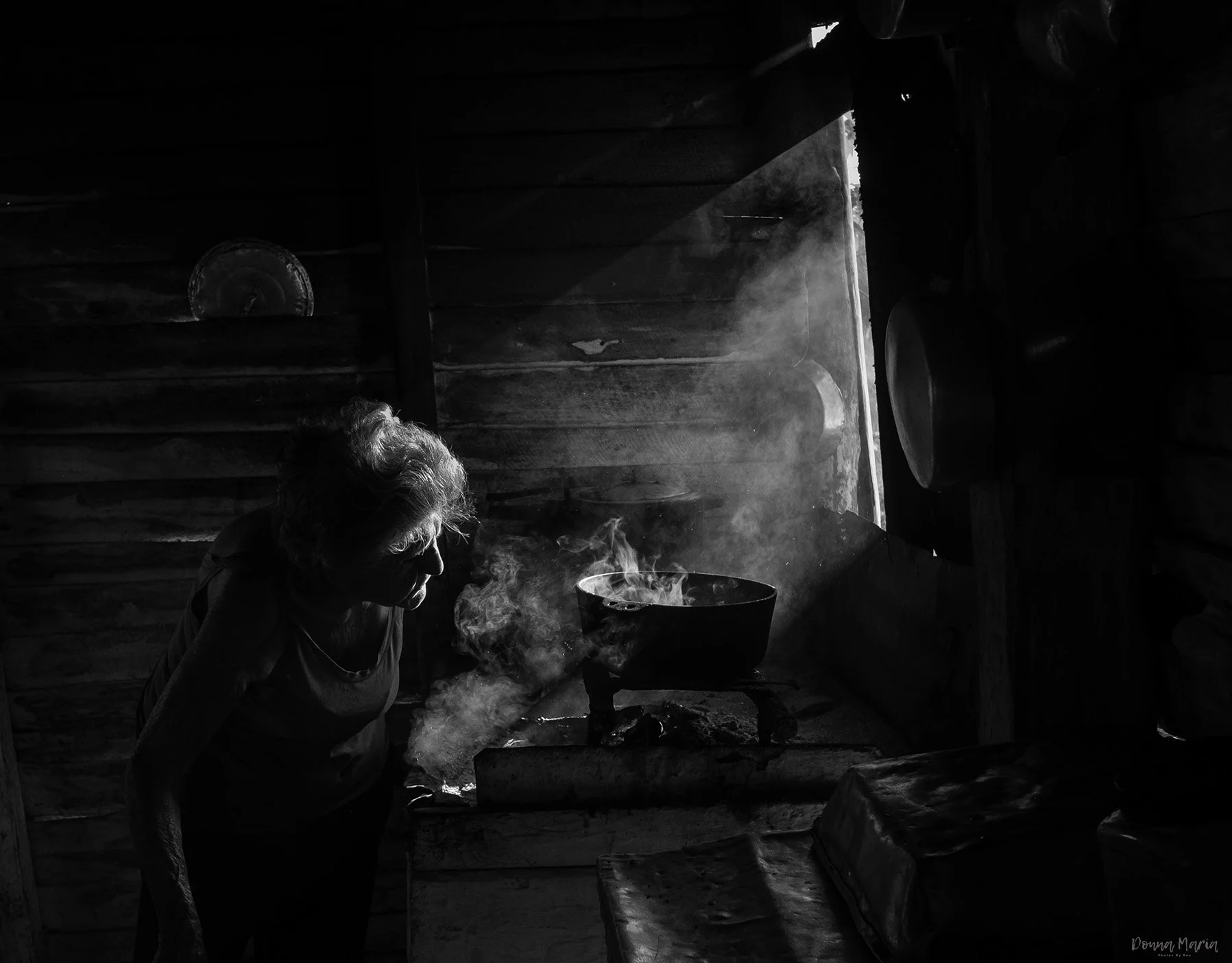
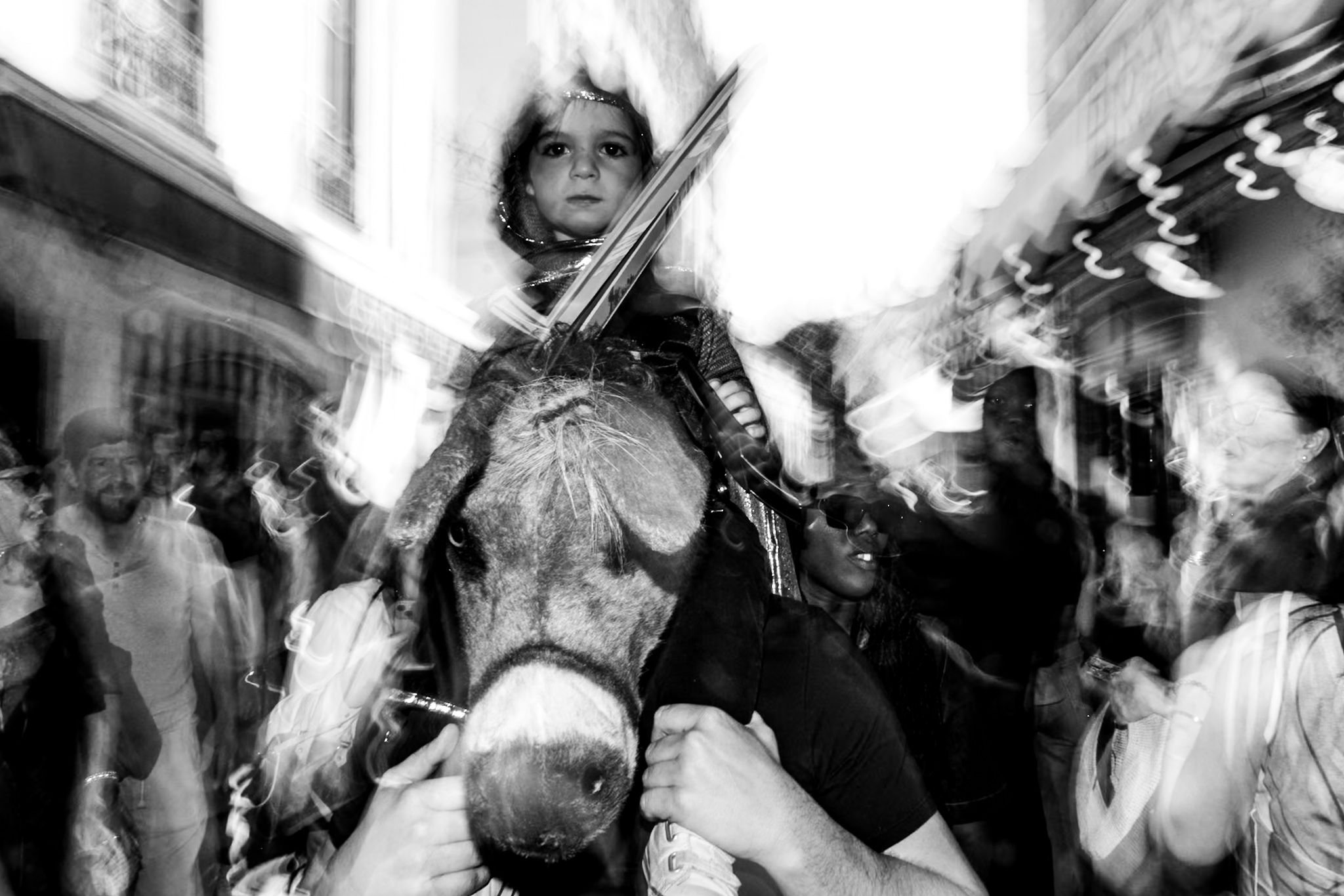
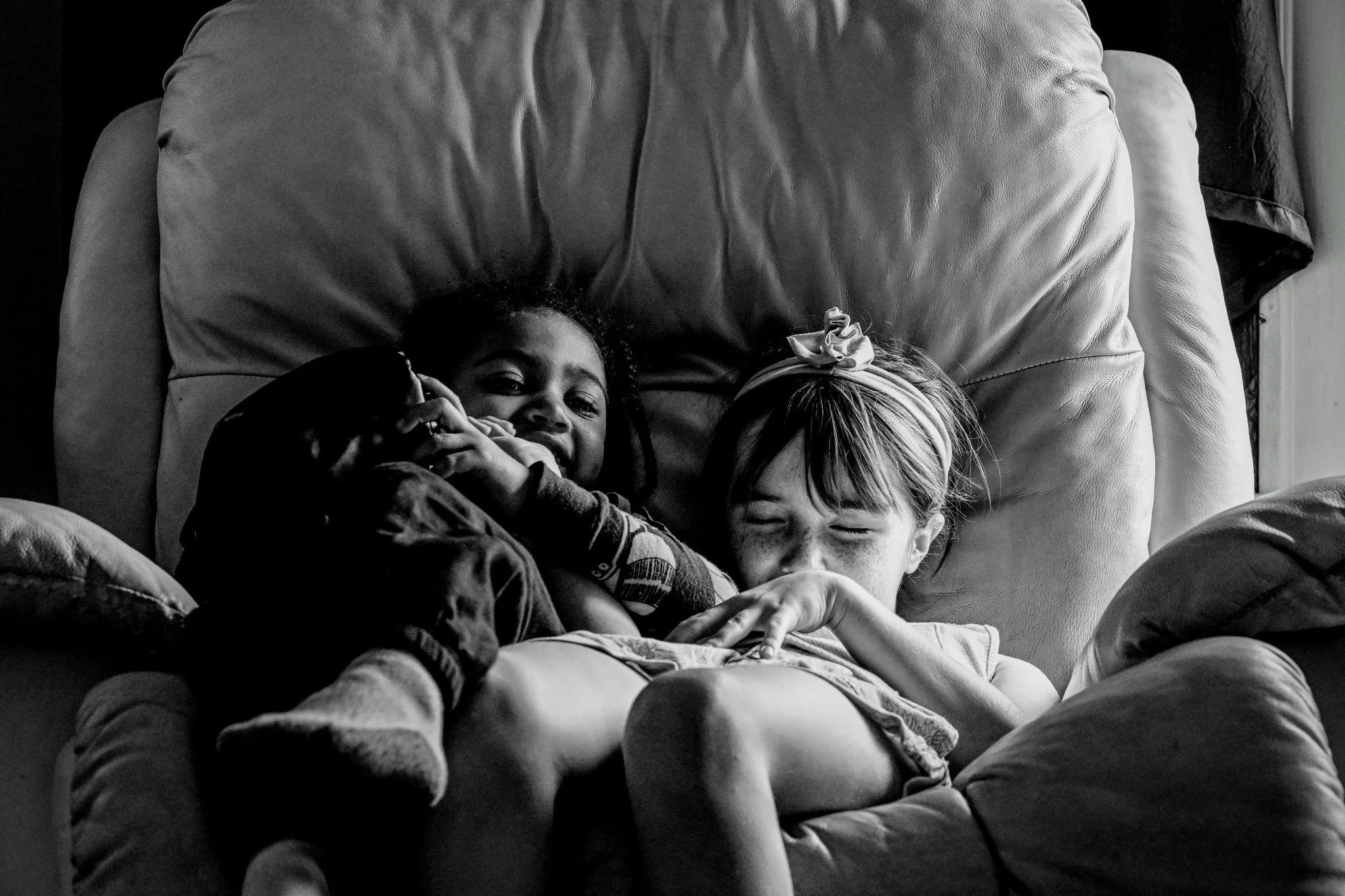
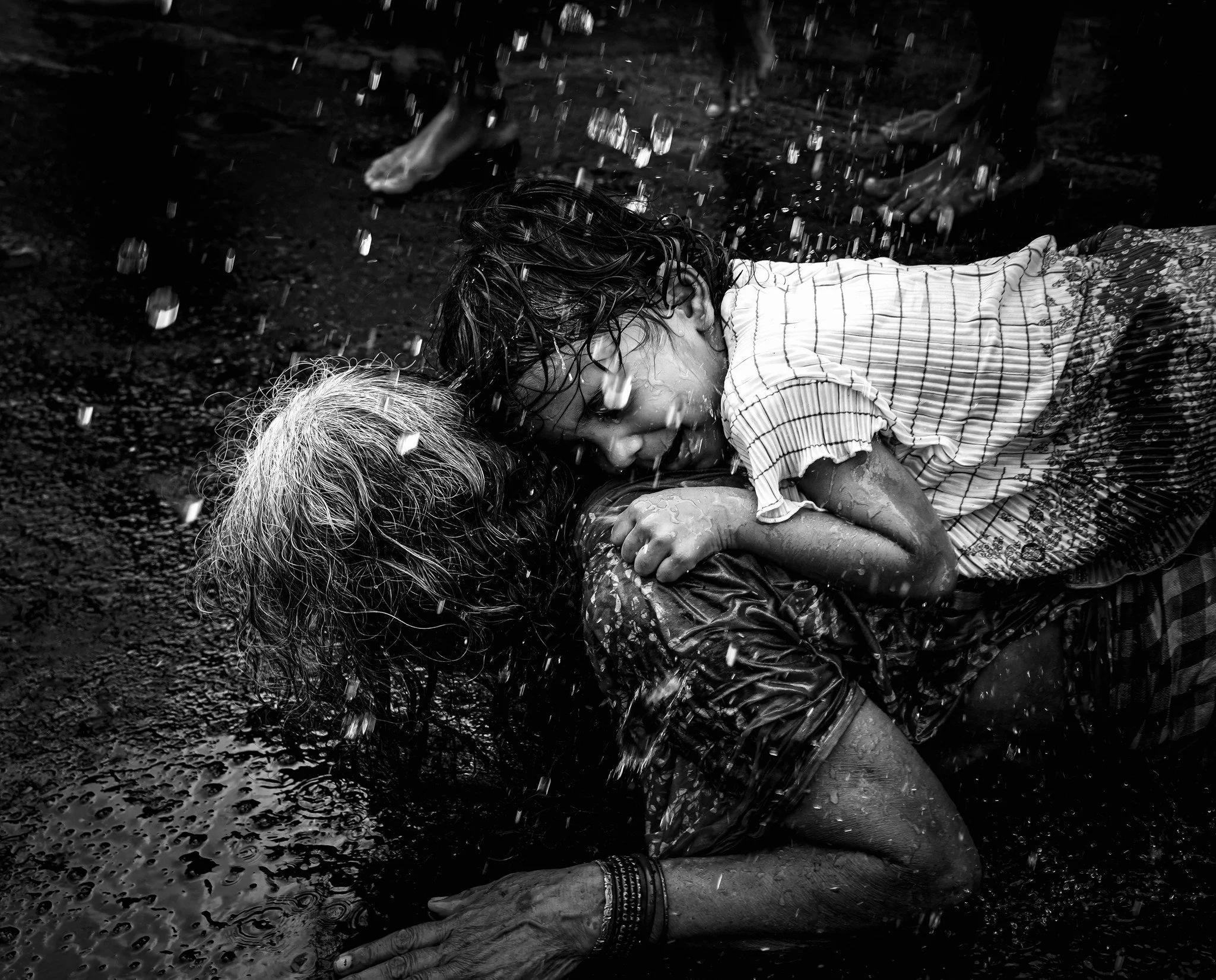
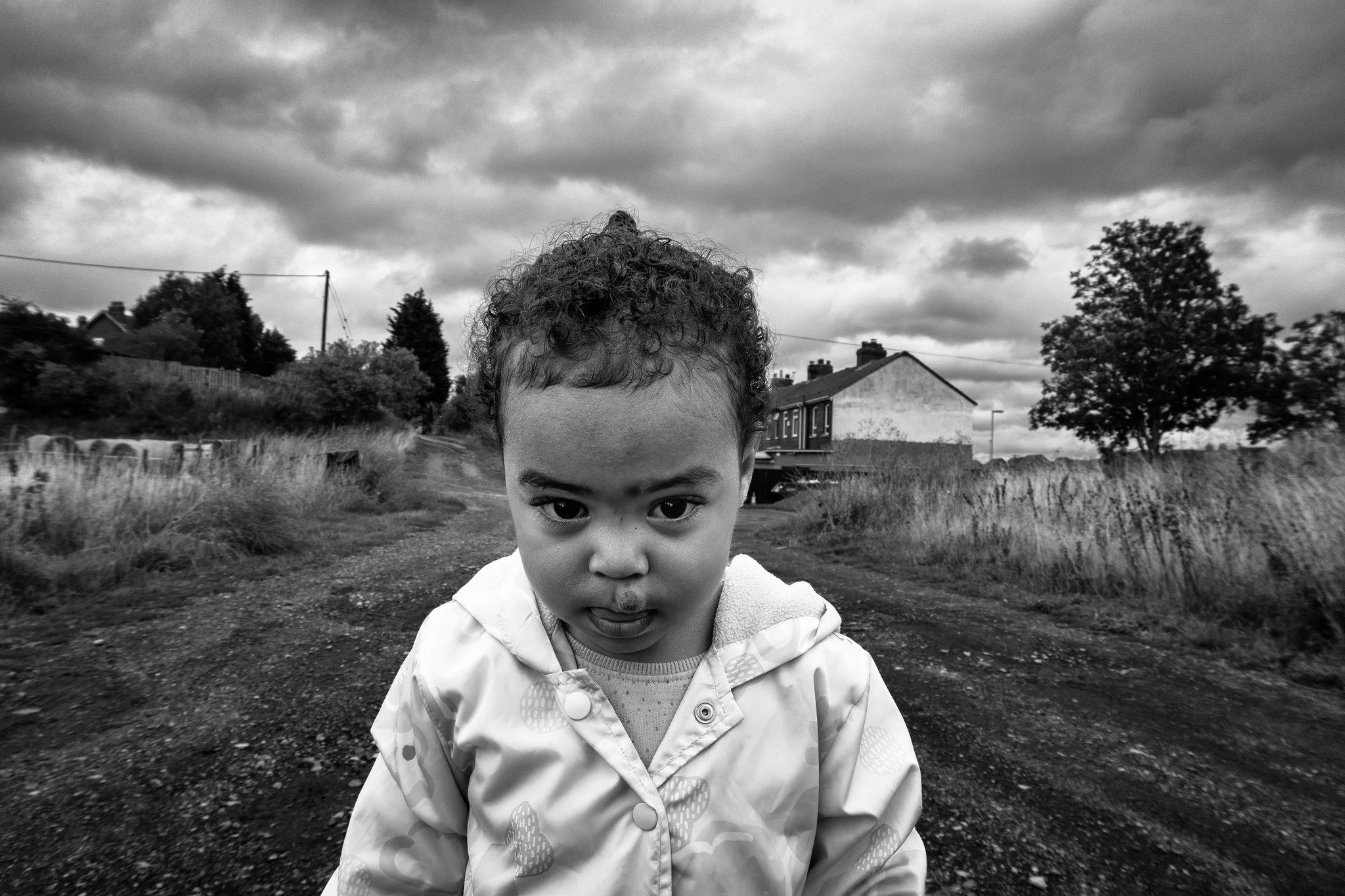
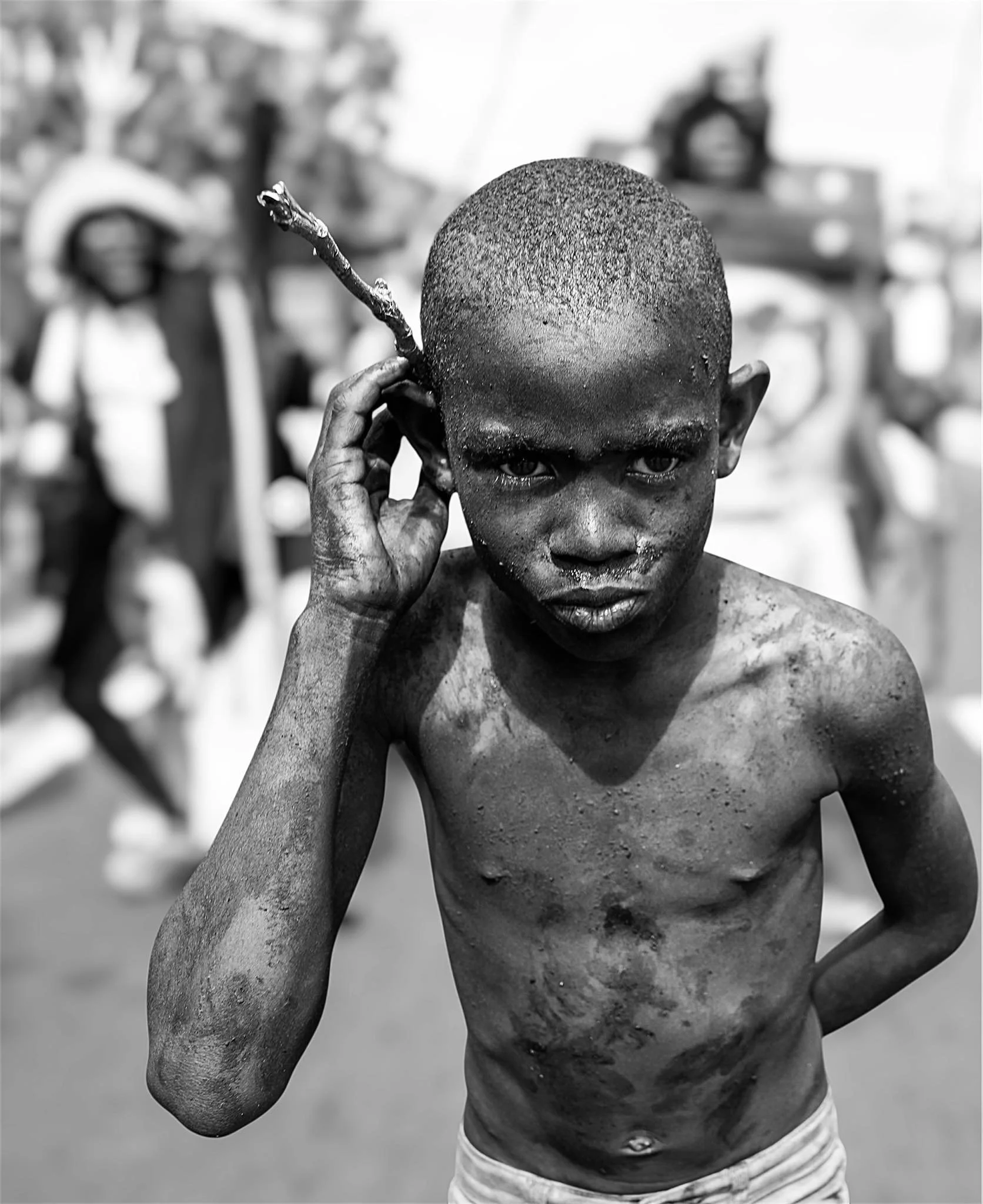
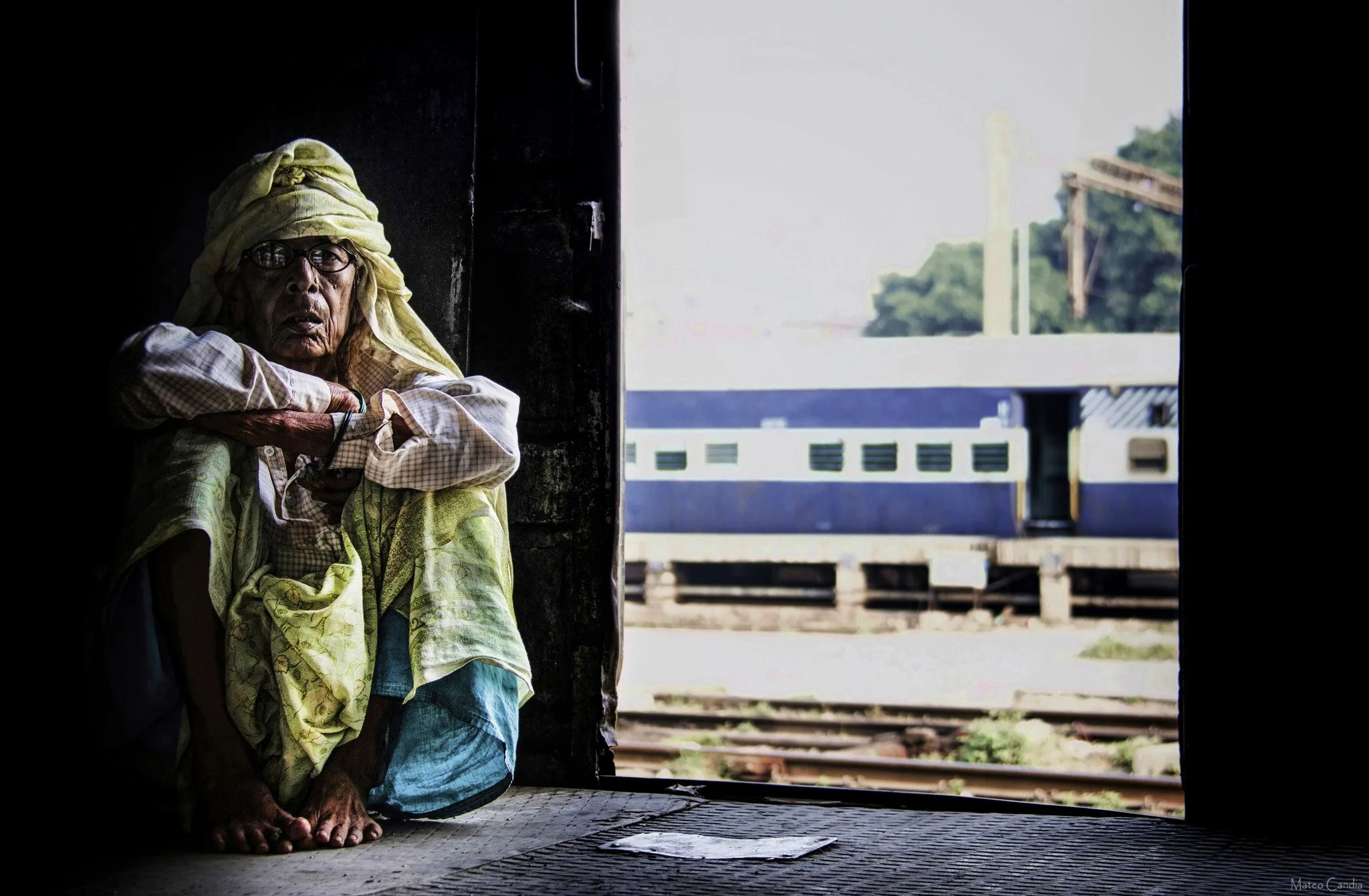
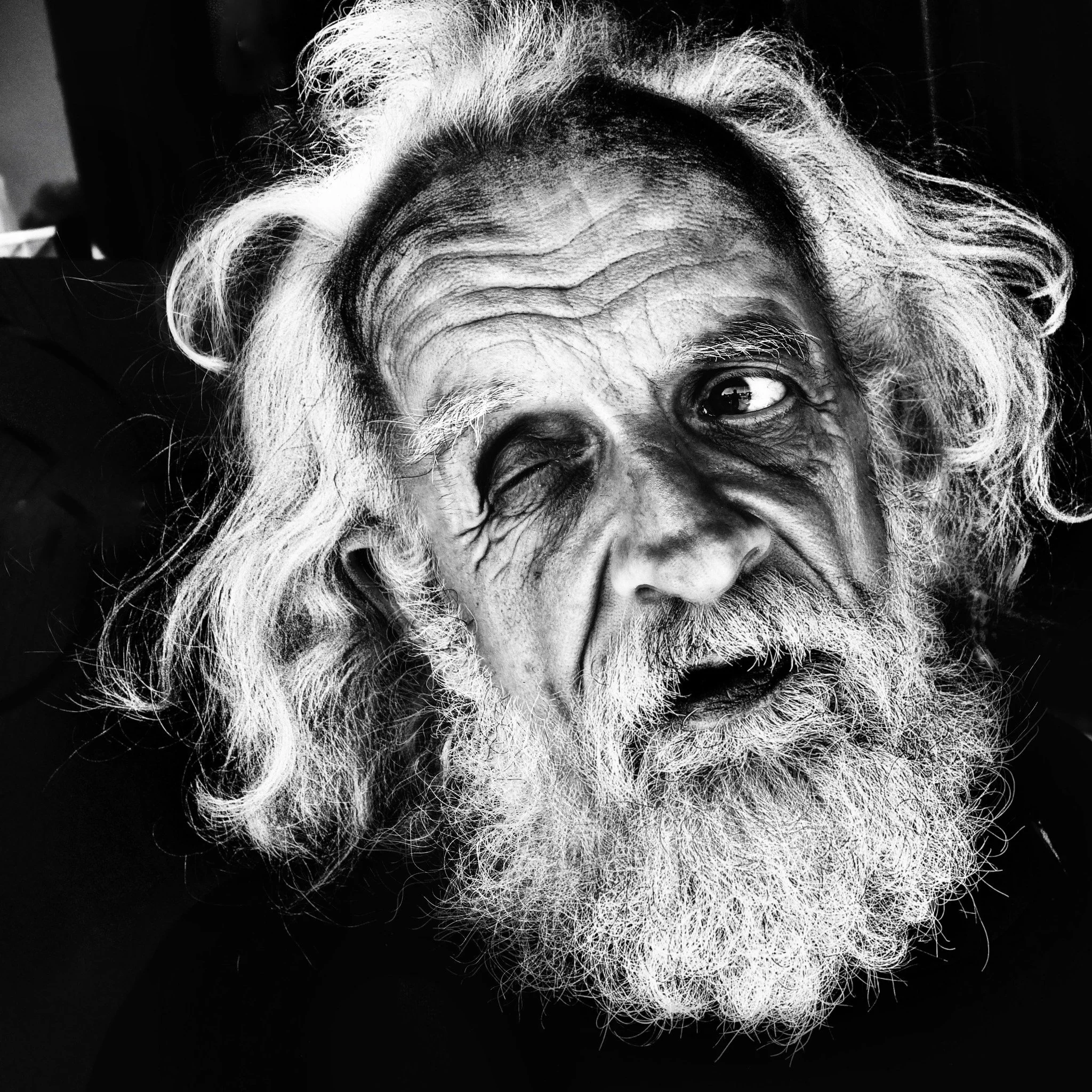
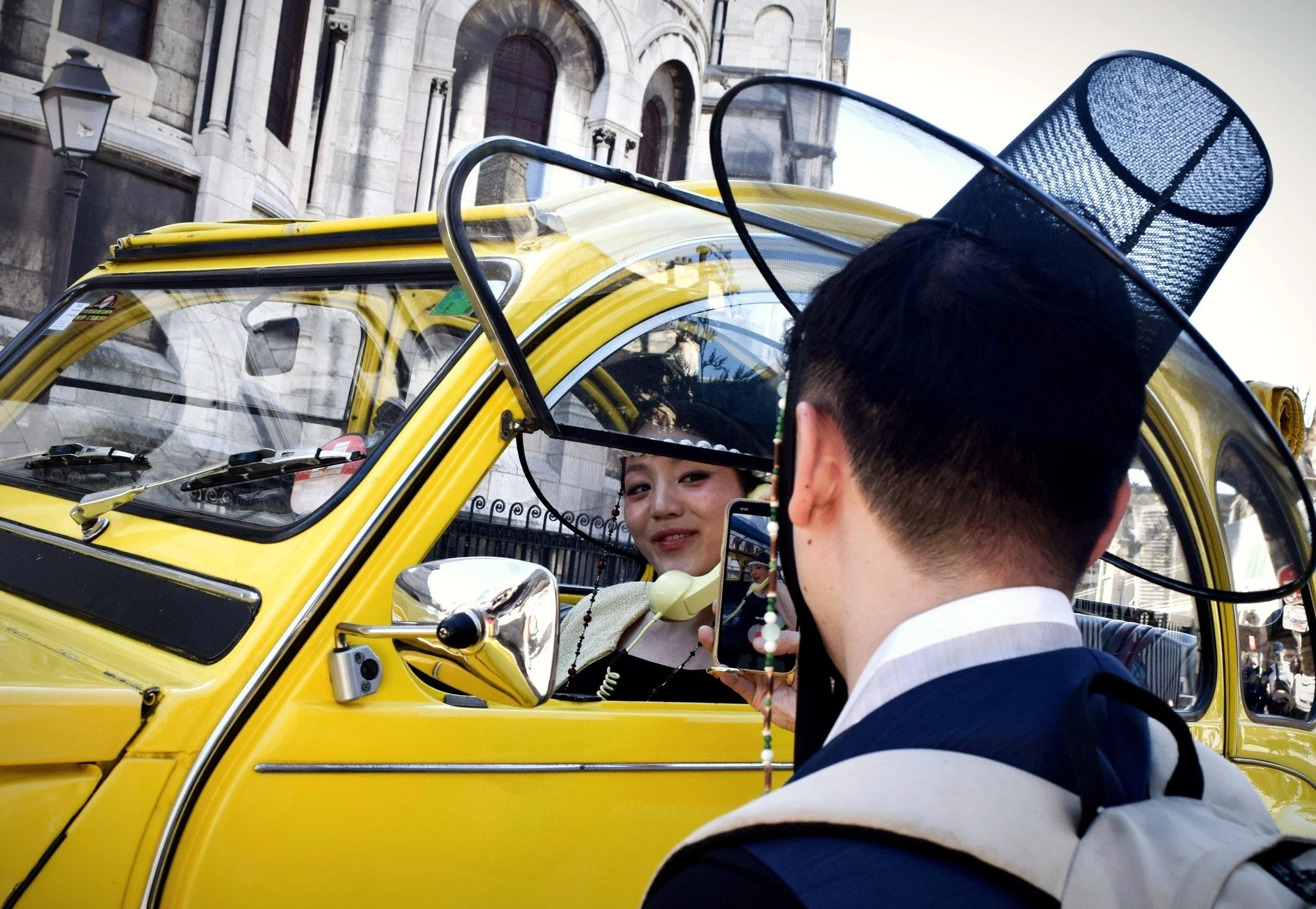
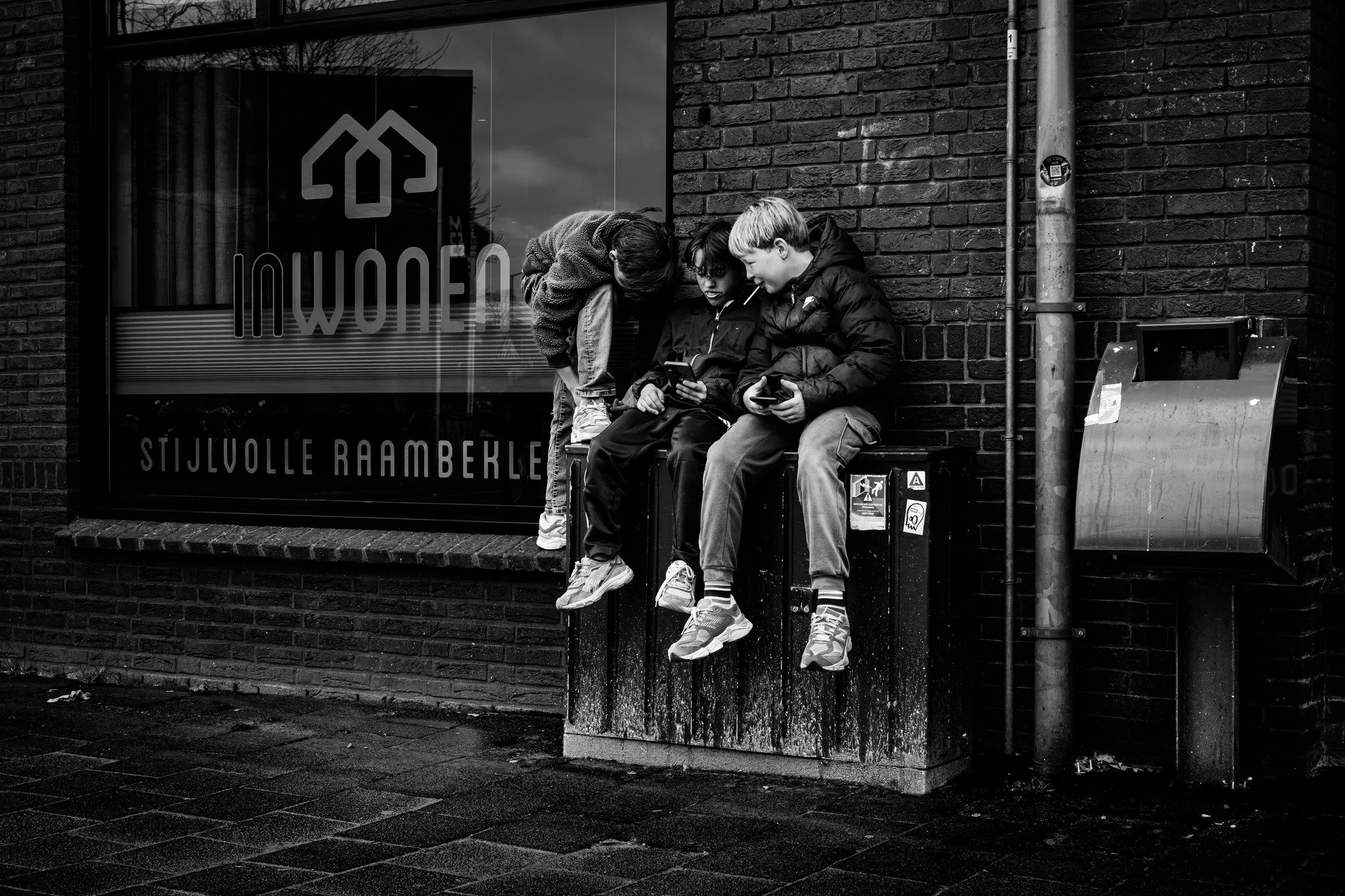
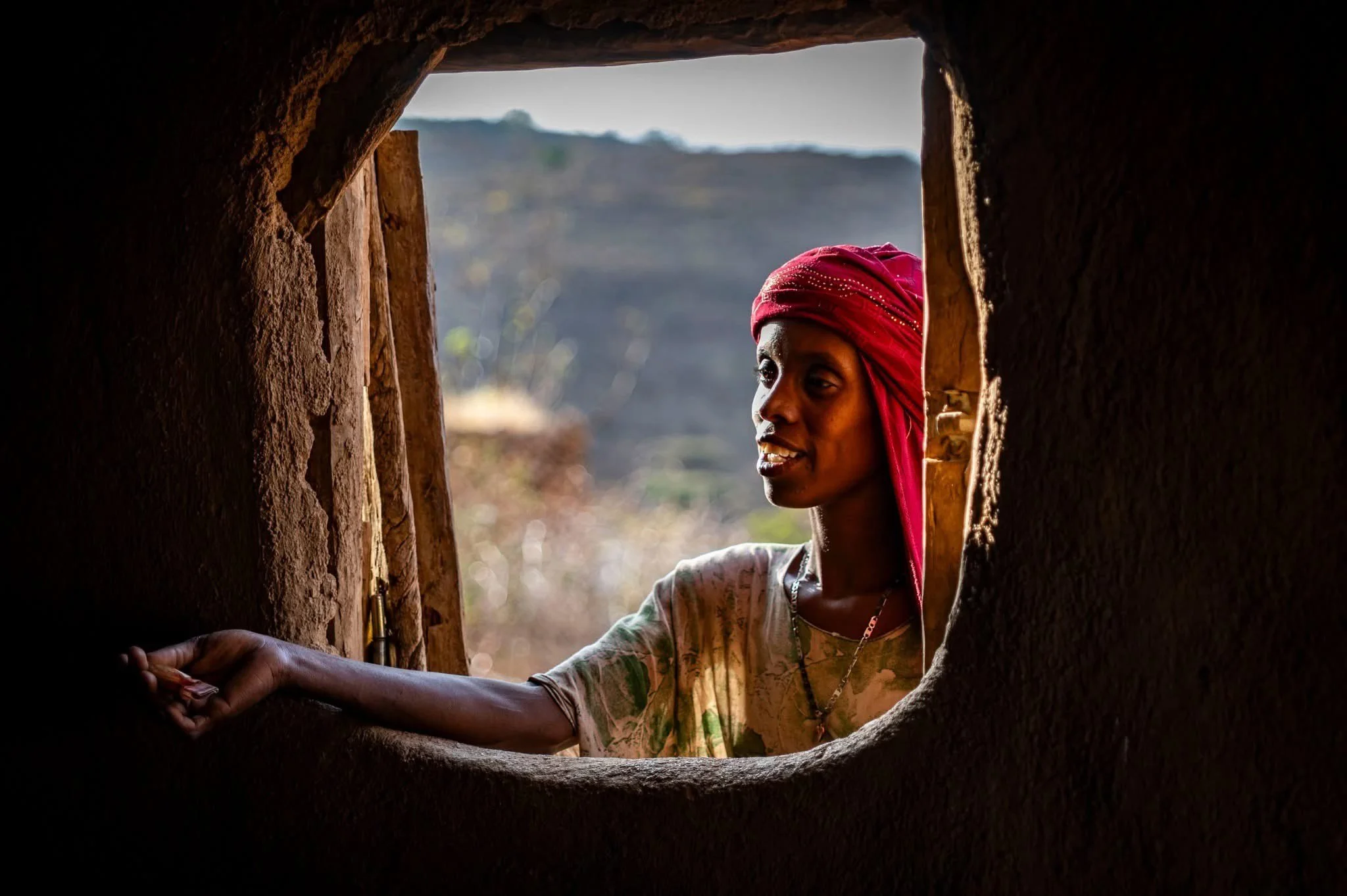
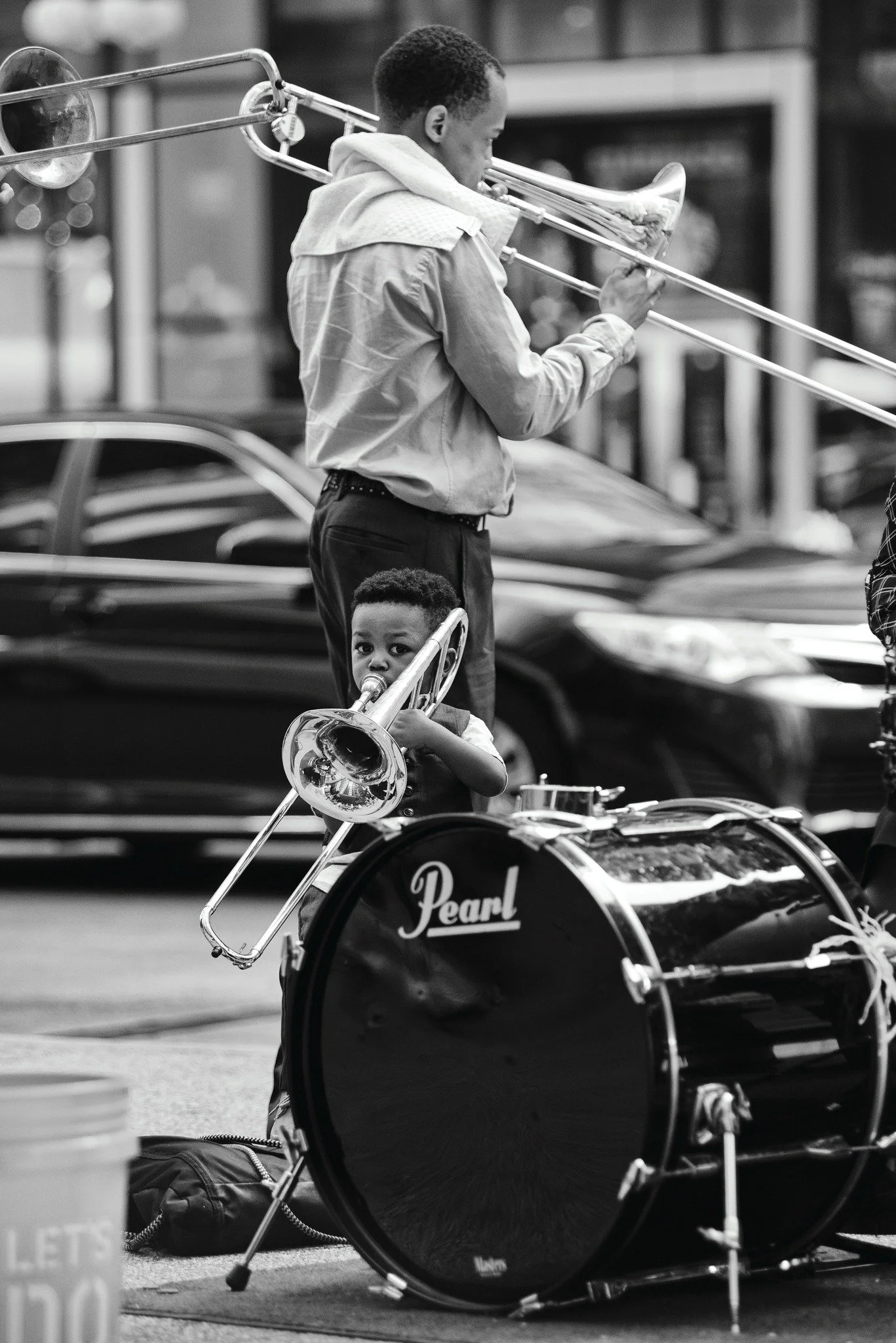
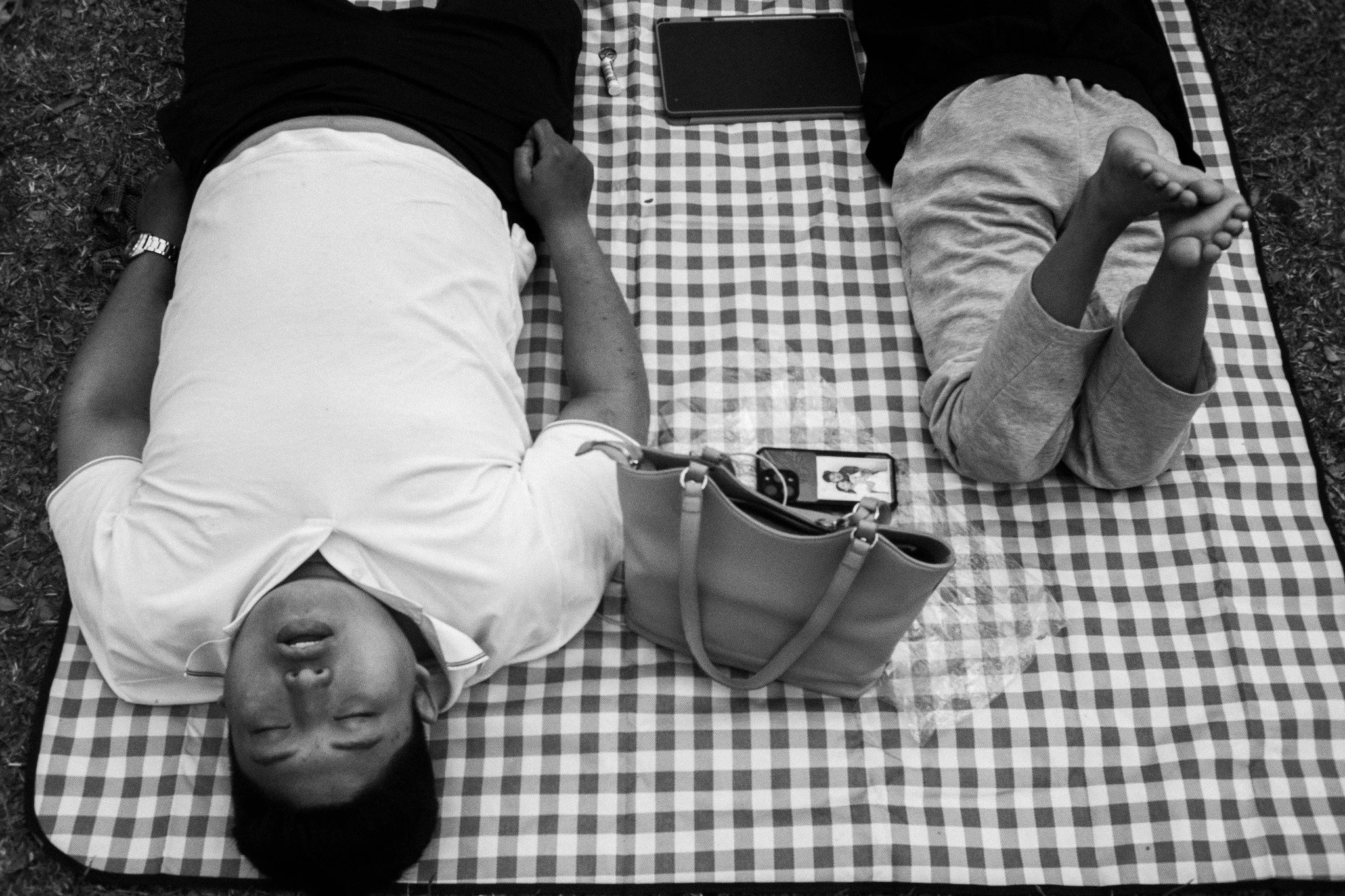
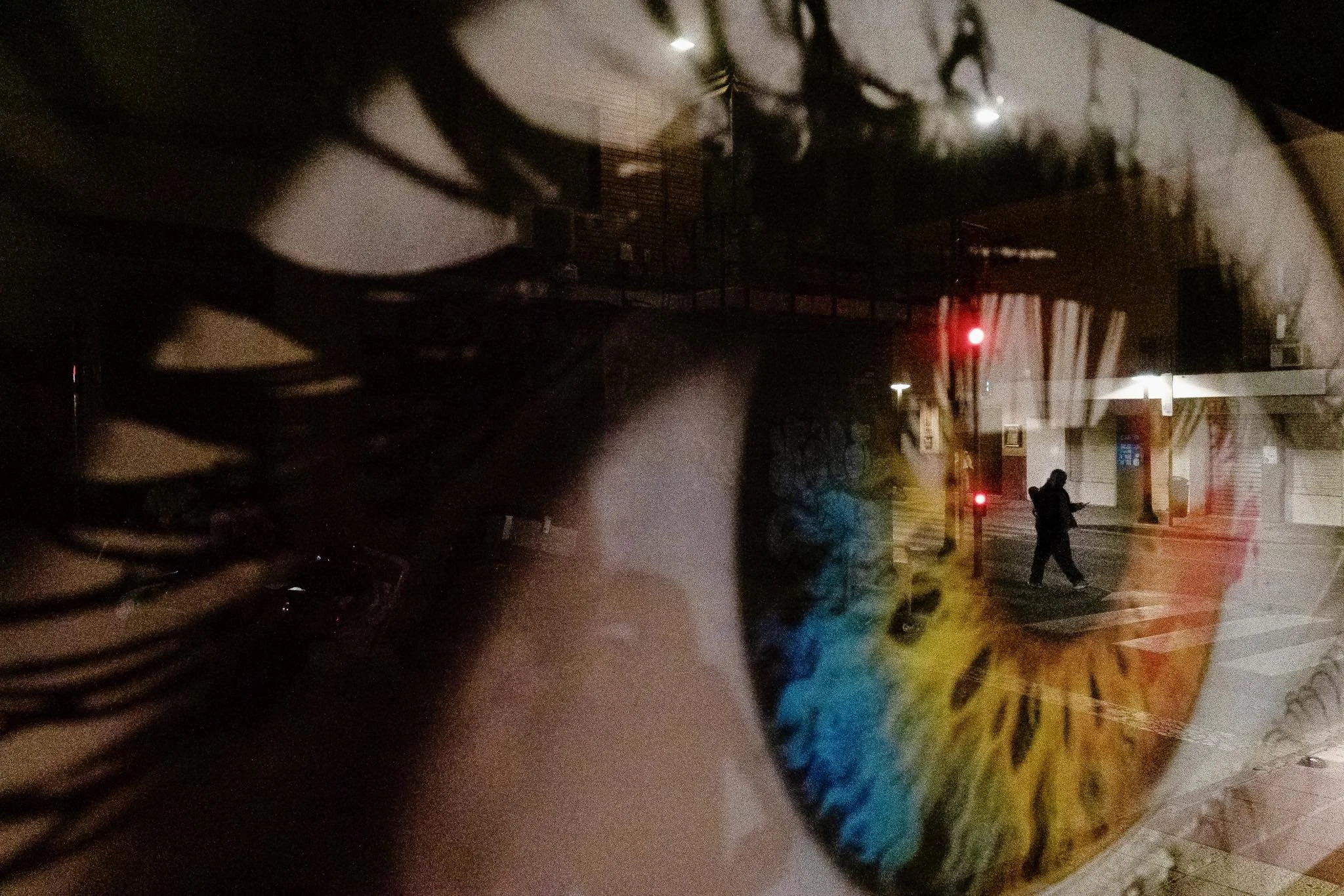
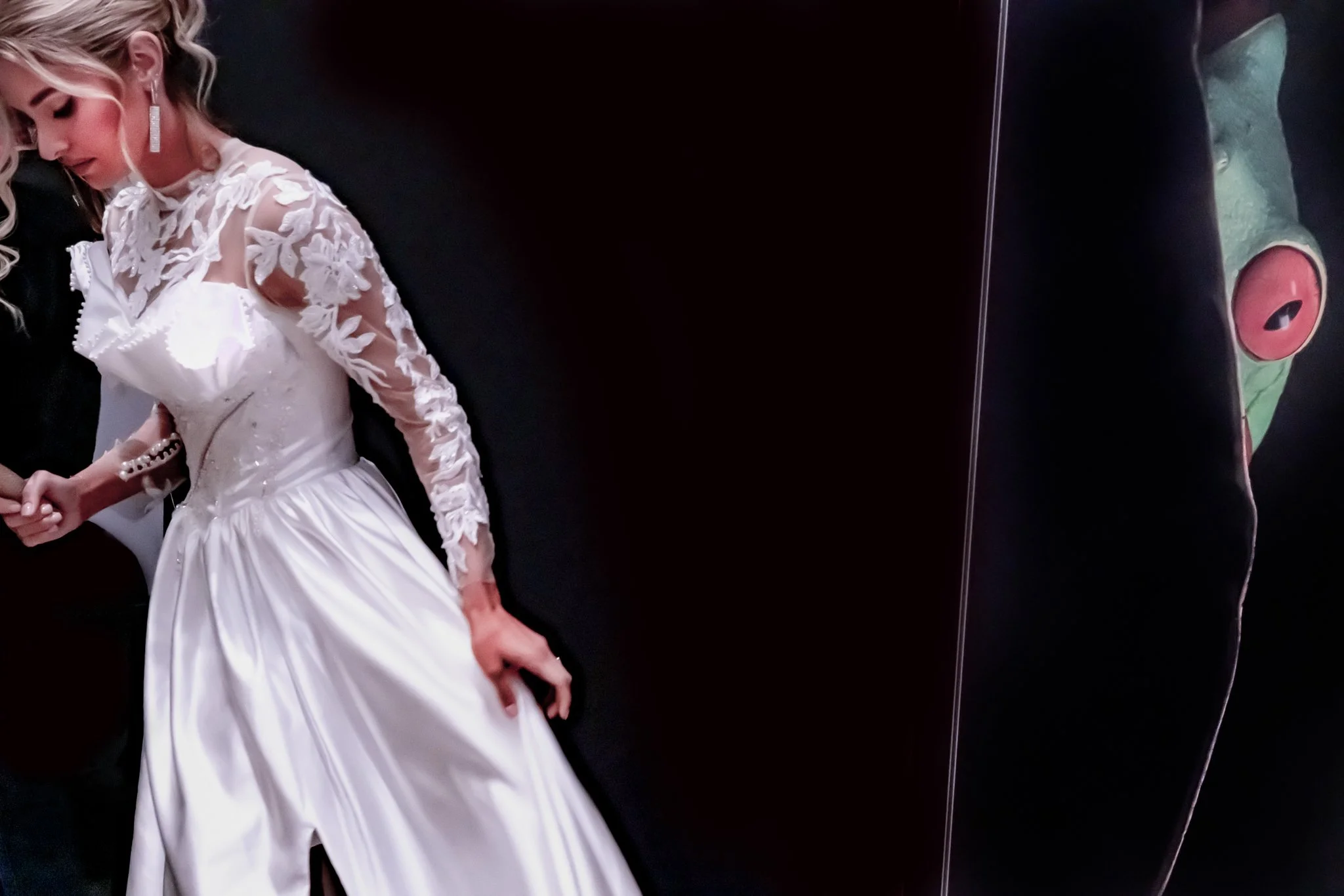
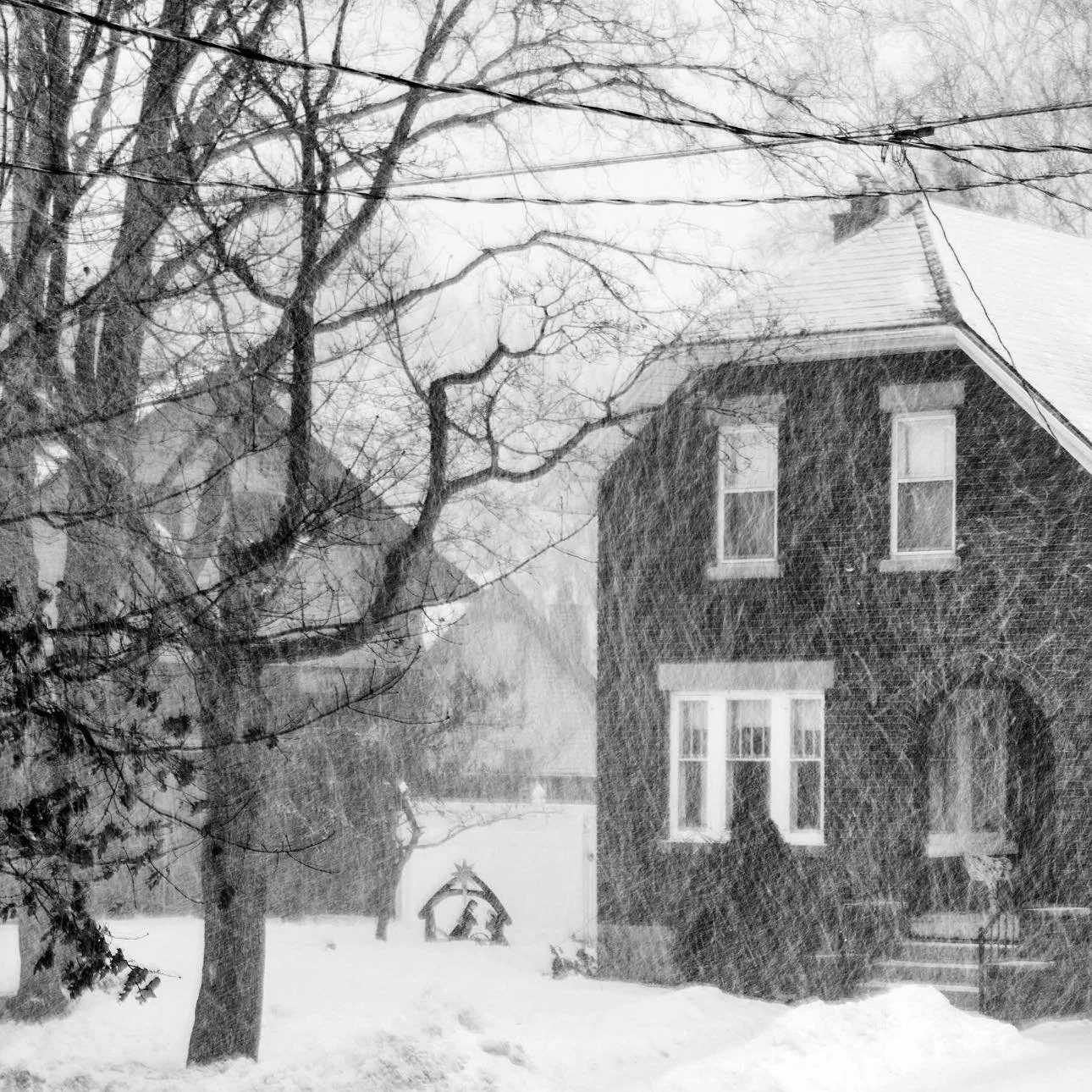
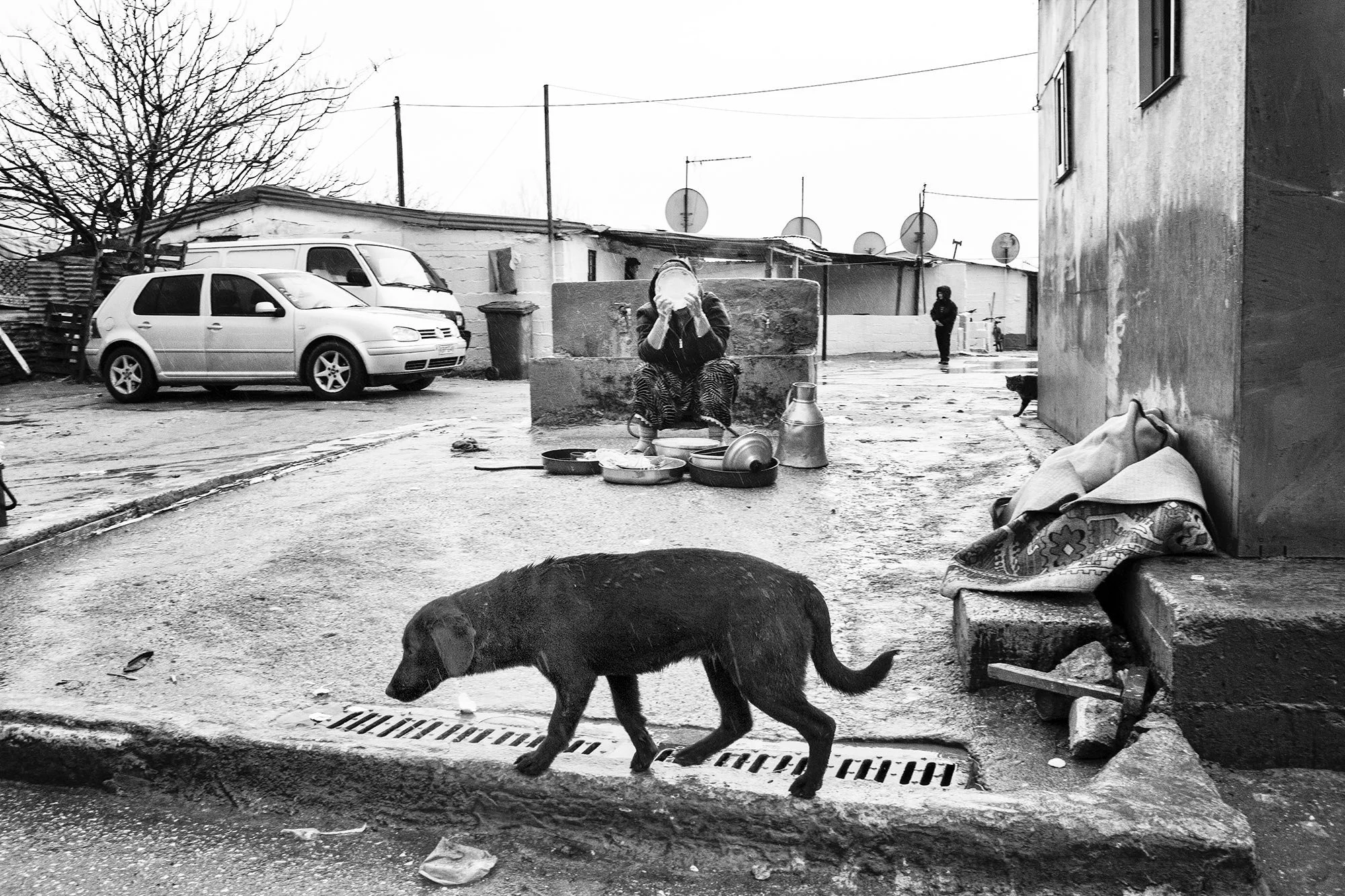
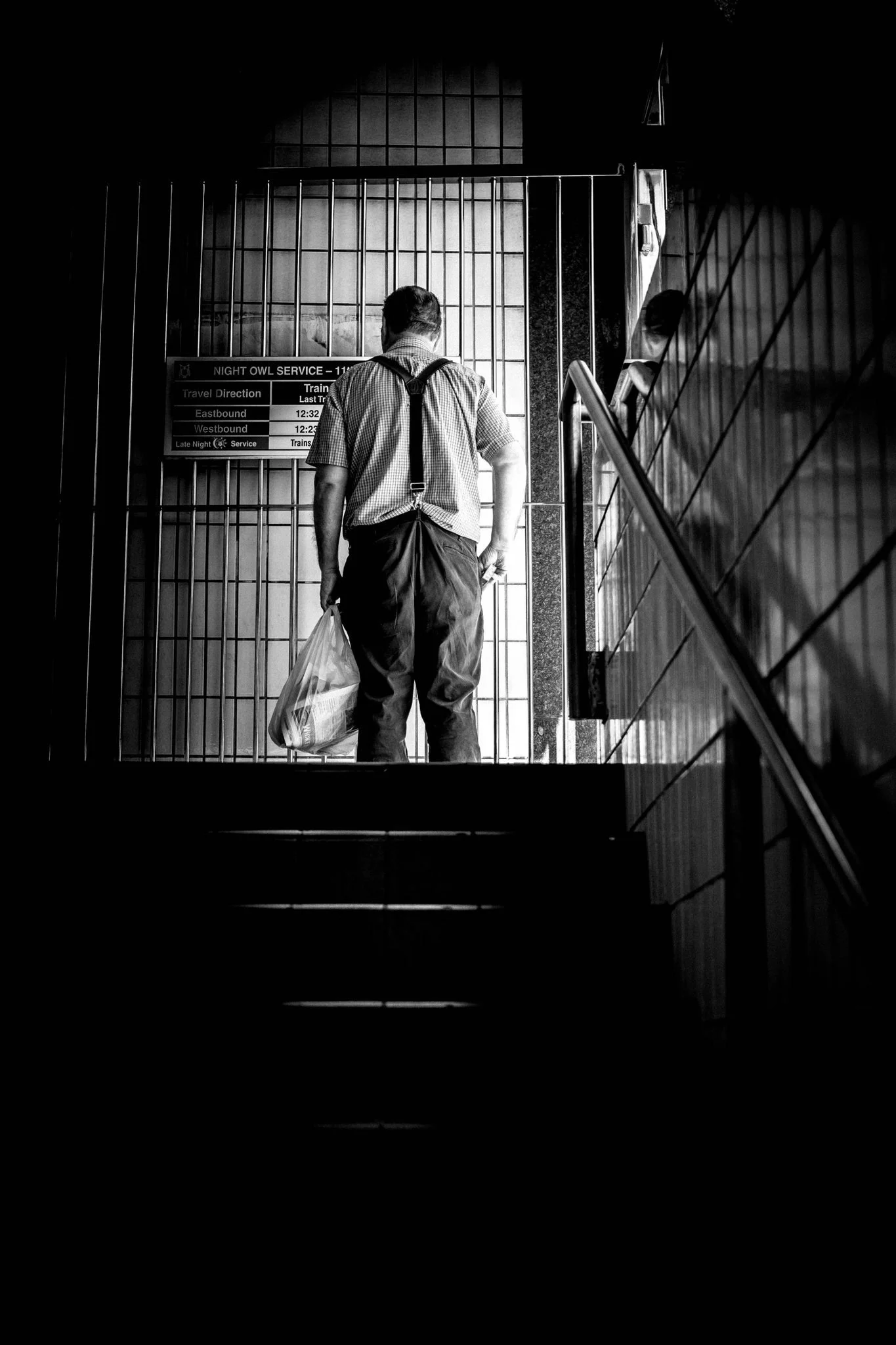
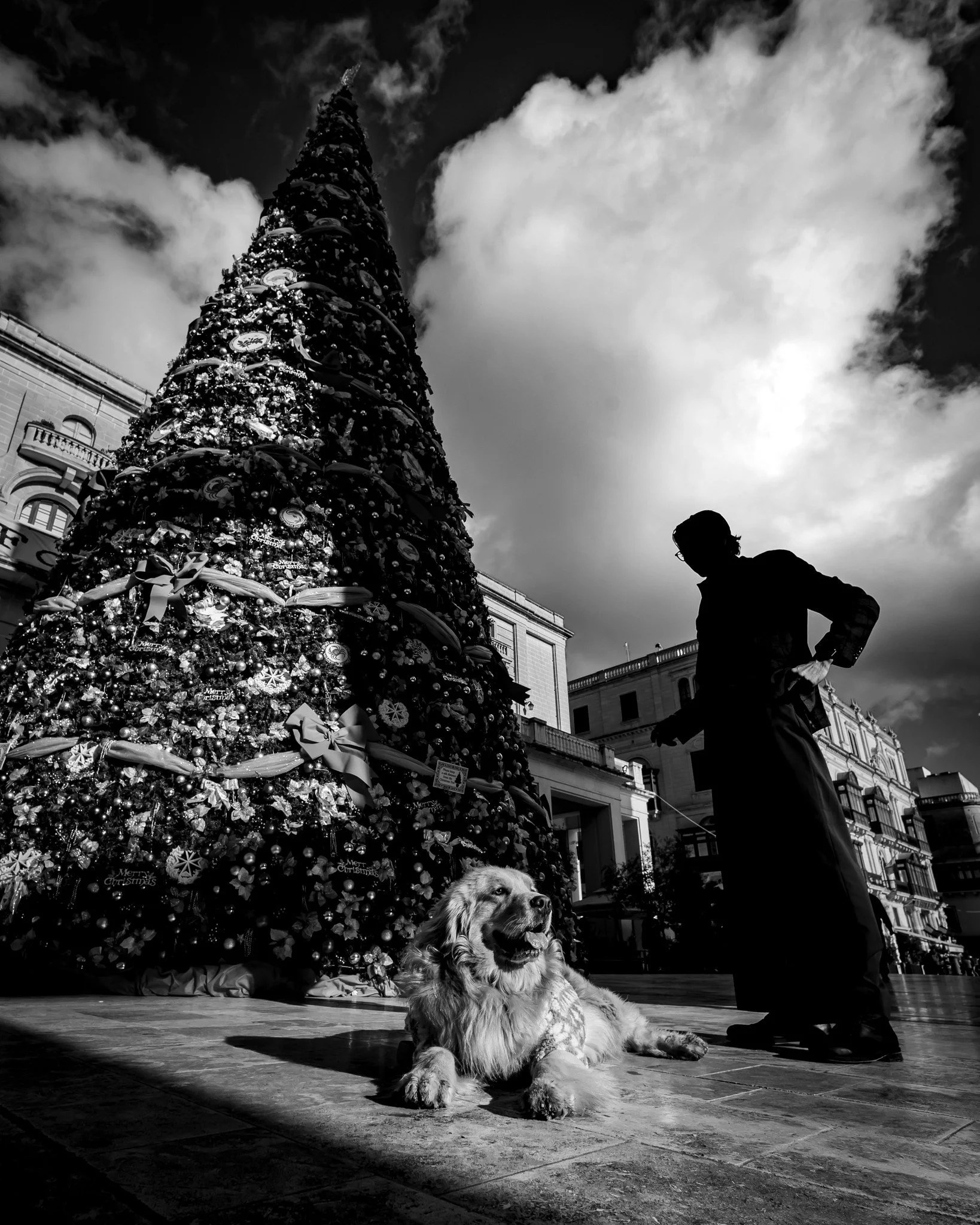
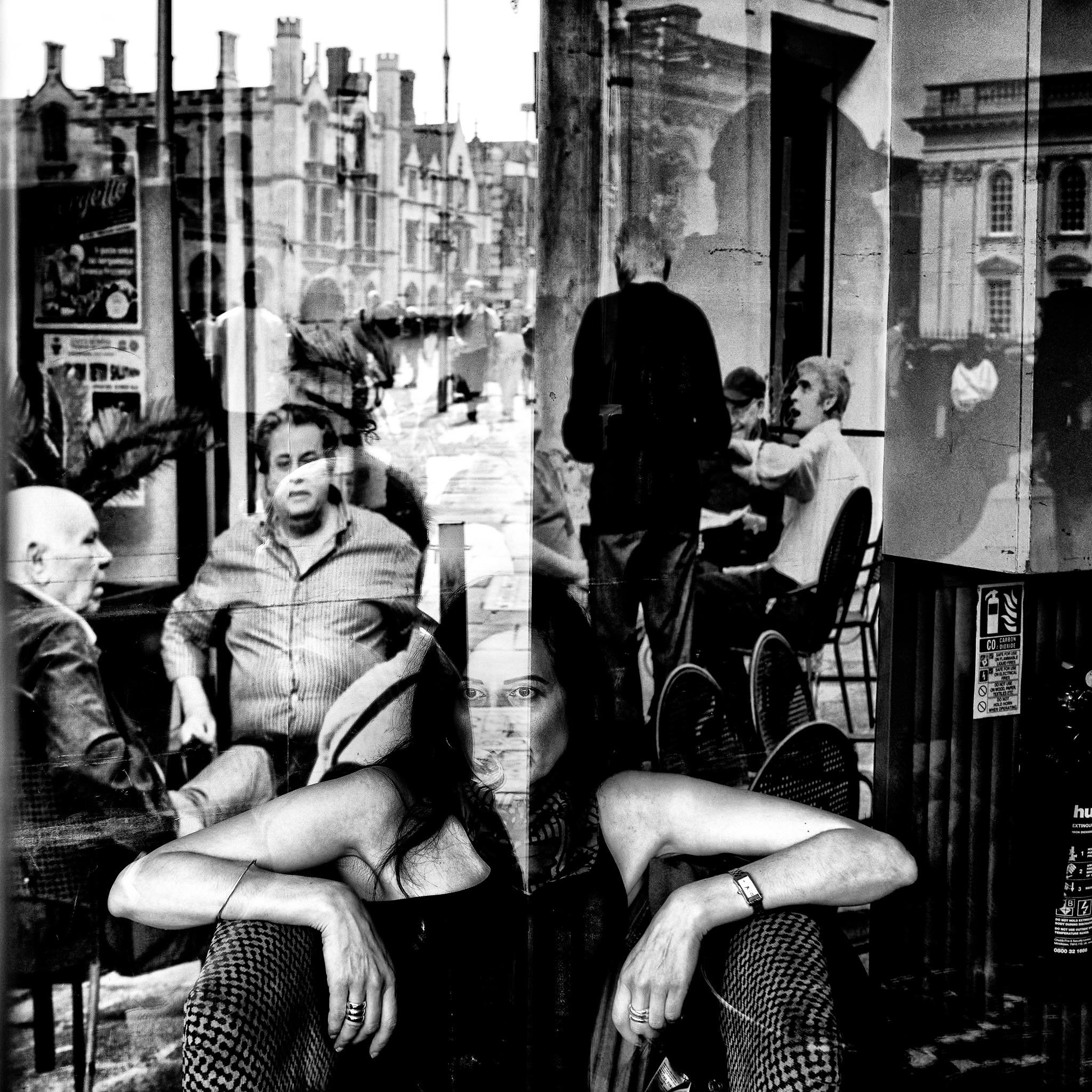
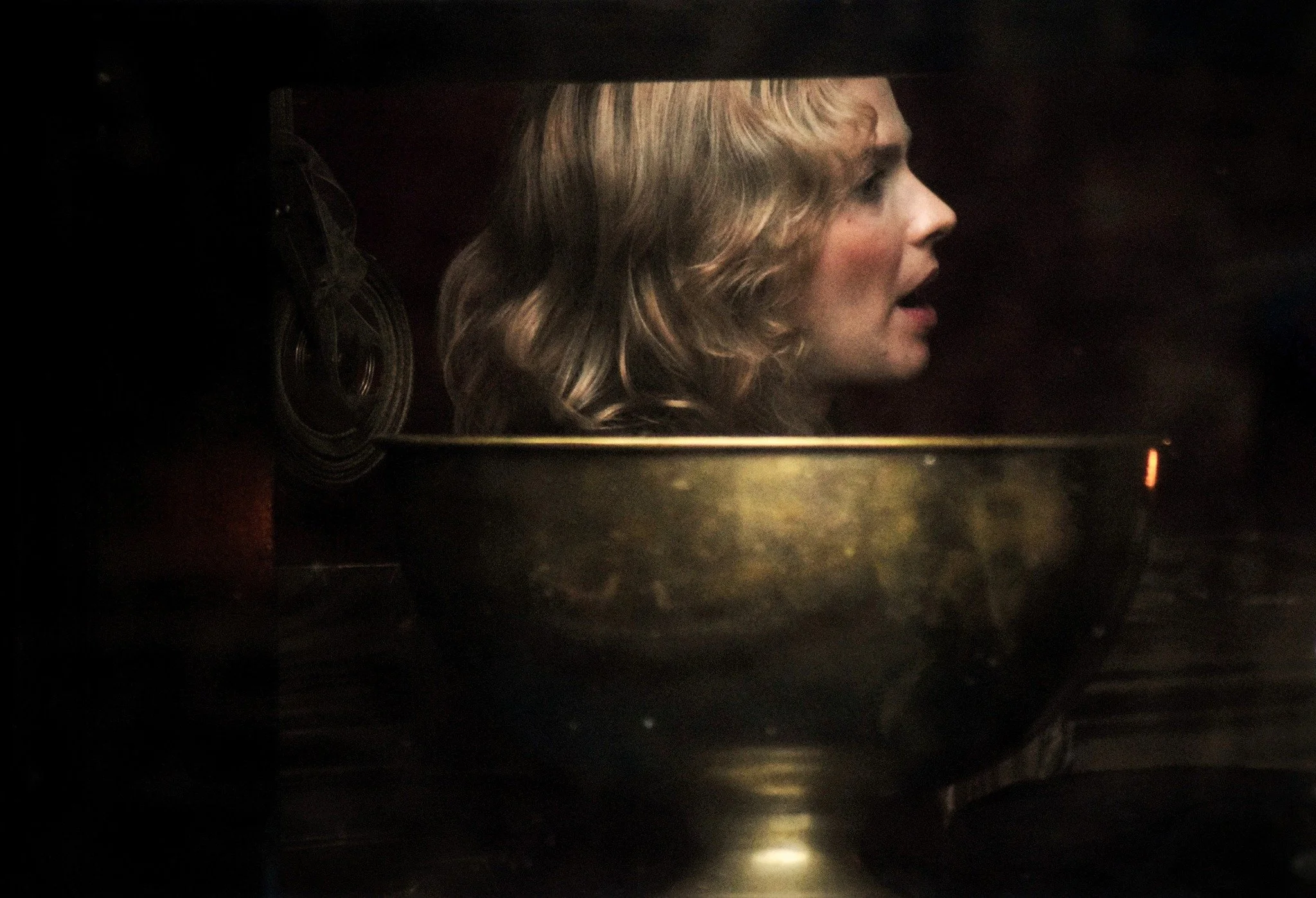
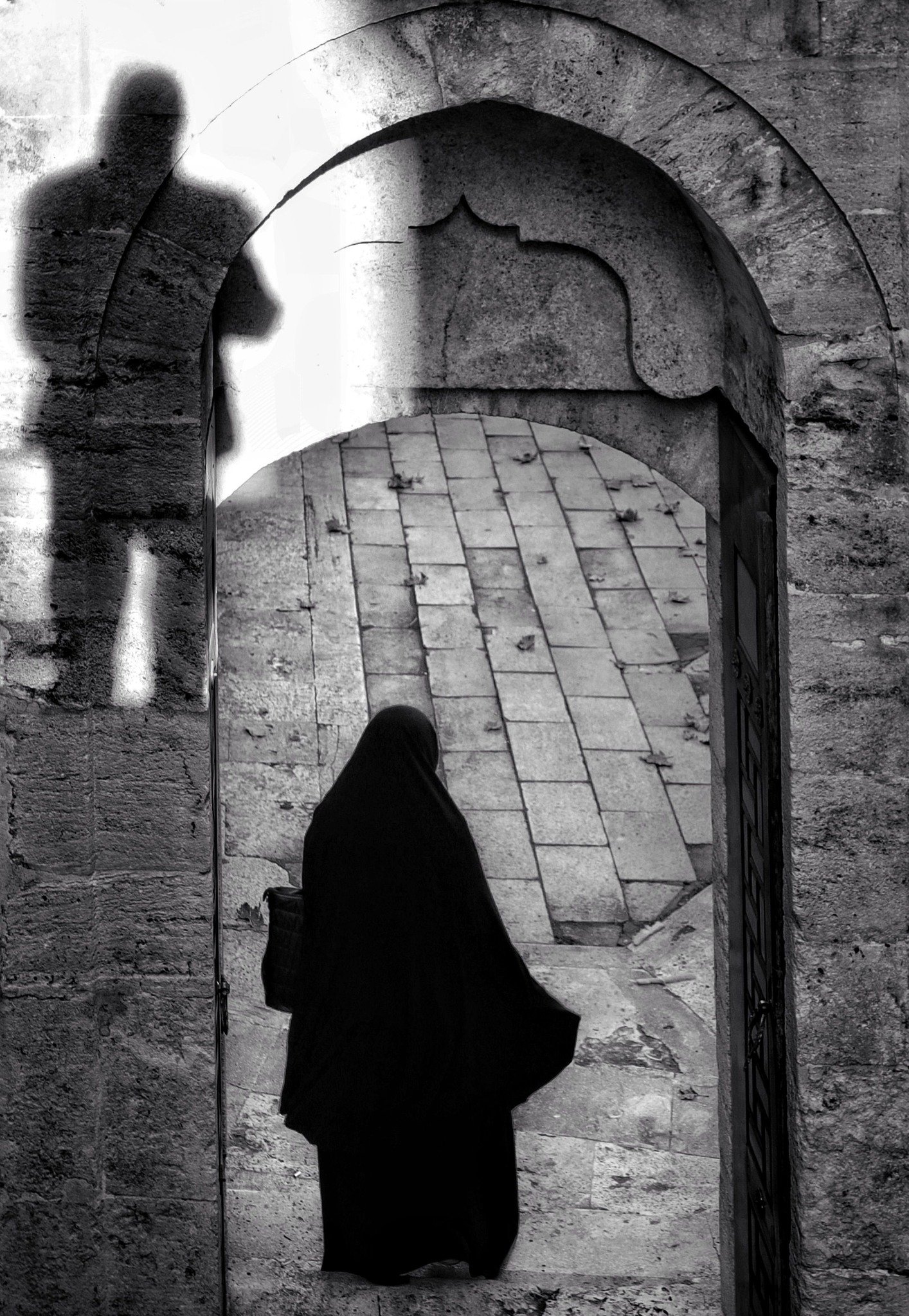
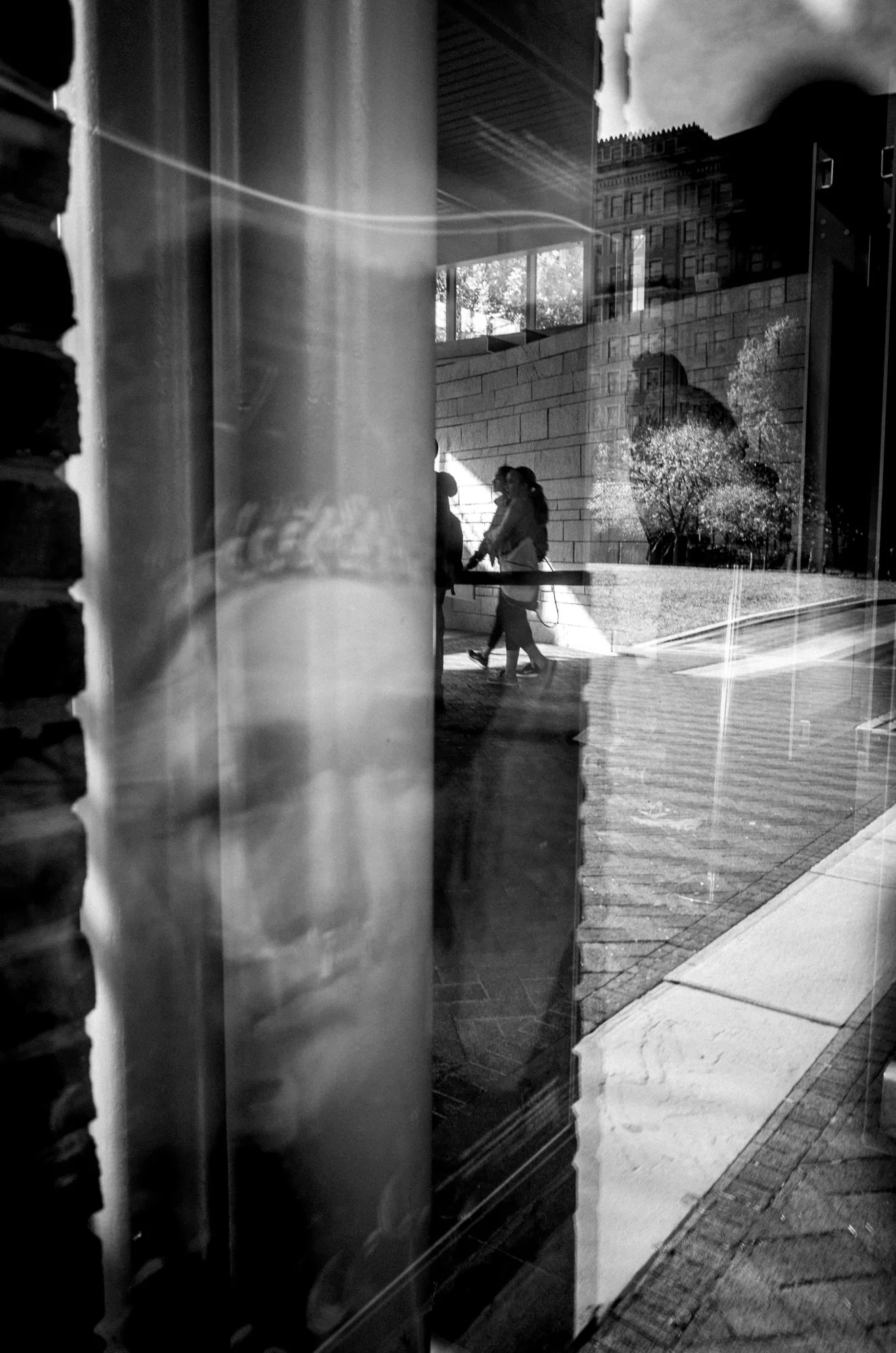
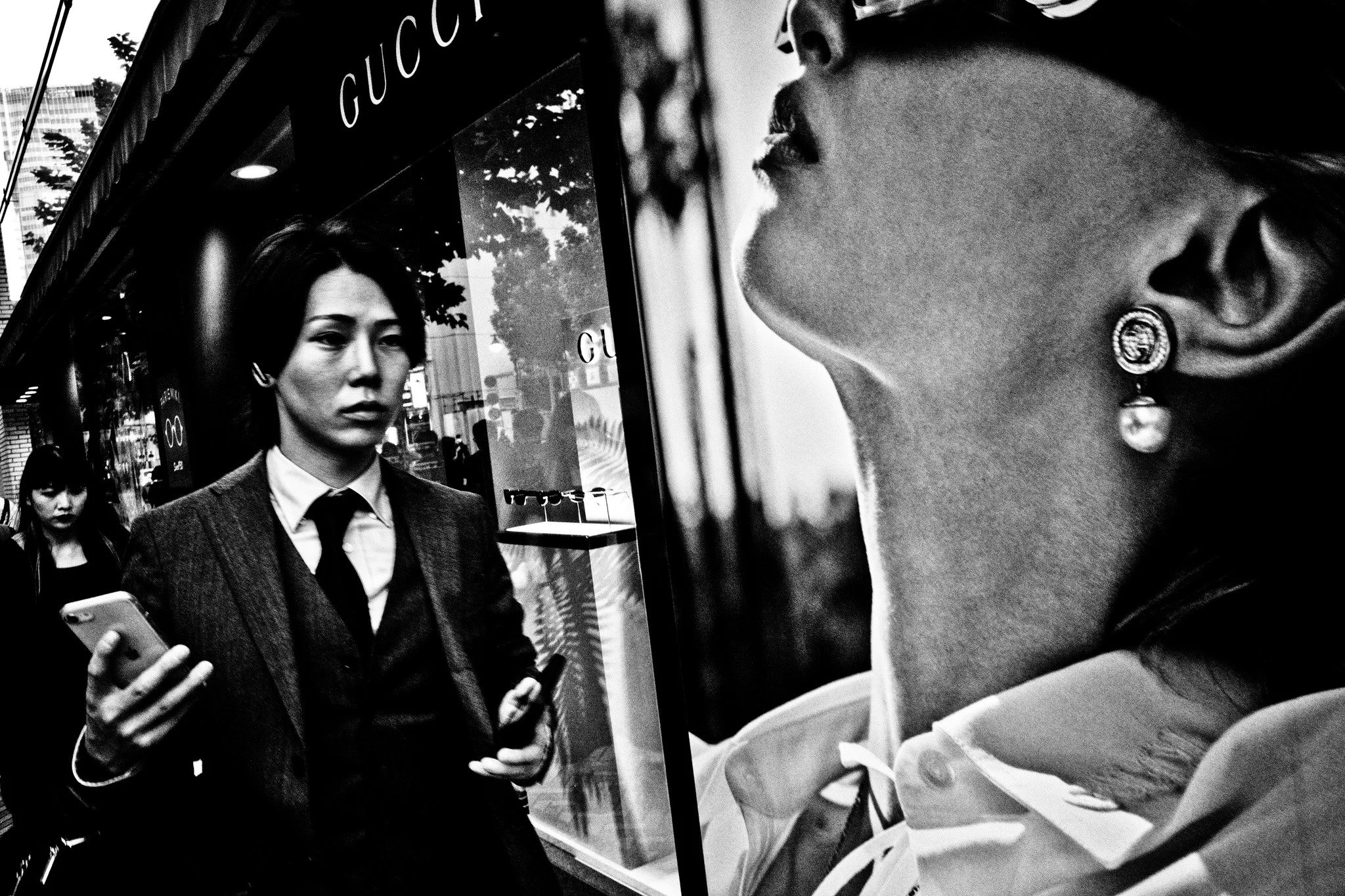
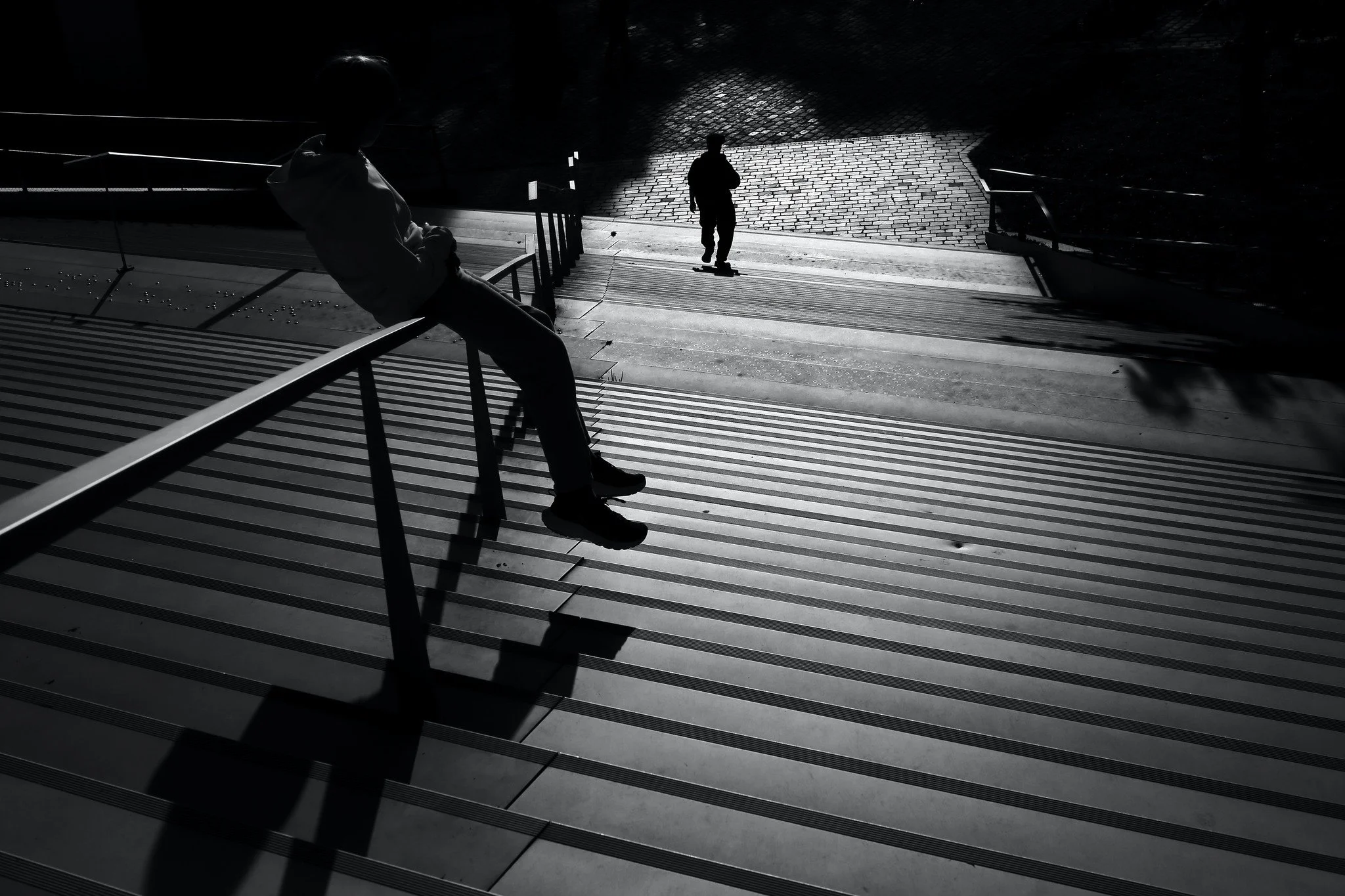
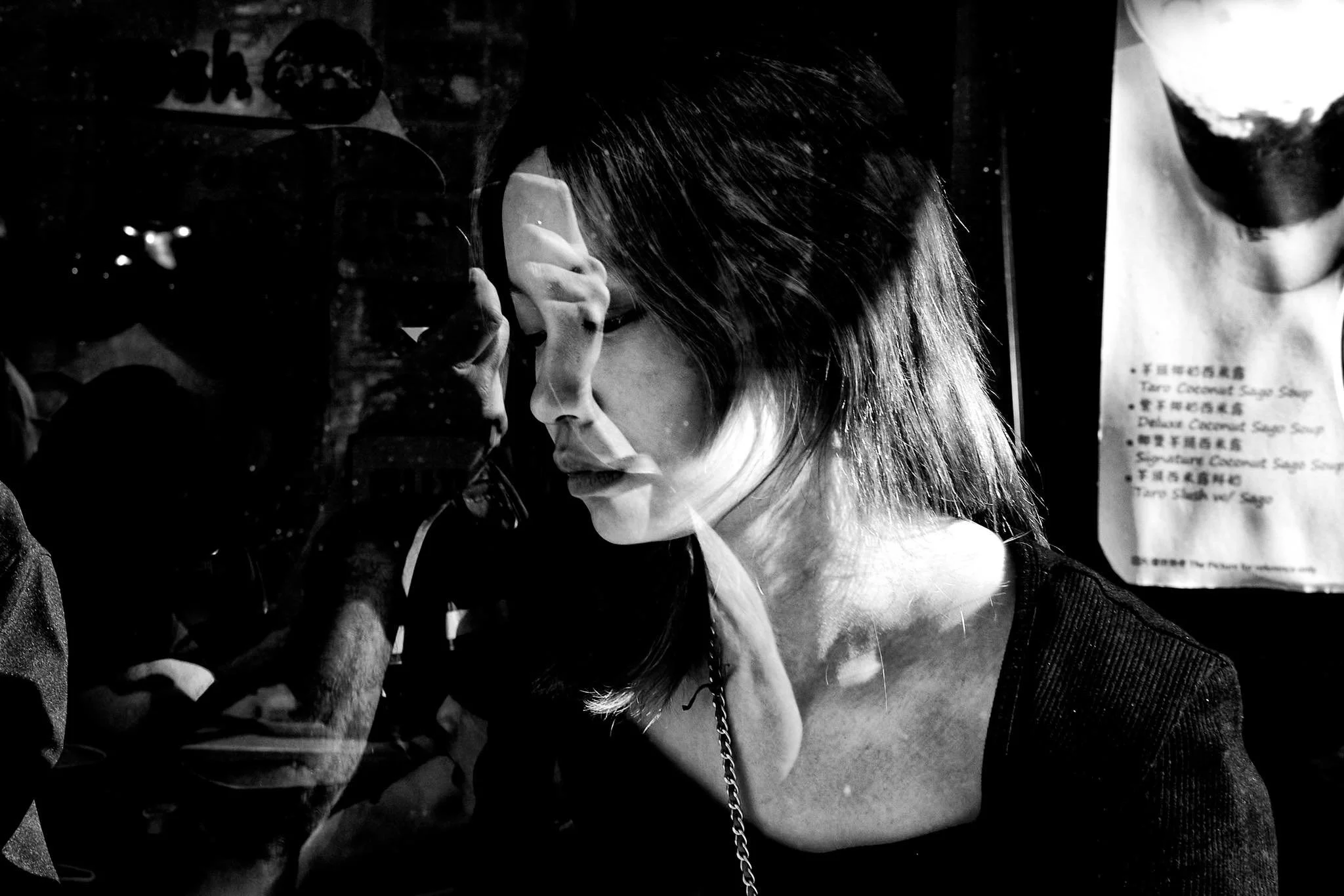
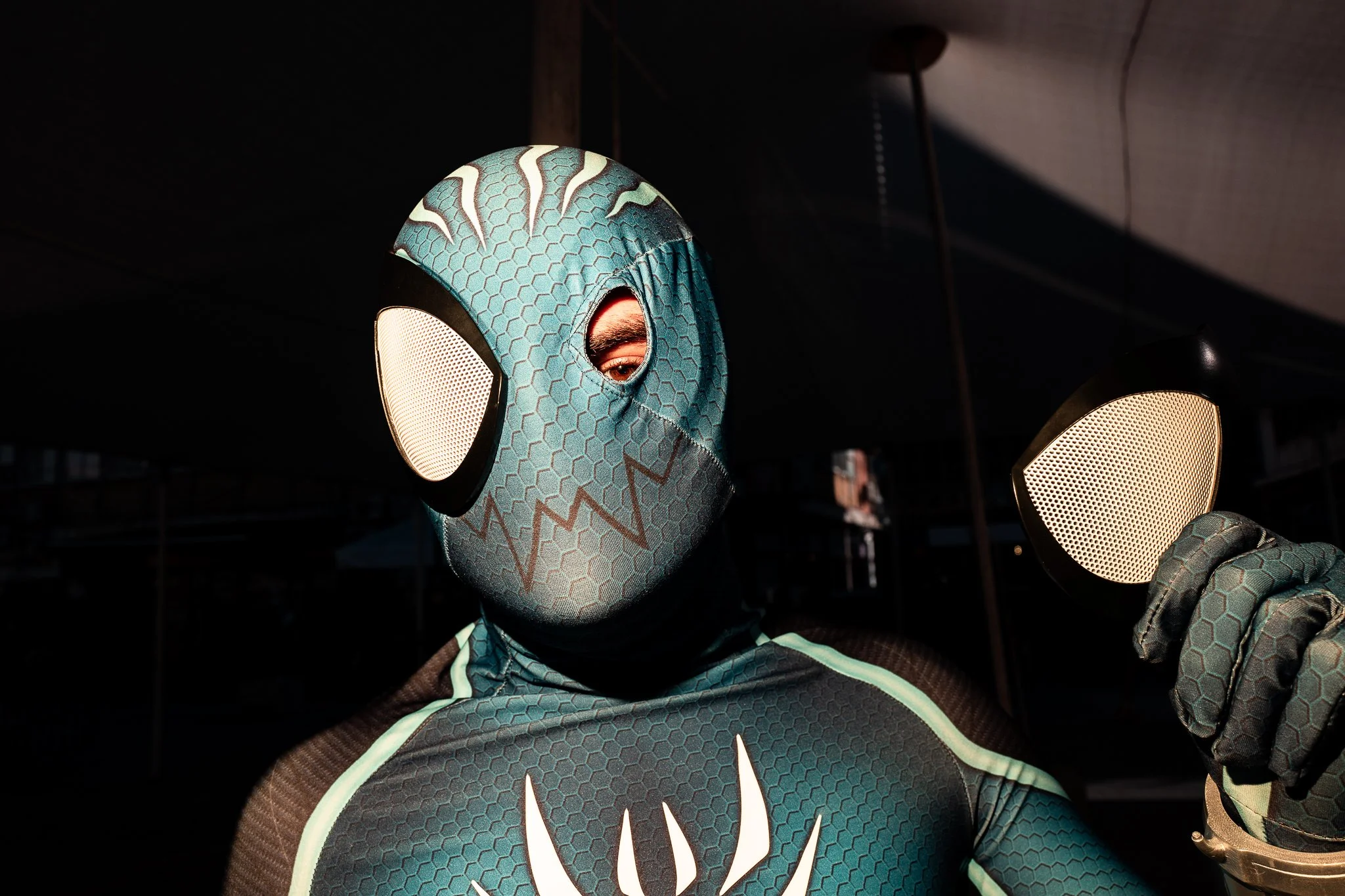
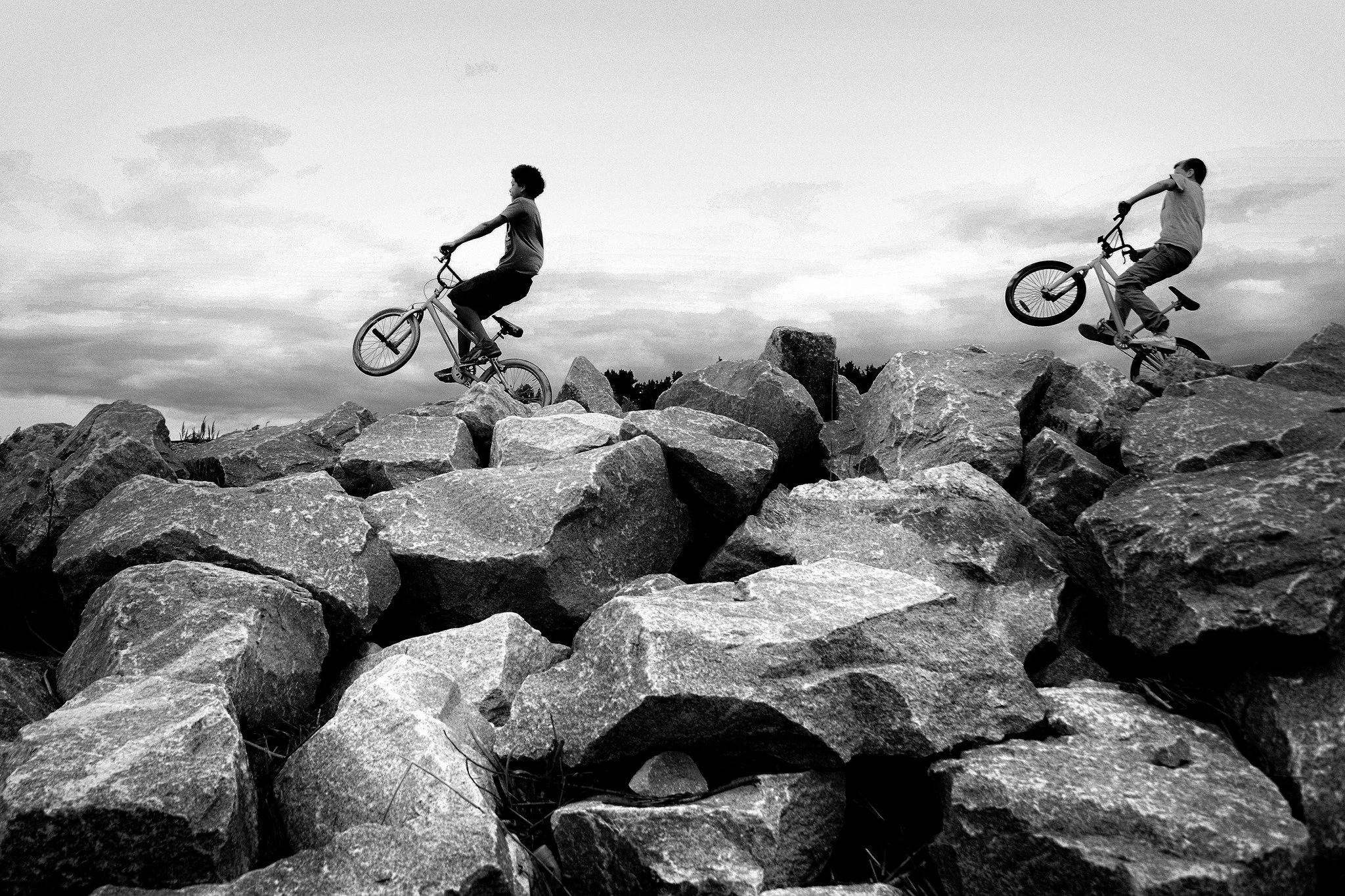
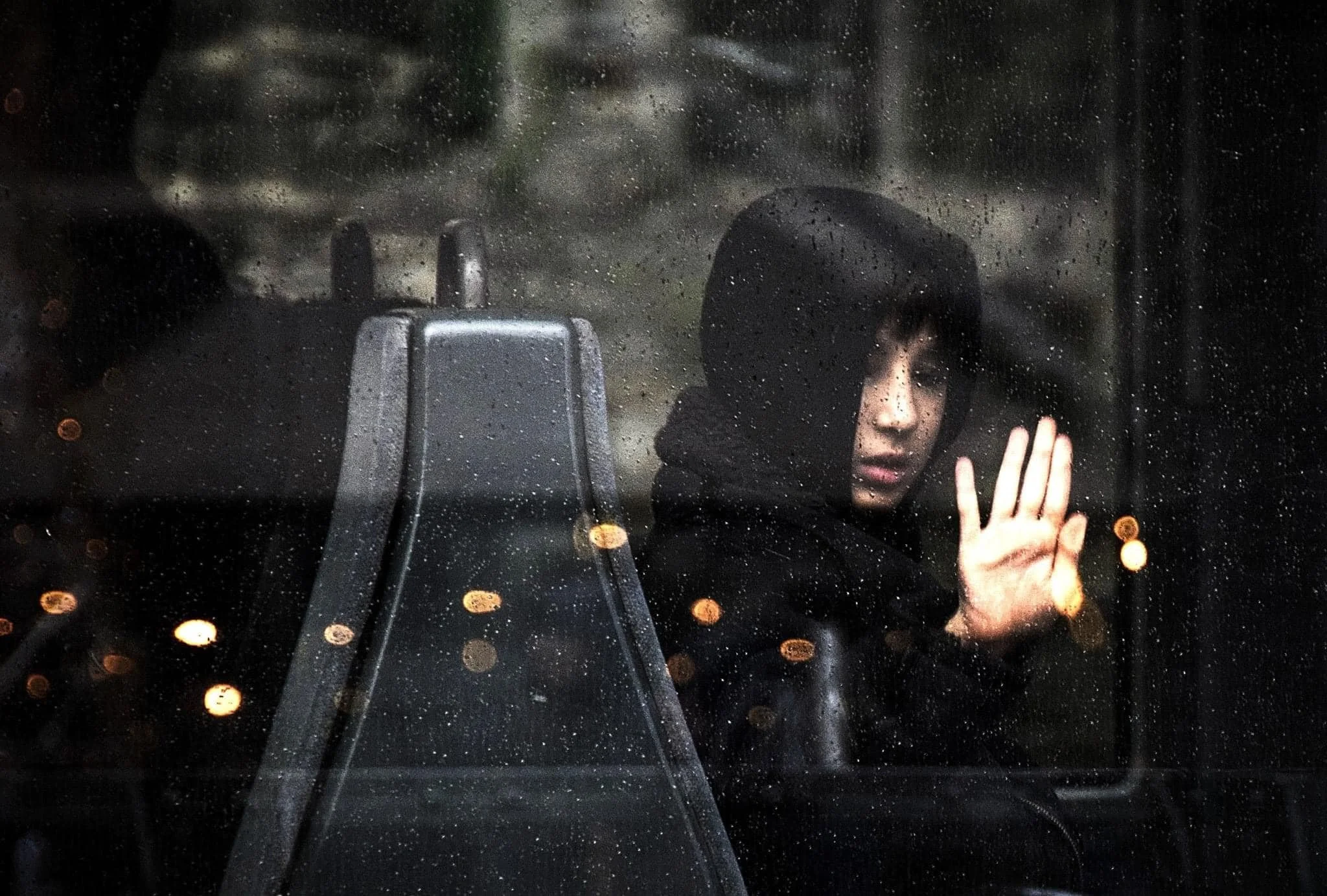
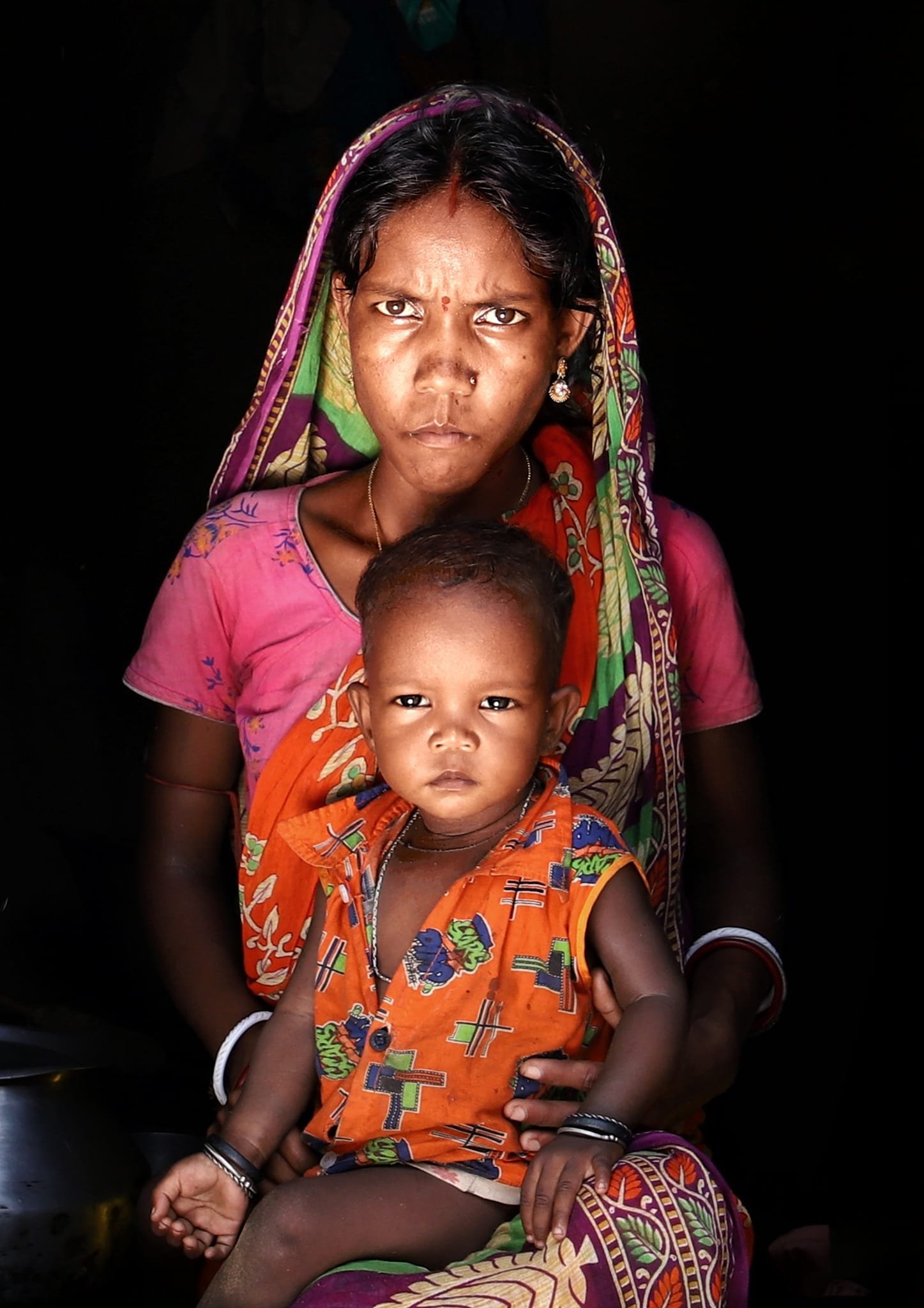
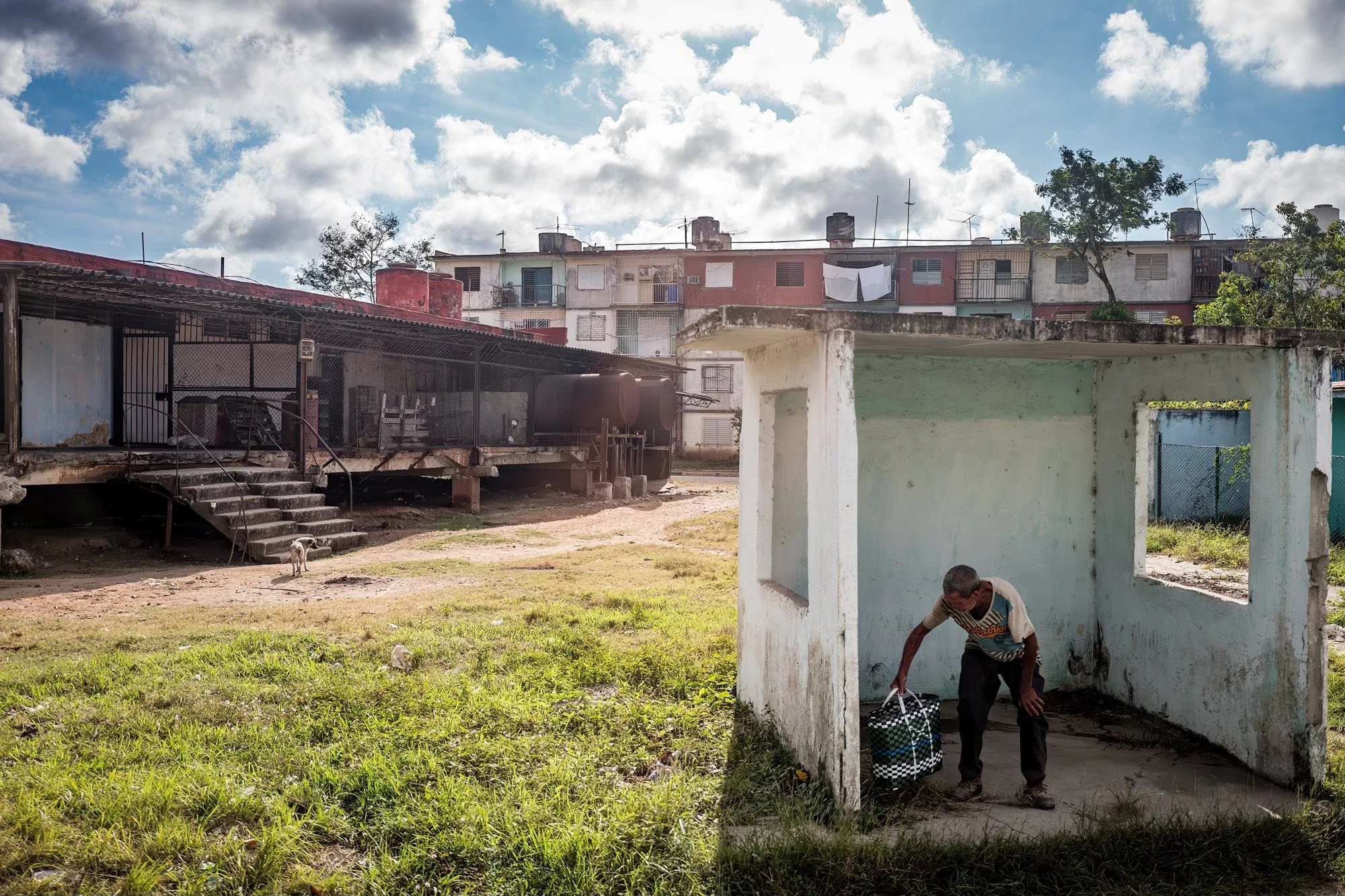
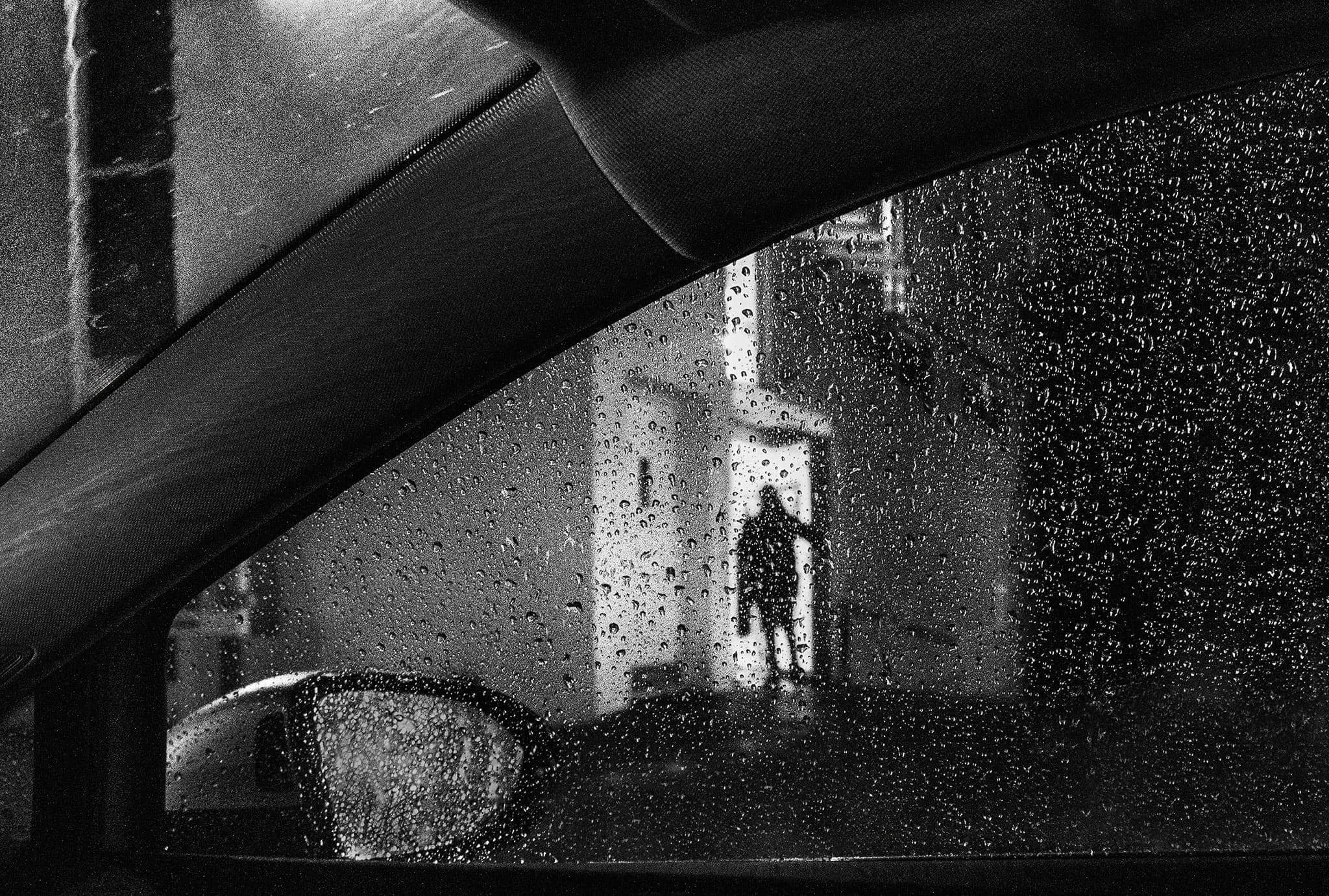
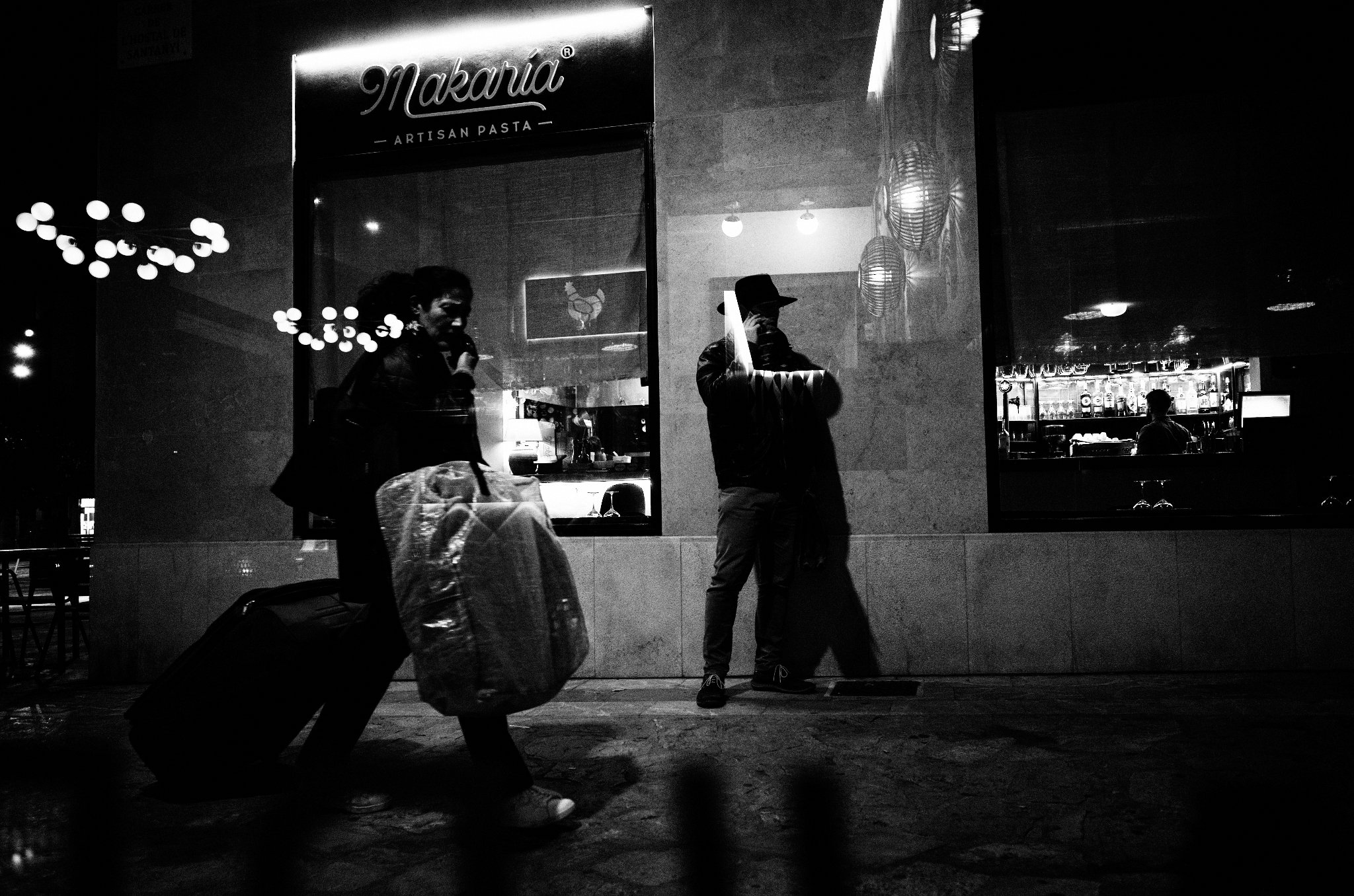
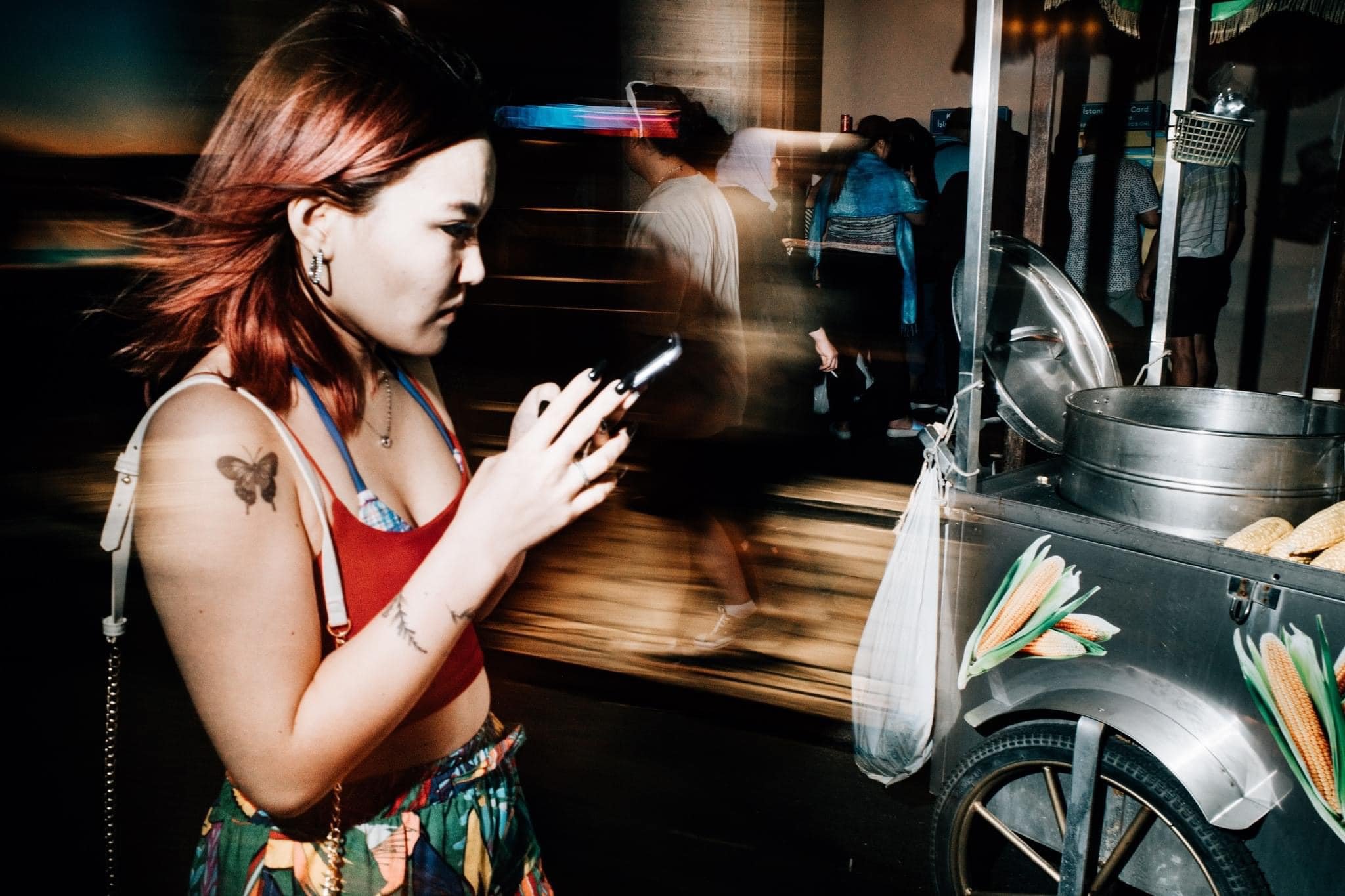
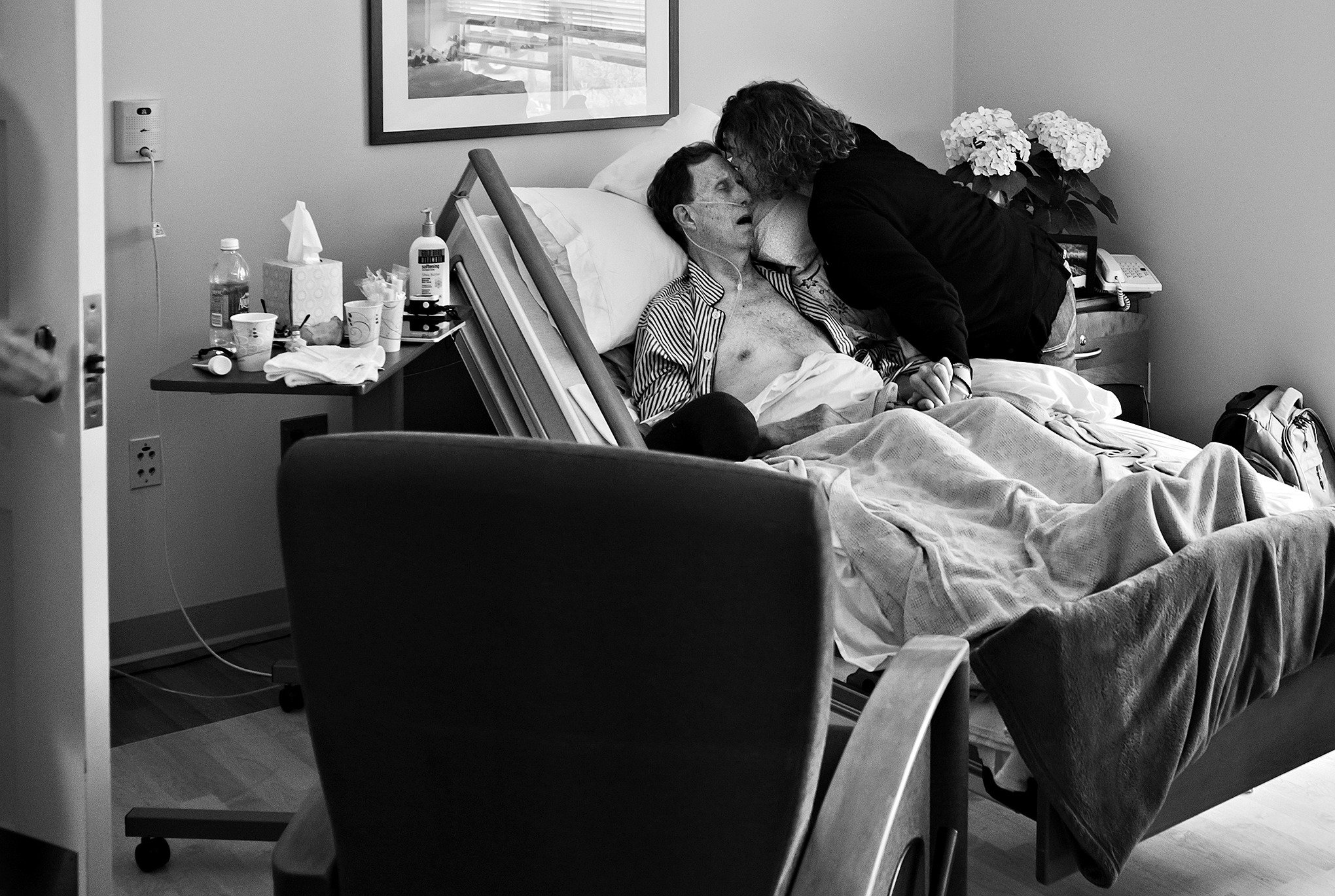
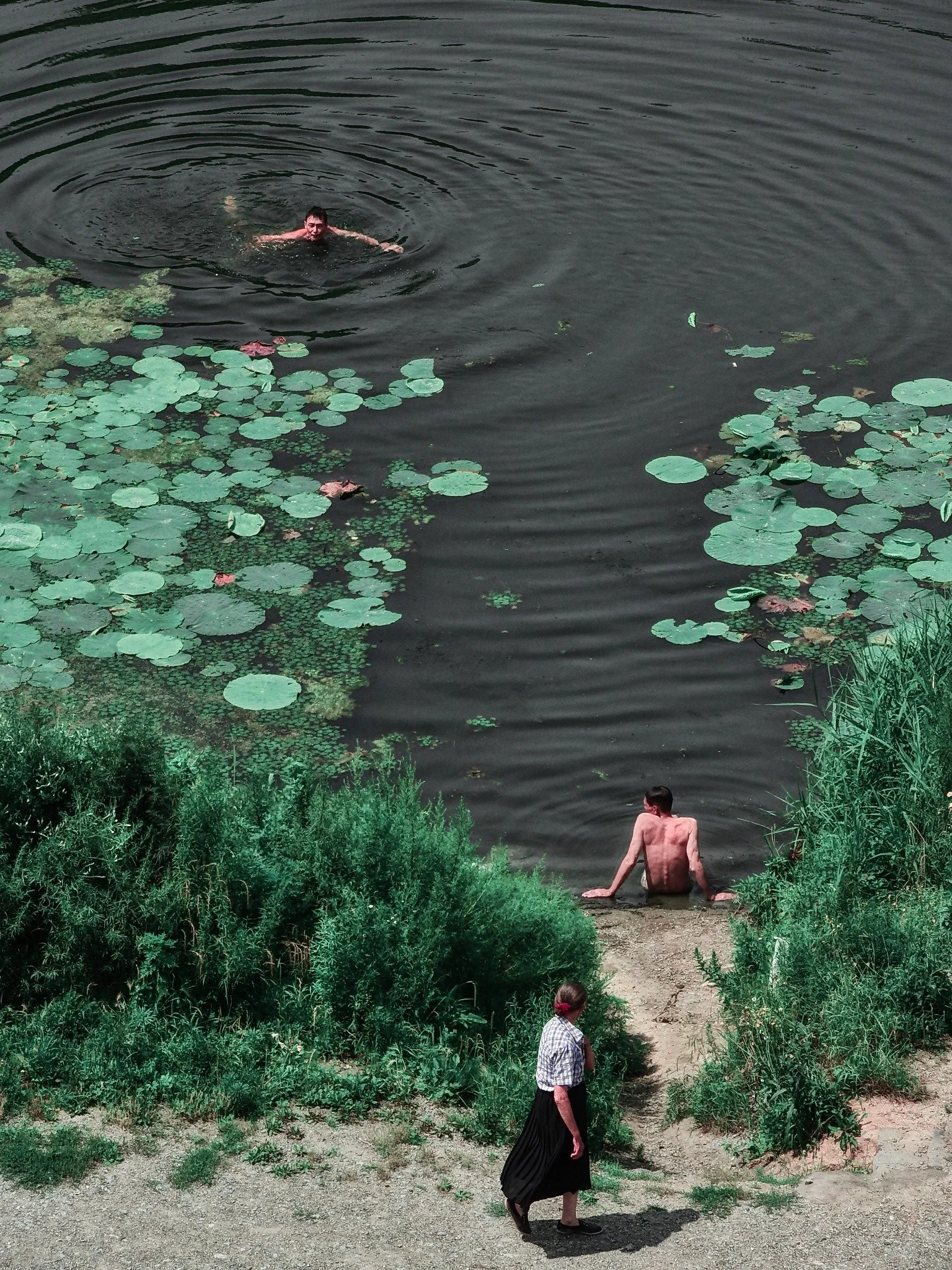
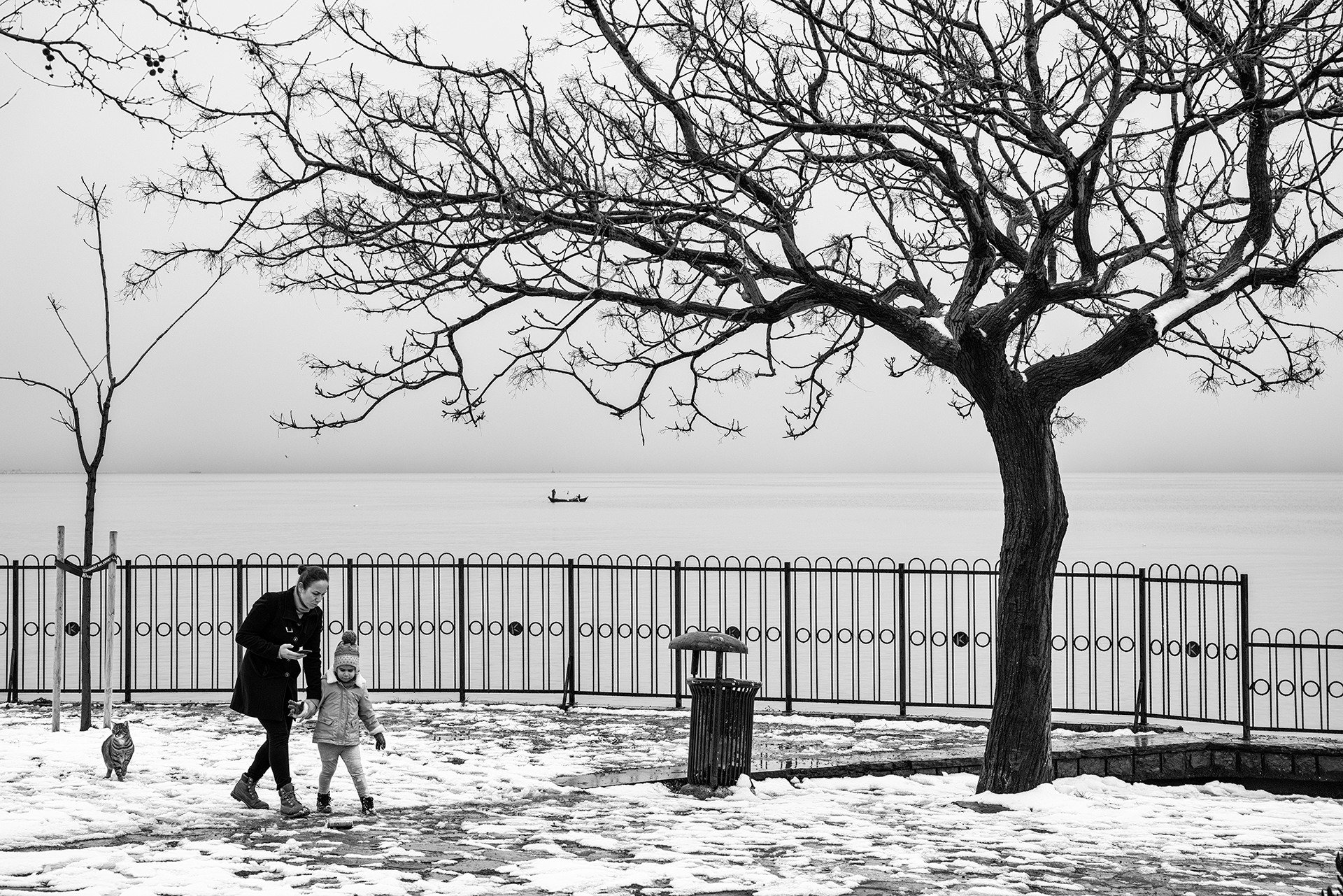
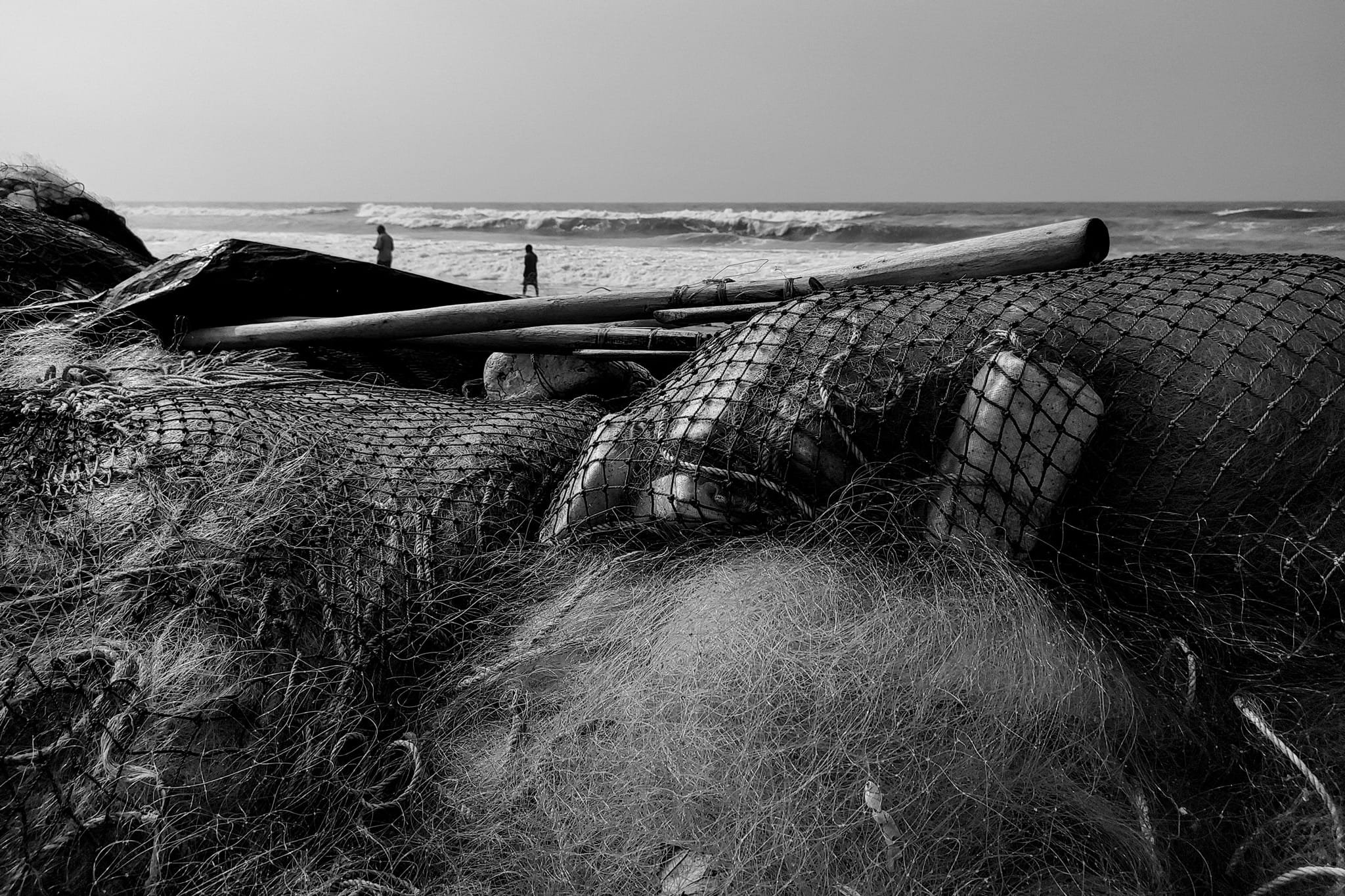
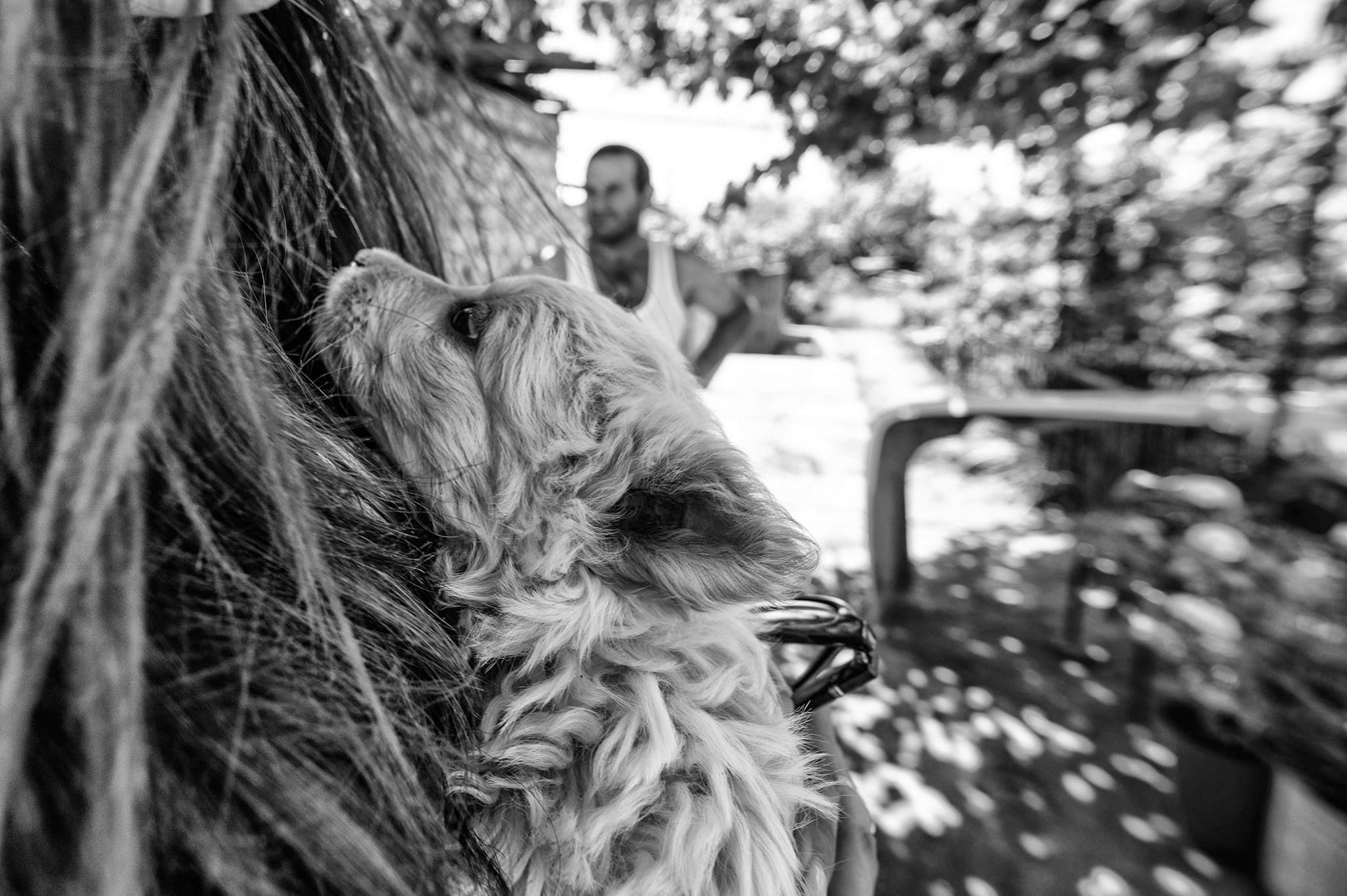
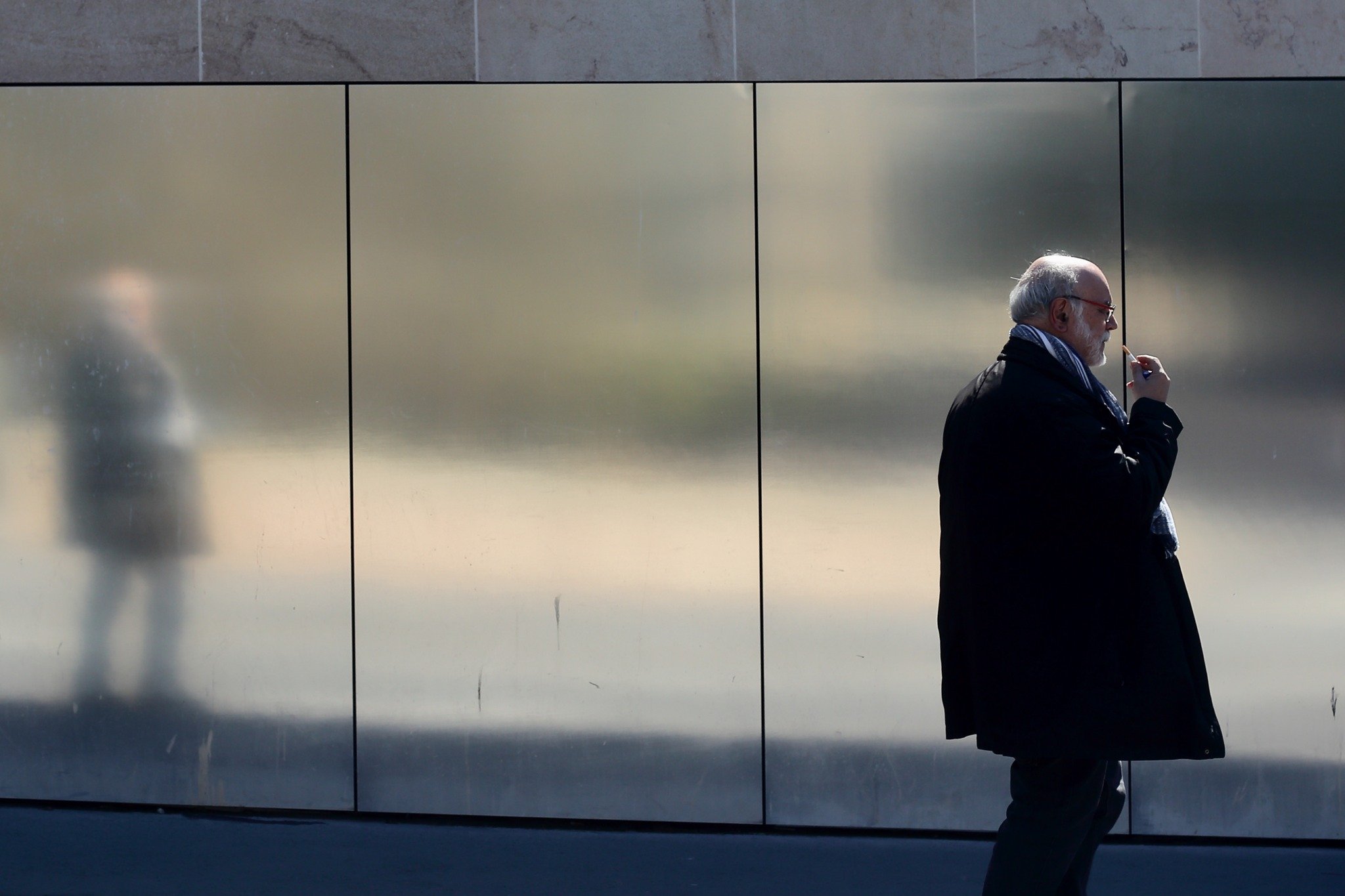
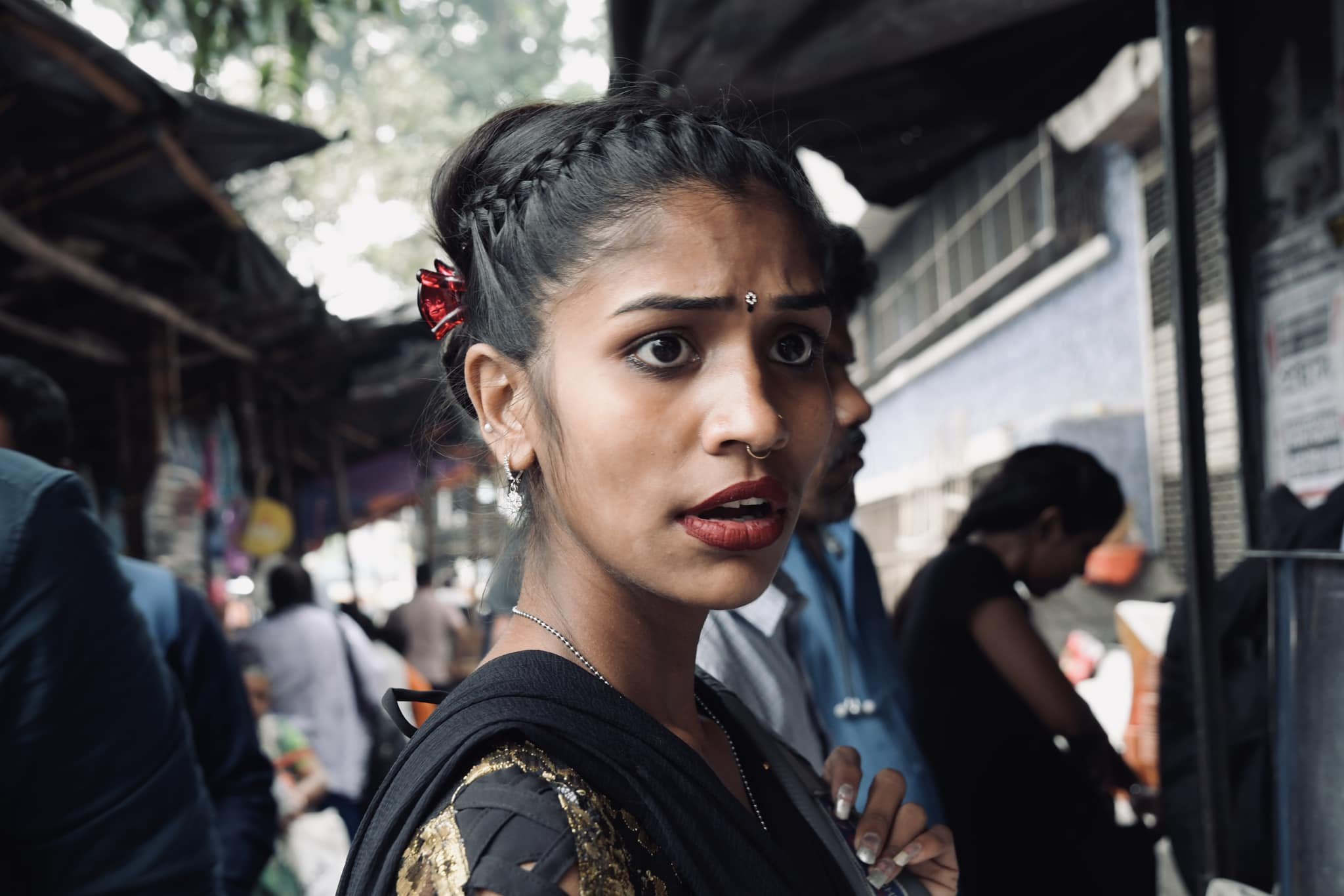
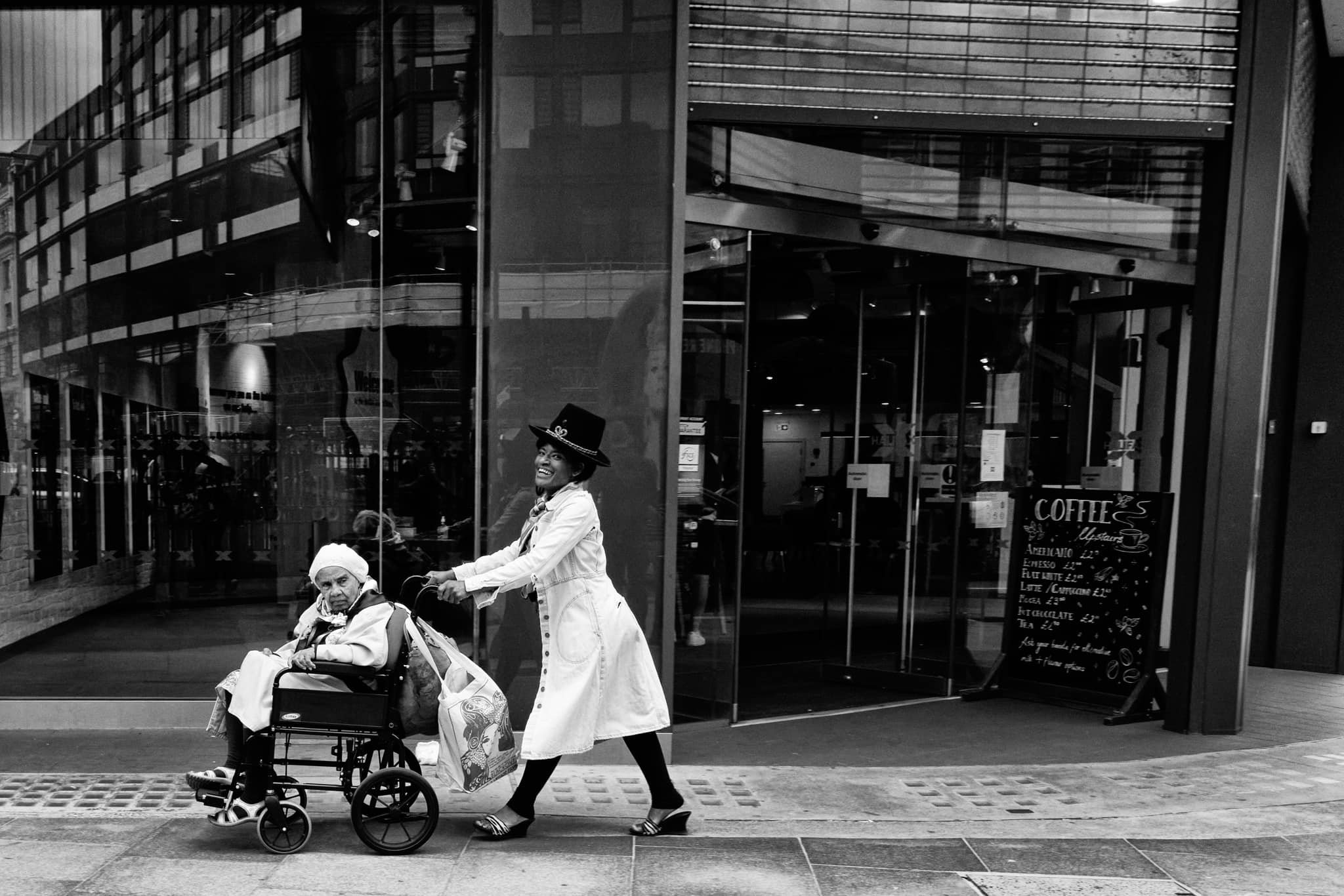
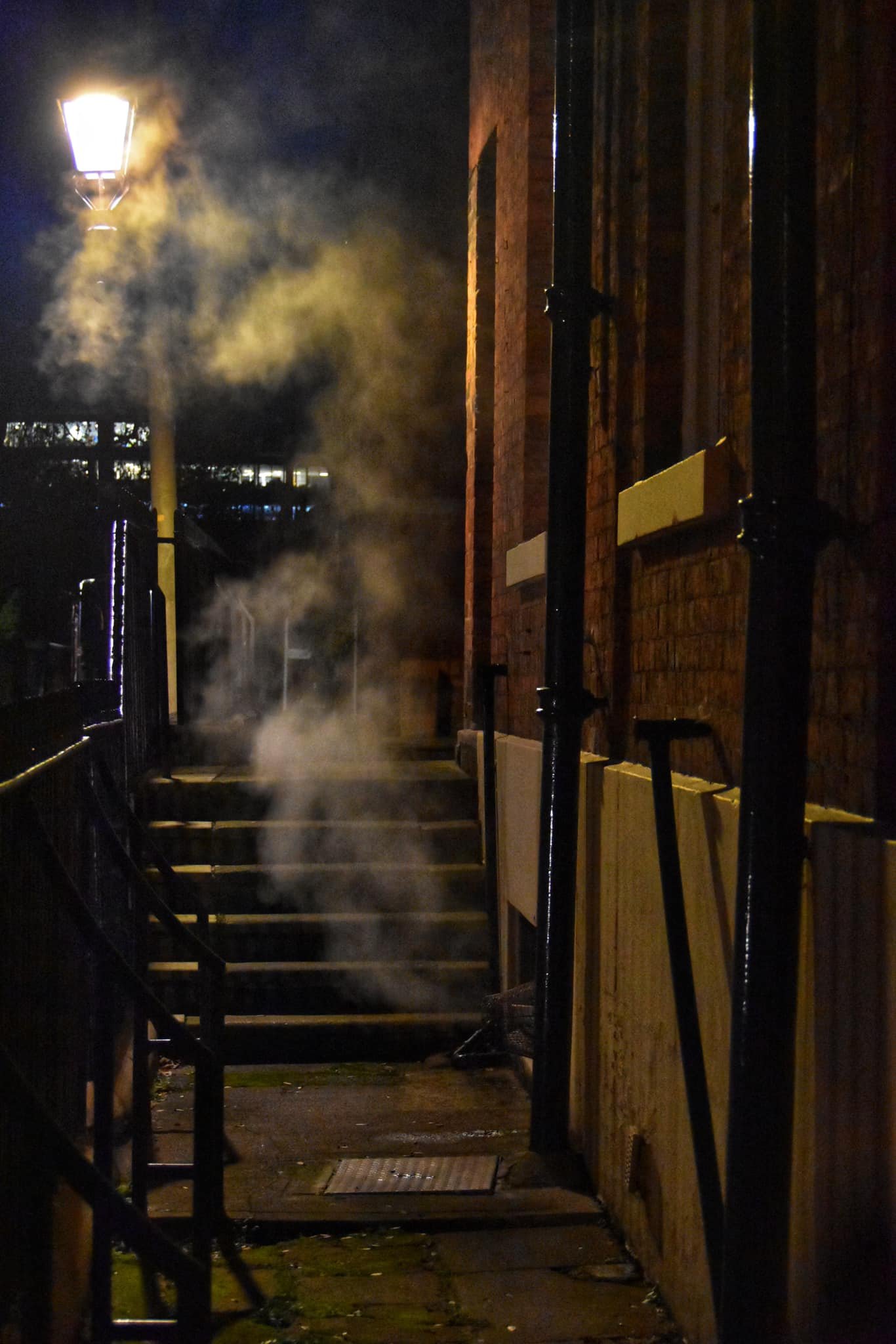
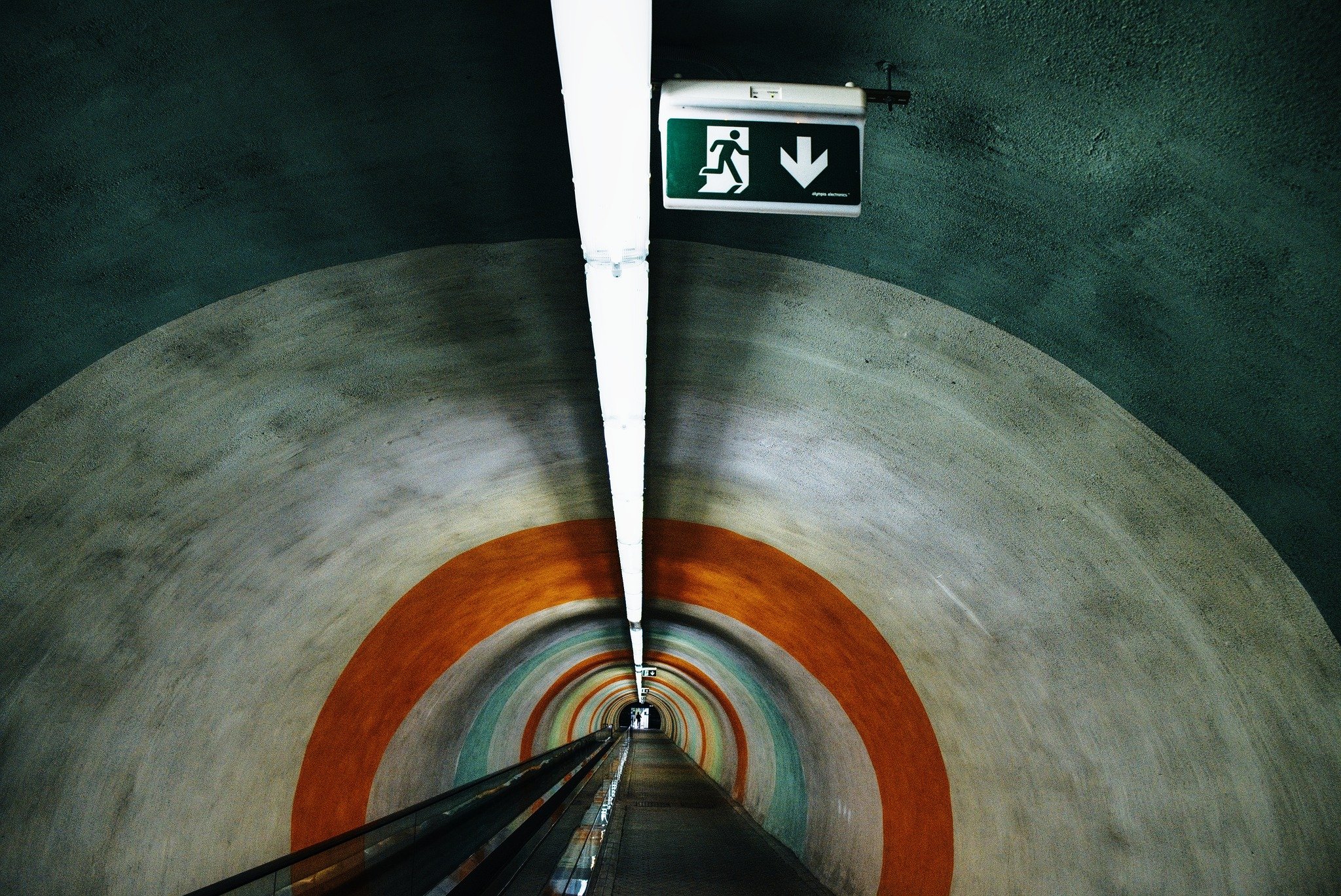
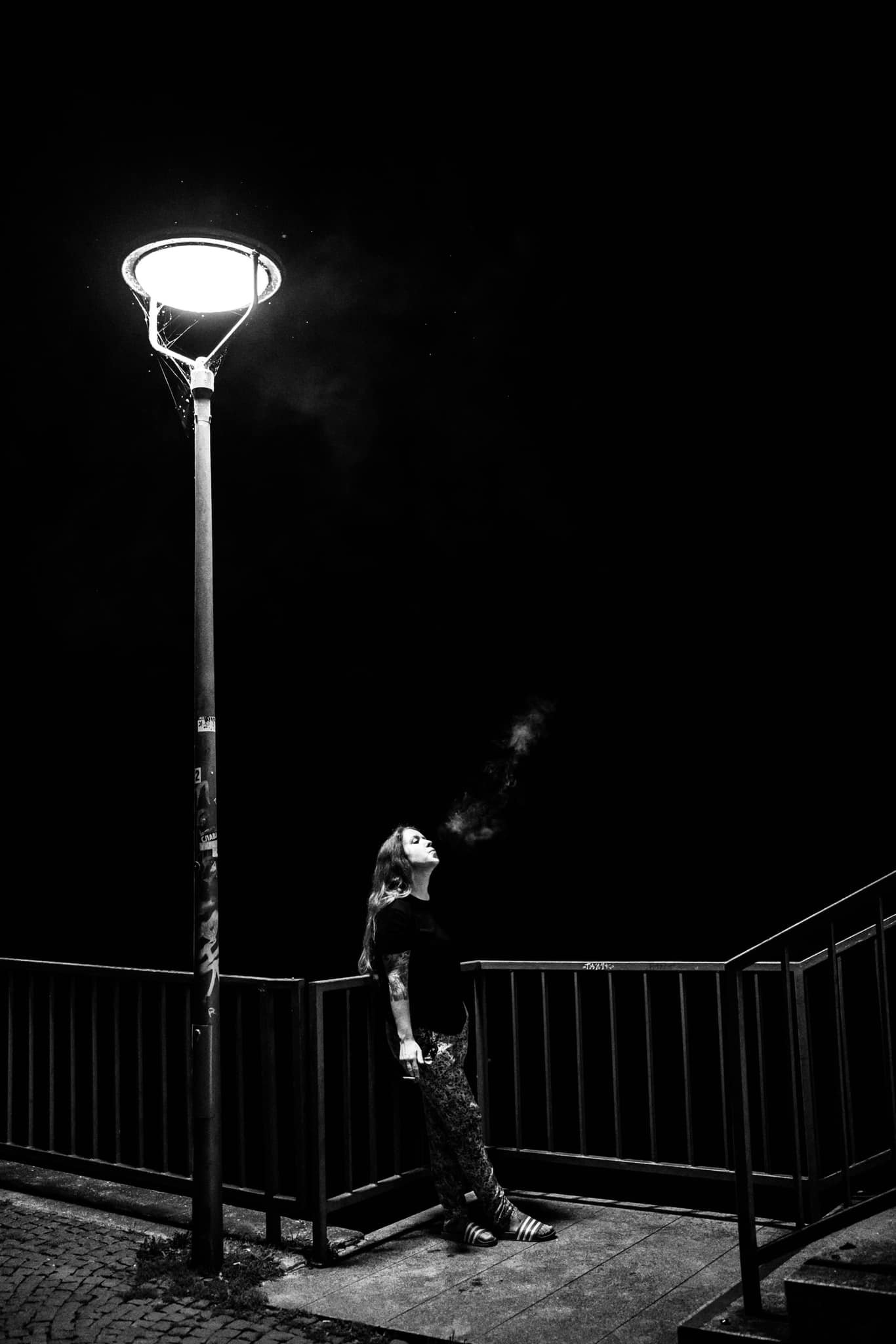
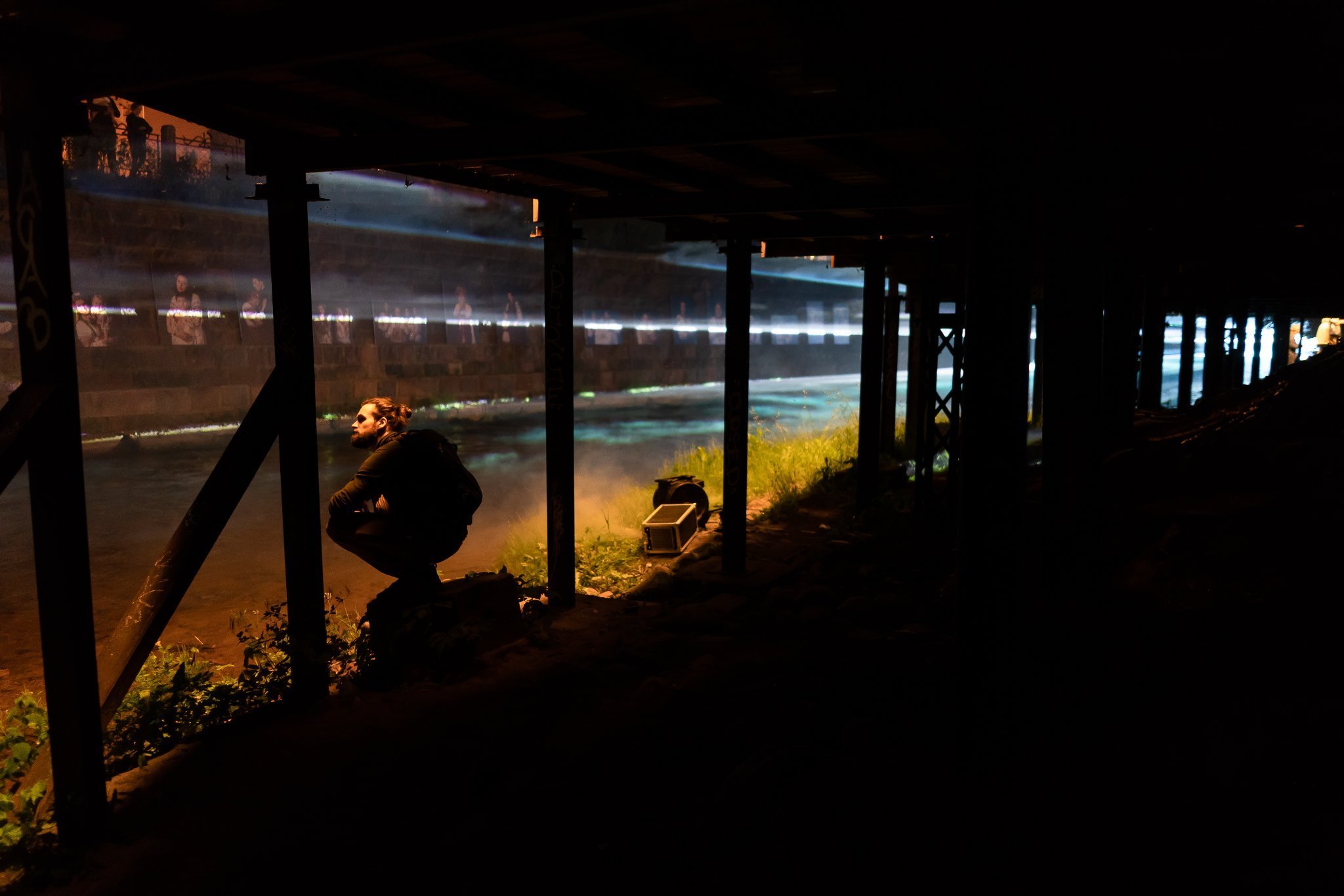
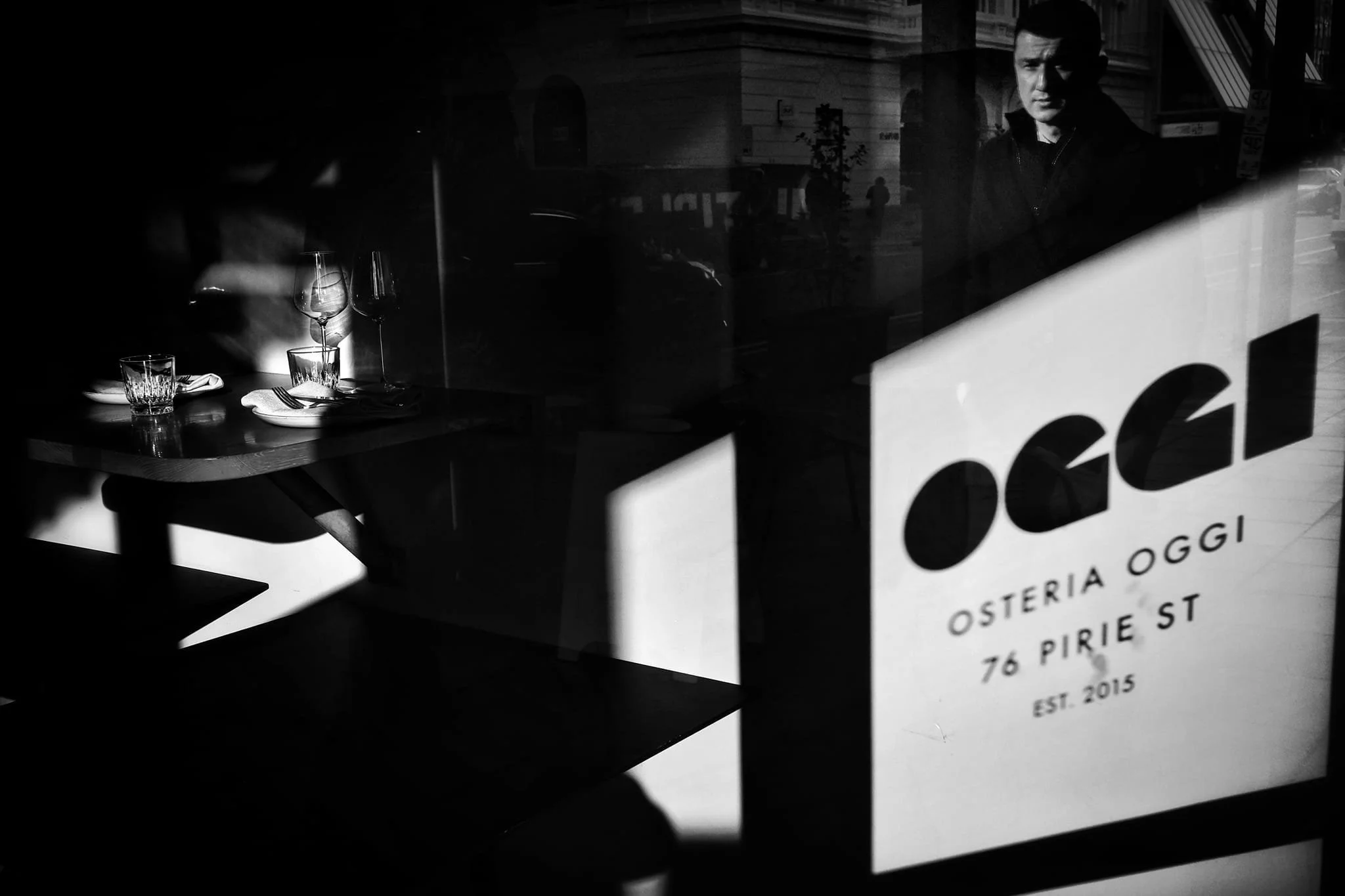
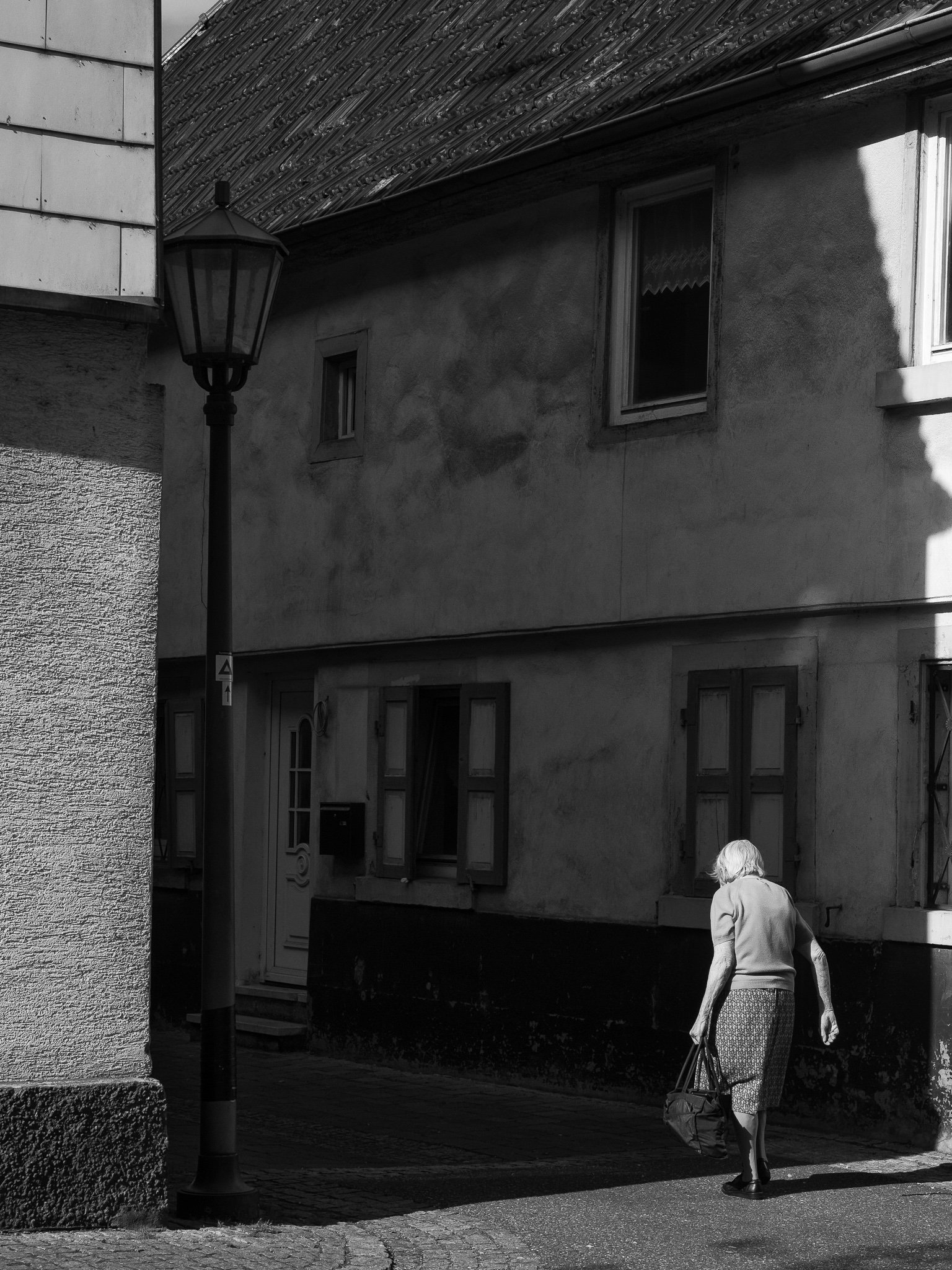
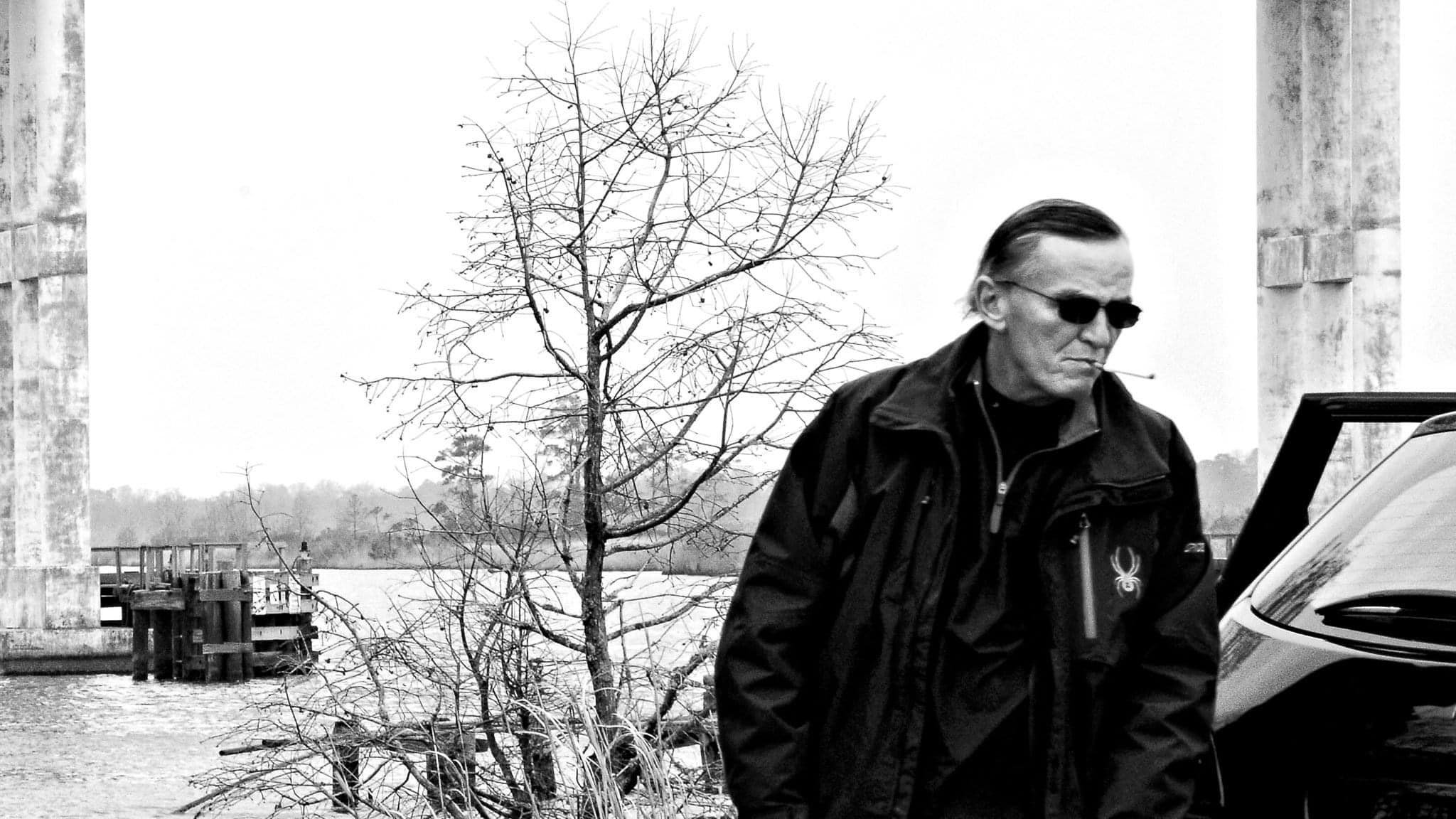
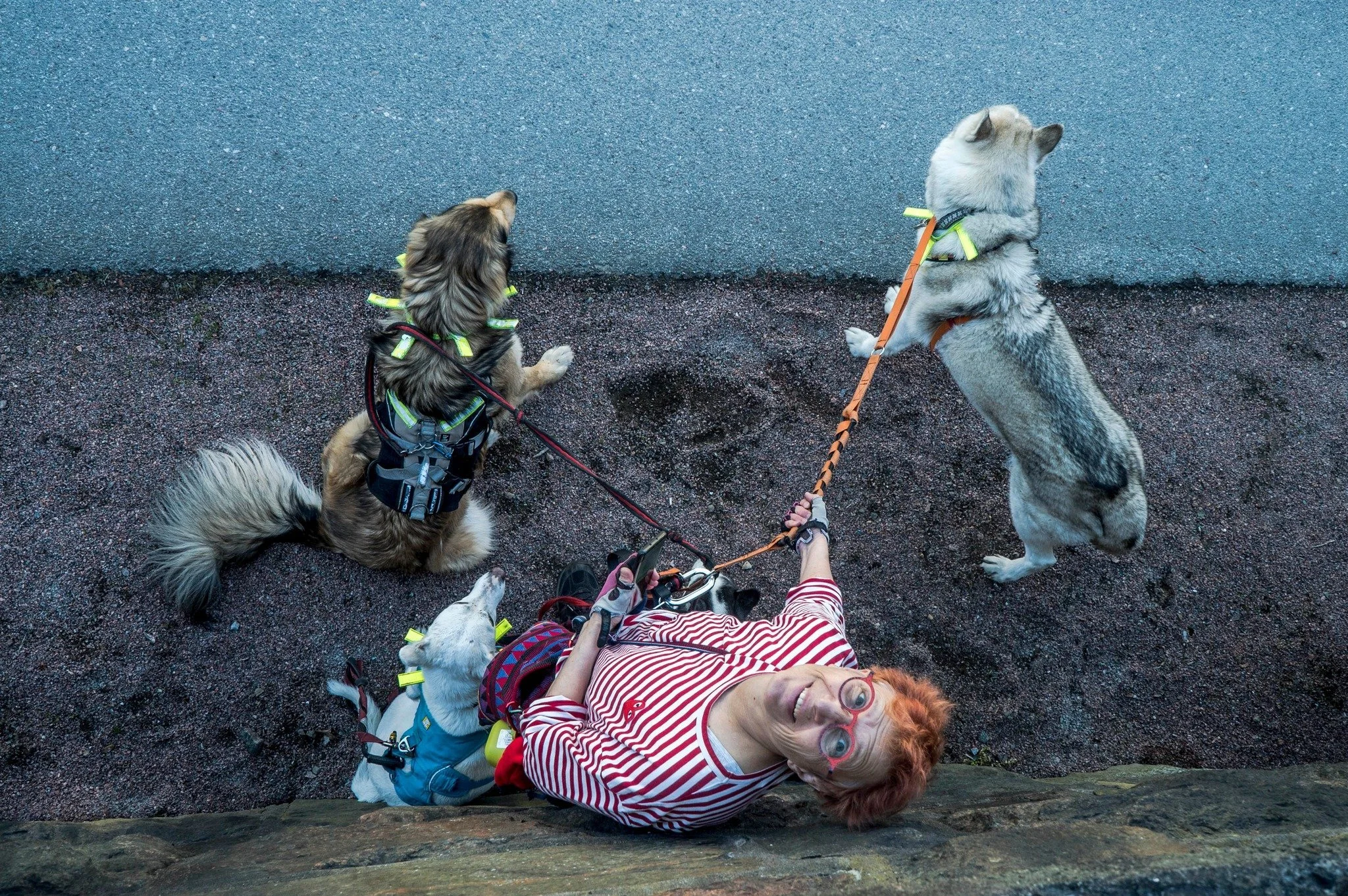
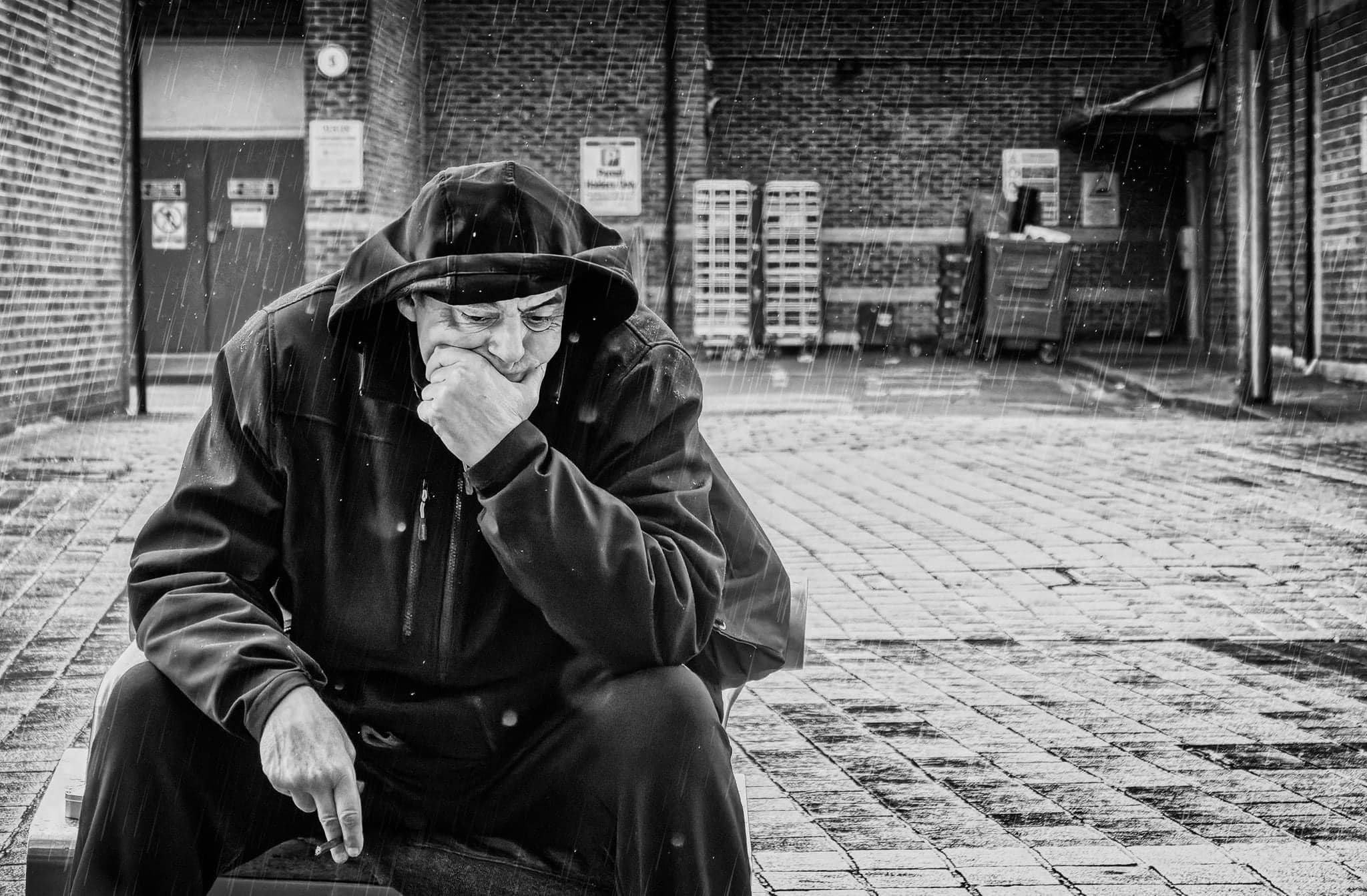
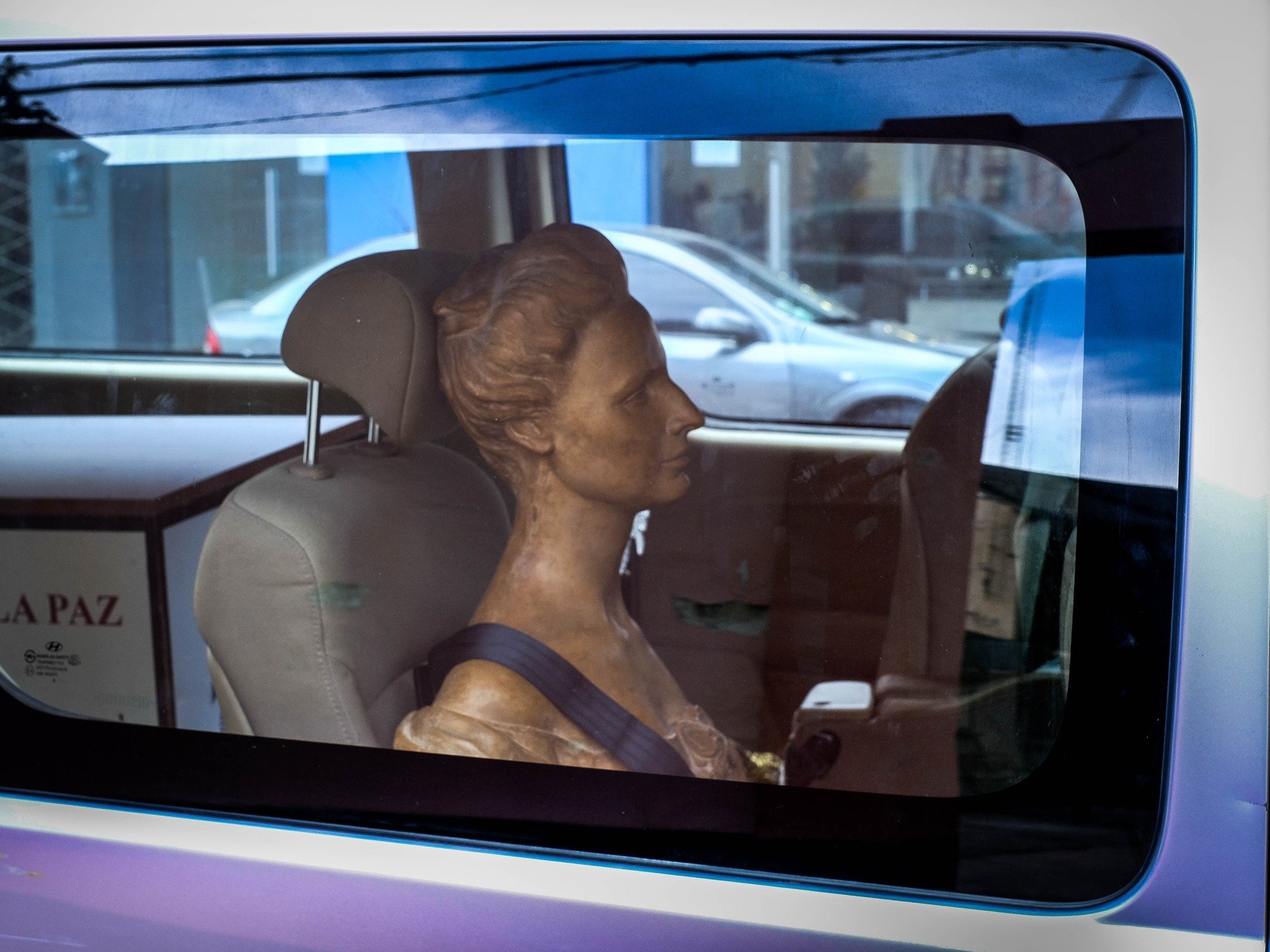
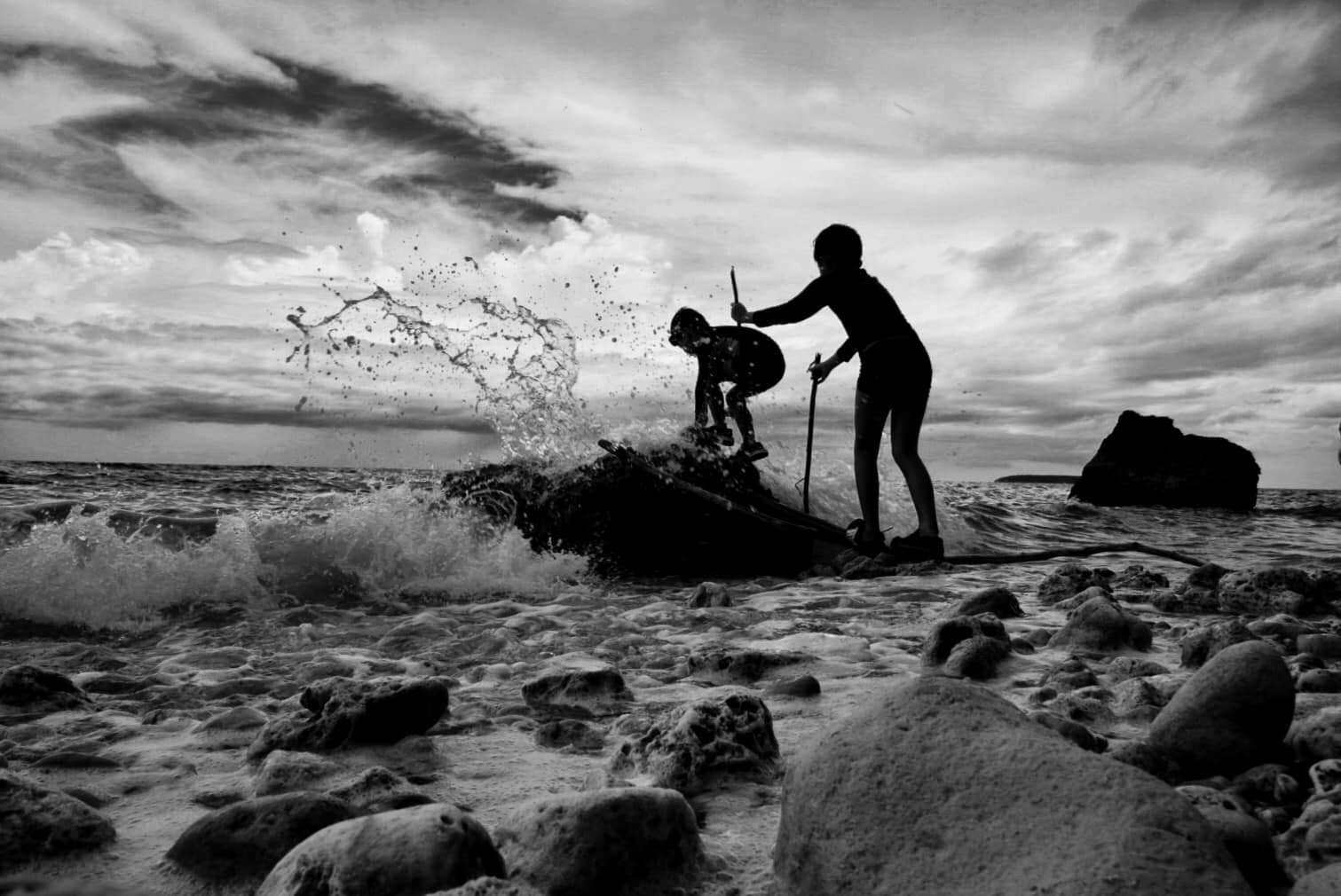
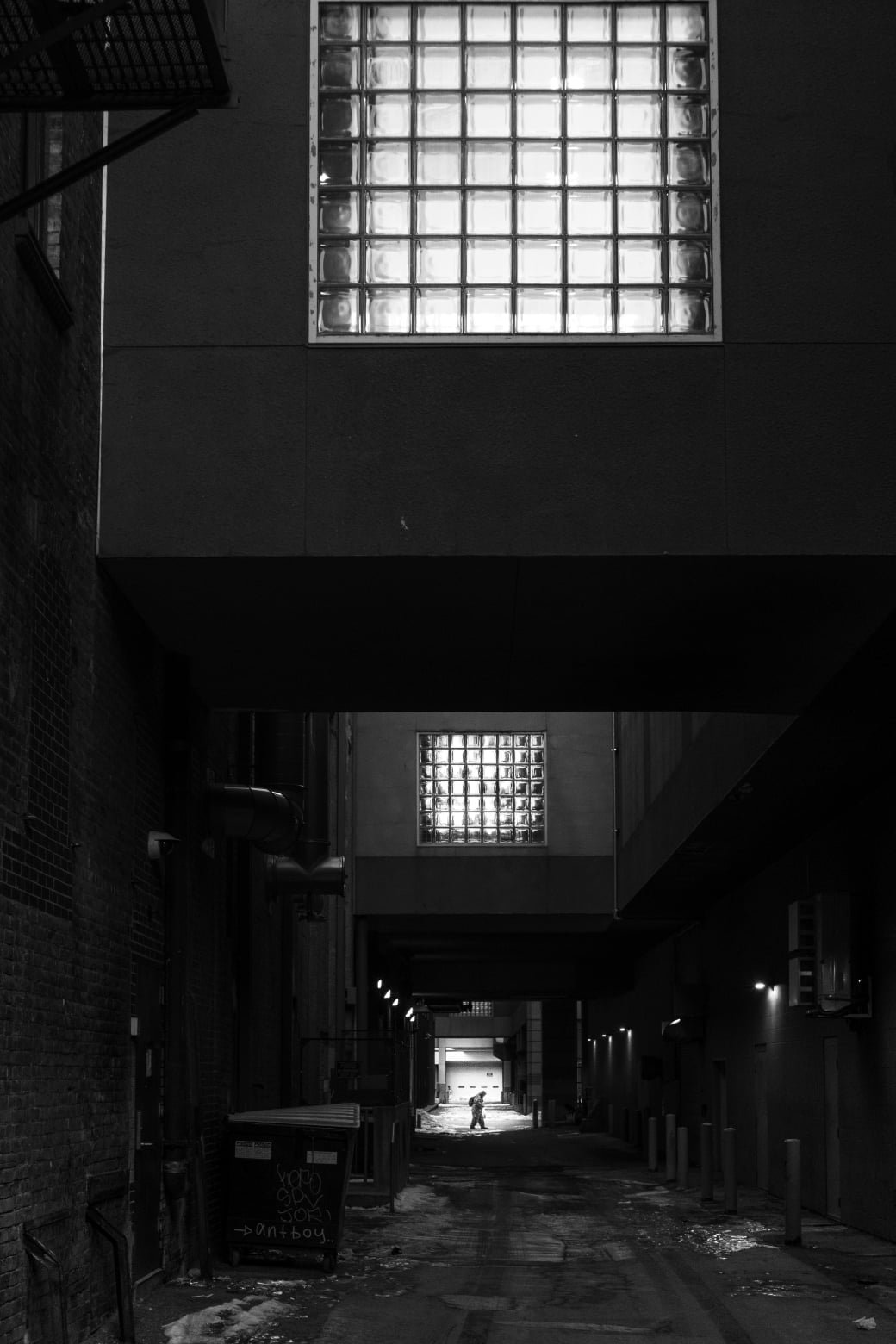
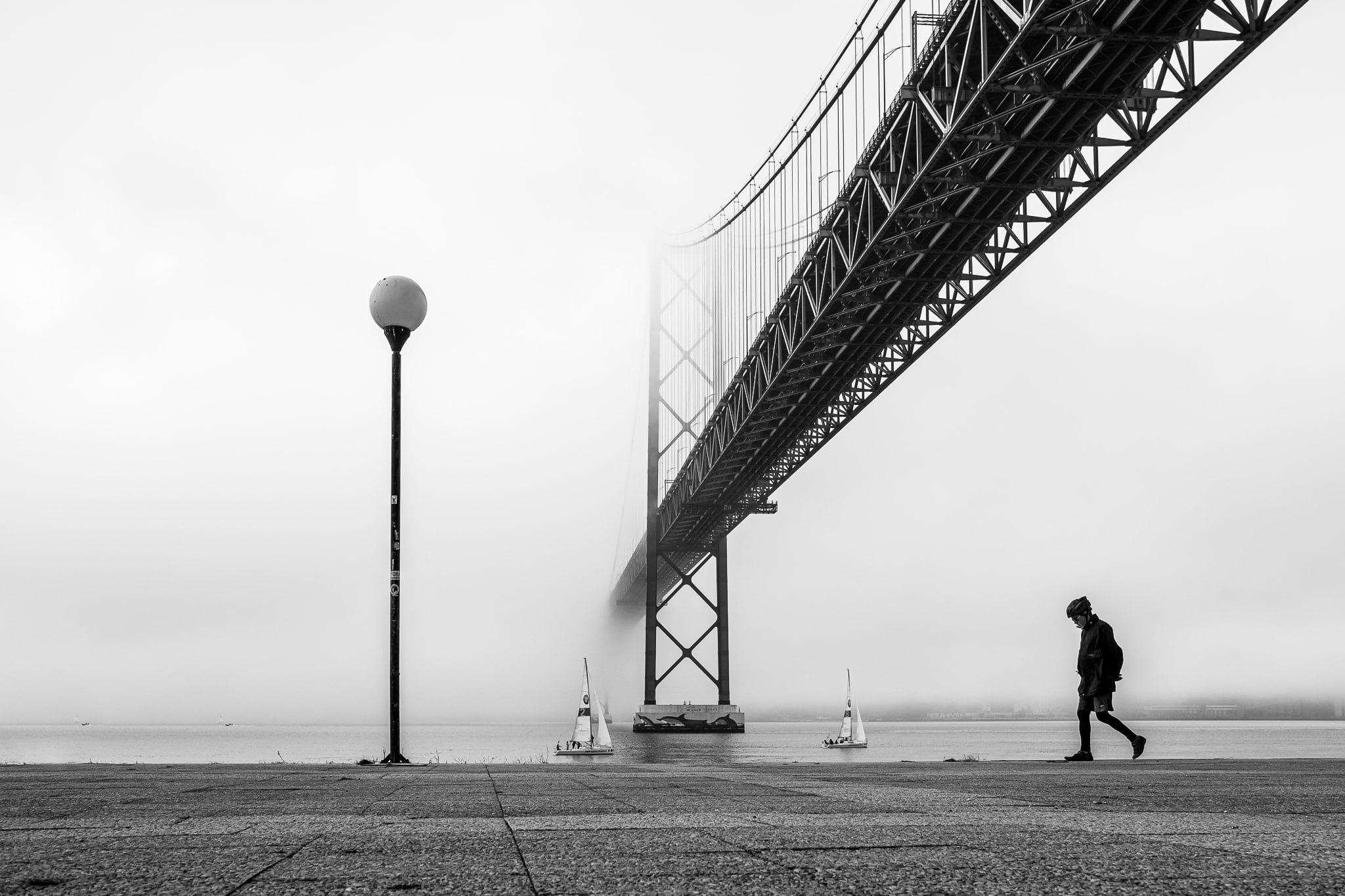
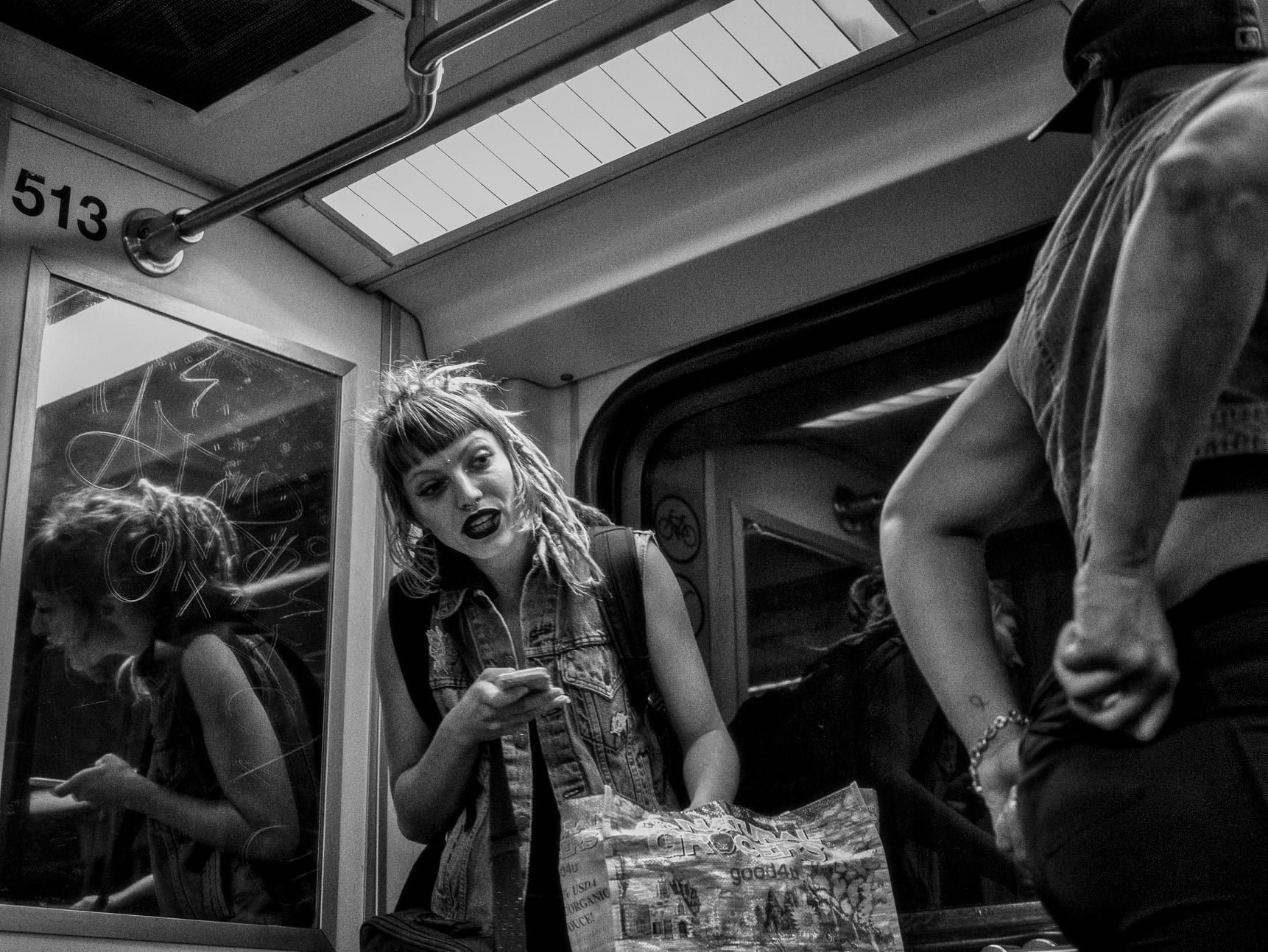
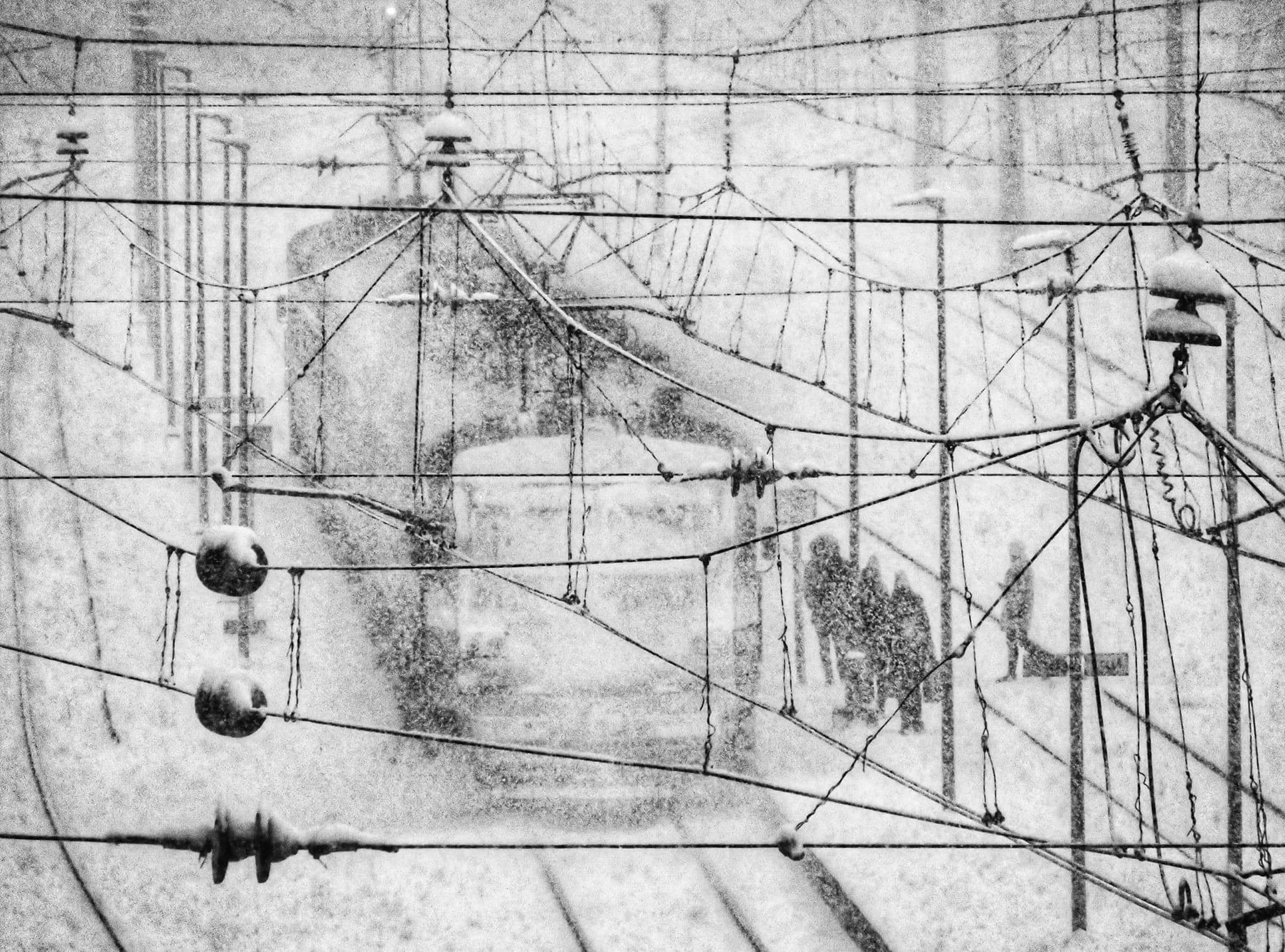
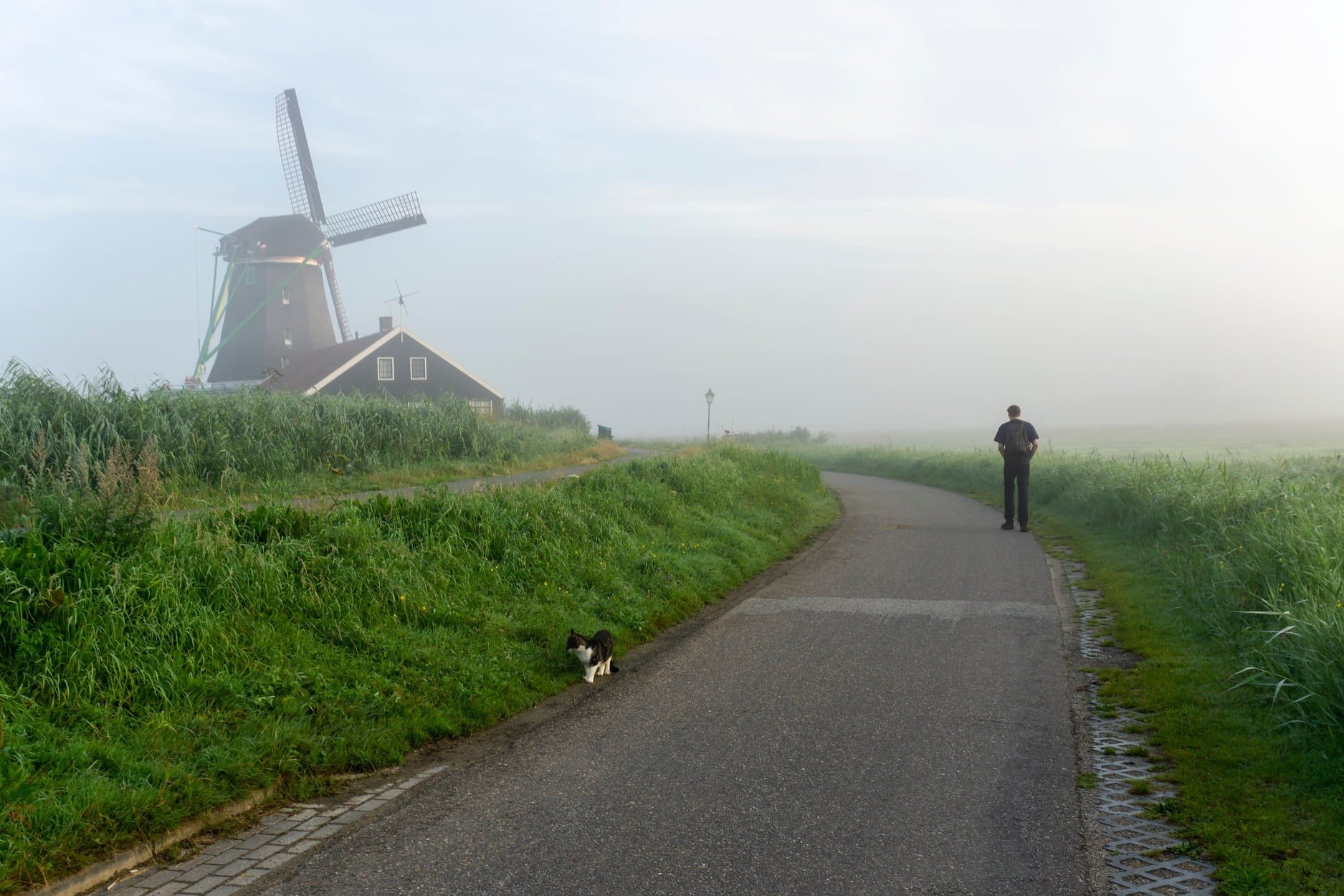
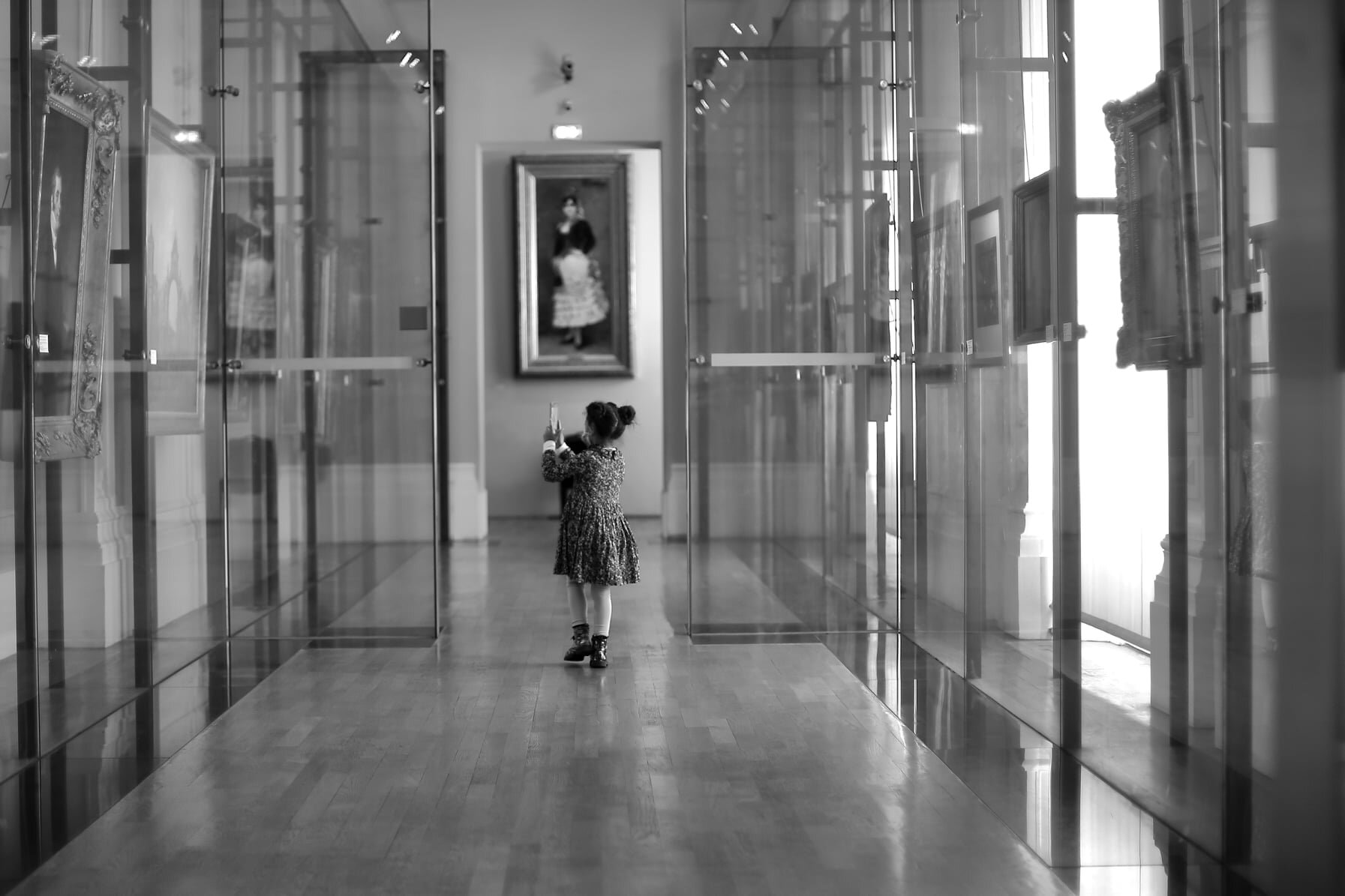
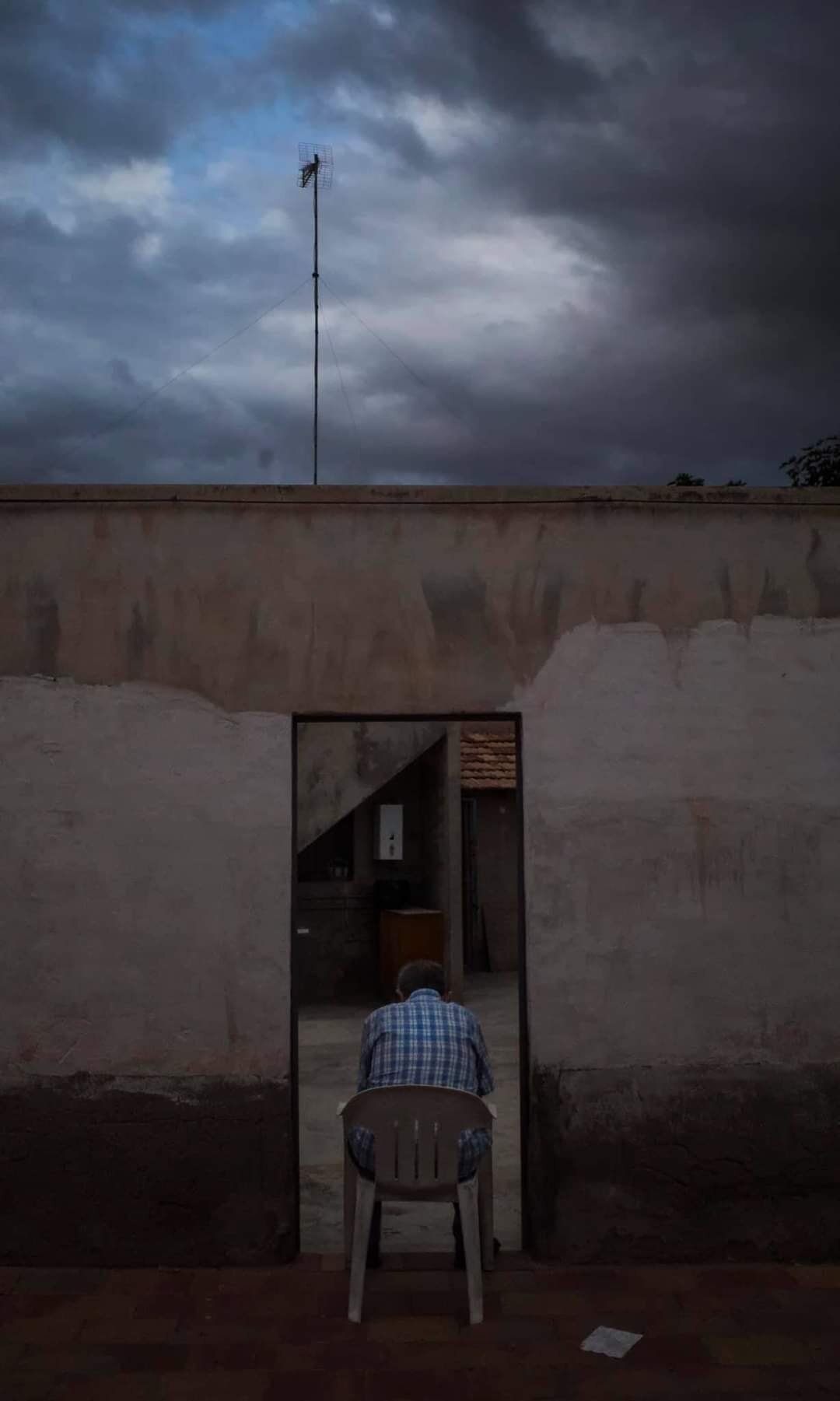
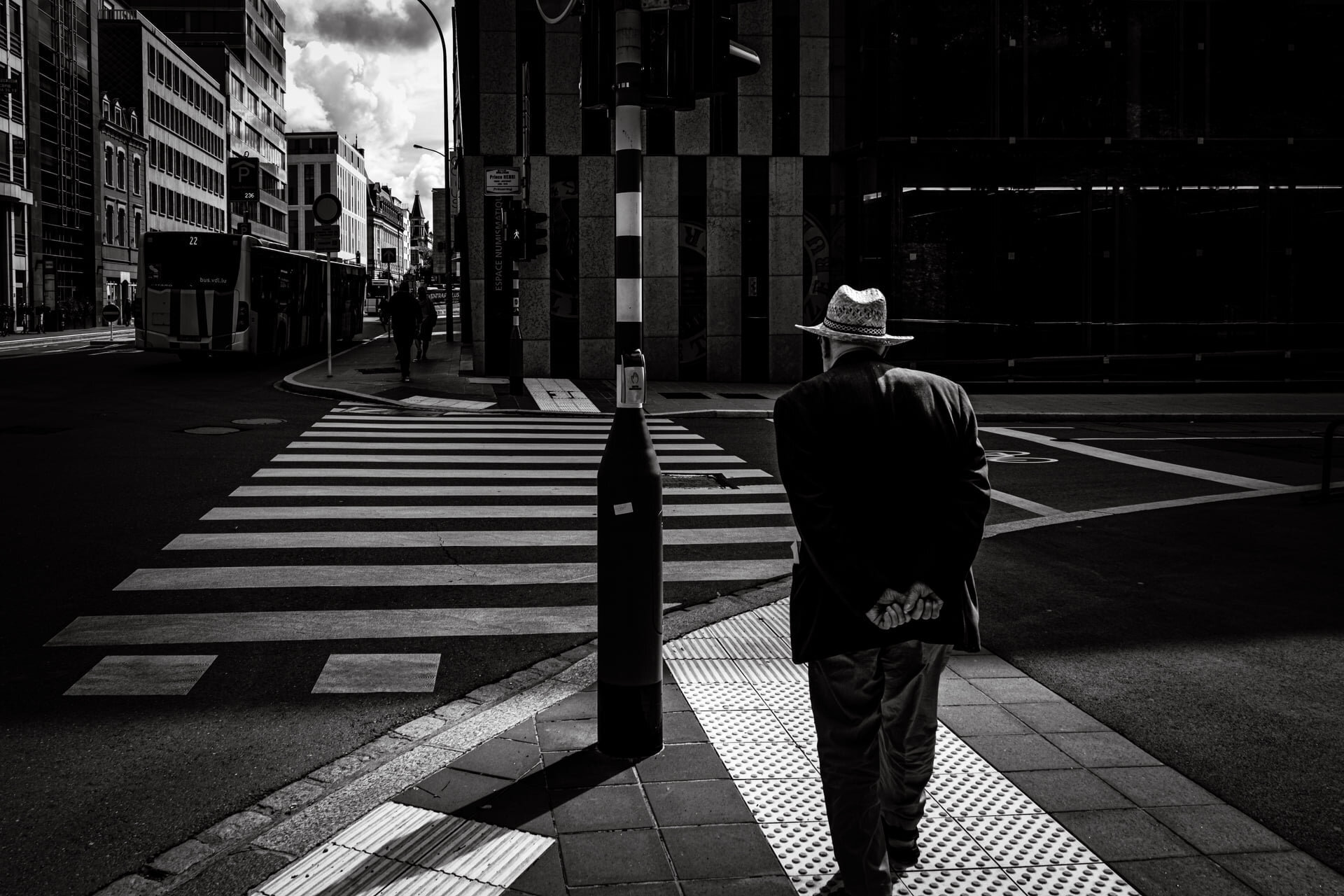
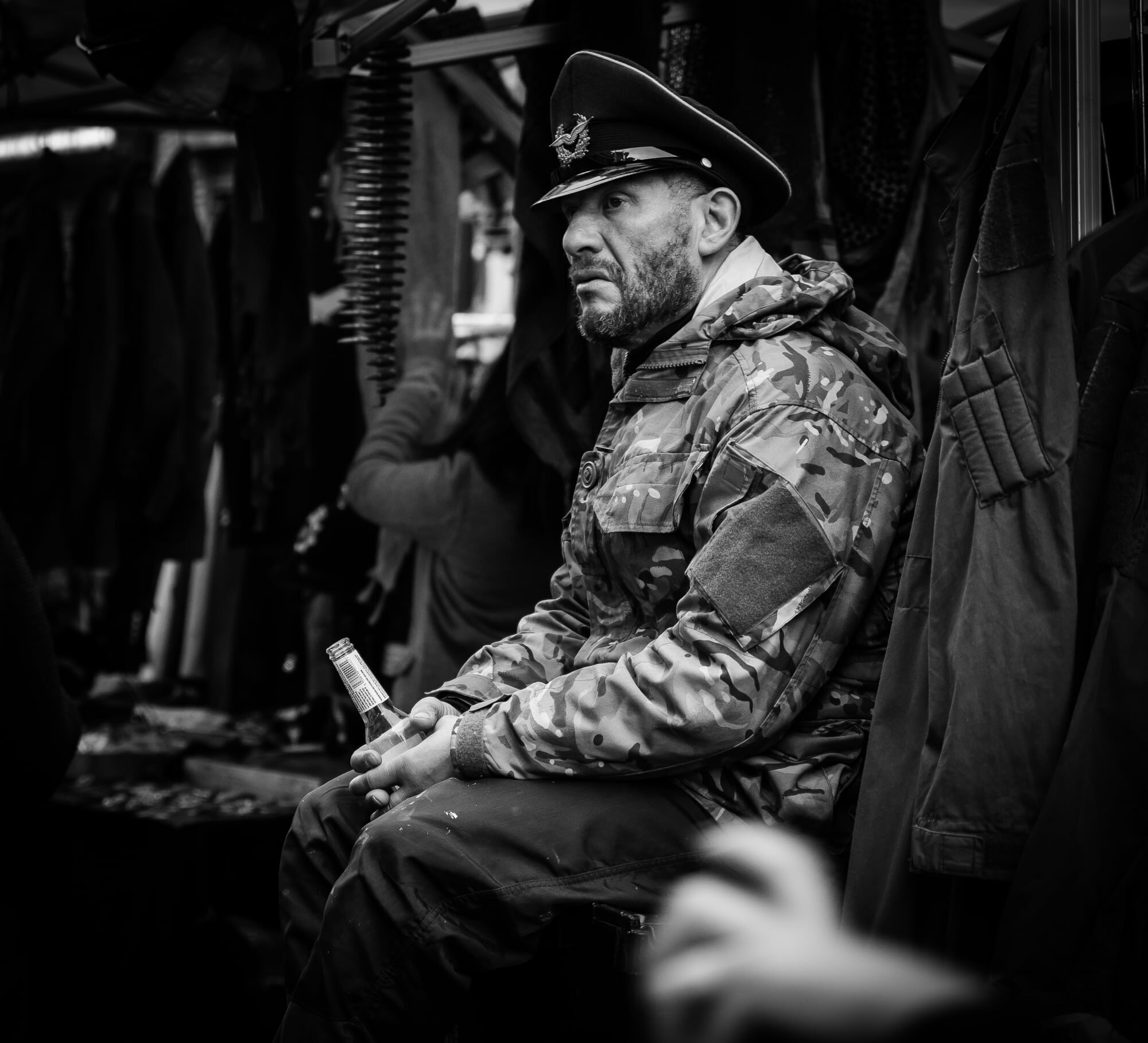
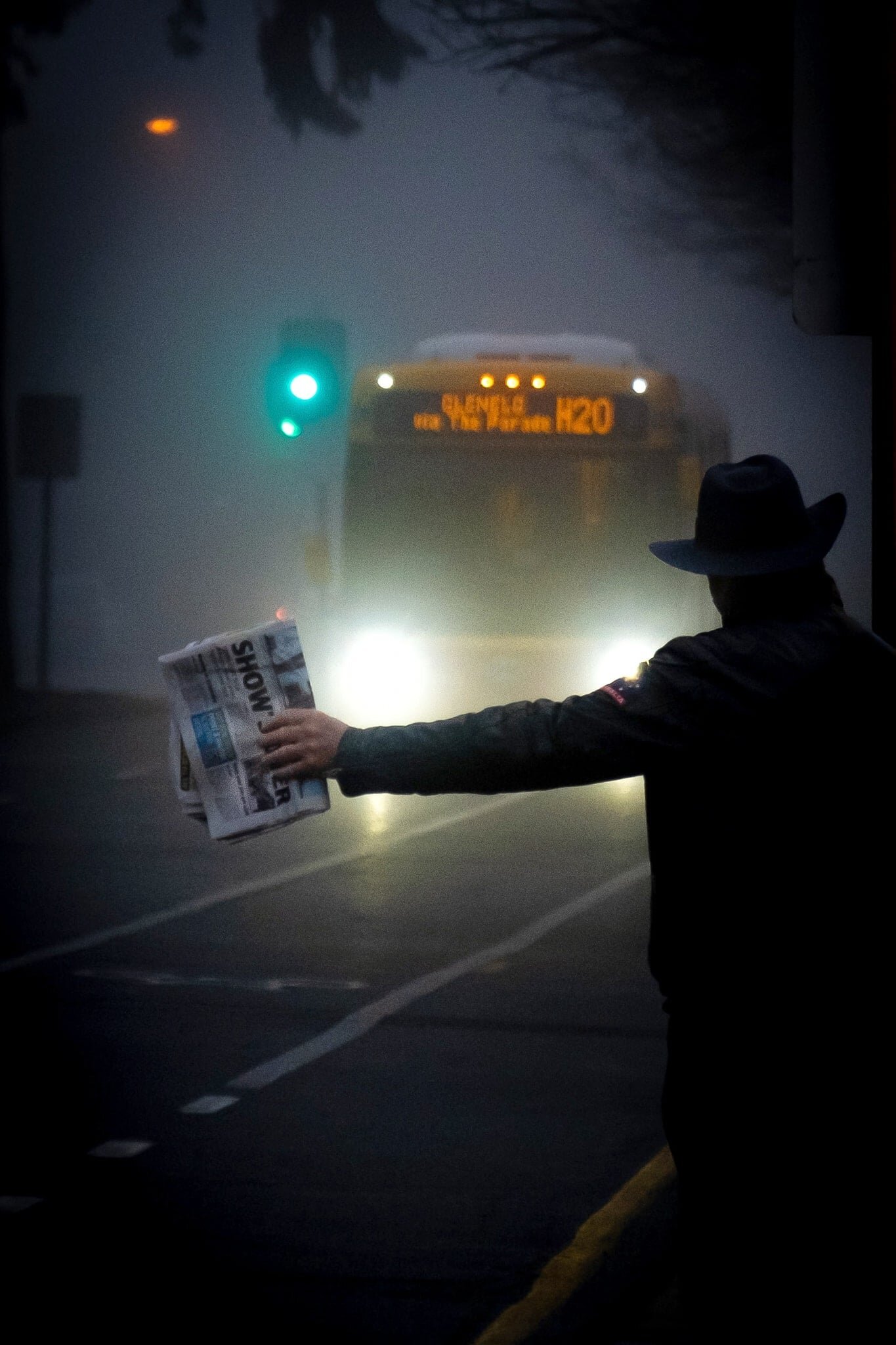
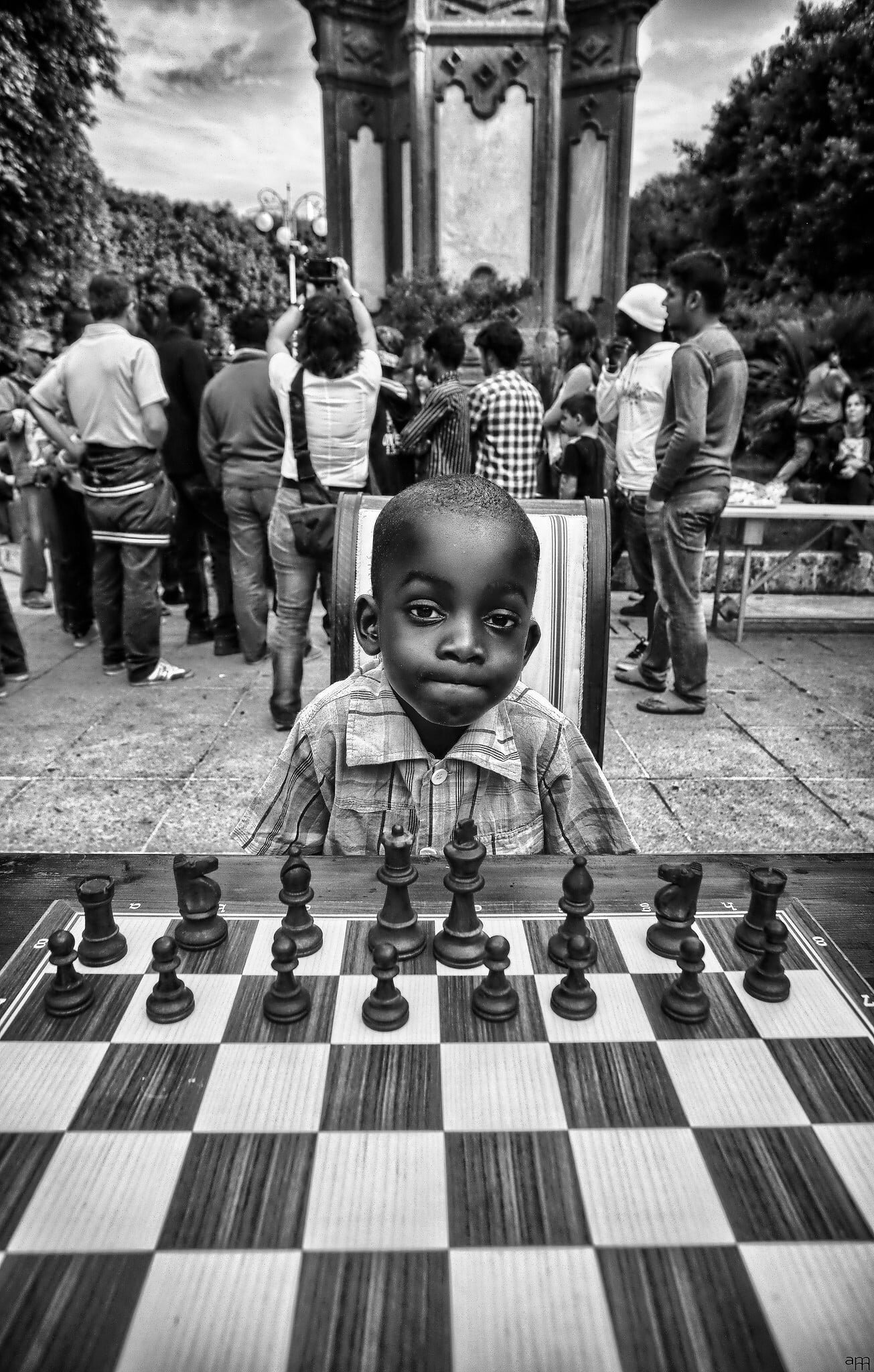
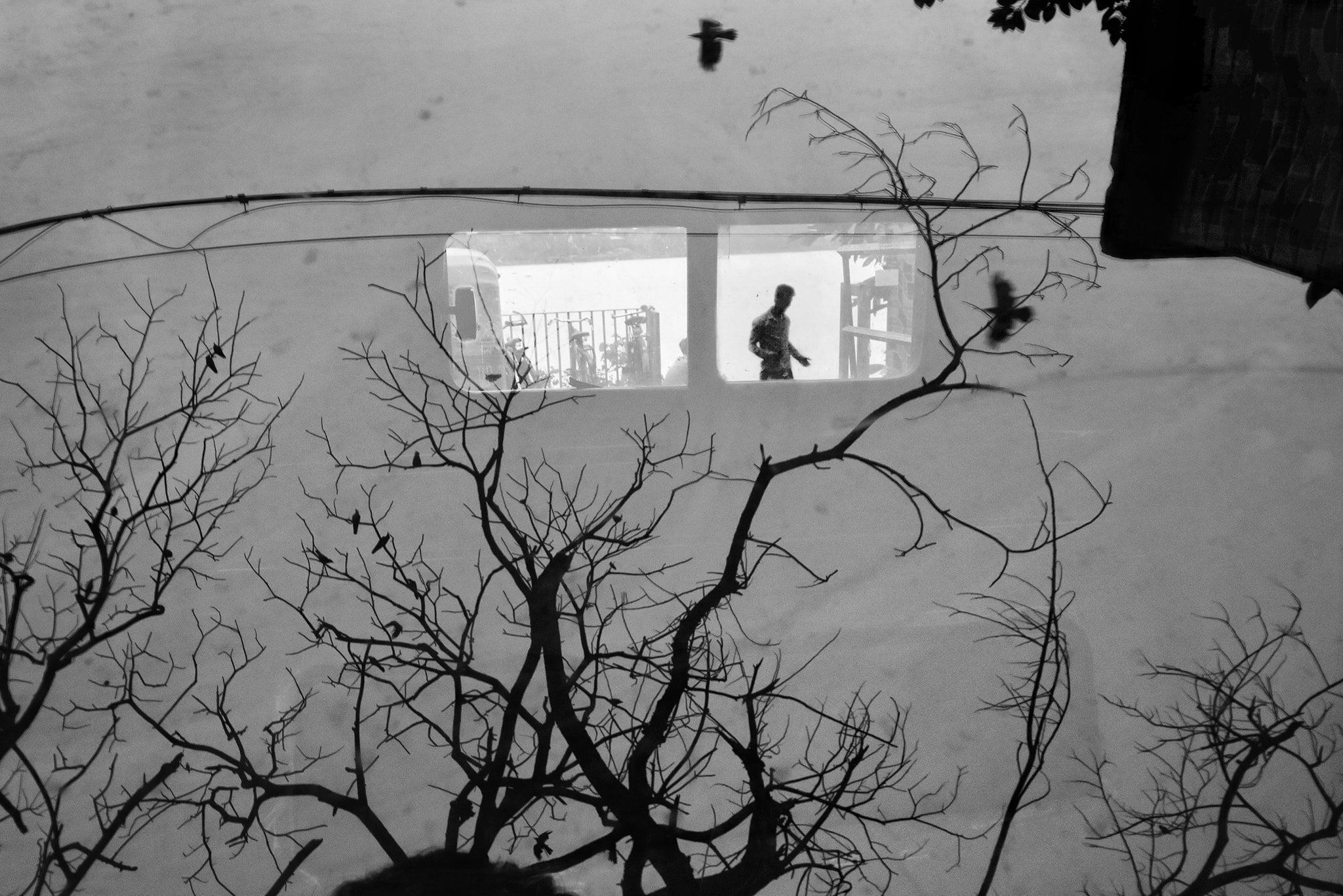
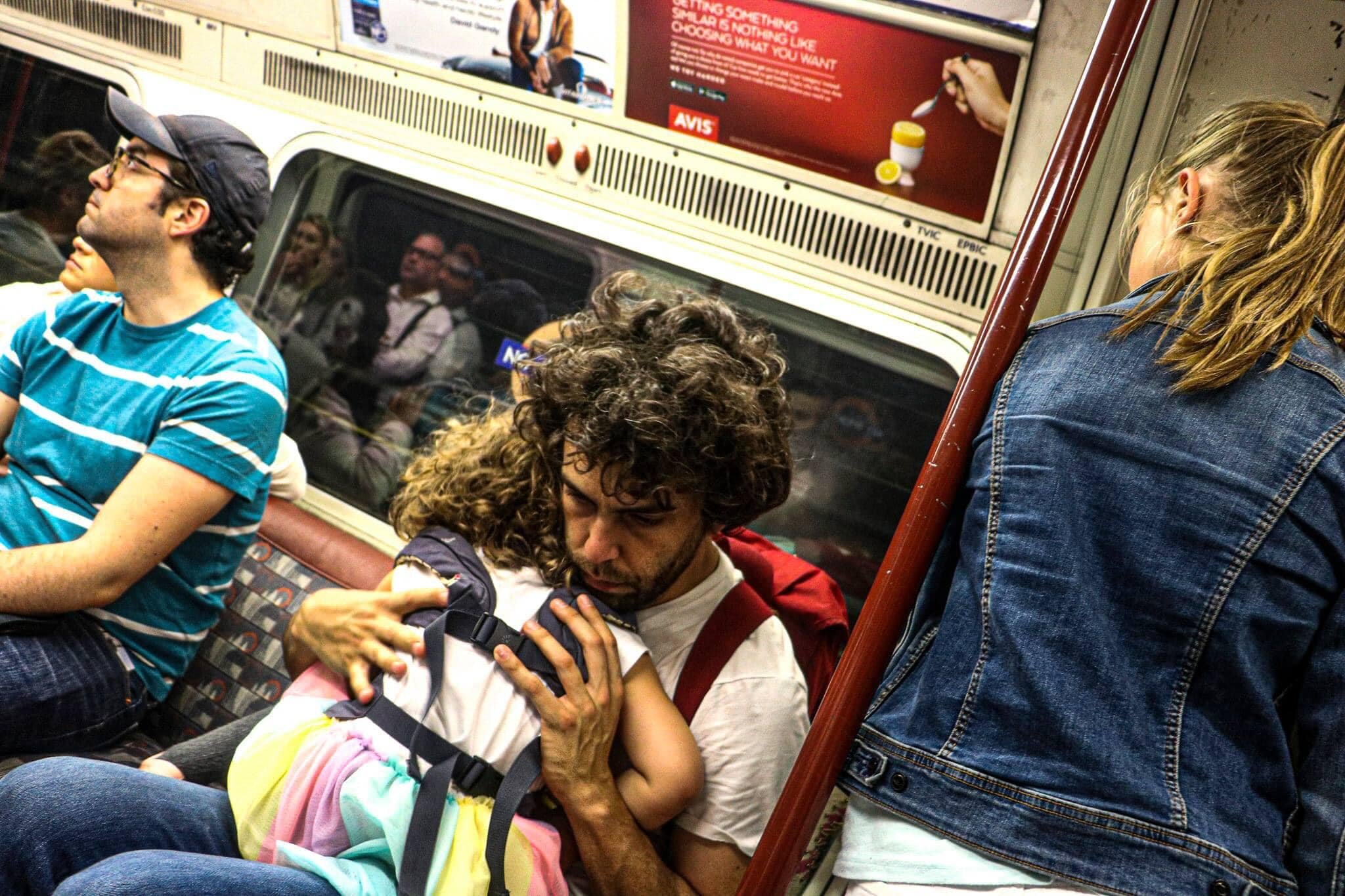
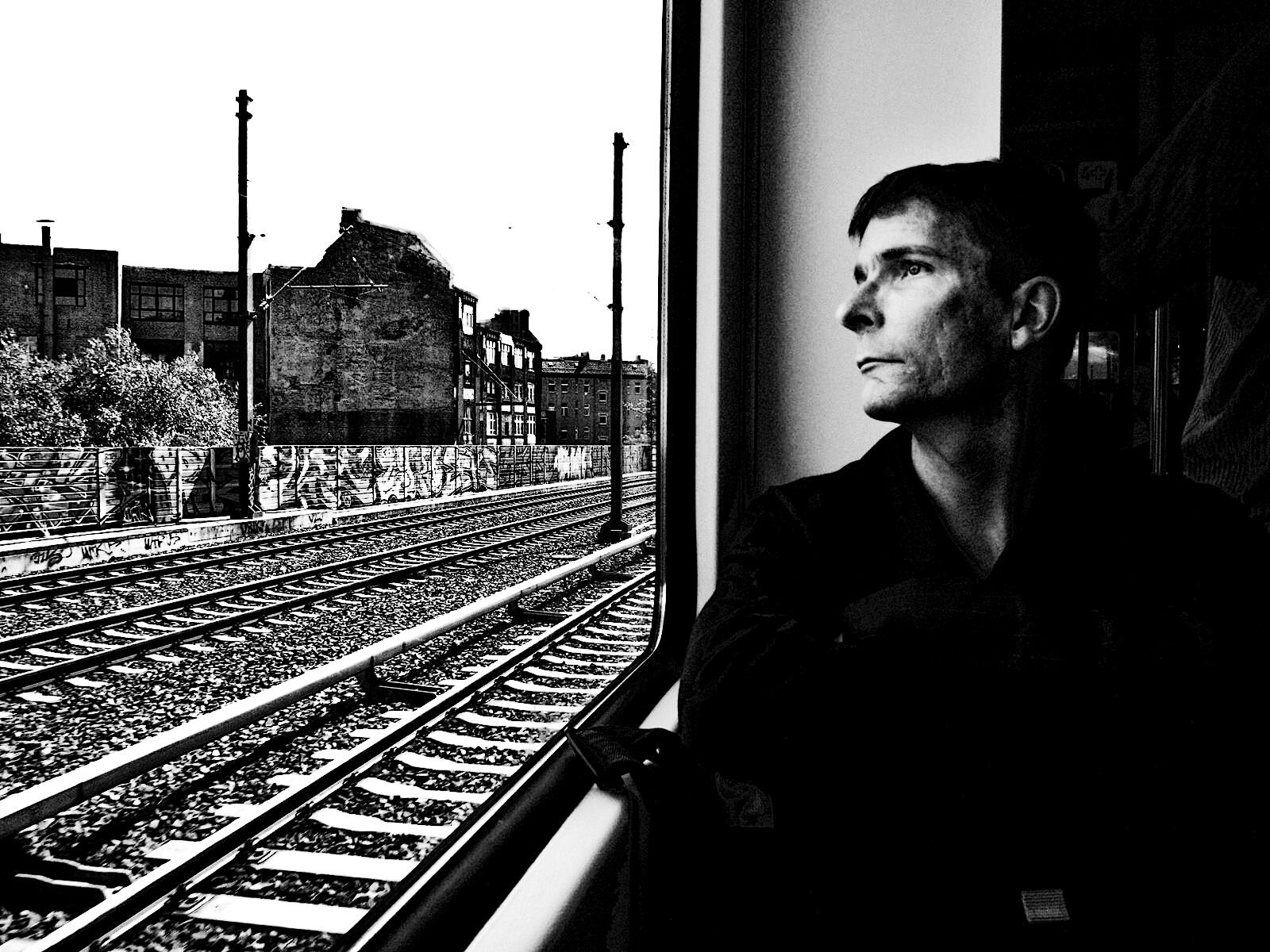
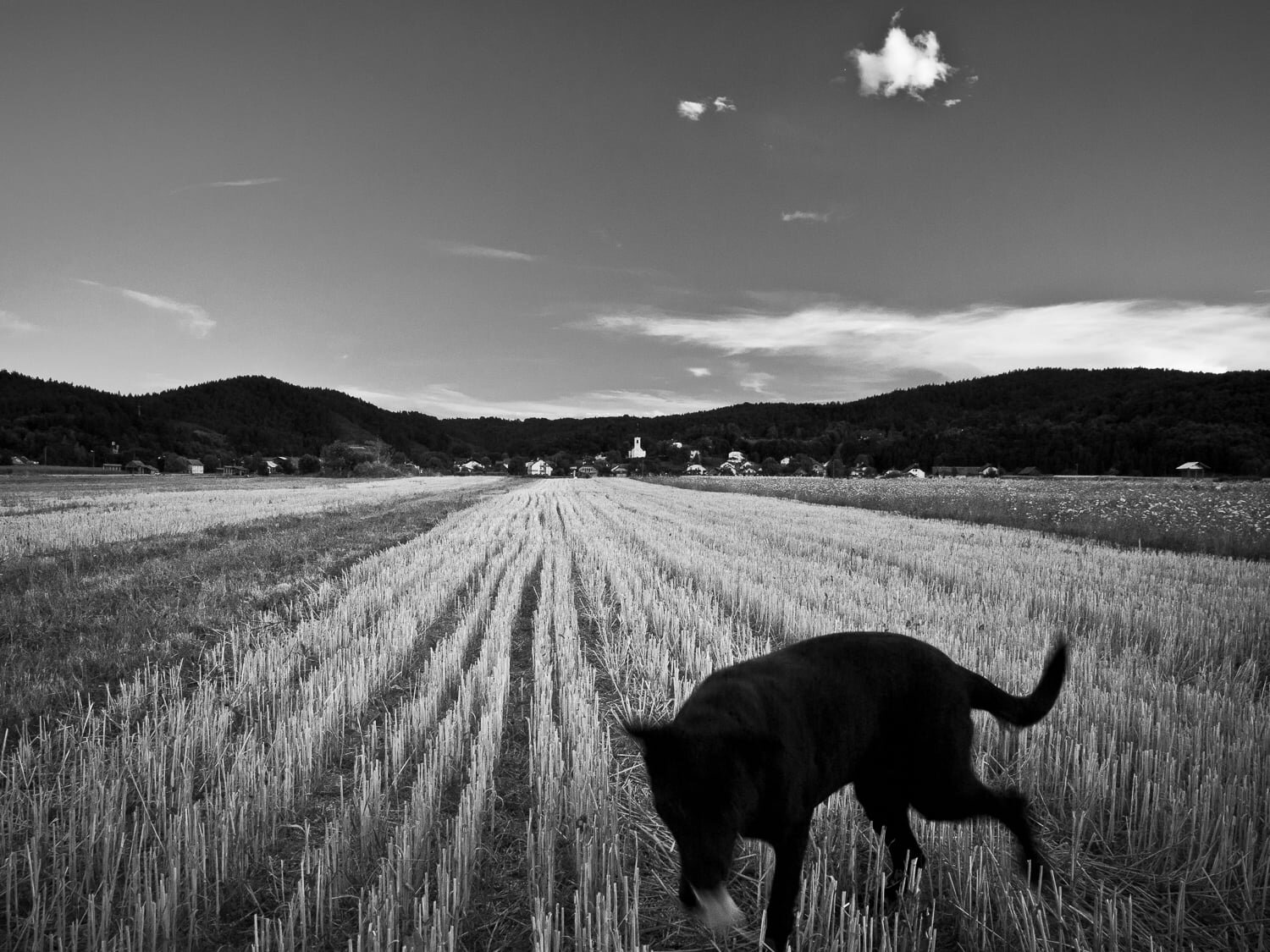
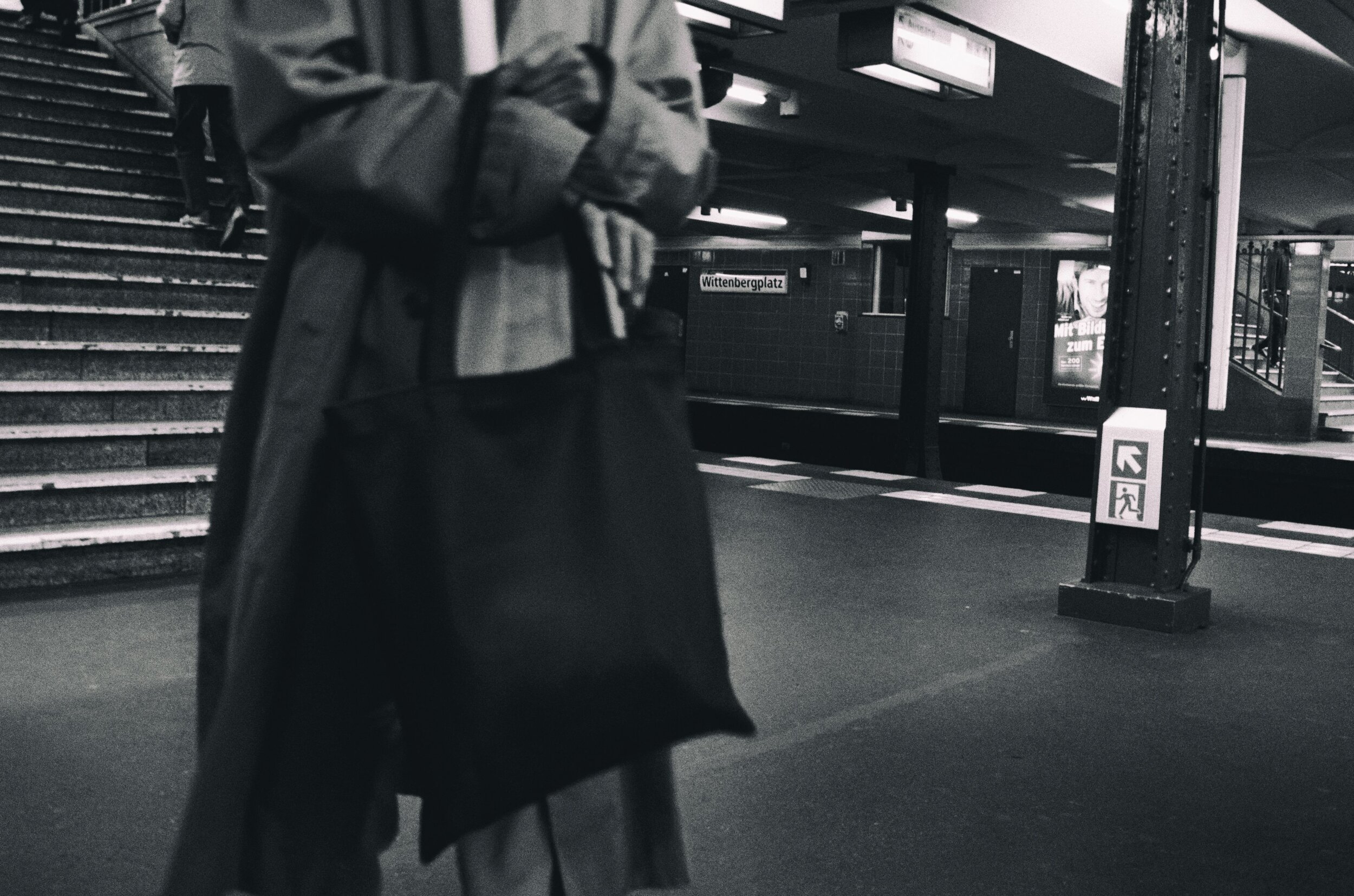
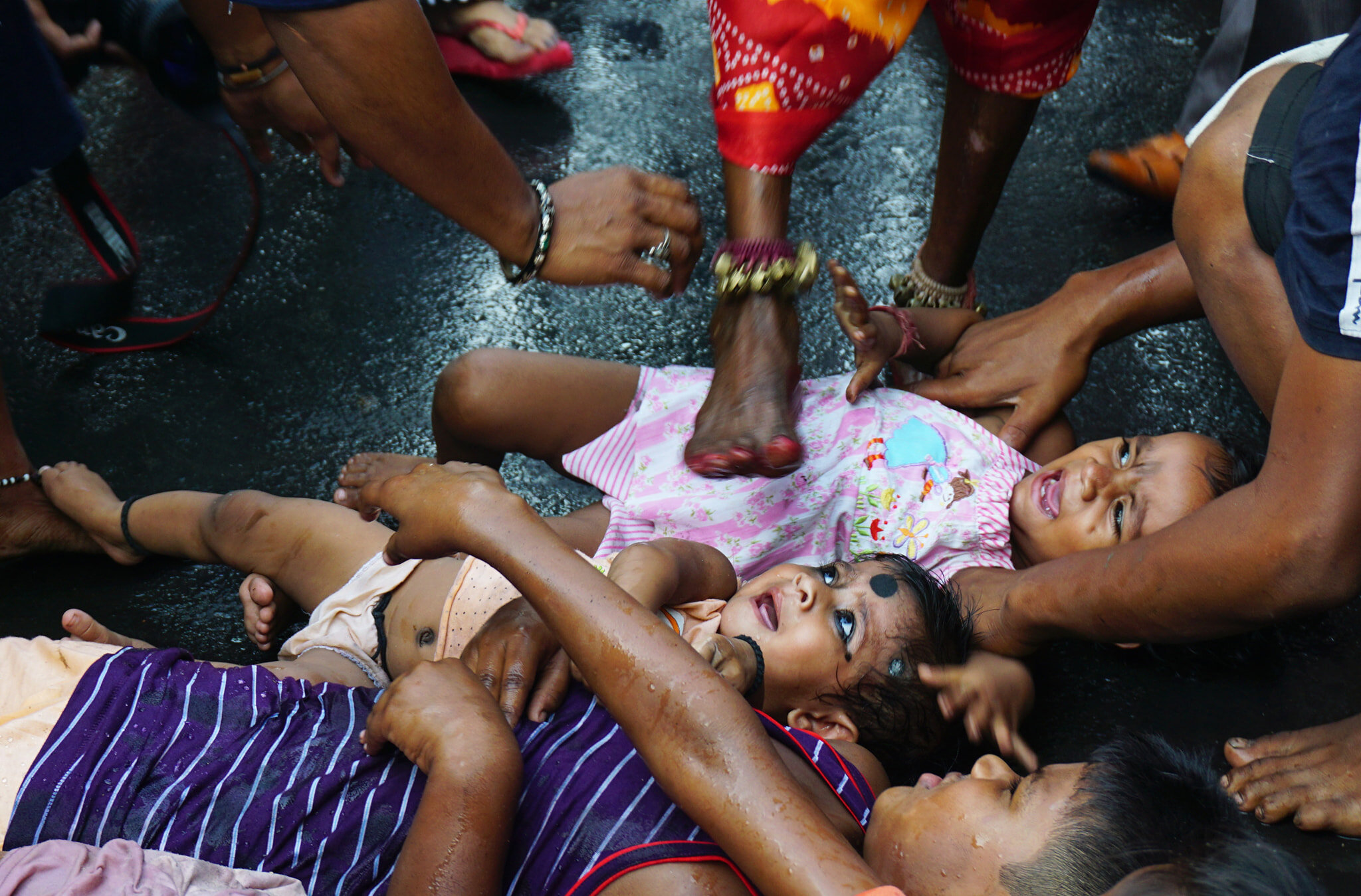
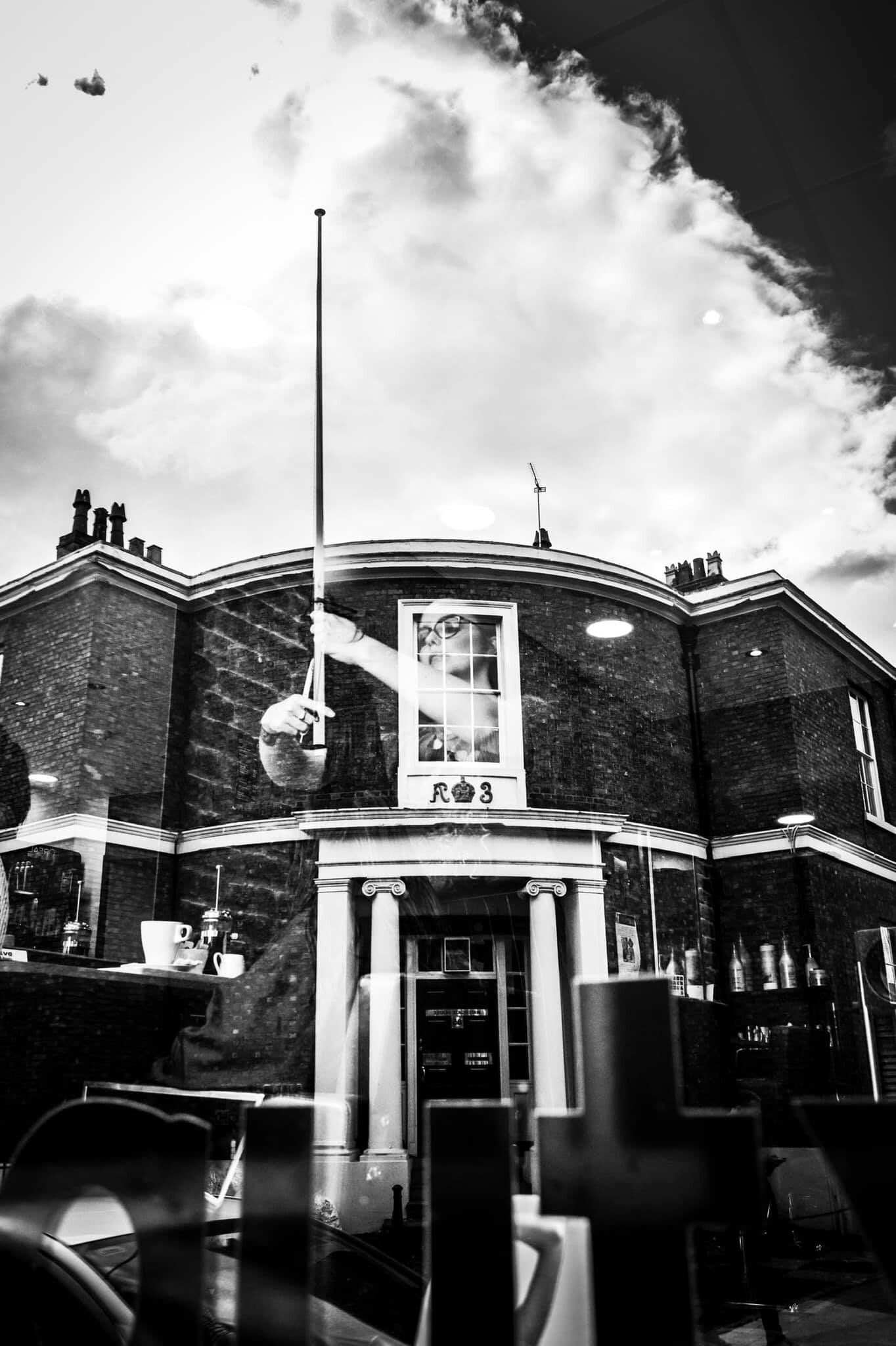
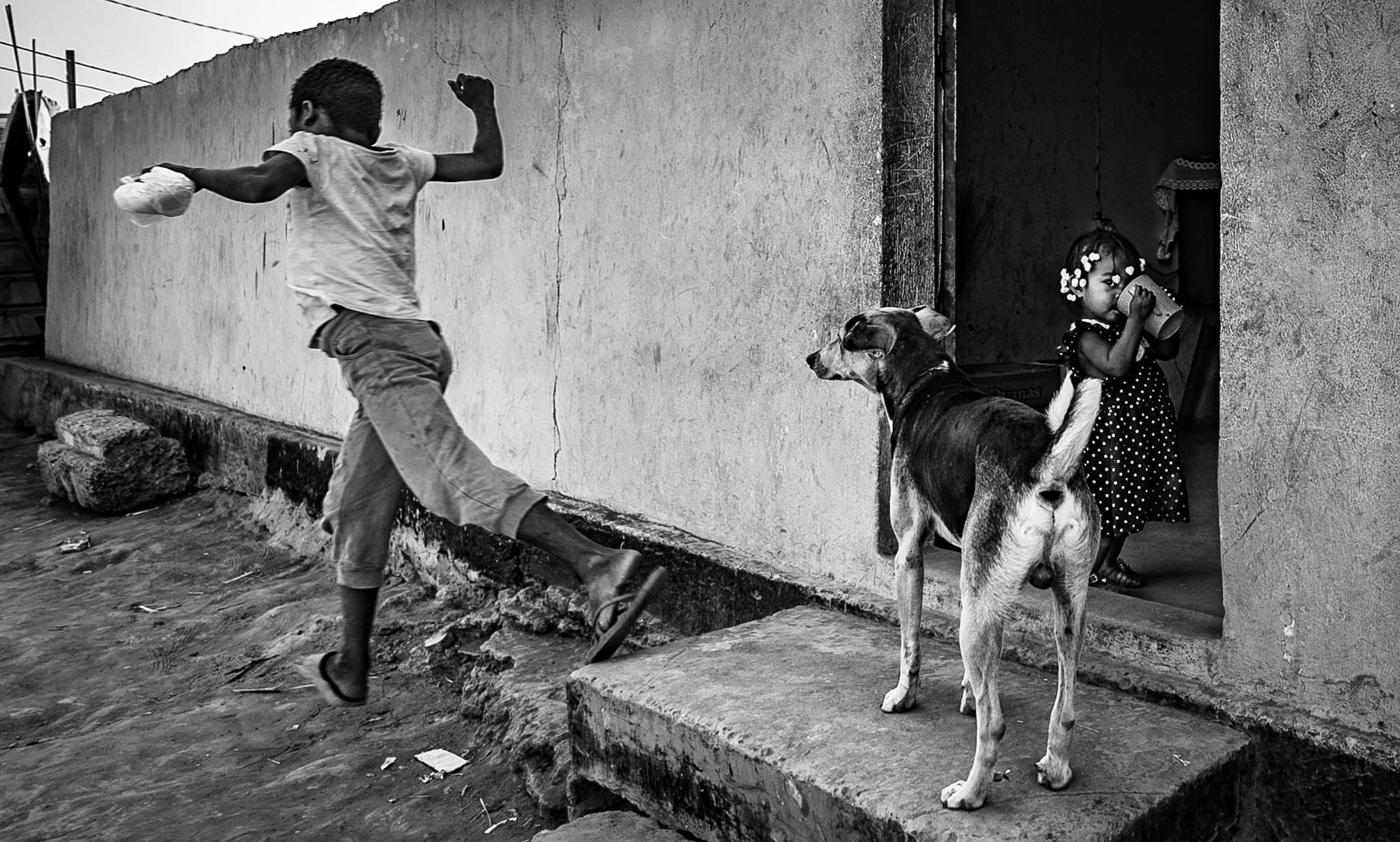
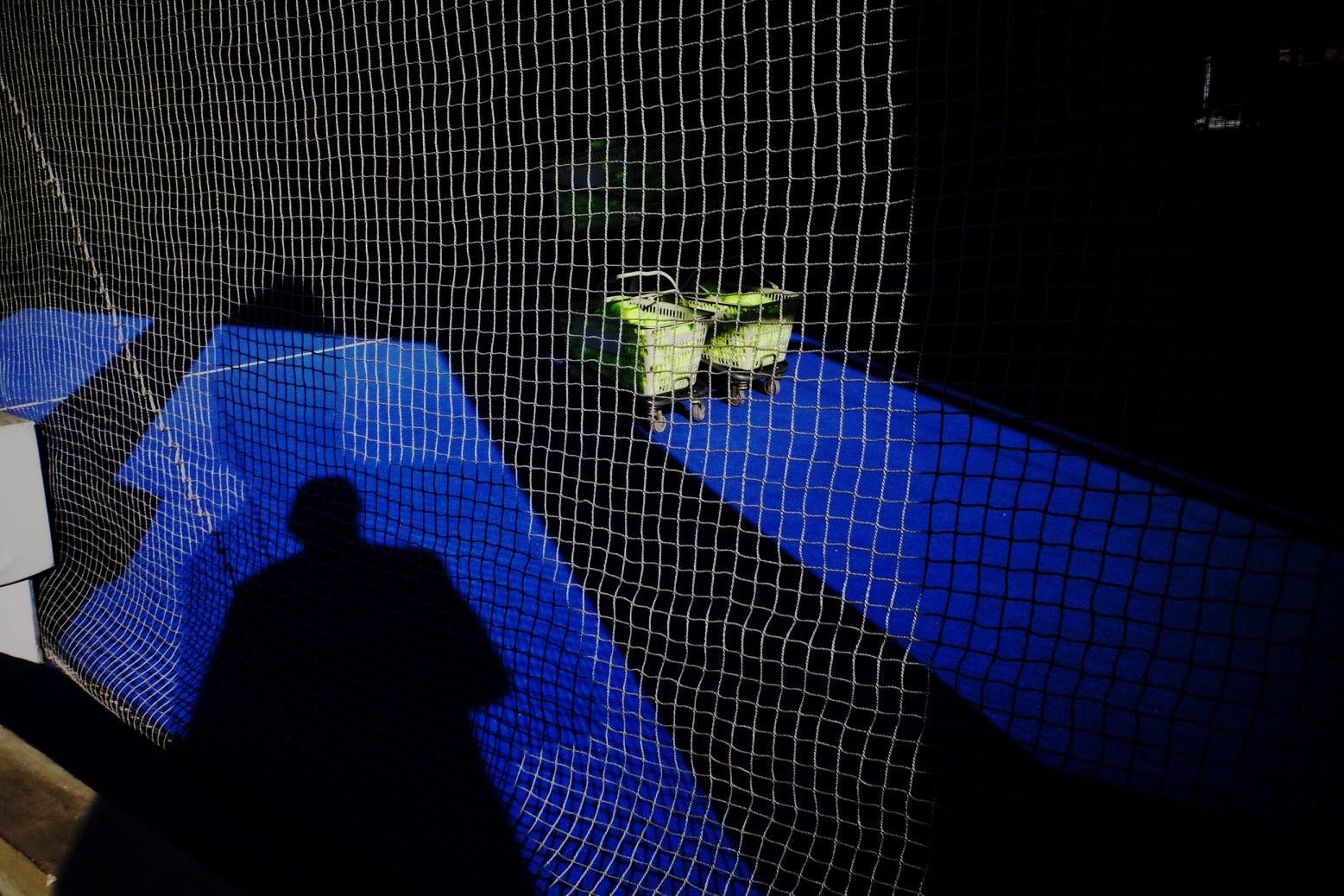
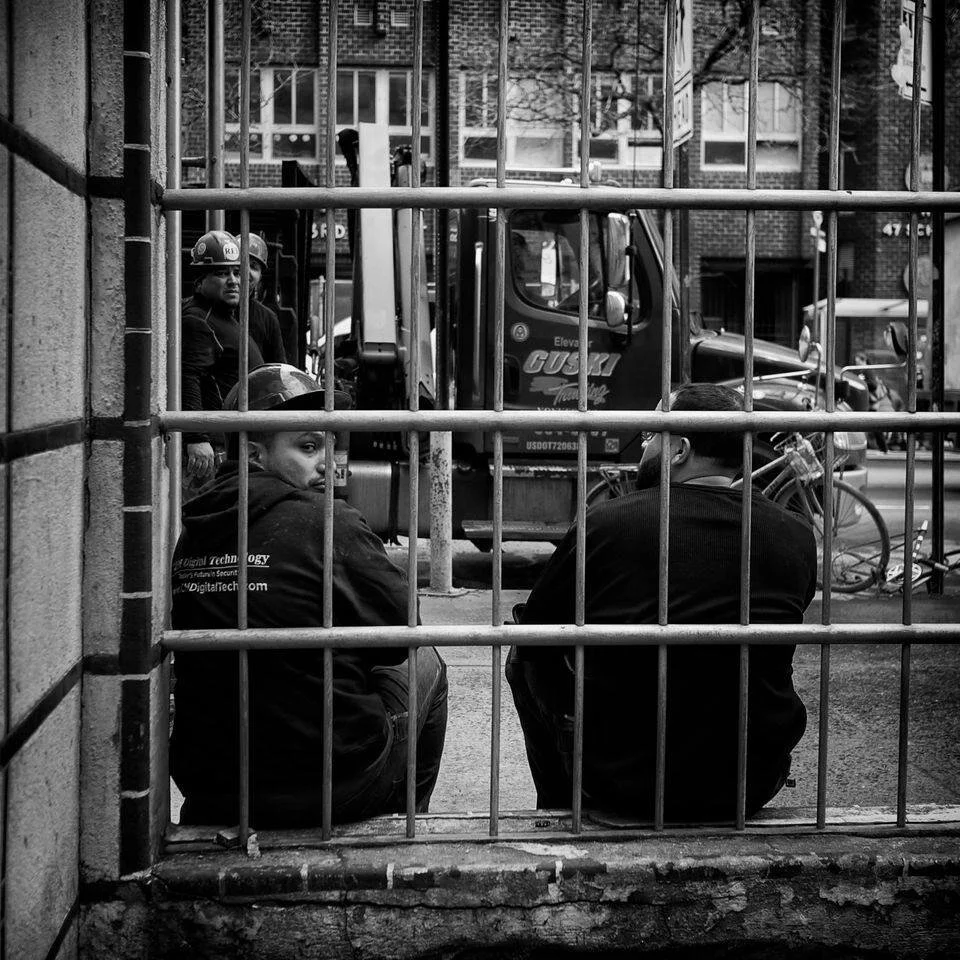
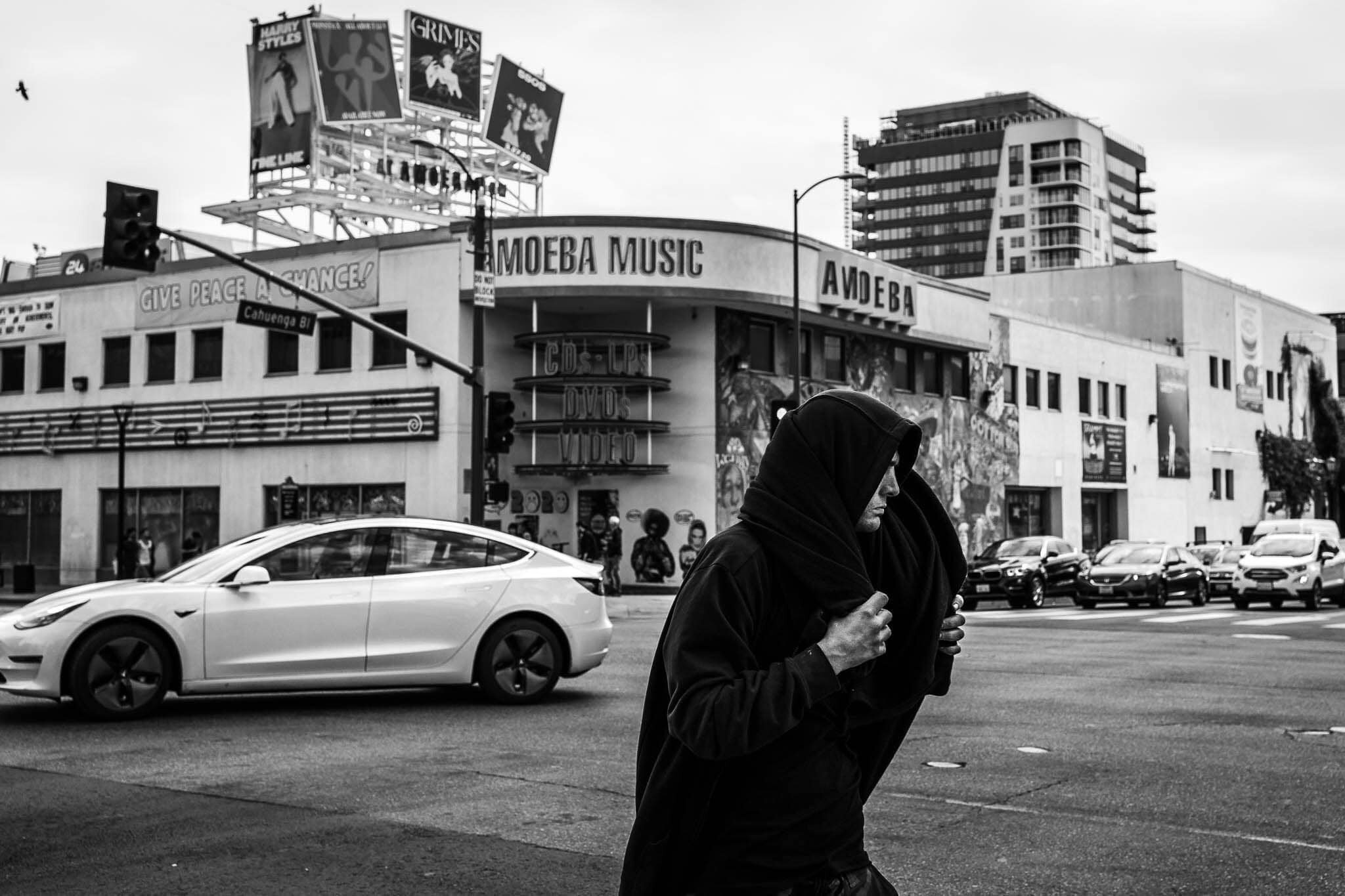
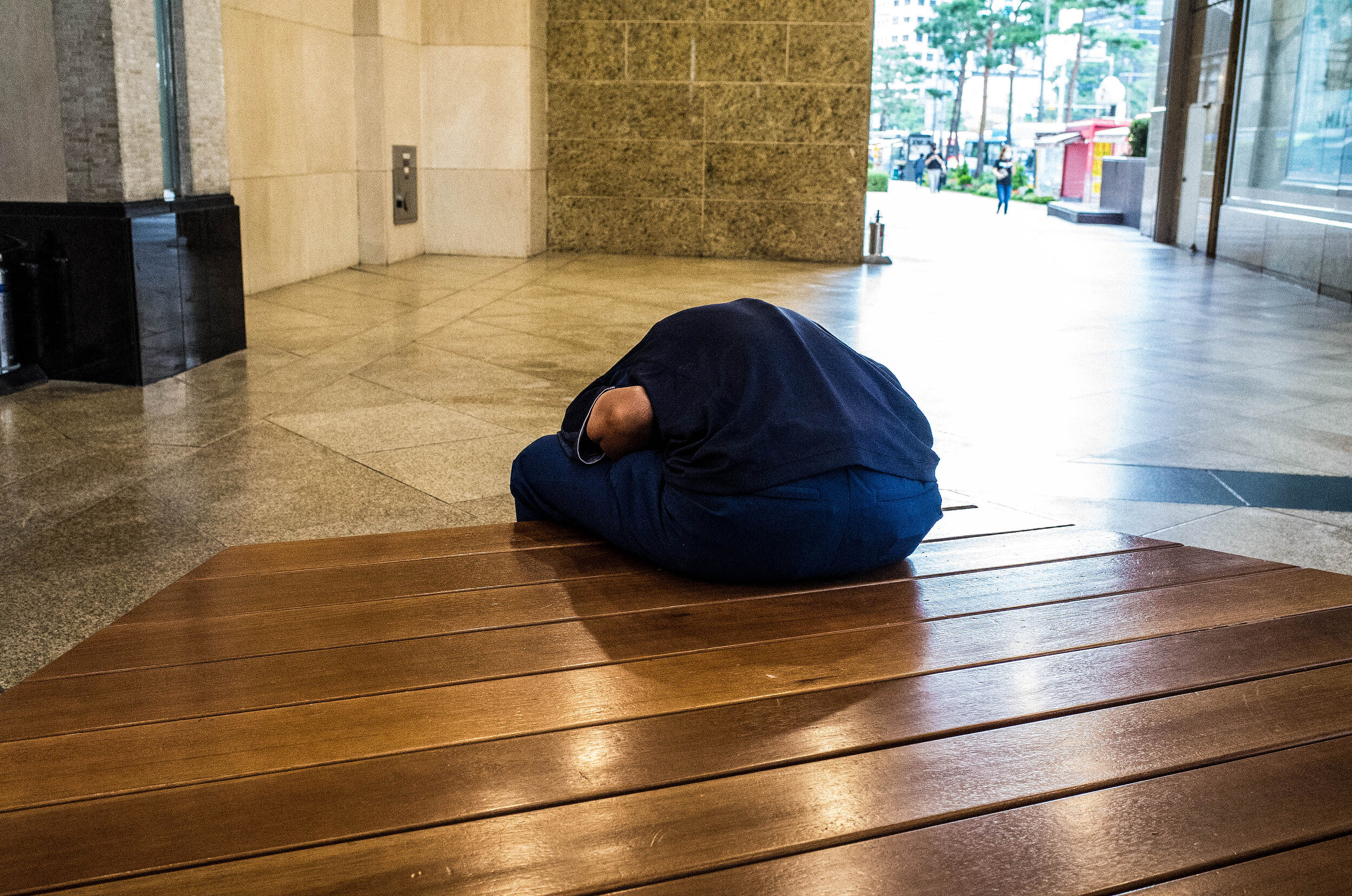
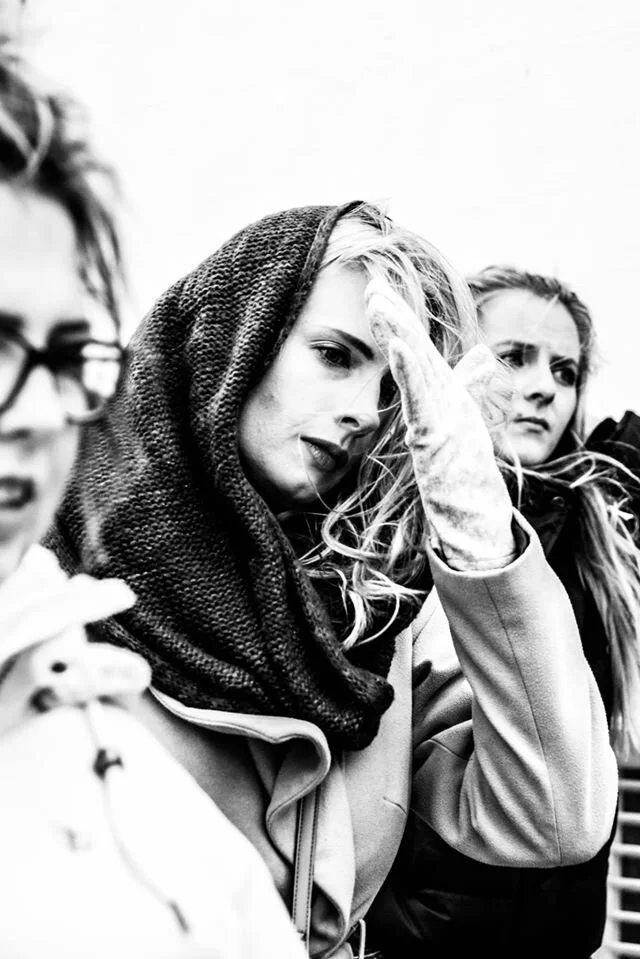
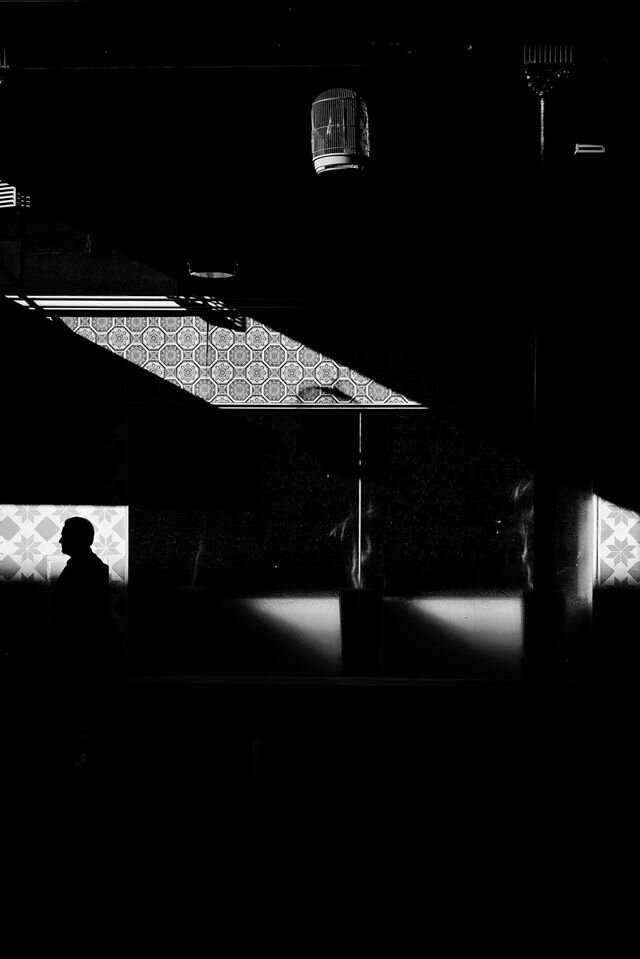
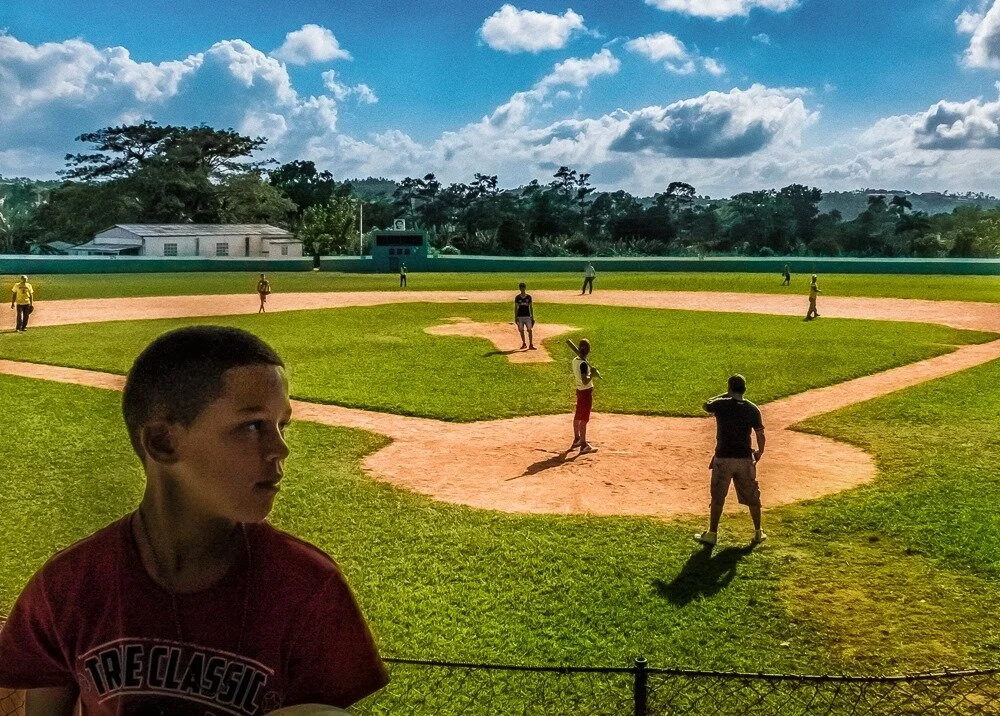
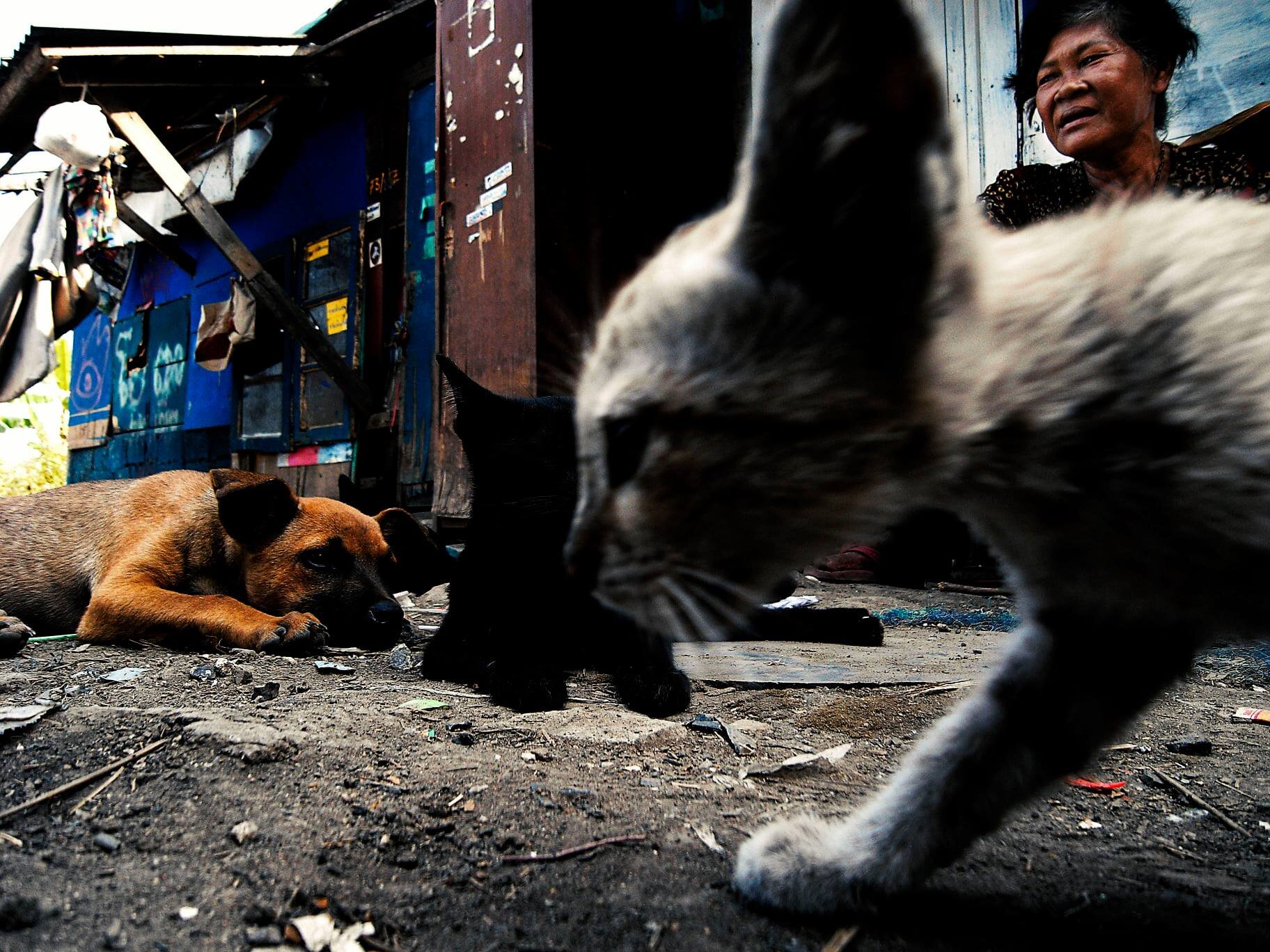
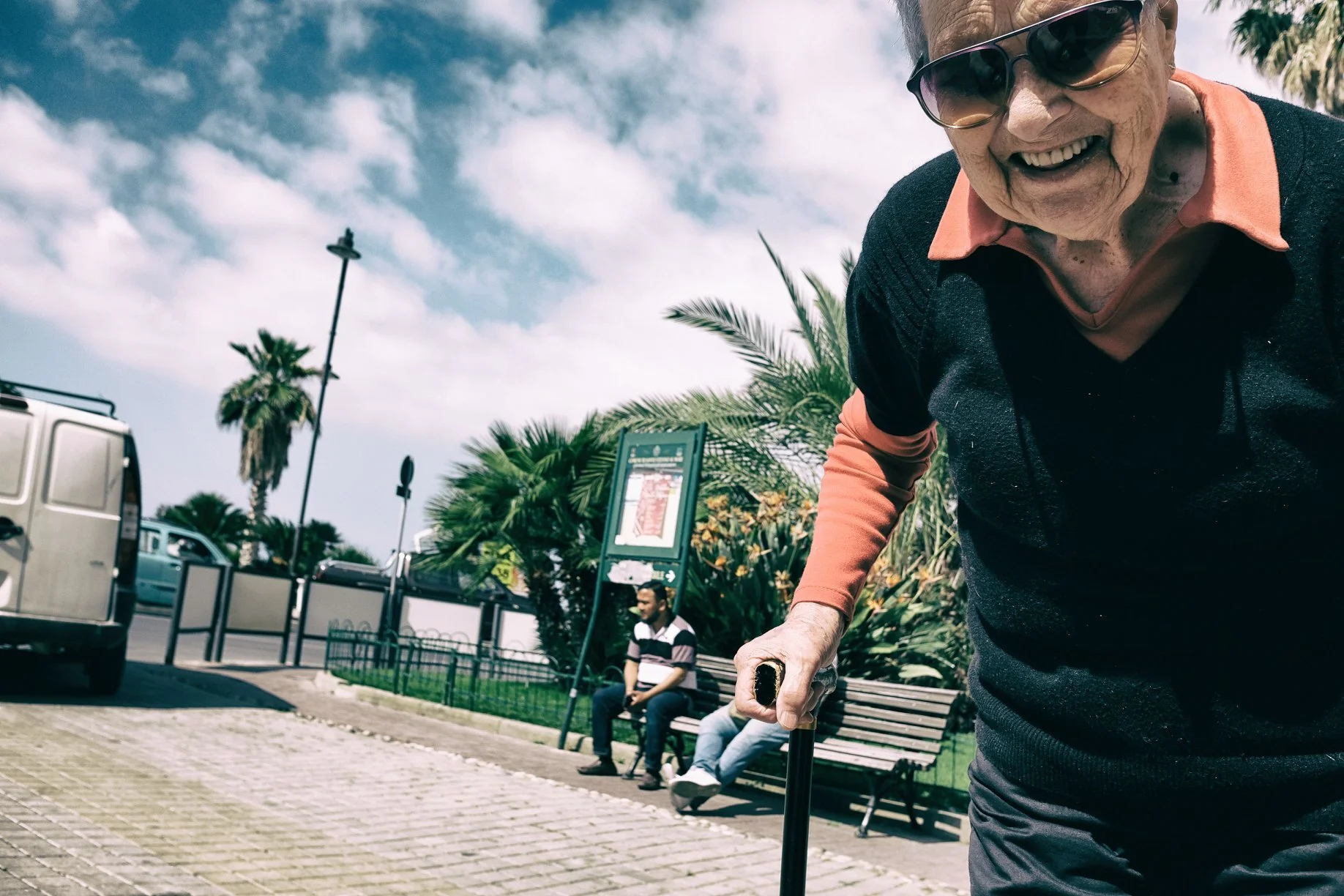
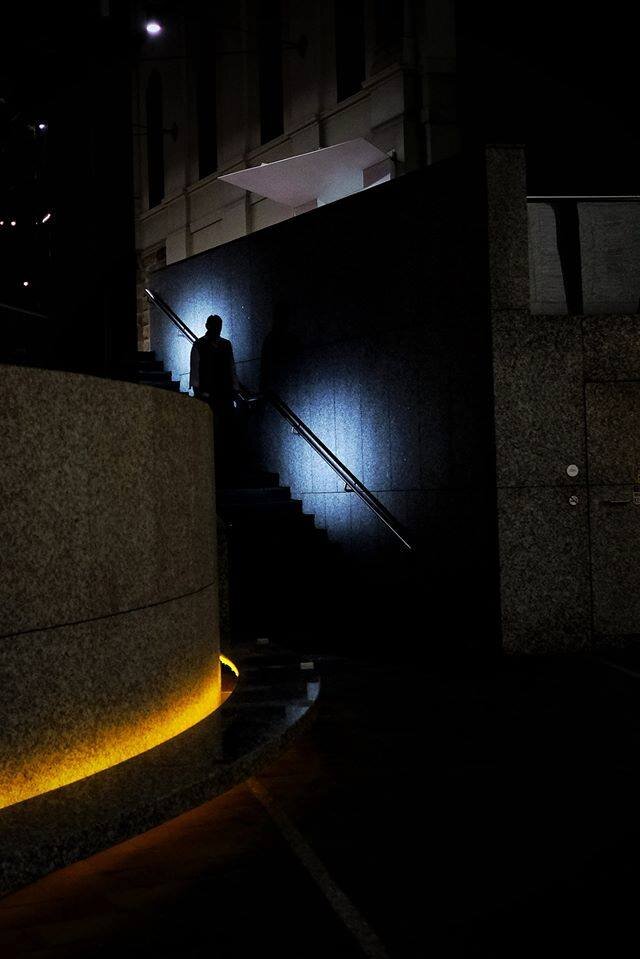
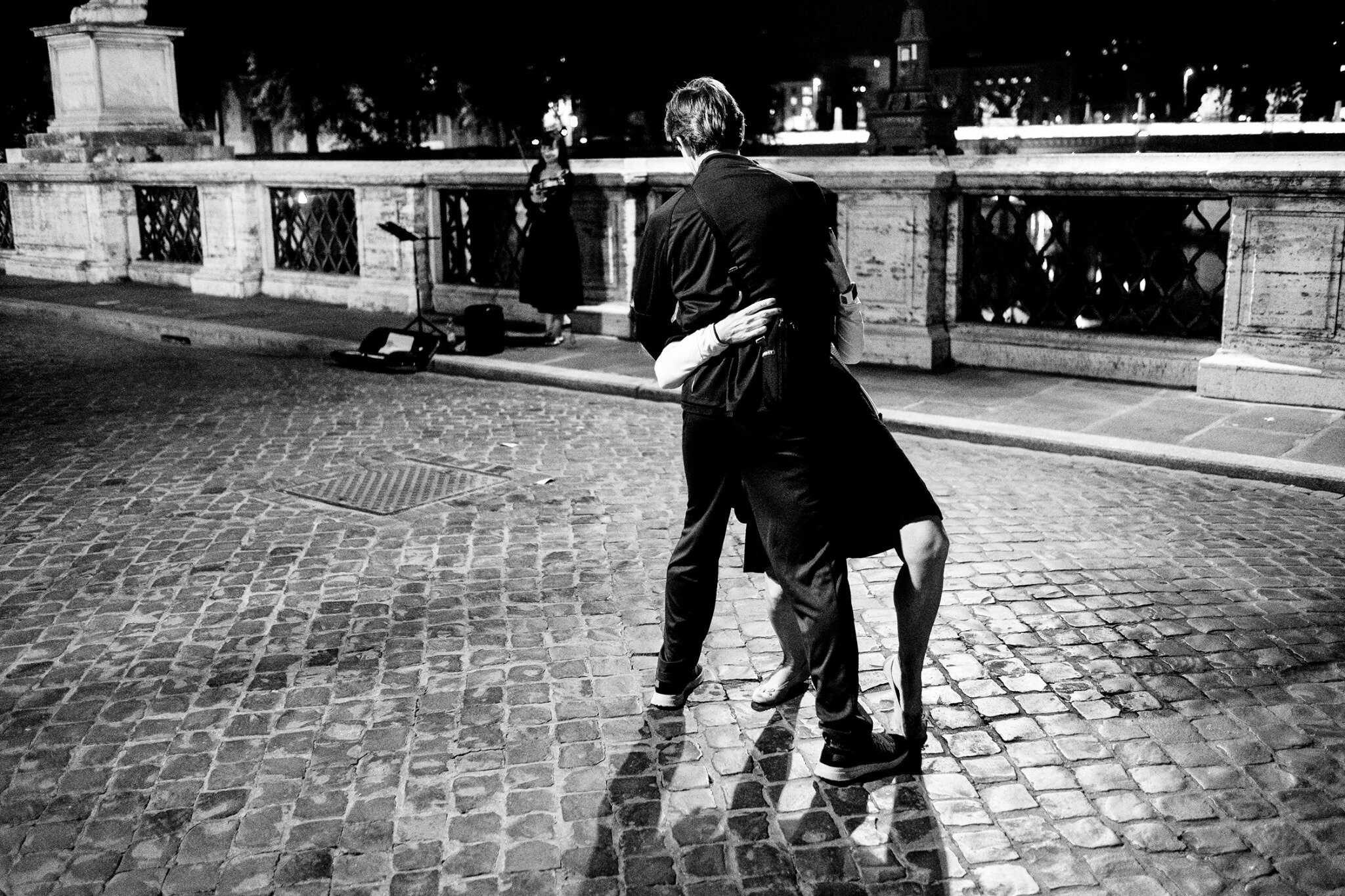
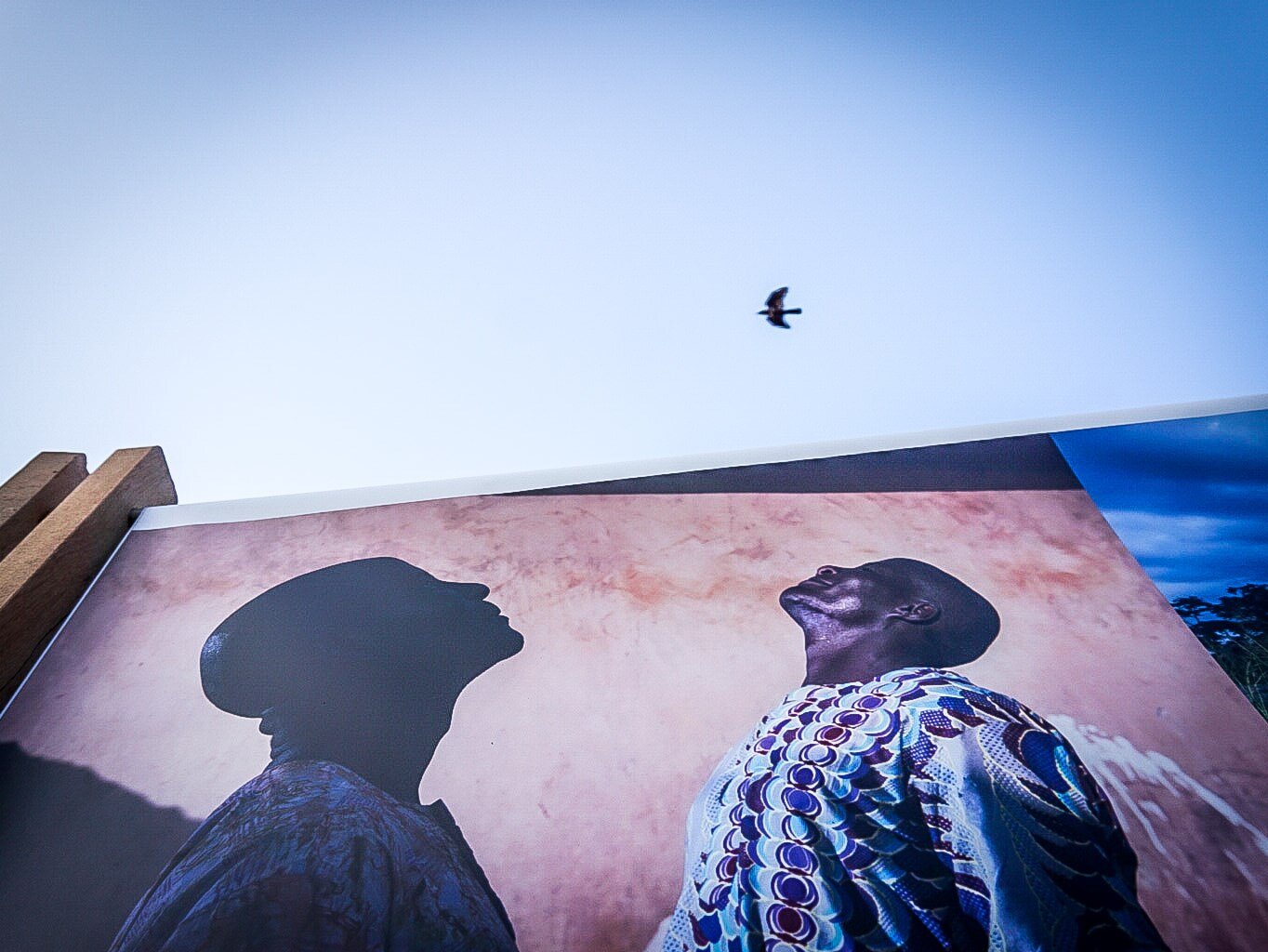
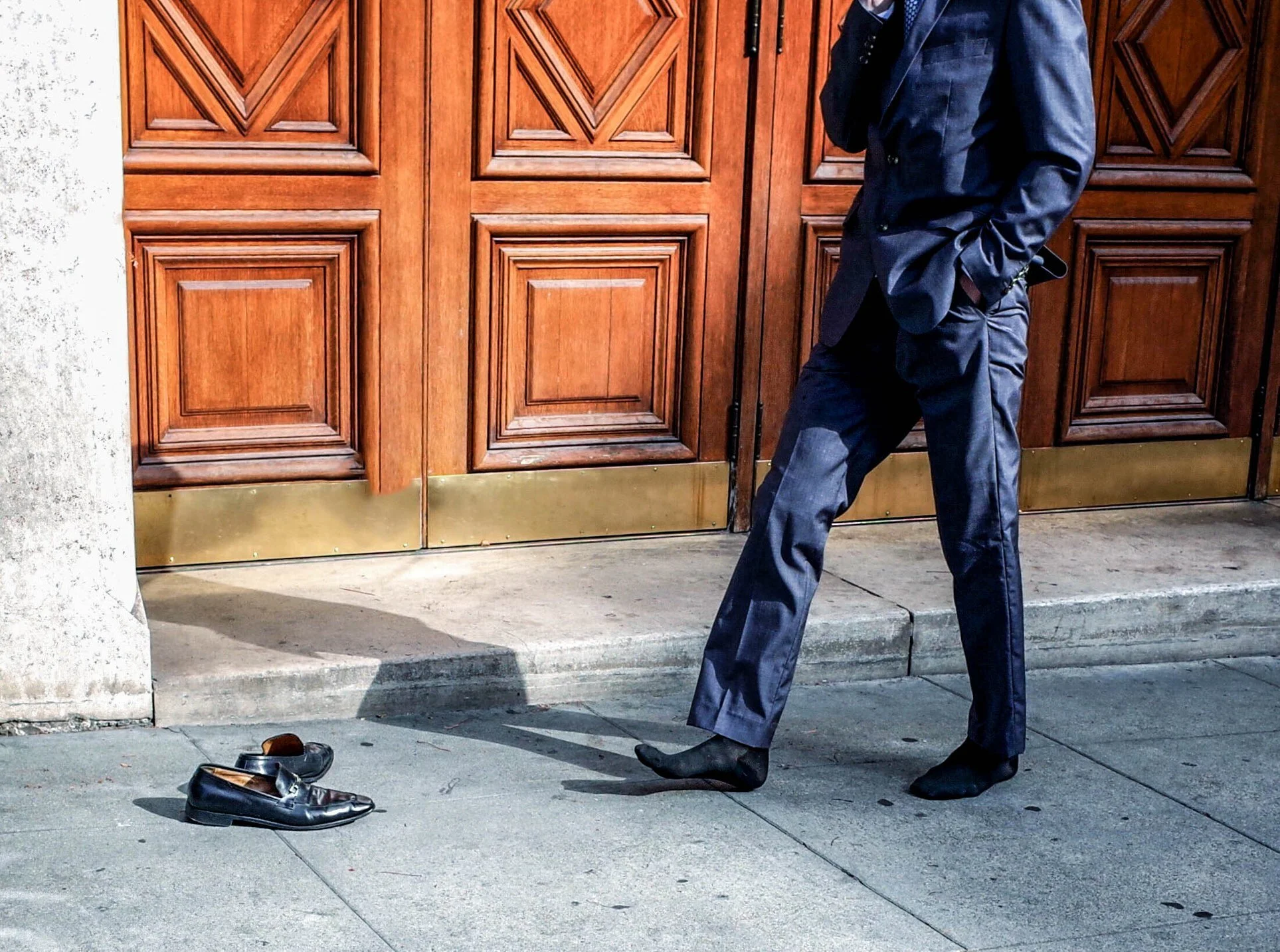
I chose three black-and-white images, each perfectly contrasted and with a distinctly interesting point of view that, in a way, creates the images.
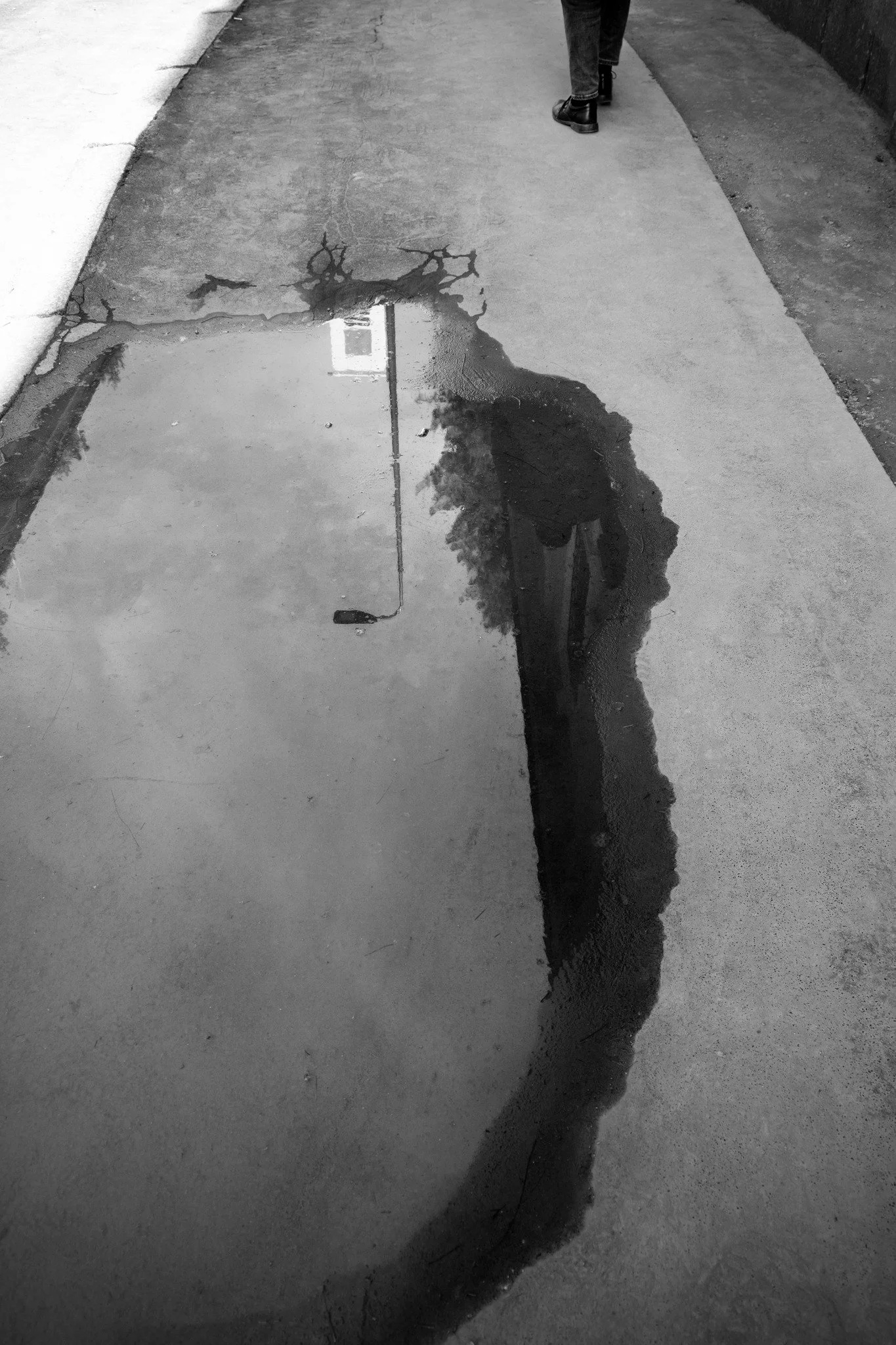
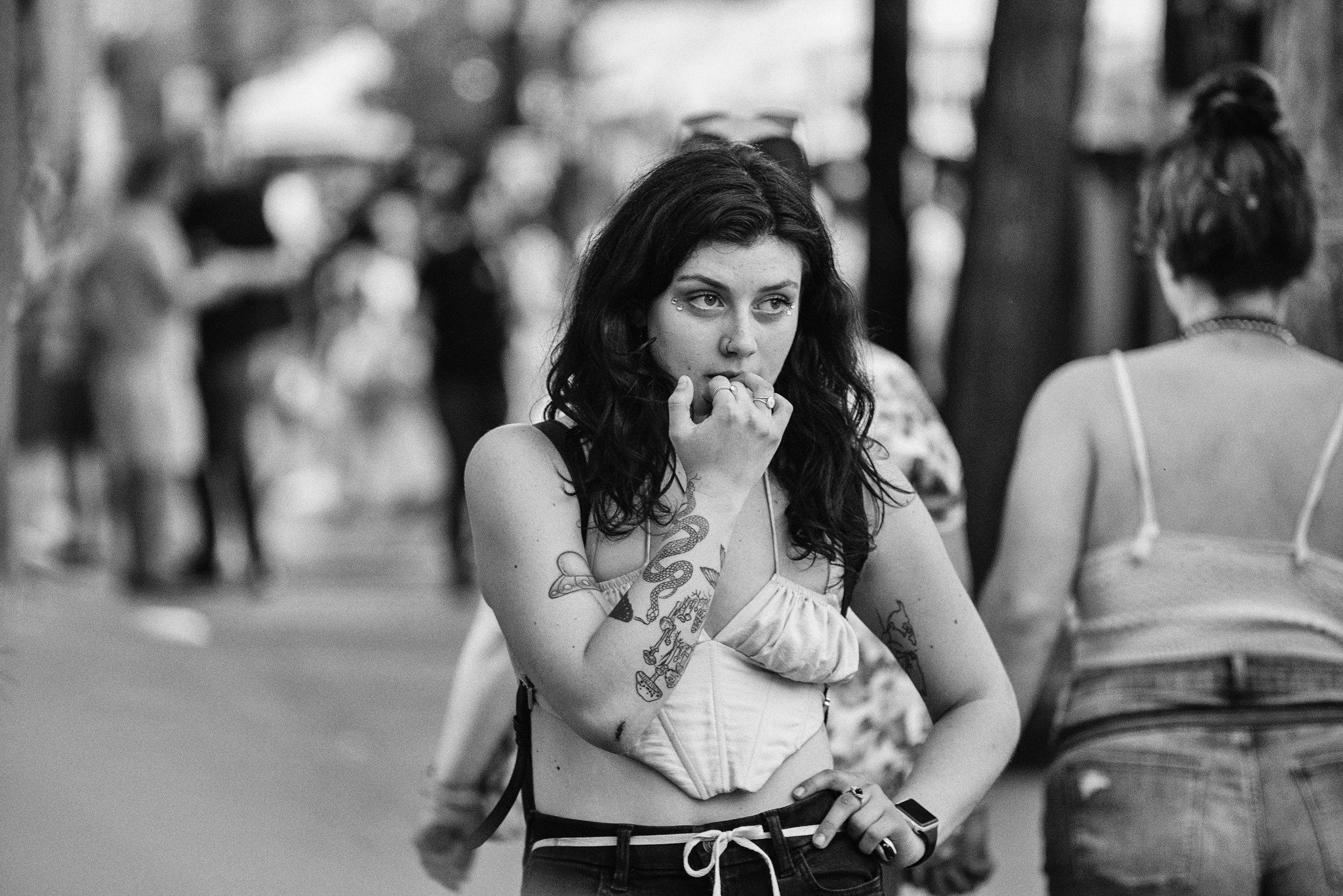
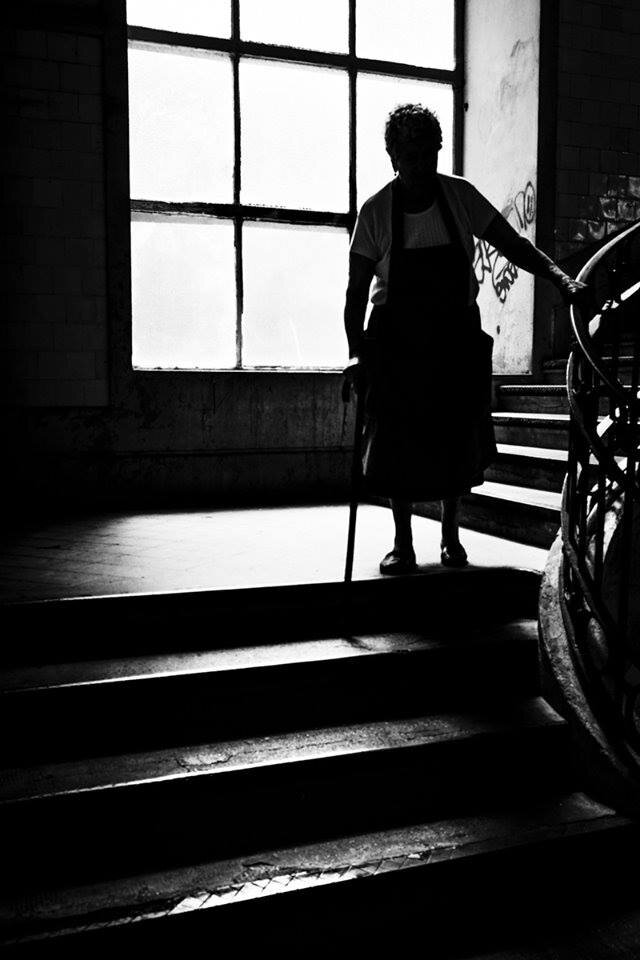
Karel's image also stands out for its use of light. What is the woman looking at? Who is she waiting for? The perspective heightens the sense of mystery.
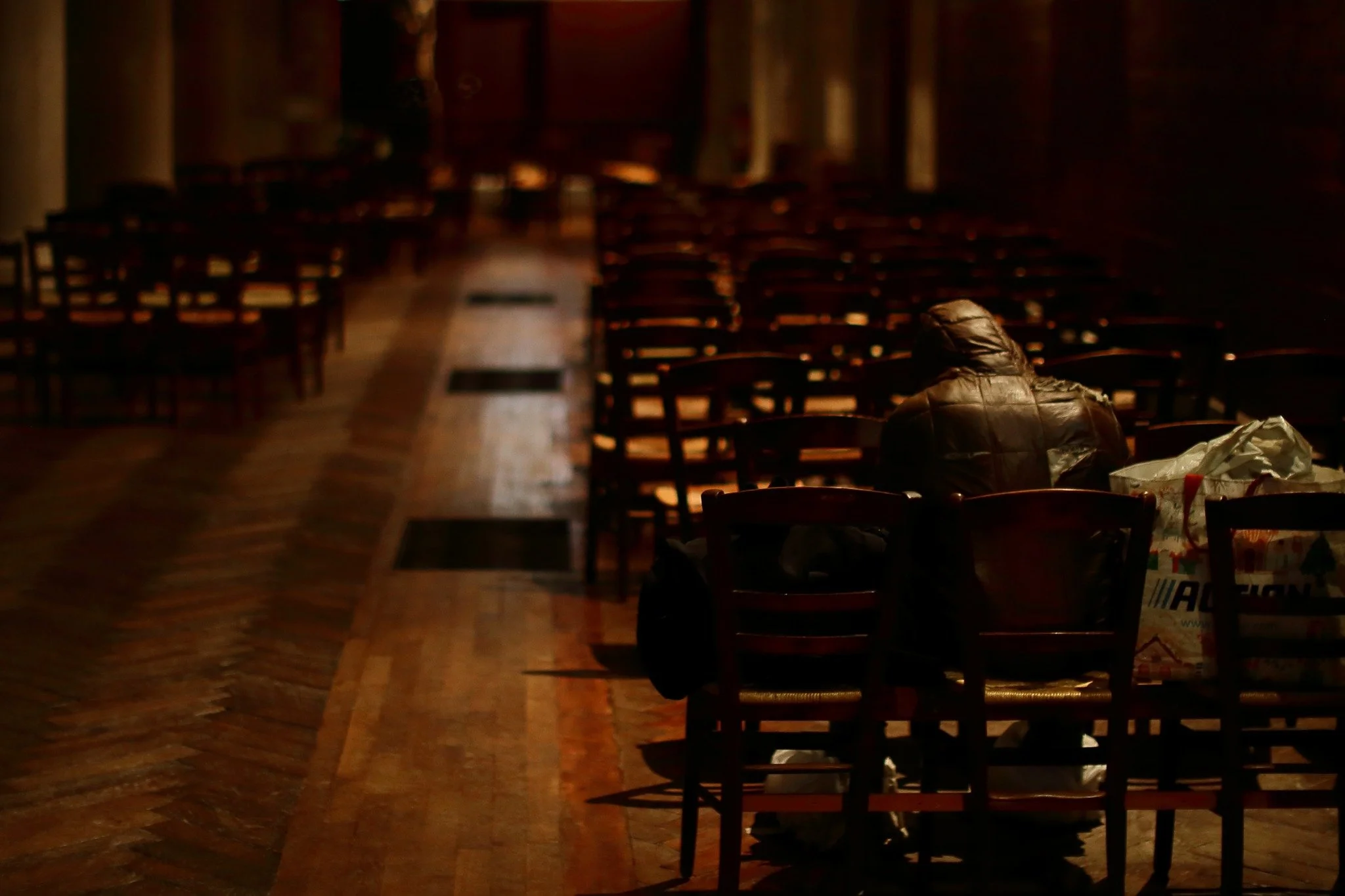
Victor's image immediately creates confusion; the mannequin in the foreground could be a woman. But in this now-fake society, it hardly matters anymore, as humanity is transforming into something non-human.
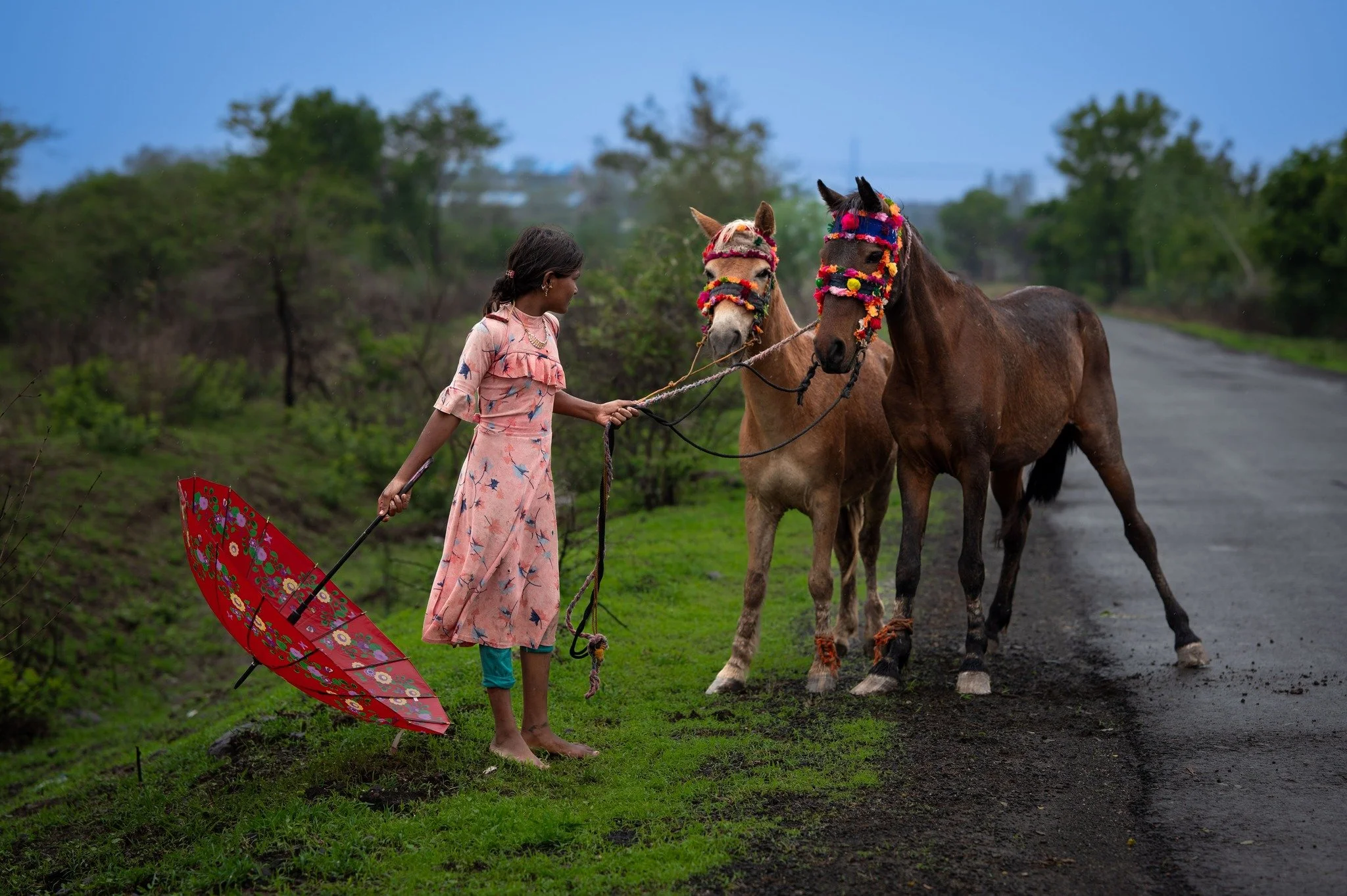
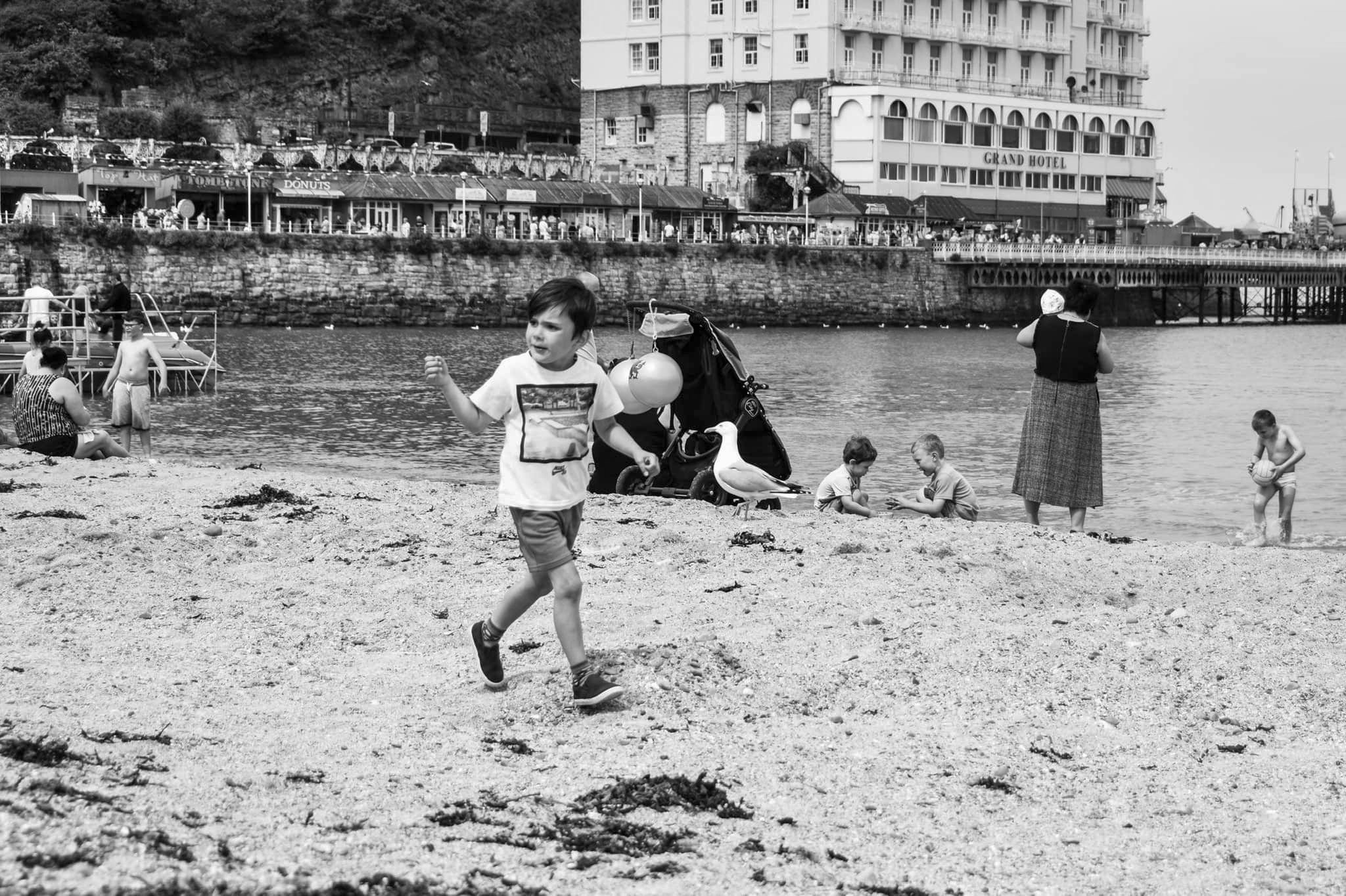
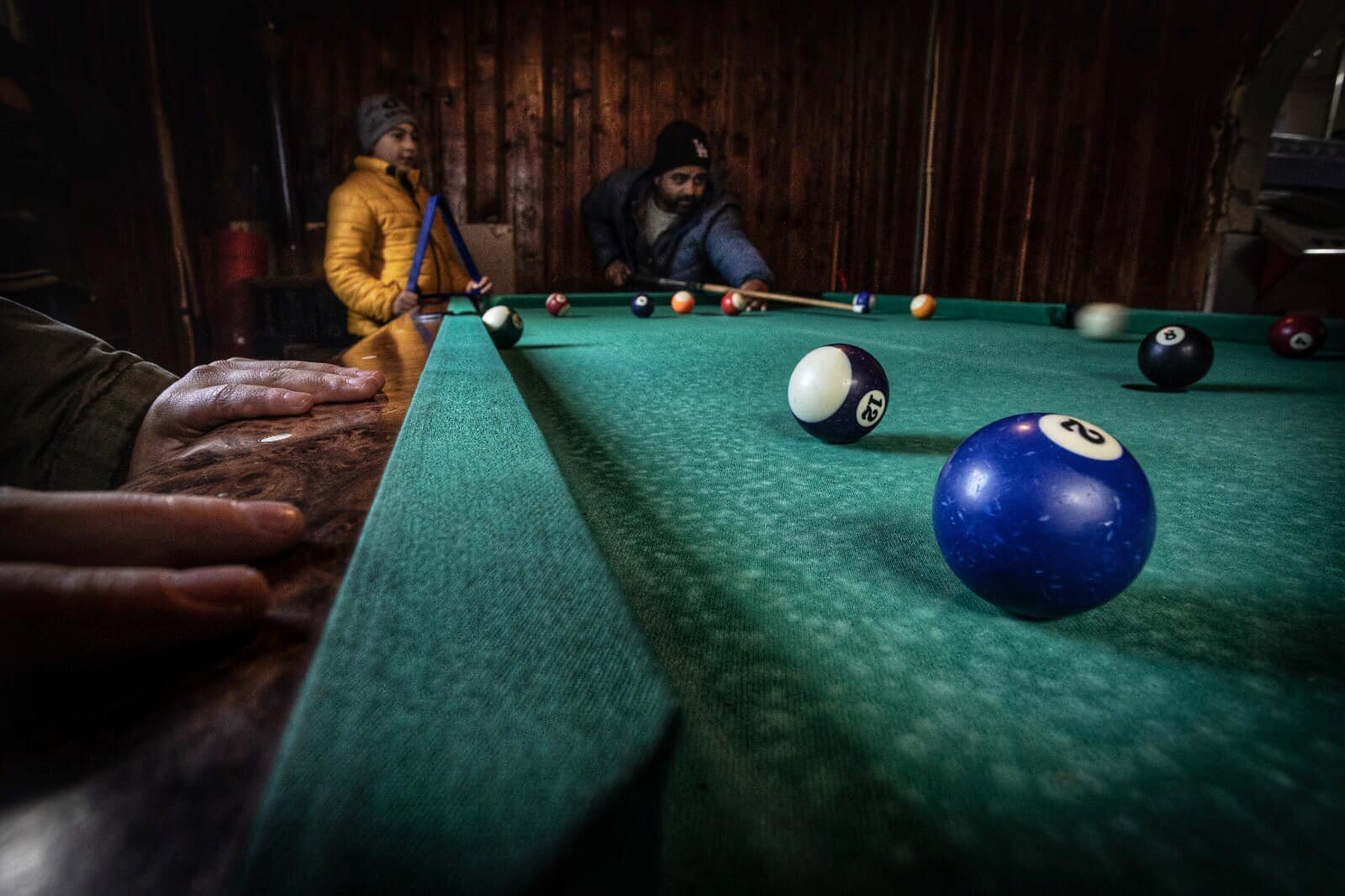
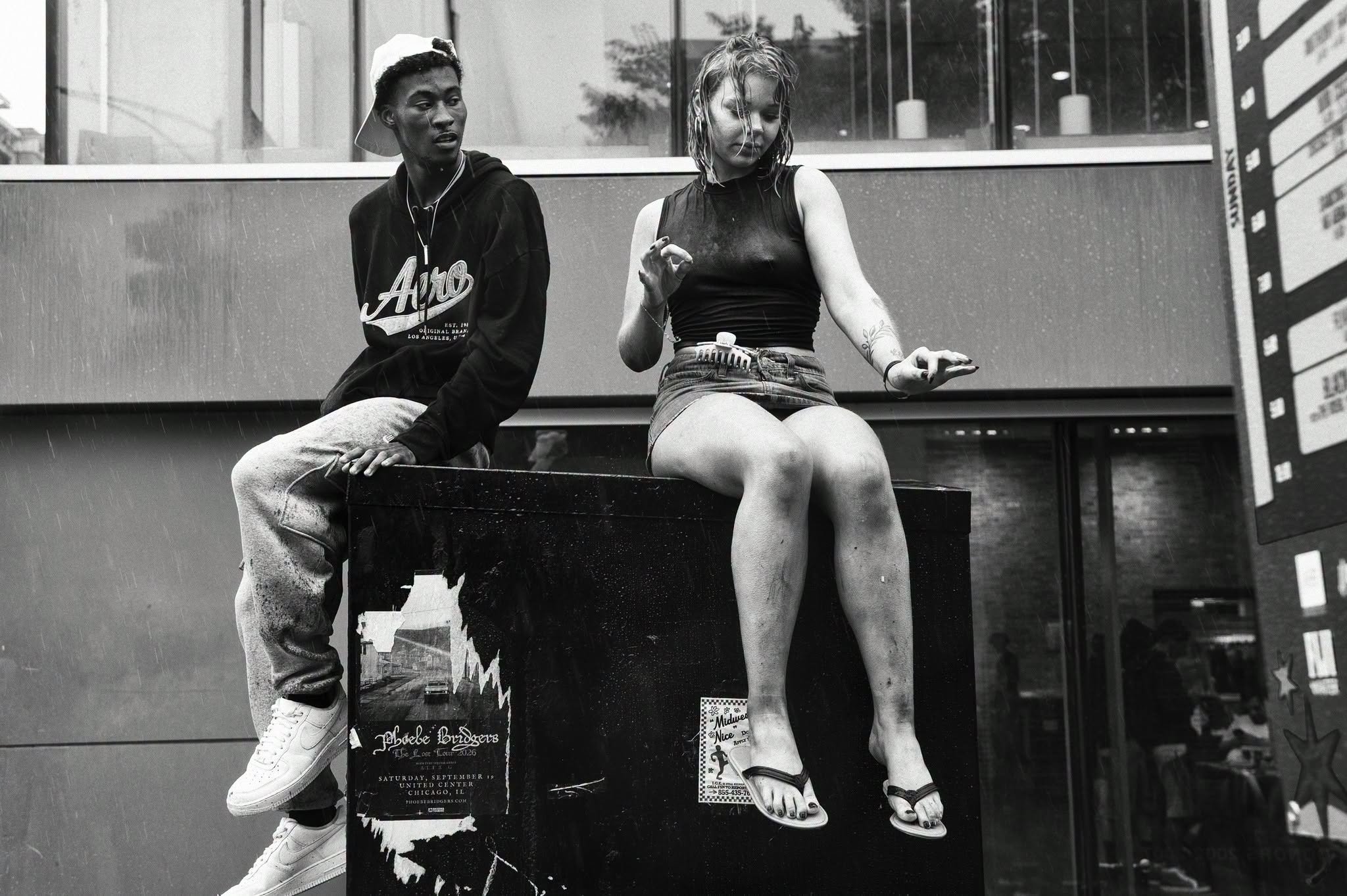
Eduard's last image, apart from its extraordinary point of view, differs from the others because it is extremely gentle and narrative. Two young people are playing a game that is mysterious to us, in the rain. A perfect example of the photographer's timing, who knows how to observe and anticipate.
Monday 27.07.26
Alberto M. Melis & Christian Stops
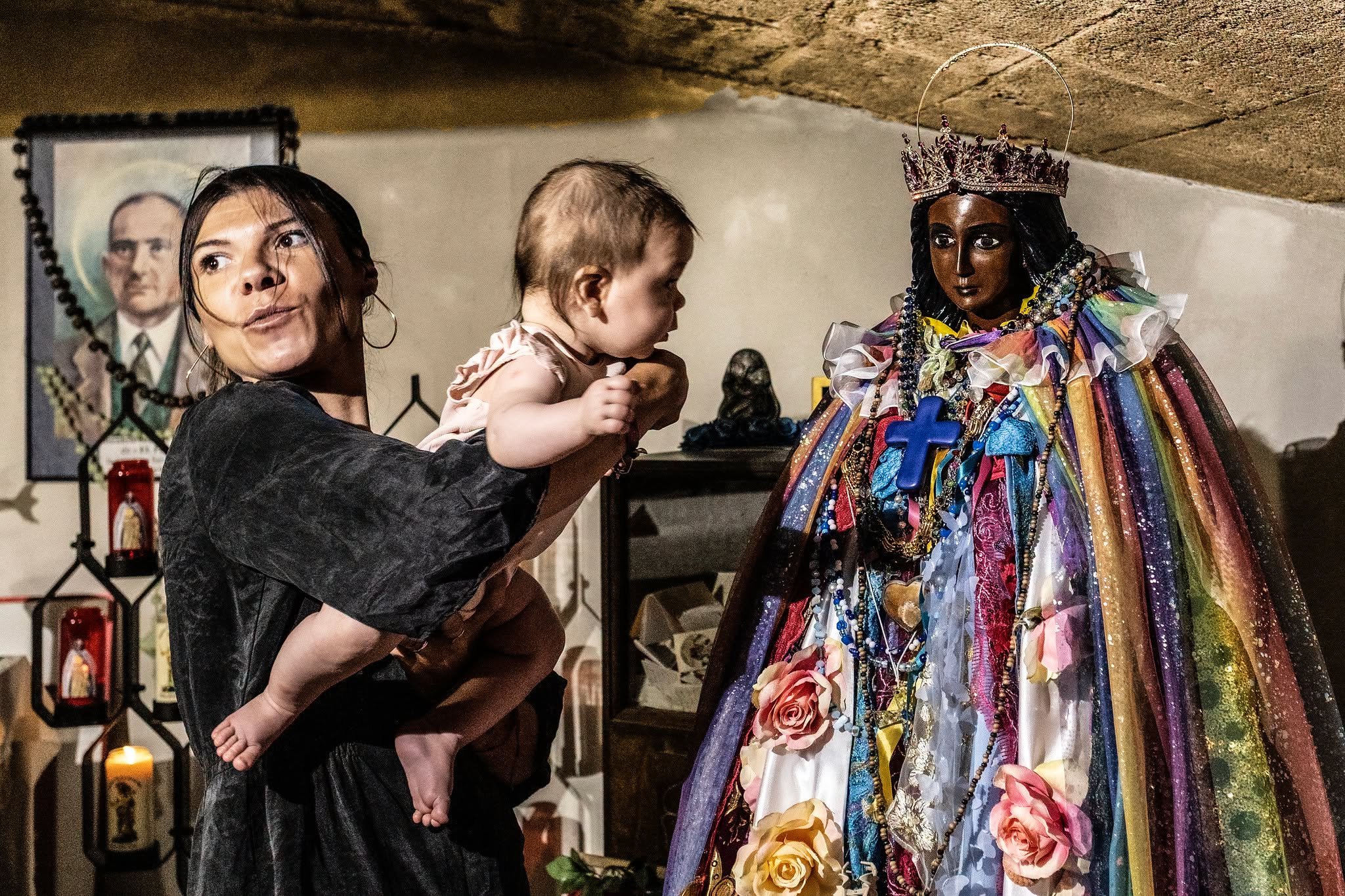
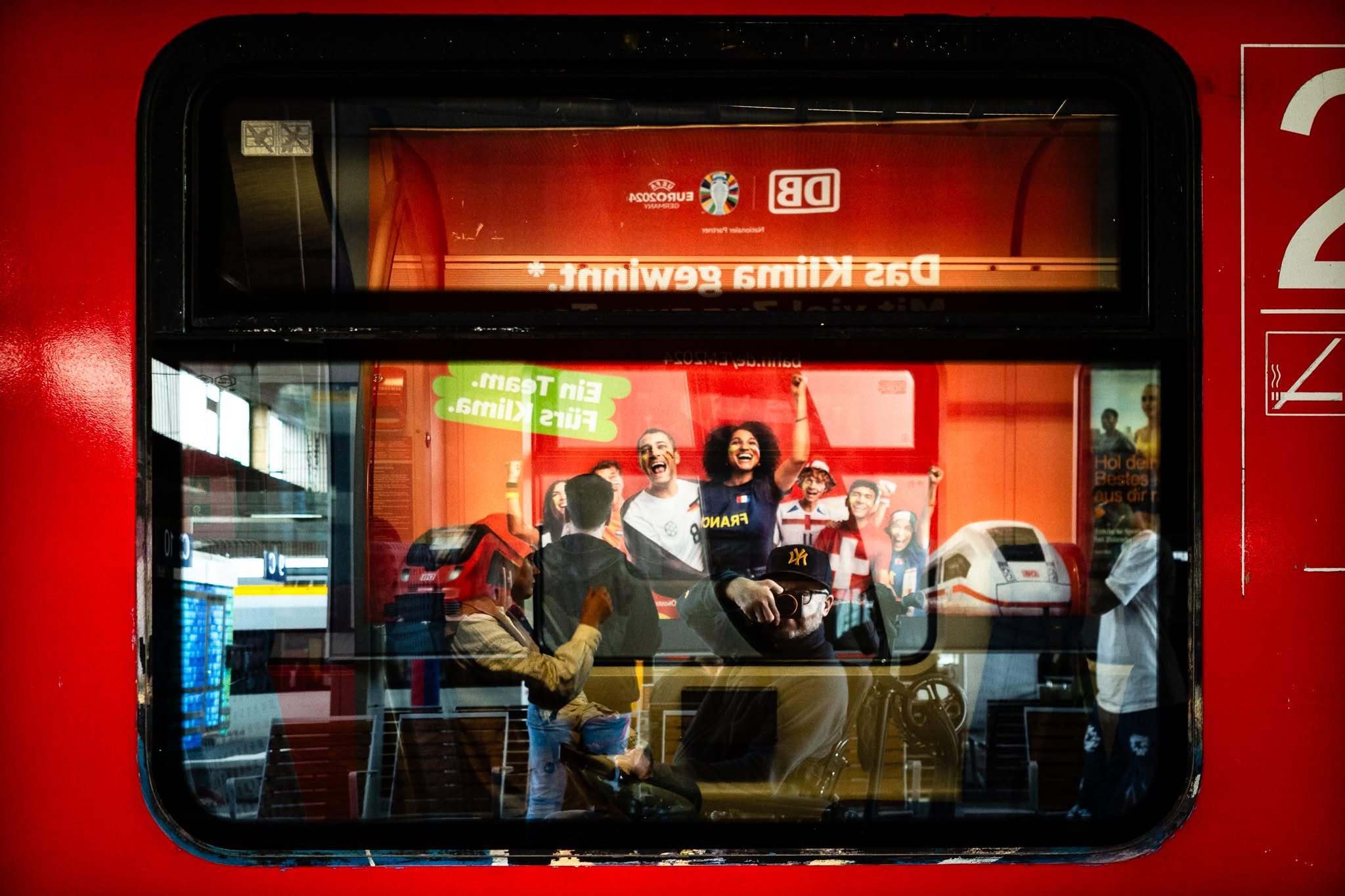
There are two different images to consider: the first is a documentary street shot of Melis, while the second is a beautiful, clear self-portrait of Stops. The self-portrait may not be immediately noticeable and requires careful inspection. Both images demonstrate a precise attention to composition, transforming their respective stories into living paintings.
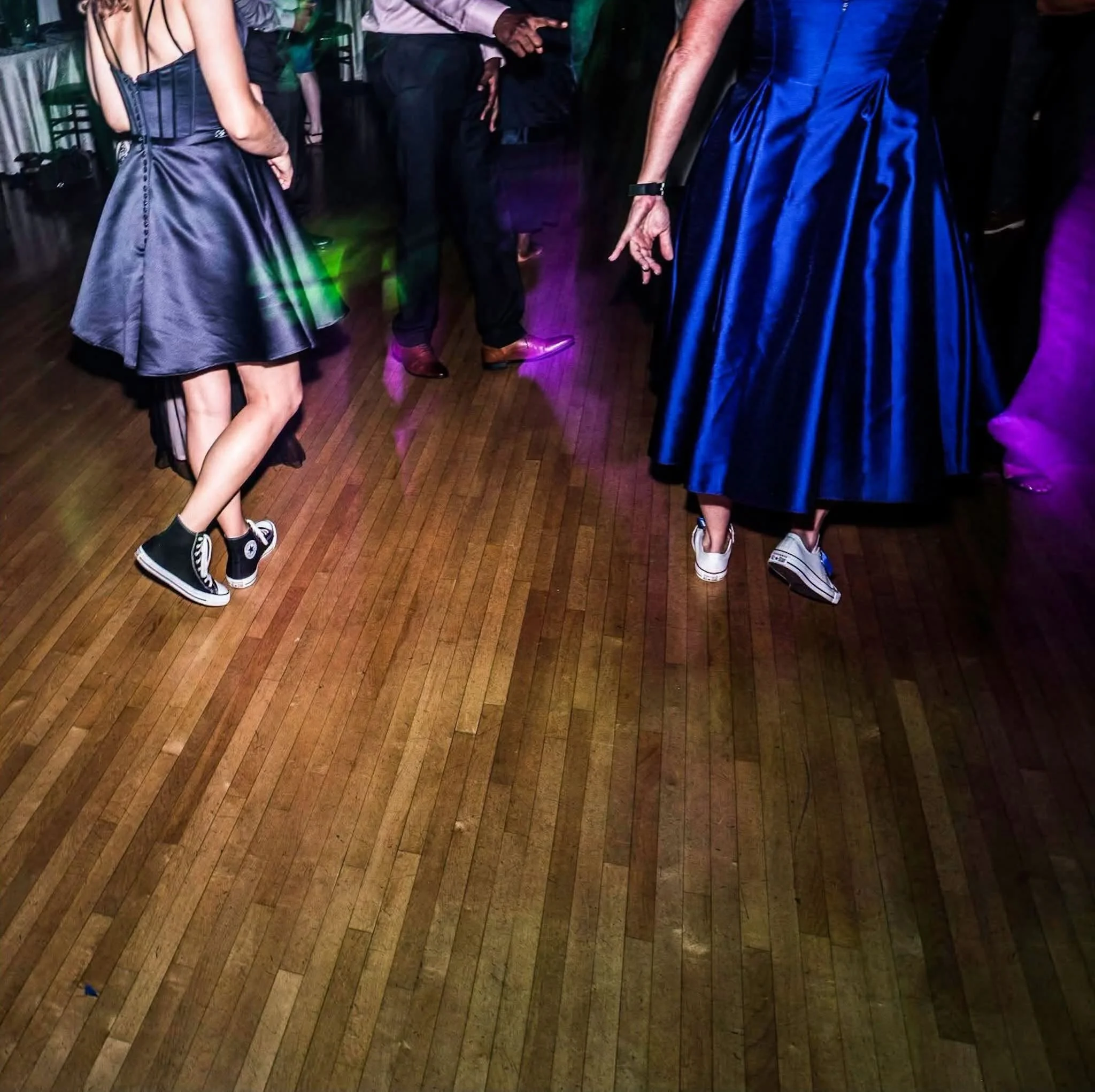
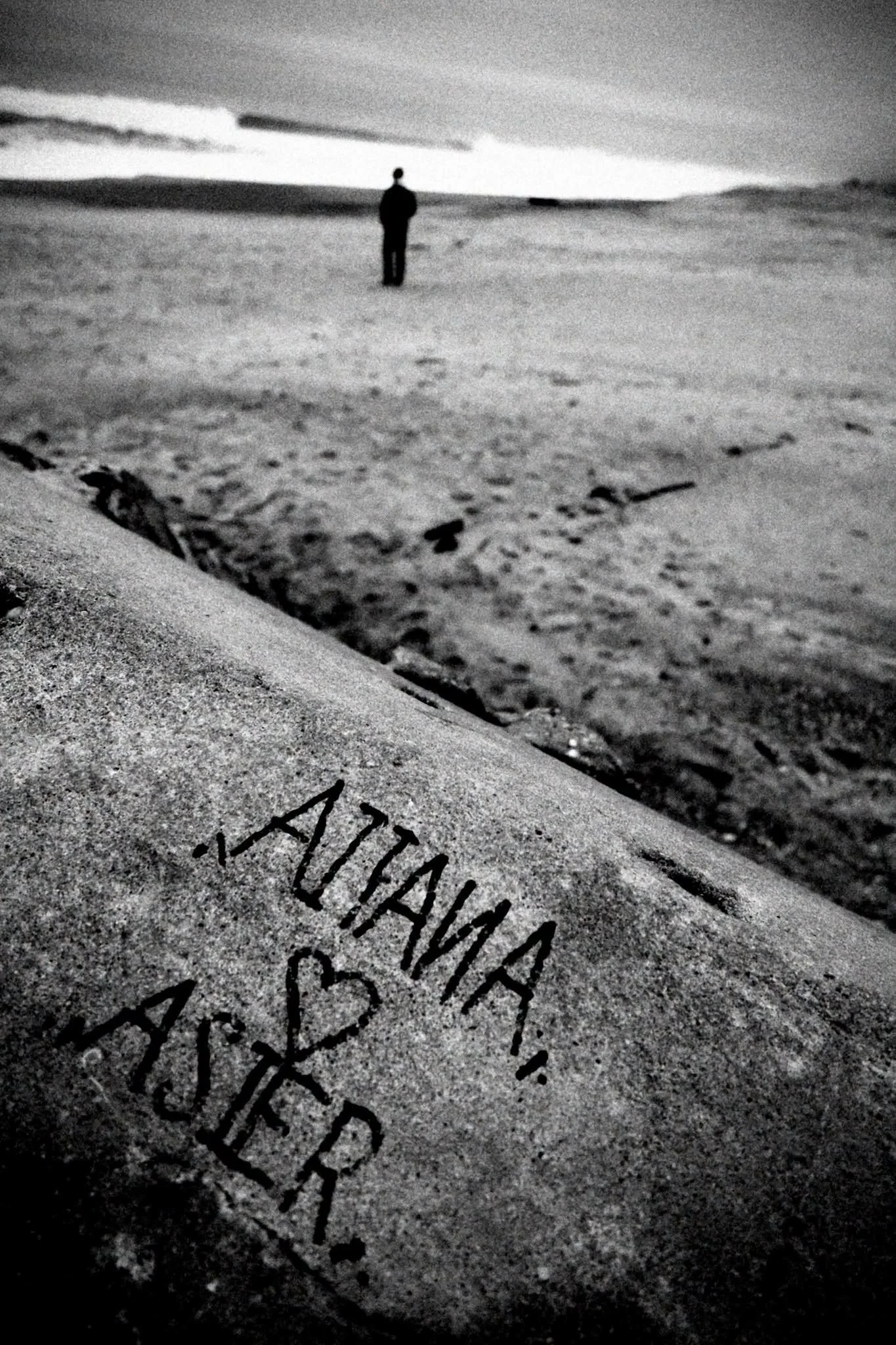
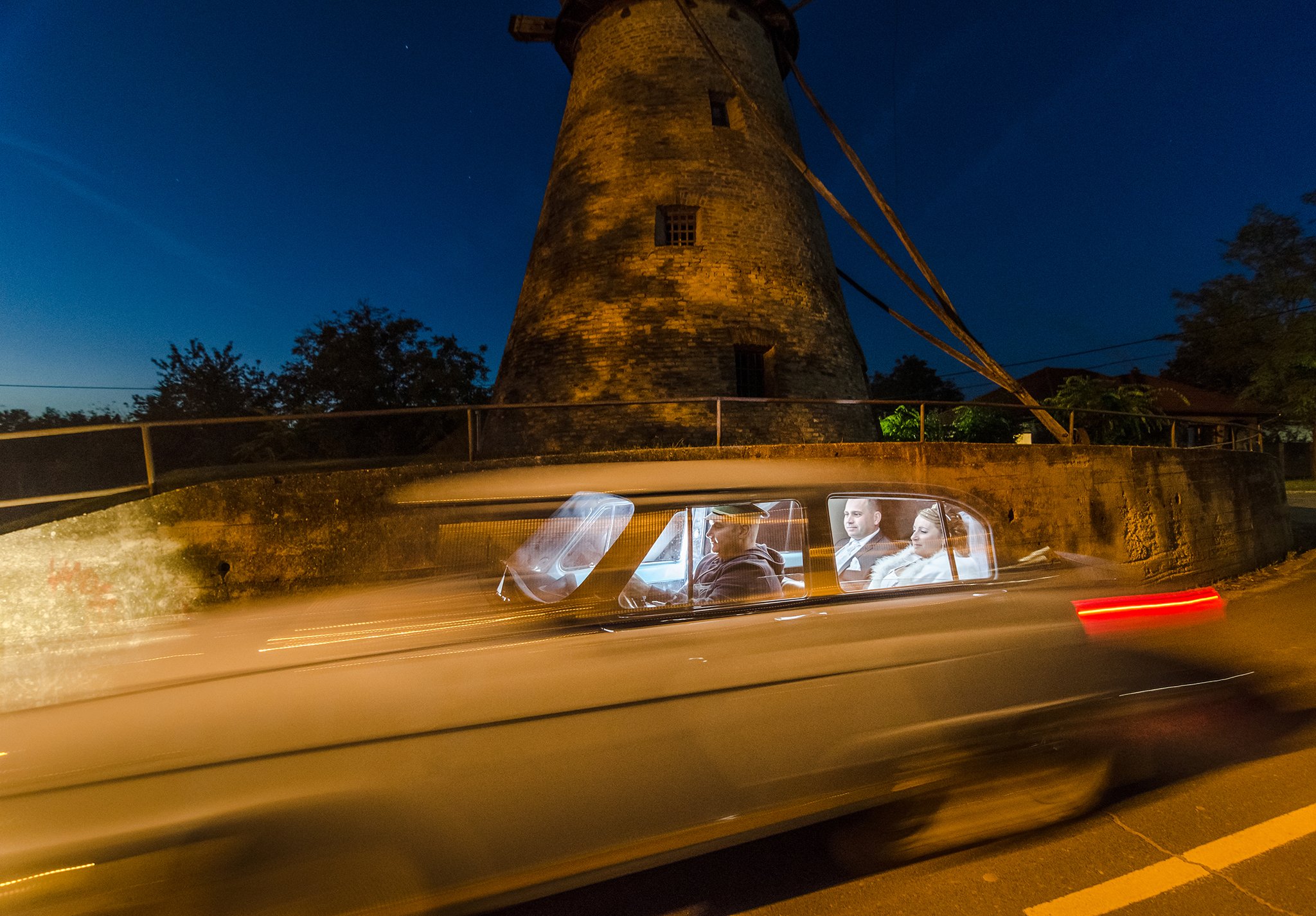
An image taken at a wedding and another image that evokes a connection to a poem by Paul Éluard: "The shape of your heart is a chimaera / And your love is like my lost desire."
Although these two images move away from the genre of street photography, they bring us closer to life, feelings, and thoughts. Can we consider them works of art? I believe we can, as the photographer's intent is clear.
B.D. Colen and Daijiro Art felt compelled to explain these images through titles, thereby affirming their artistic intent.
Monday 13.07.26
Jaume Salva
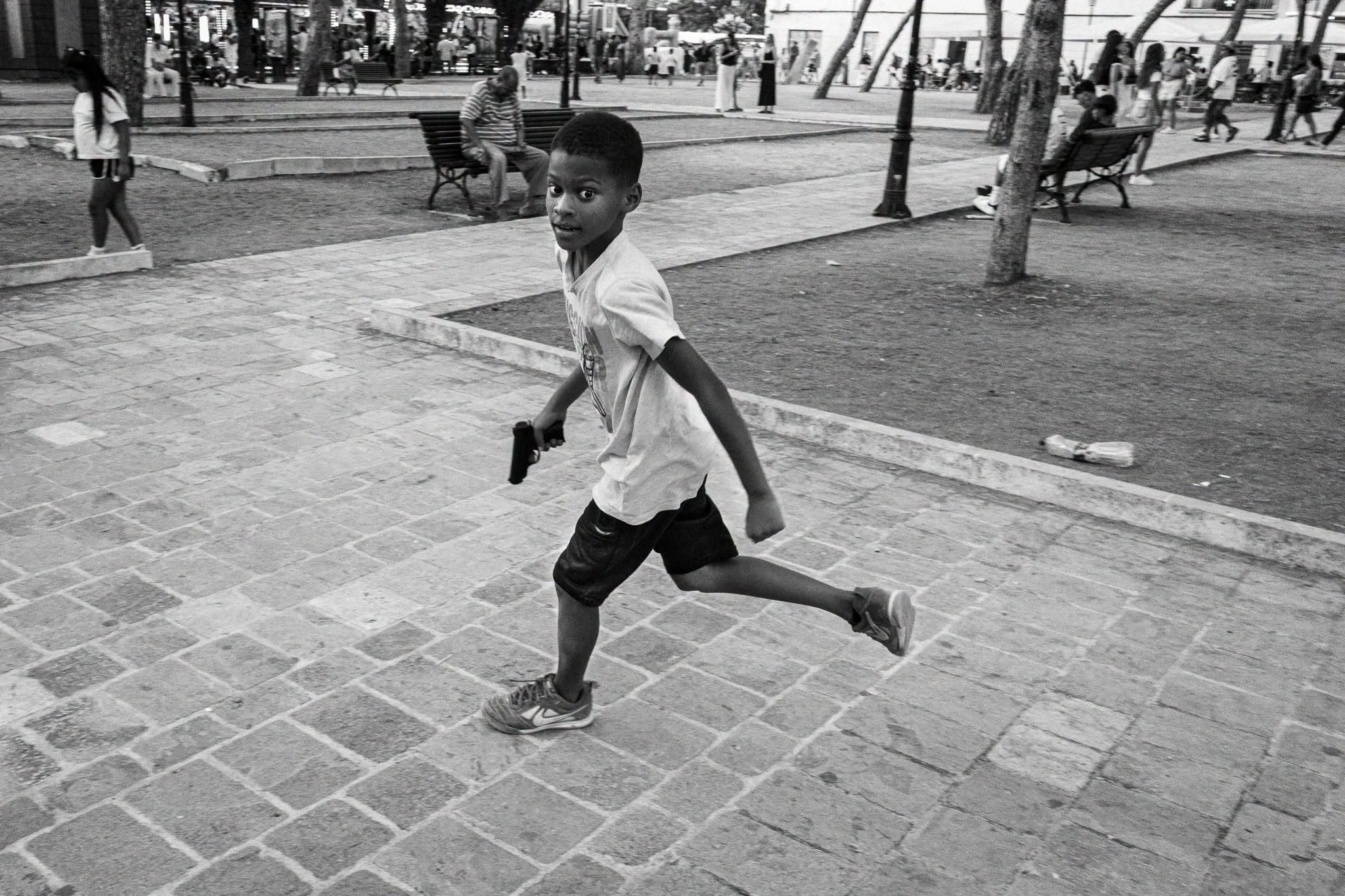
Jaume Salva
Every time I come across images like this, my heart skips a beat.
I recognize that aggressive impulses are a natural part of being human, distinct from actual violence. When children play with toy guns, they can express and manage their aggression in a safe, controlled environment. This type of play is particularly important for boys, as it allows them to showcase their strength and build confidence. By taking on roles as “bad” characters or hunters, they confront their fears, feeling empowered and in control rather than victimized. There’s an unspoken agreement among children during play—“let's pretend I’m…” As long as a child can differentiate between make-believe and reality and has no intention to harm anyone, this kind of play is healthy. Banning toy guns isn’t going to eliminate aggressive feelings; in fact, it may strip away one of the avenues for kids to express themselves. It's essential to help children understand their emotions. While playful aggression is acceptable, fostering empathy is crucial too. This teaches kids to avoid emotional misunderstandings that could lead to bullying down the line in school. I too used to play with a piece of wood shaped like a gun, but I never aimed it at anyone. It represented my defense.
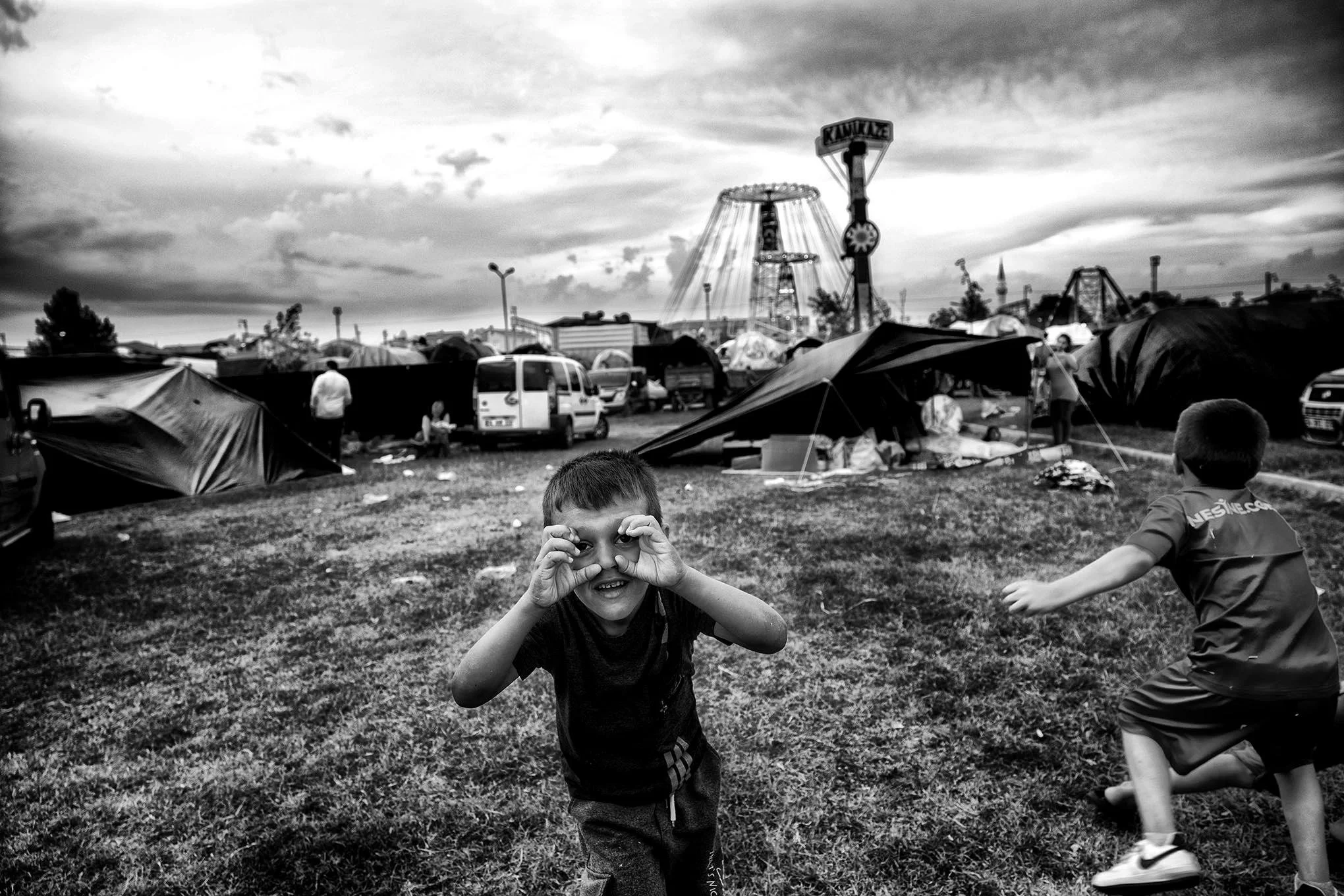
This poignant image is striking. The child's gaze connects with the photographer’s, leaving us with countless questions. We can surmise that the child is holding a toy gun, yet we also recognise the harsh reality that, in some places, children are trained and exploited in wars and trafficking.
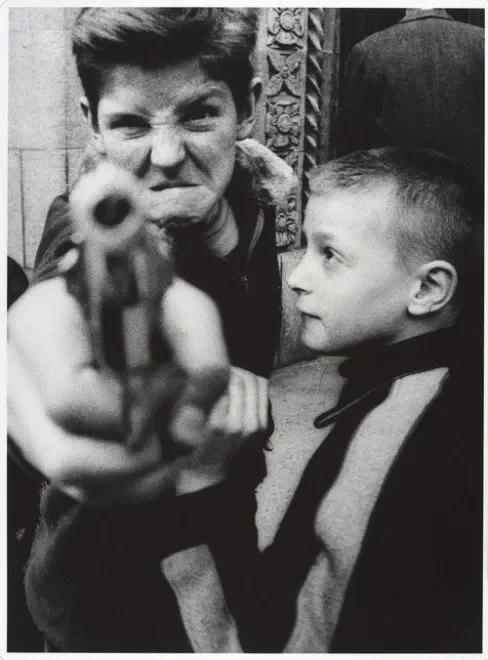
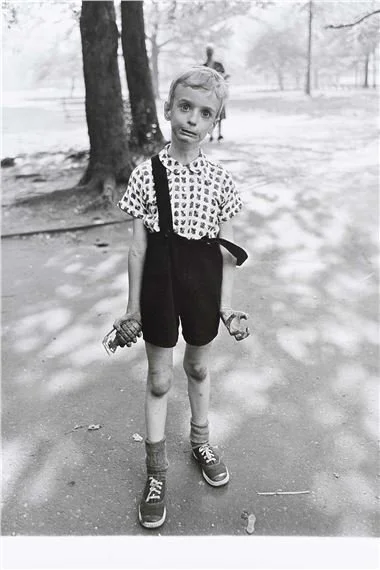
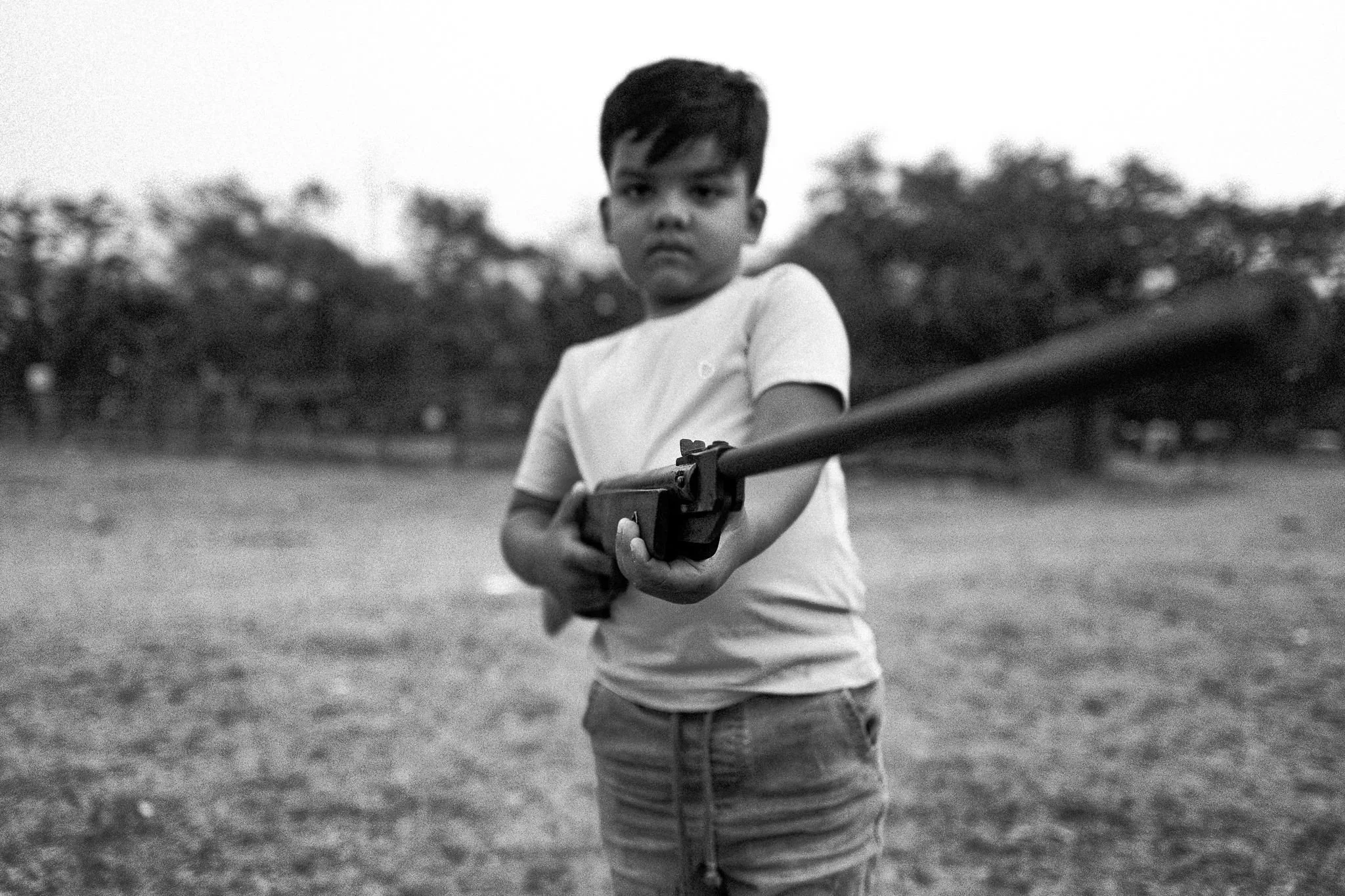
Shimi Cohen
Monday 06.07.26
George Koulouridis Stuart AH
Frank Stevens Nico Fms
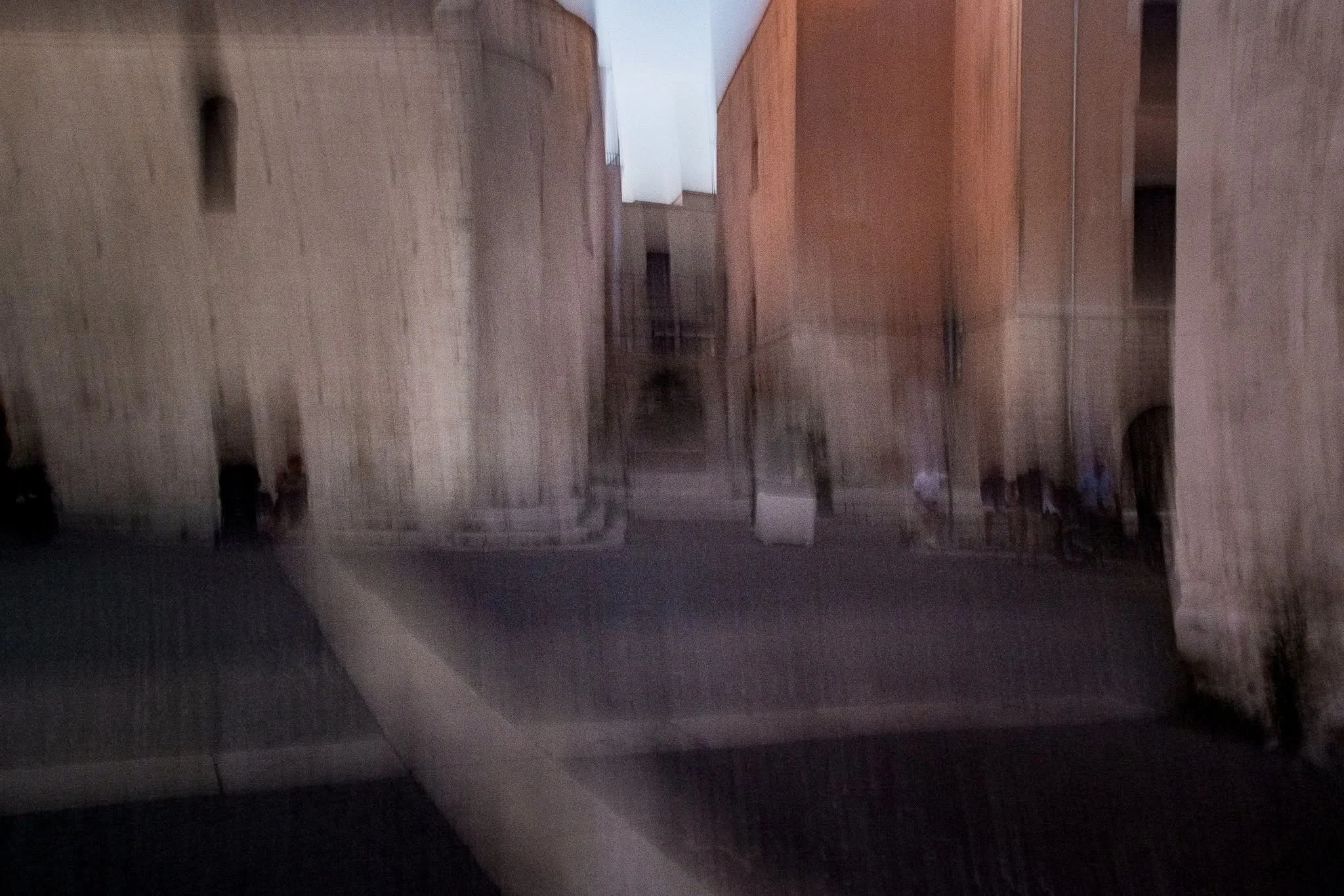
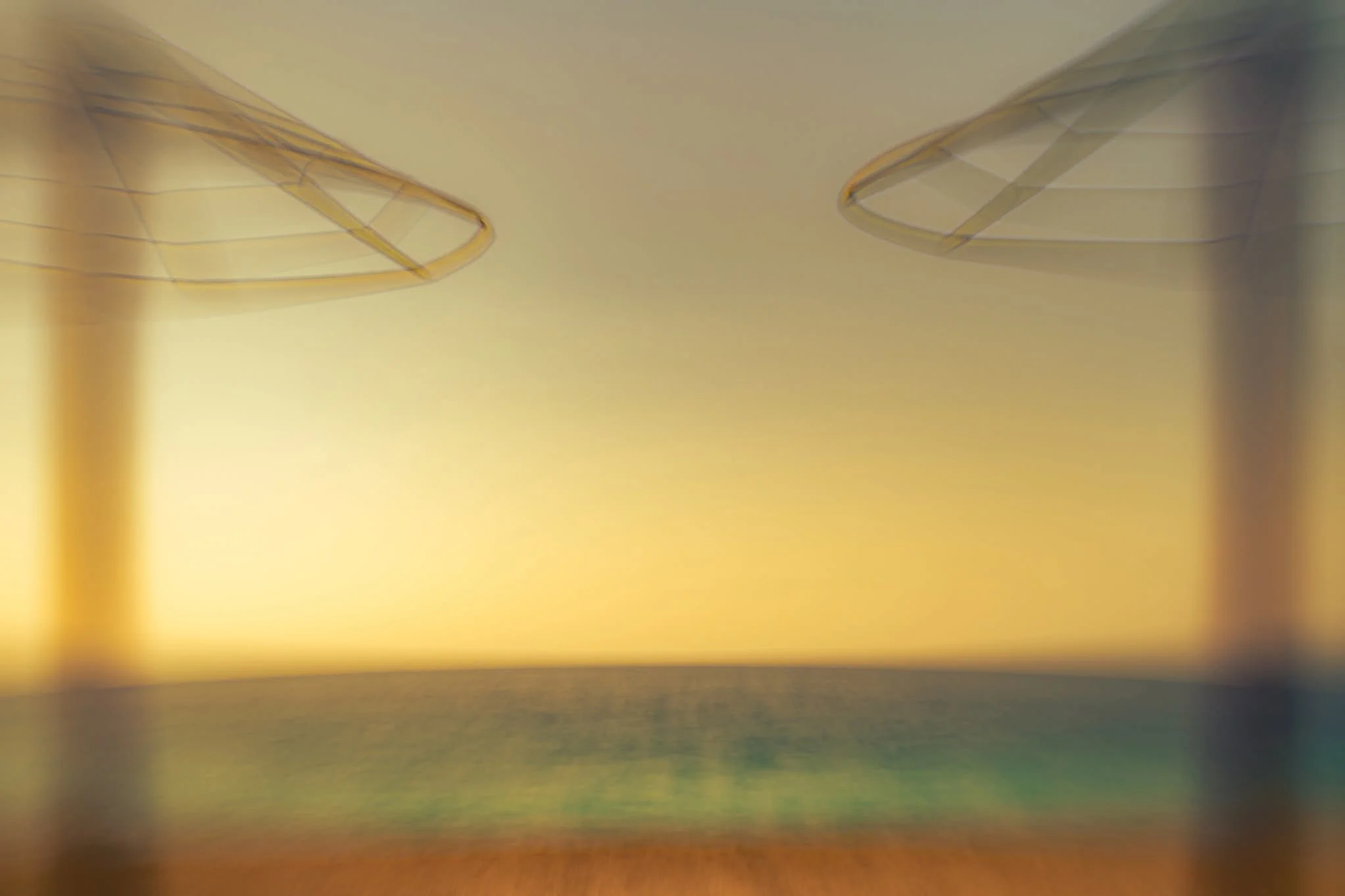
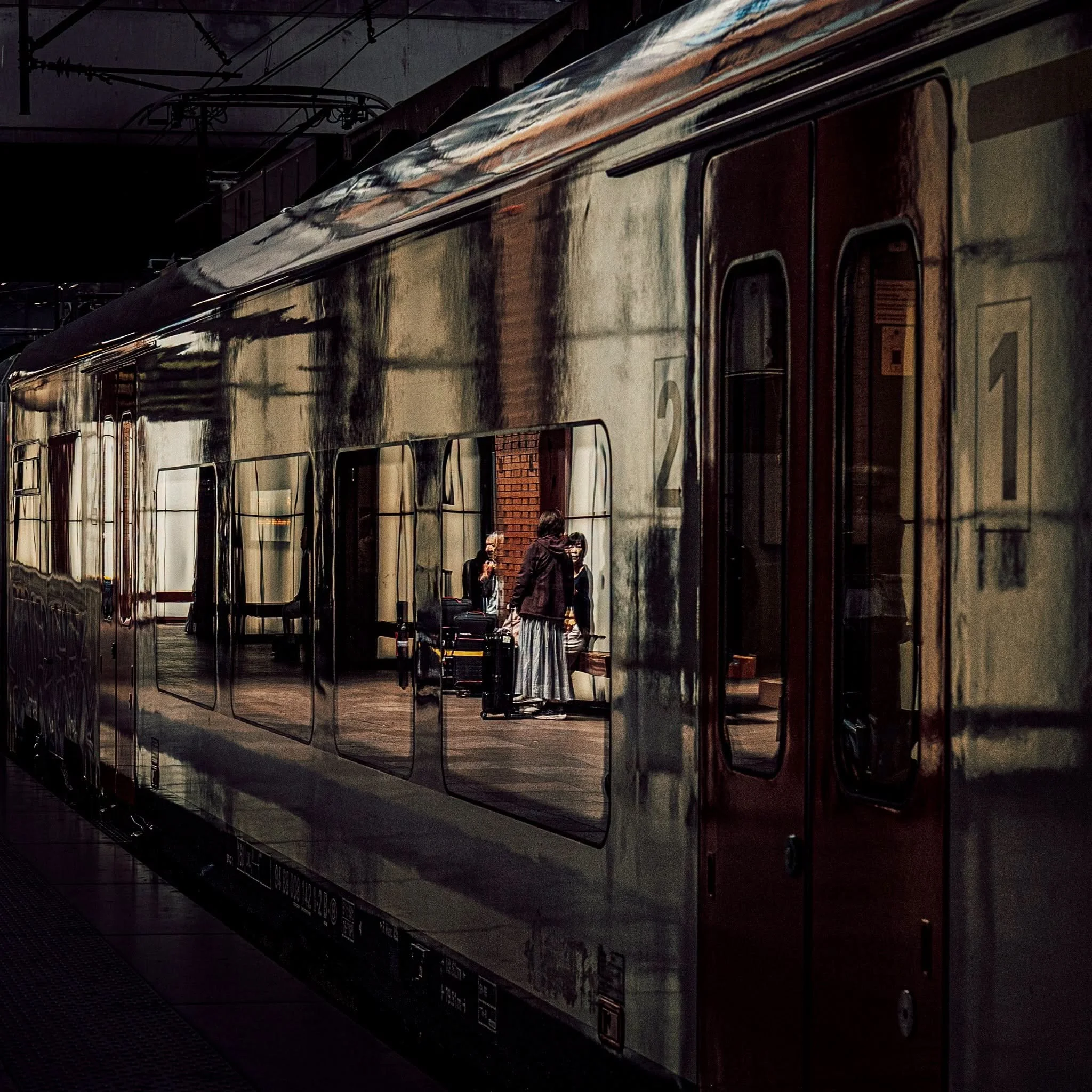
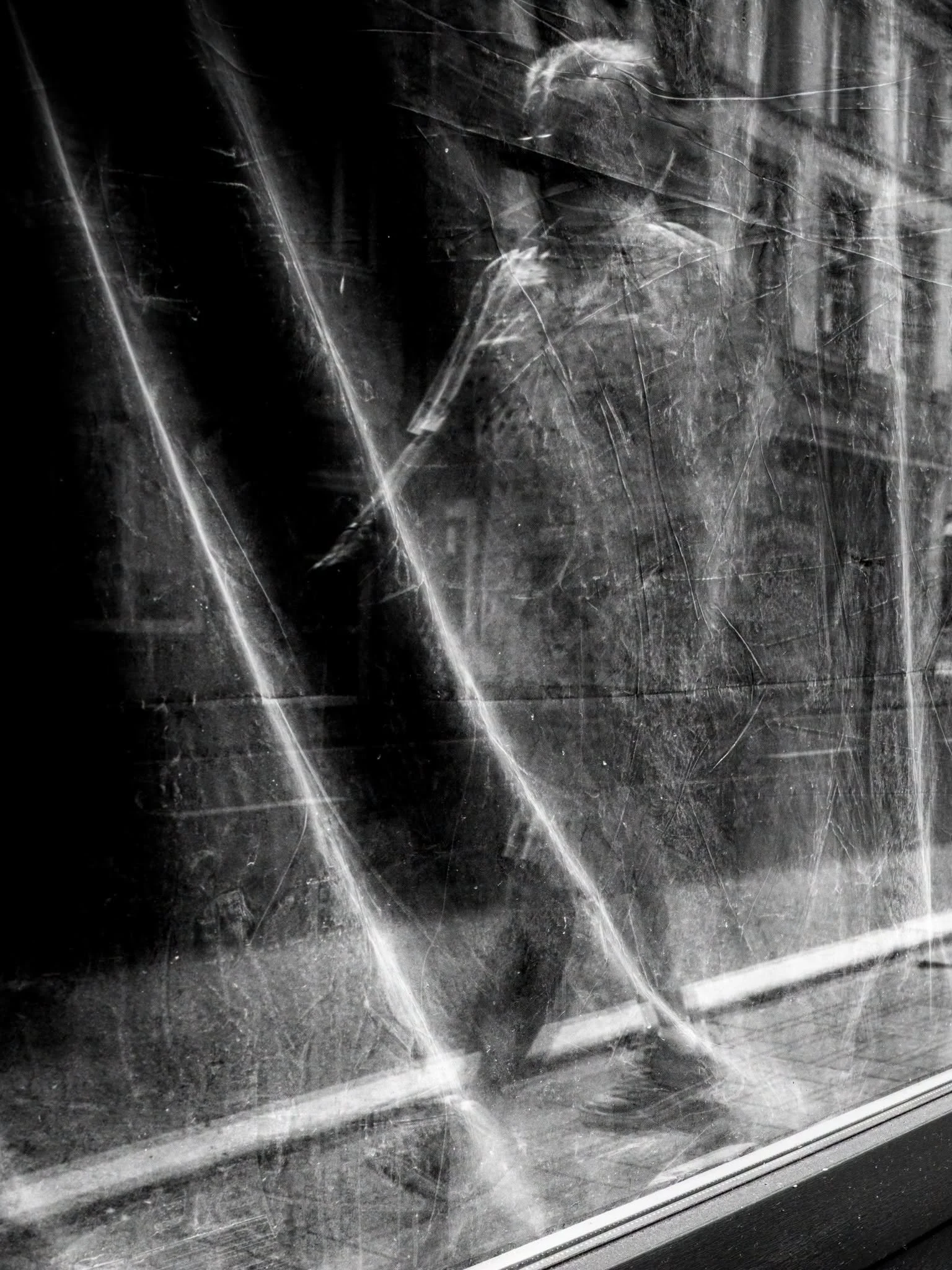
This week, I selected images that are not typically recognised as street photographs. However, at Progressive, we have become weary of conventions and clichés. Our focus is on the message conveyed by the photograph. We seek images that provoke thought, inspire dreams, and evoke wonder in diverse ways.
The two images of George and Stuart beautifully depict the warmth of this European summer. In contrast, the other two photos of Frank and Nico tell a different story — one that clearly highlights the subjects, while the other is intentionally blurred. Both sets reveal a photographer who is calm, attentive, and skilled at observing the world around them.
Monday 29.06.26
Gabi Ben Avraham – Bülent Zeren
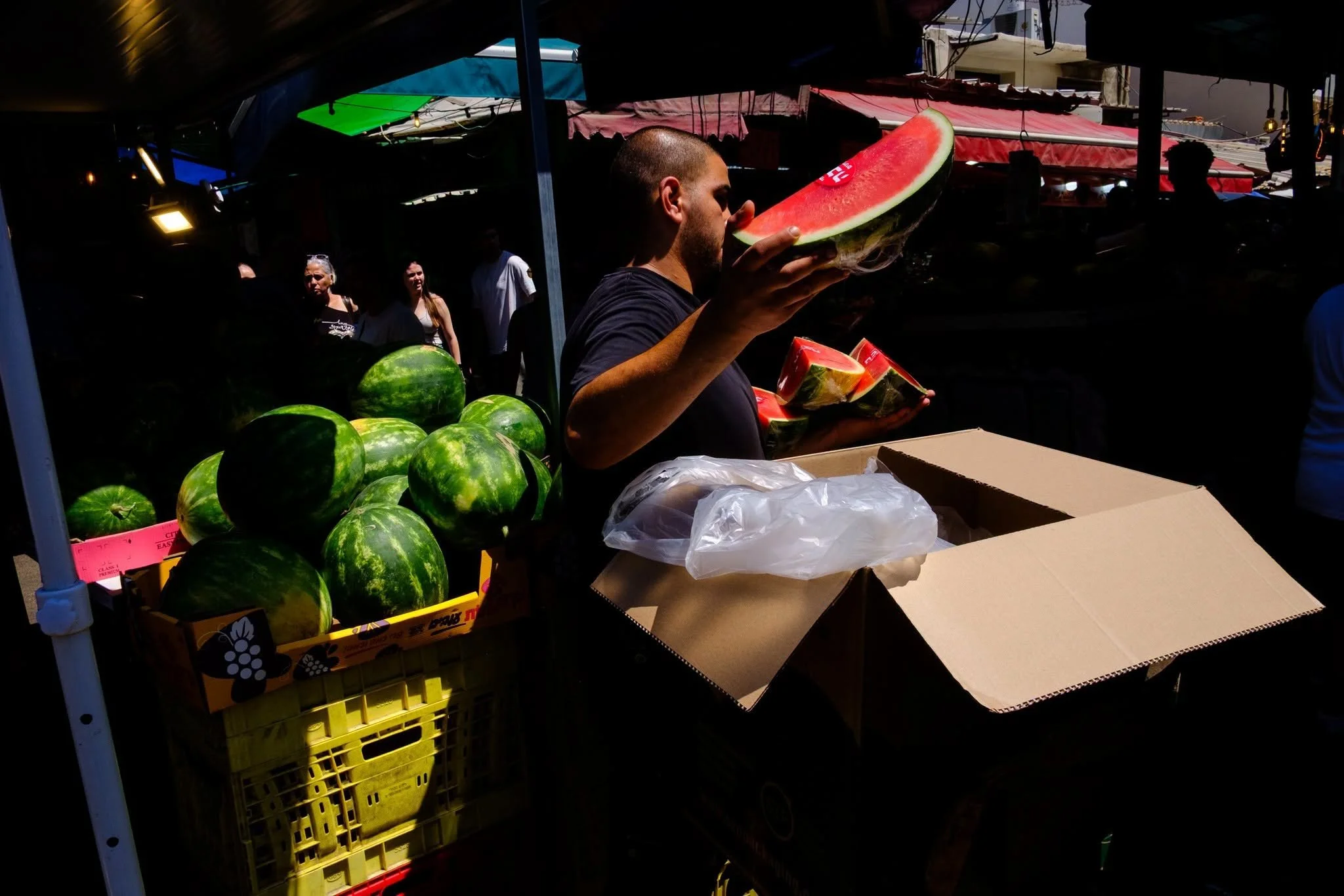
Gabi Ben Avraham
I am unsure how much Gabi studied to achieve such perfect chiaroscuro. However, I believe that, in addition to technique, Gabi has a magical eye for capturing the perfect moment and light. I typically do not favour this technique because it is often used merely to create a visually stunning image—contrasted and colourful—yet lacking in depth. In Gabi's photographs, you often find a story; you feel as though you can step into the markets and streets, experiencing the smells and sounds.
Chiaroscuro in photography leverages the interplay of light and shadow to accentuate subjects, enhancing depth and emotion. Originating in painting, this technique invites viewers into the narrative by skillfully using directional light sources to highlight specific areas while leaving others in shadow. Key styles include Luminism, which balances strong contrasts with gradual transitions, and Low-Key, which emphasises intricate details in mostly dark frames, adding depth and emotional resonance.
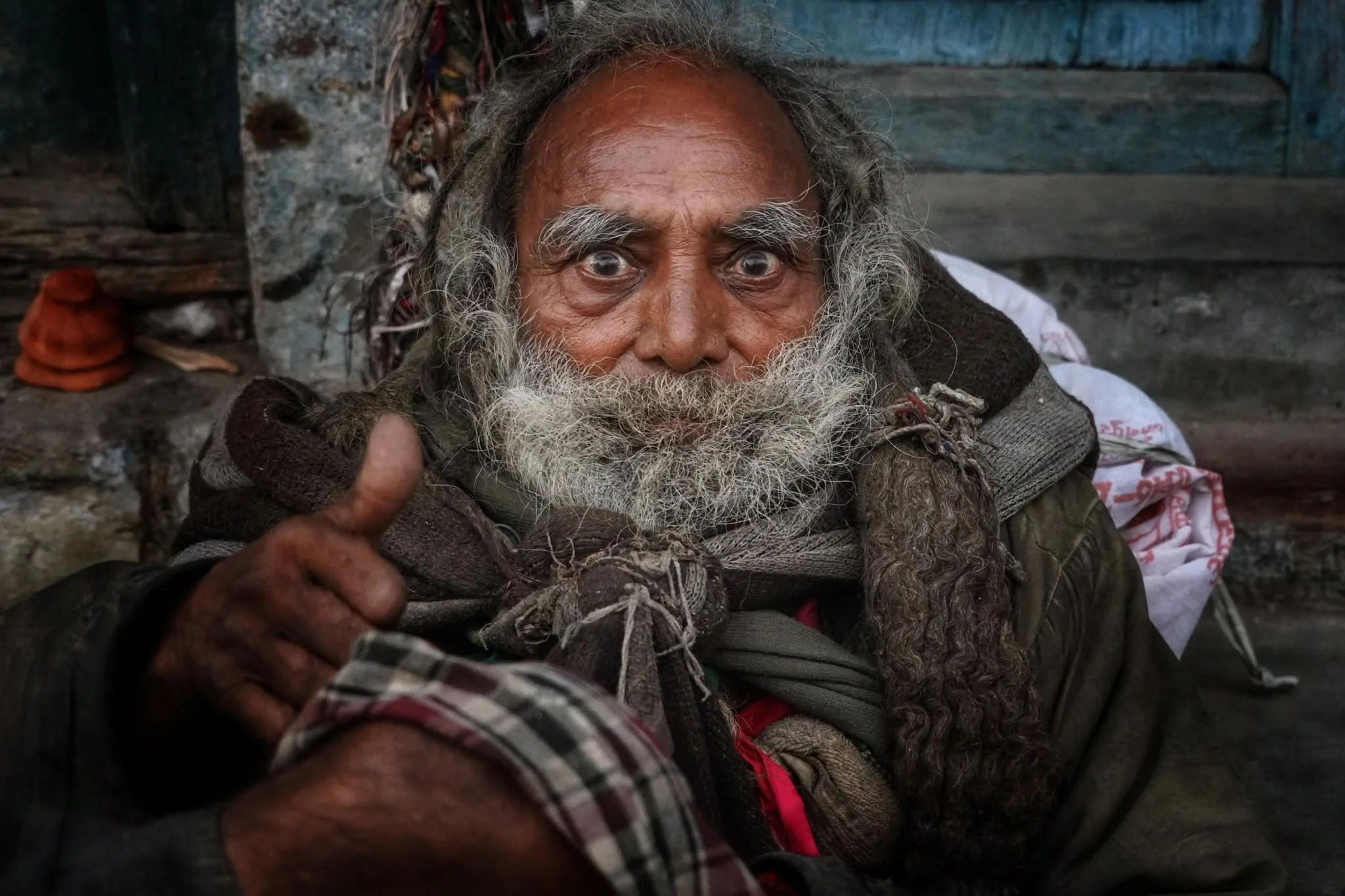
Bülent Zeren
I wanted to point out this image because I was struck by the man's gaze. I asked the photographer where he had taken it and why. He replied that:
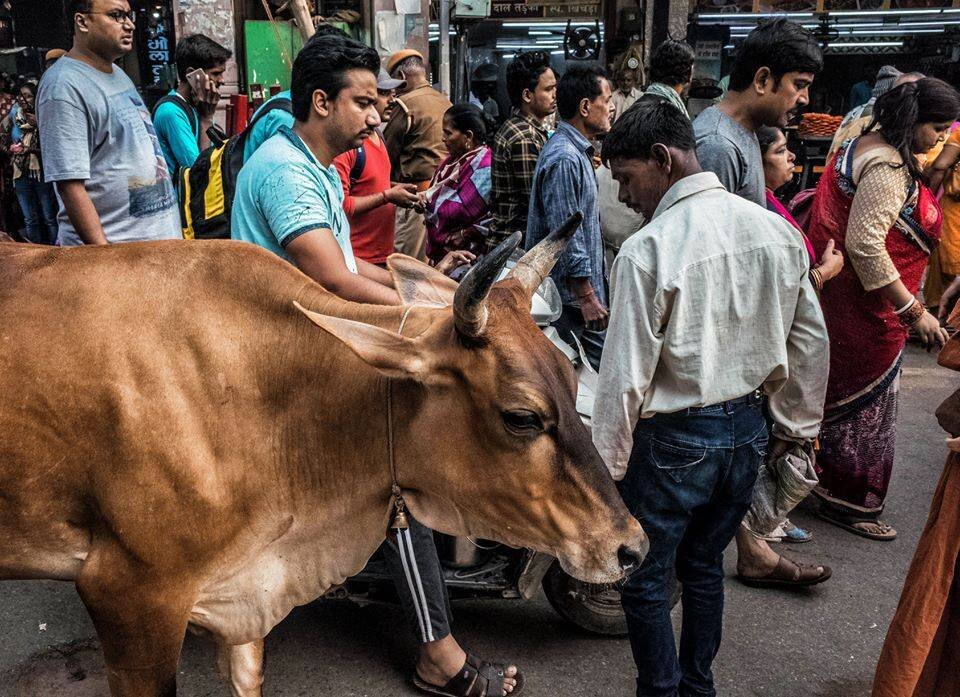
I took this photo in Varanasi, India, in 2019. The man in the photo seems happy, but there is a deeper story behind his smile. He is waiting for death. Varanasi is one of the oldest cities in the world and a spiritual center where life and death are closely connected. In Hinduism, dying in Varanasi is seen as a blessing and a goal, because it can lead to Moksha, or liberation from the cycle of birth and rebirth (Samsara). Many elderly and sick people come to this city to spend their final days, hoping their ashes will be scattered in the Ganges River. Mukti Bhawans, or Salvation Homes, offer a place for people to say goodbye and wait for death in peace. The cremation grounds, like Manikarnika Ghat, have been in use for centuries, yet the atmosphere remains lively, filled with colors and songs. In Varanasi, people view death as a normal part of life. The city challenges modern fears and shares a deep truth: death is not an end, but rather the greatest freedom.
Bülent Zeren
Monday 22.06.26
Nadia Eeckhout Sam Benari Trevor Gwin
Don Springer Ludovic Vievard Boy Jeconiah
John Gill
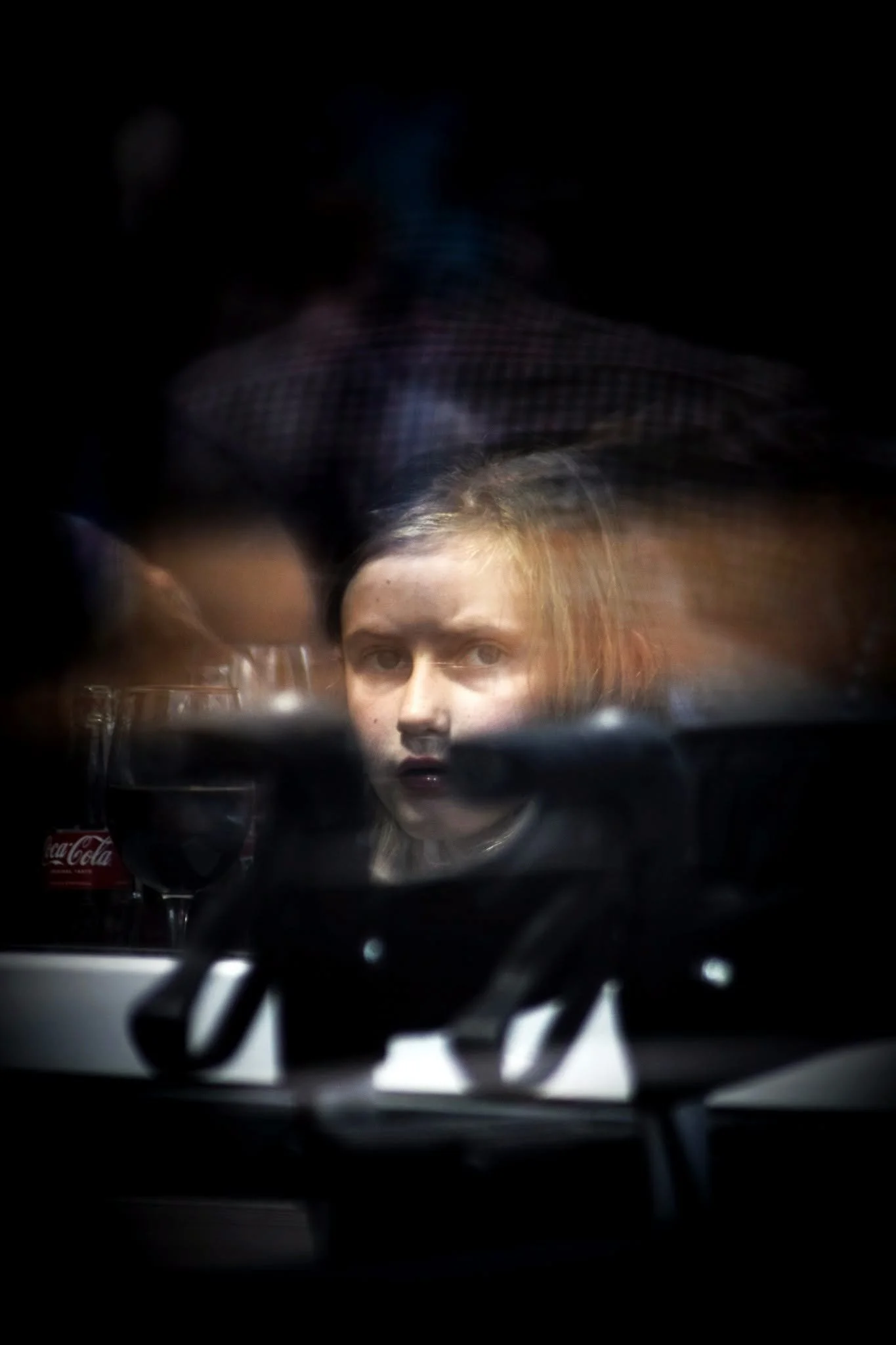
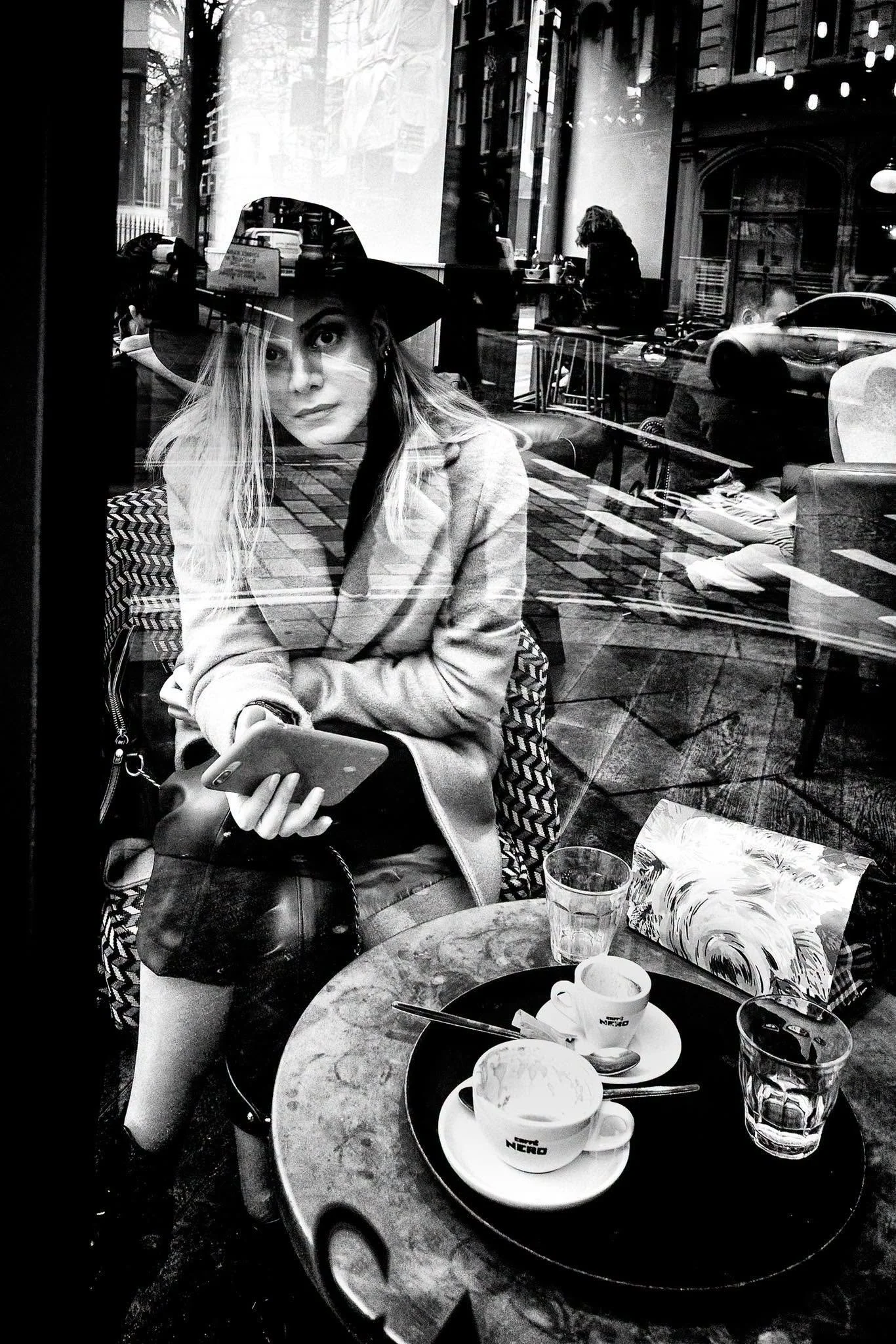
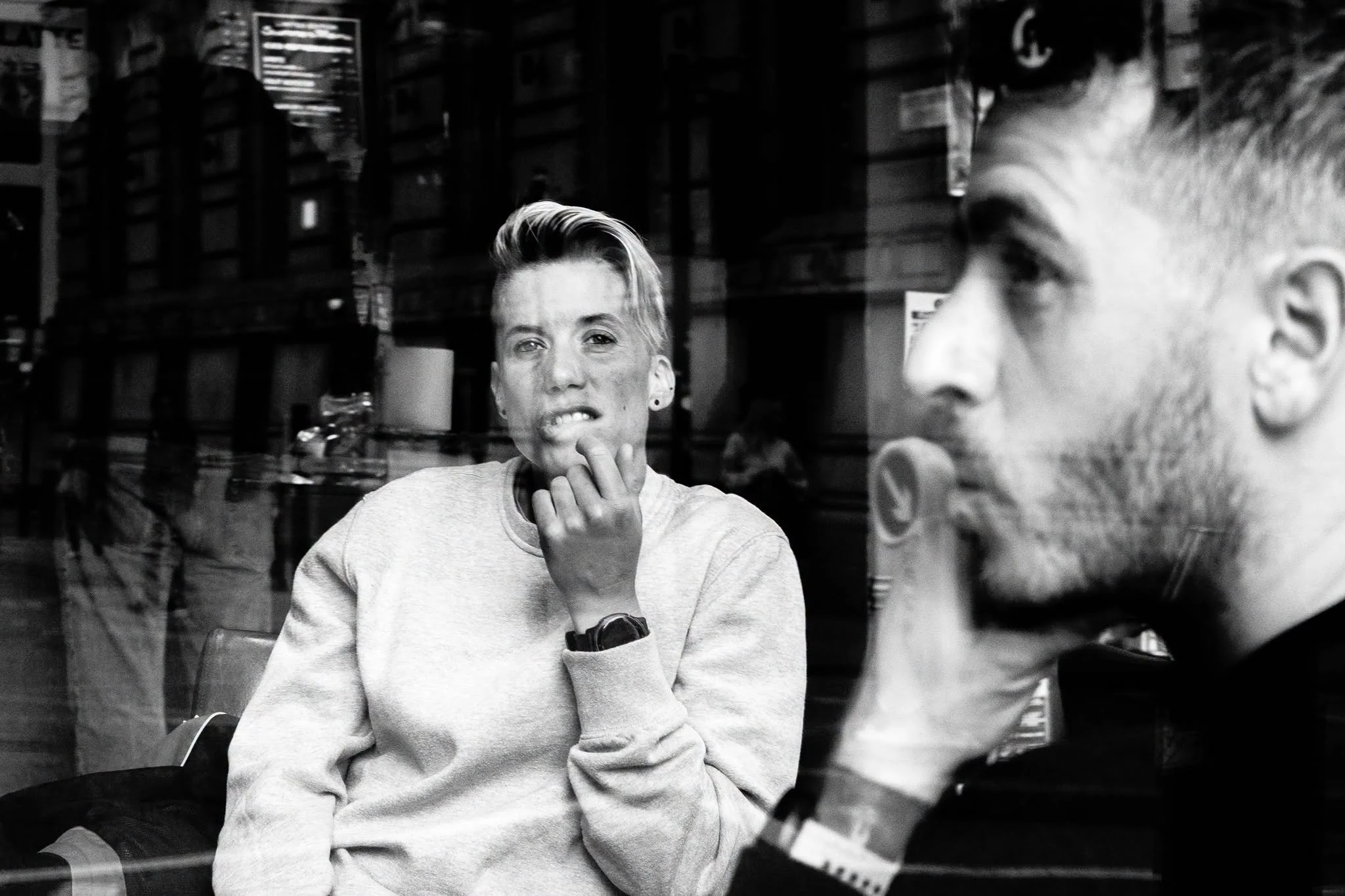
Trevor Gwin
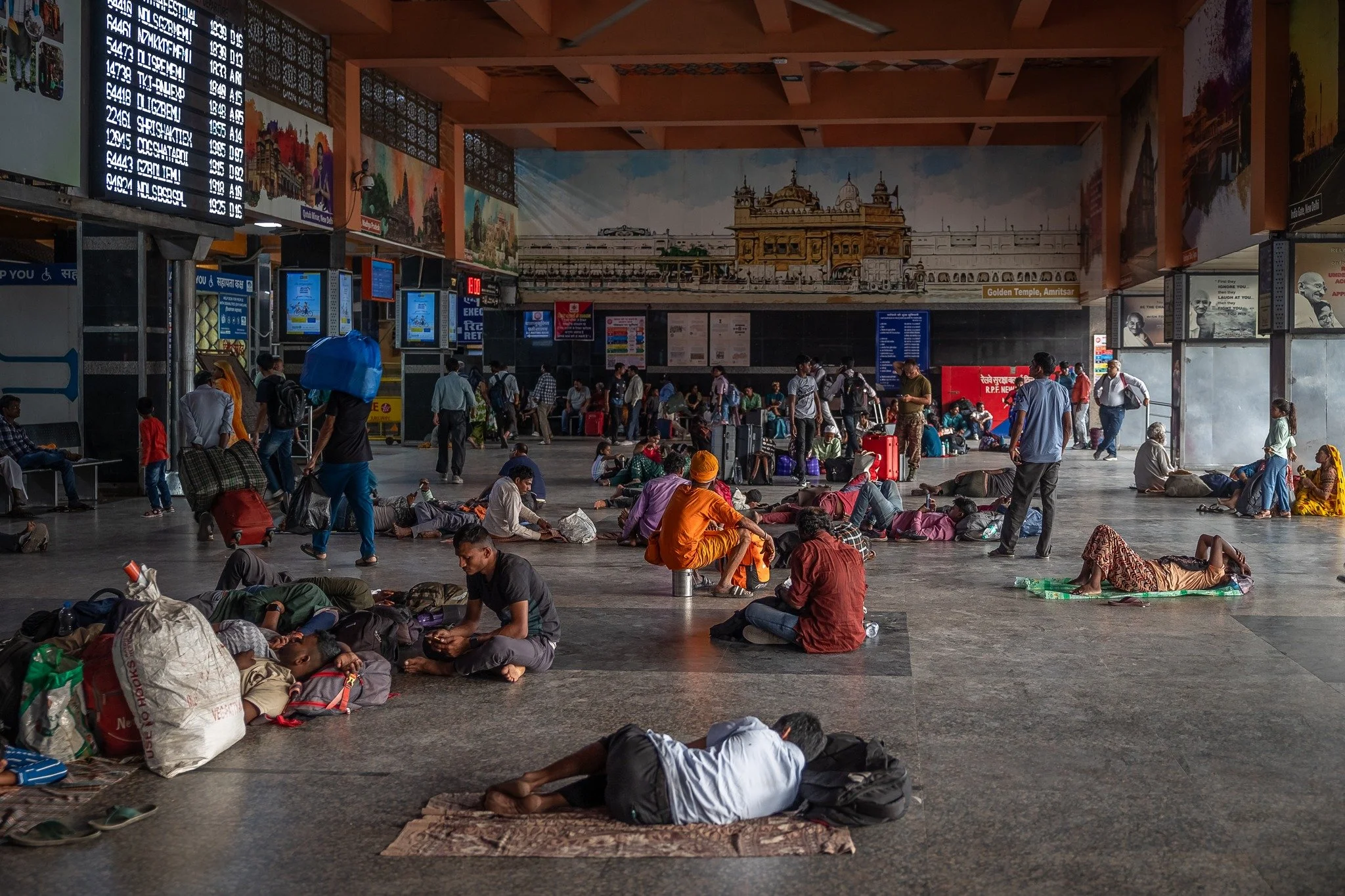
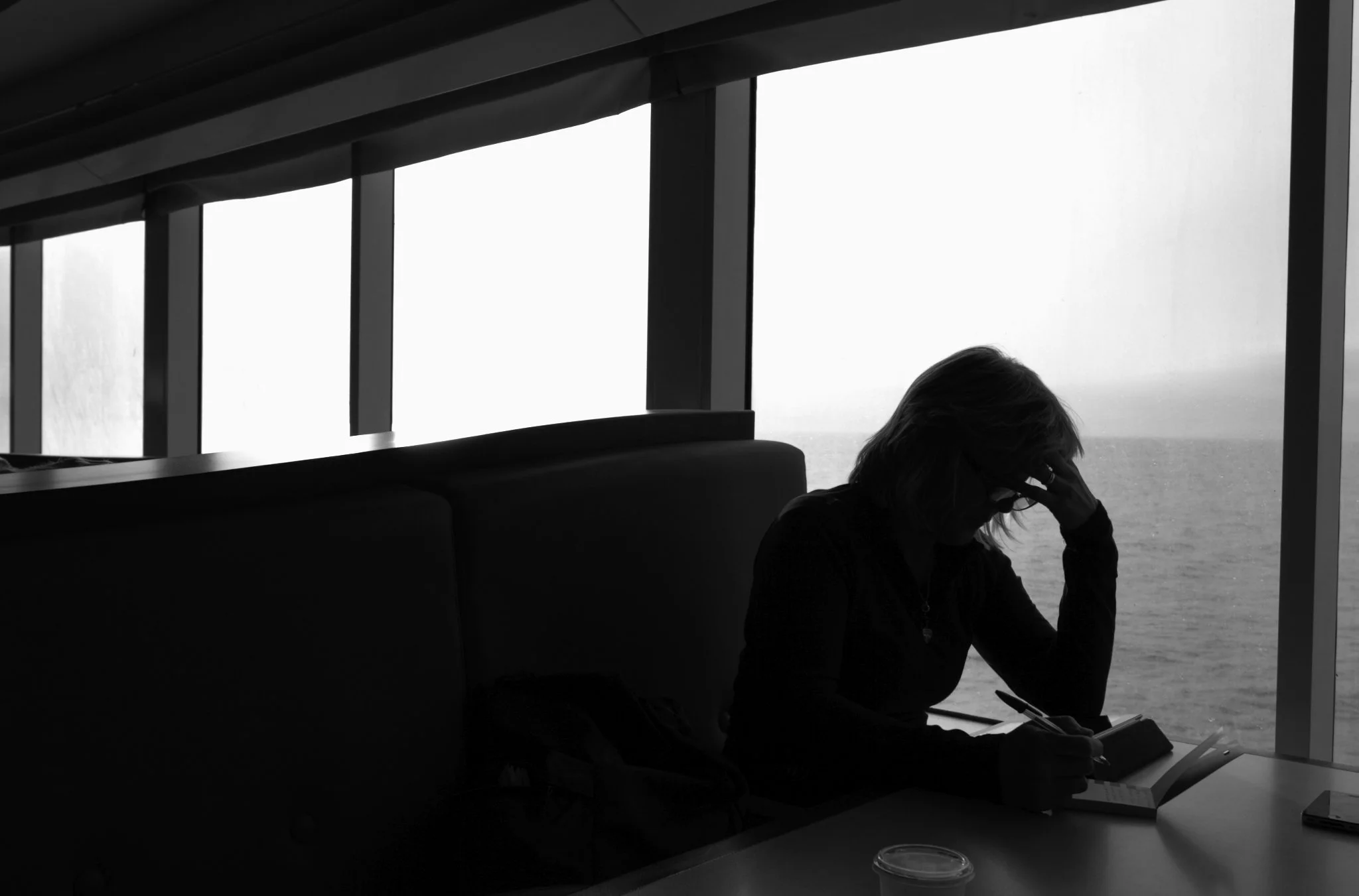
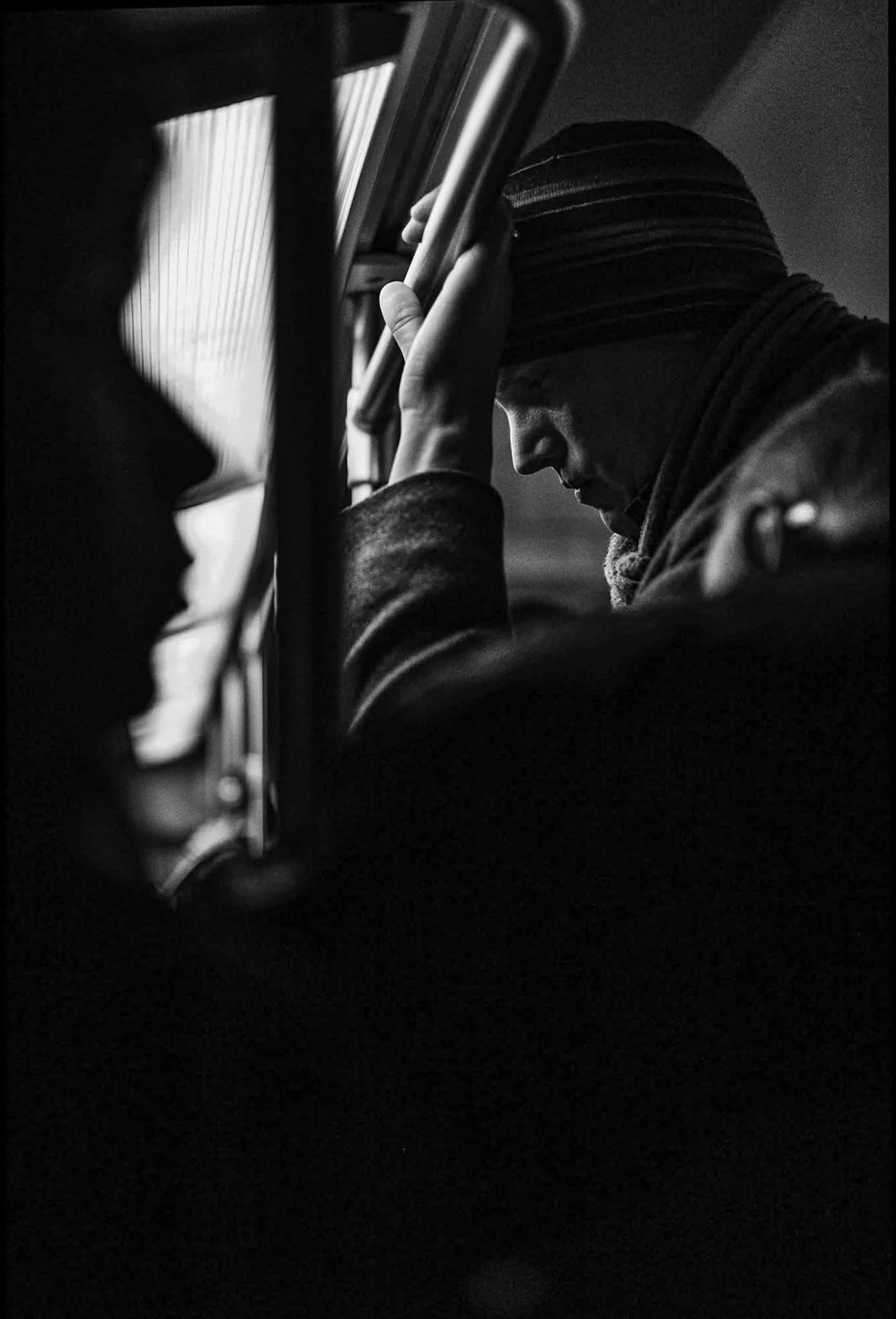
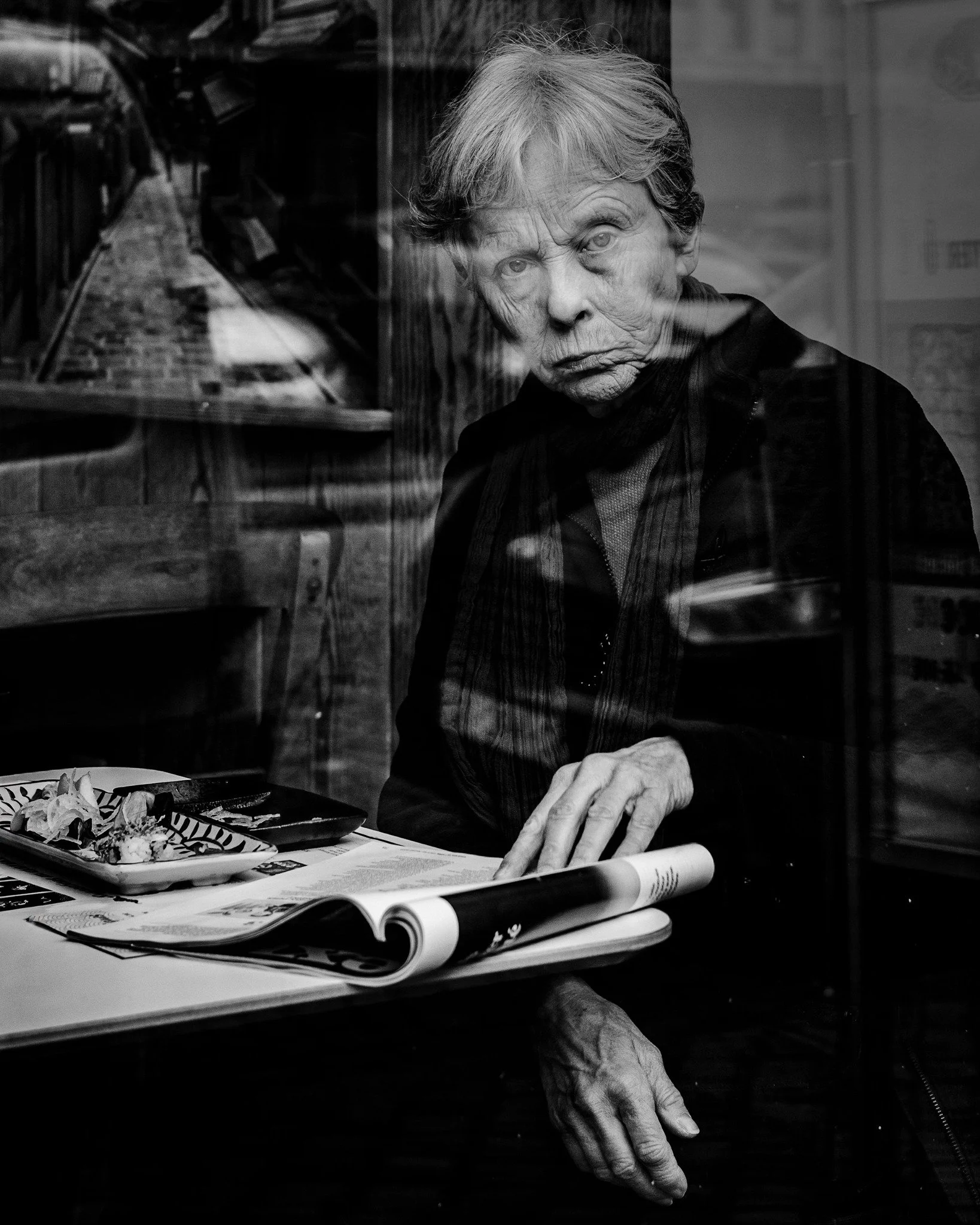
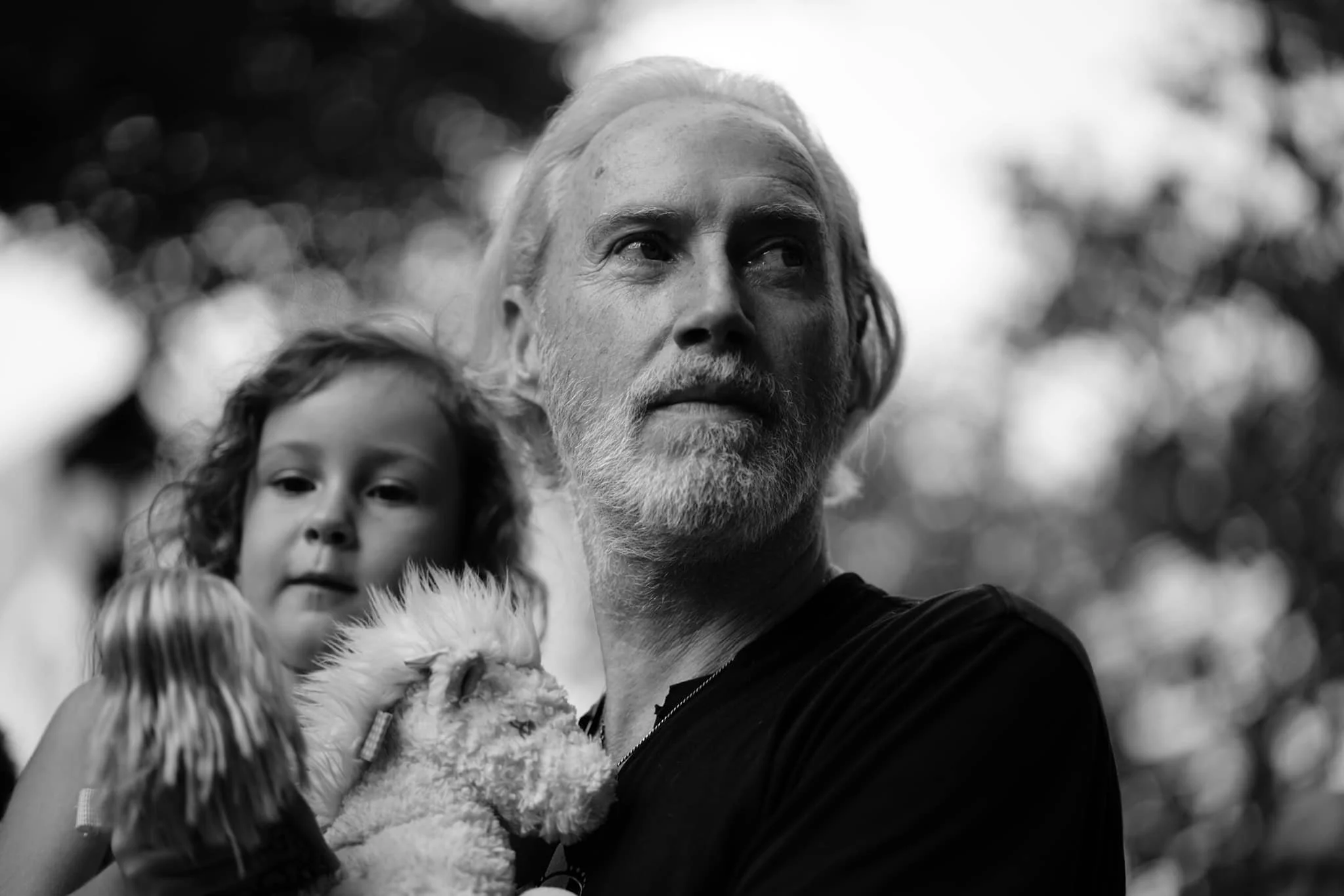
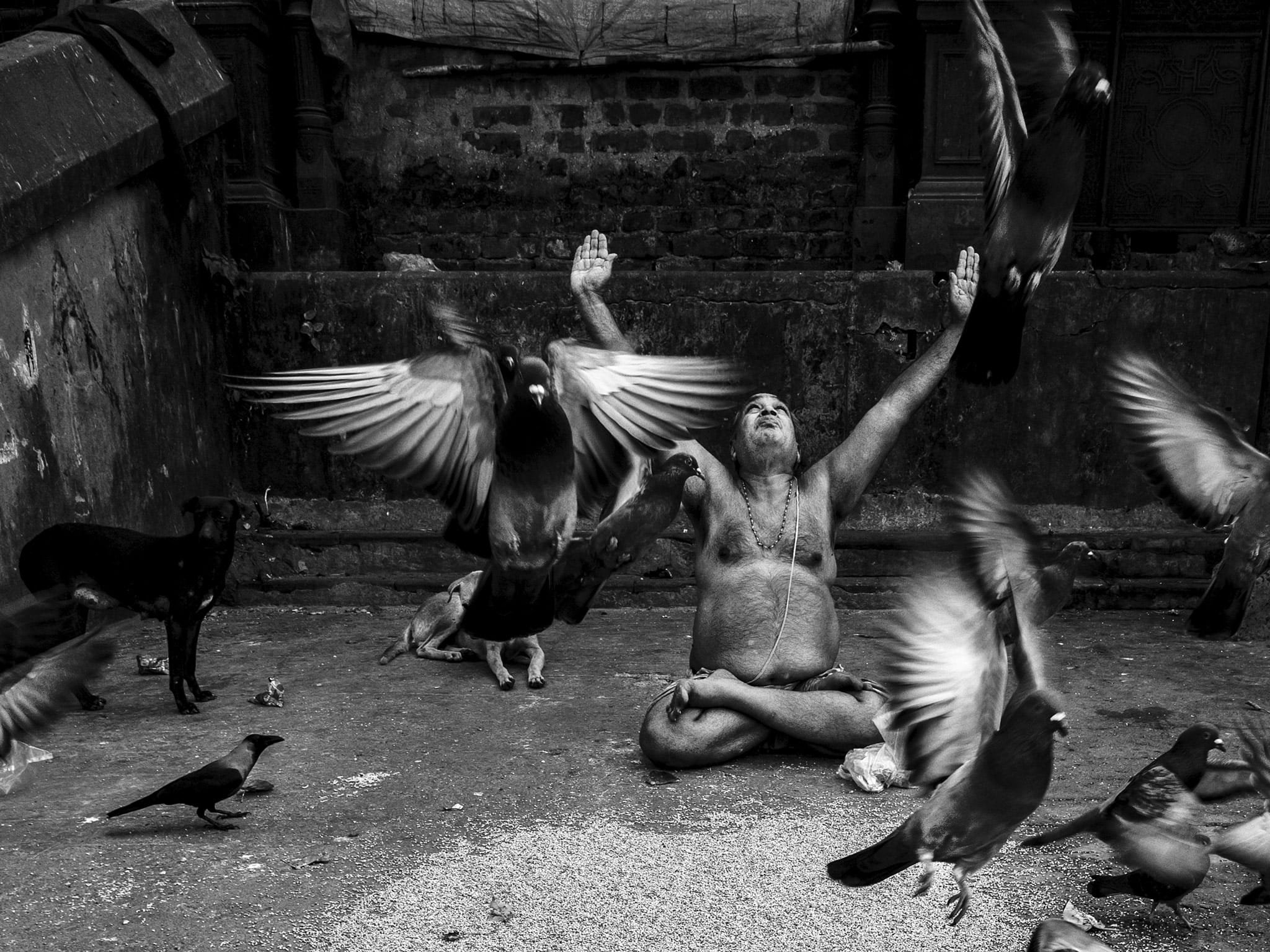
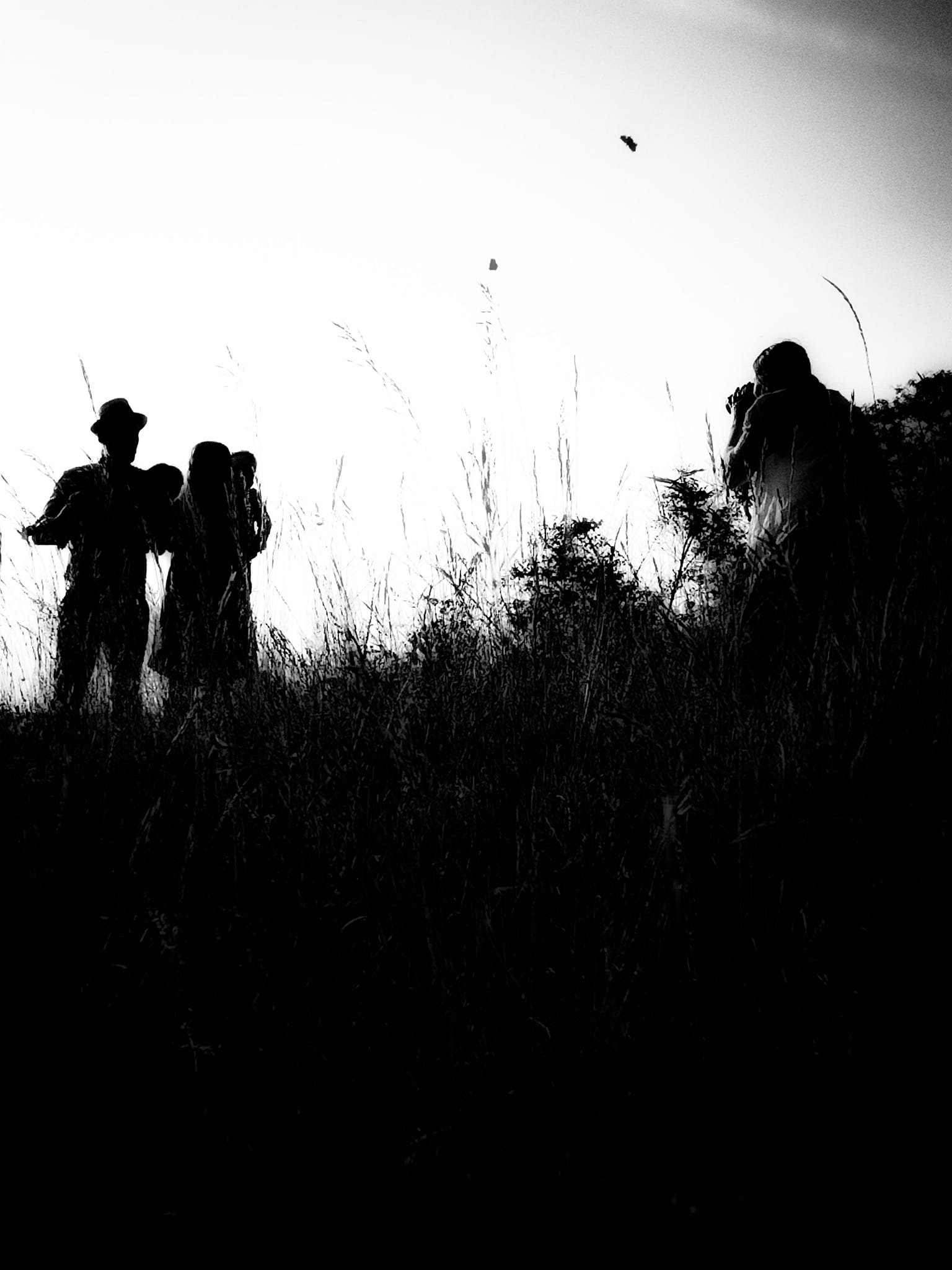
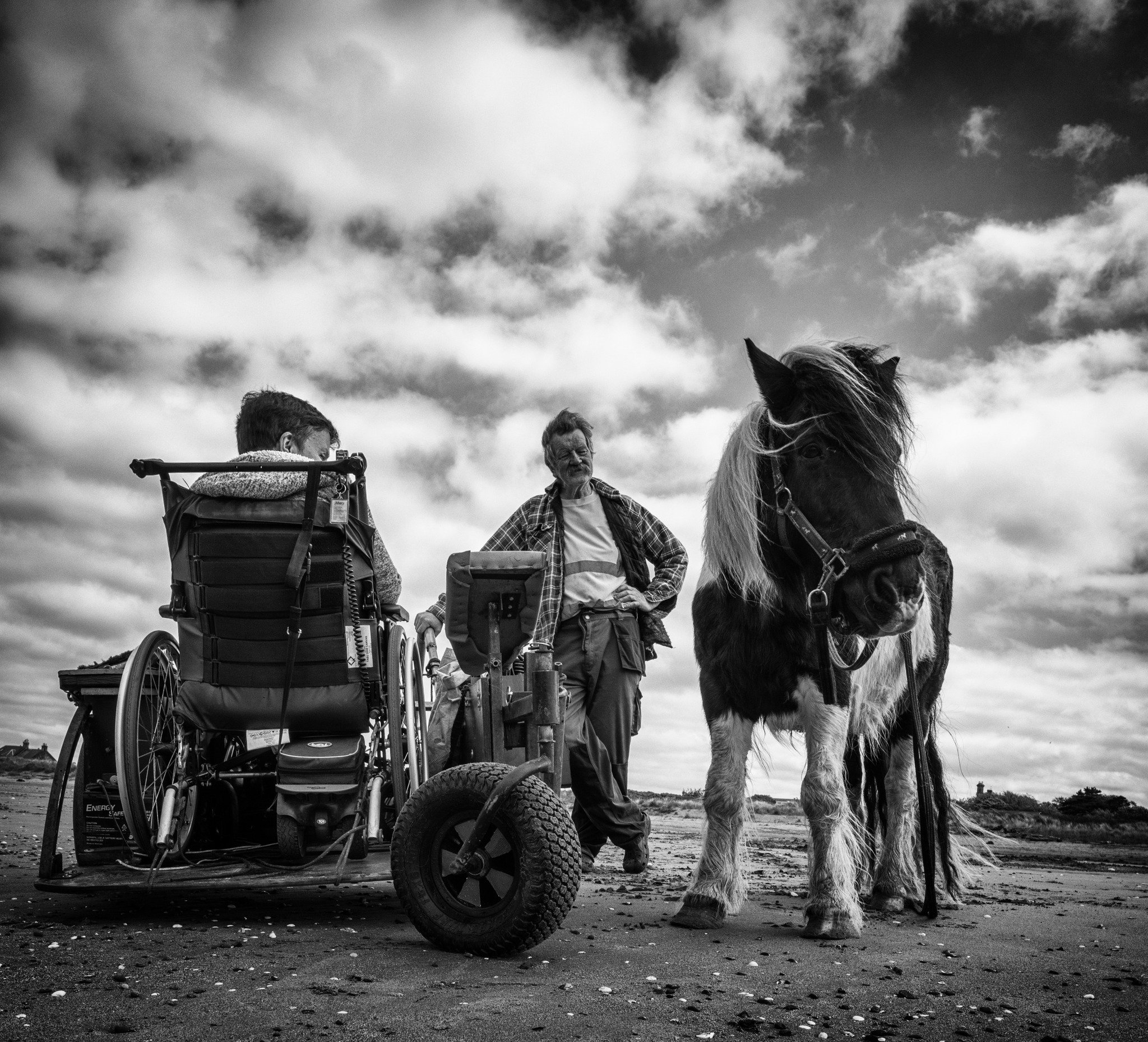
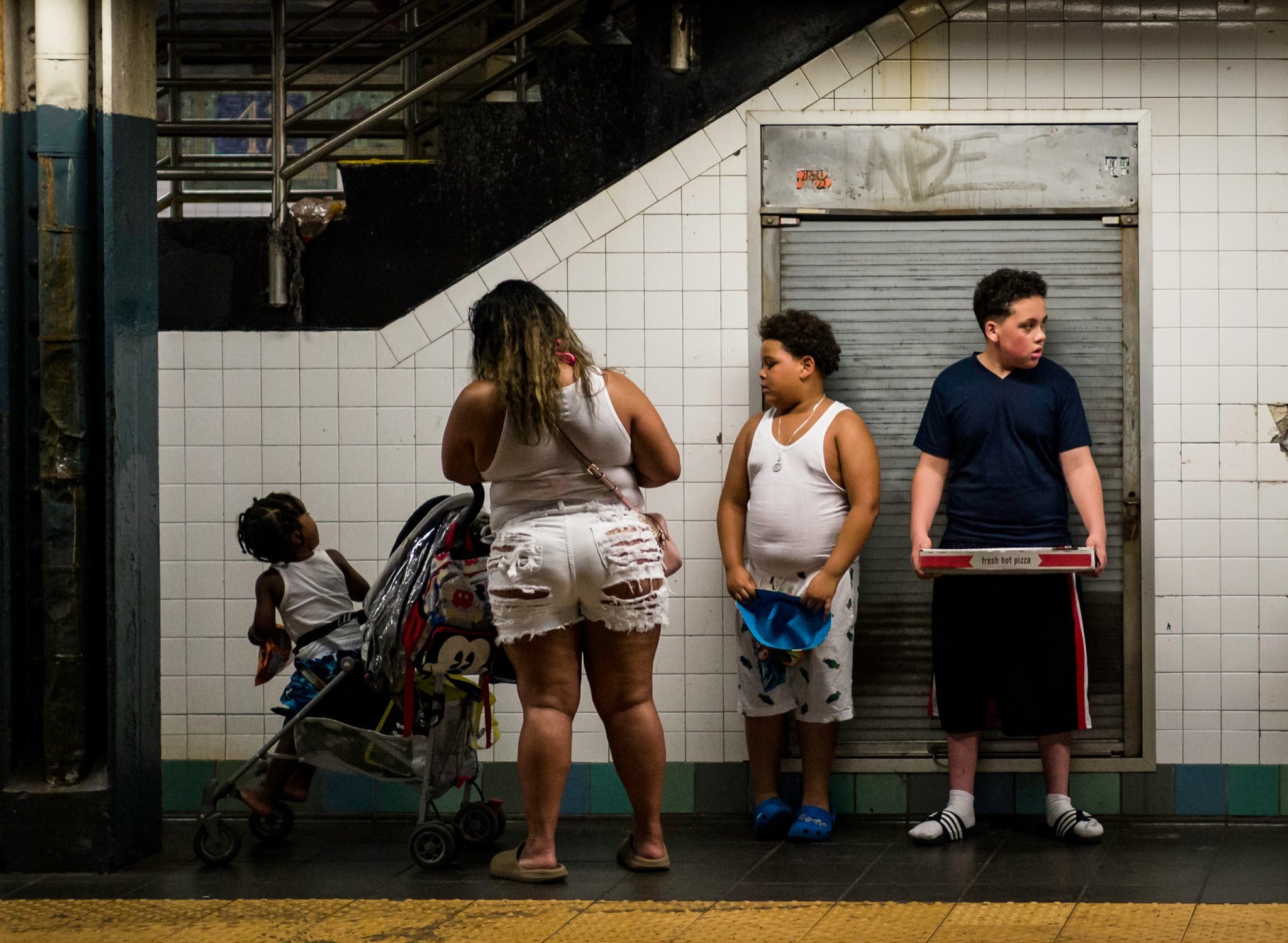
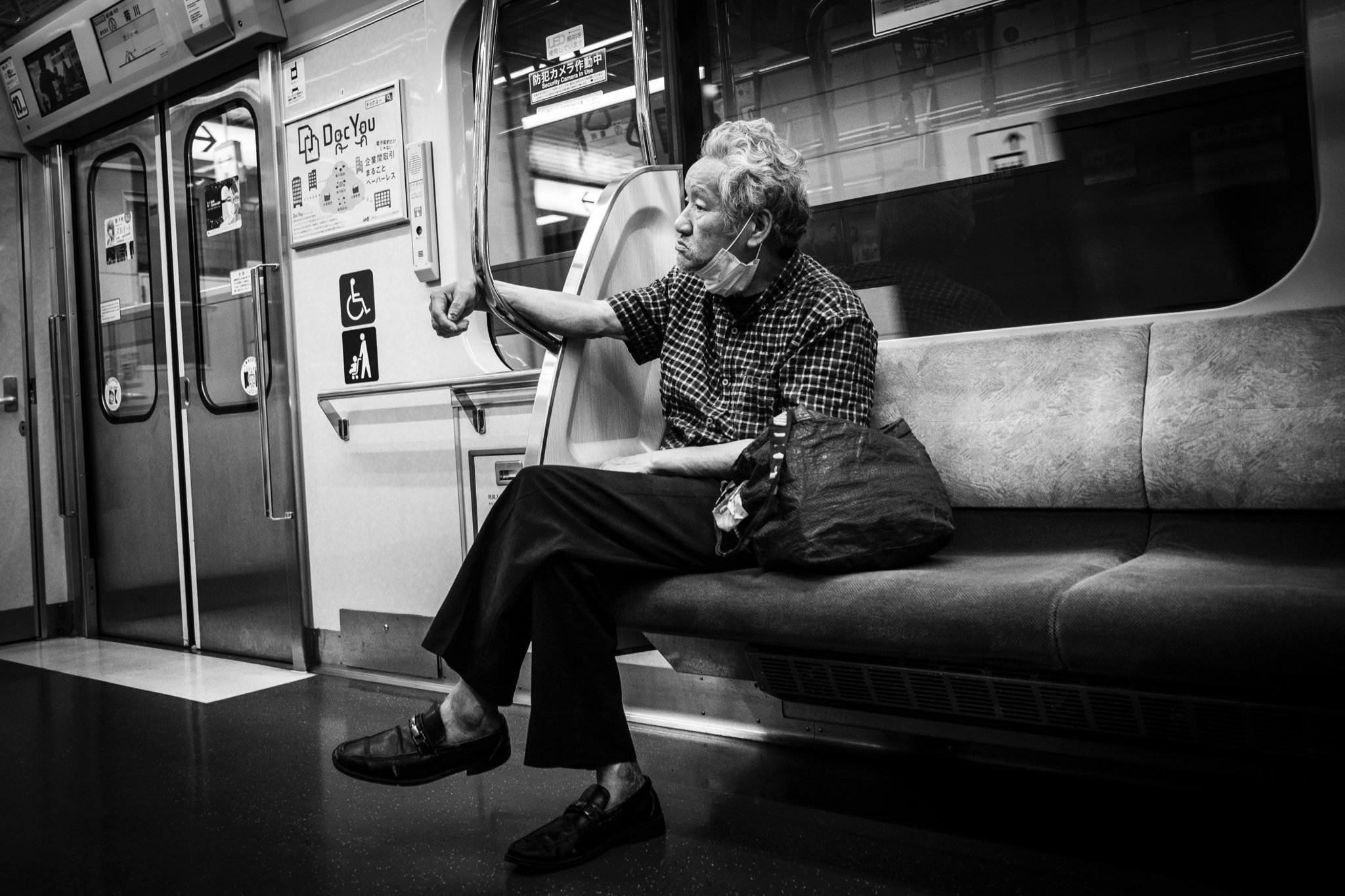
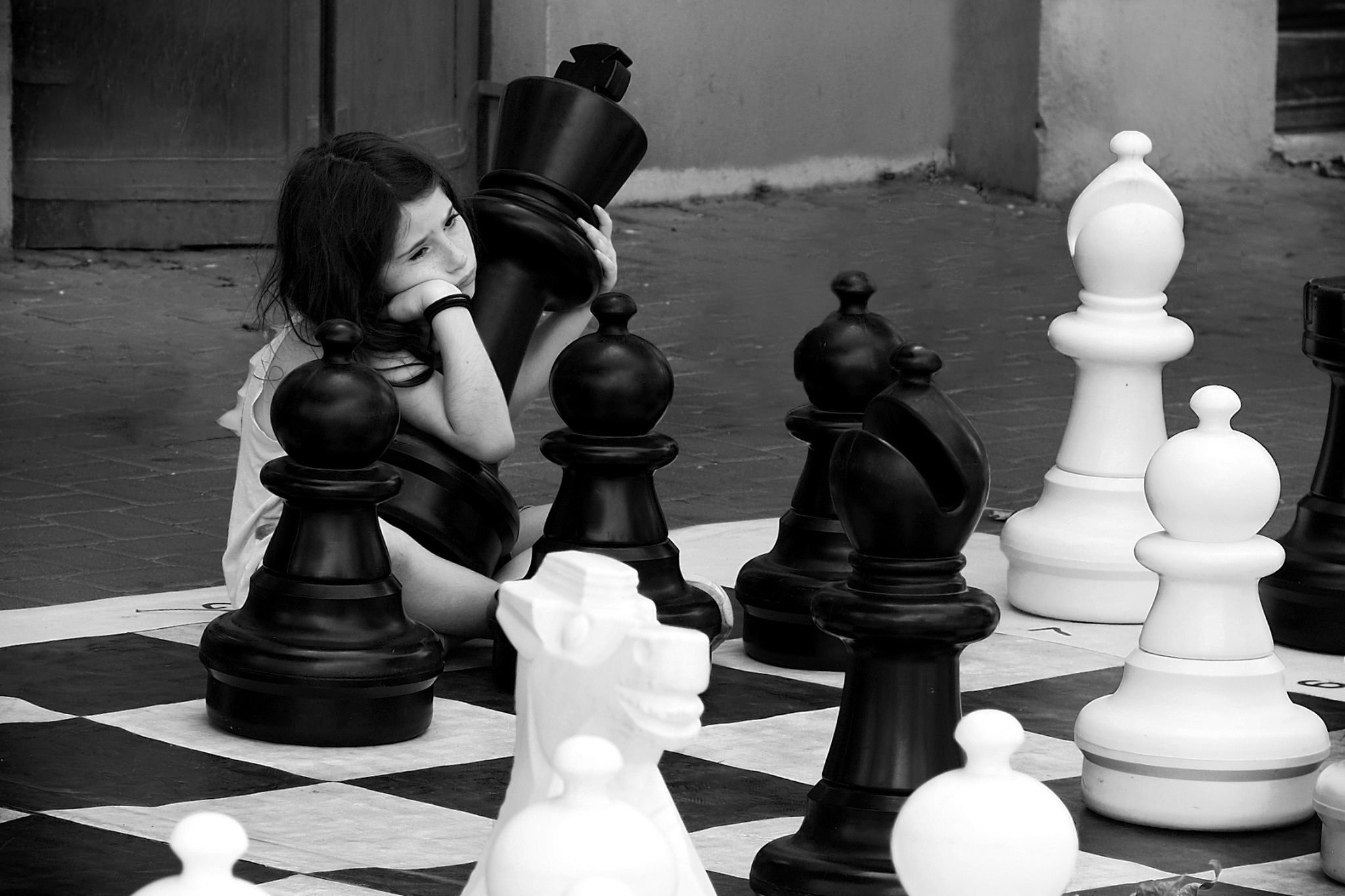
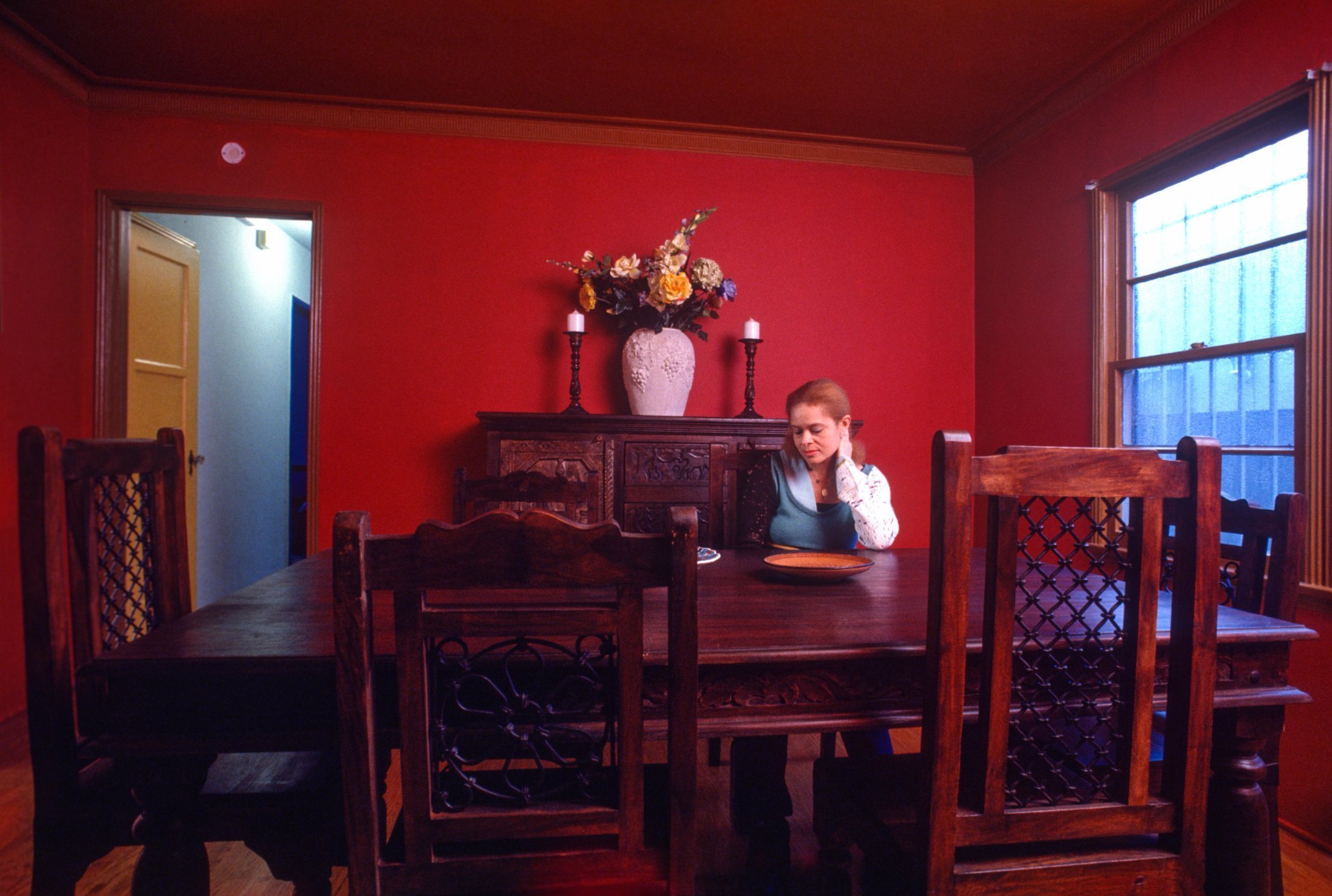
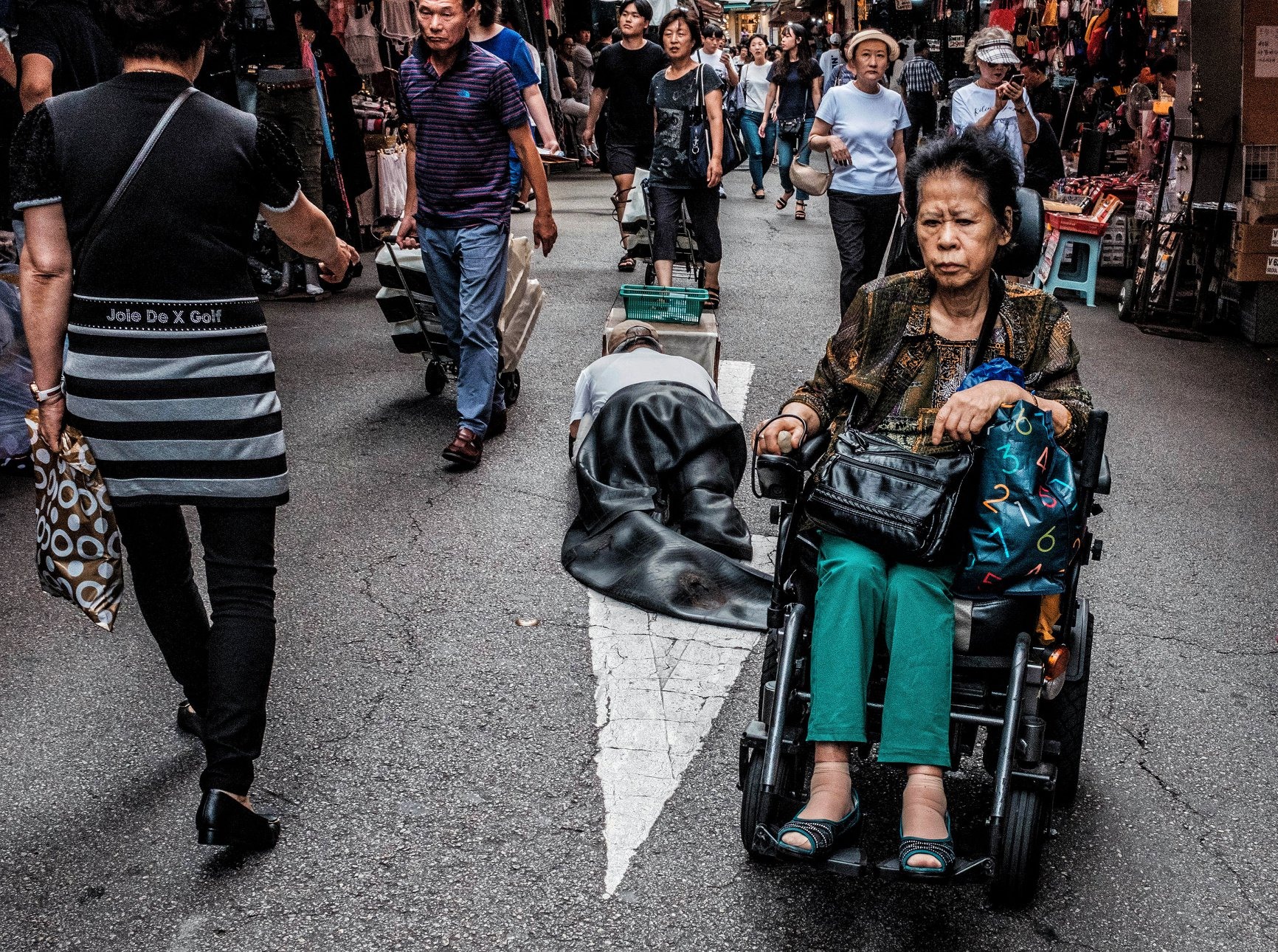
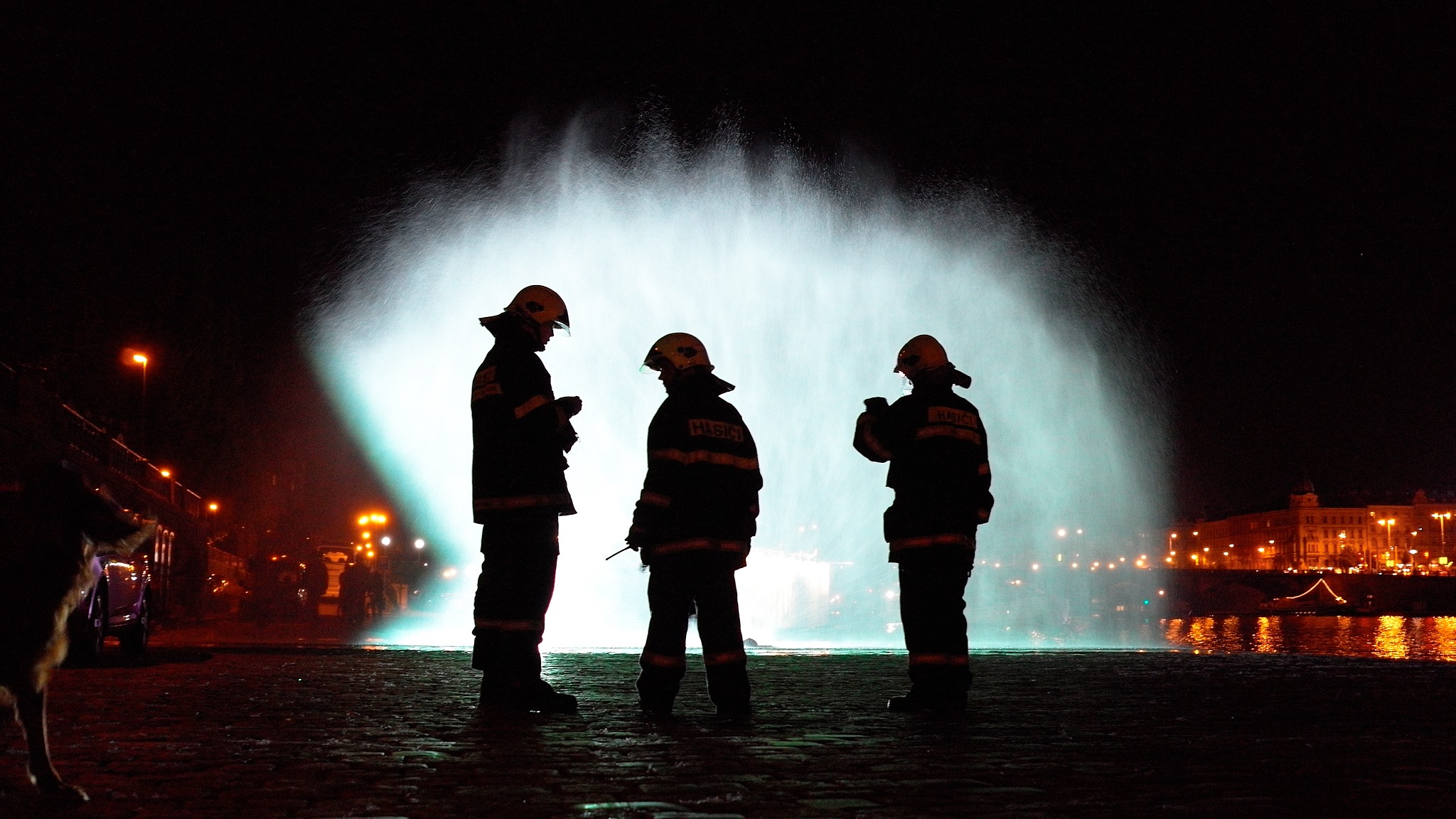
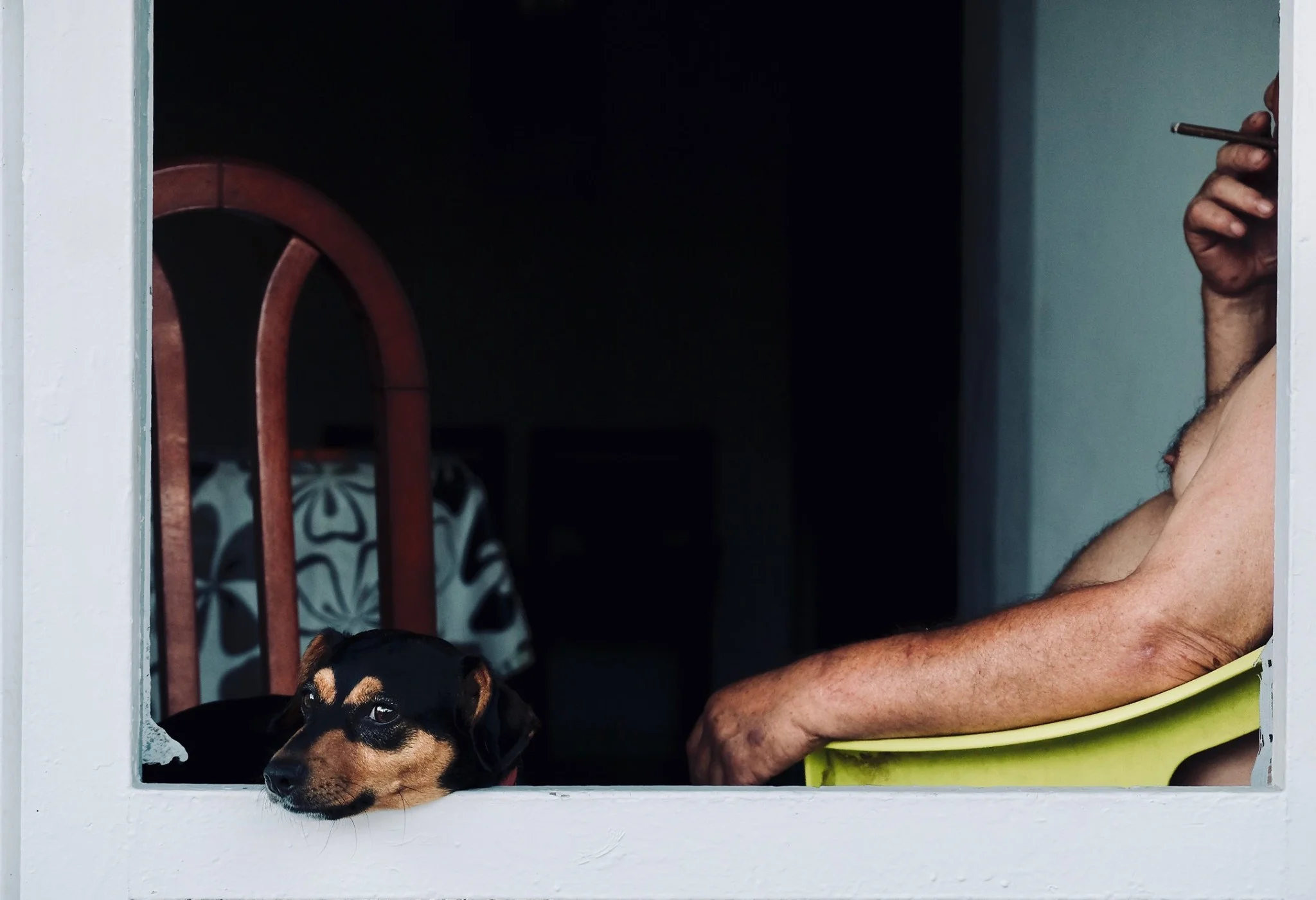
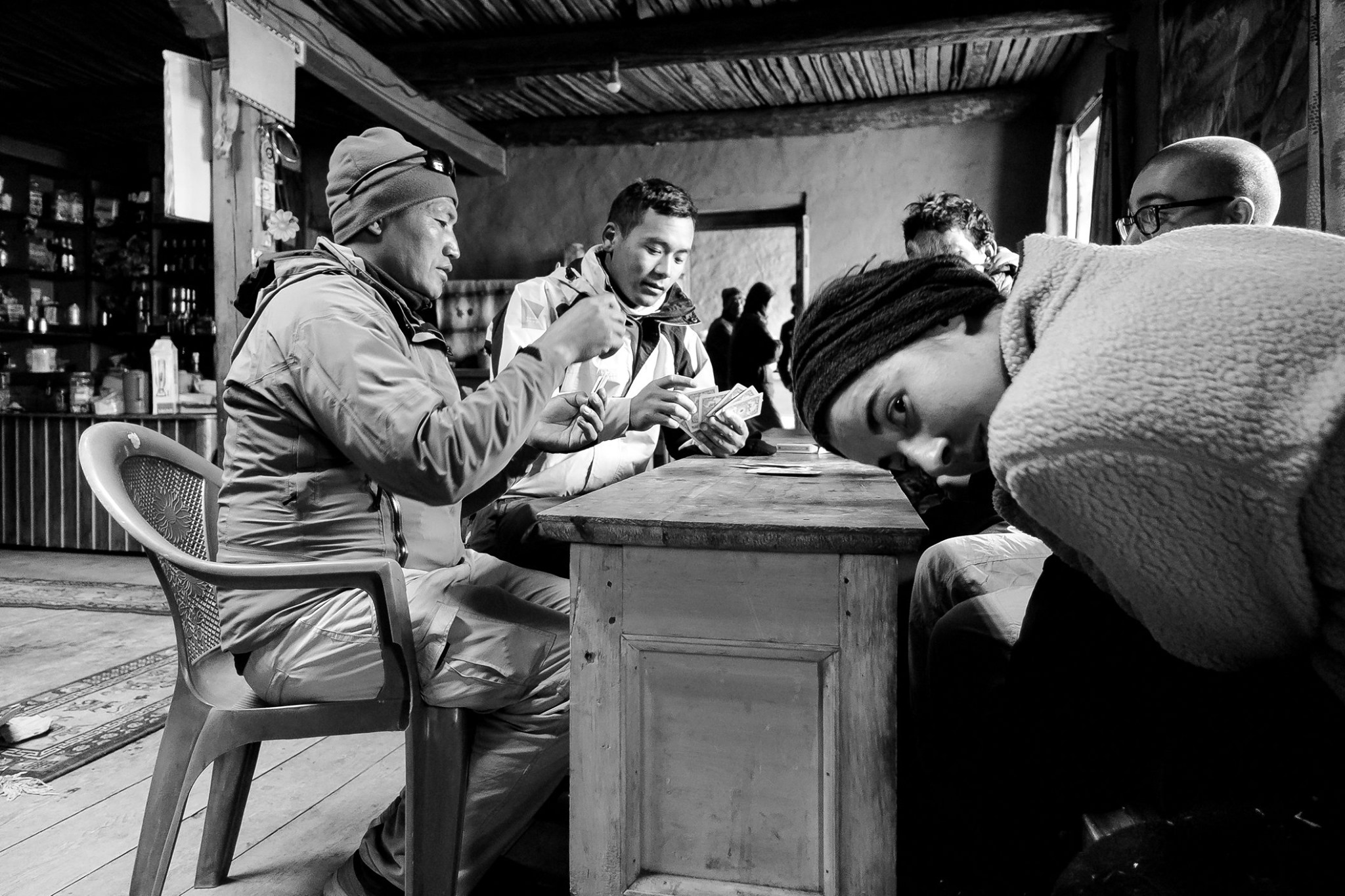
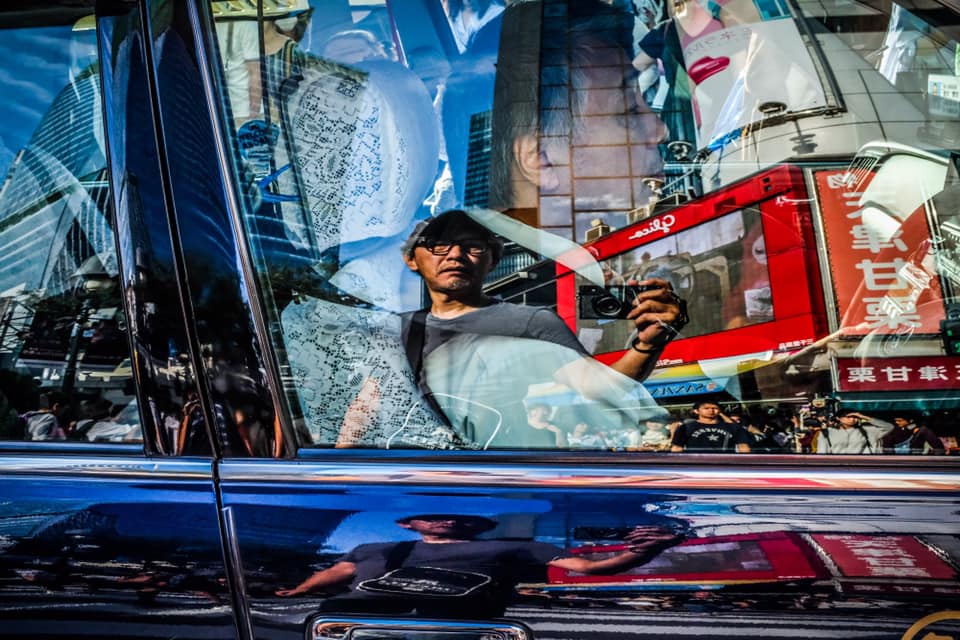
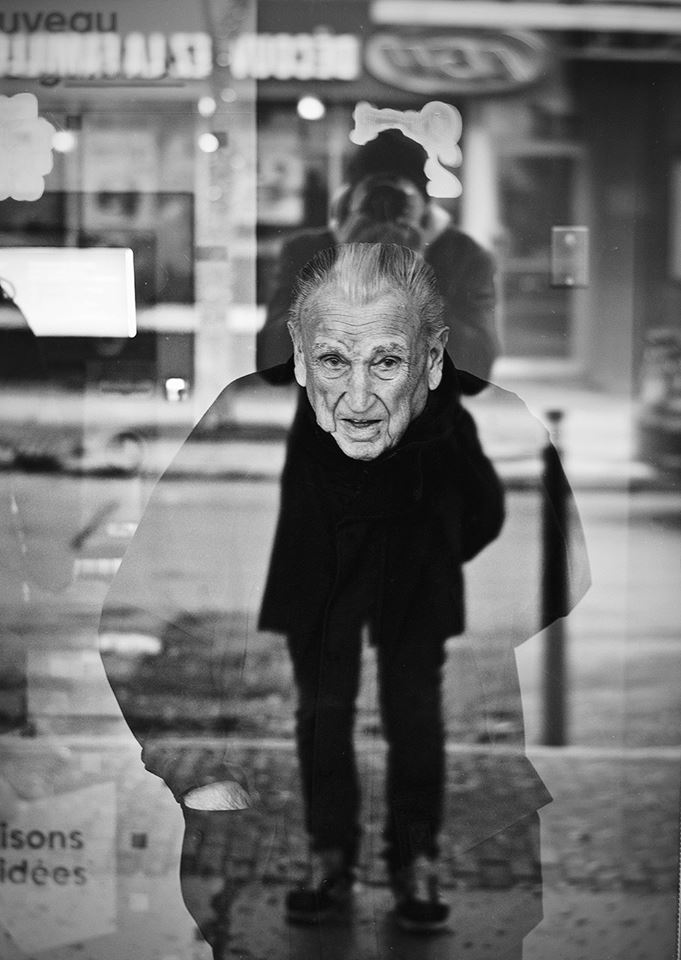
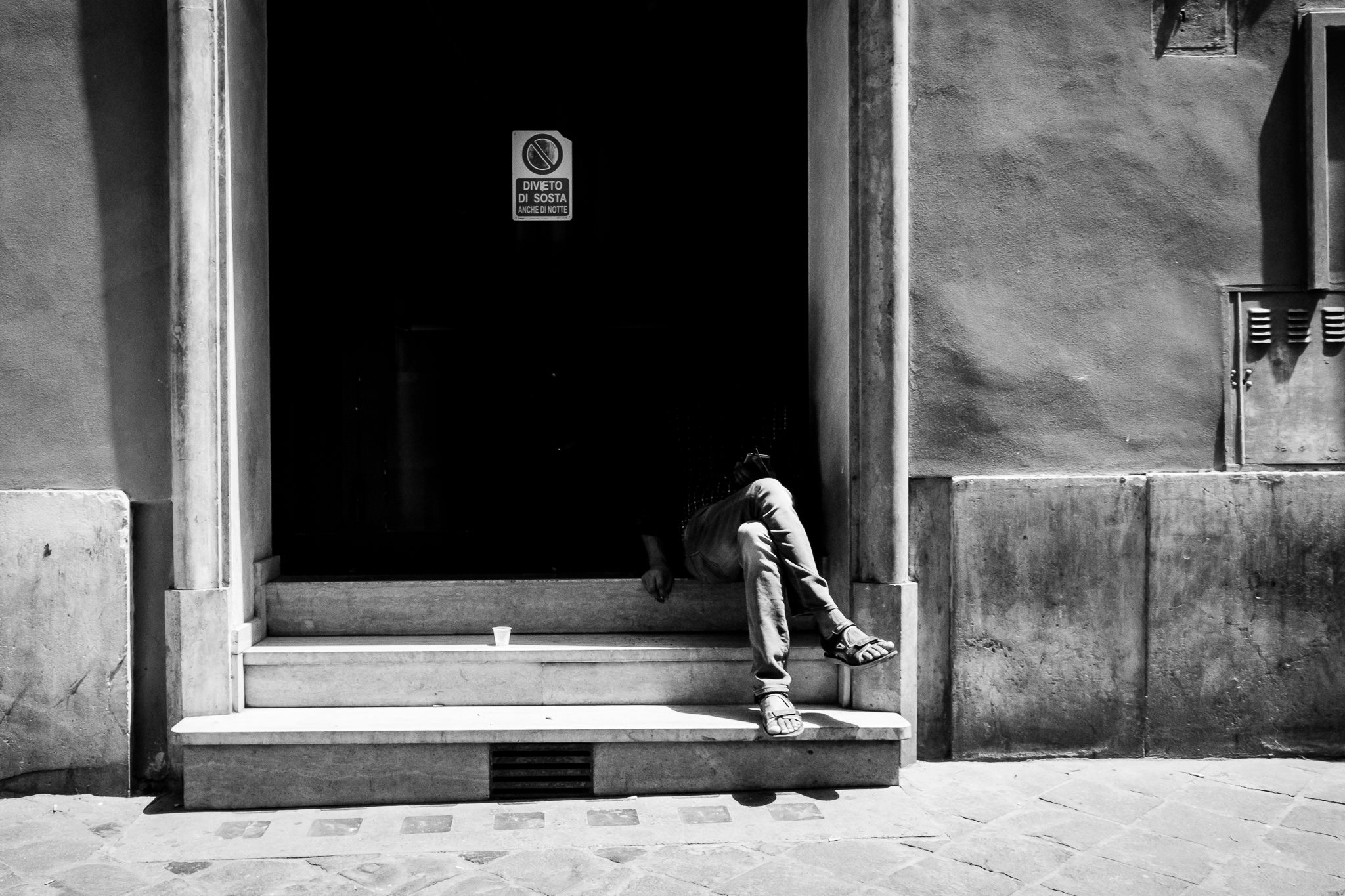
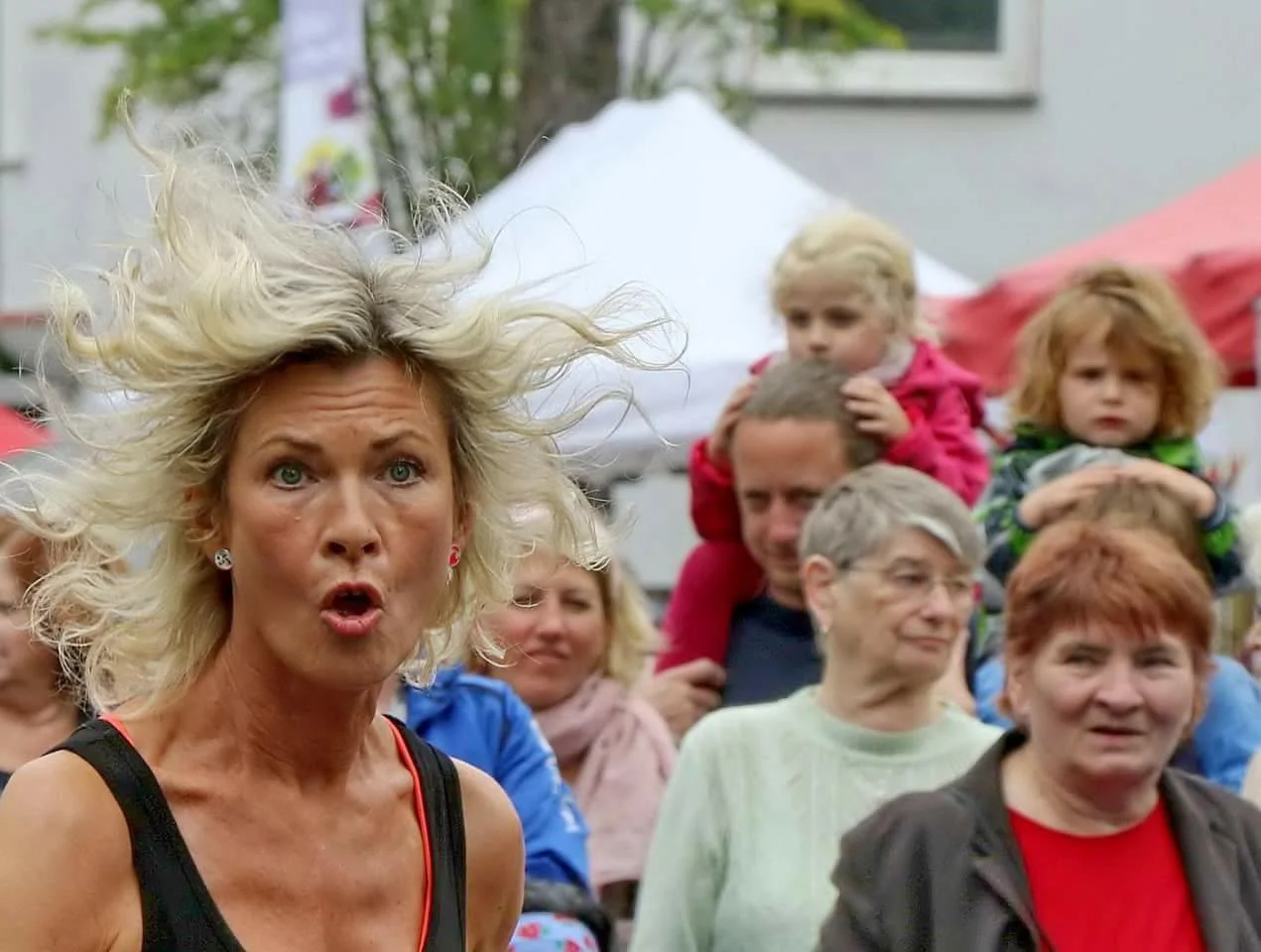
The names listed here belong to photographers who frequently return to my attention. While my choices may be influenced by personal taste, I believe these individuals are not only very talented but also have strong personalities. Each one has chosen a theme through which to express themselves.
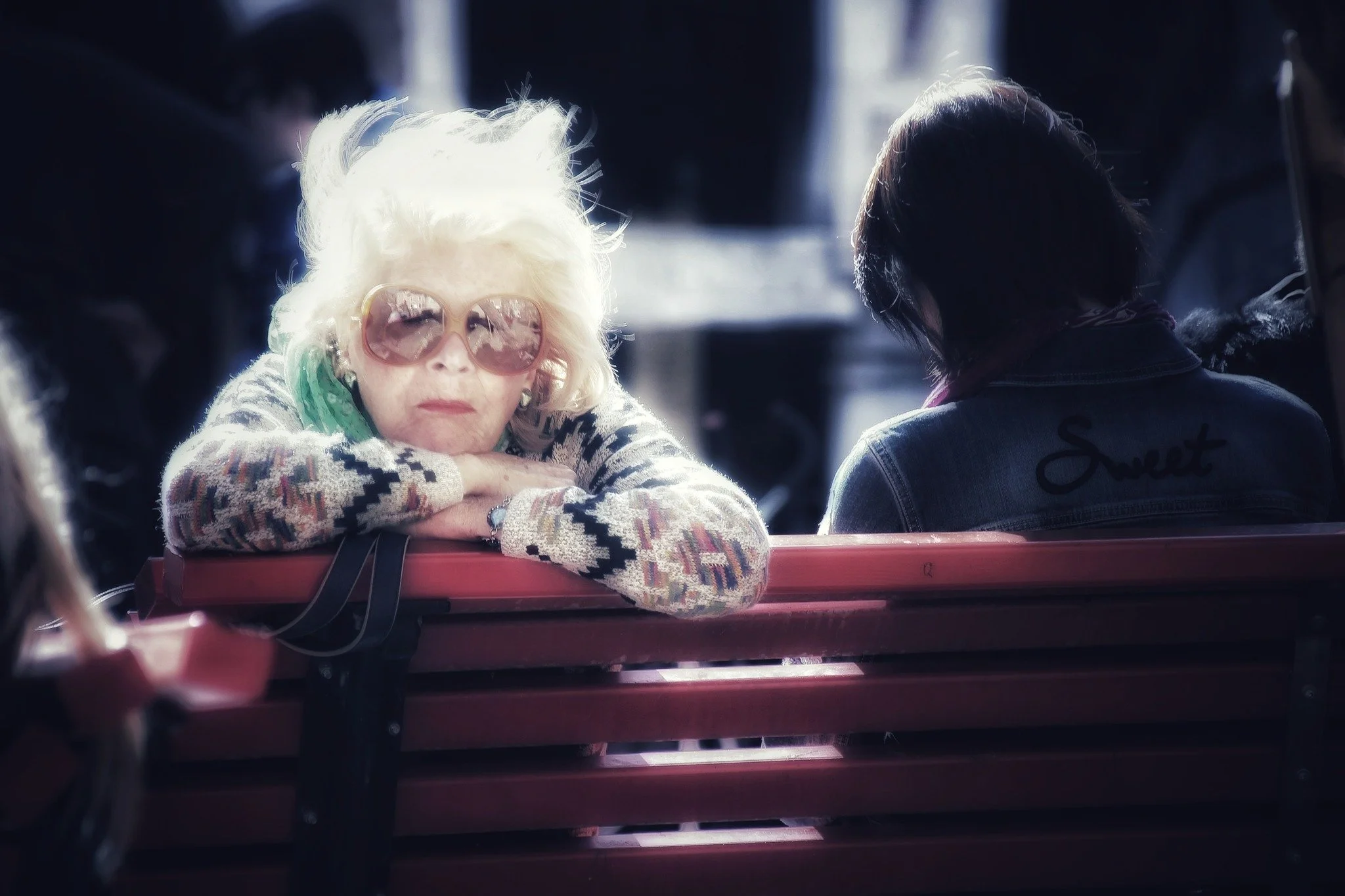
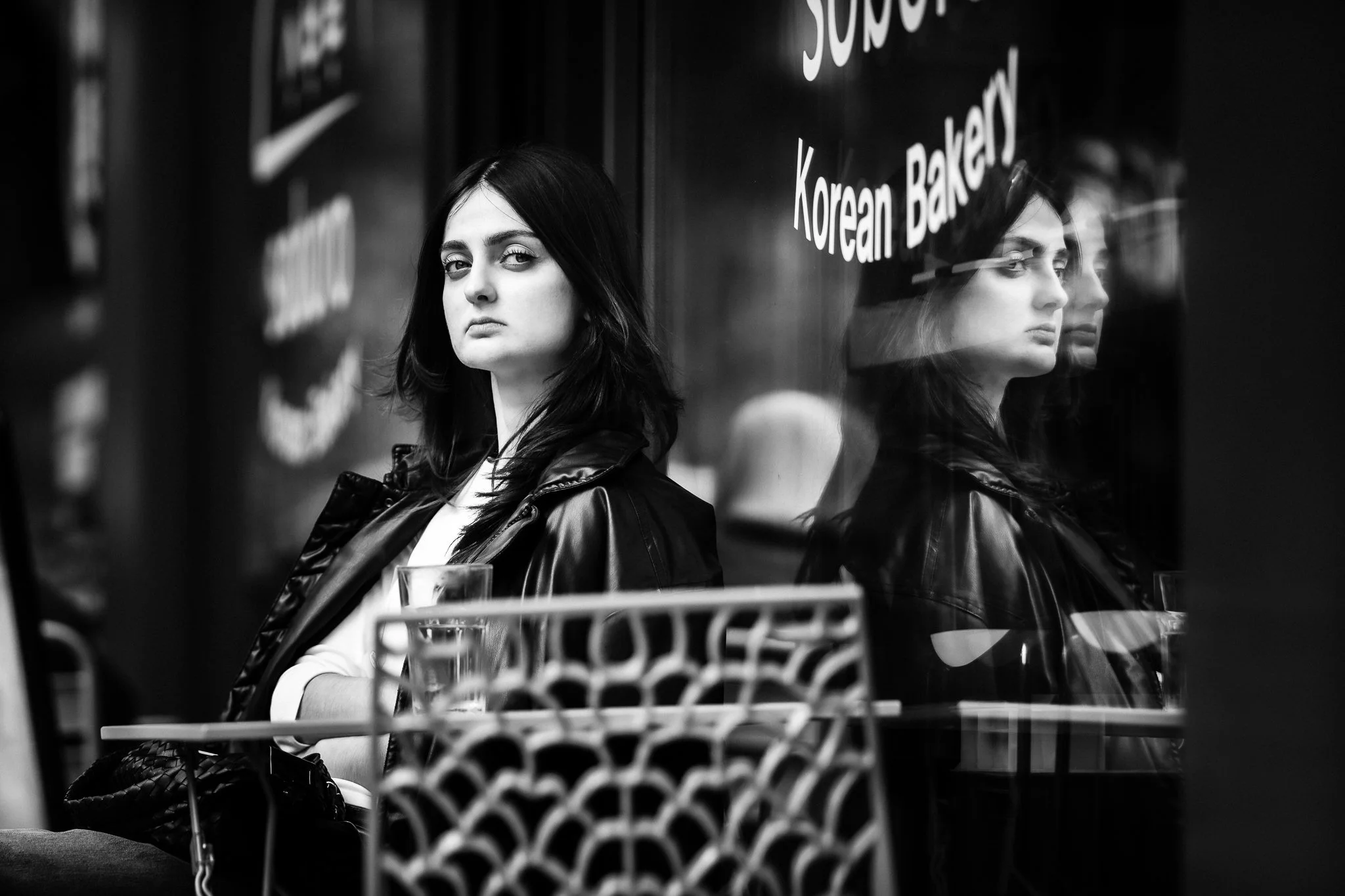
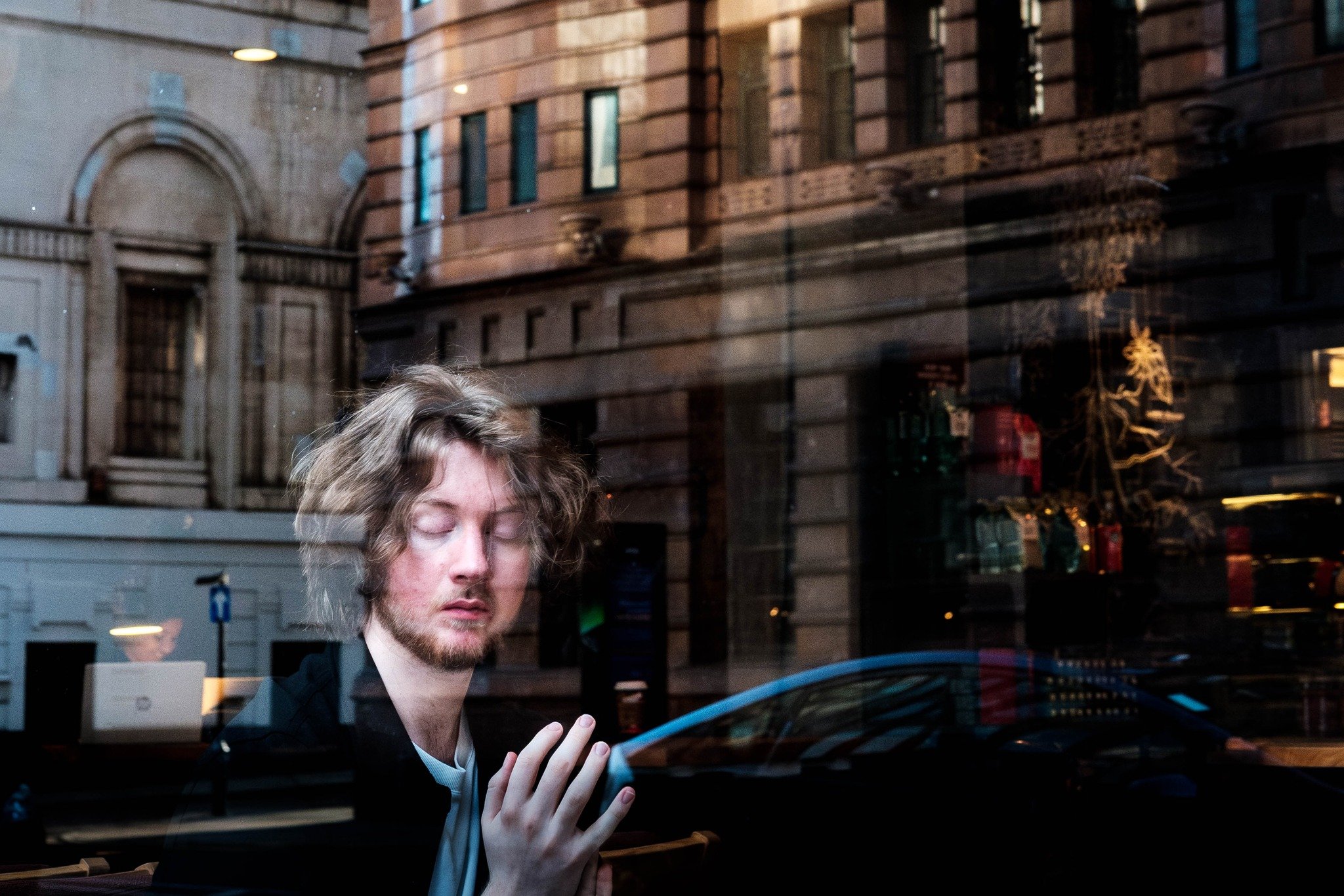
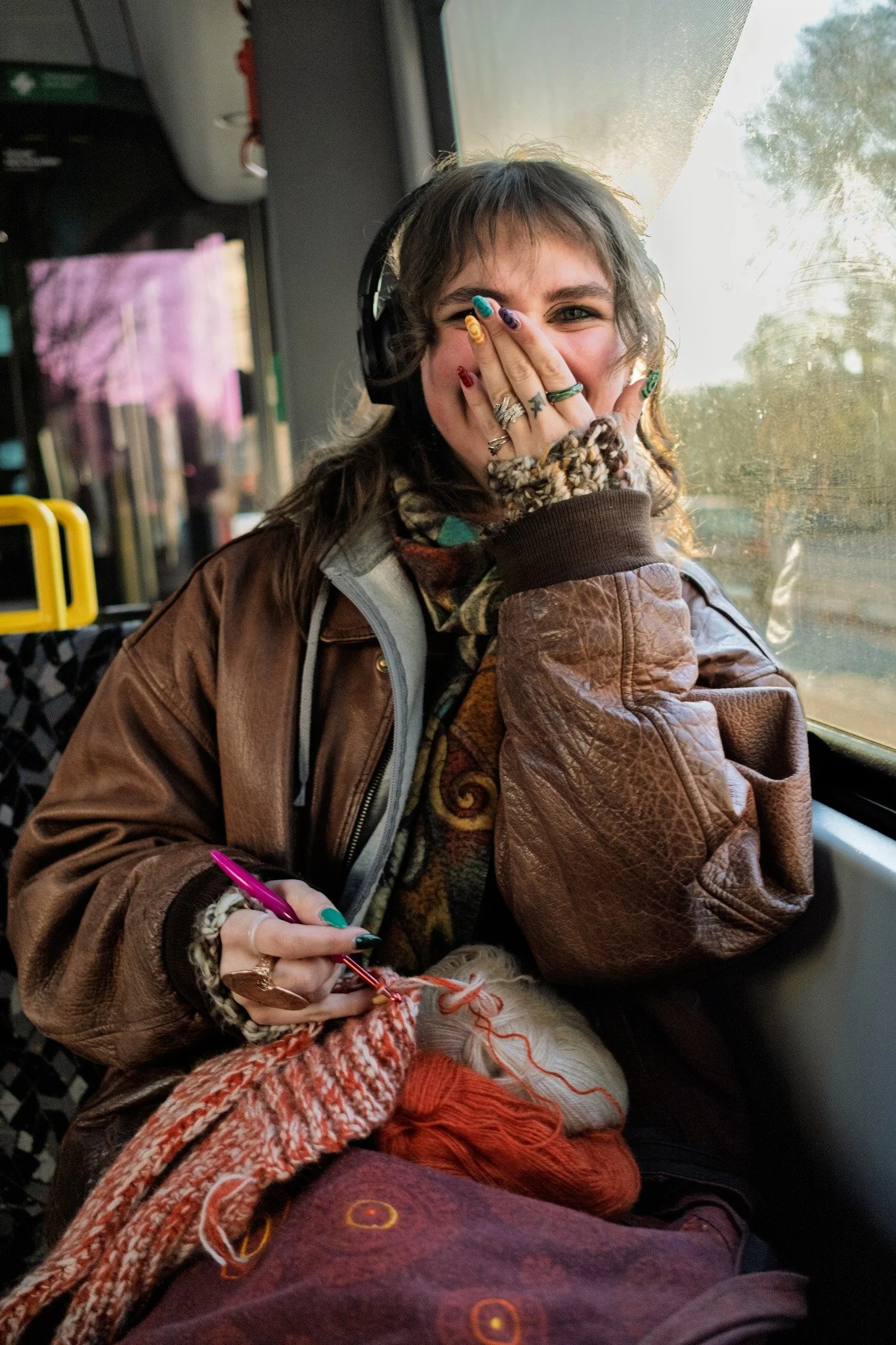
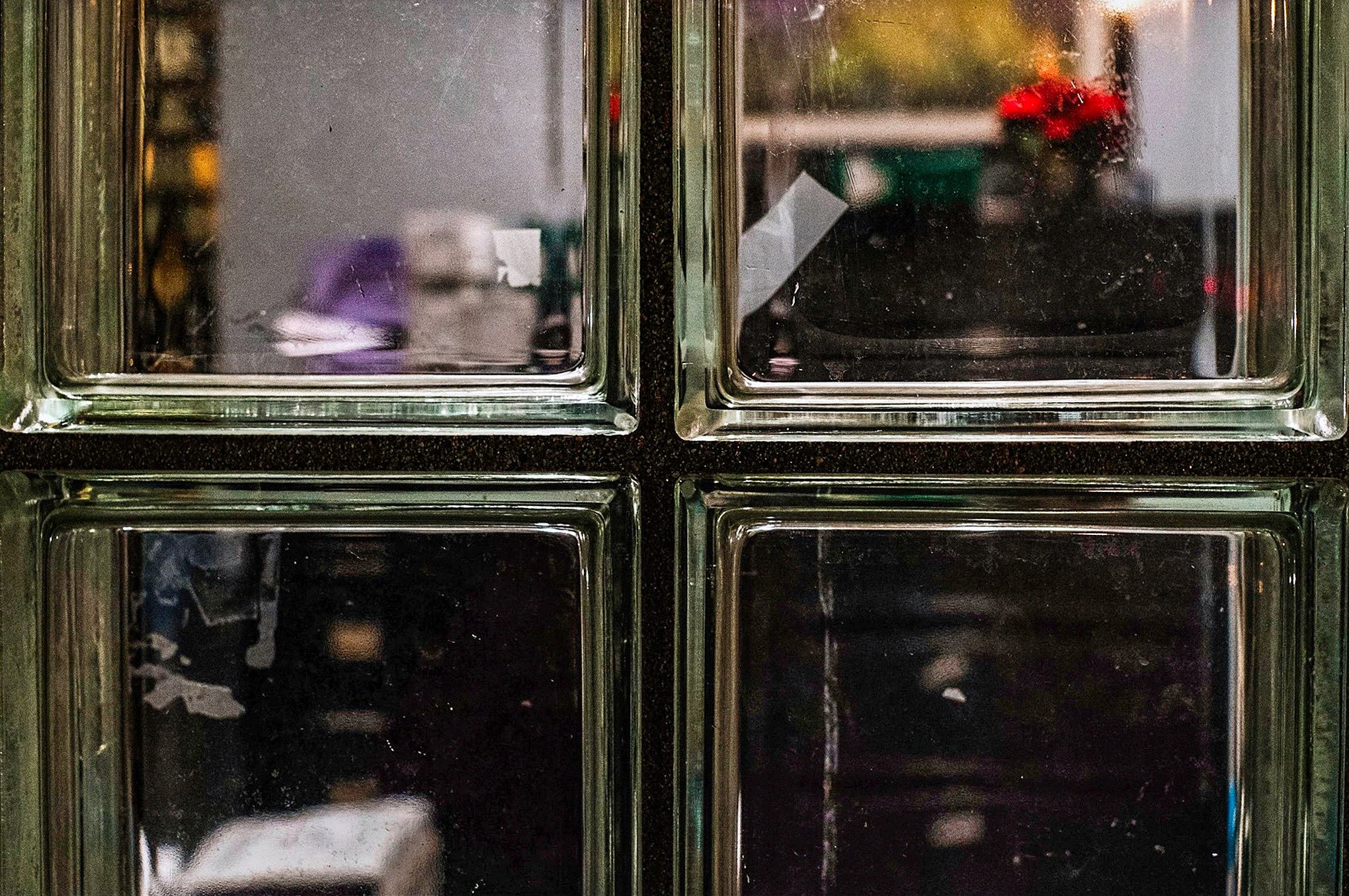
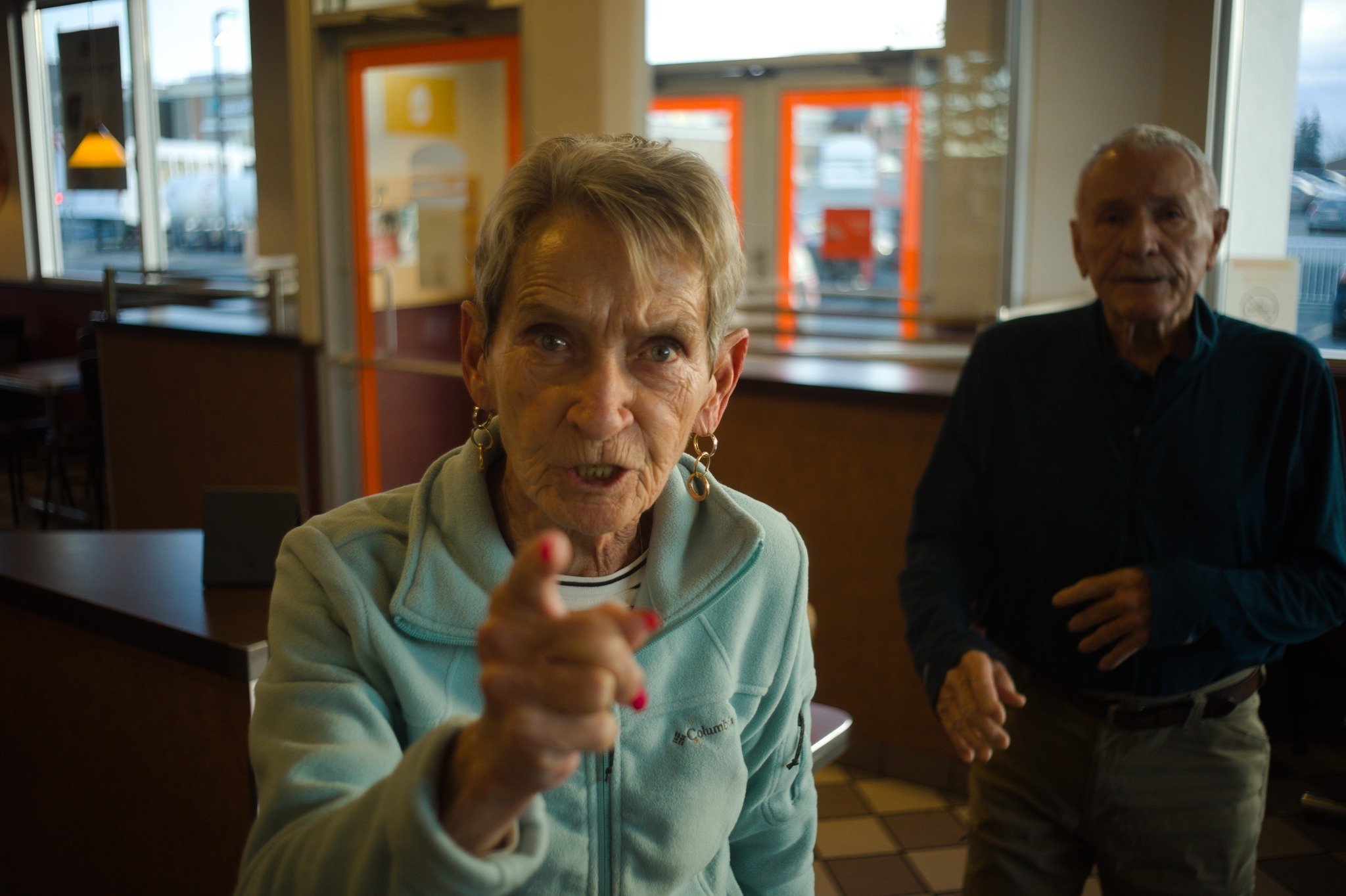
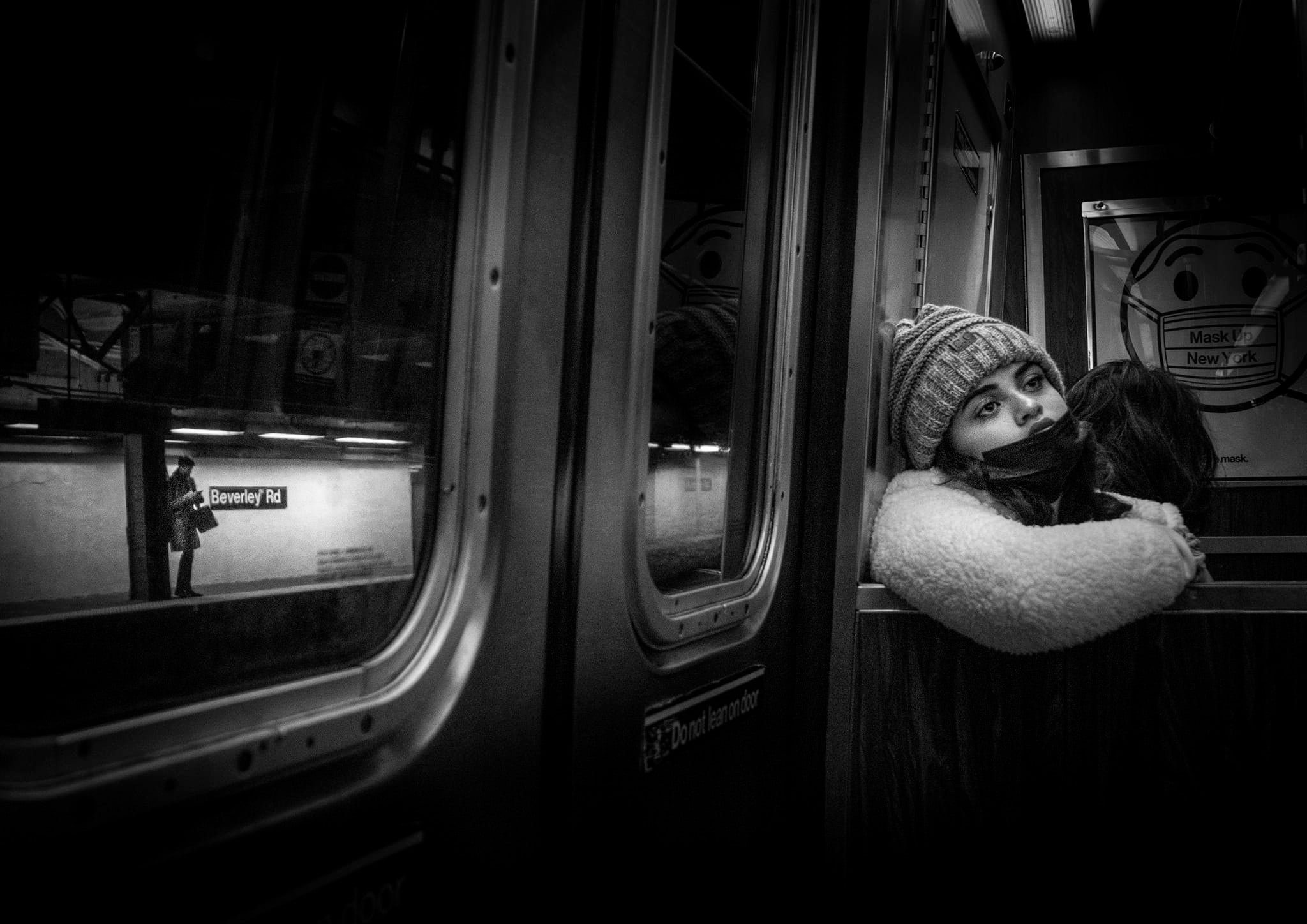
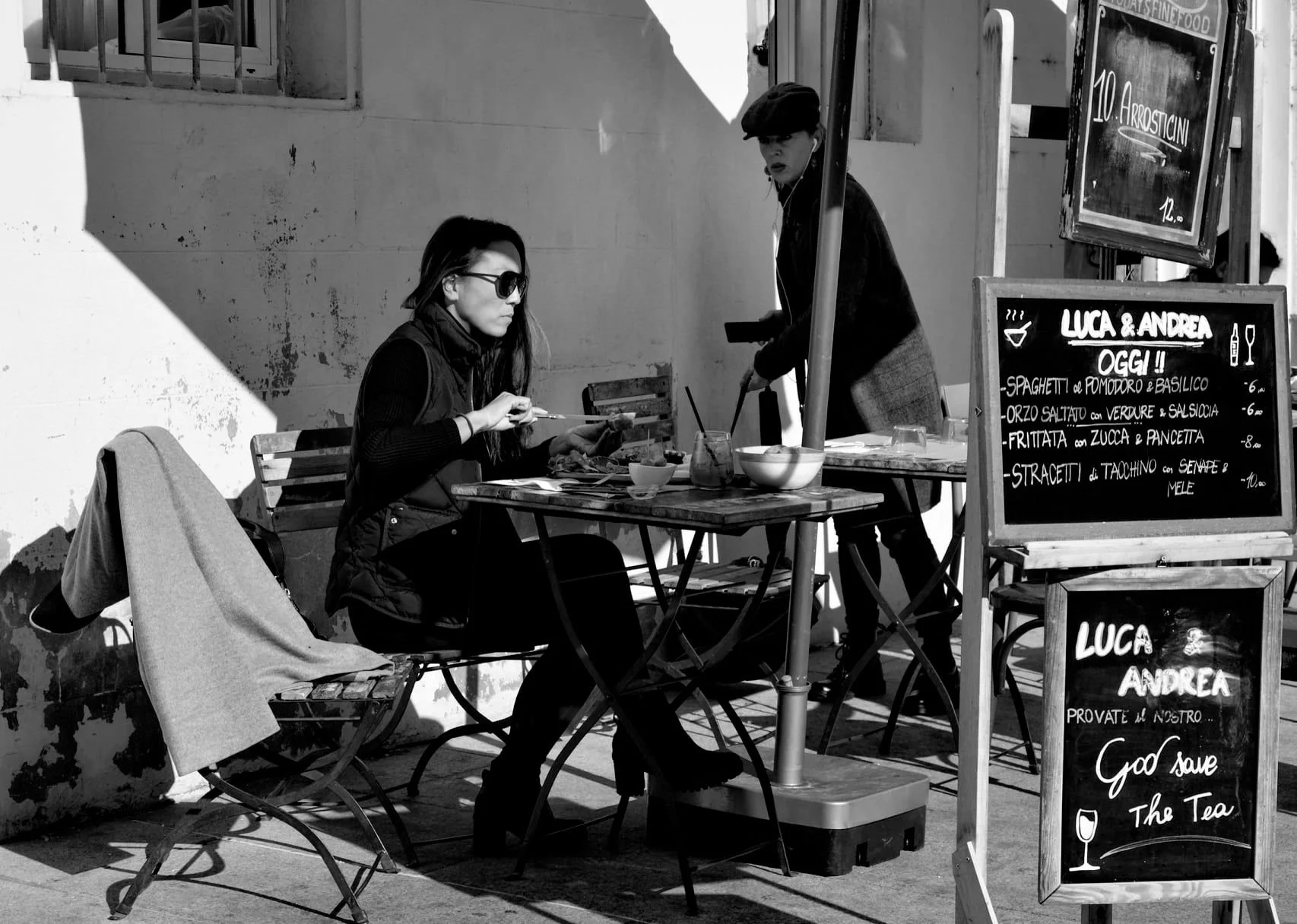
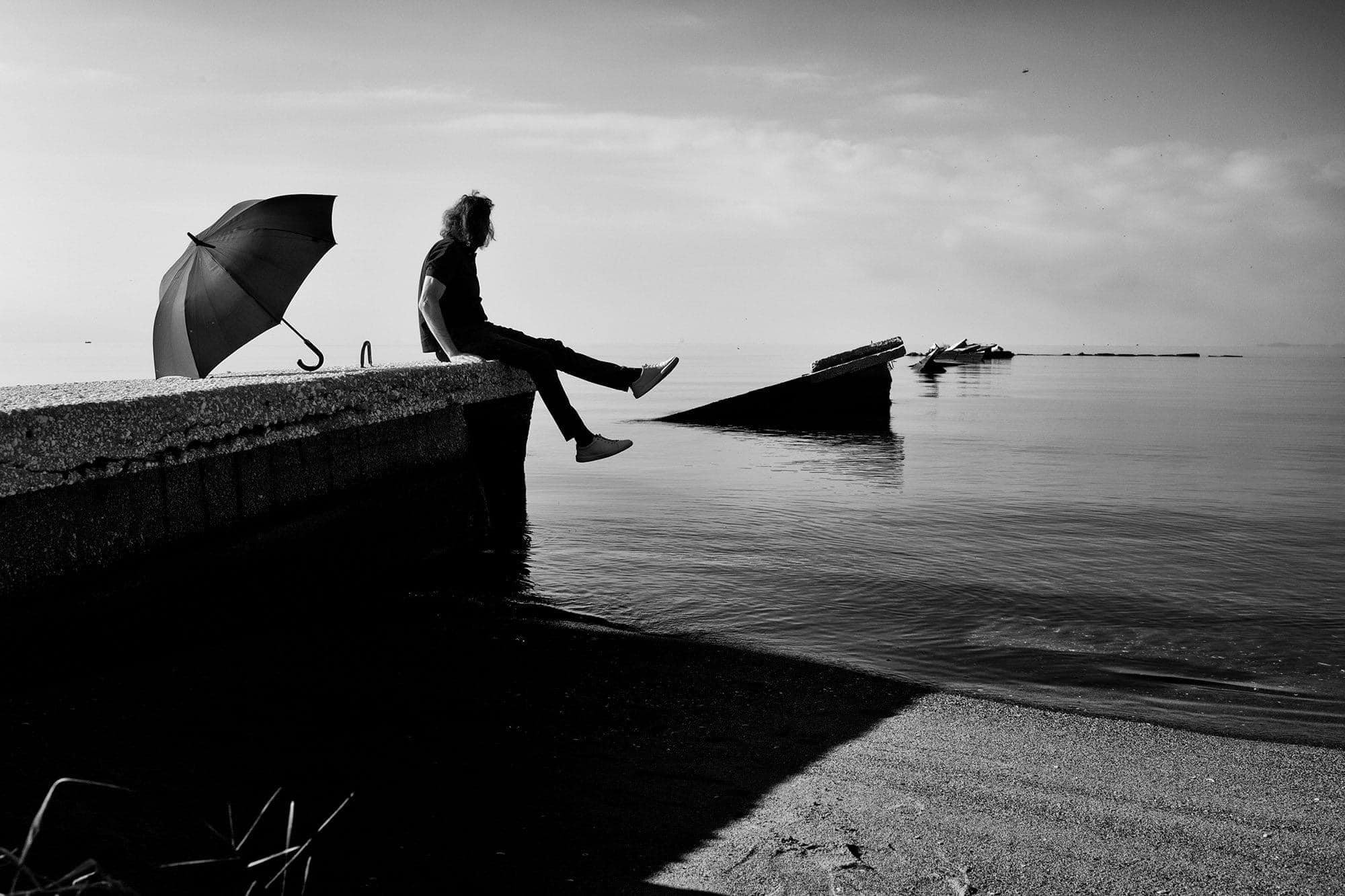
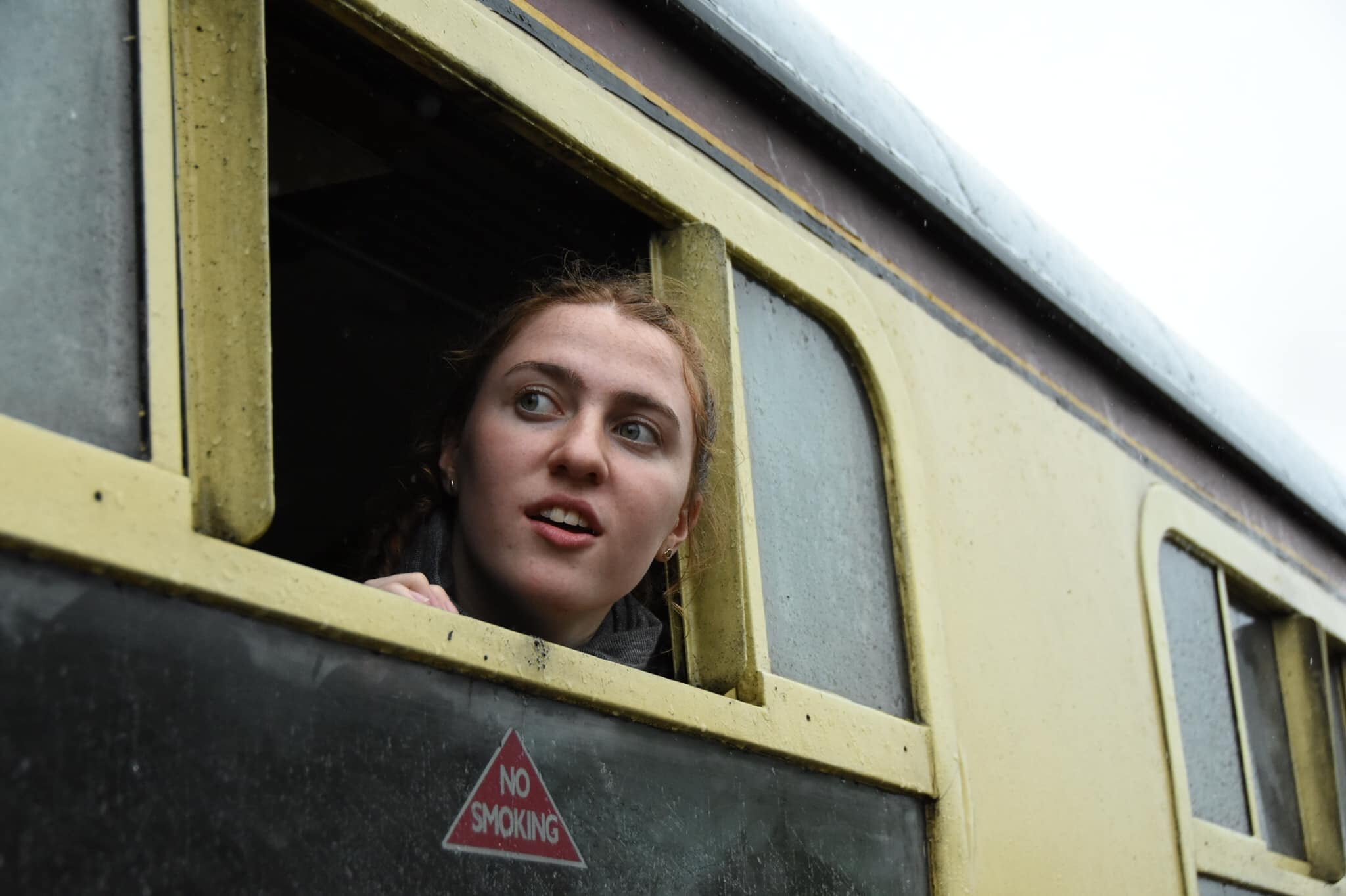
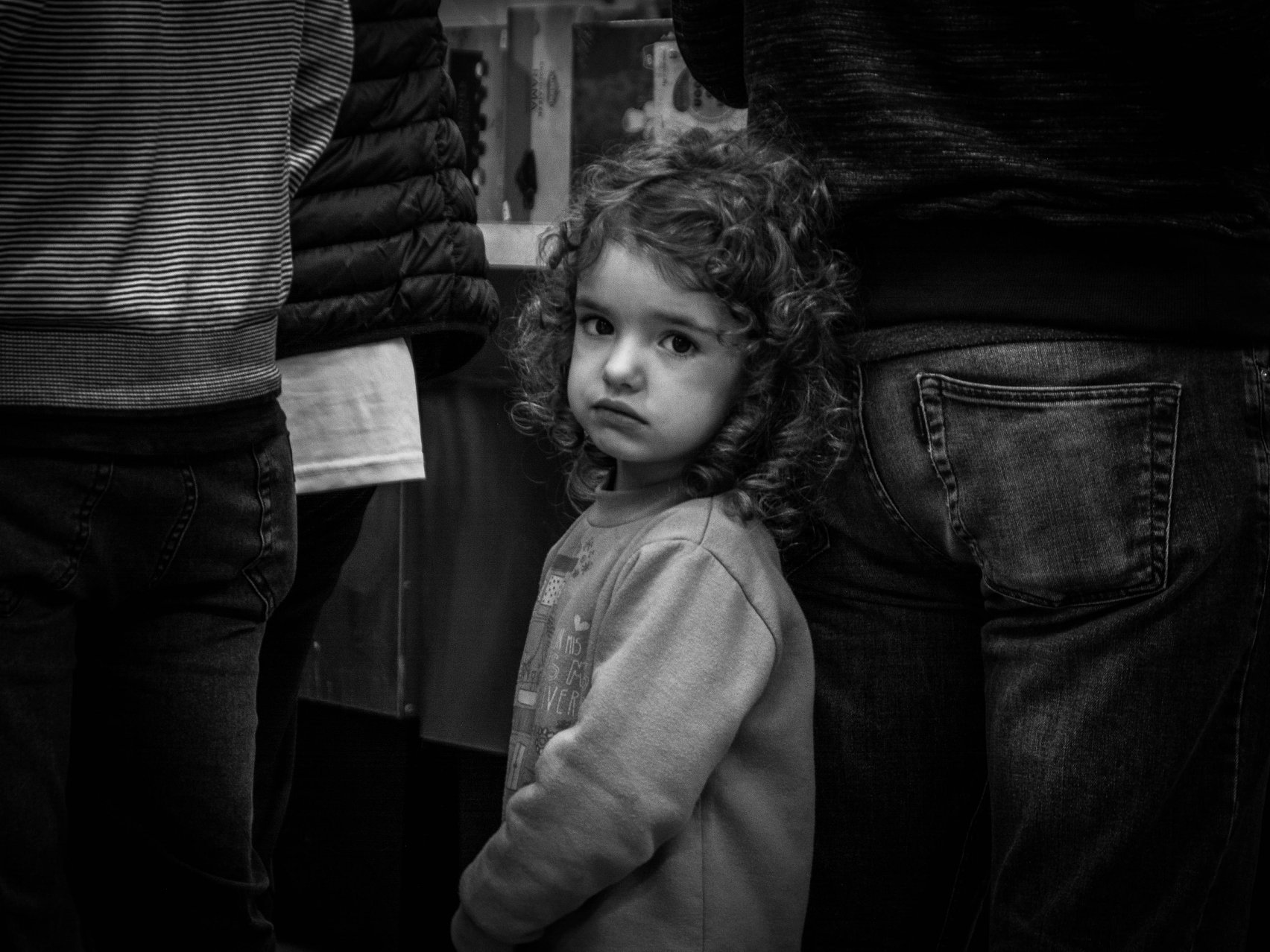
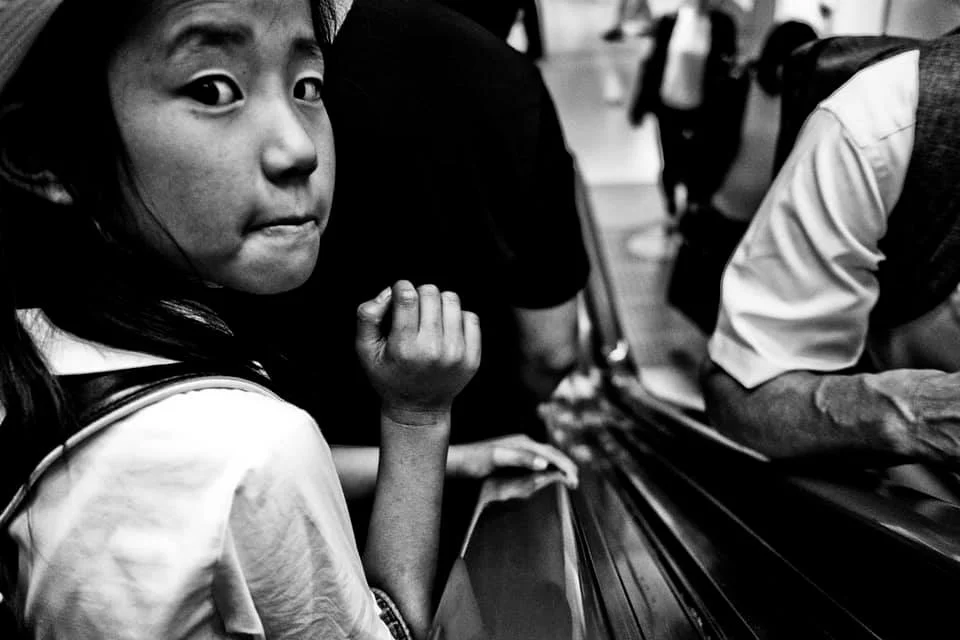
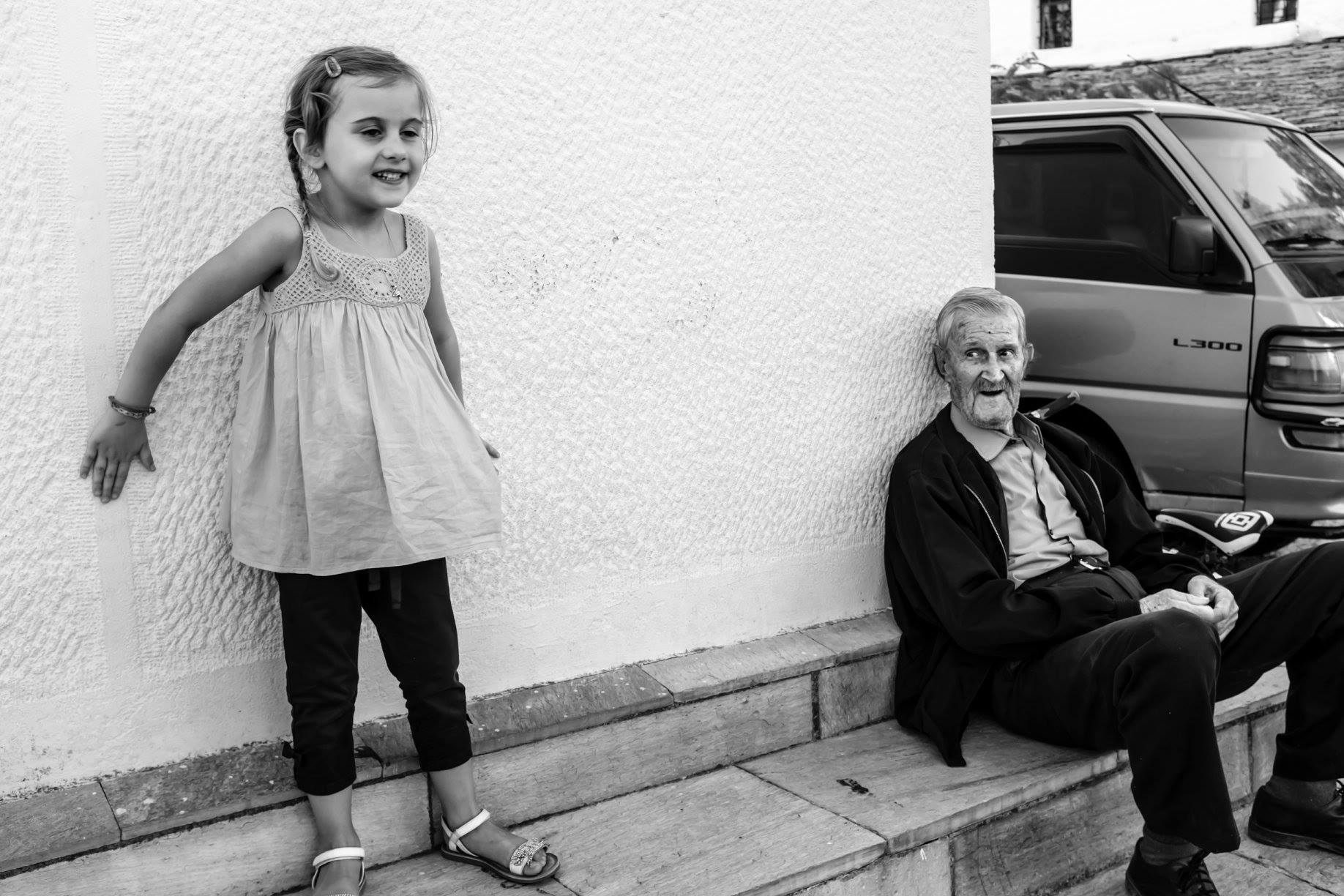
Nadia, Sam, and Trevor share a deep passion for capturing people behind the glass, and in this case, all three present images of individuals looking directly into the camera. Each photographer showcases their own unique style. These three emblematic images depict everyday life and could each tell a compelling story. That's what makes them resonate with me.
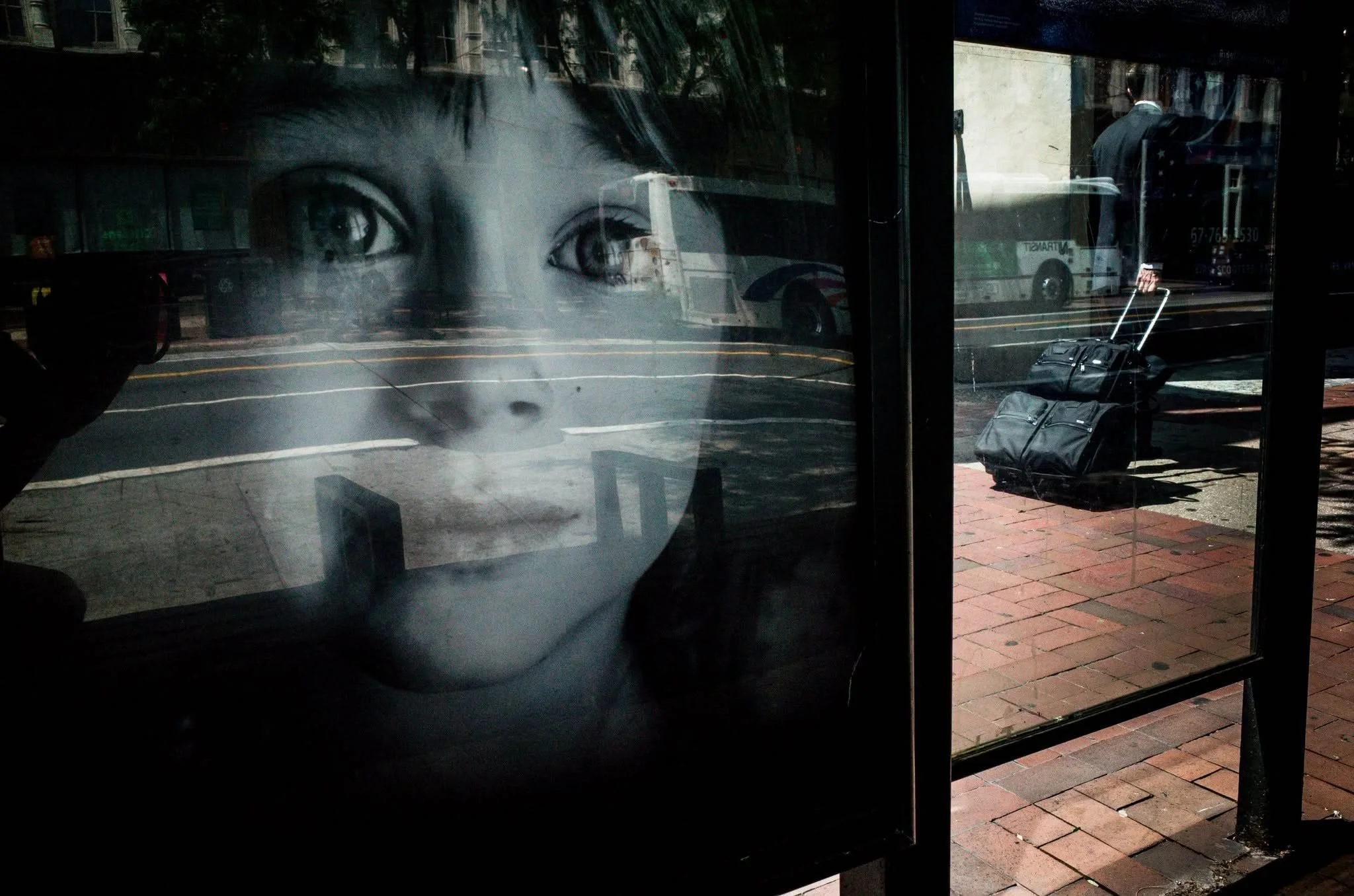
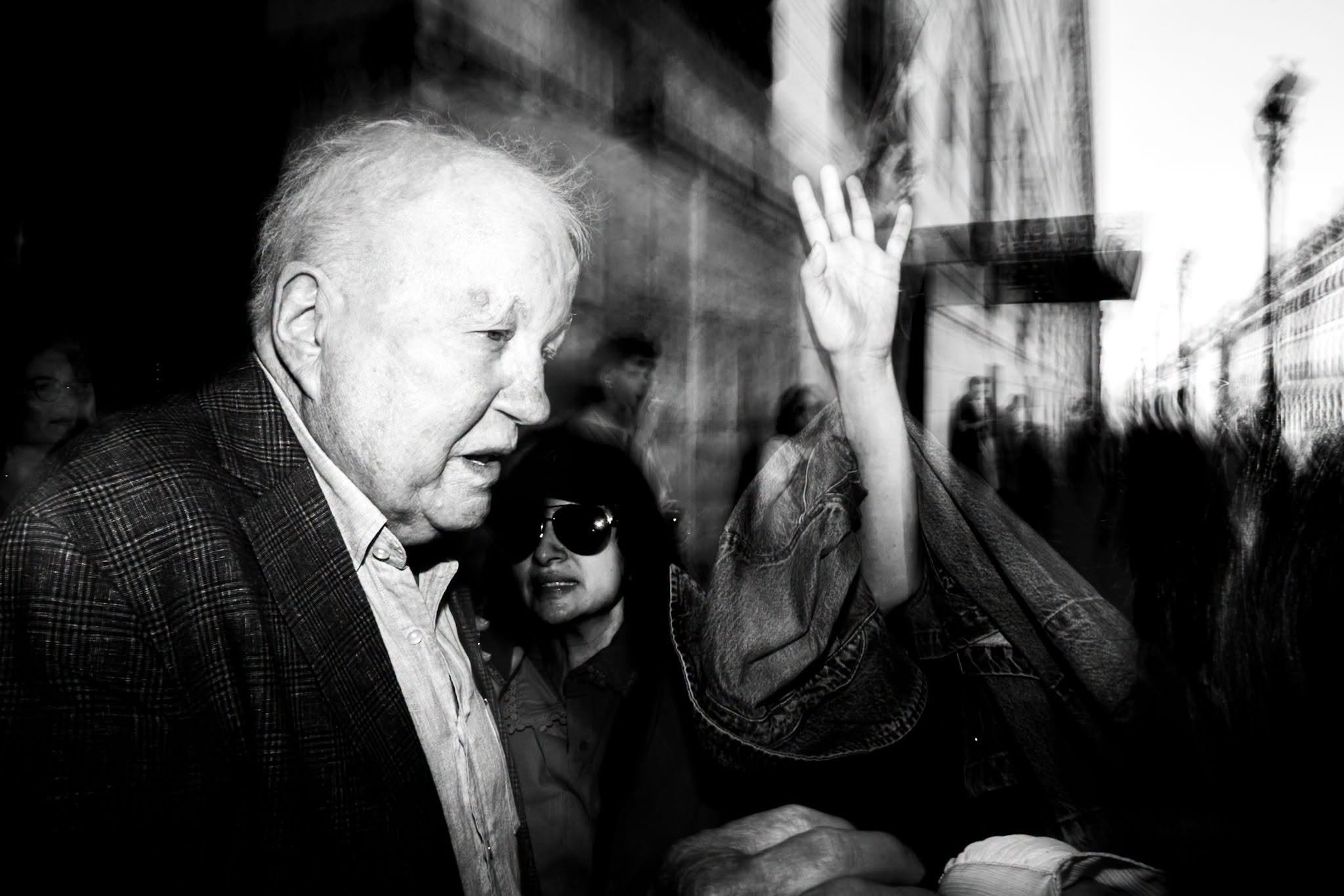
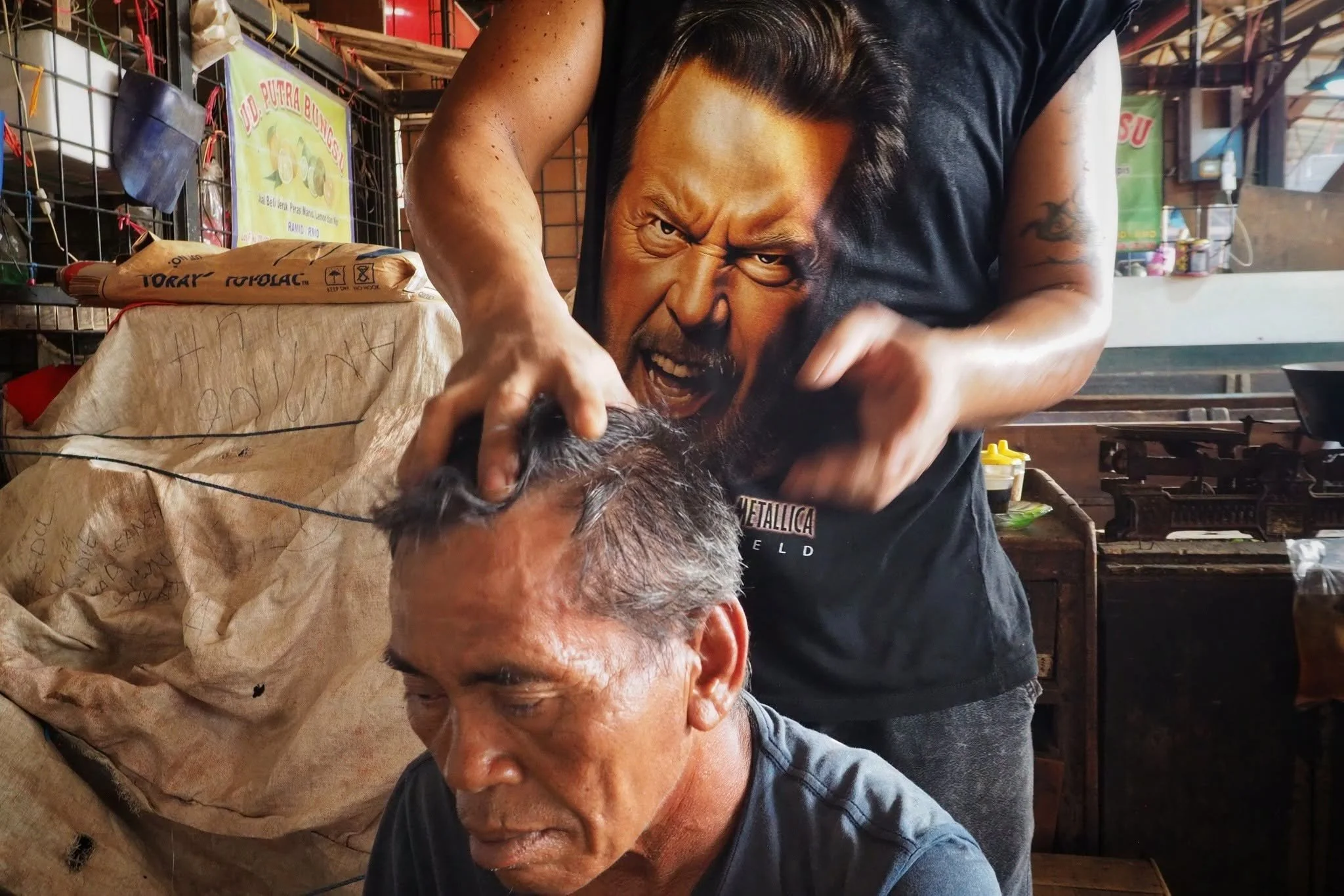
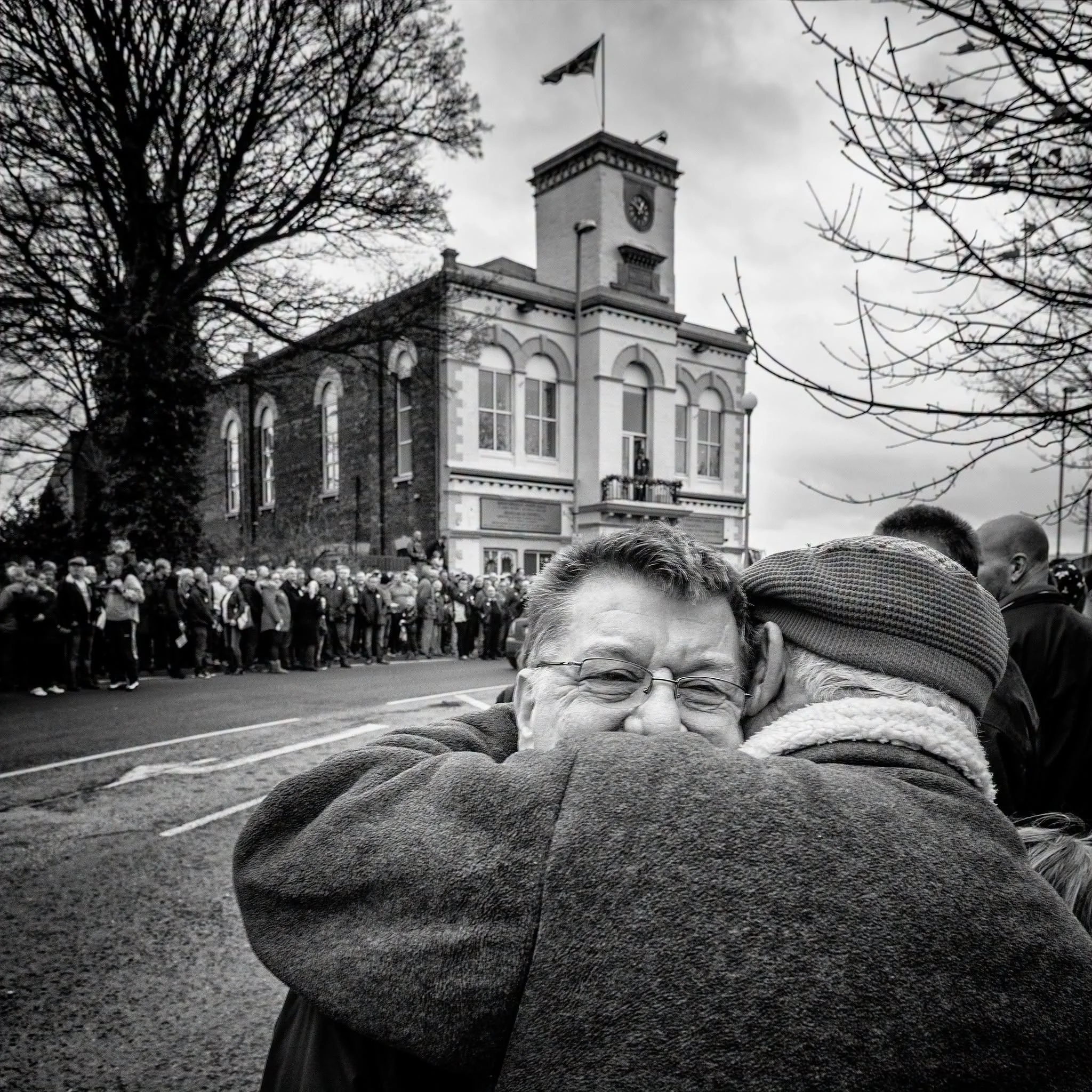
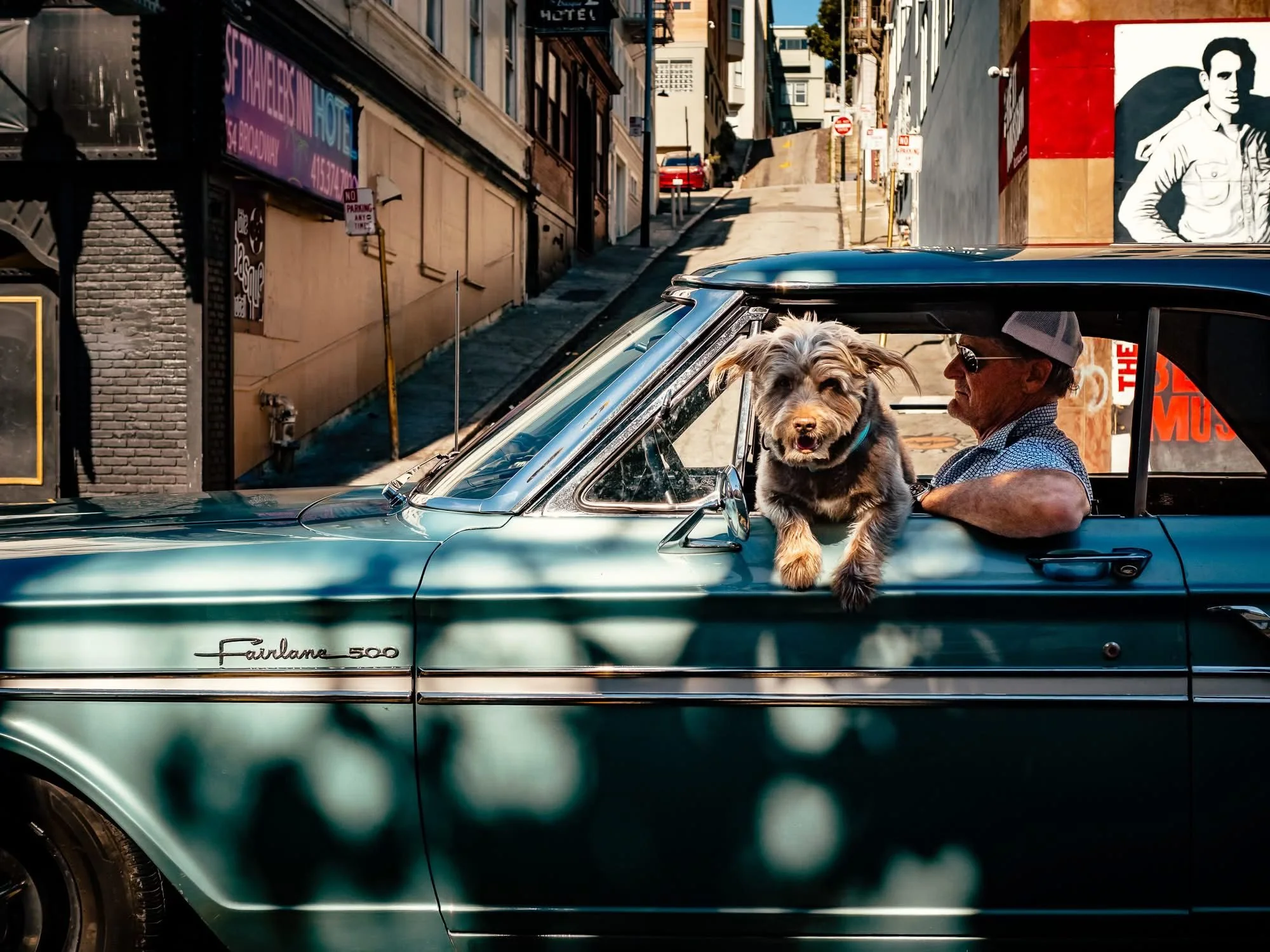
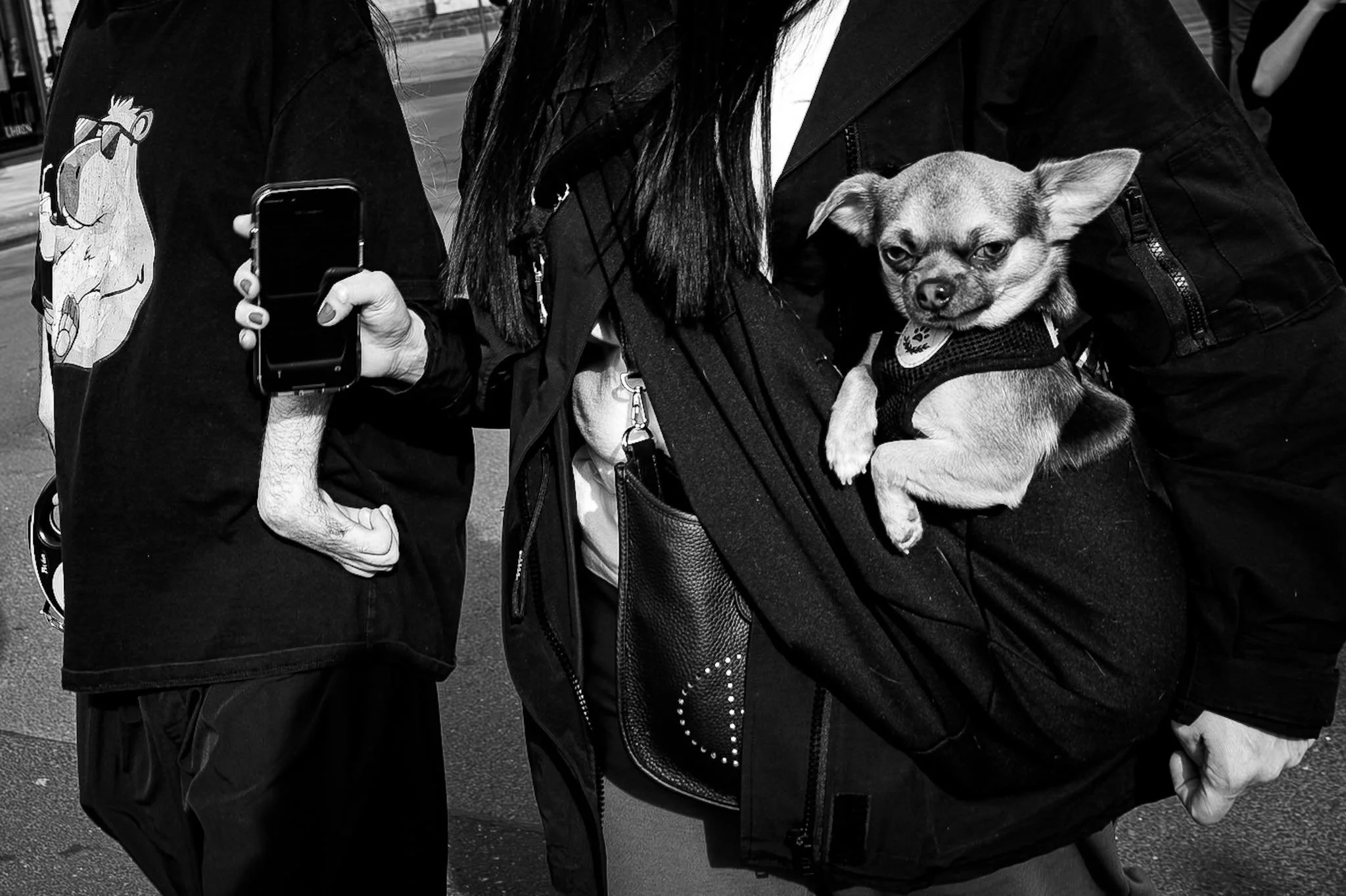
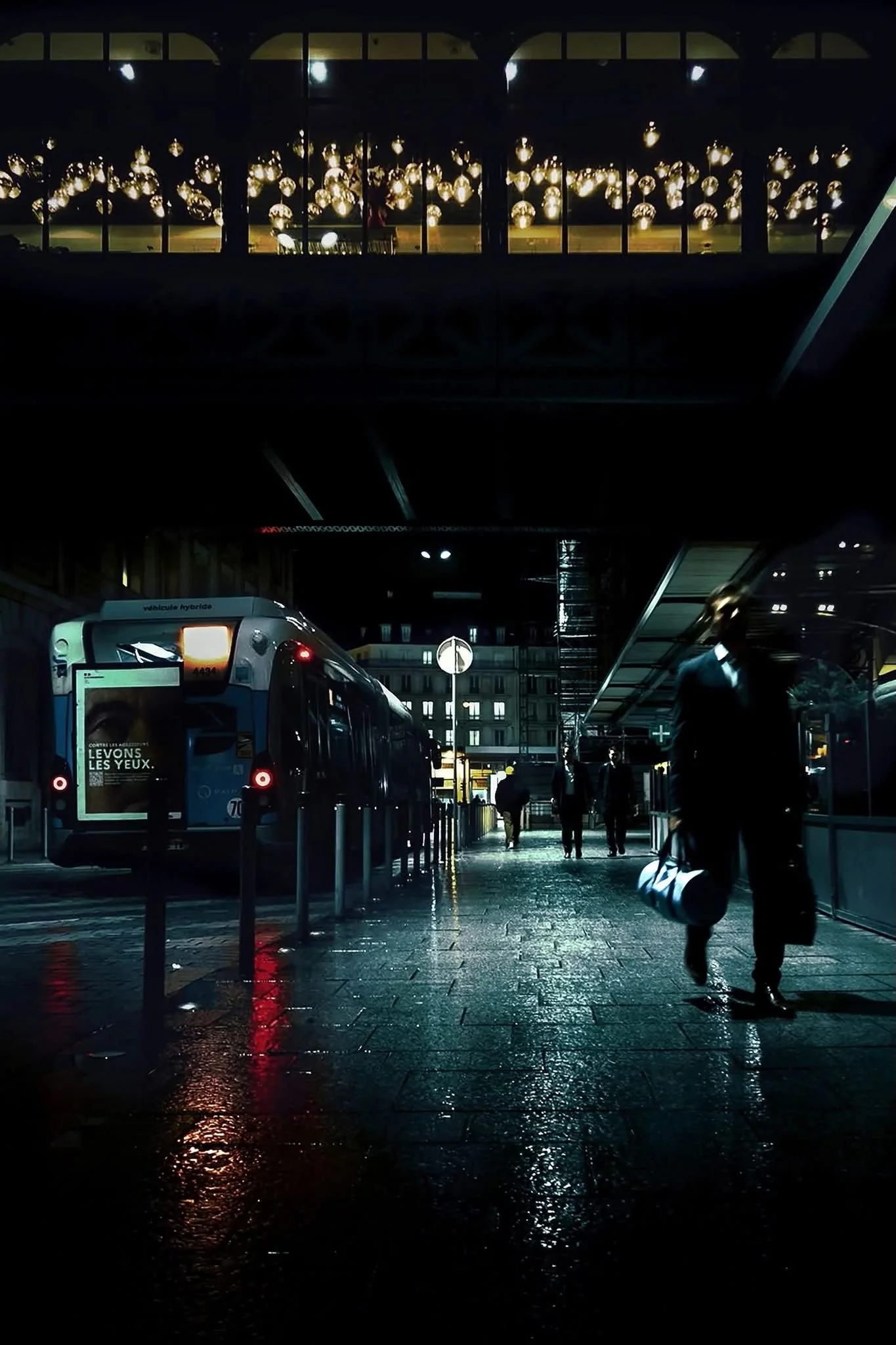
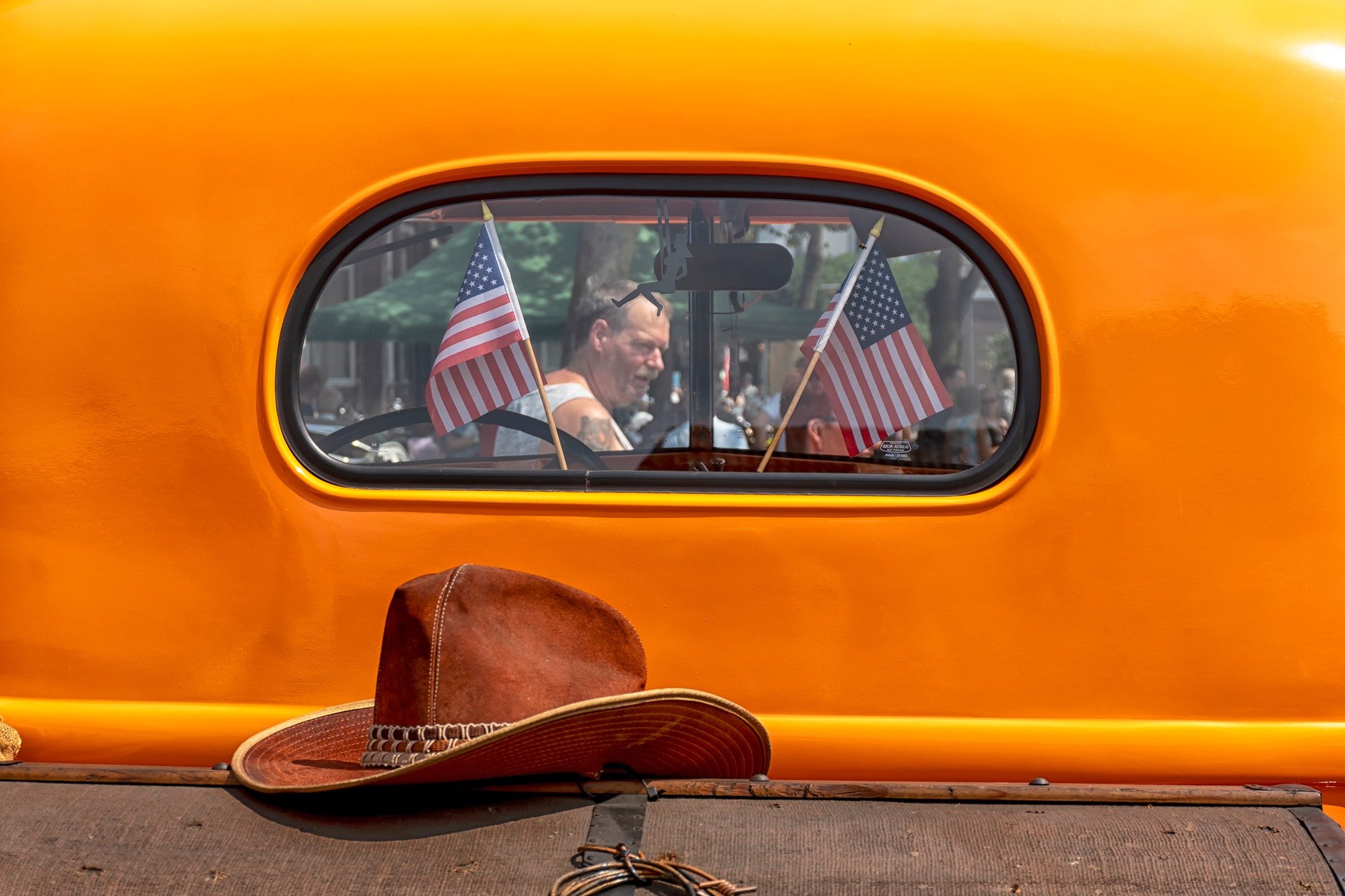
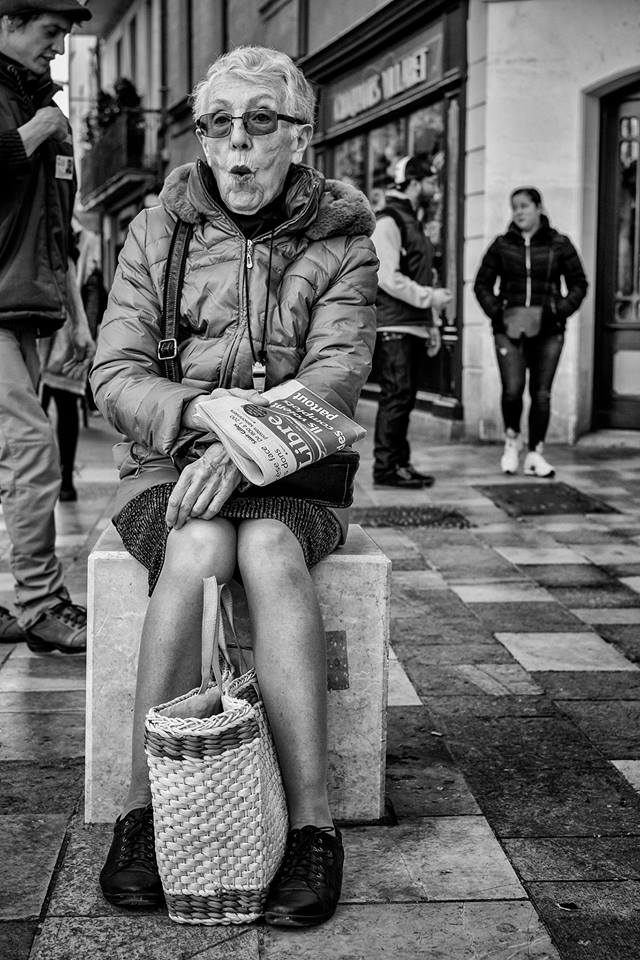
These four images showcase four distinct streets. Don is a photographer with a passion for capturing parallel realities, and this time he presents an image with a strong emotional impact. Ludovic, a theorist of flash photography, delivers a story that is both enigmatic and authentic while staying true to his style. Boy, known for his mastery of juxtaposition, offers a truly remarkable street scene. John is a photographer adept at capturing the situations and characters of everyday life, and he remains true to his artistry in this collection.
Monday 14.06.26
Slavko Drobnić - Mustafa Selcuk
John Gill
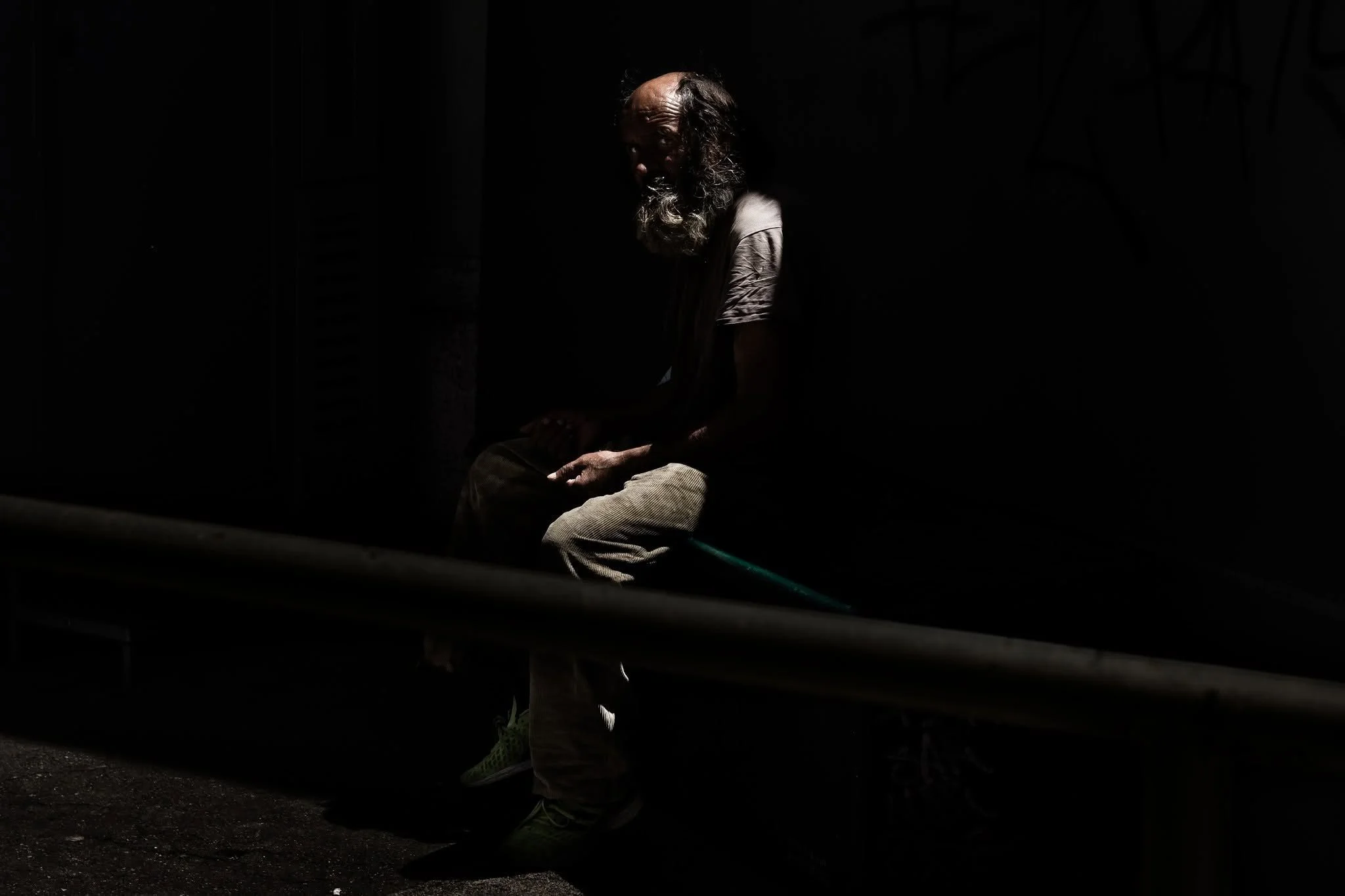
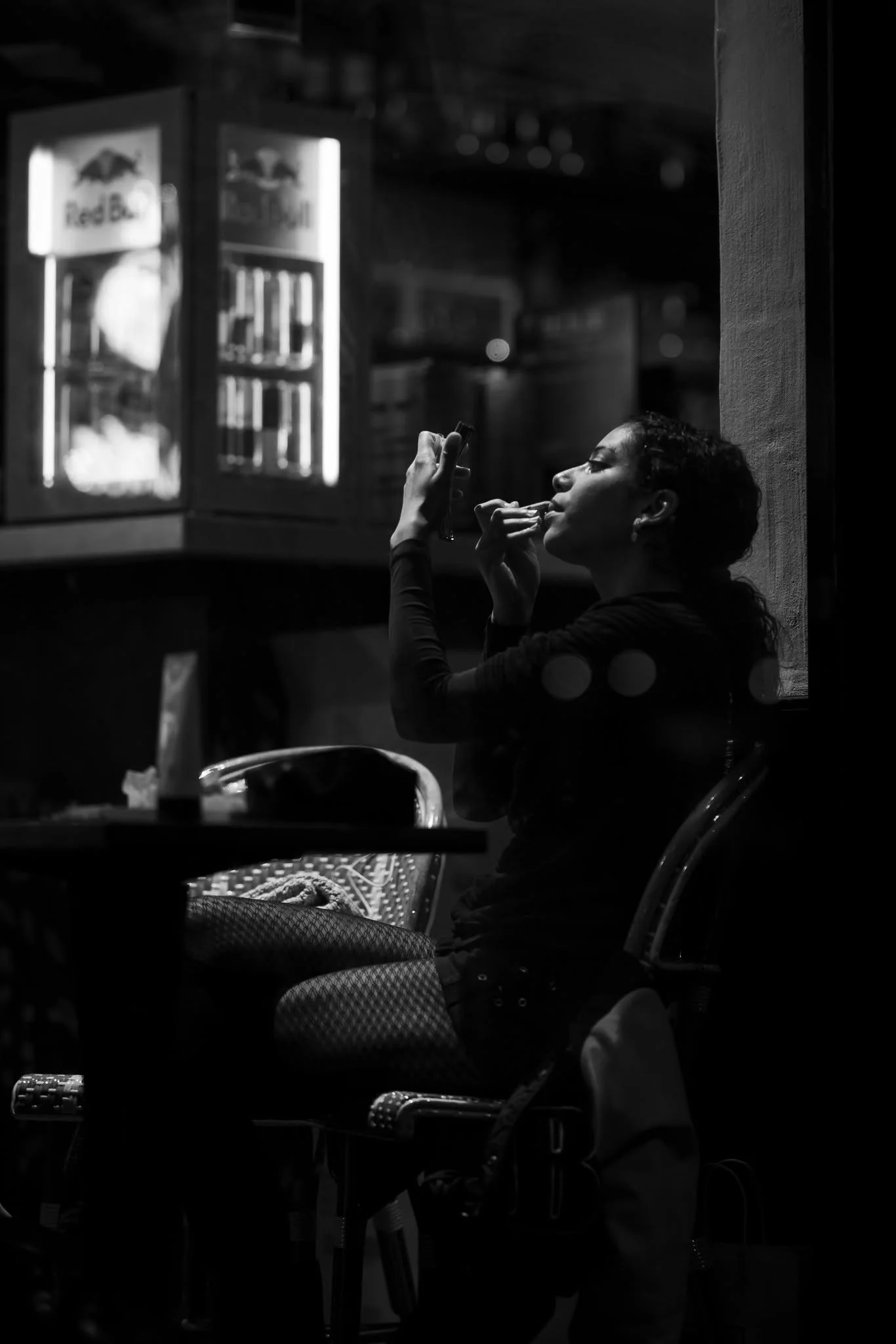
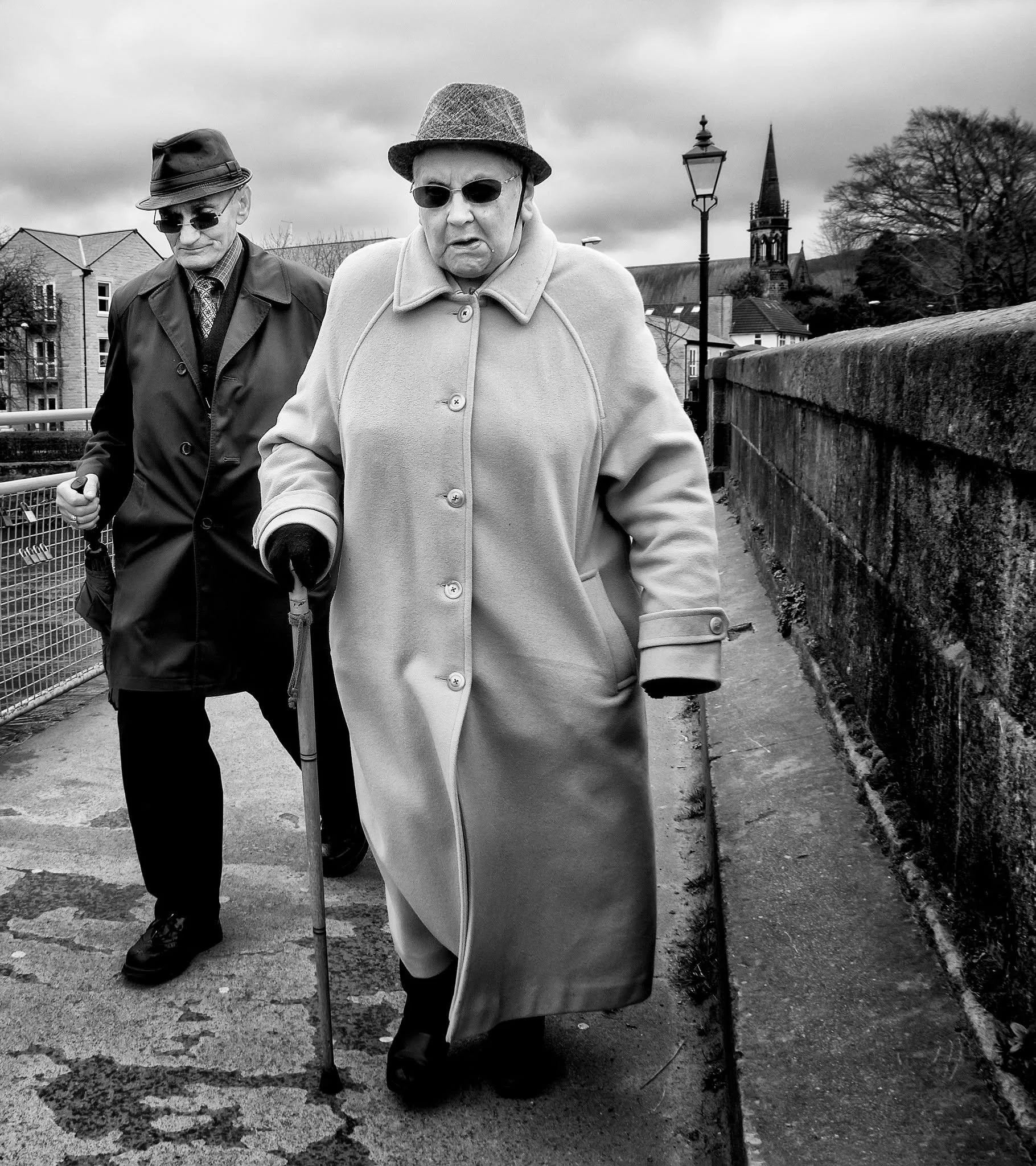
Three images fit into the category of candid street portraits, each inviting us to connect with the lives of the characters depicted. We can almost hear their thoughts and place them within their respective social classes.
Some might argue that Slavko Drobnić's portrayal of marginalisation is overly bleak; however, the striking white eyes that observe us—though they may not be immediately noticeable—leave a significant impact on the photograph.
Meanwhile, the woman by Mustafa Selçuk, who is reapplying her makeup while waiting for someone, perhaps a lover, appears as if she has stepped out of a French Comedy.
The assertive English couple embodies the quintessential British experience. John Gill's images create a precise sociological map of his nation.
Monday 07.06.26
Petros Kotzabasis - Tina Mnaley
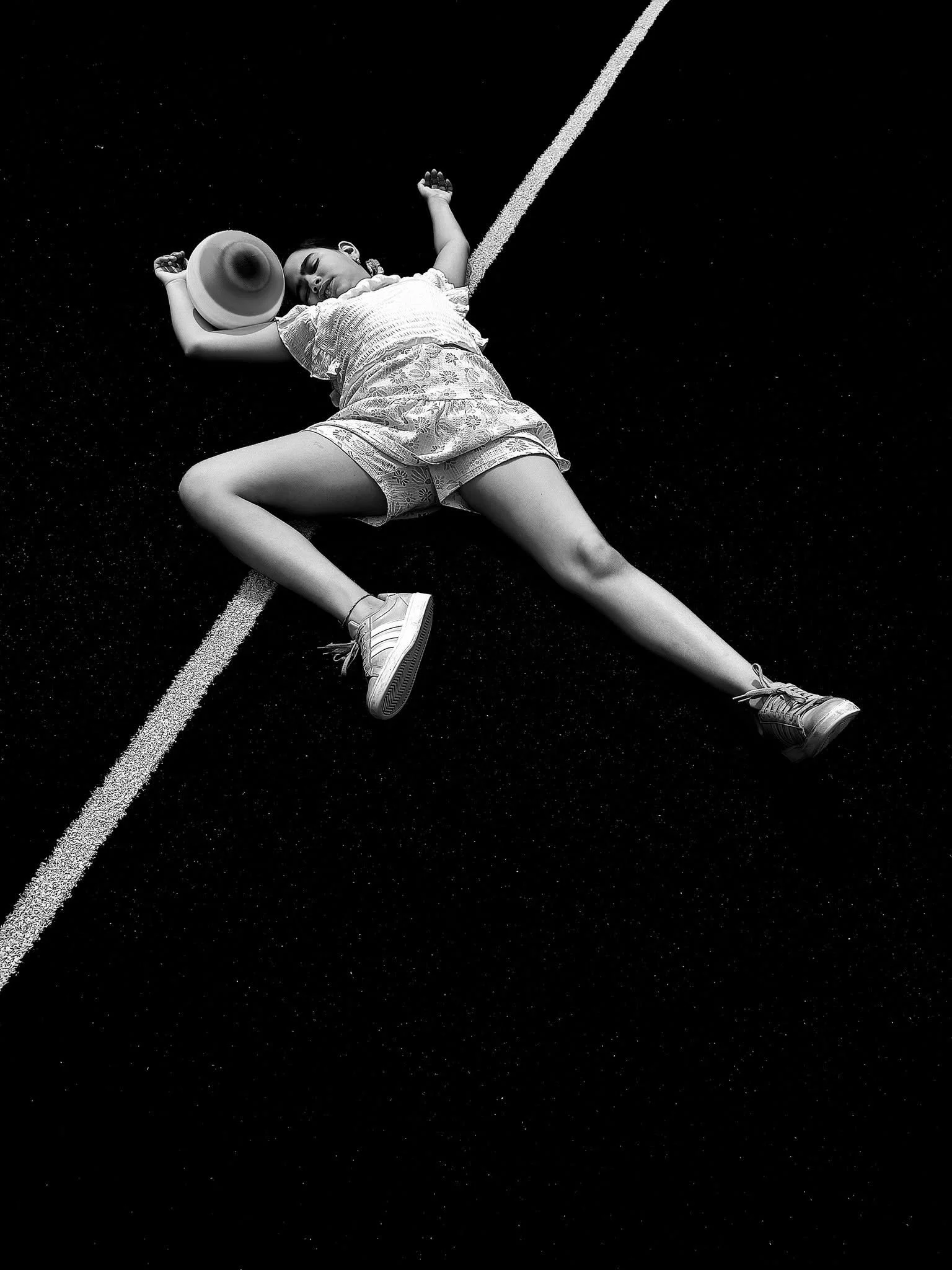
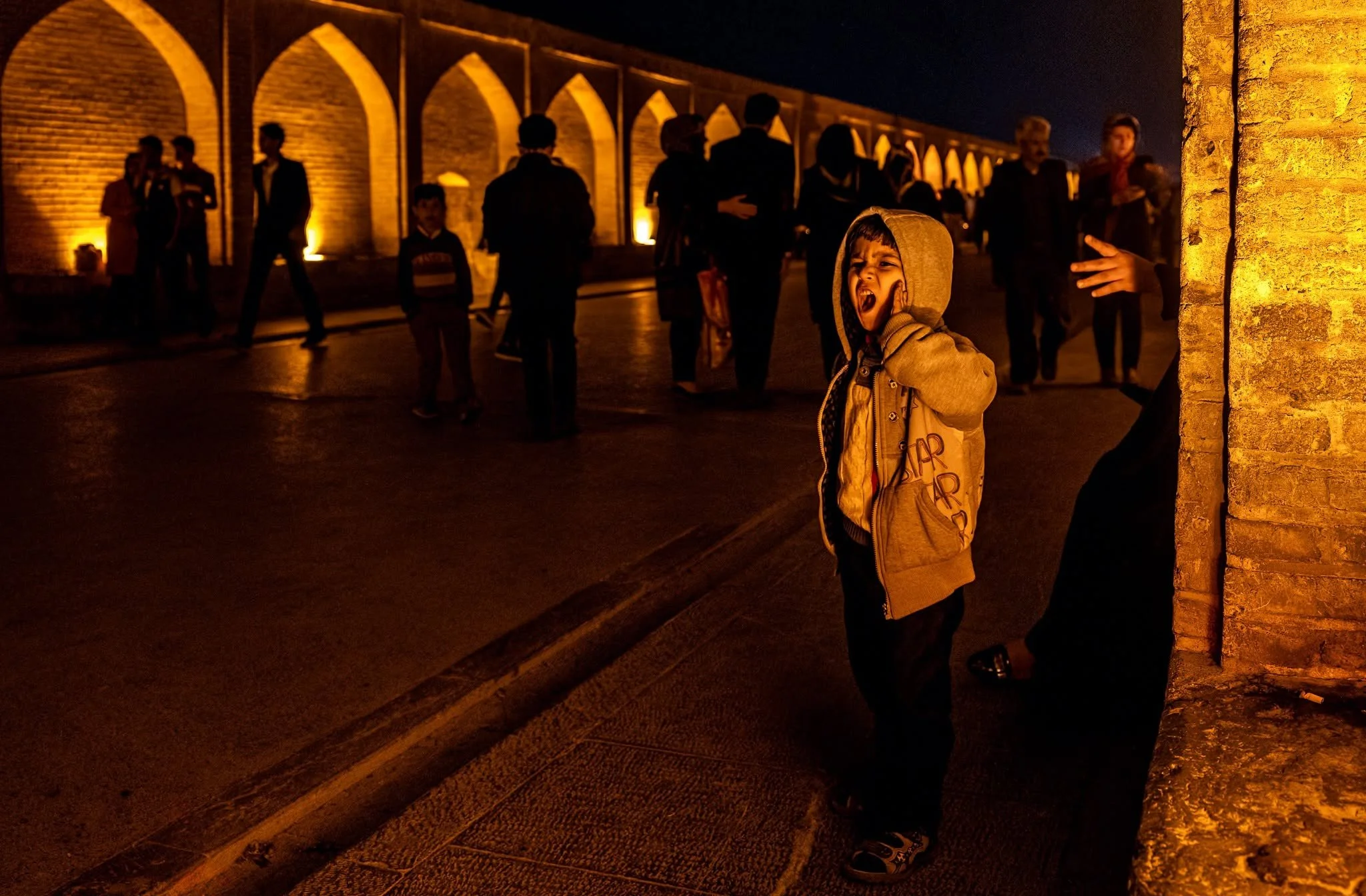
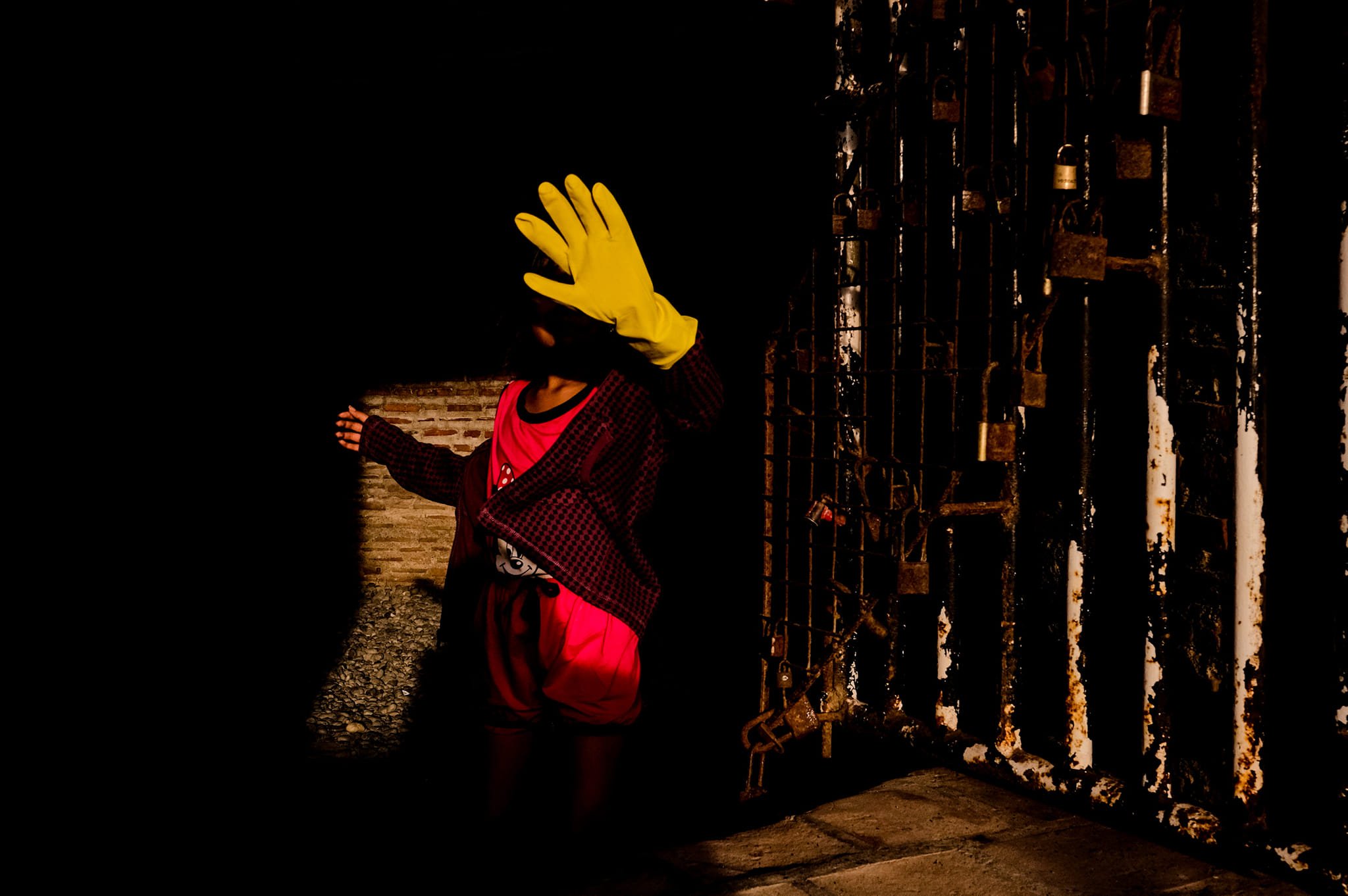
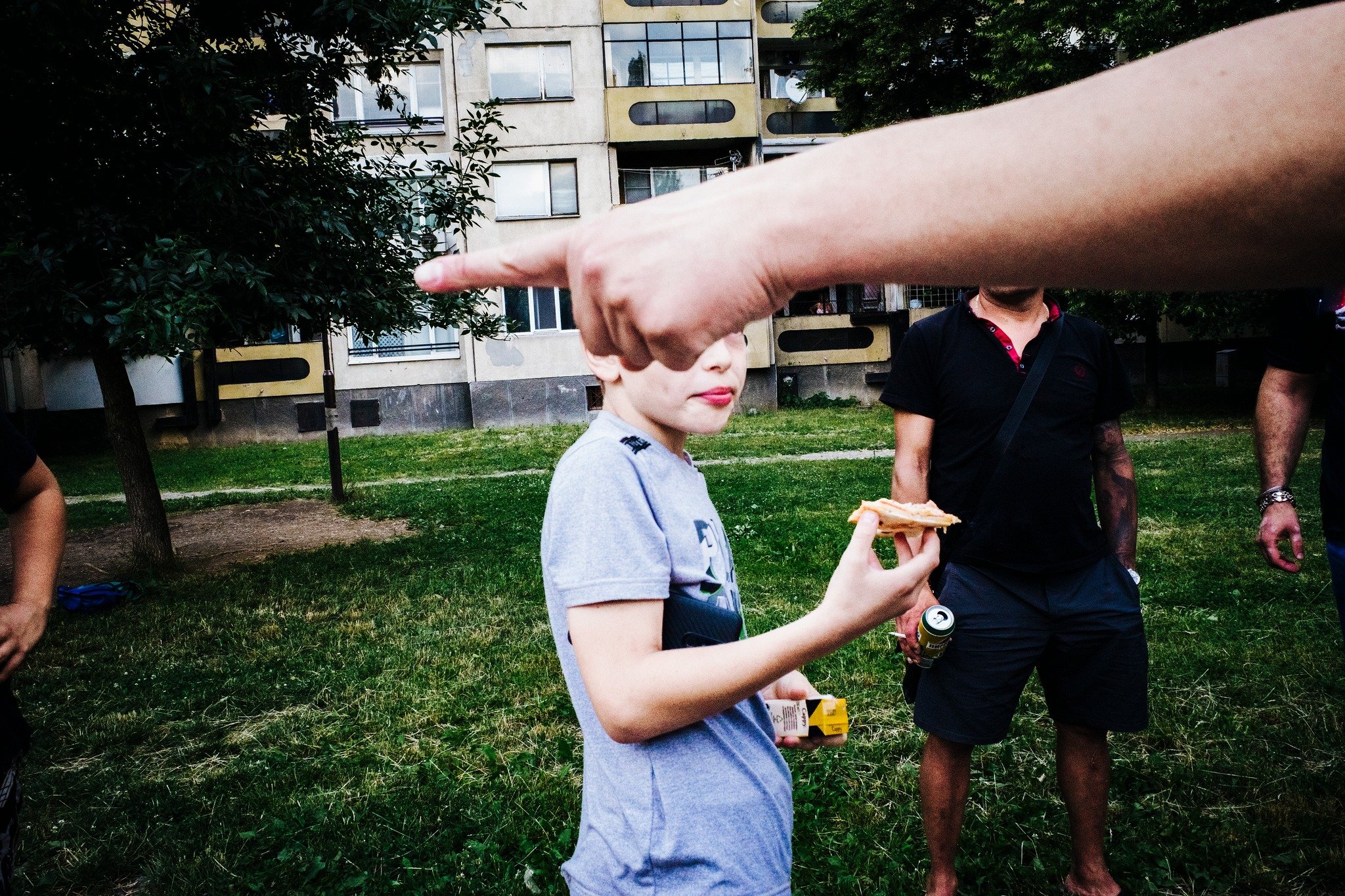
Both of these images could be frames from a film. Petros's image, so perfect and mysterious, might belong to French cinema. A story told with few words, made up of questions, sensations, and perhaps dreams. In fact, the girl in that position does not evoke anguish, but rather makes you think of an Alice lost in her world. Tina's story takes on a yellow hue, like the ochre chosen for its creation. The child is perhaps just calling someone, but that hand pointing behind him has something threatening about it.
Monday 01.06.26
Adi Adiadi – Phillip Hazell
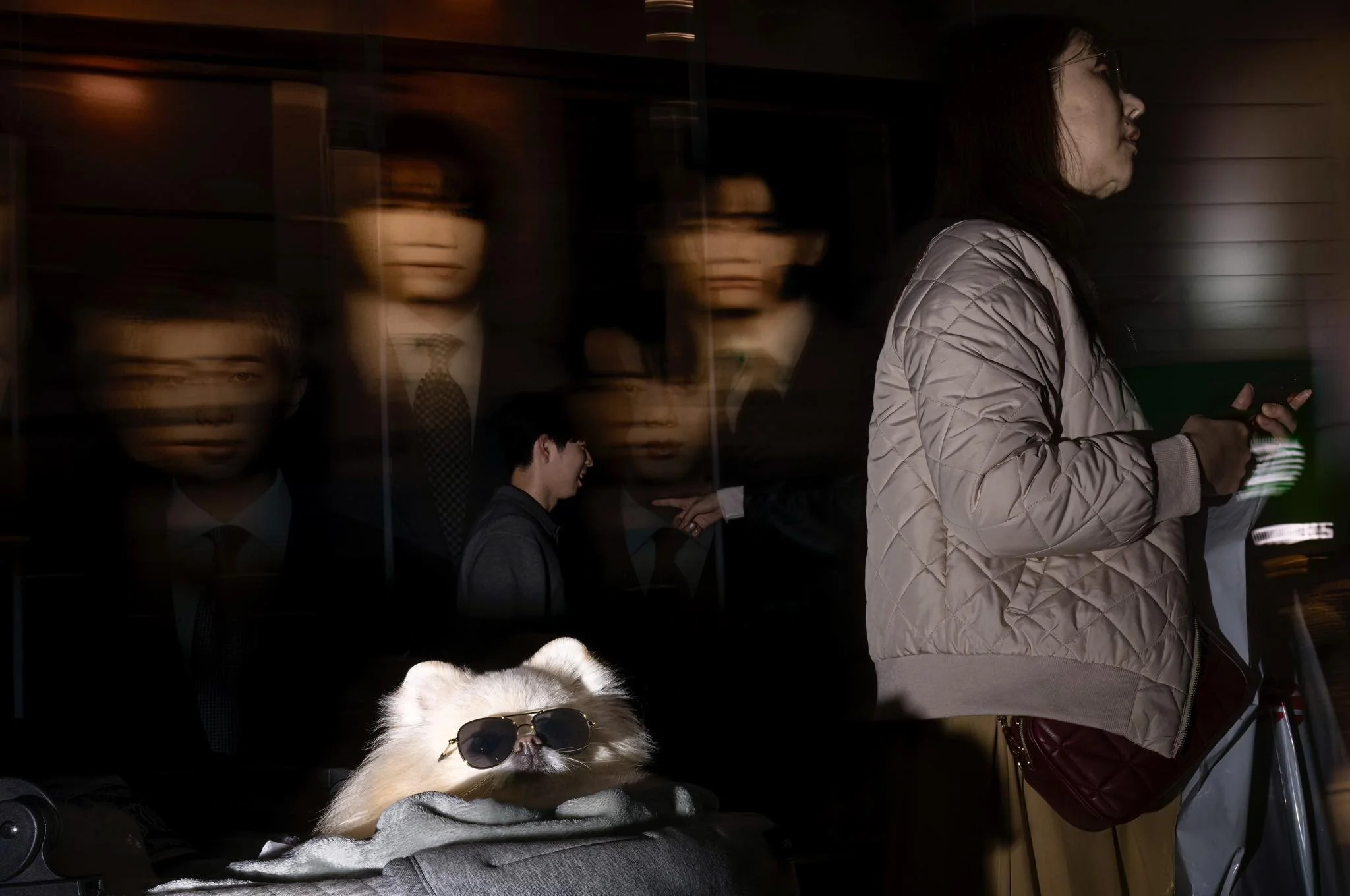
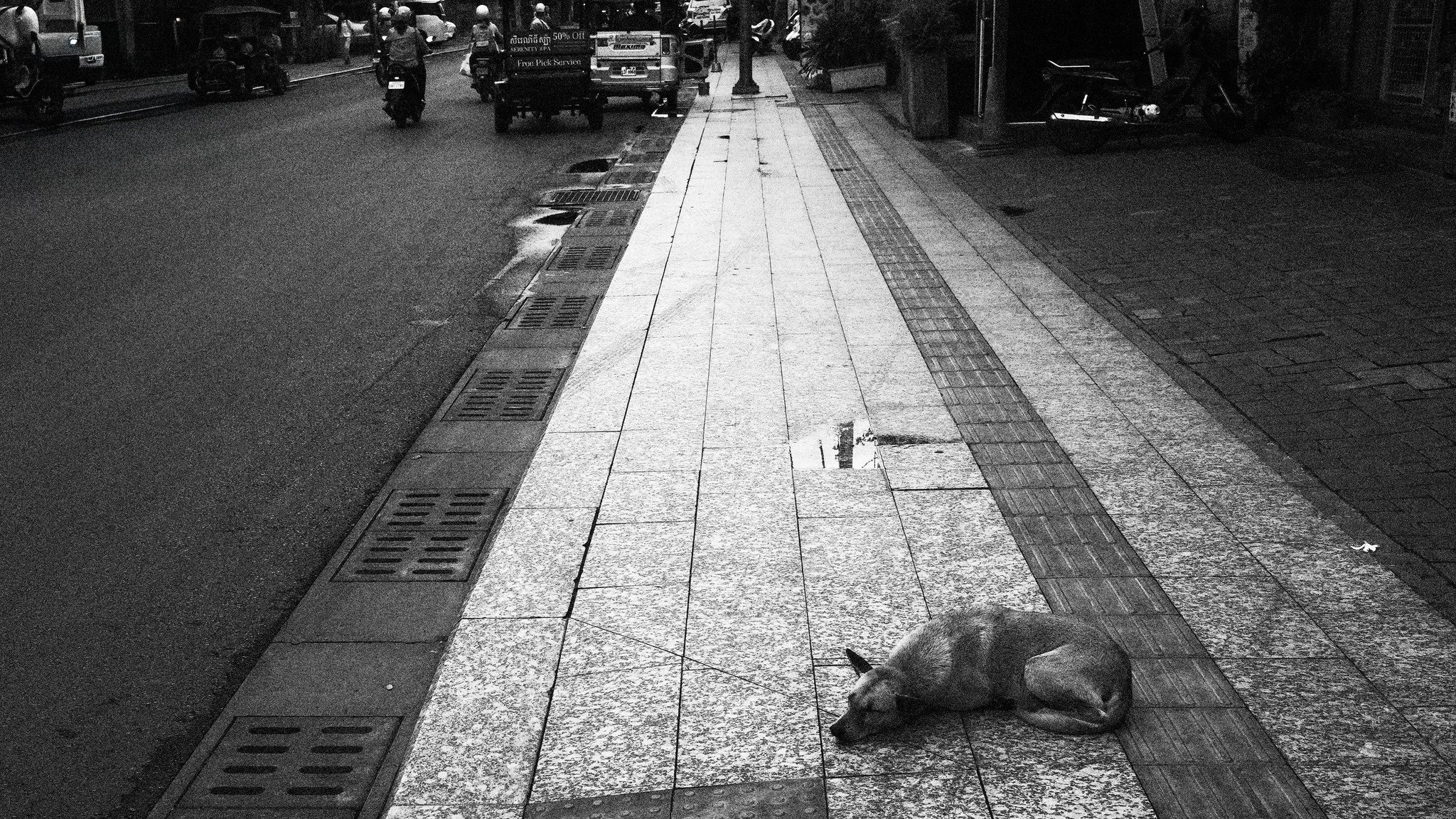
How can it happen that photographing animals can give the impression of two societies so far apart from each other? And this time, colour and black and white are perfect.
Adi saw the scene and, with a quick shot, managed to create a small masterpiece. Philip, calmly, created his composition, giving us a strong mood.
Monday 25.05.26
Thanos Kokkinis– Rowell Timoteo

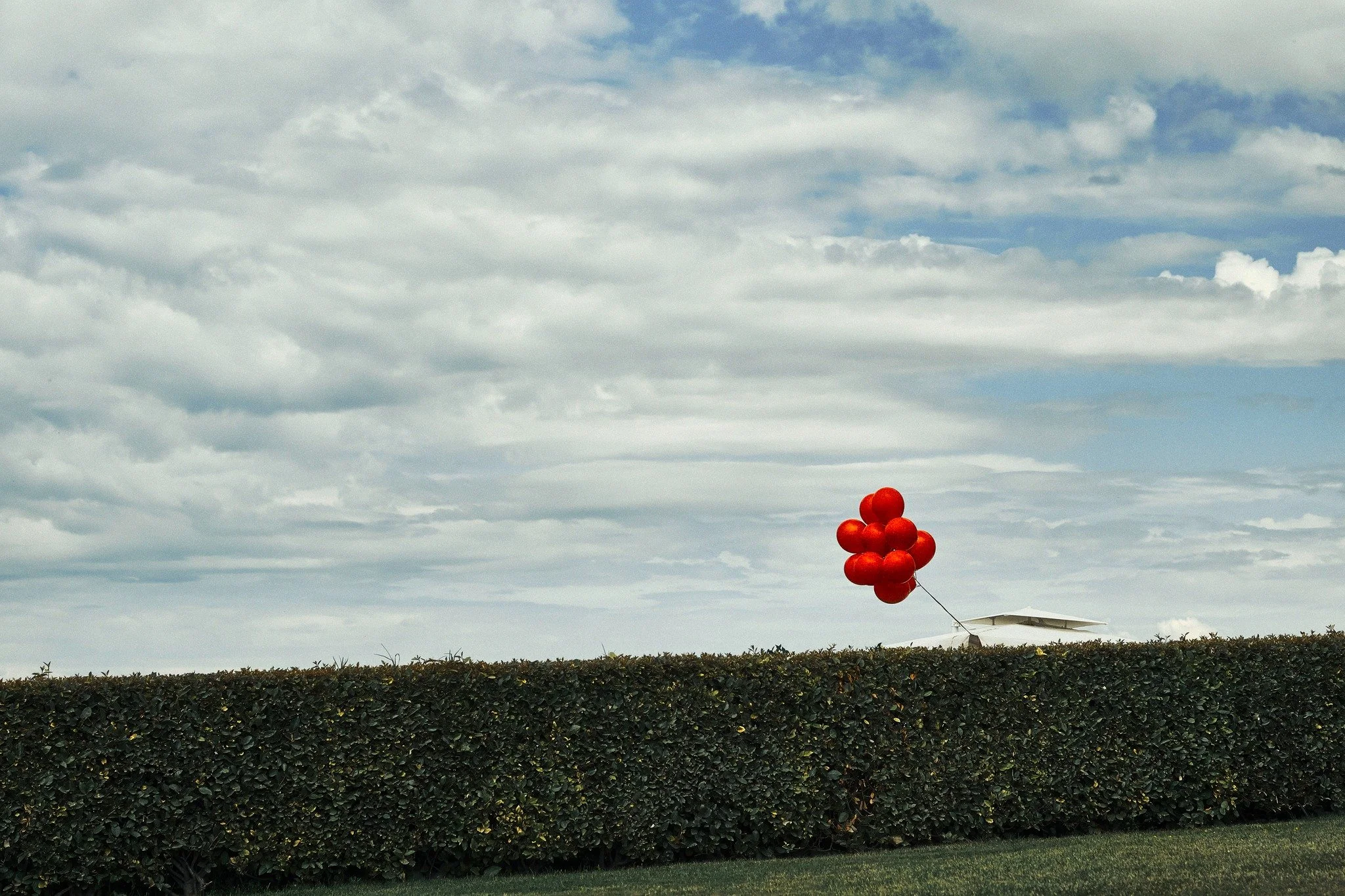
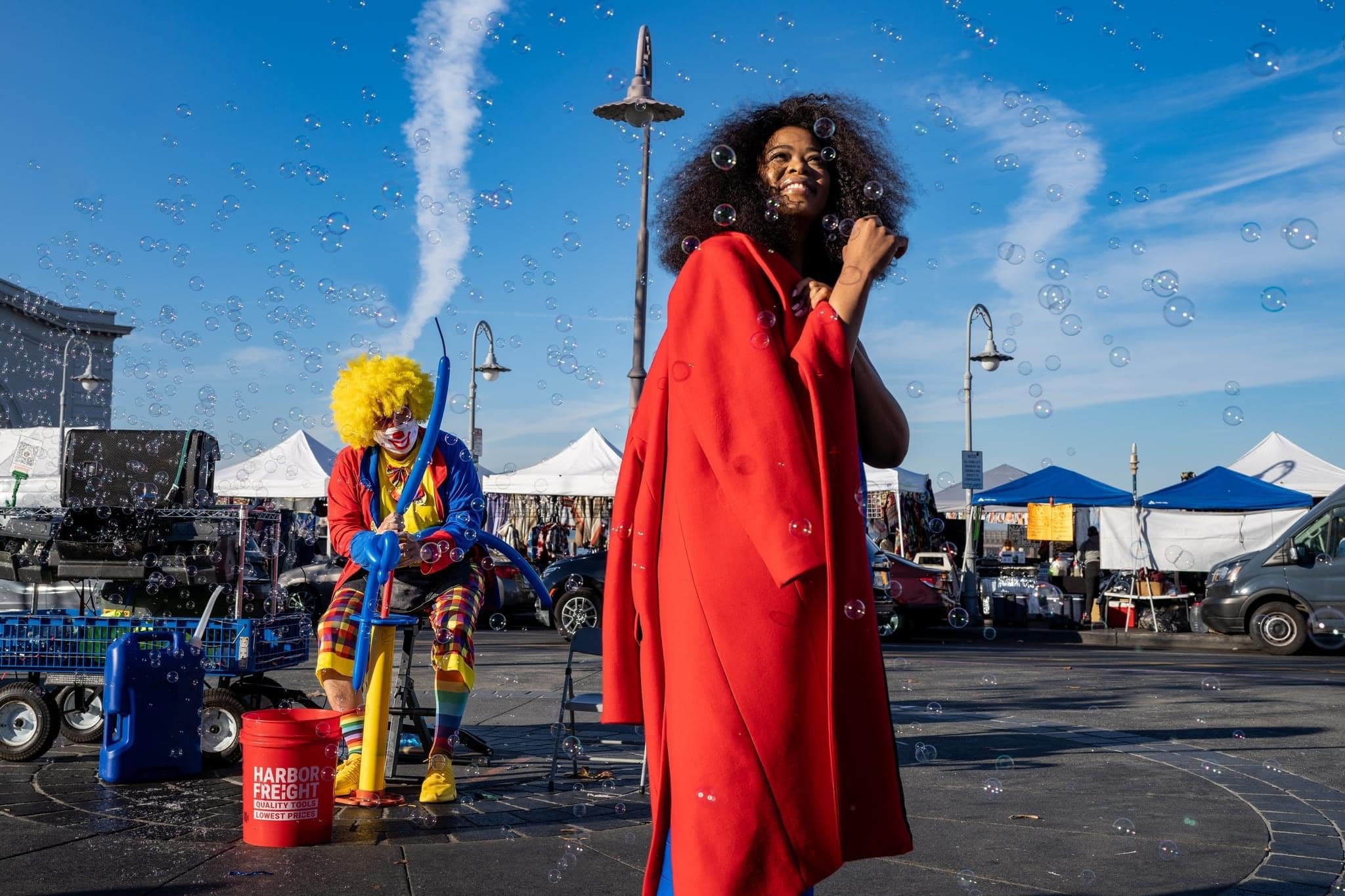
This week, I was struck by some colourful images. Rowell Timoteo’s image, if it did not feature a little girl as the subject, could be a perfect fashion photograph. I believe this was the reason that caught my attention, namely, the use of such a different canon for a photo that we might consider familiar. The little girl assigns a completely different meaning to the image: her expression, so shy, and the life buoy that transforms into an aureole. The colours are wonderful.
The red balloons by Thanos Kokkinis in the cloud-frayed sky require no explanation. We are confronted with a metaphysical image that transcends mere documentation of the visible and seeks to explore the intimate essence of reality.
Monday 18.05.26
John Gill – Simone Sanders
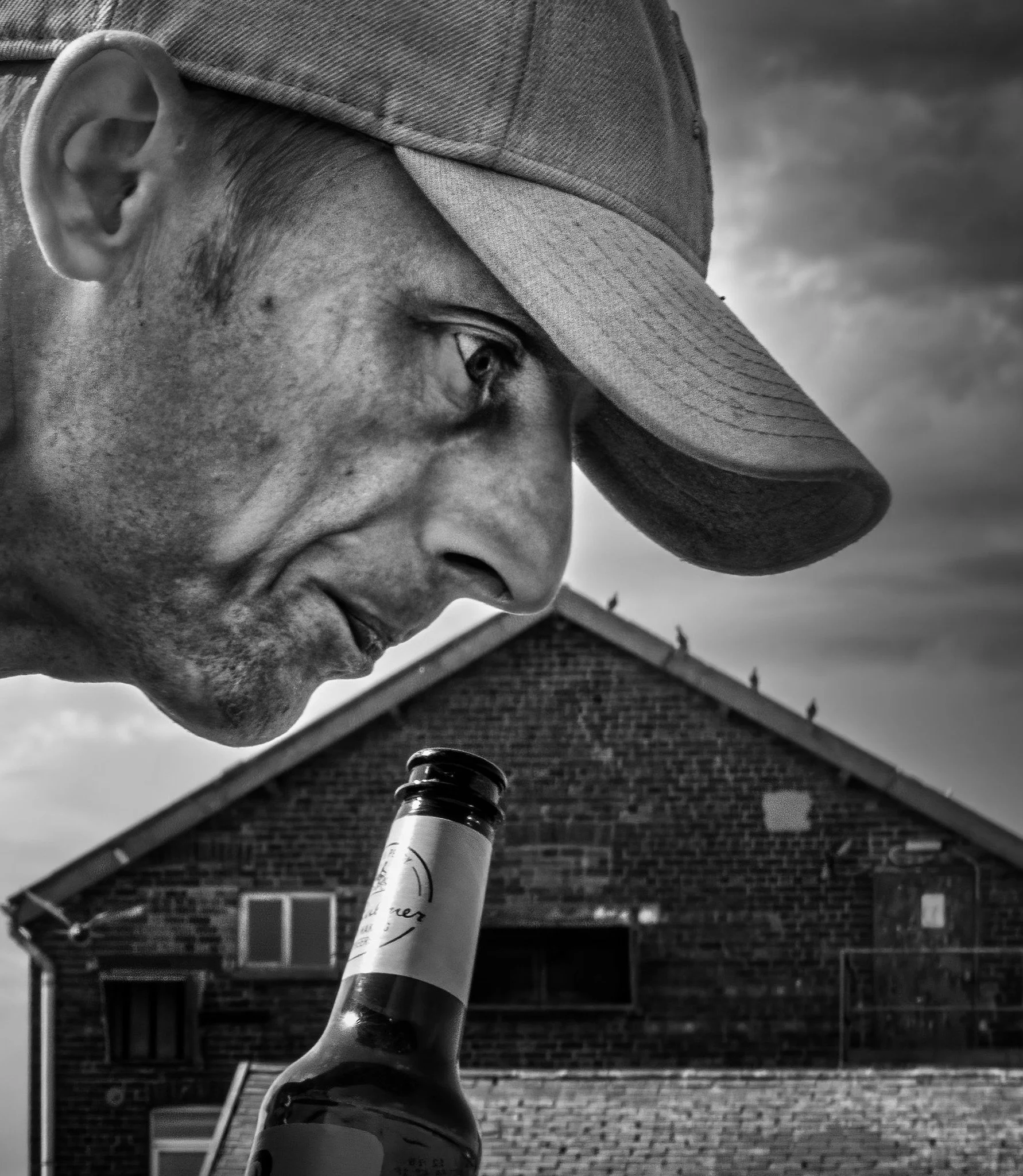
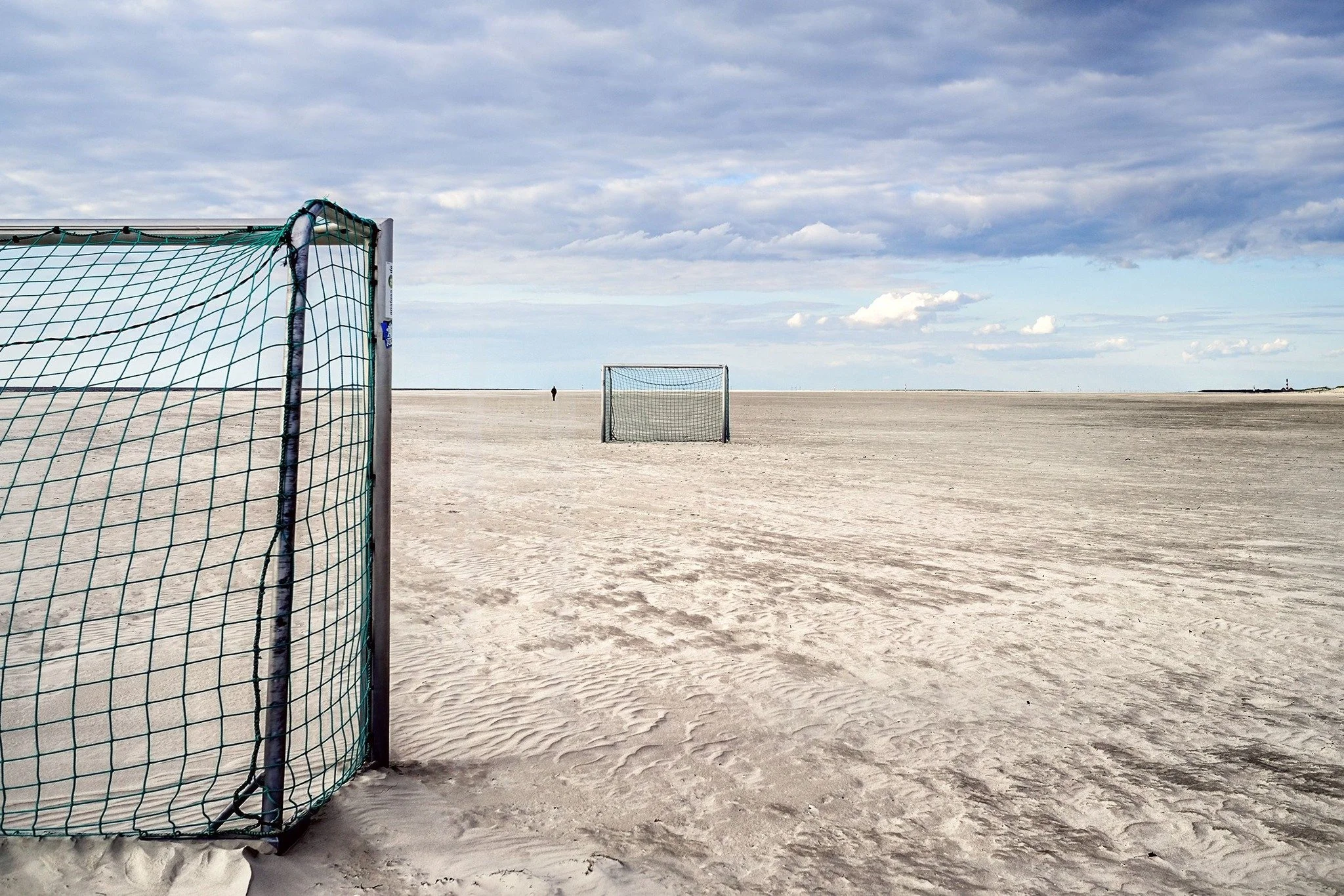
This week, many images caught my attention, and I chose these two because they awakened memories in me.
Gill's first image made me think of the advertising billboards of the 1940s and 1950s, when painted images were preferred to photographs. The beer brand isn't visible, but our imagination can expand the images — that's a fact. In any case, it is a completely different image from all the others, which only a great photographer can capture.
Sander's image made me think of Ghirri's landscapes and reminded me of this quote from the famous photographer: 'Photography is a formidable visual language to be able to increase this desire for infinity that is in each of us.' Many of Sander's works convey this same intention.
Monday 11.05.26
John St – Frank Stevens
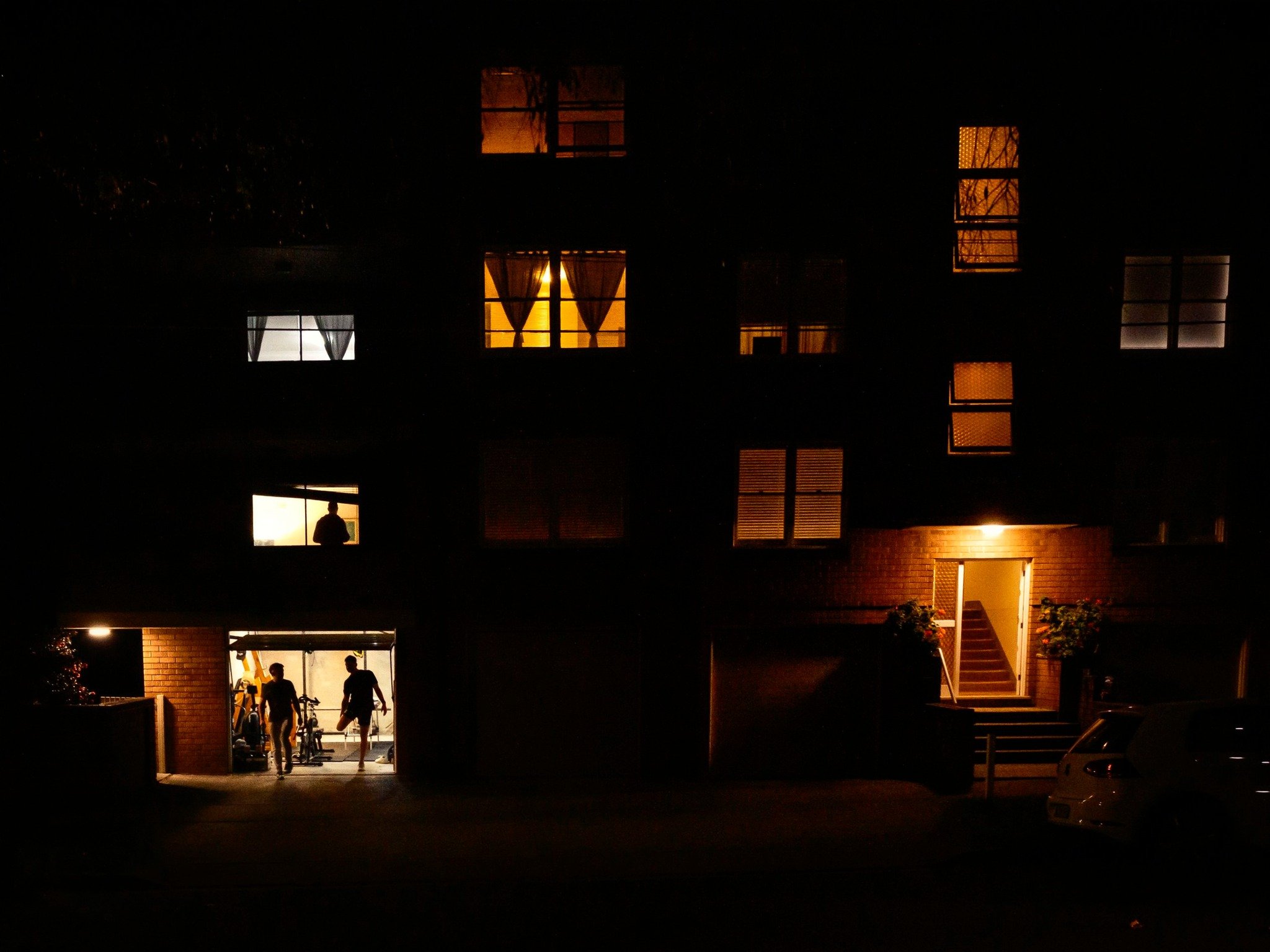
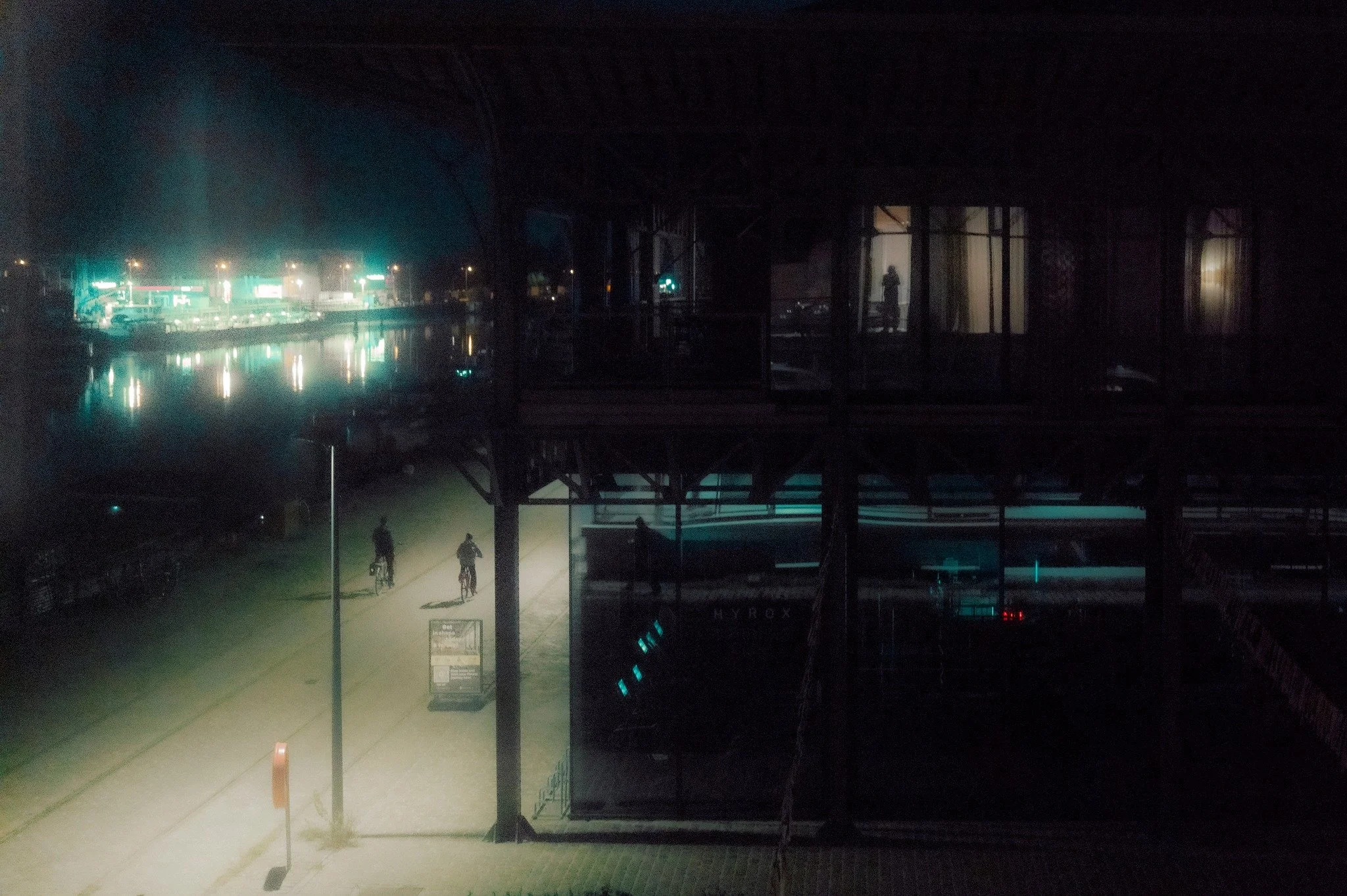
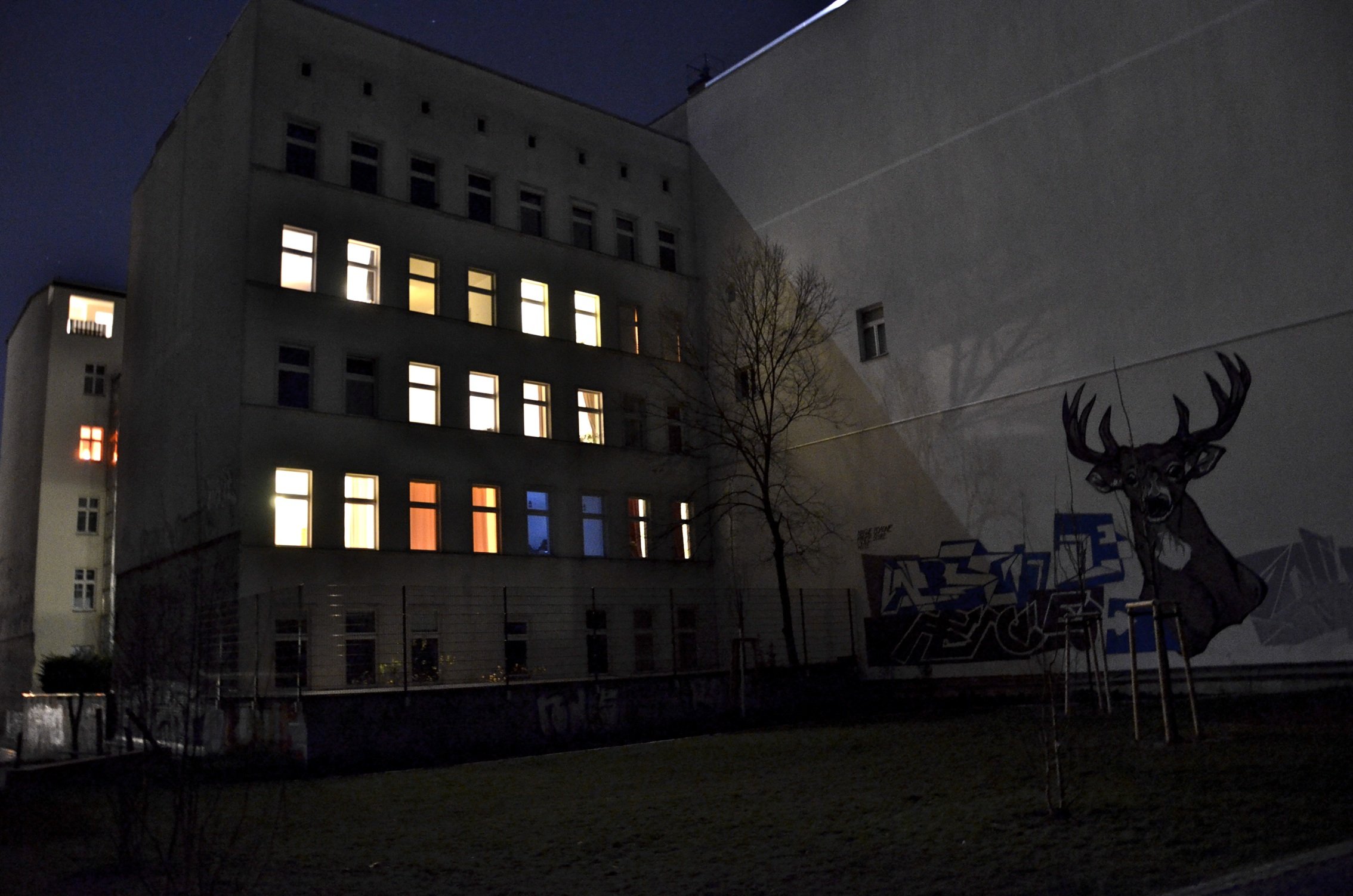
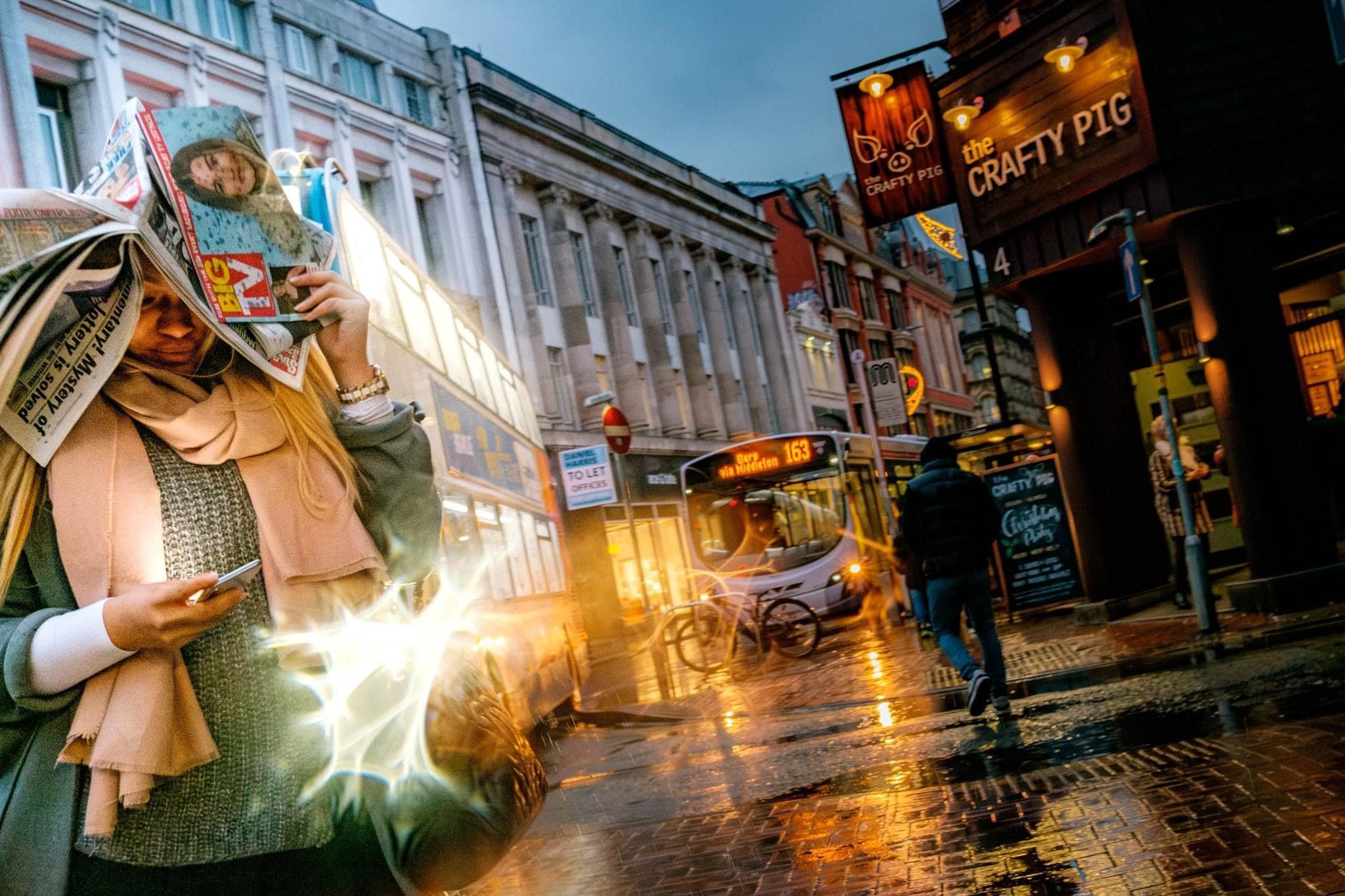
This week, I found myself completely captivated by a photographic genre that has long fascinated me: the art of the photographer who becomes invisible before the world they observe. This genre often showcases nocturnal landscapes, where the quiet stillness of the night is broken only by the warm, inviting glow of windows. Behind these luminous panes, lives unfold, each story a fragile whisper that can only be imagined by the observer.
I vividly recall those cherished childhood moments spent in the back seat of our car during long drives home from family holidays, especially on those dark nights. As we travelled, I would gaze out at the twinkling lights of my city, each glowing window sparking my imagination as I crafted intricate tales about the lives within. Some things, it seems, never truly change—my fascination with these glimpses into unseen worlds remains as strong as ever.
As I was saying, this week I came across two particularly striking images. In both photographs, I noticed an external couple—a subtle yet poignant detail that added a layer of narrative. Moreover, both images boast a perfectly curated colour palette, blending hues that complement the night's mood and enhance the overall atmosphere of each tableau. The contrasting colours of the illuminated windows against the deep blacks of the night sky create a visual harmony that captivates the eye and invites deeper contemplation. It’s a reminder of the beauty in the stories hidden within each window, waiting for someone to look more closely and imagine the lives behind the glass.