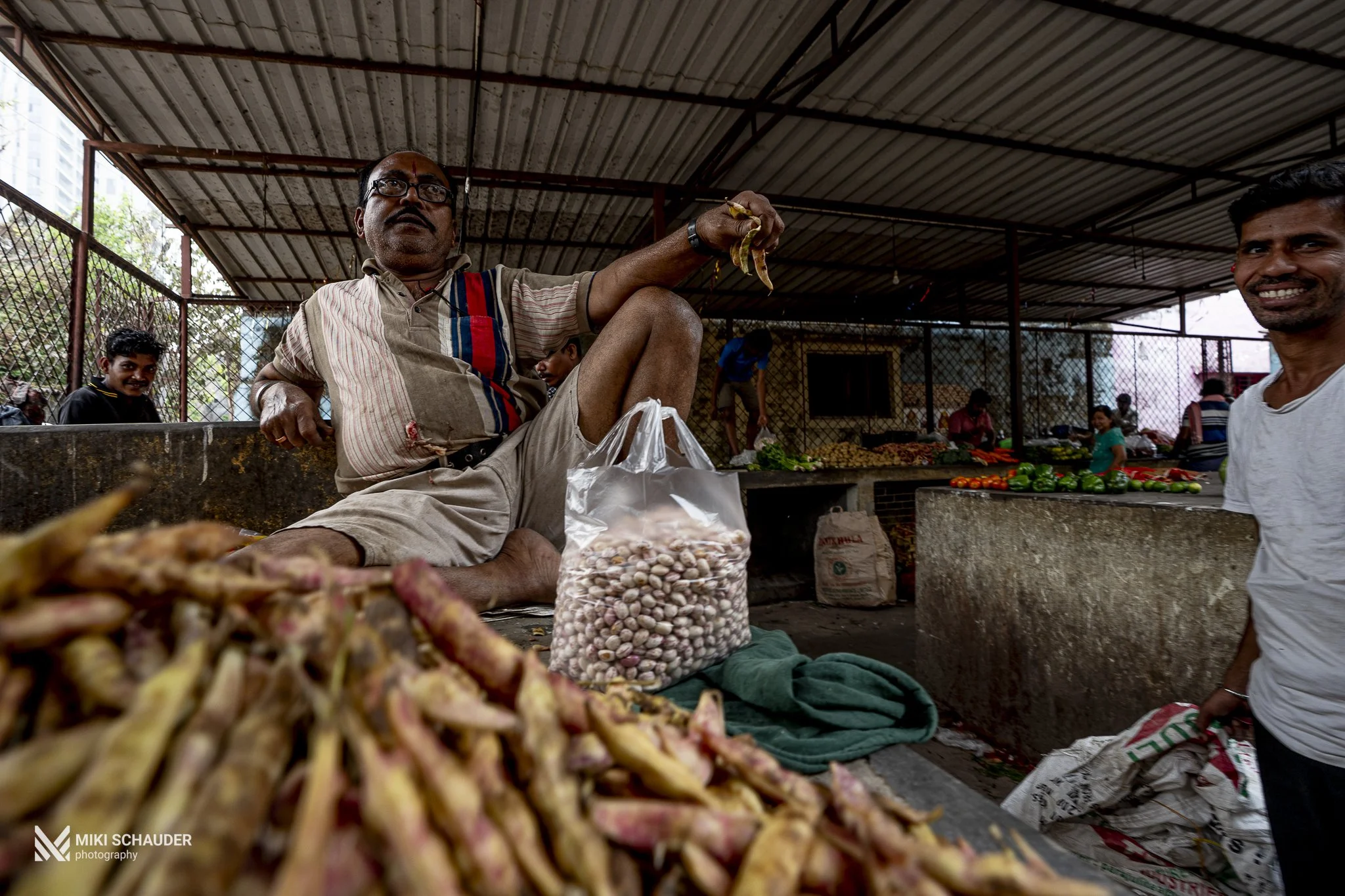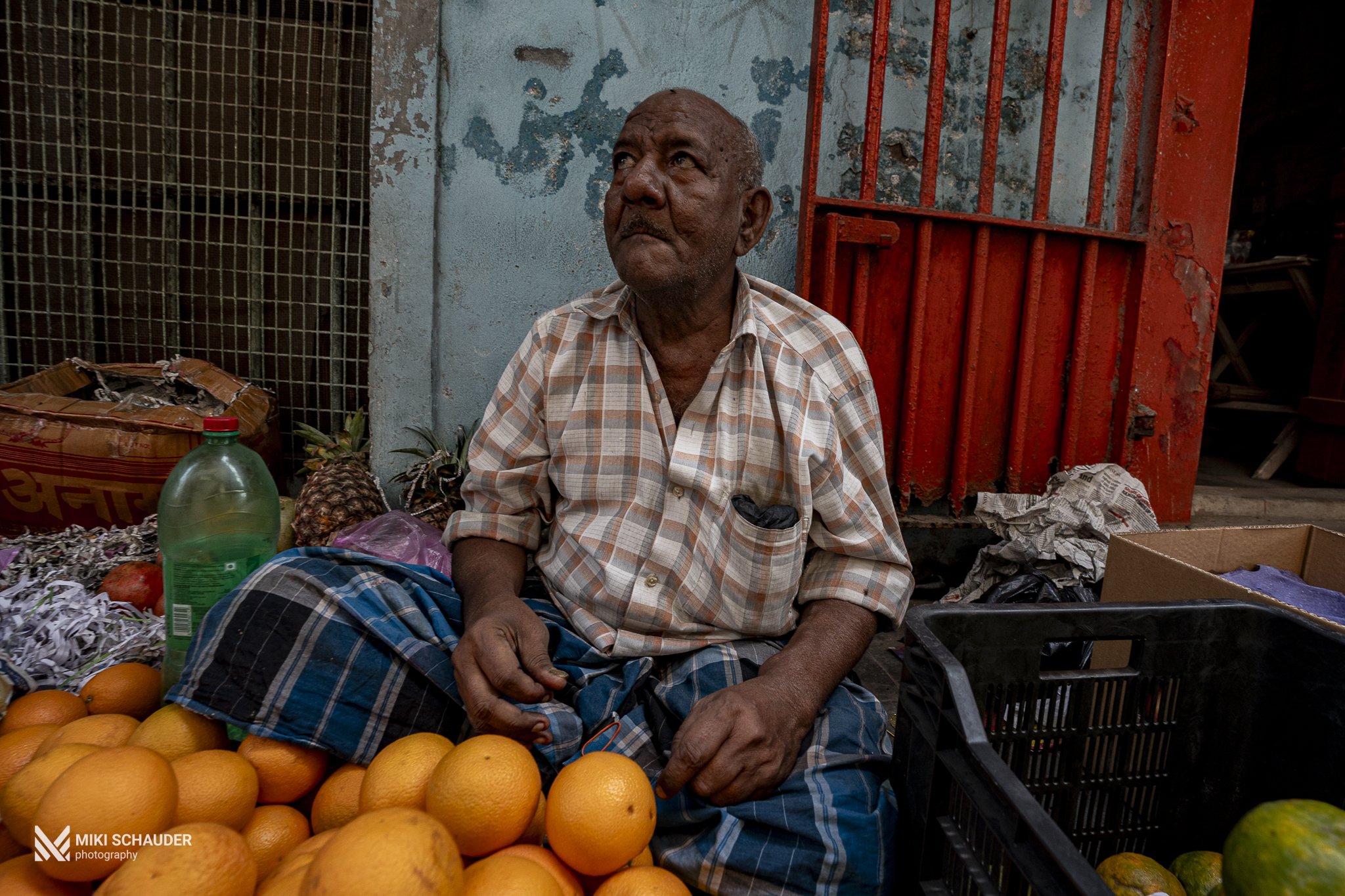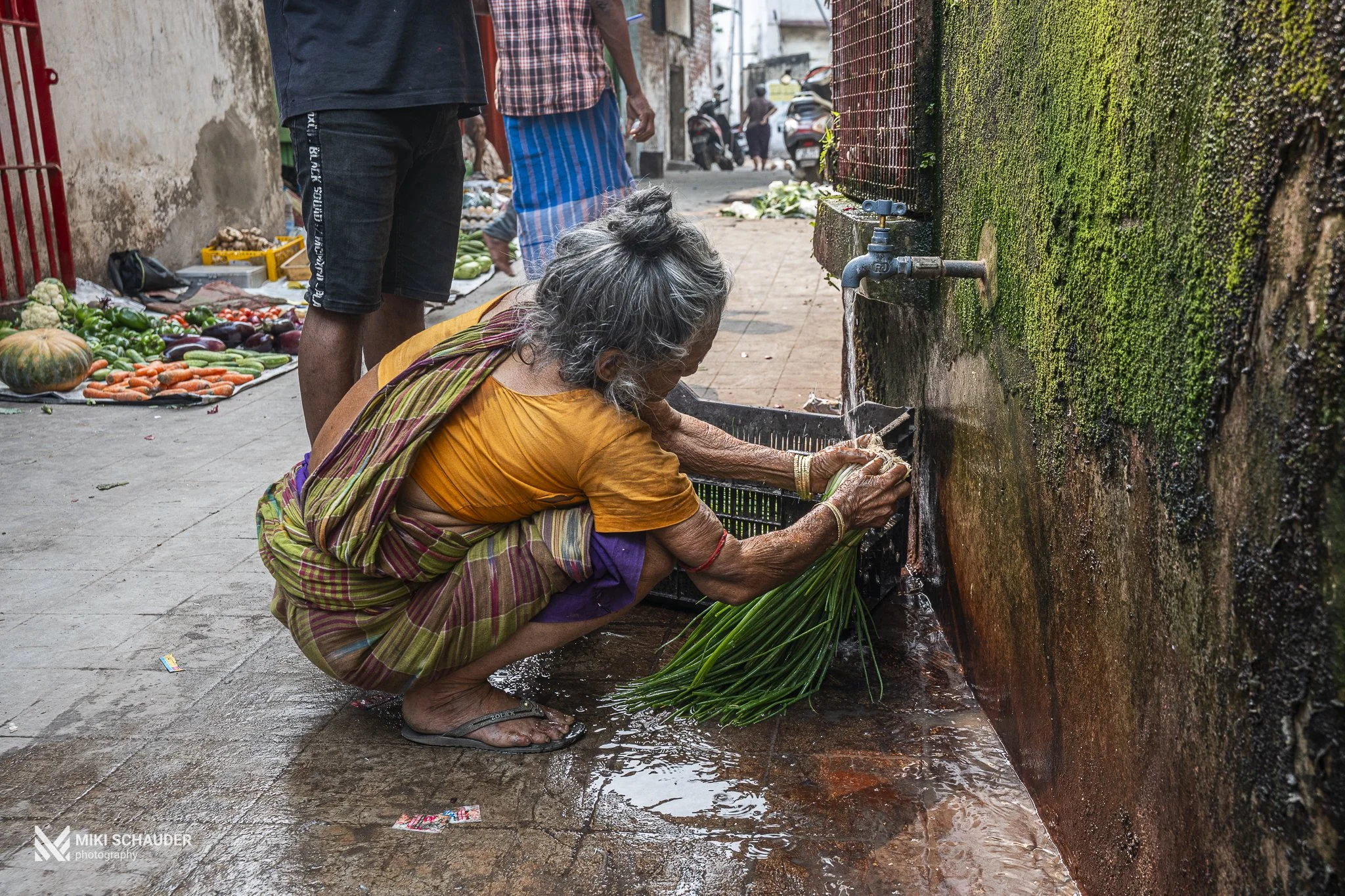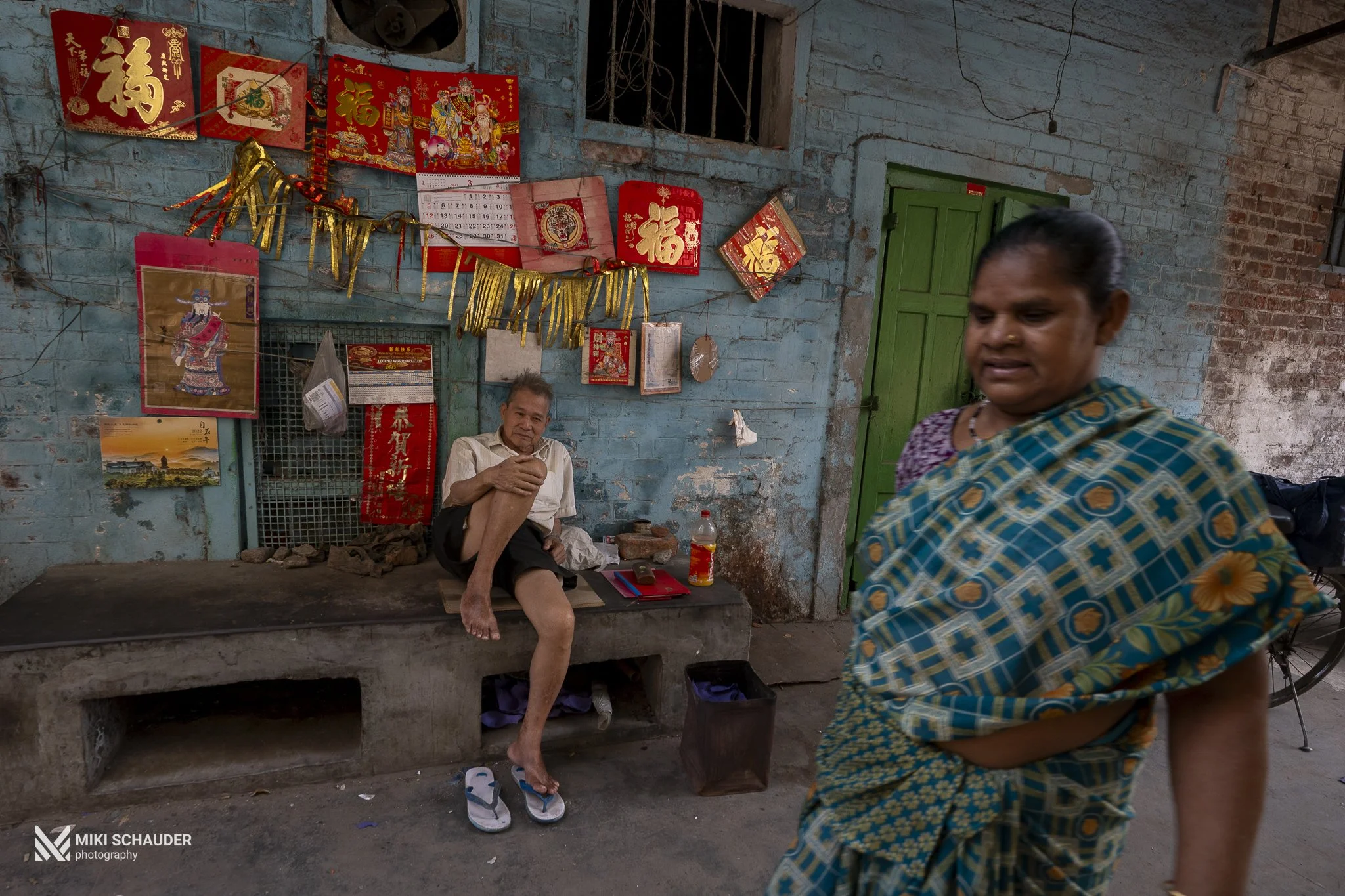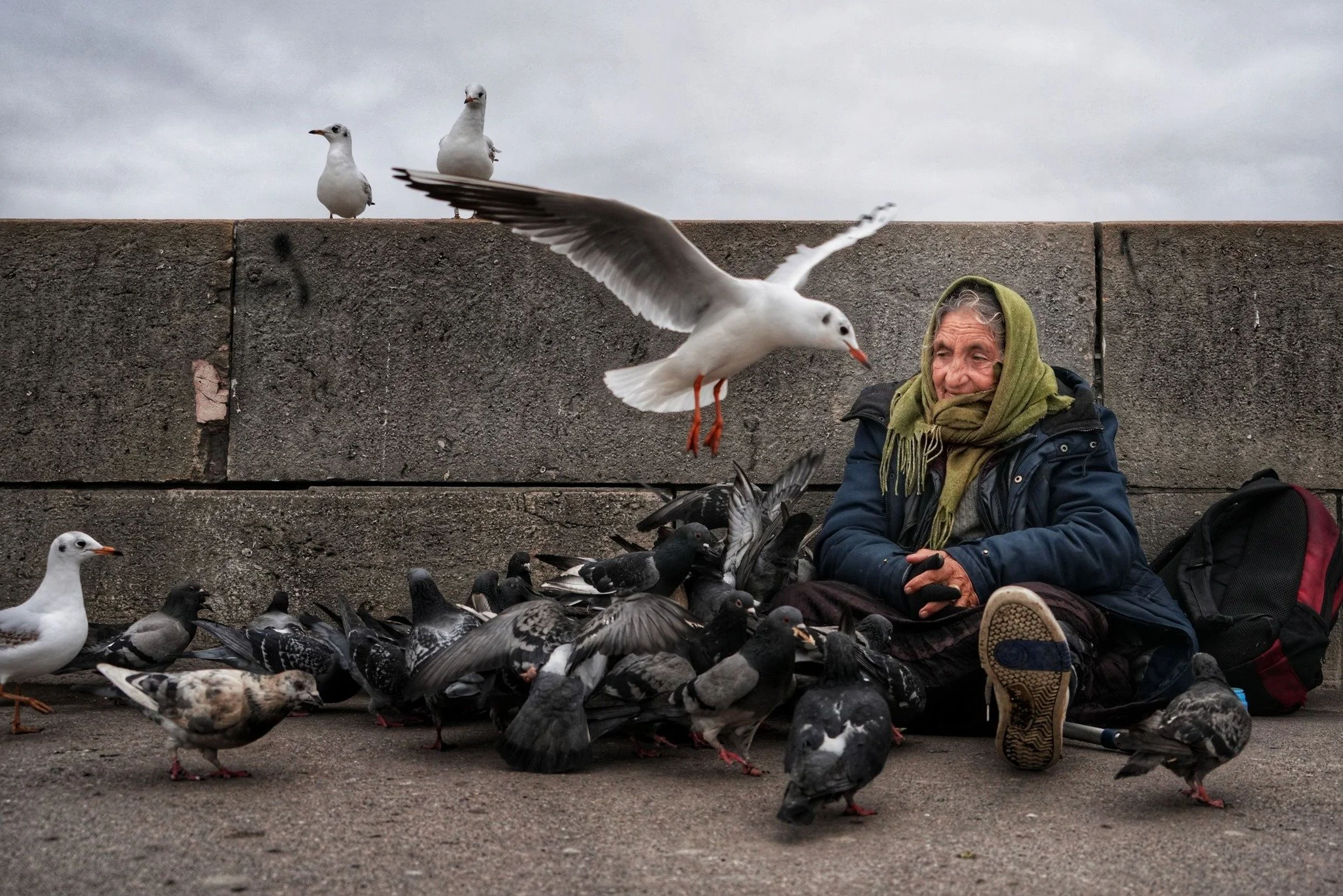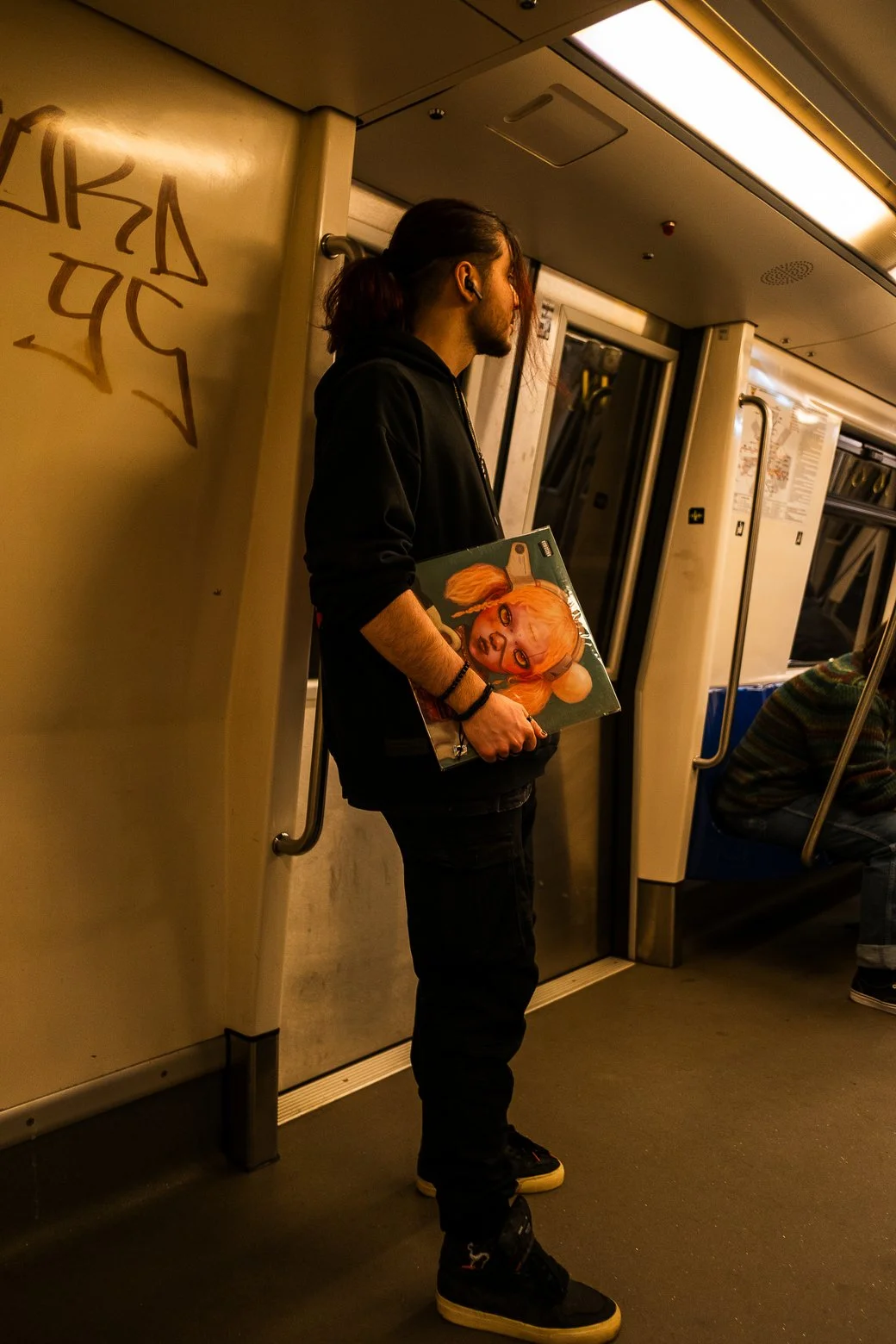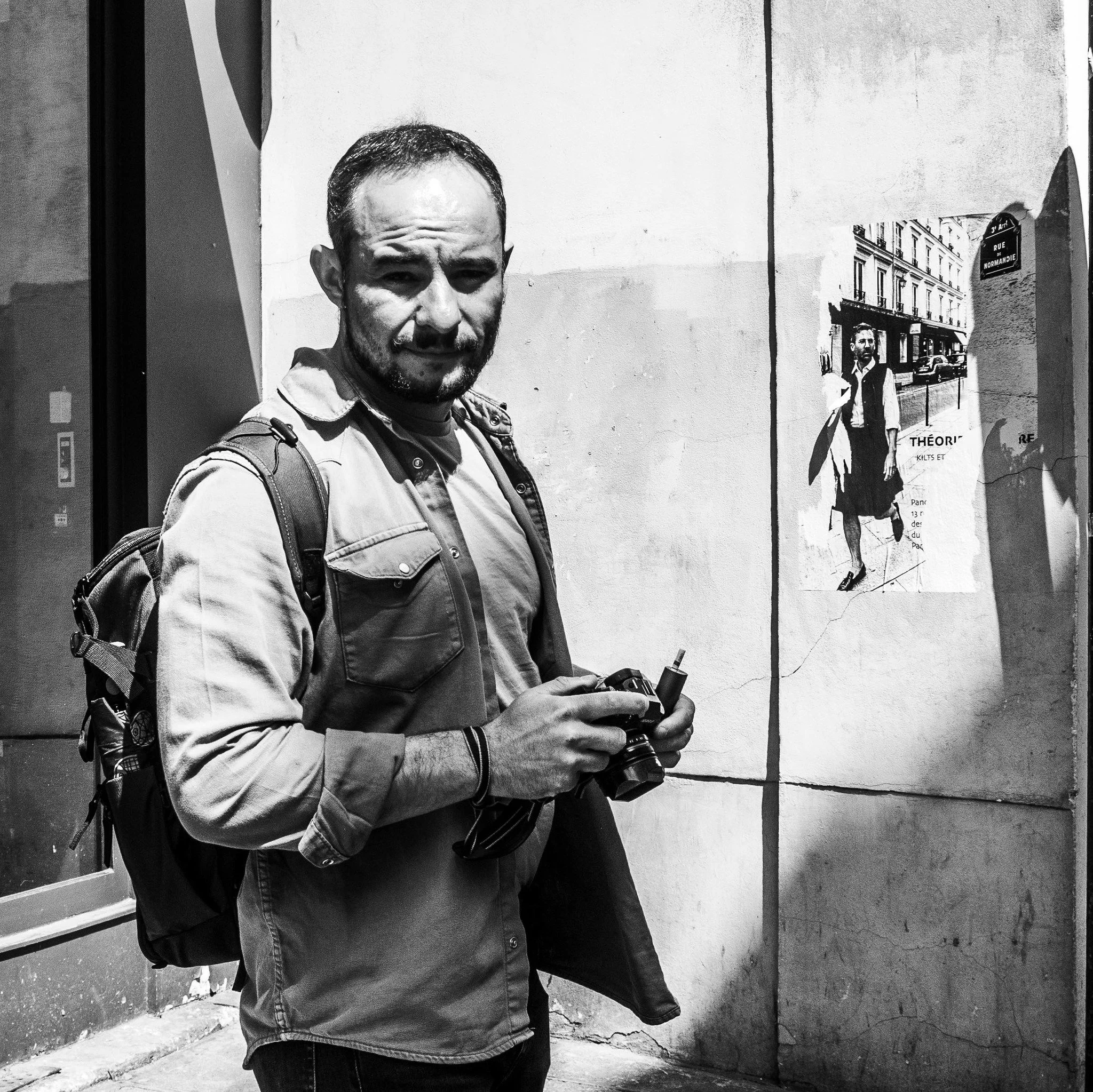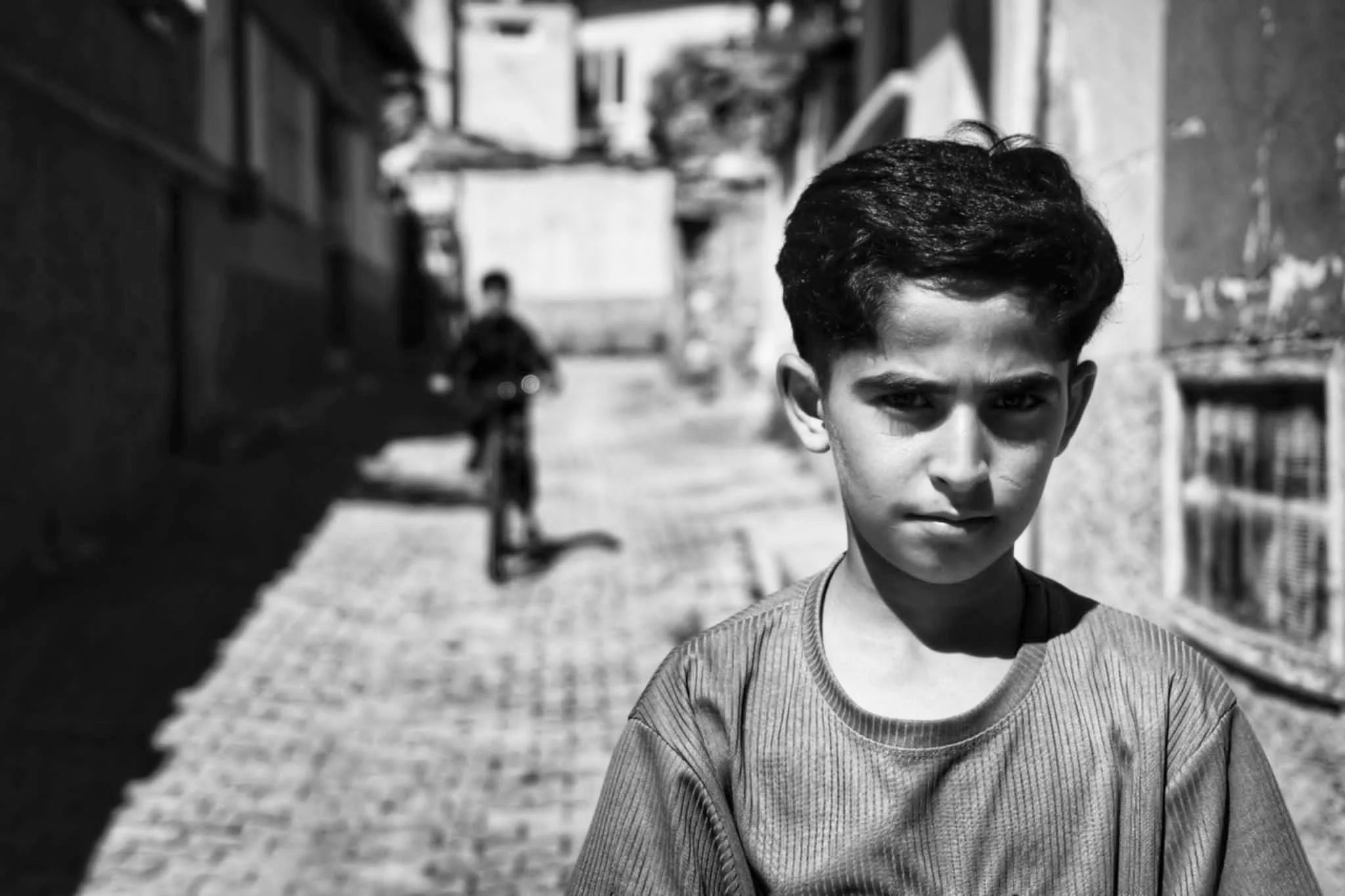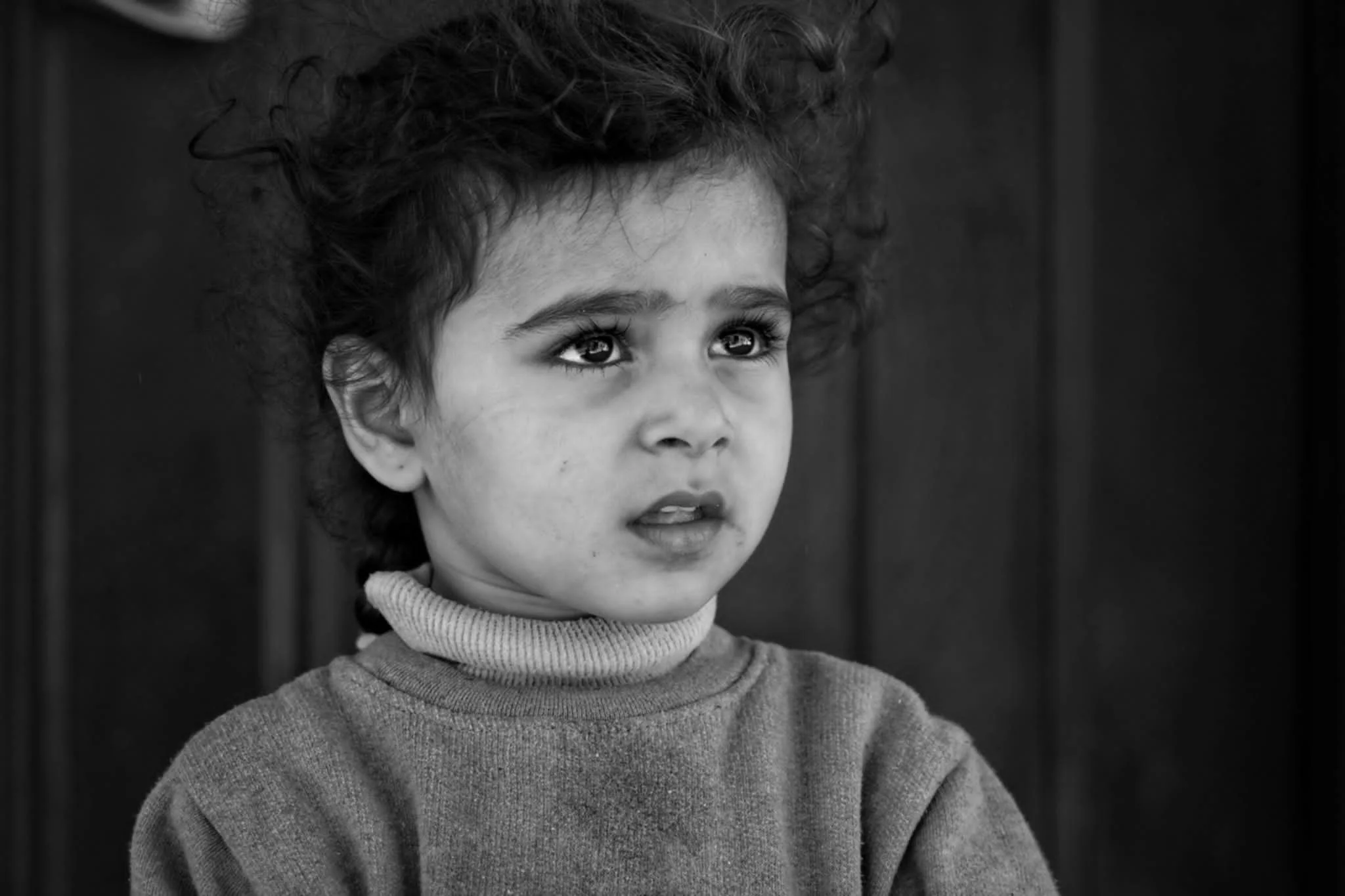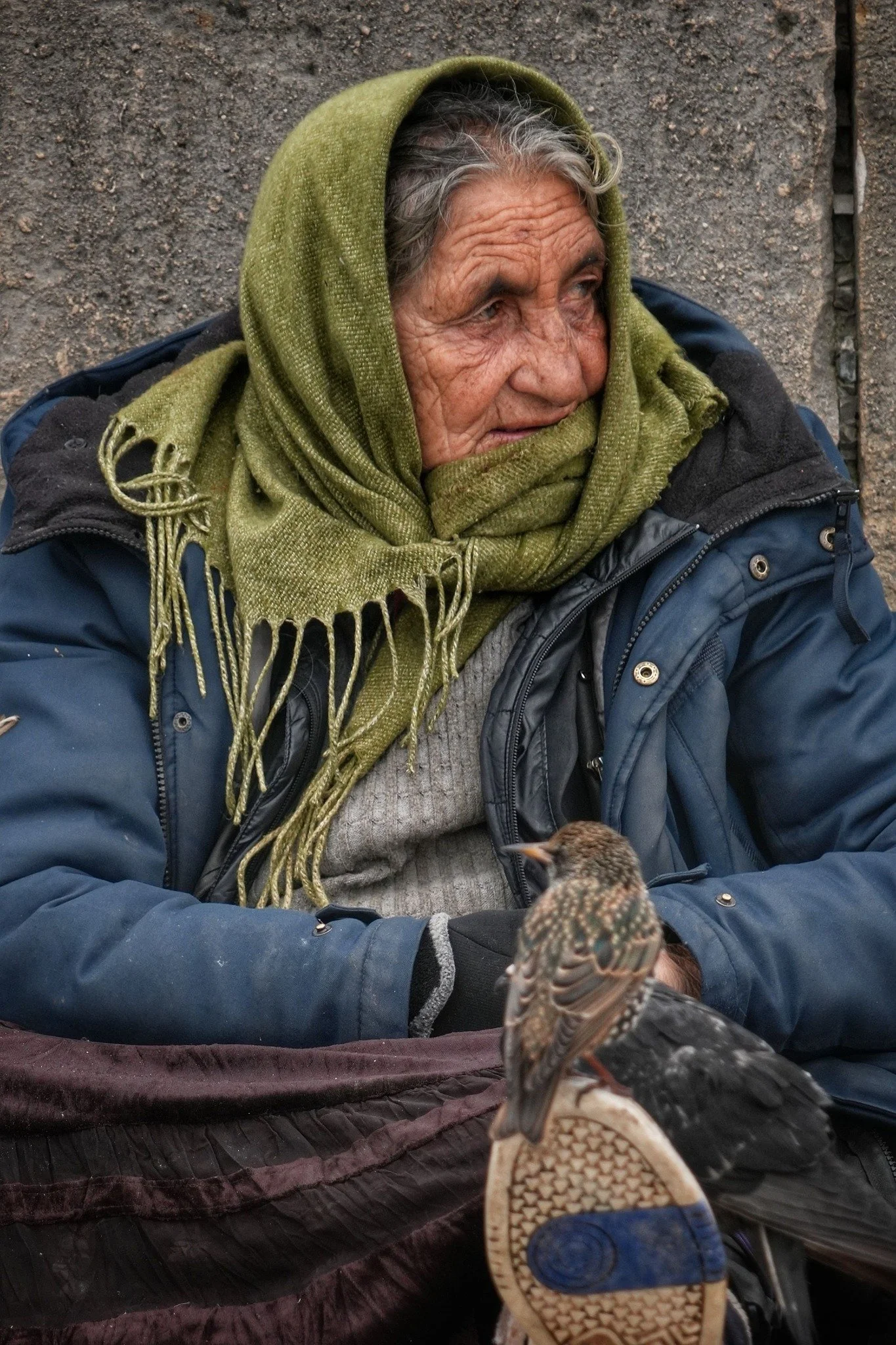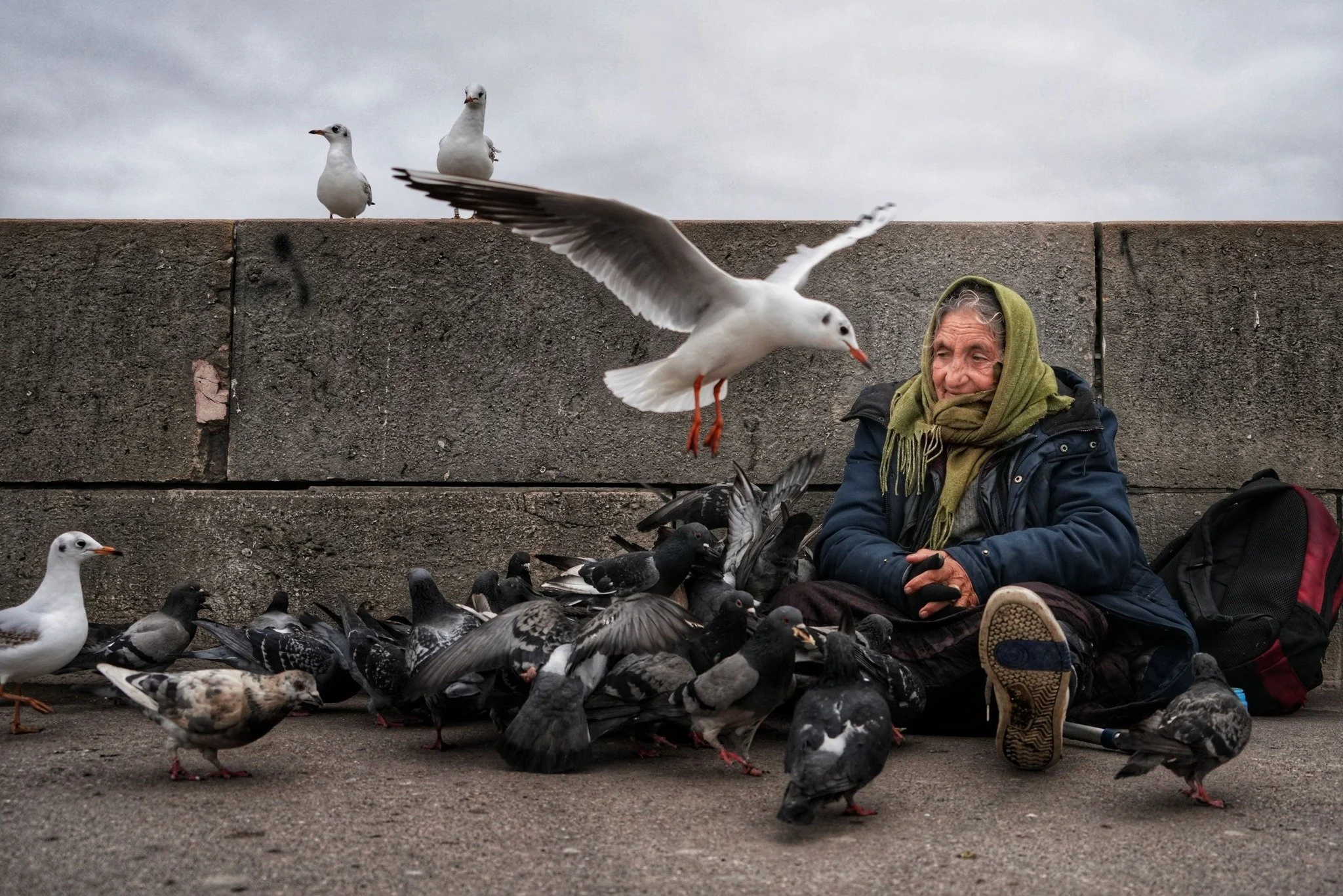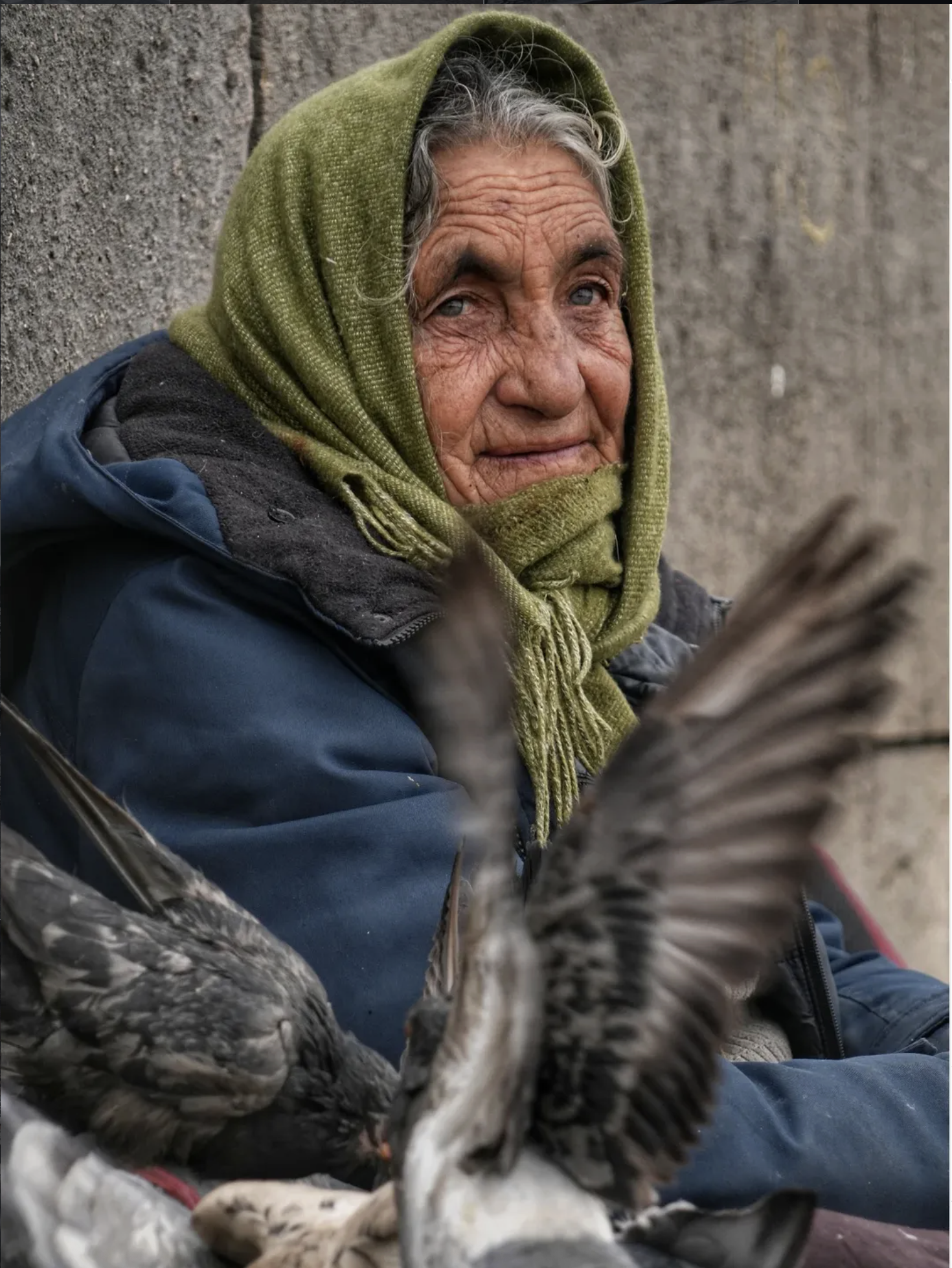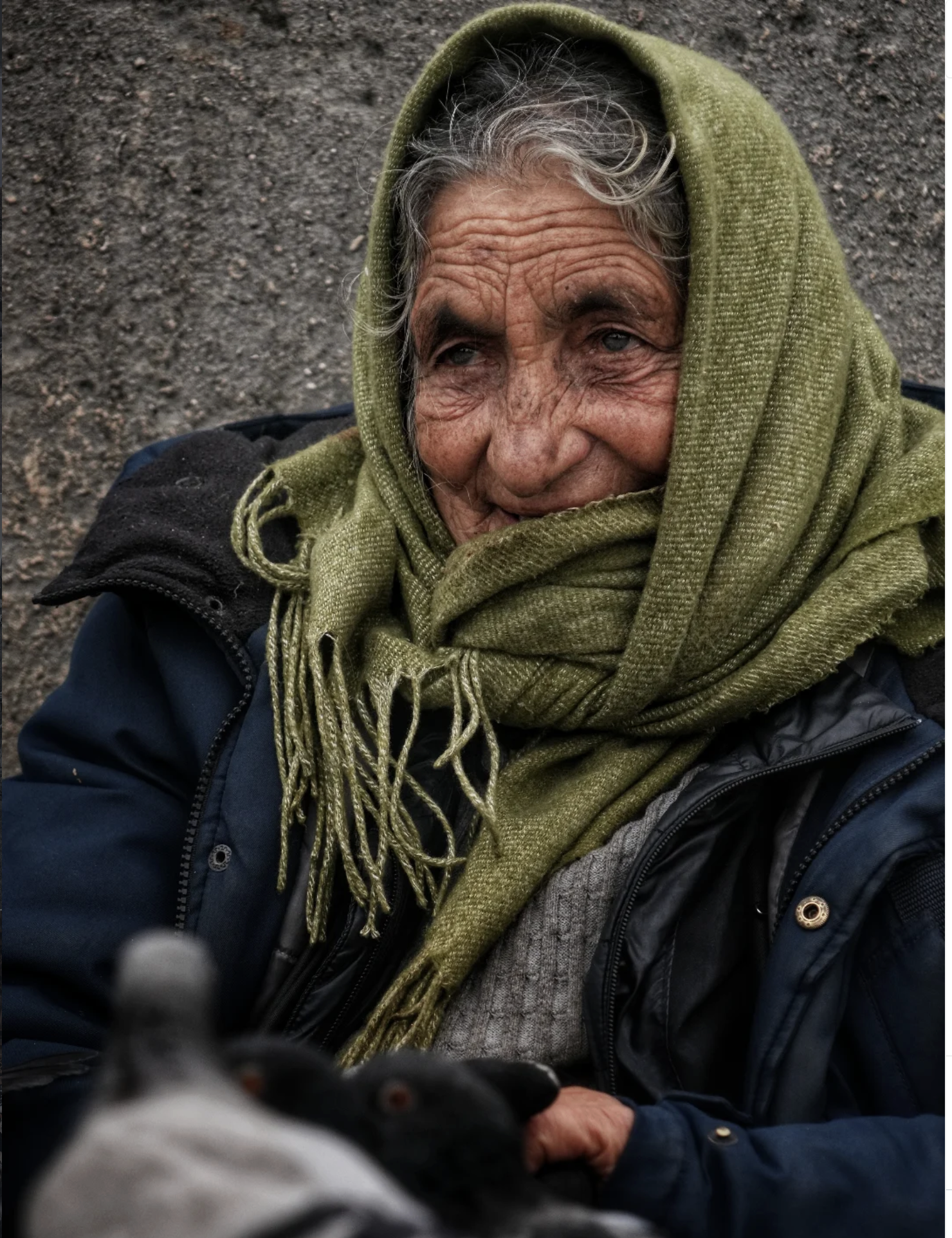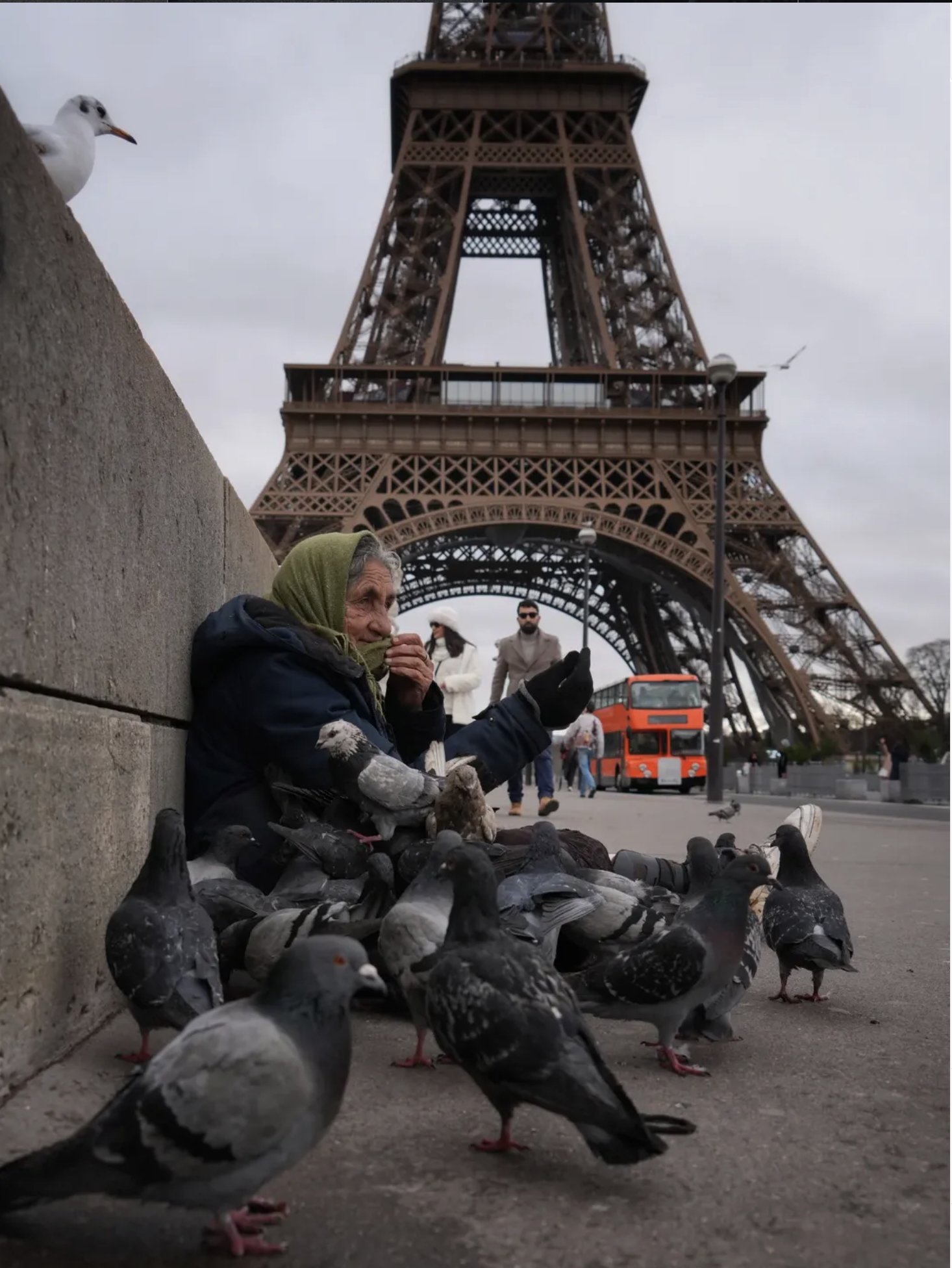
There are some problems in Paris with Romanian beggars, in particular, coming from Eastern Europe and linked to some organised gangs and poverty.
These people are generally managed by human trafficking mafias, are forced to beg, especially in tourist areas, and live in camps to benefit from France's social assistance opportunities.
I've heard it before.
During my last visit to Paris in February 2026, I saw this woman begging under the Eiffel Tower with her birds. It was not surprising to me to encounter beggars with cats and dogs in various parts of Europe, but this woman, with dozens of birds around her, caught my eye. I immediately took a photo of it. Of course, I also paid a fee.
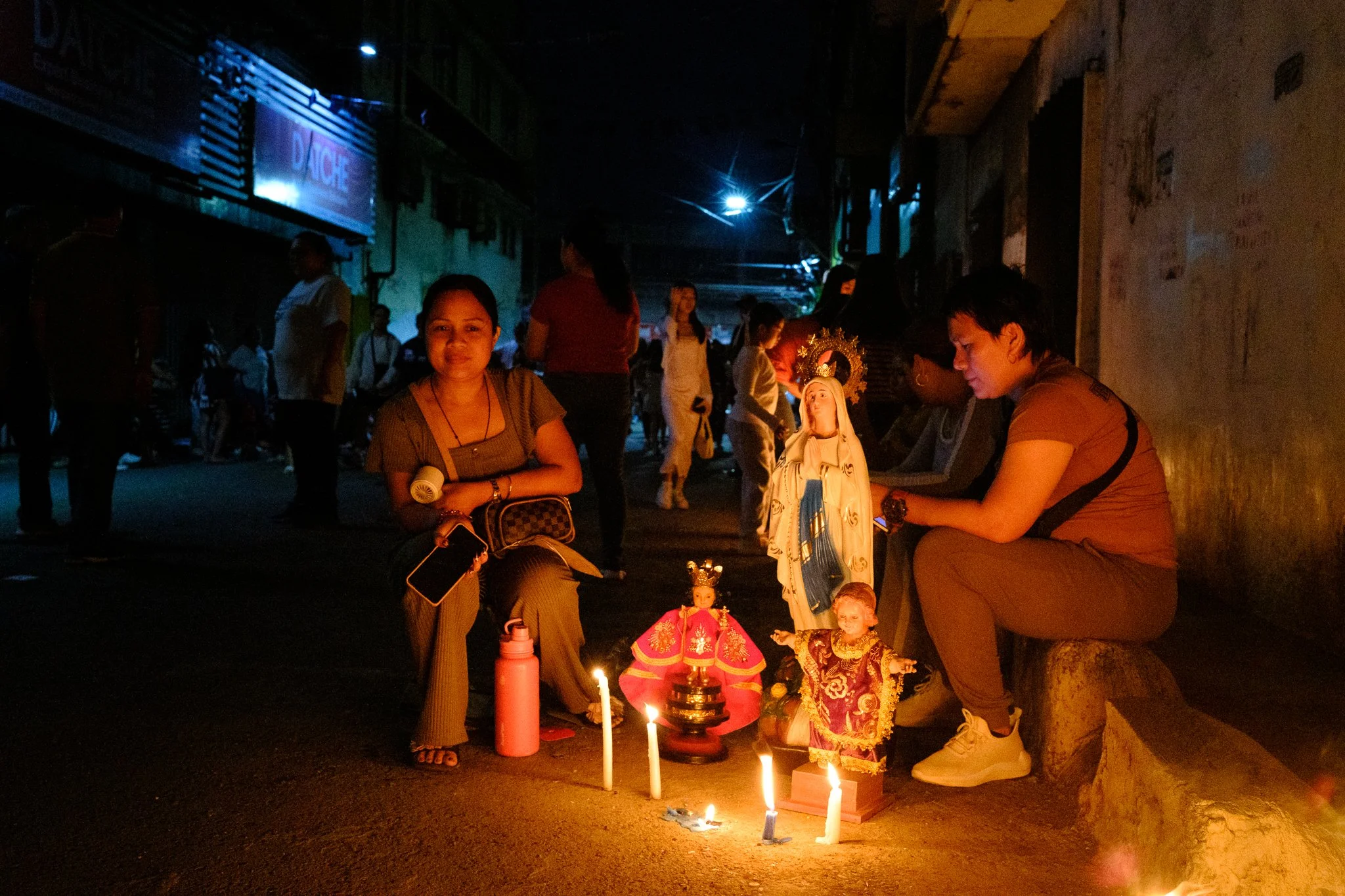
Walking with Mary: Faith at Dawn in Cebu City, Philippines by Ubo Pakes
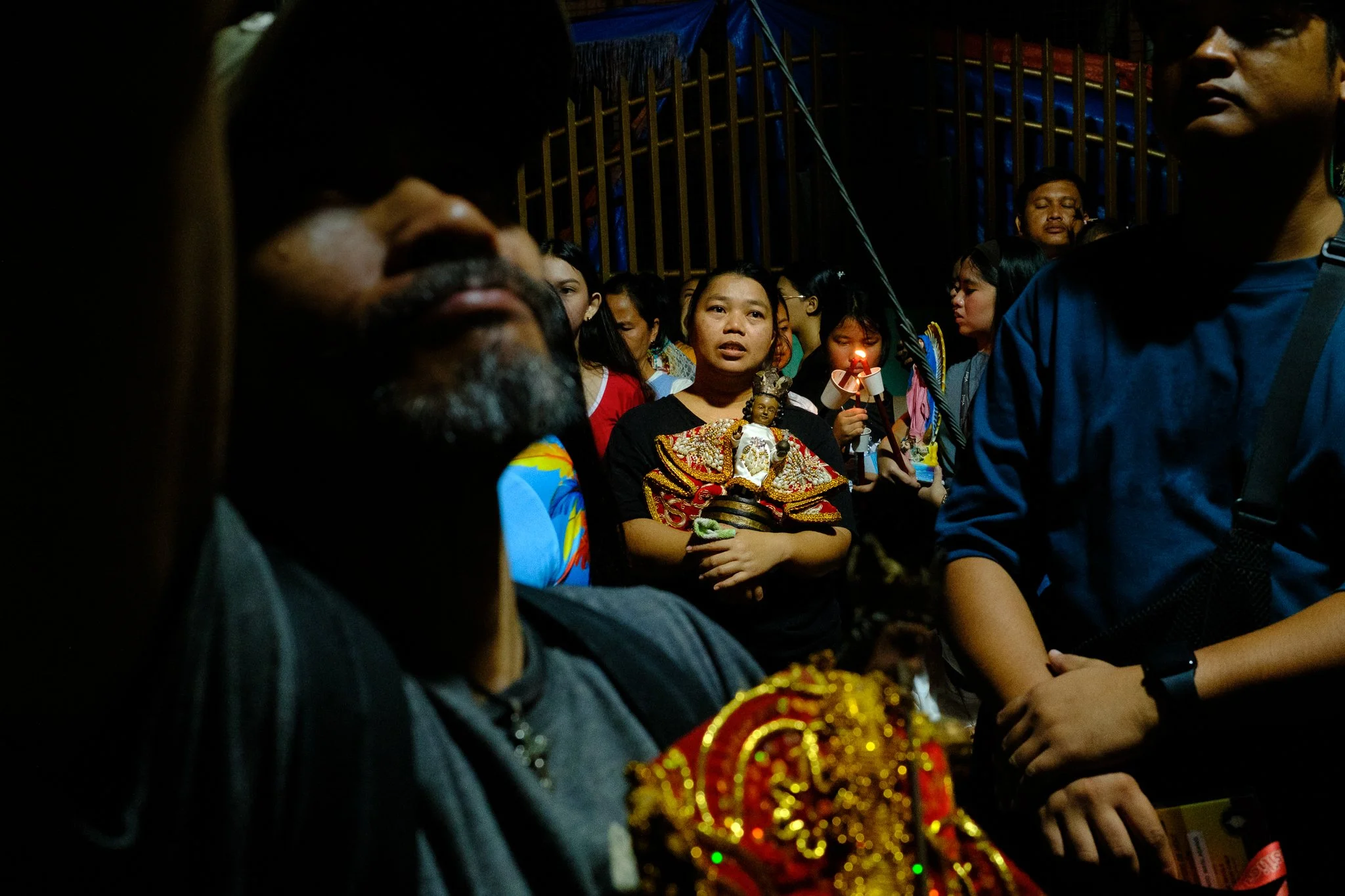
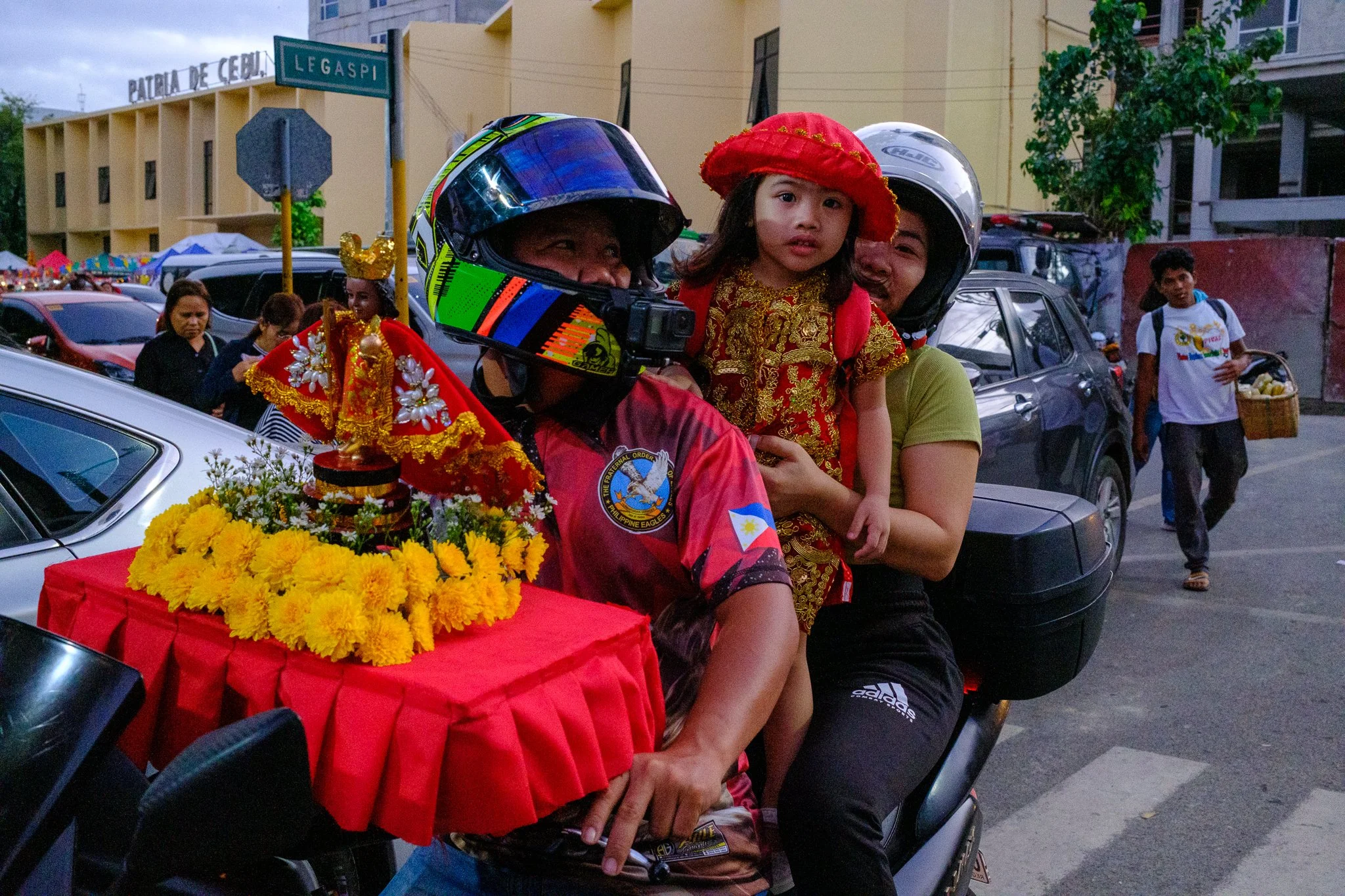
Santo Niño de Cebu, a statue of the child Jesus brought to the Philippines by Spanish explorers under Ferdinand Magellan in 1521, holds profound religious and historical significance for both Cebu City and the Philippines. As the oldest Christian relic in the country, the Santo Niño is the patron saint of Cebu and represents the deep Catholic faith that has shaped Filipino culture for five centuries. The statue survived fires and conflicts throughout history, which is seen as miraculous proof of divine protection. For us in Cebu, Santo Niño is not merely a religious icon but a beloved patron who is believed to intercede in times of need.
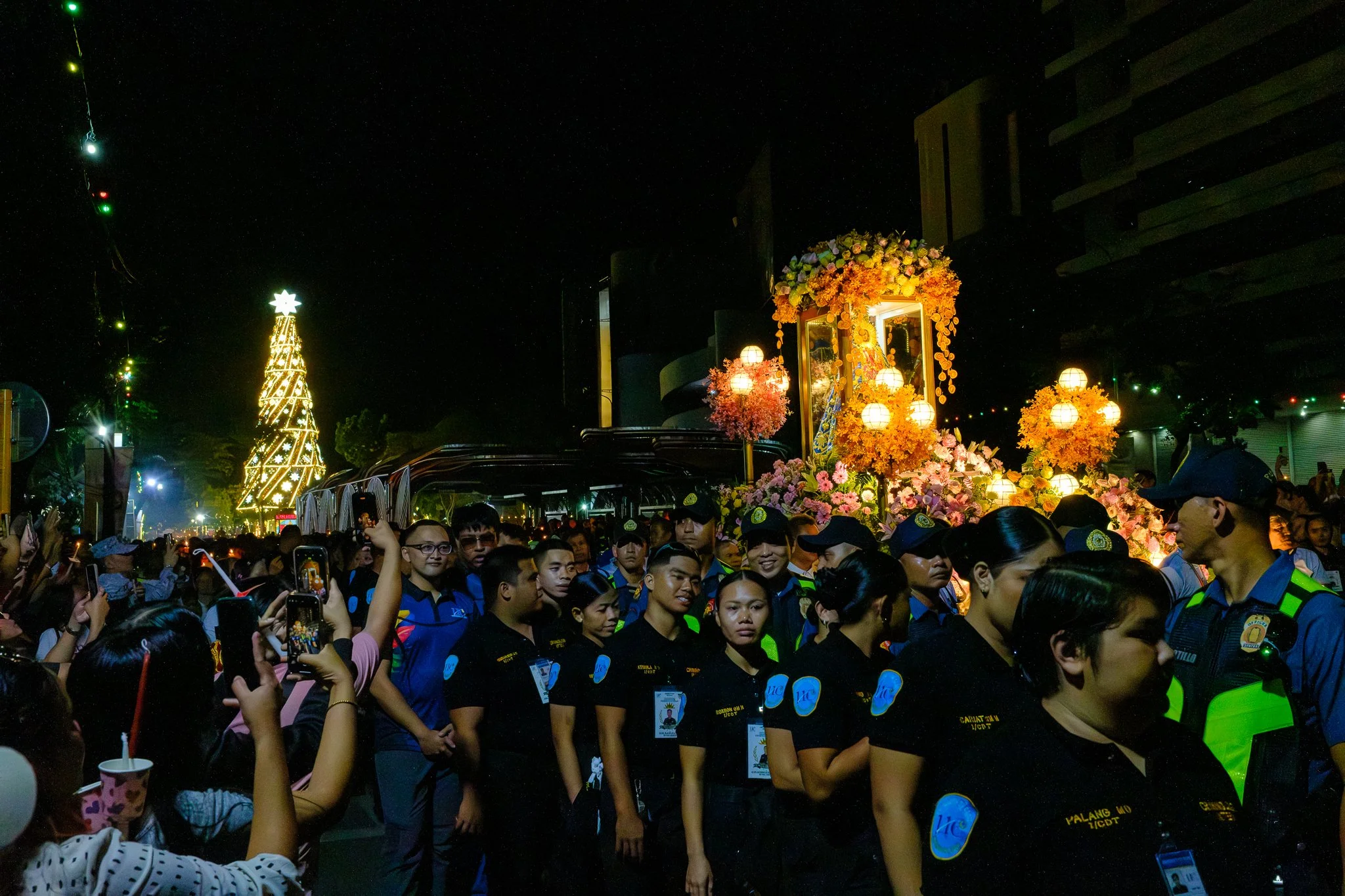
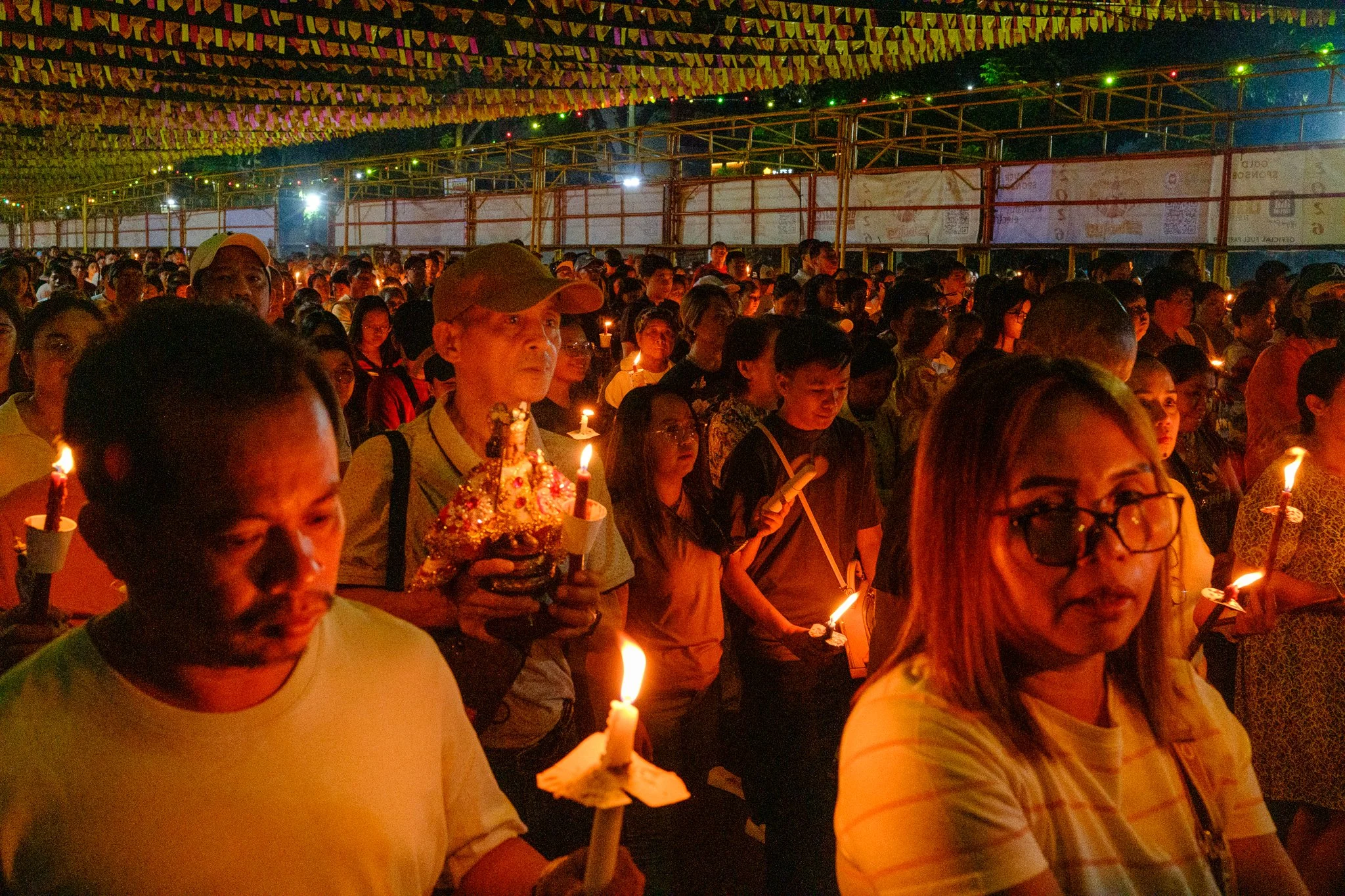
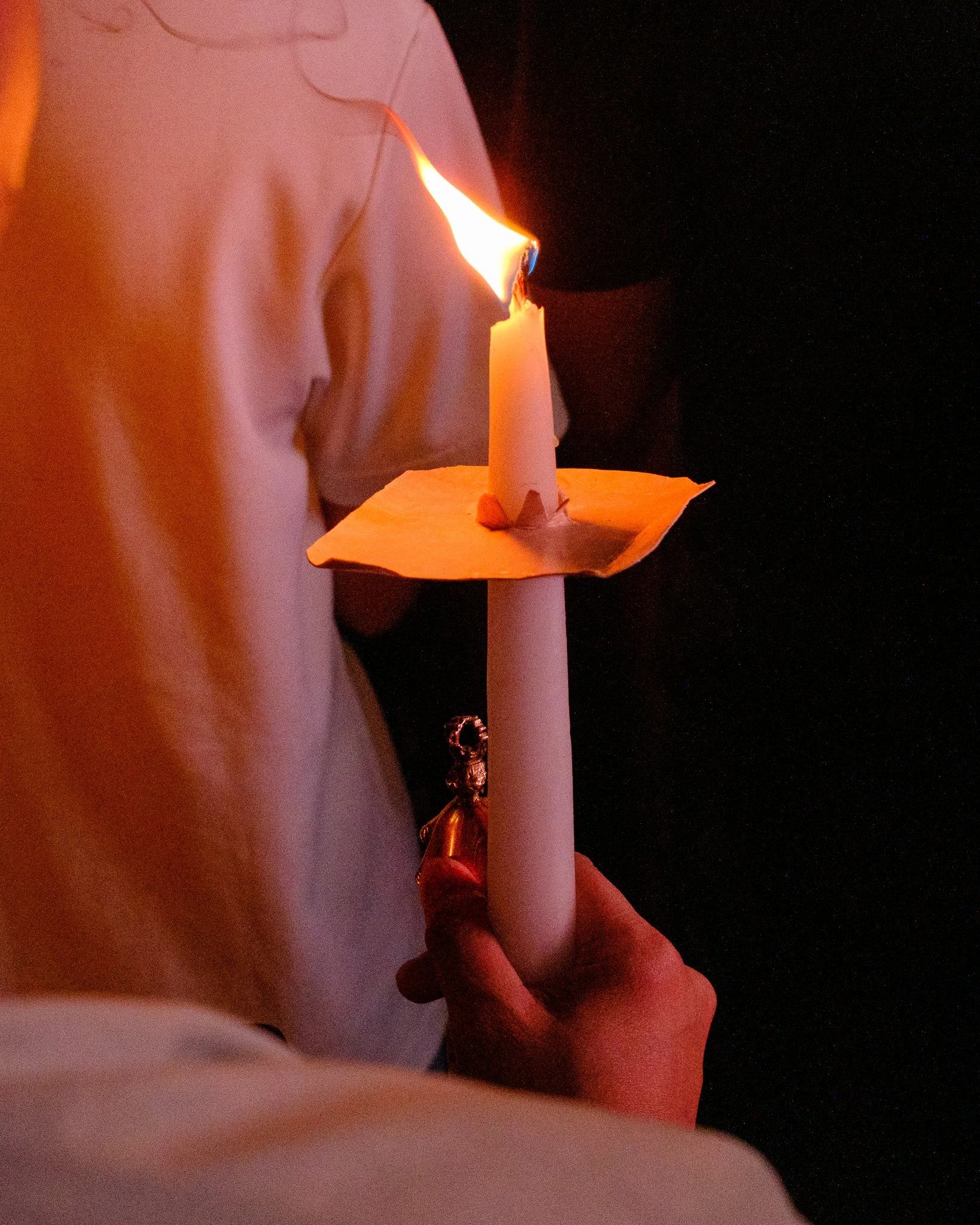
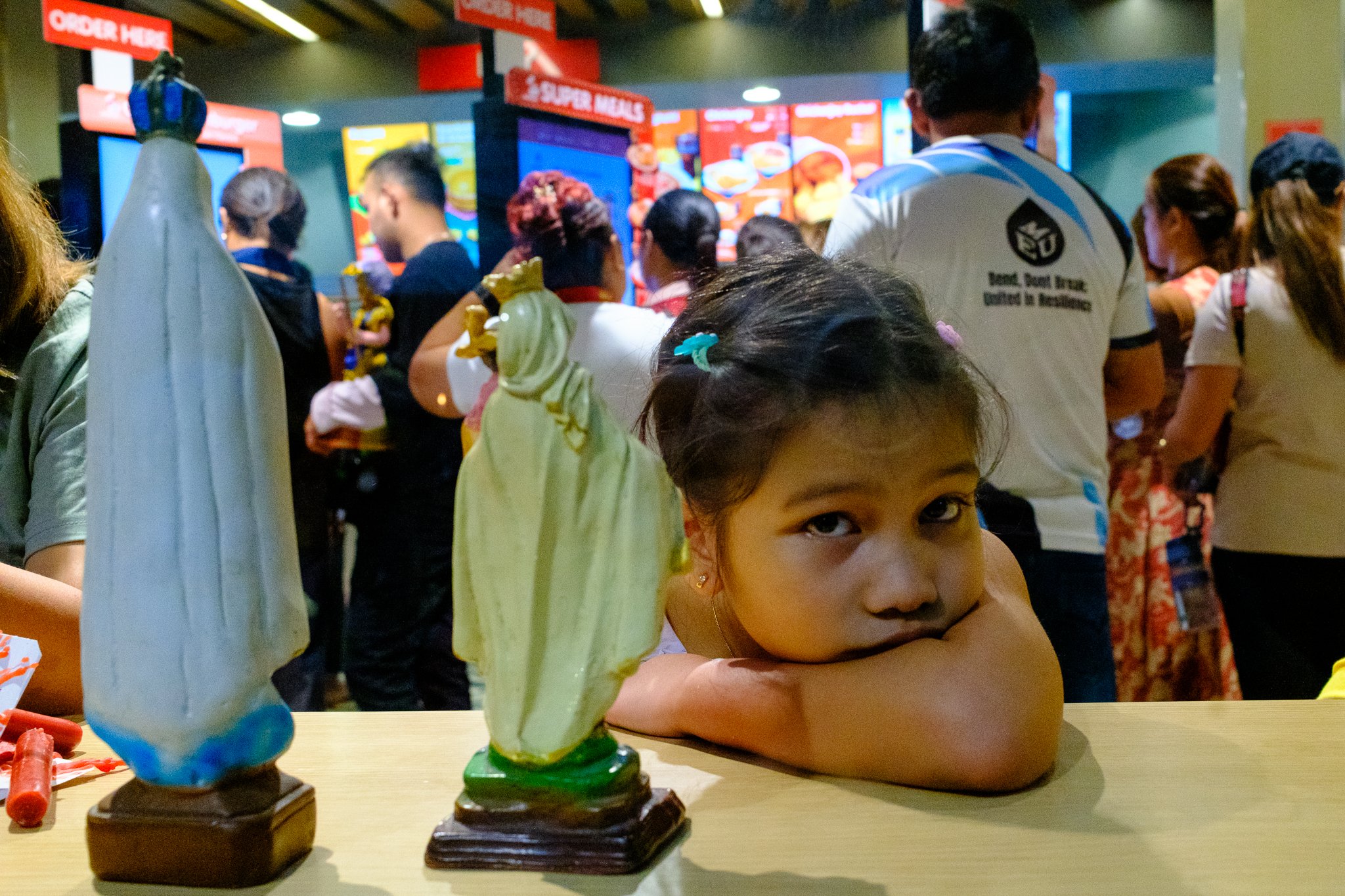
Each January, millions of Filipinos participate in the Sinulog Festival, a vibrant celebration honoring the Santo Niño that has become one of the country's grandest religious and cultural events, featuring street dancing, processions, and fervent displays of devotion. The Walk with Mary, held before the Sinulog Festival's grand parade, is a solemn procession that honors the Virgin Mary and serves as a spiritual prelude to the more exuberant Sinulog celebrations. This year, more than a hundred and fifty thousand devotees, many dressed in white and carrying candles or statues of saints, walk through the streets of Cebu City alongside the image of Our Lady of Guadalupe de Cebu, offering prayers and thanksgiving.
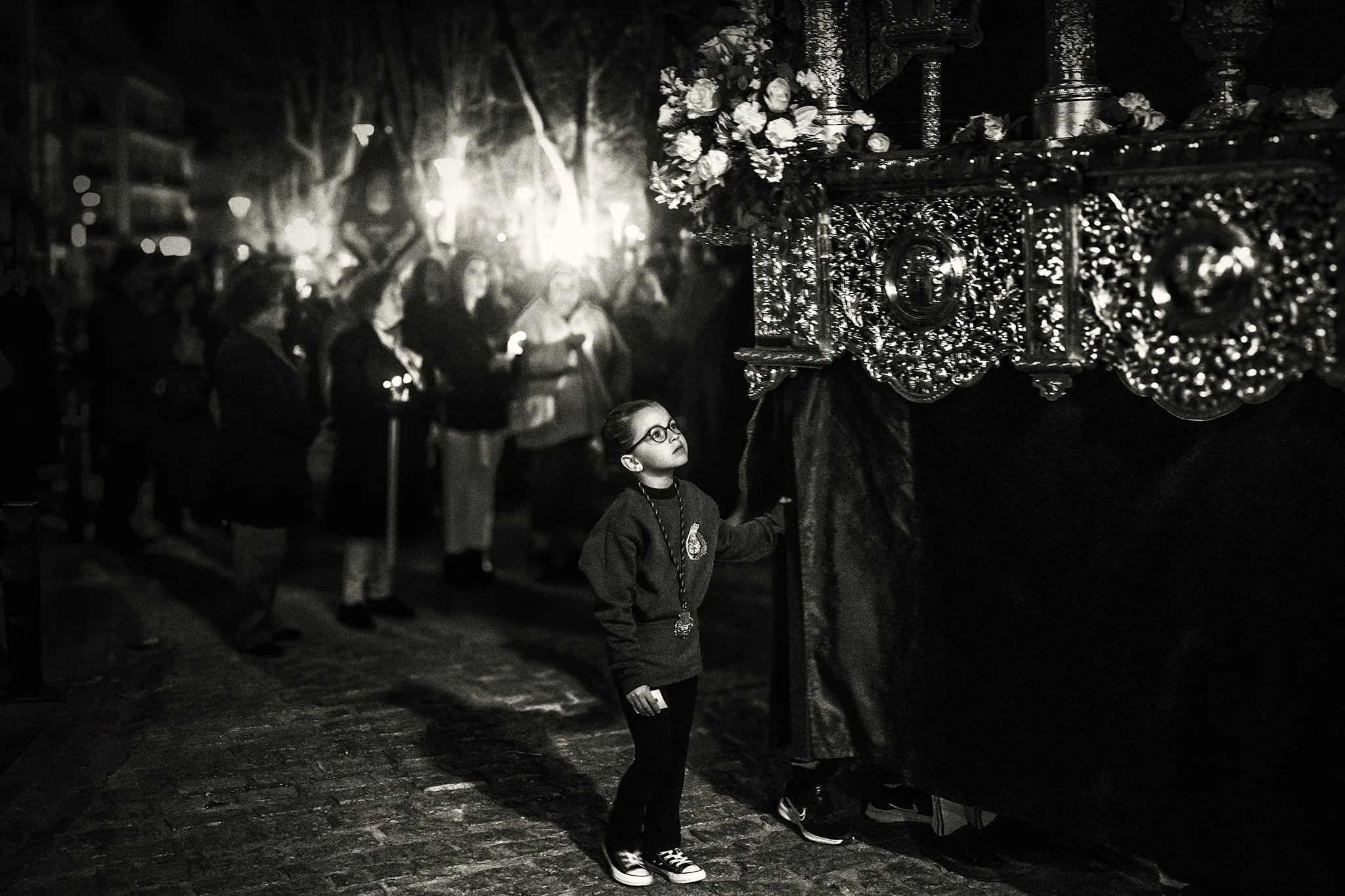
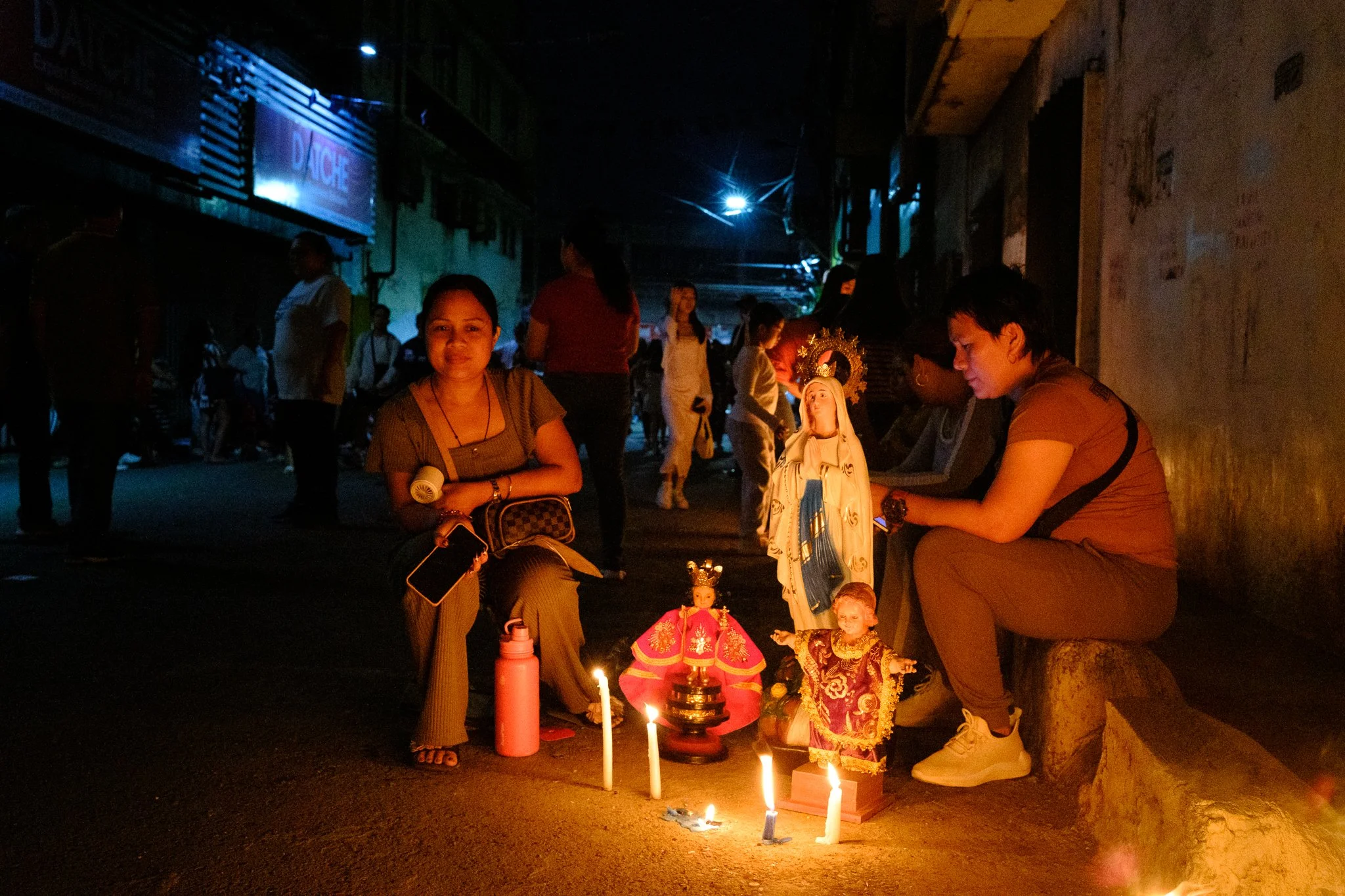
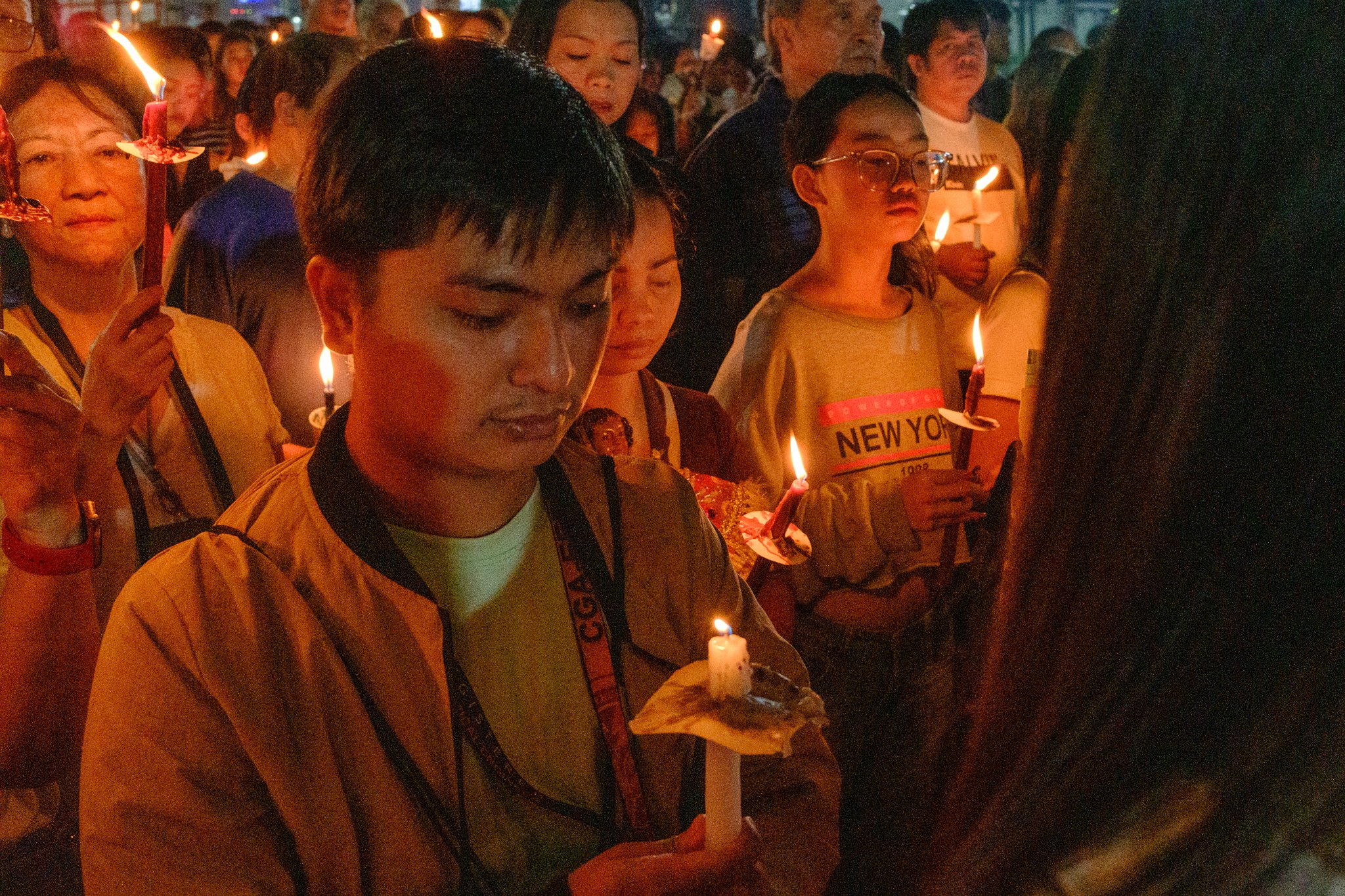
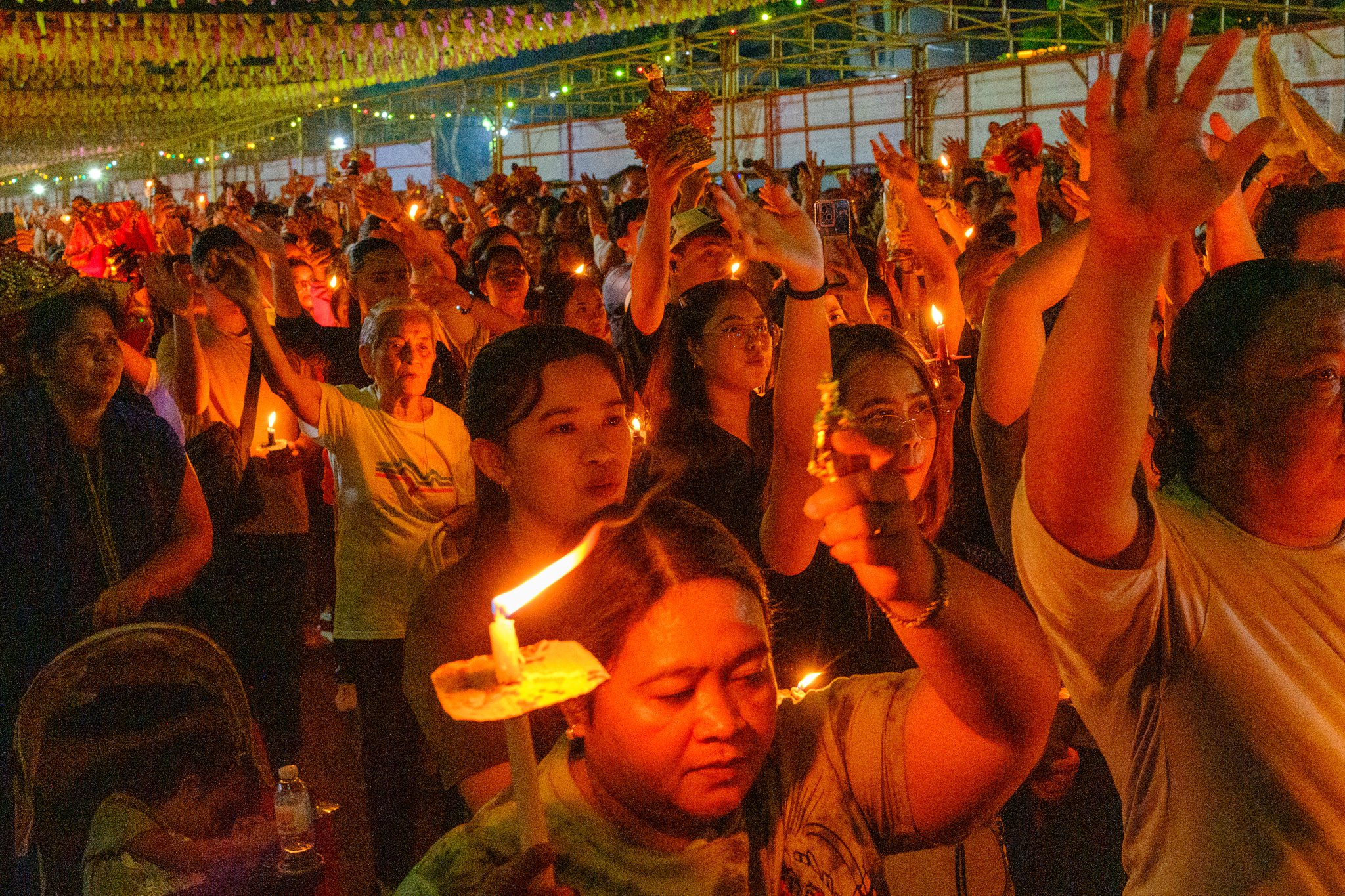
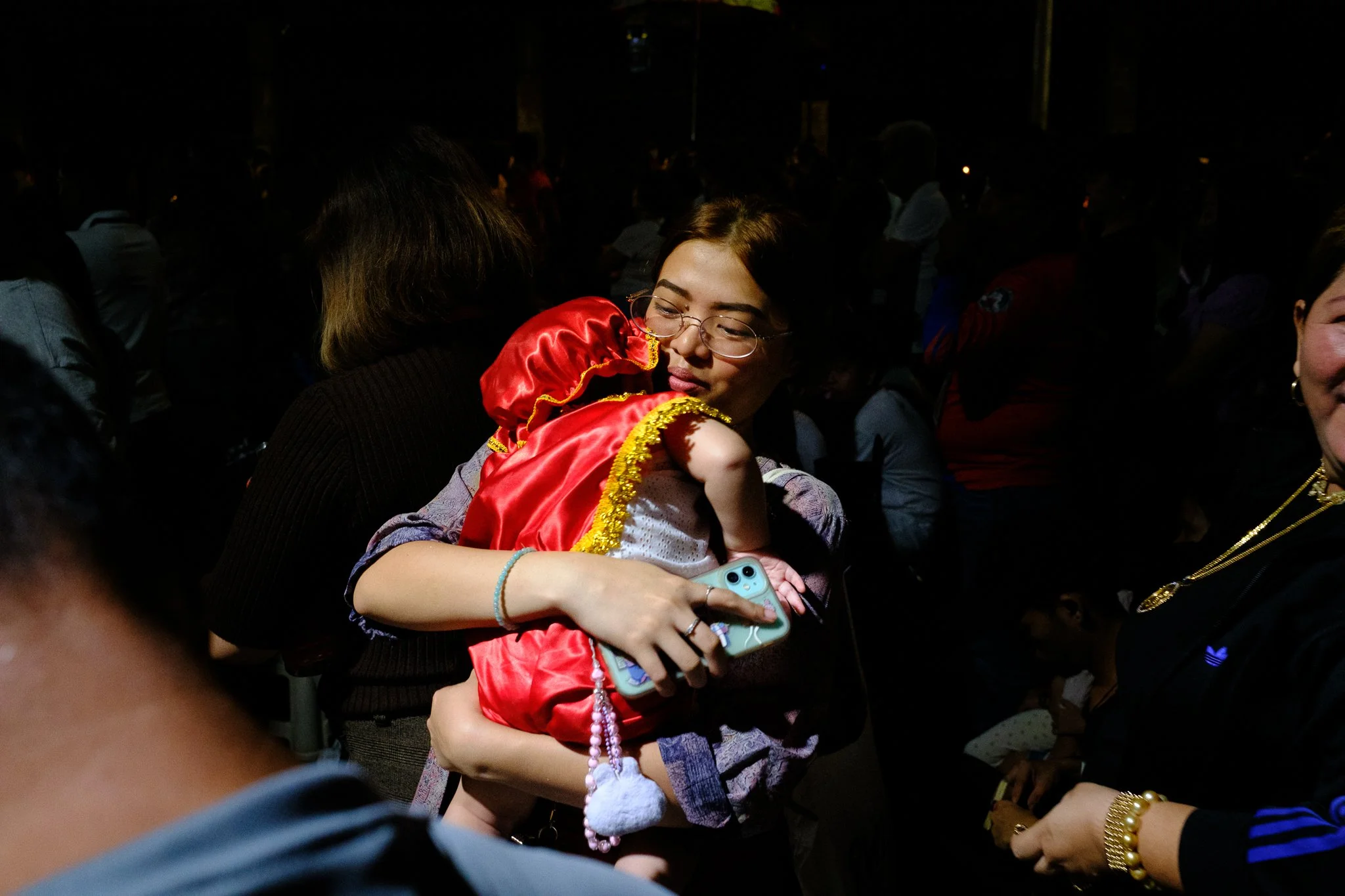
The past two years I have been up in the middle of the night to document this procession. I am amazed with the devotion so many show, attending a nightly procession which starts at three in the morning. Many bringing symbols of their faith, statues of Santo Nino or Mother Mary and sometimes even dressing their children up as live Señor Santo Ninos. These children, of course, are tired in the middle of the night and have to be carried as well for a few kilometers as buggies are not common in the Philippines. At the tune of the hymn “Batobalani sa Gugma” or Magnet of Love, tens of thousands of hands, candles and statues go up in the air and wave. This dedication deeply moves me.
As photographer I have learned that I function better at the sidelines of events like this than at the center. It is a little bit more quiet and there are more options to move and look around and look for a composition. The other disadvantage of joining the actual procession itself is that is it a slow, but steady, moving crowd. So you have to keep moving too and there is little time to look around and see, reflect and compose. Your vision is greatly limited to people directly around you and then even mostly their backs. From the margins, I can observe the small gestures and people and scenes will just flow by naturally.
I love the solemn atmosphere of the procession and the way the candles produce pockets of light in the otherwise dark city. The darkness becomes a canvas where each flame tells a story—sometimes hundreds of candles creating a river of light, sometimes a single flame illuminating a small scene. People in the Philippines are almost always friendly towards photographers, but even more so today. People are happy and proud to show their faith.
When the statue of mother Mary reaches the Basilica de Santo Niño, the home of Santo Niño, the procession ends and the crowd comes to a standstill. Mass starts now and around the church crowds are thick, but one or two blocks away they thin out a little and people are sitting and listening, vendors move through the crowd. Many people stay, for others this is the sign to go home, get something to eat or have an early start of the day.
Later that day both statues will travel to Mandaue City to be reunited with Saint Joseph the Worker and the next morning there is a fluvial parade with dozens of ships to guide them back to the main land. This ends the official religious proceedings of Sinulog and then on the third Sunday of January, the party starts. With a street dancing parade and many parties, this year attended by about five million people. But that is a different story altogether.
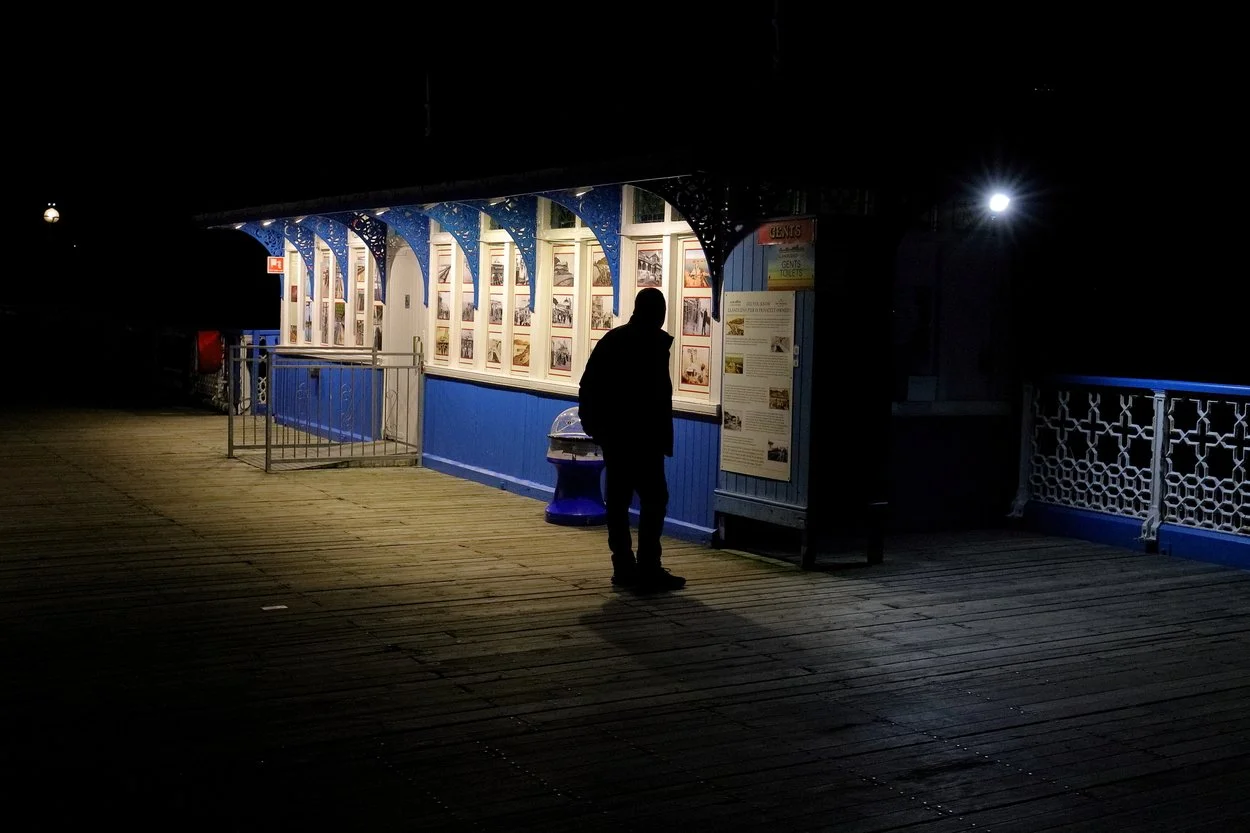
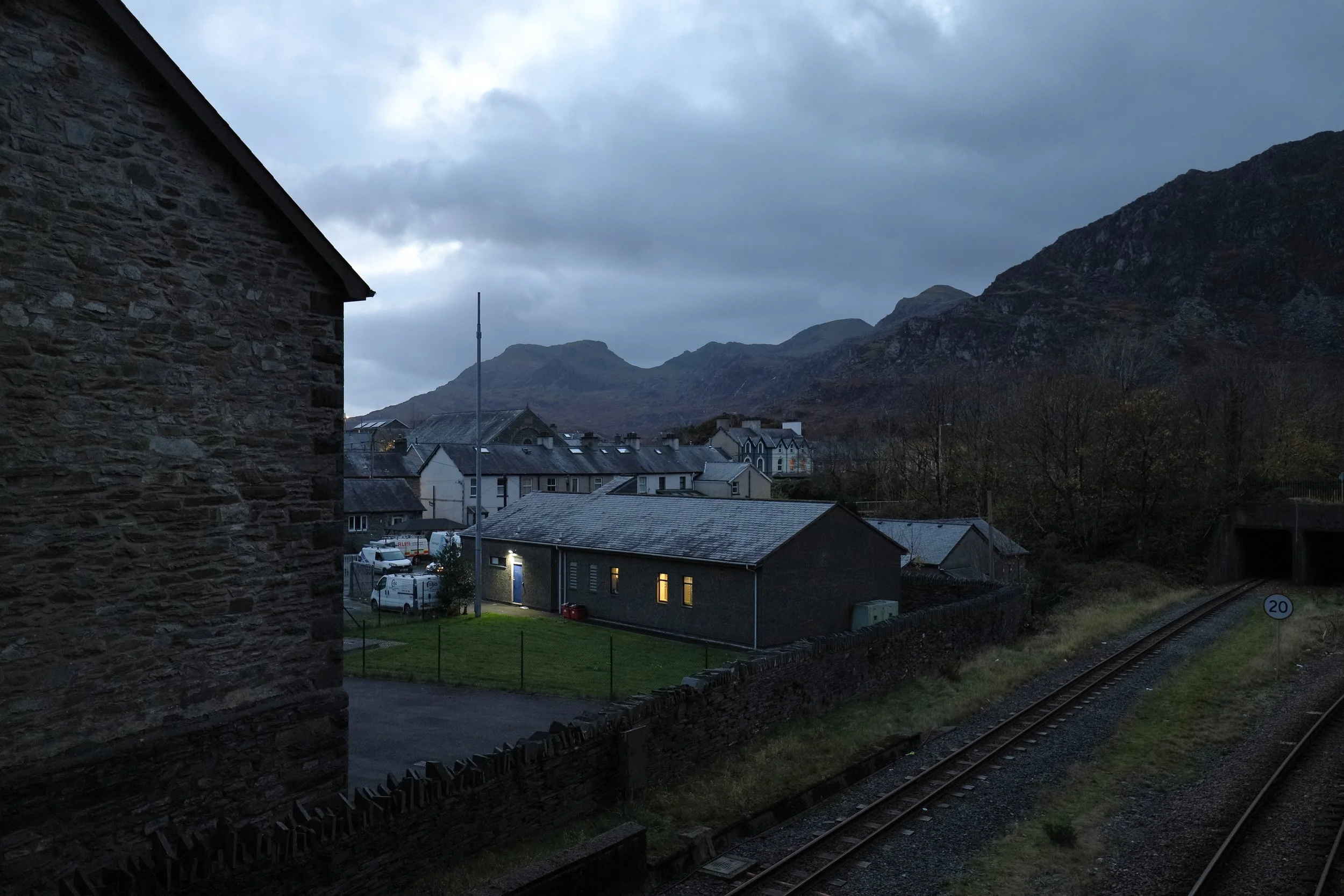
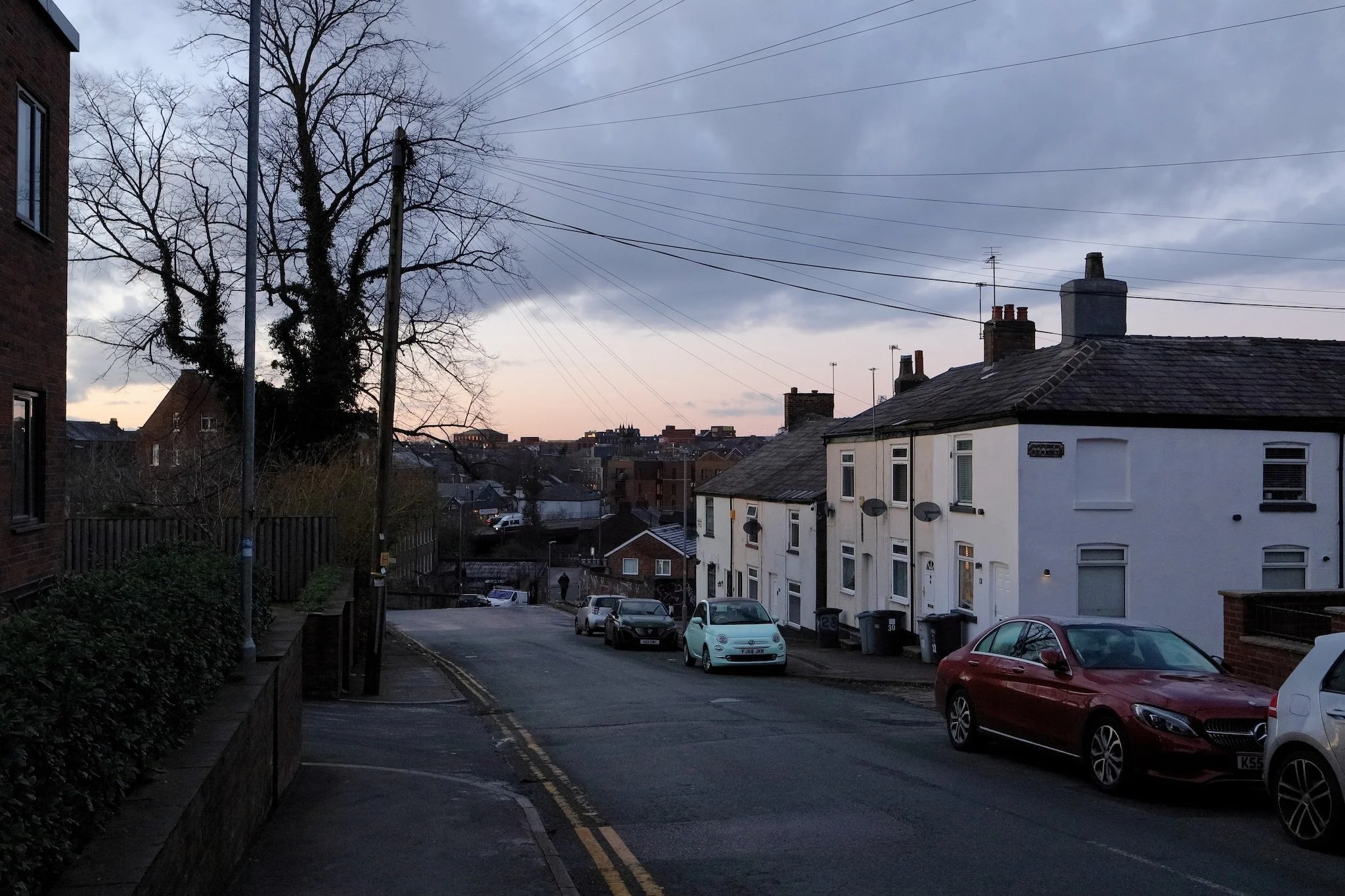
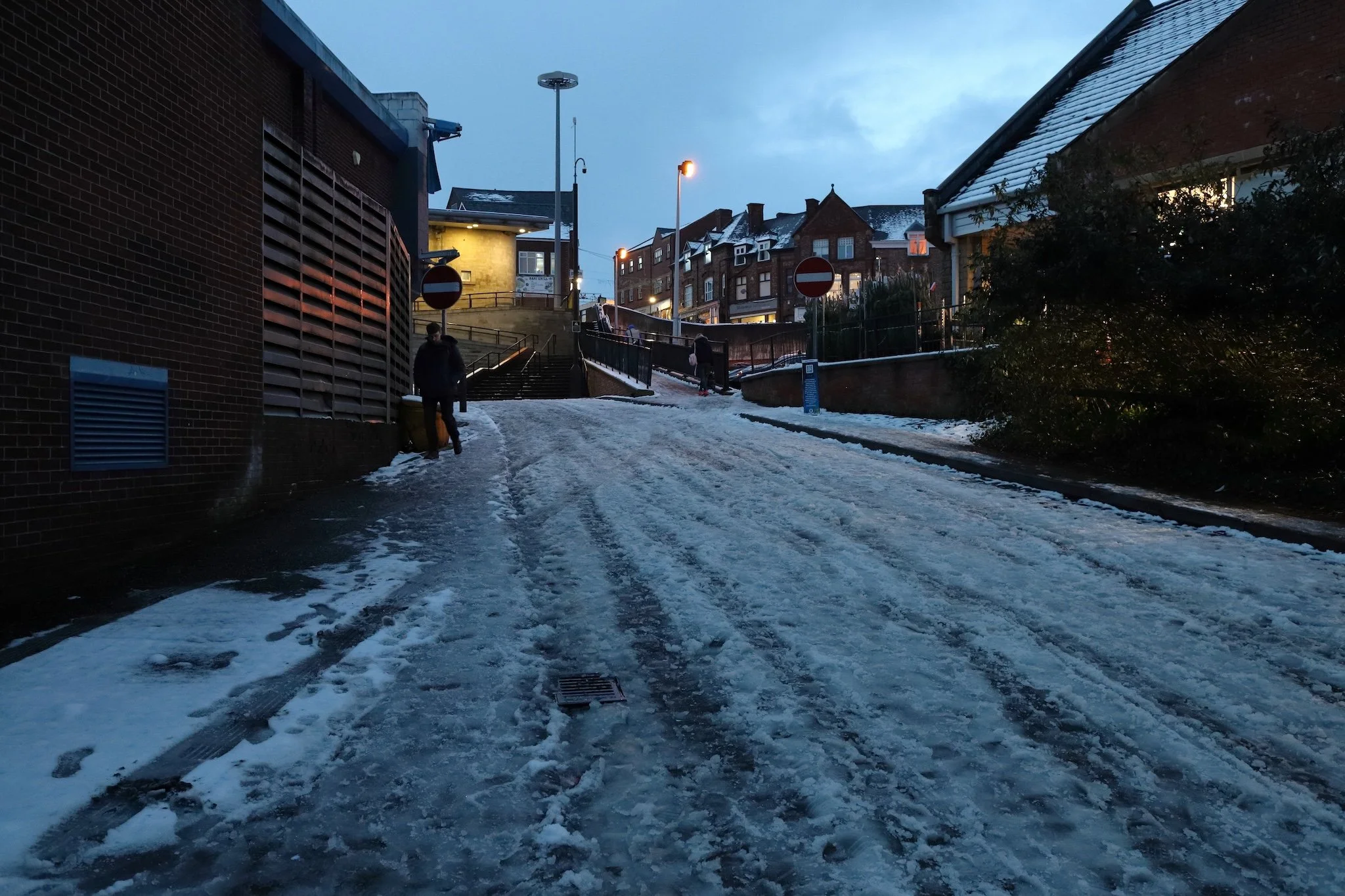
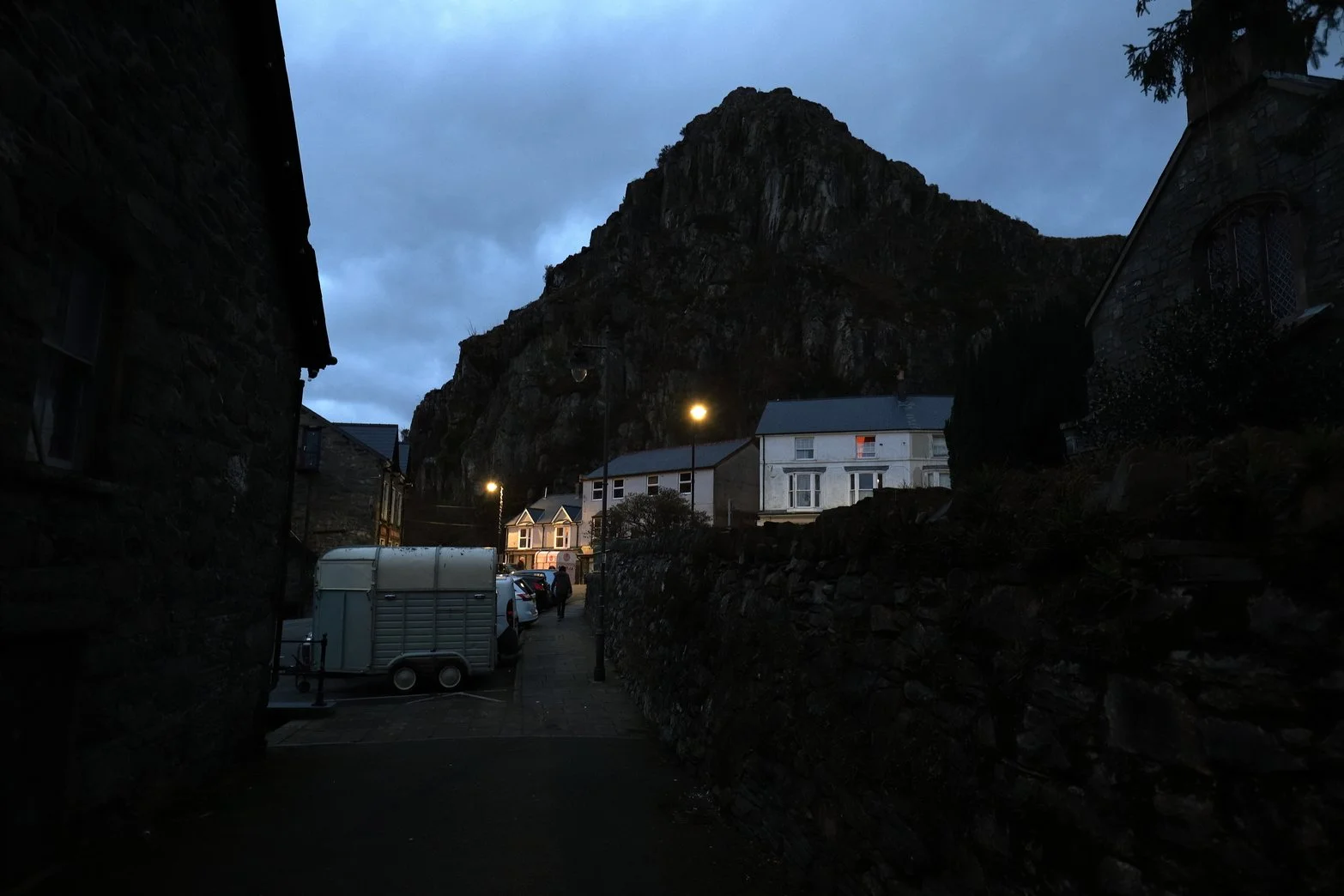
NOCTURNES by Joe Longden
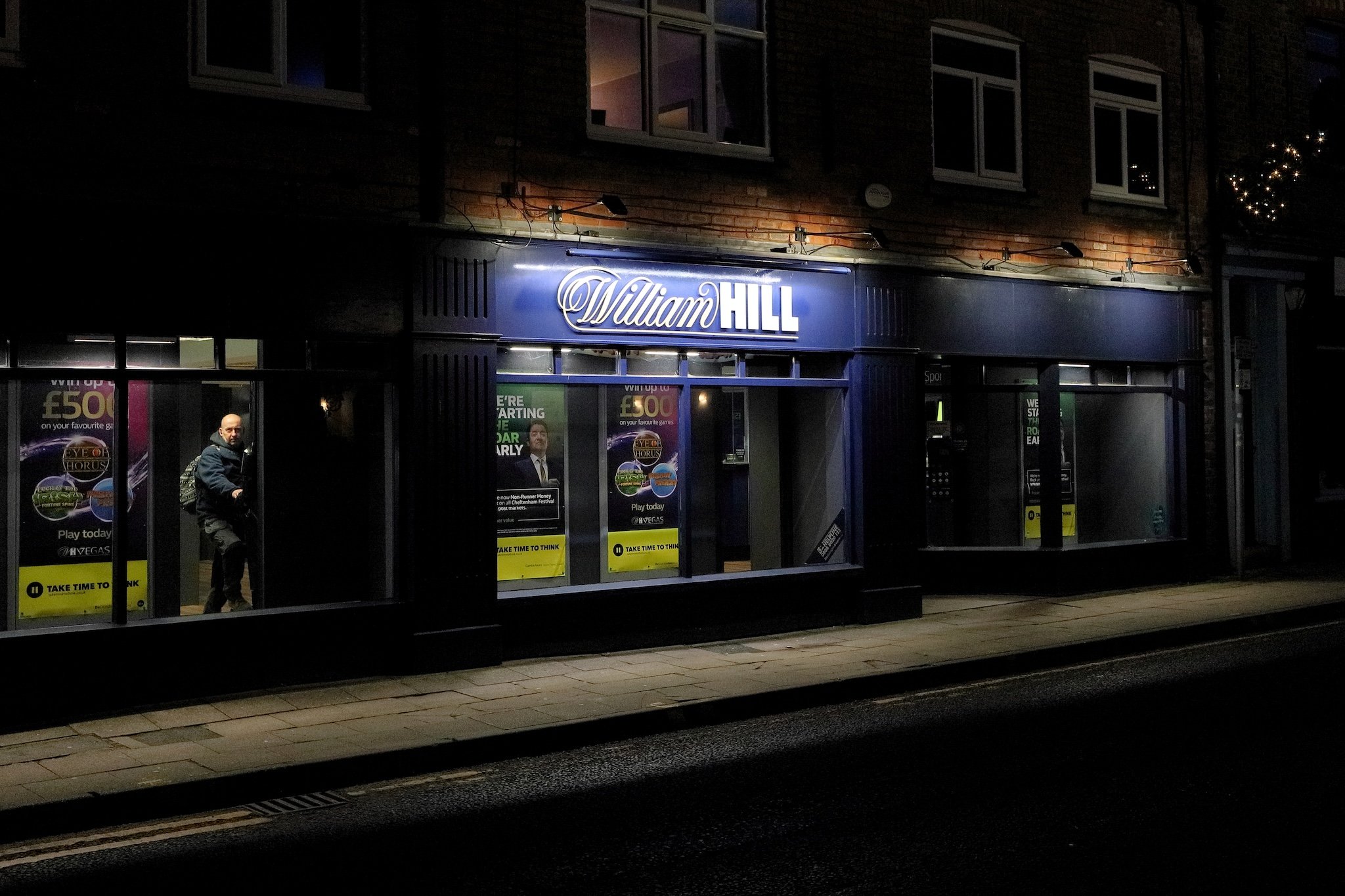
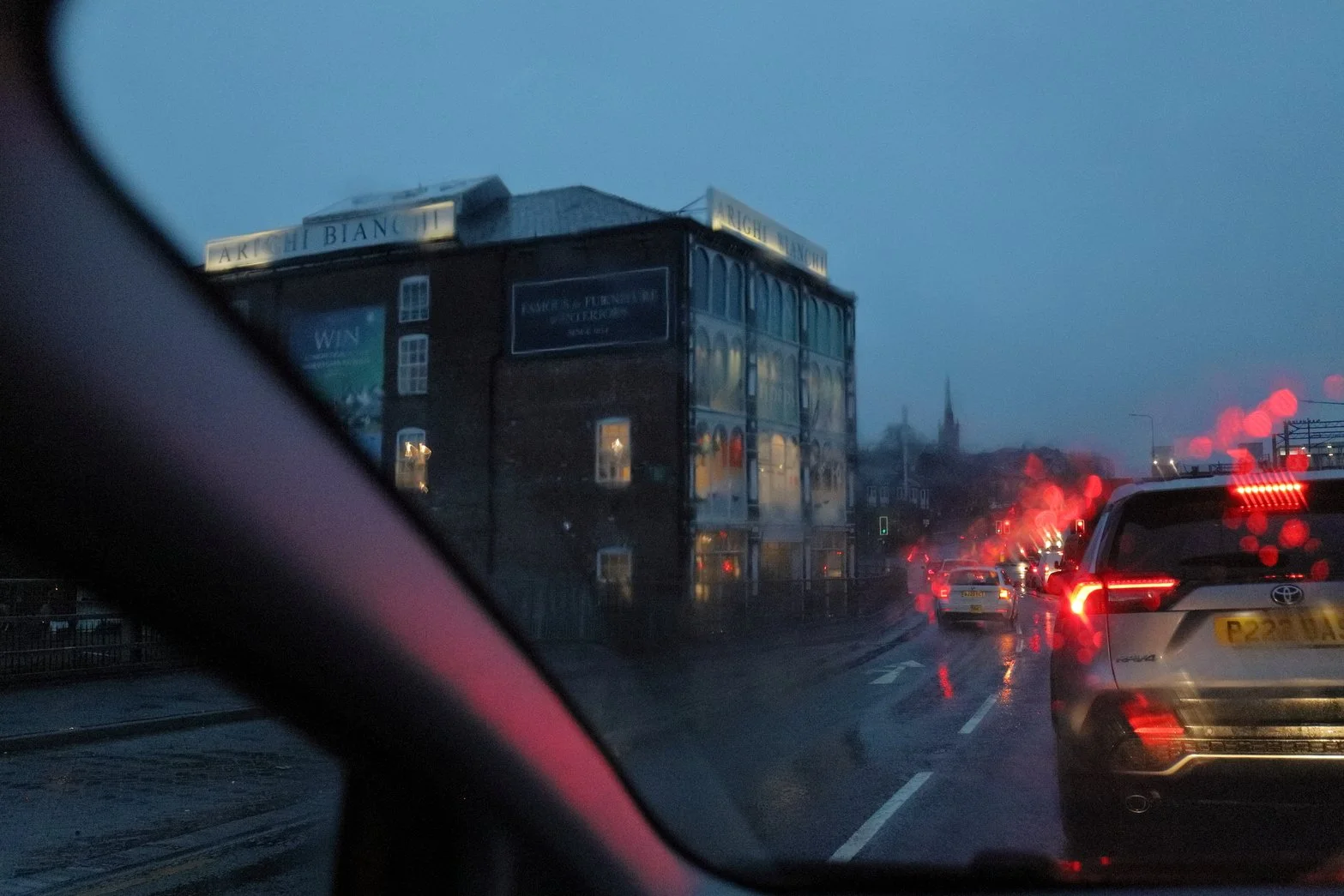
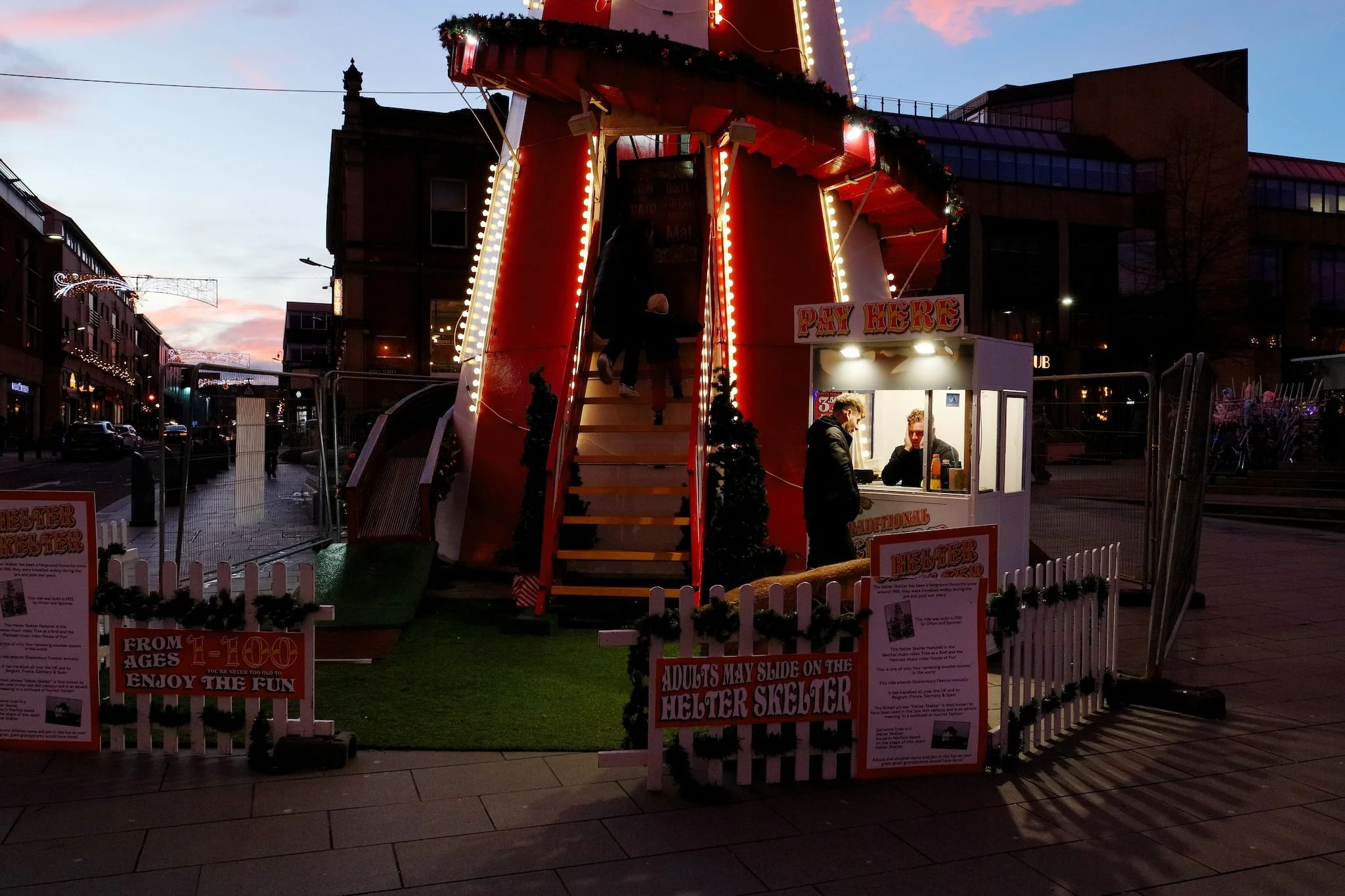
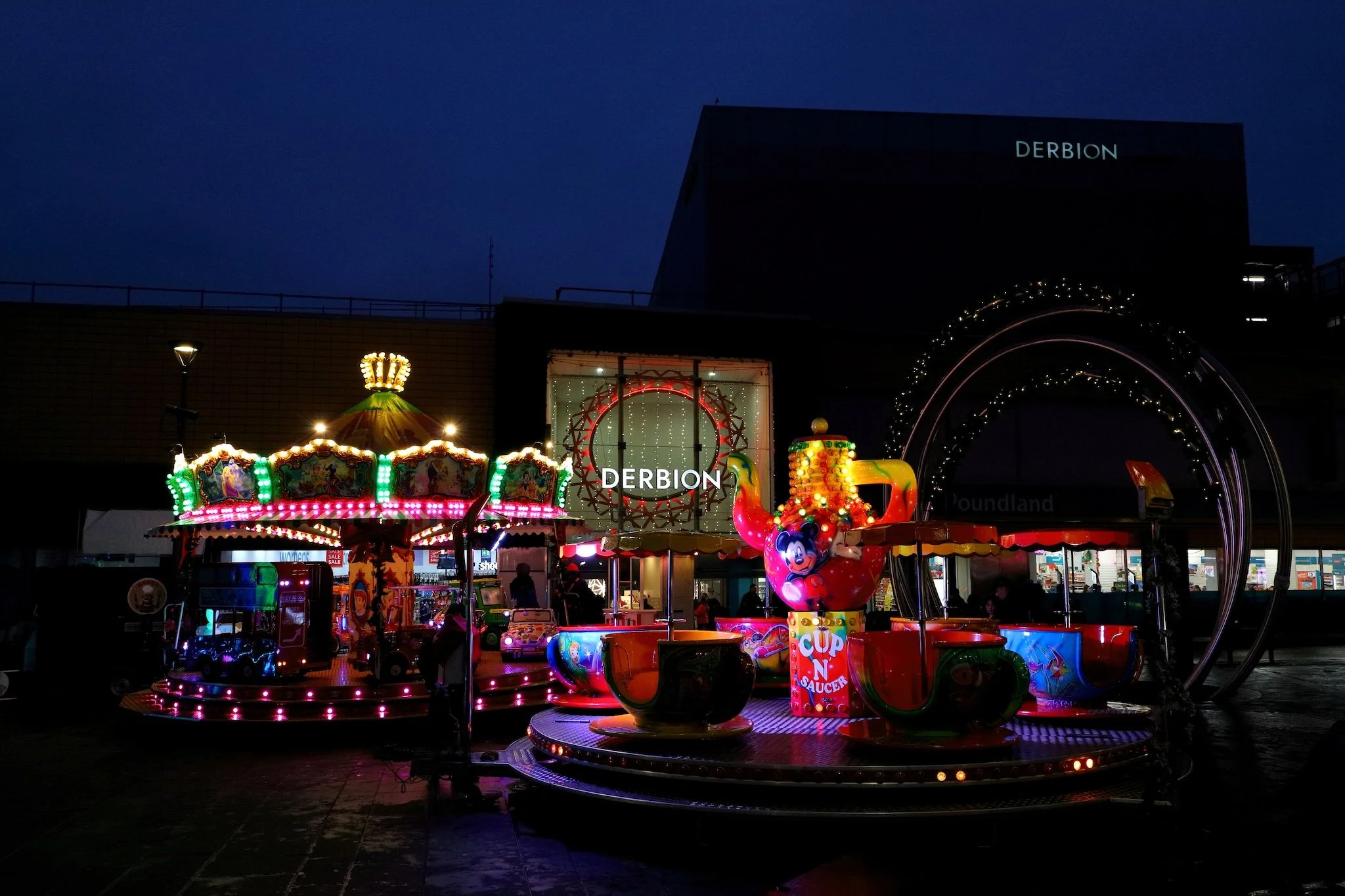
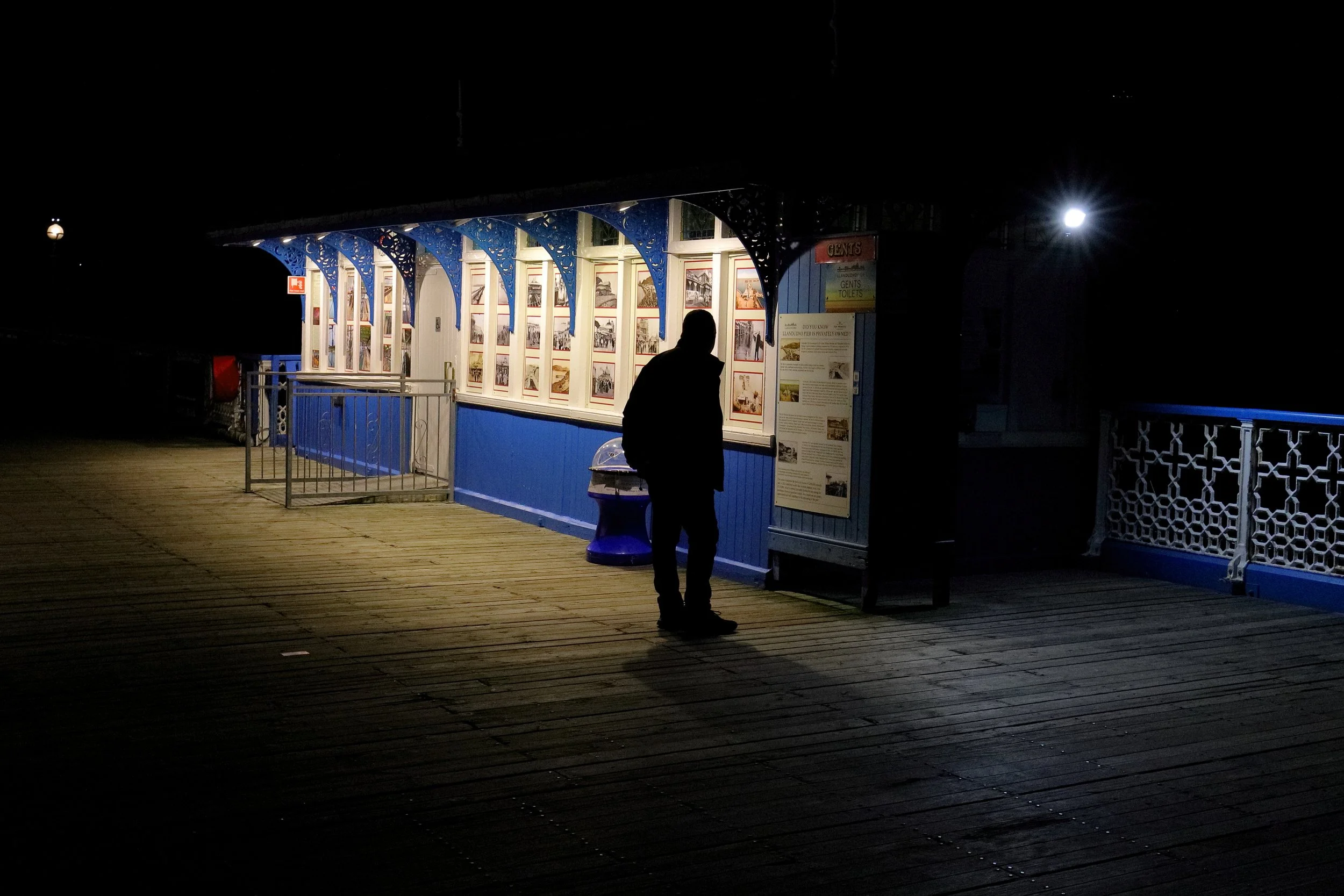
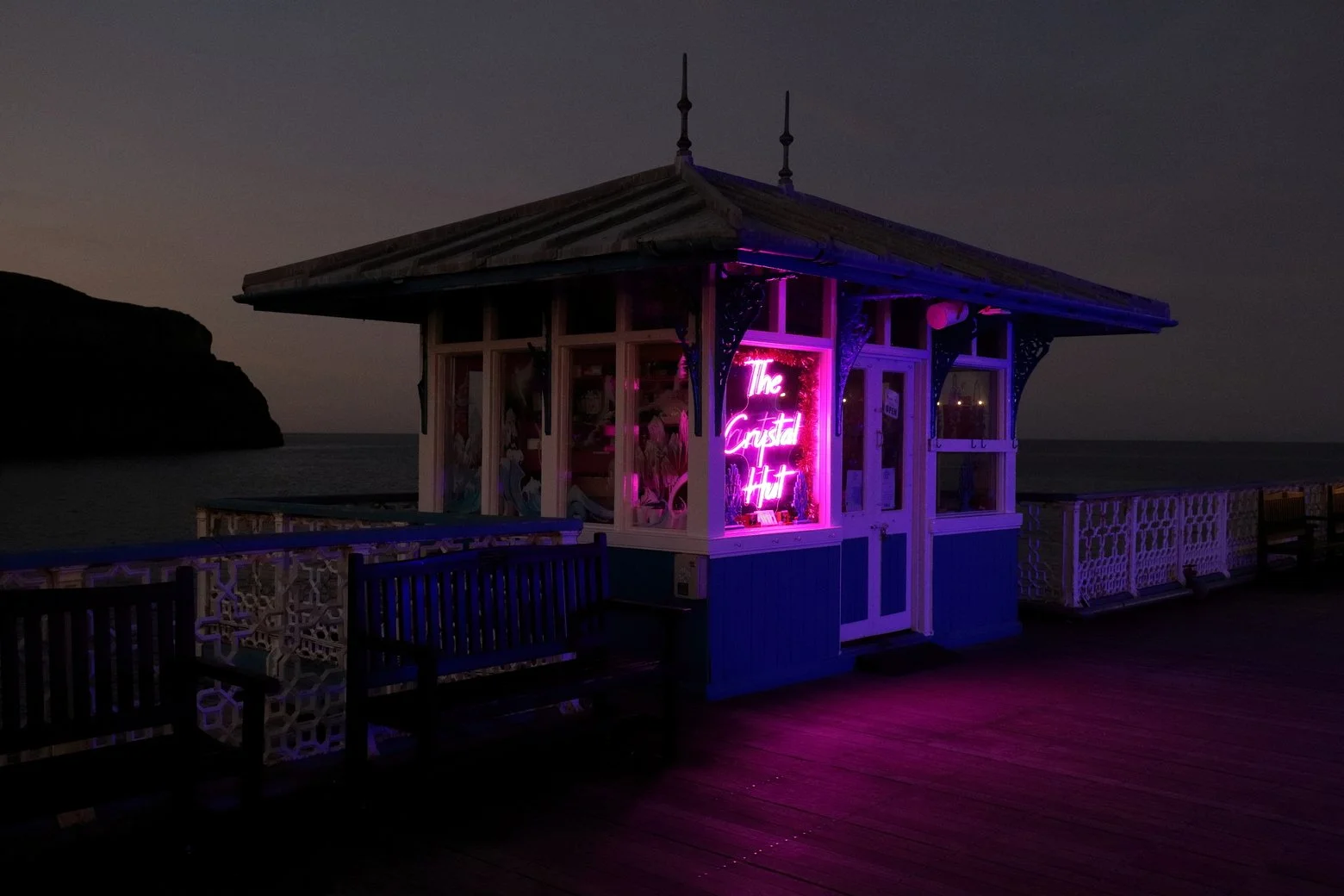
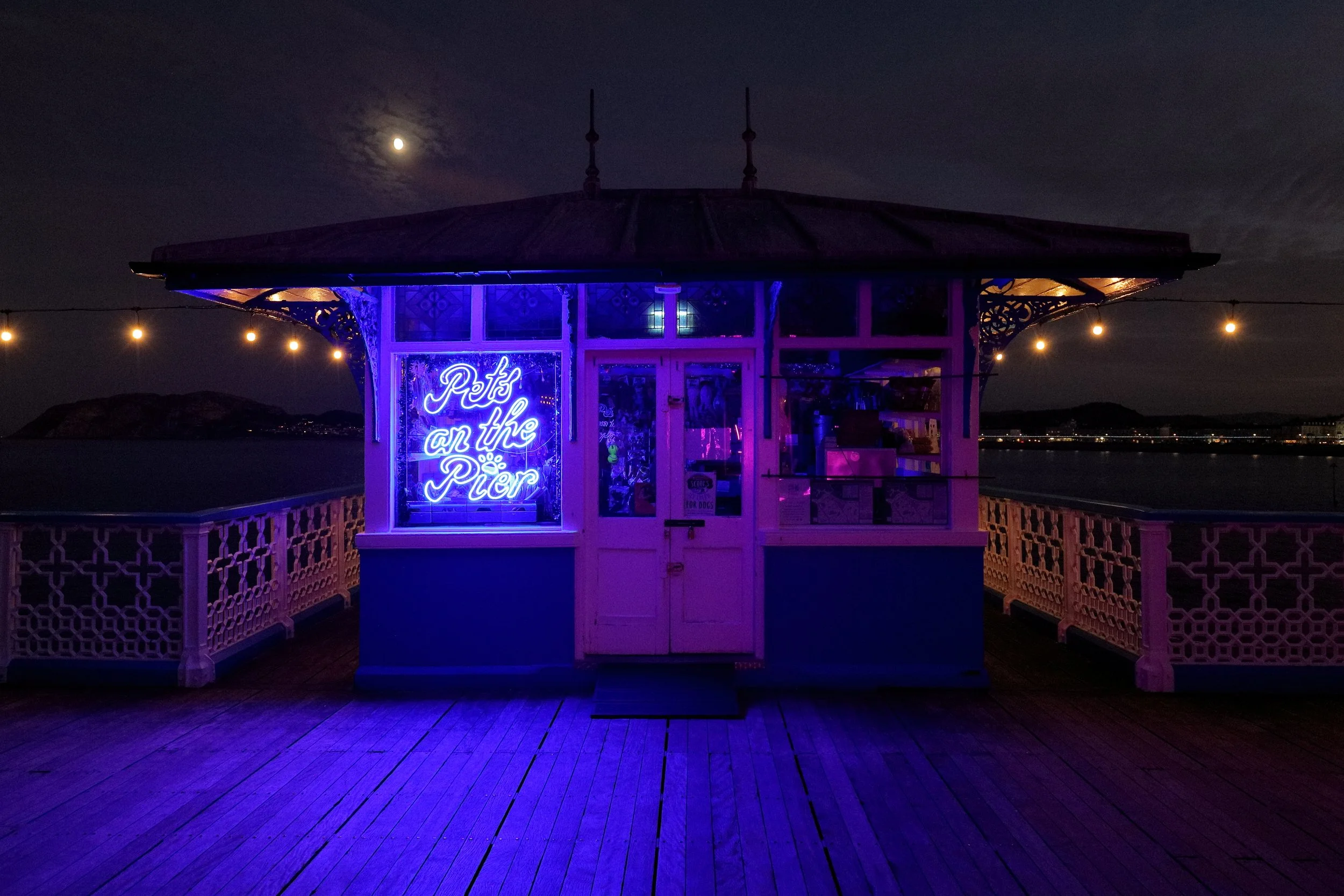
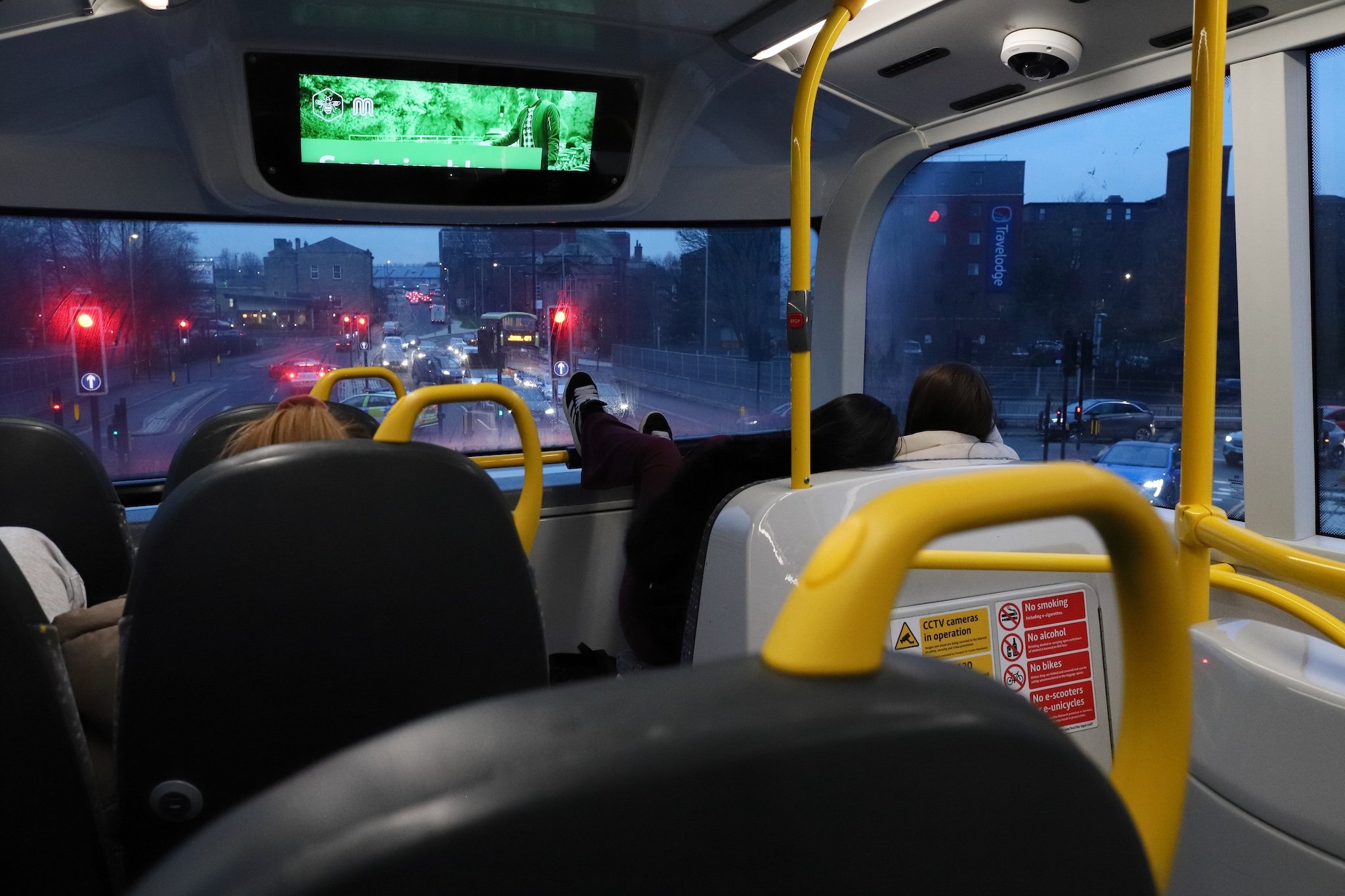
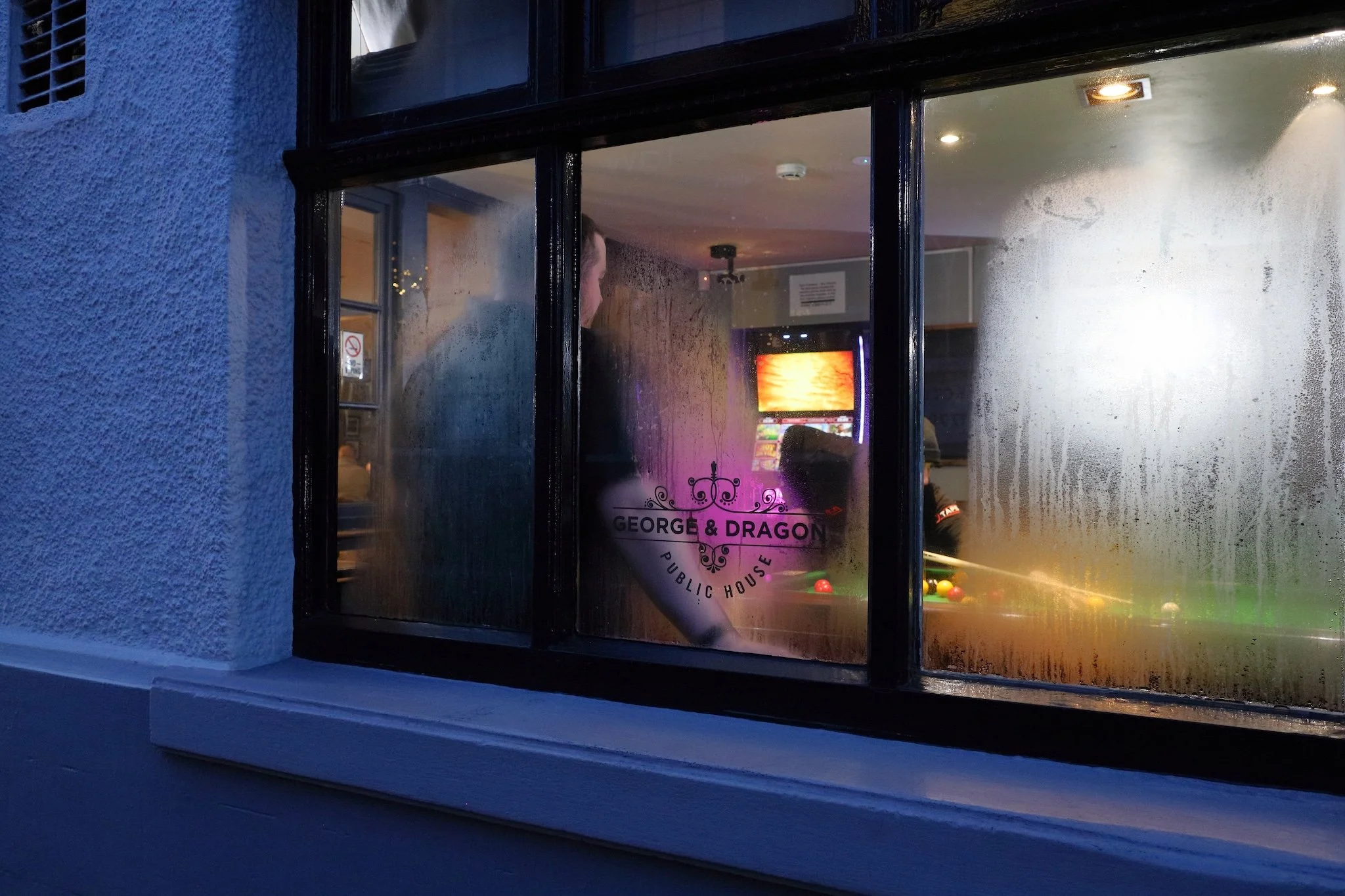
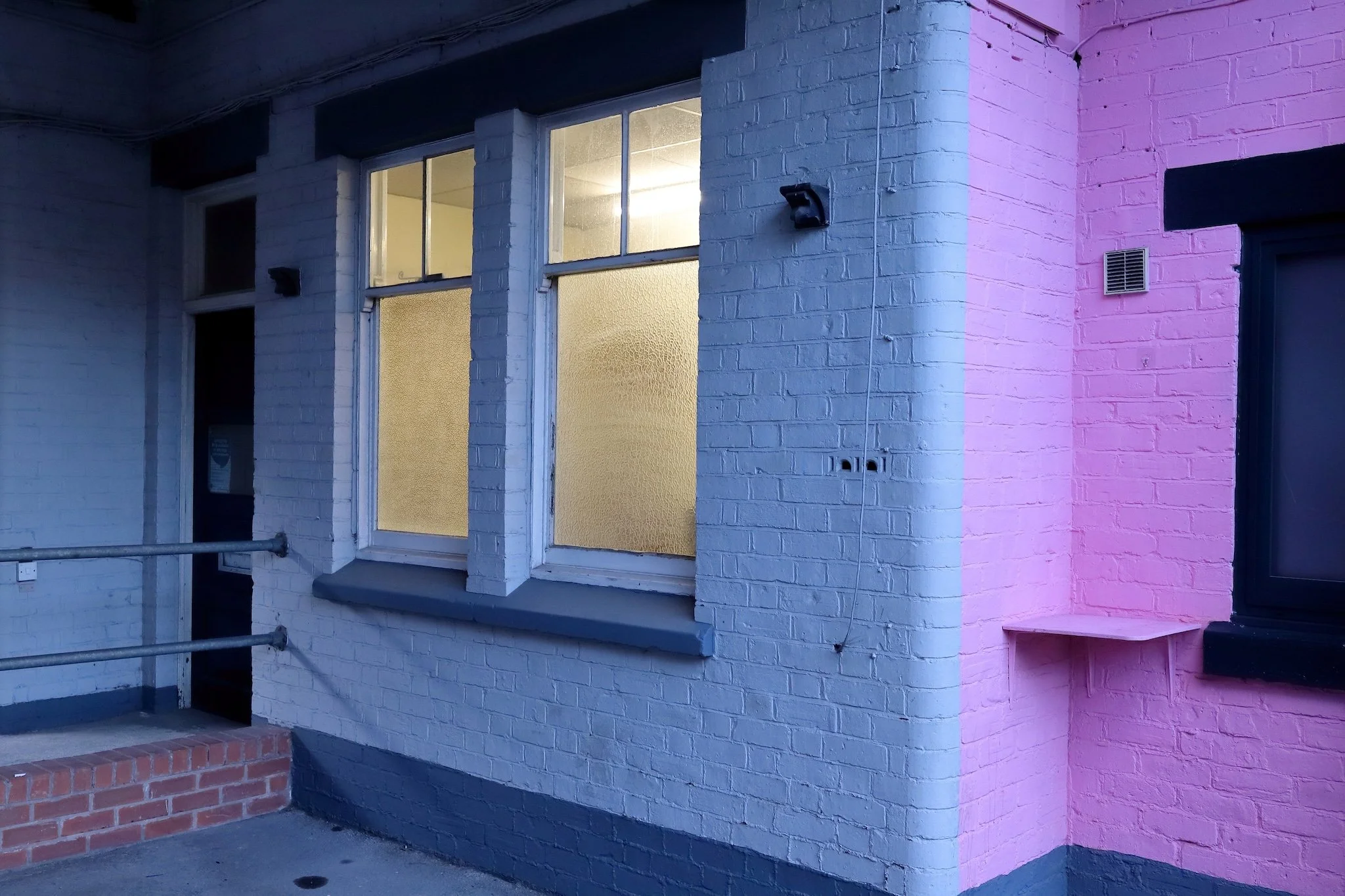
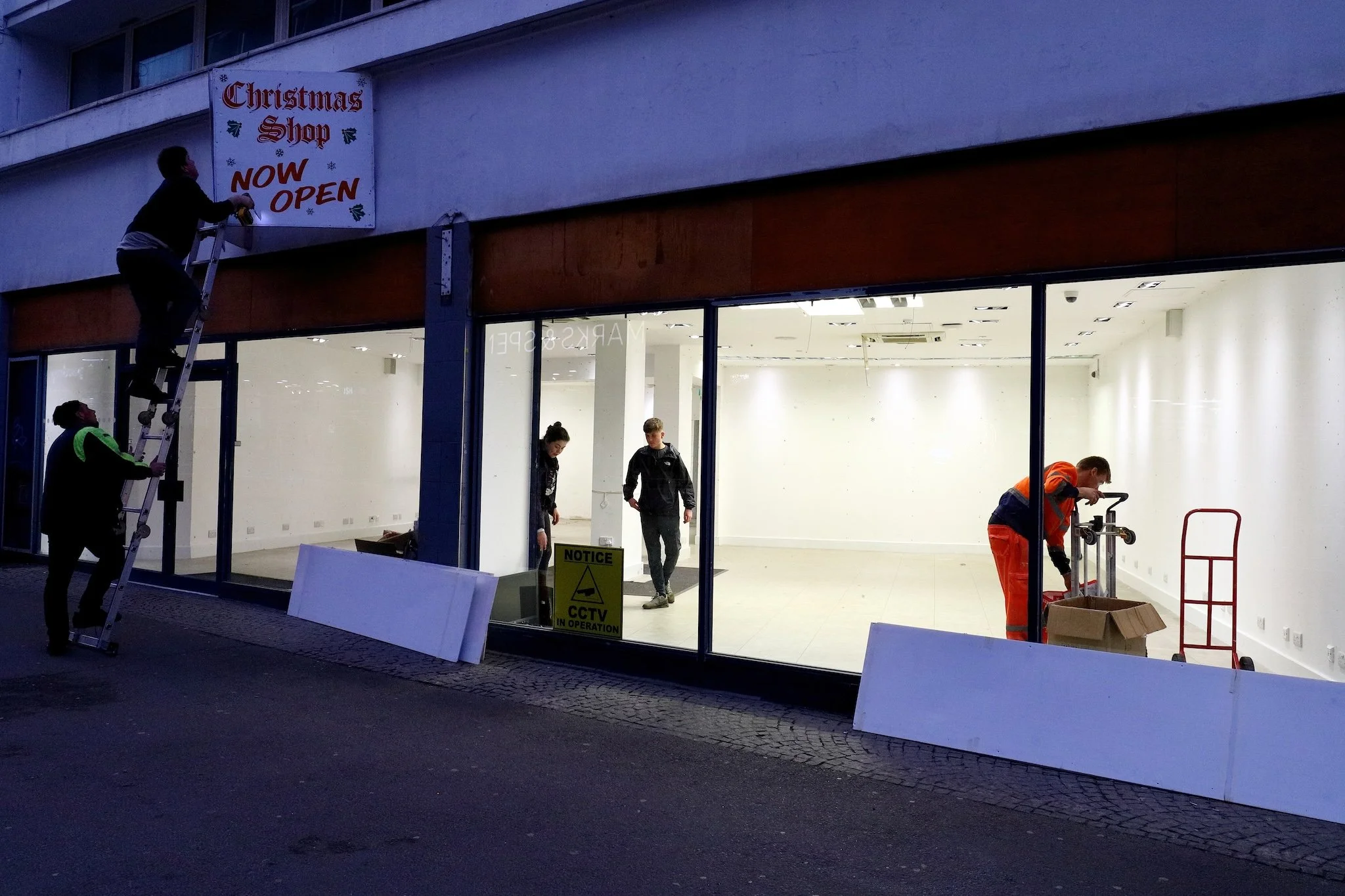
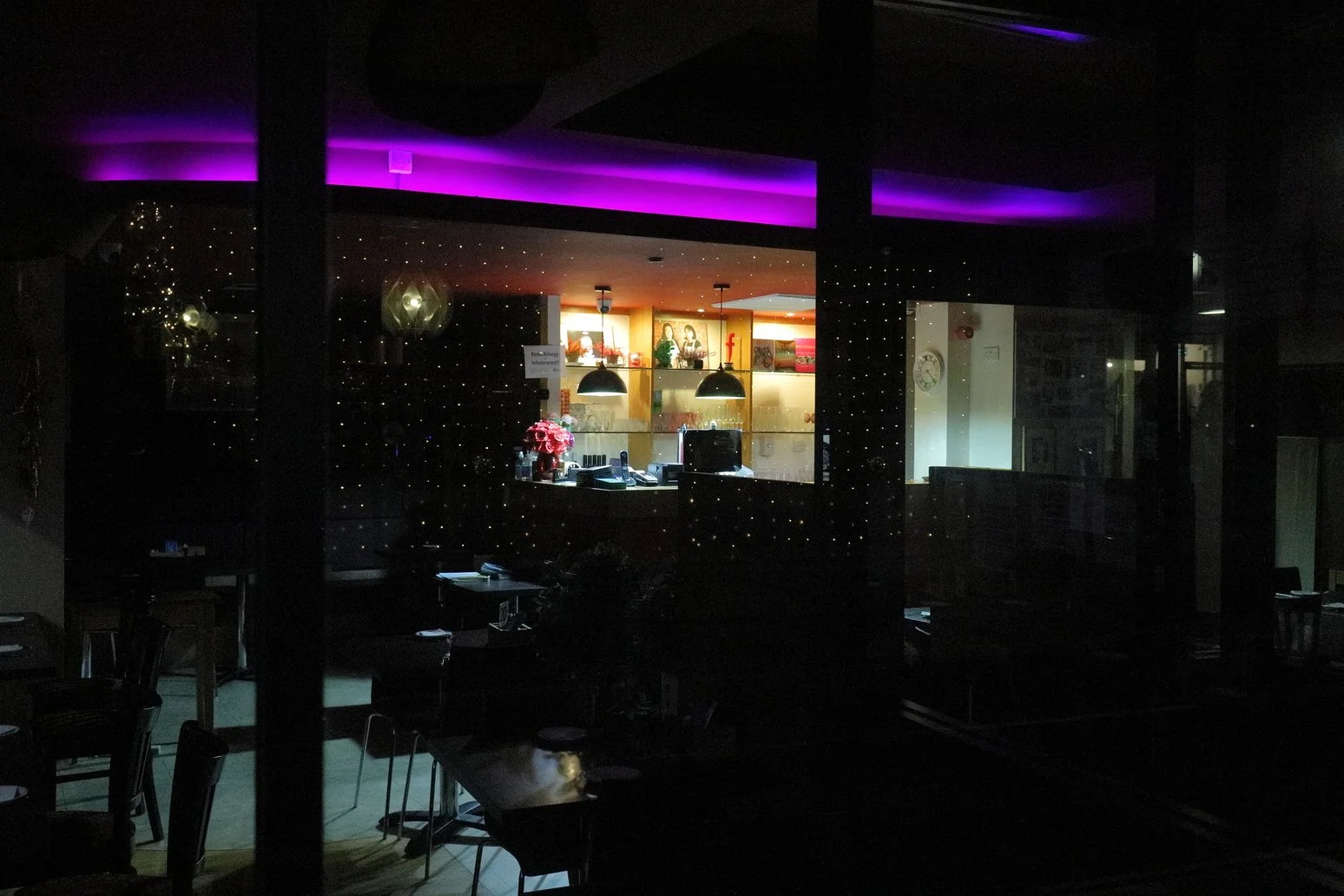
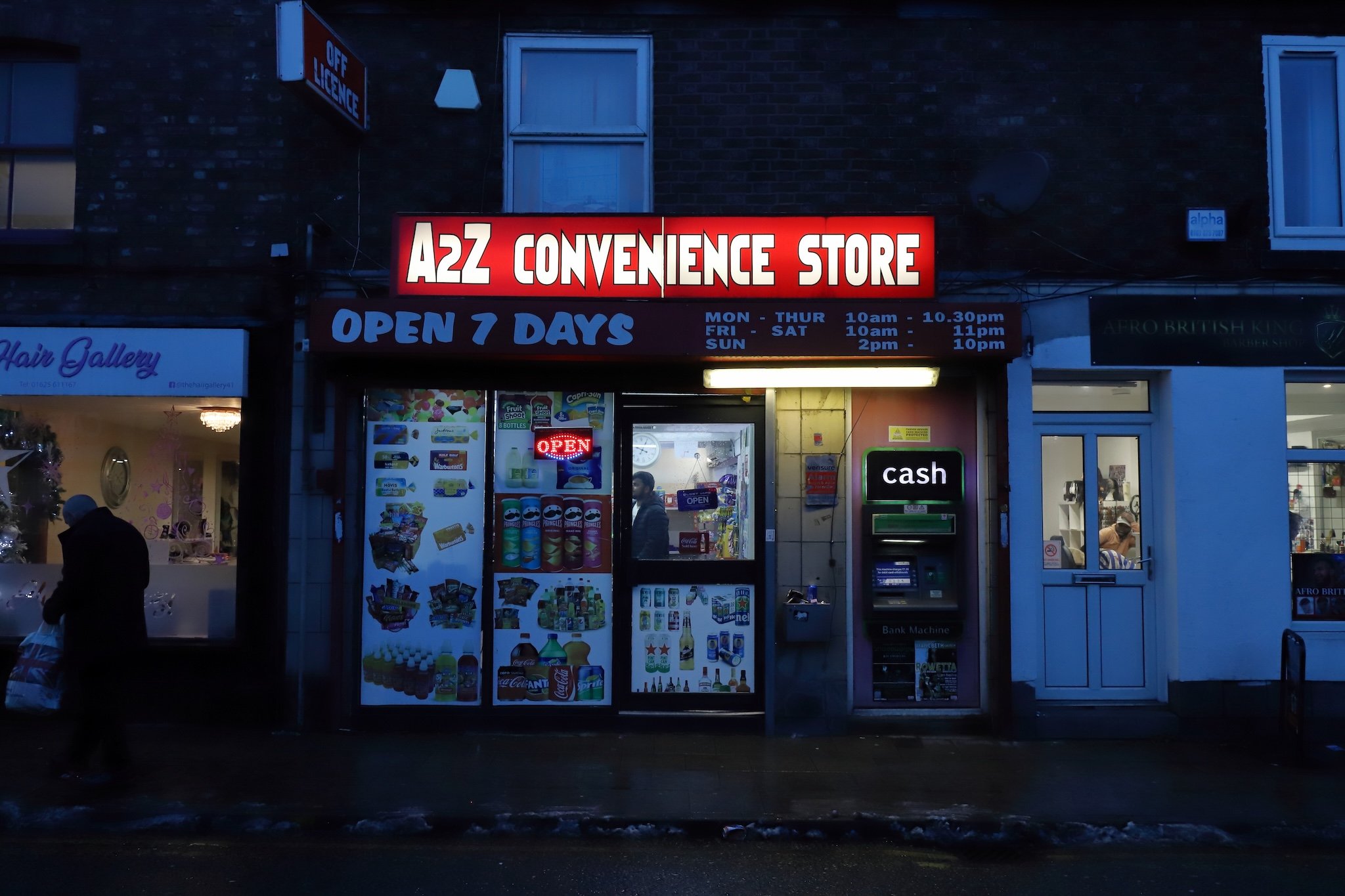
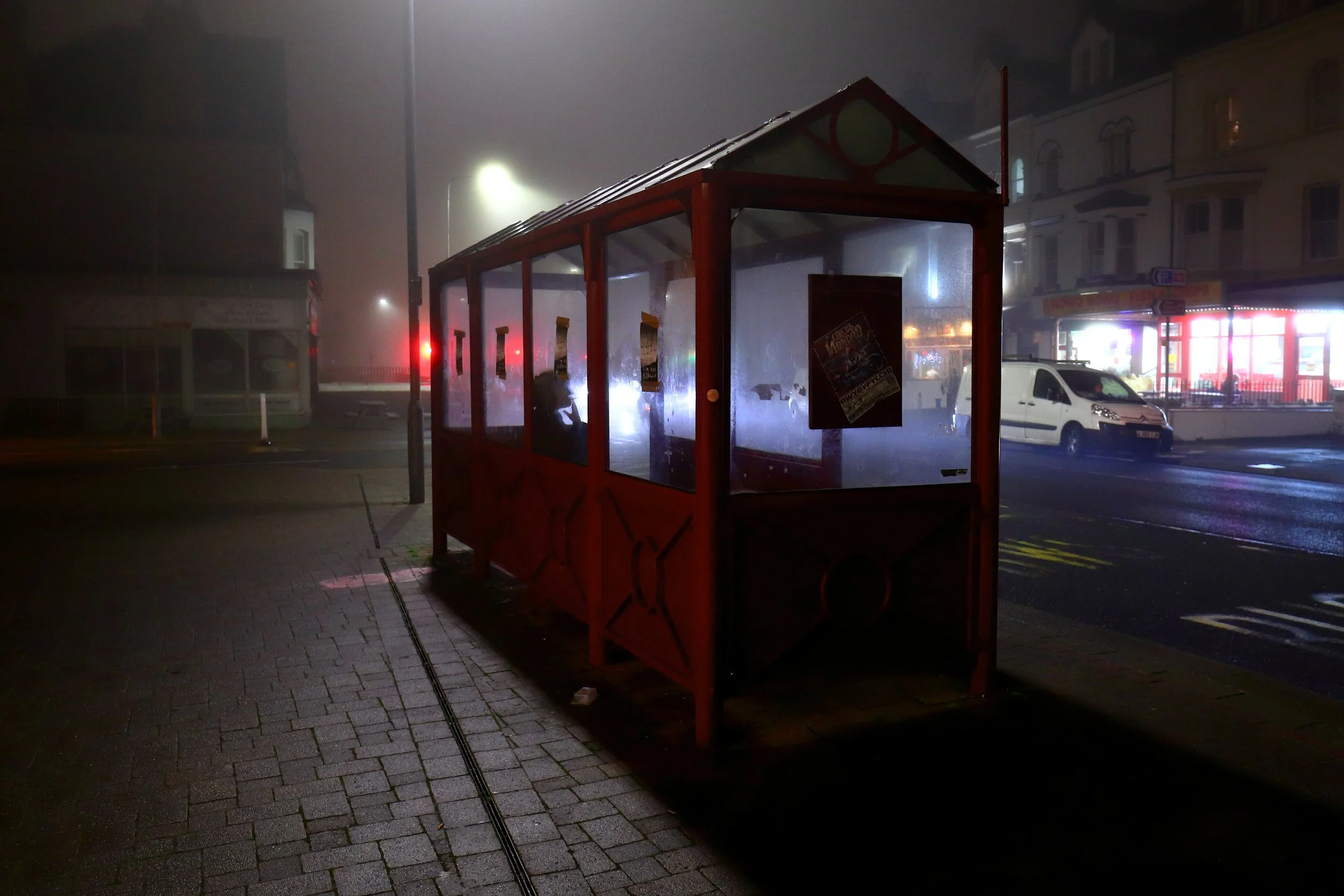
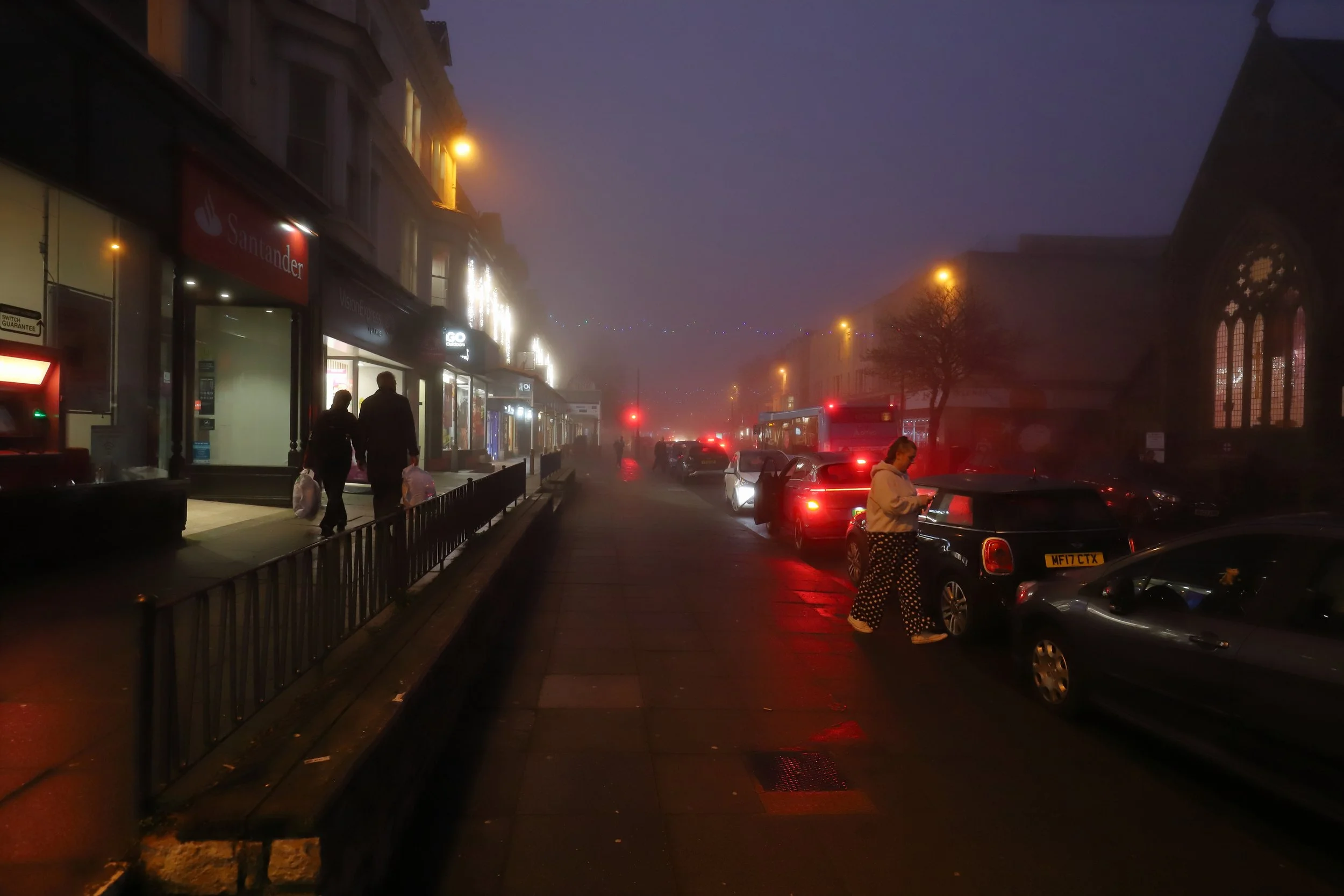
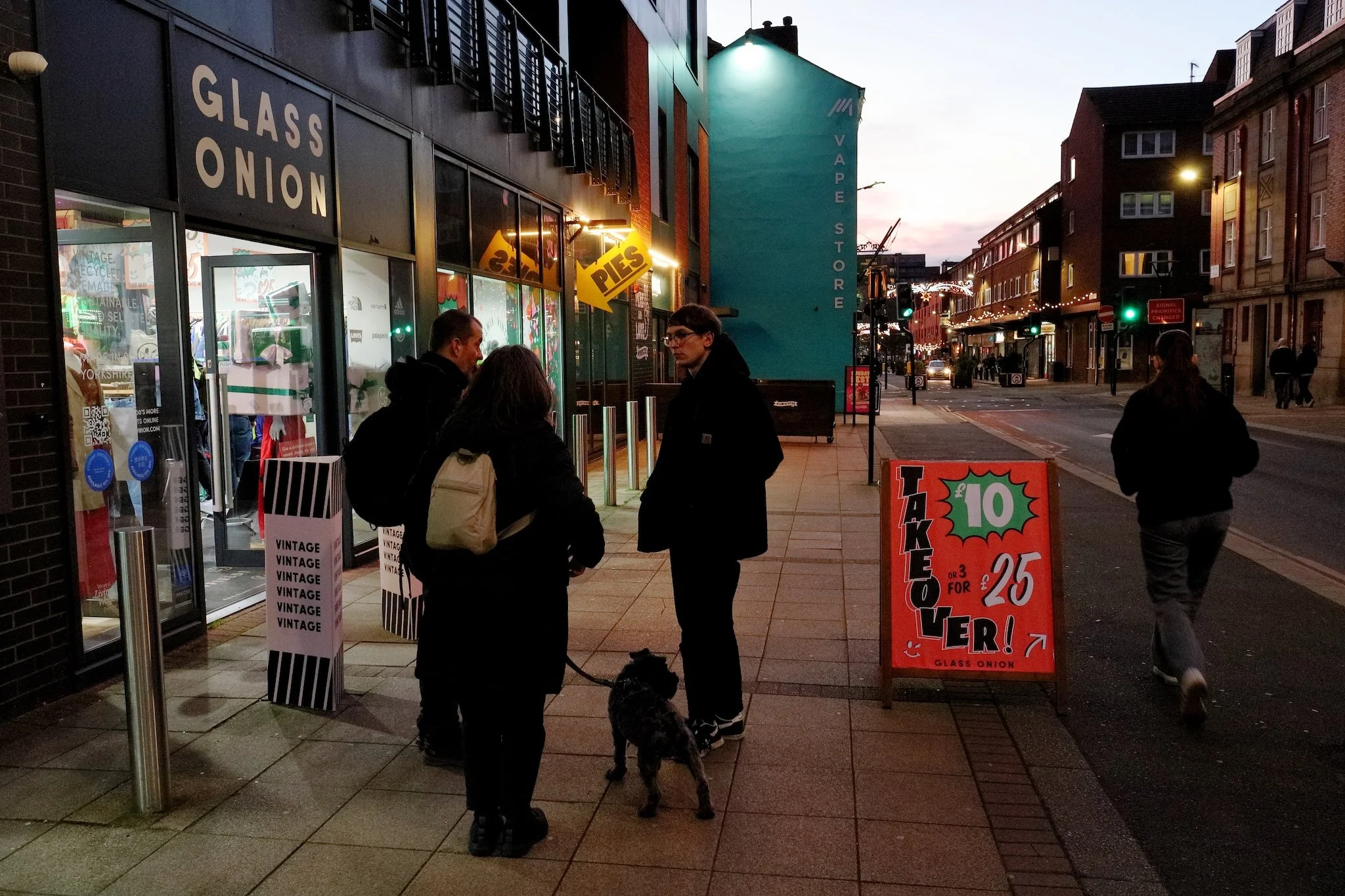
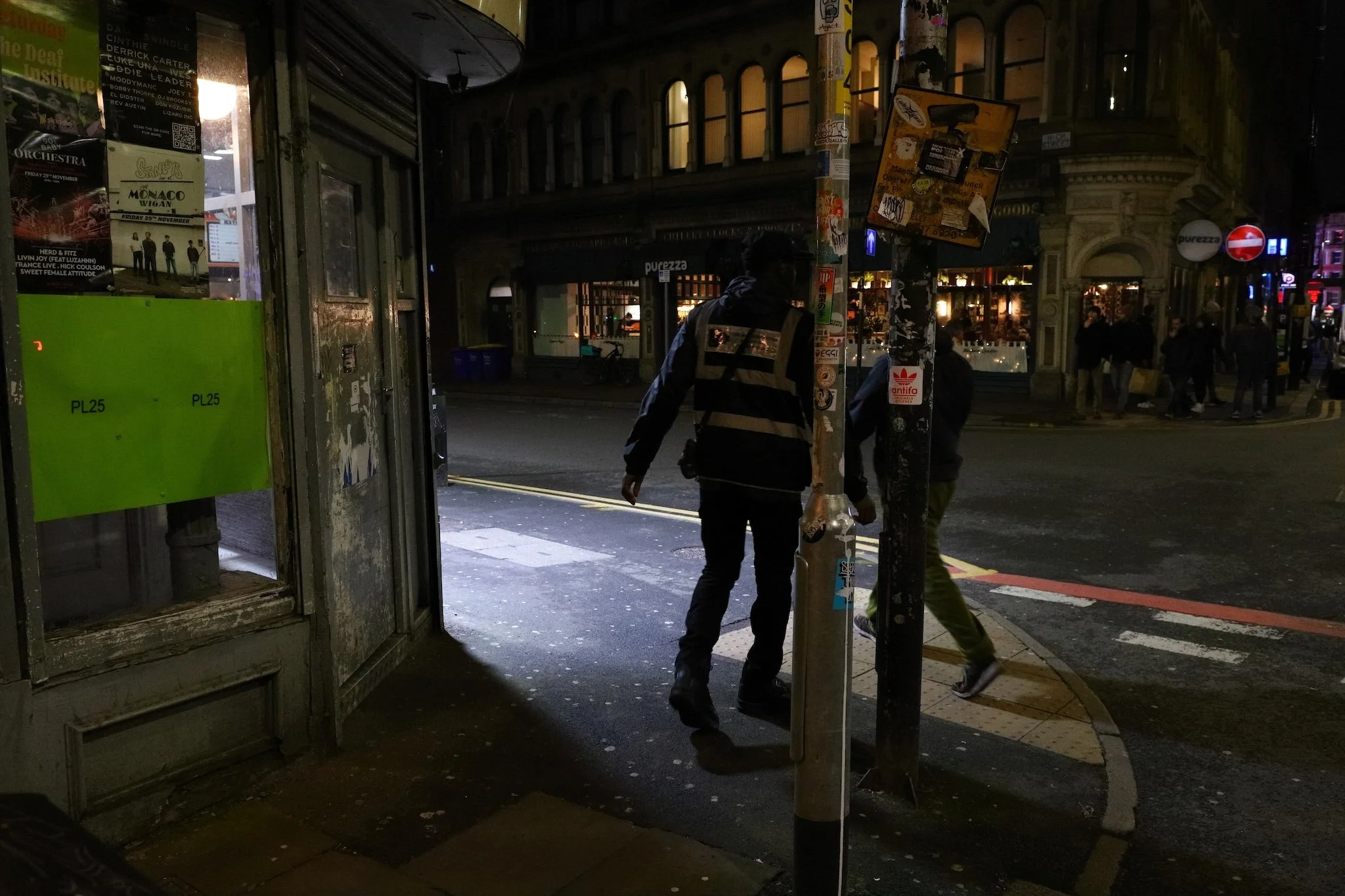
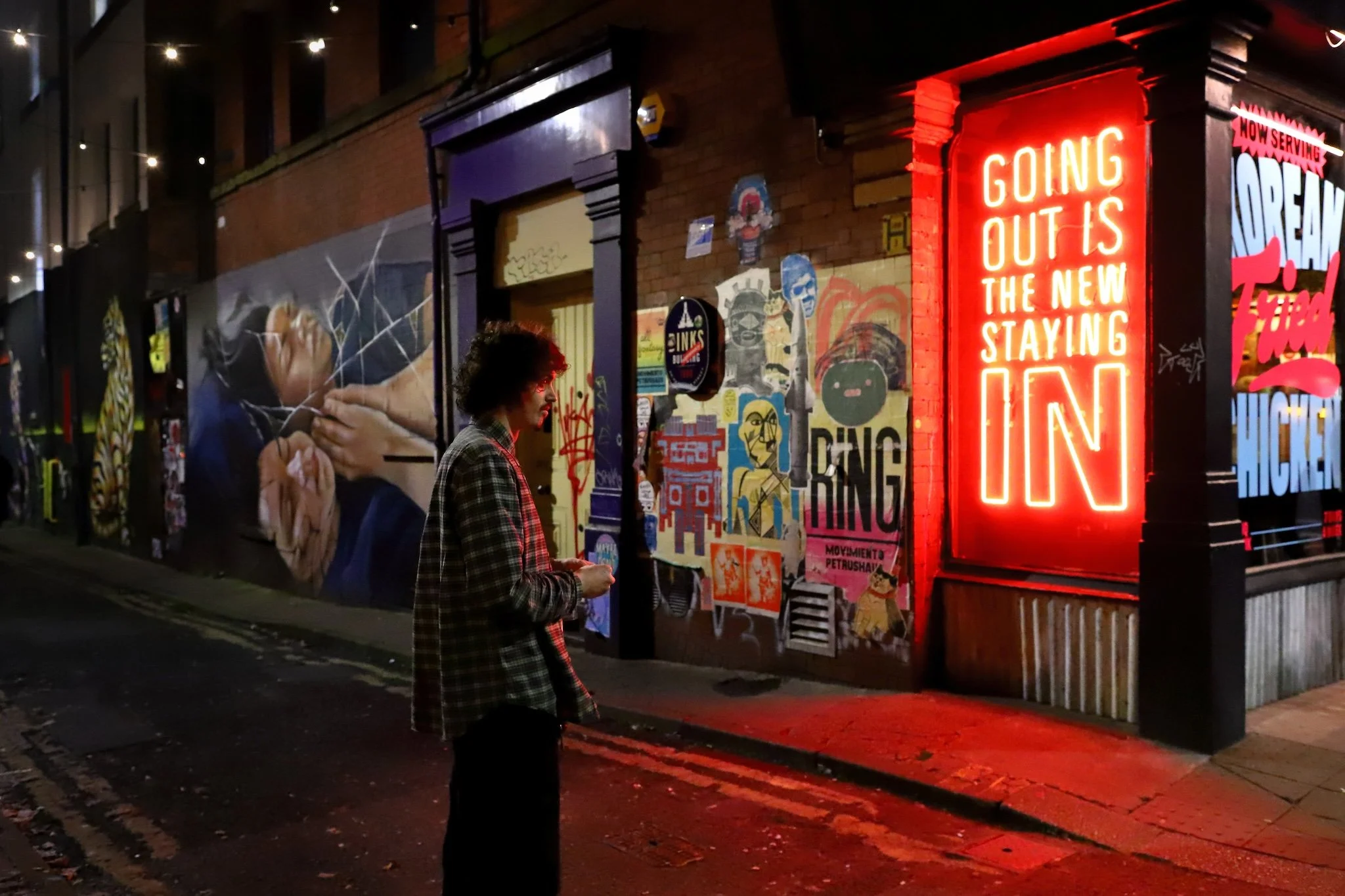
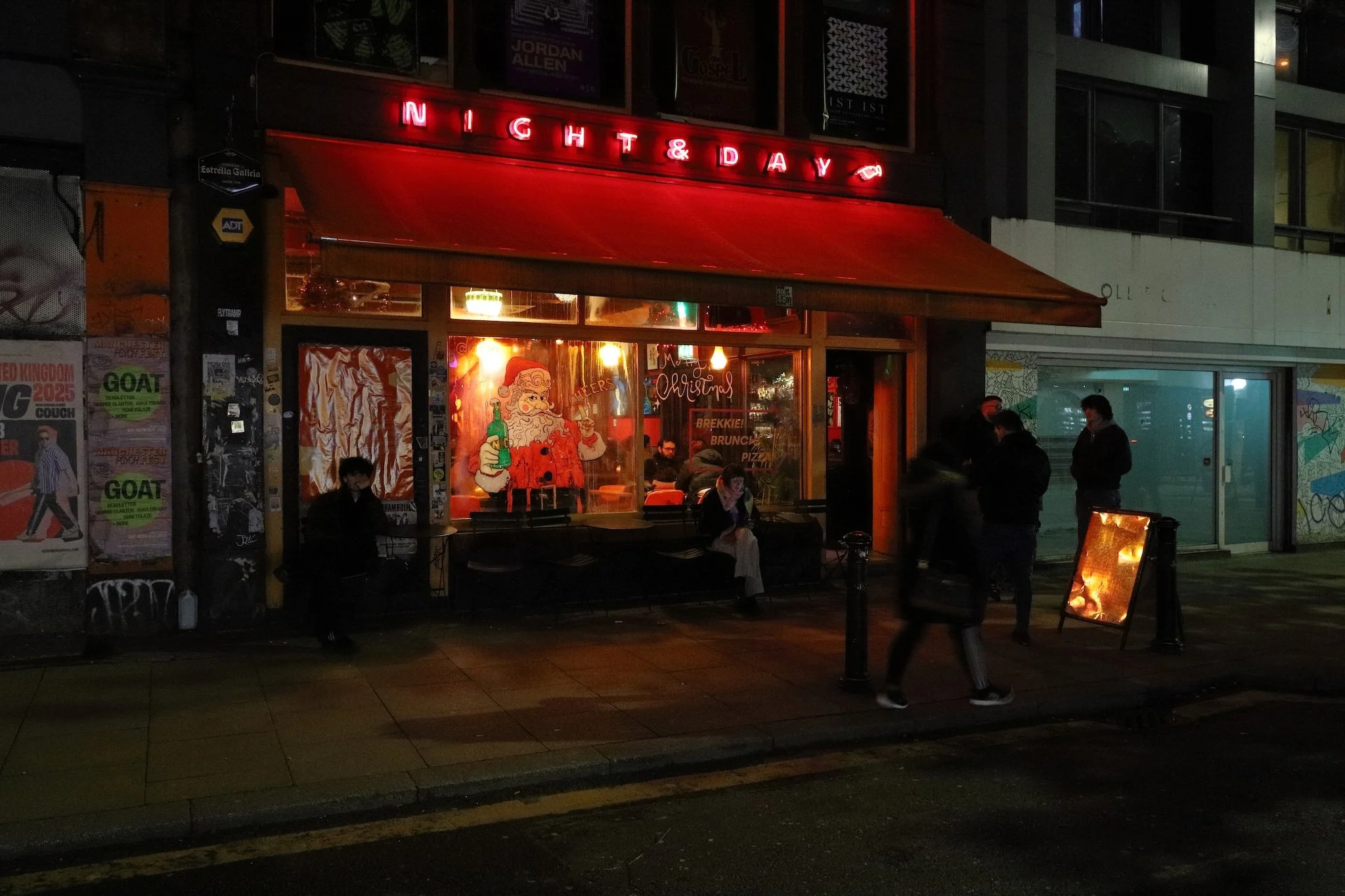
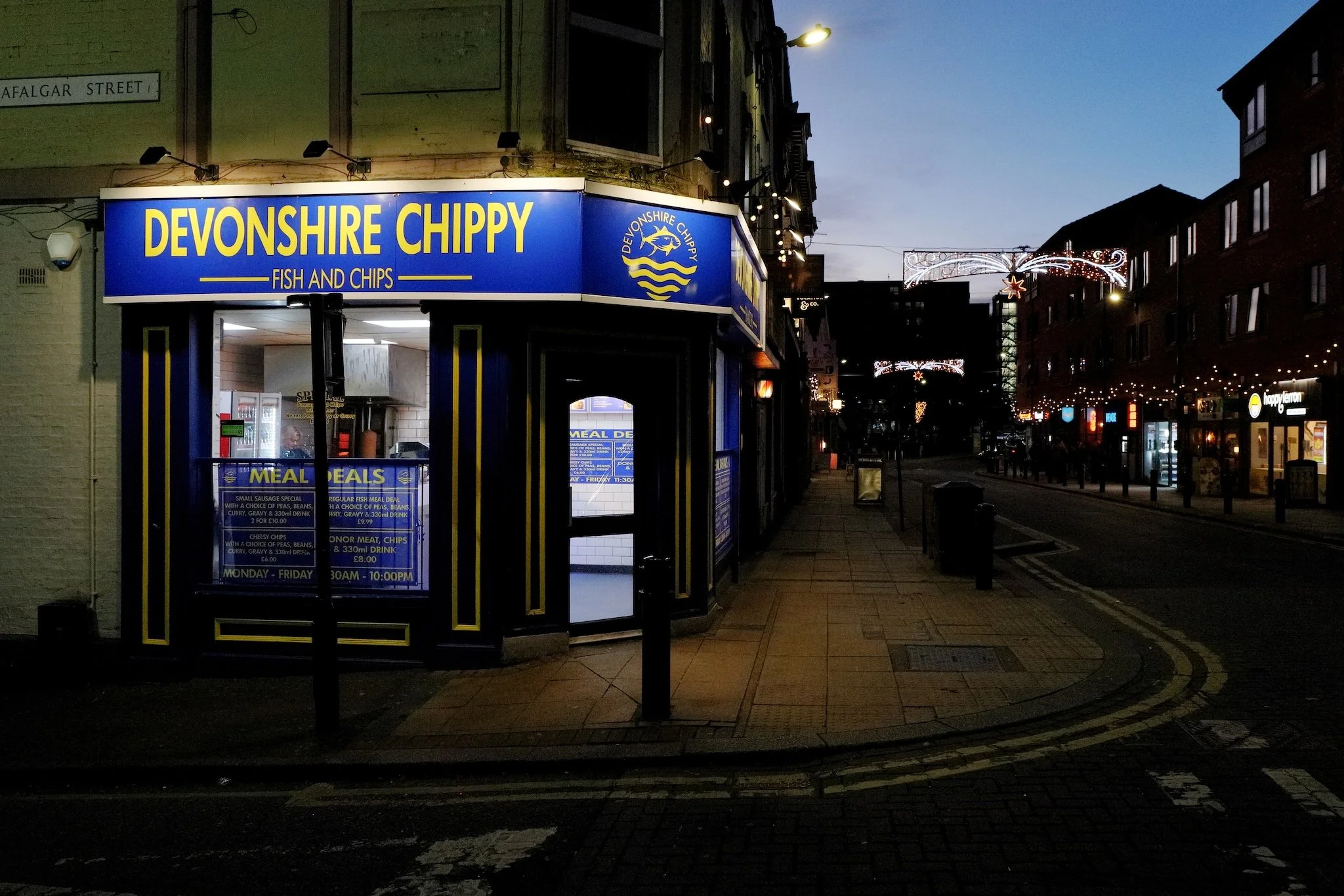
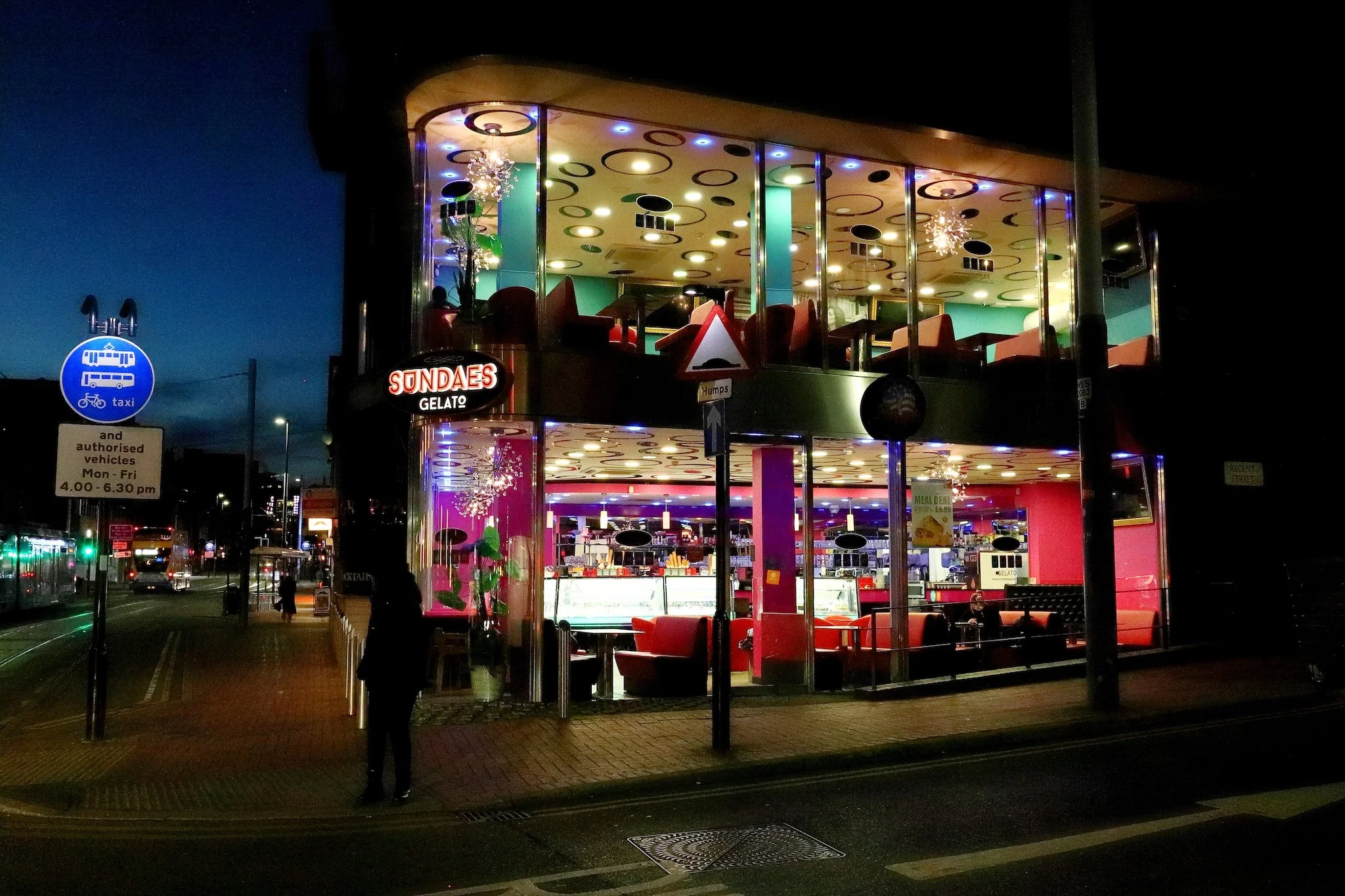
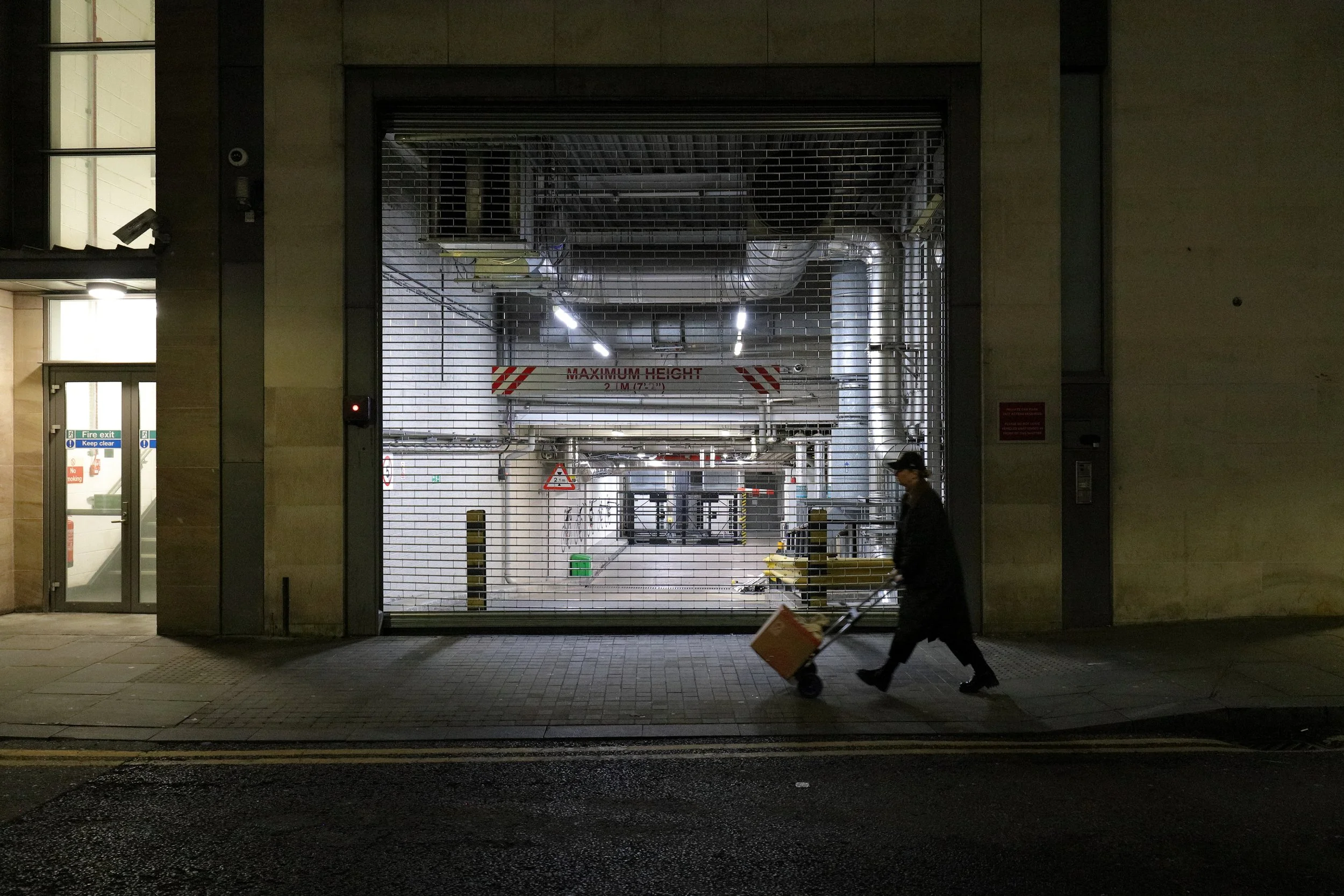
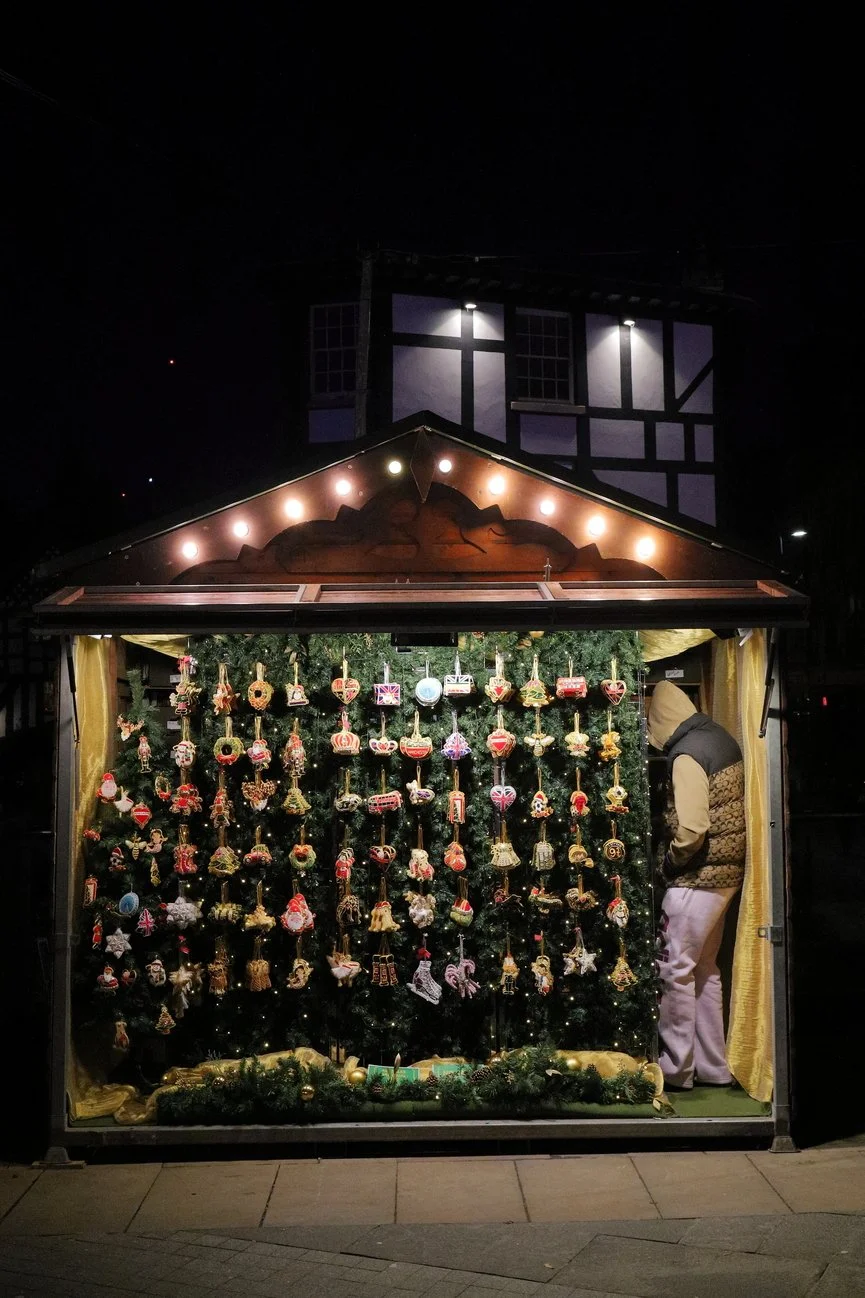
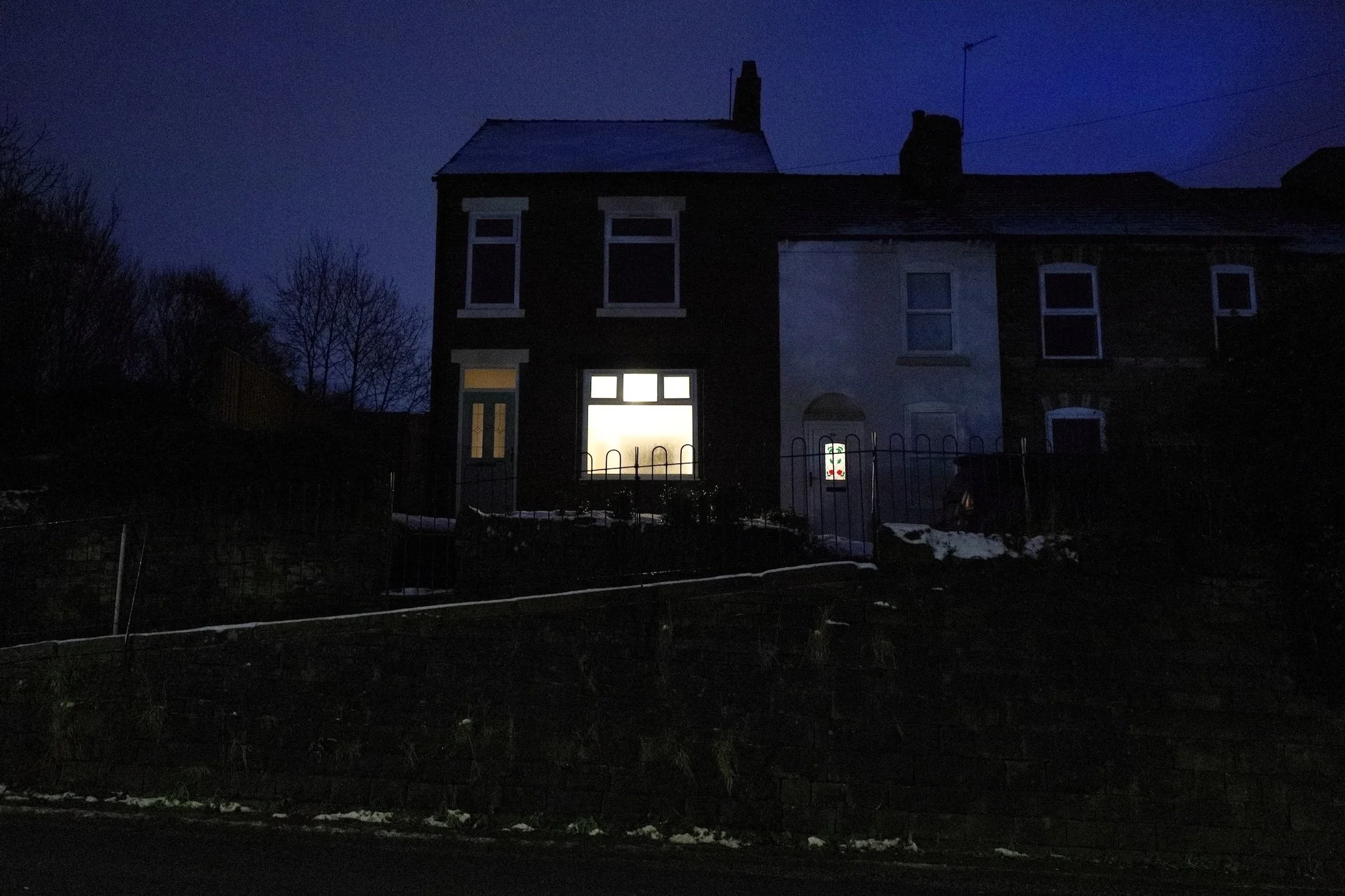
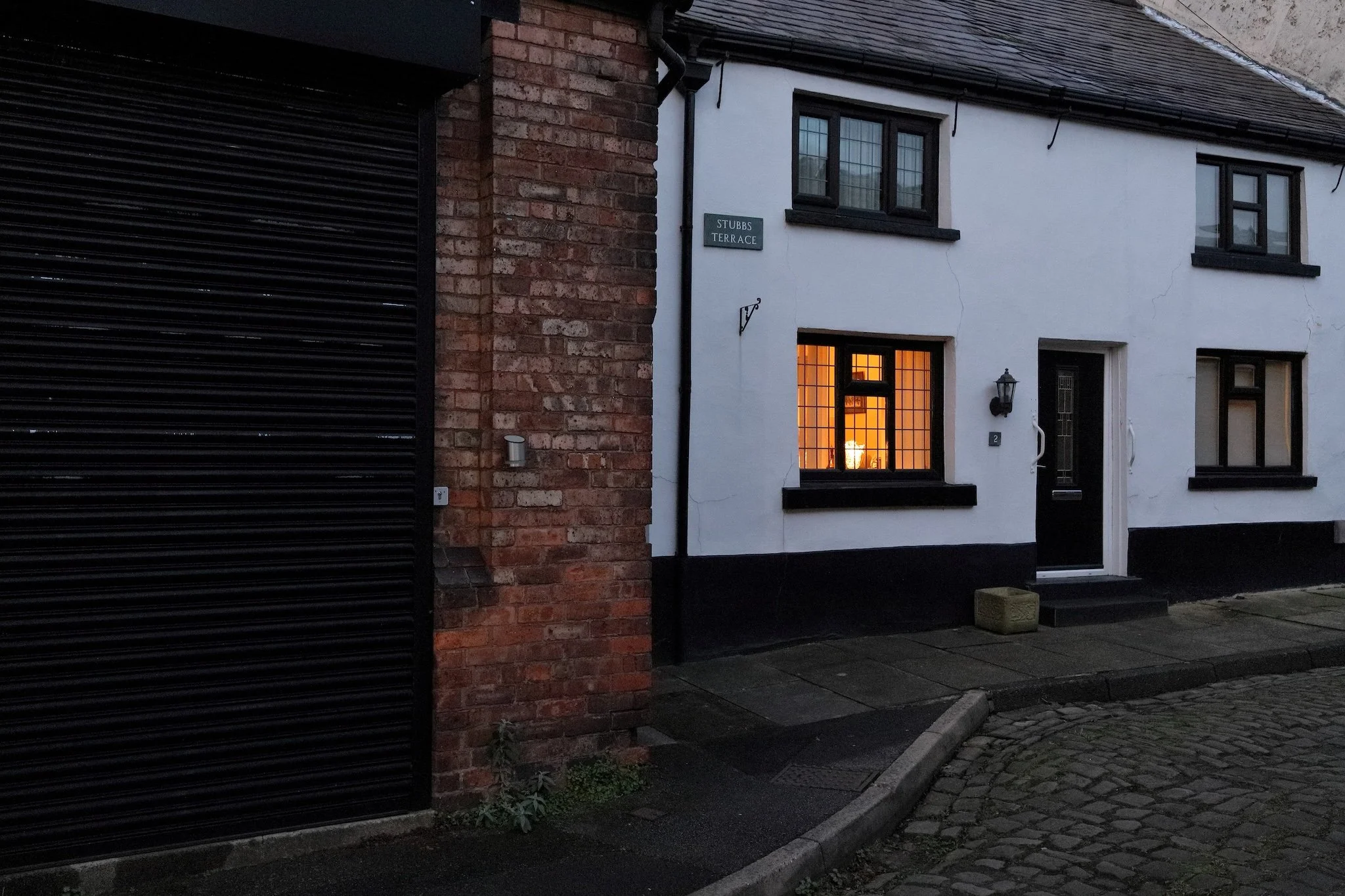
In this series, I have brought together some of my low-light, twilight and night photographs made over the last couple of years. These images are all from the north and north midlands of England and north Wales and are all urban scenes, from the cities and towns of Manchester, Macclesfield, Sheffield, Llandudno, Blaenau Ffestiniog and Derby. For this selection, I have tried to concentrate on urbanscapes and urban studies, and images that show something of how the built environment is transformed at nightfall. While I have included work both with and without a human presence, I have tried to avoid images that are primarily street photographs or street portraits that just happen to have been taken after dark.
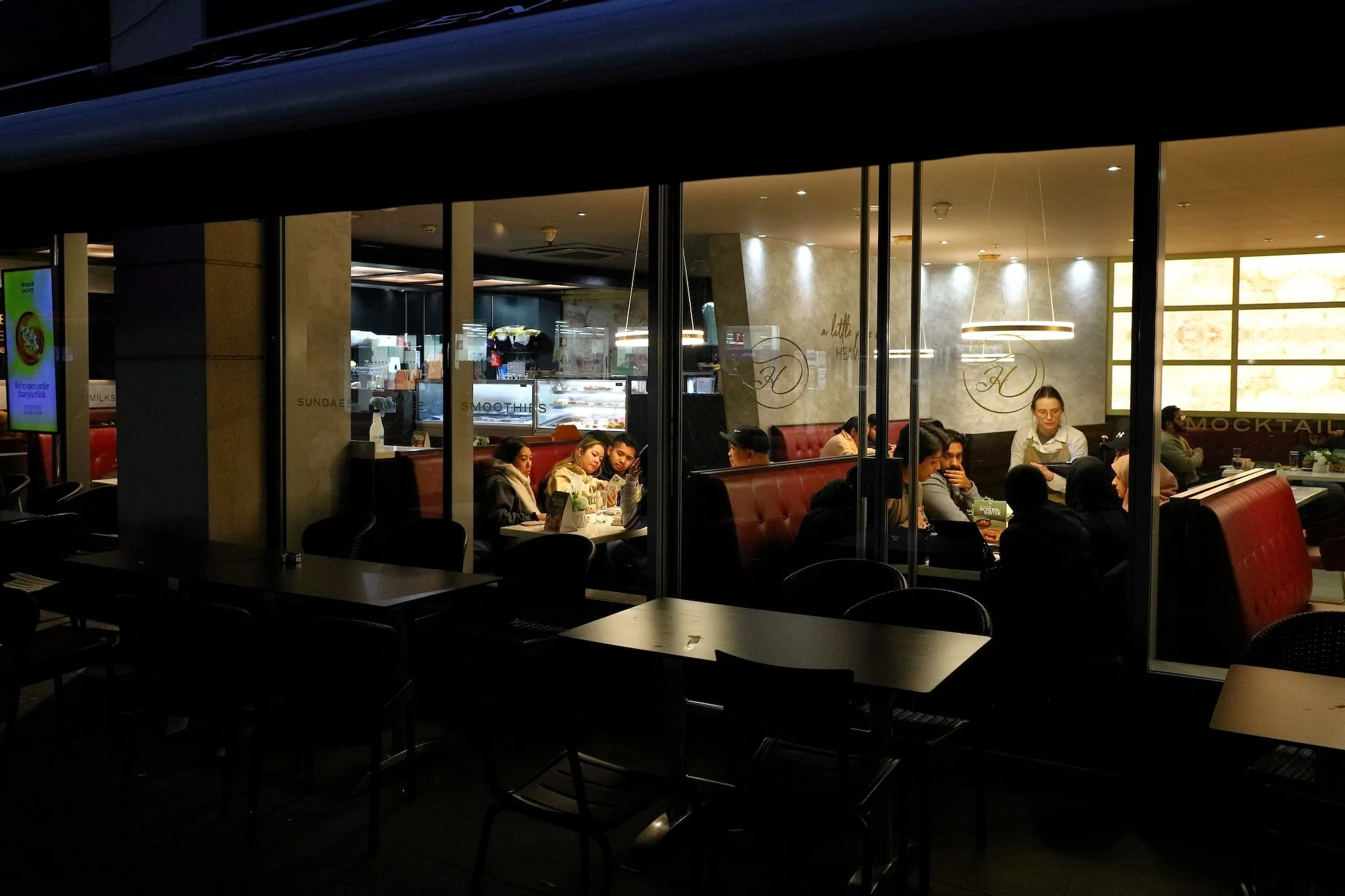
The dark of night is a wide and deep theme in art and photography, and has long been used to create atmosphere in painterly nocturnes, as well as acting as a powerful symbol of primal fear and the mysterious unknown. This symbolism is no mere artistic whimsey - after all, it would have been a bold caveman who stepped beyond the flickering circle of light from the fire into the foreboding darkness beyond. And while the idea of elemental night may seem to have little relevance to the urban landscape of the north, the night-time image is an aesthetic decision as well as a symbolic device. Vincent van Gogh wrote that the night was more alive and more richly coloured than the day, with hues of the most intense violets, blues and greens. For me, the appeal of night-time photography lies somewhere between these two aspects, in some combination of the caveman's firelight and all it stands for and the aesthetic darkness of Van Gogh's rich violets and blues. I think this contrast between warm lit interiors and the shadowy blues of twilight and dark night can be seen in at least some of these photographs.
The practice of night photography is not that much younger than photography itself, and by the end of the nineteenth century photographers such as Paul Martin in London and Alfred Stiglitz in New York were able to produce significant bodies of nocturnal work. These pioneering efforts were developed and expanded upon by figures as diverse as Brassai and O. Winston Link, and more recently photographers such as Richard Misrach, Steve Fitch and Joel Meyerowitz have all produced night or twilight work.
One significant change in the practice of night photography, or significant for me at least, has been the development of the digital camera. Until fairly recently, night photography has been a relatively cumbersome business, usually requiring at least a tripod and long exposure and some rudimentary planning before taking a photograph. And while this is still perhaps the ideal method for achieving a pin-sharp night-time image, the twilight and night photographs featured here have all been made in a more-or-less street-photography style, using a hand-held digital SLR, wide-angle lens and ISO of up to 3200, 6400 and sometimes 128000. None of these images were made as part of a planned series of night photographs, and many were taken fortuitously, after a day of urban photography, or in short breaks around other activities. Had a tripod and shutter-release cable been necessary for taking these photographs, very few of them would have been made in the first place.
Photographs taken with a Canon 6dii, with a 28 mm or 35 mm fixed-length lens, or a 16-35 mm or 24-70 mm zoom
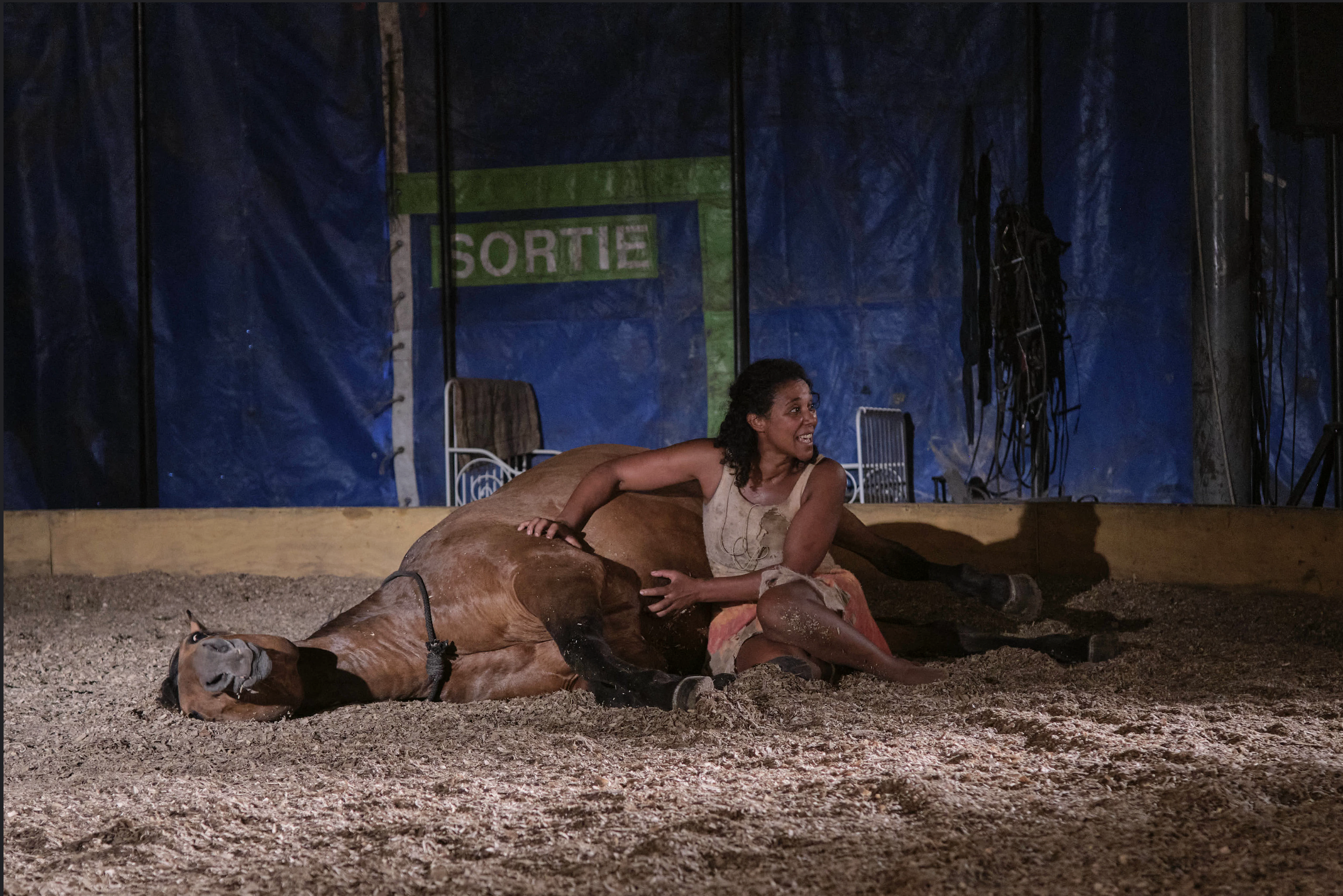
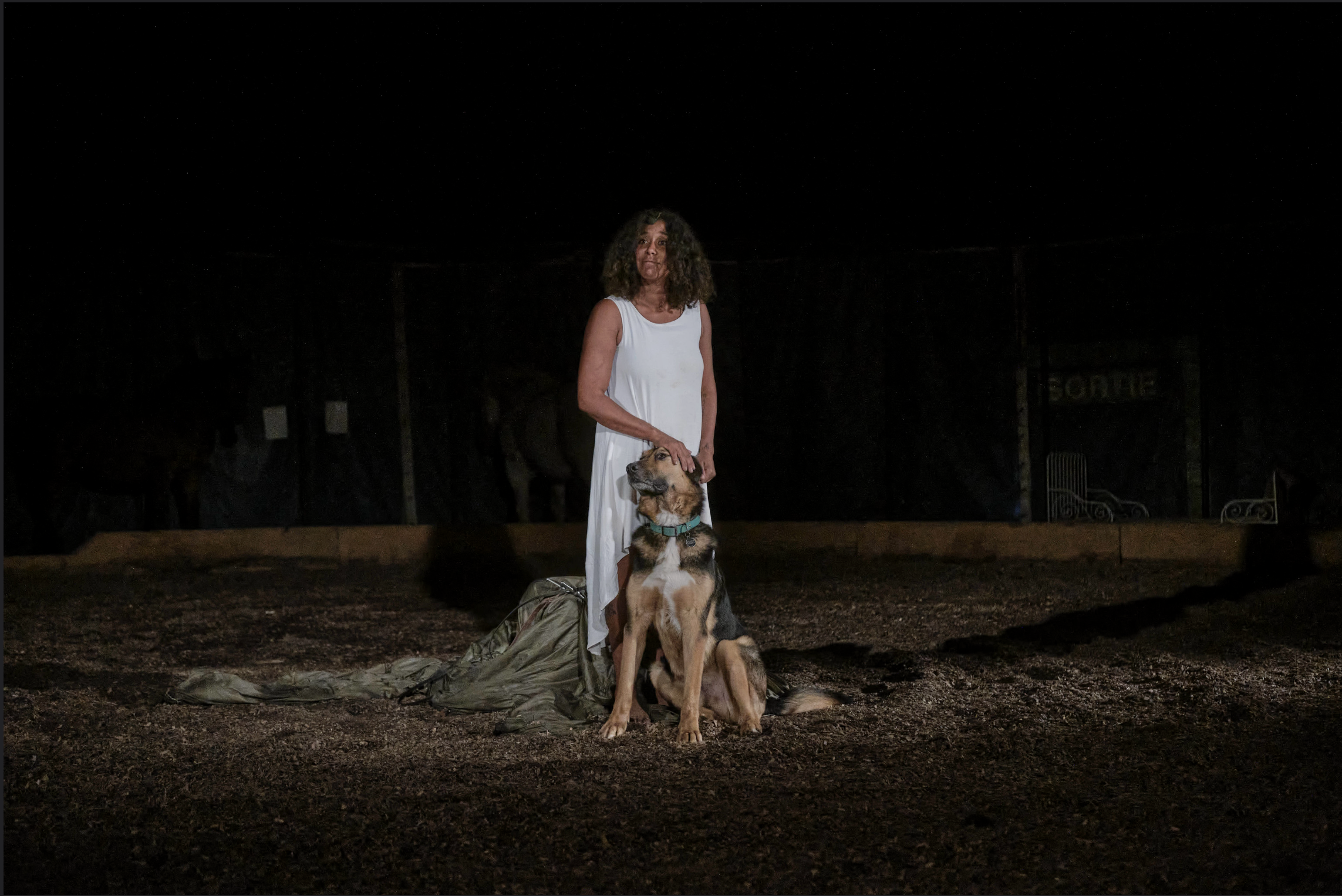
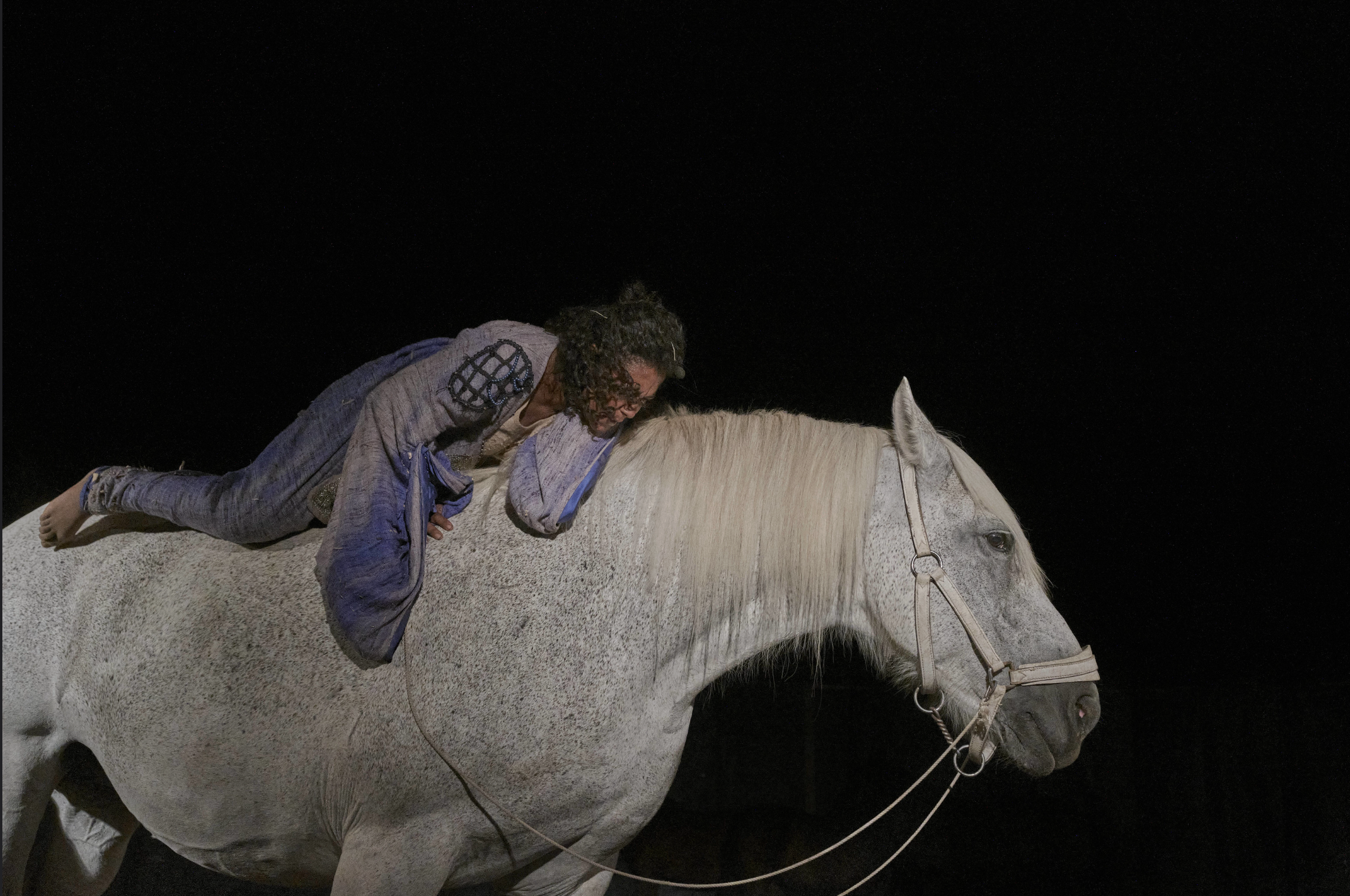
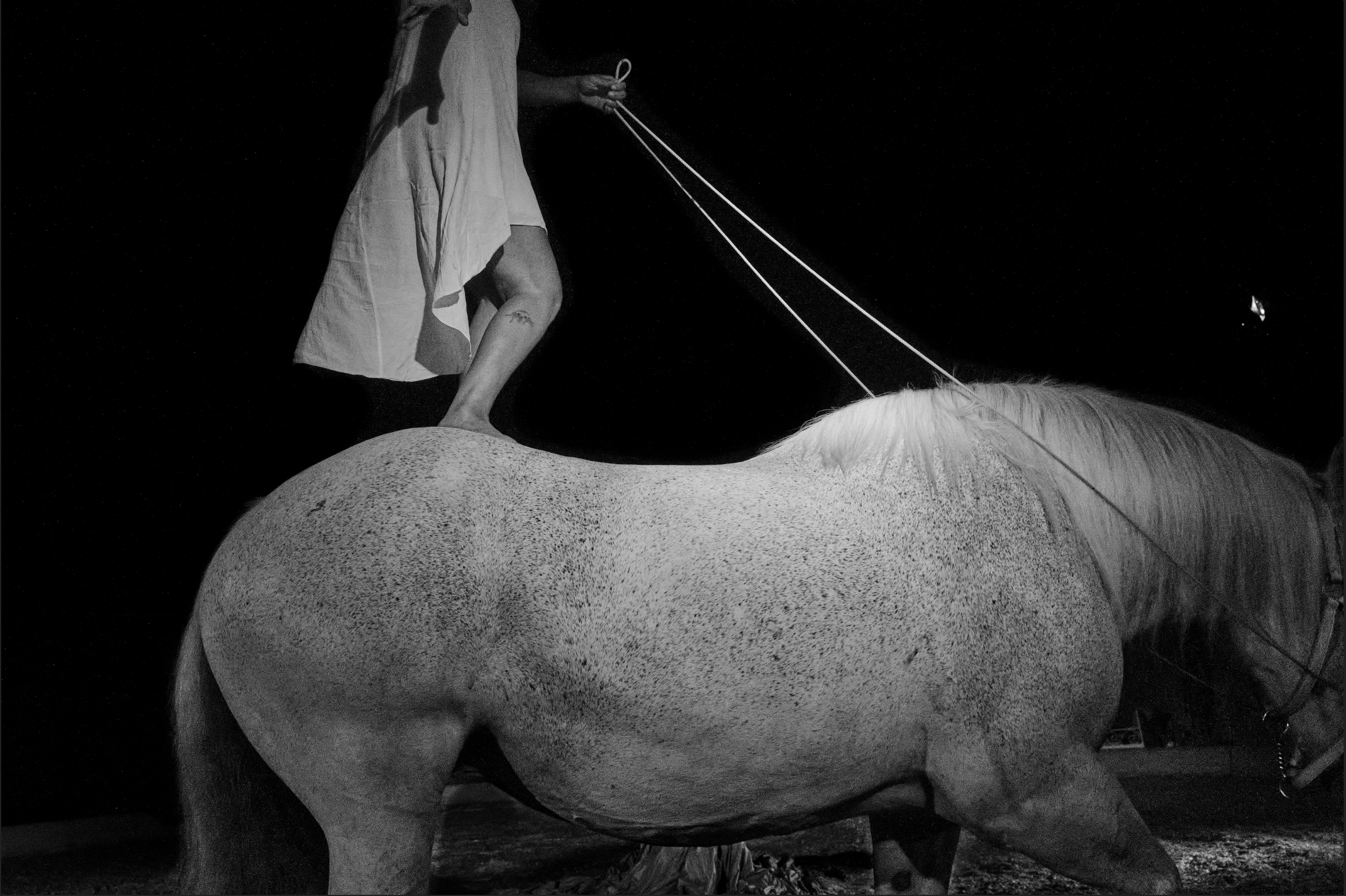
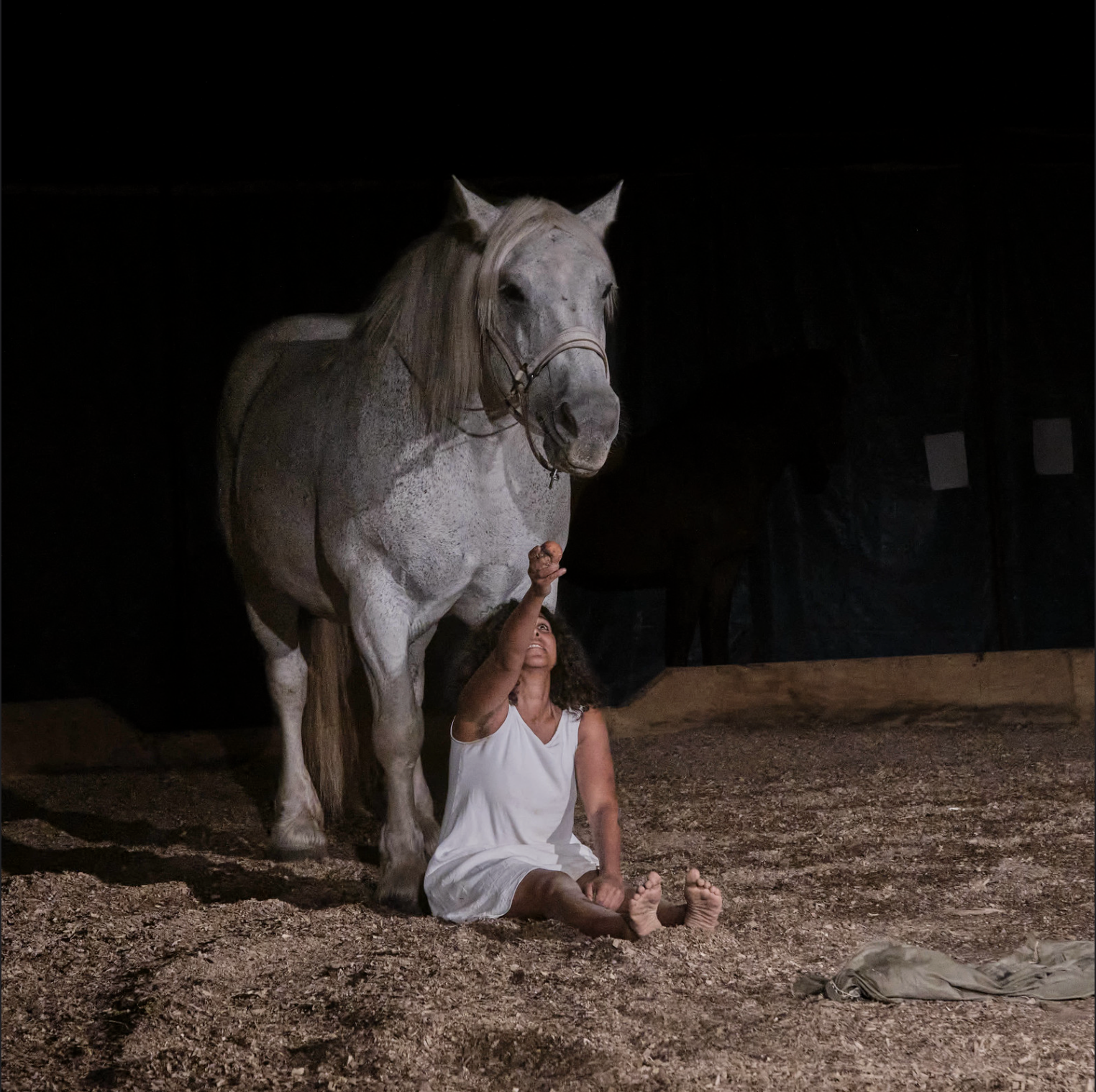
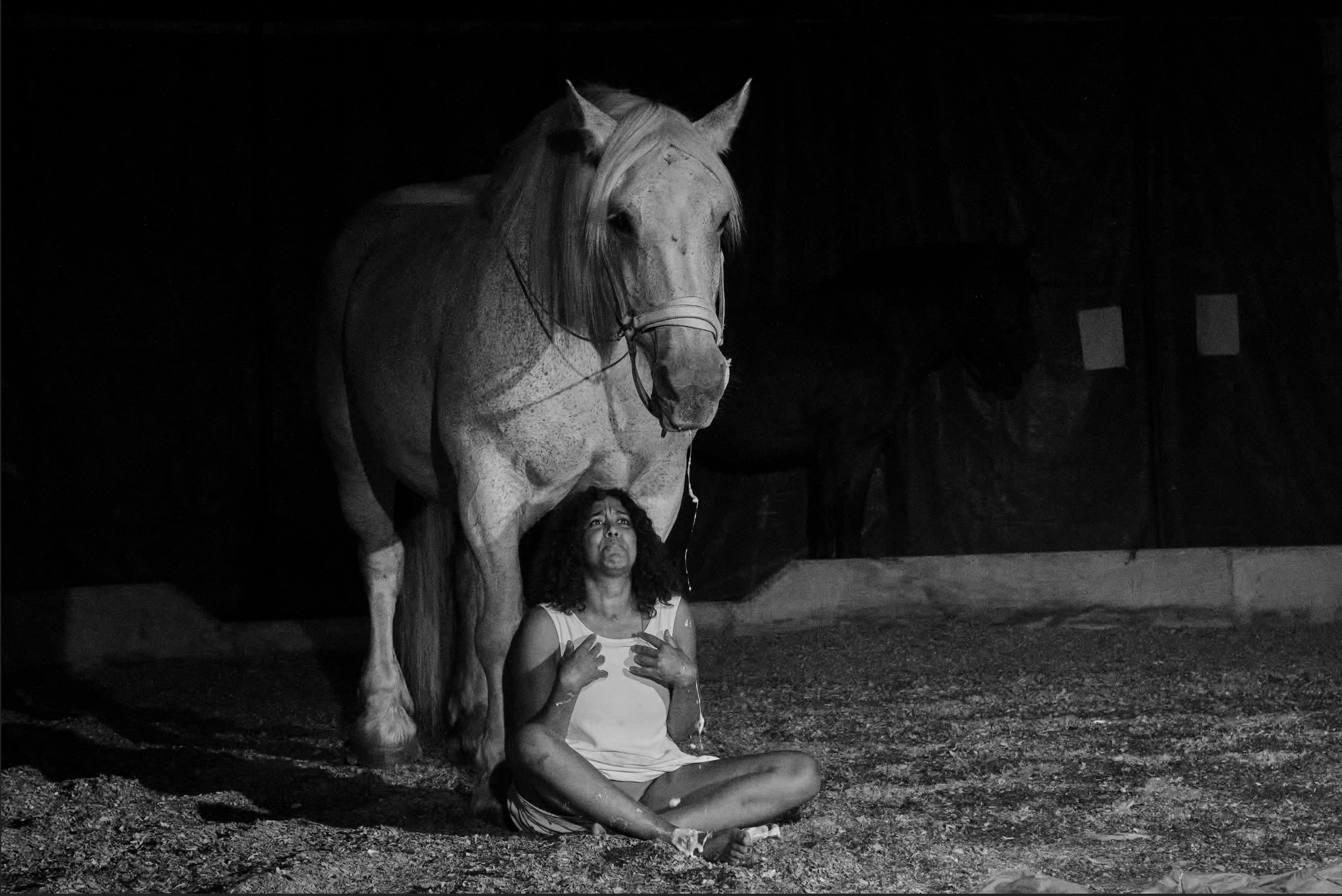
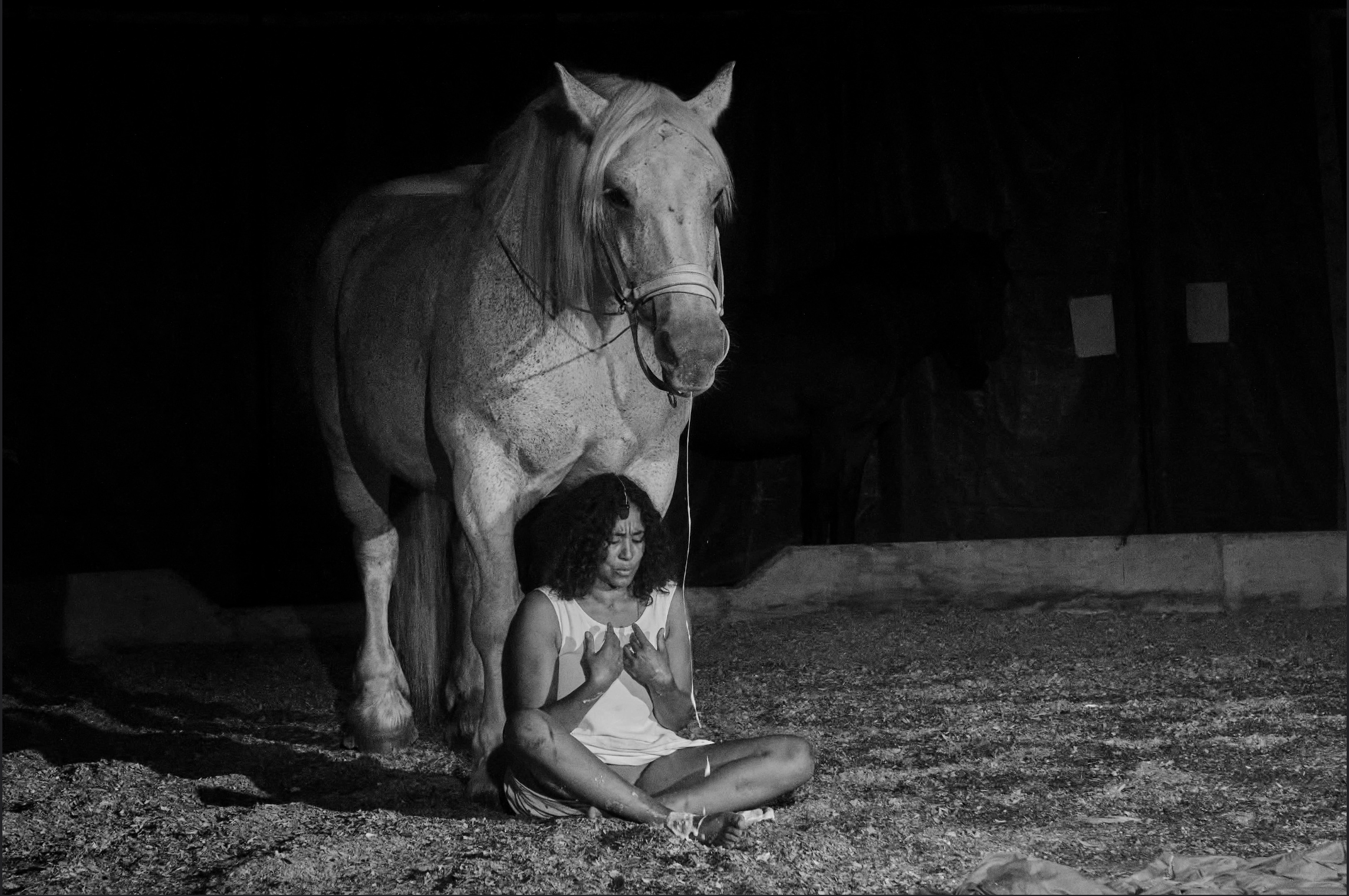
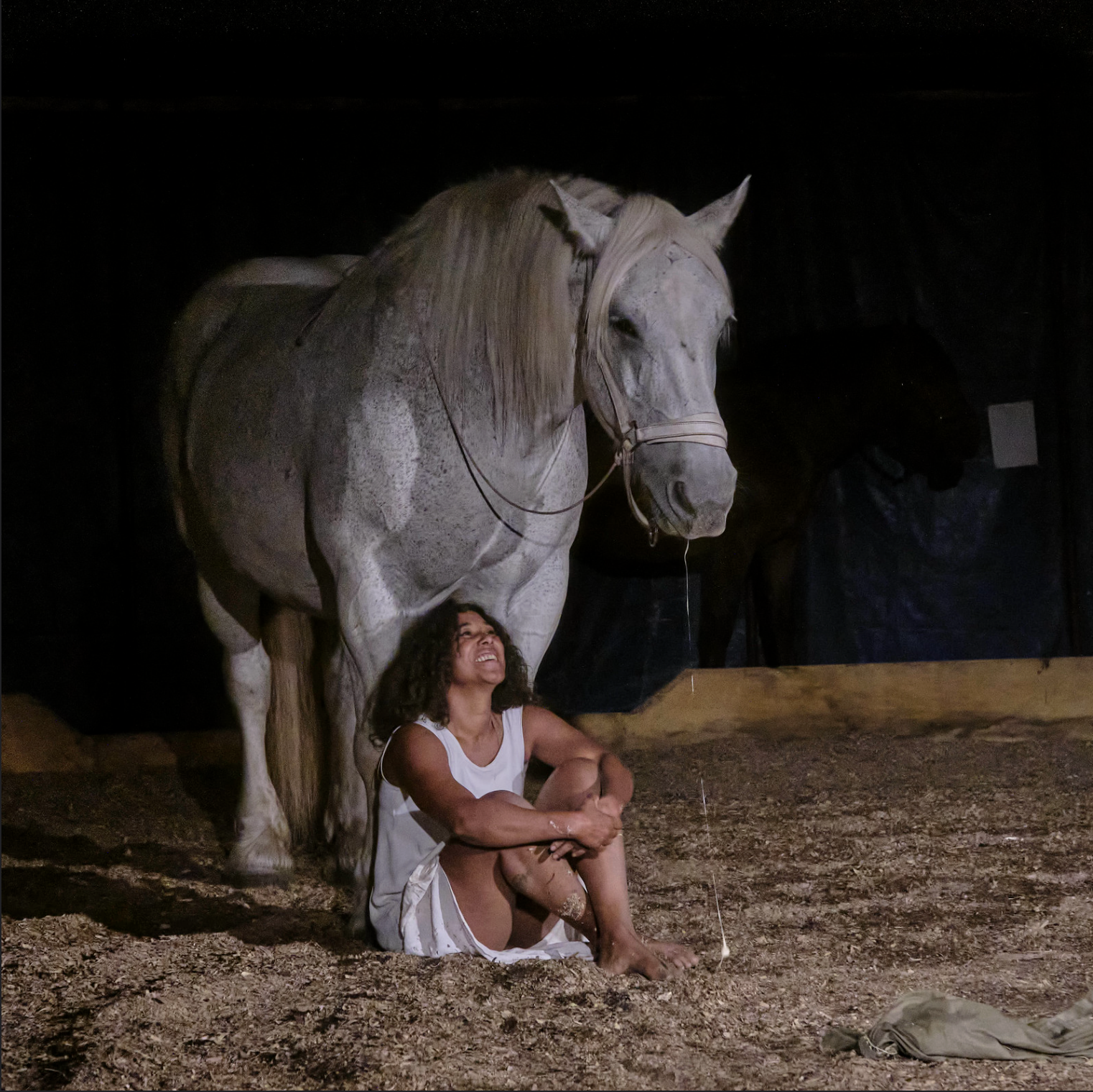
"ESOD" by Alain van Hille
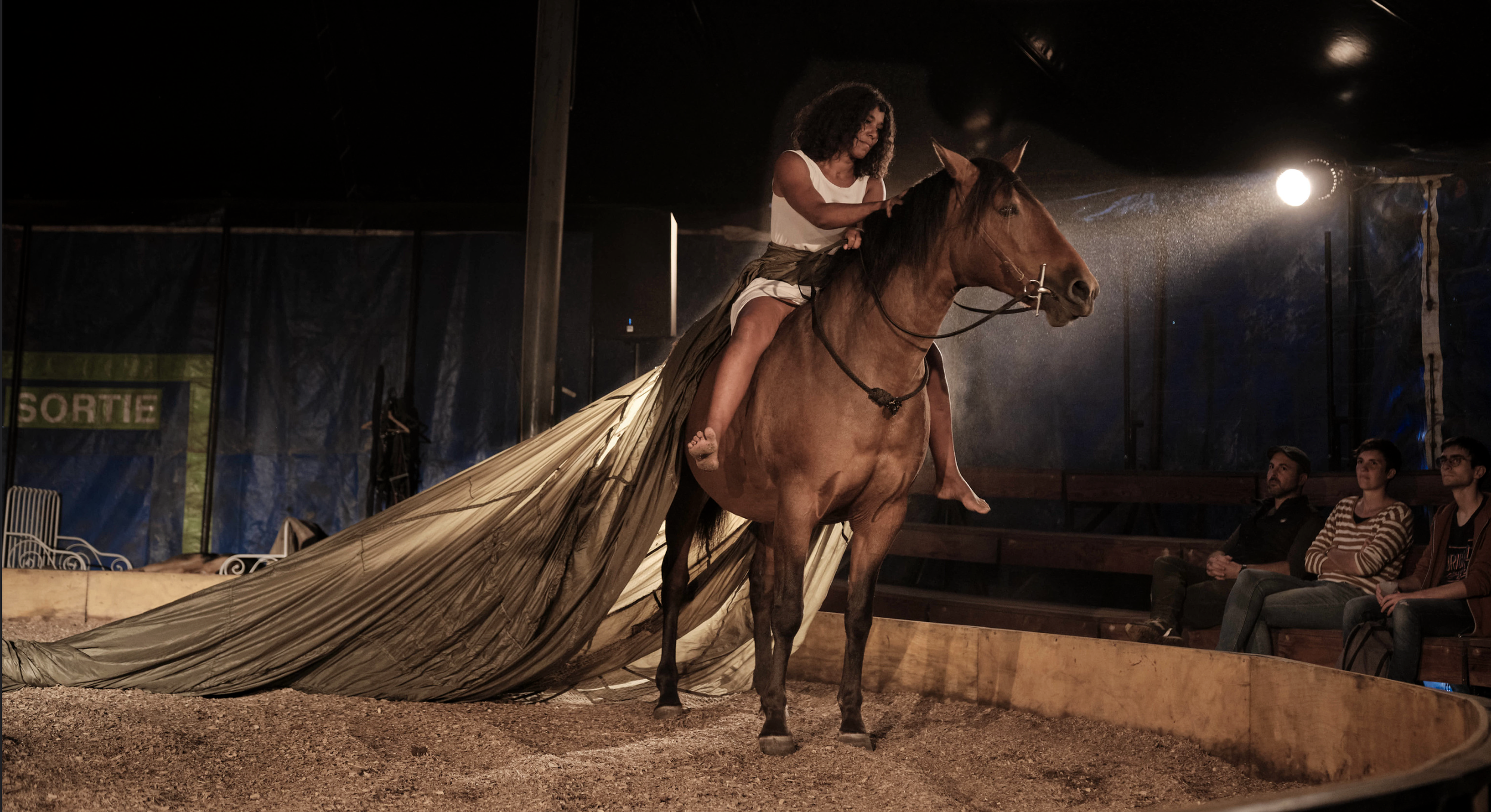
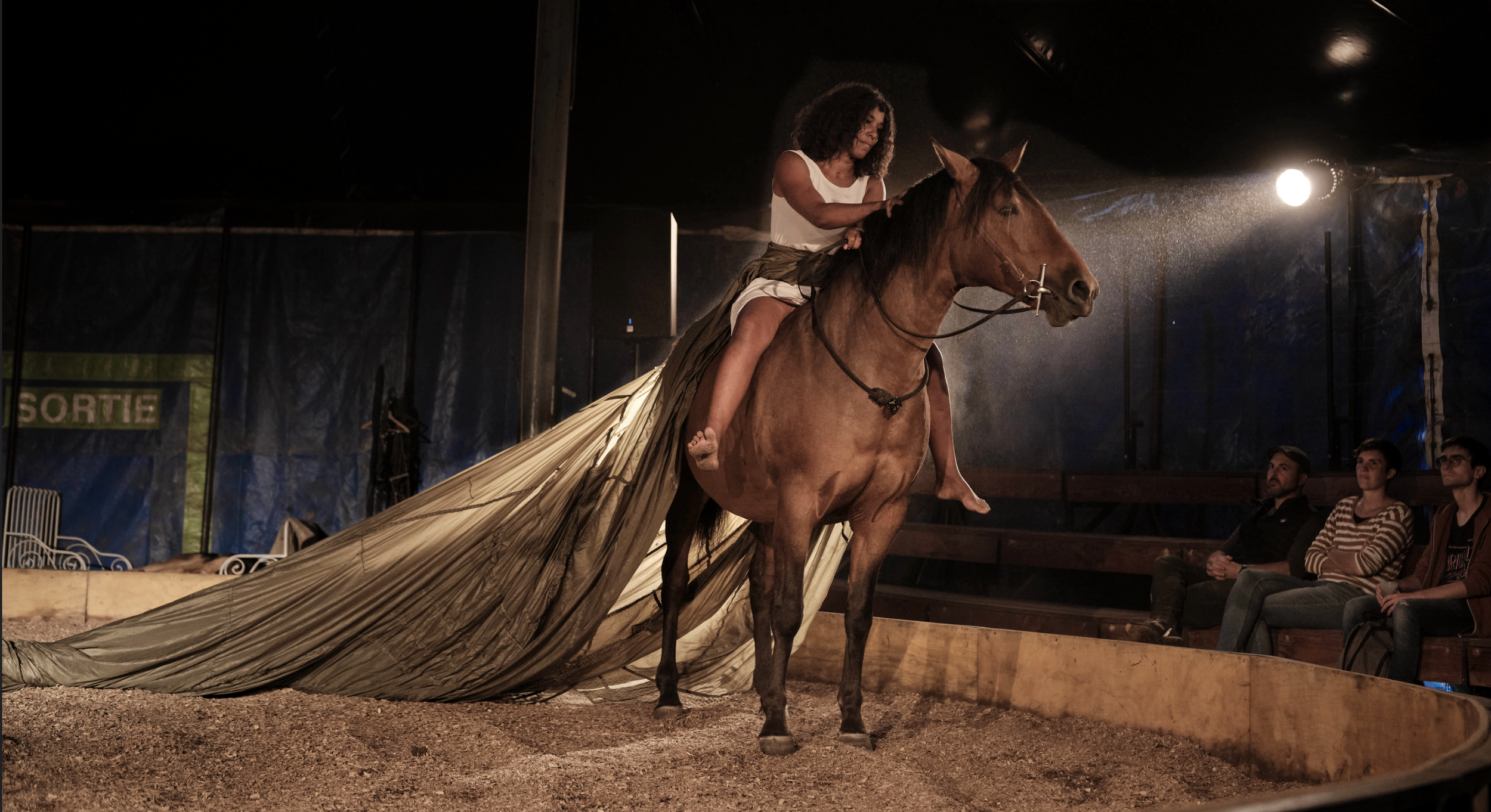
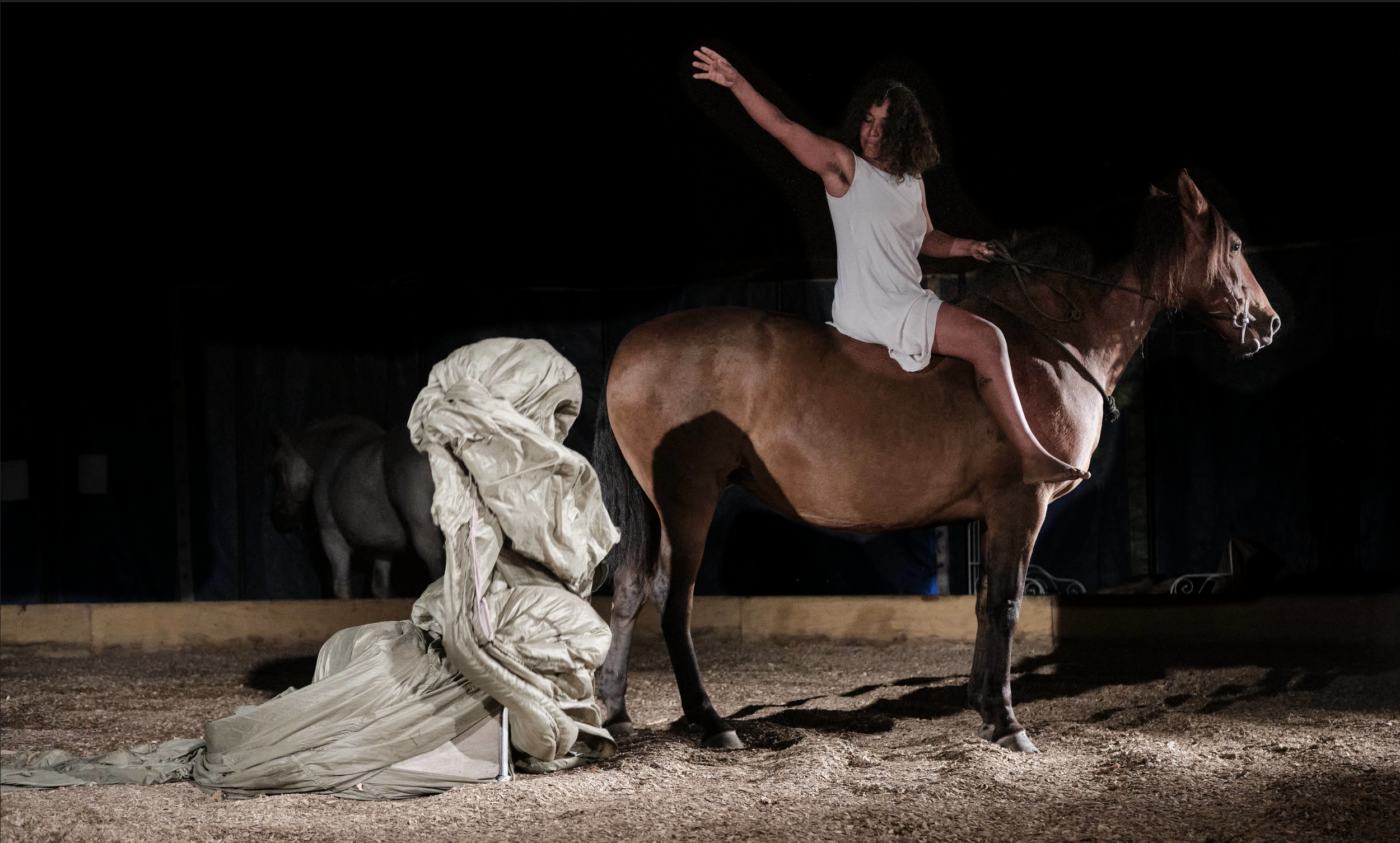
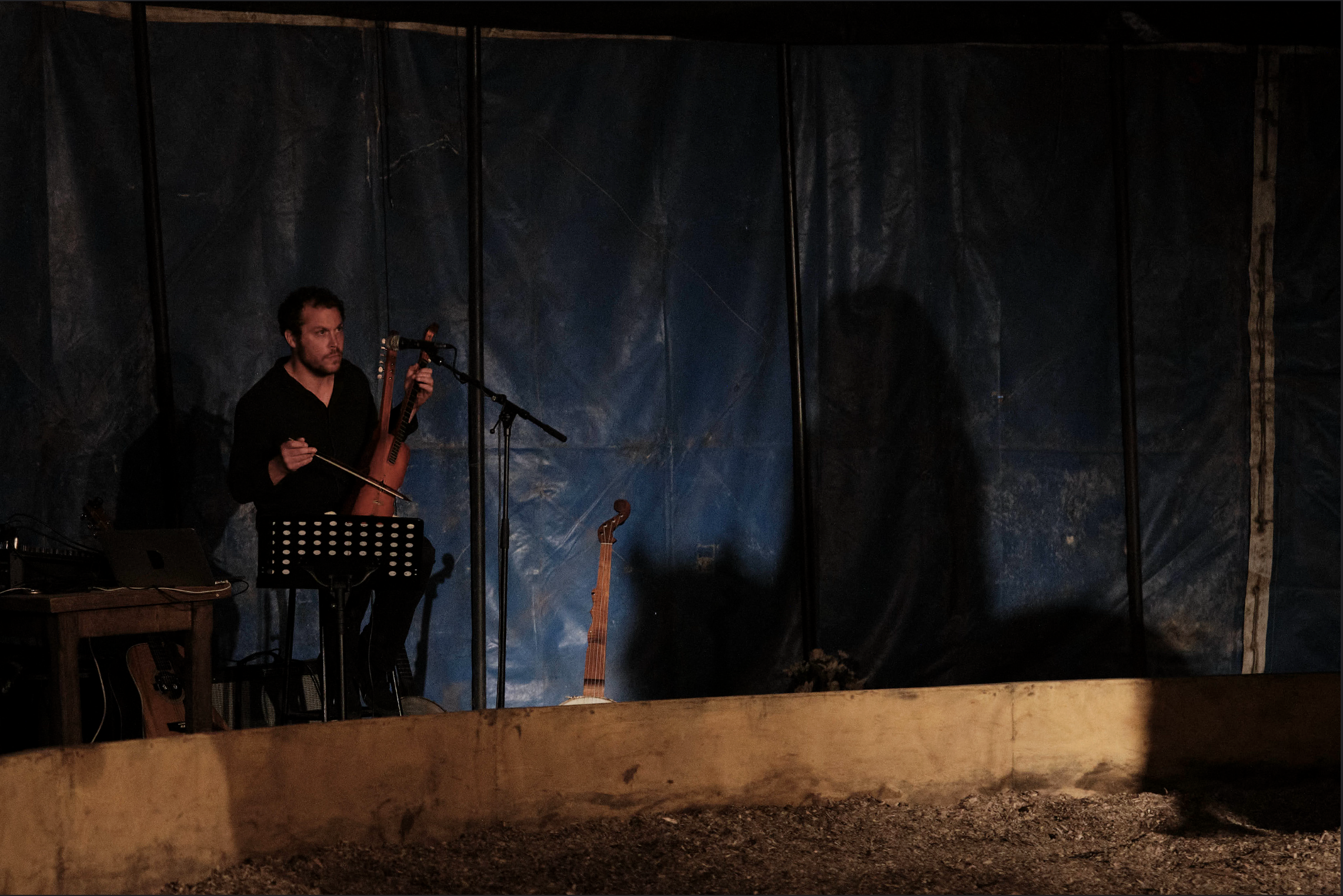
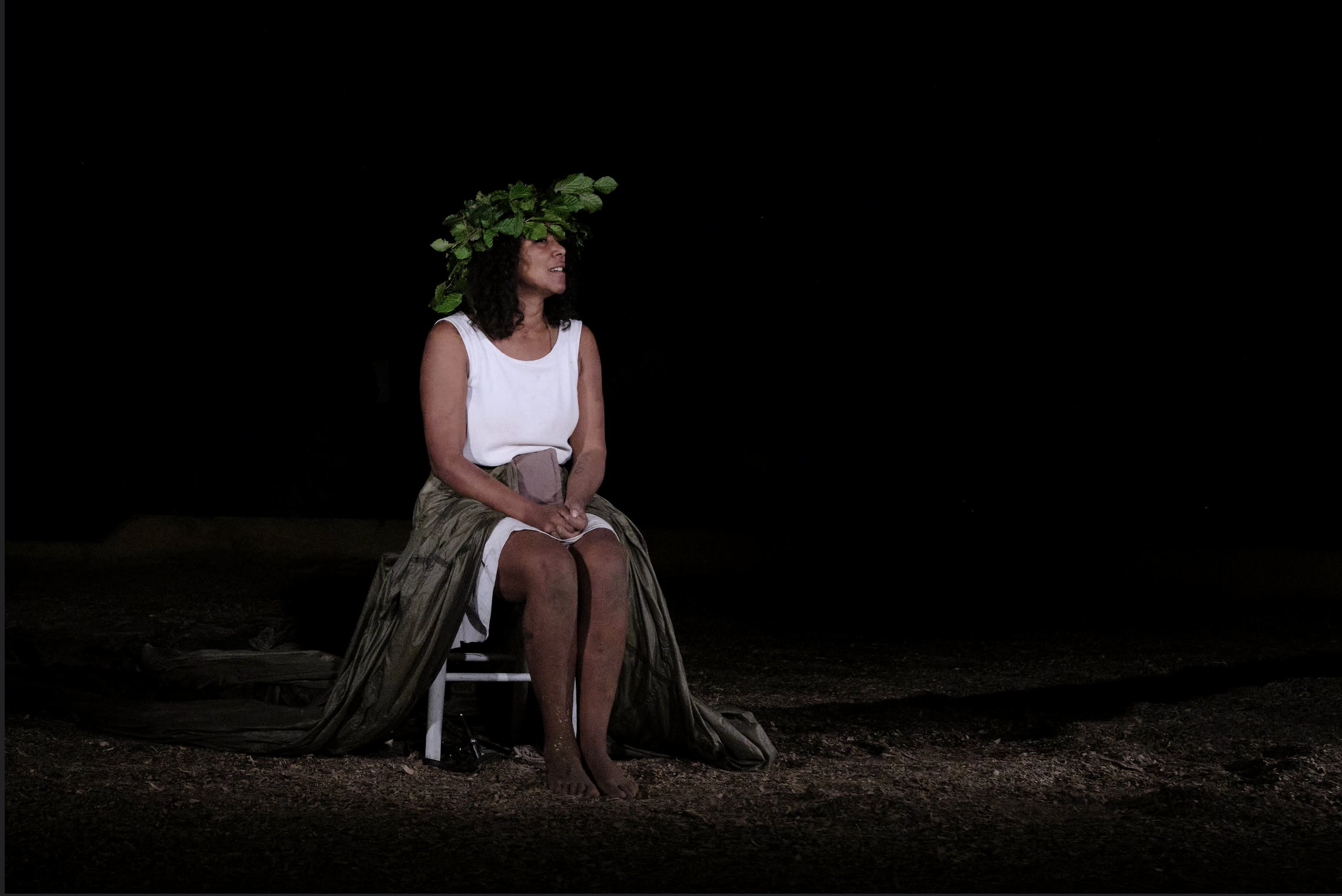
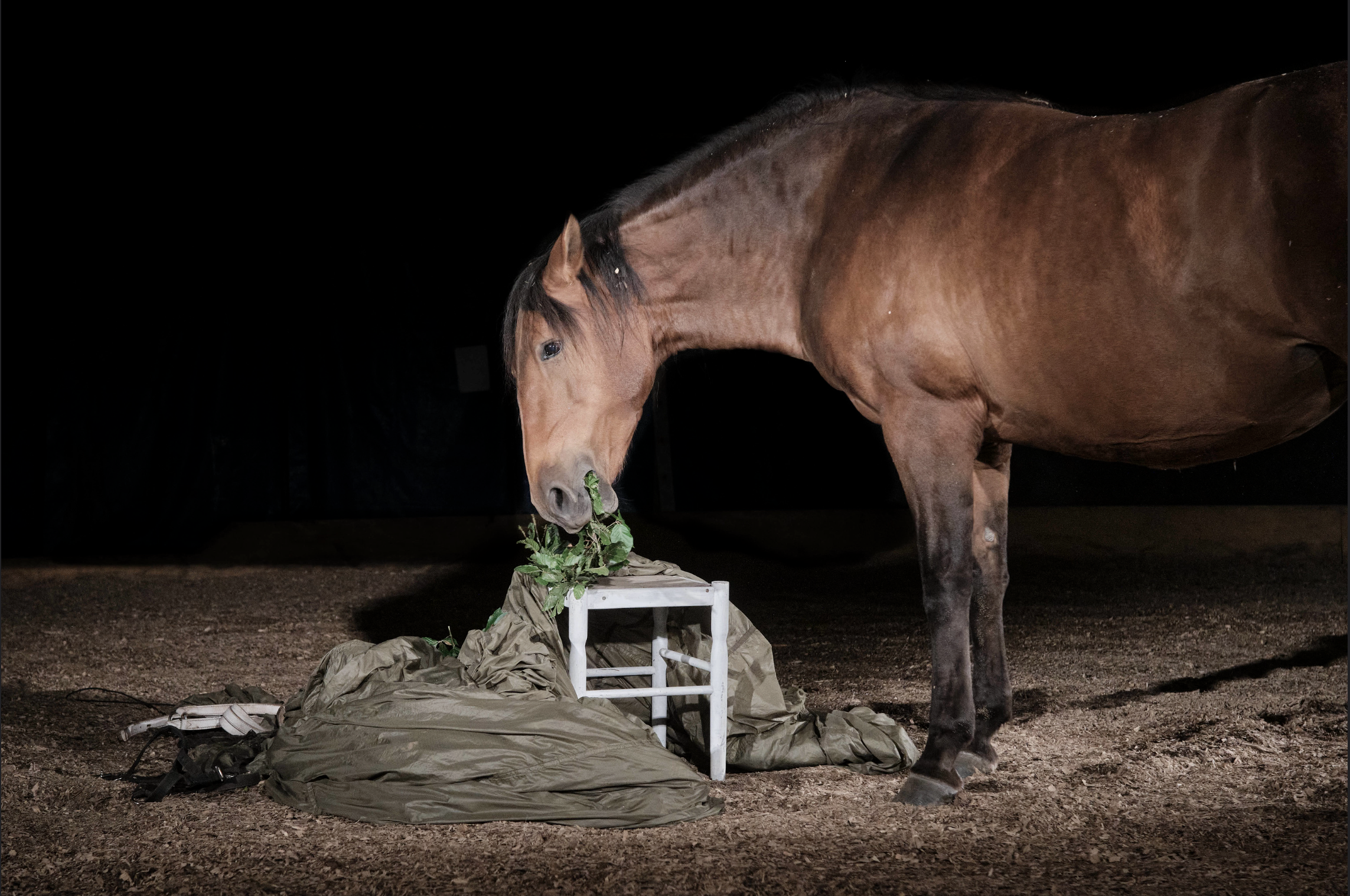
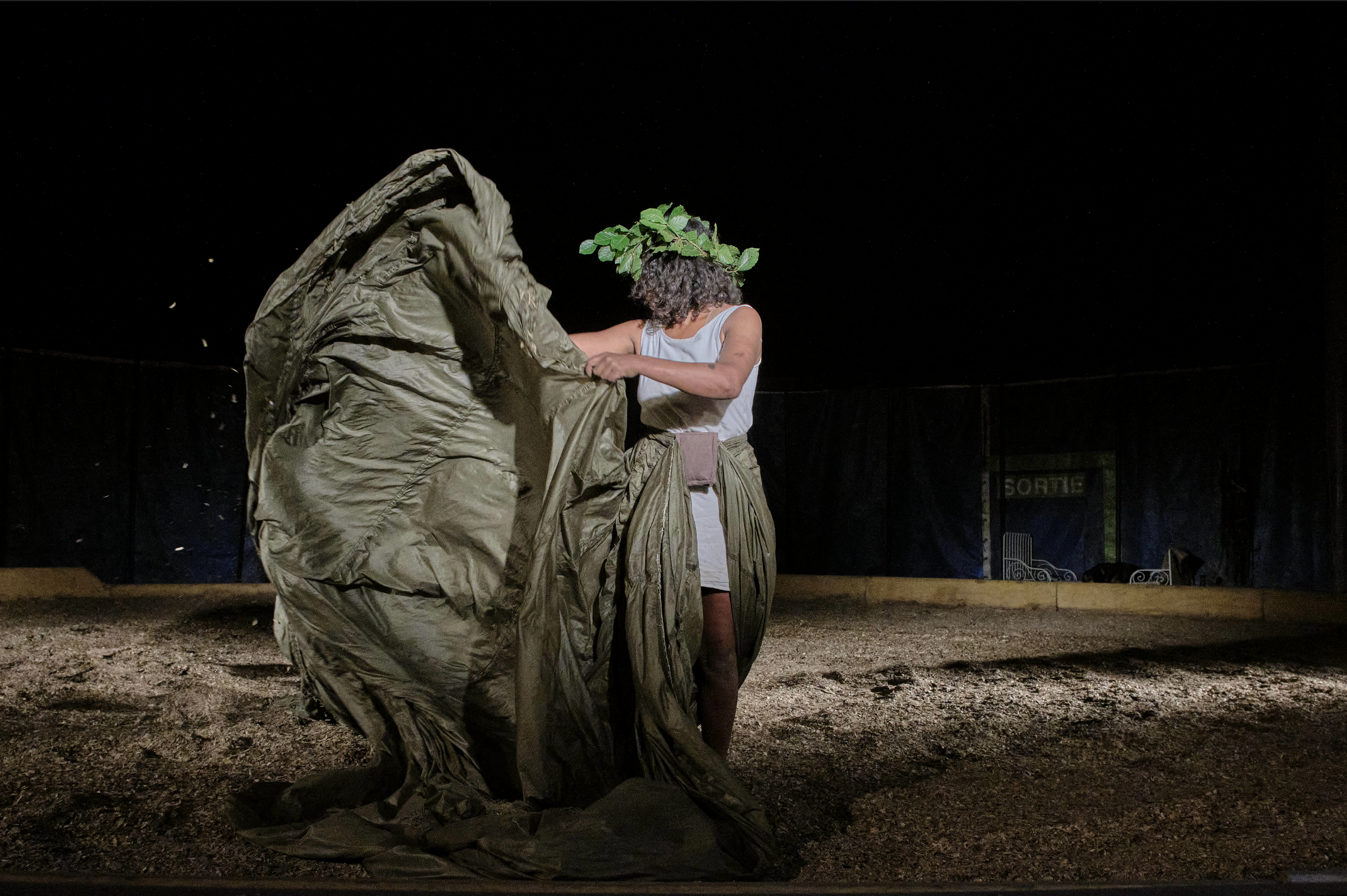
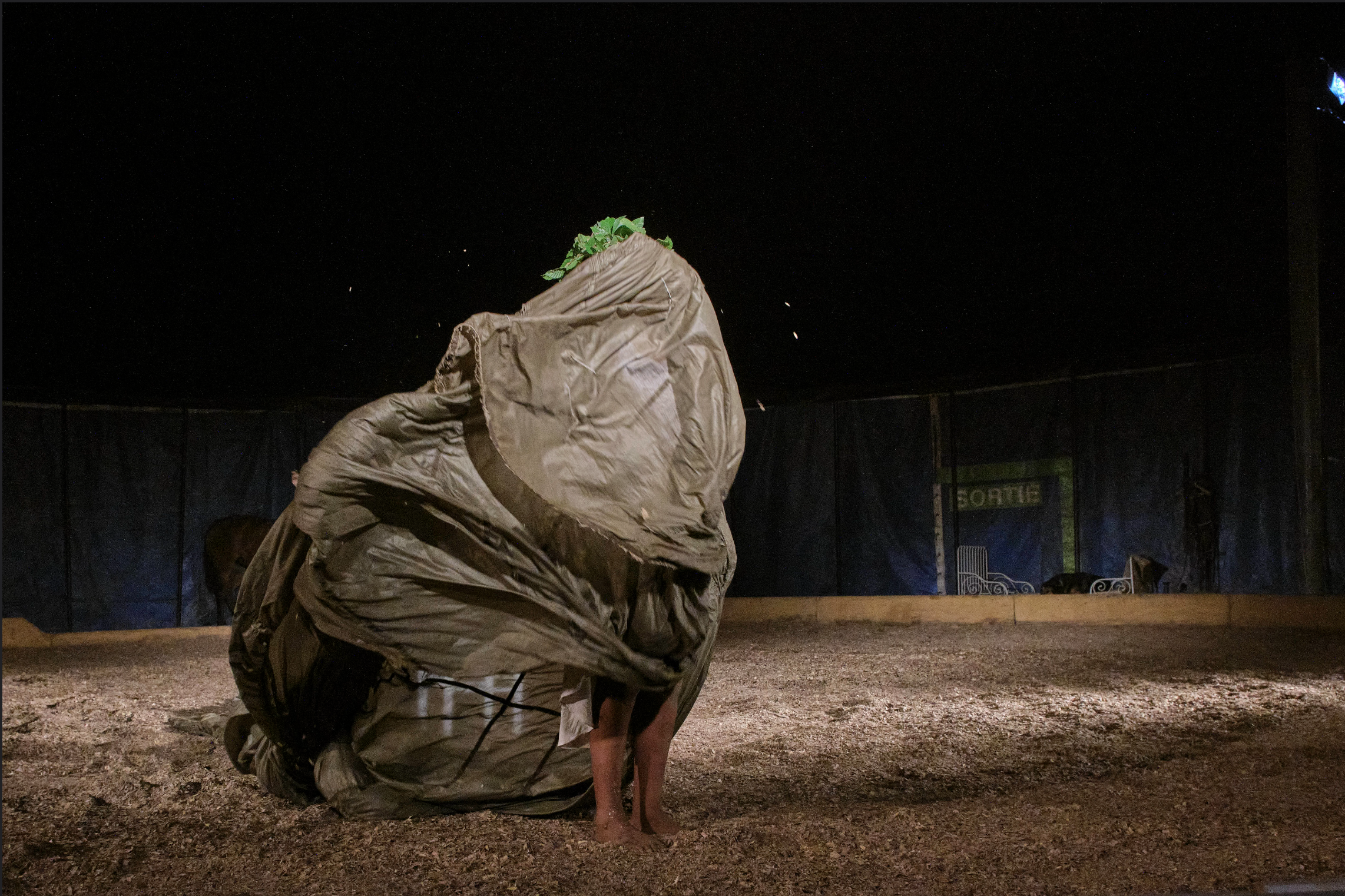
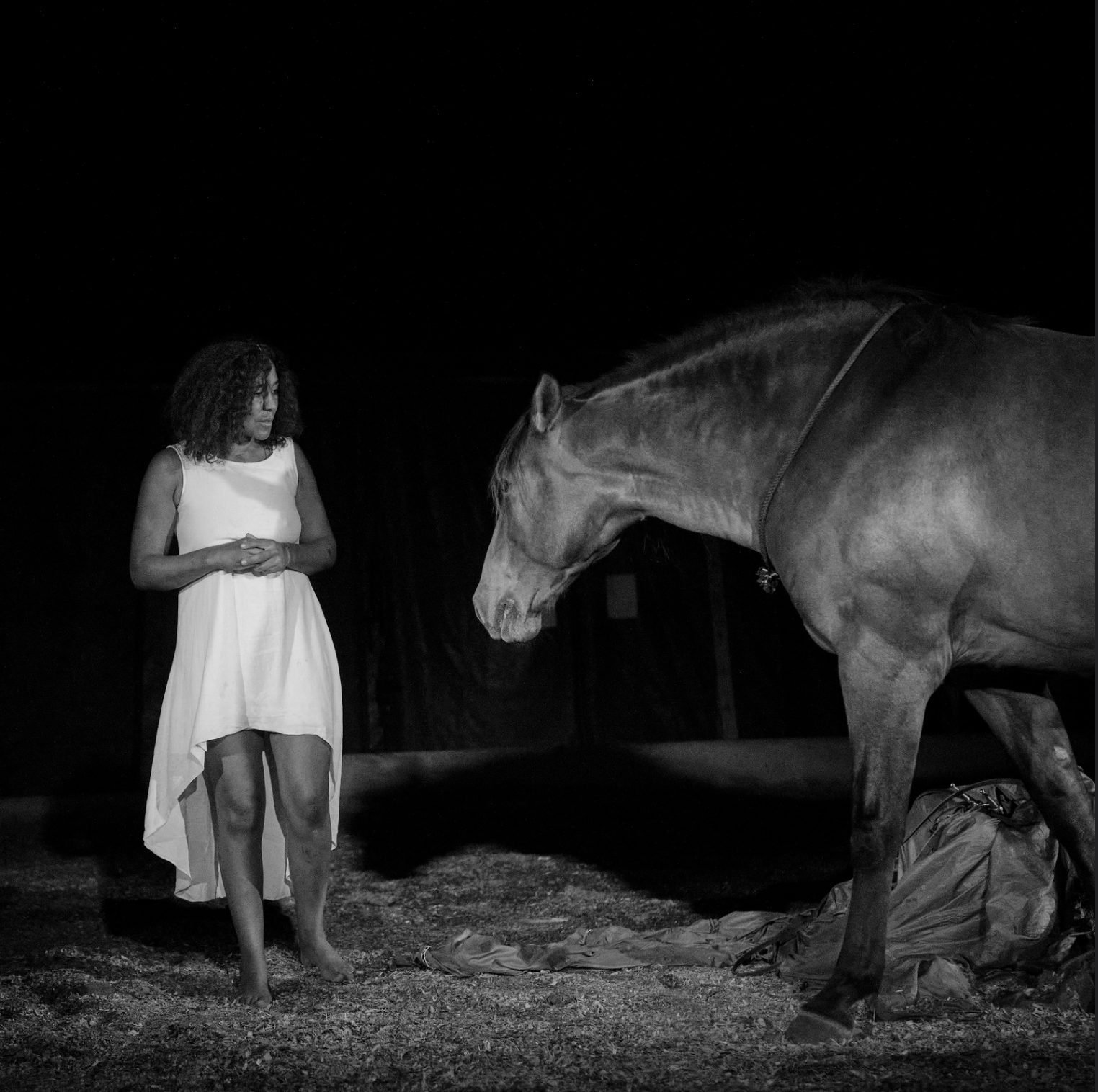
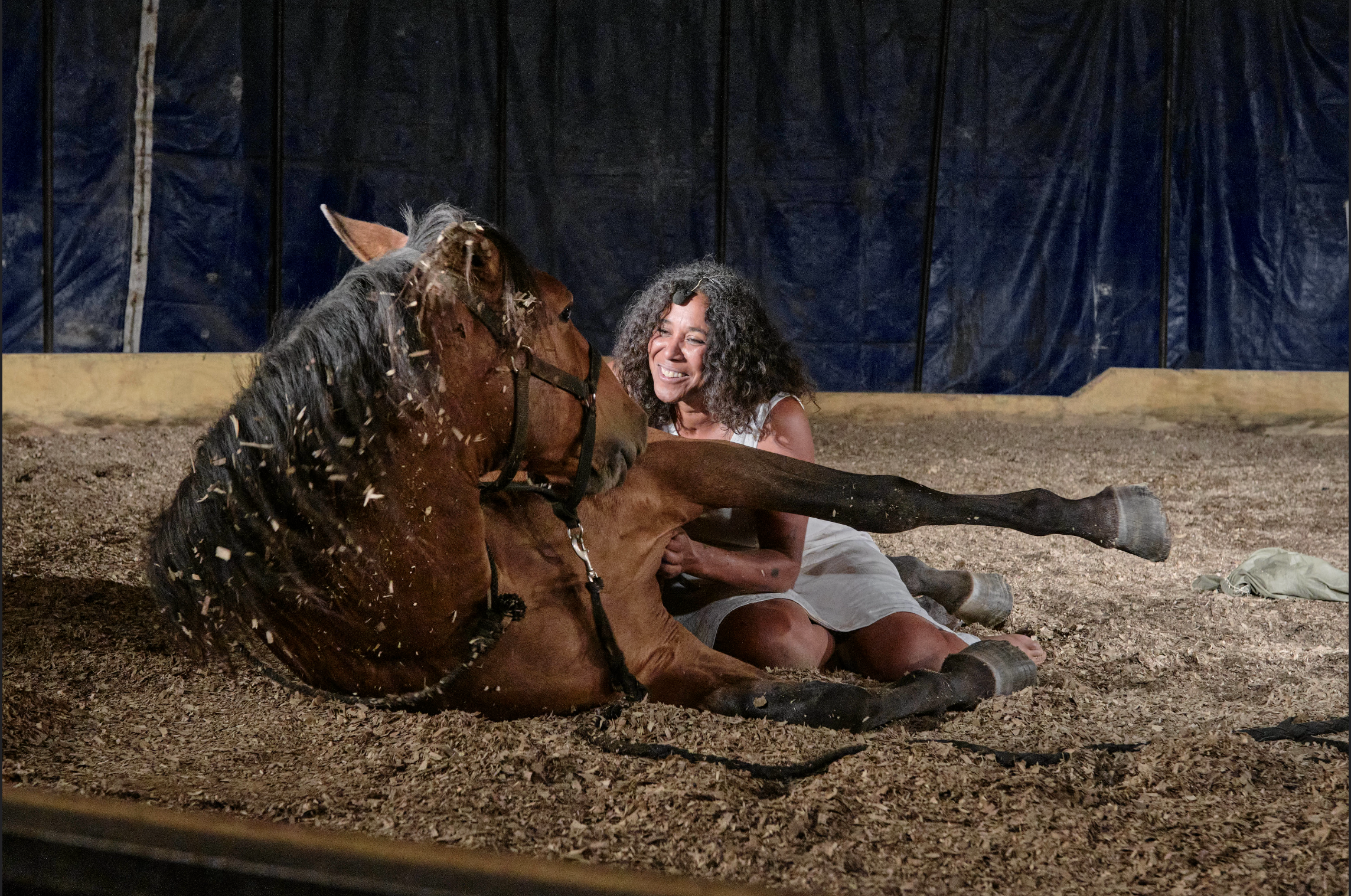
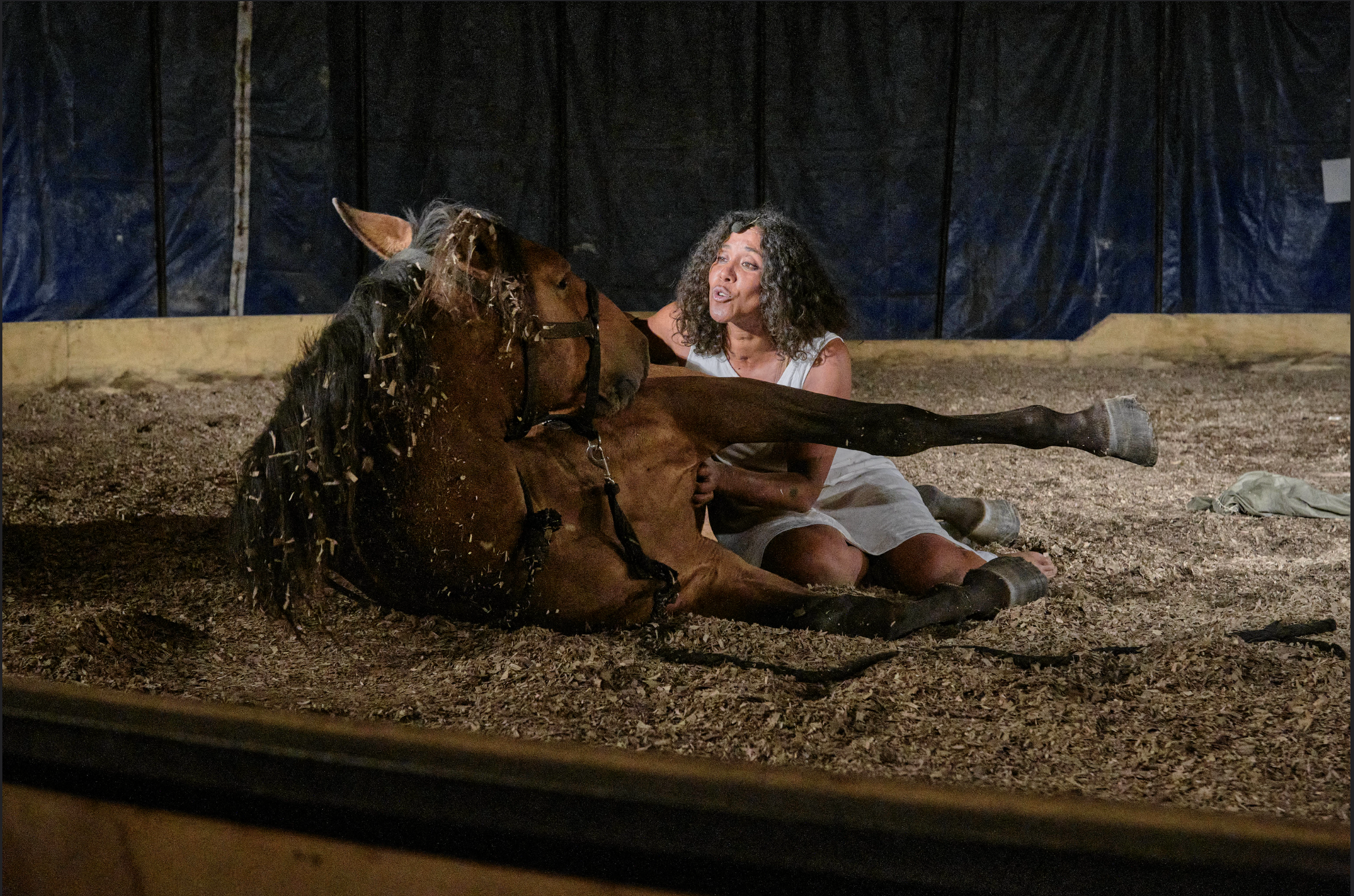
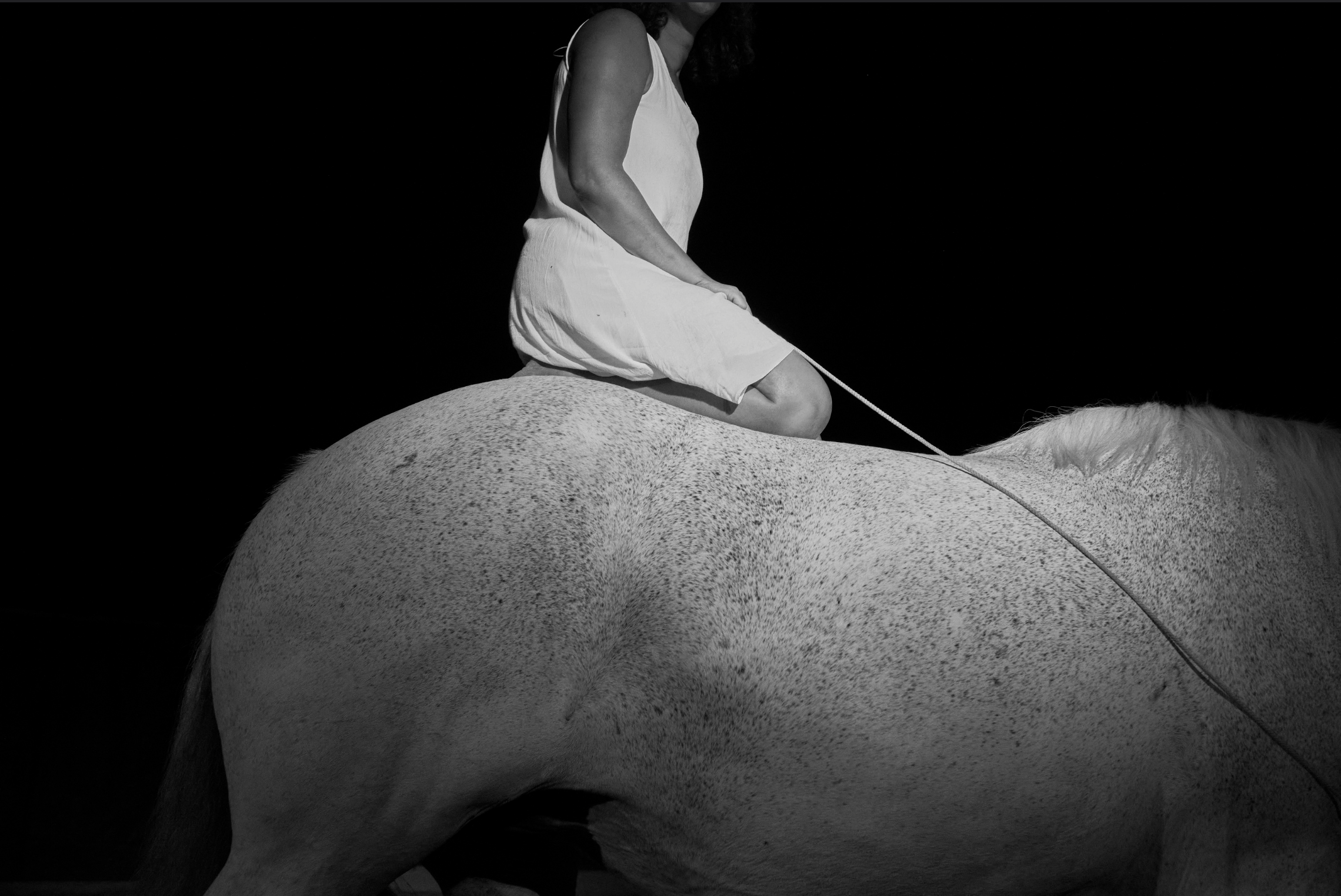
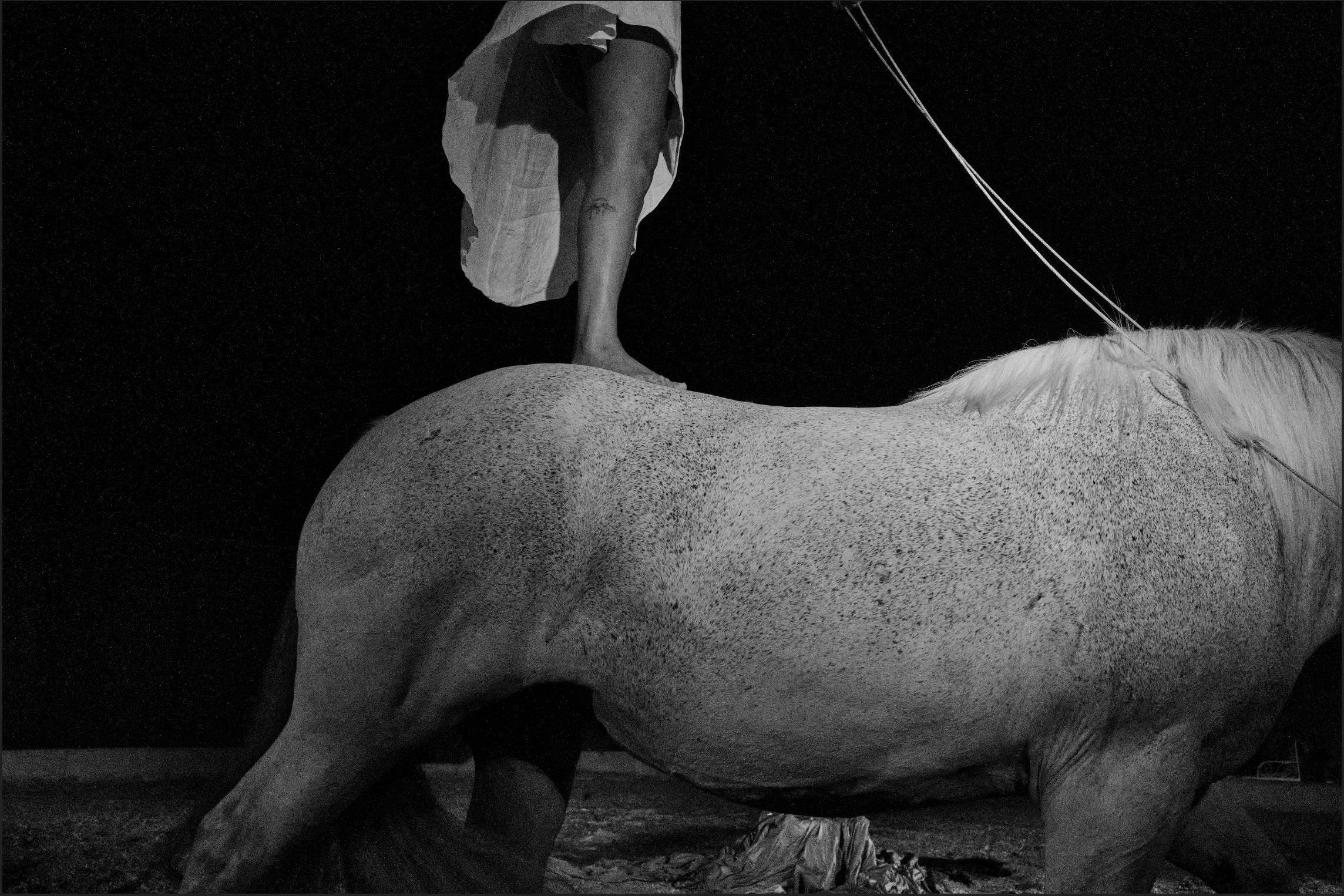
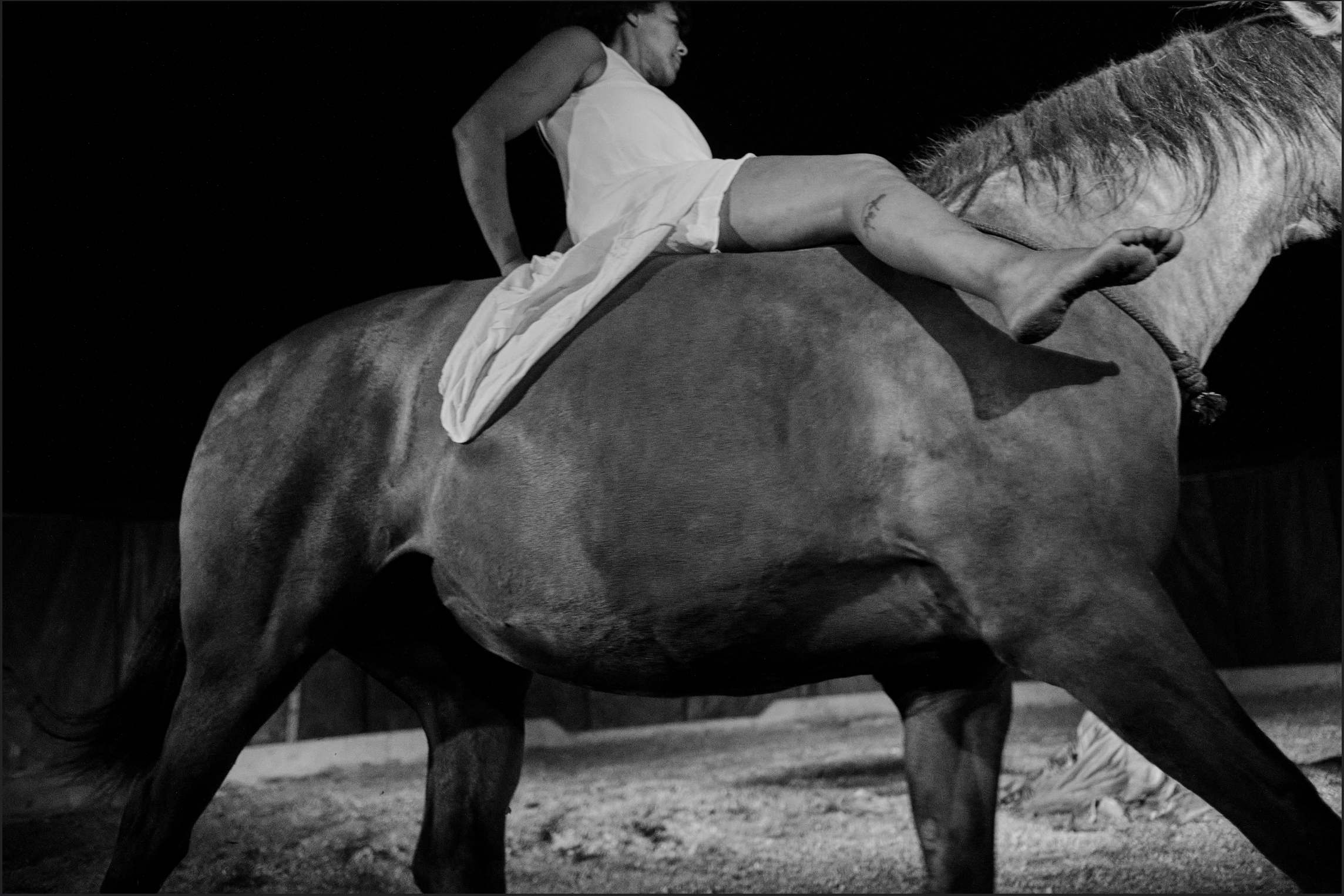
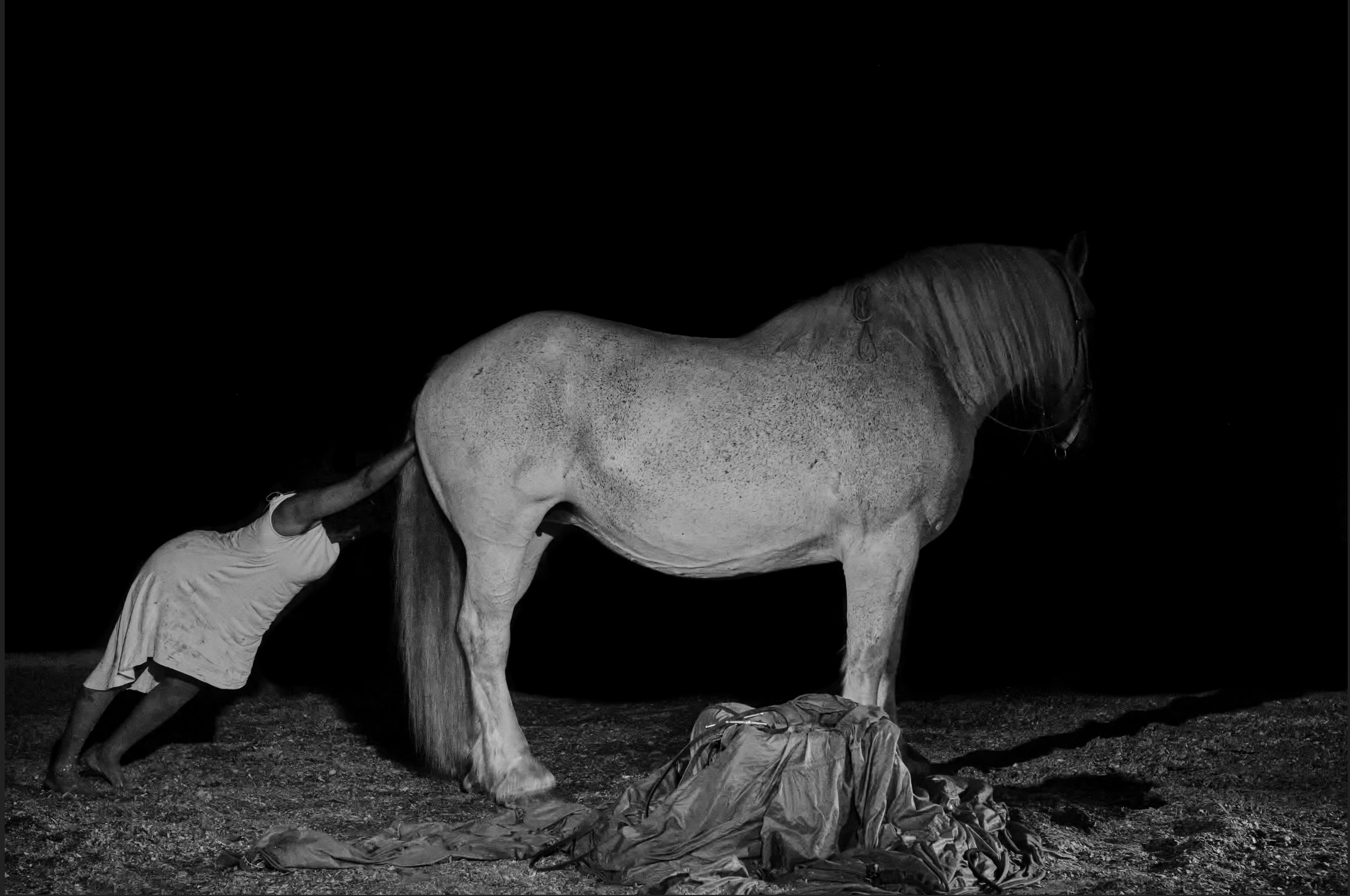
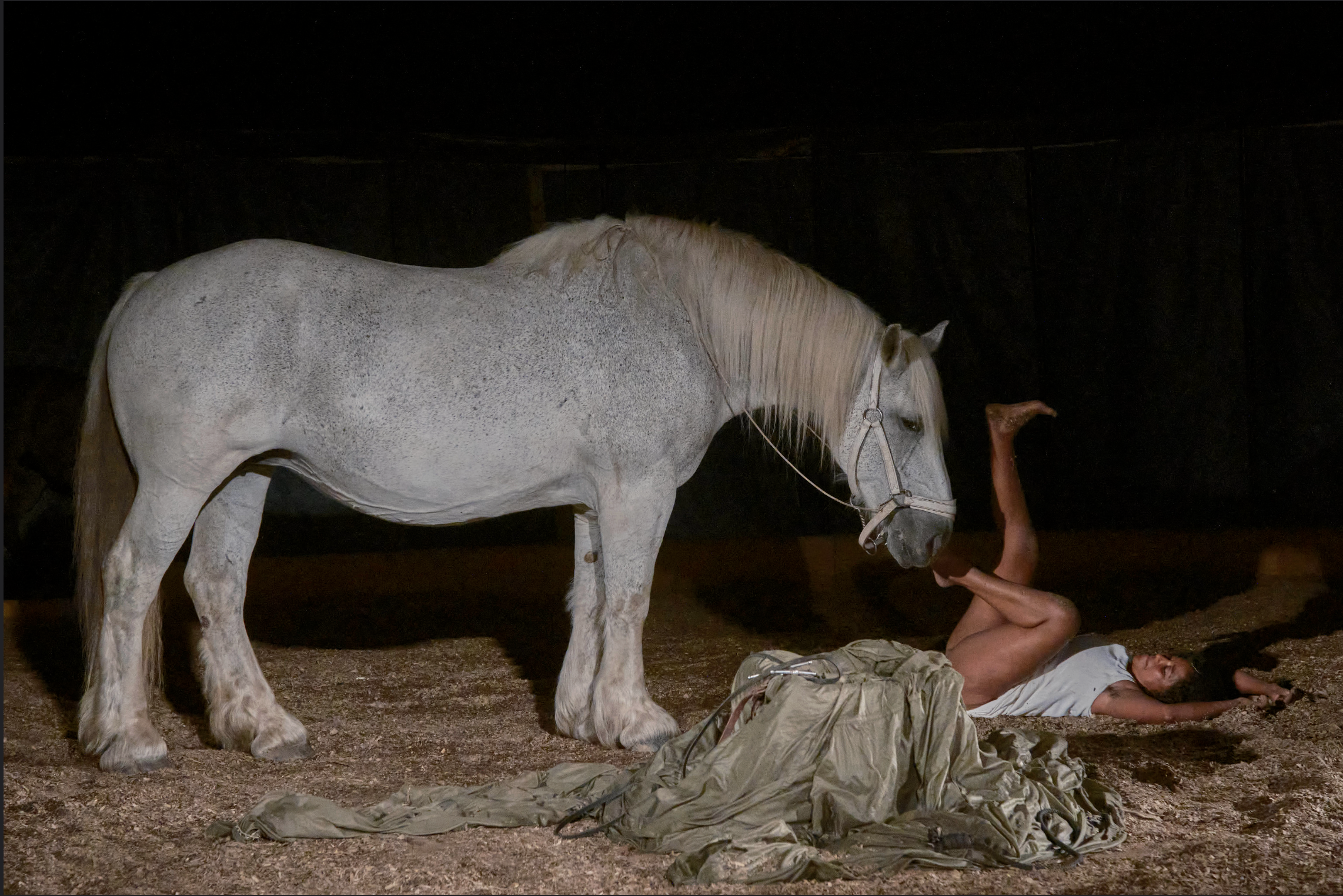
South Burgundy: An equestrian and musical show"ESOD" (espèce susceptible d’occasionner des dégâts) was performed under the big top of the Equinoctis company, based at the Bergesserin sanatorium.
Poet and rider Sabrina Sow (Equinoctis) and composer-musician Najar (La Caravelle company) take the audience on a journey through a tale that narrates the wanderings of two characters, celebrating our connection to life.
Two horses, Baikal and Babushka, and the dog Baruk also participated.
Dramaturge, poetess, and horsewoman Sabrina Sow founded Equinoctis in Brussels in 2006 before settling in France in 2013. As a neuropsychologist, she aims to explore artistic avenues with her horses through contemporary, committed performances. She sees the horse as a bridge to mend society and reveal biases. Equinoctis, inspired by Sow’s texts, questions domination through hybrid creations that highlight horses’ presence, opening new emotional spaces.
Photos and poèmes par Yann Solo
We have regarded this 'story from the world' as something quite different. Someone who photographs to discover their own poetic aspiration. Who knows if many photographers do this. We are not here to judge, but to understand this connection of means.
Souvent la photo vient de prime abord. Ensuite l’idée de mon poème germe à posteriori. Je rassemble mes idées sur des carnets. Et j’écris à propos de la photo. Mais je n’ai jamais essayé le processus inverse.
Often the photo comes first. Then the idea for my poem germinates a posteriori. I collect my ideas in notebooks. And I write about the photo. But I've never tried the reverse process.
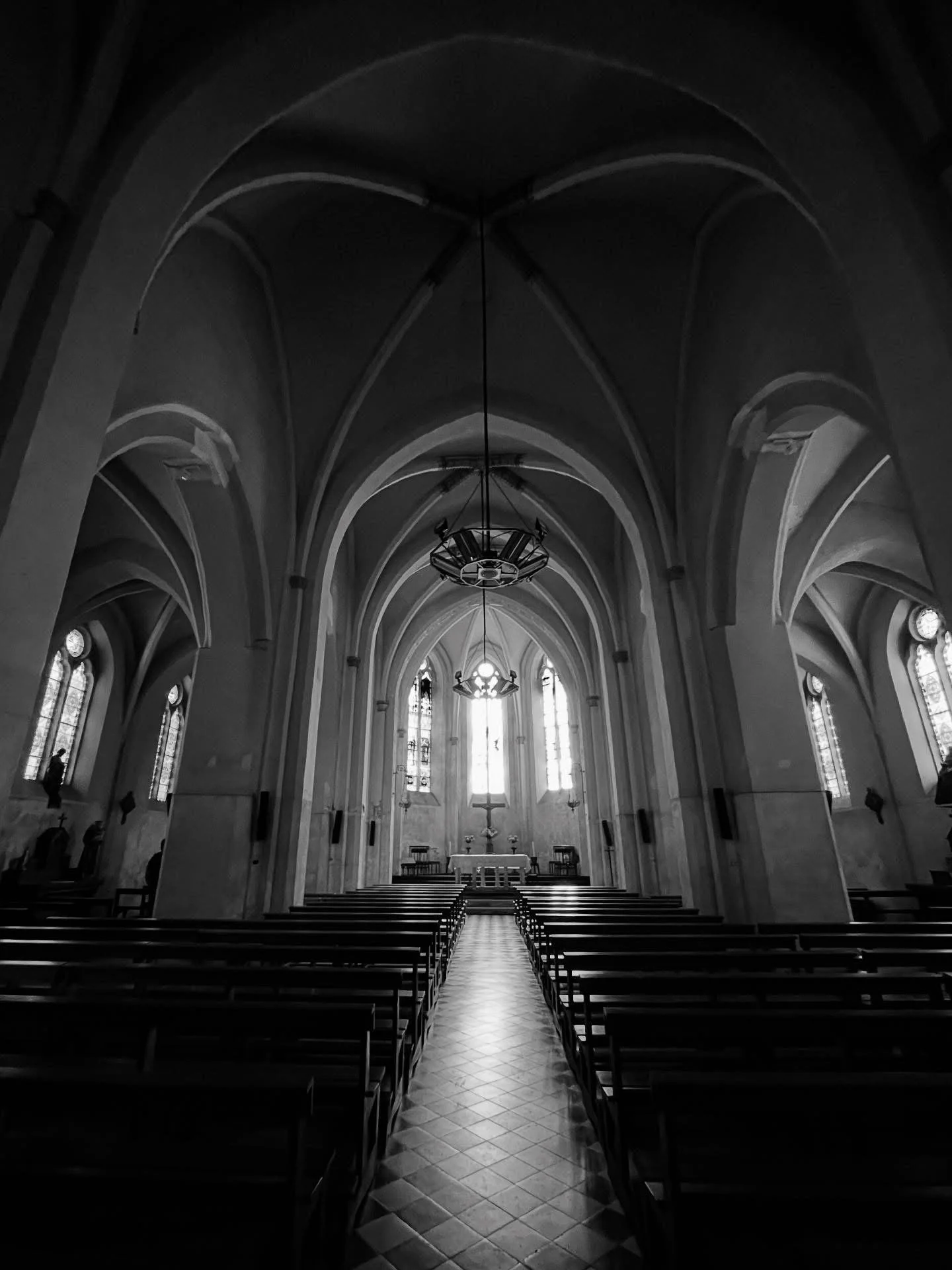
Je m’abandonne
À la Madone
Je m’abonne
À l’aumône
D’un rayon de soleil
Qui est filtré au doux vermeil
Des vitraux
Bibliques in extenso
Le glas est de glace
Las iglesias
L’église
Est abandonnée et grise
Il était une fois
La Foi oubliée des rois
L’ecclésiastique
Cavalier électrique
A priori, a pris la poudre d’escampette
En direction d’Alexandrette
Autrement nommée Iskenderun
Oú, il scande des runes
En amusant le muezzin
Le poète aux accents d’ardîn
At the Madonna I subscribe To almsgiving Of a ray of sunshine That is filtered through the gentle vermilion Of the stained glass windows Biblical in full The bell is made of ice The churches The church Is abandoned and grey Once upon a time The faith forgotten by kings The clergyman Electric rider Apparently, took to the hills Heading towards Alexandretta Also called Iskenderun Where, he chants runes While amusing the muezzin The poet with ardent tones
Envoyé depu « Ode du vieux marin »
Héros barbu
Héraut fourbu
Pauvre Ulysse
Accroché au mât à l’aide des drisses
Aède Tennysonnien
Beau et marmoréen marin
Victime des âges et des sirènes
Aux menteuses haleines
Pisinoé, Aglaopé, Thelxiépie.
Odieuses impies
Aux griffes de lémures
Elles ont choisi leur victime ces impures !
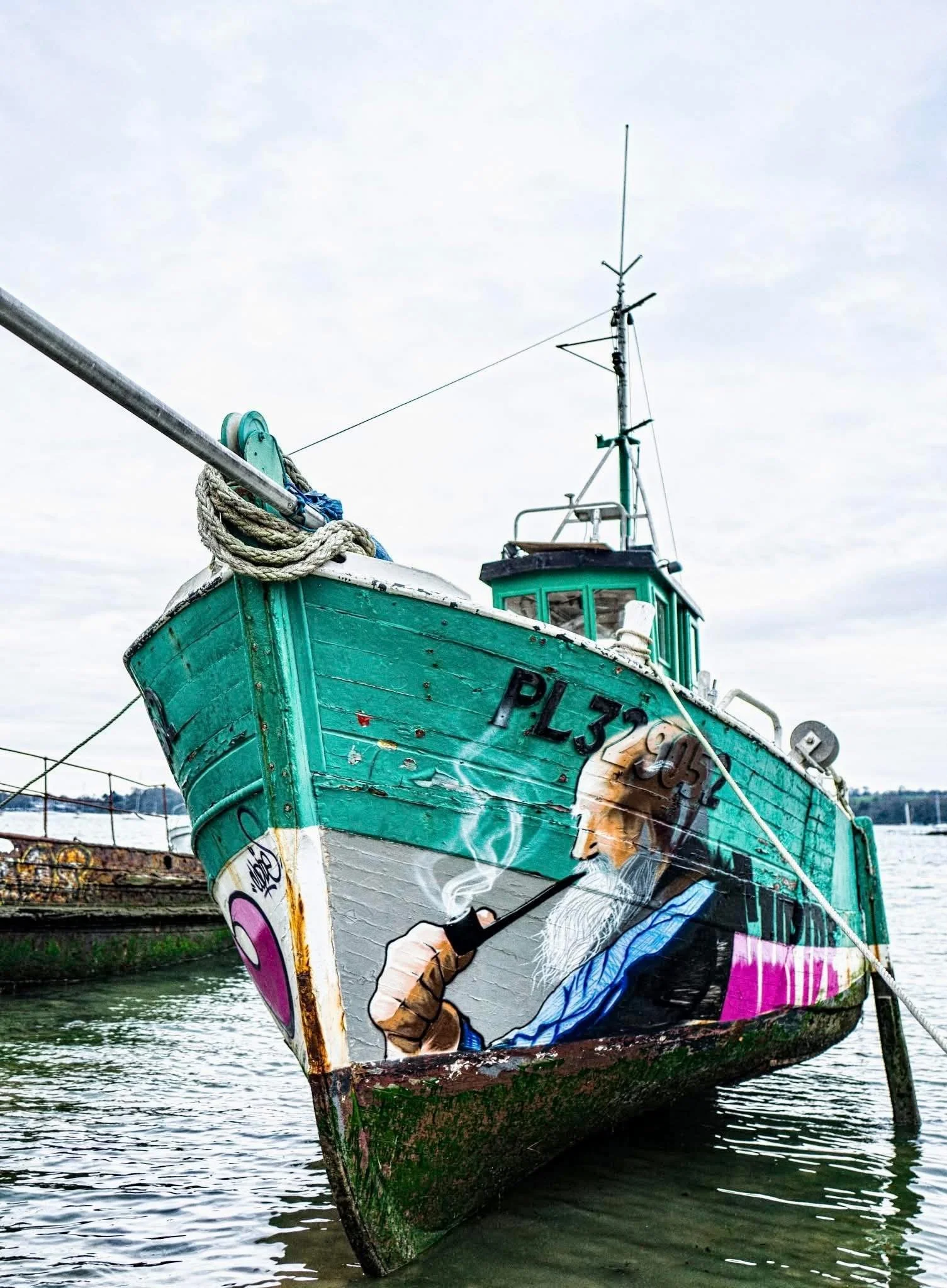
En la personne d’un fumeur de pipe
De bruyère coincée dans sa vieille lippe
Qui exhale de son rouge fourneau des volutes azurines de latakia
Ce divin turc, suave et sucré tabac
Aussi doux que les bras d’une odalisque
Concubine des harems, privée de ses ailes, ô pauvre sphénisque !
C’est une triste histoire
Racontée dans les sombres tavernes qui servent de forts alcools à boire
Celle d’une lyrique et pourrissante fresque de bateau
Rongée par les retors et salés flots
Livrée aux temps durs
Et à ses tortures
Esquif de cimetière
Avalée par la vase et la mer
Une sorte de Dorian Gray
Prisonnier de son reflet
Alors, voici cette histoire de mort
Celle du matelot d’Armor
Conteur pétuneur
Poète du vent et de ses fureurs
Vieillard
Lorgneur de phares
Aux scintillantes lentilles de Fresnel
Faisant la différence entre la vie et le drossage mortel
Cet homme élimé recherche ici un paisible havre
Pour devenir un oublieux cadavre
Fatigué de l’eau
Et de ses traitres fardeaux
Epuisé par la saumure
Et les claquantes voilures
L’ancien portefaix
Est en quête de paix
Bearded hero Weary herald Poor Ulysses Clinging to the mast with the help of the shrouds Tennysonian bard Beautiful and marble-like sailor Victim of the ages and sirens With lying breath Pisinée, Aglaopé, Thelxiépie. Odious unbelievers With the claws of lémures They have chosen their victim, these impure ones! In the person of a pipe smoker With briar stuck in his old lip Who exhales from his red stove azure vapours of latakia This divine Turkish, smooth and sweet tobacco As gentle as the arms of an odalisque Concubine of the harems, deprived of her wings, oh poor sphincter! It’s a sad story Told in dark taverns serving strong spirits to drink That of a lyrical and rotting ship’s fresco Eaten away by treacherous and salty waves Laid bare by hard times And its torments Cemetery skiff Swallowed by mud and sea A kind of Dorian Gray Prisoner of his reflection So, here is this story of death That of the sailor from Armor Pipe-smoker raconteur Poet of the wind and its fury Old man Lighthouse gazer With shimmering Fresnel lenses Distinguishing between life and deadly drift This worn-out man seeks here a peaceful haven To become a forgetful corpse Tired of water And its treacherous burdens Exhausted by the brine And the cracking sails The old porter Is in search of peace
« Charon »
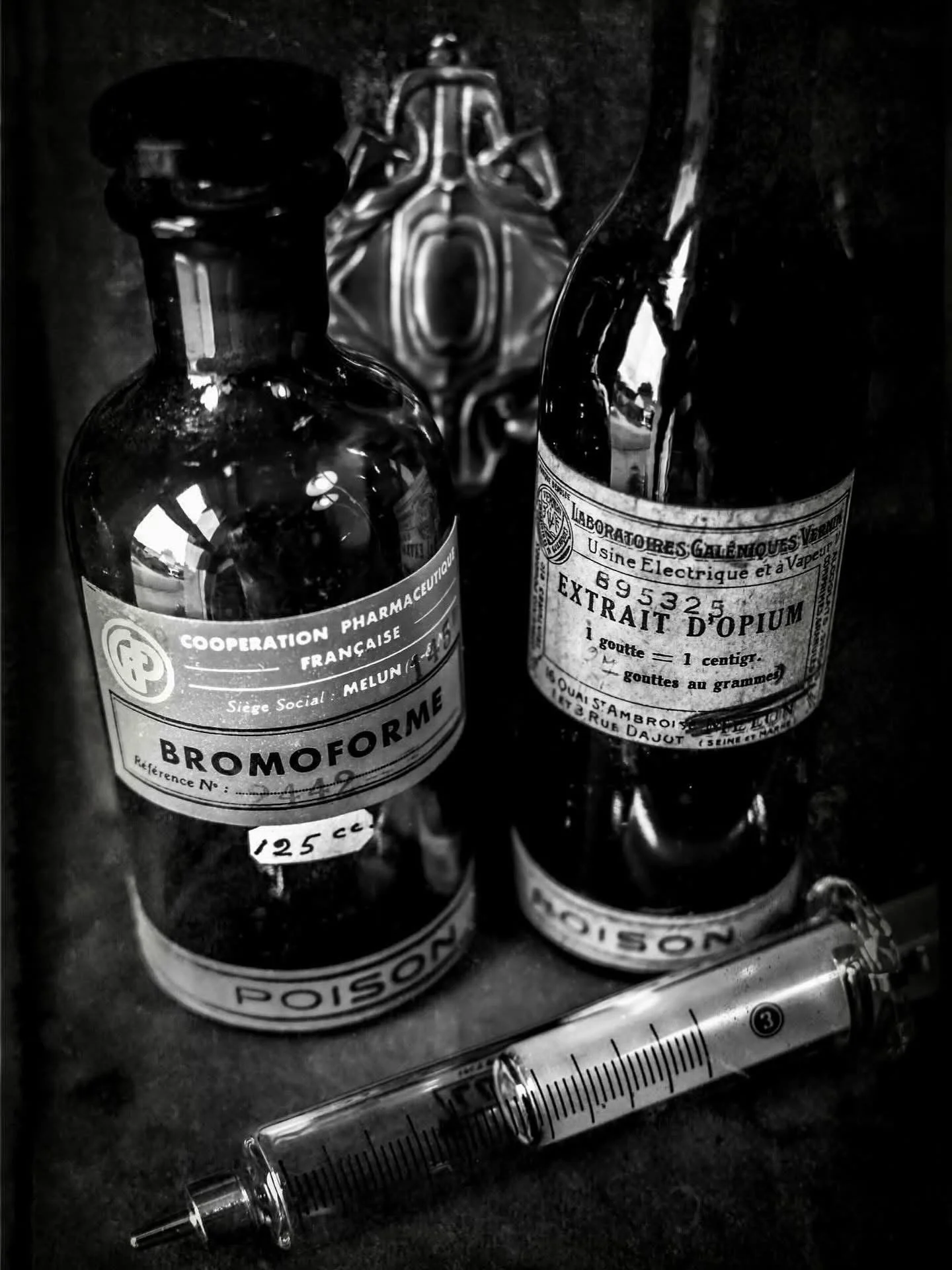
Amenez moi l’amnésie
Le roi opium, cette douce folie
Pygmalion des poètes désespérés
Désenchantés et désargentés
Artistes et orfèvres de la diction
Champions des malédictions
Opiacé ô teinture des rêves
Qui tourmentent sans trêves
Bromure qui enferme entre des murs
L’oublieuse faucheuse qui susurre
La légende de cette liqueur distraite
Qui engourdit et vous dépose un baiser de traître
Qui vous donne fausse joie et vive frénésie
On pleure et l’on rit
Nous nous tourmentons
En nous noyant dans ce liquide brûlant comme le Styx et l’Achéron
Poison insidieux du fiévreux Charon
Le nocher à la barque ramant de son aviron,
Le passeur fils de d’Erebe et de Nix
Démons aux cruels yeux qui vous fixent
Opiniâtre opium, génie maudit de la bouteille
Aux multitudes reflets de couleur vermeil
Dormir, mourir
Et partir
Victime d’un naufrageur
Qui suggère la peur
Charon, à la rame marron
Une obole sous la langue nous plaçons
Bring me amnesi The opium king, that sweet madness Pygmalion of desperate poets Disenchanted and penniless Artists and goldsmiths of diction Champions of curses Opiate oh tincture of dreams Who torment without truce Bromide that locks up between walls The forgetful grim reaper who whispers The legend of this distracted liquor Which numbs and leaves you a traitor's kiss Which gives you false joy and lively frenzy We cry and we laugh We let us torment By drowning ourselves in this liquid burning like the Styx and the Acheron The insidious poison of the feverish Charon The boatman rowing with his oar, The ferryman, son of Erebus and Nix Demons with cruel eyes that stare at you Obstinate opium, cursed genius of the bottle With multitudes of ruddy reflections Sleep, die And leave Victim of a shipwrecker Which suggests fear Charon, with a brown oar An obolus under the tongue we place
« Lettres »
Quand son absurde
Hautement le perturbe
Dans le silence de ses quiétudes
Générateur de toutes ses inquiétudes
Un phare soudain l’illumine, dressé comme Eros
Un priapique édifice de l’ile de Pharos
A Alexandrie, le Grand Alexandre rit
De ses alexandrins maudits
Eclairé par cette chandelle lumineuse
Loin d’être libidineuse
Sa plume paroxystique se relève
Donnant une vie brève
Aux petits papiers
D’amours griffonnés
Lignes de ses nuits assombries d’encre
De ses cauchemars qui le retiennent avec une ancre
Hémistiches
Postiches
Accouchés par un cancre las
Un cancrelat sorti de l’anonymat
Lettres imaginées par son cerveau lent
Par son esprit qui virevolte comme un cerf-volant
Il creuse des sillons avec son calame
Puis, il plante des graines, d’où germent des drames
Des tragédies de stylos et de stylets
Torturé, il triture cette friture dans un style laid
Dans des secousses telluriques
Dramaturgiques
La digue est rompue
Et l’encre tumultueuse est répandue
Comme un fleuve noir
Ô bipolaire et délicieux polar
De poésie, le scribe branque
Est divinement en manque
Le palatin minus paladin
S’écroule hors de son palanquin
Terrassé par sa fade célébrité
Et par son météorisme, grosse baudruche de fatuité
Il écrit fiévreux en martelant sa sténotype
Le prototype du pauvre type
Ecrivain
Vain
Alors, vint
Le vin
Même le royal devin
Ne sut ce qu’il advint
When his absurdity Highly disturbs him In the silence of his tranquillities Generator of all his worries A sudden lighthouse illuminates him, standing like Eros A priapic building on the island of Pharos In Alexandria, the Great Alexander laughs At his cursed alexandrines Illuminated by this luminous candle Far from being libidinous His paroxysmal pen rises Giving a brief life To the little papers Of scribbled loves Lines of his nights darkened with ink Of his nightmares that hold him with an anchor Hemistiches Postiches Delivered by a weary dunce A cockroach out of anonymity Letters imagined by his slow brain By his mind that twirls like a kite He digs furrows with his calam Then, he plants seeds, from which dramas germinate Tragedies of pens and styluses Tortured, he fiddles with this frying in an ugly style In telluric tremors Dramaturgical The dam is broken And the tumultuous ink is spilled Like a black river O bipolar and delicious thriller Of poetry, the branque scribe Is divinely in need The palatine minus paladin Collapses out of his palanquin Struck down by his bland celebrity And by his meteorism, big balloon of fatuity He writes feverishly, hammering his stenotype The prototype of the poor guy Writer Vain Then, came The wine Even the royal soothsayer Didn't know what happened
The Charcoal Makers of Serra San Bruno by Ljdia Musso
A Socio-Anthropological Analysis of Artisanal Production in the Mediterranean Context
The artisanal production of vegetable charcoal in Serra San Bruno, Calabria, offers a significant case study for socio-anthropological analysis of local economic practices and cultural resilience. The workshop “Following the Last Charcoal Makers” (June 28, 2025), held in the Serre Regional Park, provided an opportunity to observe charcoal makers at work, documenting their practices through documentary photography. This article analyzes the phenomenon through four axes: the socio-economic system, cultural continuity, comparison with Mediterranean cultures, and the role of documentary photography as ananalytical tool.
1. Socio-Economic System
The production of vegetable charcoal in Serra San Bruno constitutes a localized economic system operating outside globalized capitalist frameworks. Approximately 20 active charcoal makers use traditional techniques to construct “scarazzi, ” domes of wood covered with earth that burn slowly for twenty days, transforming oak into charcoal. This process, rooted in sustainable forest resource management, relies on rotational cutting that preserves biodiversity (Calabria Straordinaria 2023). Socio-economically, the system reflects a circular economy model, integrating production with environmental and community contexts.
However, the marginalization of vegetable charcoal due to industrial energy sources highlights structural vulnerabilities, with declining demand and limited intergenerational knowledge transmission (Repubblica 2017). This raises questions about the sustainability of local economies in a globalized era.
2. Cultural Continuity
The practice of vegetable charcoal production in Serra San Bruno embodies cultural continuity linking the present to the pre-industrial past. Charcoal-making techniques, of Phoenician origin, represent a form of orally transmitted artisanal knowledge, embodying what anthropologists term “intangible heritage” (Lenclud 1987). Charcoal makers not only produce a material good but maintain a symbiotic relationship with the landscape, where the forest is both a resource and an identity space. This continuity is threatened by modernization, reducing the number of practitioners and risking the disruption of cultural transmission. The June 28, 2025, workshop underscored how such practices persist through collective memory and community engagement, offering a model of cultural resilience.
3. Comparison with Mediterranean Cultures
The production of vegetable charcoal in Serra San Bruno is part of a broader Mediterranean context, where similar techniques are historically and currently documented. In the Middle Ages, Andalusian and Maghrebi villages relied on vegetable charcoal for domestic and artisanal purposes (Braudel 1986). Today, comparable practices survive in regions like Morocco’s Atlas Mountains and Turkey’s Anatolia, where sustainable forest management remains central (Horden & Purcell 2000). Unlike extinct trades such as stone masonry, charcoal production retains cultural relevance, serving as a bridge between past and present. This comparison reveals a shared Mediterranean ethic of ecological adaptation and local resource valorization, contrasting with intensive production models.
4. Value of Documentary Photography
Documentary photography, employed during the workshop, played a critical role in analyzing the phenomenon, providing a visual methodology for documenting socio-cultural dynamics. Black-and-white images captured along the Pecoraro-Lubello trail and during interactions with charcoal makers documented work processes and social exchanges, highlighting human-environment interdependence. Rooted in visual anthropology, this approach enables the analysis of cultural meanings through material and gestural details, enhancing scholarly understanding of local practices (Collier & Smyth 1986).
Conclusion
The socio-anthropological analysis of Serra San Bruno’s charcoal makers reveals a cultural and economic system that challenges dominant industrial paradigms. The continuity of traditional practices, their Mediterranean context, and the contribution of documentary photography offer insights for interdisciplinary research. Conducted through the June 28, 2025 workshop, this study underscores the importance of preserving local economies and calls for further comparative Mediterranean research. As a photographer and curator, my work aims to amplify these narratives, fostering academic dialogue on local identities and sustainability.
Biography: Ljdia Musso, born in 1985, is a photographer, educator, and curator with international training in communication, marketing, and photography, obtained in Rome, Barcelona, Marseille, Paris, and Milan. Fluent in English, French, and Spanish, she works between Catanzaro and Naples. Creator of the “Caffè Fotografici” format, she promotes free artistic events. Her projects, exhibited at Med Photo Fest 2023, explore Mediterranean culture through documentary photography, contributing to academic debates on local identities.
Acknowledgments: Special thanks to Nicola Romeo Arena, environmental hiking guide, who accompanied us in the Serre Regional Park to explore the Pecoraro-Lubello trail during the first part of the workshop “Following the Last Charcoal Makers” (Saturday, June 28, 2025), and to Bruno Tripodi, photographer and expert guide, who led us during the second part, engaging with the charcoal makers. Their invaluable contributions made this experience unforgettable.
References 1. Braudel, Fernand. 1986. Civilization and Empire in the Mediterranean World in the Age of Philip II. Milan: Einaudi.
2. Calabria Straordinaria. 2023. “Following the Last Charcoal Makers.” [https://calabriastraordinaria.it/eventi/sulle-tracce-degli-elli-carboniai].
3. Collier, John Jr., and Maria Smyth. 1986. Visual Anthropology: Photography as a Research Method. London: Routledge.
4. Horden, Peregrine, and Nicholas Purcell. 2000. The Corrupting Sea: A Study of Mediterranean History. Oxford: Blackwell.
5. Lenclud, Gérard. 1987. “La tradizione non è più quella di una volta.” In Antropologia e patrimonio culturale, edited by P. Clemente, 45–60. Rome: Carocci.
6. Repubblica. 2017. “The Last ‘Carvunàri’ in Resilient Calabria.” [https://www.repubblica.it/r2-fotorep/2017/03/28/news/ ] gli ultimi carvunari nella calabria che resiste-161594521/].
Looking beyond landscape by Kimsuk Ray
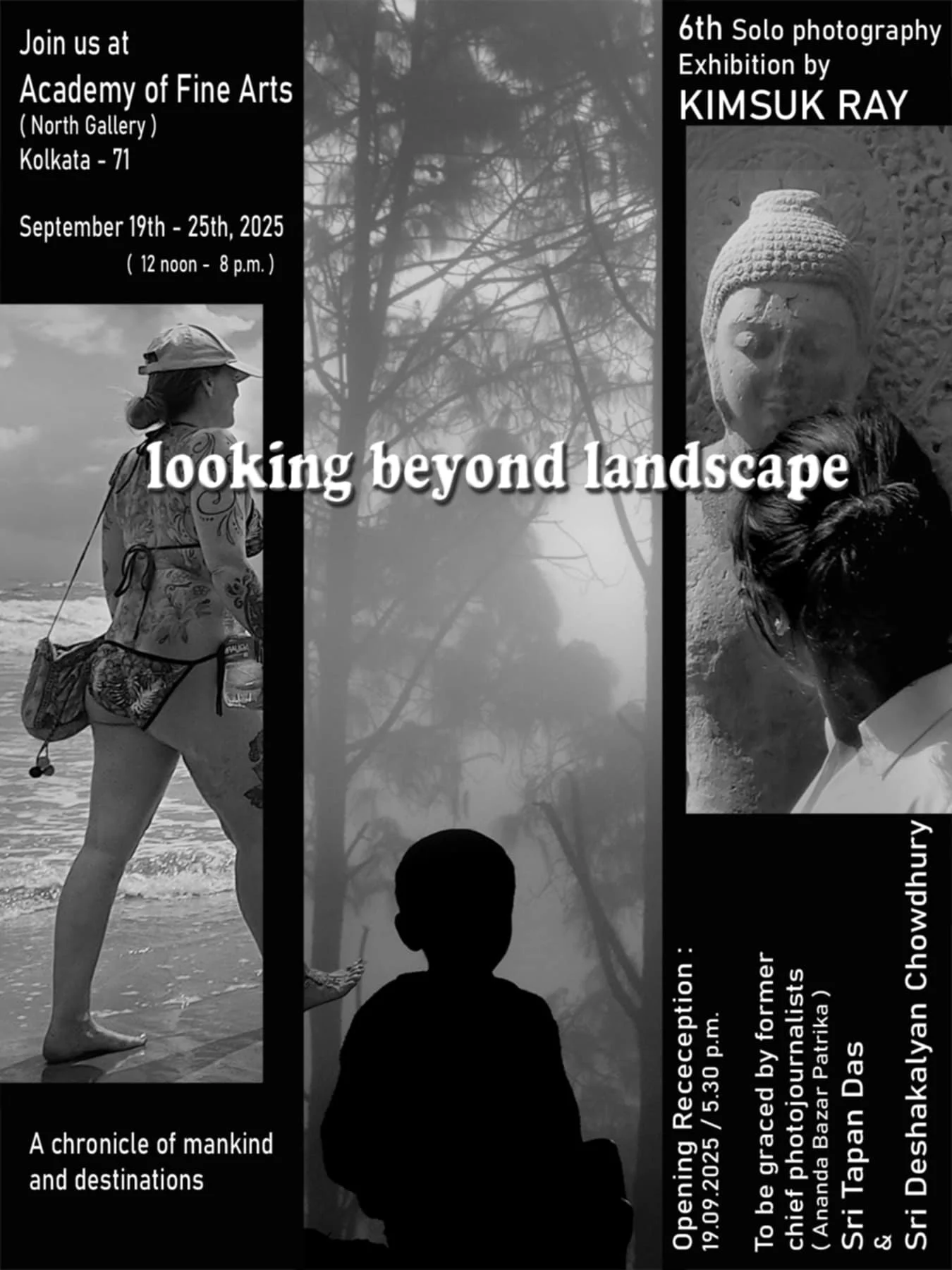
This is the upcoming solo photography exhibition by Kimsuk Ray, which will be held at Kolkata's art gallery, the Academy of Fine Arts, from September 19 to 25, 2025.
Humans, birds, and beasts all create homes and live within them. The comfort and familiarity of home are endearing to them. However, the lure of the outside world calls to them continuously. The desire to embrace the unknown compels individuals to venture outside their comfort zones. As they journey towards new destinations, travellers often gather more experiences along the way than what the final destination has to offer. Far from their homeland, as they seek the unknown and the uncommon, they inevitably confront familiarity—the geography, climate, and people of the region. What is typical for the locals becomes extraordinary for the traveller. Remarkably, they carry with them the aura of the outsider, establishing a unique connection with the places and people they visit. There is a subtle, silent exchange of energy between the traveller and their destination, whether it be the land, the climate, or the local community. In this way, the common and the unreachable, the familiar and the unperceived, the mundane and the bizarre all merge into a unified experience. The connection between the two separate hemispheres—the traveller and their destination—creates a distinctive life form. Kimsuk Ray captures travel's essence through his photographs, showcasing experiences from his city and beyond. His images reflect a yearning to explore distant lands, inspiring us and breaking everyday monotony. Landscapes come alive, and people are portrayed with sophistication, drawing us toward new destinations.
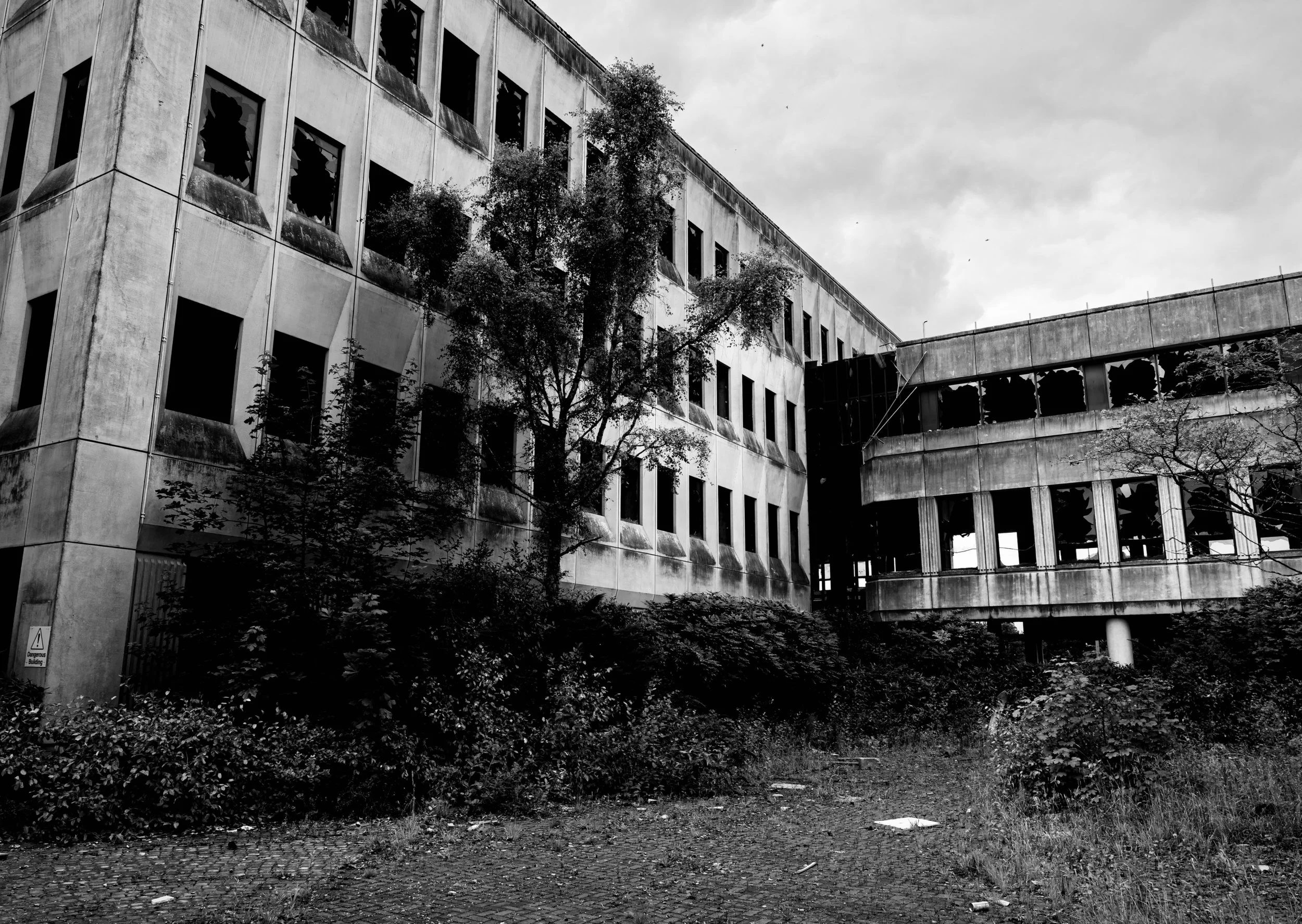
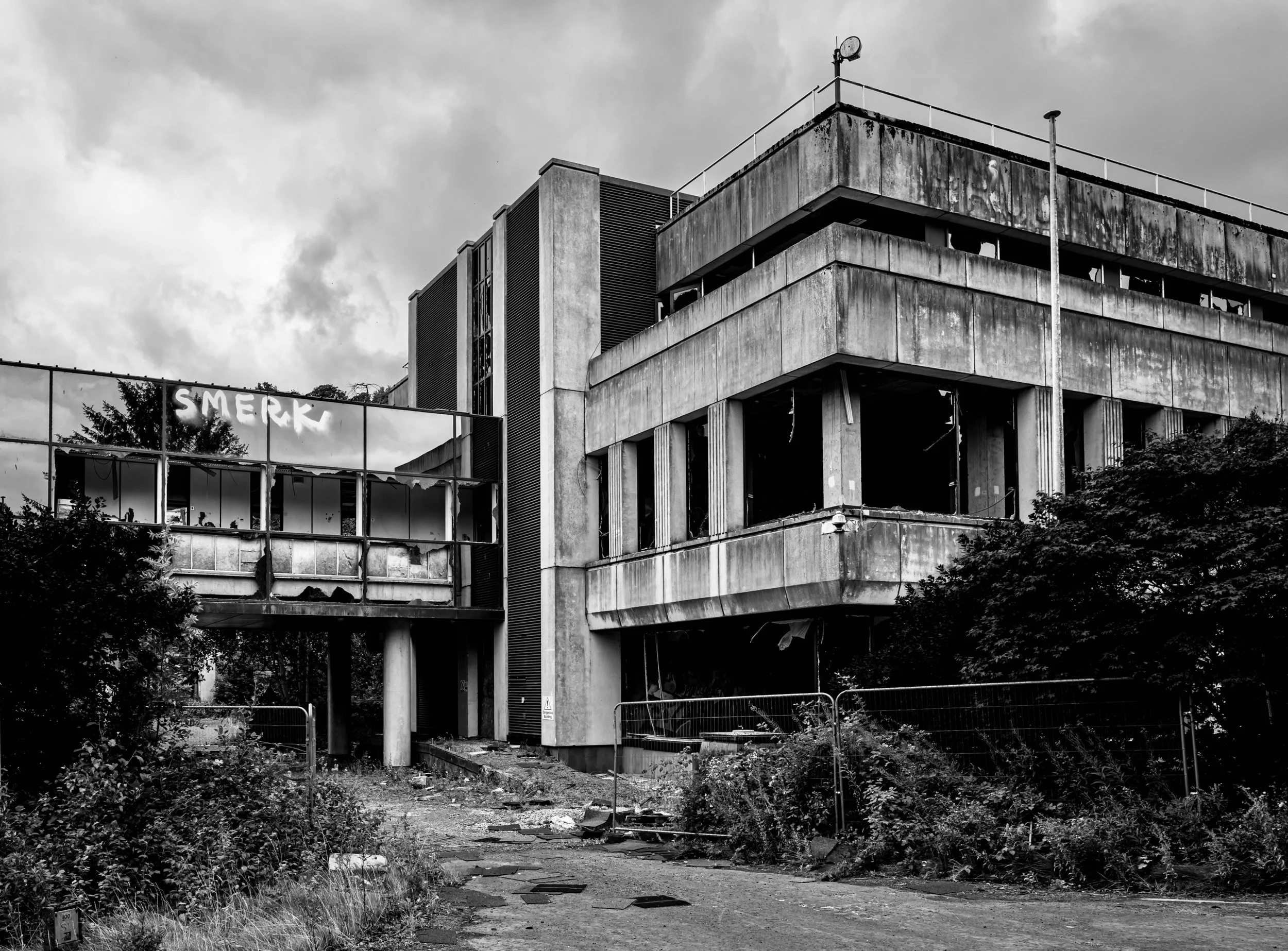
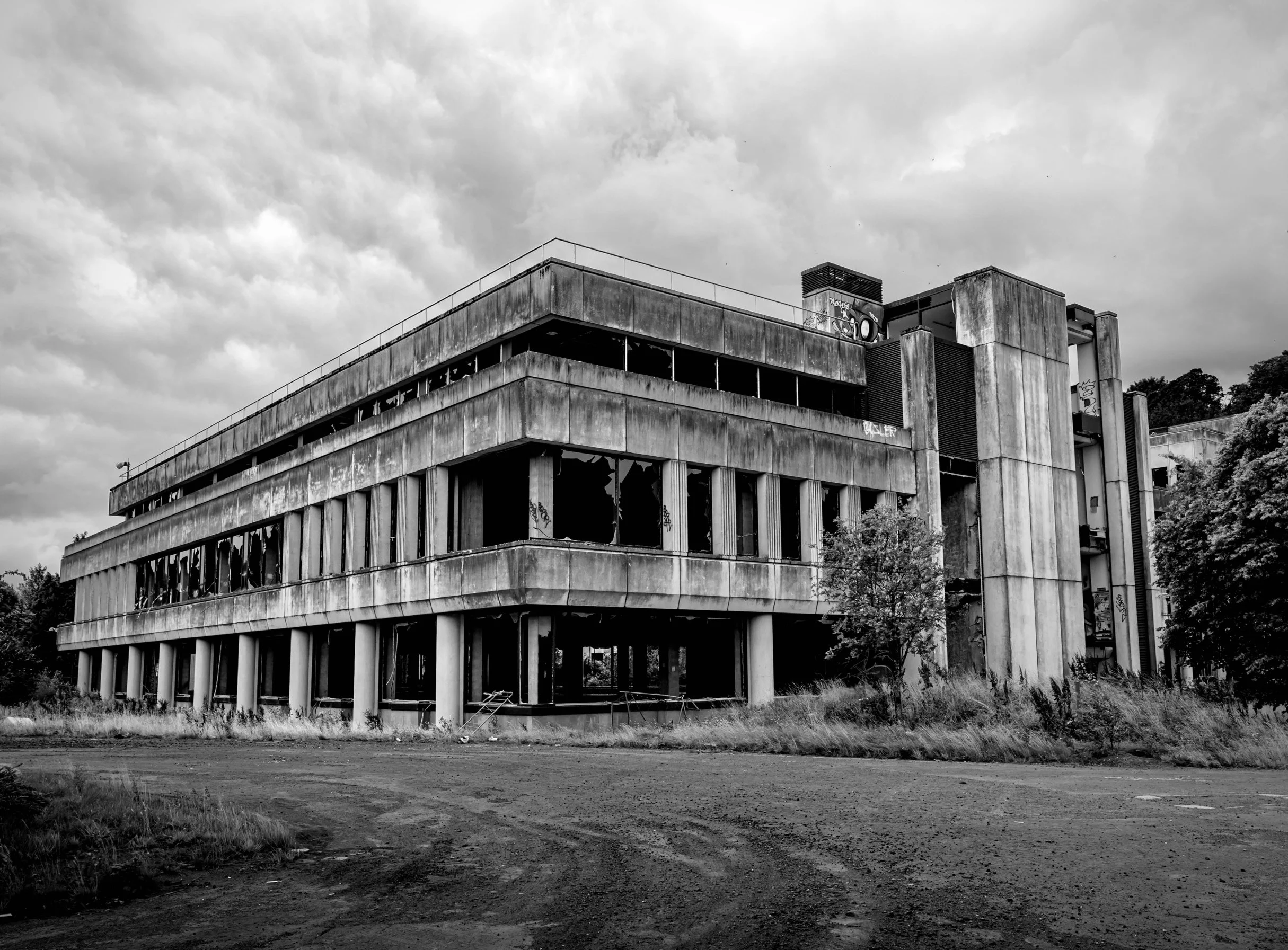
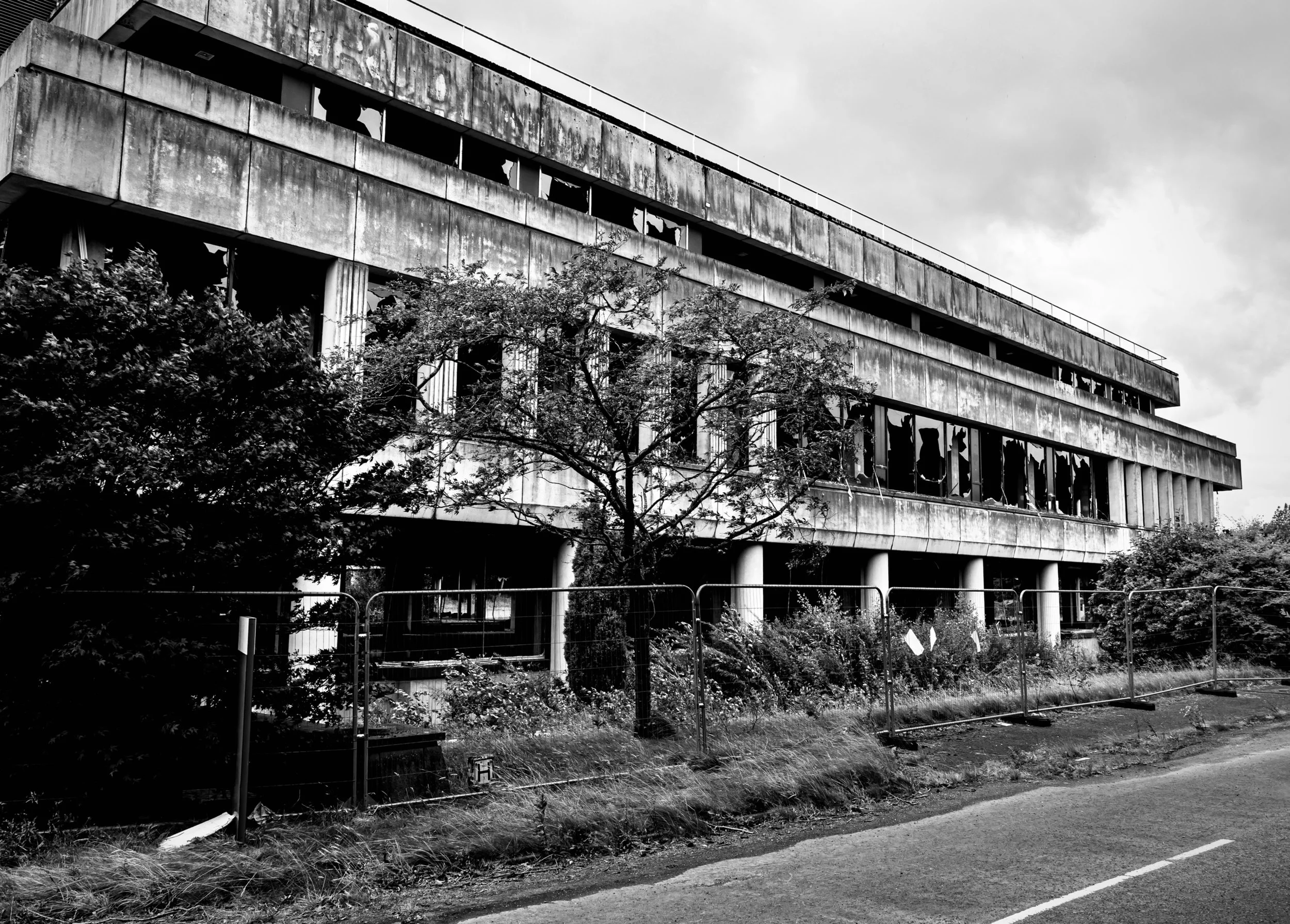
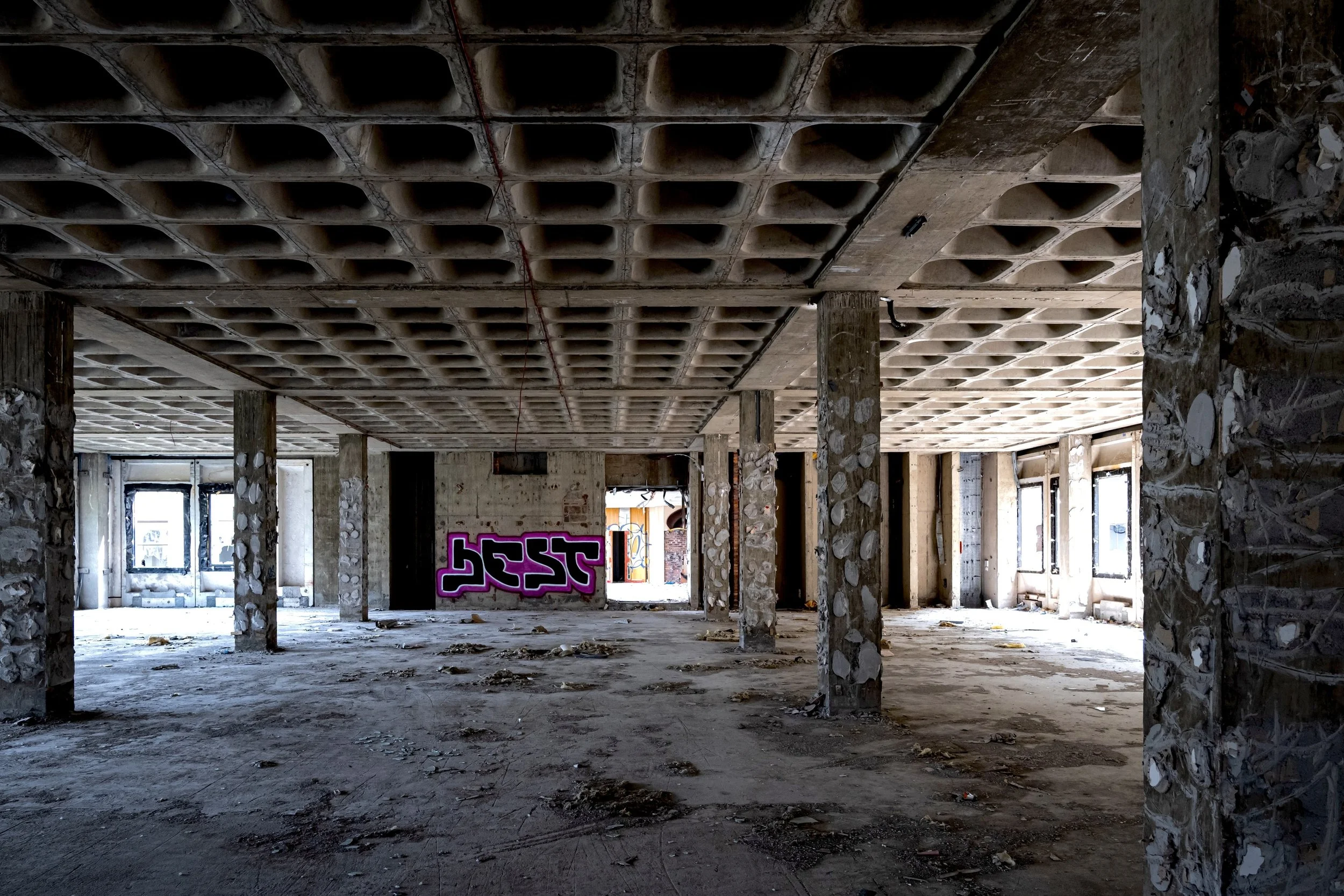
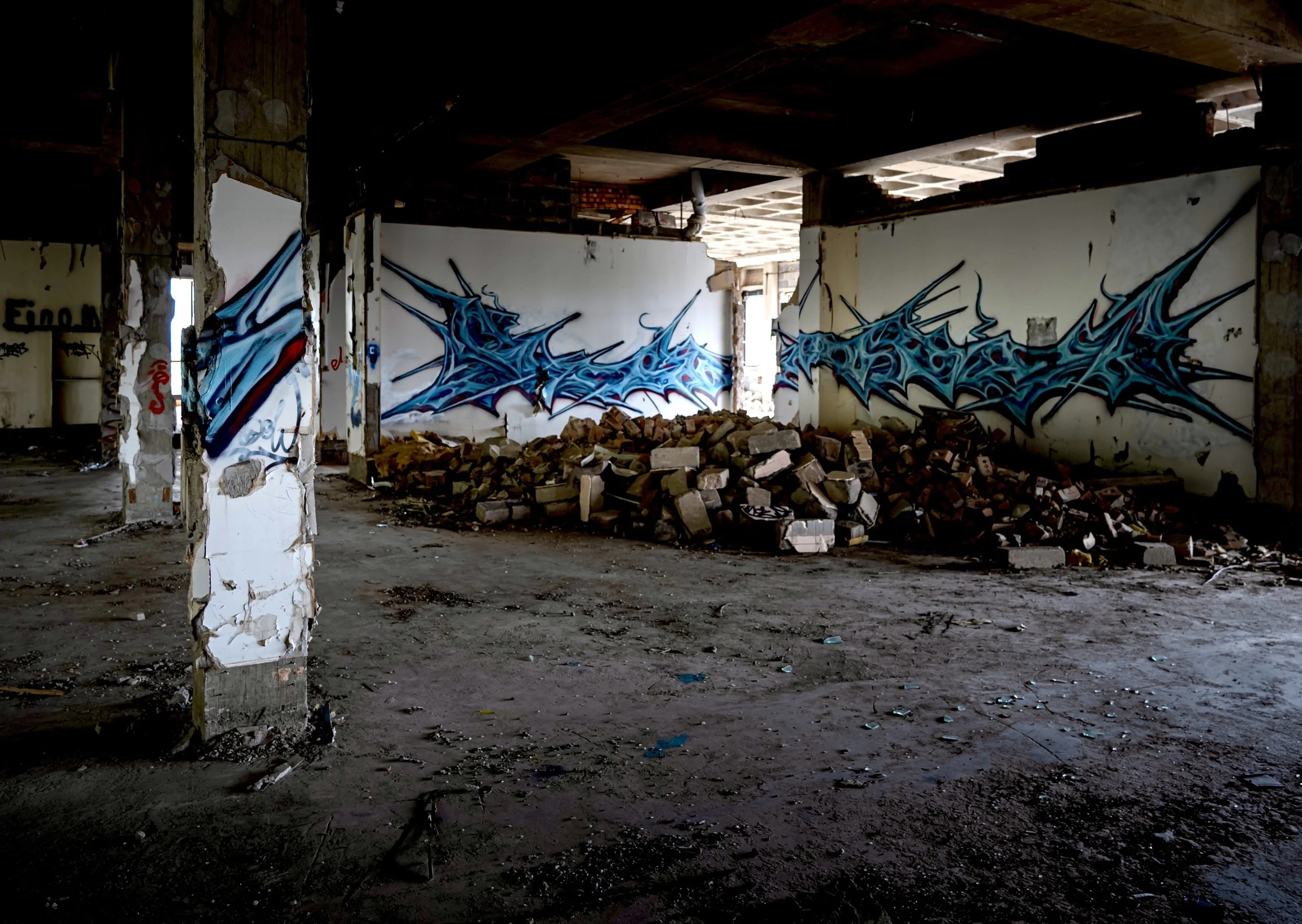
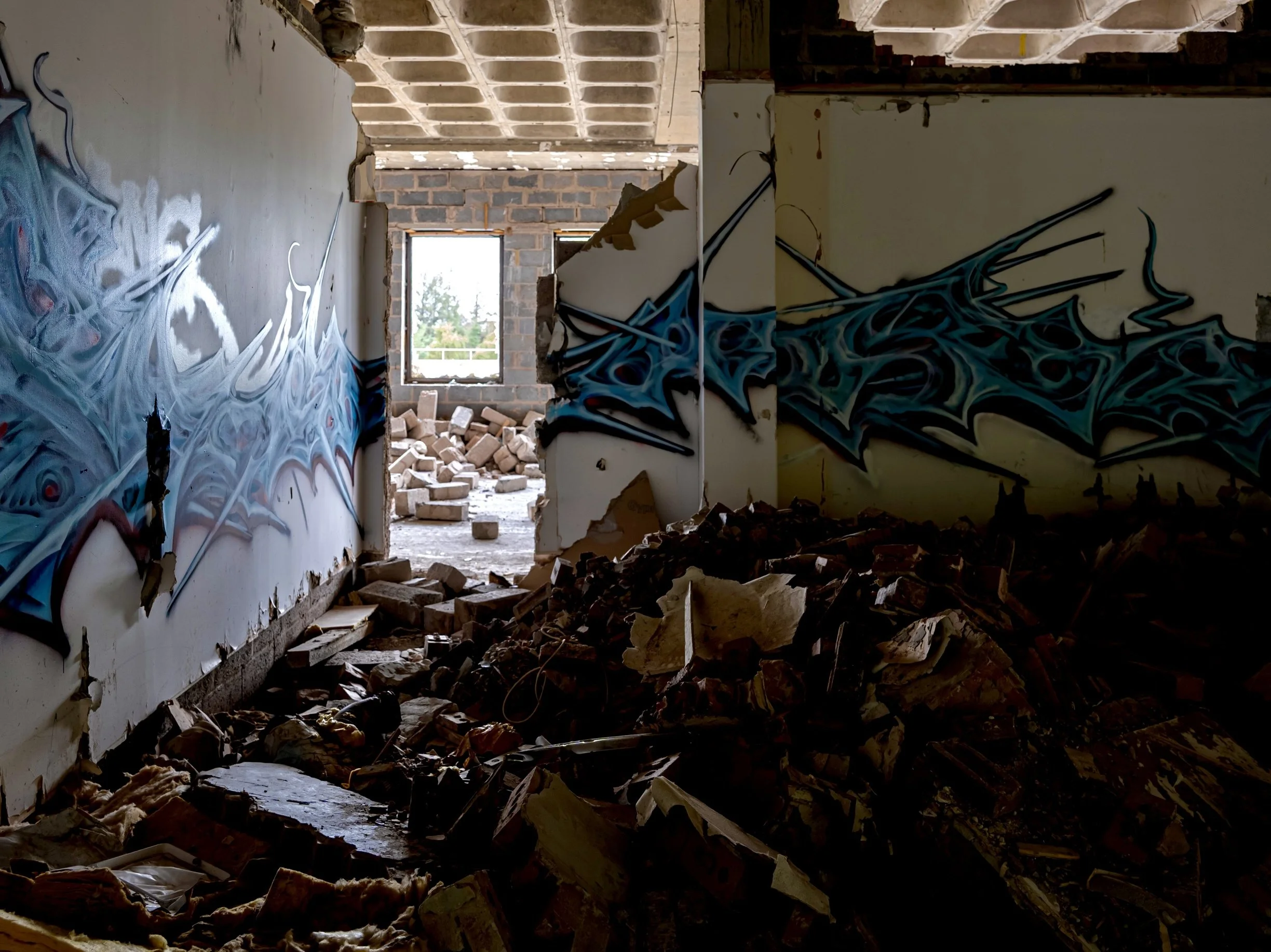
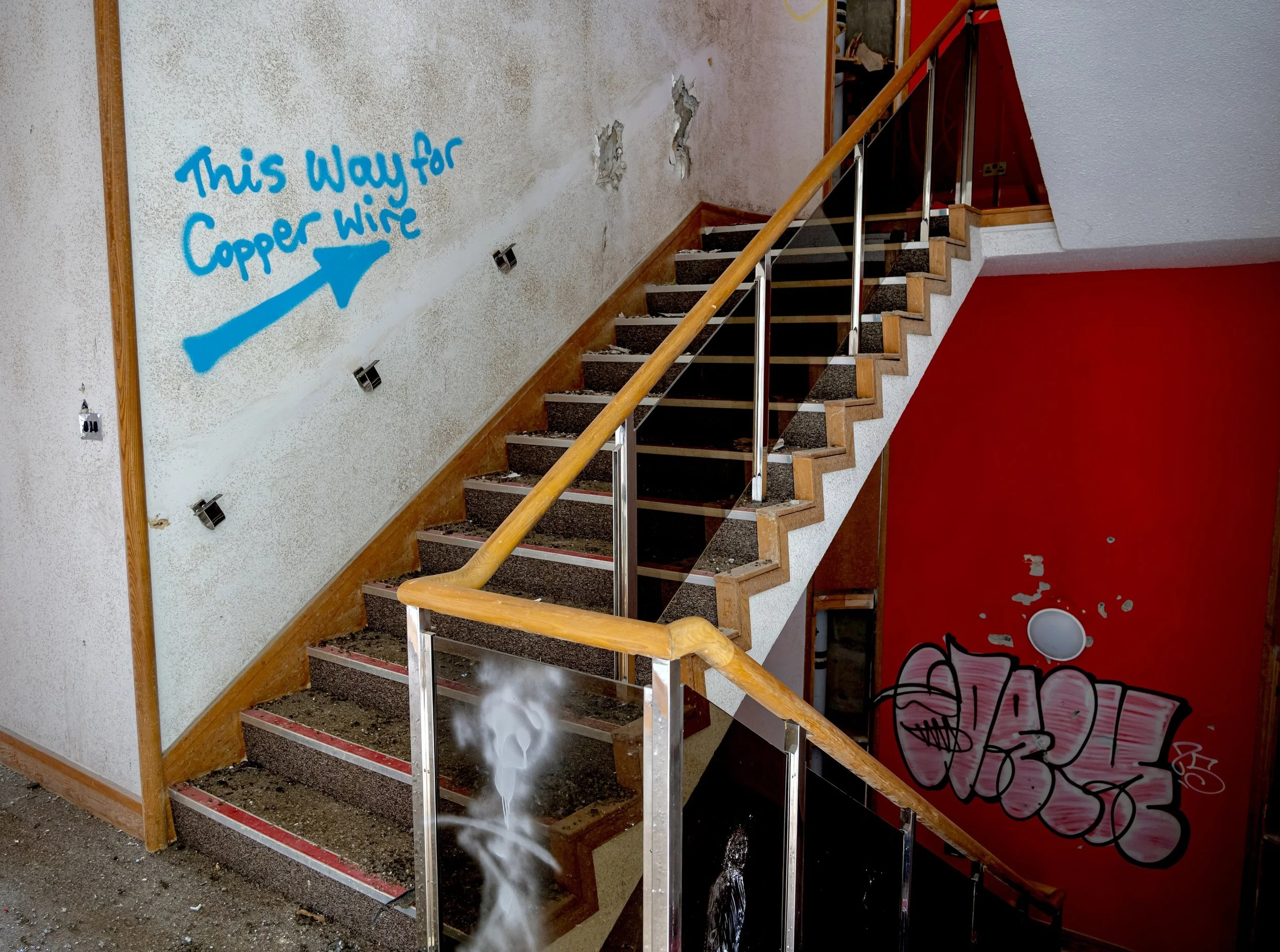
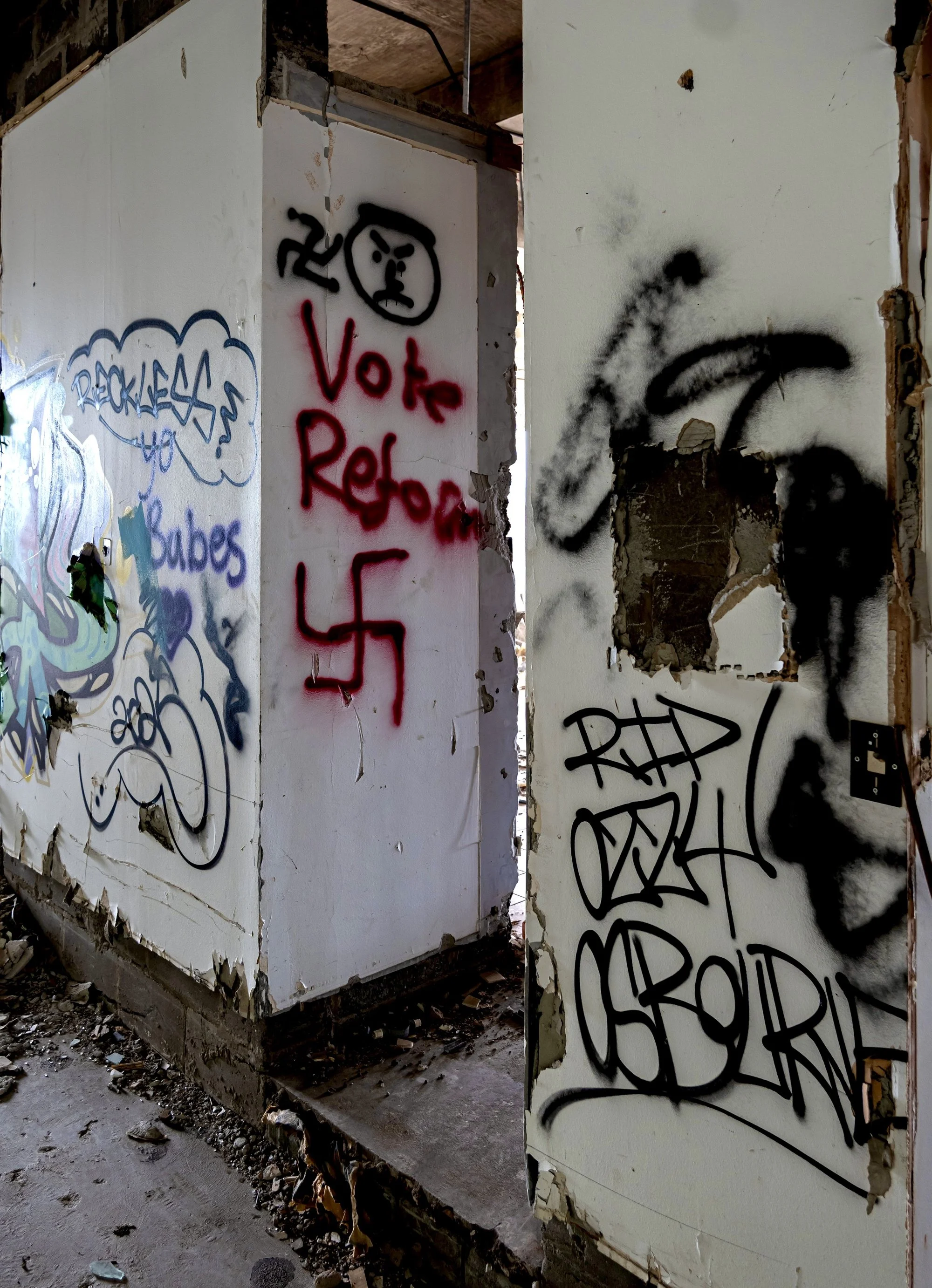
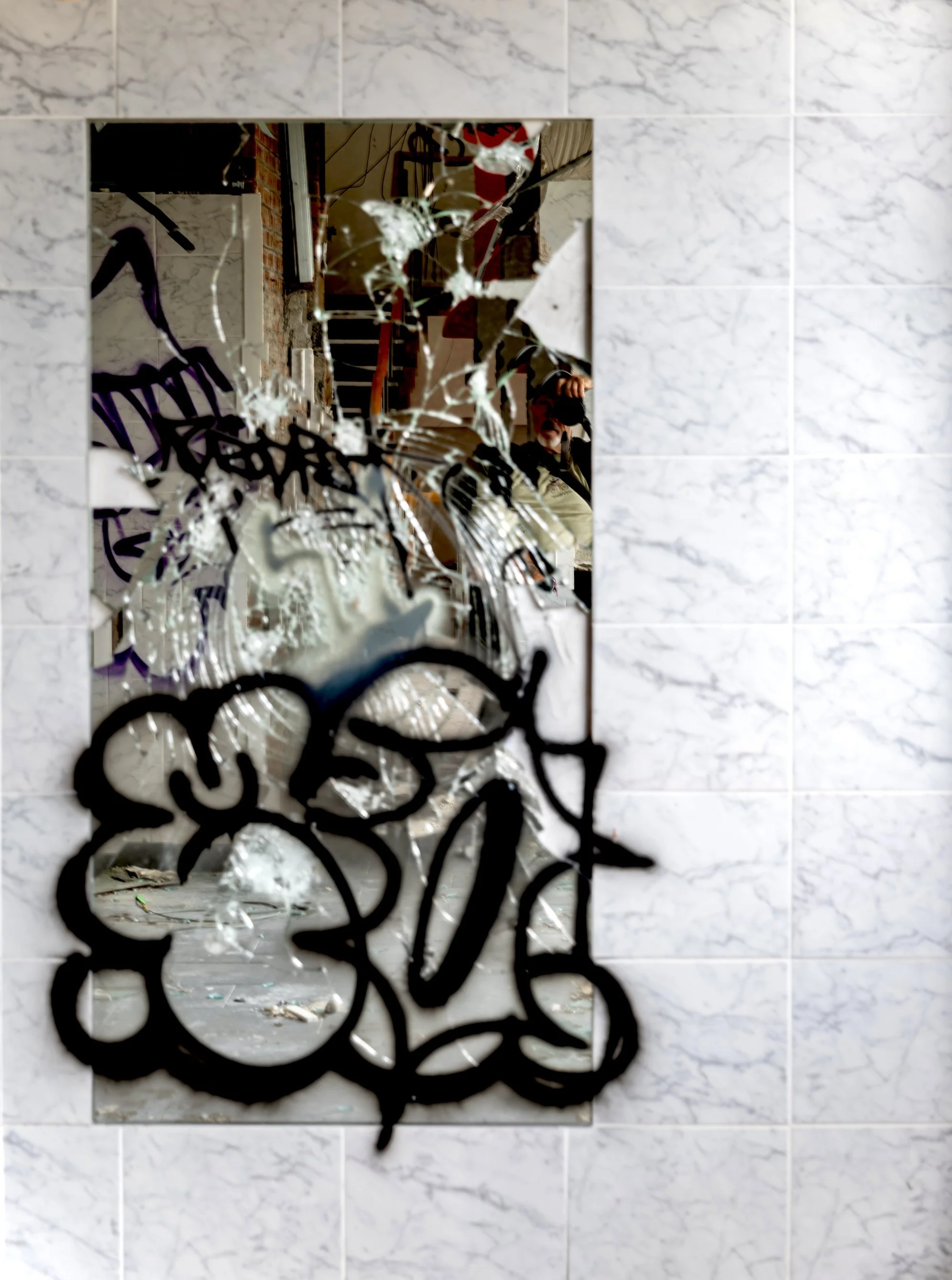
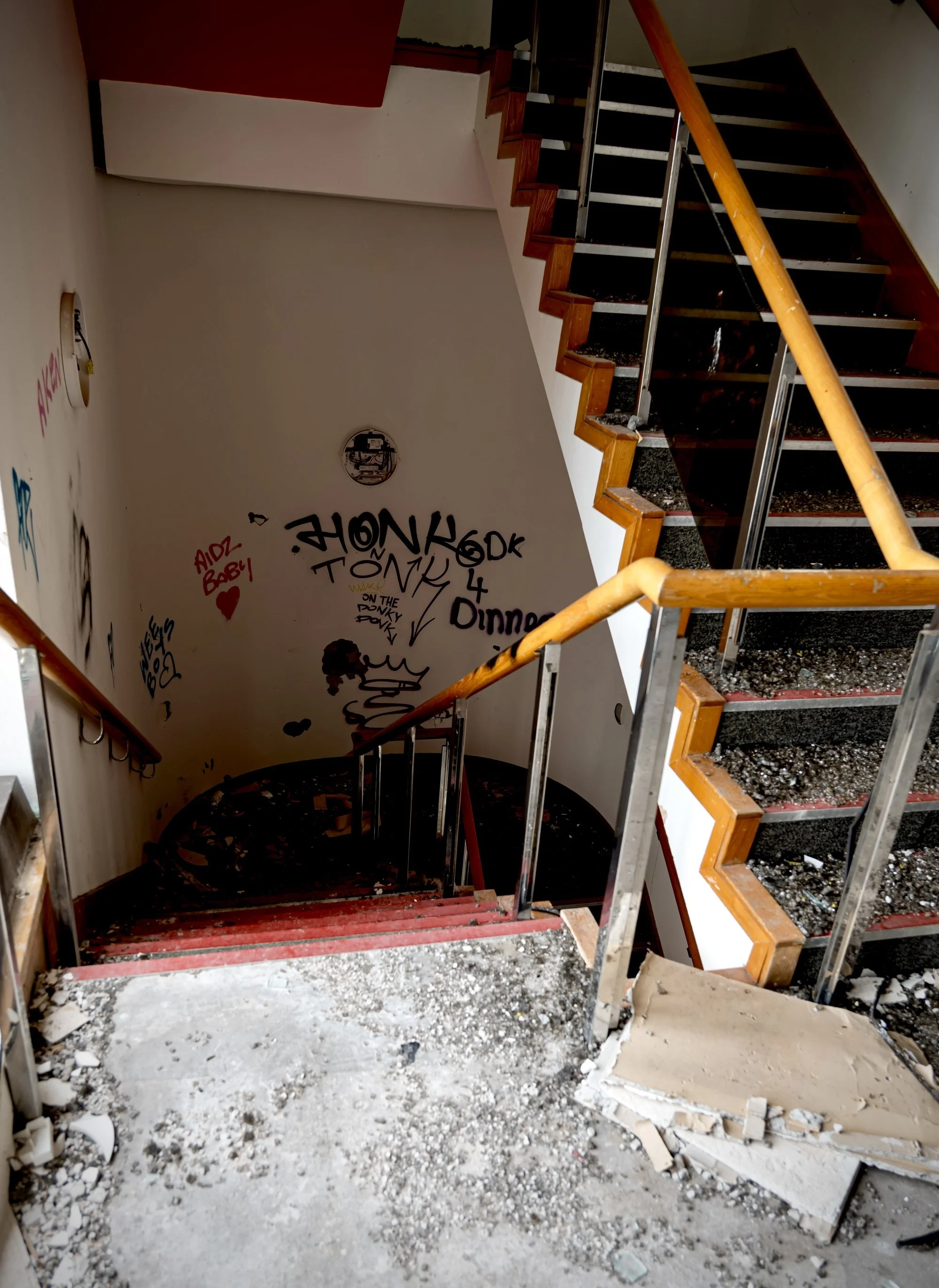
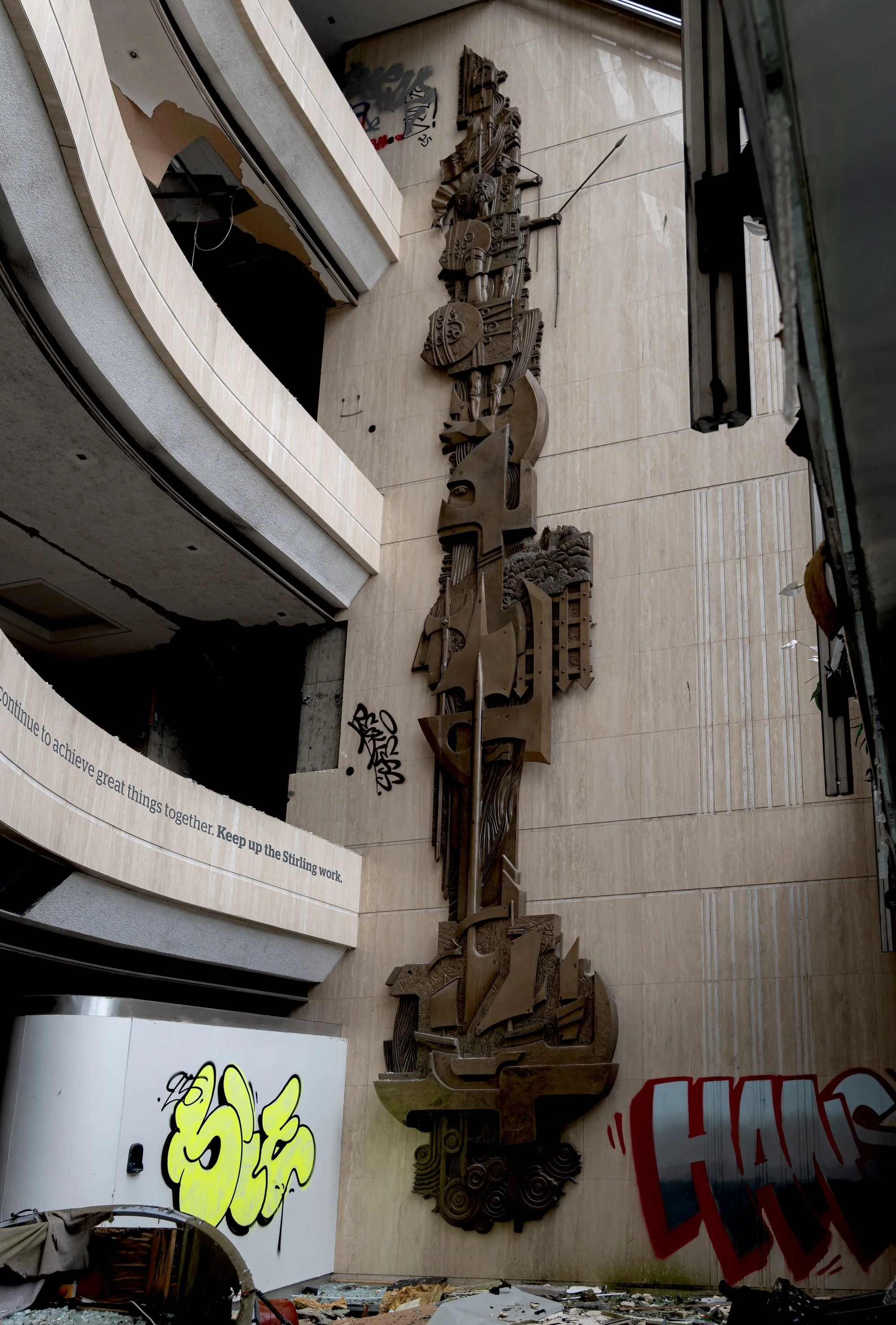
Abandoned brutalist building in the heart of Scotland by Stevi Jackson
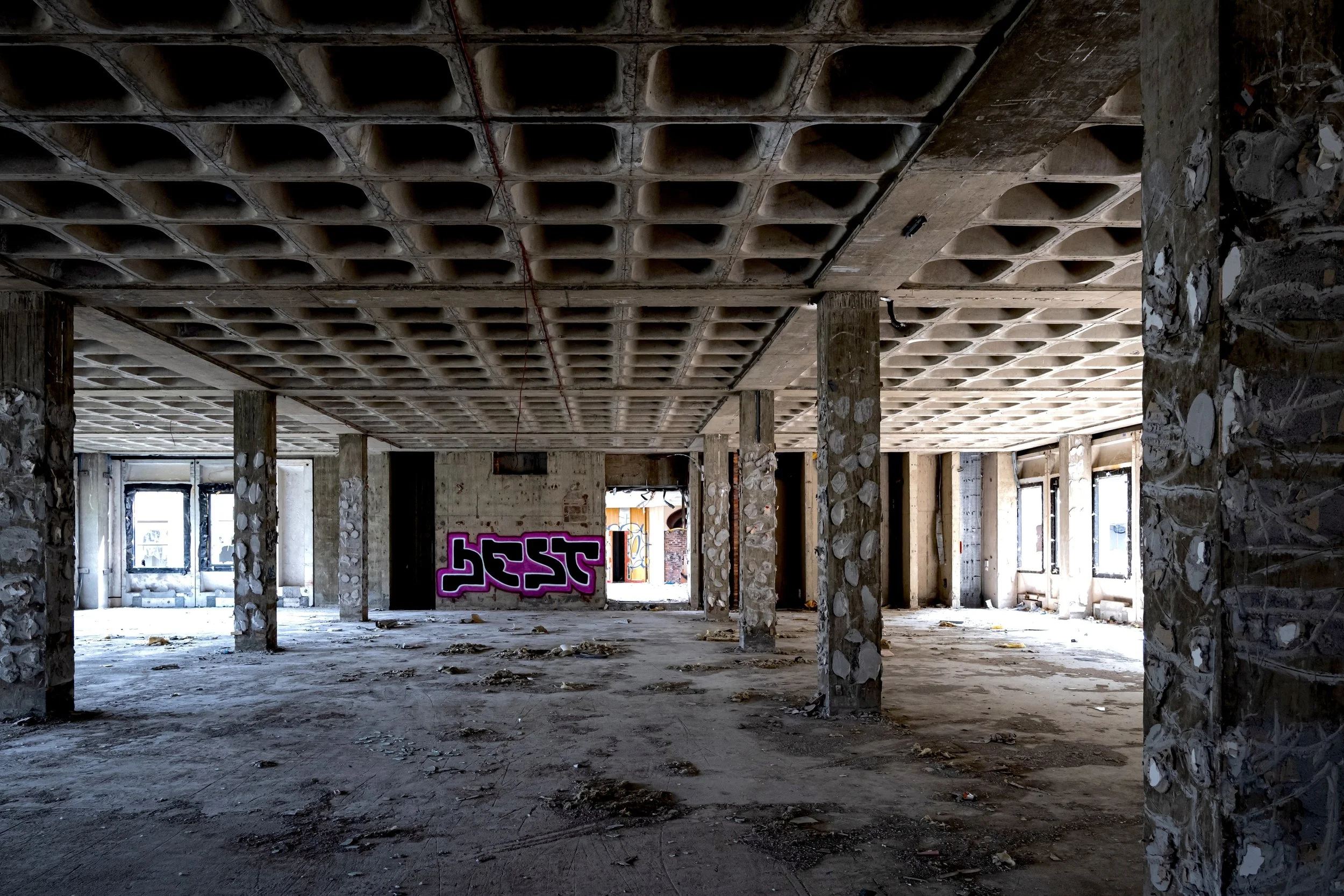
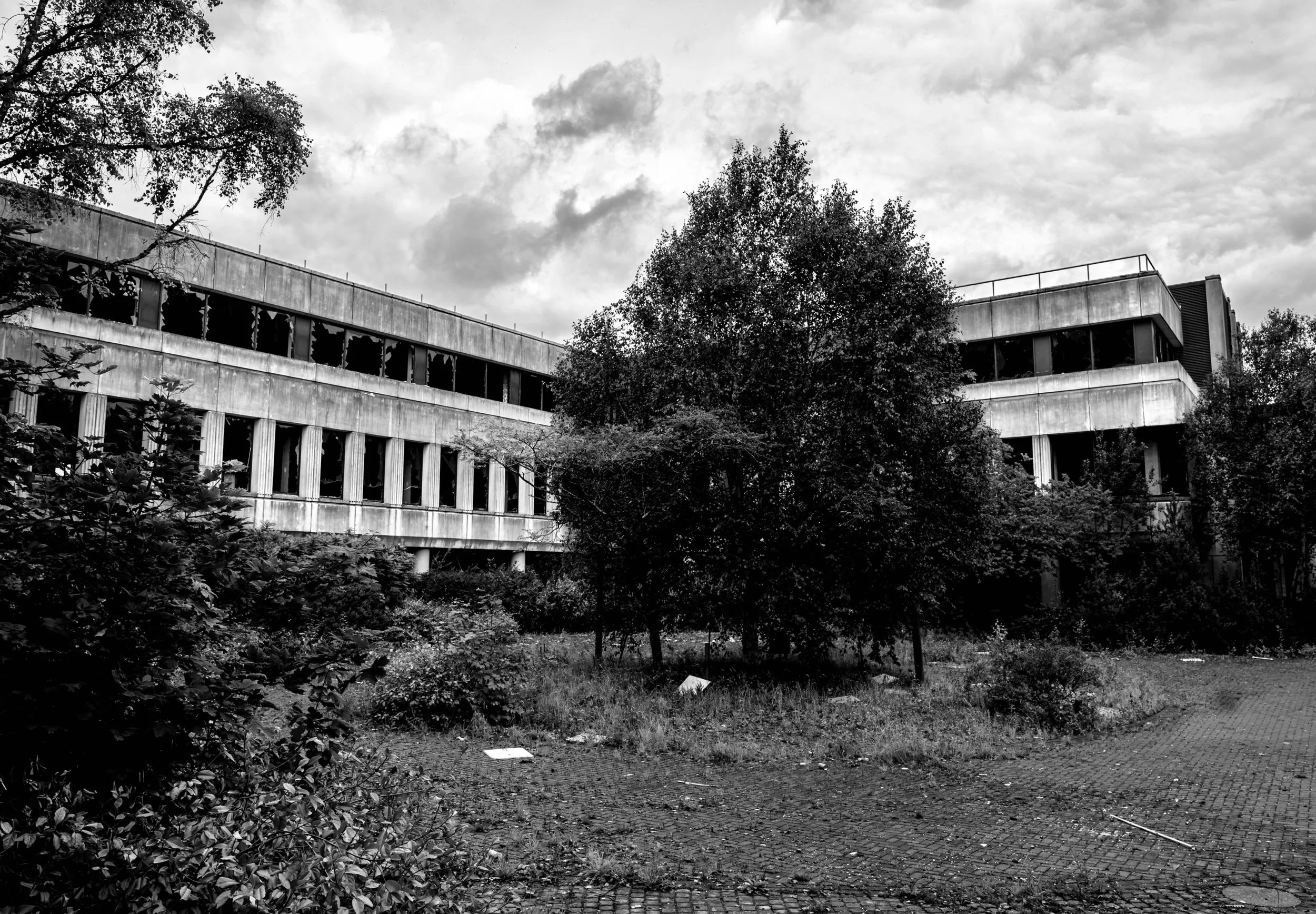
It may not be here much longer, so I thought it's better sooner than later to collect a journalistic glimpse into this, at one time, bustling hive of corporate endeavour.
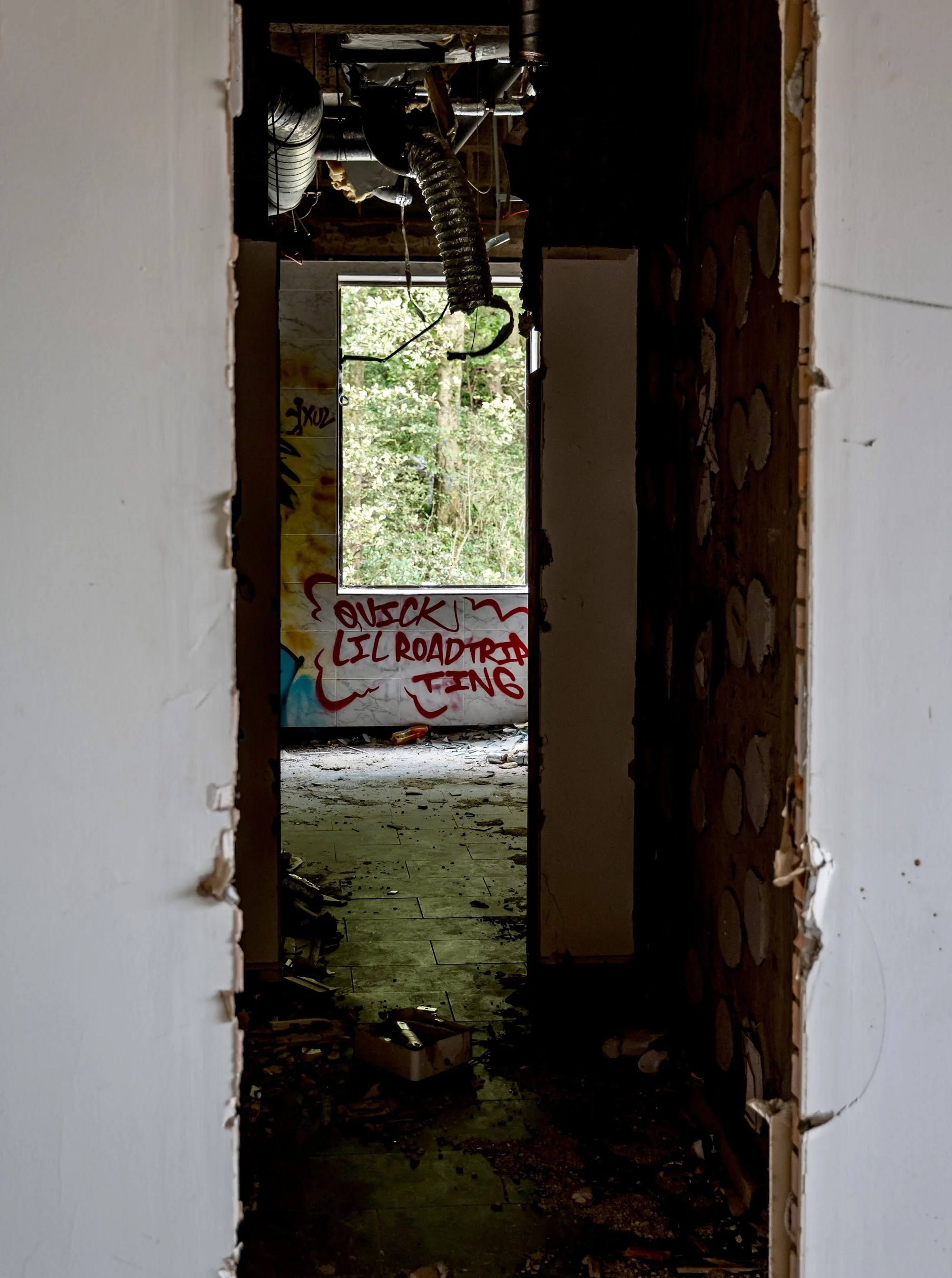
Once, a huge insurance company’s head office had four main floors. Now stripped bare, awaiting demolition.
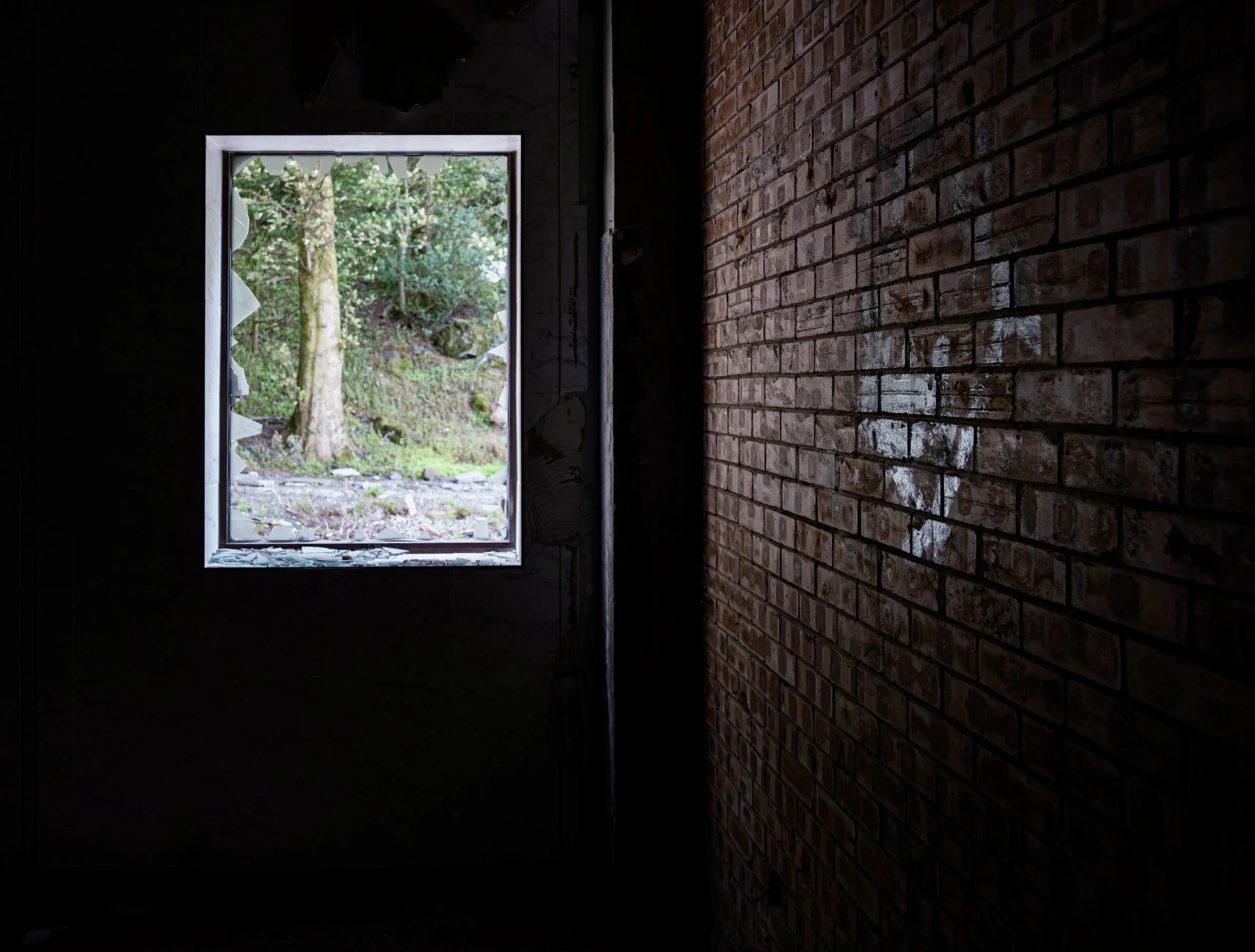
Probably not the safest of places for a photo shoot, with many missing guardrails, big drops, broken glass and the odd hole in the floor to negotiate around.
Standing there on my own felt a bit eerie, with noises coming from all around as the now glassless windows funnelled the breeze through and disturbed the hanging plaster and debris.
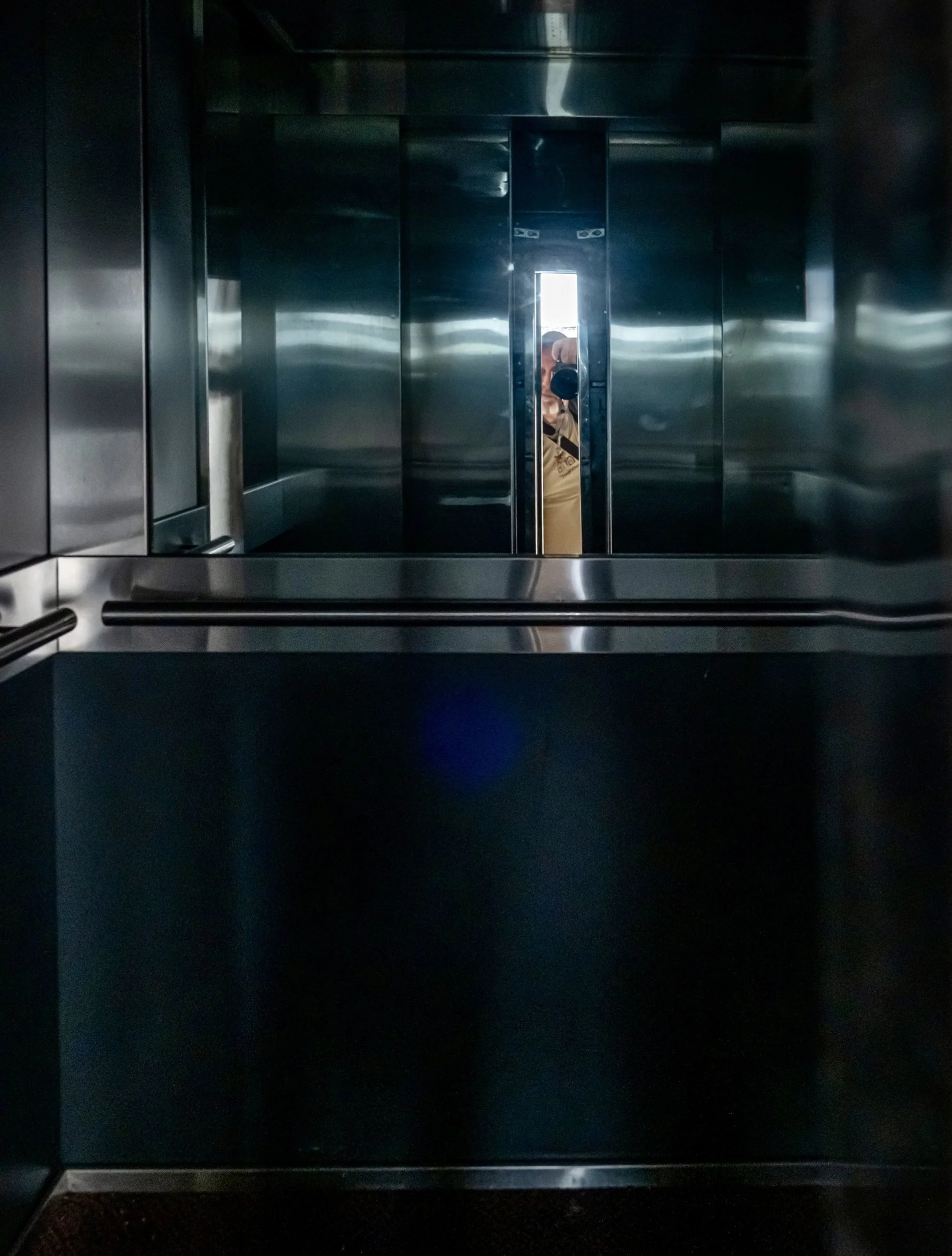
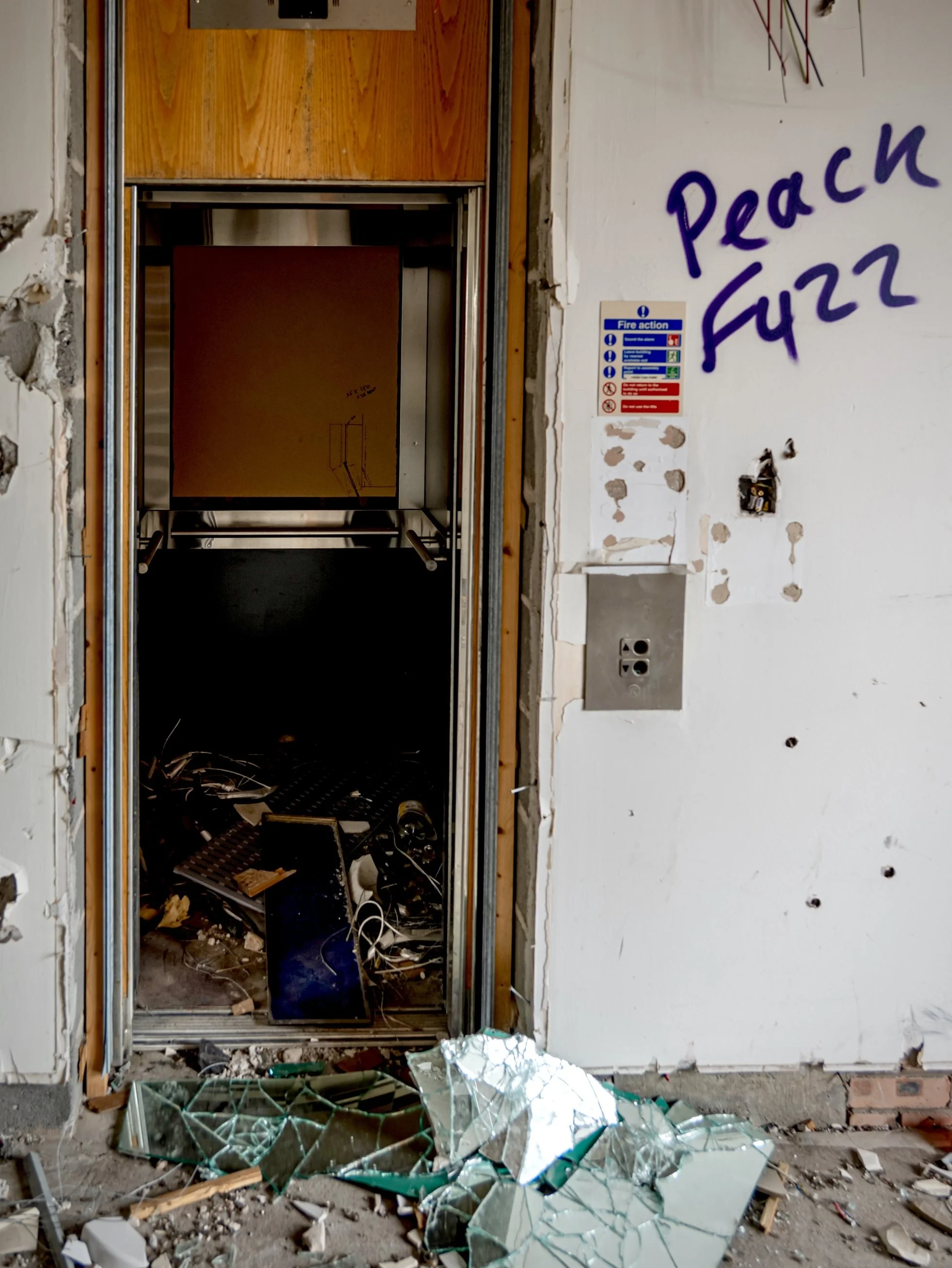
The elevators were still in remarkable condition, but I avoided going into any as I have no idea of the reliability of the cables holding them up.
It was a project I had been wanting to do for some time. Very glad I got the chance.
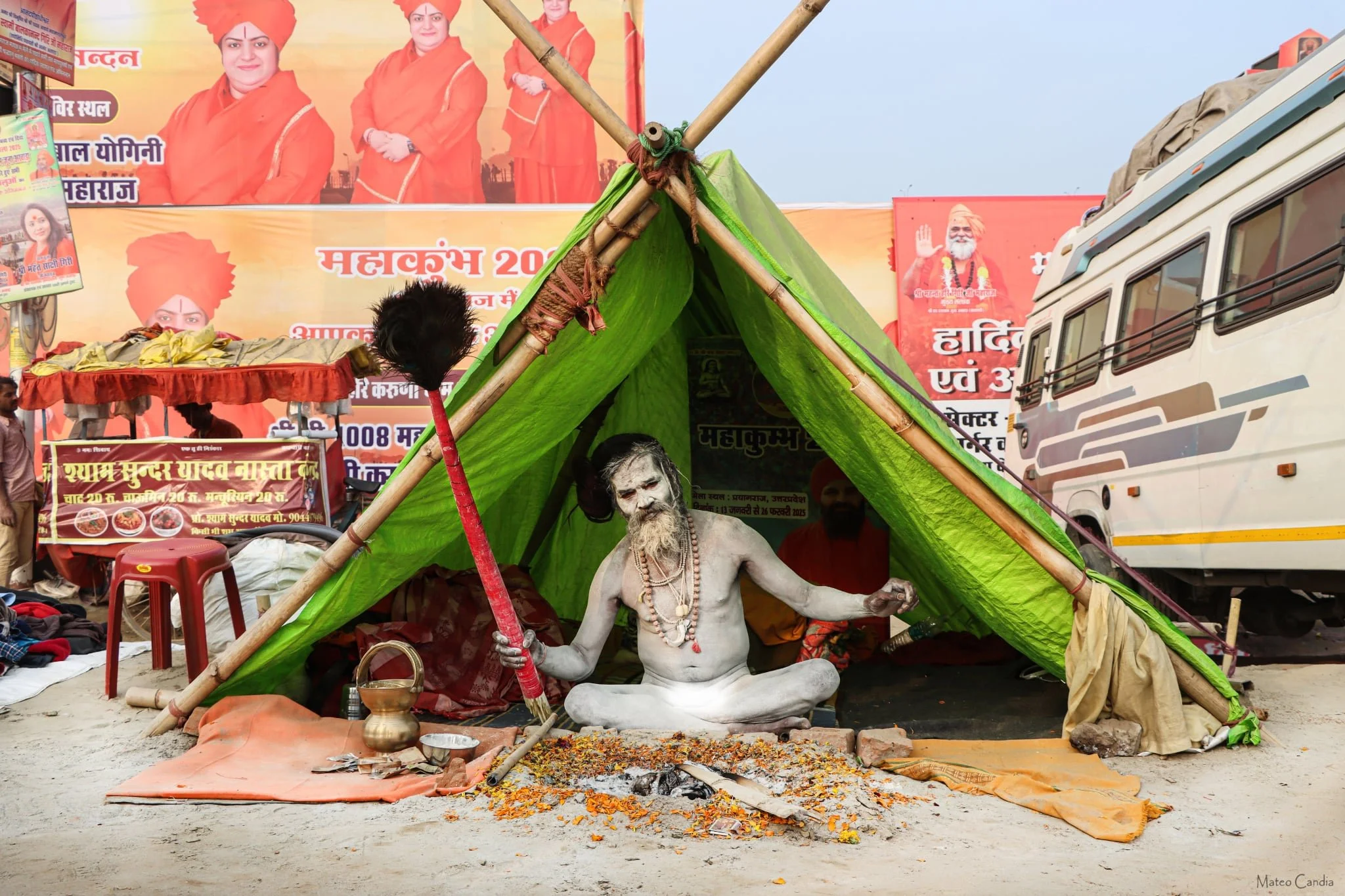
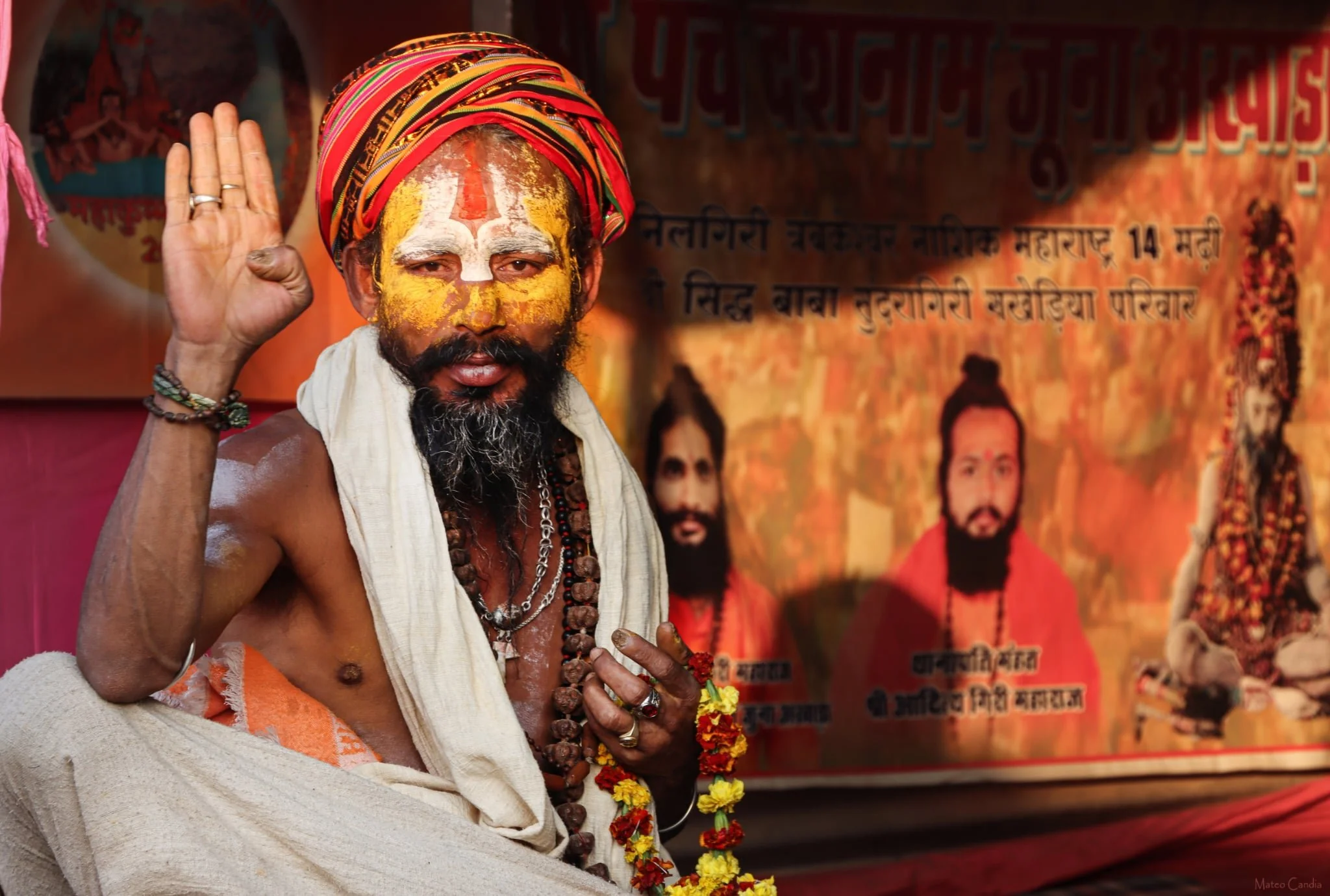
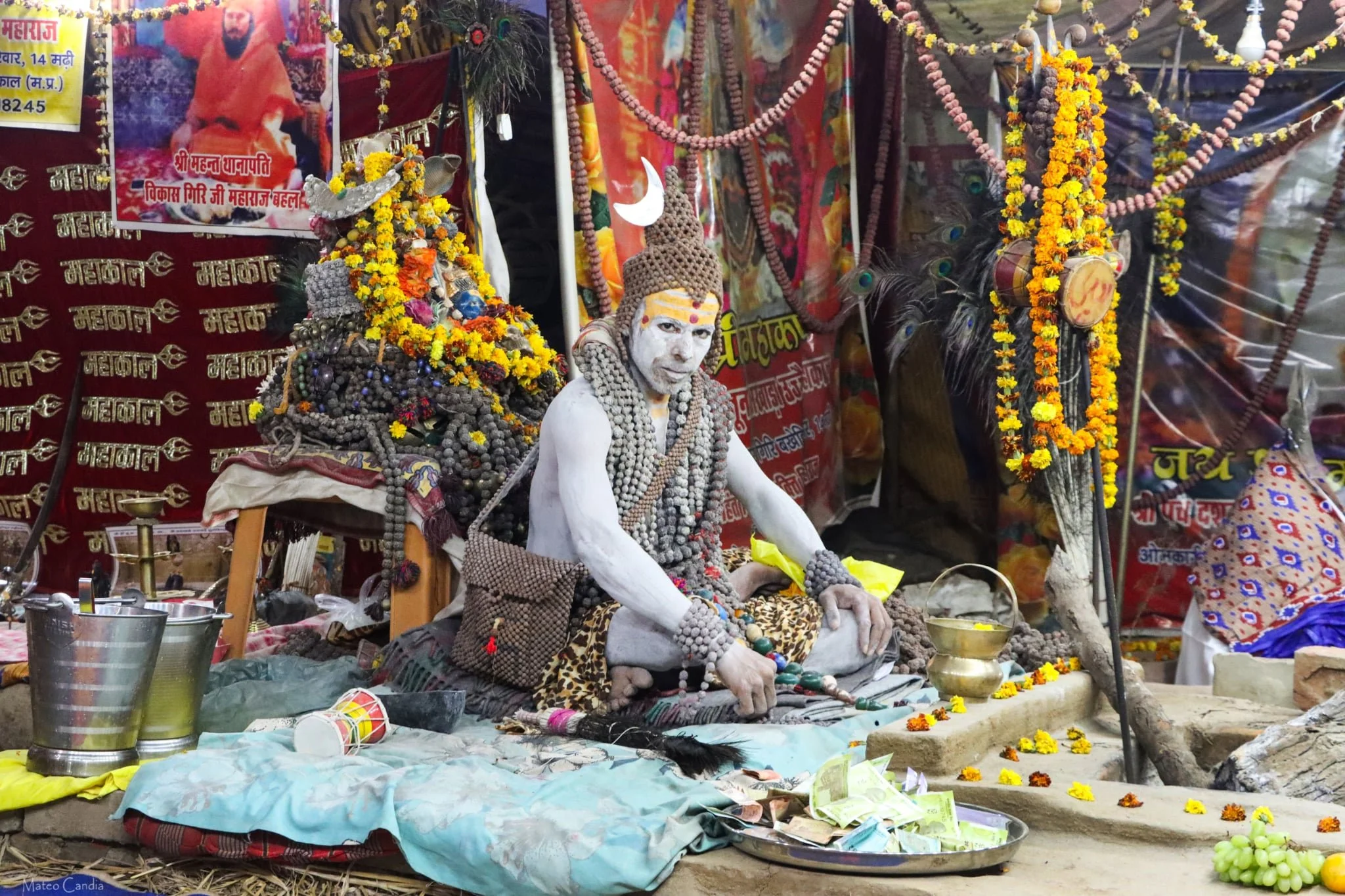
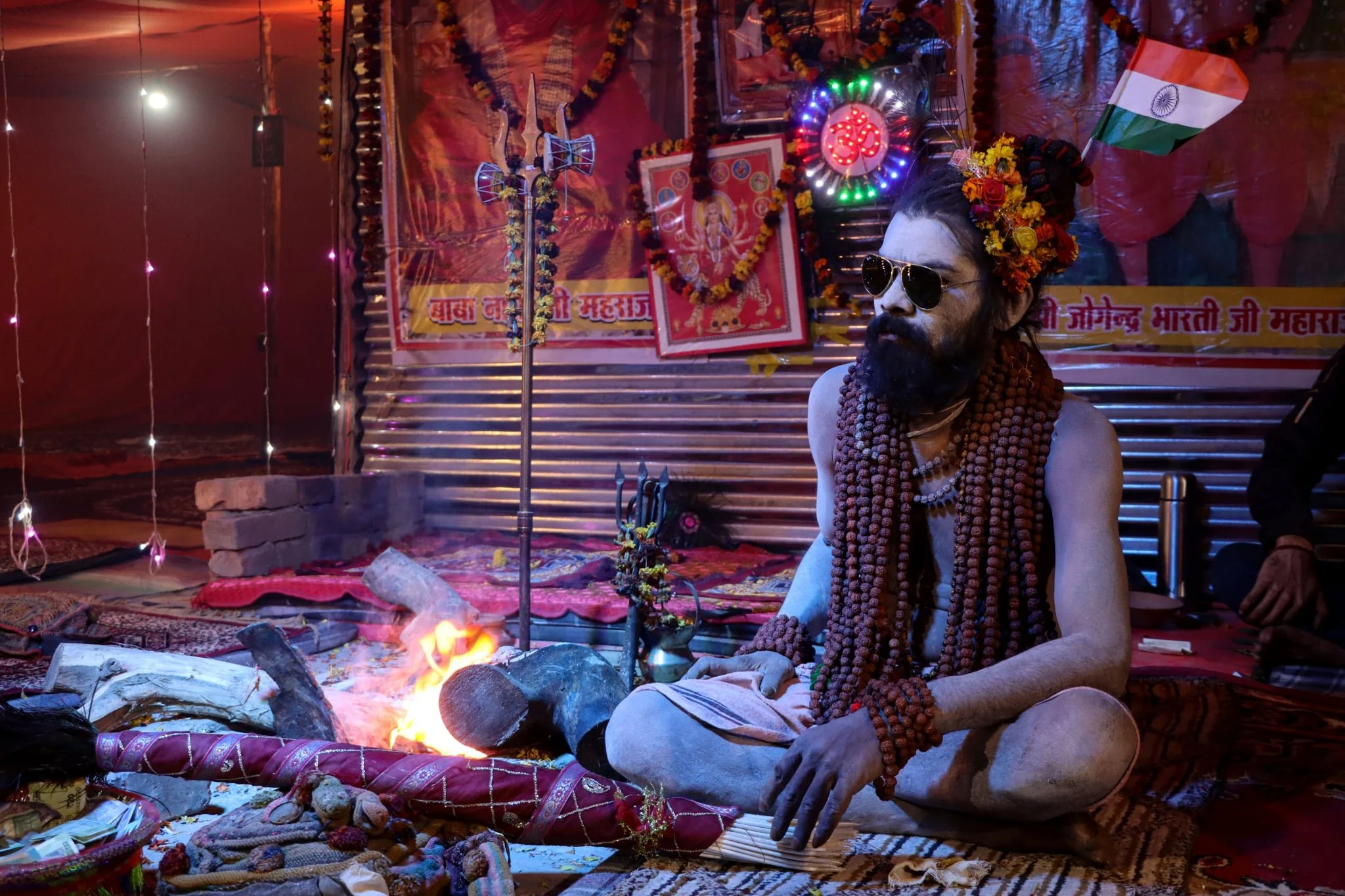
Sadhus at the Kumbh Mela. PRAYAGRAJ - INDIA by Mateo Candia
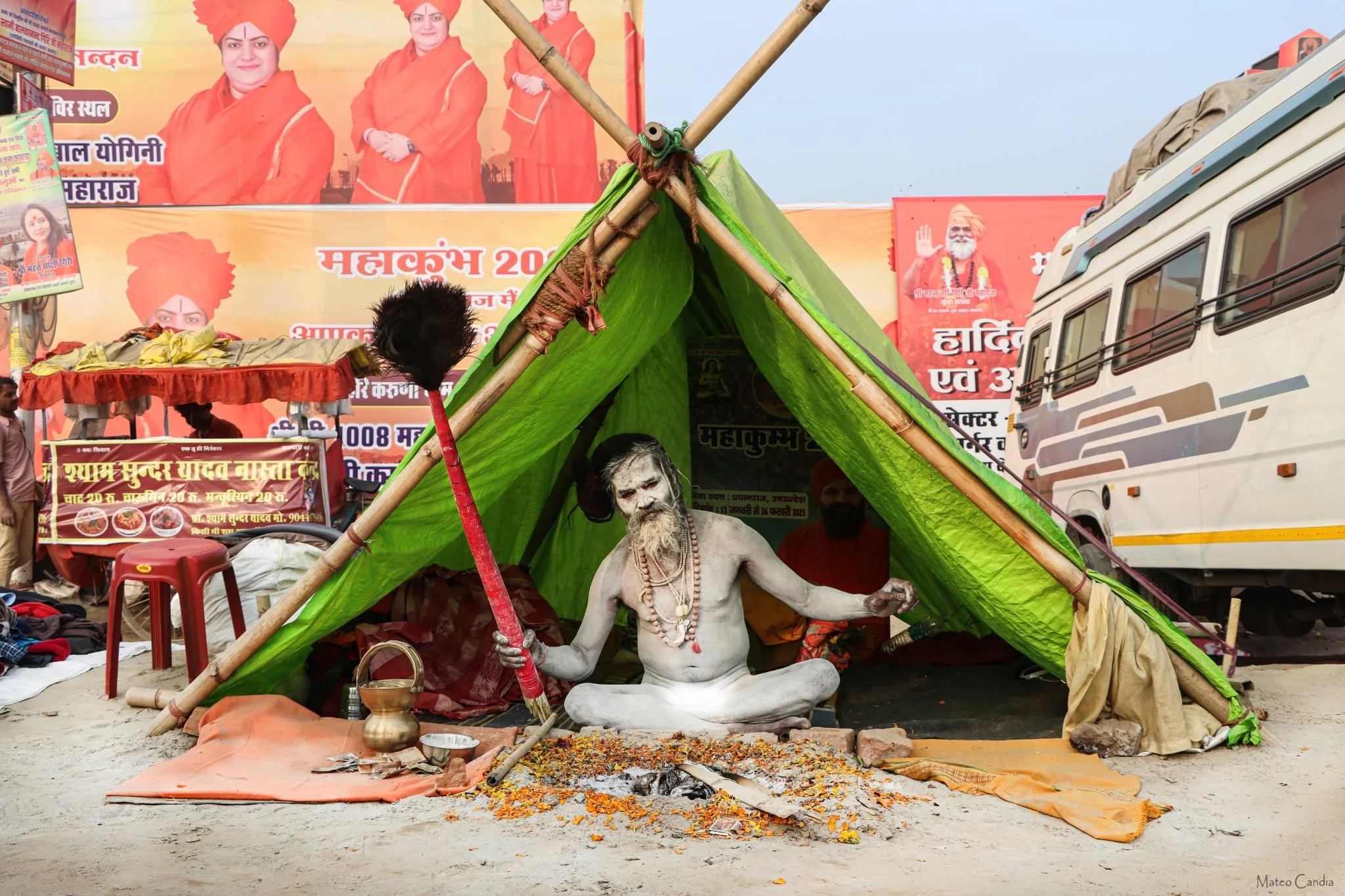
The Kumbh Mela is the largest pilgrimage and religious gathering on the planet and in human history. It offers an authentic mystical experience where individuals can immerse themselves in a vast sea of people, all deeply committed to their most profound devotion.
During this time, in these magical days, over 400 million people—primarily devoted Hindus from various parts of India and other nations—flock to the banks of the sacred confluence of the Ganges, Yamuna, and the mythical Saraswati rivers (the latter invisible) to bathe in its waters.
According to Hindu mythology, this act cleanses sins, purifies, and blesses the souls of those who bathe there. This is the main purpose and core reason for the festival. Additionally, thousands of Sadhus—renunciant ascetics who have shed all material possessions to dedicate their lives fully to spiritual pursuits—also attend the Kumbh Mela.
These ascetics are the most prominent and visually striking figures within the entire congregation.
Bus Stop: A Small Stage Where Life Flows by Kim Jaekyoung
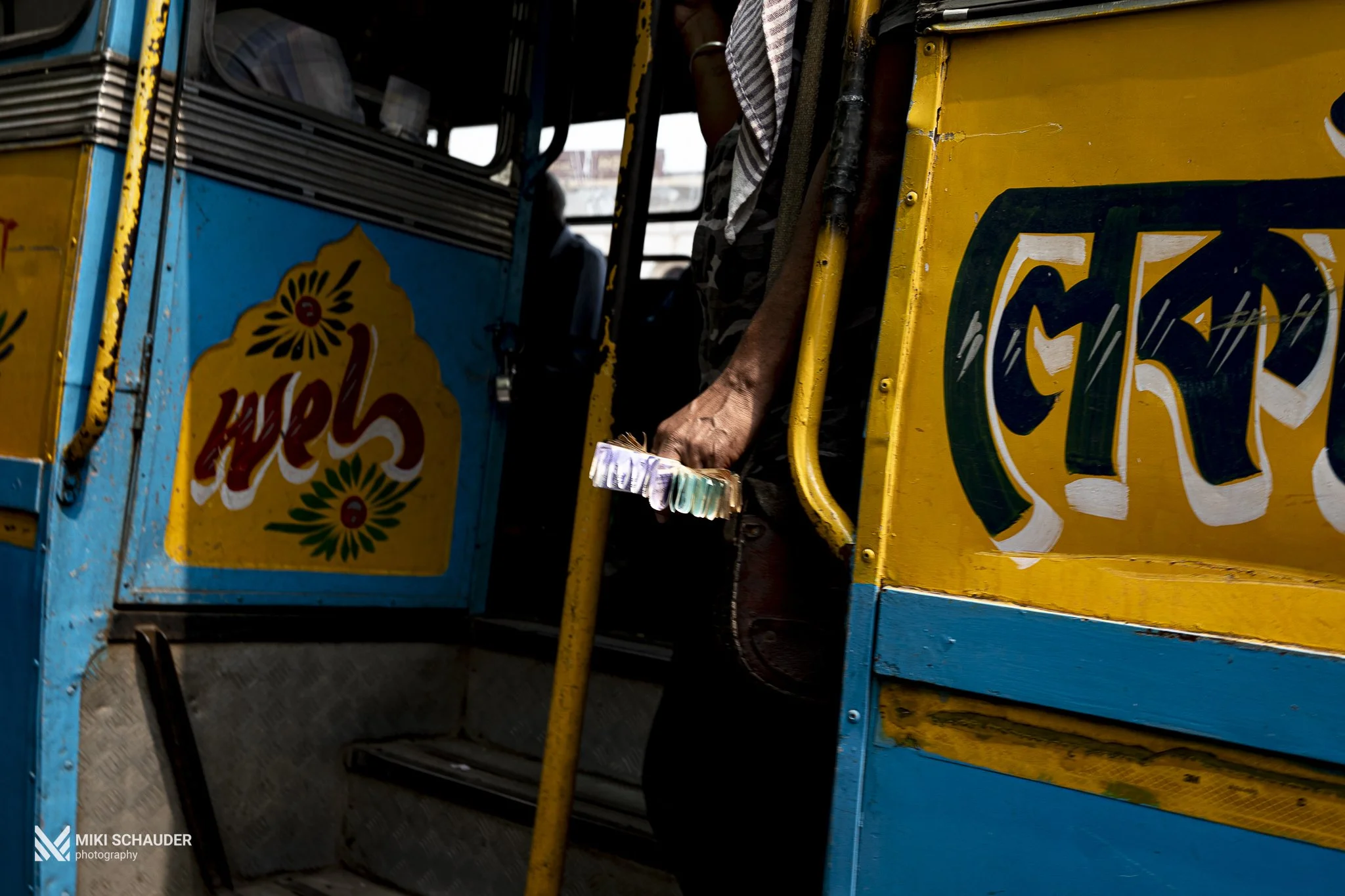
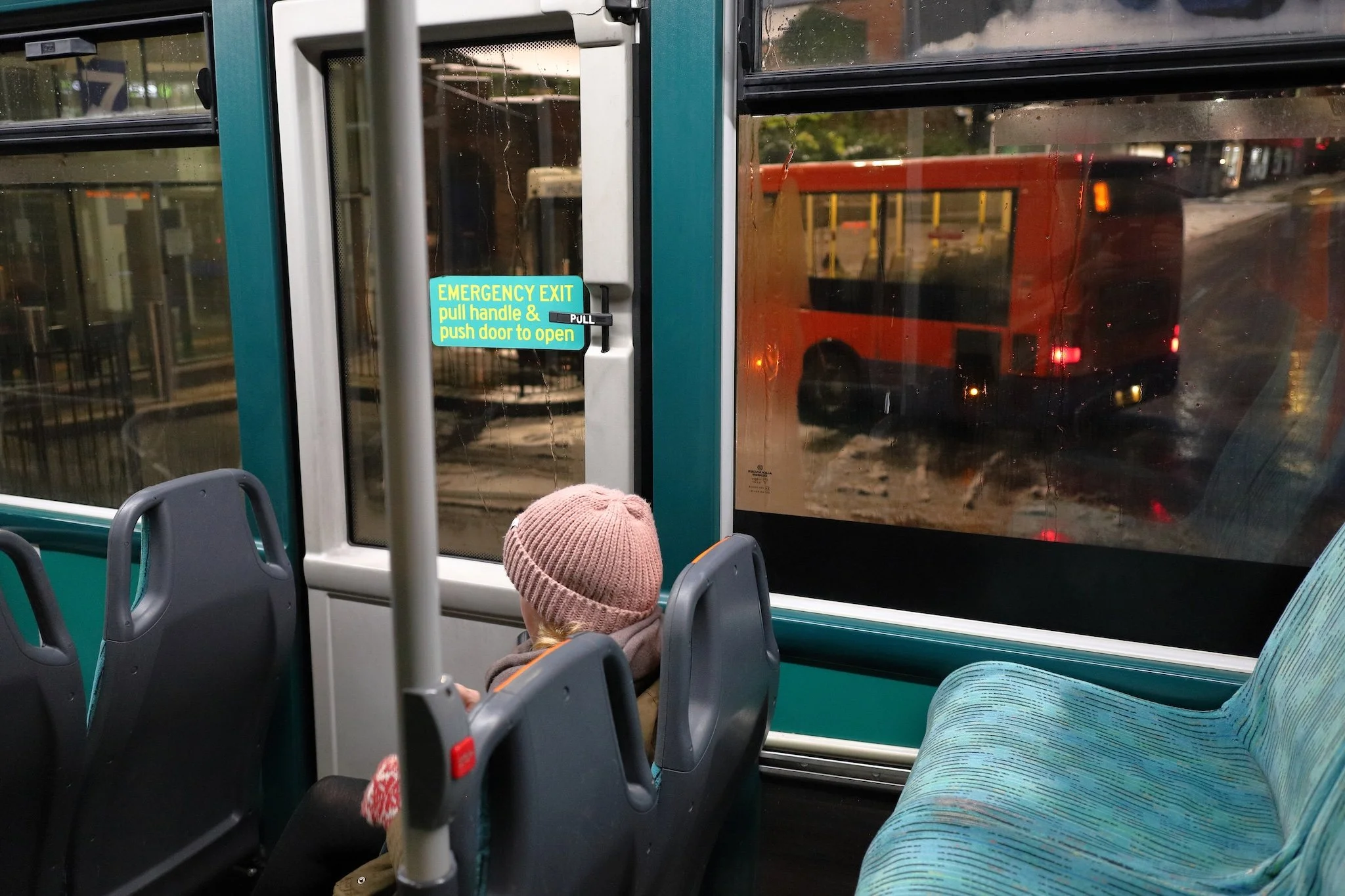
As darkness settles over the streets of Kolkata, the buses continue to move tirelessly, like the city’s lifeblood flowing without pause. The shadows of pedestrians, walking against the glow of dim lights, stretch long and fade into the rhythm of the passing buses. Occasionally, the irregular flicker of neon signs casts fleeting glimmers inside the bus, softly illuminating the faces of its passengers.
The bus keeps traversing the city’s night until the last passenger disembarks. Kolkata’s night flows on, carrying the stories of its people, while the bus quietly delivers them to the dawn of a new day. In the midst of the darkness, this small moving stage becomes a gentle pause, offering solace to the weary souls of the city.
My name is Kim Jaekyoung, a street and documentary photography enthusiast born in Busan, South Korea. I have been working independently for over 20 years, driven by a deep curiosity and a love for capturing everyday life.
Children of the Red Soil by Rajesh Dey
Joy in Small Wonders
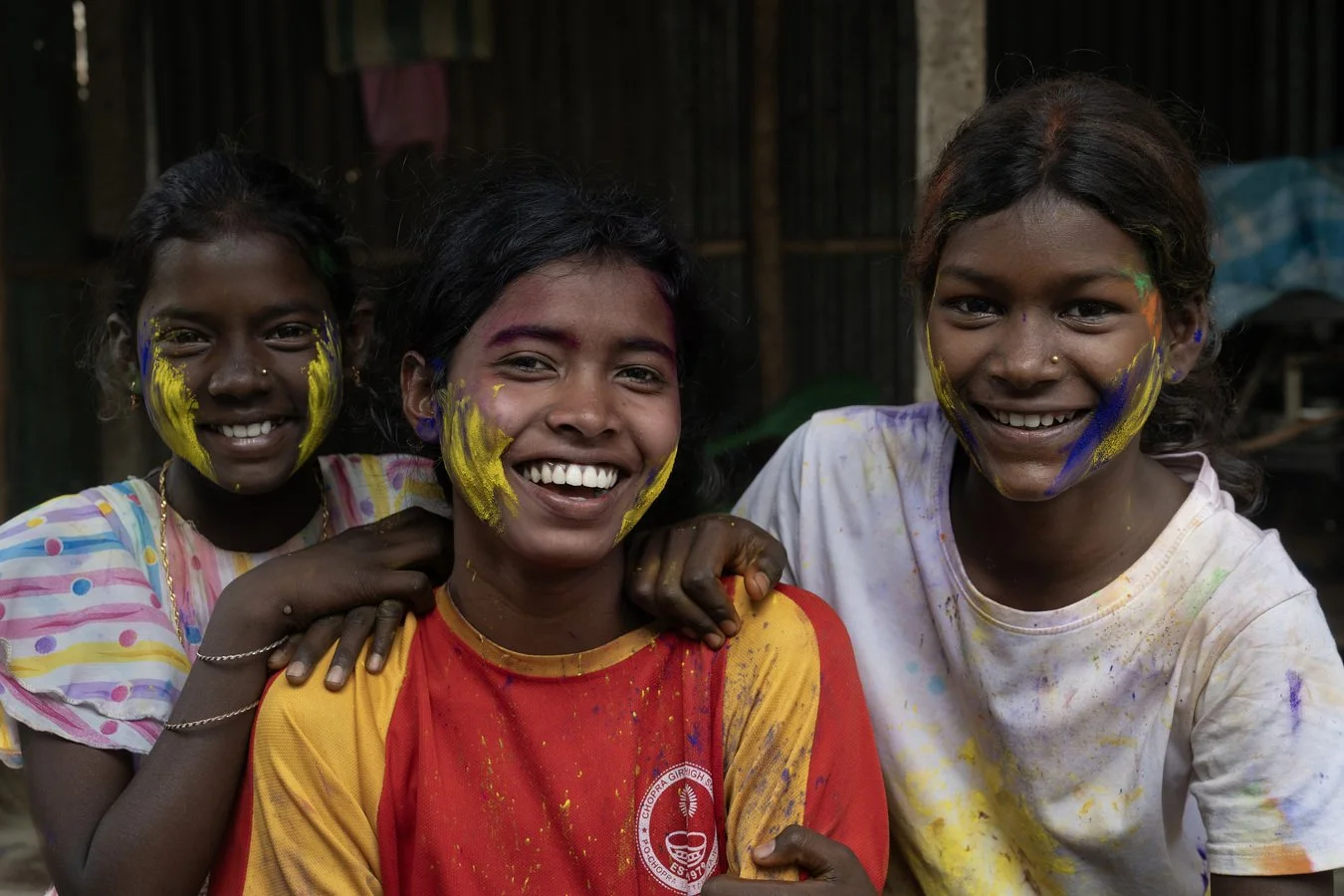
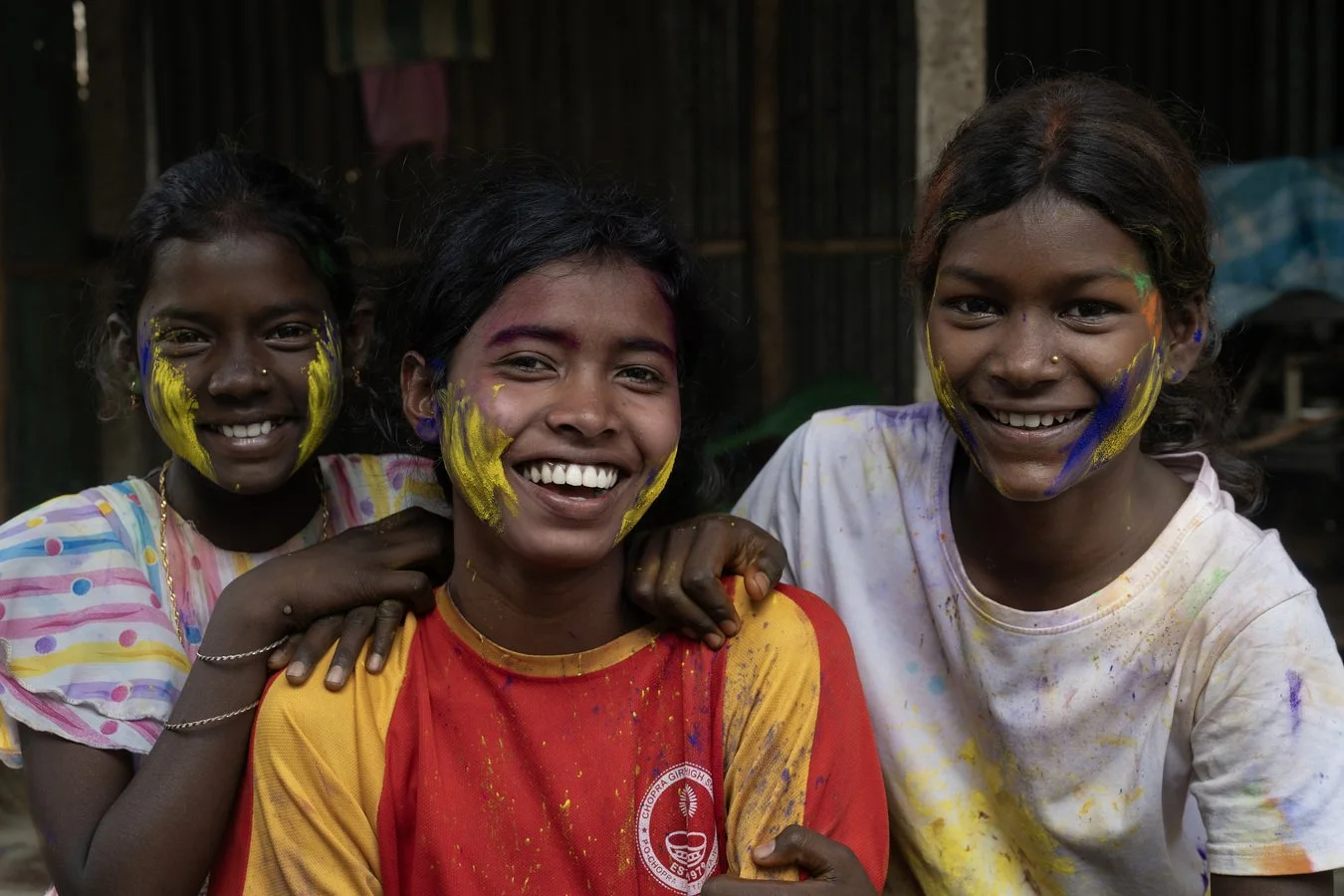
This photo essay aims to showcase the everyday lives of children in the tribal and rural communities of Bengal. By focusing on their experiences, it offers a glimpse into the innocence of childhood while also celebrating the strength, joy, and quiet dignity found in these often overlooked areas. Through this work, we can foster a greater appreciation for the resilience and vibrant spirit of these communities.
Eyes of the Land
Bonded in joy
Every Drop, a Shared Duty
Guardians of the Forest
The First Furrow
Unchained Joy
Red soil in India is quite fascinating and can be primarily found in the eastern and southern parts of the Deccan Plateau. It spans a large part of the country, covering states such as Tamil Nadu, parts of Karnataka, southeastern Maharashtra, eastern Andhra Pradesh, Madhya Pradesh, Odisha, Chhattisgarh, and the Chota Nagpur Plateau region, which includes Jharkhand, southern Bihar, and parts of West Bengal.
The red colour of this soil comes from iron that's been diffused through crystalline and metamorphic rocks. Fun fact: when hydrated, it can appear yellow!
"La vie au sol / Life on the ground" by Pascal Flores
A series of photos taken between Paris and Brussels during the years 2022 and 2025
They are here, at the height of oblivion. Lying in indifference, out of the frame and yet in the centre of the real. "Life on the ground" is a black and white, raw, frontal series that captures those urban fragments where concrete and stone become bed, shelter, or the end of a journey. Every picture raises a silent question, and everybody on the ground recites a silent prayer. In front of closed doors, majestic architecture or walls that are too clean and cold, these human beings, both present and absent, disturb, interpellate, and awaken. Photographing ground or bitumen means choosing to look differently. Refusing to look away. It is to make visible the invisible, those we do not see or do not want to see. And you... Do you see them now?
The importance of using traditional filters in photography by Stevi Jackson
Hi guys,
I want to share some insights about the importance of using traditional filters in photography.
While post-editing plays a role, there’s something truly valuable about taking the time to get the shot right in-camera.
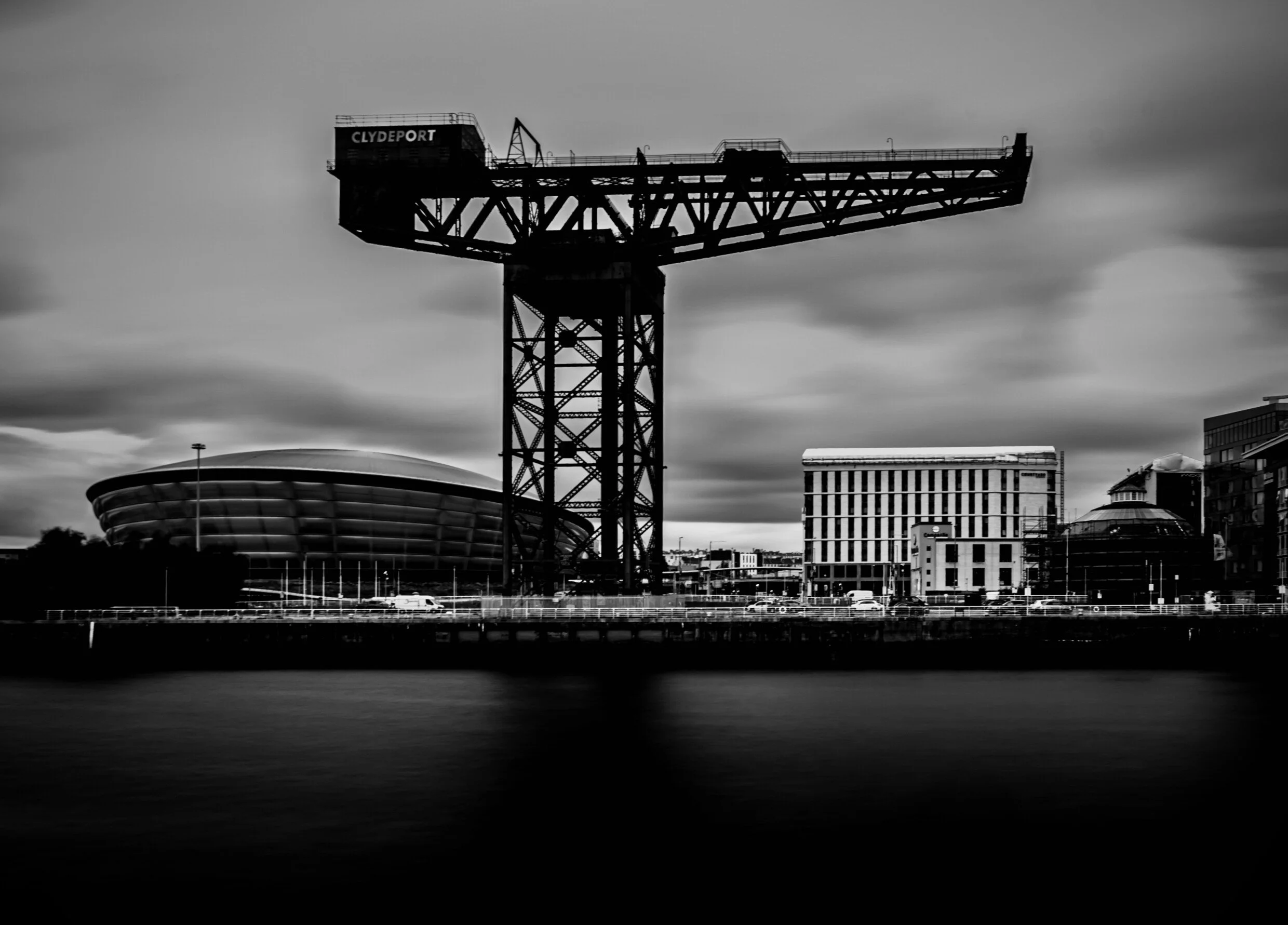
Recently, I had the opportunity to explore Glasgow, specifically the Science Centre on the south bank of the River Clyde. The weather was almost perfect for my photography objectives, despite being a bit windier than ideal. The quick arrival of stormy clouds added a dramatic element to my long exposures, creating an interesting atmosphere.
Equipped with a sturdy tripod, my Lumix full-frame camera, and a 24-105mm lens, I set up my composition with care. I first added a polarizing filter, then experimented with two additional filters: an infrared filter and a 10-stop ND filter.
By taking full-minute exposures while adjusting various apertures and ISO settings, I was able to capture a range of shots from different angles before the rain and stronger winds cut my session short.
One of the great benefits of conducting experiments with different filter combinations on-site is that it greatly reduces the need for post-editing later on, allowing the images to maintain their authenticity.
I hope you find the shots enjoyable and perhaps consider trying similar techniques in your photography!
The cranes on the River Clyde, particularly the Finnieston Crane (also known as the Stobcross Crane), are iconic symbols of Glasgow's rich shipbuilding history. These cantilever cranes were vital for loading ships with heavy machinery for export. Completed in 1931, the Finnieston Crane is still a prominent landmark and a testament to the city’s engineering achievements.
The sudden rain by Trevor Gwin
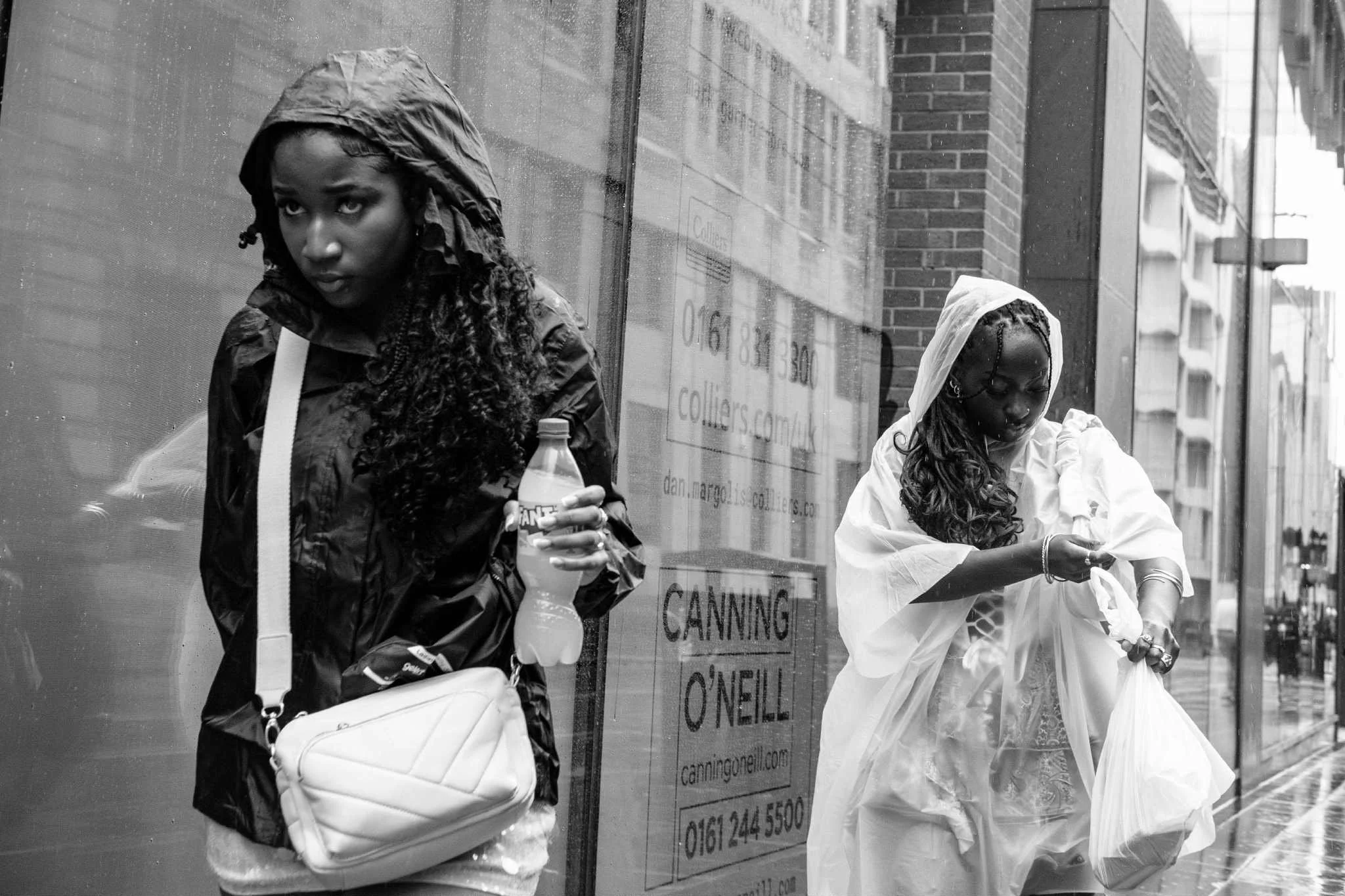
These pictures, all taken within a mere 20 minutes during a typical Manchester downpour, truly reflect the unpredictable nature of our weather. It’s a familiar experience for many of us who live here, reminding us that even in the rain, there’s beauty to be found.
The rain came unexpectedly, catching everyone off guard. Dark clouds gathered quickly in the sky, and within moments, heavy drops began to fall. People rushed for cover, seeking refuge from the downpour. It was a stark reminder of how quickly the weather can change, turning a sunny day into a stormy one in an instant.
Sitting in the Lismore pub in Partick, Glasgow by Stevi Jackson
While sitting in the Lismore pub in Partick, Glasgow, you cannot help but feel the warmth and atmosphere of the characters around you. They seem to evoke a sensation.
News International Dispute 1986-87 by Alan Richardson
“A few months ago, I was giving a presentation to a photographic society near Glasgow, during which I talked about Progressive Street and the work that we do, in particular how we provide a platform for storytelling though photography. I was approached by an audience member who explained that he had been involved in the News International dispute back in the 80’s and had photographs from the events, would we like to do a story? Recognising the historical importance of this dispute the answer was most definitely yes! Here are Alan’s words and pictures. “ Cameron Scott
The years between 1984 and 1987 saw a period of seismic industrial turmoil in the mining and national newspaper industries, characterised by colliery closures, the imposition of detrimental working practices, terms and conditions, and a systematic process of de-unionisation and de-recognition that spread beyond these two traditional industries.
The accompanying photographs document a number of aspects of the 1986 News International dispute, including rallies, demonstrations, police violence and even humour.
In January 1986, News International Group owned by Rupert Murdoch, sacked 5,500 workers for refusing to sign new contracts which included the unilateral termination of long-standing agreements on terms and conditions as well as the de-recognition of the unions’ role in collective bargaining and negotiation. In a bid to save thousands of jobs and to protect the basic rights of workers to organise in defence of their conditions, all of the print unions at Murdoch’s papers, SOGAT, NGA, AUEW and NUJ, went on strike
The momentous year-long dispute saw the production of ‘The Sun, 'News of the World', The Times and The Sunday Times move from Fleet Street to a secretly equipped and heavily guarded plant at Wapping in East London. This move from Fleet Street was facilitated with the connivance of the electrician’s union EEPTU, that ran the presses at the Wapping plant.
The dispute went on for over a year and there were regular violent confrontations with police on the twice-weekly picket lines. The accompanying photographs give a dramatic insight into the events occurring on the picket lines at Wapping.
That the dispute was about union refusal to engage with new technology was a myth that is still widely believed today. Rather it was about the abuse of corporate power through media monopoly and a massive exercise in union de-recognition that quickly spread throughout the printing industry and beyond.
At the time of the dispute, I was employed by SOGAT as education officer. Head Office staff attended the picket lines every Wednesday and Saturday, these occasions gave me the opportunity to photograph mounted police baton charges, the ‘kettling‘ of peaceful picketers with horses and police ‘snatch squads’ in action.
Women against Murdoch
Alan Richardson
Reading in public spaces by Mustafa Selcuk
The idea of photographing people reading in public spaces came to me when I first moved from Turkey to France eight years ago. At the time, I was struck by how common it was to see people reading in the metro, on buses, or in parks. According to a 2023 study, 61% of people in France read five or more books a year—a figure that is notably higher than in Turkey. Public reading seemed not only culturally valued but visibly present in daily life.
However, over the years, I’ve noticed a decline. These days, when I ride the metro or walk through a park, I feel like, I see fewer people reading than I did eight years ago. This decrease feels a little sad. So I began this project to document people reading in public spaces, capturing these quiet, intimate moments before they disappear entirely.
Causeway by Tejal Mewar
Causeway
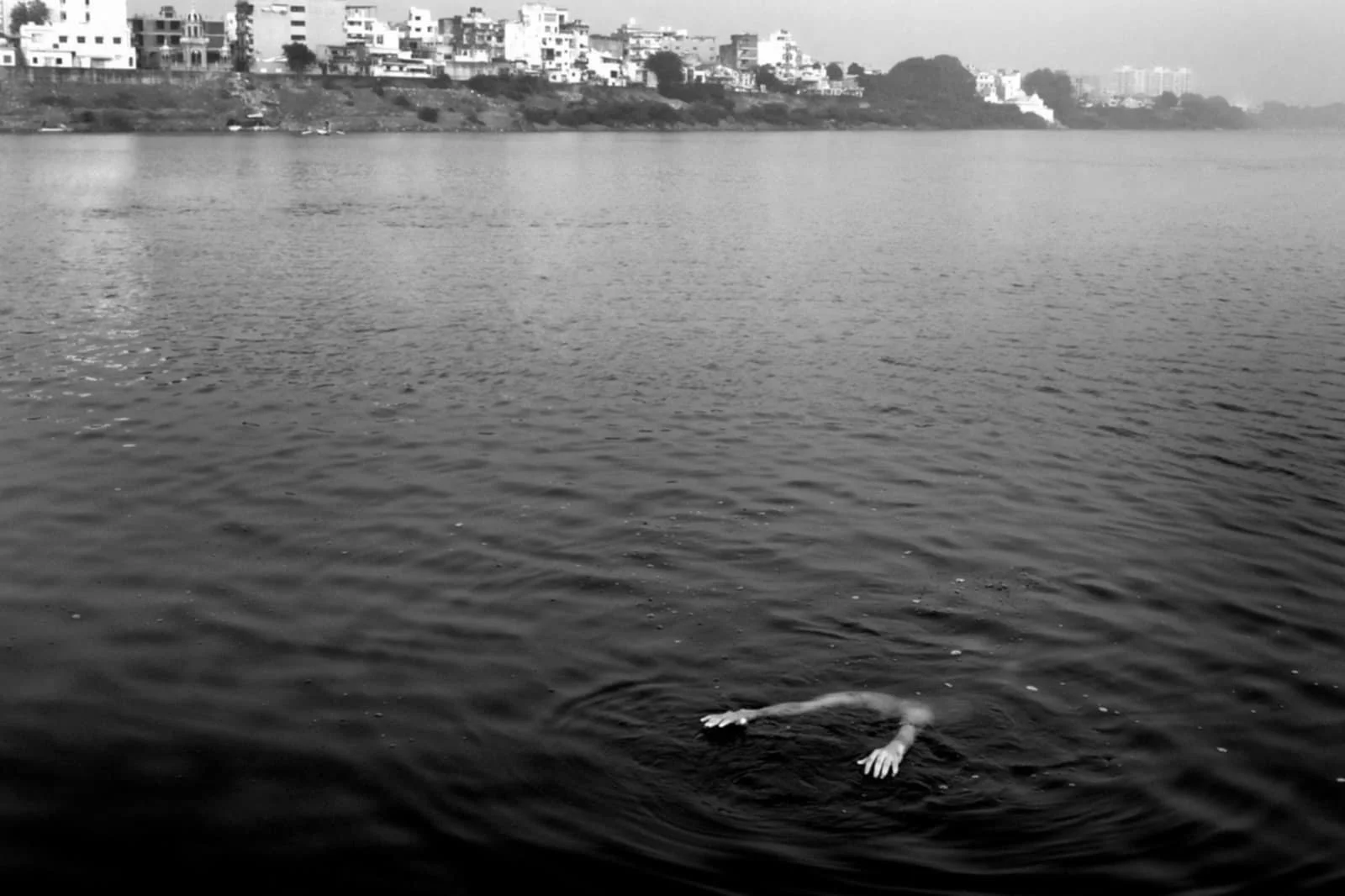
The morning view of the Causeway offers a refreshing and naturally beautiful experience. Weir-cum-Causeway has become a beloved destination for locals, providing a wonderful space to start the day. Visitors can enjoy the clear, cool air, the tranquil environment, and the sunlight reflecting on the water, which makes it an inviting place for all. Many people come here to swim, take leisurely walks, or simply breathe in the fresh morning air. Some locals make it a point to swim every morning throughout the year, while children often gather here to learn swimming skills. As a street photographer, I find this location rich with opportunities to capture meaningful moments. The variety of activities happening here is inspiring—some people appreciate the peaceful atmosphere, while others gather with friends for a fun swim. This vibrant blend of experiences makes the Causeway a perfect spot for community engagement and personal reflection.
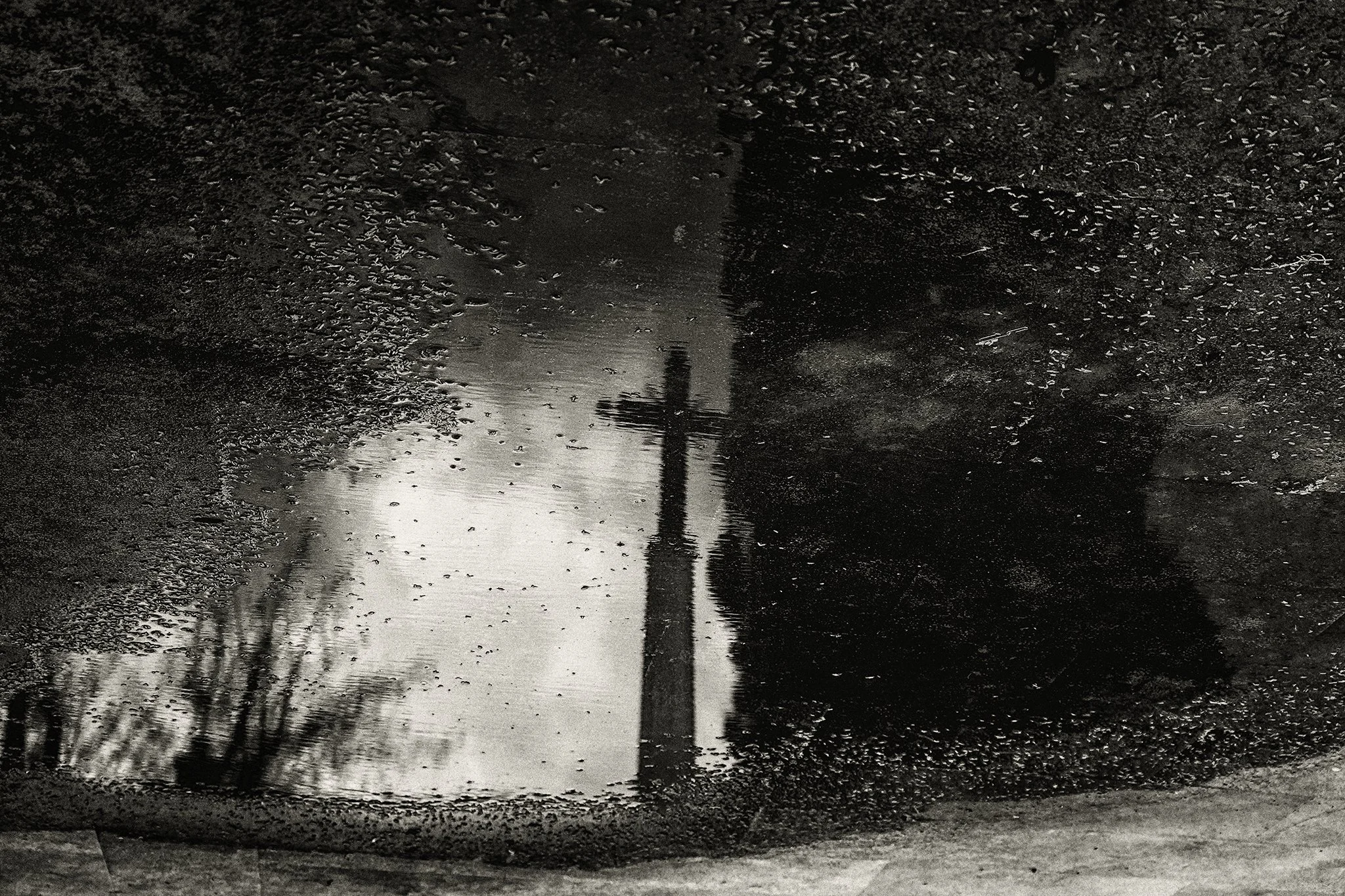
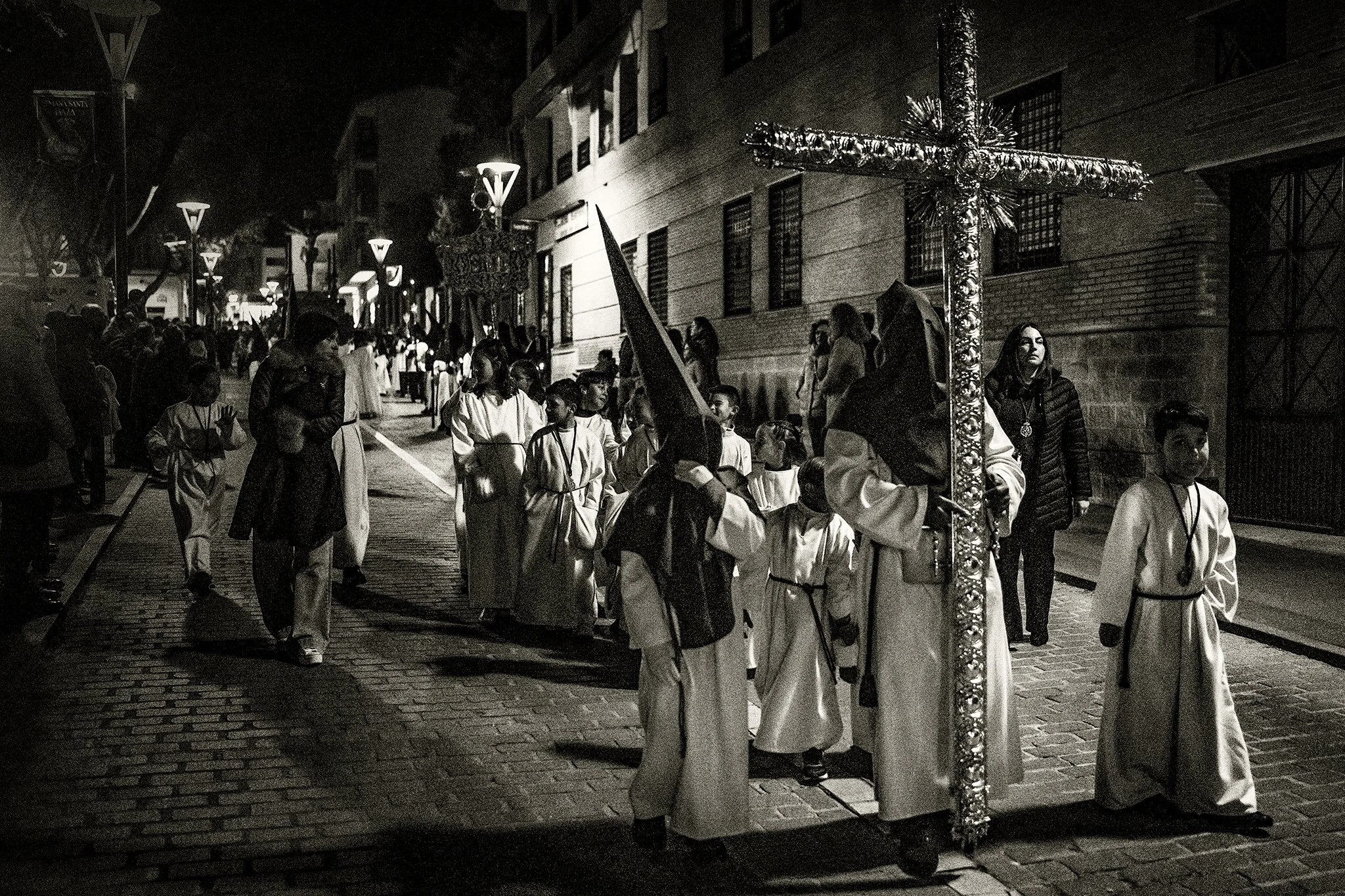
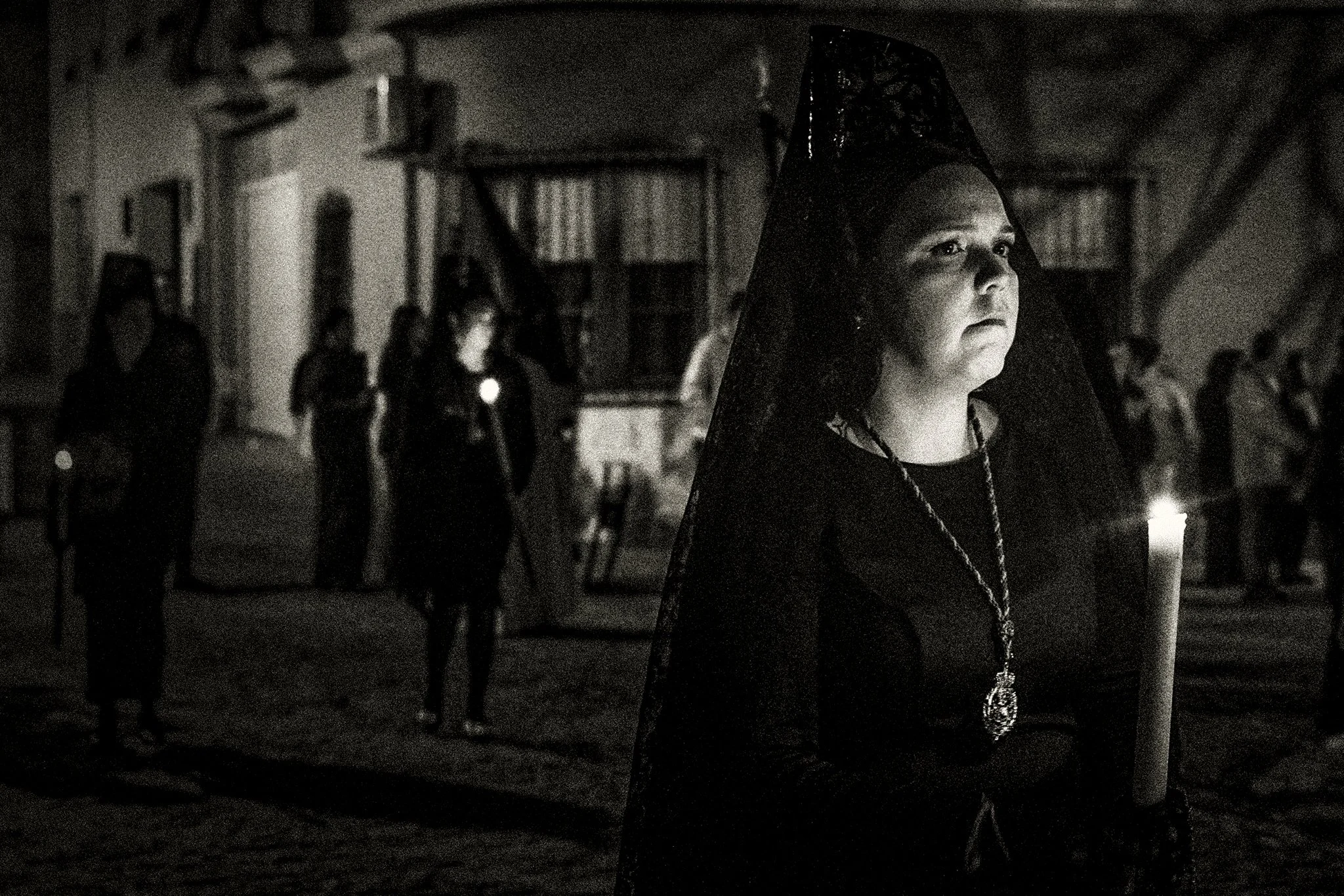
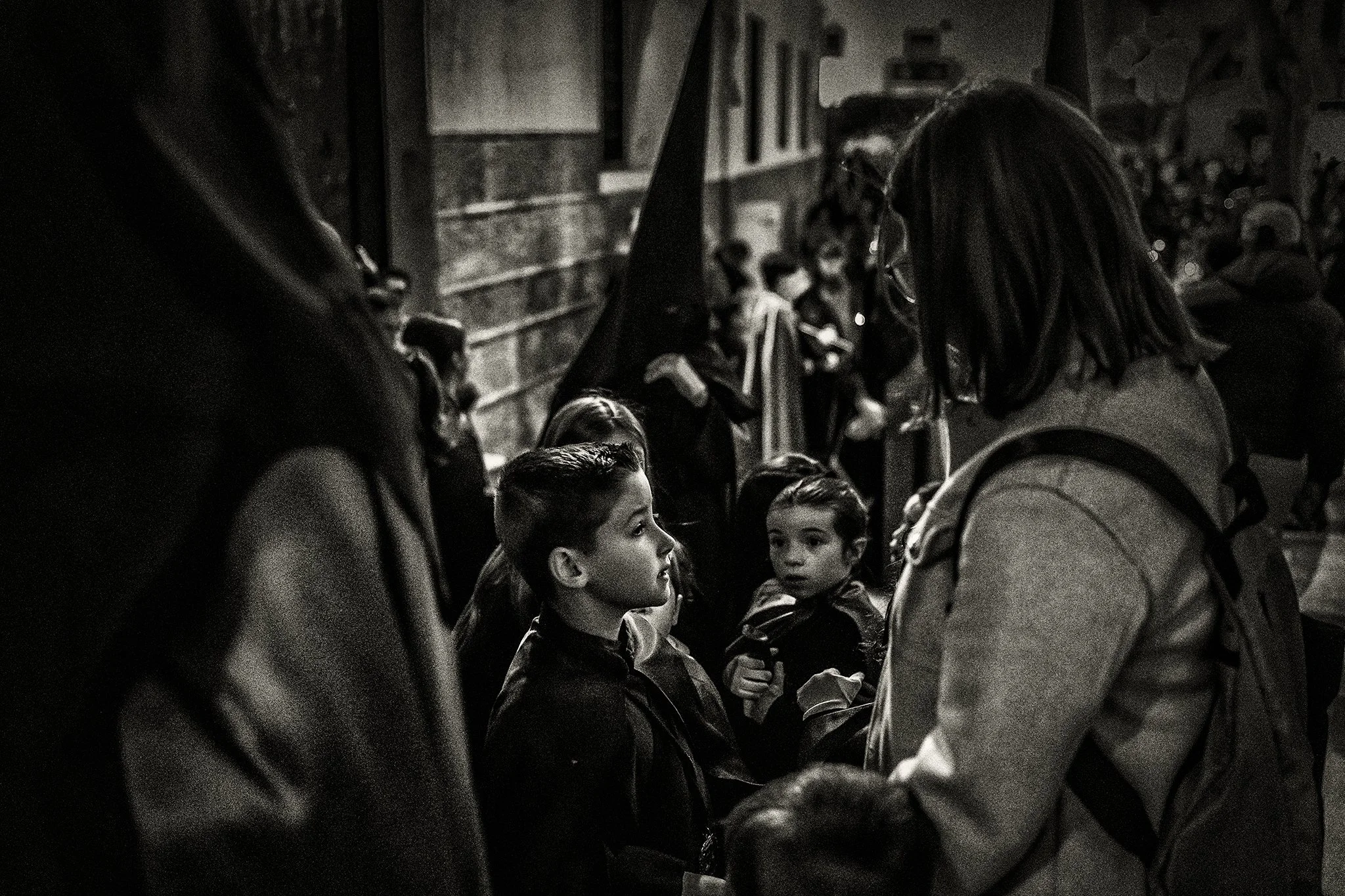
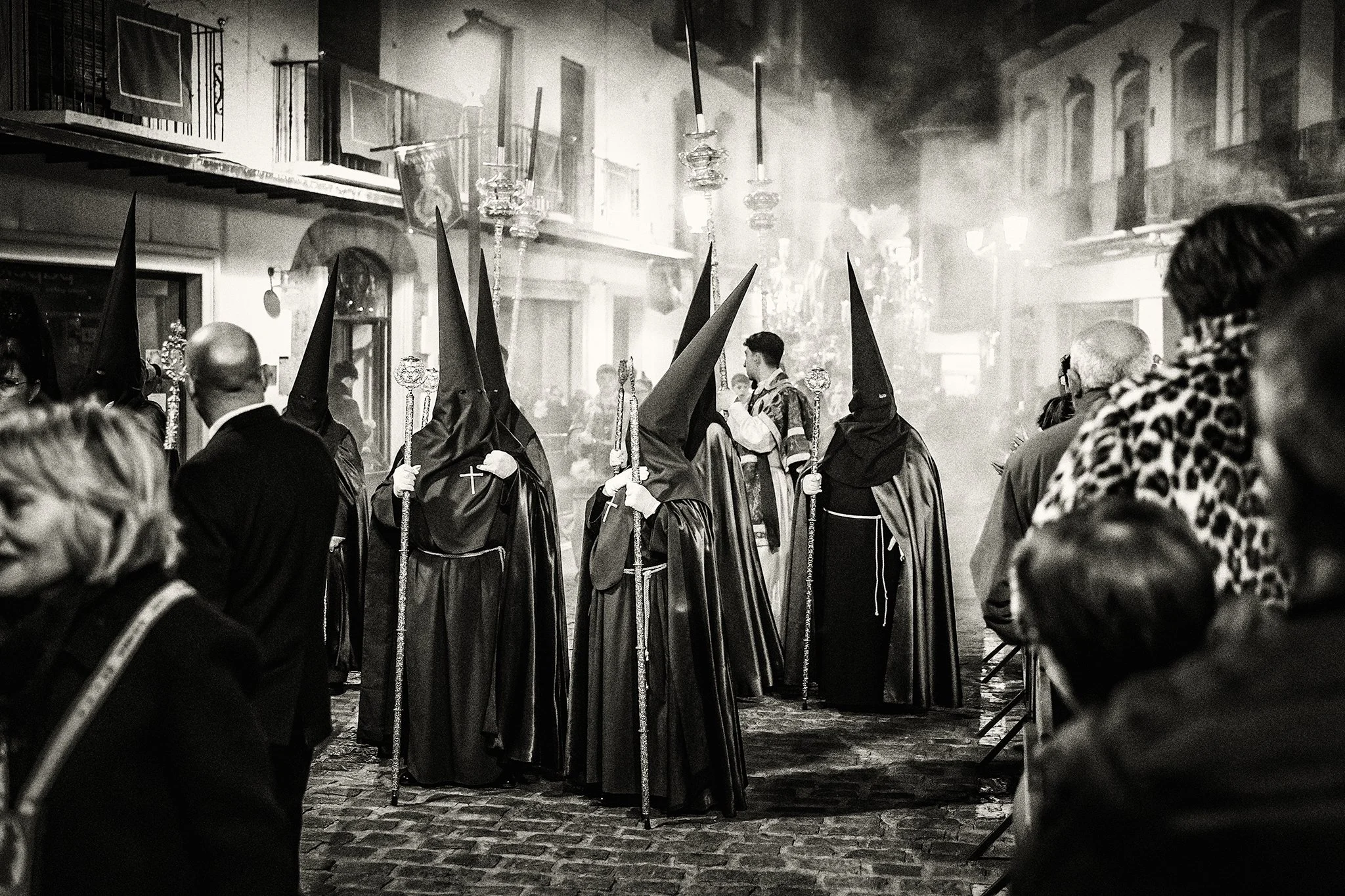
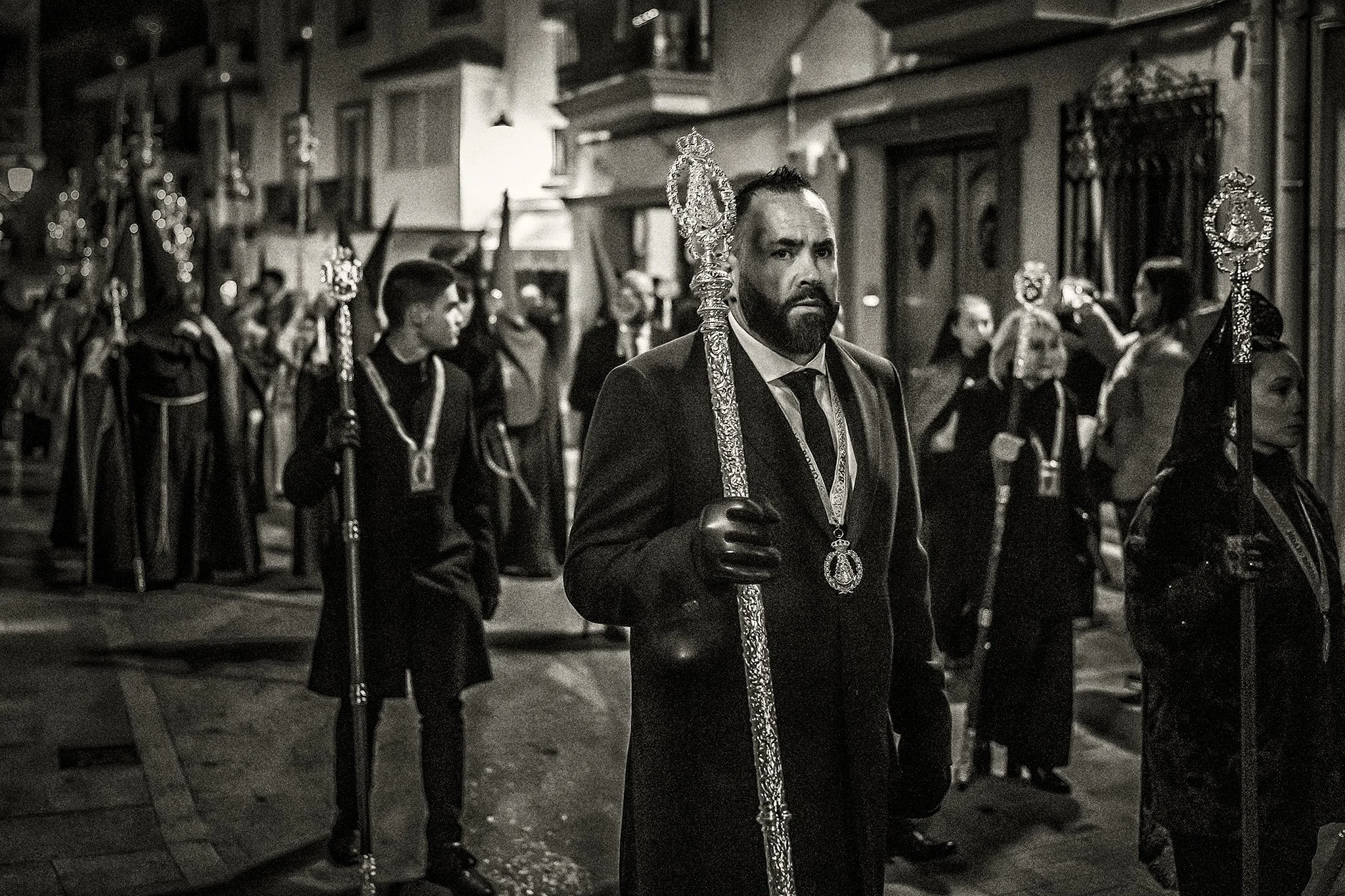
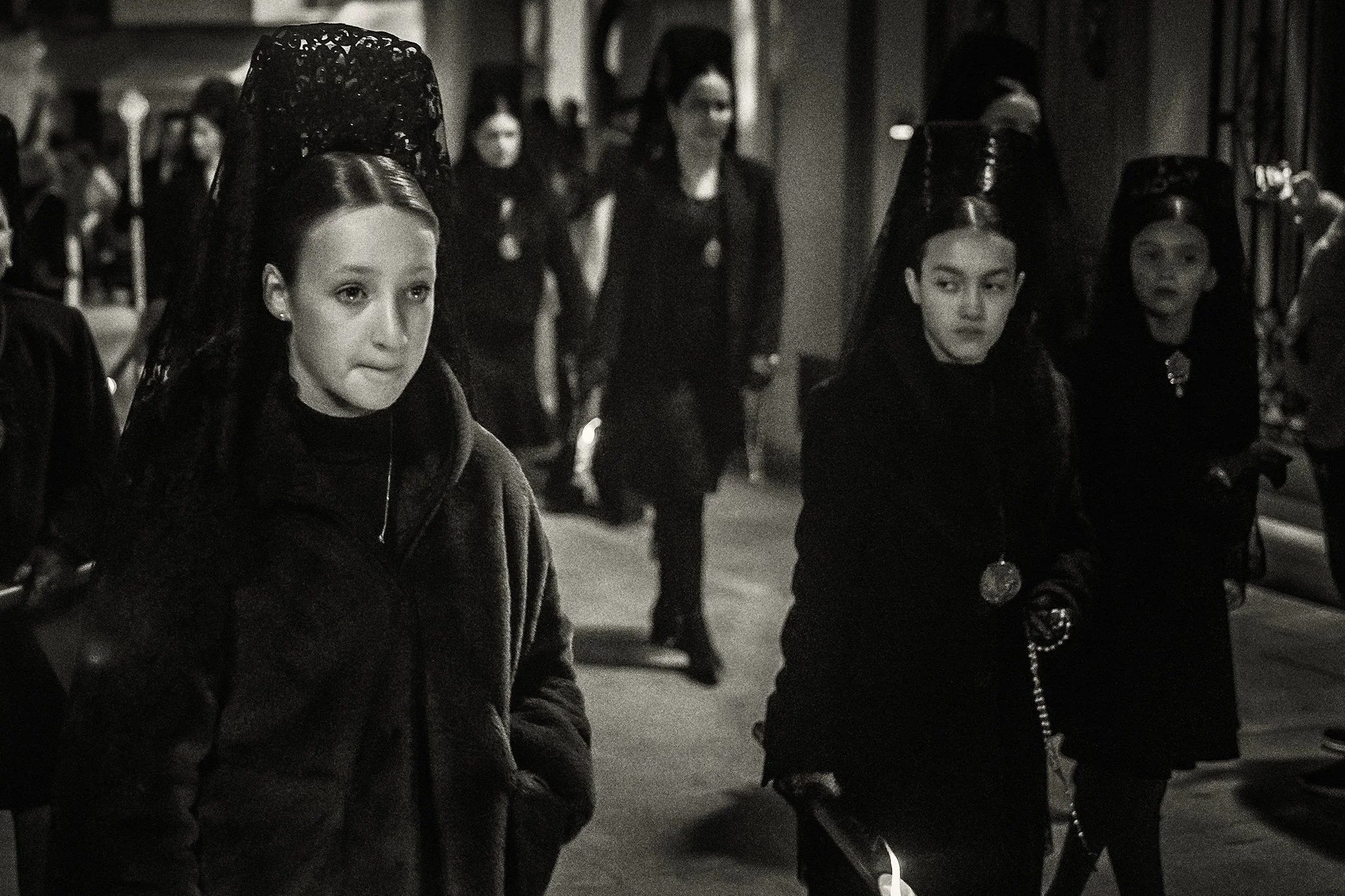
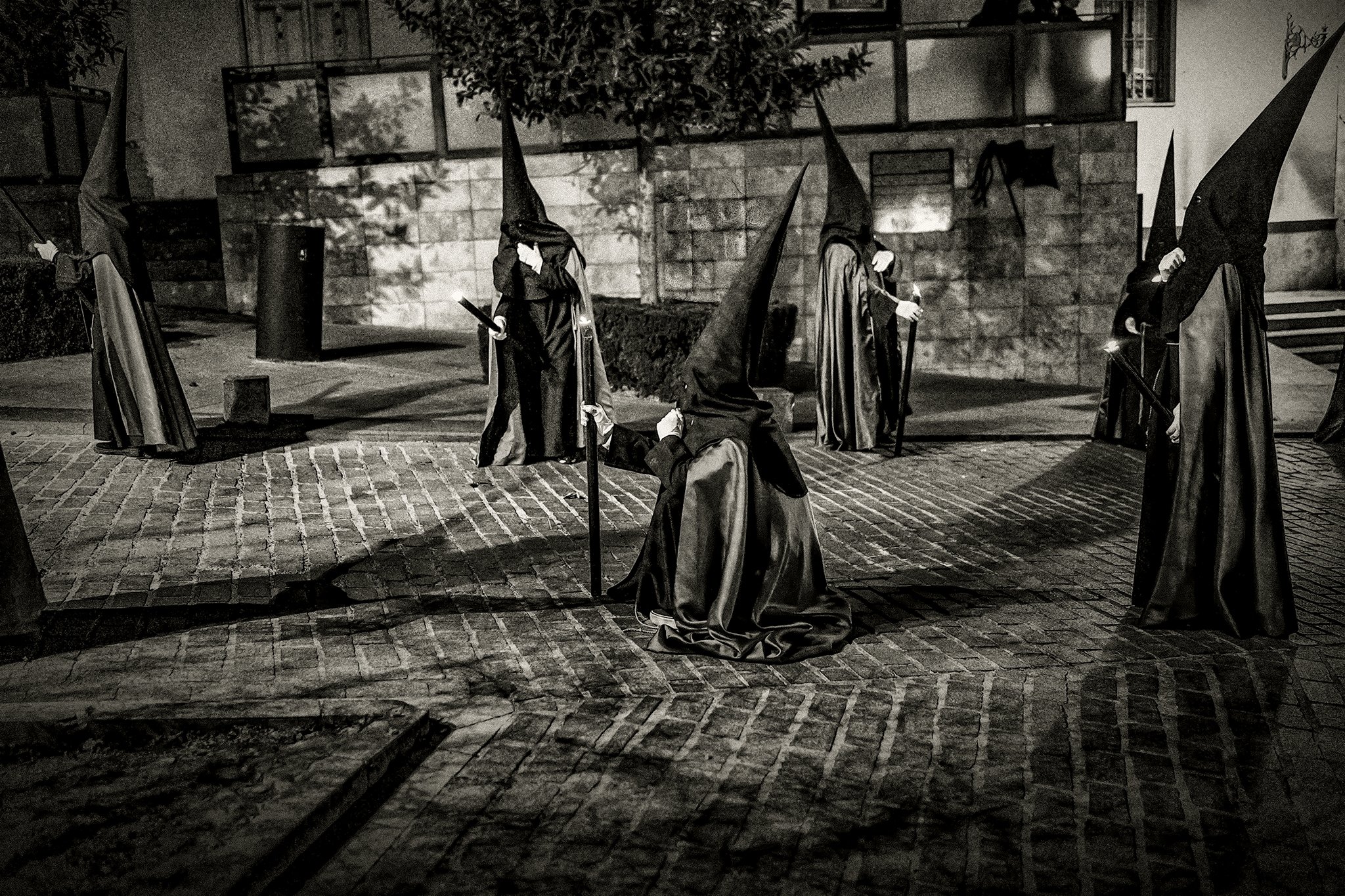
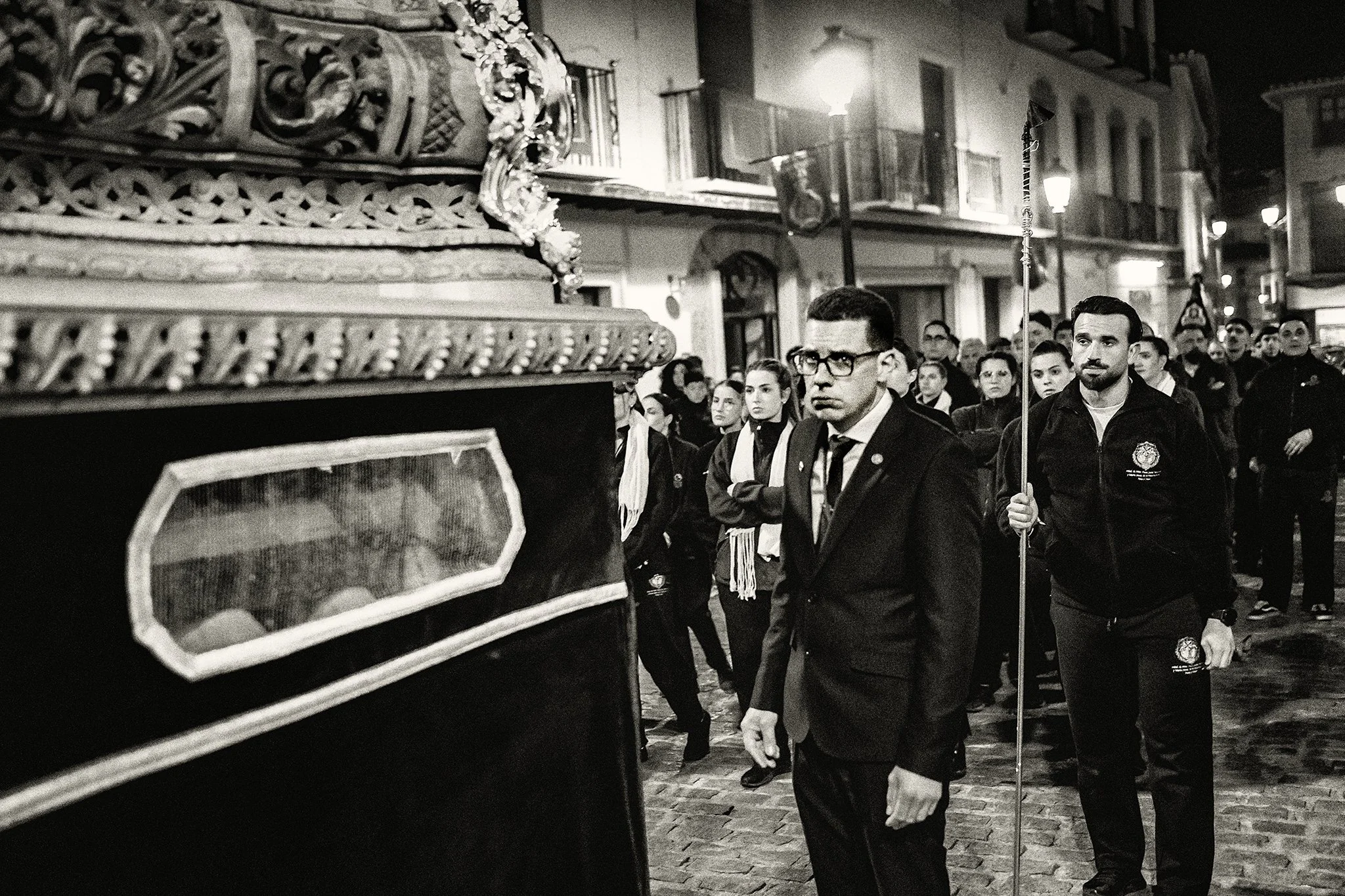
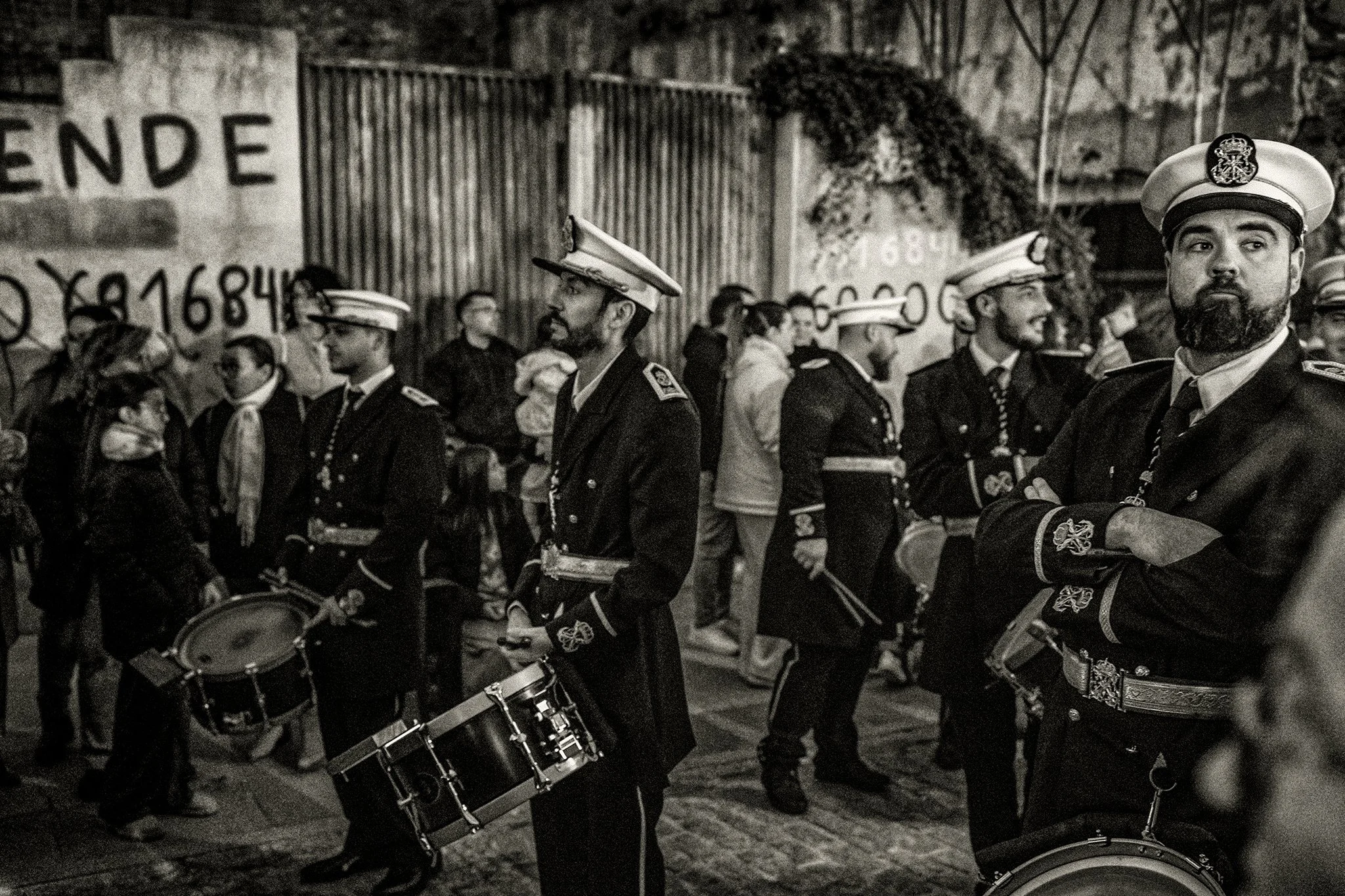
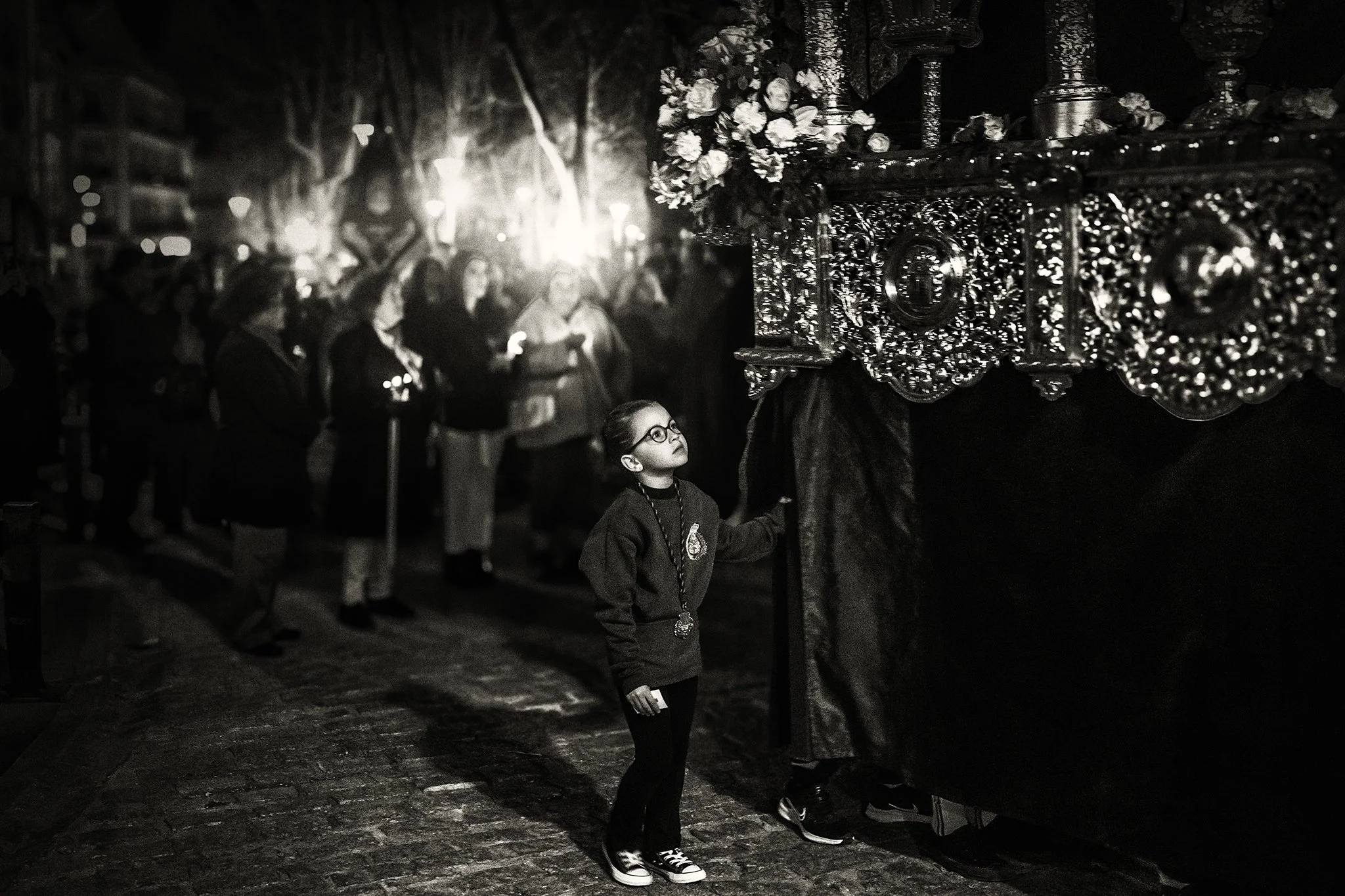
Manolas in the darkest night, Thursday Holy Week, Murcia, Spain by Pepe Álvarez-Rogel.
by Pepe Álvarez-Rogel
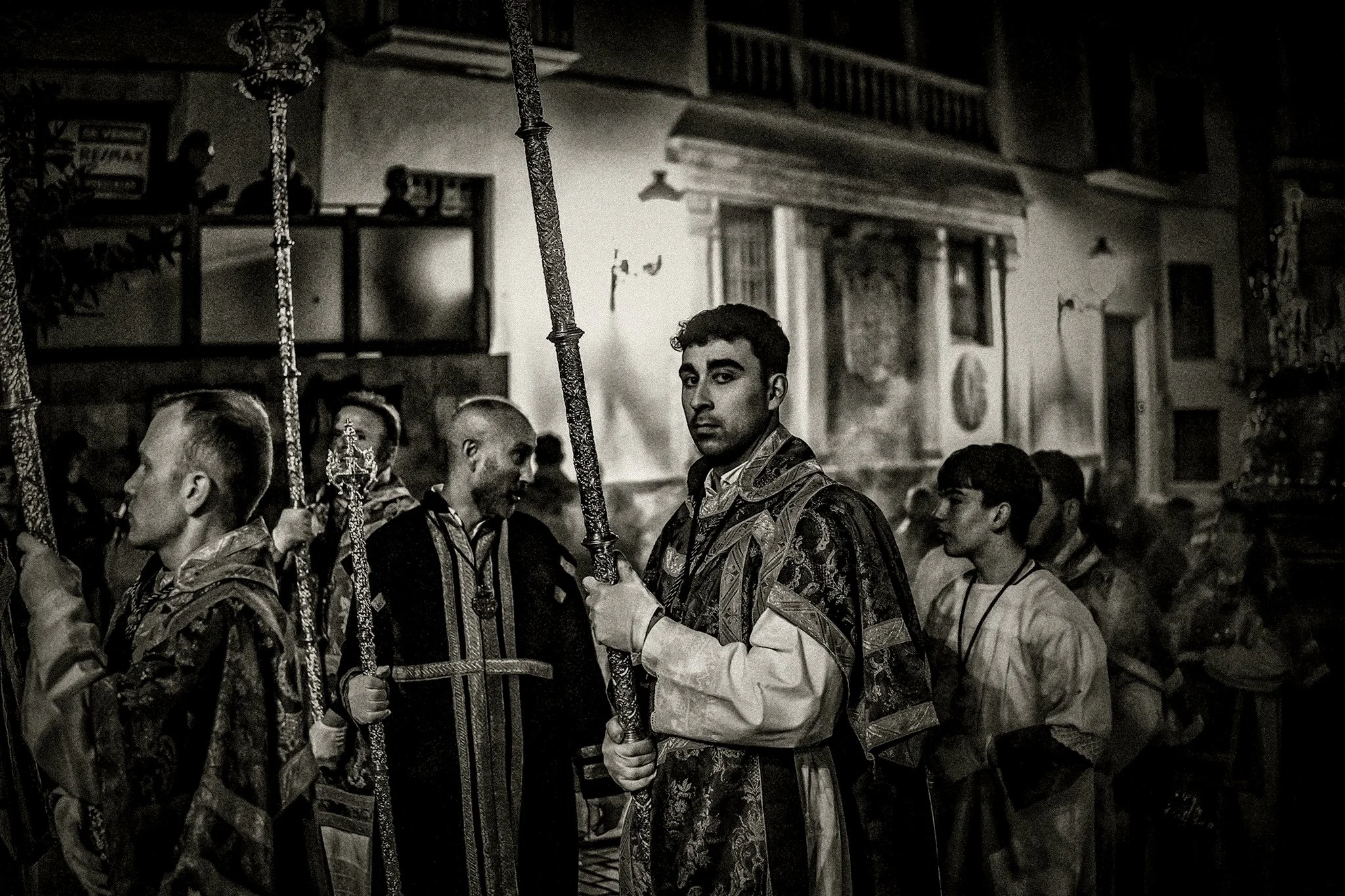
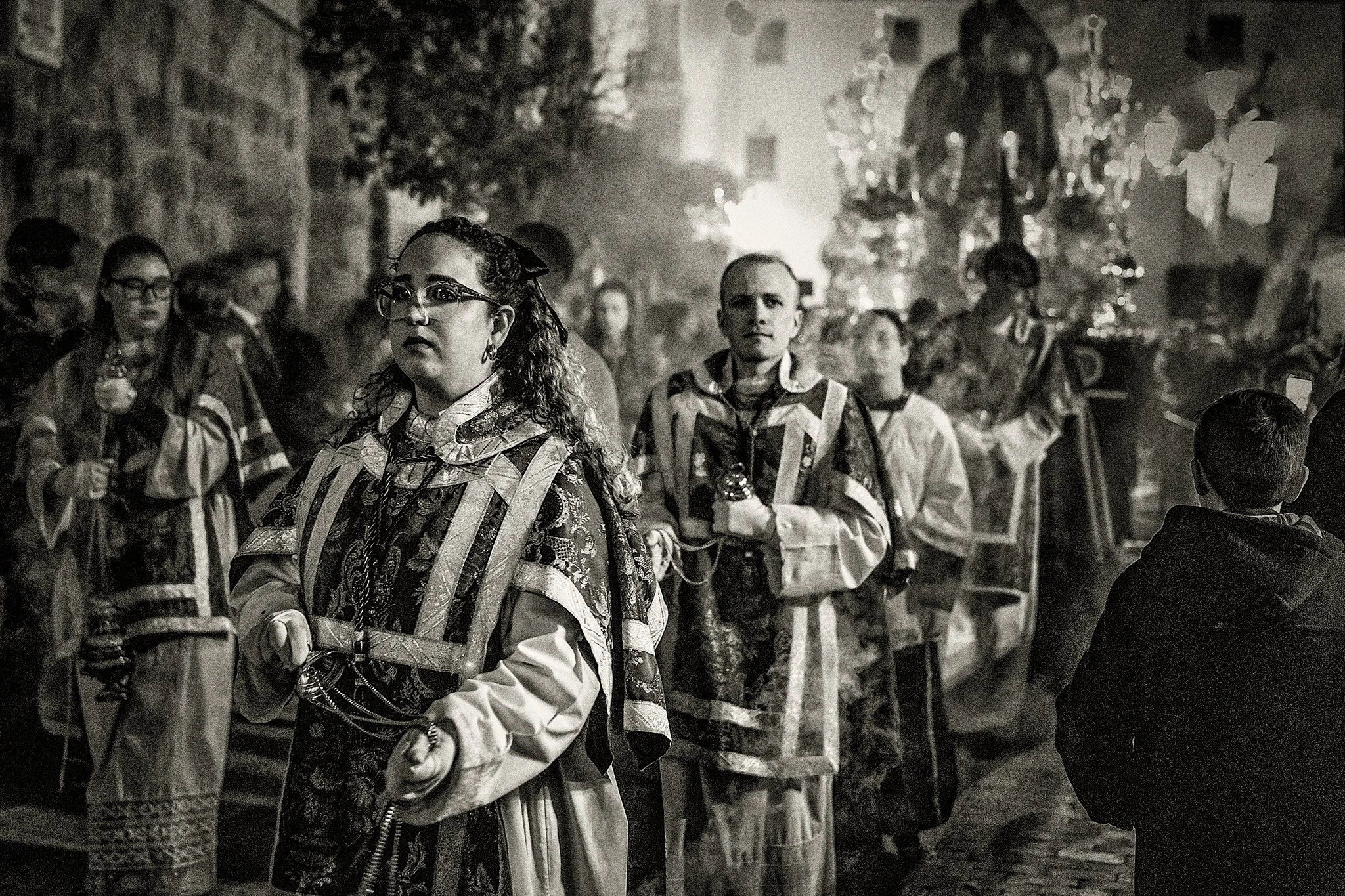
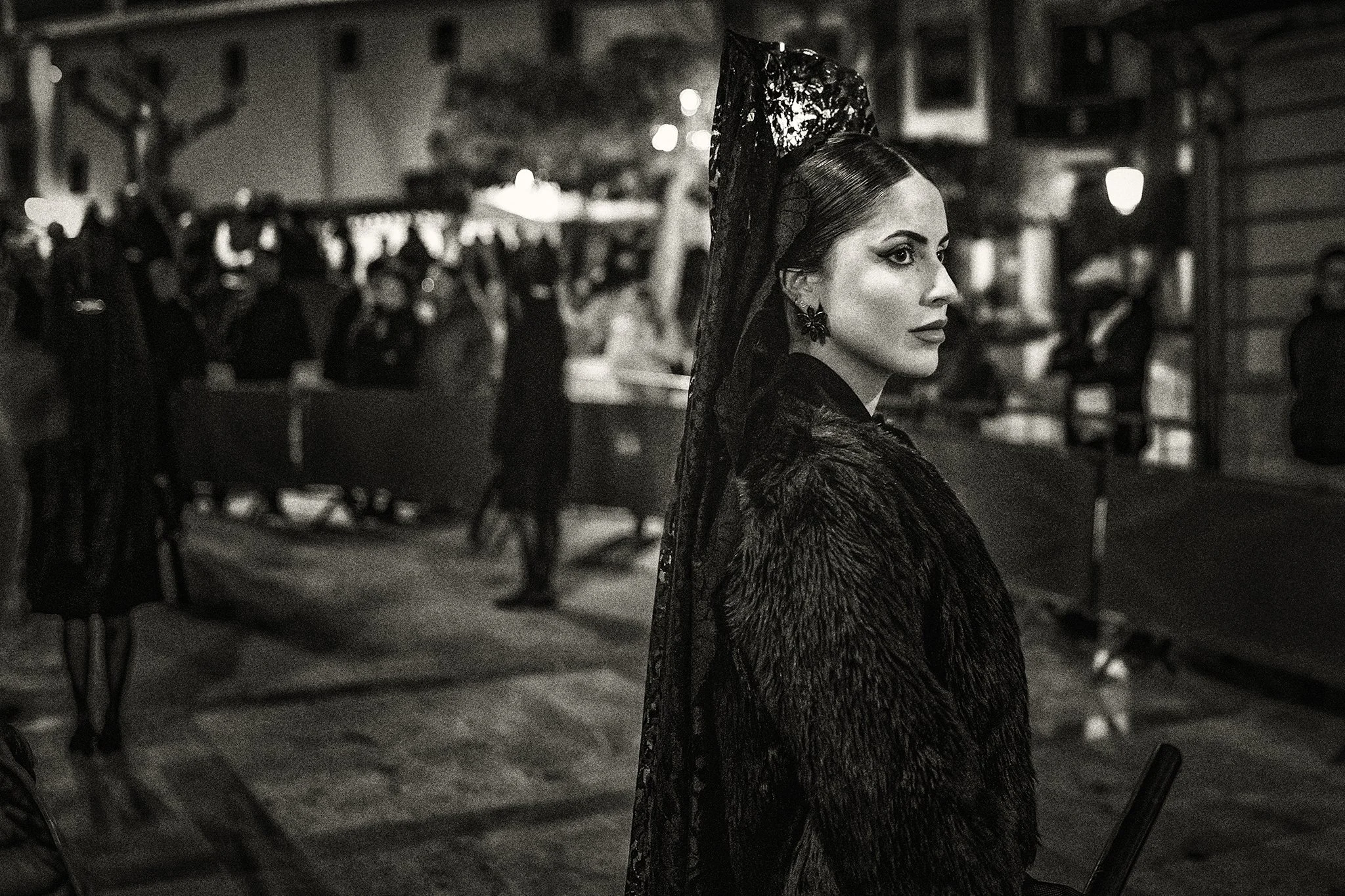
Manolas are a vital part of the Holy Week processions in Spain, embodying tradition and devotion. These women are dressed in traditional black attire, consisting of a mantilla (a delicate lace veil), a ruffled lace dress, and black high-heeled shoes. The mantilla is often secured with a peineta, a decorative comb. Typically, manolas carry a fan, a small purse, a rosary, and sometimes a candle or a small traditional lantern. Their long skirts, made of silk or velvet, cover at least the knee, while their legs are adorned with thin, black stockings—never sheer. Dressed in black as a sign of mourning for the death of Christ, manolas represent the enduring traditions of Spain and the significant role of women in both religious and cultural life. Their presence highlights their active participation in the processions and the solemnity of the occasion.
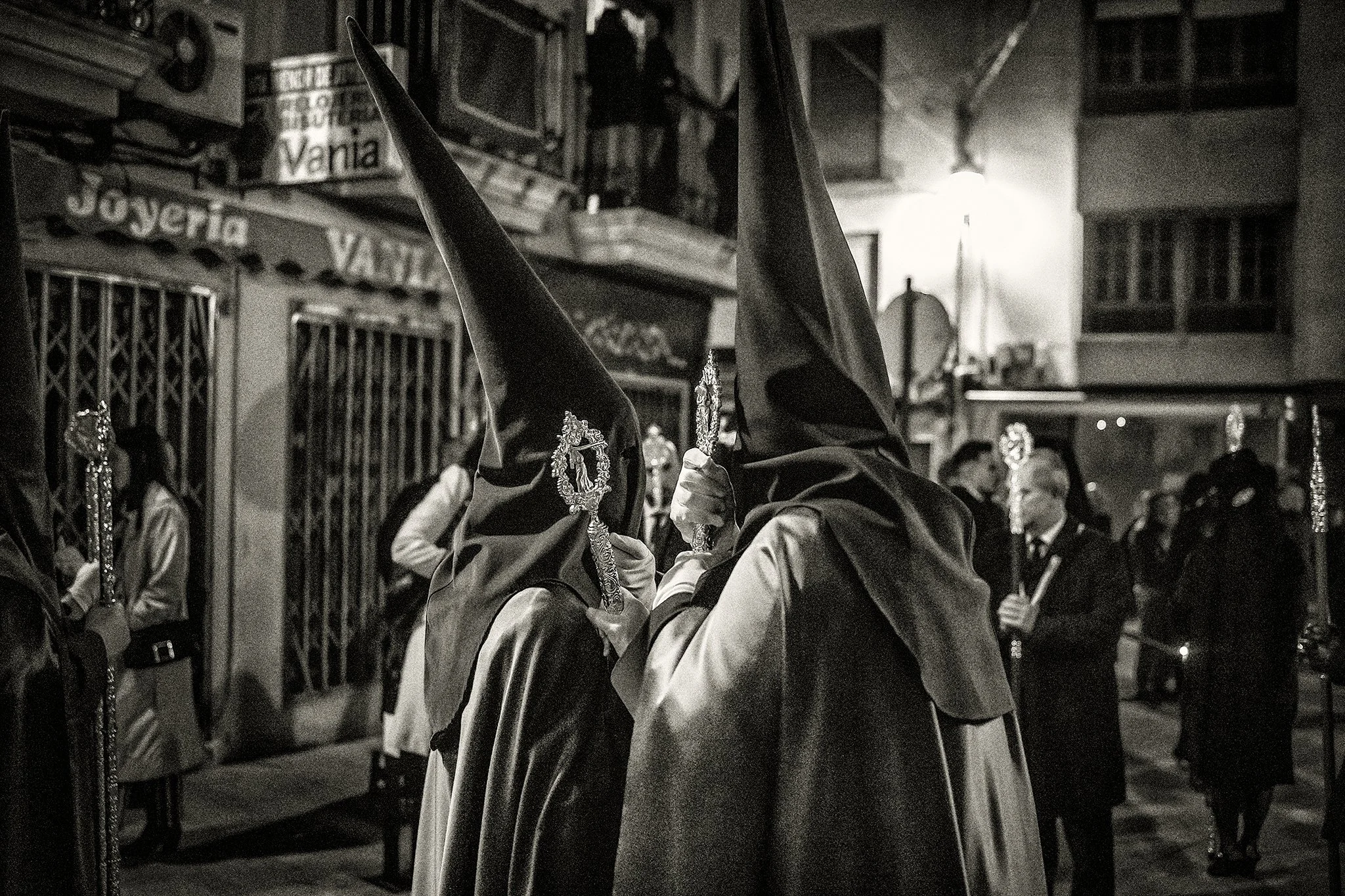
The manolas often walk alongside the pasos (elaborate floats carrying sculptures depicting scenes from the Gospels), which are carried through the streets by nazarenos. This creates a deeply emotional atmosphere, enhancing the solemnity of the procession.
The manolas as we know them today emerged in the 19th century when the Holy Week processions began to take on a more formal structure. Their origins trace back to the Maids of the Virgin, women who were responsible for preparing the floats for the processions. In the past, women were not permitted to carry the pasos, so their role was relegated to that of the manolas, accompanying the floats and mourning the passion and death of Jesus.
Though manolas participate throughout the entire Holy Week, their presence is especially significant during the nighttime processions. The most notable of these is on Holy Thursday night, which commemorates Jesus' Last Supper with his disciples—the moment when He instituted the sacrament of the Eucharist—and the beginning of His passion and death. This makes it one of the most solemn and profound moments of Holy Week. During this procession, commonly known as the Procesión del Silencio (Procession of Silence), nazarenos and manolas observe a sacred vow of silence, which is only broken by the hymn-singing choirs as the Christ figure passes by.
In the Procession of Silence, the streets are largely darkened, and the flickering candles carried by the nazarenos and manolas create captivating images and evocative shadows. The images I am sharing with you today were captured during the Procession of Silence in Murcia, Spain, in 2024. In this procession, the revered image of the Christ of the Refuge is solemnly carried through the streets of Murcia on Holy Thursday night, a tradition faithfully upheld since 1943.
On a personal note, I would like to express my deep gratitude to all these women for allowing me to photograph them year after year, granting me a glimpse into the intimacy and contemplation with which they experience the procession.
The Resilient Karbi Women of Kakojan Village by Debraj Purkayastha
by Debraj Purkayastha
Nestled in the heart of Karbi Anglong, Kakojan village is home to the Karbi community, where women play a pivotal role in shaping both family and society. These women are the backbone of their households, balancing domestic responsibilities, child care, and labor-intensive work in fields and forests.
Karbi women are known for their resilience and hard work. Their daily routine begins at dawn, fetching water, preparing meals, and tending to their homes before heading to the fields or forests to collect firewood, bamboo, and edible plants. Many also engage in traditional weaving, crafting intricate patterns that reflect their rich cultural heritage.
Despite their strength, life in Kakojan village is filled with challenges. Access to healthcare and education remains limited, forcing women to rely on indigenous knowledge for child care and home remedies. Malnutrition and lack of proper medical facilities often put mothers and children at risk. Additionally, the absence of modern infrastructure makes daily chores more demanding, from carrying heavy loads over long distances to working under harsh weather conditions.
Yet, Karbi women continue to uphold their traditions with pride. Their sense of community and solidarity helps them navigate hardships, ensuring that knowledge, values, and customs are passed down through generations. In the face of adversity, they remain symbols of perseverance, nurturing their families and preserving the cultural fabric of their land.
Their story is one of strength, sacrifice, and survival—a testament to the enduring spirit of the Karbi women of Kakojan.
My name is Debraj Purkayastha, and I am a passionate and versatile freelance photographer from Silchar (ASSAM). Specializing in wedding, street, and documentary photography, I have spent years capturing emotions, moments, and untold stories through my lens. Beyond photography, I find creative expression in singing, painting, and acting—each medium adding depth to my artistic vision. My work has been recognized on several prestigious platforms, including Vogue Italia, STREET PHOTOGRAPHY INTERNATIONAL, and APF Magazine. I am proud to be a SIENA 2025 Finalist and an APF Magazine Contrast Theme Winner. Additionally, my work has been featured in 35 Awards, Rroma Street, StreetPhotographyBrazil, Street Macadam, YOOF magazine, SPG gallery and Progressive Street, among others.