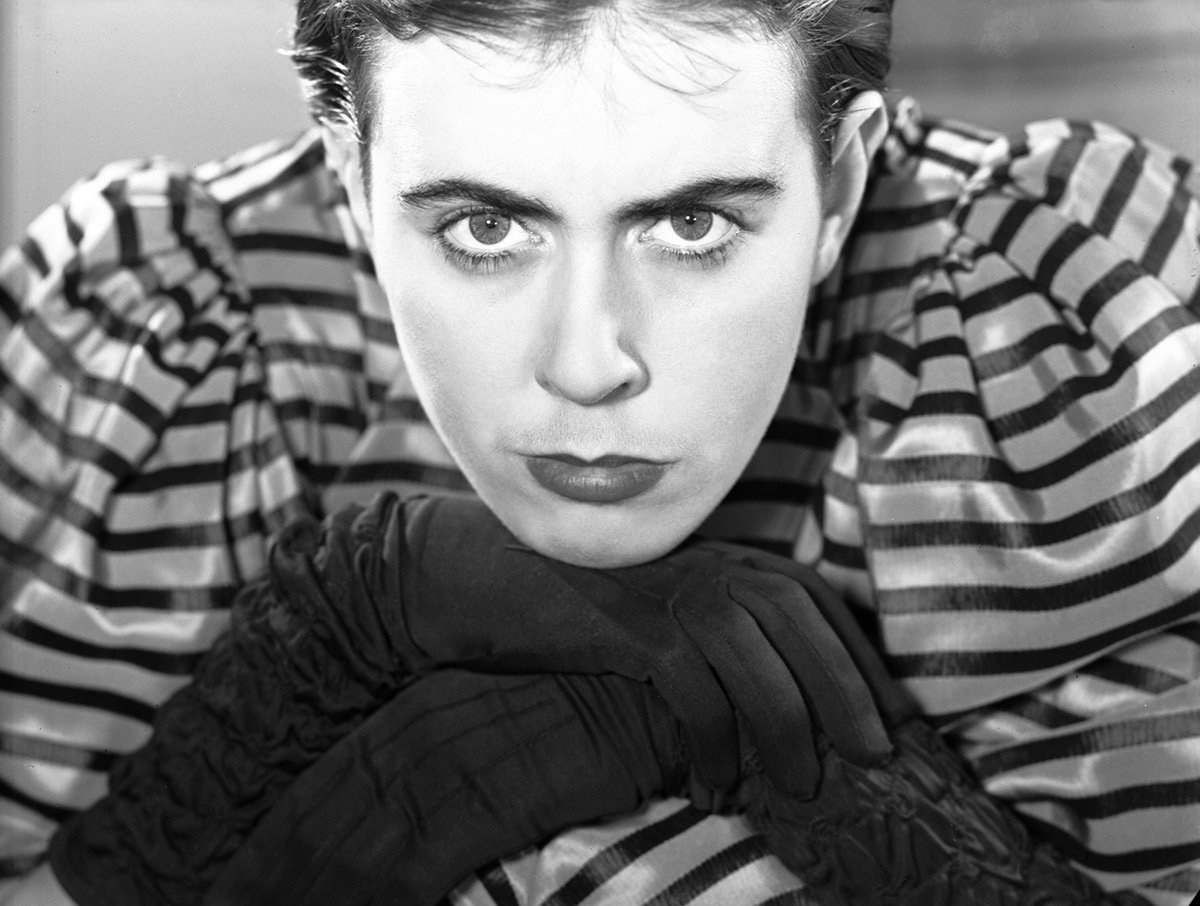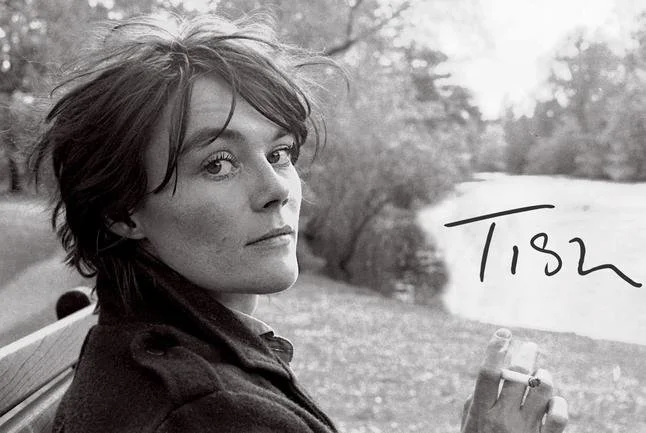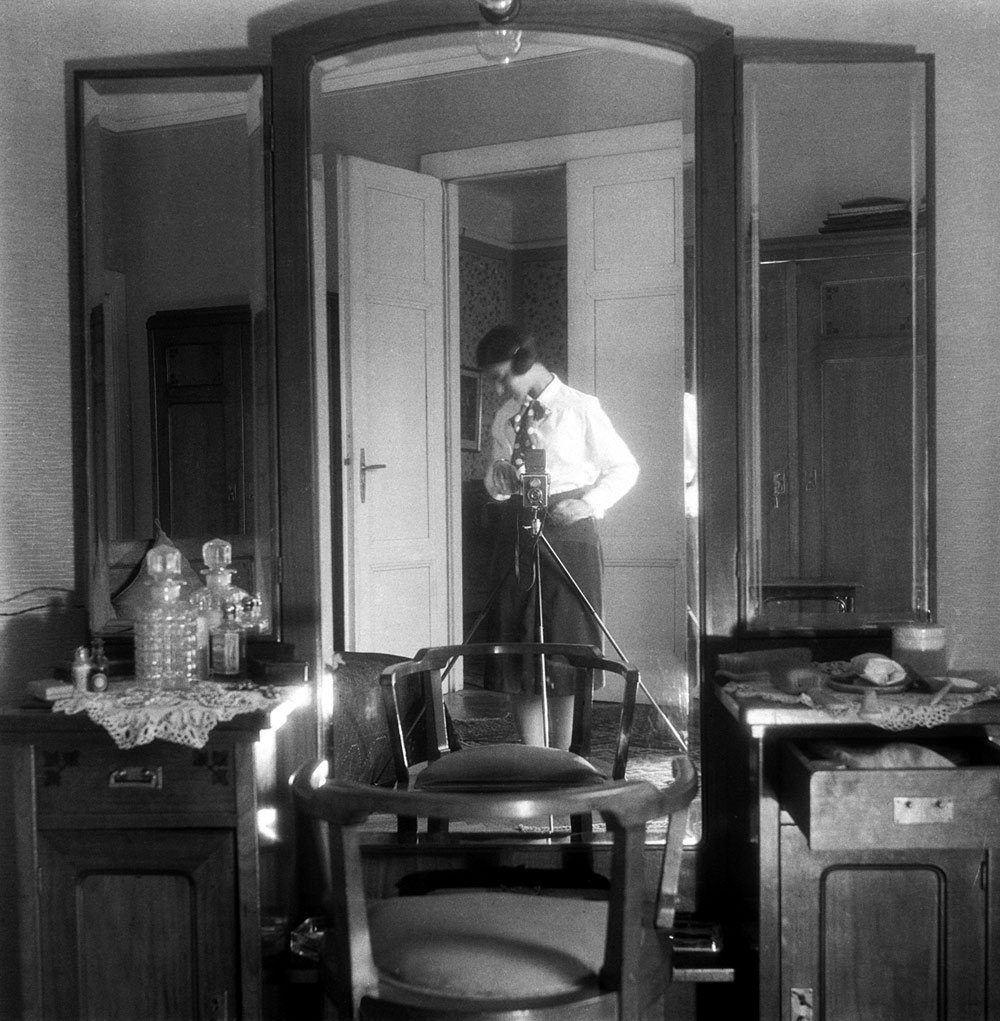
Eva Besnyö (Dutch-Hungarian, 1910-2003) – Self Portrait – © Eva Besnyö / Maria Austria Instituut Amsterdam
Eva Besnyő (1910 – 2003) was the youngest of three daughters from a prosperous family in Budapest. From an early age, she discovered that photography could provide her with a path to freedom and independence. She embraced the innovative "New Vision" philosophy, inspired by Albert Renger-Patzsch's groundbreaking 1928 book, "Die Welt ist schön." Her work captured the beauty and essence of life through photography.
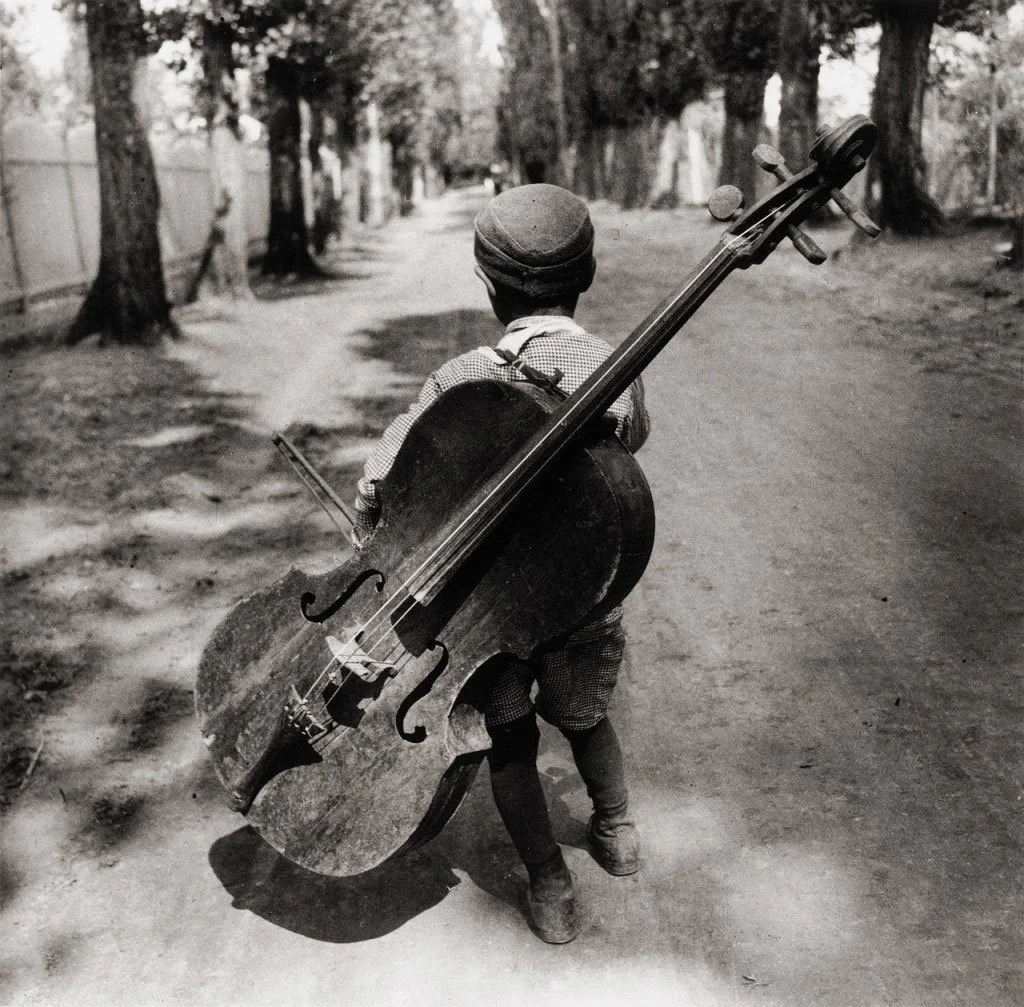
Between 1928 and 1930, she immersed herself in photography at Jozsef Pecsi’s renowned school. During this period, she used a Rolleiflex 6×6 camera to capture poignant images that highlighted significant social issues, including unemployment and the struggles faced by disadvantaged children. This camera would remain her primary tool until 1969.
Seeking greater opportunities, Eva moved to Berlin in 1930 and began working at René Ahrlé’s advertising studio. There, she refined her skills and gained valuable experience before working with renowned photographer Peter Weller. In 1931, she opened her own photography studio, giving her greater freedom to express her artistic vision. There, Besnyö developed her photographic style and, like many colleagues of Hungarian origin—including Moholy-Nagy, André Kertész, Nora Dumas, Ergy Landau and Robert Capa—made a decisive contribution to the development of new European photography. Her participation in the prestigious Exhibition of Modern Photography in London further established her reputation in the field.
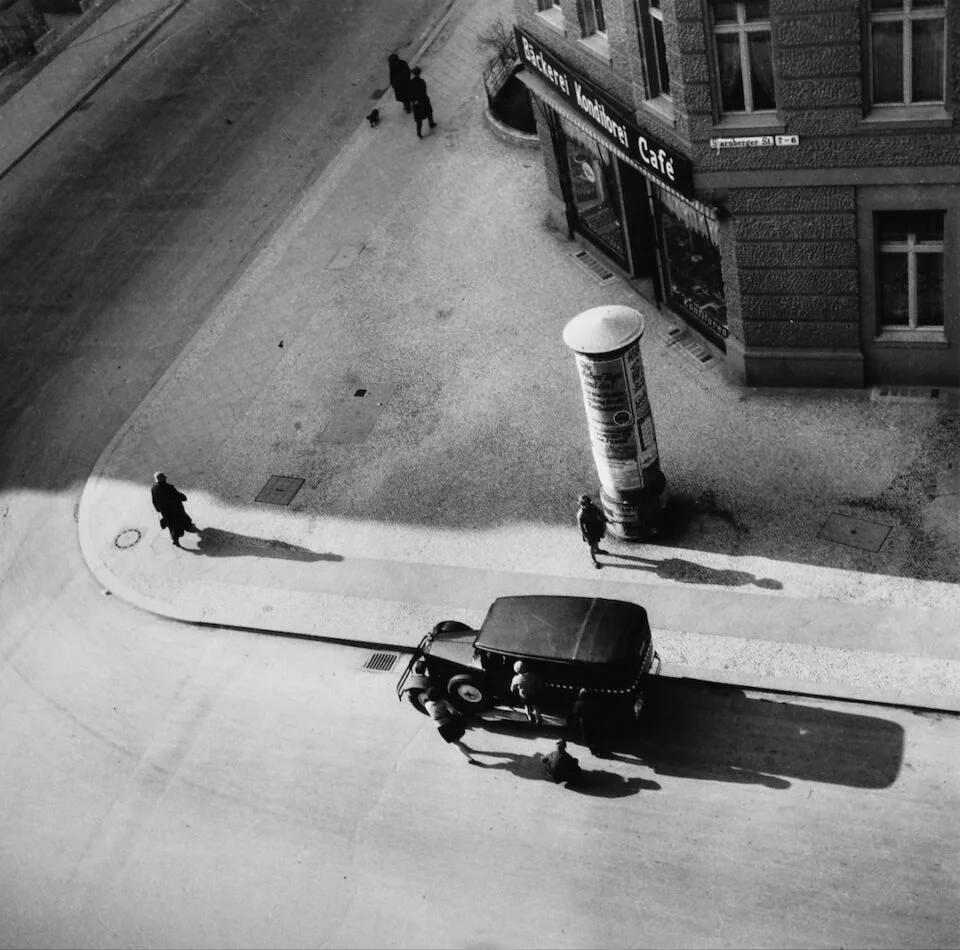
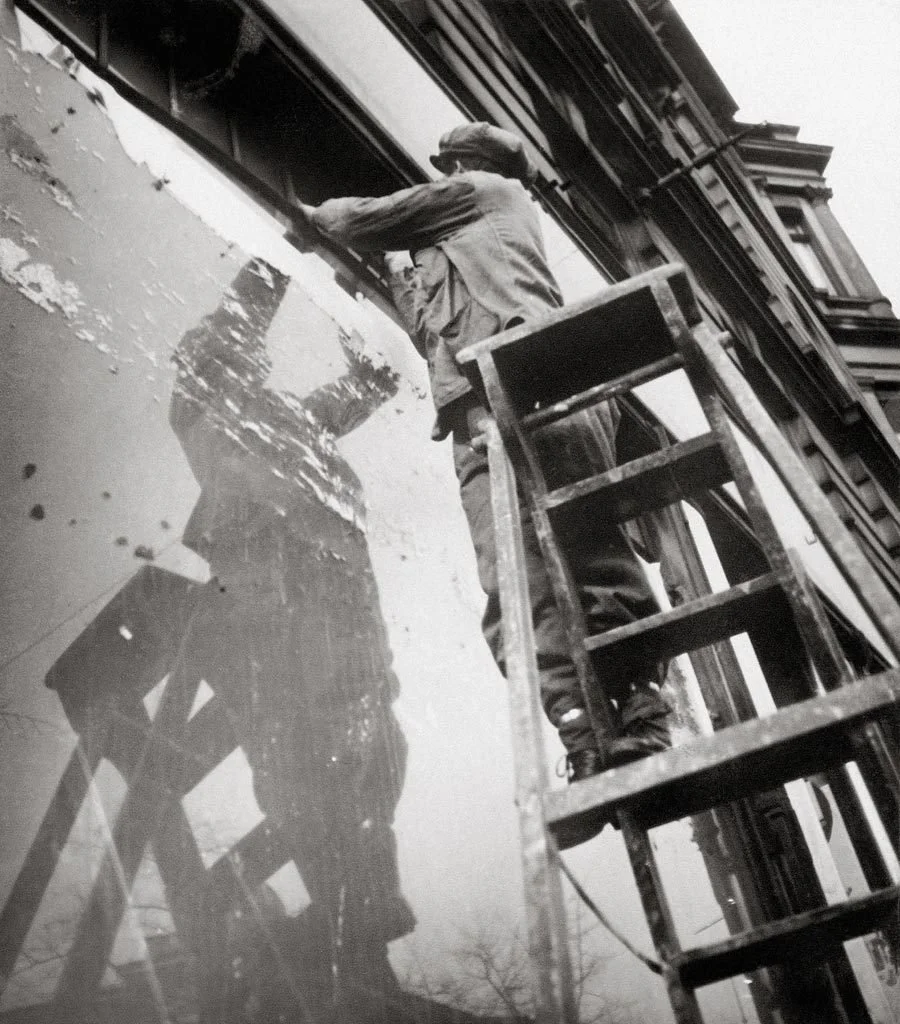
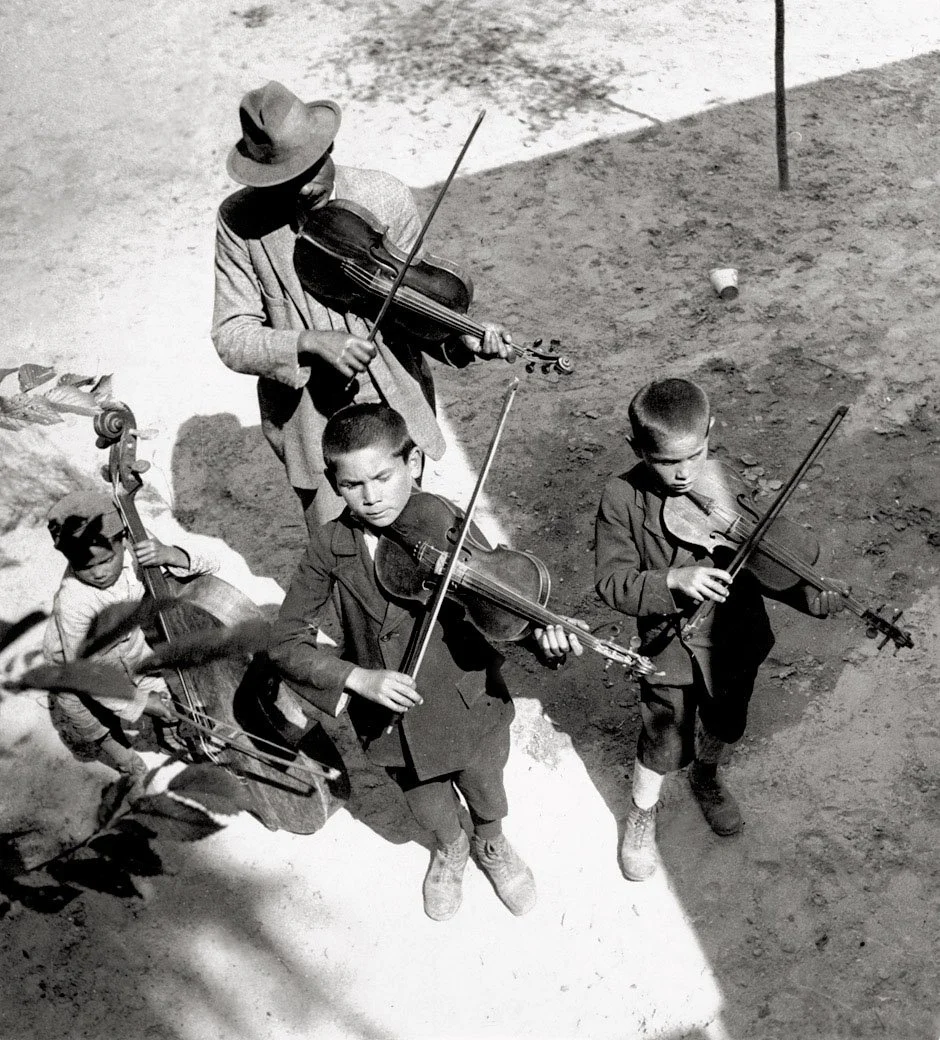
However, the social and political climate began to shift dramatically with the rise of Nazism and increasing anti-Semitism in Germany. In 1932, recognising the growing danger, she made the difficult decision to leave Germany. She relocated to the Netherlands with her partner, young filmmaker John Fernhout, whom she later married. In her new home, she formed a close friendship with Fernhout's mother, celebrated painter Charley Toorop (1891–1955).
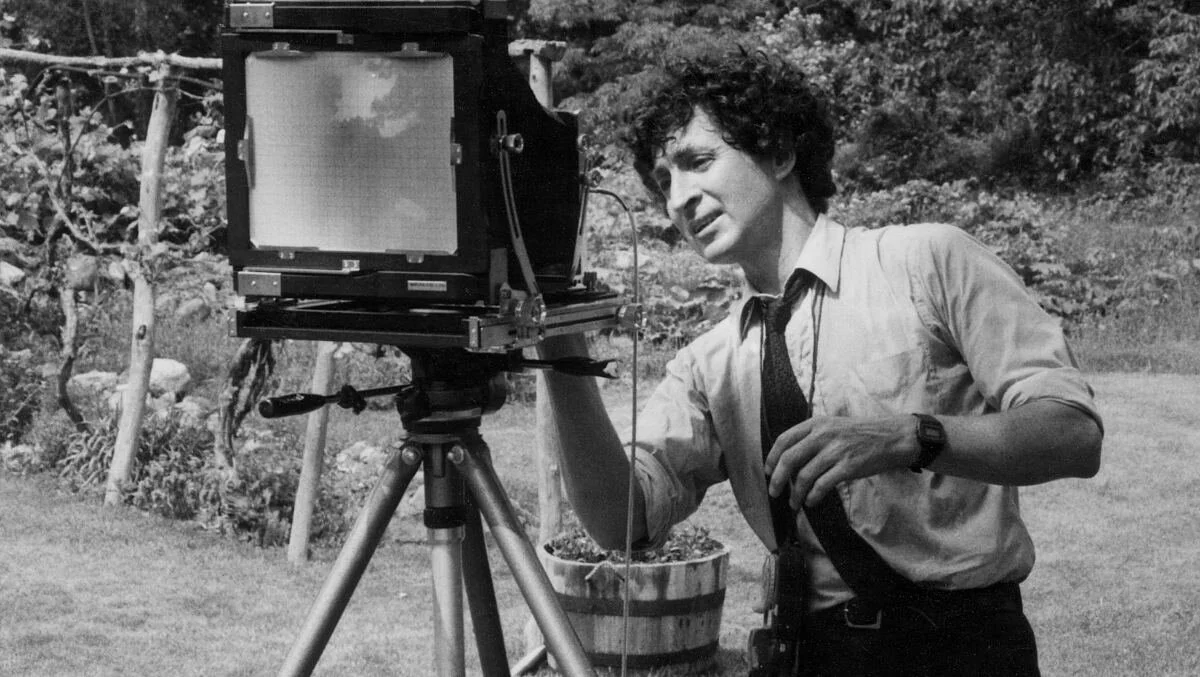
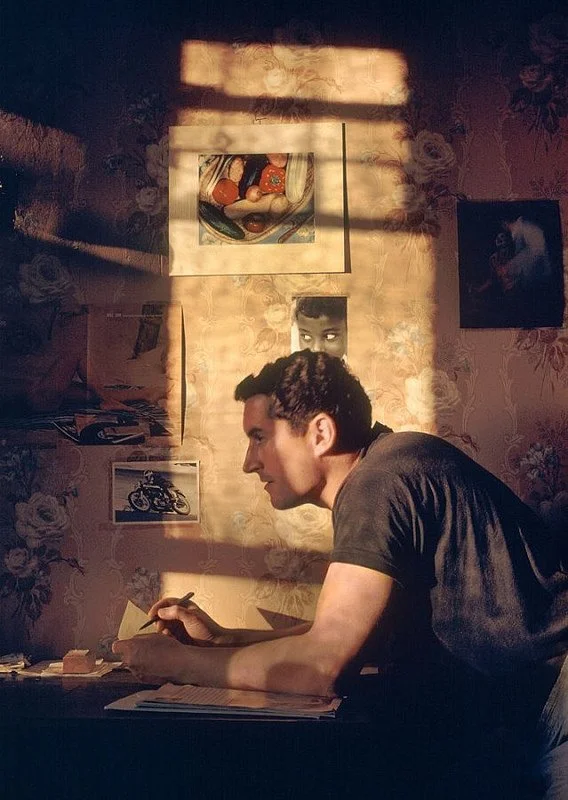
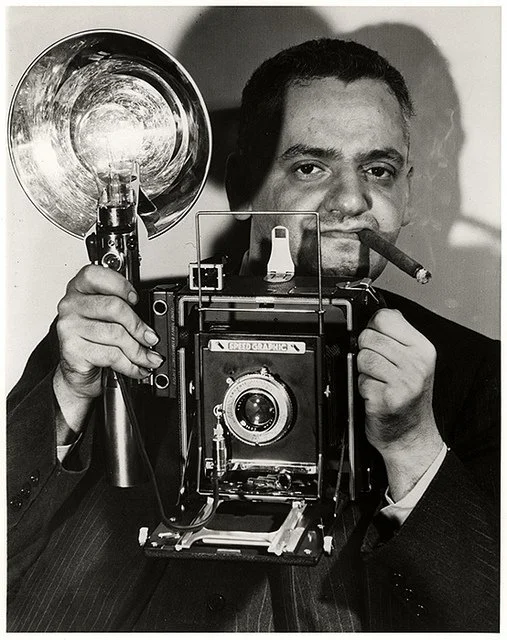
In the Netherlands, Eva began an important project documenting Toorop and her artistic circle, which included several prominent members of the De Stijl movement. Through her lens, she captured the spirit of their creative work and the vibrant artistic community around her. Eva was a vital part of this dynamic network, as shown in a captivating series of portraits of remarkable artists and designers, including György Kepes and the talented photographer Violette Cornelius. Besnyö's innovative approach shines through in her masterful use of light and shadow, which evokes deep emotions and reveals each subject’s distinct personality.
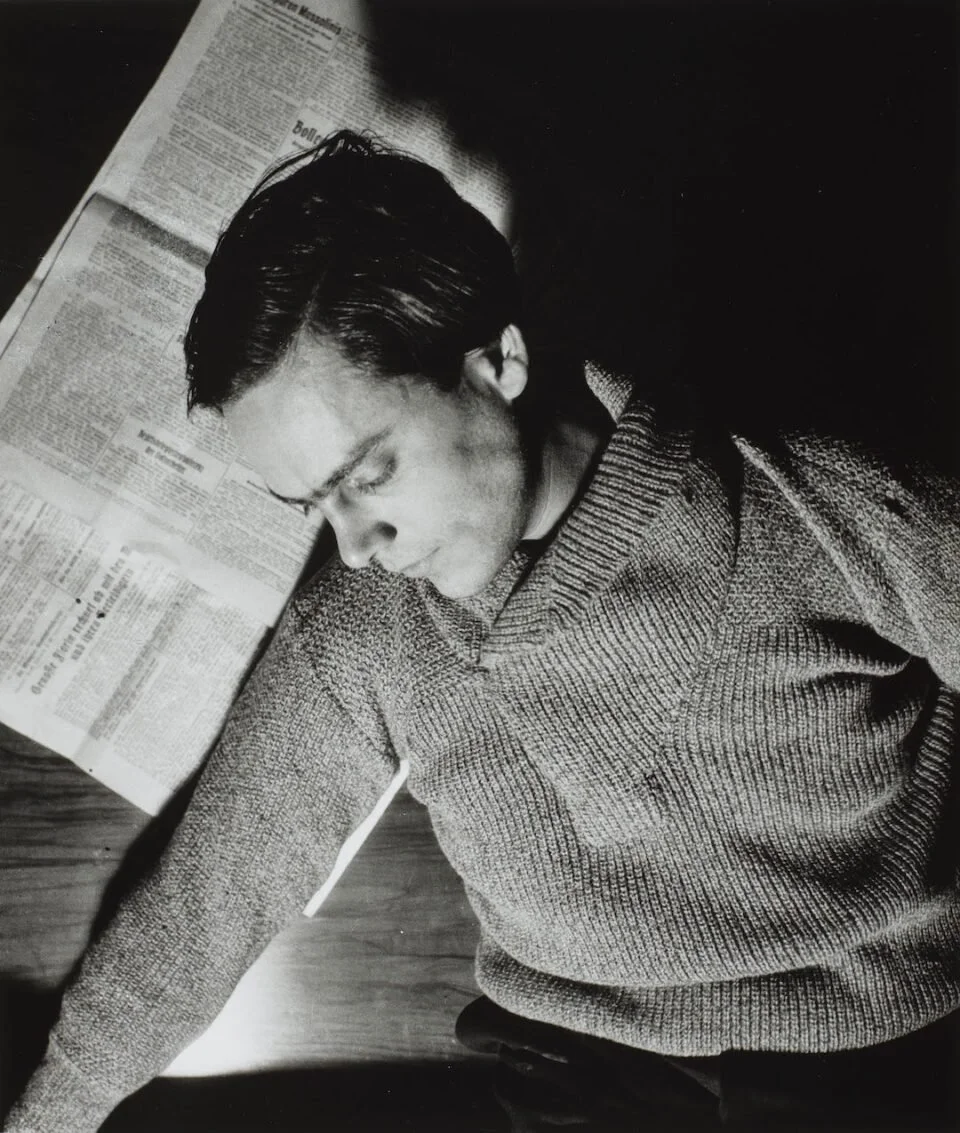
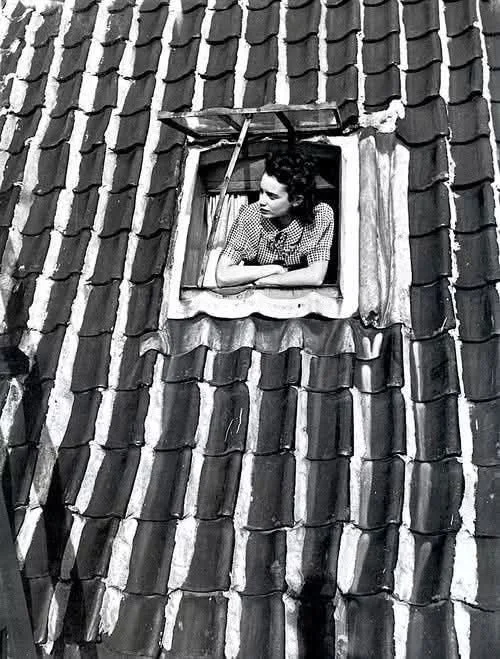
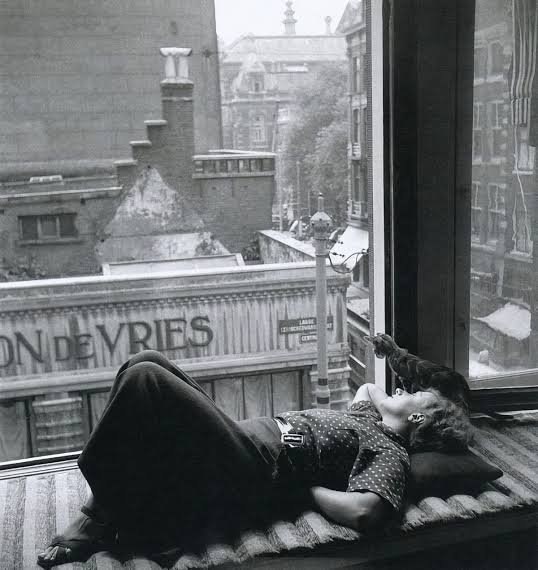
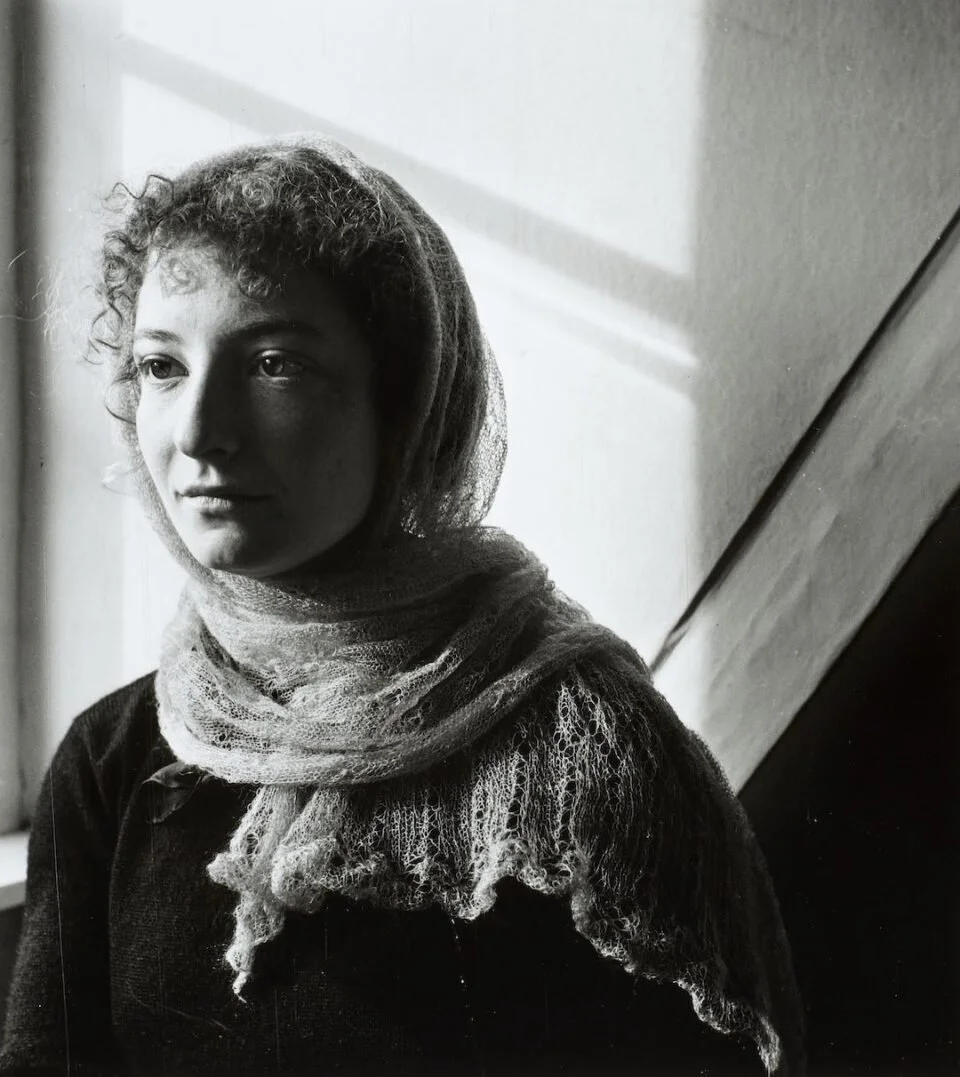
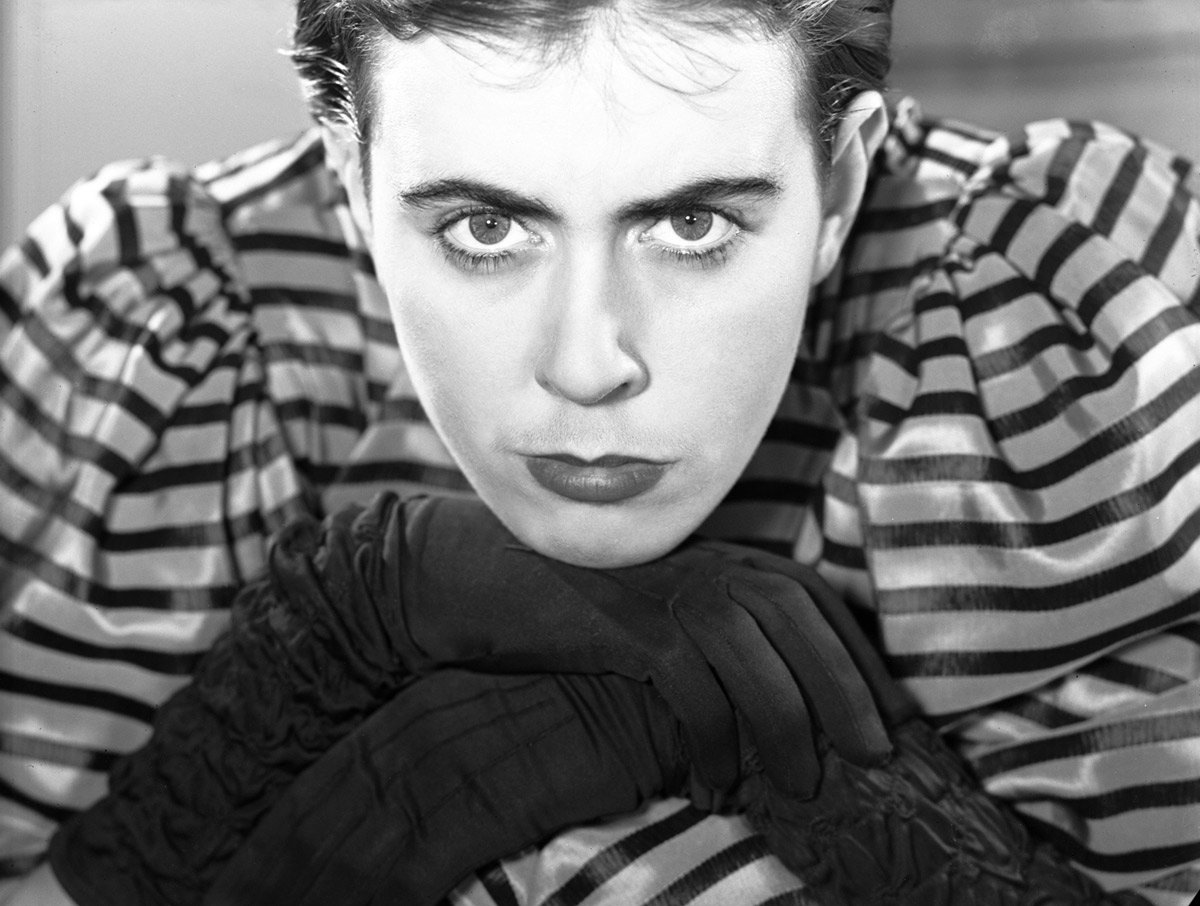
Eva Besnyö (Dutch-Hungarian, 1910-2003) Narda, Amsterdam, 1937 – © Eva Besnyö / Maria Austria Instituut Amsterdam
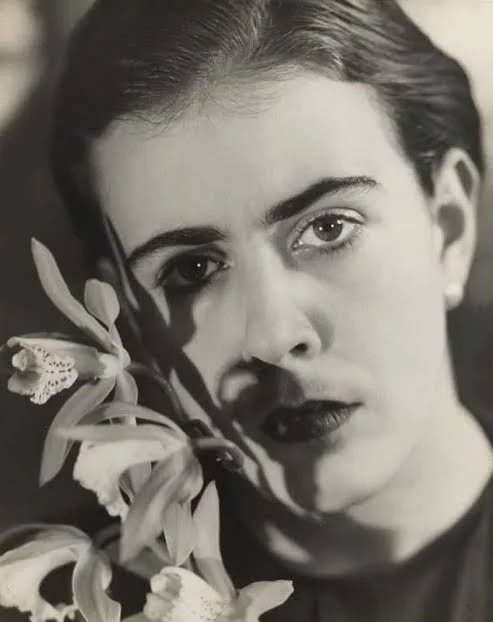
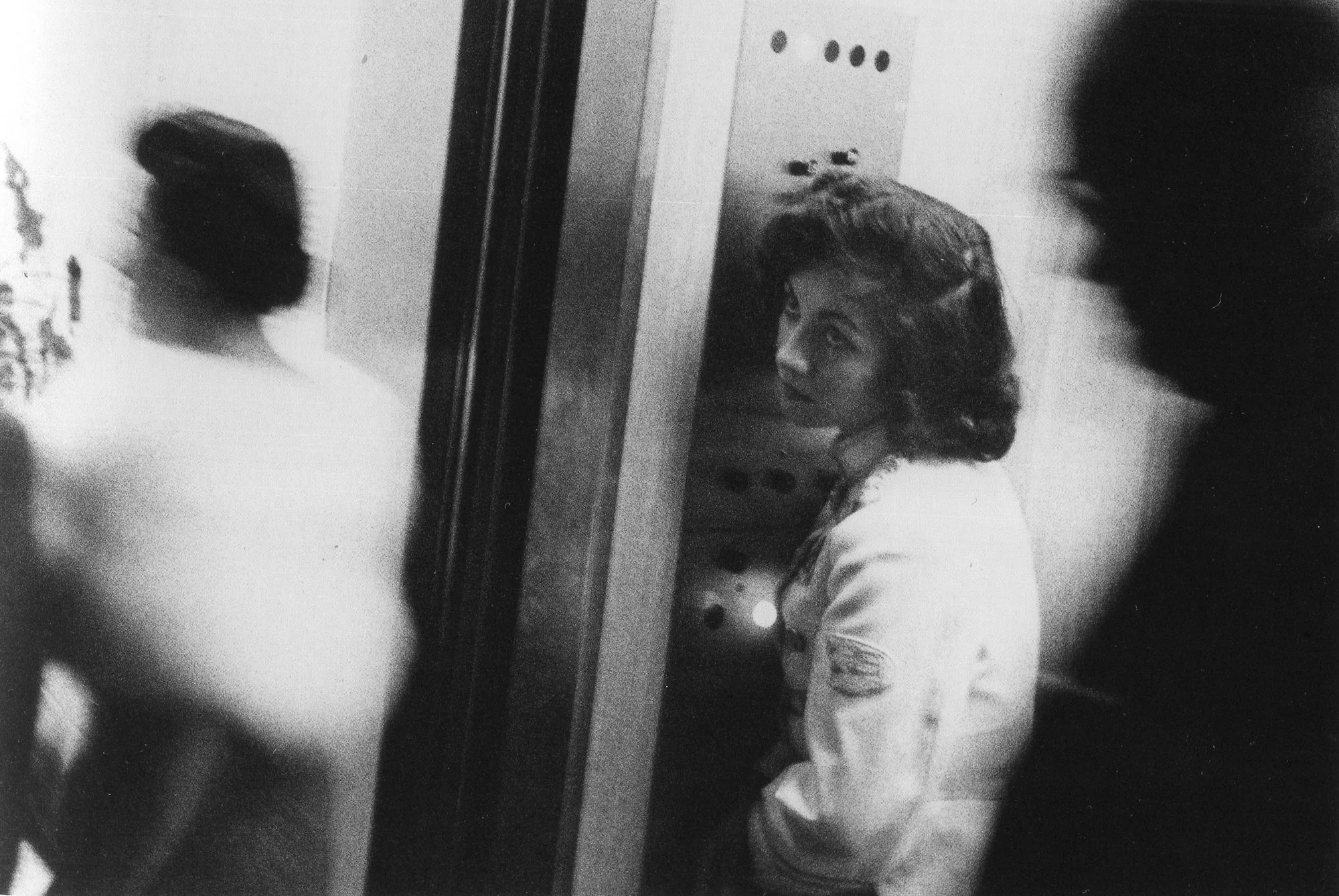
Eva Besnyö (Dutch-Hungarian, 1910-2003) Berlin, 1931 – © Eva Besnyö / Maria Austria Instituut Amsterdam
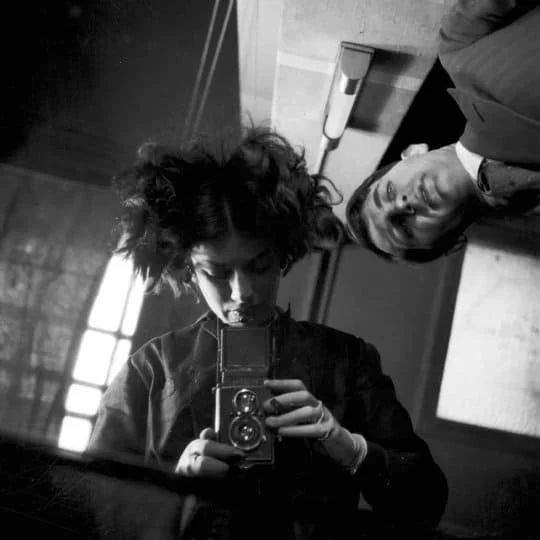
Éva Besnyő, Self-portrait with (probably) René Ahrlé, Berlin, 1931. Courtesy of Maria Austria Instituut, Amsterdam.
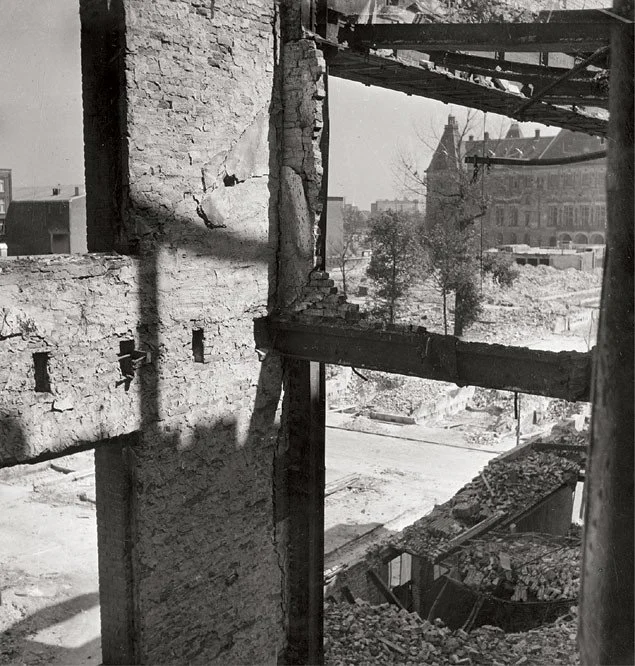
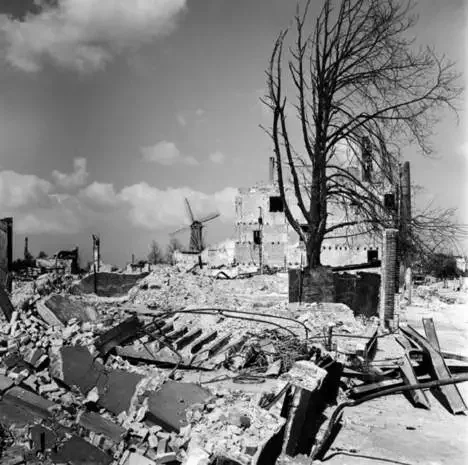
The Nazi invasion of the Netherlands in 1940 had a profound impact on Eva Besnyö. After emerging from hiding in 1944 with a fabricated genealogy, she carried those experiences into the postwar years. During the vibrant 1950s and 1960s, she shifted from street photography to commissioned work. Eva's resilience and dedication to capturing history remain truly inspiring. In July 1940, Eva Besnyö photographed Rotterdam’s old town after it was destroyed by German air force bombing. Far from conventional photojournalism, these images of ruins and devastation—which she later distanced herself from—now stand as silent, unadorned testimony to history’s wounds and scars.
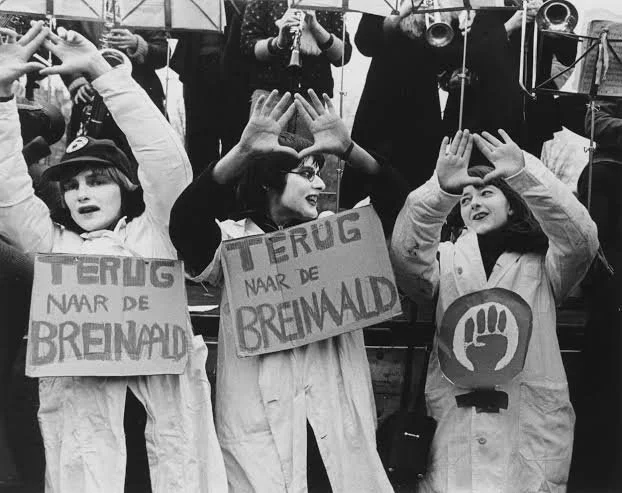
In the 1970s, she passionately documented the Dolle Mina feminist movement's street actions. The Dolle Mina feminist movement brought together men and women, many of whom came from the student protest movement. During the 1970s, Eva Besnyö was an active member, alongside sympathisers of all ages. Later, she focused on documenting the movement’s actions and activities, taking photographs and sending them out daily, like a press agency.
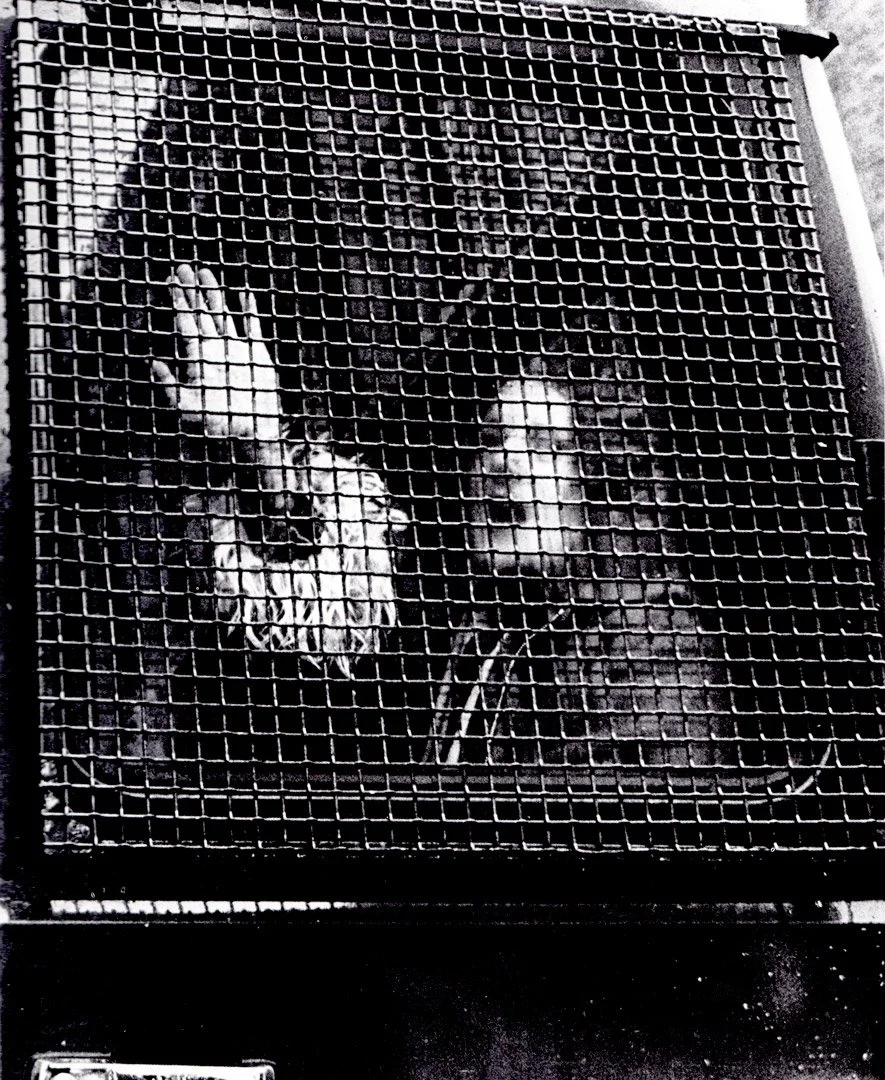
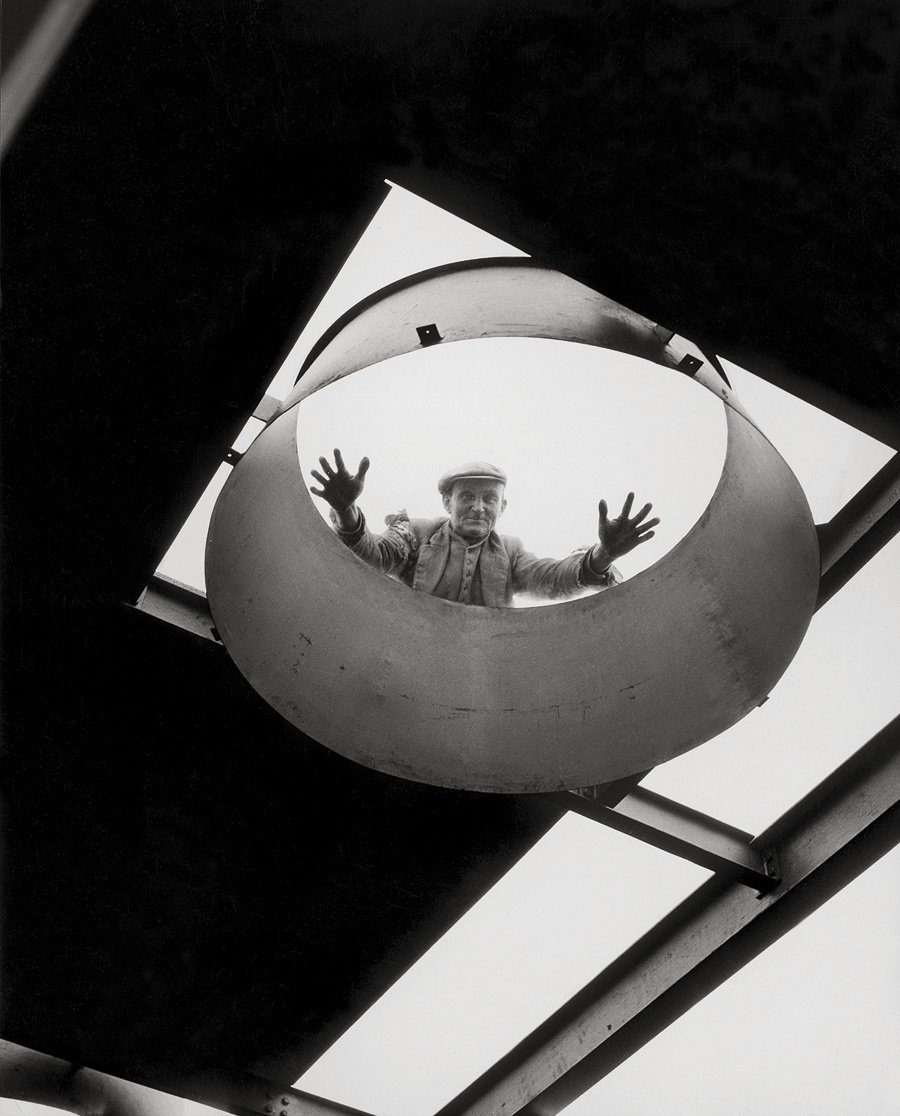
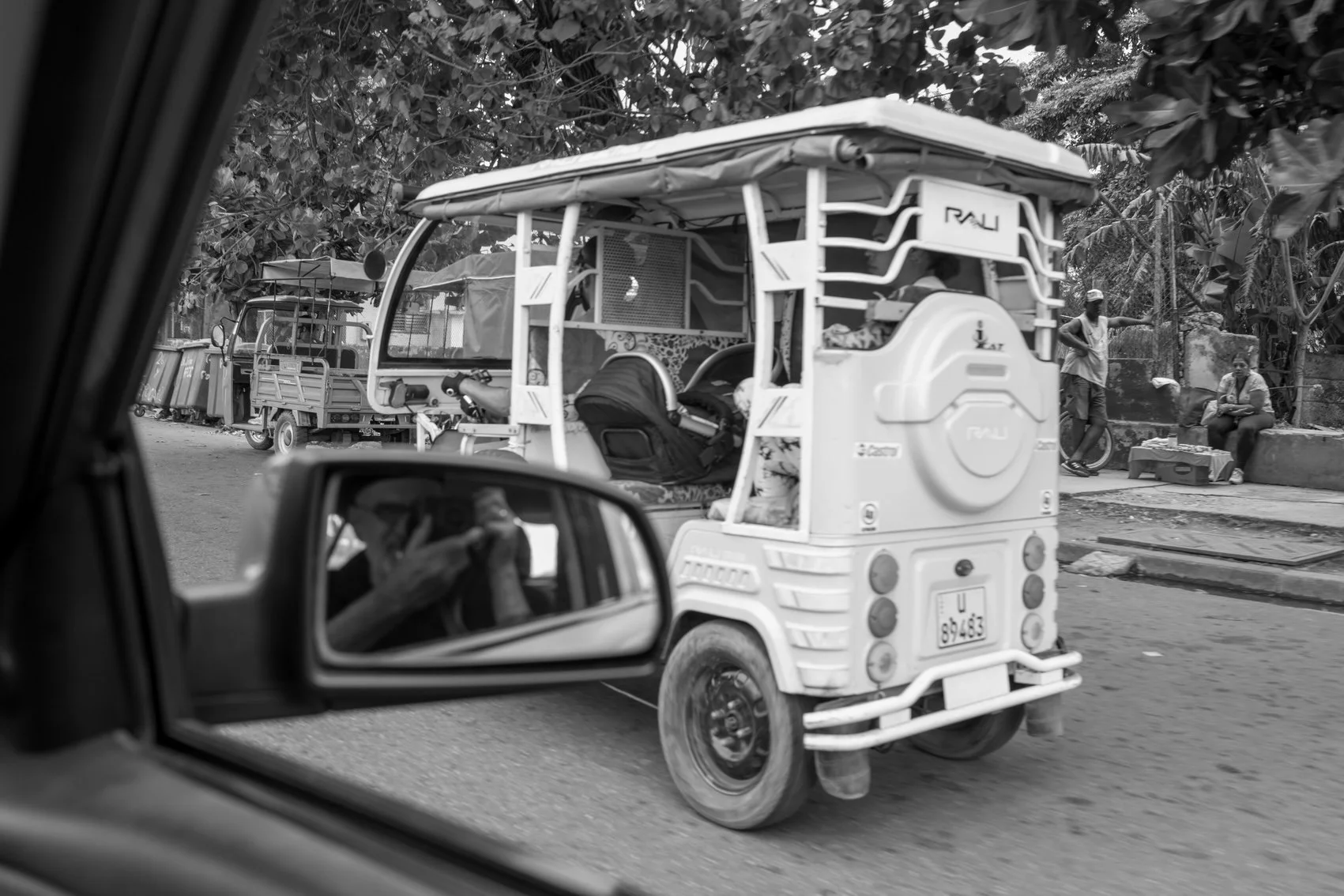
Untitled [Lieshout, The Netherlands] 1954 – Collection Iara Brusse, Amsterdam – © Eva Besnyö / Maria Austria Instituut Amsterdam