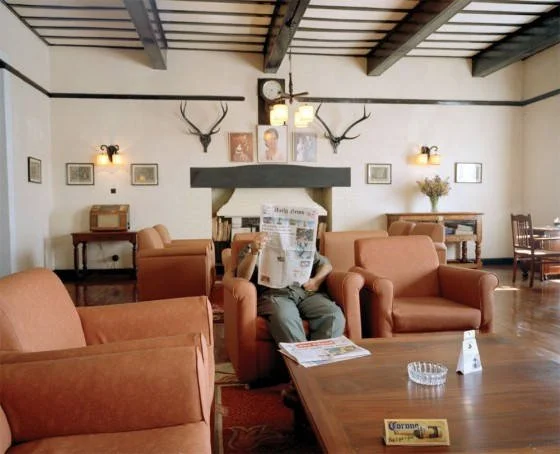
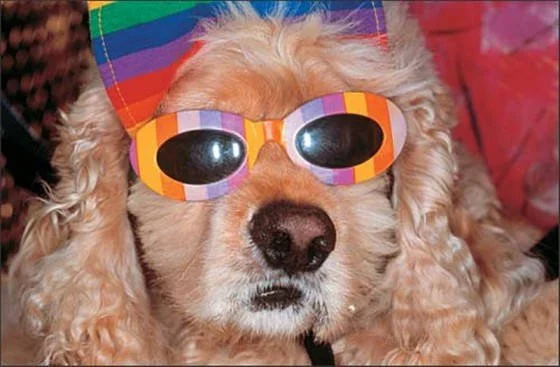
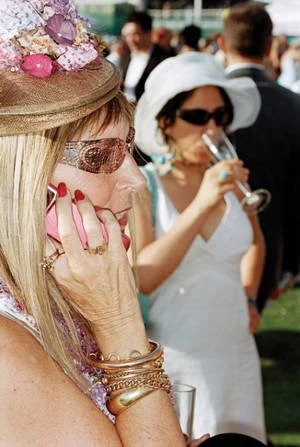
I am what I photograph. We are all photographers now!
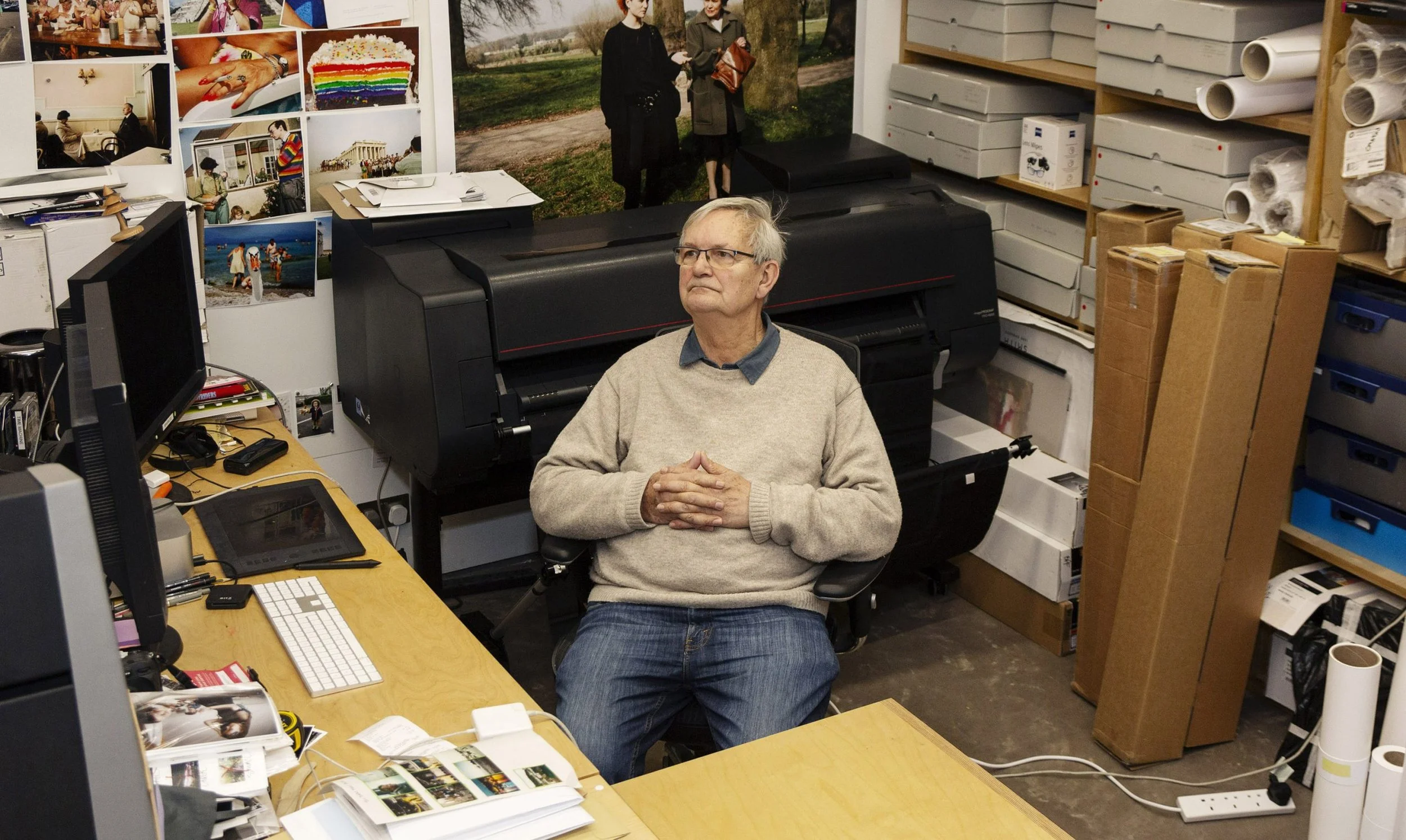
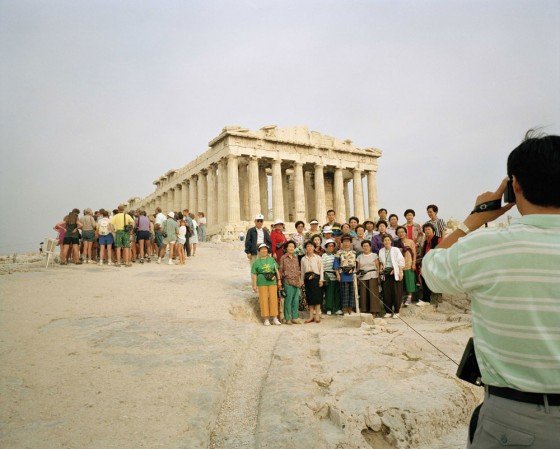
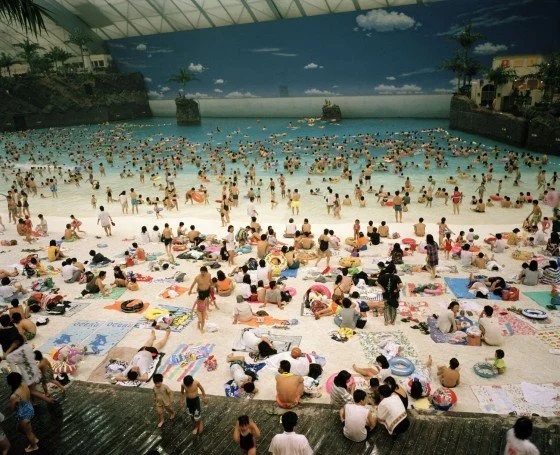
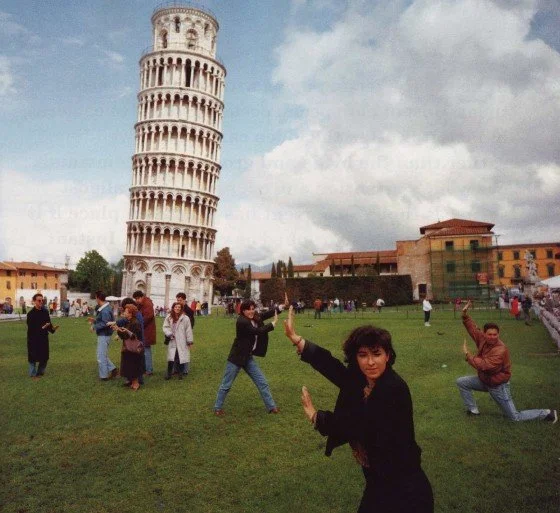
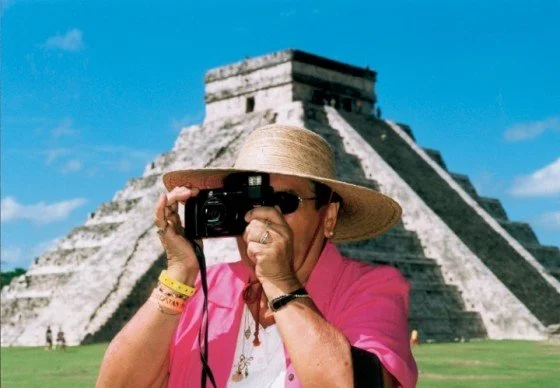
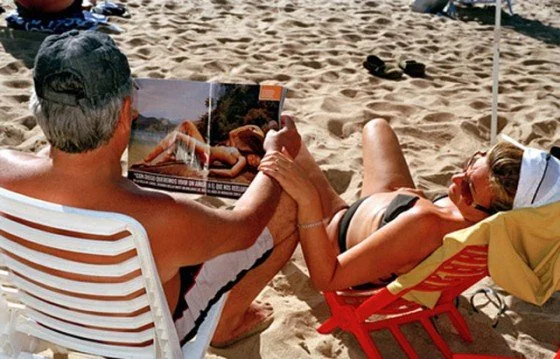
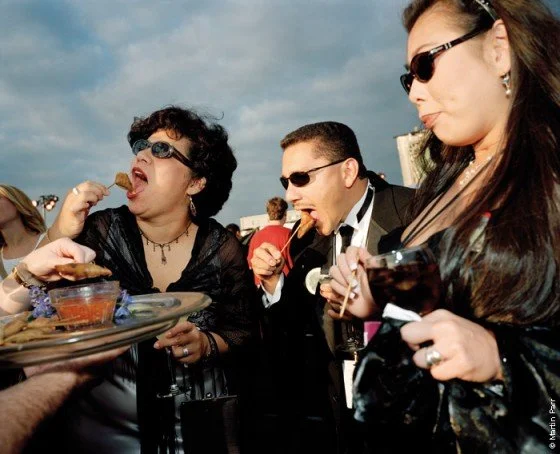
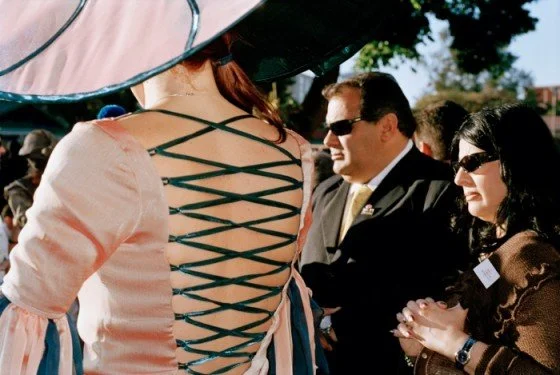
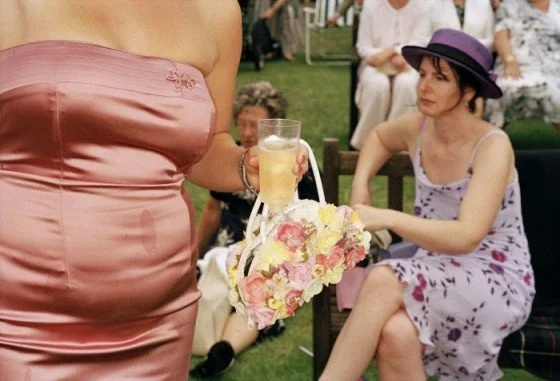
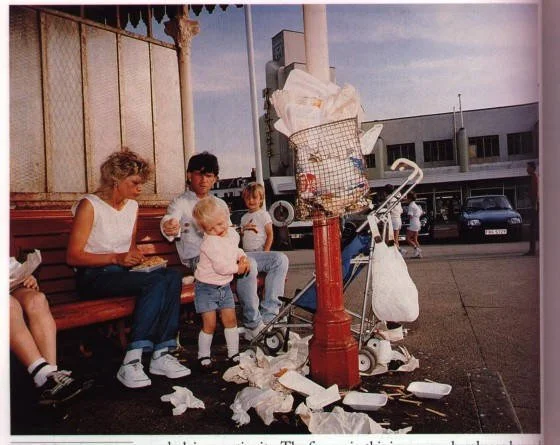
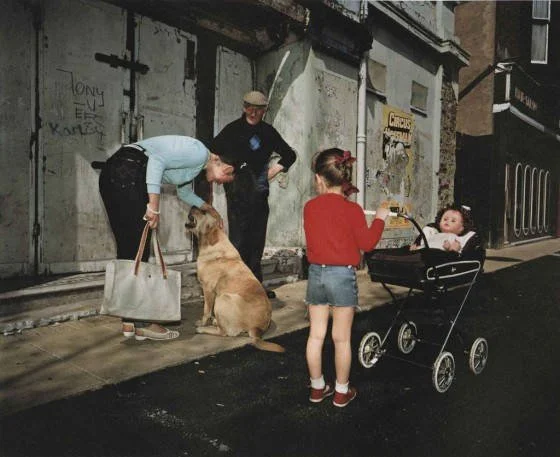
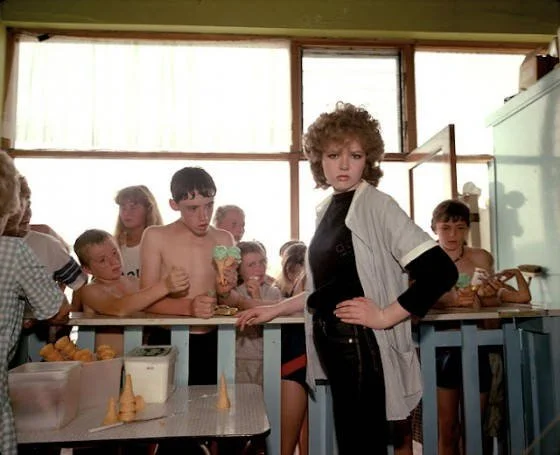
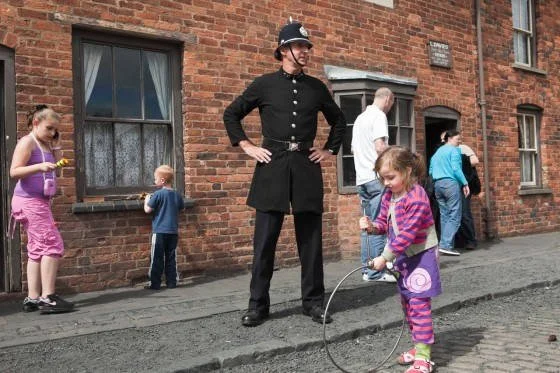
Martin Parr is probably the most famous British photographer and photojournalist. His shots, characterised by a very contrasty, bright use of colour, tell the story of (bad) taste and behaviour among the English middle class in the '80s. With irony and subtle humour, Parr focuses ruthlessly on clichés and behaviours that ultimately are part of Western culture.
He was born in England in May of 1952 and died on 7th December 2025.
In the early 1970s, he studied photography at Manchester Polytechnic.
The Non-Conformists features Martin Parr’s first significant body of work from the mid-1970s, published here for the first time in book form.
In 1980, he married Susan Mitchell. Ellen, their only child, was born in 1986. He lived in Bristol from 1987 until his death.
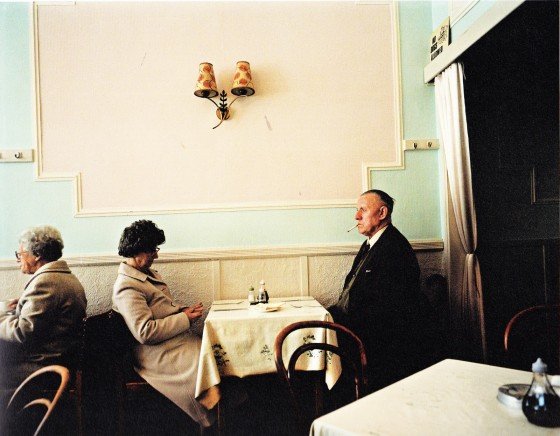
He began his professional photography work in the mid-1970s. He first became recognised for his interesting black-and-white photographs of Bad Weather (1982) and A Fair Day (1984), both in northern England.
In 1984, he switched to colour photography.
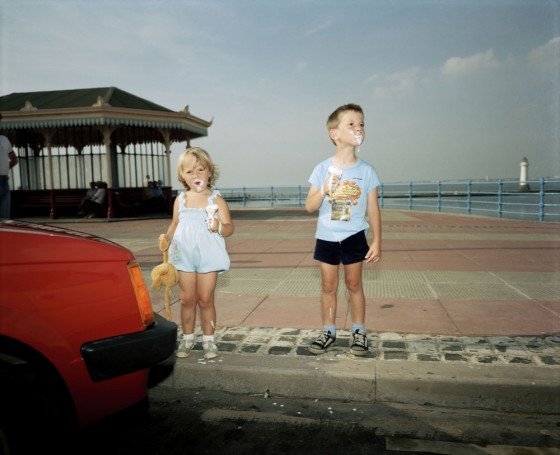
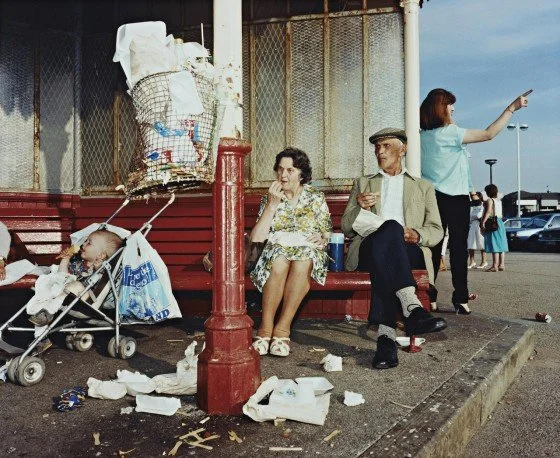
His The Last Resort photos of New Brighton were published in 1986.
Signs of the Times: A Portrait of the Nation’s Tastes in 1992
In 1994, Parr joined Magnum Photos.
Parr has published many books. Books by Martin Parr
He has been featured in about 100 exhibitions around the world: Exhibitions
In 2007, Martin Parr's retrospective was the main event at Singapore's Month of Photography Asia (MOPA), highlighting his saturated-colour style and commentary on consumerism. He also published Fashion Newspaper, examining street fashion in Asia and beyond. In 2008, Parr received the Royal Photographic Society’s Centenary Medal, an Honorary Fellowship, and an Honorary Doctor of Arts from Manchester Metropolitan University for his contributions to photography and the university’s School of Art.
“In the 70s, in Britain, if you were going to do serious photography, you were obliged to work in black-and-white,” master photographer Martin Parr tells TIME. “Colour was the palette of commercial photography and snapshot photography.”
"I did do some colour within the Home Sweet Home project in the early 70’s, but it wasn’t until 1982 when I moved back from Ireland that I seriously took to colour. This was sparked off by seeing the colour work emerge from the US from photographers such as Joel Meyerowitz, William Eggleston and Stephen Shore. I had also encountered the postcards of John Hinde when I worked at Butlin’s in the early 70s, and the bright saturated colour of these had a big impact on me."
“Black-and-white is certainly more nostalgic, by nature,” he says. “My black-and-white work is more of a celebration, and the colour work became more of a critique of society.”
"The fundamental thing I'm exploring constantly is the difference between the mythology of the place and the reality of it."
_________________________________________________________________________________________________________
A discussion with Martin Parr:
http://www.boring.ch/waapn/incoming/podcasts/martin_parr.mp3
I avoid Facebook, LinkedIn and Twitter, and if I need to communicate with someone, I email directly.
Photography is, by its nature, exploitative.
It's whether you use this process with a sense of responsibility or not.
I feel that I do so. My conscience is clear.
_________________________________________________________________________________________________________
How did you achieve these bright colours? I used amateur film, most recently Fuji 400 Superior for the 6/7 cm camera and Agfa Ultra or Fuji 100 ASA film for the ring flash and macro lens. This, combined with flash, gives very high colour saturation; no Photoshop was used.
Now that you use digital, do you pump up the colours using Photoshop? No, not at all. I just let the colour look as natural as possible, but, of course, flash does help with saturation.
"I use amateur film, currently Fuji 400 Superior for the 6/7 camera and Agfa Ultra or Fuji 100 ASA for the ring flash and macro lens.
This, combined with flash, gives very high colour saturation; no Photoshop was used."
Quotes:
Fashion pictures show people looking glamorous. Travel pictures show a place looking at its best, nothing to do with reality. In the cookery pages, the food always looks fantastic, right? Most of the pictures we consume are propaganda.
Unless it hurts, unless there’s some vulnerability there, I don’t think you’re going to get good photographs.
Part of the role of photography is to exaggerate, and that is an aspect that I have to puncture. I do that by showing the world as I really find it.
Criticism is hypocrisy; society is hypocrisy. I'm a tourist. I'm a consumer. I do the things that I photograph and can be criticised for.
Modern technology has taken the angst out of achieving the perfect shot. For me, the only thing that counts is the idea behind the image: what you want to see and what you're trying to say. The idea is crucial. You have to think of something you want to say and expand upon it.
For those aspiring to make a living from travel photography, it's a sad fact that the boring shots are the shots that are going to make you money.
I photograph people as I find them. But people have issues about how they look.
We live in a homogenised world, where it's hard to get excited when everything is slick and professional. The interesting things are the dull things.
I like to keep in touch with younger photographers.
It's important that a younger generation comes up and questions the assumptions made by old farts like me.