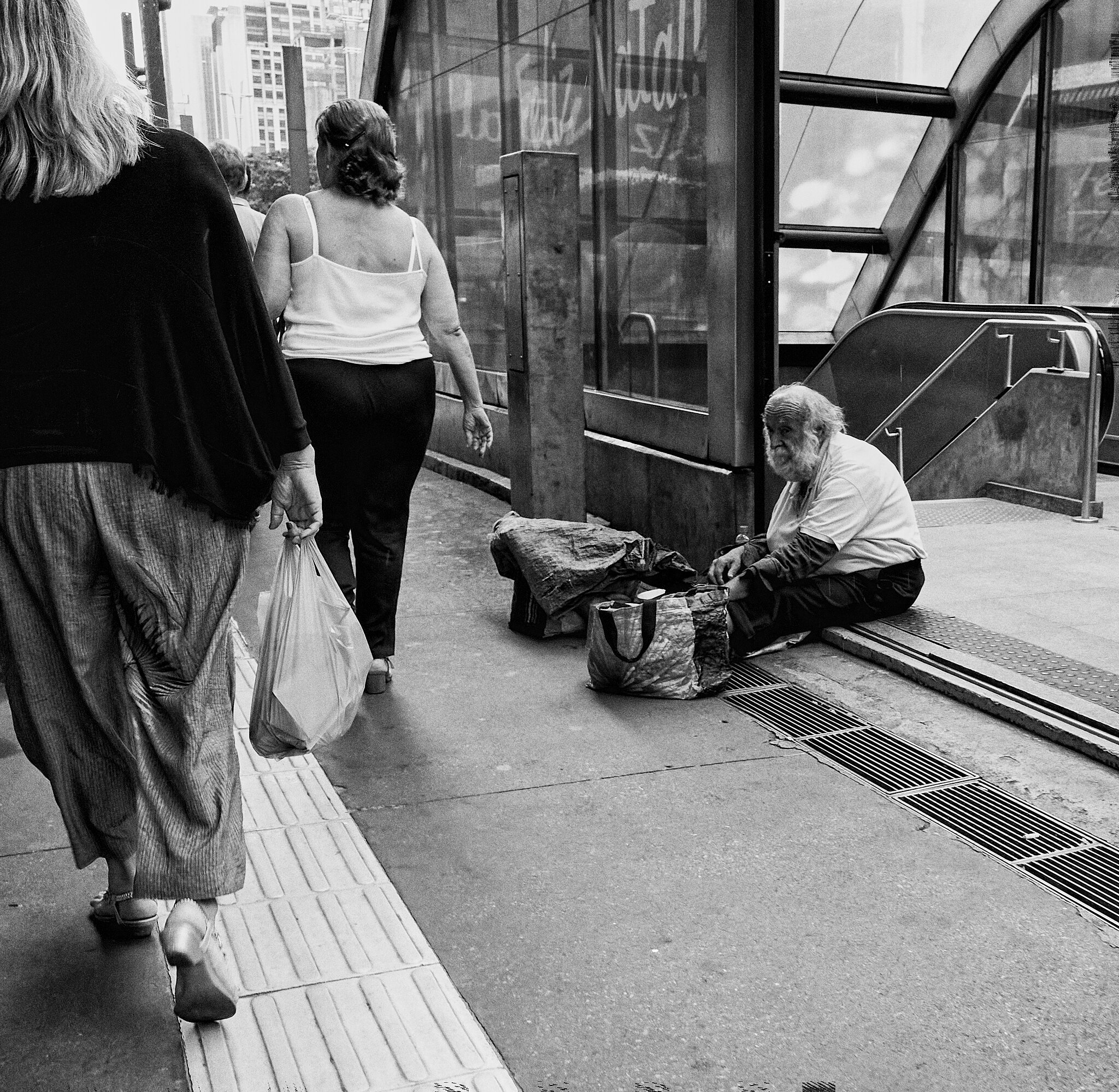
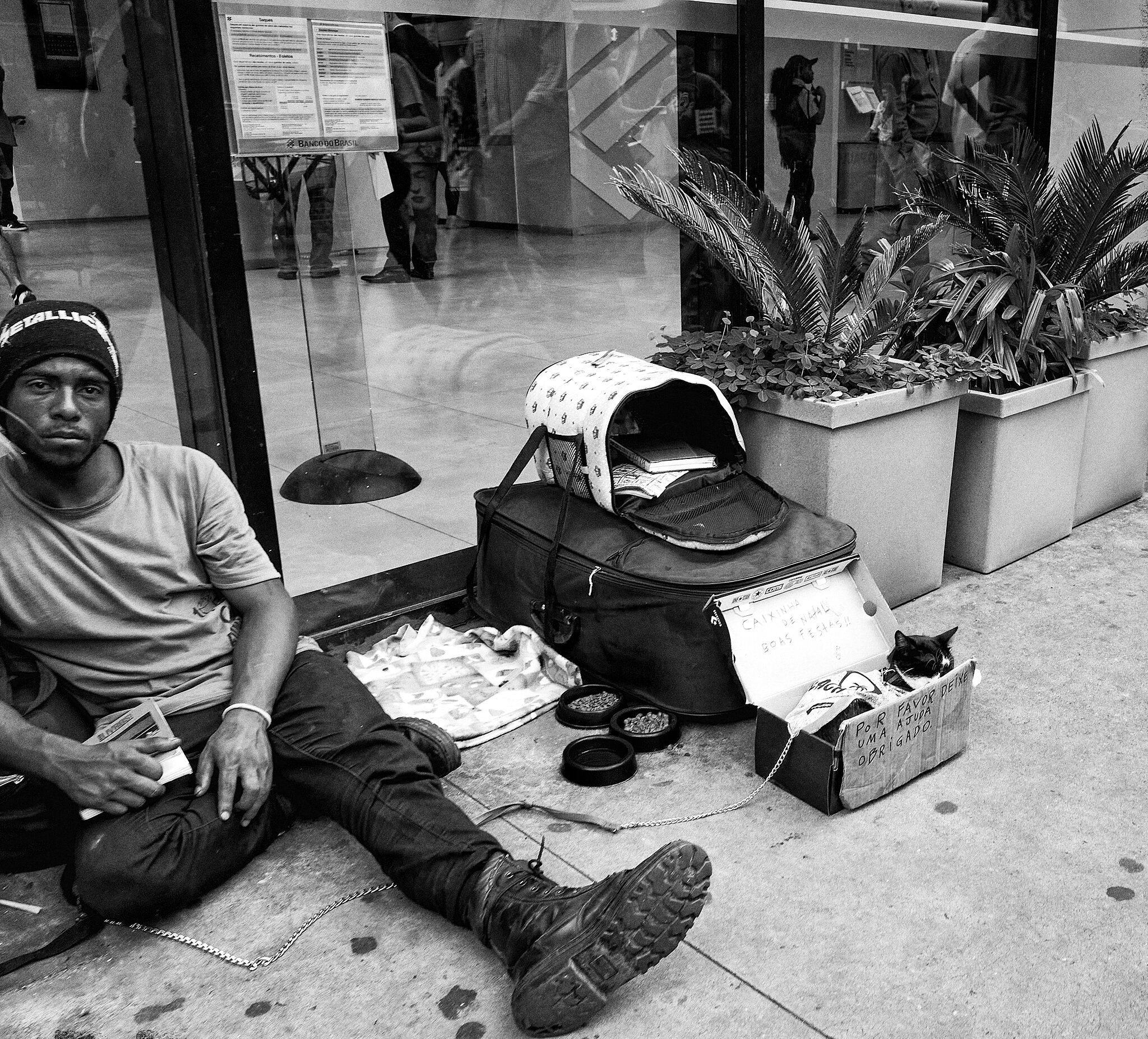
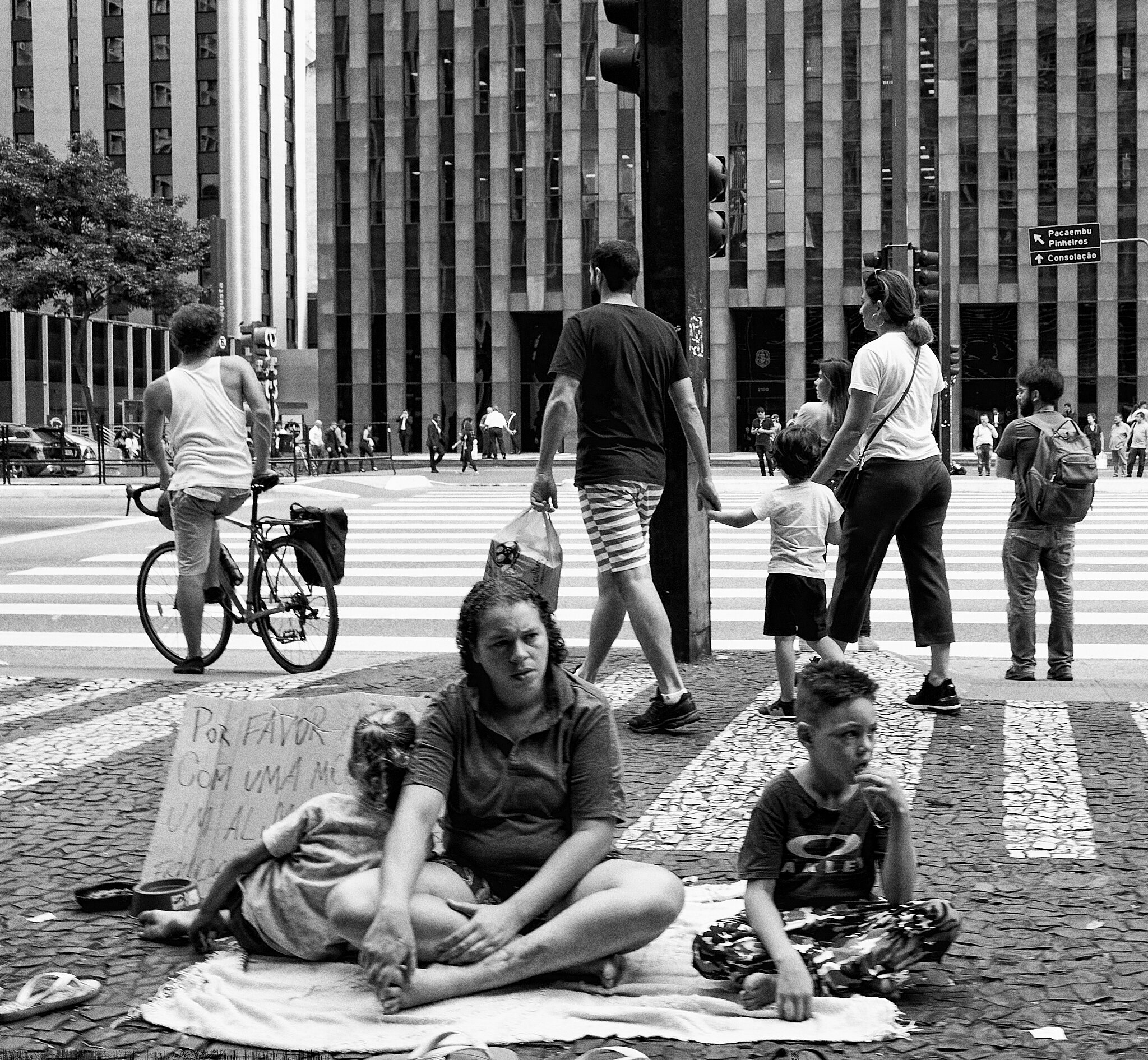
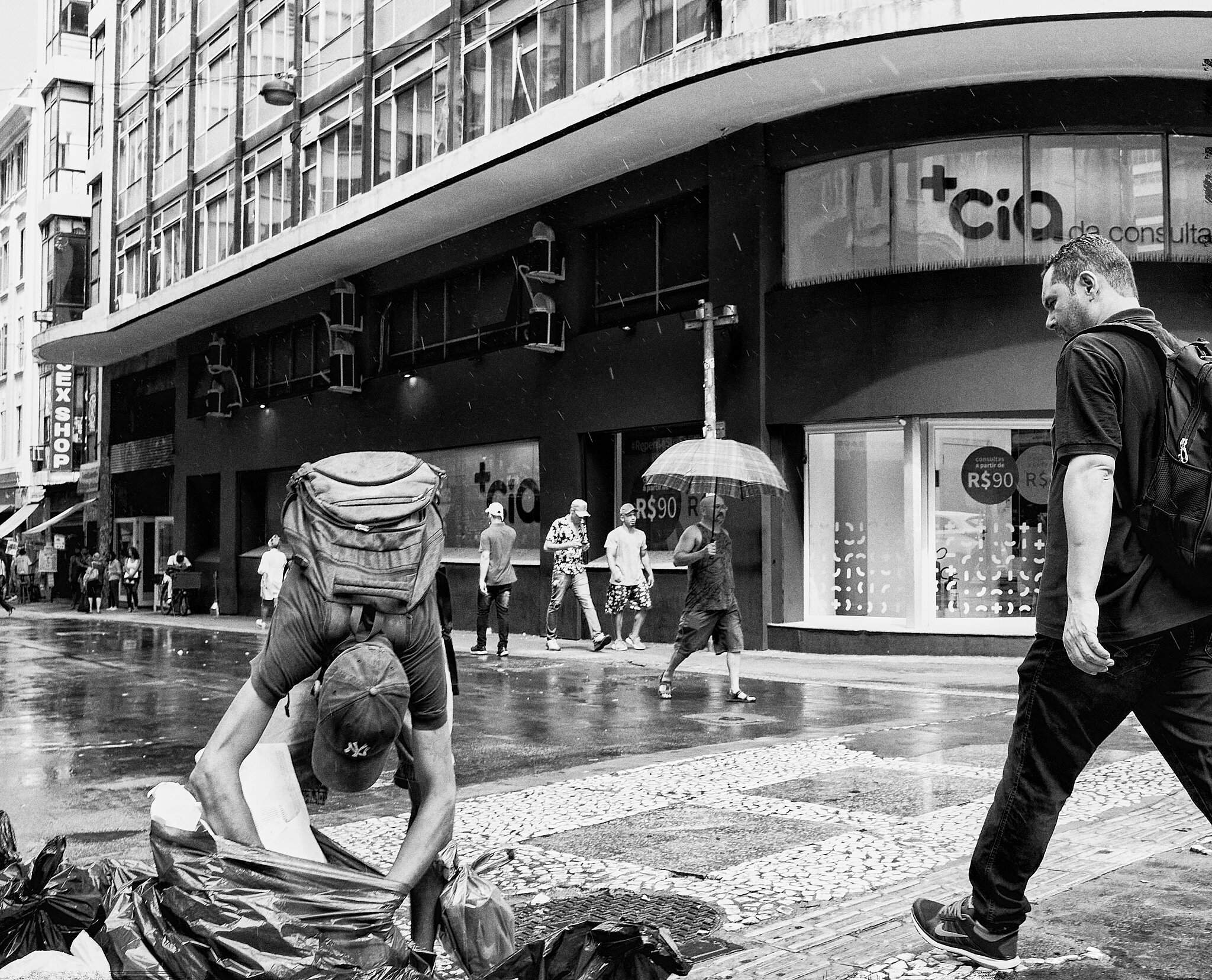
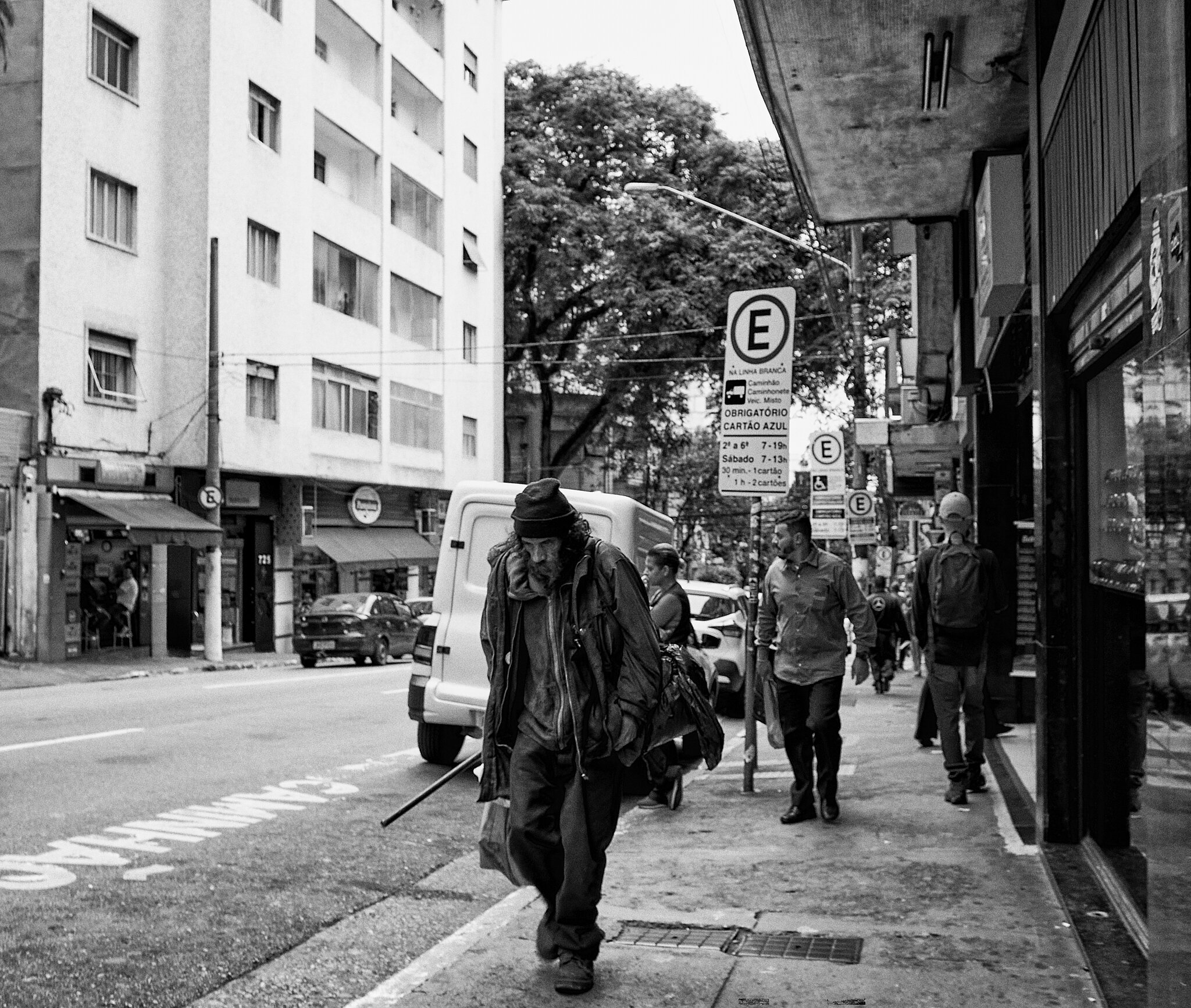
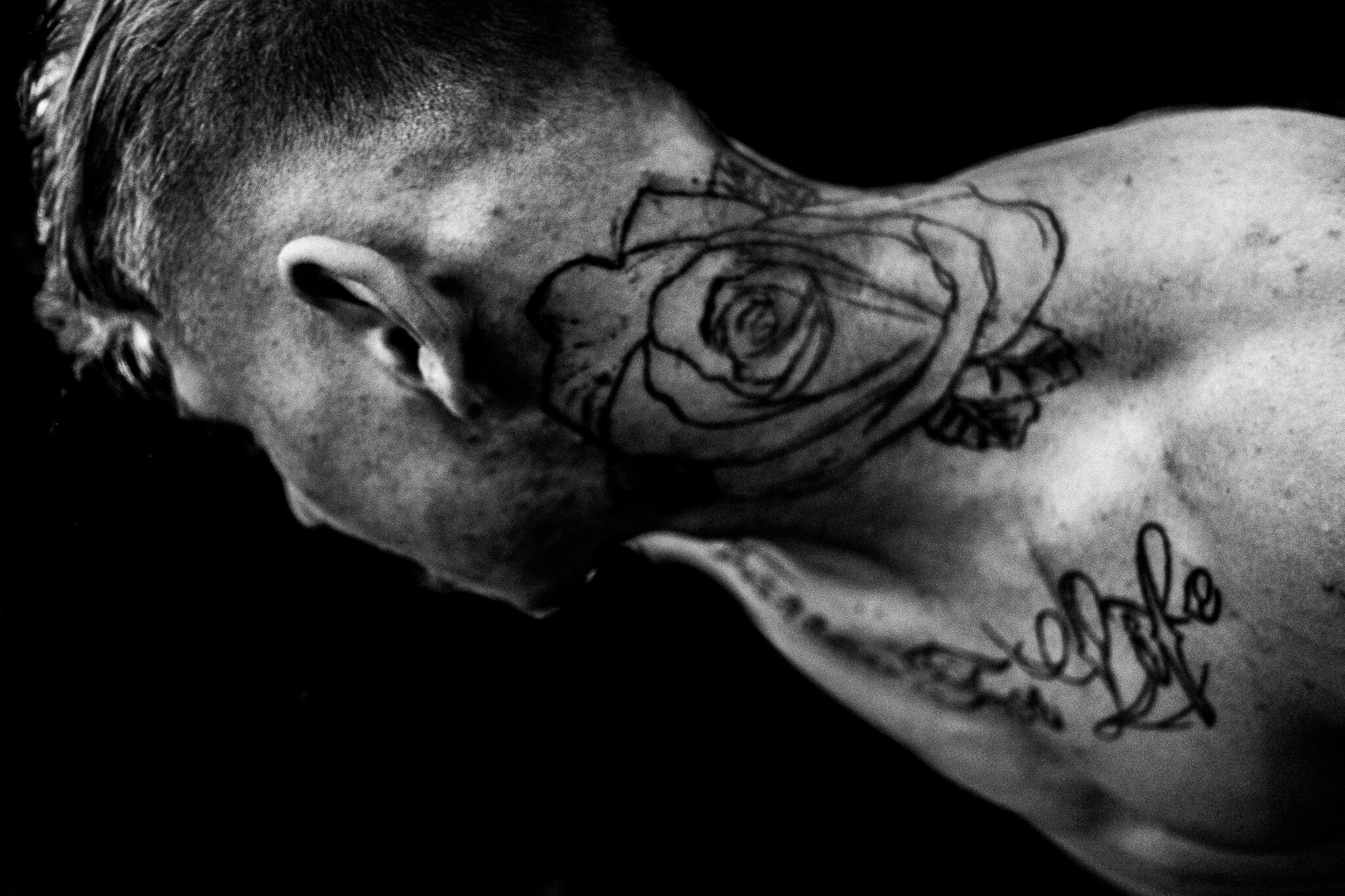
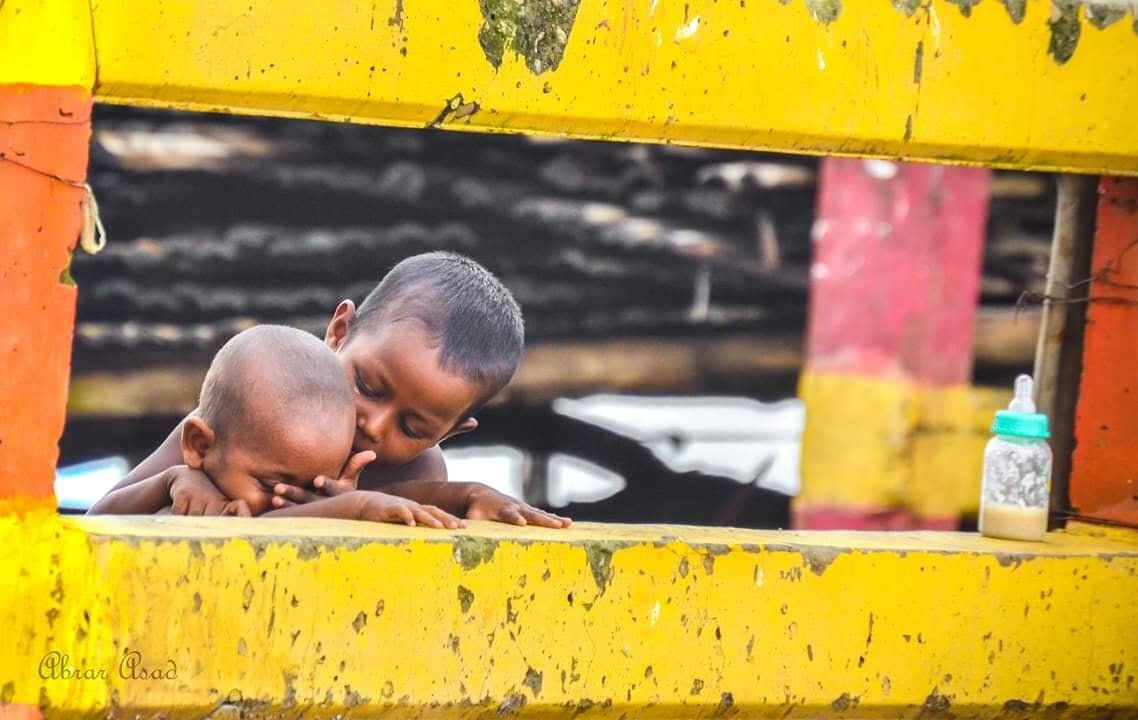
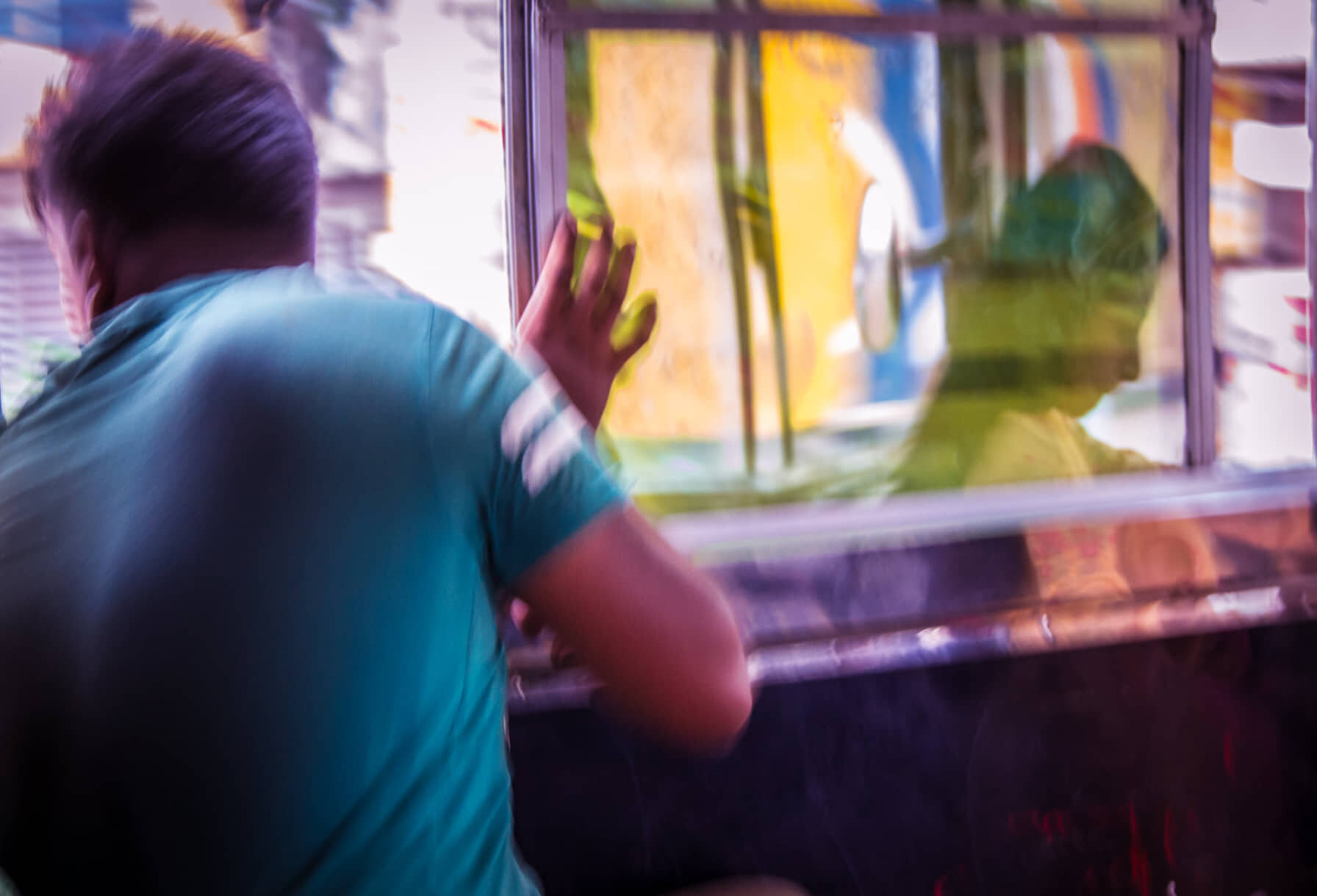
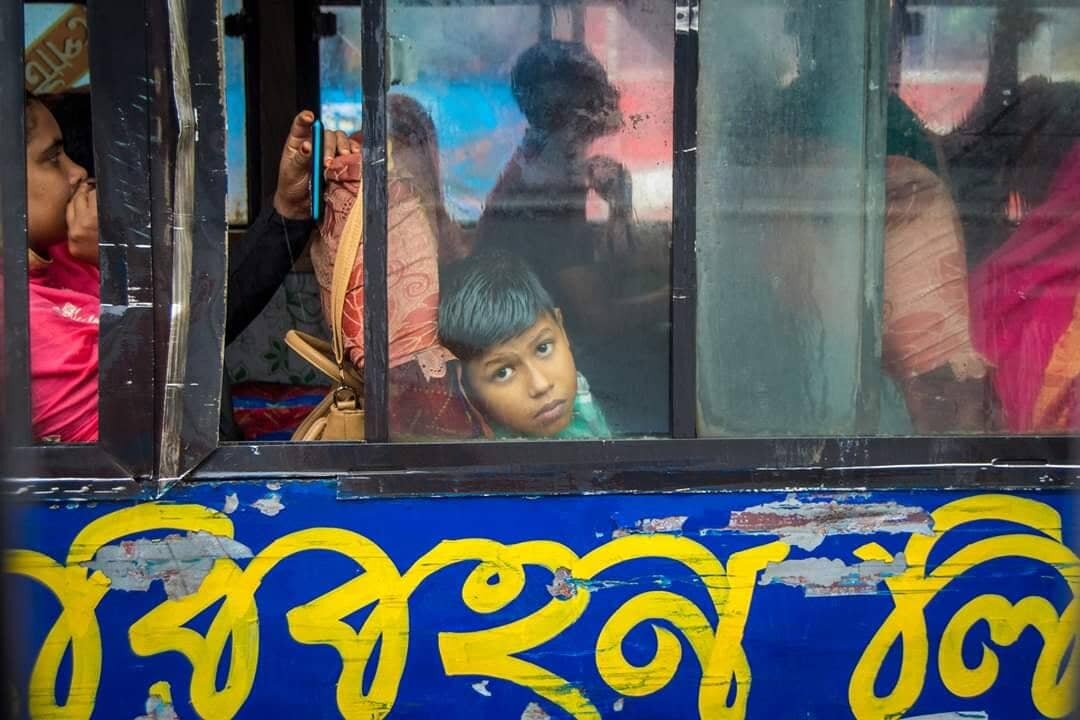
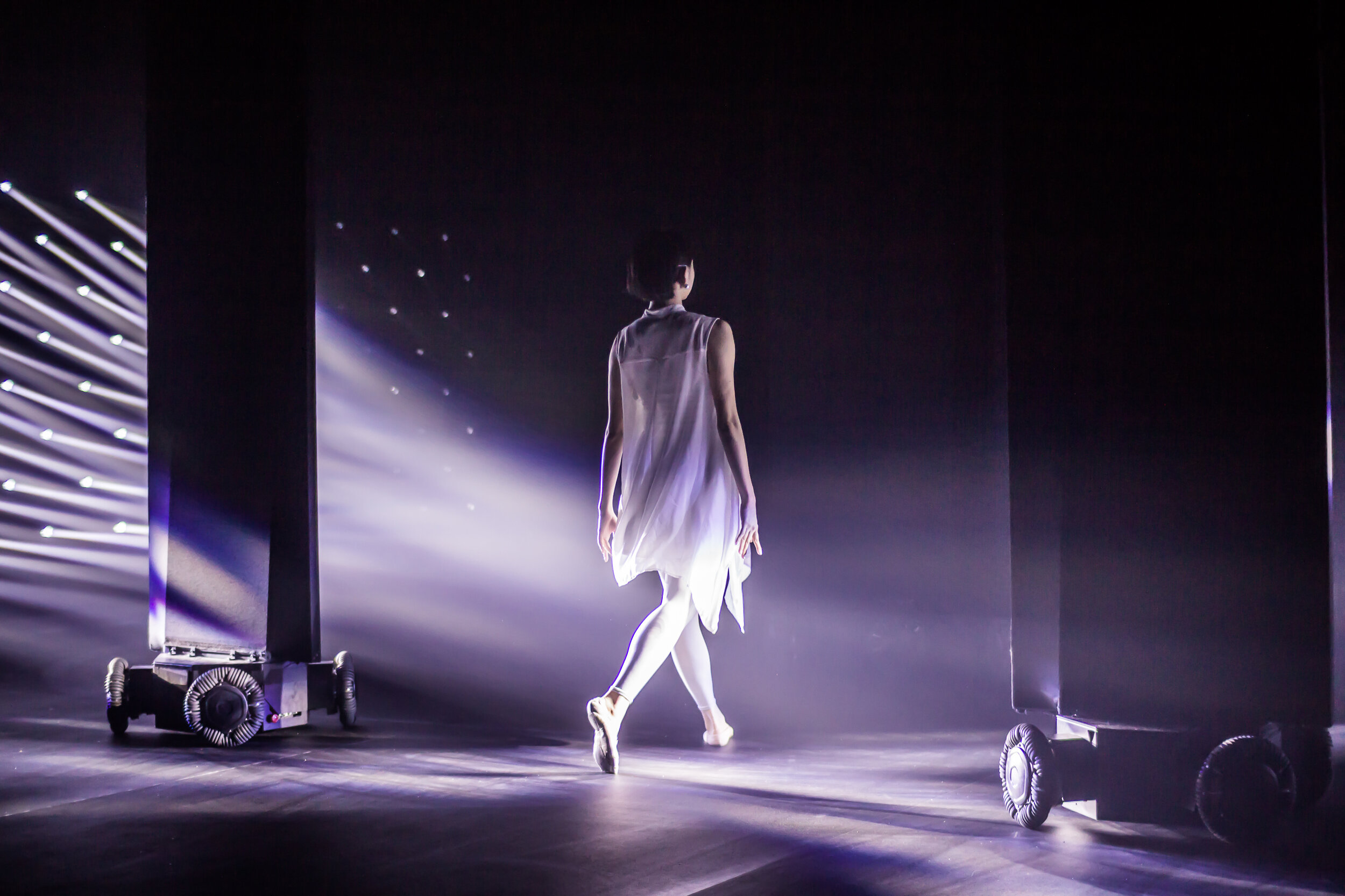
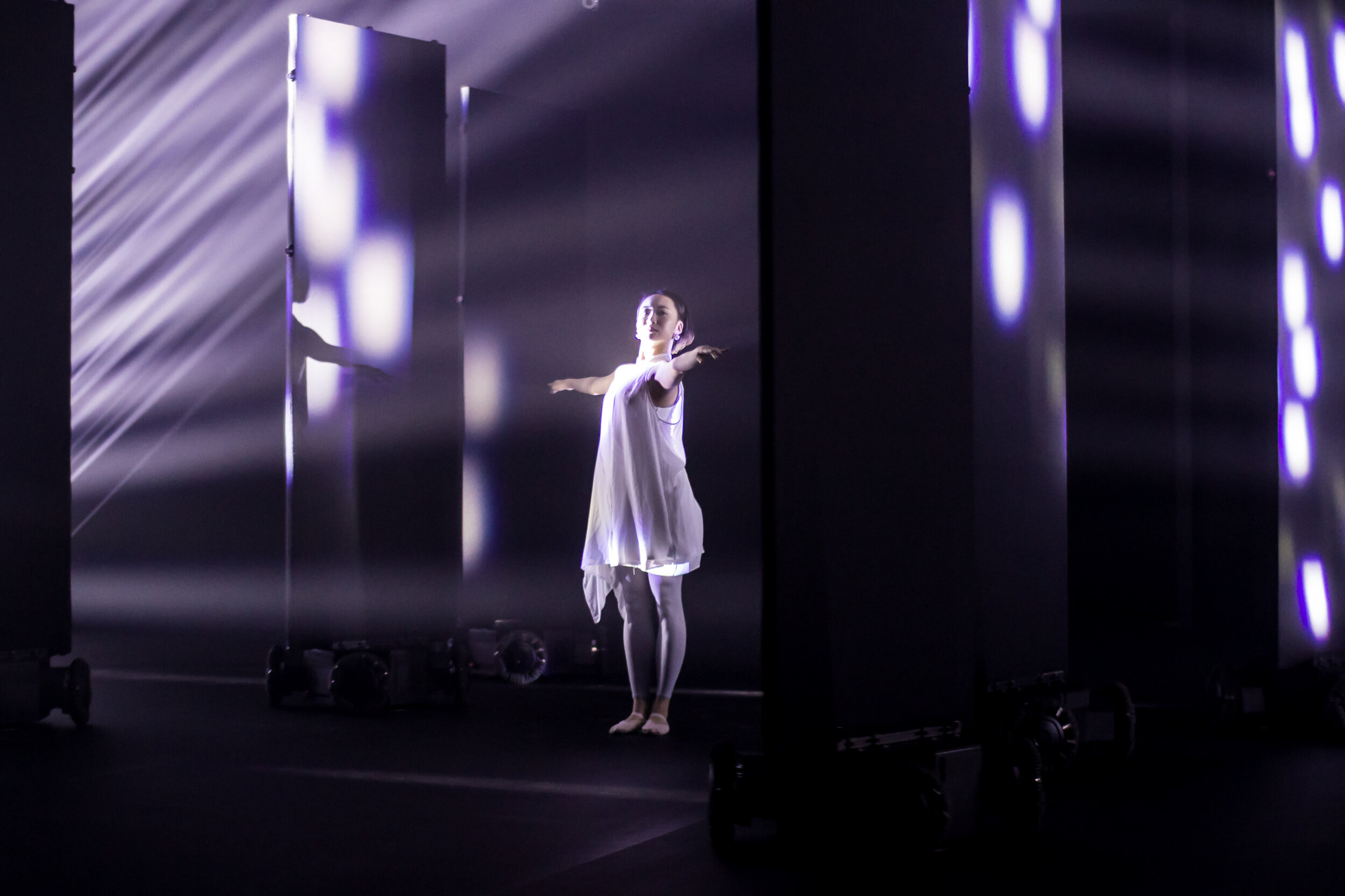
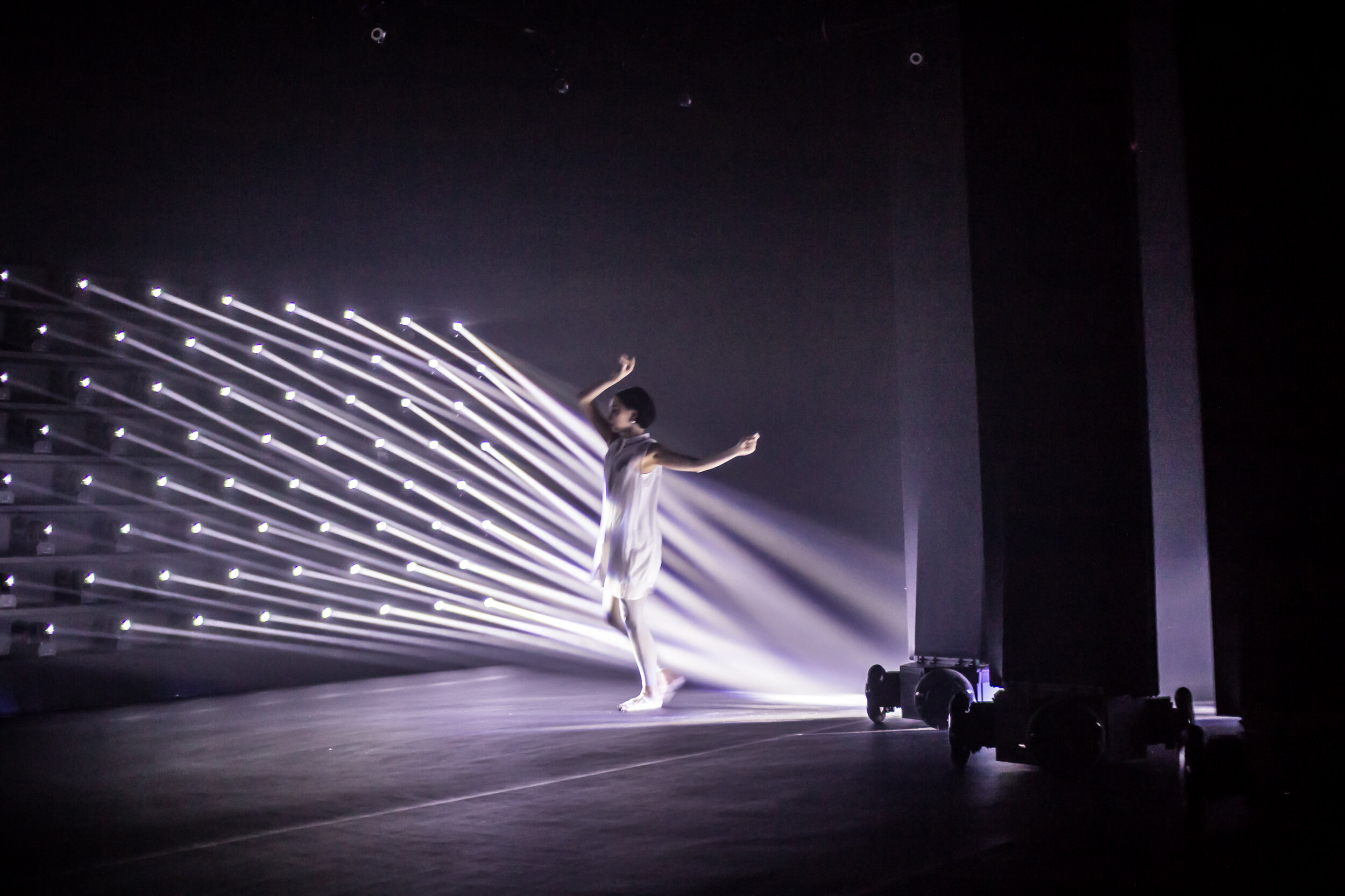
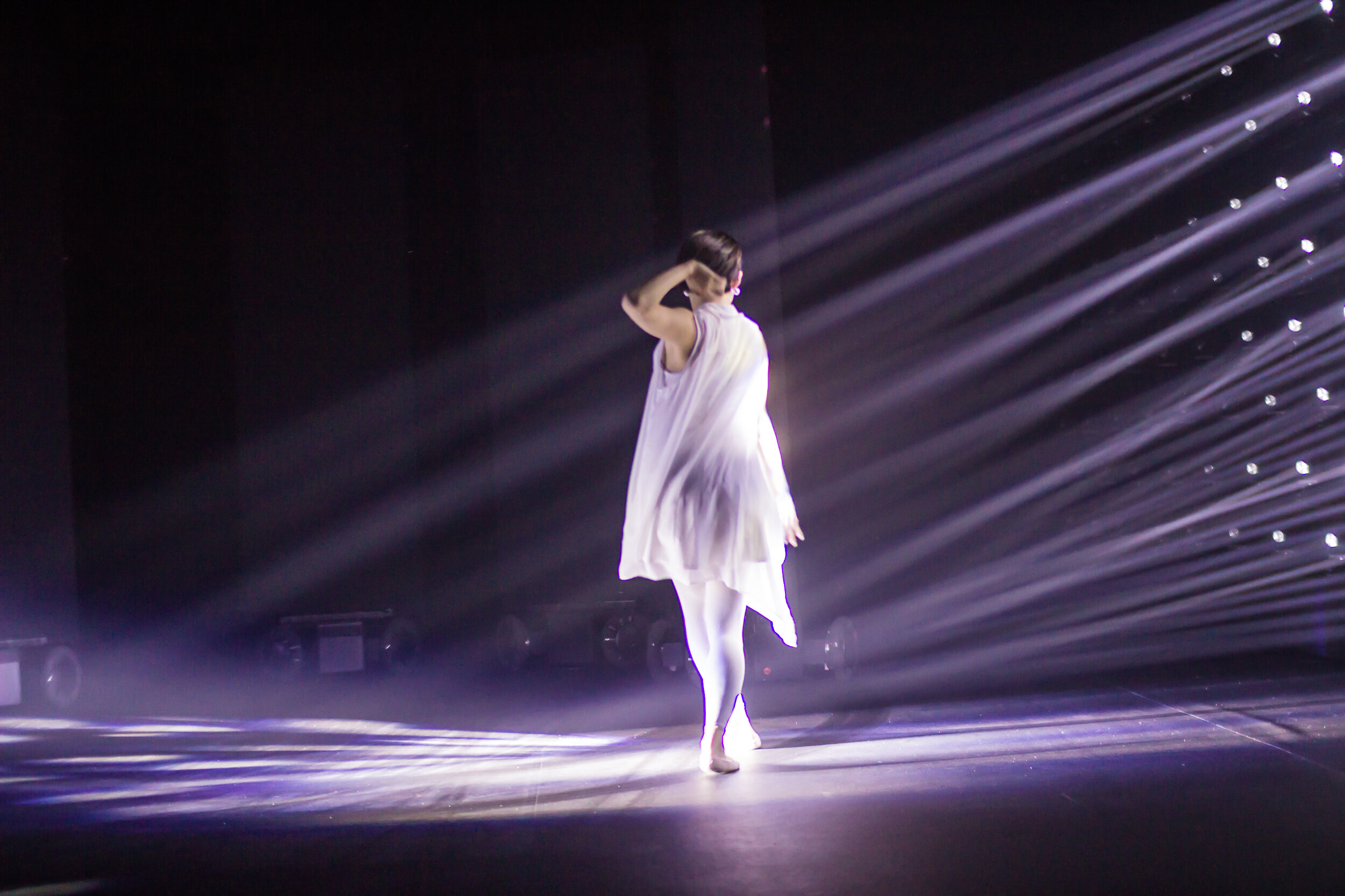
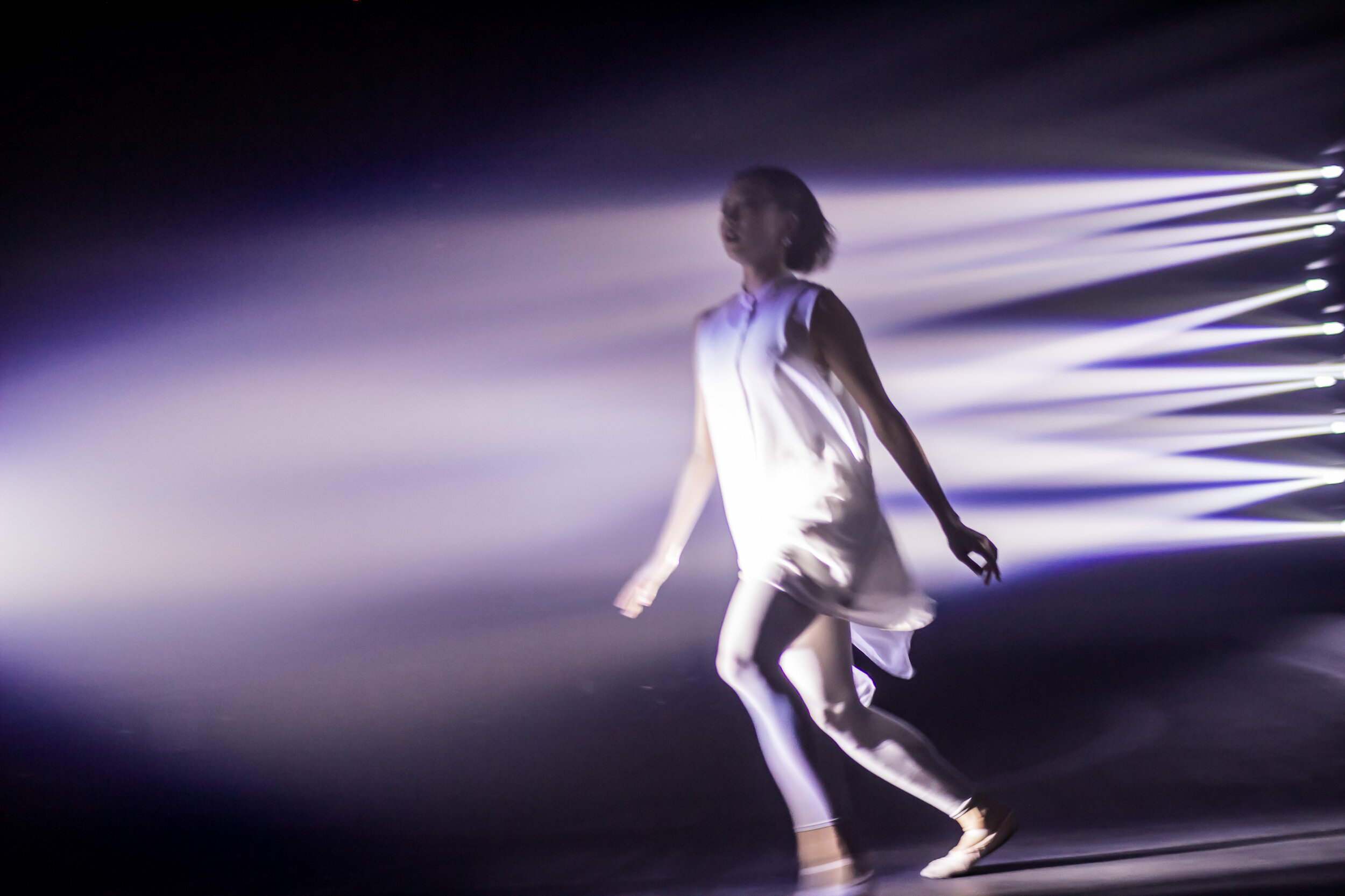
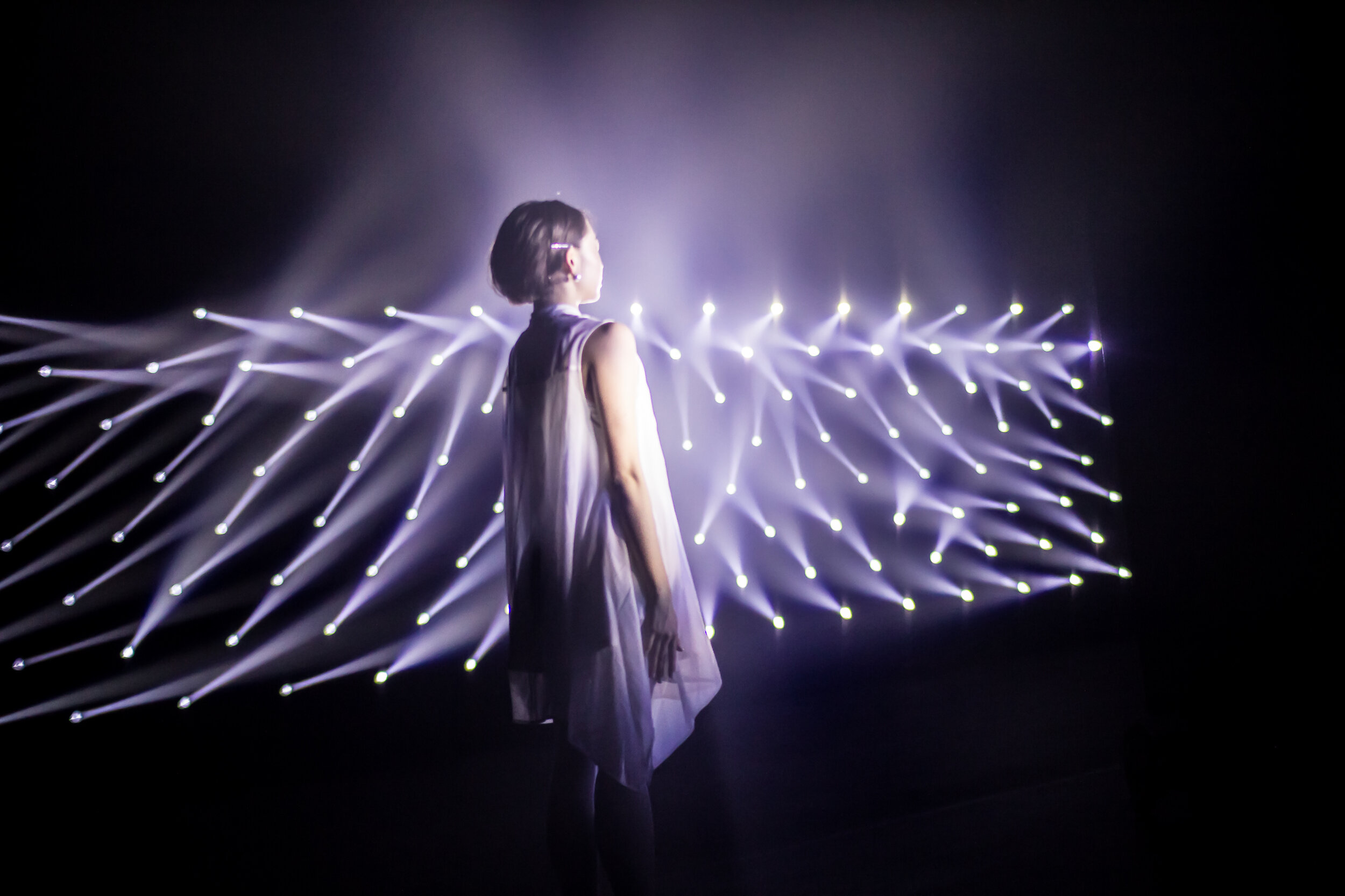
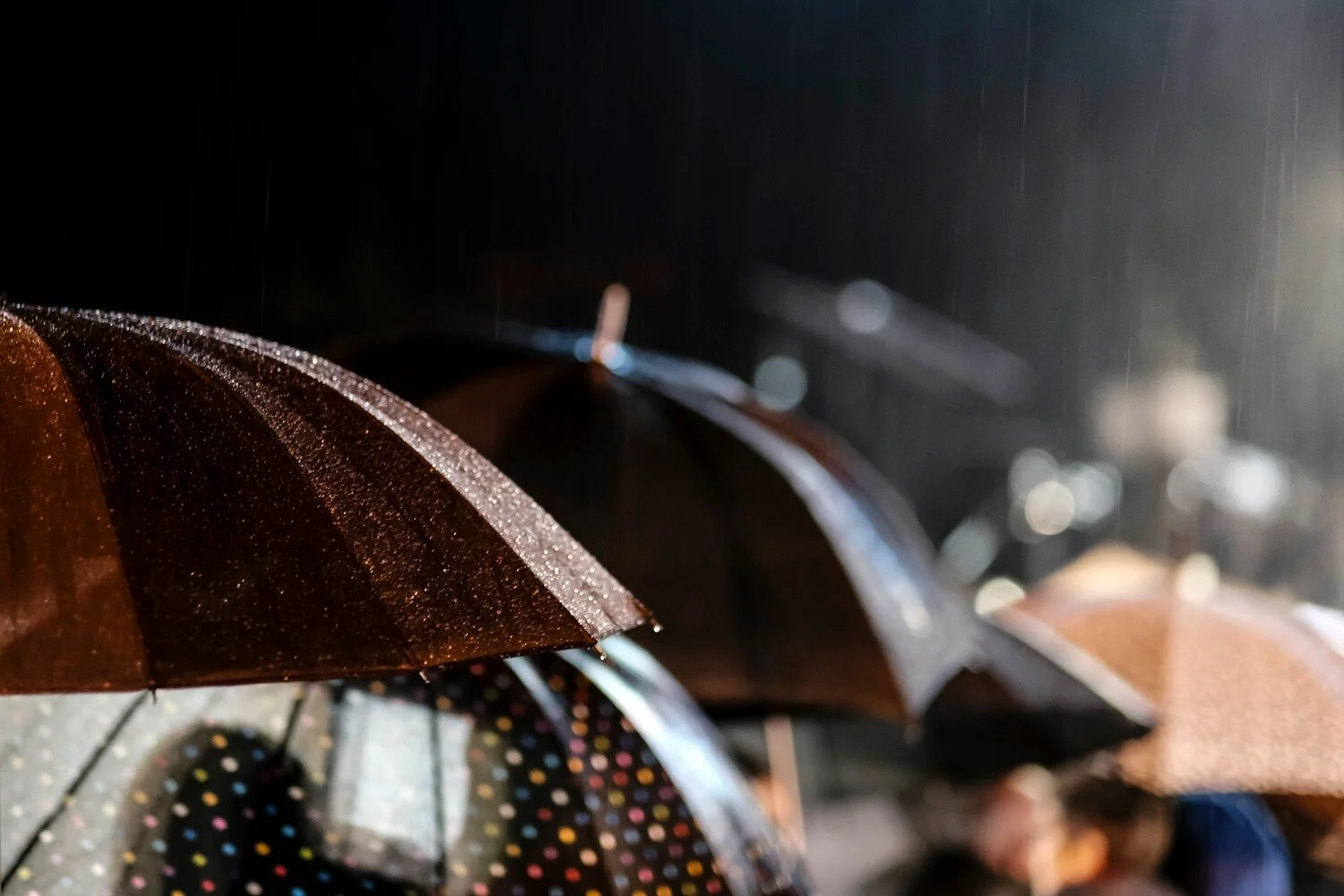
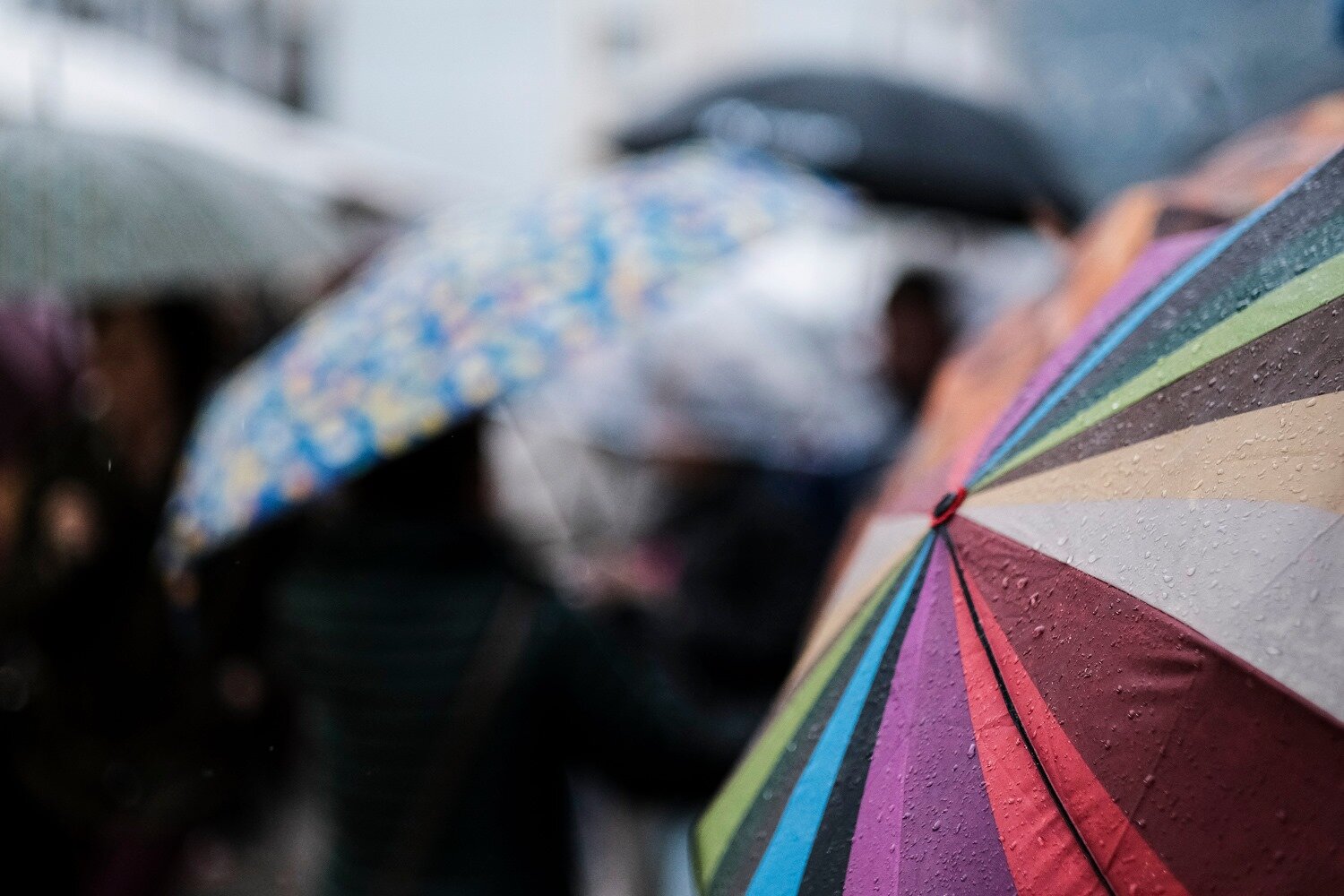
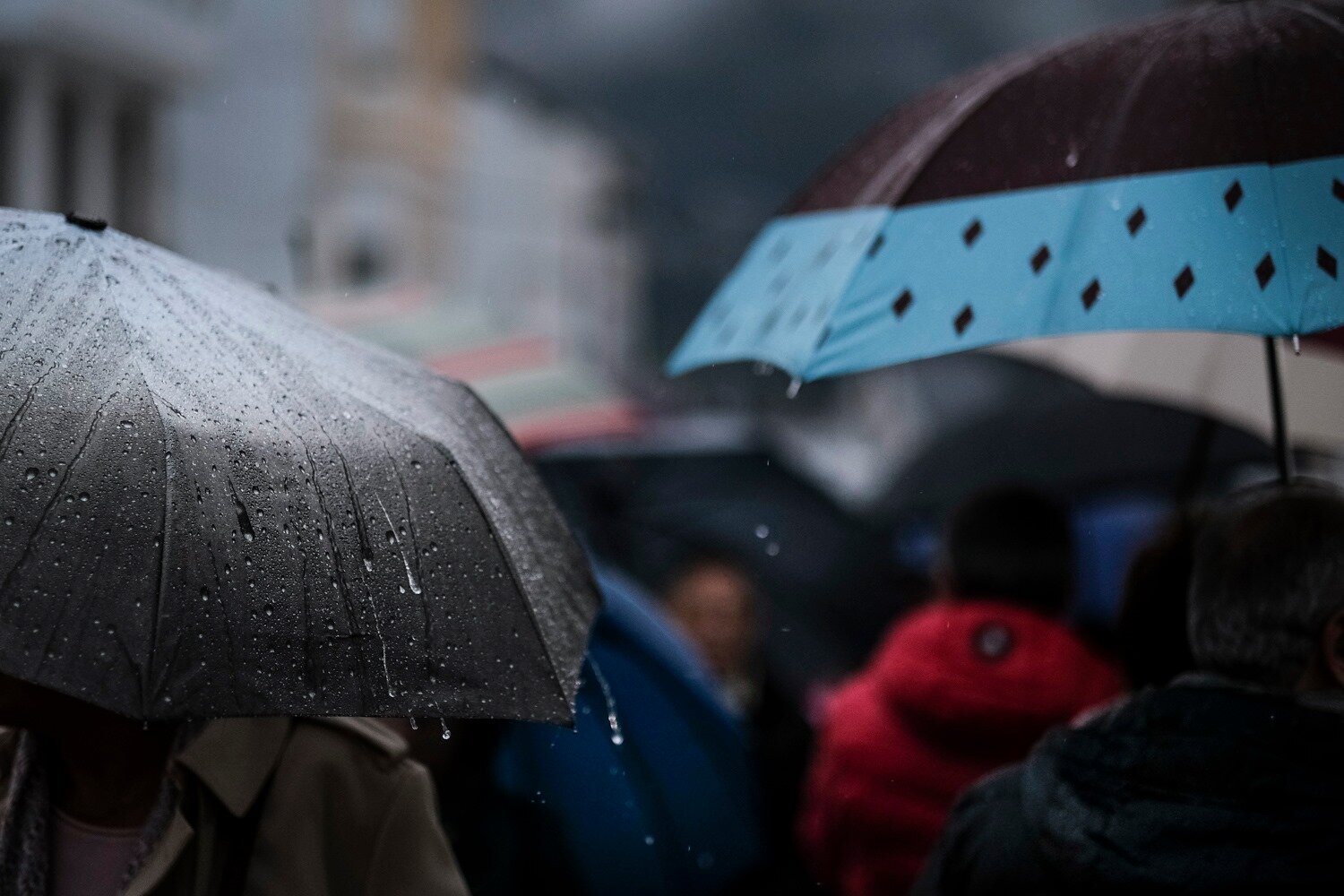
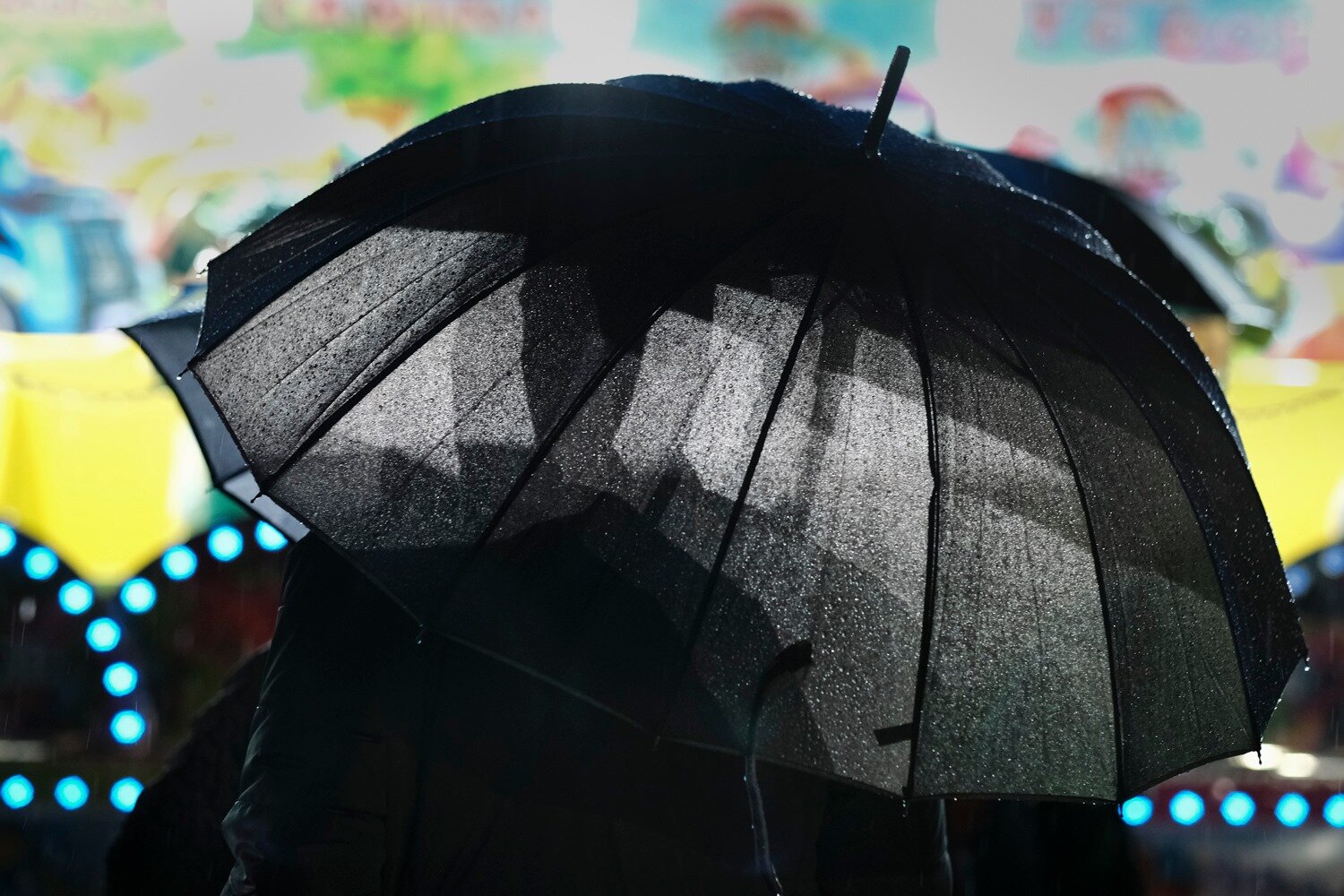
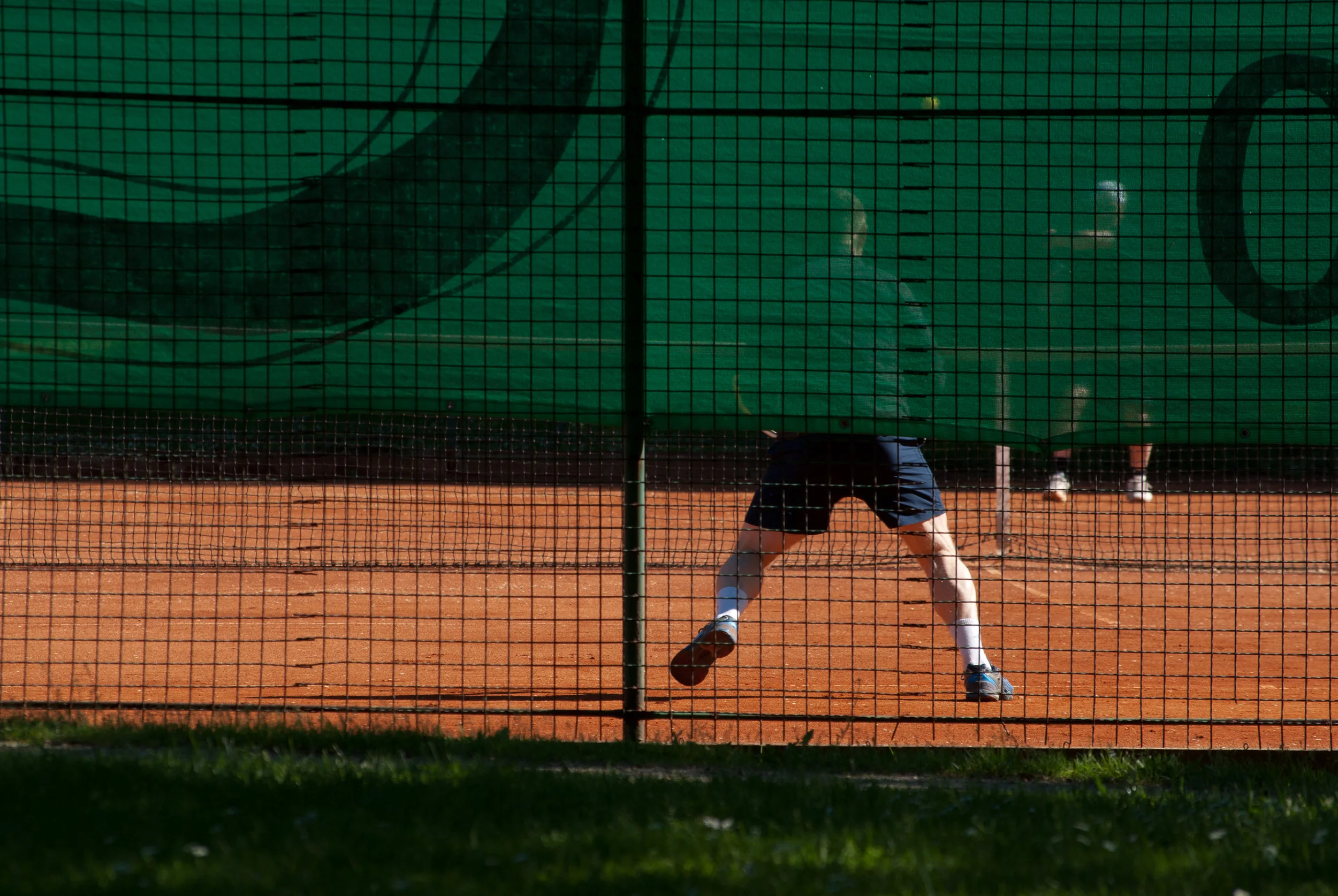
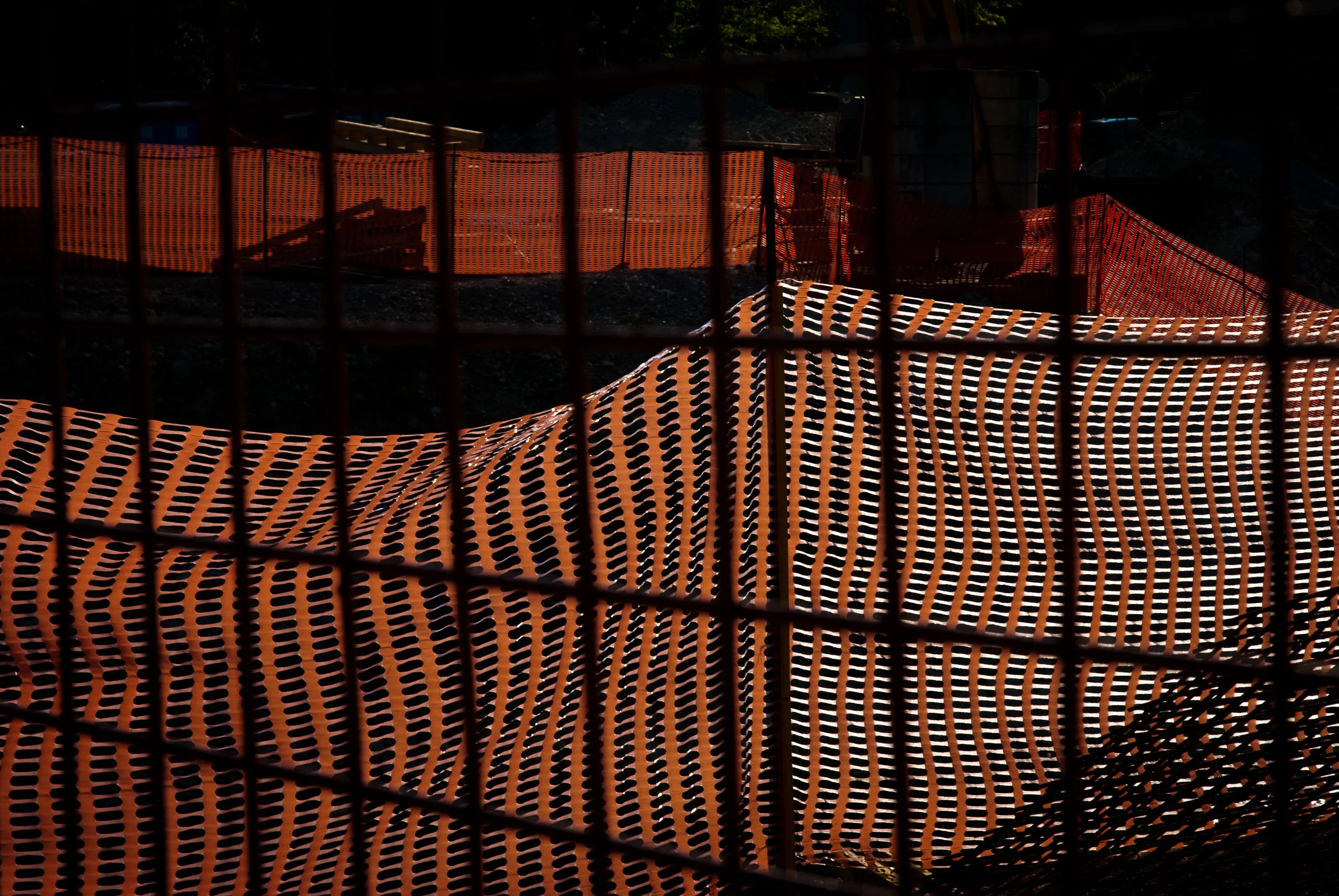
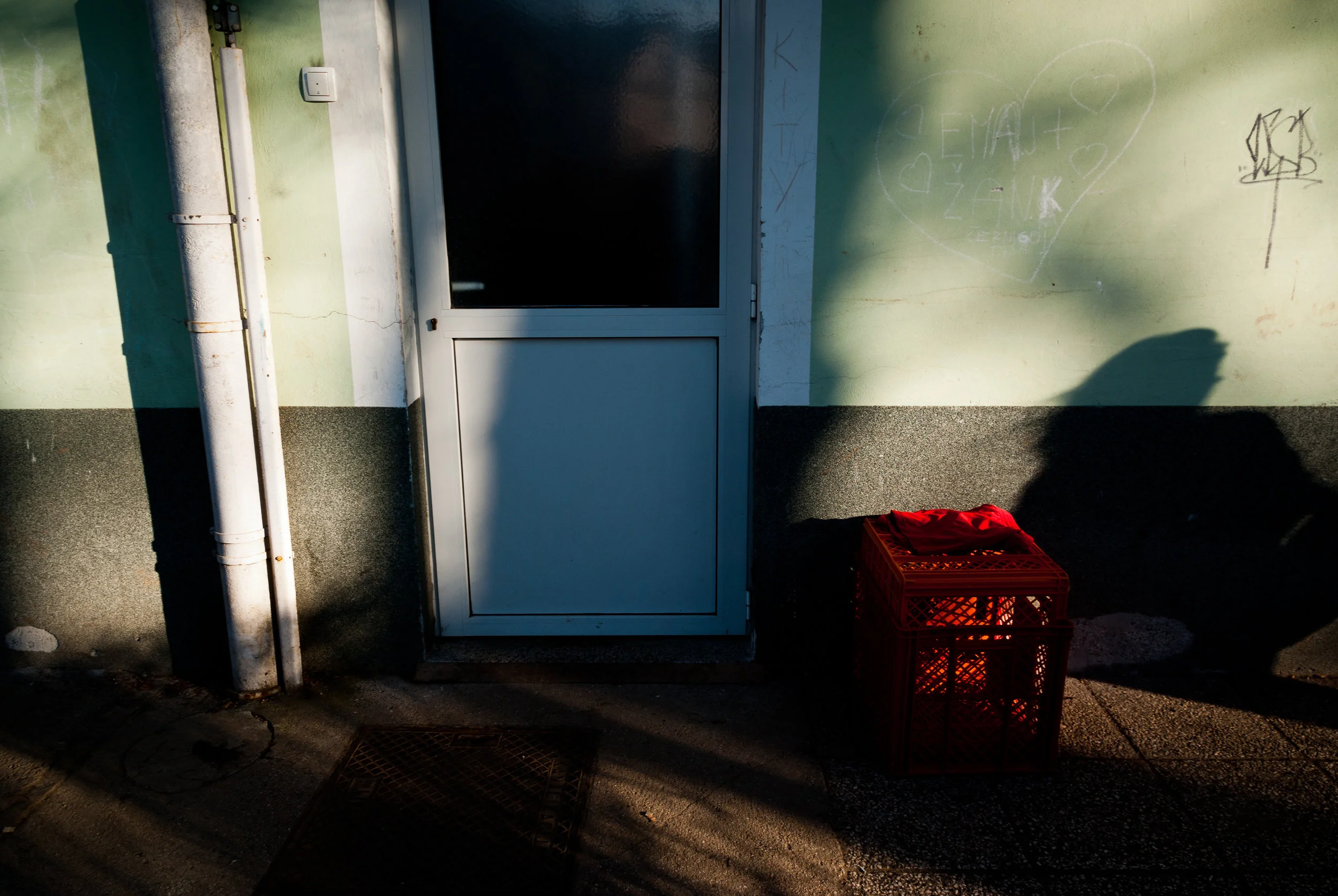
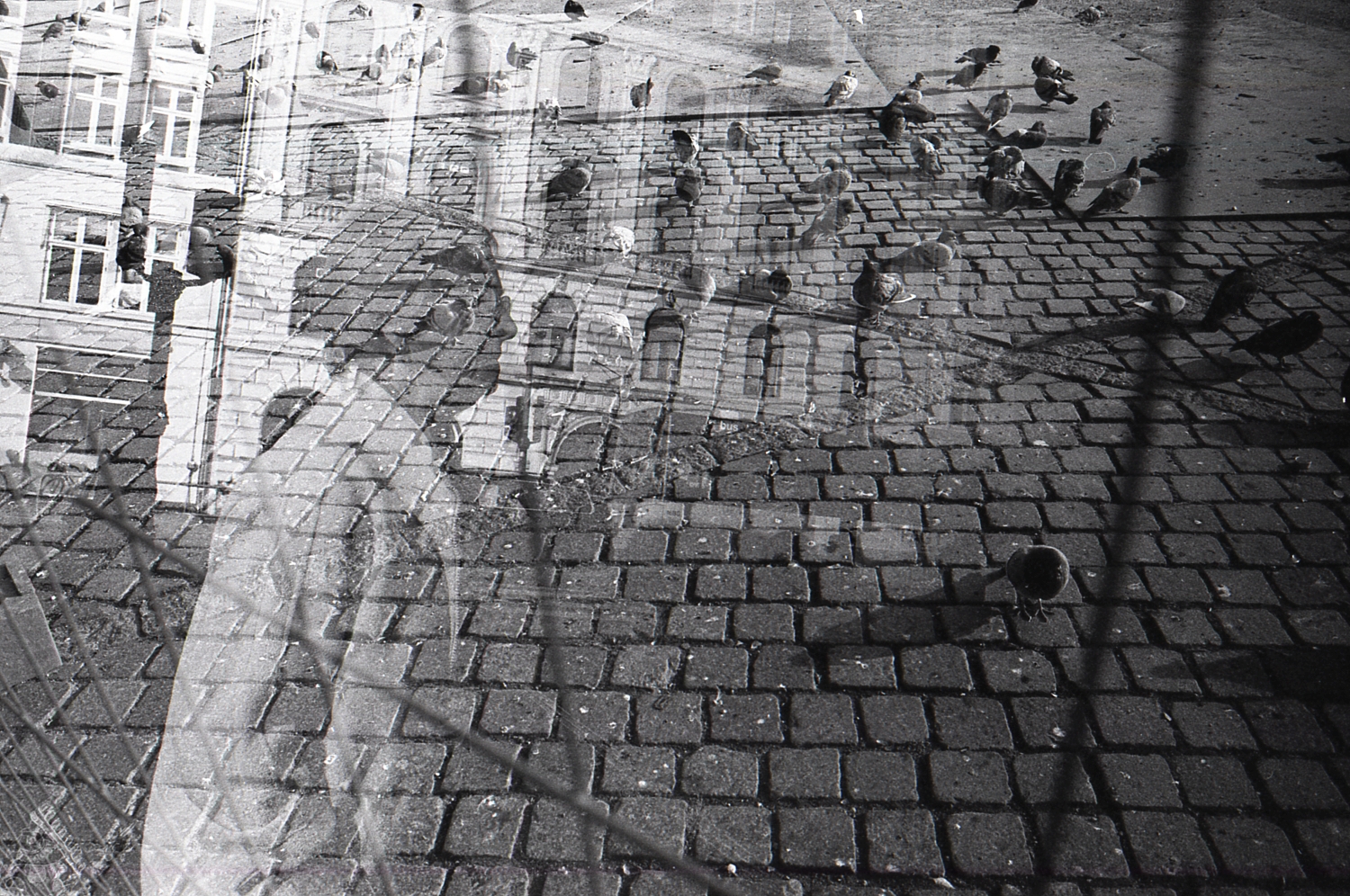
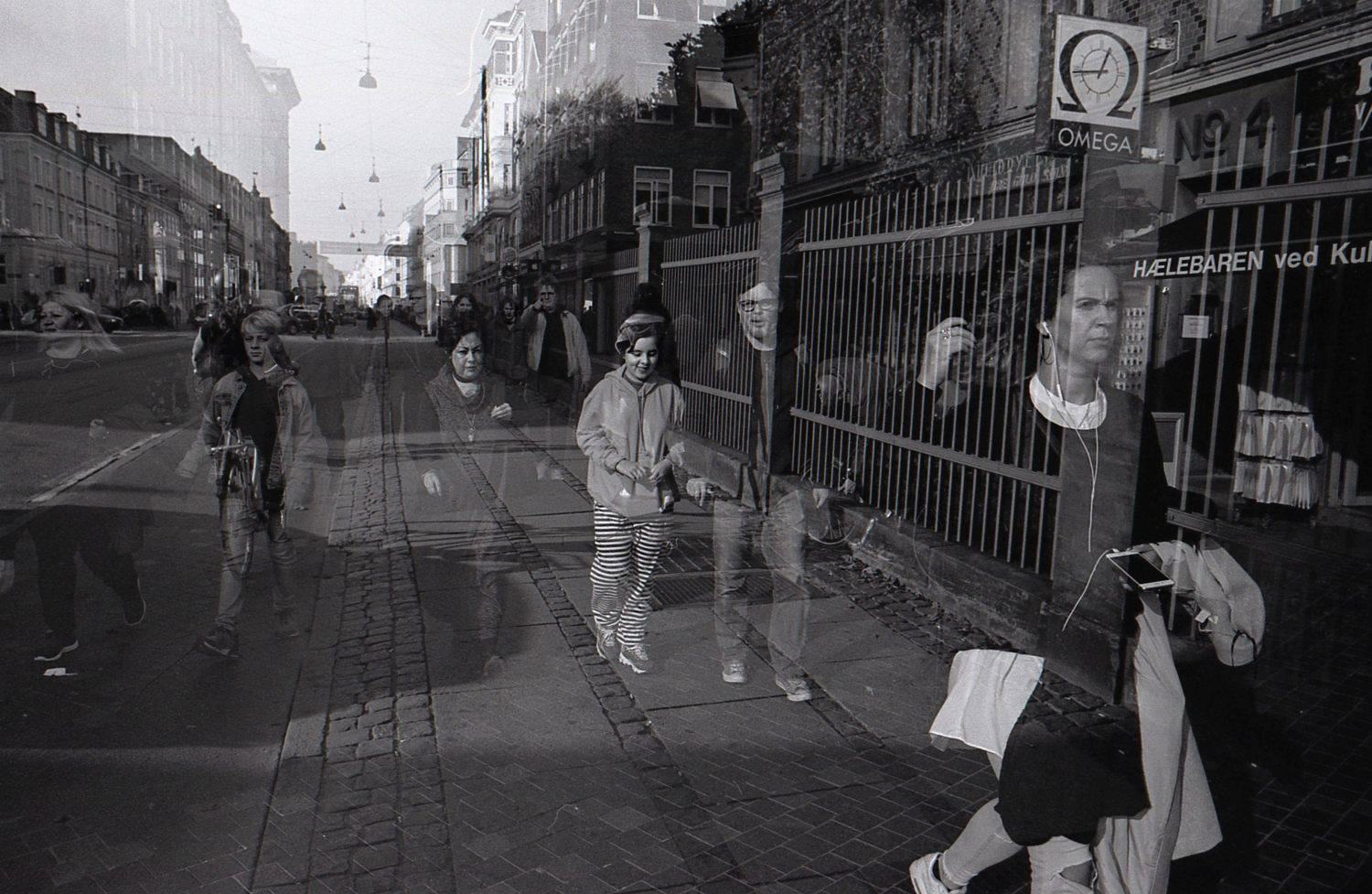
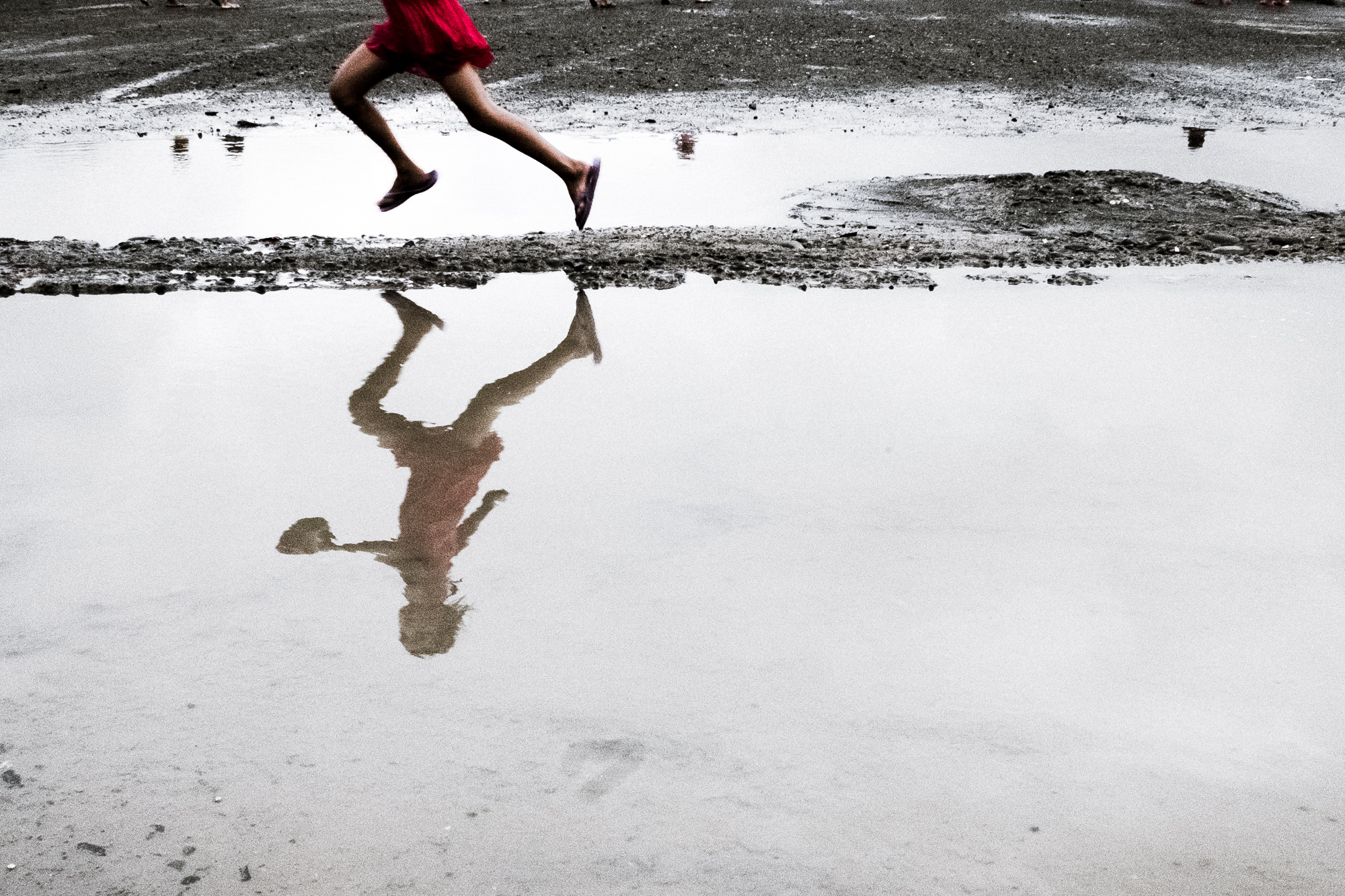
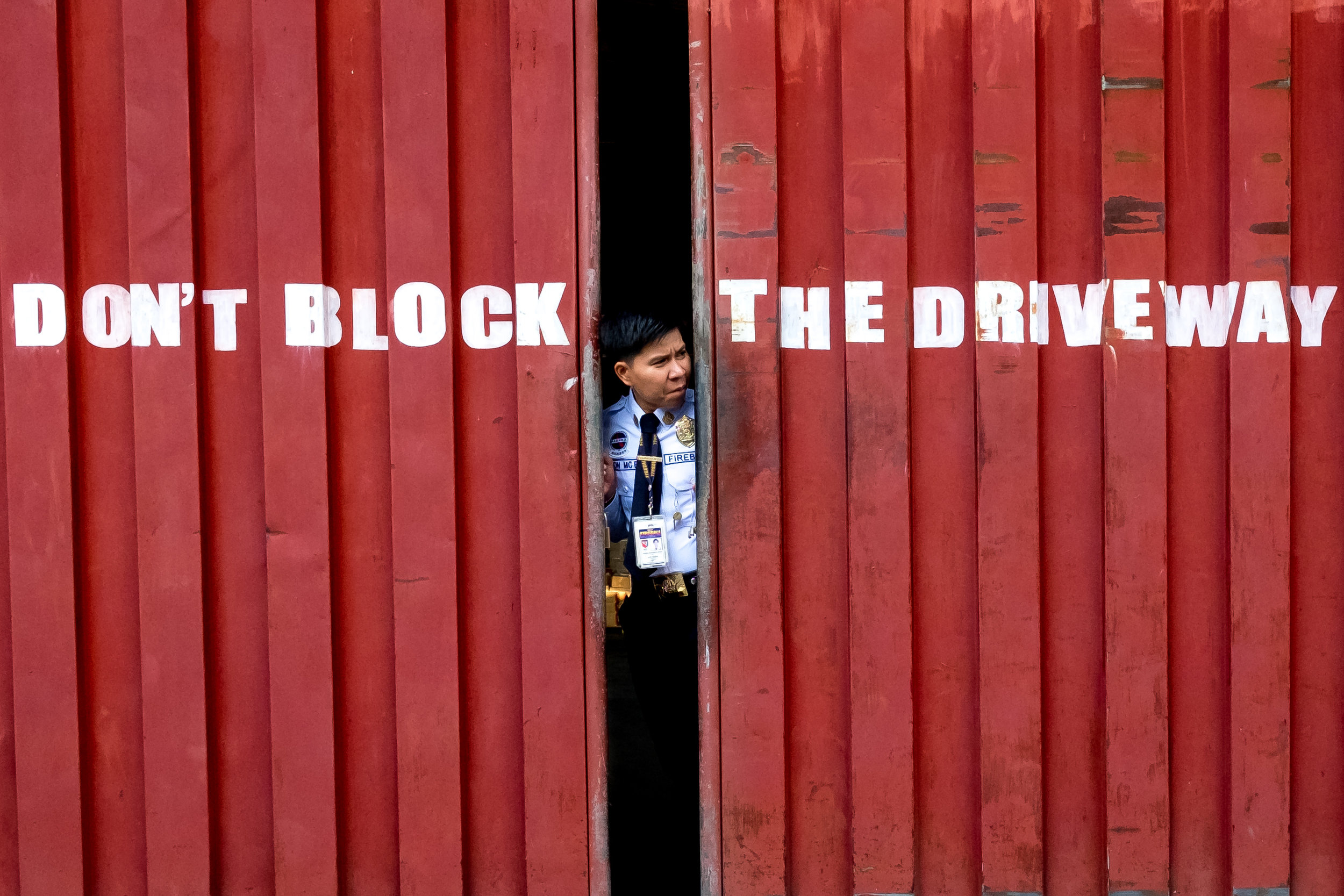
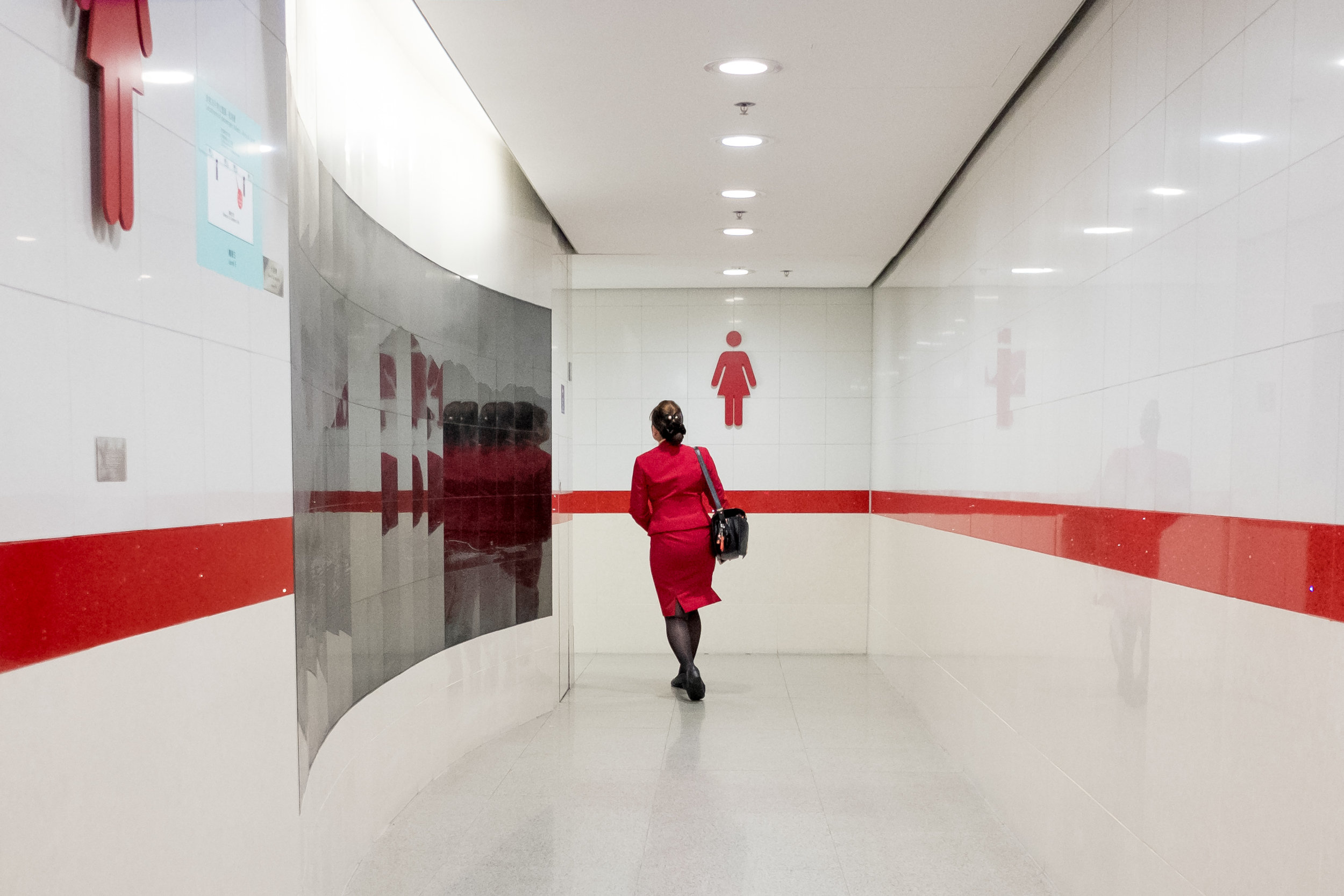
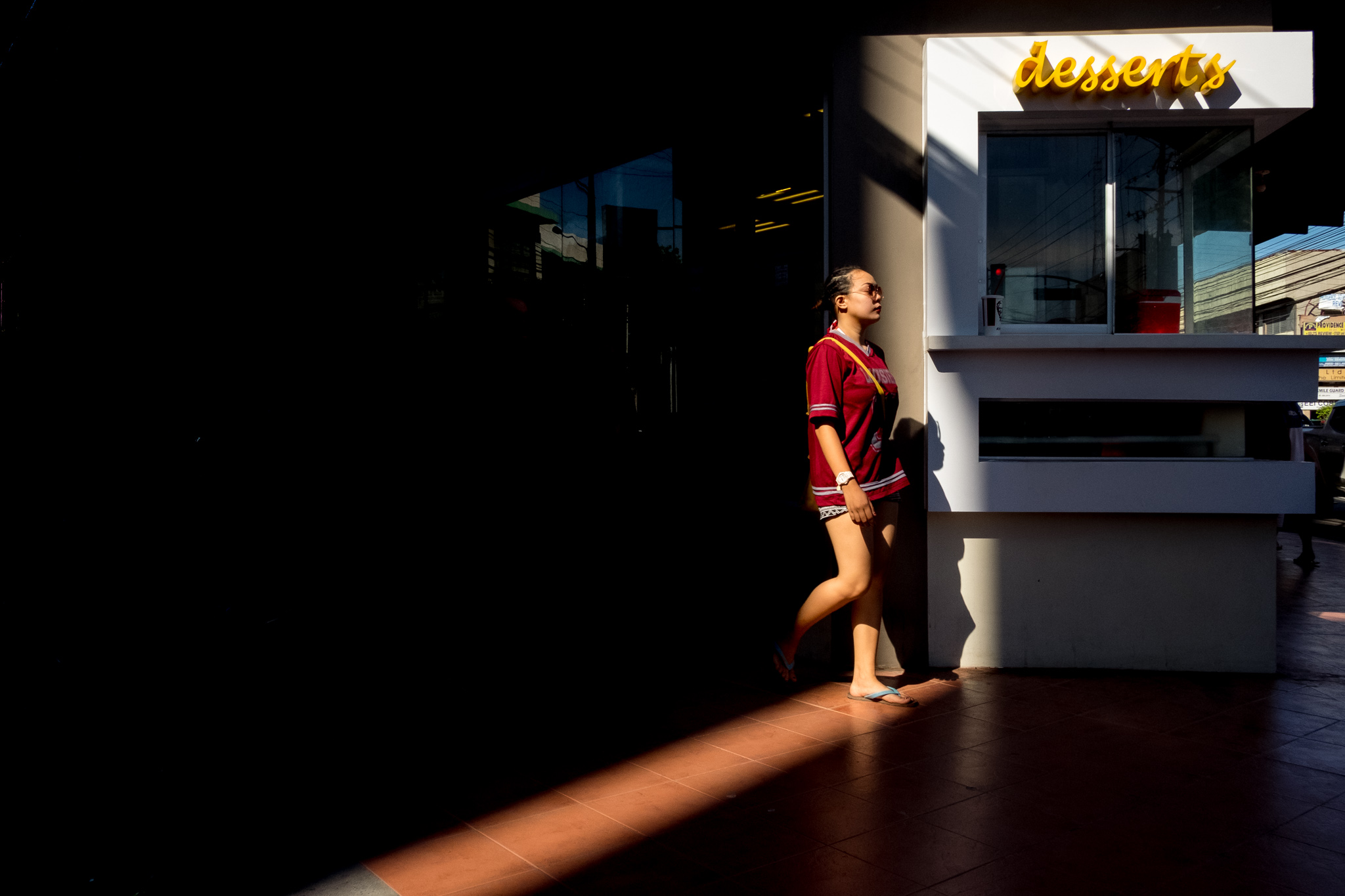
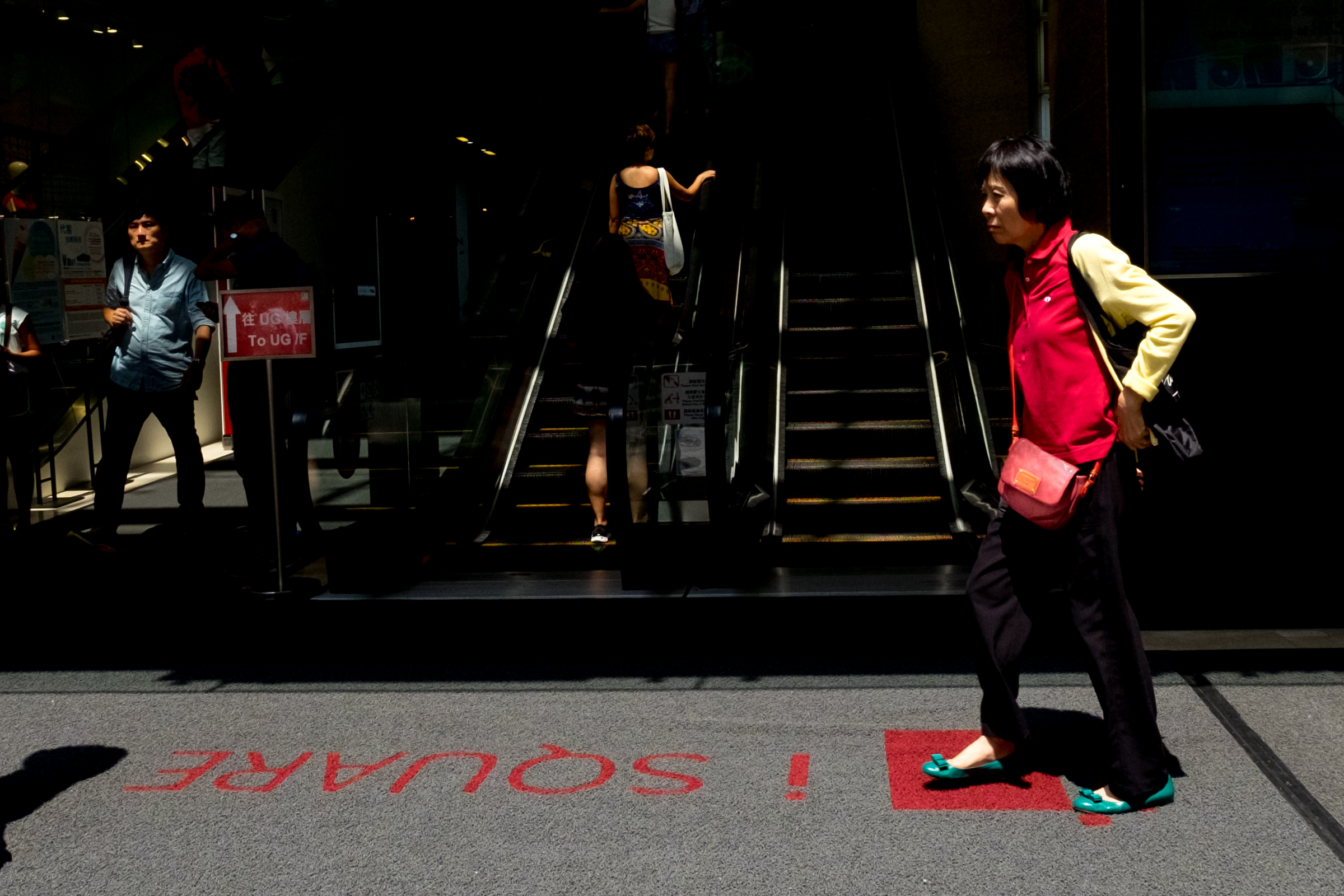
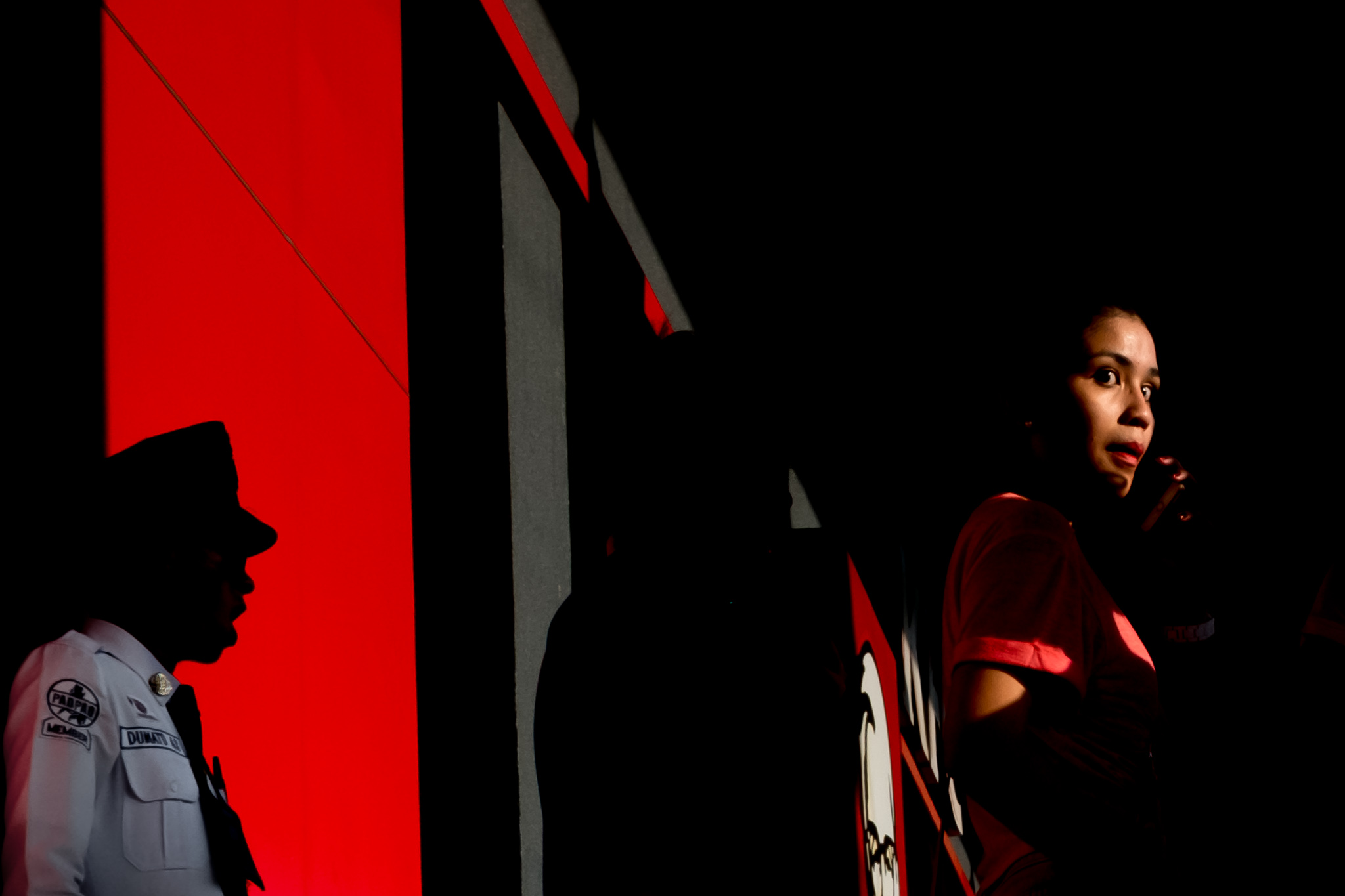
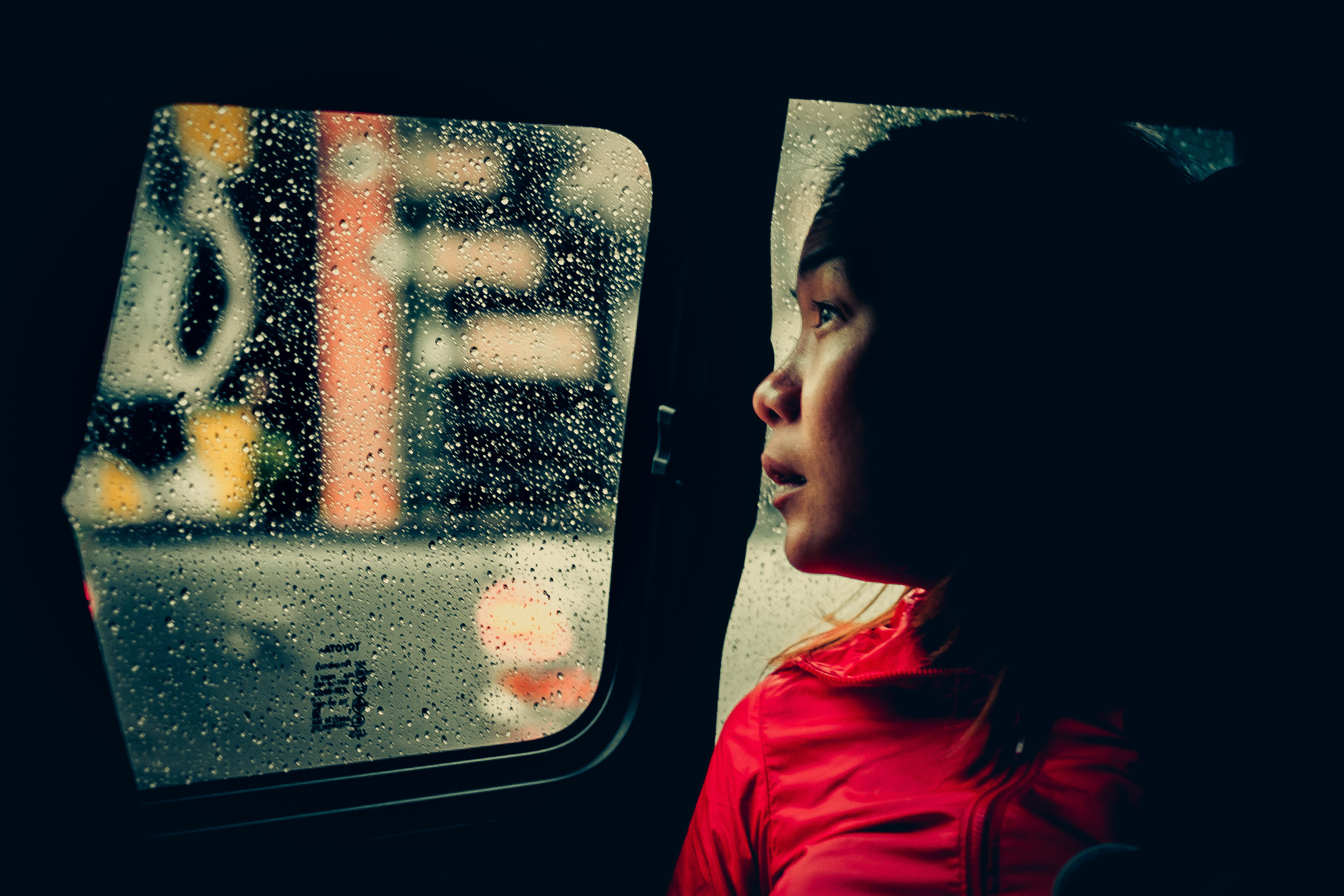
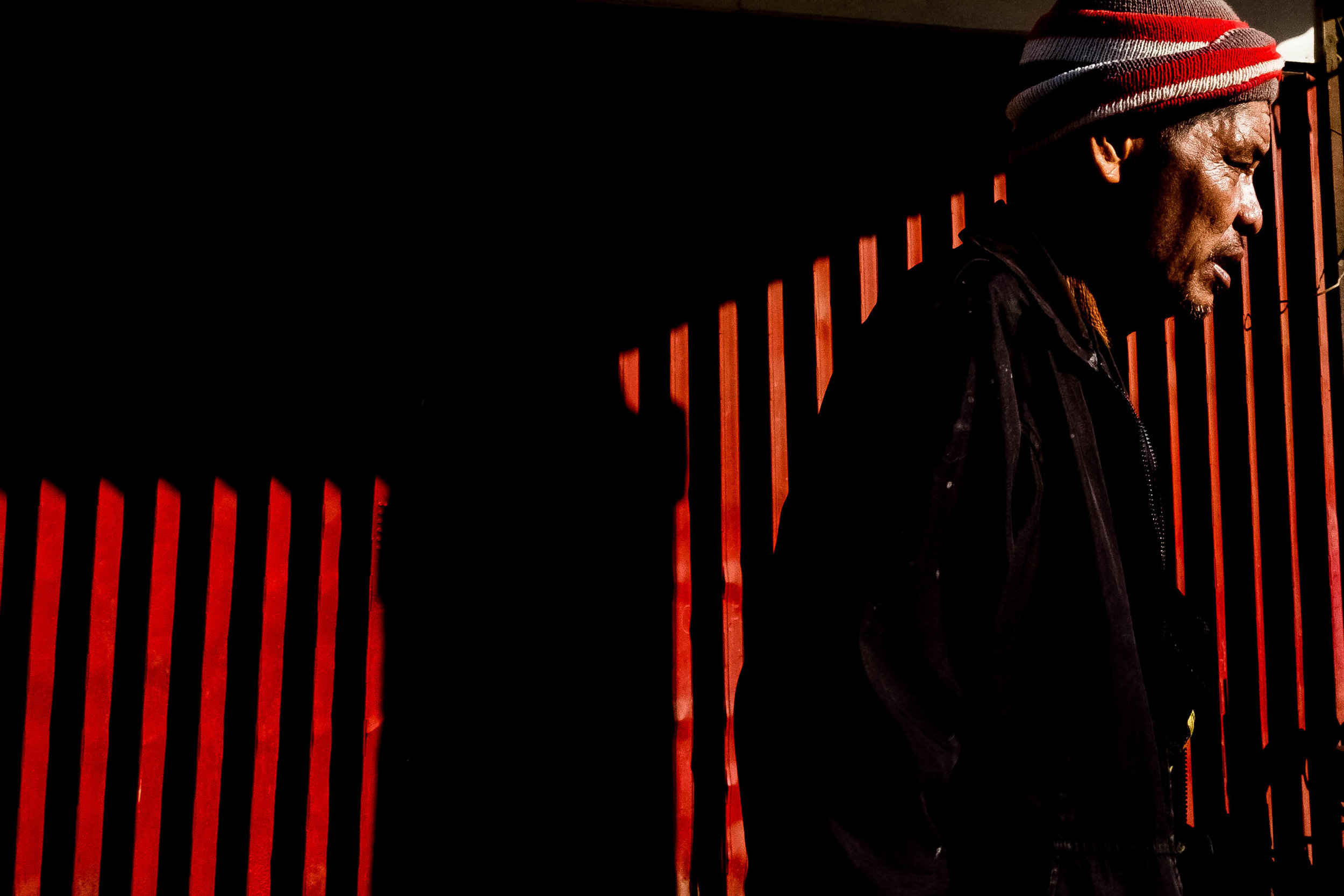
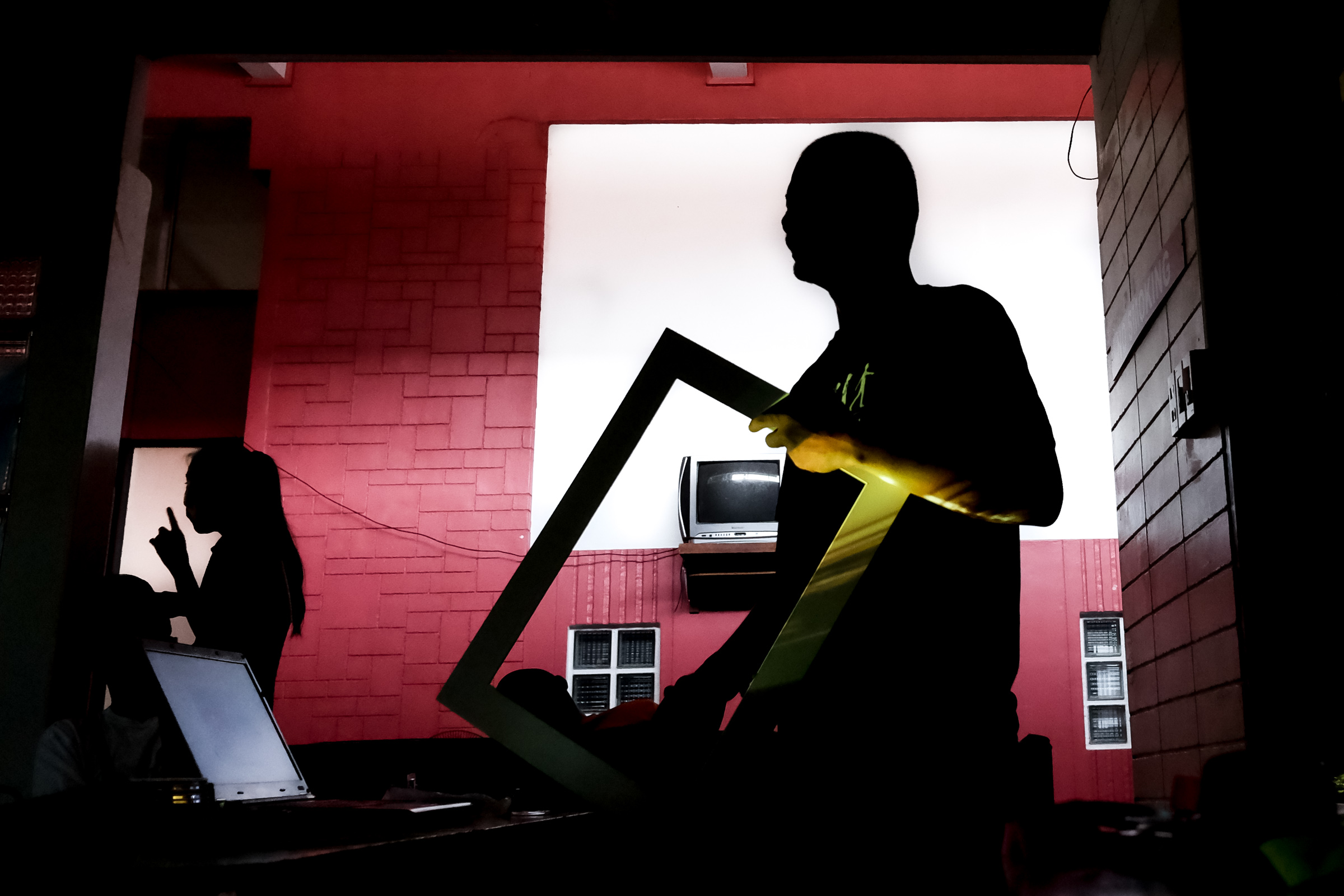
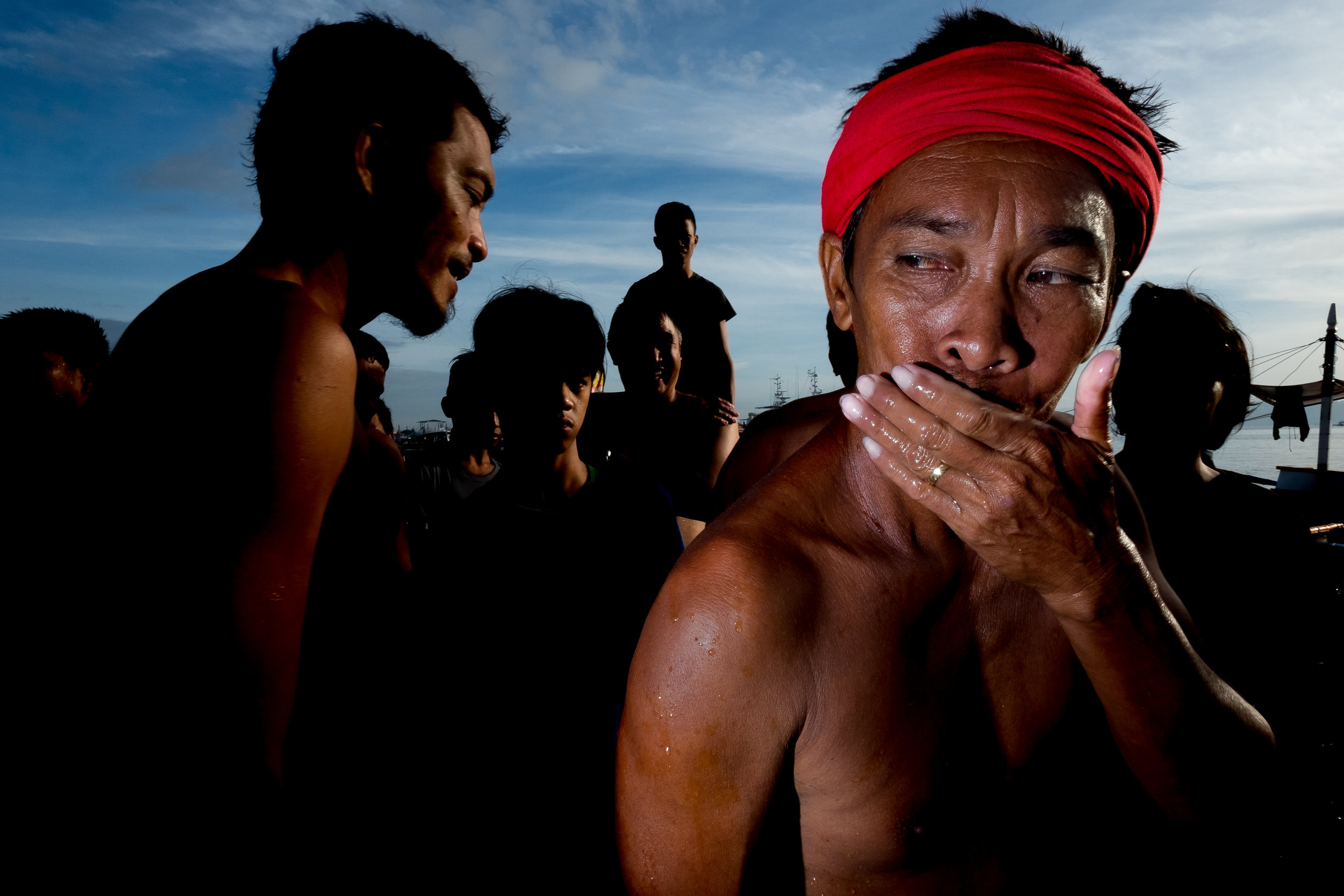
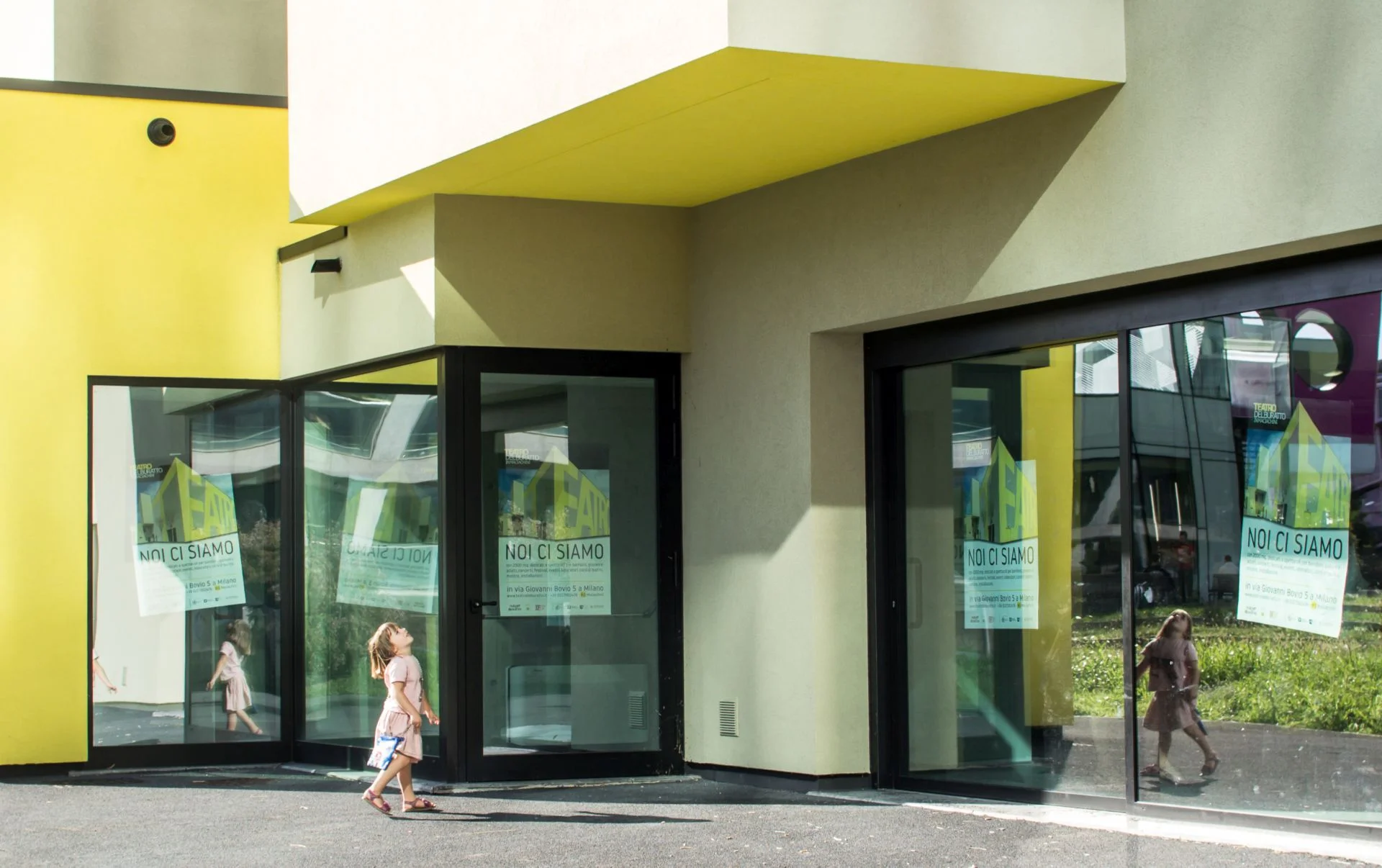
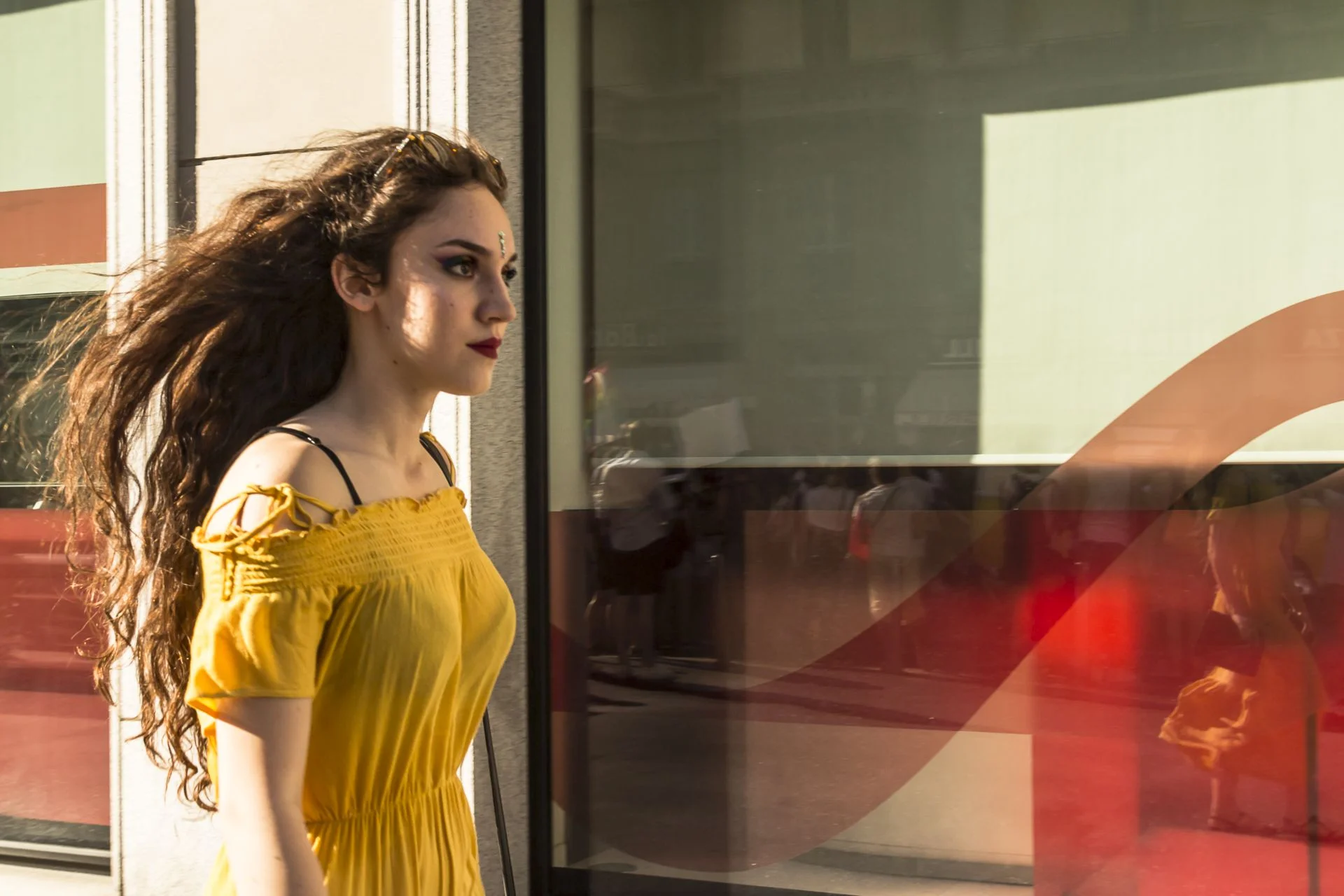
Frame A
“The universe is true for us all and dissimilar to each of us.”
― Marcel Proust, In Search of Lost Time
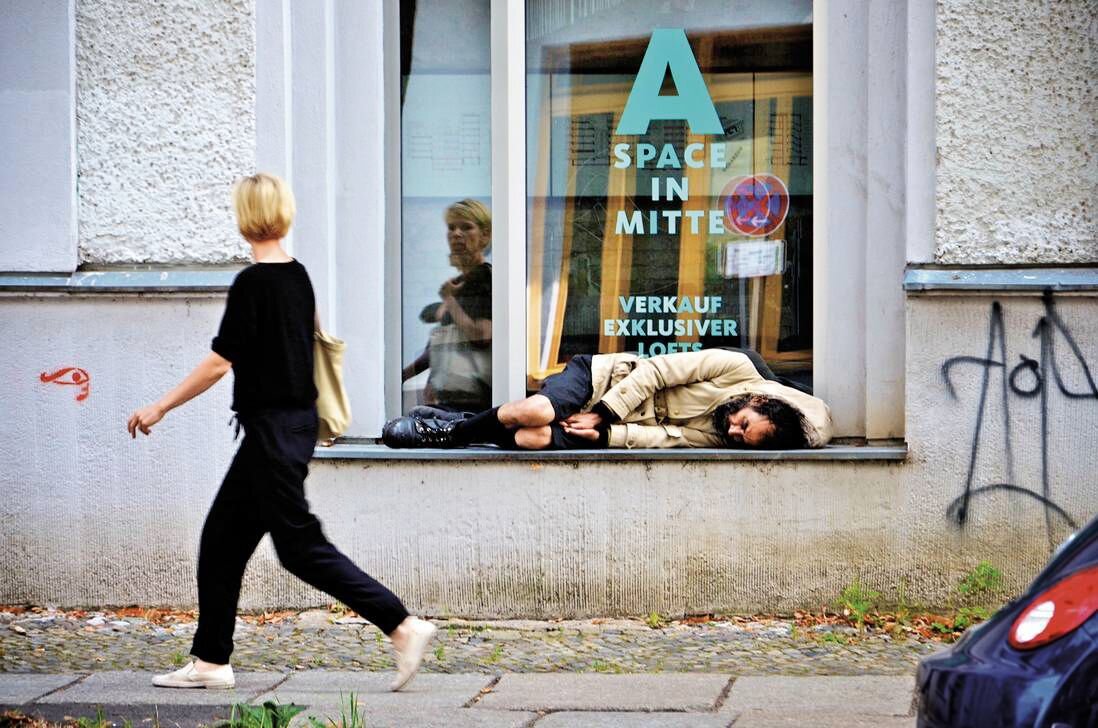
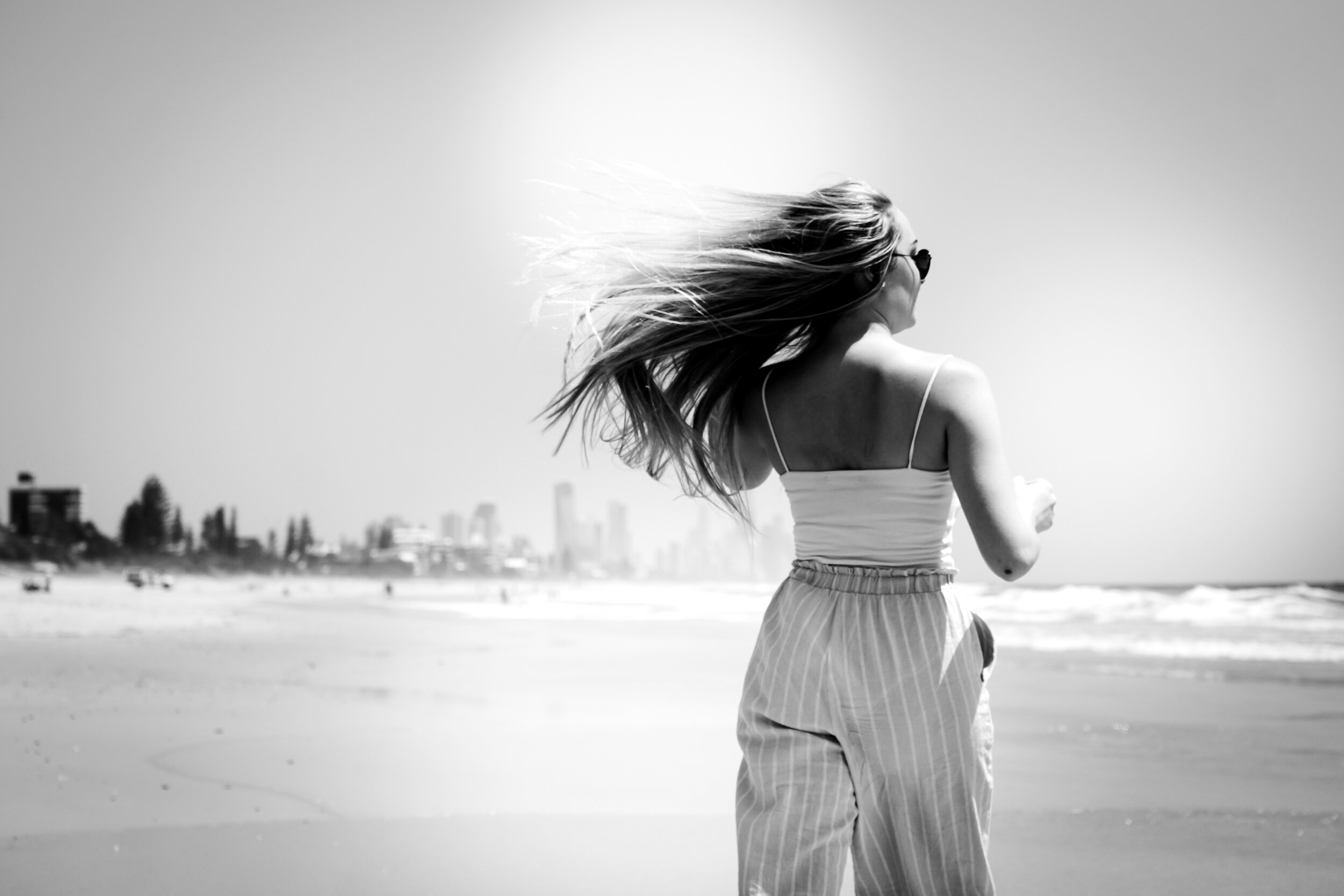
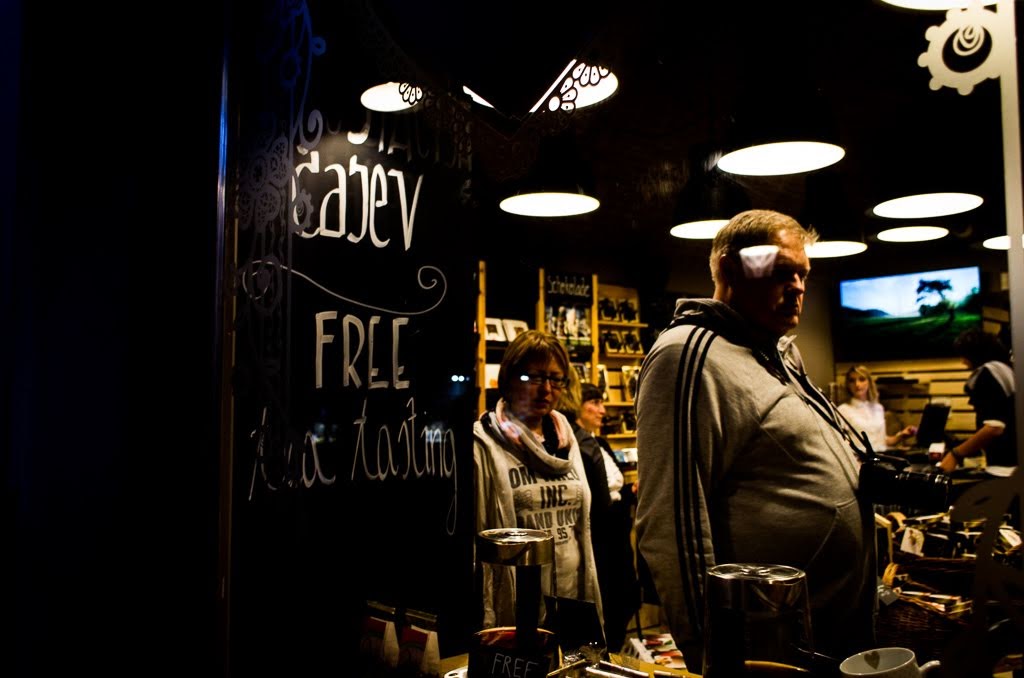
I realised from a very young age , that it was never really about what was happening but how we perceive things. Many masters of photography, including Graciela Iturbide cautions us that “photography is not the truth”, but merely our personal interpretation of the world we photograph. We are guided by our past so to speak, when making decisions in photography, by the world within us.
She said :
“What the eye sees is a synthesis of who you are and all you have learned. This is what I would call the language of photography - an intuitive act infused with all you have learned”.
Ansel Adams echoed her sentiment succinctly with the following thought :
“You don't make a photograph just with a camera. You bring to the act of photography all the pictures you have seen, the books you have read, the music you have heard, the people you have loved.”
For me , the images we make represent an amalgamation of our personality and whatever lies in front of our lens that motivates us to release the shutter. More often than not factors such as personal beliefs, emotions, education among others that unconsciously influence the process of making images are not accounted for - we are simply not aware and for better or worse , do not know , that we do not know.
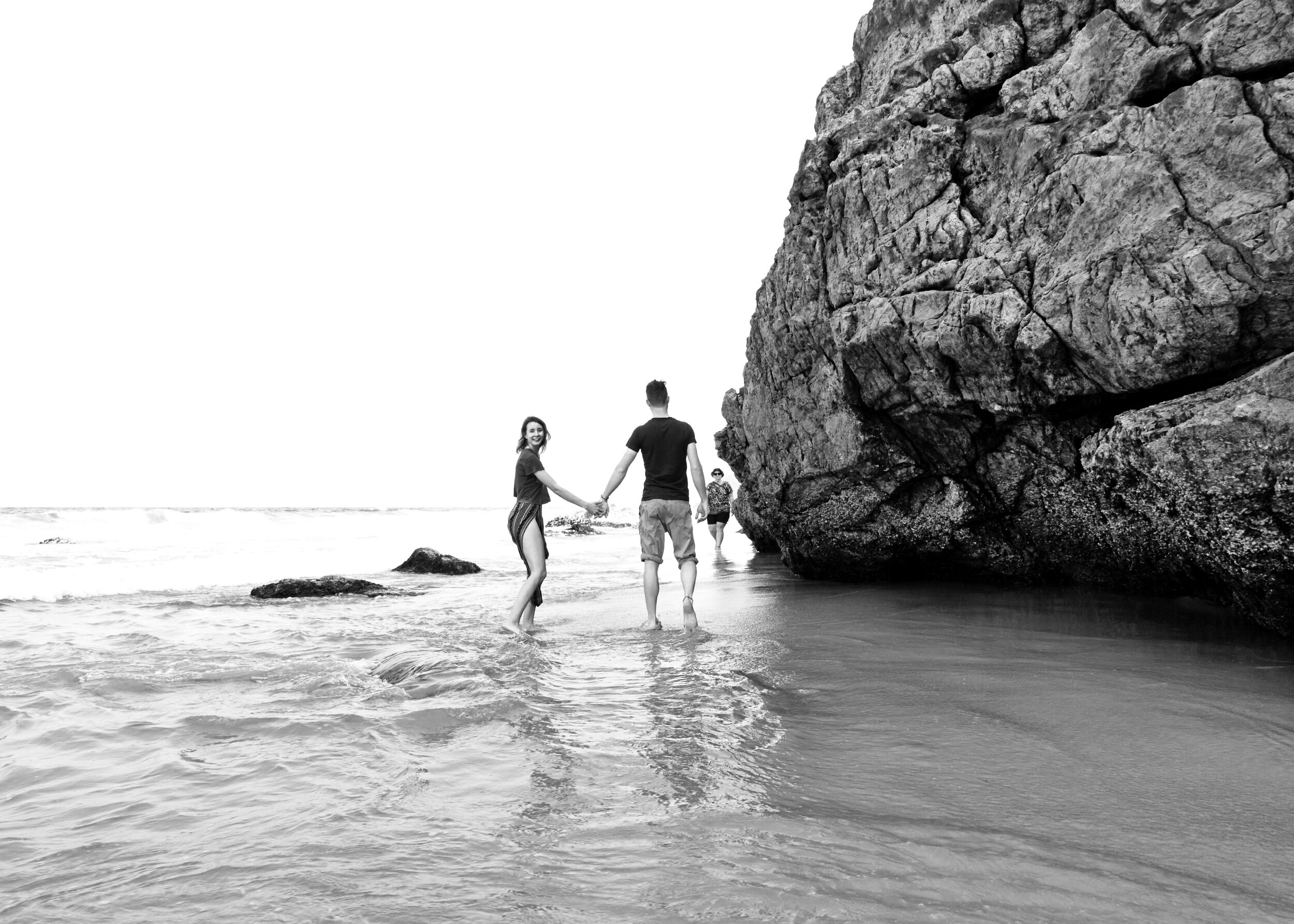
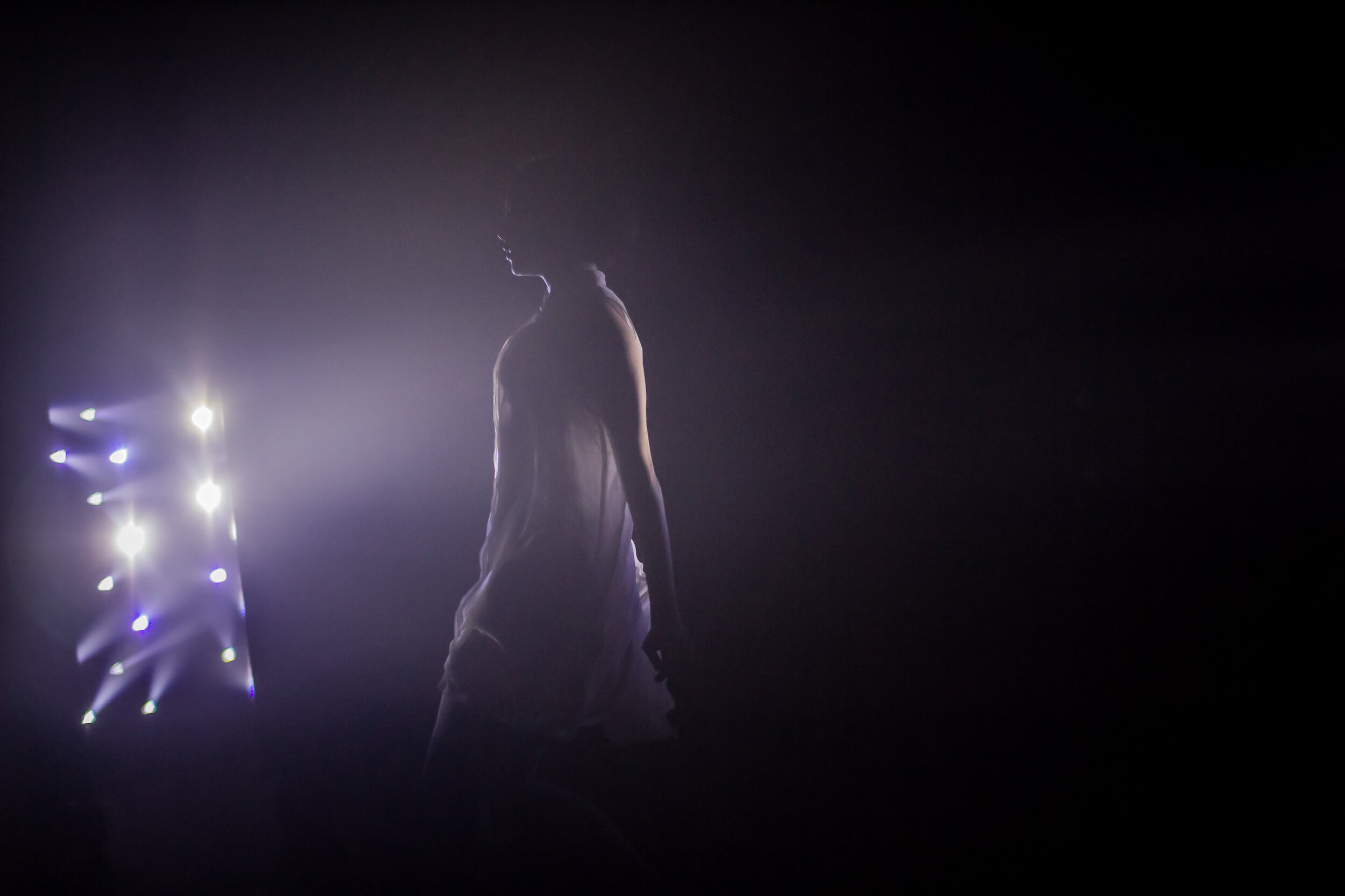
Frame B
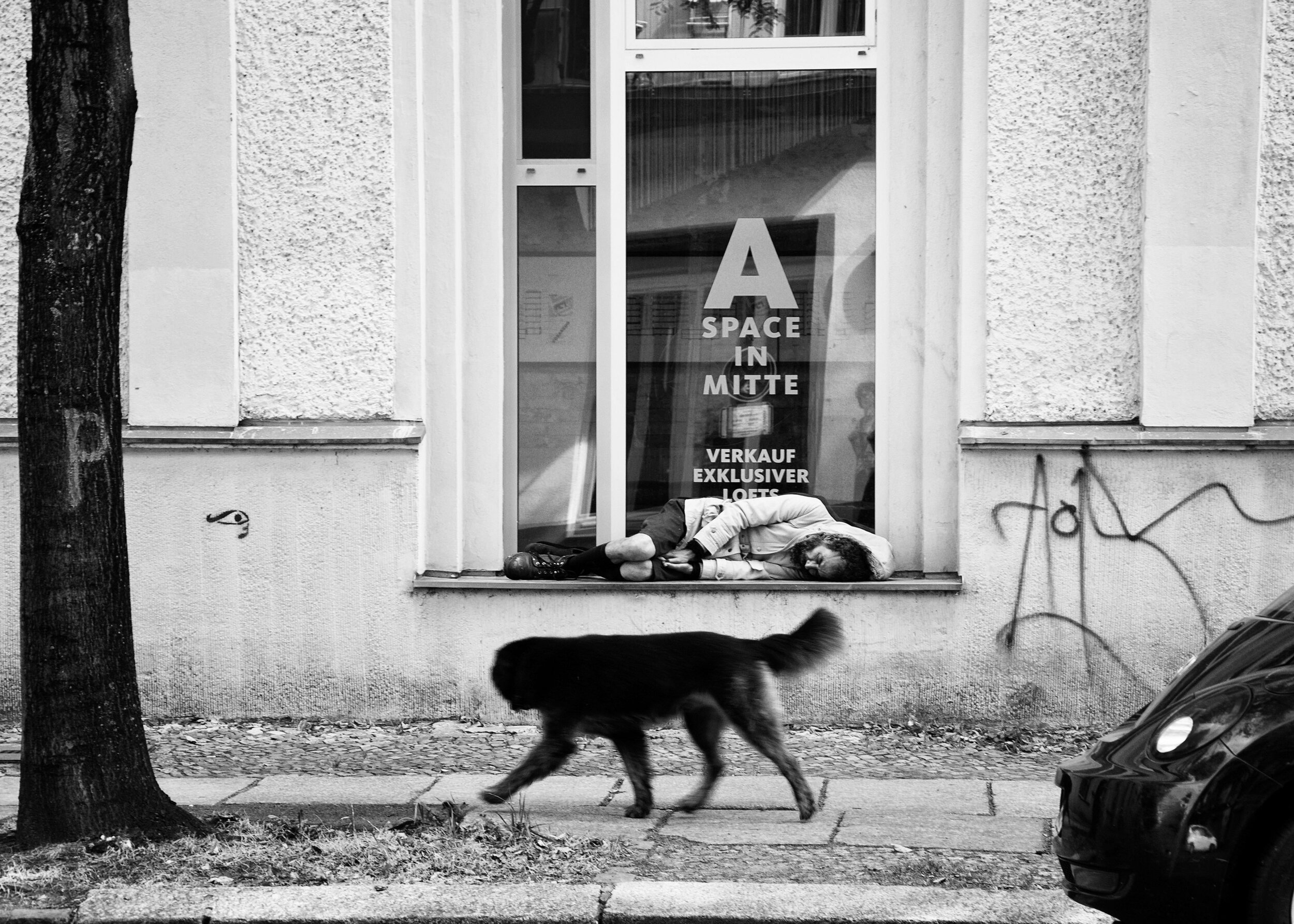
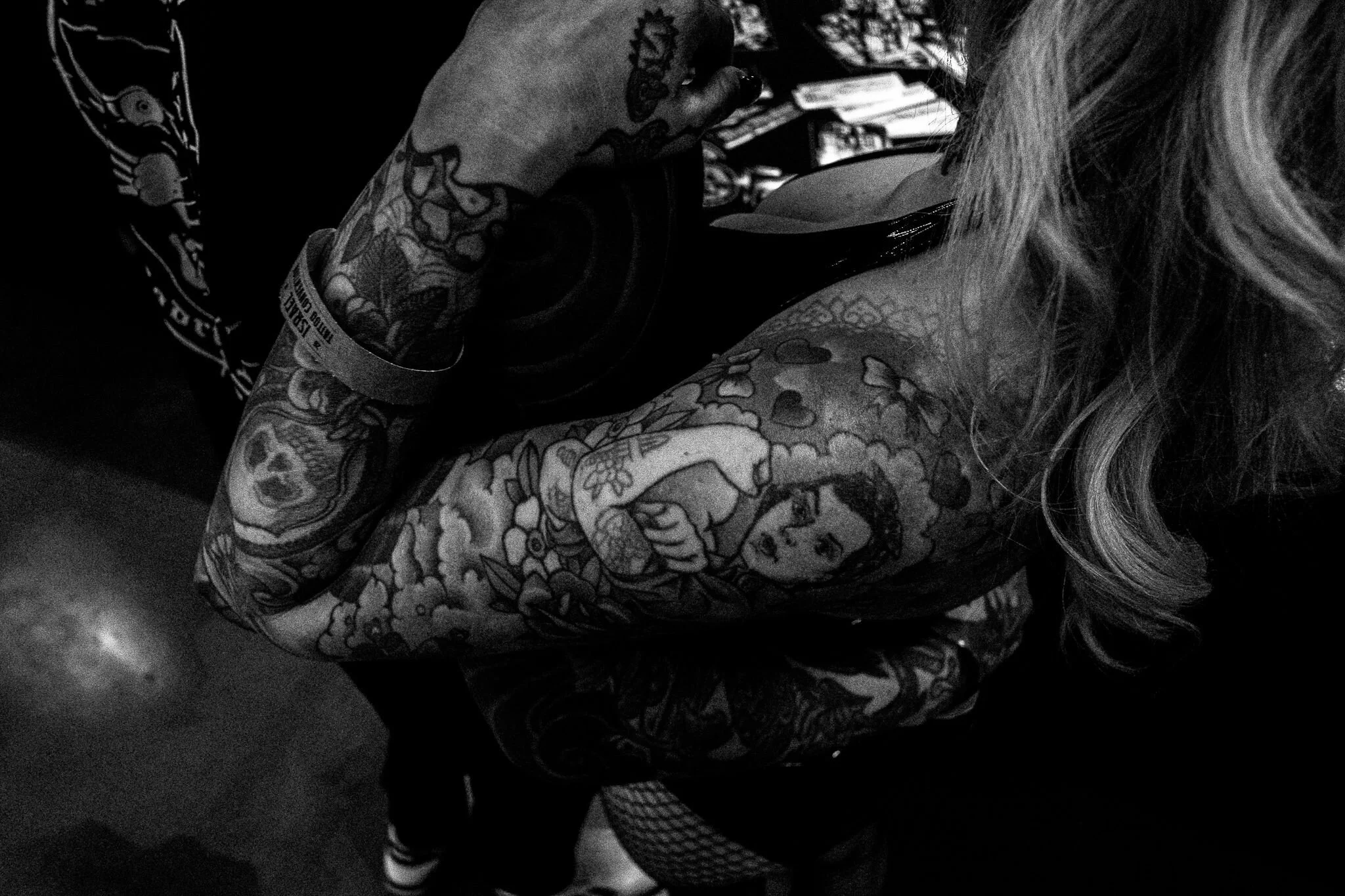
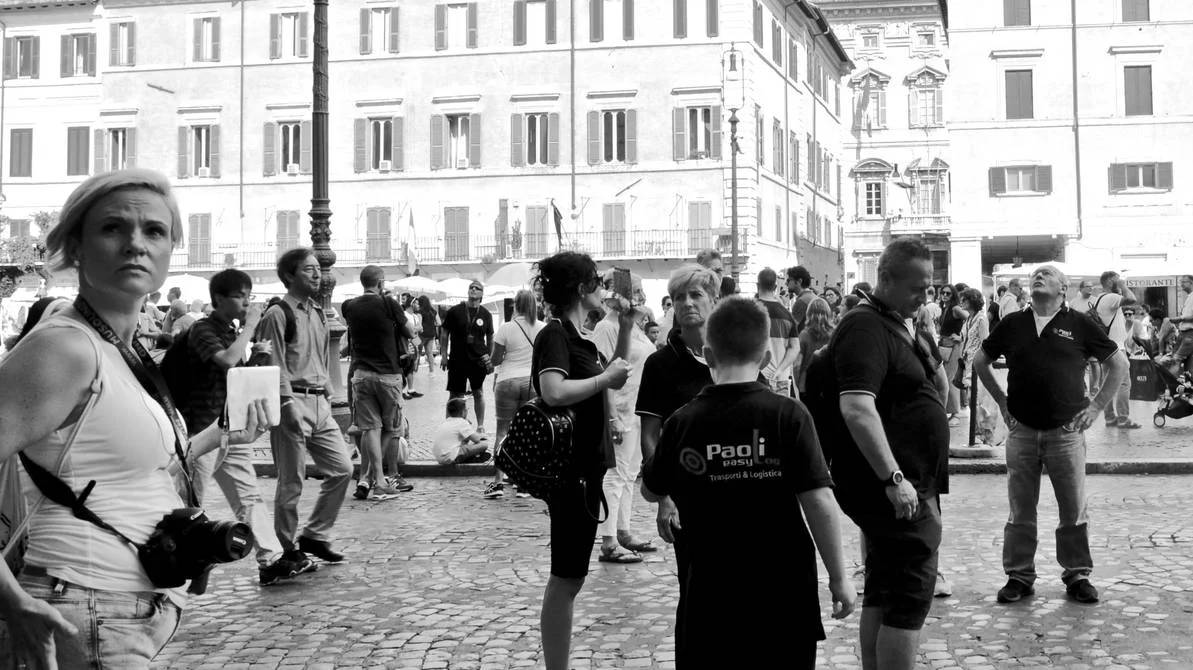
“We believe that we can change the things around us in accordance with our desires—we believe it because otherwise we can see no favourable outcome. We do not think of the outcome which generally comes to pass and is also favourable: we do not succeed in changing things in accordance with our desires, but gradually our desires change. The situation that we hoped to change because it was intolerable becomes unimportant to us. We have failed to surmount the obstacle, as we were absolutely determined to do, but life has taken us round it, led us beyond it, and then if we turn round to gaze into the distance of the past, we can barely see it, so imperceptible has it become.”
― Marcel Proust, In Search of Lost Time
Dr. David Bohm, the renowned theoretical physicist , offered us a truly elegant explanation that sums up the exquisite balance between our beliefs and what we experience as reality :
“Reality is what we take to be true. What we take to be true is what we believe. What we believe is based upon our perceptions. What we perceive depends on what we look for. What we look for depends on what we think. What we think depends on what we perceive. What we perceive determines what we believe. What we believe determines what we take to be true. What we take to be true is our reality.”
As humans we cannot resist the secure familiarity of comparisons that form our past and we naturally compensate with points of association in the present and what gives us comfort is not so much the meticulous depiction of reality that matters but the vision evoked within us that is important. We are but an intricate tapestry of reminiscences and beliefs and sentiments.
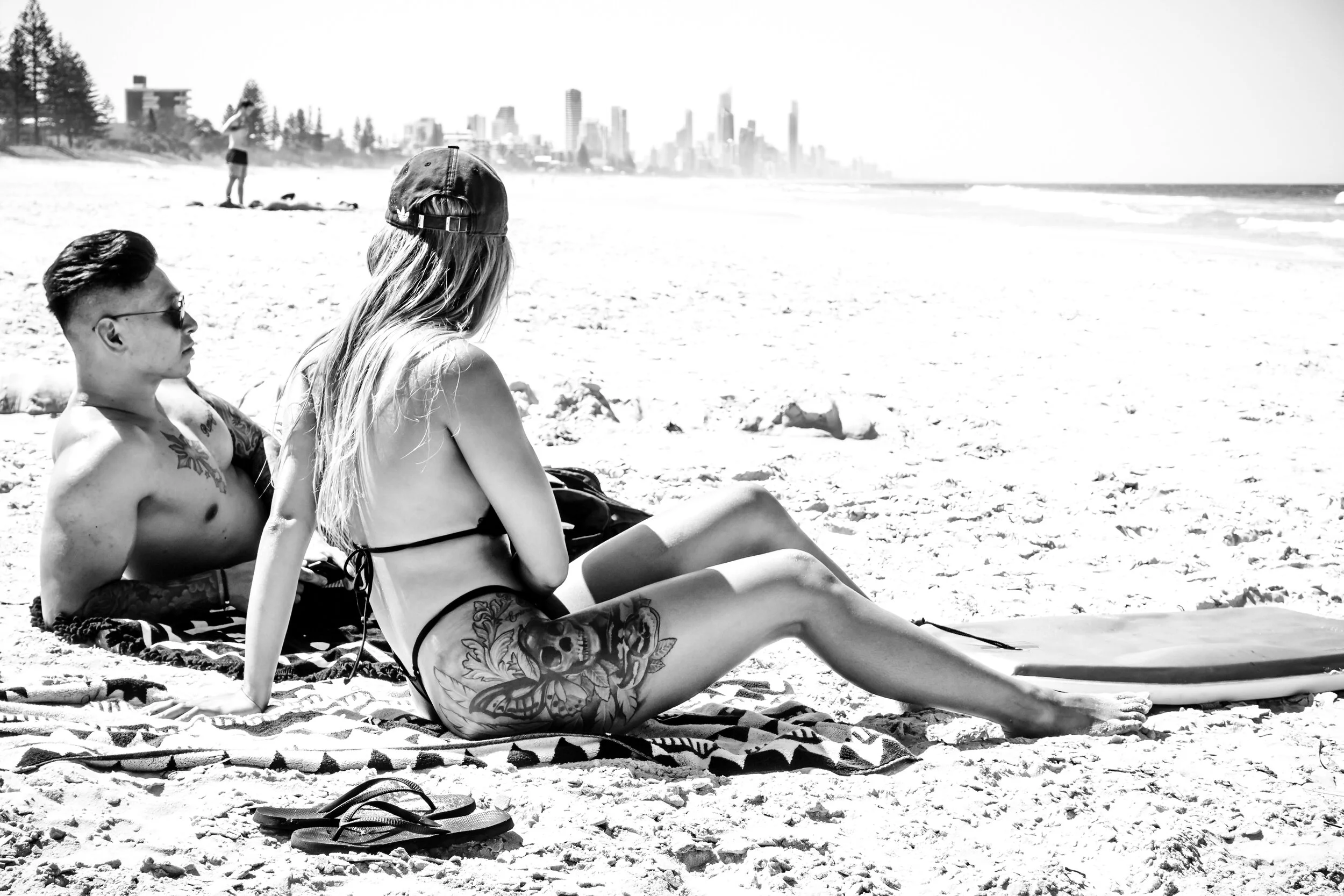
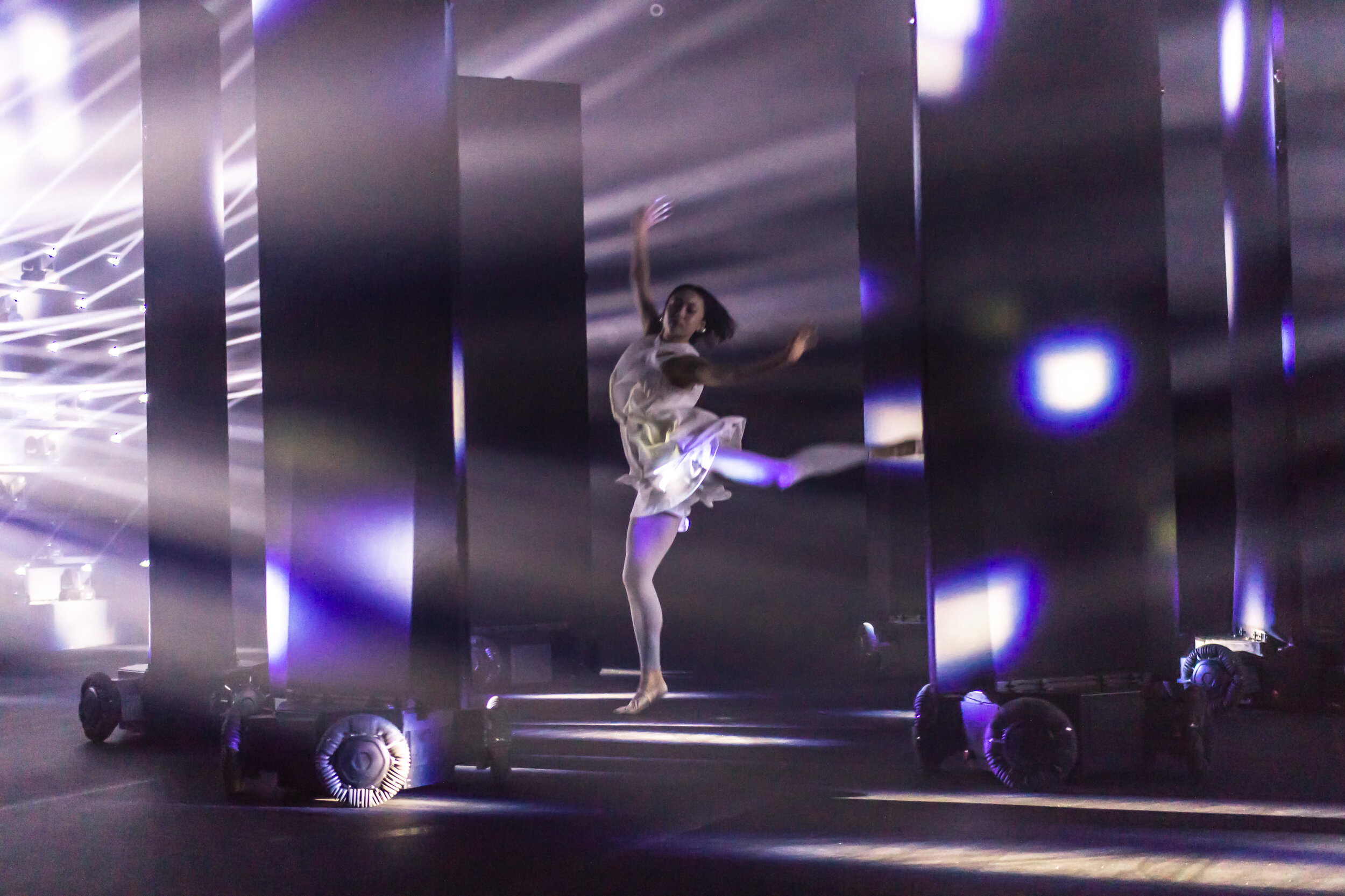
Frame C
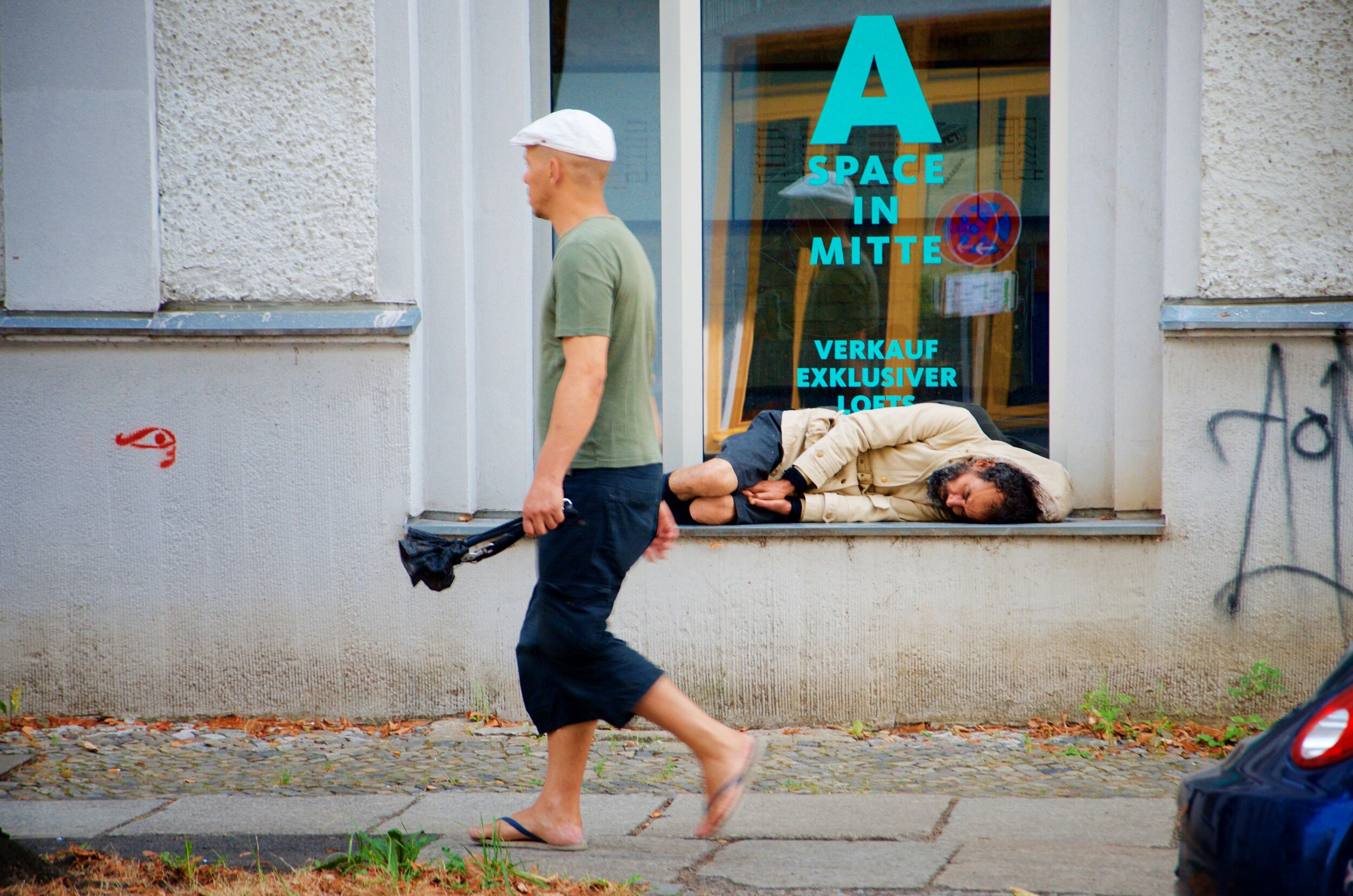
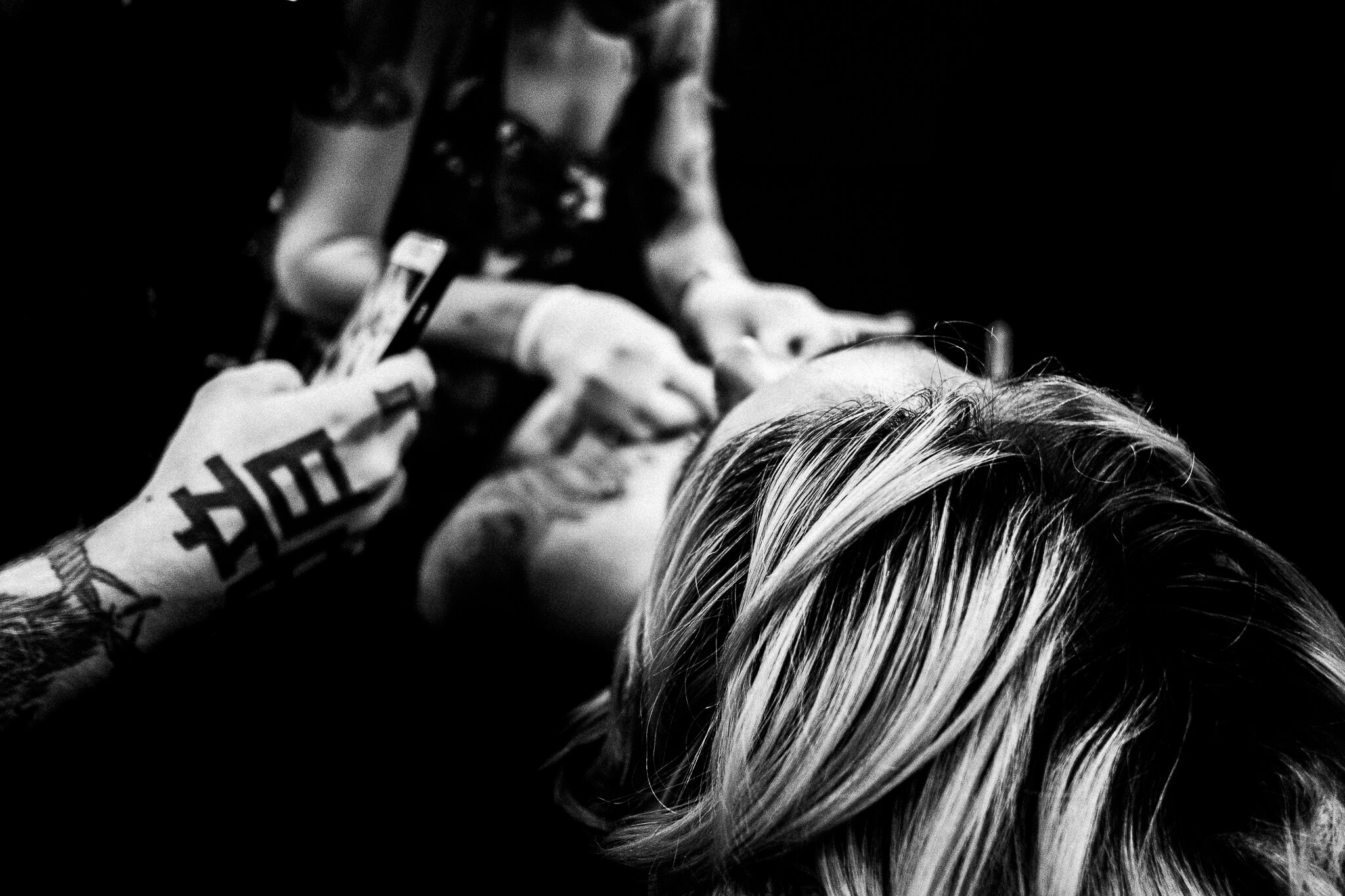
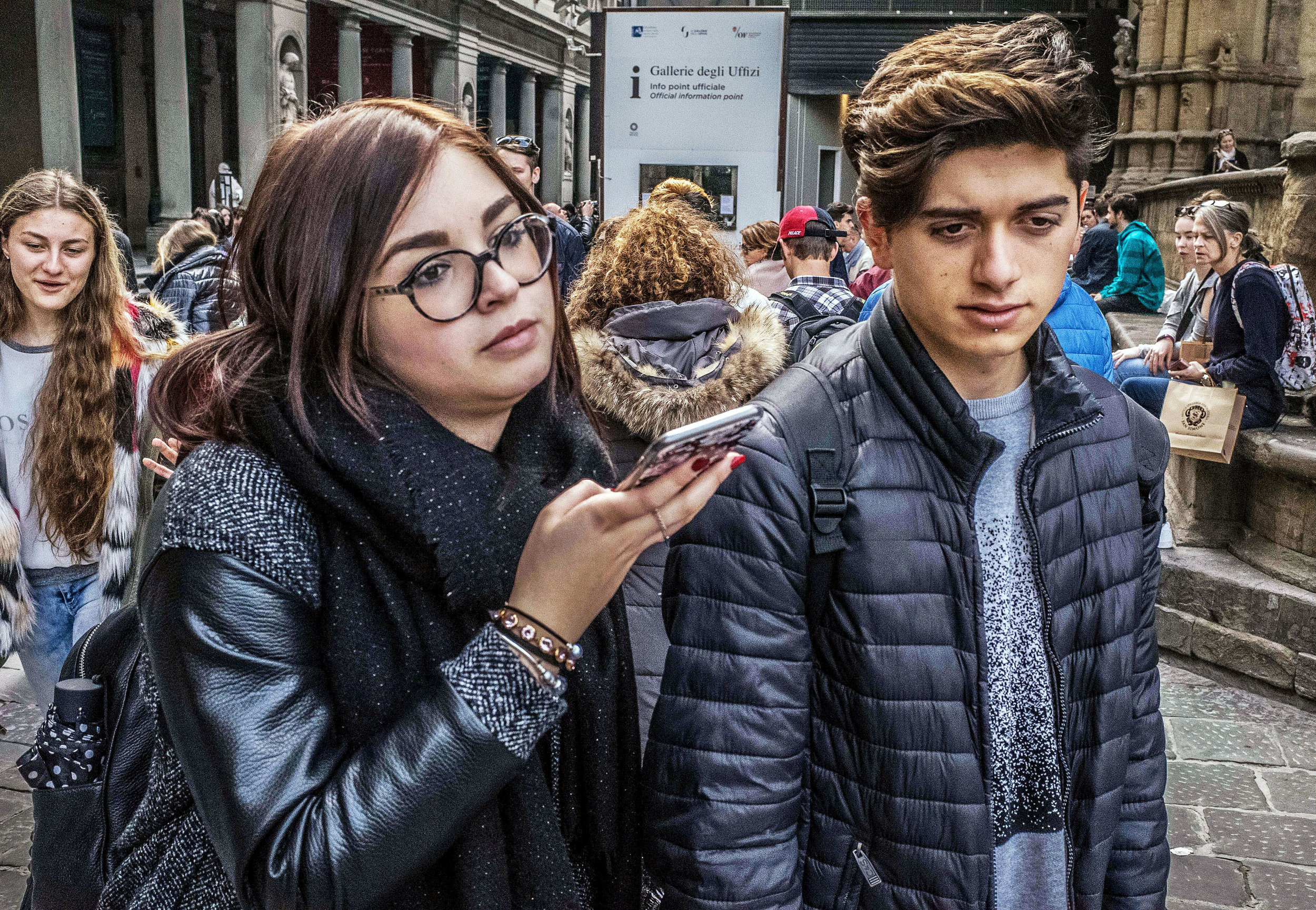
“But sometimes illumination comes to our rescue at the very moment when all seems lost; we have knocked at every door and they open on nothing until, at last, we stumble unconsciously against the only one through which we can enter the kingdom we have sought in vain a hundred years - and it opens.”
― Marcel Proust, In Search of Lost Time
When Proust was thirteen years old , he answered a questionnaire in an English-language confession book belonging to the family of his friend Antoinette, daughter of the then future French President Félix Faure, entitled "An Album to Record Thoughts, Feelings, etc." At that time, it was popular among the wealthy to answer such a list of questions that revealed the tastes and aspirations of the taker.
The Proust Questionnaire was and remains popular today due to the responses given by Proust as a teenager and by many other famous personalities. Perhaps we would like to have some fun answering similar questions contained in the questionnaire and in a small way enjoy gaining a little insight about ourselves, and at the same time realise that photography is:
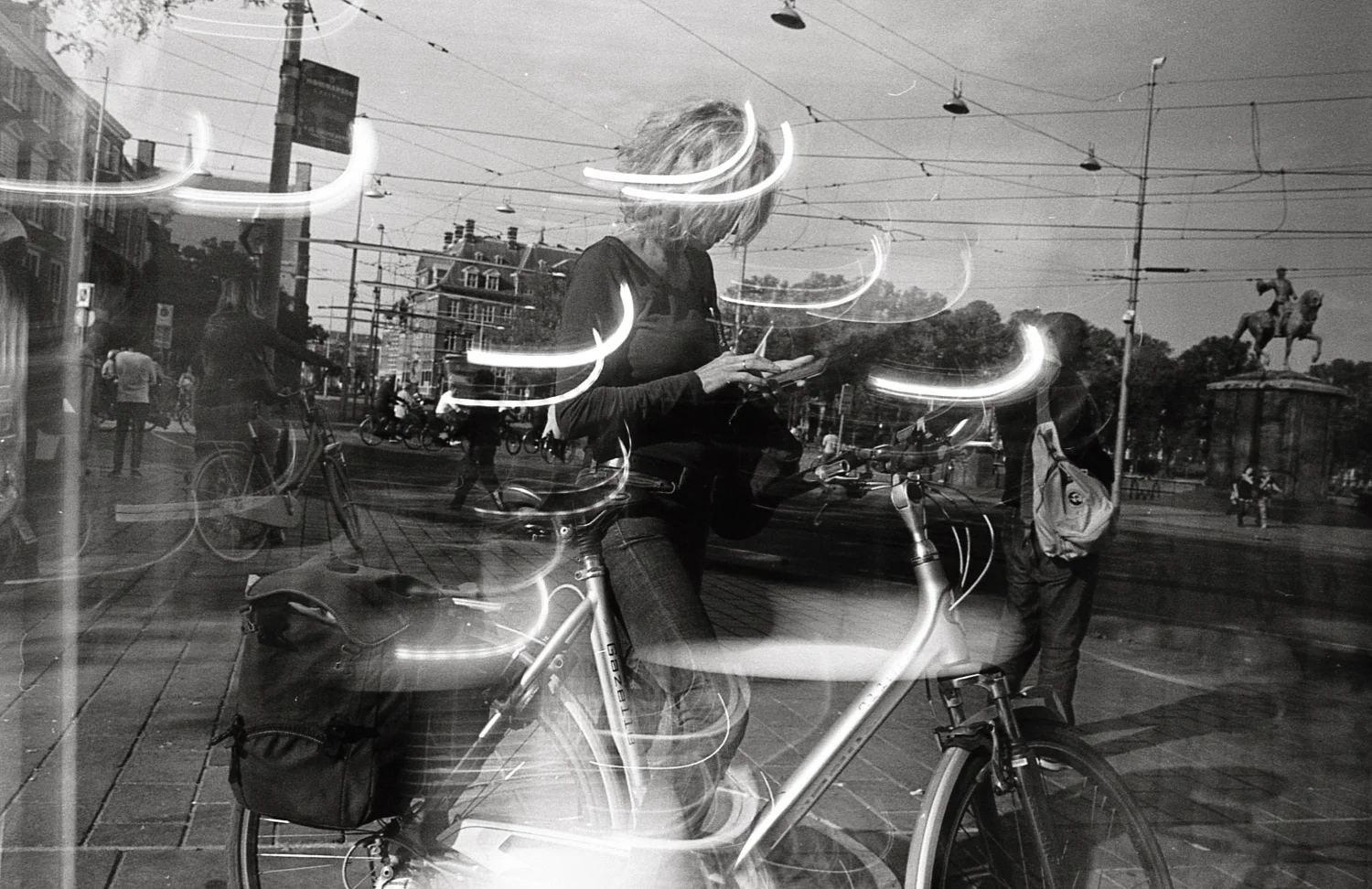
More about vision ... Less representational... More figurative ... Less descriptive ... More feeling.
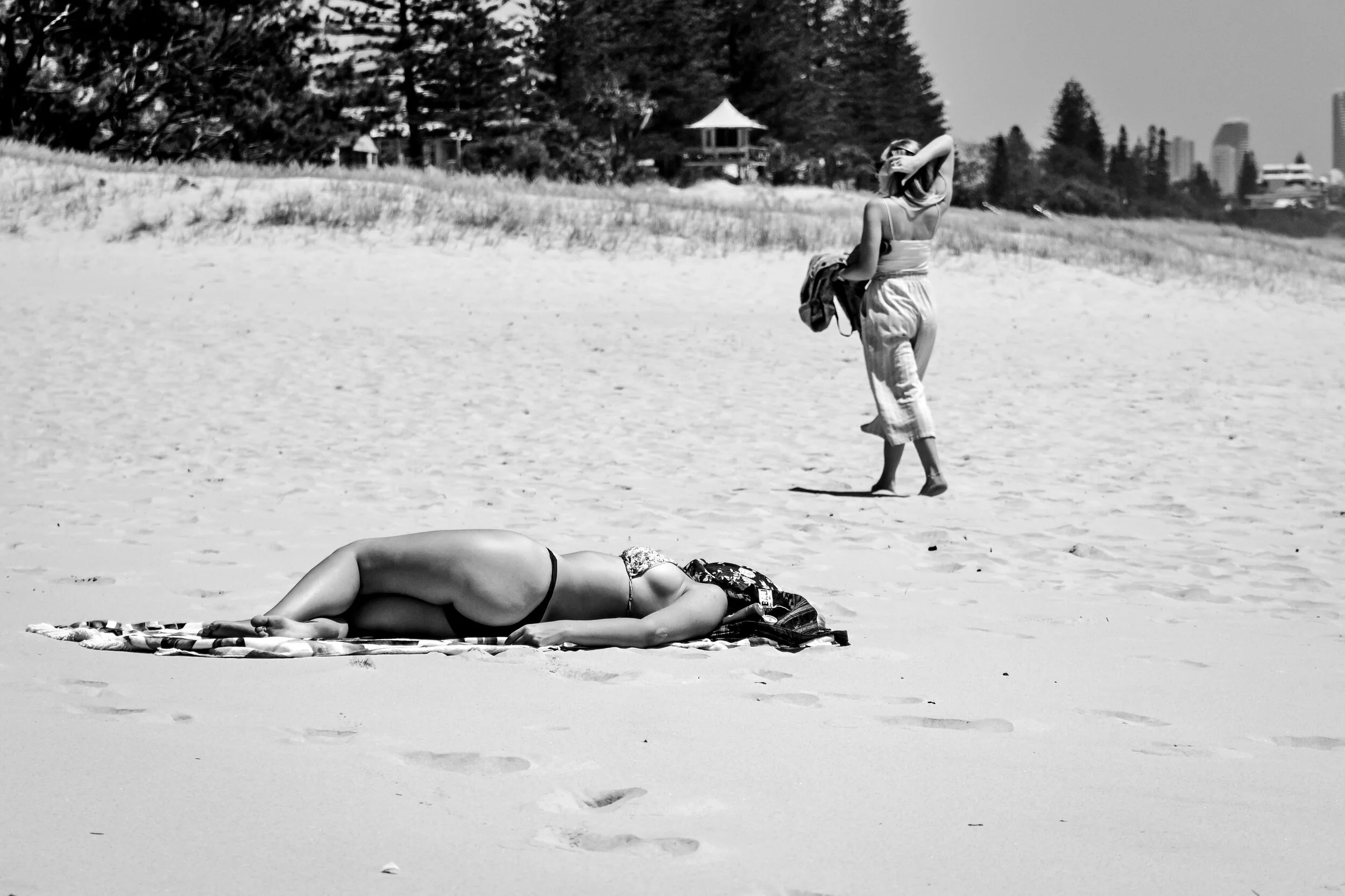
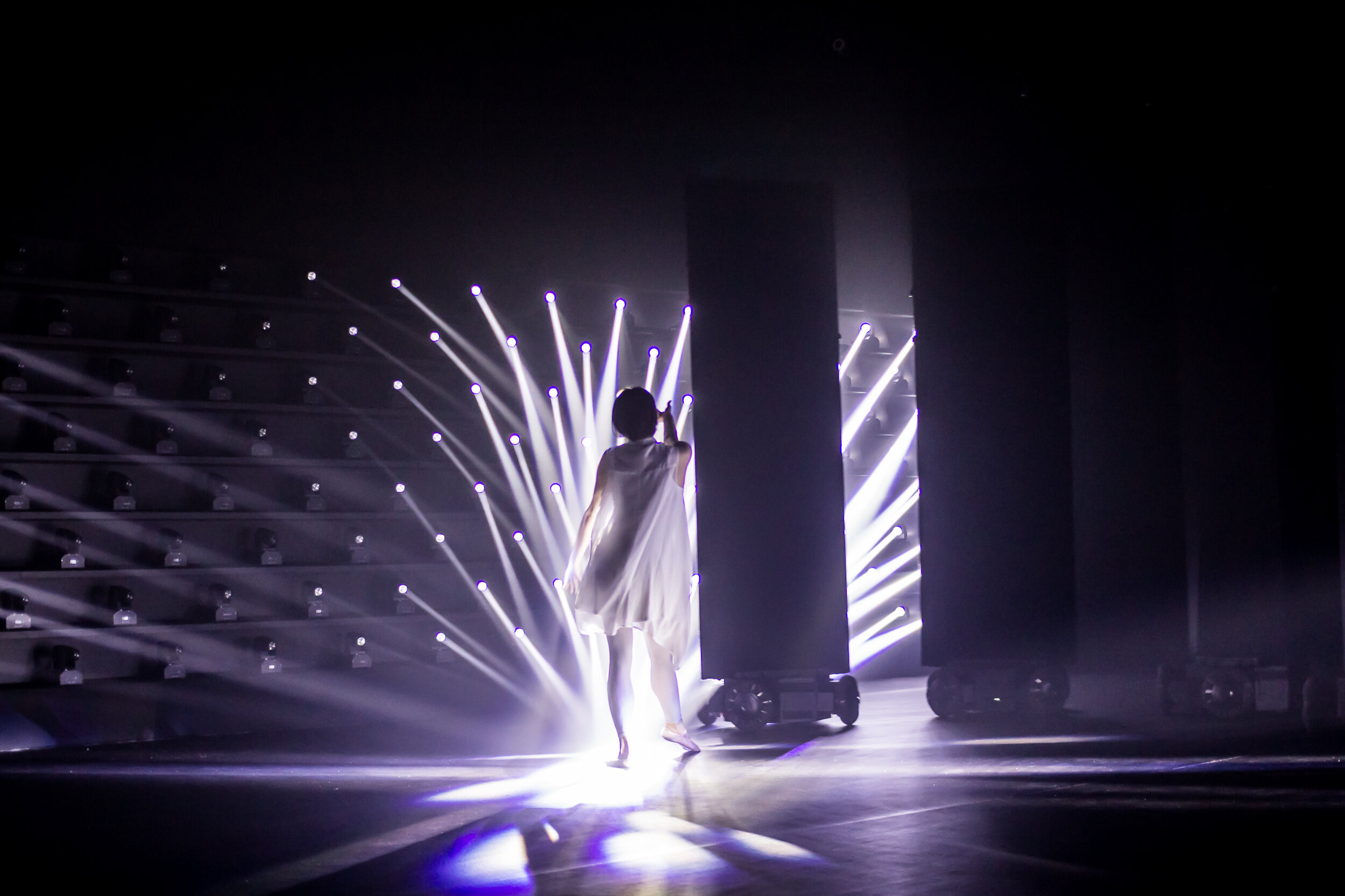
Frame D
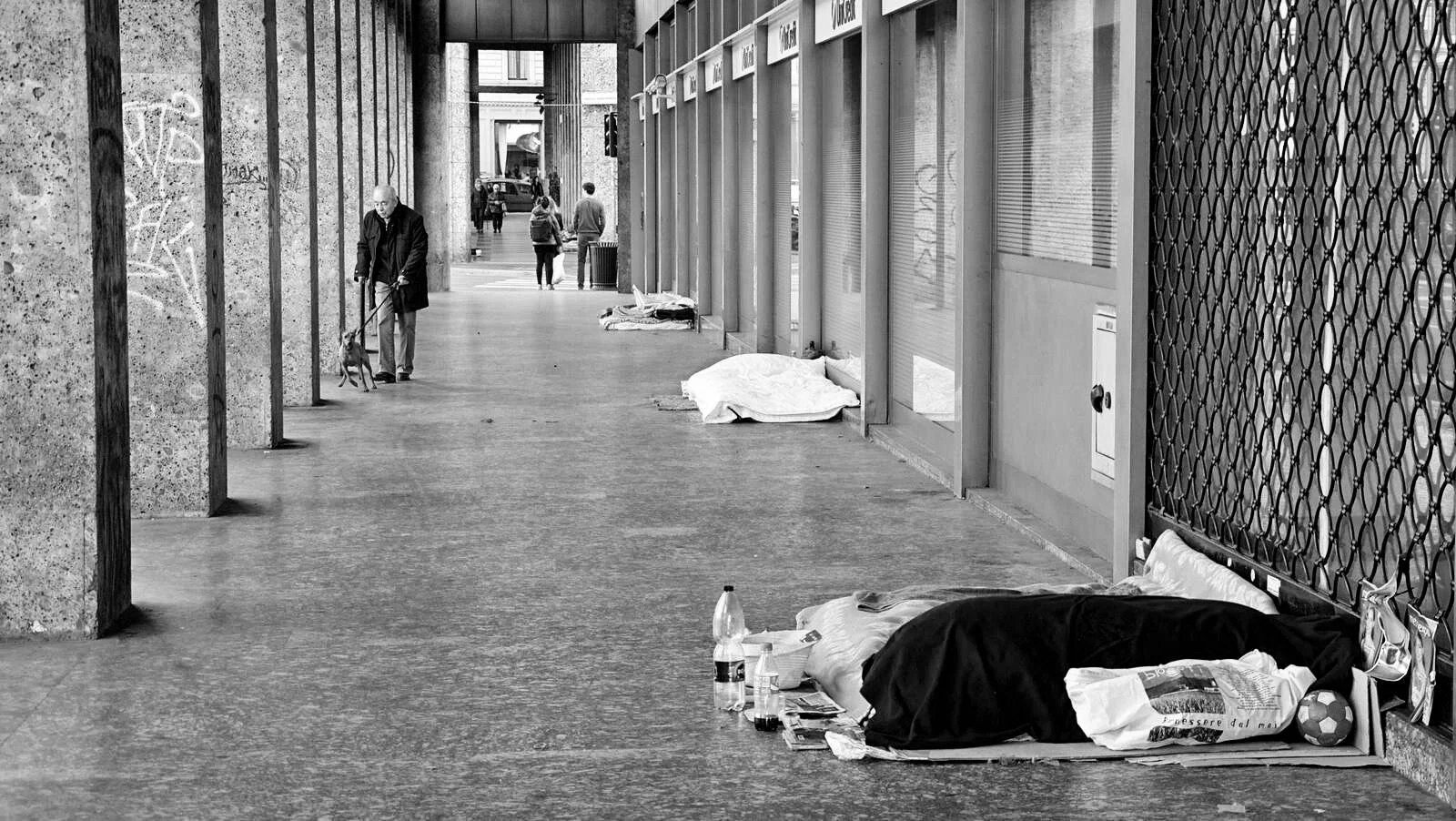
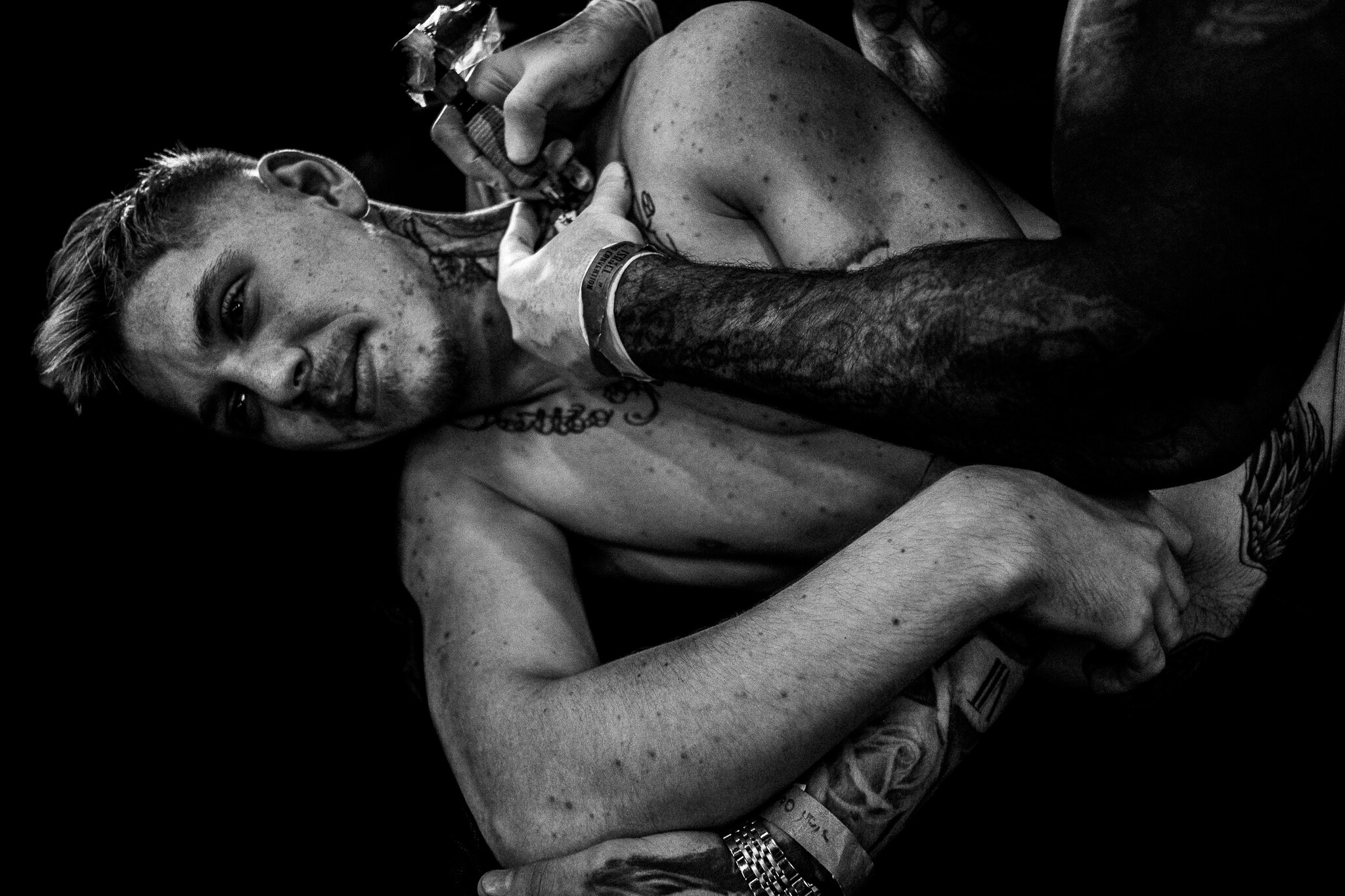
Dear friends, I give you The Proust Questionnaire. Enjoy.
Questionnaire
What do you regard as the lowest depth of misery?
Where would you like to live?
What is your idea of earthly happiness?
To what faults do you feel most indulgent?
Who are your favourite heroes of fiction?
Who are your favourite characters in history?
Who are your favourite heroines in real life?
Who are your favourite heroines of fiction?
Your favourite painter?
Your favourite musician?
The quality you most admire in a man?
The quality you most admire in a woman?
Your favourite virtue?
Your favourite occupation?
Who would you have liked to be?
Your most marked characteristic?
What do you most value in your friends?
What is your principle defect?
What to your mind would be the greatest of misfortunes?
What would you like to be?
What is your favourite colour?
What is your favourite flower?
What is your favourite bird?
Who are your favourite prose writers?
Who are your favourite poets?
Who are your heroes in real life?
Who are your favourite heroines of history?
What are your favourite names?
What is it you most dislike?
What historical figures do you most despise?
What event in history do you most admire?
What natural gift would you most like to possess?
How would you like to die?
What is your present state of mind?
What is your motto?
Dear friends please send associated images of Proustian moments that have deep significance to you
Batsceba Hardy answers
FRAME A