• ABOUT
  • GANG
  • FACES
  • STAFF
  • ProgressivE-zine
  • Books–PPH
  • Books SERIES
  • SHOP
  • Out Of Bounds – OOB
  • Fake World
    • Fake world / Confused Reality 2026
    • Fake World
  • NOTES From the Streets
  • PROTESTS in the World
    • 2026
    • 2025
    • 2024
  • FEATURED photographers
    • PHOTOS OF THE WEEK
    • PROGRESSIVE COVERS
    • STORY TIME
    • CHALLENGES
    • MATCHING MOMENTS
    • GALLERIES PDFS
  • Exhibitions
    • Exhibition
    • Exhibitions
    • Stations ... and stations ... and stations
  • Tips
  • Video
  • Index SEARCH
  • Contact
  • SPOKESPERSONS
  • ProgresFestival MAGAZINE

Progressive Street

  • ABOUT
  • GANG
  • FACES
  • STAFF
  • ProgressivE-zine
  • Books–PPH
  • Books SERIES
  • SHOP
  • Out Of Bounds – OOB
  • Fake World
    • Fake world / Confused Reality 2026
    • Fake World
  • NOTES From the Streets
  • PROTESTS in the World
    • 2026
    • 2025
    • 2024
  • FEATURED photographers
    • PHOTOS OF THE WEEK
    • PROGRESSIVE COVERS
    • STORY TIME
    • CHALLENGES
    • MATCHING MOMENTS
    • GALLERIES PDFS
  • Exhibitions
    • Exhibition
    • Exhibitions
    • Stations ... and stations ... and stations
  • Tips
  • Video
  • Index SEARCH
  • Contact
  • SPOKESPERSONS
  • ProgresFestival MAGAZINE

Eloquence of the Eye Nilanjan Ray

Eloquence of the eye

by Nilanjan Ray

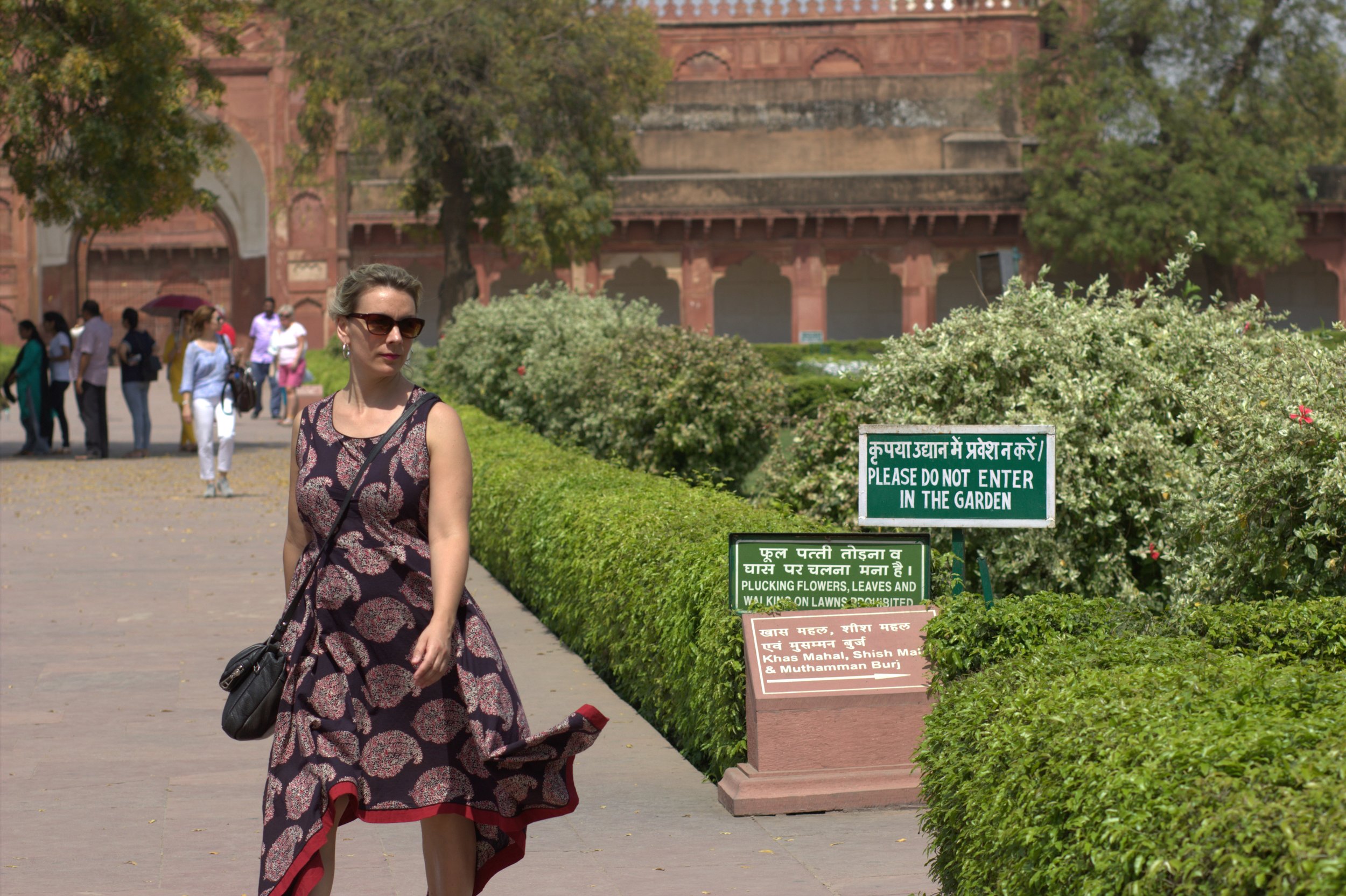
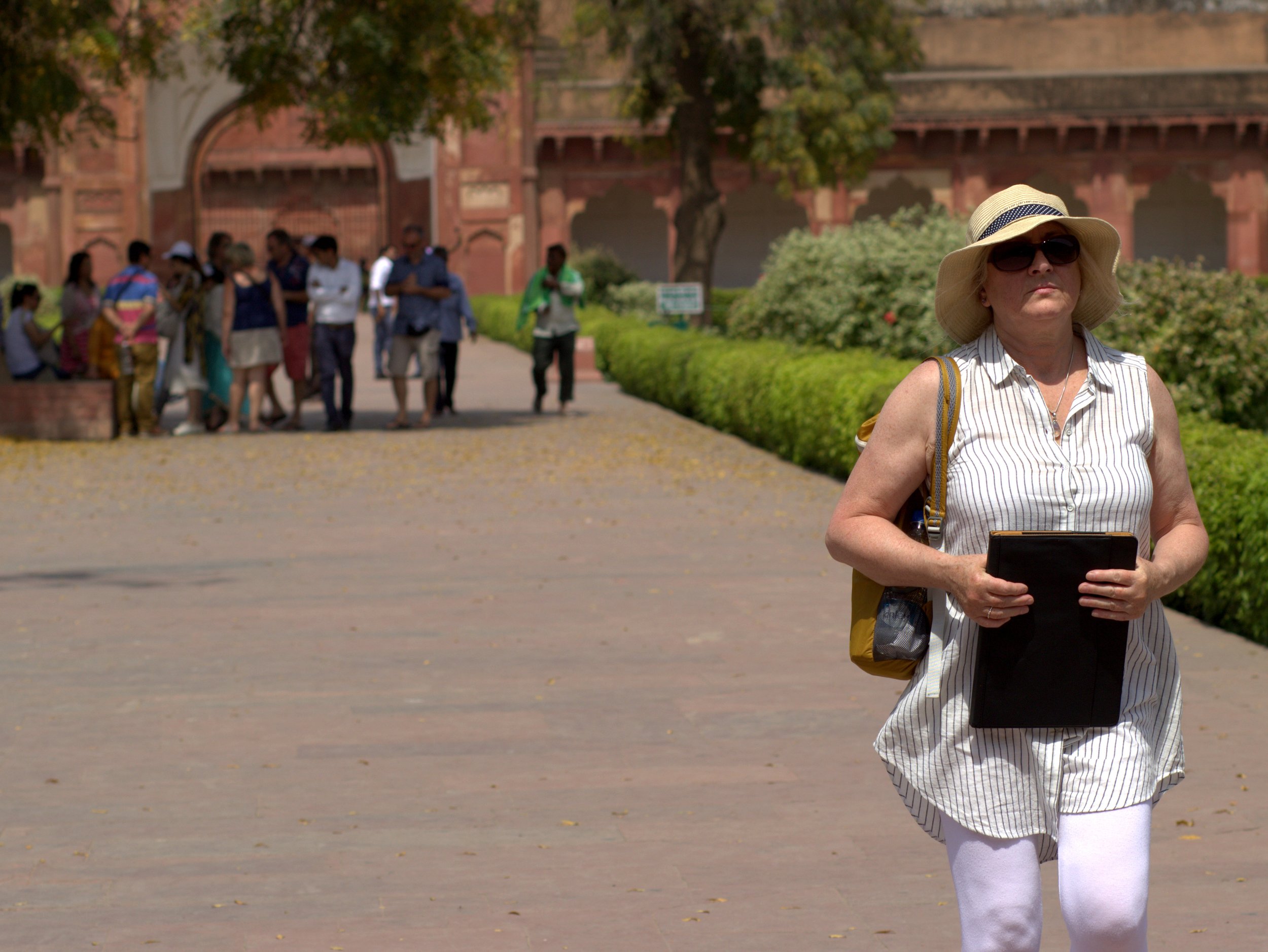
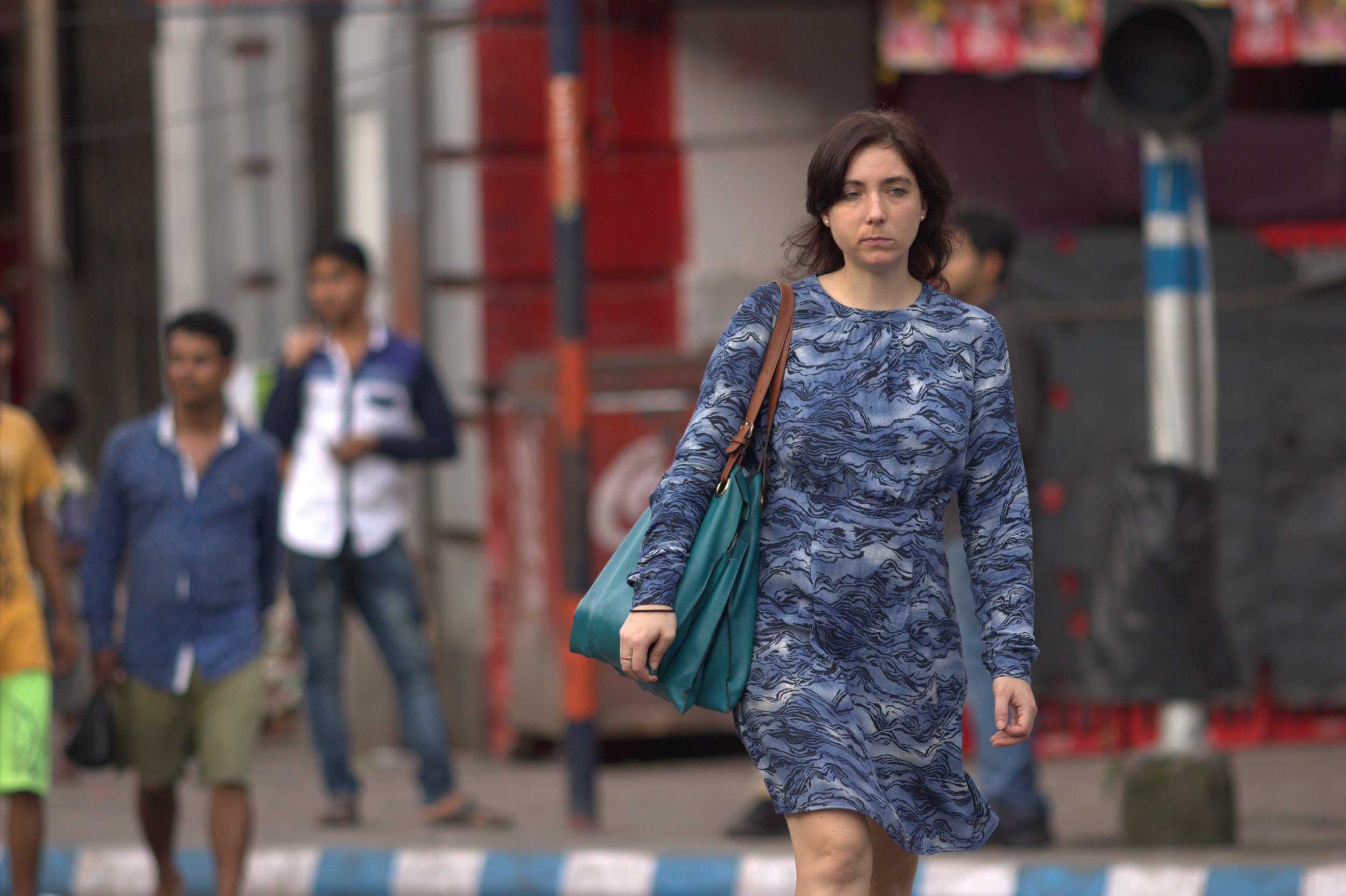
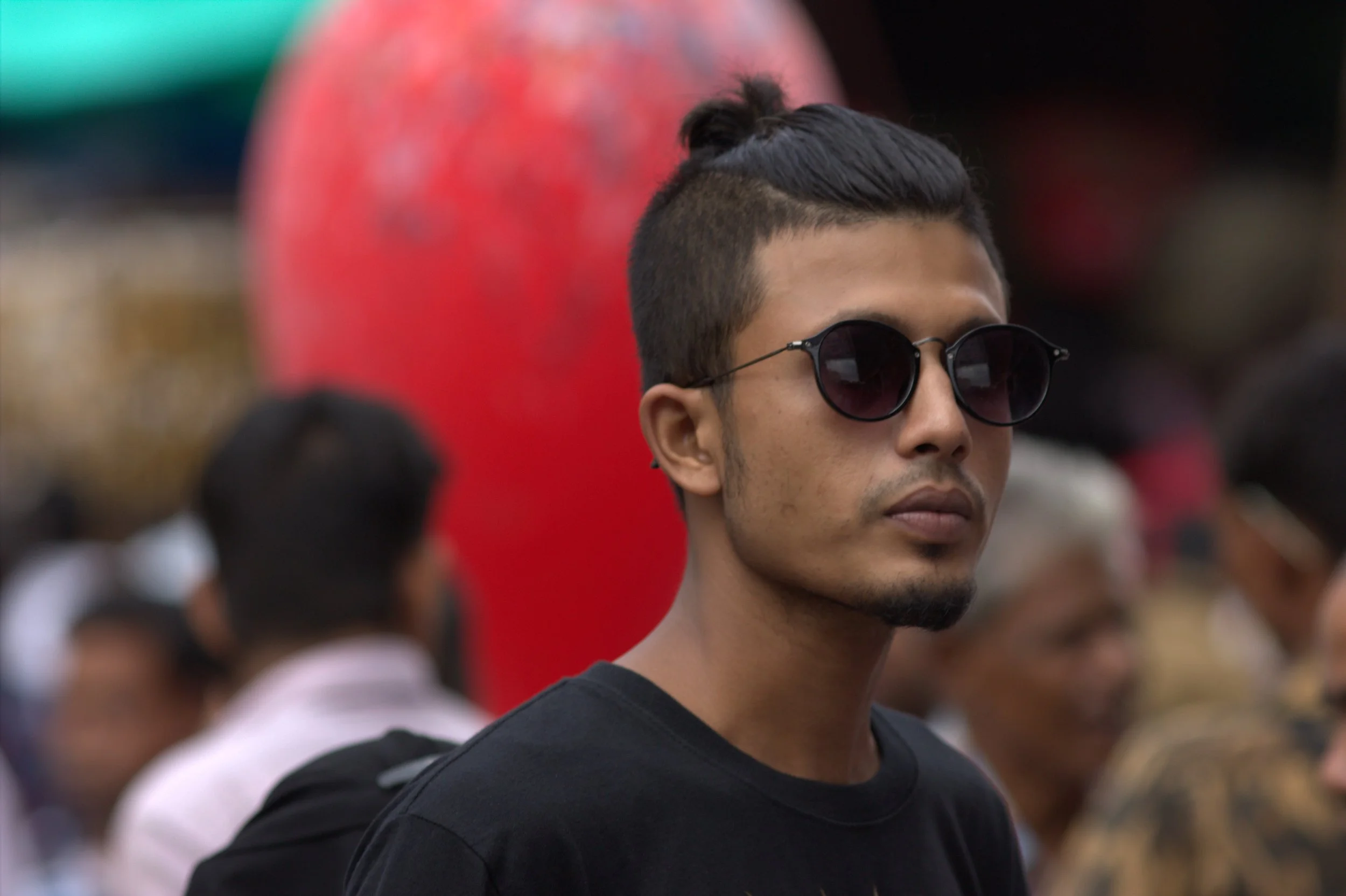
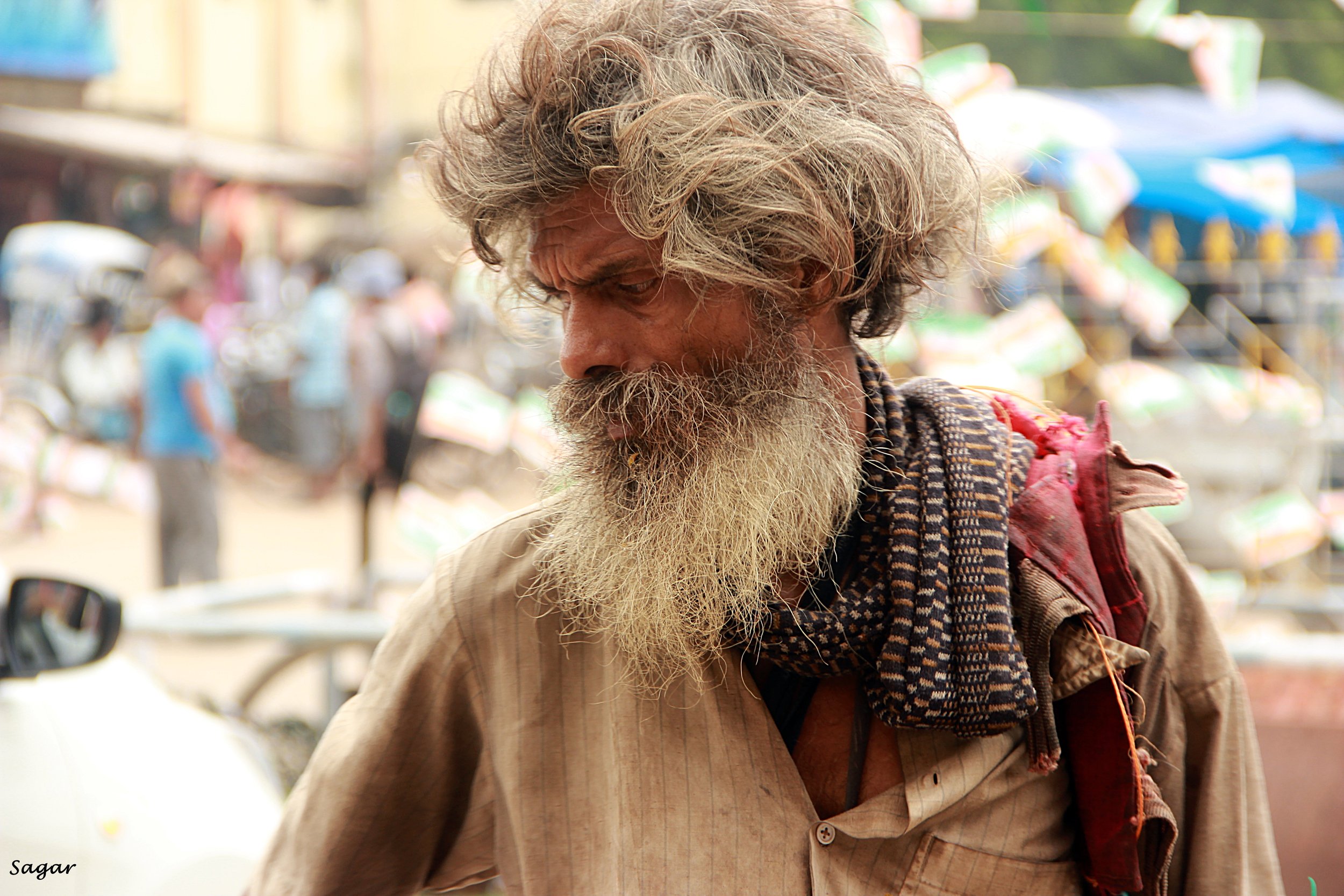
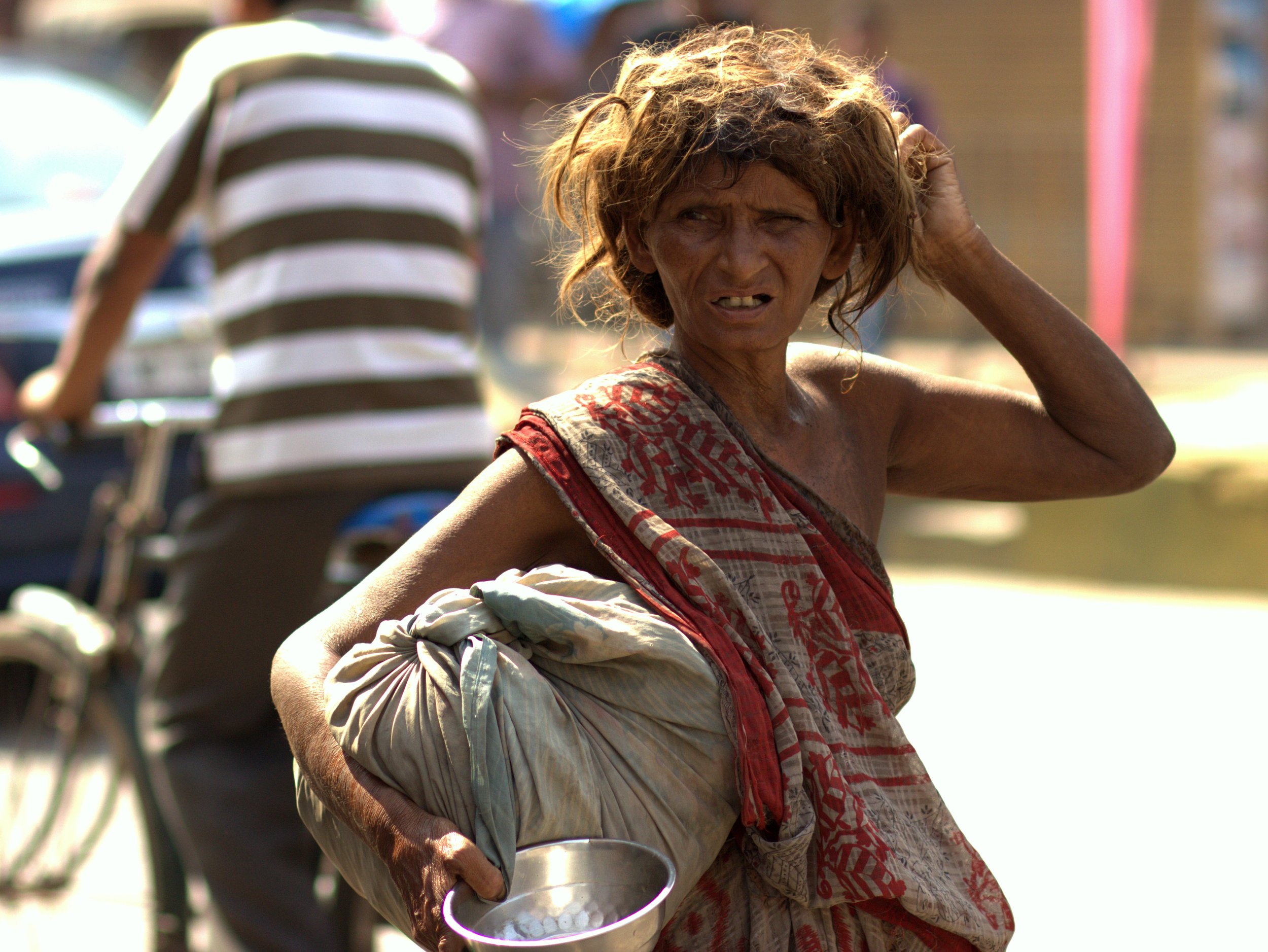
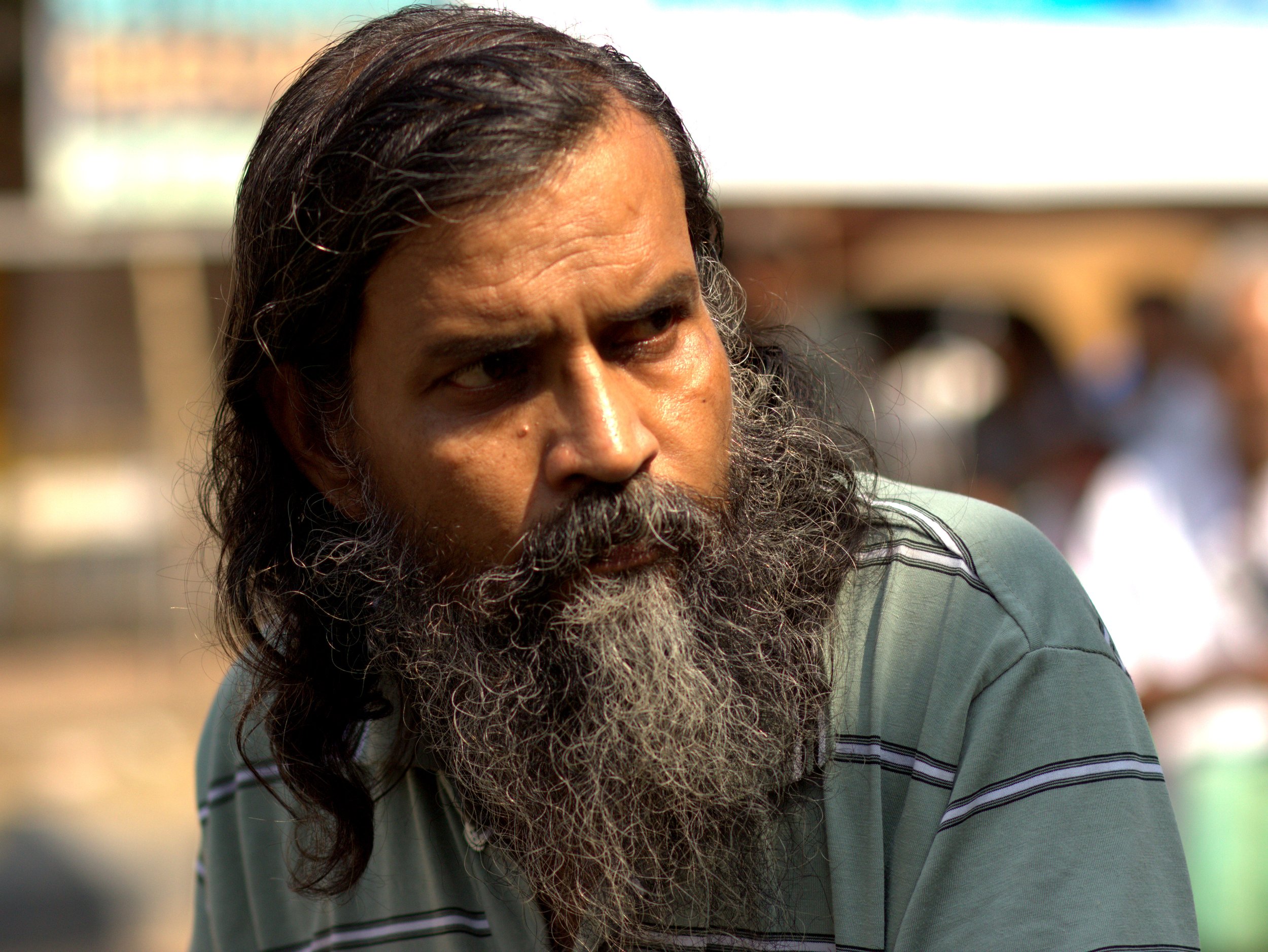
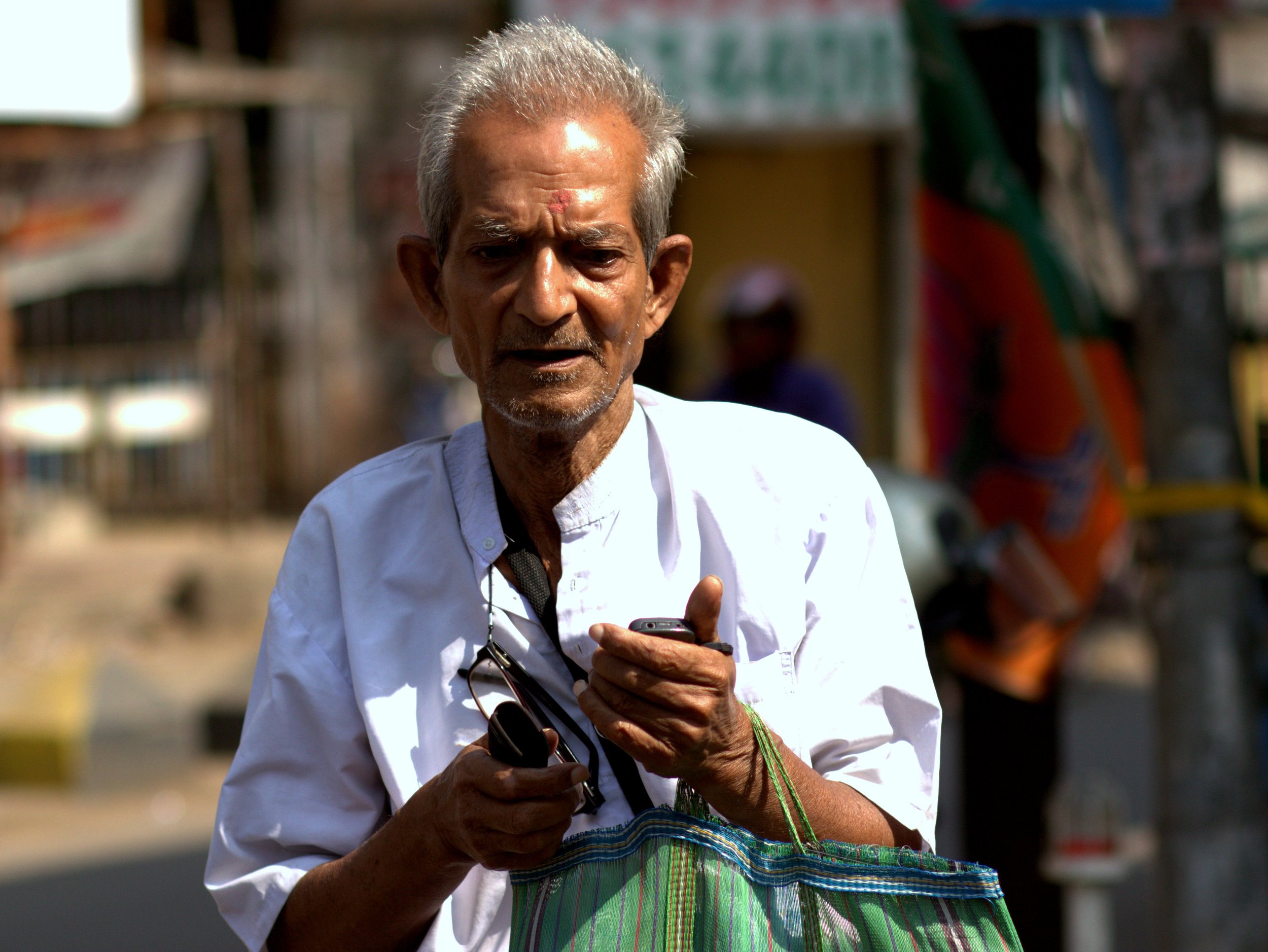
Eloquence is a powerful, moving, and magnificent form of self-expression. The eye is the jewel of the body, and almost nothing needs to be said when one has eyes, as they have a universal language. The eloquence of the eye reflects the antiquity of one's soul, and it has an interpreter that is often unconscious but still faithful. Eyes have their own language, and they speak of things we dare not say. The mind and soul both reflect through our eyes, and they see only what the mind is prepared to comprehend.

Eloquence makes depth in expression more complete when it comes through the eyes. Our eyes are not only more accurate witnesses than our ears, but they can also do a thousand things our fingers cannot.

My eye and God's eye are one, seeing, knowing, and loving. They also speak of war, deprivation, and loss, and they are the books, arts, and academies that show, contain, and nourish the entire world. There is a road that connects the eye to the heart, bypassing the intellect. The eyes are the most powerful social signalers that we have, and they are sometimes called the windows of the soul. The countenance is the portrait of the soul, and the eyes mark its intentions.

View fullsize p11.jpg
View fullsize p10.jpg
View fullsize p2.jpg
View fullsize p3.jpg
View fullsize p5.jpg
View fullsize p6.jpg
View fullsize p8.jpg
View fullsize p7.jpg
View fullsize p11.jpg
View fullsize p10.jpg
View fullsize p12.jpg
View fullsize p4.jpg
View fullsize p14.jpg
View fullsize p9.jpg
GOMIRA DANCE
Faith – A Quaint Emotions
 

Nilanjan Ray is an award-winning photographer who started photography as a hobby and eventually turned it into a full-time profession. He prefers to shoot in monochrome and often captures the uncomfortable aspects of our contemporary world, including human pain resulting from exploitation, the terror of wars, and ecological destruction.

Ray has received awards from National Geographic, the Government of India, and has exhibited his work both nationally and internationally. His works have been published in leading newspapers and magazines and selected for several books. He has even received a letter of appreciation from Maitre Henri Cartier-Bresson.

website


Tuesday 03.26.24
Posted by Progressive-Street
 

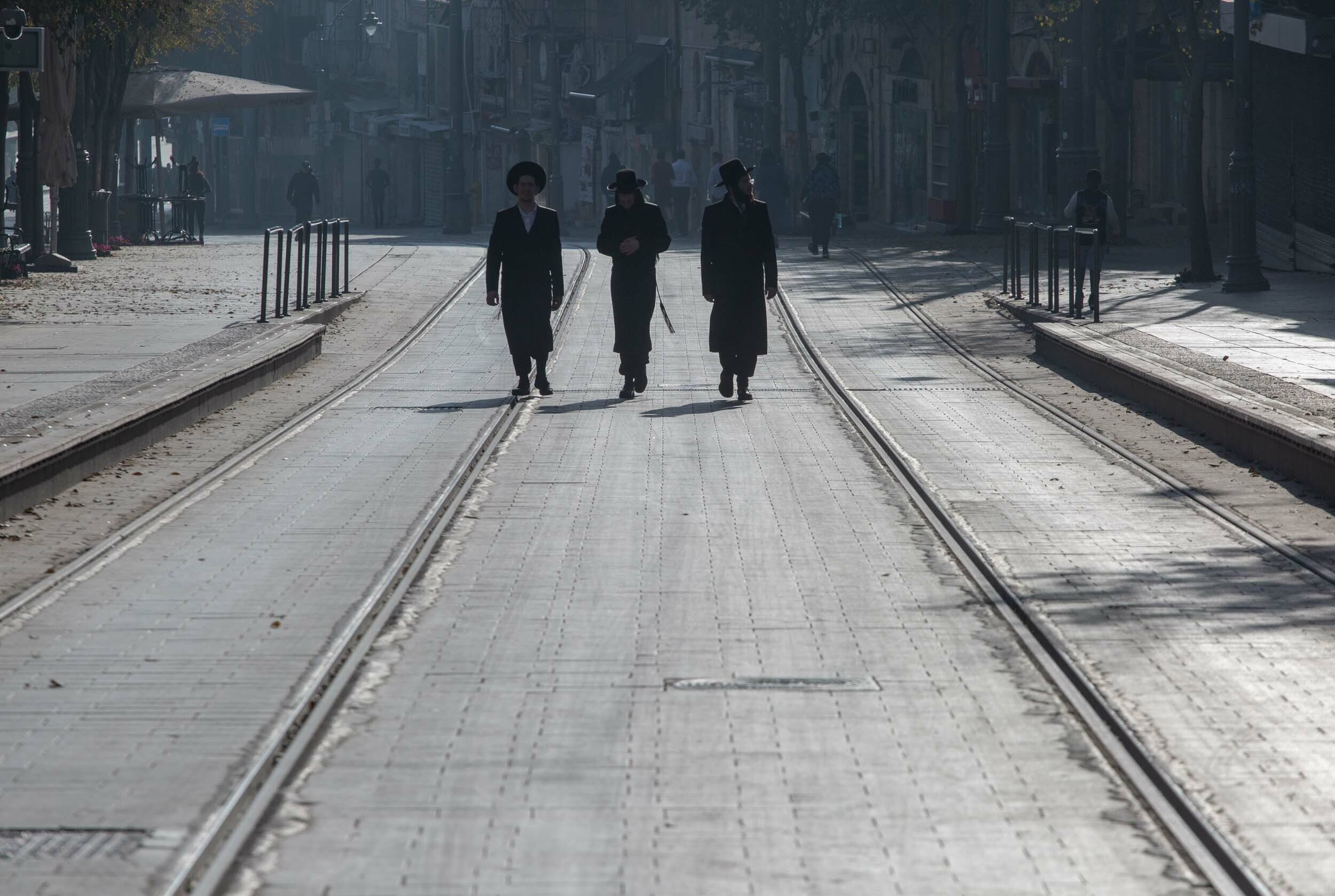
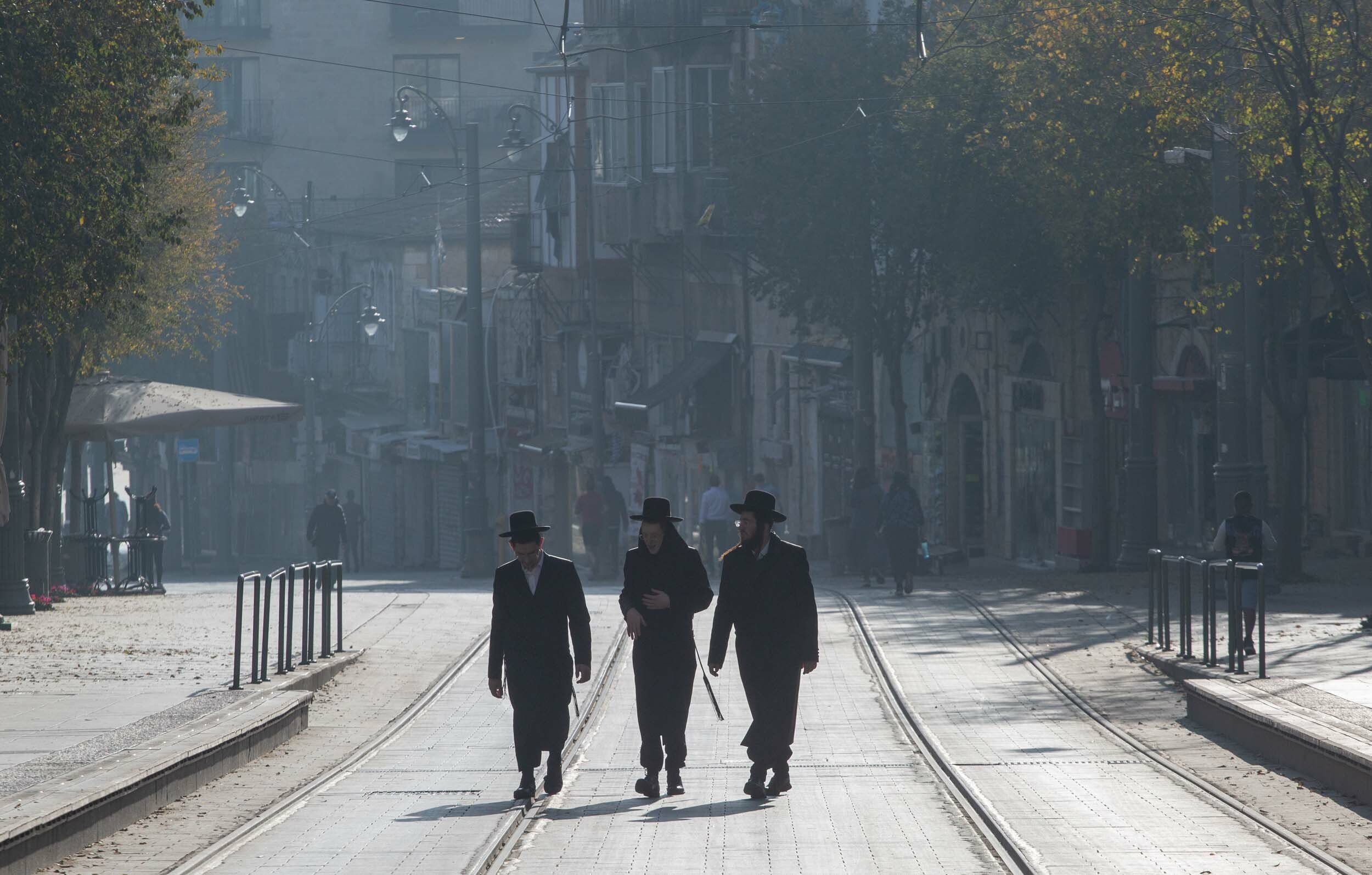
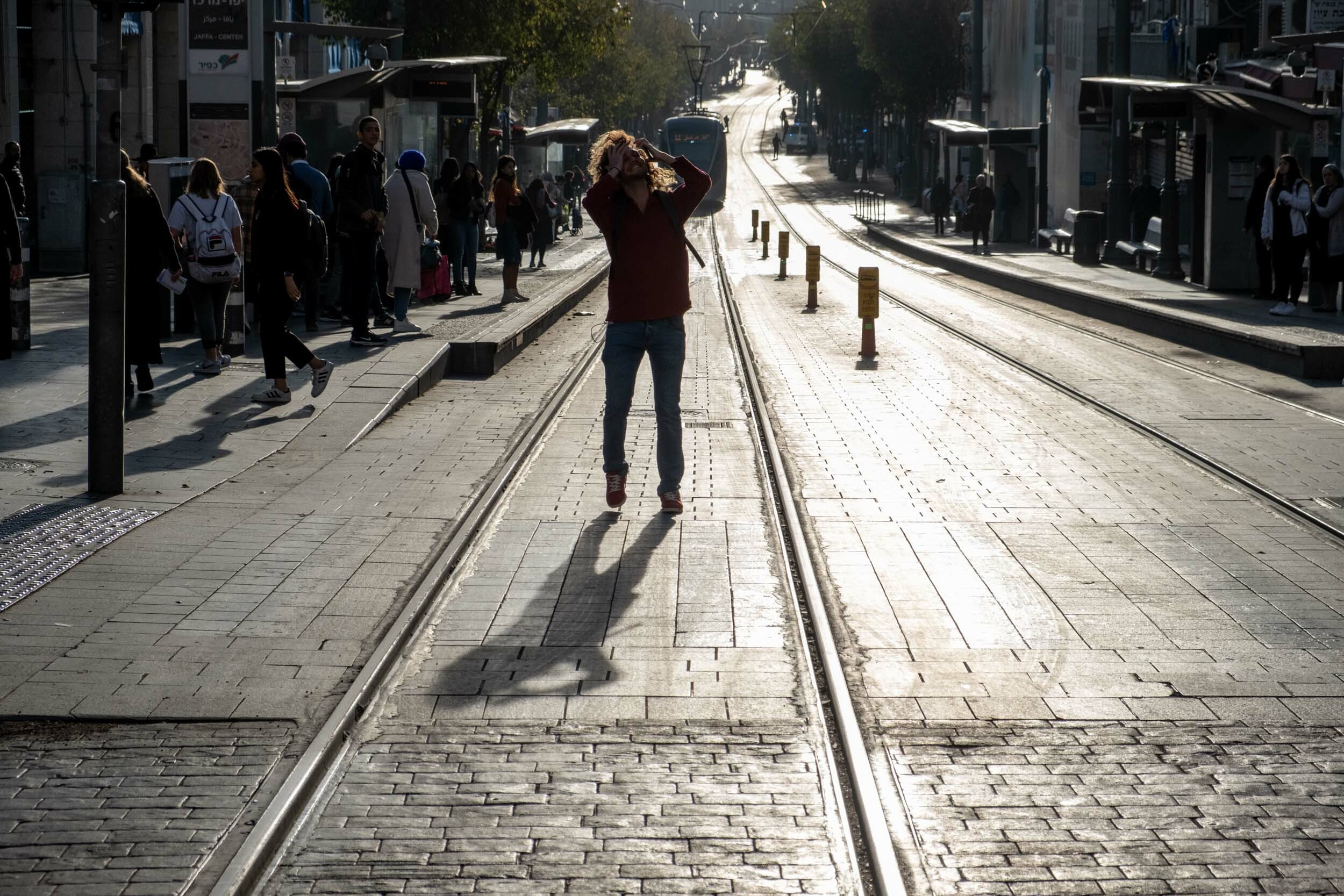
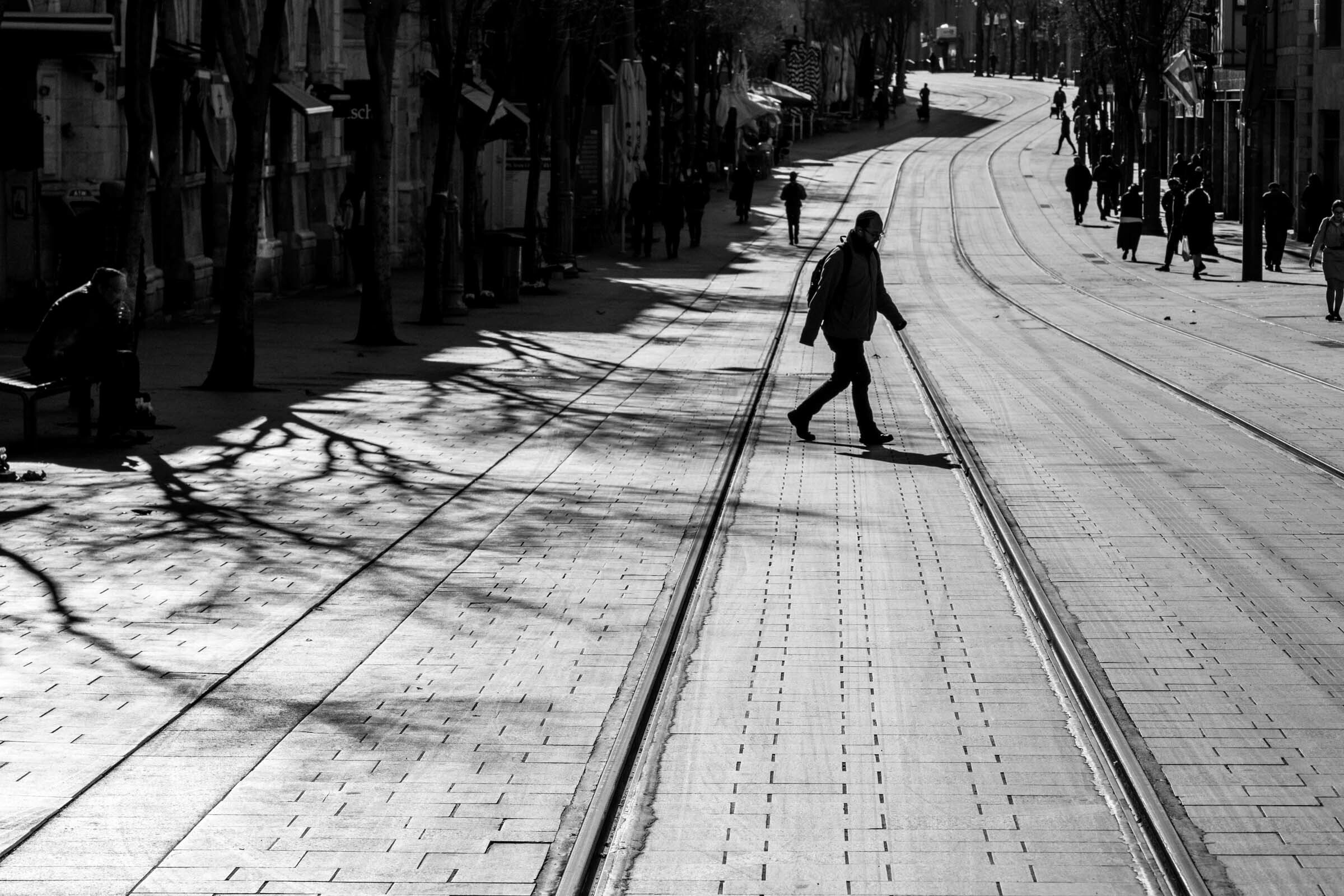
Jaffa road in sun by Baruch Gian

Jaffa road in sun

by Baruch Gian

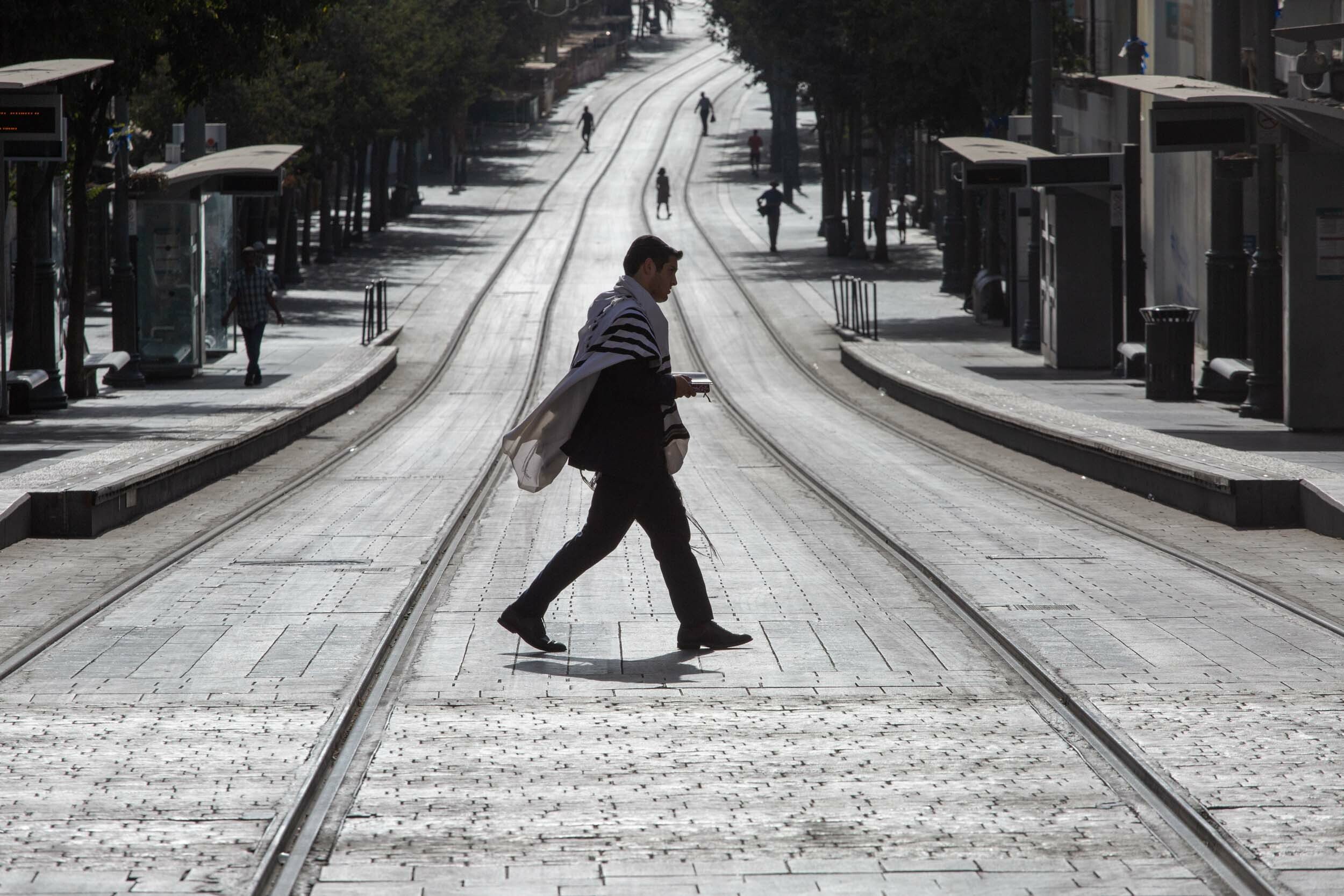
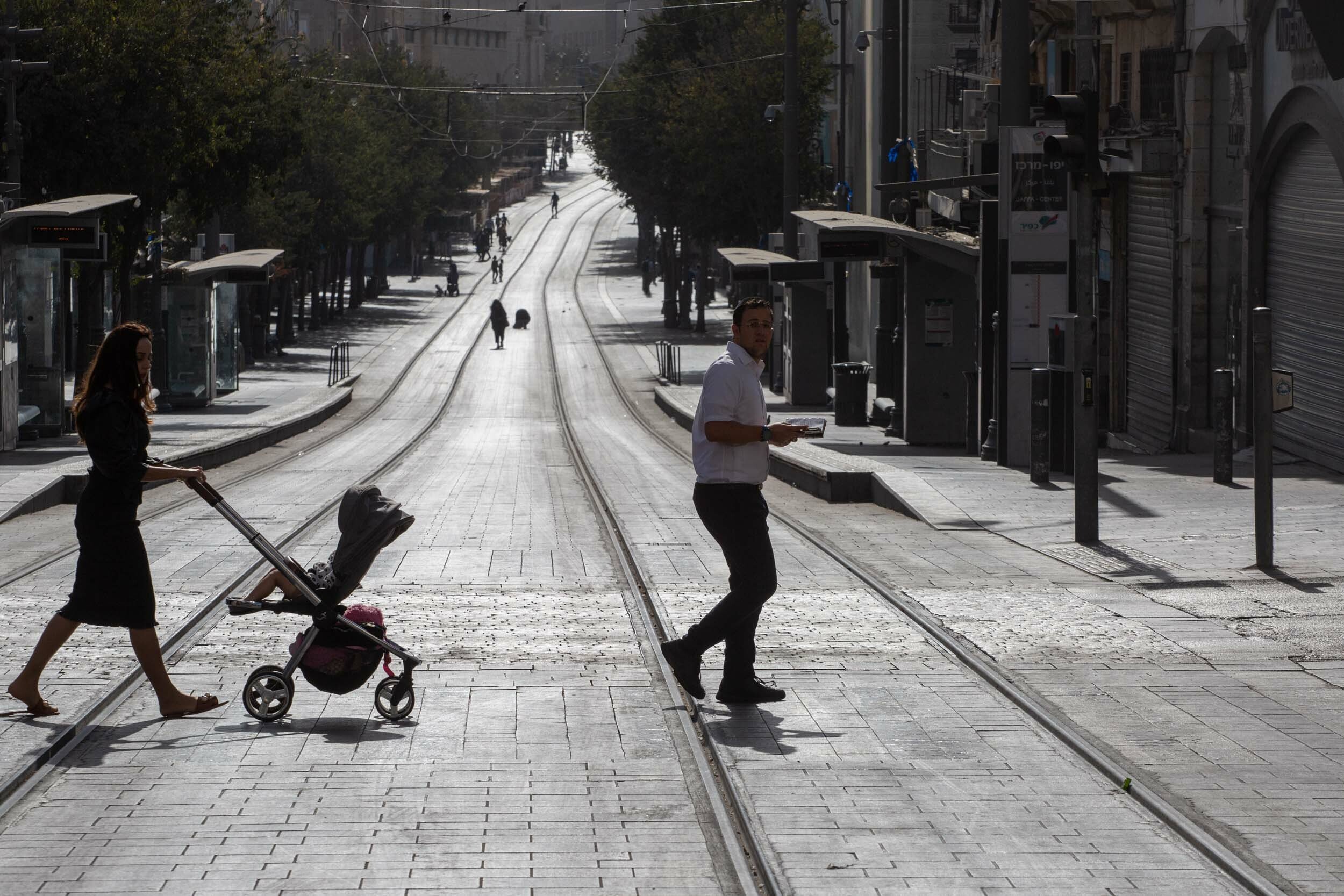
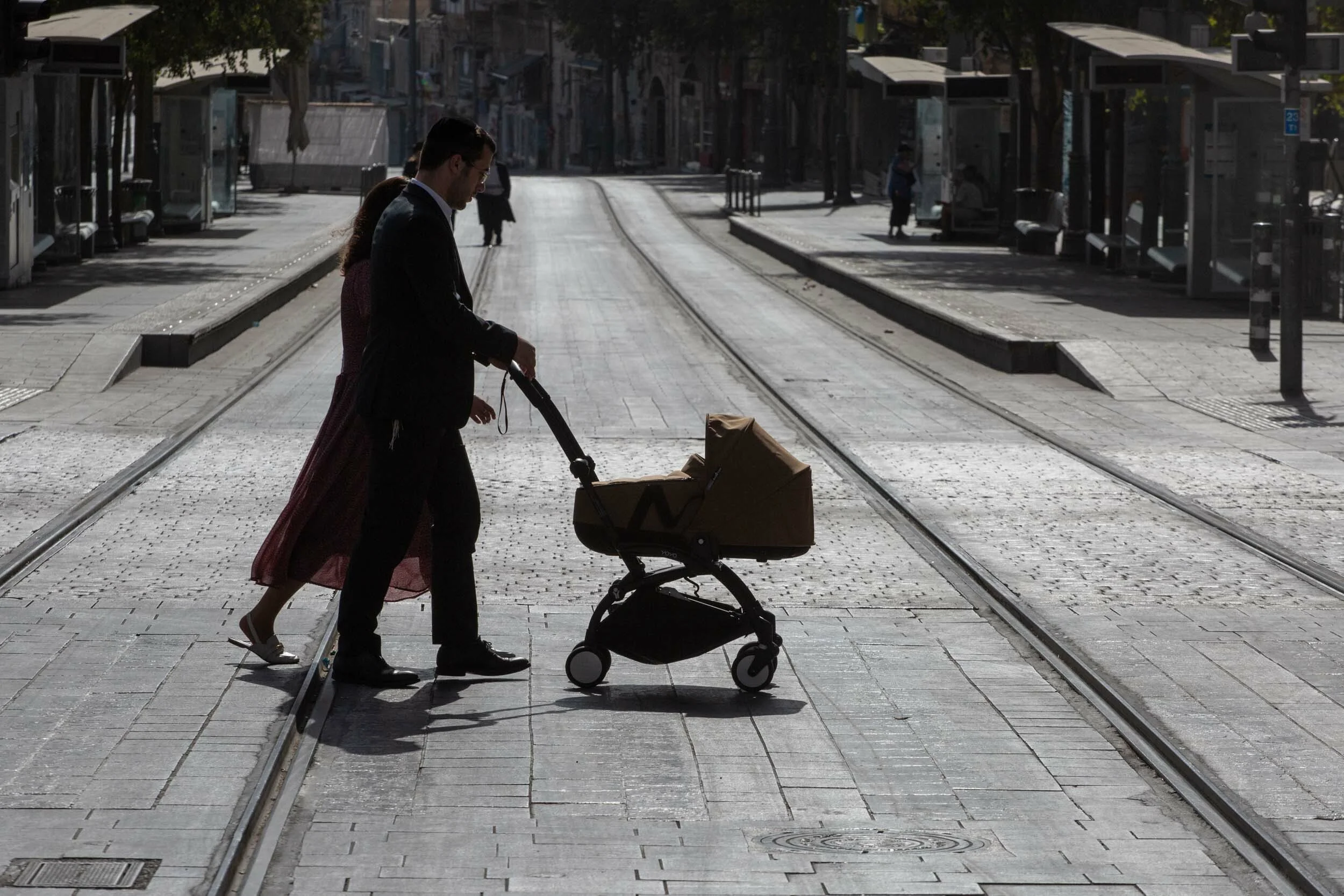
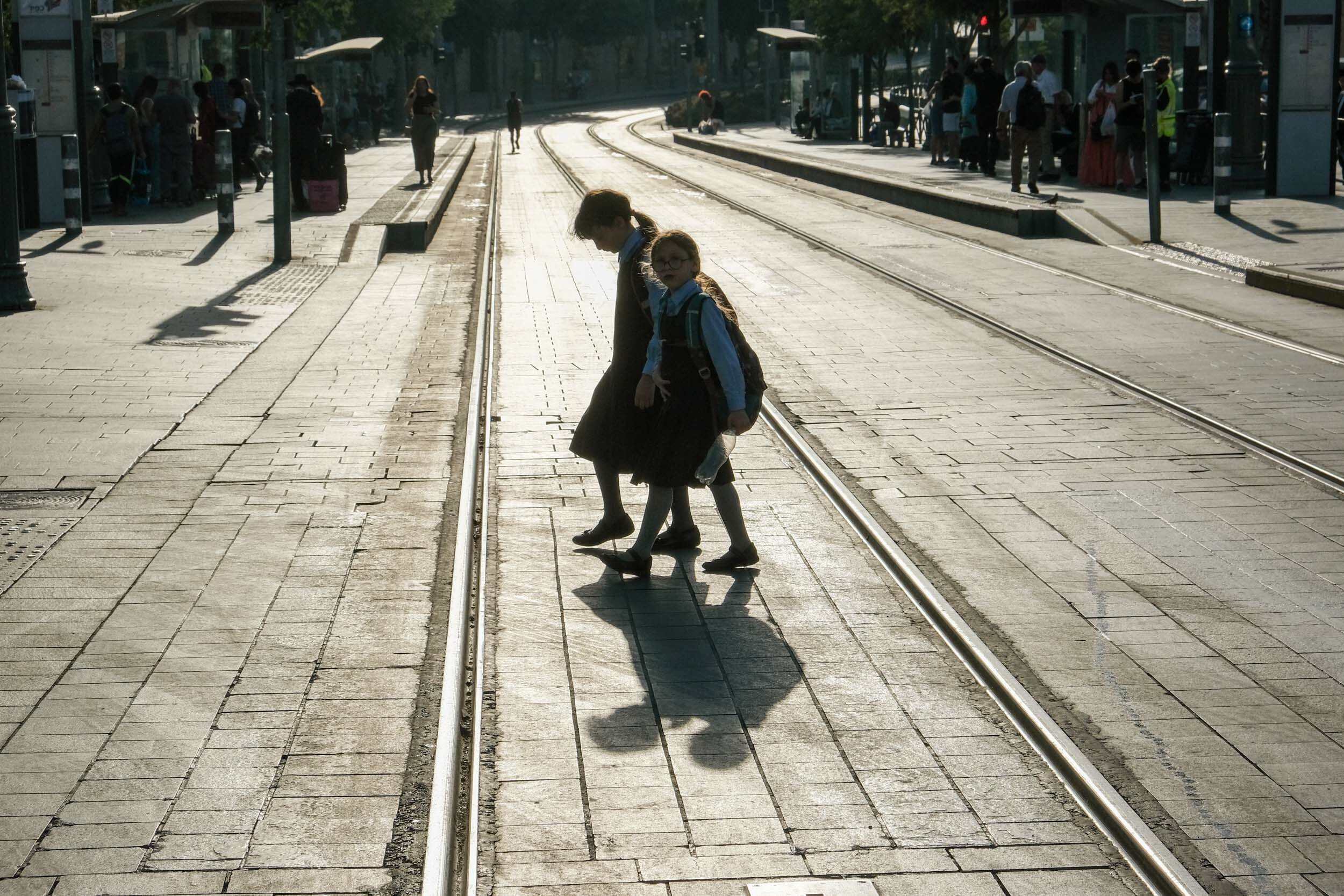
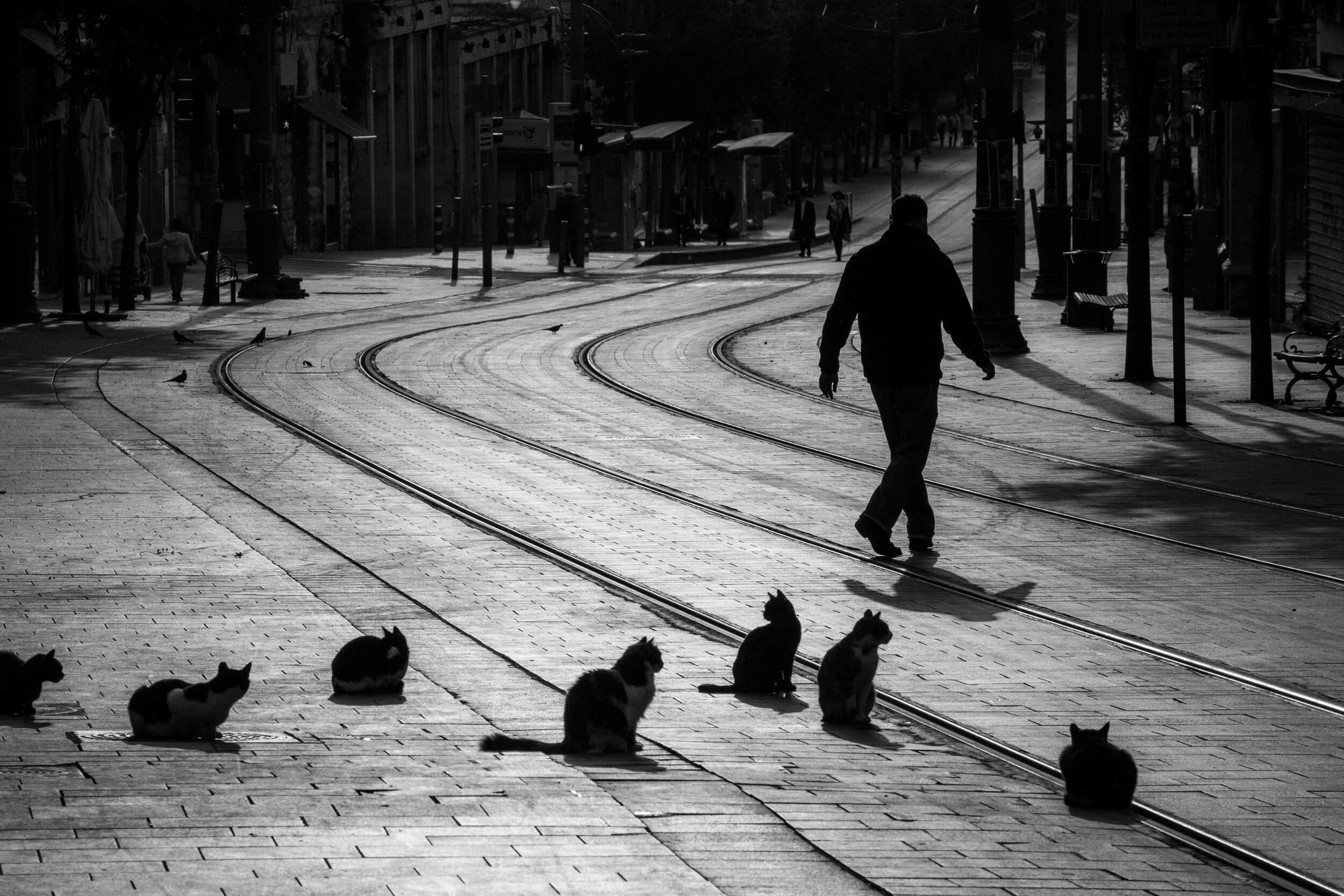
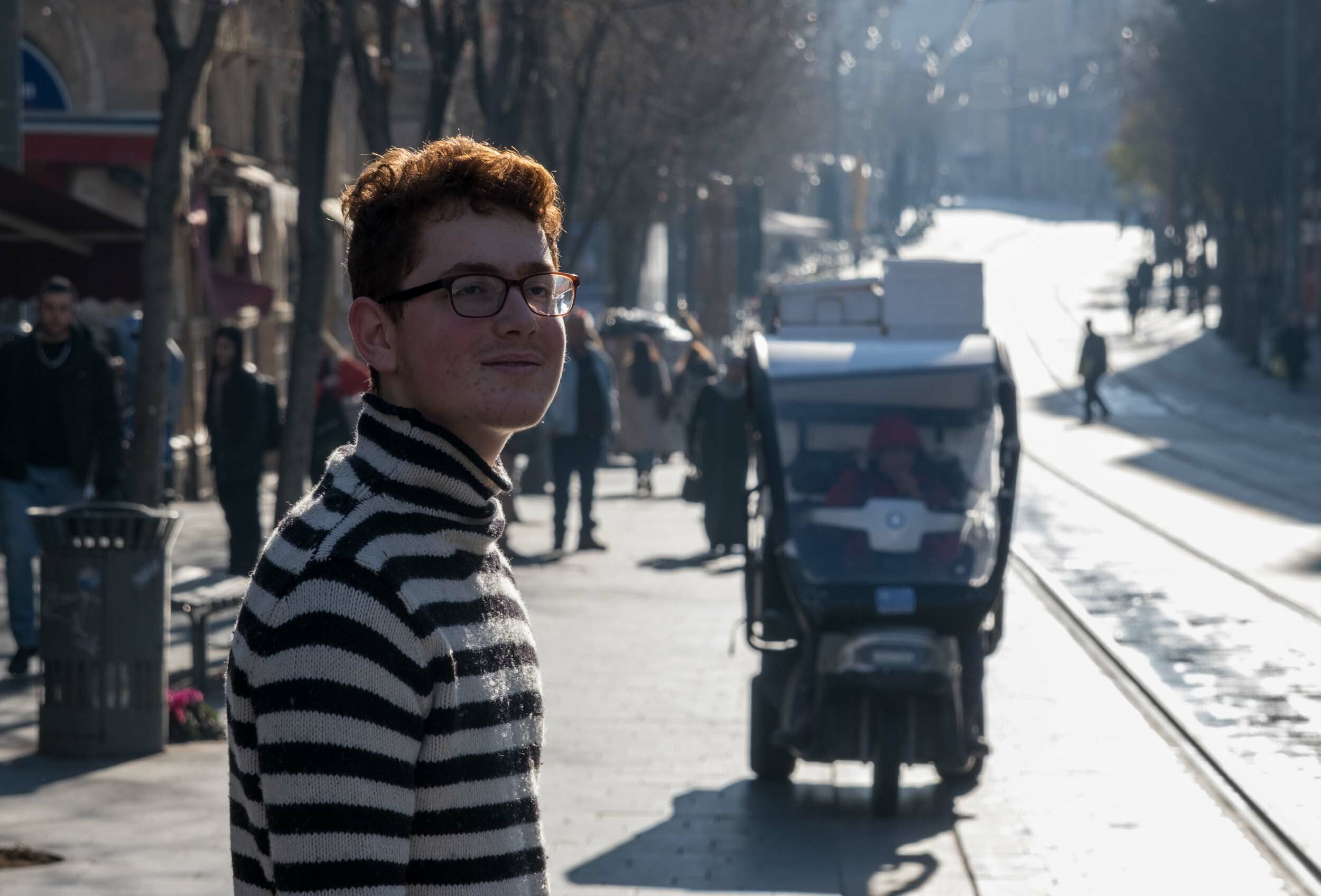
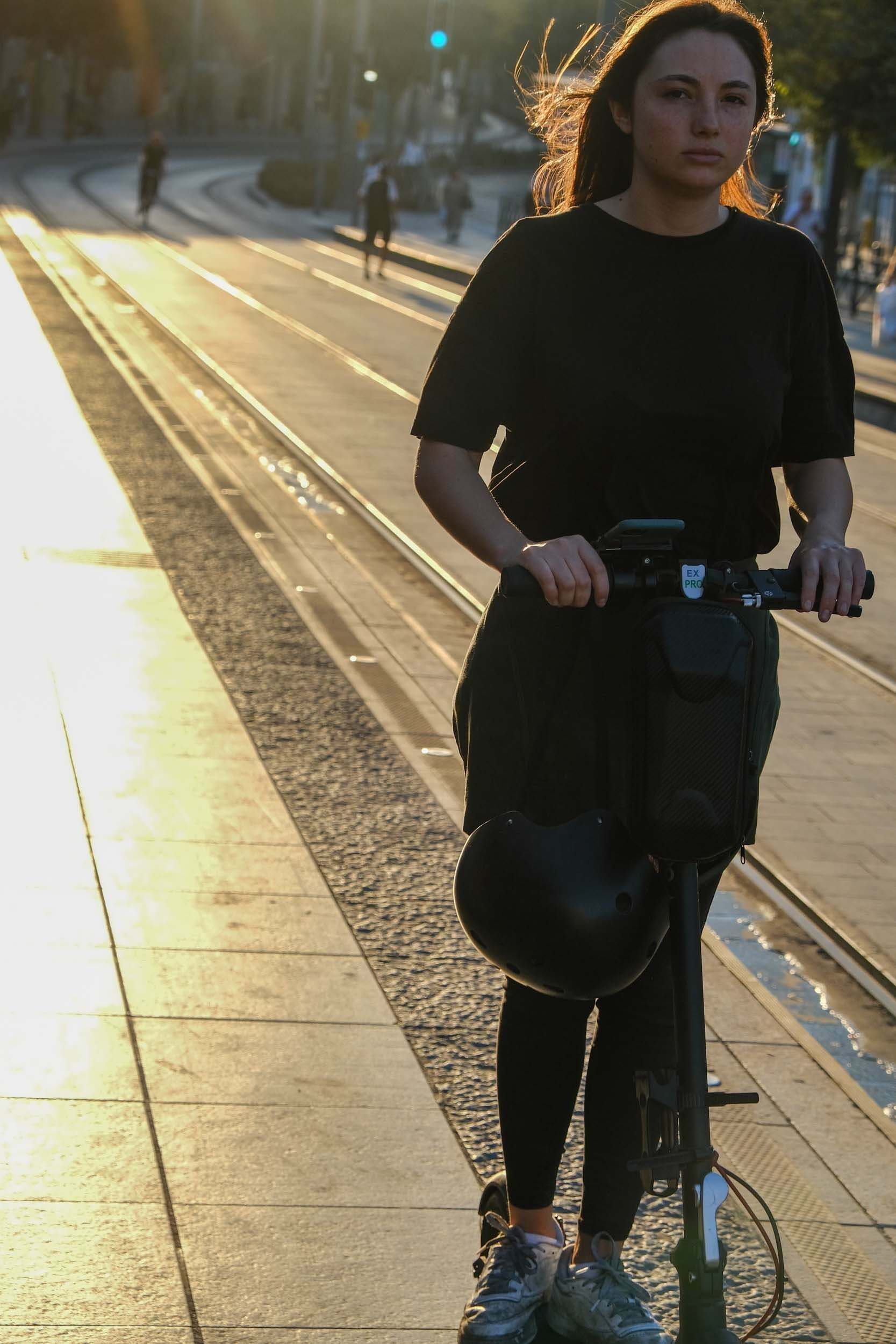
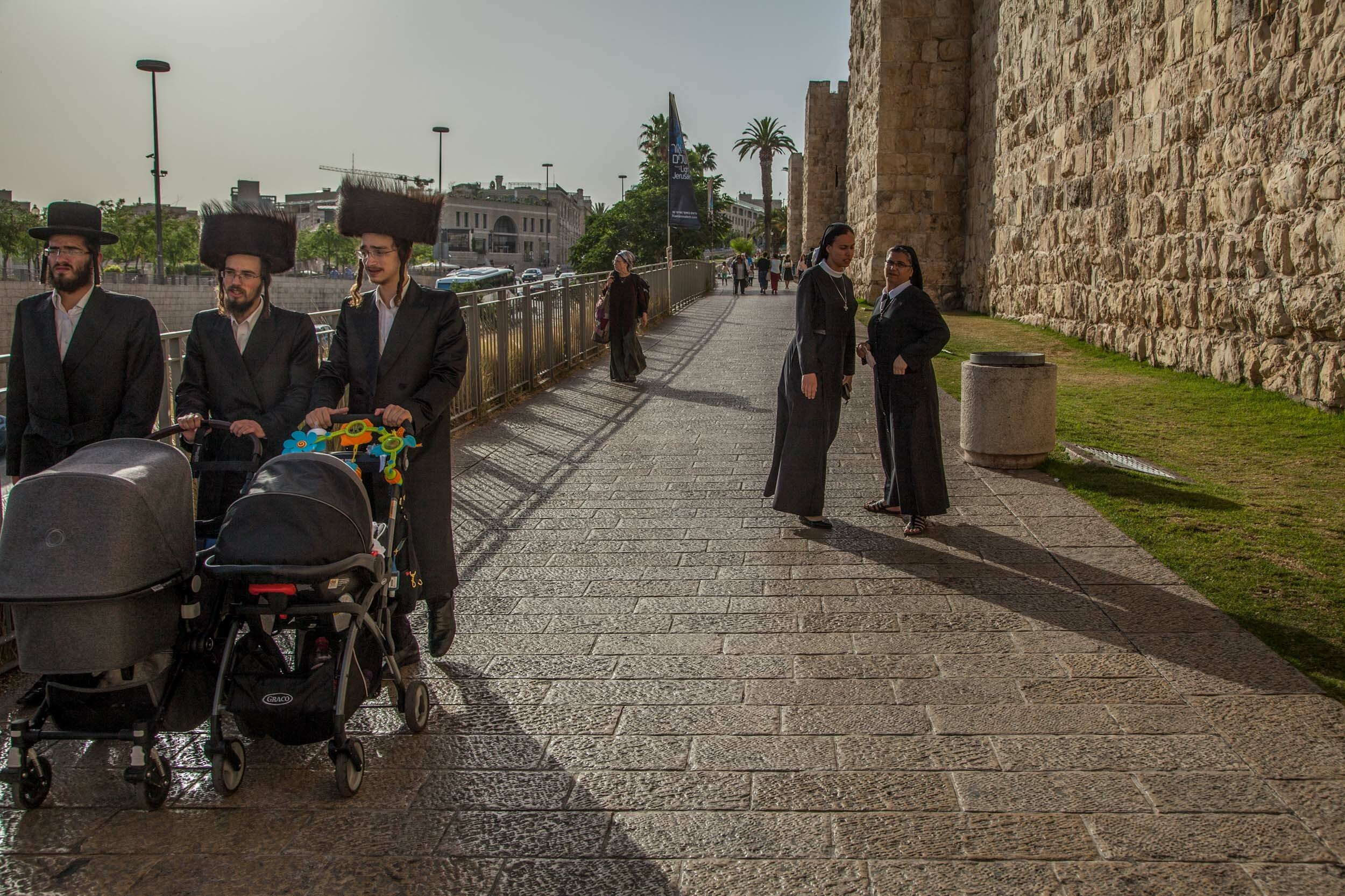
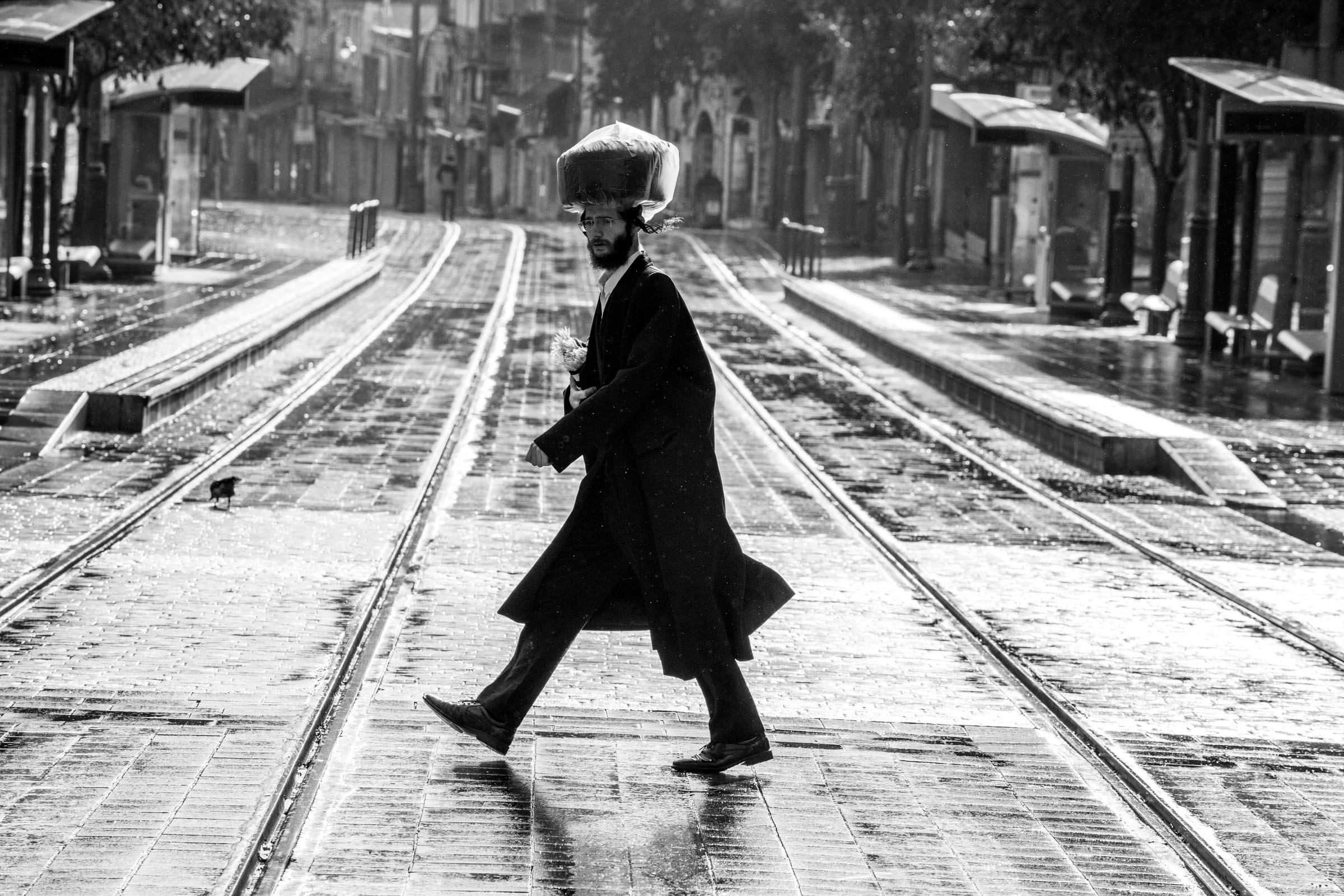
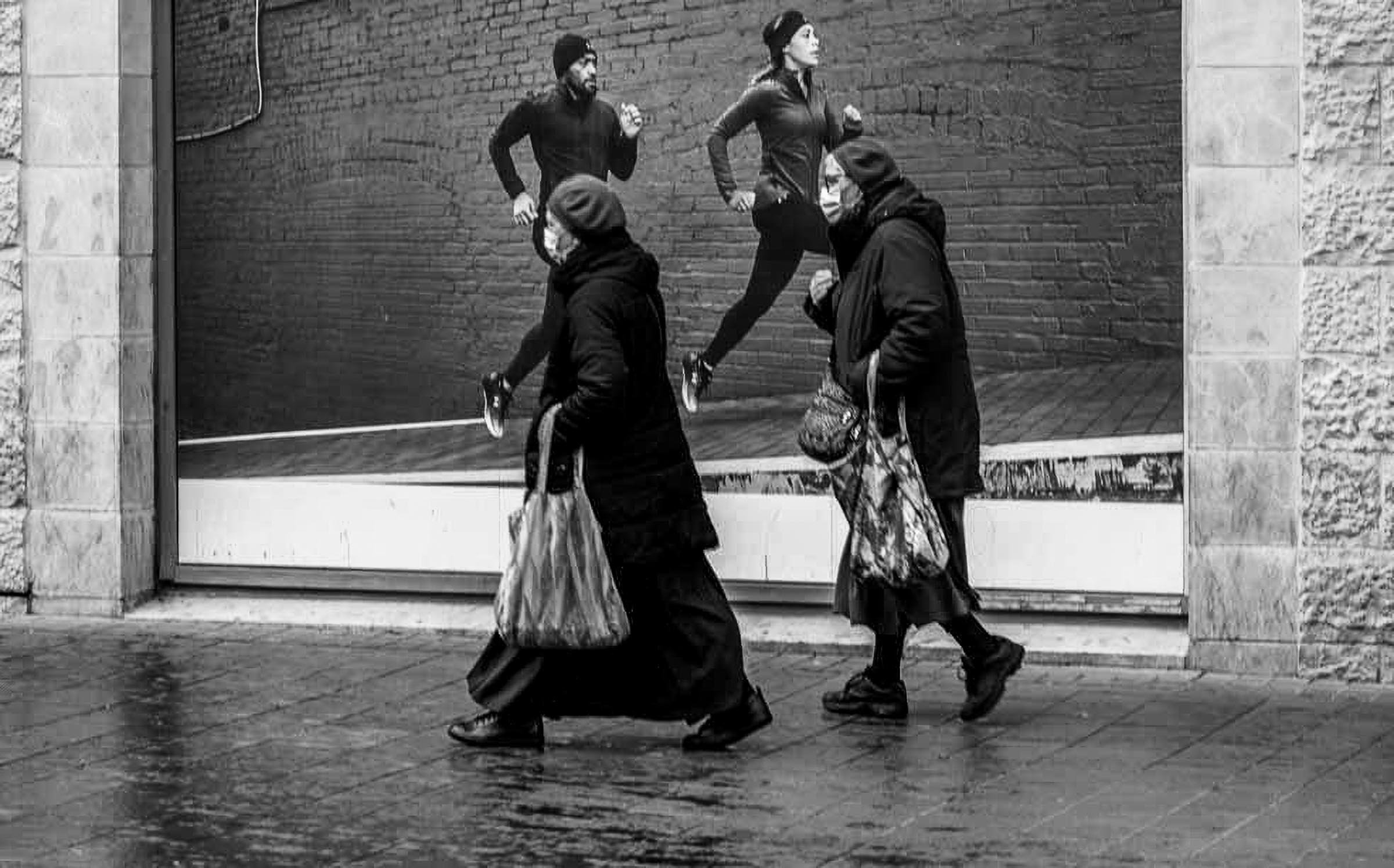
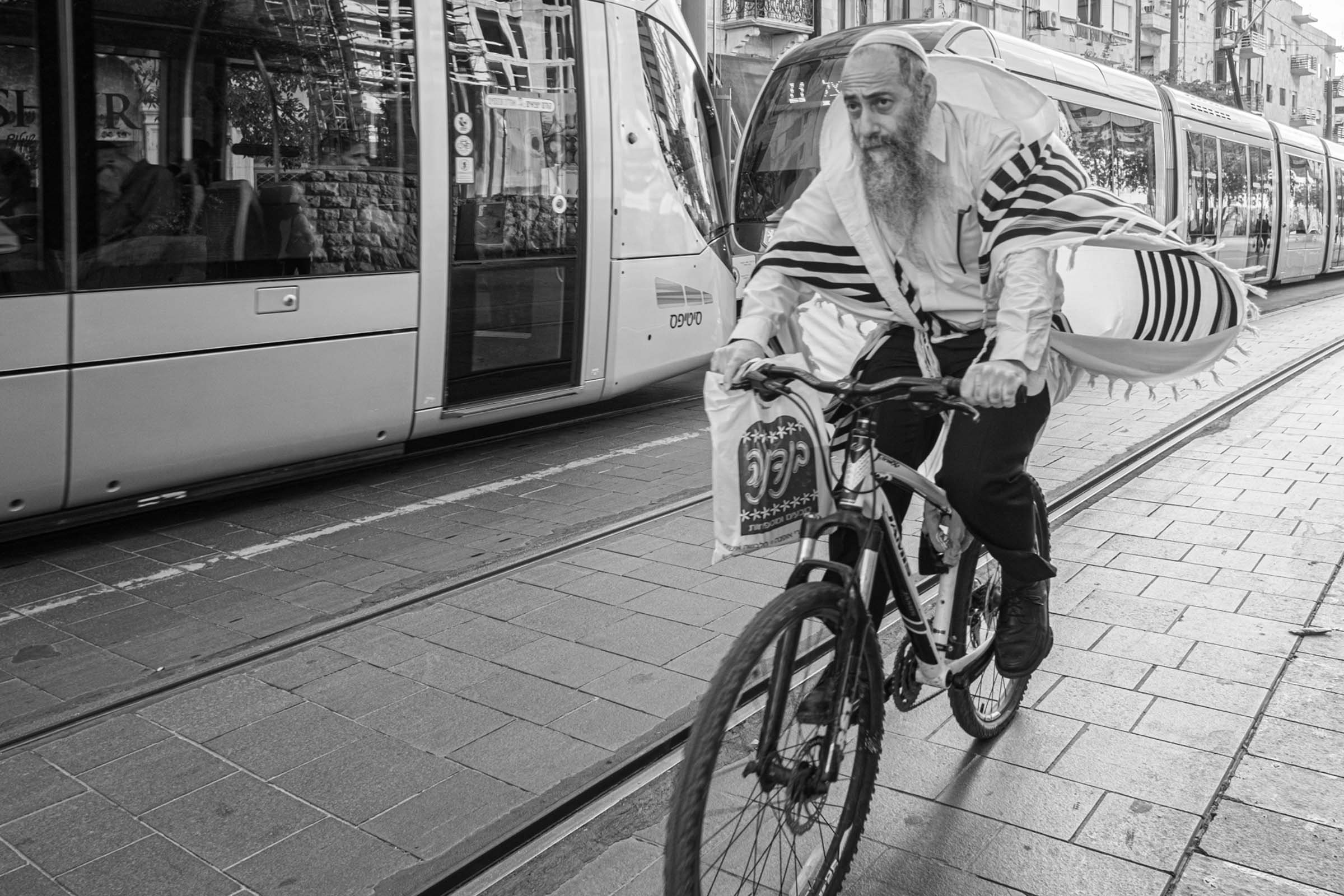
Photography on street along the year and against the sun

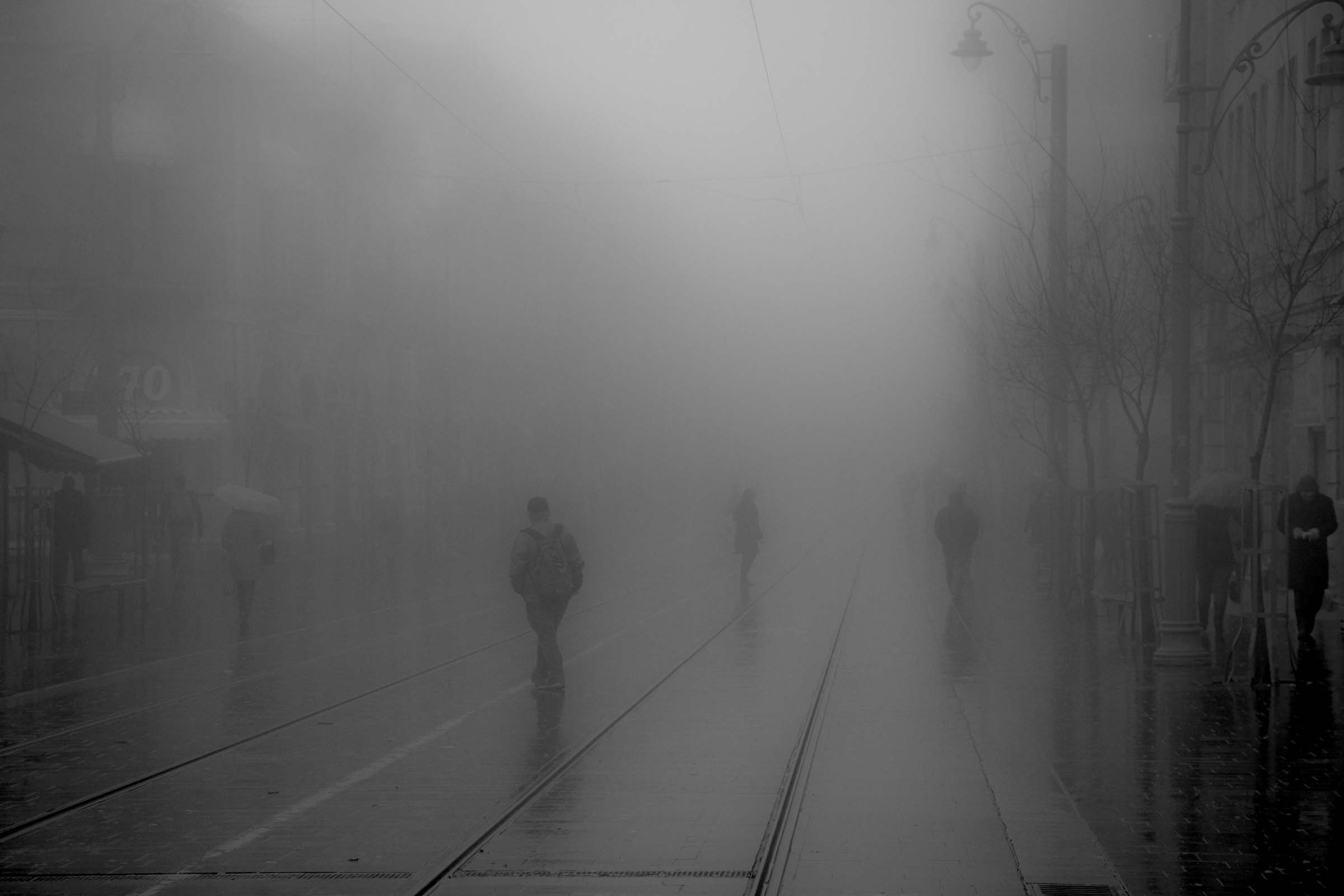
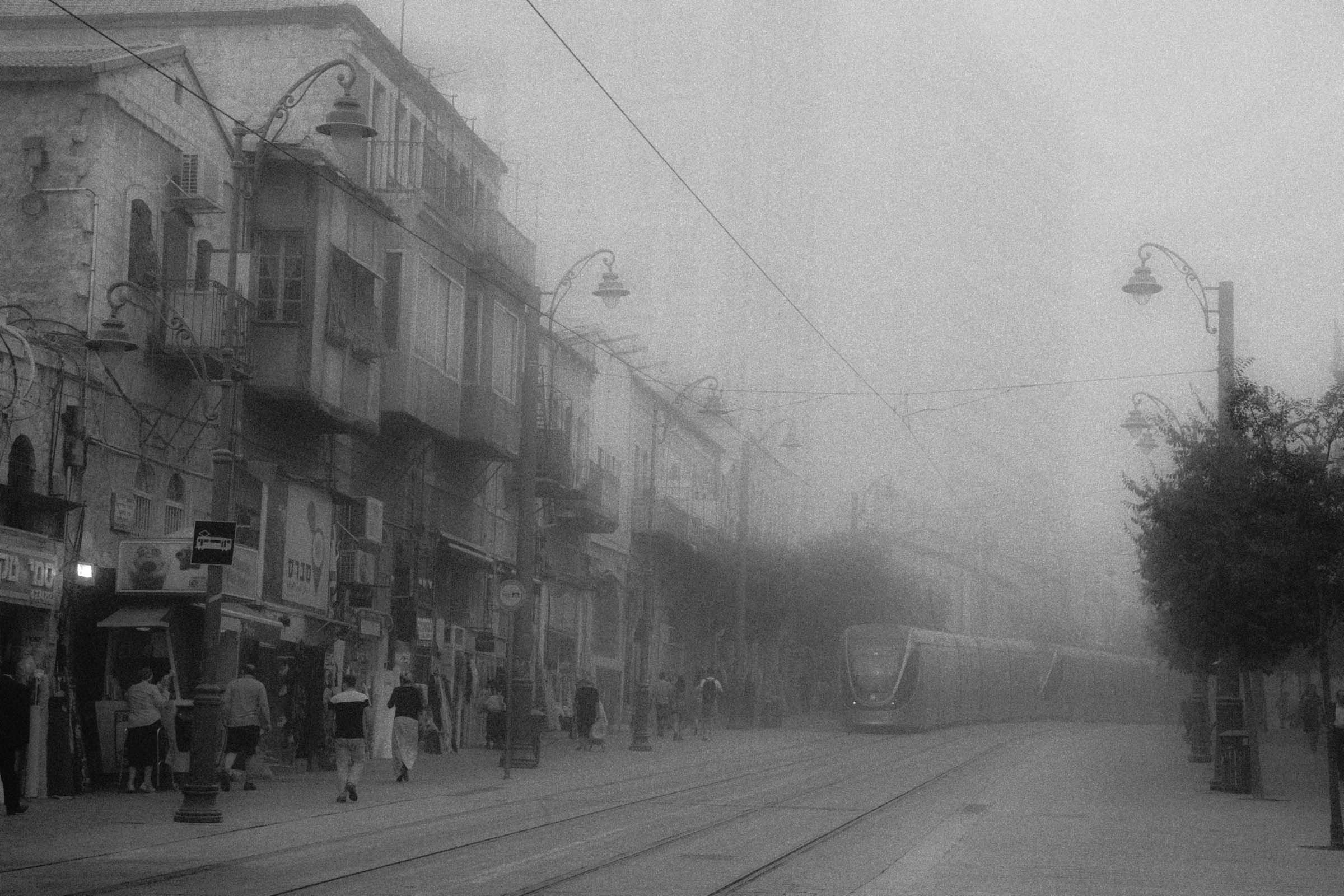
Last essay I wrote about Jaffa Road on rainy days. During this time, I collected a few pictures from the street against the sun, usually early in the morning. Most of them were taken in the last four years. From this perspective, I can see the loneliness in a big city, I can see people praying and concentrating on their books, I can see dogs and cats, runners and riders. Sometimes, I speak with them, but mostly they are anonymous. I love seeing the colors of women's dresses and the different strides of people. Against the sun, I can see street lights being illuminated by the sun.

 
View fullsize A35A2152_1.jpg
View fullsize A35A2174_1.jpg
View fullsize A35A2176_1.jpg
View fullsize A35A2181_1.jpg
View fullsize A35A2226_1.jpg
View fullsize A35A2204_1.jpg
View fullsize A35A2195_1.jpg
View fullsize A35A2209_1.jpg
View fullsize A35A2188_1.jpg
View fullsize DSCF1458.jpg
View fullsize DSCF1150.jpg
 
A35A4141_1.jpg
A35A4142_1.jpg
A35A4141_1.jpg A35A4142_1.jpg
 
 
View fullsize DSCF1476.jpg
View fullsize IMG_1155-2.jpg
 
View fullsize DSCF1719-2.jpg
View fullsize DSCF1718-2.jpg
View fullsize DSCF1617-2.jpg
View fullsize DSCF1615-2.jpg
 
 
View fullsize DSCF1599-2.jpg
View fullsize DSCF1596-2.jpg
View fullsize DSCF1609-2.jpg
 
 
DSCF4731.jpg
DSCF3998.jpg
IMG_2527.jpg
 
 
Jaffa road in rain
 
Baruch Gian
Monday 03.11.24
Posted by Progressive-Street
 

It's the Lunar New Year by Martin Ingber

Lunar New Year

by Martin Ingber

It's the Lunar New Year, the 'Year of the Dragon', and there will be a traditional parade in Manhattan's Chinatown on Sunday to celebrate. Here's wishing a happy new year to all those who celebrate!

 
View fullsize 408939968_10160912074440272_650777106372132919_n.jpg
View fullsize 409042800_10160912076310272_880060209982074387_n.jpg
View fullsize 409064237_10160912077180272_5317018424834484793_n.jpg
View fullsize 409171079_10160912076855272_2243135321670470205_n.jpg
 
 
Martin Ingber
Saturday 02.24.24
Posted by Progressive-Street
 

Nazaré (Portugal) by José Ríos López

Nazaré

by José Ríos López

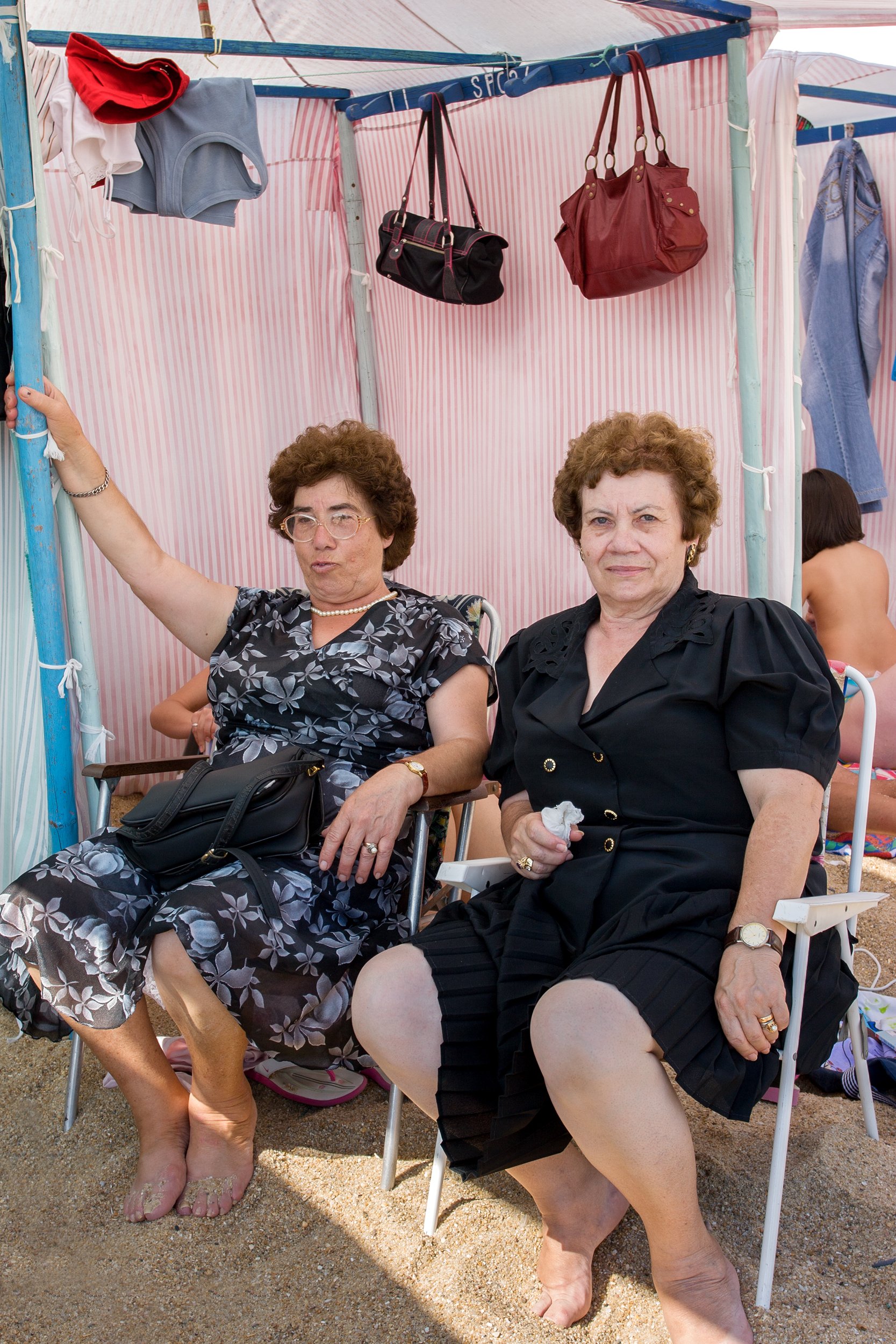
As you head up north of Portugal, you will come across its most popular beach, which lies beyond Lisbon. This beach is famous for its giant wave that reaches up to twenty meters high, making it a surfer's paradise from all over the world. The beach also boasts of its white sand, fishermen's boats parked on the sand, women sunbathing, and the familiar atmosphere of bathers in the bathrooms. The houses around the beach are used for intimacy, changing into swimsuits, eating, and other purposes. However, the most exciting thing about these houses is the development of stories that happen in each one.

View fullsize _MG_7807.jpg
View fullsize _MG_7861.jpg
View fullsize _MG_7848.jpg
View fullsize _MG_7832.jpg
View fullsize _MG_7841.jpg
View fullsize _MG_7813.jpg
 
 
José Ríos López
Saturday 02.24.24
Posted by Progressive-Street
 

Jaffa road in rain by Baruch Gian

Jaffa road in rain

by Baruch Gian


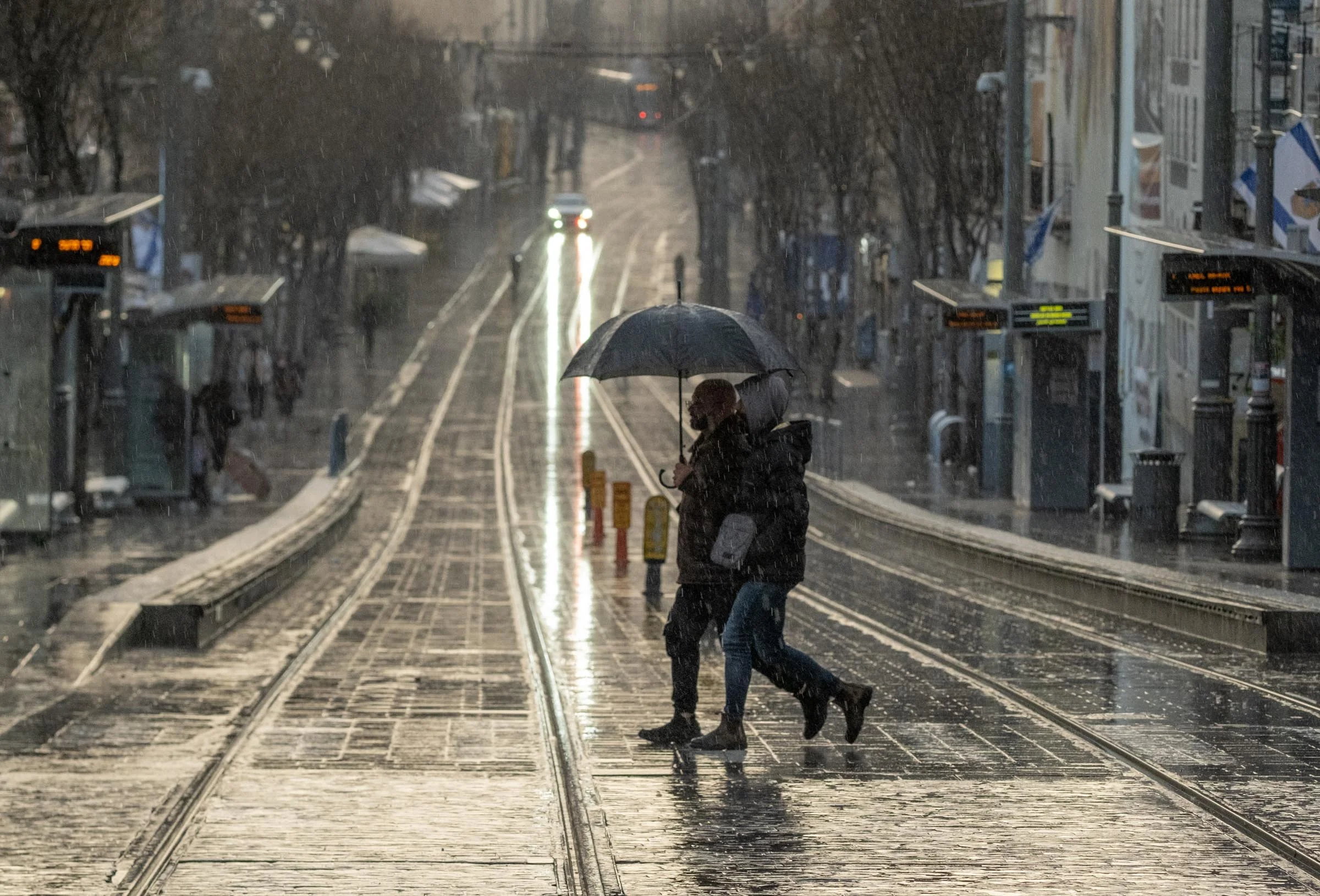
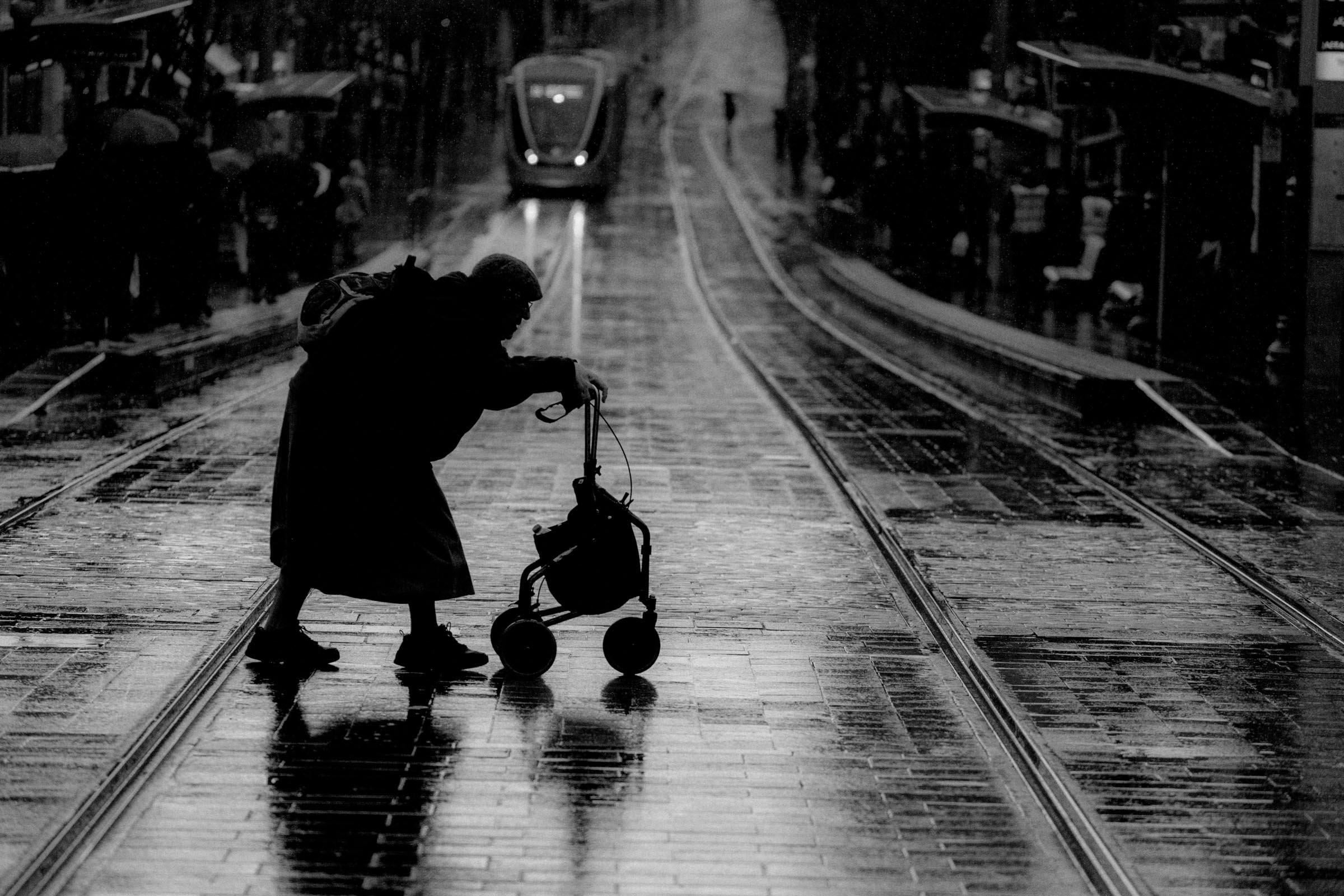
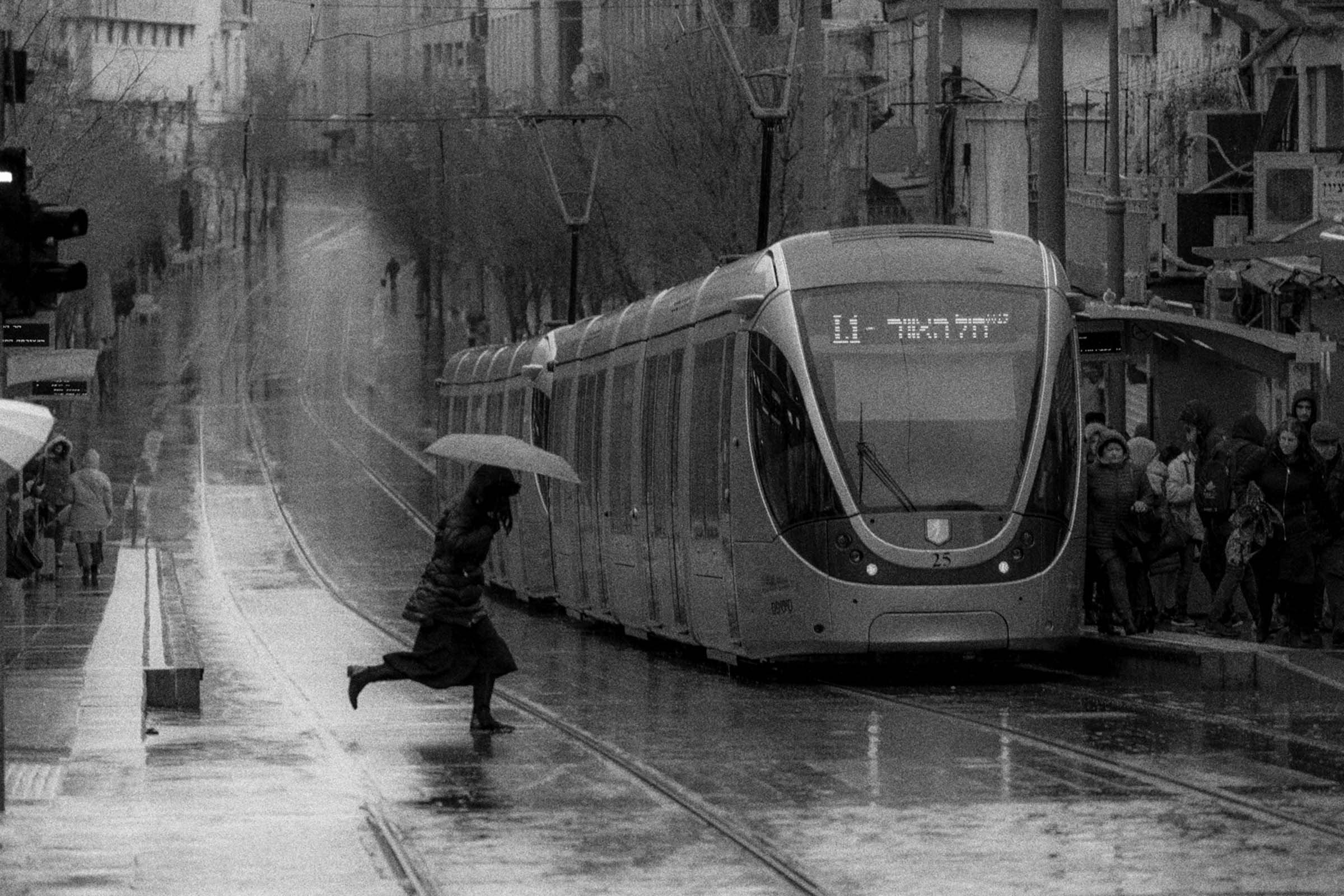
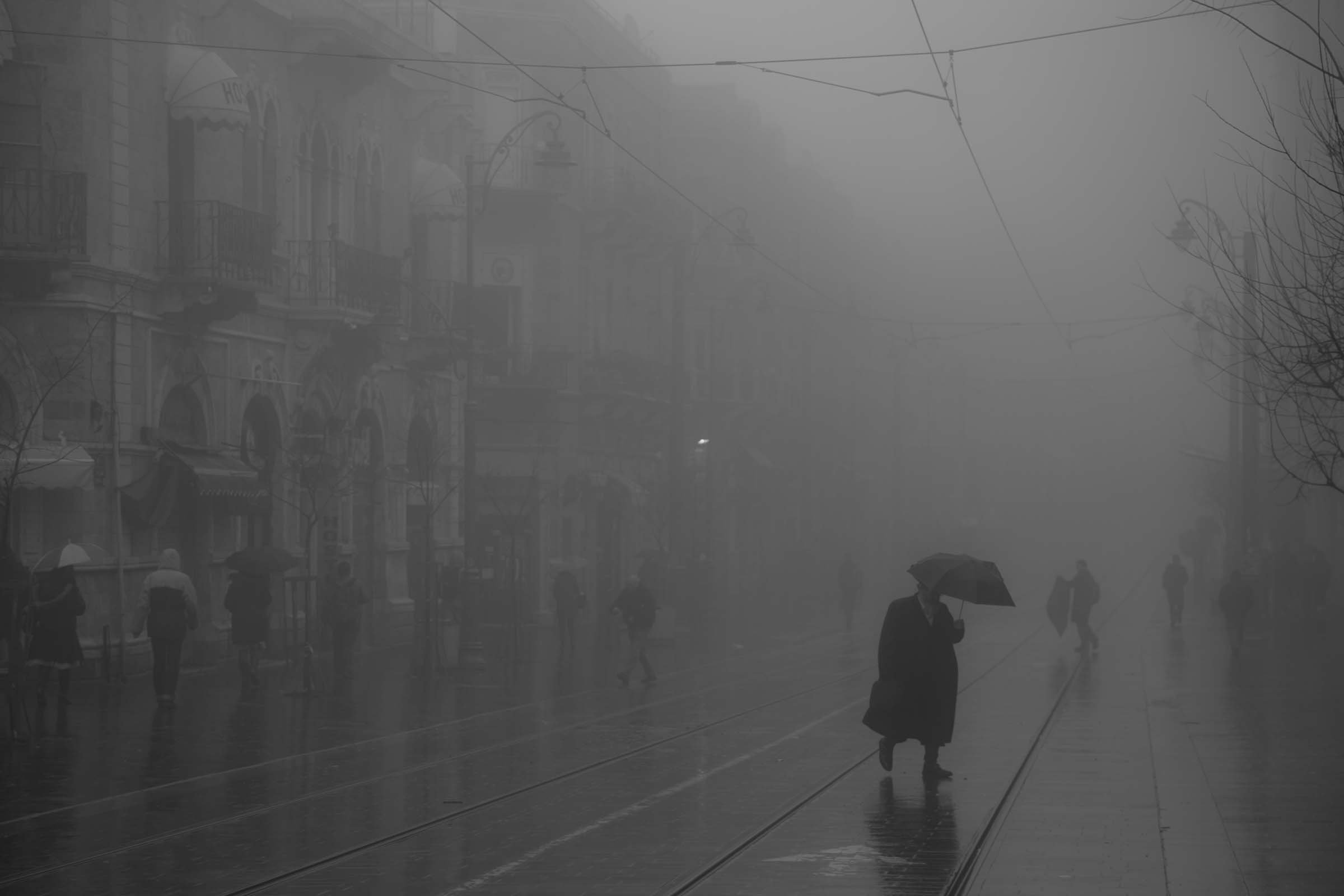
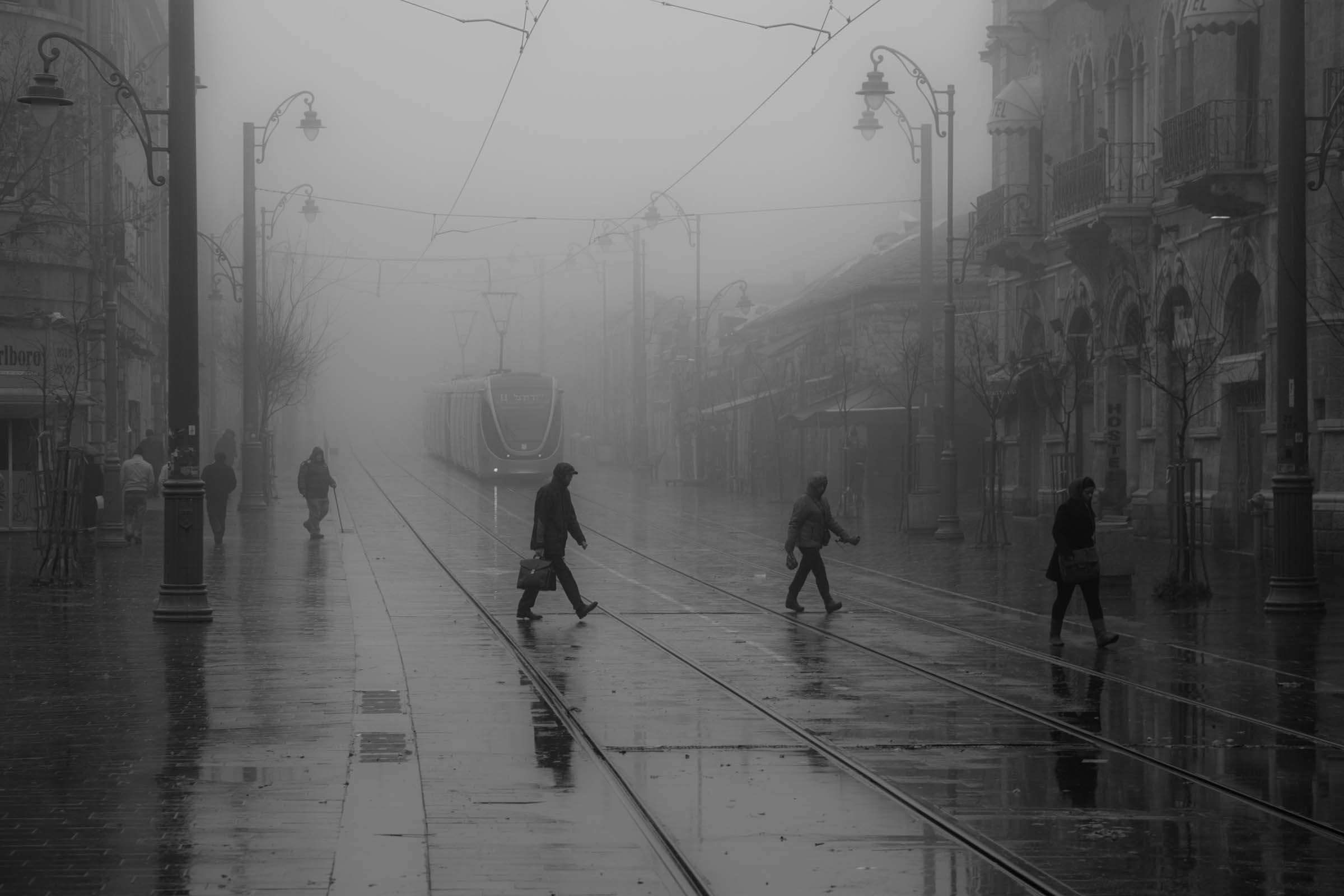
I took pictures here for many years/mainly in the morning/sometimes very early. Always In winter, when the light is excellent and the street is wet and shiny. Usually, I am holding a vast umbrella with only one hand holding the camera. Here it’s a collection of pictures from the last 12 years. On rainy days, it is easy to take photos, and they don’t even see you.

 
View fullsize DSCF8645.jpg
View fullsize DSCF8656.jpg
View fullsize DSCF8675.jpg
View fullsize DSCF8690.jpg
 
 
IMG_8188-Edit.jpg
IMG_4615-2.jpg
IMG_8222-Enhanced.jpg
DSCF2658.jpg
 
 
IMG_8222-2.jpg
IMG_8219-2-Edit.jpg
IMG_8235-3.jpg
IMG_8894-Edit.jpg
IMG_8222-2.jpg IMG_8219-2-Edit.jpg IMG_8235-3.jpg IMG_8894-Edit.jpg
 
instagram
 
Tuesday 02.13.24
Posted by Progressive-Street
 

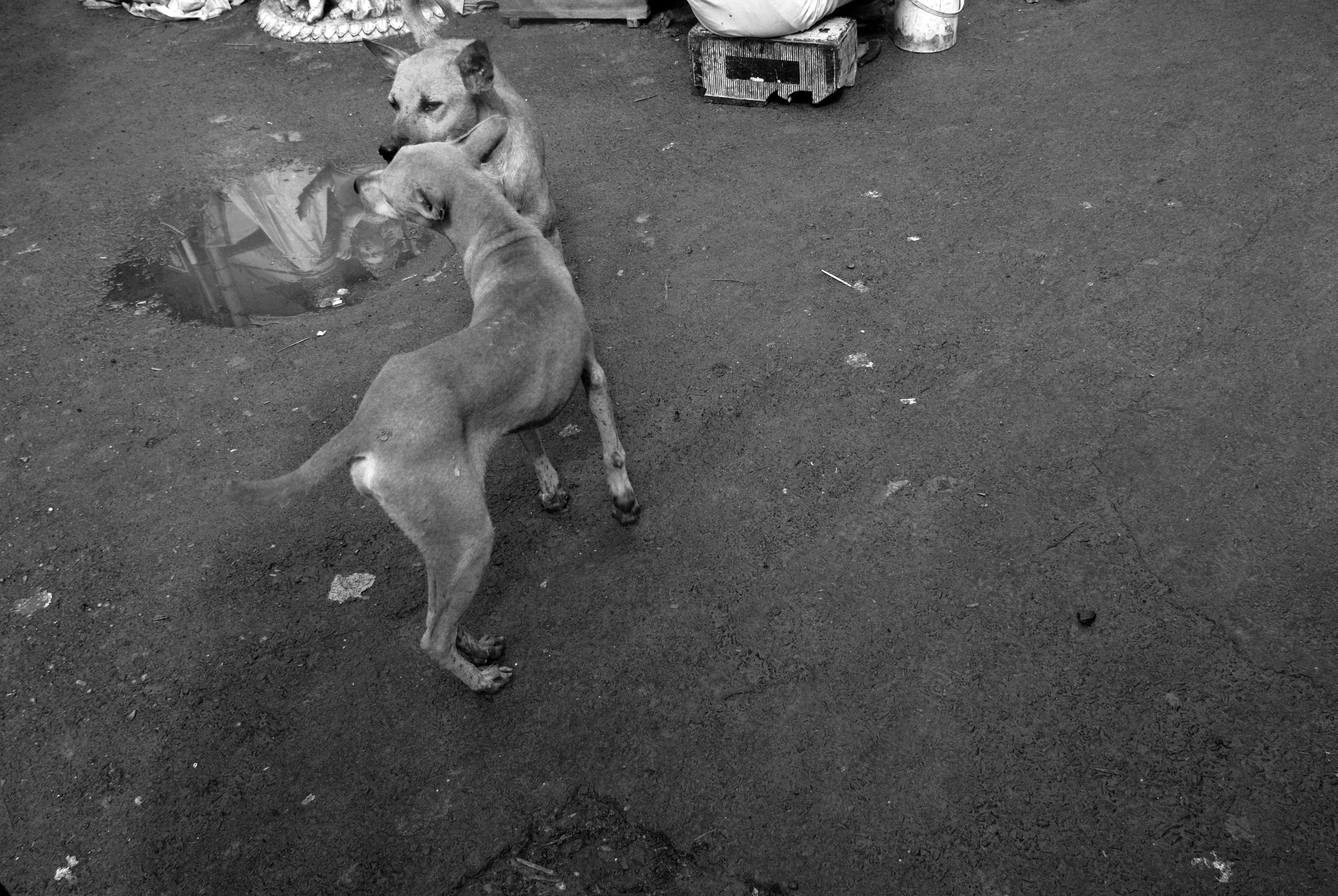
Street dogs by Rajib Singha

Street dogs

by Rajib Singha.


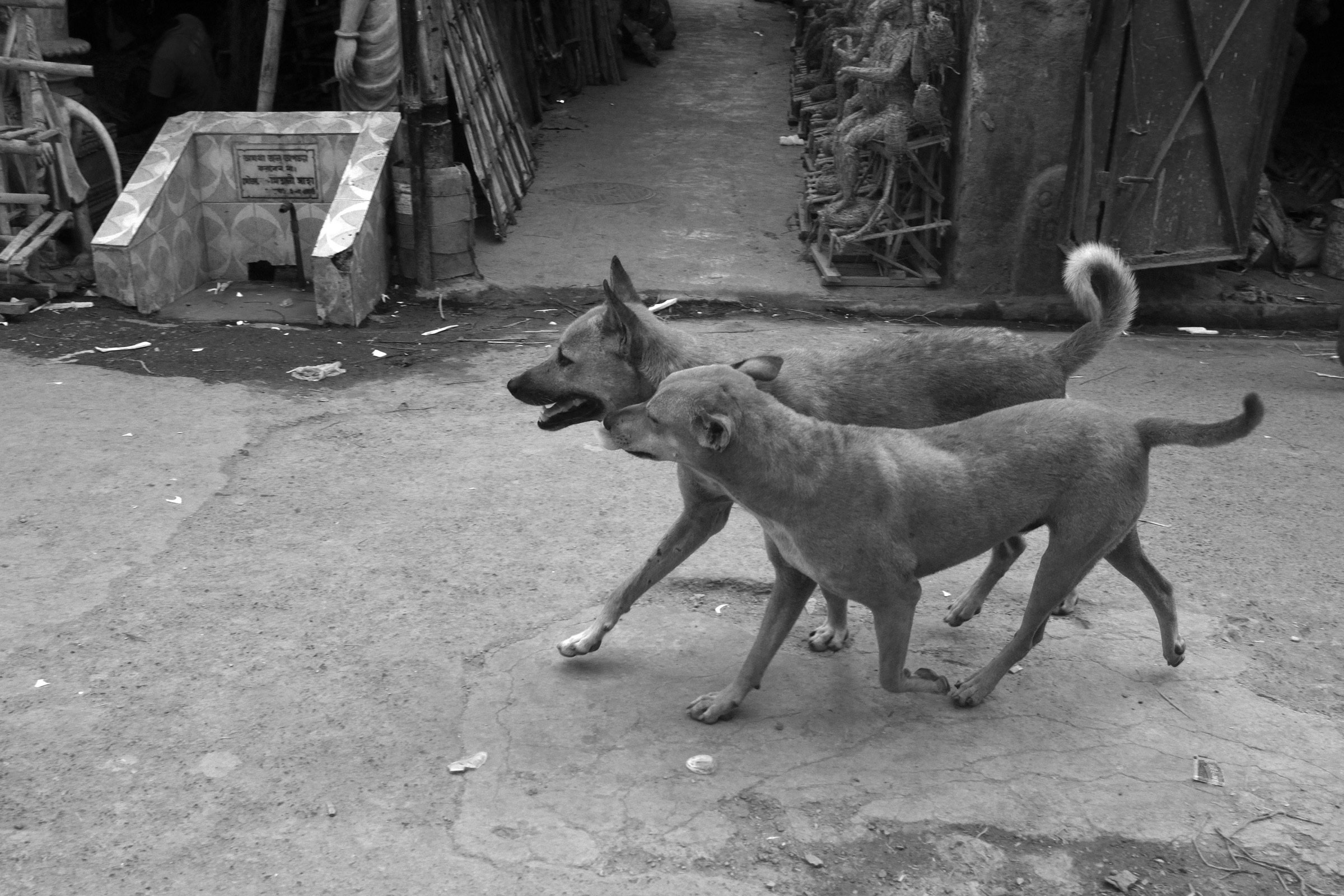
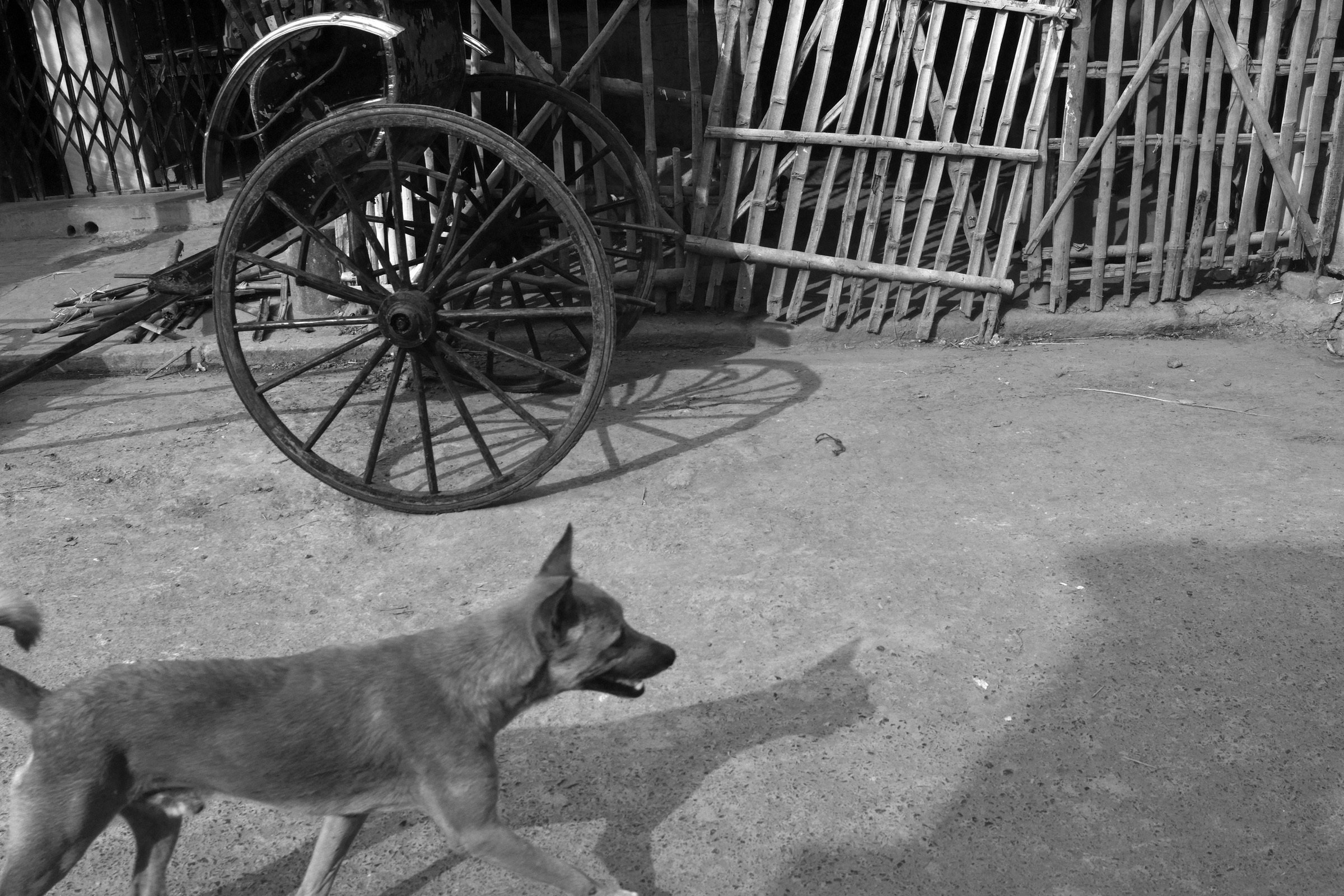
Street dogs are a familiar sight in many cities. My interest in them started when I saw one in a garden near India Gate, Delhi. The dog belonged to a reputed breed but had been abandoned by its owner recently. It was in a state of shock and trauma as it had never experienced the harsh street life before. Since then, I have made it a habit to capture photos of street dogs whenever I am out shooting on the streets. Here are some photos of the street dogs living on the streets of Kolkata. Each one has its own unique character.


View fullsize Rajib2(Street_dogs_Kolkata).jpg
View fullsize Rajib5(Street_dogs_Kolkata).jpg
 
 
View fullsize Rajib3(Street_dogs_Kolkata).jpg
View fullsize Rajib15(Street_dogs_Kolkata).jpg
View fullsize Rajib6(Street_dogs_Kolkata).jpg
View fullsize Rajib11(Street_dogs_Kolkata).jpg


Rajib8(Street_dogs_Kolkata).jpg
Rajib7(Street_dogs_Kolkata).jpg
Rajib12(Street_dogs_Kolkata).jpg
Rajib8(Street_dogs_Kolkata).jpg Rajib7(Street_dogs_Kolkata).jpg Rajib12(Street_dogs_Kolkata).jpg
 
 
Rajib Singha
Friday 02.02.24
Posted by Progressive-Street
 

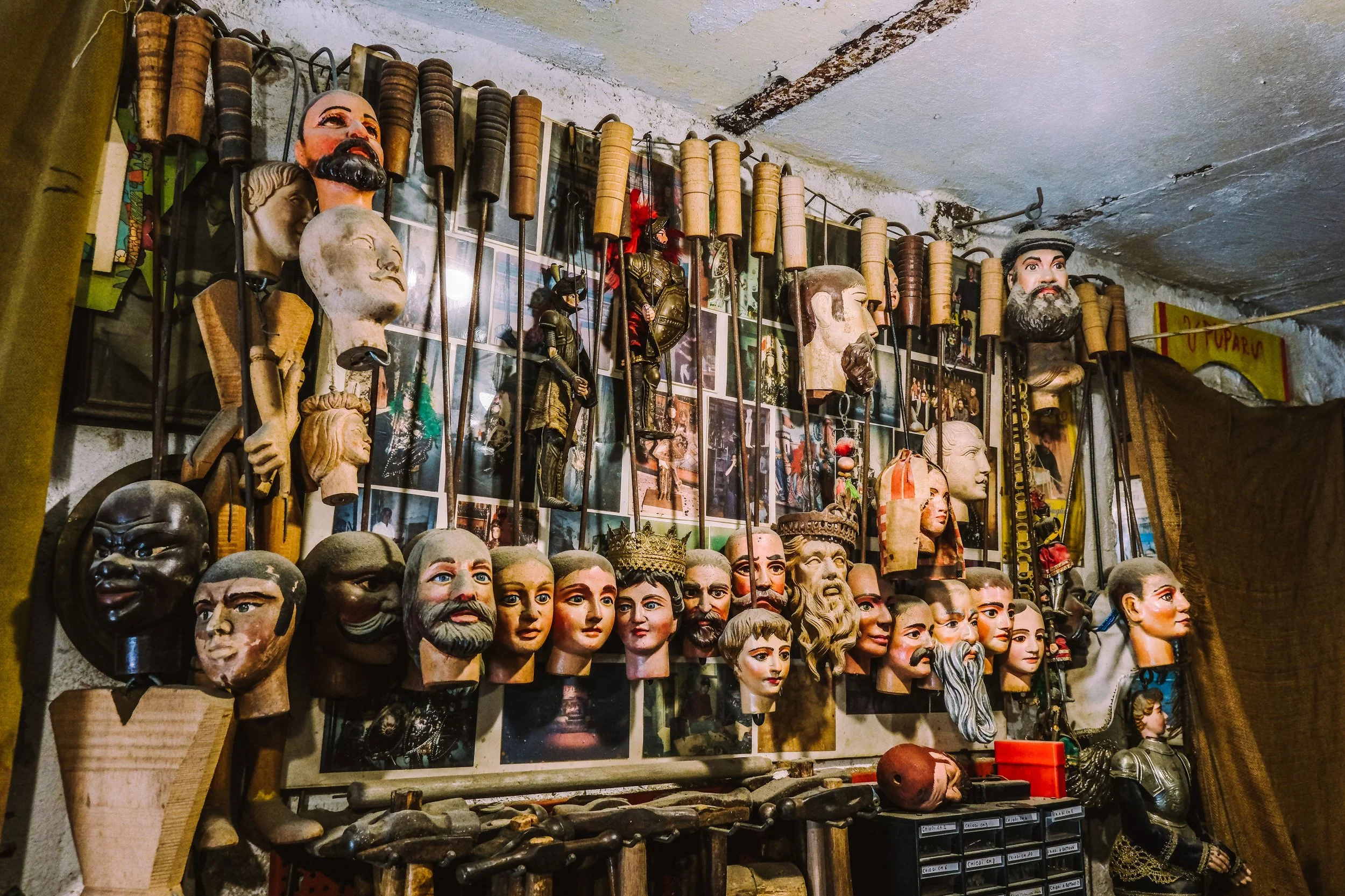
A Legacy on Strings by Manolis Soulos

A Legacy on Strings

by Manolis Soulos


 Sicilian puppetry, a mesmerizing and age-old art form, has long been a source of fascination and wonder. This captivating tradition, known as the Opera dei Pupi (aka Puppet Opera), tells tales of valor, chivalry, and epic battles through intricately crafted puppets. At the heart of this remarkable world stands Salvatore Bumbello, a master puppeteer and craftsman whose life is a testament to the enduring magic of Sicilian puppetry.

  The Opera dei Pupi emerged as a unique theatrical experience, featuring marionettes skillfully manipulated by puppeteers who brought age-old stories to life.

These stories often revolved around the exploits of knights, paladins, saracens, and noble heroes, set against the backdrop of epic battles and quests. The puppets themselves were meticulously handcrafted, complete with intricate costumes, swords, and a remarkable attention to detail. In Palermo, the legacy of Sicilian puppetry is often a family affair, passed down from one generation to the next. Salvatore Bumbello’s journey mirrors this familial tradition. Today, Salvatore not only designs and creates elaborate puppets for his own shows but also crafts them for fellow puppeteers.What makes Salvatore's journey even more remarkable is his commitment to ensuring that the legacy lives on through the generations. He is not alone in his quest. His eldest son, Luciano, stands beside him, carrying the torch forward.

  Sicilian puppetry and Salvatore Bumbello's life are inseparable chapters in a tale that transcends time. Their stories intertwine with history, tradition, and the enduring spirit of craftsmanship. Through the hands of puppeteers like him and his family, the Opera dei Pupi continues to cast its spell, captivating audiences with the age-old tales of Sicilian heroism. 


View fullsize Opera_dei_Pupi_-_Photo_Essay-4.jpg
View fullsize Opera_dei_Pupi_-_Photo_Essay-5.jpg
 
 
View fullsize Opera_dei_Pupi_-_Photo_Essay-7.jpg
View fullsize Opera_dei_Pupi_-_Photo_Essay-8.jpg
View fullsize Opera_dei_Pupi_-_Photo_Essay-9.jpg
 
 
View fullsize Opera_dei_Pupi_-_Photo_Essay-10.jpg
View fullsize Opera_dei_Pupi_-_Photo_Essay-12.jpg


Manolis Soulos
@mossa_avenue
Wednesday 01.31.24
Posted by Progressive-Street
 

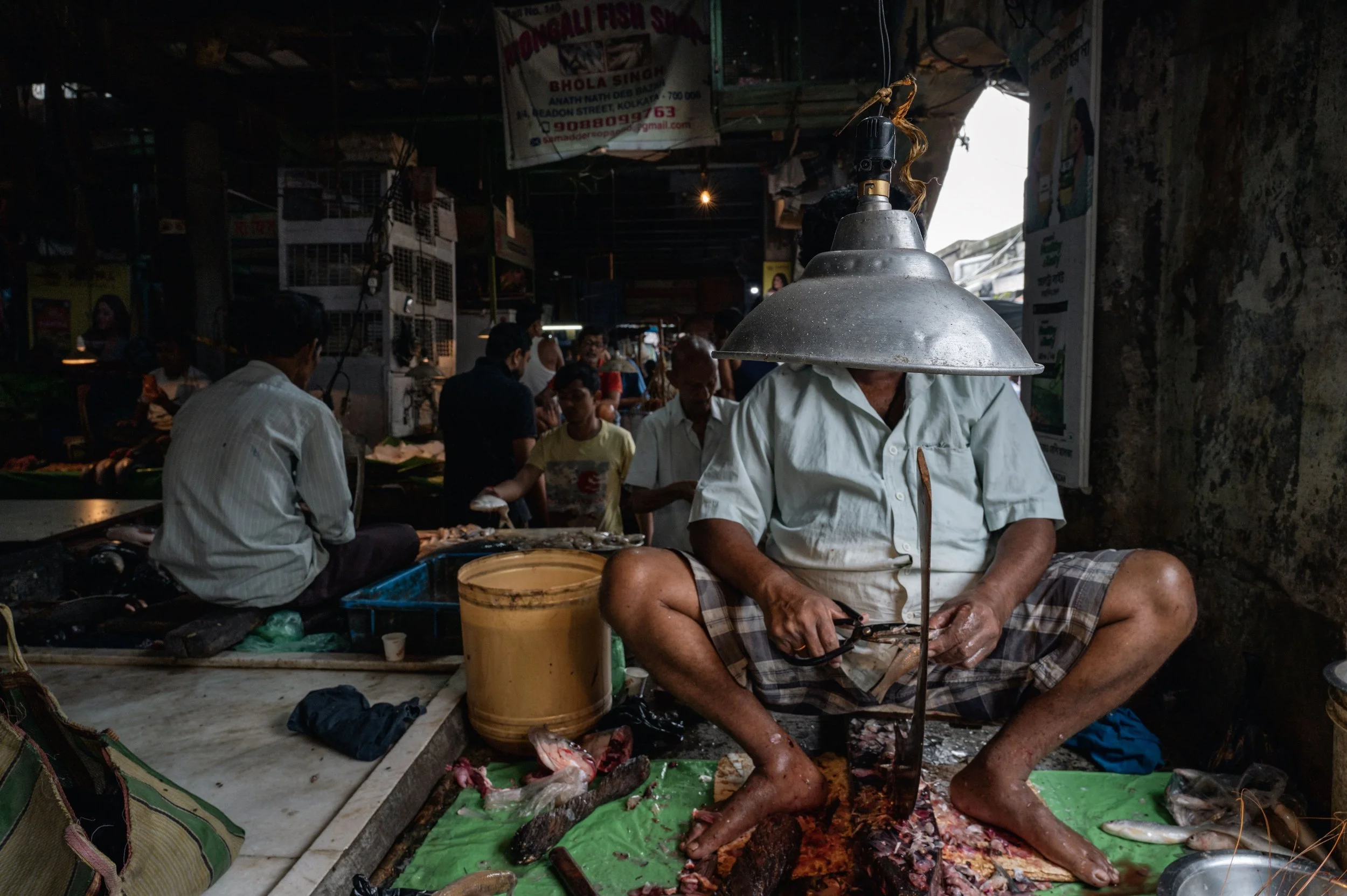
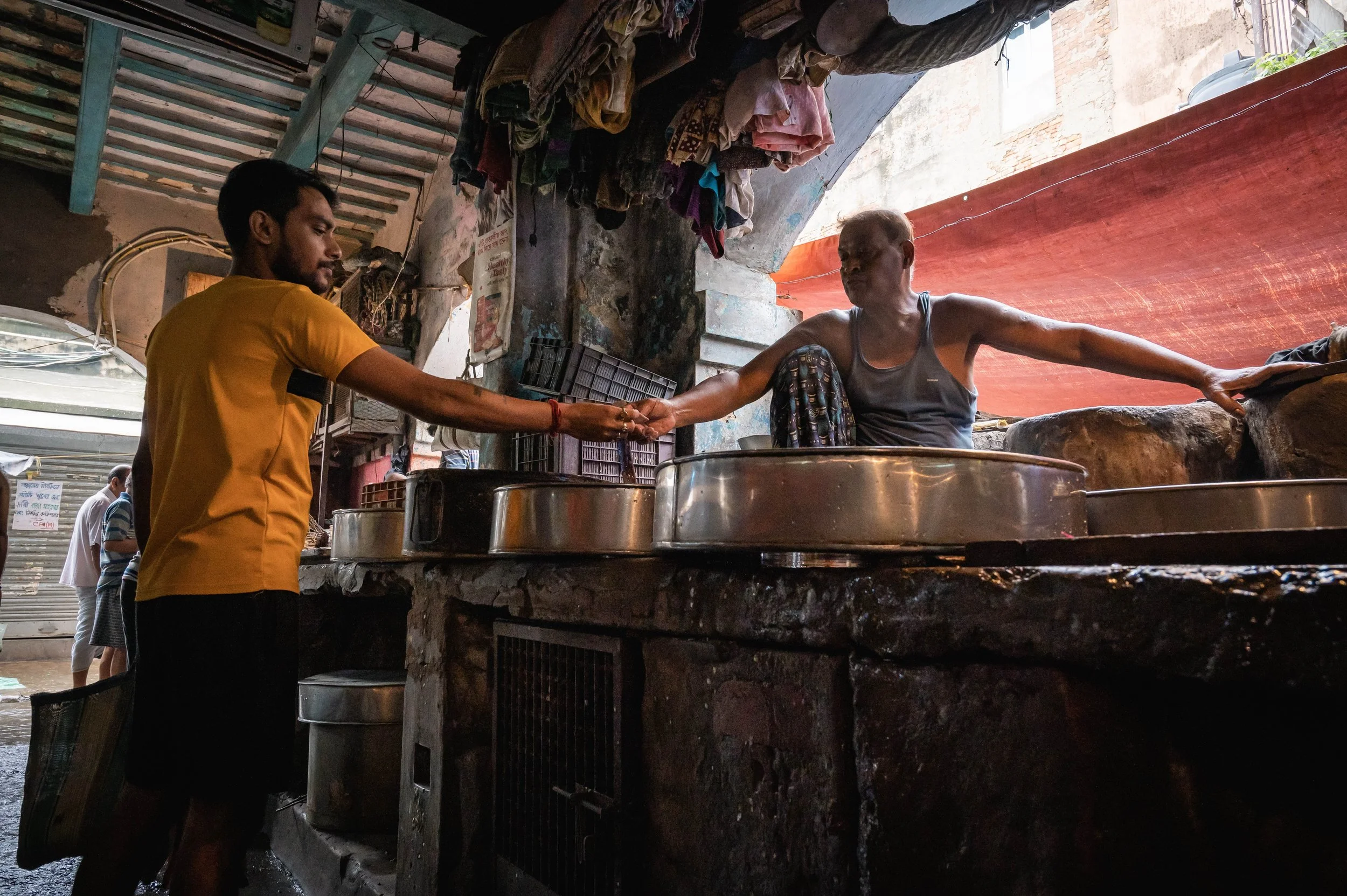
Capturing the Essence: Street Photography at the Fish Market near Girish Park by Debraj Purkayastha

Fish Market near Girish Park by Debraj Purkayastha

In the heart of the bustling city, the fish market near Girish Park emerges as a vibrant and chaotic tapestry of life, offering a captivating subject for street photographers seeking to capture the raw beauty of everyday existence. Nestled in the midst of the urban hustle, this market becomes a canvas where the juxtaposition of images paints a unique portrait of the daily rhythm.

One of the most striking aspects of street photography in the fish market is the juxtaposition of elements. Amidst the chaos of vendors shouting prices, customers haggling, and the pungent aroma of the sea, a photographer can freeze moments that tell a thousand stories. The vibrant colors of fresh catches stand in stark contrast to the worn, weathered faces of the fishmongers. The flickering fluorescent lights cast a surreal glow on the scenes of negotiation and exchange.

The market's energy is palpable through the lens, as fishermen unload their catch from rickety boats, creating a dance of movement and purpose. The scale of the operation, from the meticulous arrangement of fish on ice to the swift transactions occurring at makeshift stalls, provides a rich visual narrative.


Girish Park is a neighbourhood of North Kolkata in Kolkata district in the Indian state of West Bengal. it is named after famous Bengali Theatre personnel Girish Chandra Ghosh.

Kids Playing in the Ghats of Kolkata
Learn more
 
 
Debraj Purkayastha photography
instragram
Wednesday 01.17.24
Posted by Progressive-Street
 

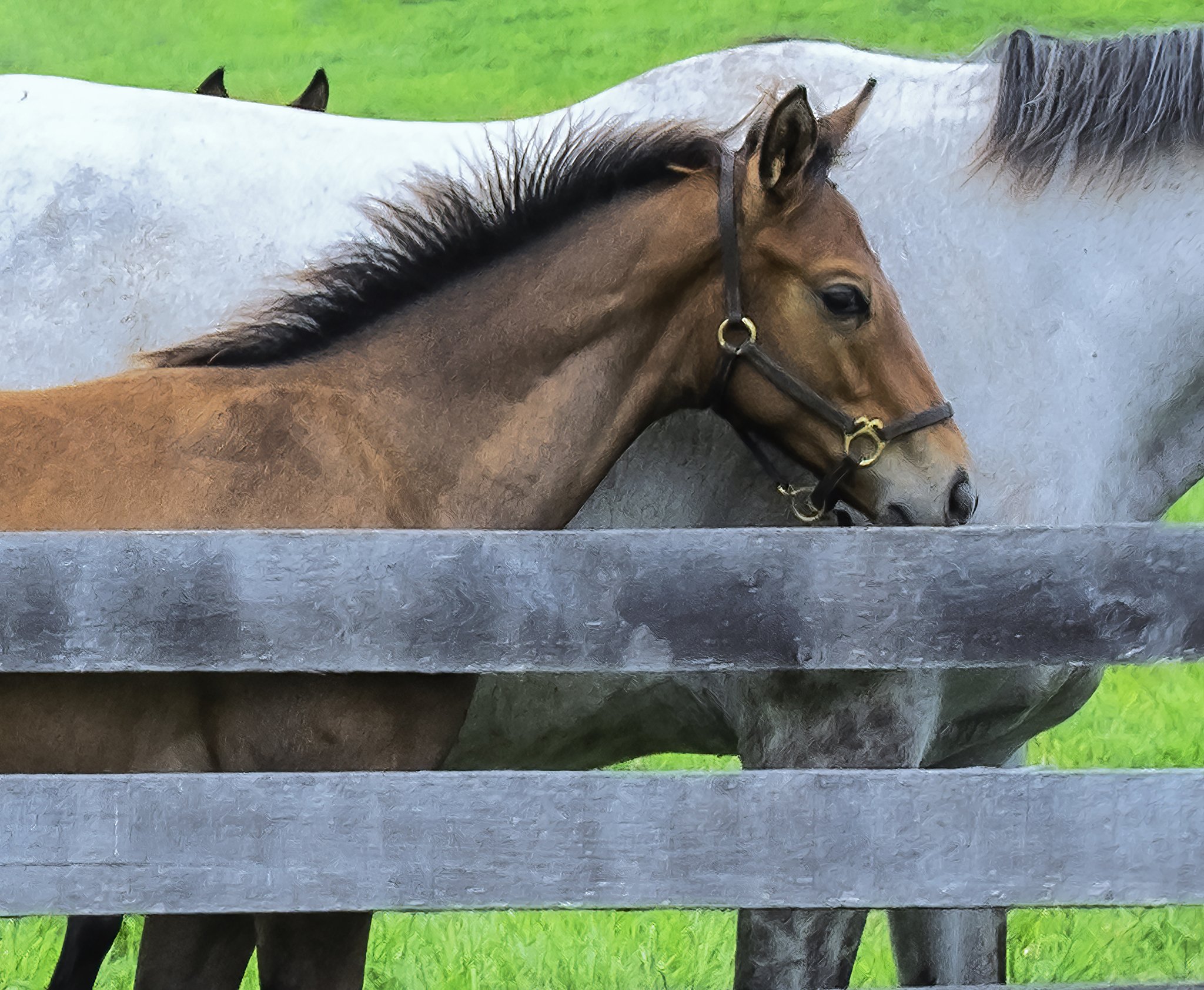
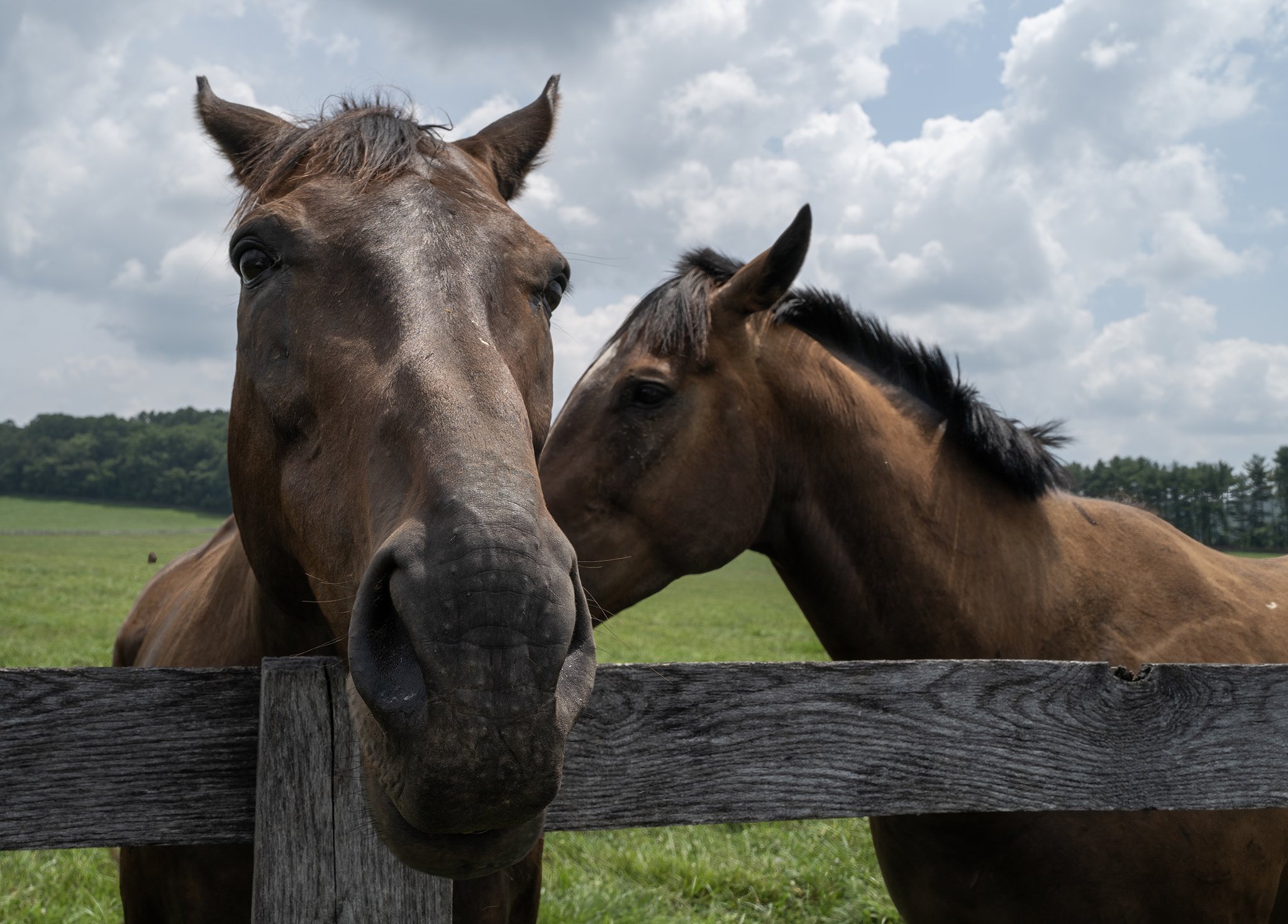
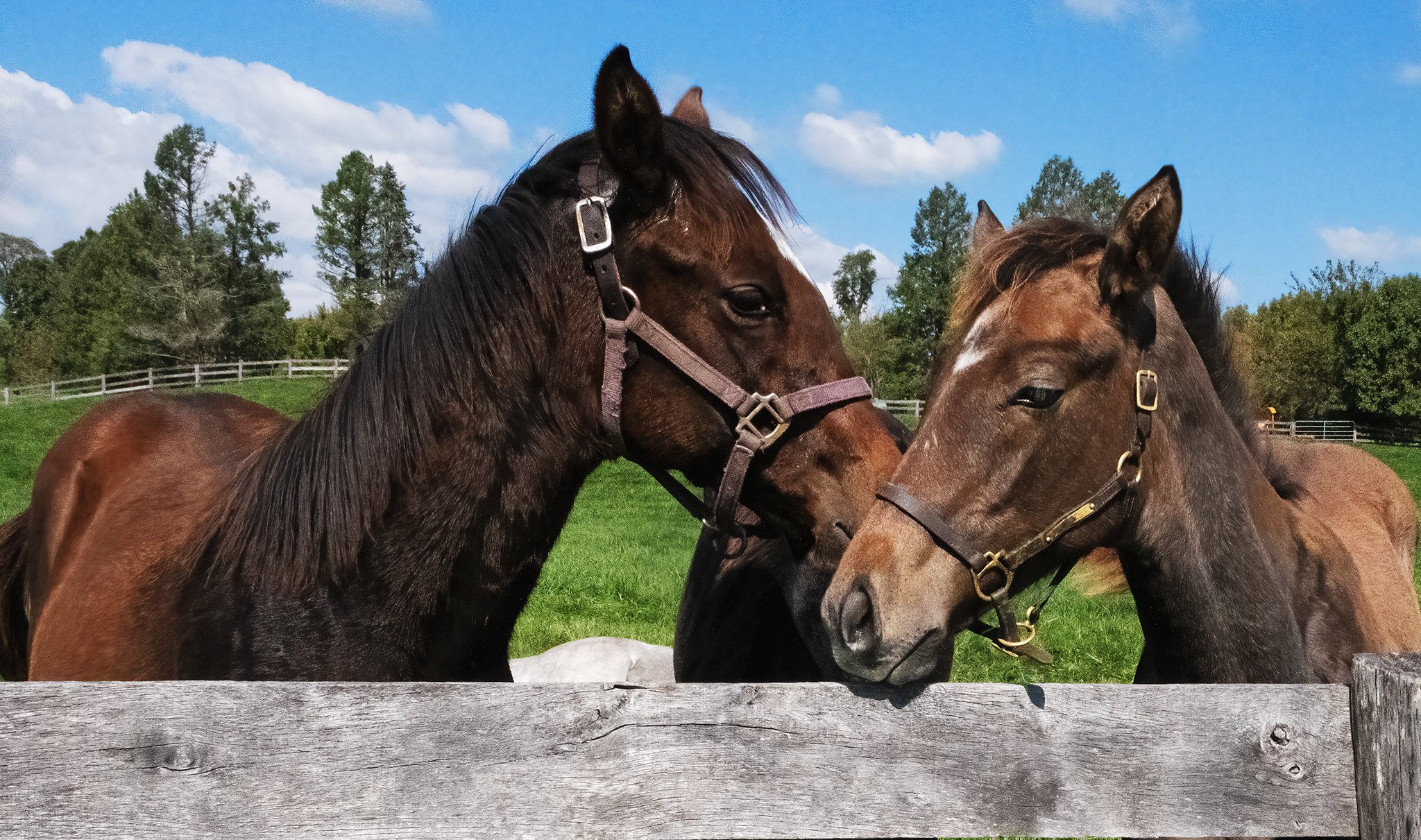
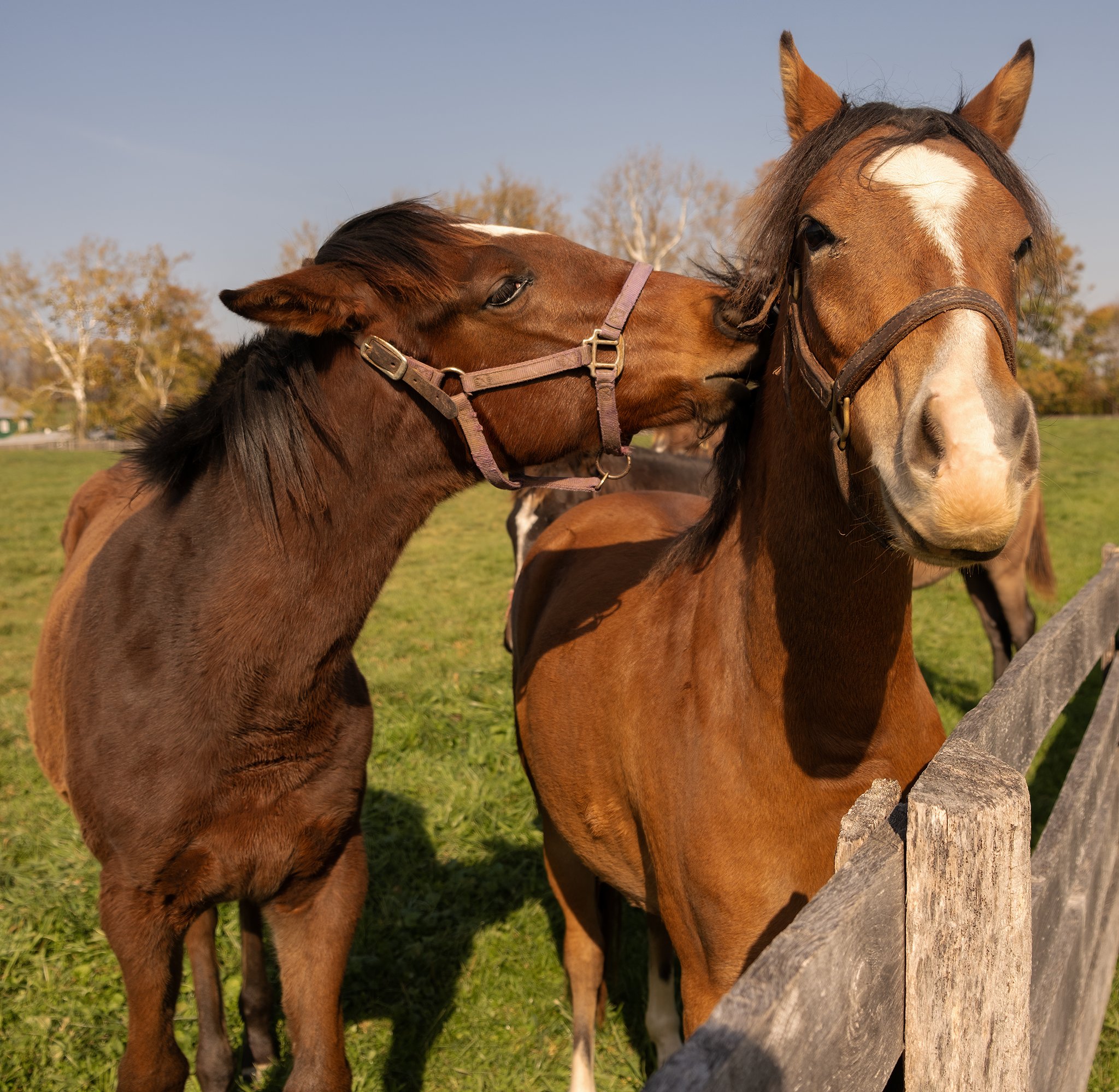
“Equine Beauty” by Cheryl Atkins

“Equine Beauty”

by Cheryl Atkins

I’ve been a street photographer since 2007. I was out taking shots daily, no matter the weather.  We moved to a rural island in the middle of the Chesapeake Bay when Covid hit in March 2020 and stayed there until my husband Tom’s death in December 2022. As he passed, I was too grief-stricken to pick up a camera. The thought of seeing happy people on the street threw me into a deeply sad state. I was in a fog and could barely muster the strength to get out of bed in the morning. We were married for thirty-six years and still held hands when out in public. We moved as one. When he died, life as I knew it ceased to exist. I also lost both of our sixteen-year-old dogs within a couple of months of losing Tom. The loneliness overwhelmed me. This was the first time in my life I was on my own. I was so confused. I had no one to care for but myself. Who was I? 

In March of 2023, I decided to take a ride to the horse country north of Baltimore. It is three years since the last time I was there. We used to visit the horses in random paddocks along the roads. The horses flocked to Tom, and all the animals did. He was an old soul with a gentle demeanor. Some of the horses in our favorite paddock are over thirty years old. One in particular was partial to Tom. He was there the day I decided to go. I parked my car on the grass alongside the fence, and he approached me. He then walked to the car, looking for Tom. His head turned from side to side, and he looked confused. I walked over to him and told him Tom had died and was now with us in spirit only. Tears streamed down my face as I sobbed. This magnificent,  sweet creature felt my pain and put his face on my shoulder. I wrapped my arms around his neck and cried for about five minutes. I felt him absorb my sadness. He made me feel better. I massaged the favorite spot on his neck for about thirty minutes. We bonded. This was the first time I felt a break in the constant torture of grief. I found myself visiting Brownie  (my not-so-creative nickname for him) and the others almost every day for months. I talked to them and told them how beautiful they were and thanked them for easing my sadness and pain. I  always had my camera with me and took candid shots of them, both beautiful and funny. Their personalities vary as much as those of humans. They do a lot of very silly things, and I truly enjoyed capturing them. I laughed for the first time in months. Communicating with them was a  wonderful form of therapy for me.  

Their backs remind me of landscapes. I call them “horsescapes”. The movement of their gorgeous, majestic forms reveal striking abstract compositions. I absolutely love them. We are true friends. I feel they understand me more than most people. They have truly helped me in my journey through grief. The photos, which were just random shots in the beginning, grew into this project I call “Equine Beauty”.

 
View fullsize Restrictions 2048.jpg
View fullsize Shy Colt 2048.jpg
View fullsize Bullied 2048.jpg
View fullsize Equine Dream 2048 copia.jpg
 
Mystery Ears 2048.jpg
Secrets 2048.jpg
She's the One 2048.jpg
MWAH! 2048.jpg
Mystery Ears 2048.jpg Secrets 2048.jpg She's the One 2048.jpg MWAH! 2048.jpg
 
 
View fullsize Attitude 2048.jpg
View fullsize Horsescape 2048.jpg


People in Cars
 
 
Cheryl Atkins
Sunday 01.14.24
Posted by Progressive-Street
 

Kos by Michael C. Geiss

Kos

by Michael C. Geiss

In February 2020, when the coronavirus pandemic was not yet something we were seriously focussing on, I flew to the Greek island of Kos for 12 days to help in a camp for boat refugees. Obtaining accreditation from the Greek government and signing an official document stating that I would not take photographs in the camp were a prerequisite for this.

In order not to jeopardise the work of the small German NGO I was working for (which, alongside the UNHCR, was exclusively responsible for around 3600 refugees from 2015 to 2022), I carried a small compact camera with me, well hidden under my jacket. (Can you really expect a photographer to be travelling without a camera? You can't!).

The closed part of the camp - I'll call it an open-air prison for simplicity's sake - is located on a former military site in the center of the island and can only be entered and left after an ID check. In addition to this, there was also a wild "village" in front of the camp, where recognised boat refugees mainly from Afghanistan, Syria, Iraq, Somalia, Ethiopia and other African countries live.

Those who arrived on the island by boat, usually at night on the beach, from Turkey, which is within sight, were sent to the closed camp until they received a Schengen visa or until they were repatriated (push-backs) to Turkey.

In my opinion, the living conditions for the refugees in the closed camp were inhumane, especially when you consider that we are here within the EU. But this is probably part of the intended deterrent. On average, eight people lived in one container, with around 8-10 containers set up in the areas surrounded by Nato barbed wire. There were shower and toilet containers, but these could only be entered when accompanied by police officers armed with machine guns, as was our warehouse.

People living outside the closed area were free and recognised, but in very few cases were able to leave the island in the direction of Athens. We also provided these people with the bare essentials: clothing, shoes, toiletries and baby food were in short supply, as were toilets, showers and medical care. Men, women, children and babies are almost left to fend for themselves.

The UNHCR provided the refugees with a small amount of money (approx. 80 euros per person per month), the rest of the aid was organised privately, including by numerous helpful Greeks on the island, who did not have much themselves and could not have foreseen that the tourists would disappear as a source of livelihood in the summer, making the situation for the inhabitants much worse.

There are now almost no more refugees on Kos, they have been taken to the other islands (Samos, Lesbos) and to the mainland. I have not publicised these photos to this day, the small NGO has withdrawn from Kos and normality has returned to a certain extent on this beautiful island. The way people were treated there, in an EU country, made me thoughtful, perhaps even a little aggressive.

* On the day I left, a young, heavily pregnant (8 months) Syrian woman, who was still living in the closed part of the camp behind Nato barbed wire, asked me for help, she was to be taken to the mainland the next day with a Schengen visa - unaccompanied by her husband - free to go wherever her feet would take her, problem solved!

07. Januar 2024 


View fullsize MCG-20200209-128-web.jpg
View fullsize MCG-20200210-162-web.jpg
View fullsize MCG-20200209-090-web.jpg
View fullsize MCG-20200210-185-web.jpg
View fullsize MCG-20200209-069-web.jpg
View fullsize MCG-20200208-005-web.jpg


---------------------------------------------------------------------------------------------------------------------------

Im Februar 2020, noch war die Corona-Pandemie etwas, was wir nicht ernsthaft im Blickfeld hatten, flog ich für 12 Tage, auf die Griechische Insel Kos, um in einem Lager für Bootsflüchtlinge zu helfen. Der Erhalt einer Akkreditierung durch die Griechische Regierung, sowie meine Unterschrift unter ein offizielles Dokument, dass ich nicht im Lager fotografieren werde, waren eine Voraussetzung hierfür. Um die Arbeit der kleinen Deutschen NGO, für die ich tätig war, nicht zu gefährden (diese war exklusiv seit 2015 bis 2022, neben dem UNHCR, für die damals rund 3600 Flüchtlinge zuständig) habe ich eine kleine Kompaktkamera, unter meiner Jacke gut versteckt mitgeführt. (Kann man von einem Fotografen wirklich erwarten, dass er ohne Kamera unterwegs ist? Kann man nicht!). Der geschlossene Teil des Lagers, ich nenne es mal, der Einfachheit wegen, Freiluftgefängnis, auf einem ehemaligen Militärgelände im Inneren der Insel gelegen, darf nur nach Ausweis-Kontrolle betreten und verlassen werden. Neben diesem, gab es noch ein wildes „Dorf" vor dem Lager, hier hausen anerkannte Boots-Flüchtlinge überwiegend aus Afghanistan, Syrien, Irak, Somalia, Äthiopien sowie weiteren Afrikanischen Ländern. Wer per Boot auf die Insel kam, meistens Nachts am Strand, aus der in Sichtweite gelegen Türkei anlandete, kam in das geschlossene Lager, bis zum Erhalt eines Schengen Visums, oder bis zur Rückführung (Push-Backs) in die Türkei. Die Lebensumstände für die Flüchtlinge im geschlossenen Camp waren aus meiner Sicht menschenunwürdig, besonders wenn man bedenkt, dass wir hier innerhalb der EU sind. Aber dies ist wohl ein Teil der gewollten Abschreckung. Acht Personen hausten durchschnittlich in einem Container, jeweils zirka 8-10 Container waren in den mit Nato-Stacheldraht umgebenen Arealen aufgebaut. Es gab Dusch & WC Container, die aber nur in Begleitung der, mit Maschinenpistolen bewaffneten, Polizisten aufgesucht werden durften, wie auch unser Waren-Lager. Vor dem geschlossenen Bereich lebende Menschen waren frei und anerkannt, aber konnten in den wenigsten Fällen die Insel in Richtung Athen verlassen. Auch diese Menschen wurden von uns mit dem Allernötigsten versorgt, Kleidung, Schuhe, Hygieneartikel und Babynahrung waren dort Mangelware, wie auch WC´s und Duschen oder medizinische Versorgung. Männer, Frauen, Kinder und Babys leben hier nahezu sich selbst überlassen. Der UNHCR, hat den Flüchtlingen einen kleinen Geldbetrag (ca. 80 Euro im Monat pro Person) zukommen lassen, die restliche Hilfe war privat organisiert, auch von zahlreichen hilfsbereiten Griechen auf der Insel, die selbst nicht viel hatten und noch nicht ahnen konnten, dass im Sommer die Touristen als Lebensgrundlage ausbleiben würden, wodurch sich die Lage für die Einwohner massiv verschlechtert hat. Inzwischen sind nahezu keine Flüchtlinge mehr auf Kos, diese wurden auf die anderen Inseln (Samos, Lesbos) und auf das Festland gebracht. Ich habe diese Photos bis heute nicht öffentlich gemacht, die kleine NGO hat sich aus Kos zurückgezogen und es ist wieder einigermaßen Normalität eingekehrt auf dieser schönen Insel. Die Art wie Menschen dort, in einem EU Land, behandelt wurden, hat mich nachdenklich, vielleicht auch ein wenig aggresiv gemacht.*

* Am Tag meiner Abreise hat mich eine junge, hochschwangere (8. Monat) Syrische Frau, die noch im geschlossenen Teil des Camps hinter Nato-Stacheldraht wohnte, um Hilfe gebeten, sie sollte -ohne- Begleitung ihres Mannes am nächsten Tag, mit einem Schengen Visum auf

Michael C. Geiss
omas
The harbor of Muara Angke
The commemoration of 13 February 1945 – 2011
Monday 01.08.24
Posted by Progressive-Street
 

Sagar Dan by Michael Kennedy

Sagar Dan

When we met half-way across the lobby of the LeLat Great Eastern Hotel in Calcutta six weeks ago, I knew I had been right all along. Despite a well-honed mask of world-weary cynicism, I’m still delighted and impressed by people who can make me a better person by the strength of their character. 

Sagar Dan, a life-long resident of Burdwan, a small town near Calcutta in West Bengal, is such a person.


Years ago, I stopped walking the wheel every day for a comfortable salary and retired so I could take back control of my life. This allowed me to return to photography, an early passion without the soul-crushing embarrassment of looking up my “Wendy” who left long ago because I prolonged my adolescence way too long. She knows who she is, how much she still means to me. Yet a camera never asks about our lack of ambition, or if we’ve been unfaithful.  The only other relationship that tops this involves a dog. 

Once I began to make some in-roads in the Facebook Community of photographers – especially street photography, Sagar Dan contacted me out of the blue to encourage me to post photographs to his long-time site, “Street Photography (Candid) of Calcutta and rest of the World.” Dan’s support has been rock solid for the past six years.

I do not make a practice of contacting FB-related photographers about meeting up with them in their home city if I happen to be in the neighborhood. It seems too lame.  Besides, what happens if there is a serious disconnect between the photographer and the impressive visual image.

“Hi, and good-bye.”


I had planned to spend time in Calcutta on my recent travels to India, yet there was something about Dan that made me change my attitude about meeting him.

In his case, as Americans often say: “He is the real deal.”

And so, as we shook hands finally and exchanged salutations in the hotel lobby, I instantly felt like I was in the company of an old friend – not someone I was meeting for the first time.

In the late fall of 2020, I assisted with ProgressivE-Zine Issue #22: India – In The Age of COVID 19. This edition featured 11 photographers from India, including Dan. So I knew he was an extremely talented photographer, as well as having a Doctorate in Australian Literature.  Yet how Dan described his view of street photography in the ProgressivE-Zine issue seemed a natural unspoken aspect of his character during the brief time I spent with him at the hotel in Calcutta.

“The most important thing for a street photographer is not the camera, or post-production software. It is the inner eye, or the heart, by which one can empathize with others and recognize our common humanity. It is not our story; we are respectful observers of other people and their journey through this world. So, first, it is important to feel the story, and then document discreetly without any pretense.”

And perhaps that last word sums Dan up best: he is without any pretense.

And what a delight it is to encounter people without any pretense. People who show us who they are by the example of their character – rather than tell us who they are with the insecurity of a coked-up squirrel.

We asked Sagar Dan to send us some new photos for a little feature.

 
View fullsize Sagar Dan (4).jpg
View fullsize Sagar Dan (16).jpg
 
Sagar Dan (11).jpg
Sagar Dan (22).jpg
Sagar Dan (23).jpg
Sagar Dan (2).jpg
Sagar Dan (10).jpg
Sagar Dan (24).jpg
 
 
View fullsize Sagar Dan (5).jpg
View fullsize Sagar Dan (6).jpg
 
Sagar Dan (1).JPG
Sagar Dan (7).JPG
Sagar Dan (12).jpg
Sagar Dan (14).jpg
Sagar Dan (15).jpg
 
View fullsize Sagar Dan (18).jpg
View fullsize Sagar Dan (17).jpg


Talking about India

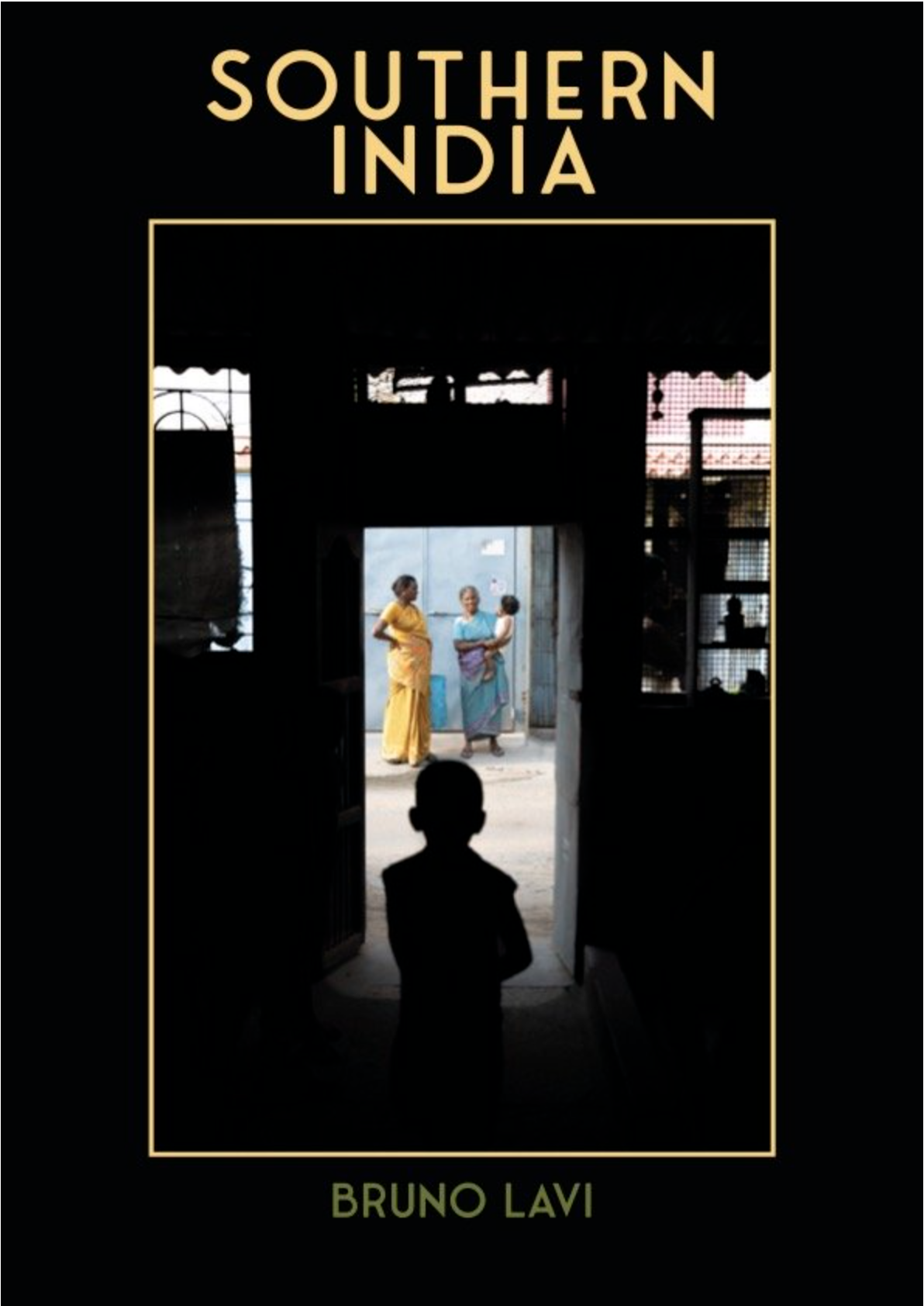
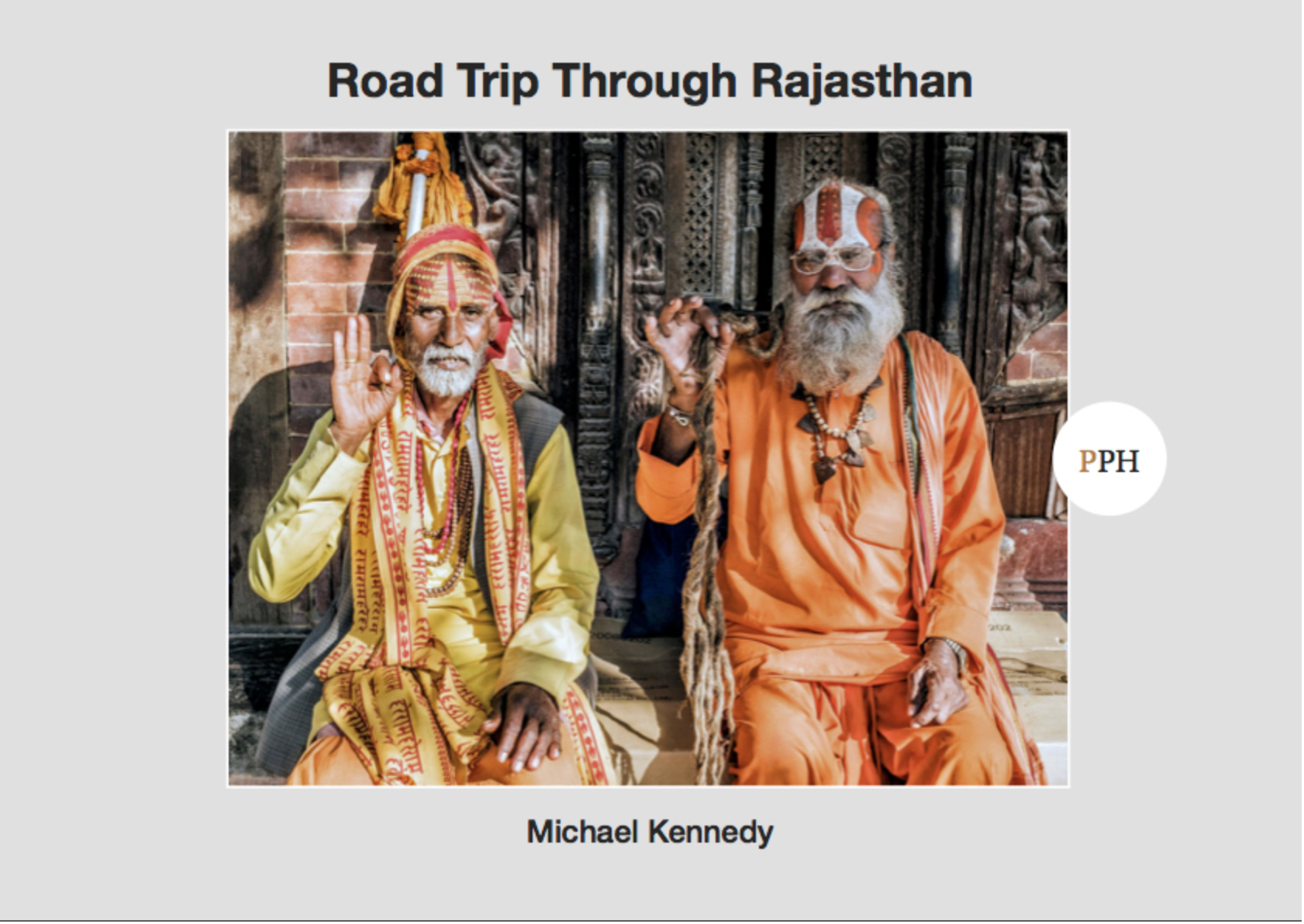
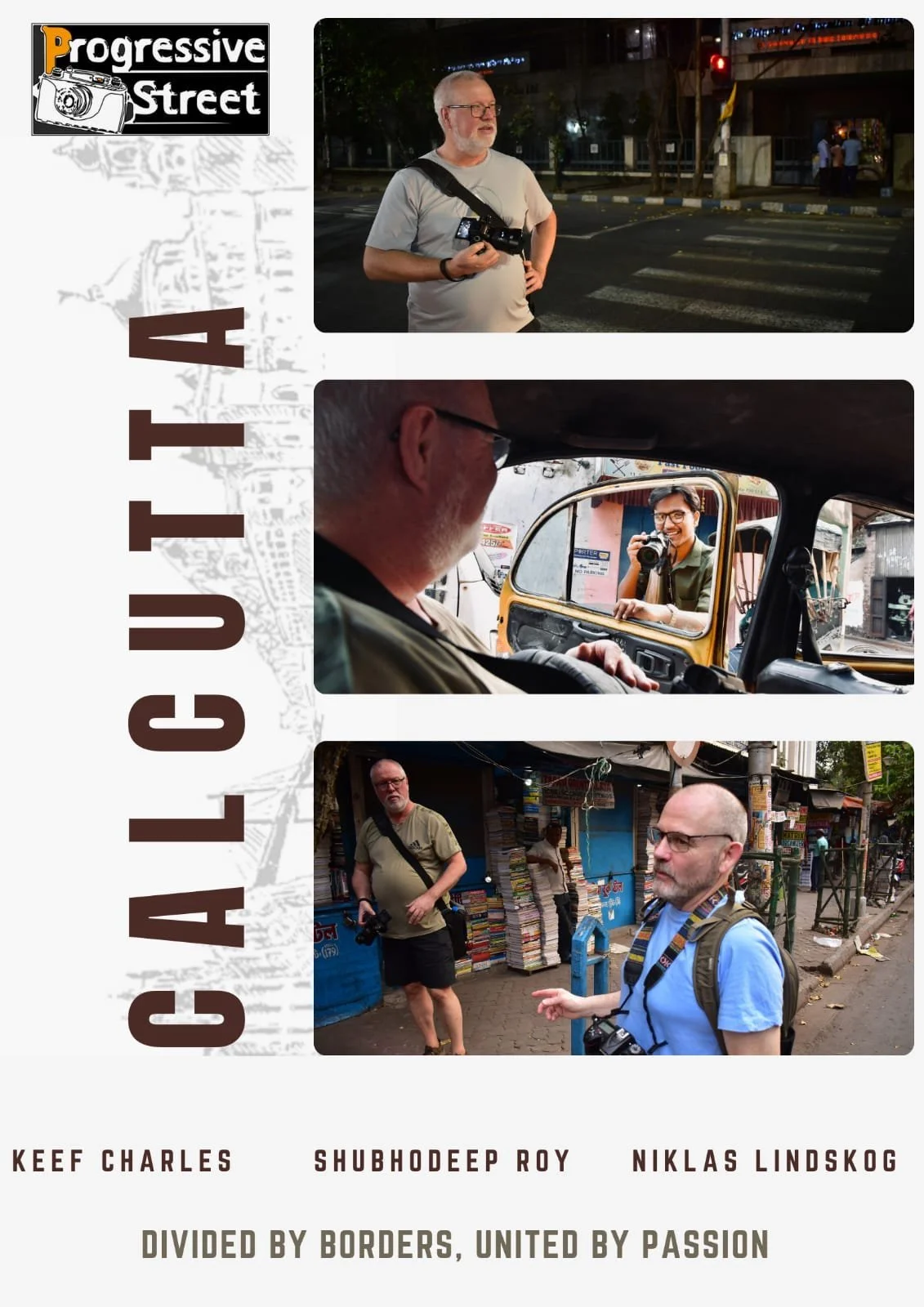
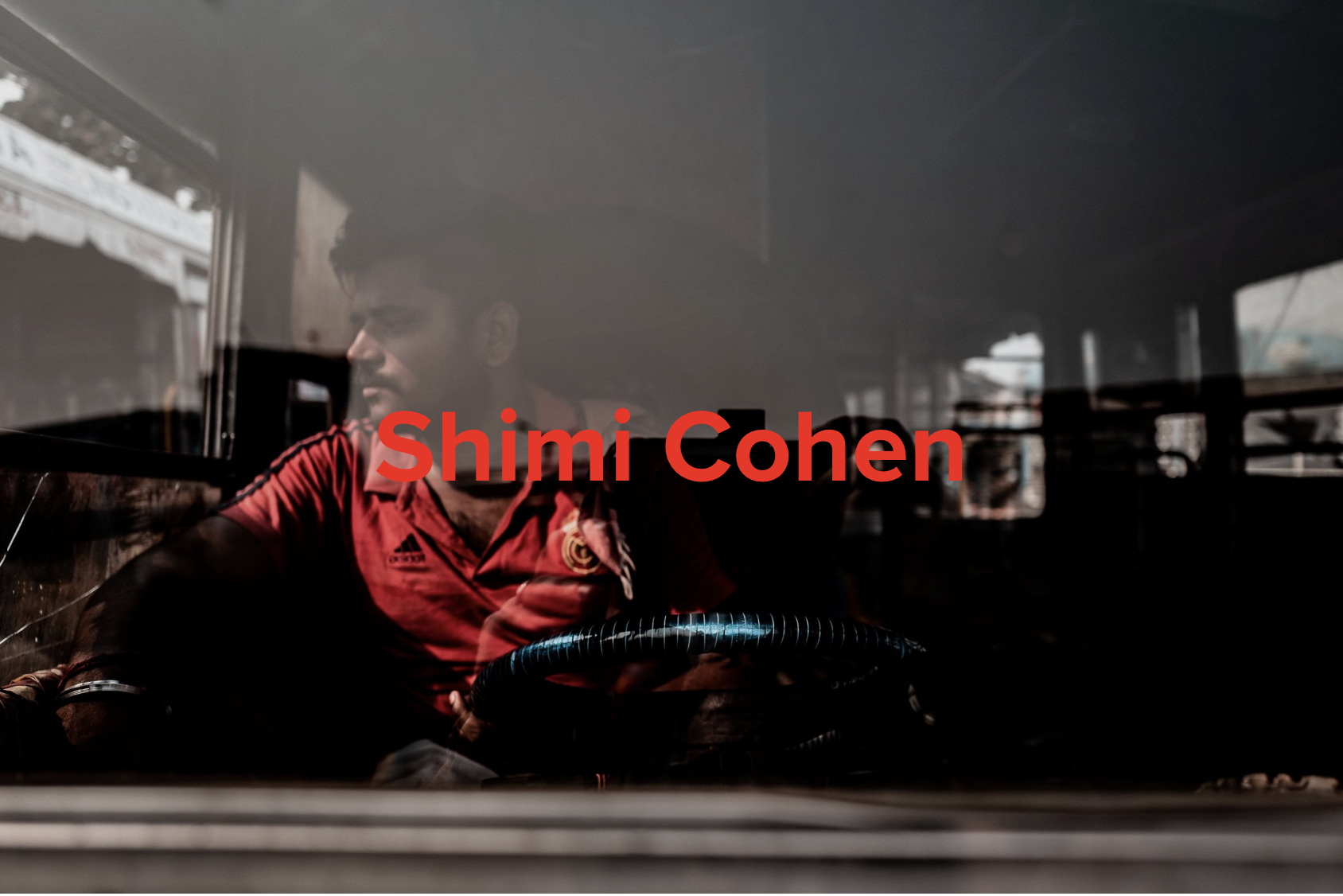
Below you can read Michael's interview of Sagar for our magazine, the report of Michael's last trip and the three PPH books on India. And other articles by Niklas Lindskog, Shimi Cohen, Myriam Aadli, Siddhartha Mukherjee, Shubhodeep Roy

(Interview by Michael Kennedy)

I’m a life-long resident of Burdwan, a small town near Calcutta, in West Bengal. I have a doctorate in Australian Literature, and work as an Assistant Teacher at the high school-level.

As a street photographer, the most important factor is authentic scenes of life. Since the early days of my odyessy, I have always been passionate about documentung people on the streets. In the 1990s, I used a film camera for street photography and this felt luxurious. By the  digital age, I prefered to shoot as much as possible wherever I traveled. This always involvd a quick assessment of faces and body language, like a deep look into the character of my subjects in a decisive moment that was more significant than any shutter speed.

The fascination of street photography is that this milieu features all the basic narratives of life. In a culture like India. the stories from the streets change powerfully every hundred miles. 

I find that documenting every significant moment on the street to be unique and emotional. Every character is the protagonist of a story that I want to capture within a little play of light and shadow. It is these stores that inspire me in my journey as a street photographer.

In India, one can easily find an abundance of characters in the streets that represent every facet of life. The lines upon a face of a character are always different if you travel from one district to another district. The change of daily life and livelihood inspires so many visual narratives.  

Regardless of popular destinations like Calcutta, Jaipur, New Delhi, Varanasi - this can never give one a true picture of India. The story of India is the story of her villages. The poster boy of Bollywood films never tells the true story of Indian characters. The life of Indian people, their struggle for existence in the midst of constantly changing social conditions -  and how this is truly reflect in their faces, this is the story that matters most. 

That's why, as a street photographer, I attempt to depict the true portrait of every human I document through the lens..

It is very hard for the photographers from outside of India to catch the unique story of Indian street life. Yes, it is as 'visual feast' for some, but it is a hard life to us. One can easily frame their misery or livelihood, but it is not easy to understand their story of life. 

An outsider cannot communicate with the locals, since  the people of the streets are very camera-phobic to someone who is not from their community. So, documentation of Indian street life may seem possible for anyone - yet the true spirit of street photography of telling a story through his characters is miles away.

As previously noted, the story of Indian street photography is a bit different from other countries, one must include every aspects of Indian life whether it is the people of posh Bangalore or the beggars, saints and the lunatics of Haridwar. The main focus must be the life of Indian age-old tradition and culture which is germinated day by day with its people from all social classes, castes and creeds. 

I regard India as the best place for street photography. I have visited six countries, mostly South East Asia and Australia - sometimes with lengthy stays. Since my doctoral studentship occurred in Australia, I had the chance to observe the culture of street life in far more detail than a fleeting tourist. 

Many people may not realize that India is a federal union comprising 28 states and eight union territories, for a total of 36 entities. I have visited more than 15 states in my country, and now can better distinguish the daily story of people according to their appearance, as well as their social structure.

In the early stage of the COVID-19 pandemic, I captured some of migration labourers and their families who have travelled a long distance to reach their home without food and money during national lockdown. Yet I have never published these photos. It is very uncomfortable to share these stories as a professional photojournalist might do. Naturally, the pandemic has totally changed the streets of India - and people of a so-called privileged class, now fear to go near people of streets. Social distancing is a vague term in light of the life of the general people of India. One has to earn their daily bread by coming out in to the street, and reaching their desrination without any convenient transport system. 

Everything here is affected by different situations mixed with myriad political agendas from the ruler and the opposition. The streets of India are now changing, and the future will take a shape different from the past.

I prefer to shoot at any time of my daily routine. I rely on a mobile phone that is good for street photography. Yet for the story of the street, I have to plan about place and time - which I generally do once in a month.

The railway station is my favourite place to photograph in my town, since it is connected -more or less, to all the routes of Indian states. This allows me to easily catch the people of different states and the evidence of their journey.

Believe me, India is now suffering greatly and her people of the streets are in very dire circumstances - if not completely doomed. Lots of people have lost their jobs and their livelihood. Daily labourers and their families cannot earn a day’s worth of food, as all work and projects are locked down in these times.
My only project is to help these people by any means, whether providing daily work in my village house or helping them with a day’s food for a family. It is a big task, yet I can still help at least one family at a time. Documenting the sufferings of people is too hard to bear. You could not capture the image of a moment of family who is now eating their rice after a two-day walk from their factory to their village. We must come forward to help those in distress in these hard times. And now I am trying to do this with the help of my friends.


I prefer to shoot the street with my only camera, a Canon 600D and an 85 mm 1.4 fixed lenses. Once I  used a 50 mm 1.4 which is also good for the street, yet I prefer a modest telephoto lens for some distance. 


As a teacher, I’ve never pursued photography for financial gain. It is not my cup of tea. I do so strictly for my aesthetic pleasure. But this pandemic has changed my attitude. If it is possible, I will approach the people to help for my daily labour friends and their families.

The most important thing for a street photographer is not the camera, or post-production software. It is the inner eye, or the heart, by which one can empathize with others and recognize our common humanity. It is not our story; we are respectful observers of other people and their journey through this world. So, first, it is important to feel the story, and then document discreetly without any pretense.

Dr Sagar Dan

27/01/2021


My FB page: https://www.facebook.com/muhurto.sagar


Michael Kennedy’s 18-day trip to India from November 13 to November 30

I Walk These Streets
 Portraits of India
 

click

Keef Charles 15/11/2023
Bruno Lavi 30/06/2022
Michael Kennedy  18/04/2019
Michael Kennedy 18/04/2019
 

Niklas Lindskog: Greetings from India! – March 2023


Myriam Aadli - Few days in Kolkata with Friends

Exploring Kolkata by Public Transportation

.

Wednesday 01.03.24
Posted by Progressive-Street
 

‘Vampires on the Streets of New York’ By Martin Ingber

‘Vampires on the Streets of New York’

by Martin Ingber

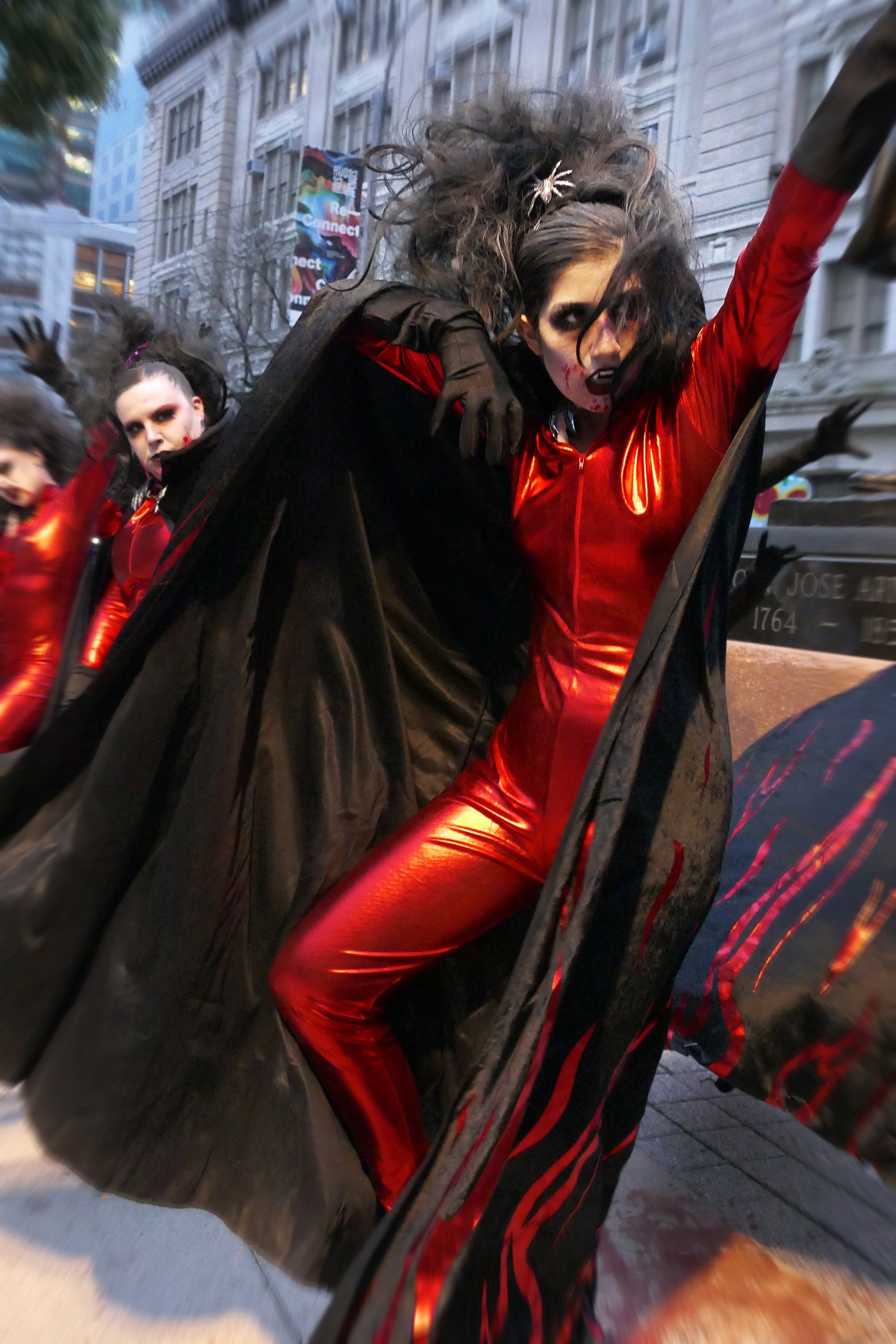
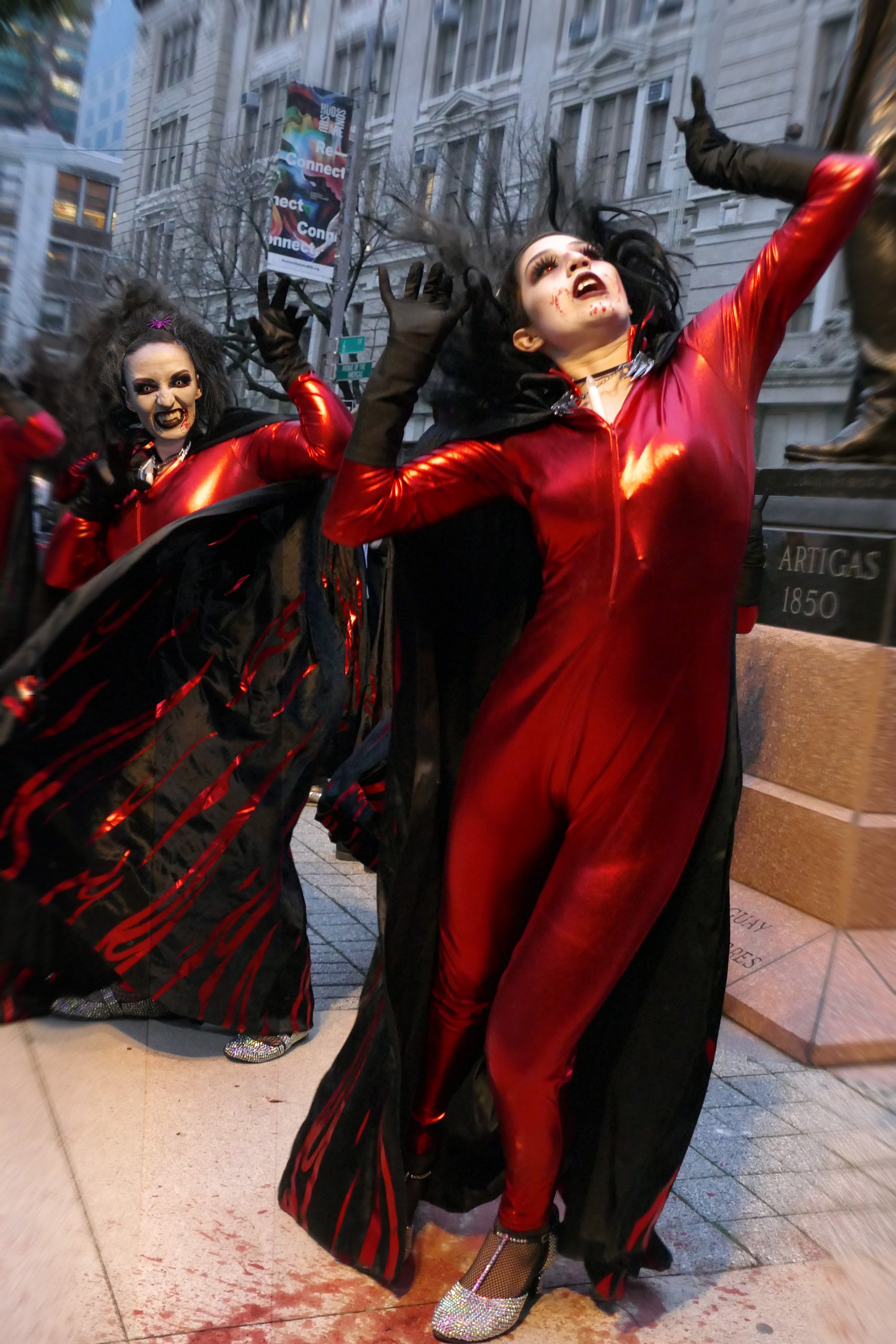
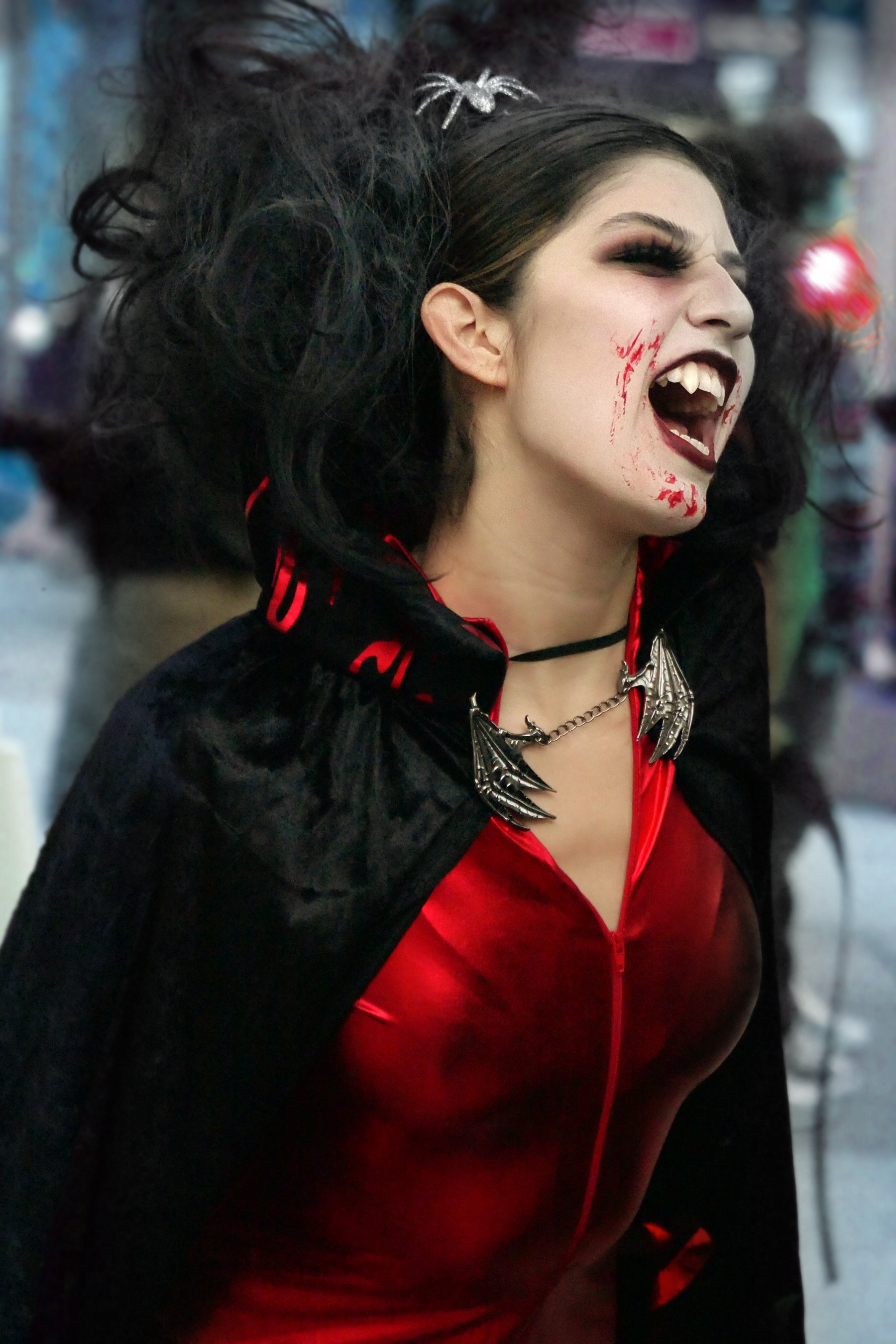
There are Vampires that prowl the streets of New York City  -but they disguise themselves as greedy landlords, crooked politicians, heartless drug dealers, billionaire bankers, and other inhuman parasites. These evil monsters walk among us, draining the lifeblood of any poor soul unfortunate enough to become their prey.

But this Halloween, as the gloom of night fell on the city, I happened to meet a very different community of Vampires. These were a lively group, a lot better looking, and far more fun. They had traveled here all the way from San Antonio, in Texas, to take part in New York’s annual Village Halloween Parade. It was a crowded and chaotic scene; but I had my camera, and was able to capture some pictures before the waves of people around us began to sweep them uptown. 
It may sound like a scary experience, interacting with Vampires while surrounded by ghouls, skeletons, and nightmarish creatures of every imaginable kind. But I am a native New Yorker, and we are notoriously tough to kill.

2 Vampires & Dracula on Halloween.jpg
Vampire with bloody fingernails.jpg
Vampires gone wild.jpg
Vampire dance.jpg
Vampire out for blood.jpg
Vampire w fangs.jpg
 
‘Taking it to the Streets’
Marmaid Parade

Two of the things I find most rewarding in life are exploring my home town, New York; and photographing some of the infinite variety of unexpected, fascinating and colorful subjects that the city contains, waiting to be discovered...

Saturday 11.18.23
Posted by Progressive-Street
 

The Price of Waiting by Rowel Timoteo

The Price of Waiting

by Rowel Timoteo

Waiting is about expecting something to happen. Every day, we observe our surroundings while waiting. We create different stories in our heads while our eyes are collecting data and processing it in our thoughts. We tend to daydream, reminiscing about the good old days. Deeply, our minds continue to accept surges of multiple streams of thoughts. But sometimes we can get stuck in situations where we are forced to wait. We endure countless hours of inconvenience, leading to frustrations that threaten our peace of mind. Sometimes waiting games challenge the patience of our minds.

Through these photos, I aimed to convey the essence of waiting.


View fullsize 2023_1027_20071100.jpg
View fullsize 2023_1027_20263900.jpg
View fullsize 2023_1027_20355800.jpg
View fullsize 2023_1027_20060000 (1).jpg


I am grateful to Progressive Street for inspiring me to express my observations through writing.

Traffic and Streets
Instagram
Monday 10.30.23
Posted by Progressive-Street
 

Traffic and Streets by Rowell Timoteo

Traffic and Streets

by Rowell Timoteo

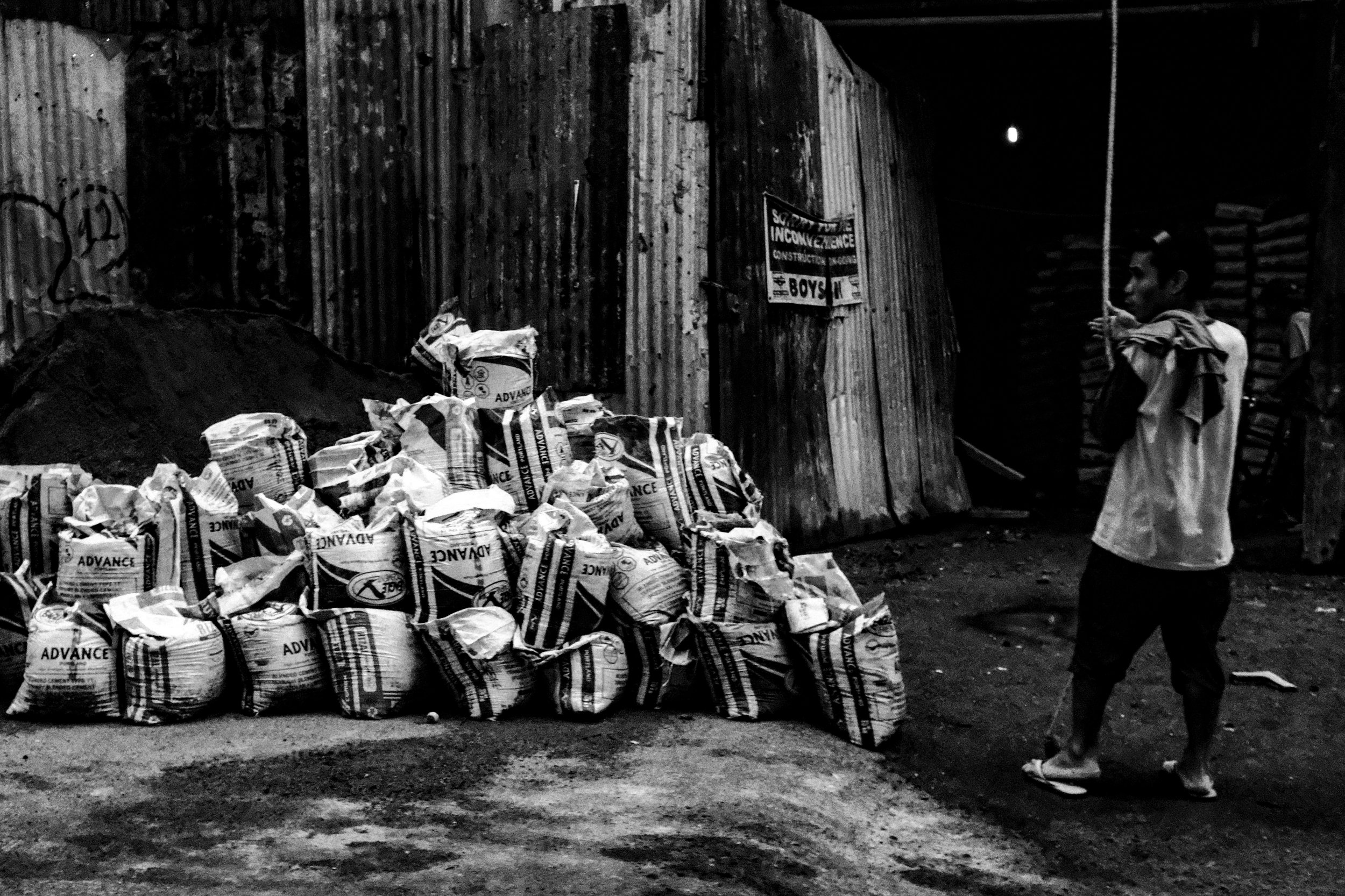
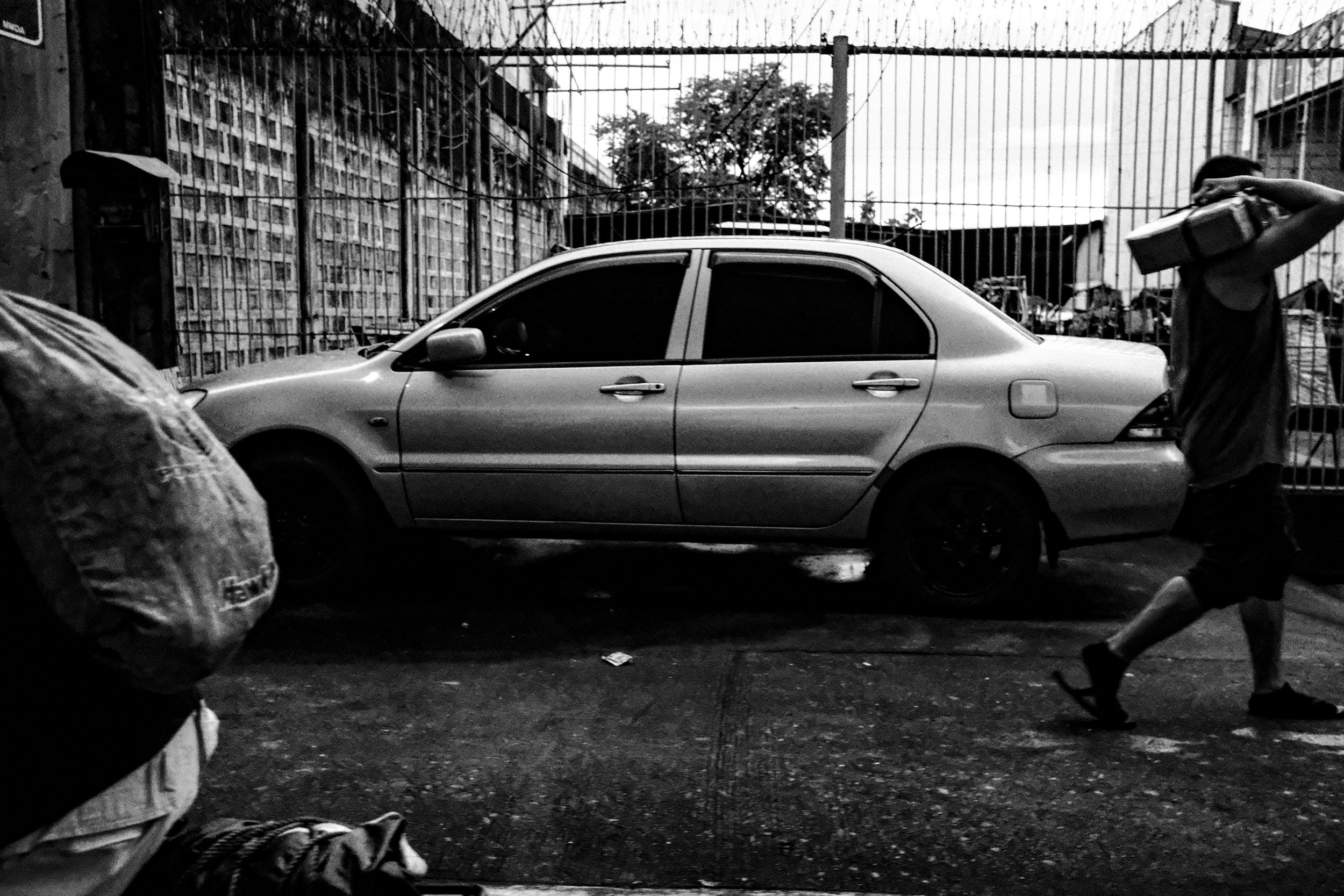
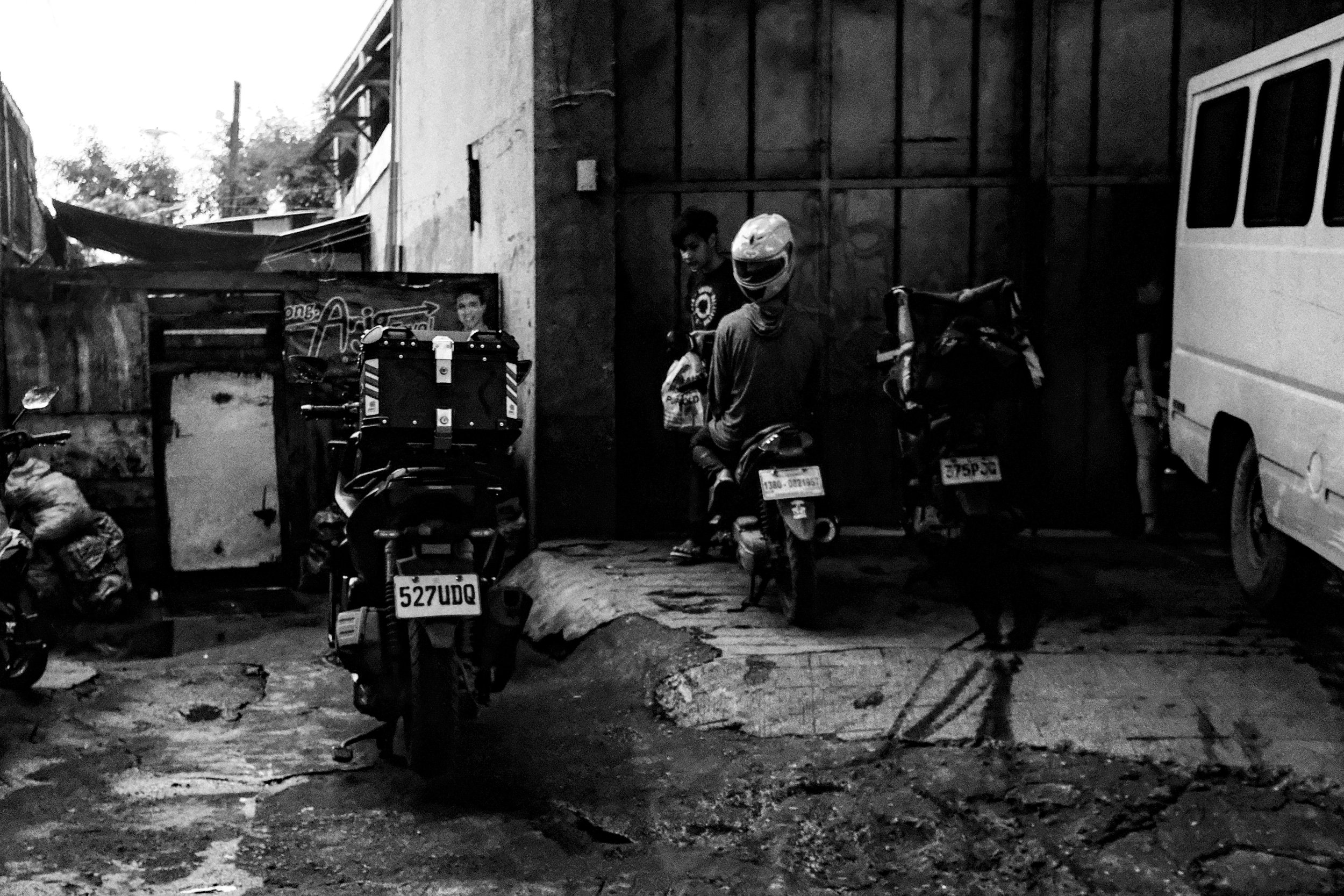
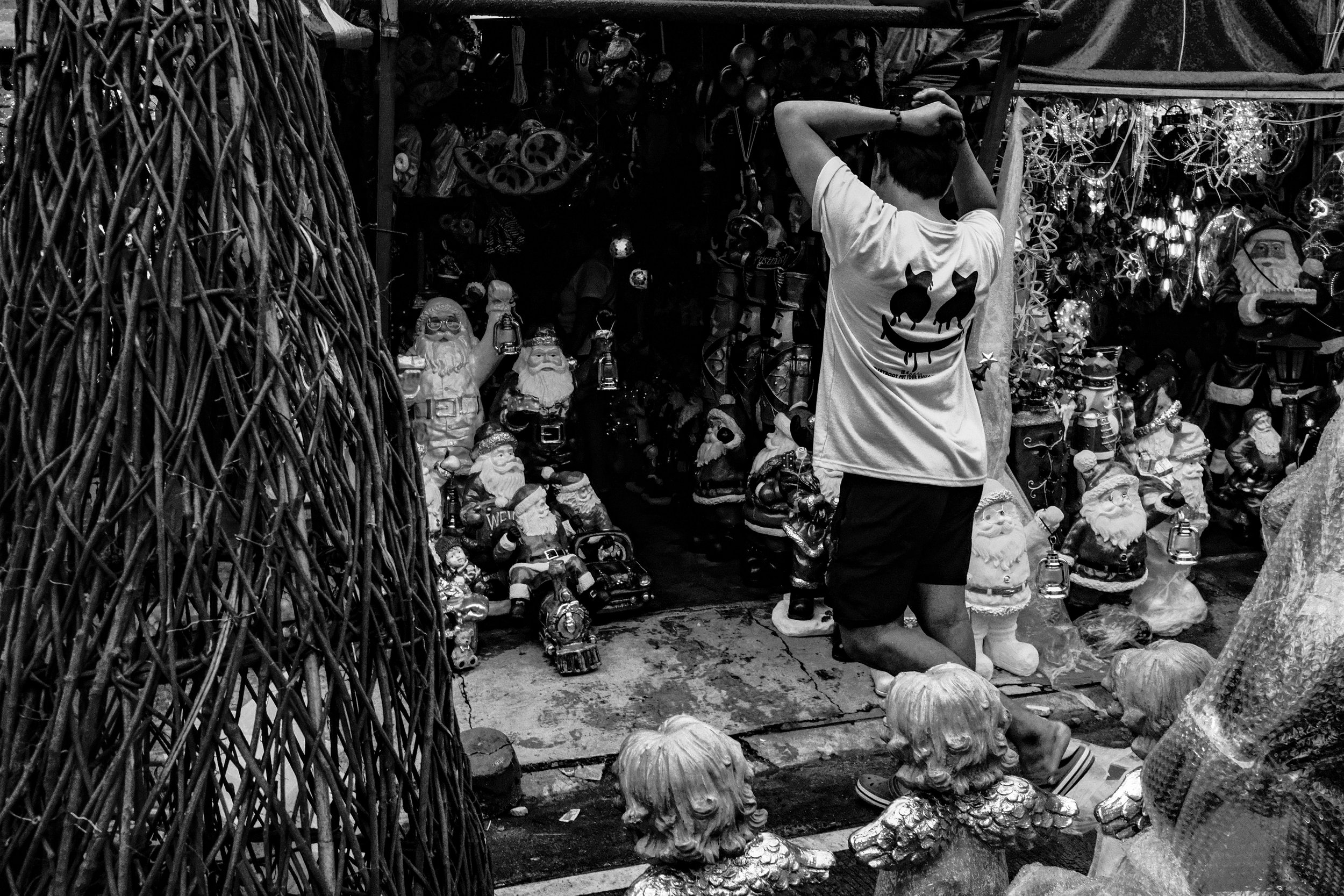
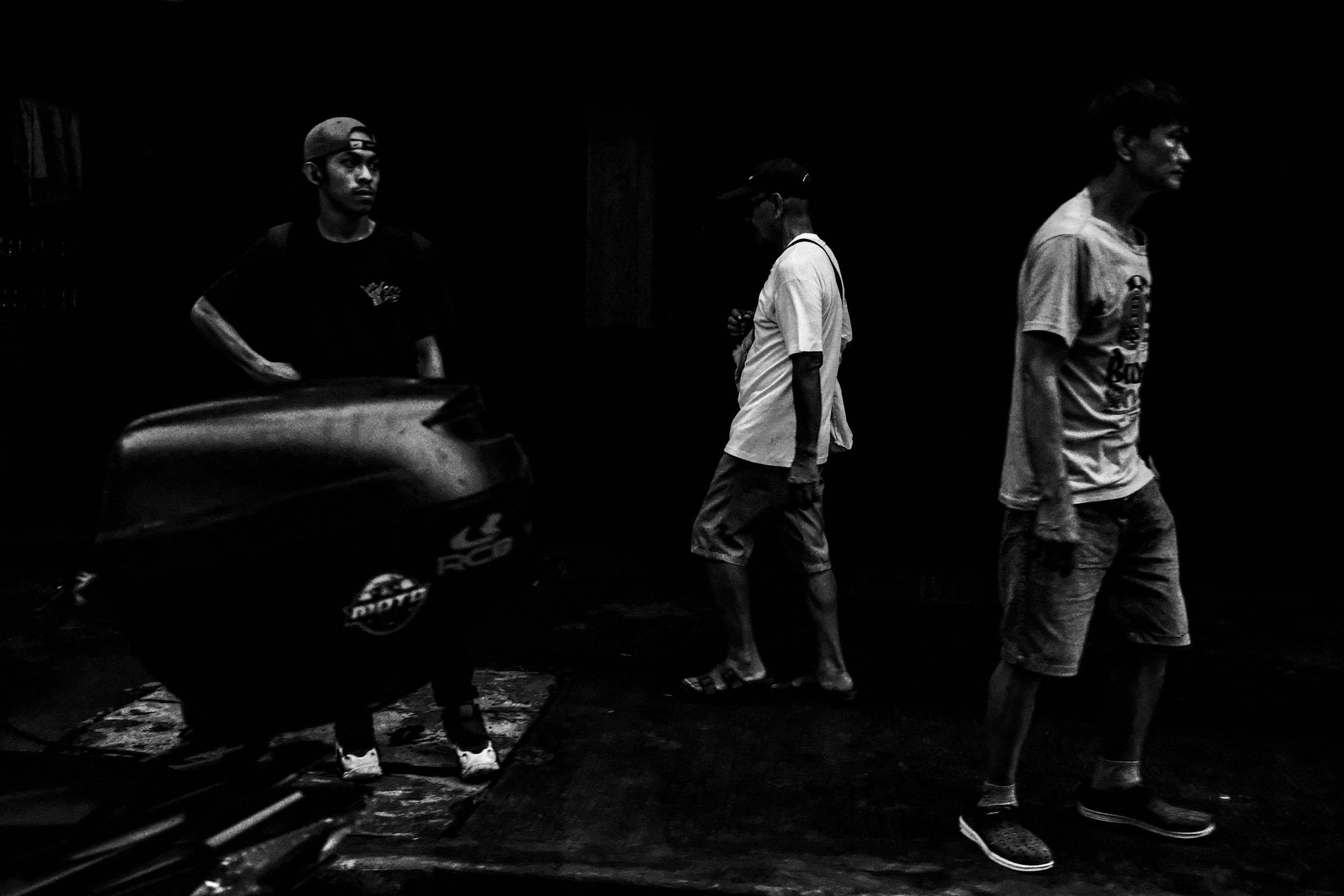
Every day, the constant agony of commuters during rush hour at this time is inevitable. Looking through the window glass of our car, I captured the flow of time during rush hour on the roads of Metro Manila when we were on our way home to La Union. As my curious eye saw the wandering movement of everything around me, I slowly reached for my camera to get my rhythm to blend with the speed of our car while preparing my eyes for the gifts of the streets that I could unravel in that fraction of time. I saw different flashes of urban reality. Unsettling crowds, weaving traffic jams of cars, and people crossing in between—chaos is converging in the streets of Manila.

The stress of the traffic jam at that time allowed me to connect visually with the surroundings and people outside of our traveling car.

.

.

.

.

.

.

.

.

2023_1020_16540500.jpg
.

.

.

.

.

.

.

.

.

.

.

.

.

.

.

.

.

.

.

.

.

.

.

.

.

.

.

.

.

.

Rowell Timoteo
Monday 10.23.23
Posted by Progressive-Street
 

The sea of life by Rowel Timoteo

The sea of life

by Rowel Timoteo

The sea of life, is a gift for many generations of fishermen. They work hard, sacrifice many things just to make ways of providing a livelihood for their family. Most of the time, they work in a group casting big nets in the sea hoping to have better opportunities in the sea. Sometimes their journey to the sea entails risks and uncertainties because most of the time they only rely on intuition, some don't have enough knowledge about the changing climate in the sea. Despite the hard-hitting waves and long hours in the water, Sailing fishermen return with their catch before sunset as their family and friends are waiting for their arrival to help them segregate the fishes on the shore while their children are playing.

Their daily journey to the sea with their small-craft and non-motorized wooden boats test their faith, skills, teamwork and focus in the water to catch more fish. It's a gamble, being a fisherman is not an easy job, but they make sacrifices to provide a livelihood for their family while they sell their catch to the streets and in the market.

Generally, a fisherman's life is simple, they celebrate small things, one motivating factor for fishermen striving in life is their aspiration for the education of their children that they are hoping to provide and this is enough reason for them to persevere in life. Returning to the shore with abundant catch or none, The most crucial thing is, that they return to their families safely. 

Fishing is one of the primary sources of livelihood for small-scale fishermen and their families living in Rimos No. 5, one of the coastal barangays in Luna, La Union, Philippines.

View fullsize 2023_1001_06191600 (1).jpg
View fullsize 2023_0930_18004300.jpg
View fullsize 2023_0930_18582600 (1).jpg
View fullsize 2023_1001_06165700.jpg
View fullsize 2023_1001_06291700.jpg
View fullsize 2023_1001_06304800.jpg
 
 
Rowell Timoteo
Monday 10.02.23
Posted by Progressive-Street
 

... at a School in Sinai, Egypt, 2000 by Cassian Edwards

Sinai, Egypt, 2000

by Cassian Edwards

A Day Talking Sea Turtles at a School in Sinai, Egypt, 2000.


In 2000 I worked on a sea turtle conservation project in Egypt, researching nesting distribution along the Mediterranean shoreline of northern Sinai. At the time little was known about where turtles nested along these beaches, and our study was the first to research the area between Port Said at the northern end of the Suez Canal in the west, and the border with Palestine and the Gaza Strip in the east. The main aim of our research was to a) find out where sea turtles nested along this 200km stretch of shoreline, and b) to estimate hatching success of each nest, i.e. how many of the eggs that were laid resulted in a turtle hatchling leaving the nest.

During the summer season female sea turtles crawl out of the ocean and up the shore at night time to nest, mainly where lights are low and human activity is at a minimum, leaving characteristic tracks as they do so. Once they have found a suitable spot - and so long as they are not disturbed - they will dig a small hole in the sand and lay upwards of sixty eggs at a time before covering the nest over and returning back to the sea. These eggs hatch approximately two months later, the hatchlings venturing down the beach and out to sea.

Working with my Egyptian colleagues we conducted daily surveys of sections of the northern Sinai beachfront over the summer looking for turtle tracks; if we found tracks we would then ascertain if a nest had been made and eggs laid in it, before recording the location and leaving it alone. Nests were then returned to on a regular basis thereafter, especially towards the end of the two month incubation period. By revisiting nests and counting the shells that were left behind, which would often have incomplete embryos in them, we were able to estimate the hatching success of each nest.

This photo shows residual Loggerhead turtle shells left behind in a nest that had hatched. Fifty-five eggs were laid of which fifty hatched - a hatching success rate of 90.91%.

Towards the end of my time in Egypt my team and I gave a talk about sea turtles to a junior school in the town of Sheikh Zuweid, near Rafah at the Egyptian border with the Gaza Strip. Most of the children were from Bedouin families and hardly any of them had seen a Westerner like me before! They had, however, seen turtle tracks and quite a few of them had dug up the eggs to eat; others had also consumed turtles caught by fishermen even though under Egyptian law it is illegal to do either. Likewise, many Bedouin women drink the iron-rich turtle blood as it is believed to help boost fertility. Yet the fact remains that the number of sea turtles in the Mediterranean Sea has sadly declined massively over the last few decades, and continues to do so.

So we were asked by the Egyptian Environmental Affairs Agency to talk to the children and their parents about the turtles, in the hope that in time perhaps they would act as the turtle’s future guardians. Class by class we went around the school talking about the natural history of these incredible animals, to the delight and intrigue of everyone, for most knew next to nothing about them! We also gave out notepads with pictures of turtles on the front and back with writing about their life-cycle inside, and we spent hours answering question after question about these animals which have been around since dinosaur times! The kids were fascinated!

Admittedly my Arabic wasn’t that great, in fact very basic, so it was my Egyptian colleagues who did most of the talking. But thankfully I had remembered to bring a camera with me, and I was able to capture the amazing attentive faces of these wonderful children, as well as the joy and excitement they expressed at having an ‘outsider’ and someone ‘new’ come to their school for the day! It really was a fun and eventful day, as I hope the pictures show. But the true magic for me was that last year I was contacted by one of the girls who I photographed at that school after she had seen a photo that I had posted online. Back then in 2000 she was 9 years old, but now she was 29, Dr Hasan, a dentist, and running her own dental practice in Cairo! And although she didn’t end up as a marine ecologist like me, she sure remembered all about the life-cycle of the sea turtle and that incredibly enjoyable day when I came to visit and talk to her school about the animals.

 
View fullsize Egypt_School_PS_003.jpg
View fullsize Egypt_School_PS_004.jpg
View fullsize Egypt_School_PS_005.jpg
View fullsize Egypt_School_PS_006.jpg
View fullsize Egypt_School_PS_007.jpg
View fullsize Egypt_School_PS_008.jpg
View fullsize Egypt_School_PS_009.jpg
View fullsize Egypt_School_PS_010.jpg
View fullsize Egypt_School_PS_011.jpg
View fullsize Egypt_School_PS_012.jpg
View fullsize Egypt_School_PS_014.jpg
View fullsize Egypt_School_PS_015.jpg
View fullsize Egypt_School_PS_016.jpg
View fullsize Egypt_School_PS_019.jpg
 
 
Cassian Edwards
Thursday 09.21.23
Posted by Progressive-Street
 

The incredible story of Lidia, Jesús y Toti by Federico Borobio

The incredible story of Lidia Jesús y Toti

by Federico Borobio.

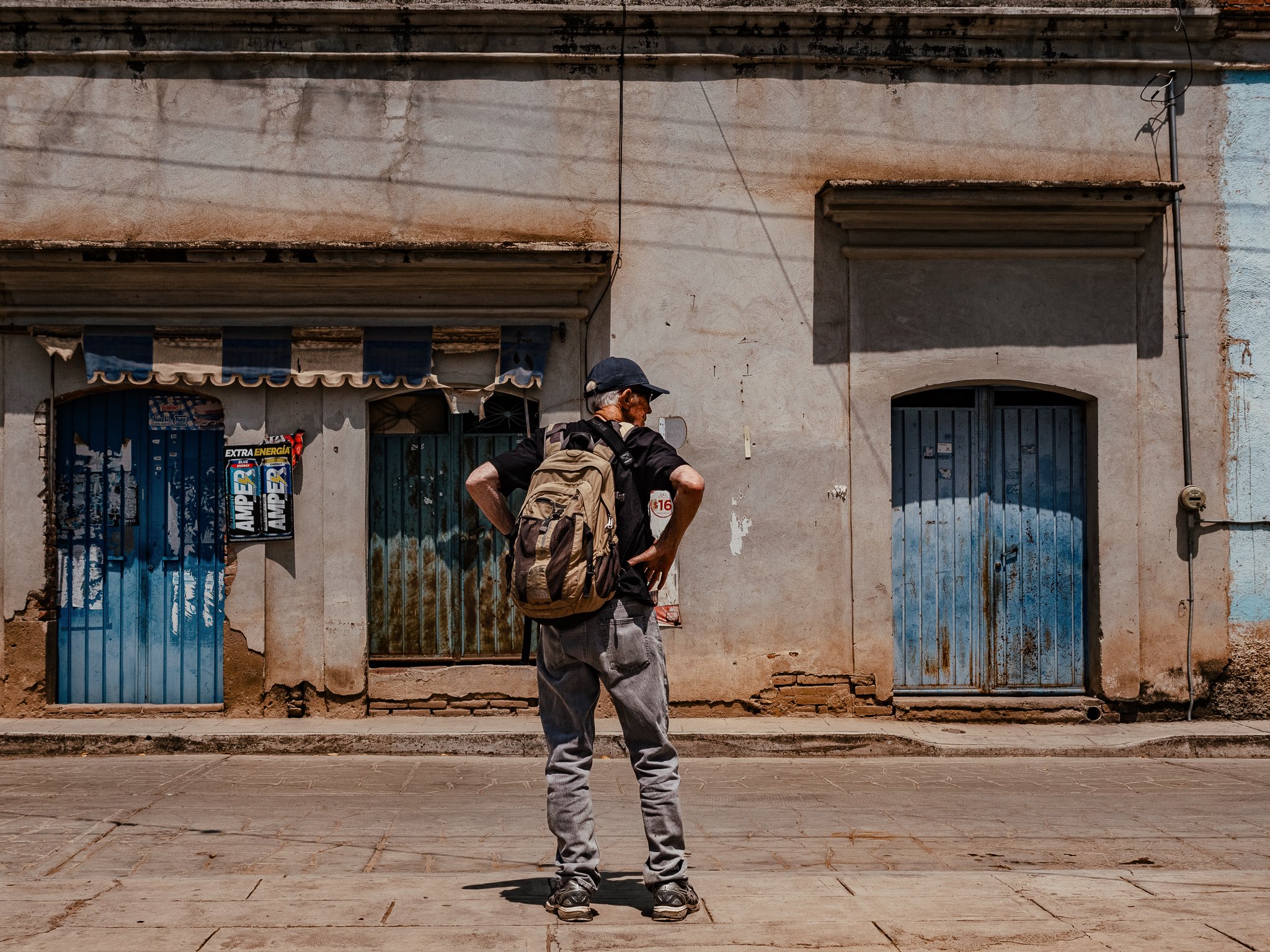
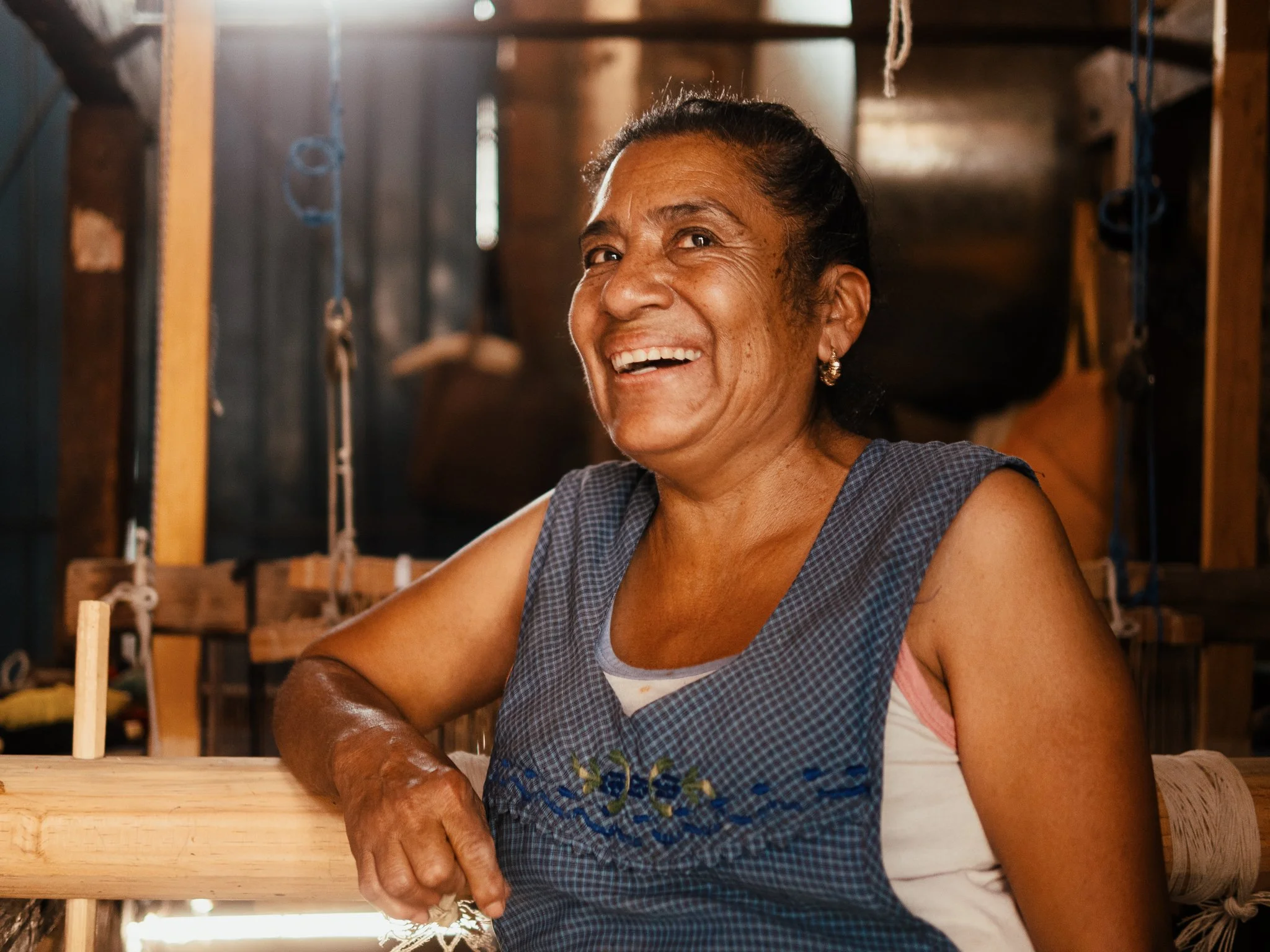
We arrived in Santa Ana del Valle, Oaxaca, in the middle of siesta time. Almost like a stereotype, a skinny dog crossing the deserted central plaza, a woman half-opening the door of her house and peeking outside. Her face, the blue apron and the door in the same color immediately triggered my photographic alerts and I approached her. We began to talk immediately. Behind her we could see an old wooden loom and adobe walls. As soon as I asked her about it, she invited us in. In fact, she insisted that we do so and get to know the century-old house. I was accompanied by Ray, the 87-year-old street photographer I met in Oaxaca, and his good friend Carlos, who usually acted as the guide. So it was that we spent the afternoon with Lidia García and her dog Toti, a scrawny, lazy Great Dane who loved to be petted as much as he loved to sprawl in the fresh dirt yard.

On my side, I interspersed questions about her life and shooting with my little Lumix, while she continued talking quite naturally. She mentioned that she was in fact used to the cameras, as she had participated in several commercials and even in a movie, called Los Angeles. We were all dumbfounded: the charming Toltec weaver from this town with 2000 inhabitants, on film sets, was not in our plans. But this was just the first surprise, an introduction to the incredible story that was to come.

Lidia told us that her role was as the mother of a teenager leaving his small town in Mexico to seek for luck in the United States and help his family. We noticed that she slowly began to break down. Sadness came over her, eyes reddened, tears flowed. I lowered my camera. She took some time, pulled herself together, and began to explain to us the reason for the emotion she could not contain: the story of the film and her personal story were incredibly similar. Her own son, Jesús, had left as a young boy for the United States many years before, and she never heard from him again. Nothing, no contact, Lidia did not even know if he was alive. But it did not end there. No.

In fact, during the making of the film she was overcome with grief, which prompted the director to come over to see what was going on, and Lidia told him. Damian John Harper, born in Boulder, Colorado, was 36 years old at the time. Possibly the same age as Jesús. Moved, he promised Lidia that he would find her son. As you can imagine, by this point in the story, we were completely stunned and expectant of the ending. And the ending happened at the premiere of the movie: that day Jesús appeared and was reunited with his mother after years without any contact. Movie ending (worth the expression, of course). Ray, Carlos and I breathed a sigh of relief, incredulous, happy, smiling. Toti sensed the change in the atmosphere and saw the opportunity. He stood up on his long, gangly legs and joined the scene by promenading his head under Ray's big rough hands.

 
View fullsize 01-P1283224.jpg
View fullsize 03-P1283111.jpg
View fullsize 06-P1283157.jpg
View fullsize 10-P1283163.jpg
View fullsize 05-P1283194.jpg
View fullsize 07-P1283139.jpg
View fullsize 08-P1283140.jpg
View fullsize 09-P1283145.jpg
 
 
Federico Borobio
Wednesday 09.20.23
Posted by Progressive-Street
 

AI: artificial and human stupidity

The child was wearing a costume, but the AI was unable to recognize it as such.

However, we decided not to argue with FB and agreed to delete the image without penalizing the photographer.

This is such a sweet story by Dick Verton.

Monday 09.18.23
Posted by Progressive-Street
 

"Capturing the Spirit: A Visual Journey through the Galway Races" by Steve Scott

Capturing the Spirit

by Steve Scott

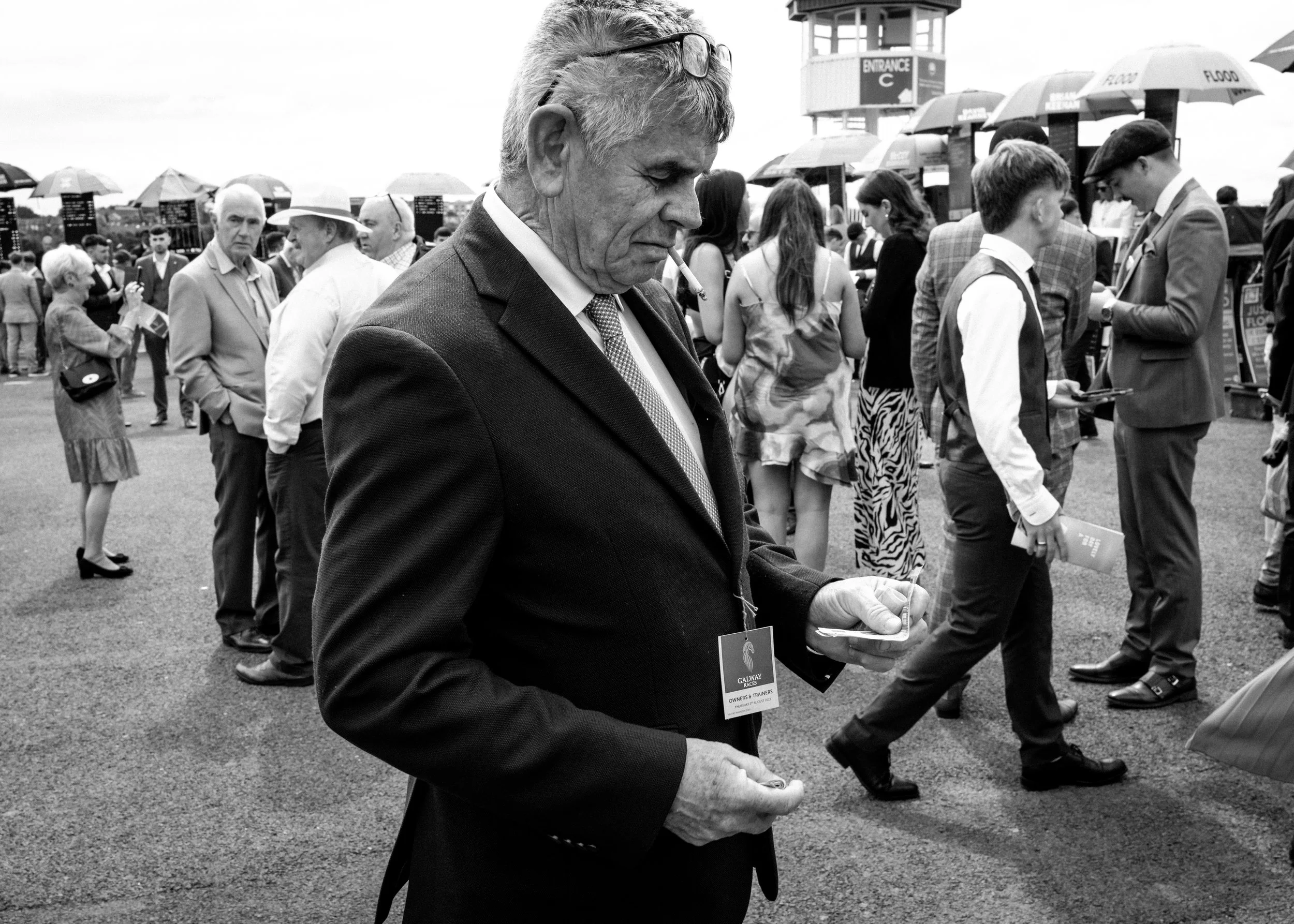
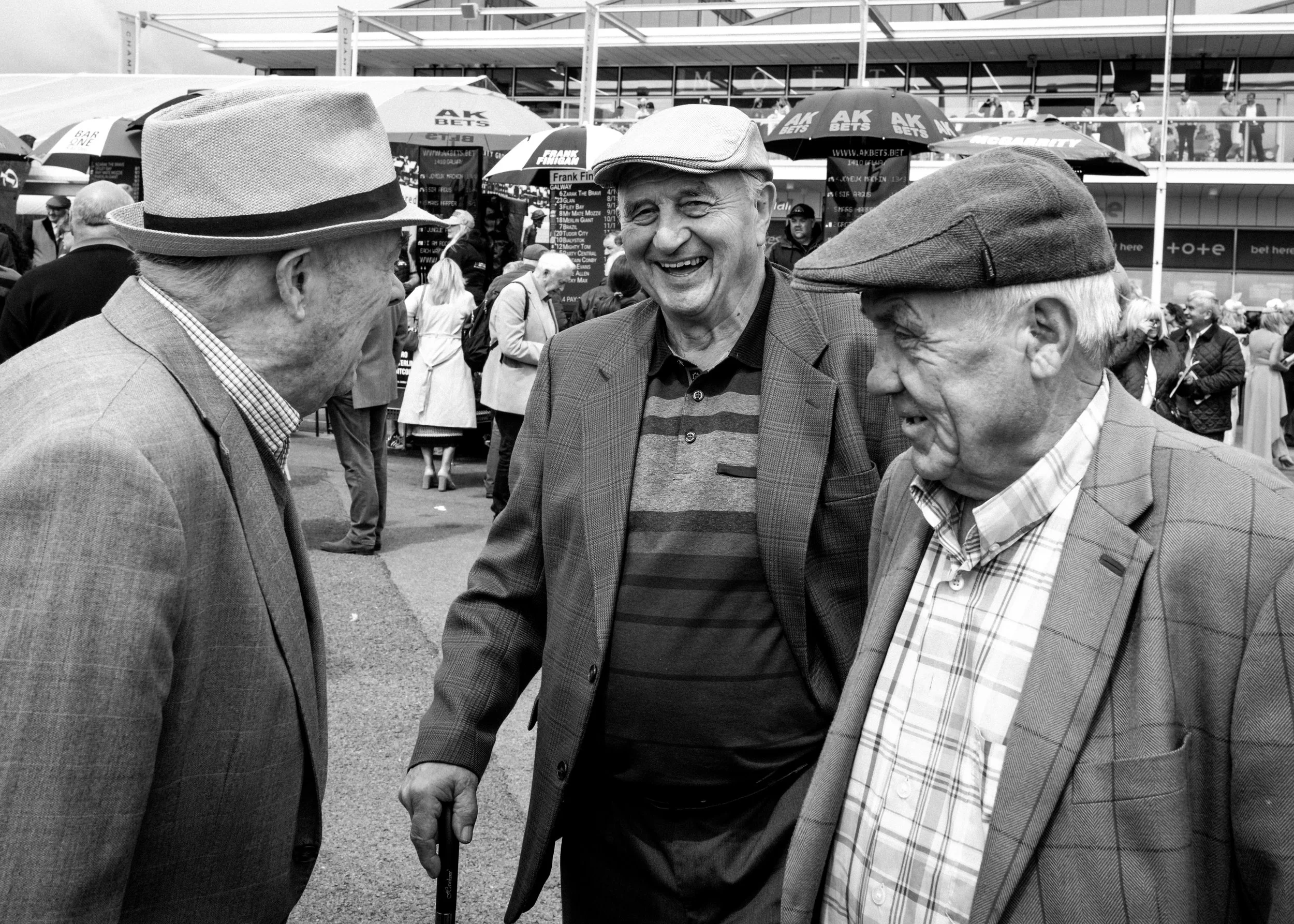
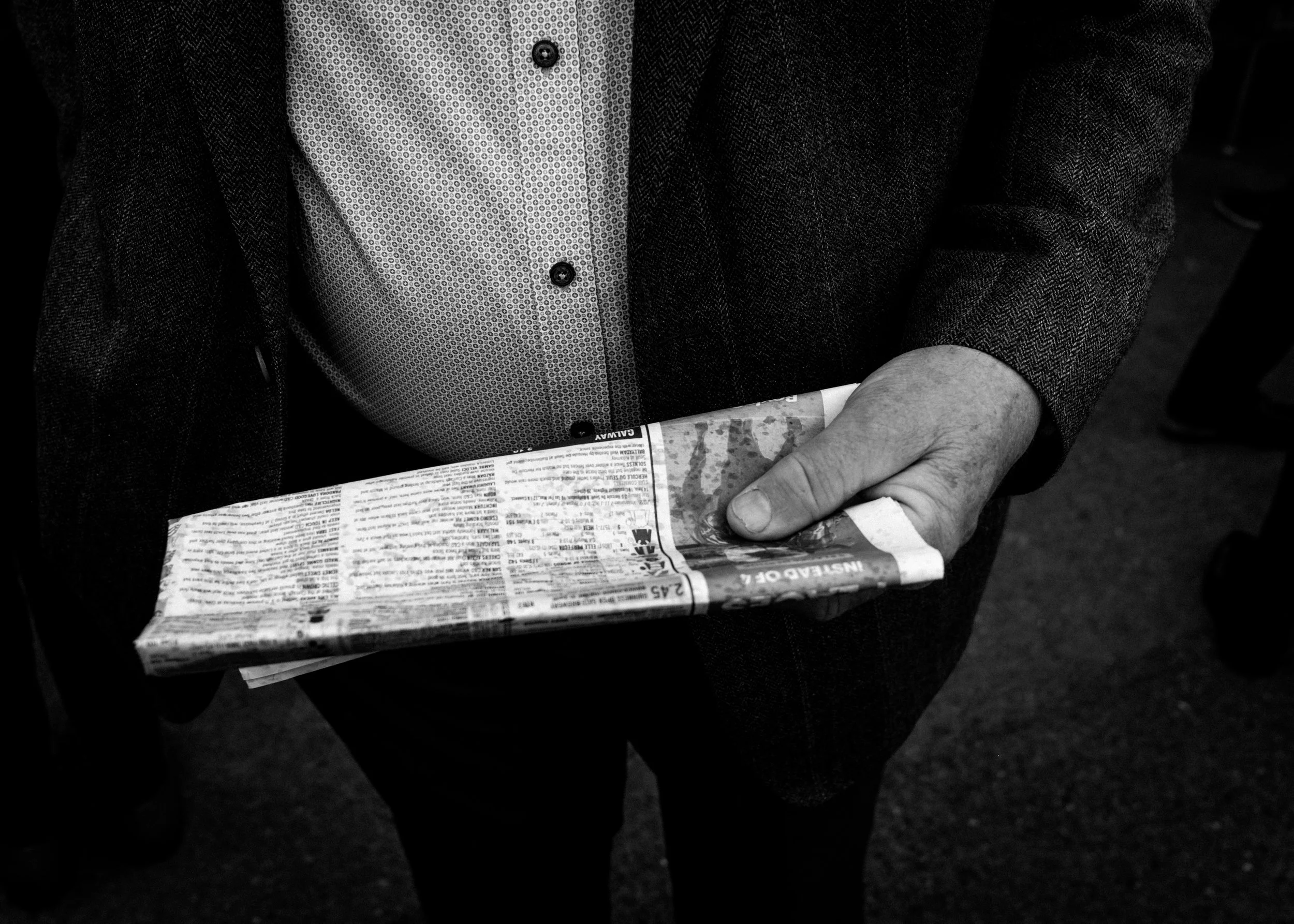
The Galway Races, with its rich and captivating history, dating back to the early 18th century began as a local affair has blossomed into an international spectacle, drawing race-goers and horse enthusiasts from all corners of the globe. Nestled in the heart of Galway, Ireland, this iconic event has woven itself into the fabric of the region's culture and holds an indelible place in the hearts of both local residents and racing enthusiasts worldwide, from the electrifying atmosphere of the Galway Plate and the Galway Hurdle to the elegance of Ladies' Day.

For Galwegians, The Galway Races are more than just a sporting event – they are an integral part of the city's identity and heritage. The races provide a platform for showcasing Galway's vibrant culture, hospitality, and sense of community. Locals take immense pride in welcoming visitors and sharing the joy of the races, making it a true celebration of their hometown.

 
View fullsize DSCF7032.jpg
View fullsize DSCF8115.jpg
 
 
View fullsize DSCF8312.jpg
View fullsize DSCF7839.jpg
View fullsize DSCF7865.jpg
View fullsize DSCF8185.jpg
 
 
View fullsize DSCF7018.jpg
View fullsize DSCF7053.jpg
View fullsize DSCF7991.jpg
View fullsize DSCF7673.jpg
View fullsize DSCF7730.jpg
View fullsize DSCF7306.jpg
View fullsize DSCF7410.jpg
View fullsize DSCF7335.jpg
View fullsize DSCF7160.jpg
View fullsize DSCF7373.jpg
 
View fullsize DSCF7496.jpg
View fullsize DSCF7188.jpg
View fullsize DSCF7455.jpg
View fullsize DSCF7115.jpg


Athenry Car Boot Sale
Steve Scott
Wednesday 08.23.23
Posted by Progressive-Street
 

The Valley Of Peace by Tanmoy Chatterjee

Once again, Tanmoy Chatterjee tells a strong story with his images of places and people, reconstructing his sensations for us. Tanmoy’s work is an excellent example of how to narrate with pictures and words. It’s a situation beautifully portrayed.

Capturing The Serenity Amidst The Shadows is a great caption for this story that tells us about a territory so out of the international spotlight but at the centre of a perennial conflict.


Capturing The Serenity Amidst The Shadows

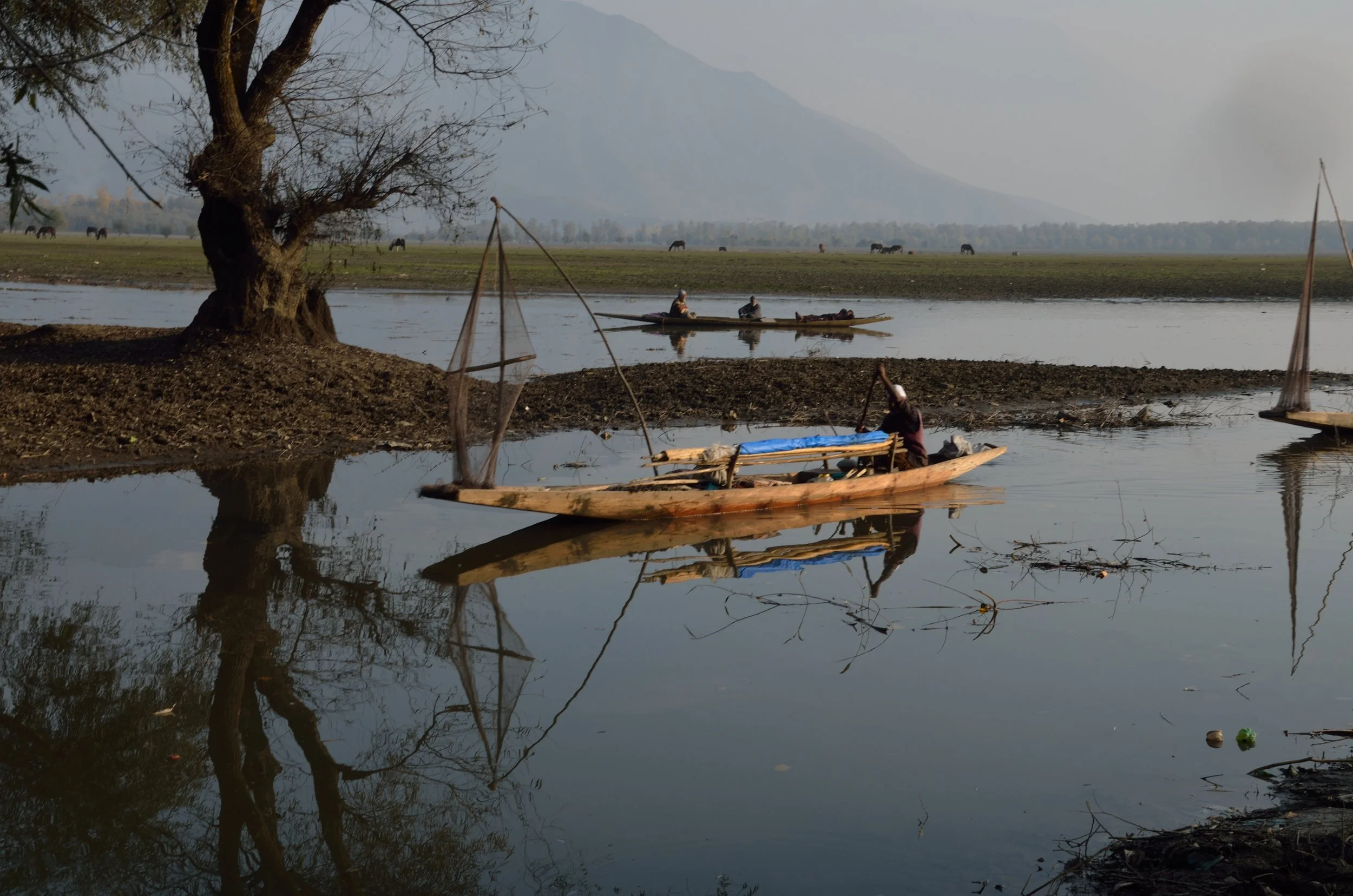
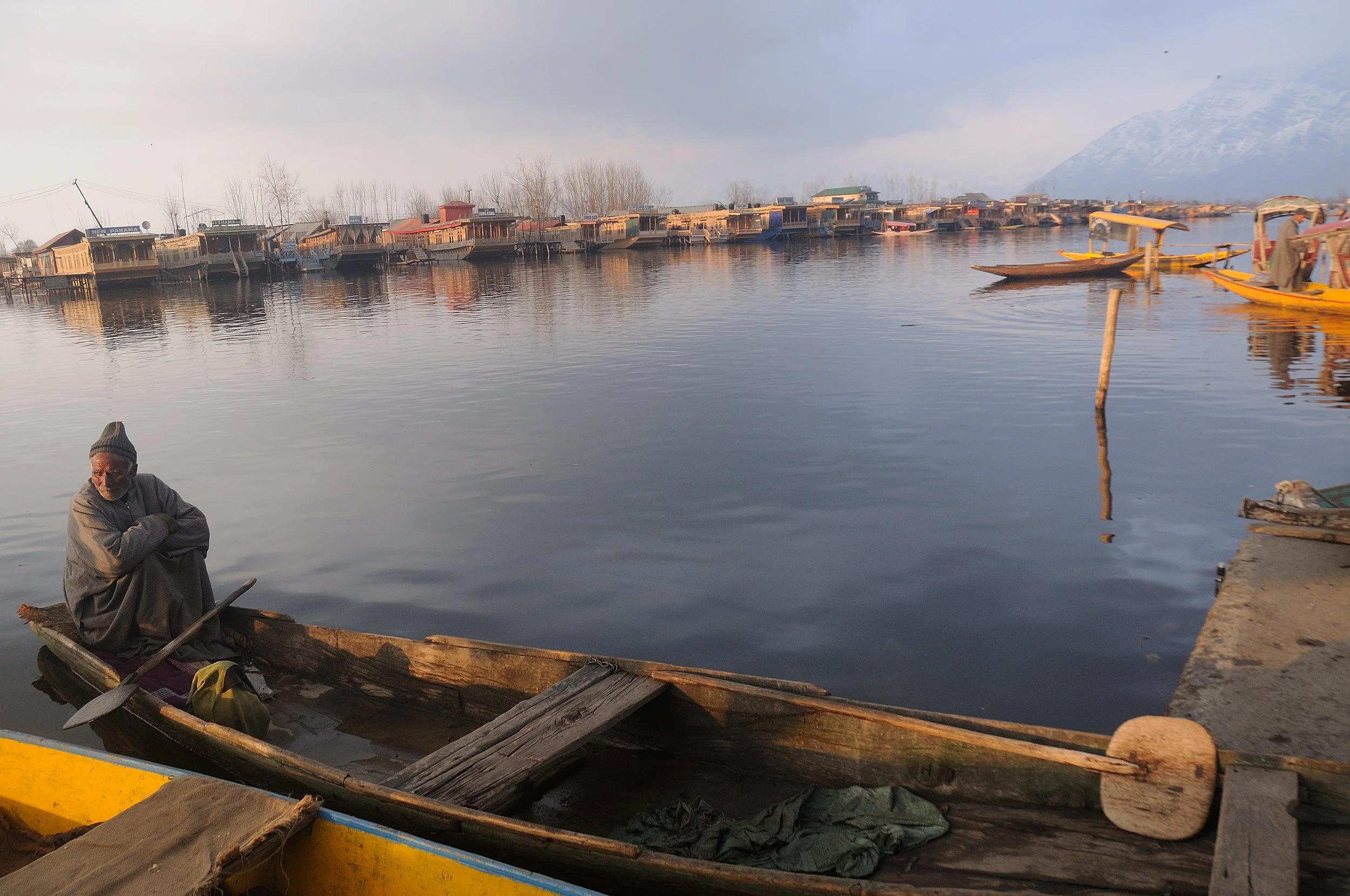
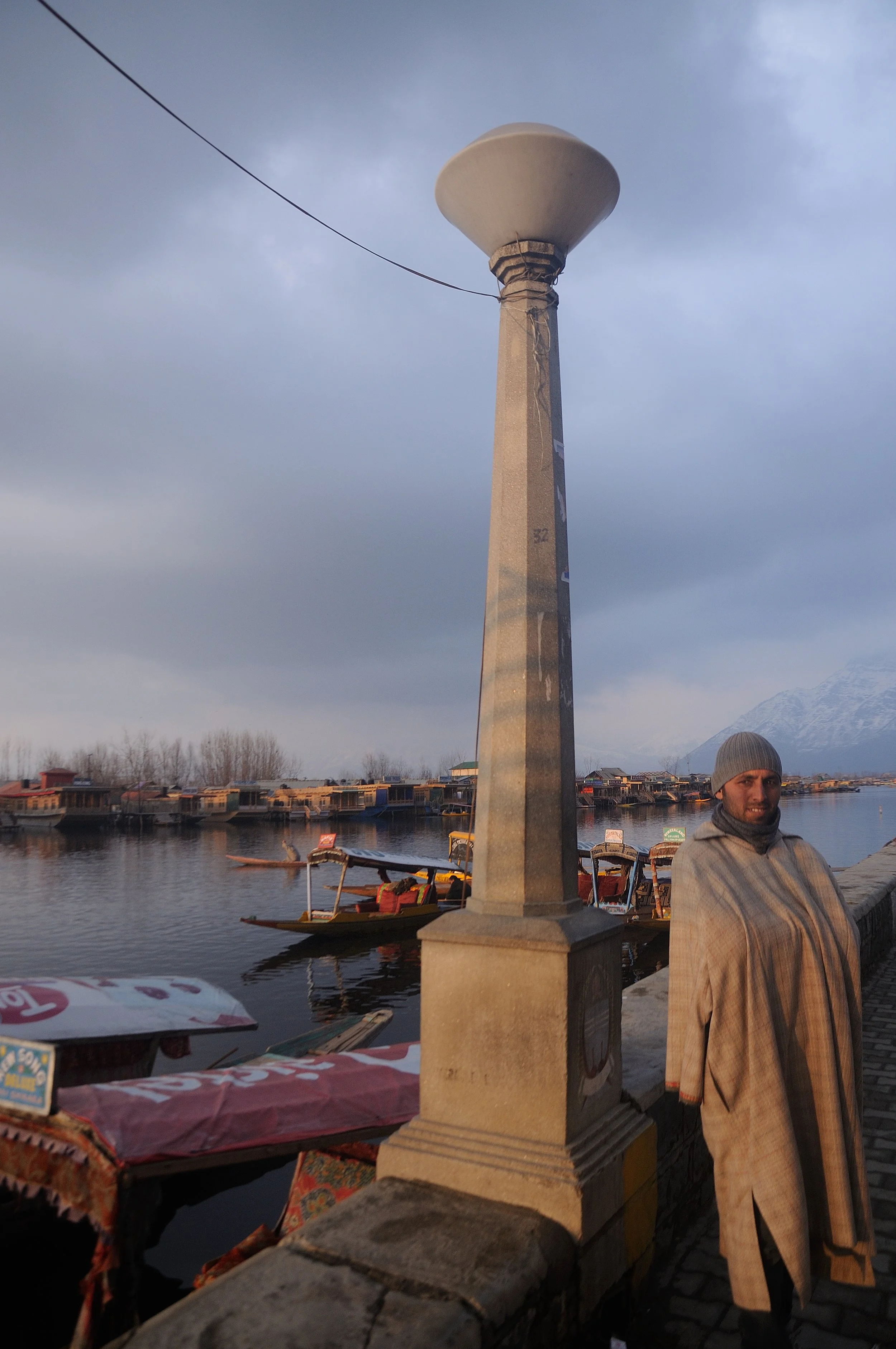
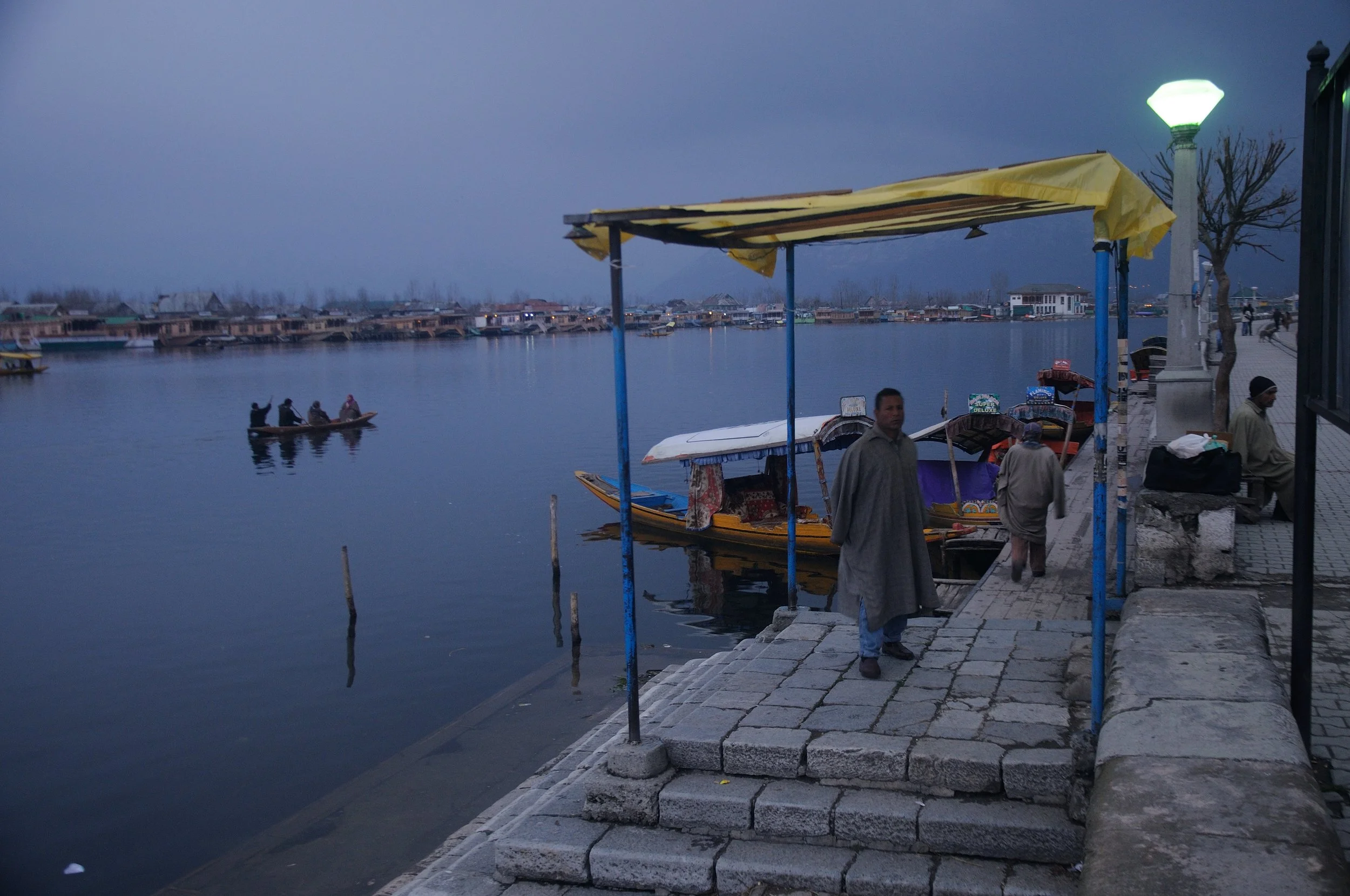
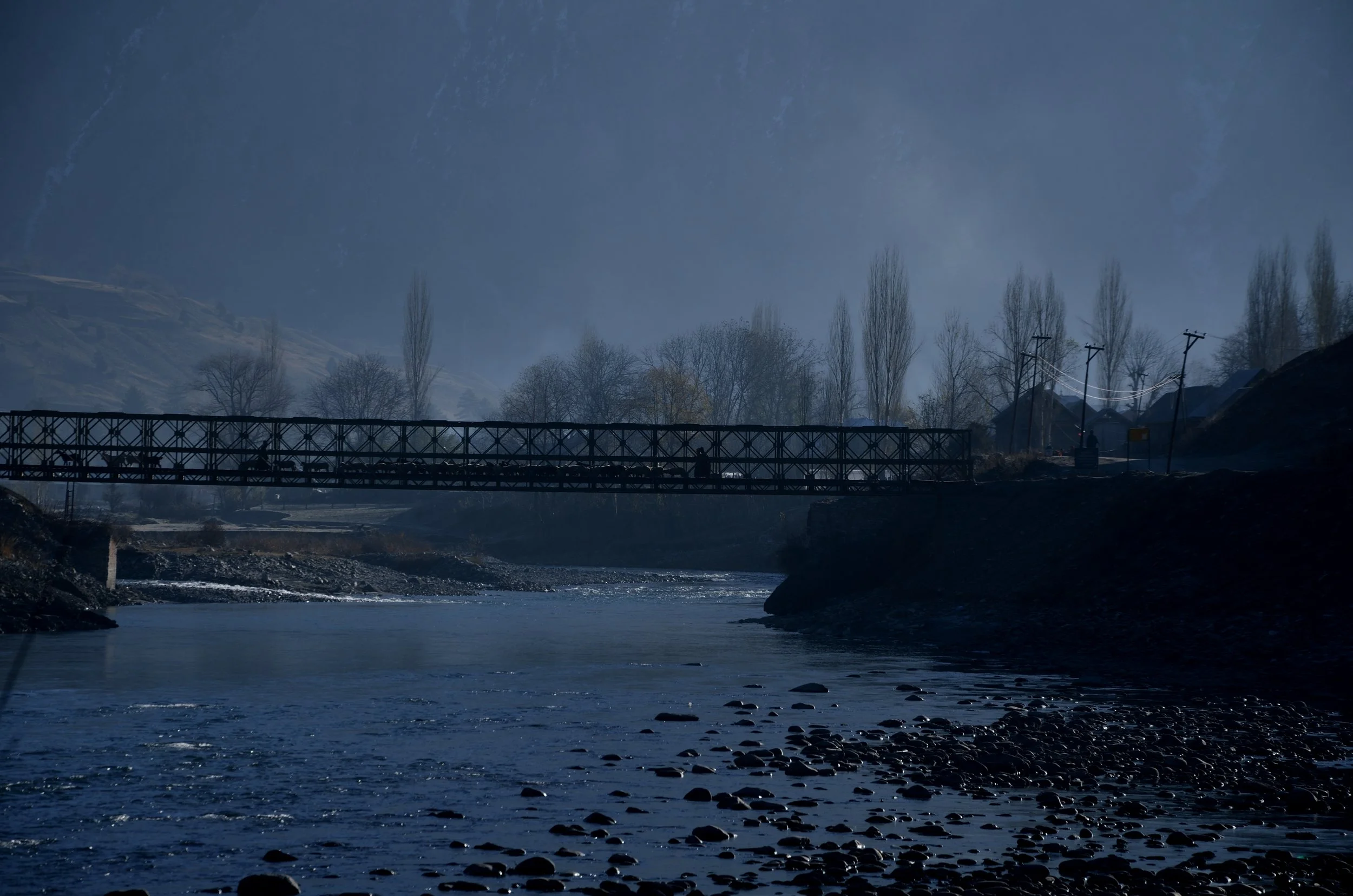
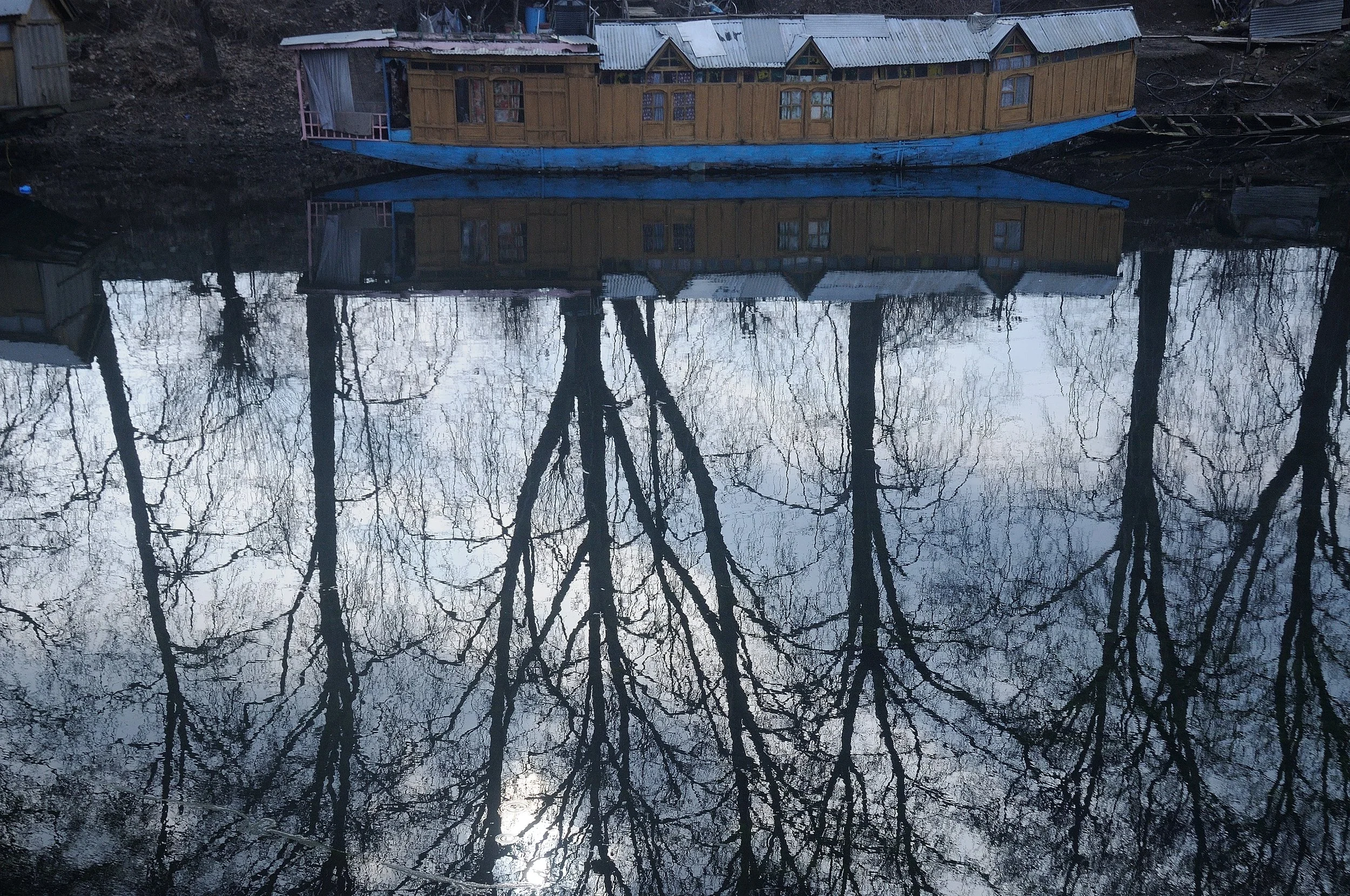
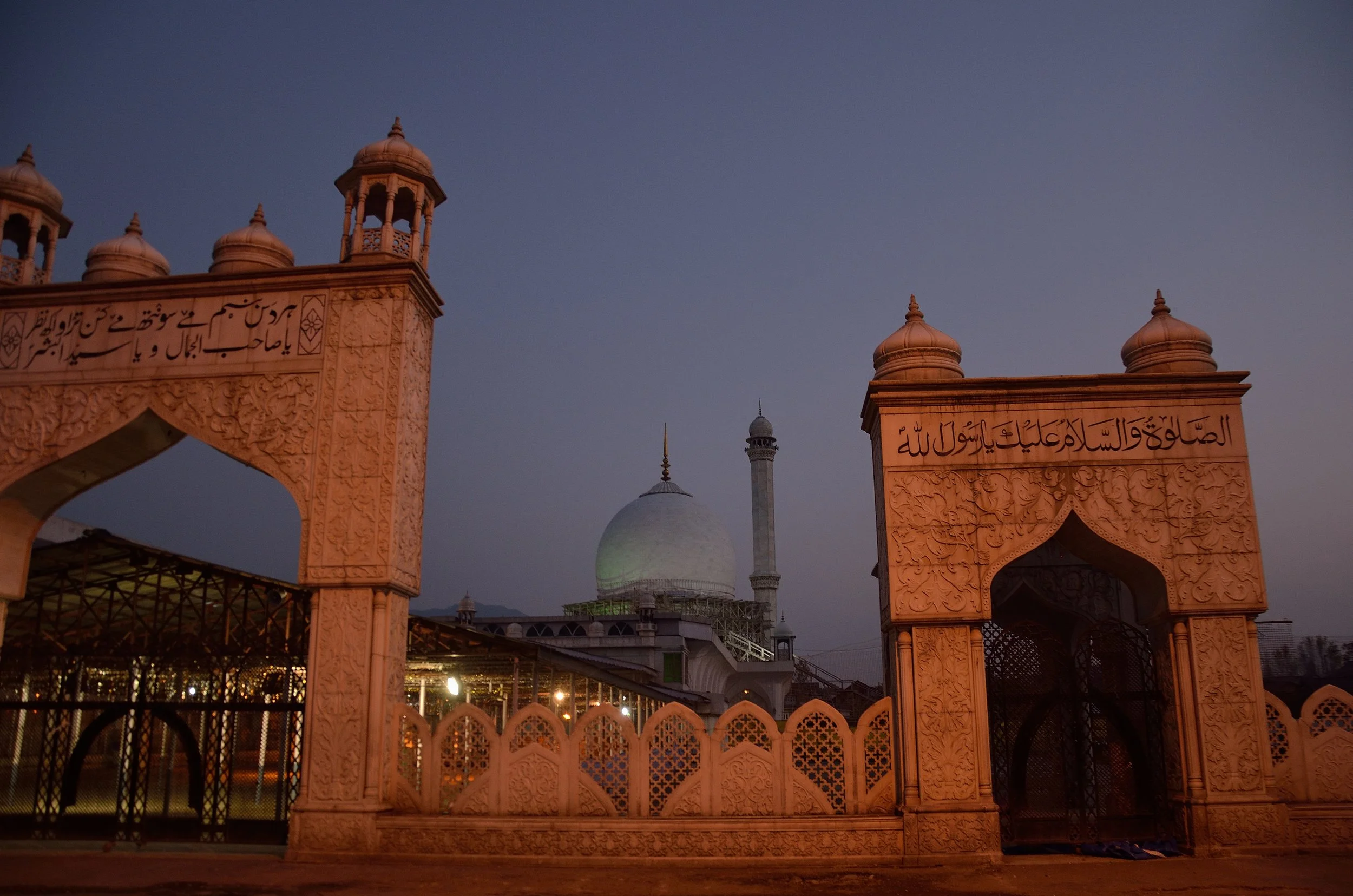
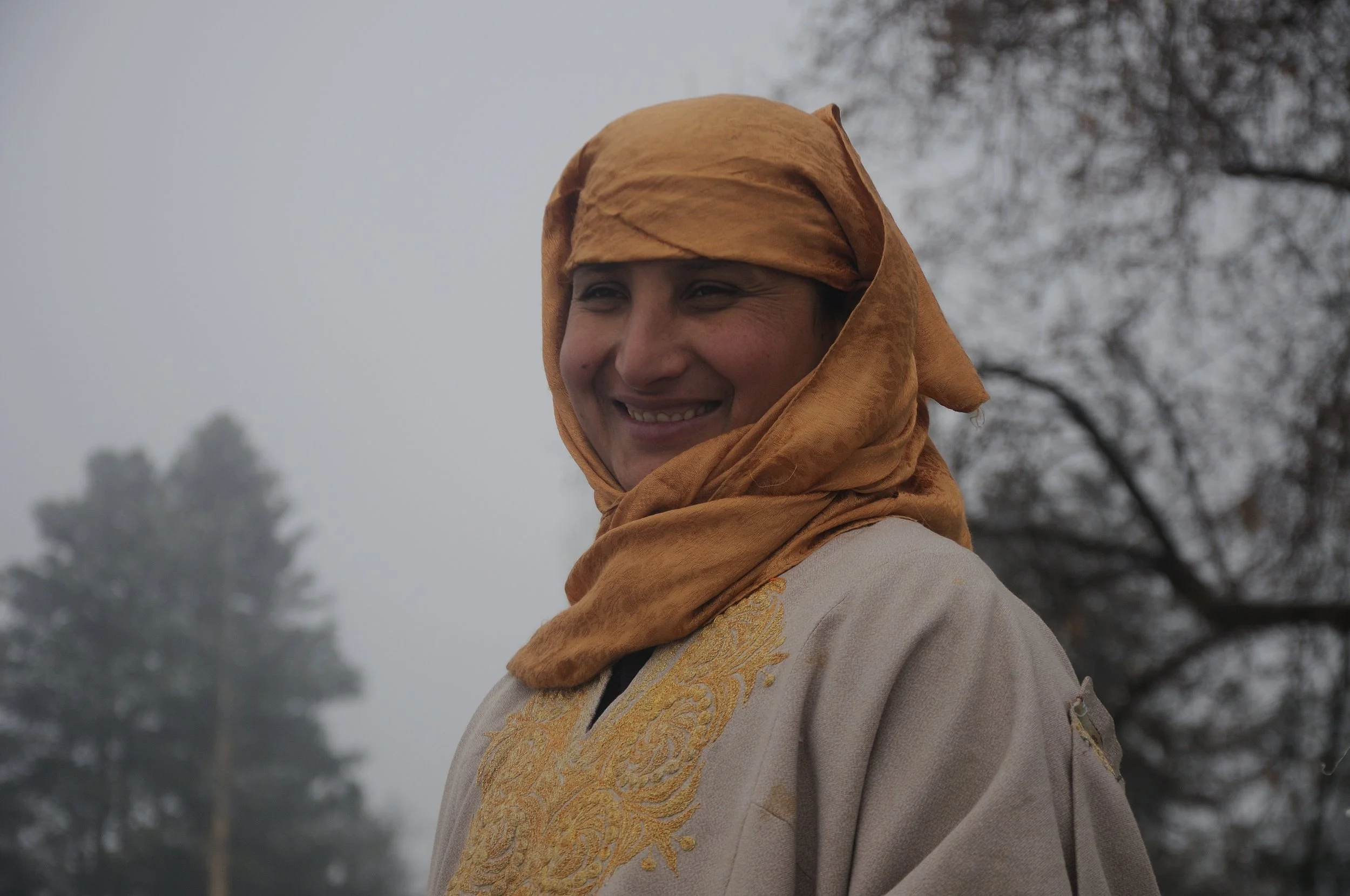
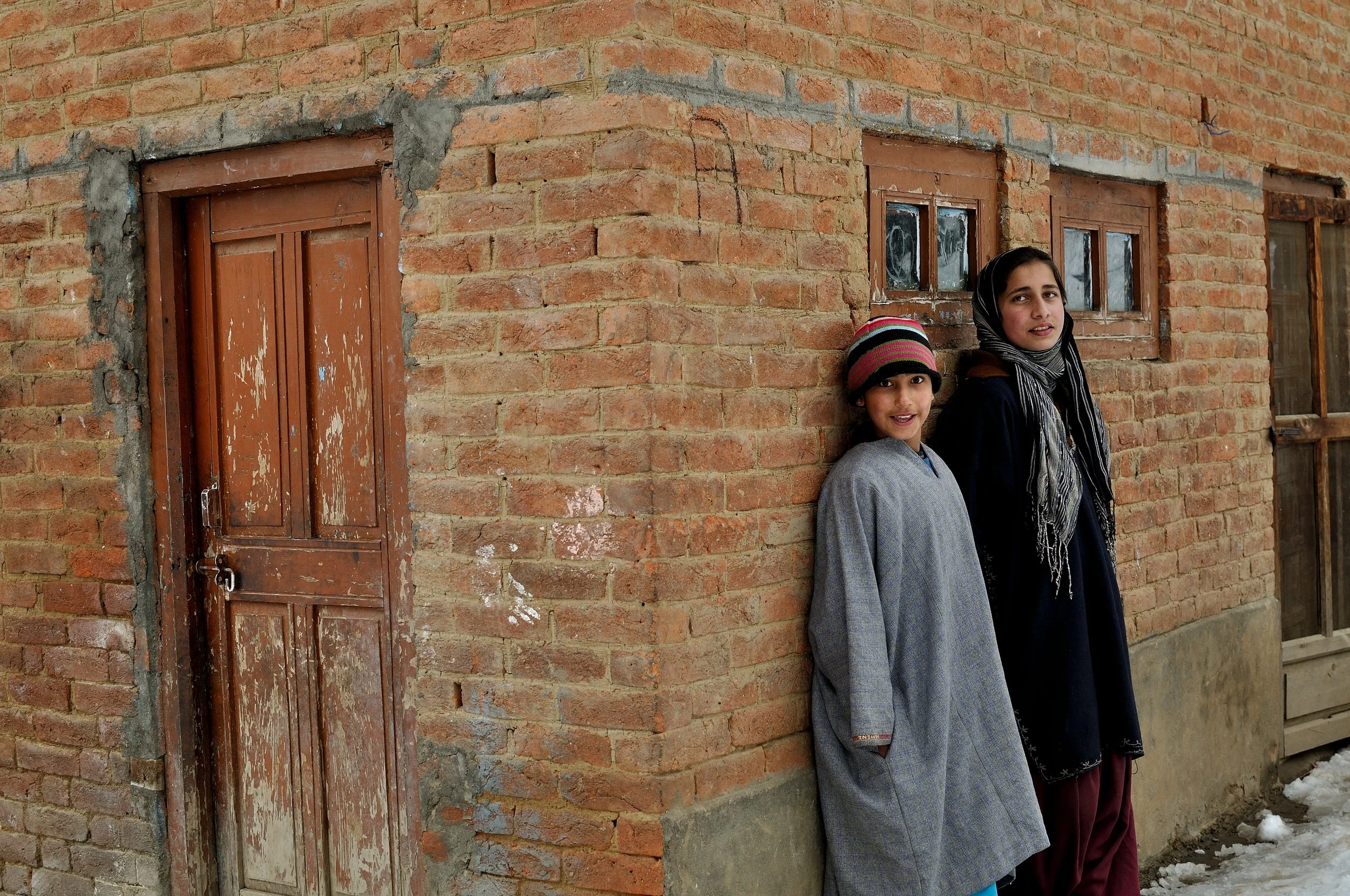
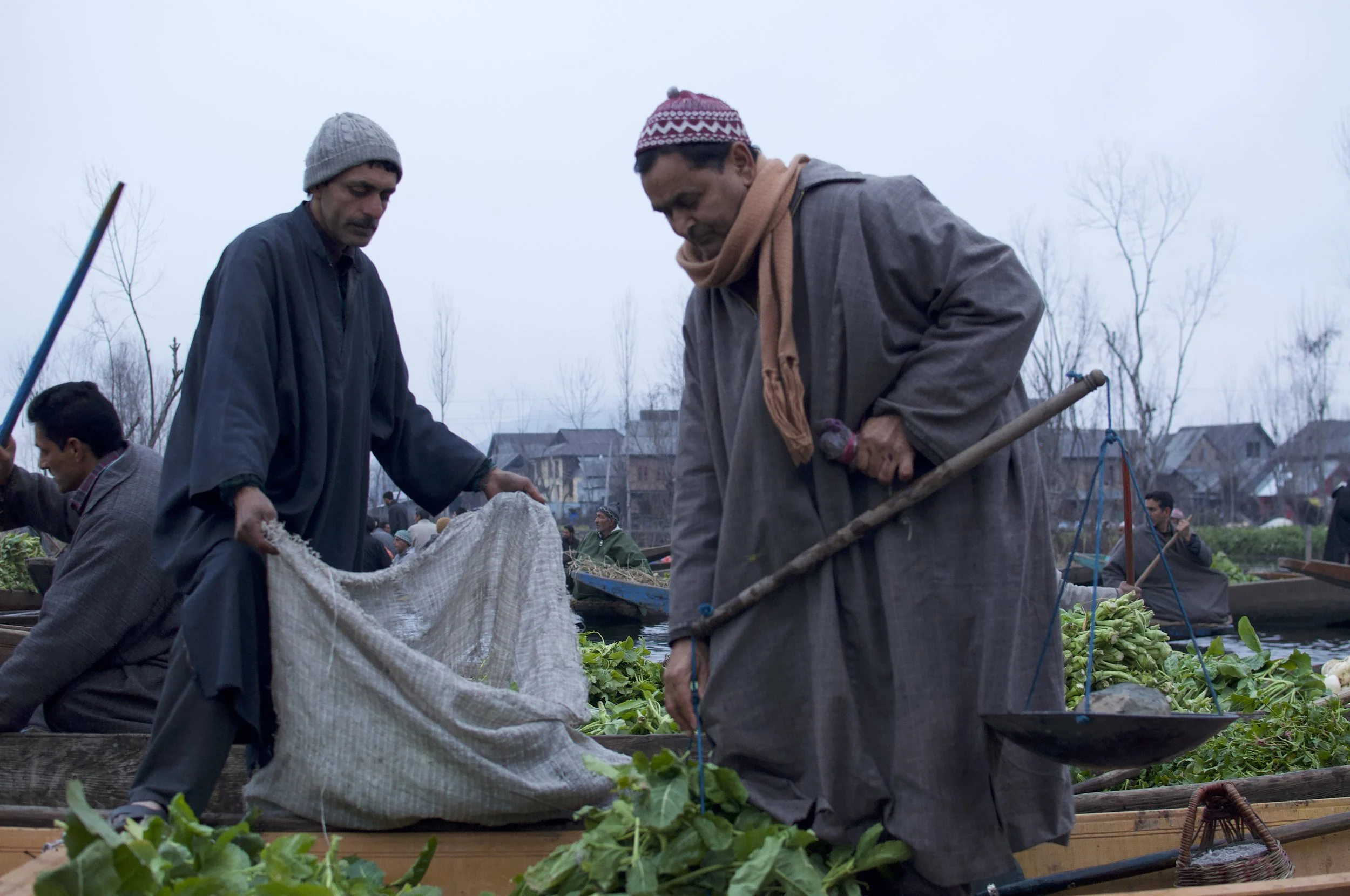
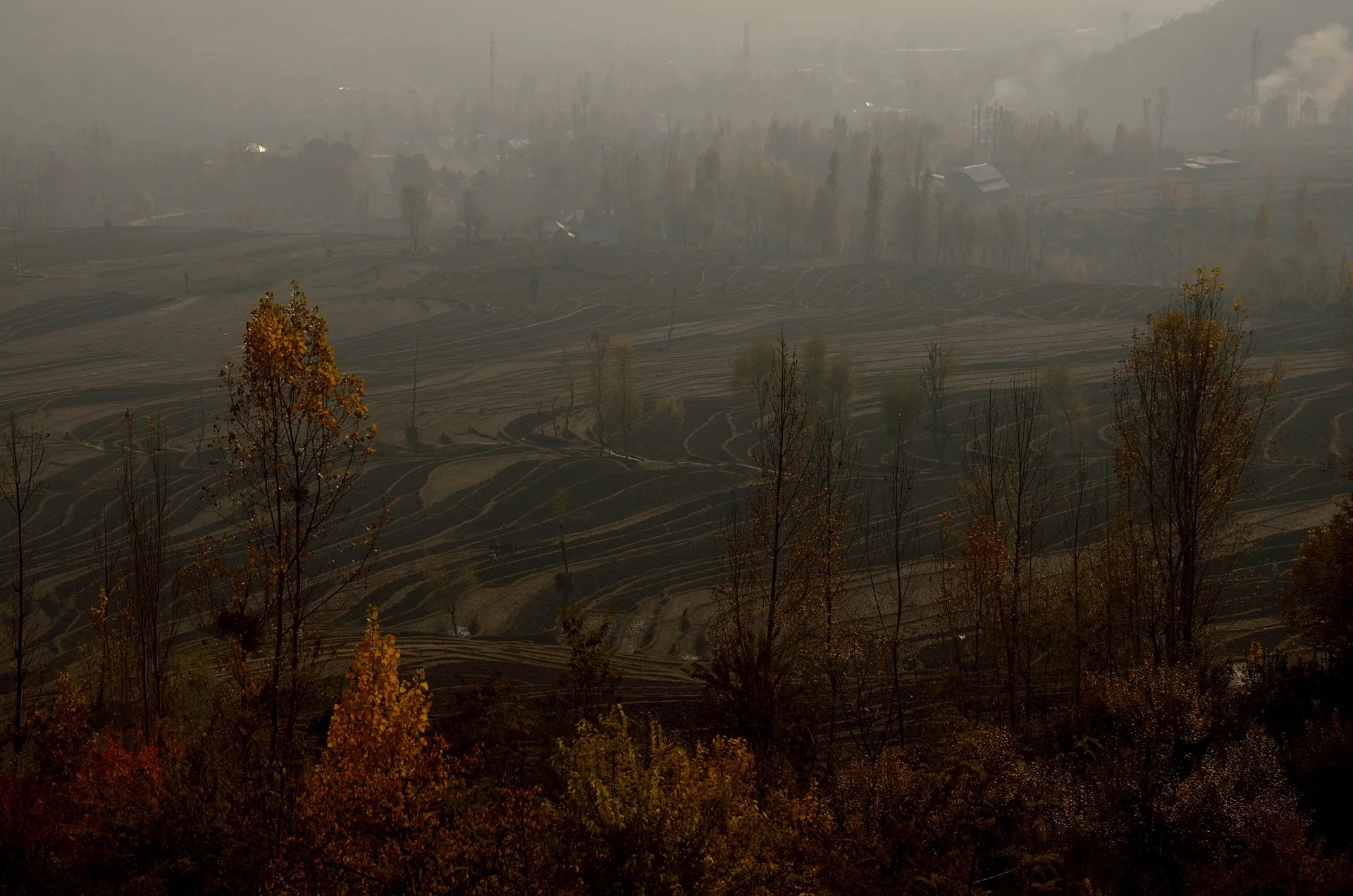
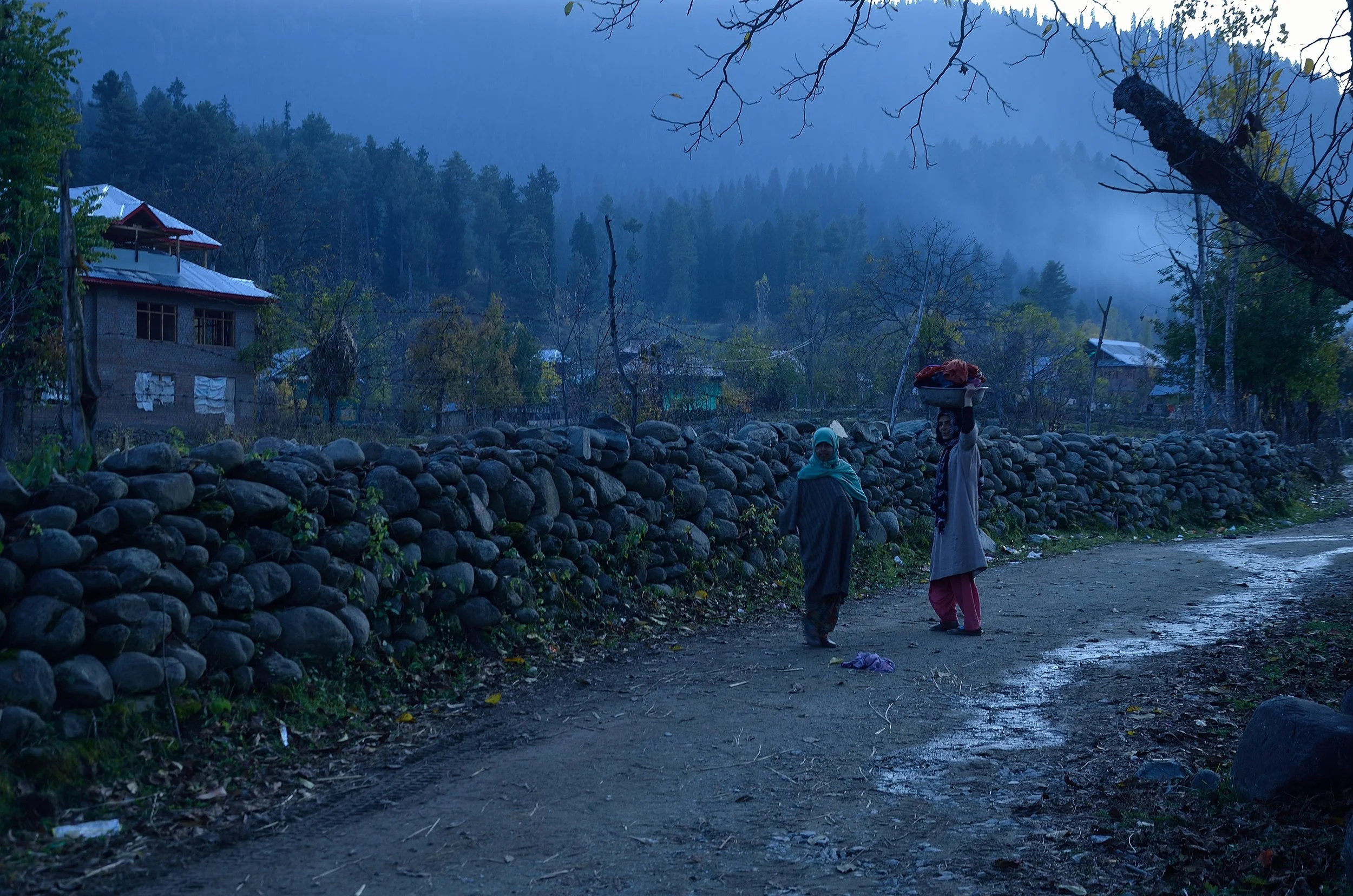
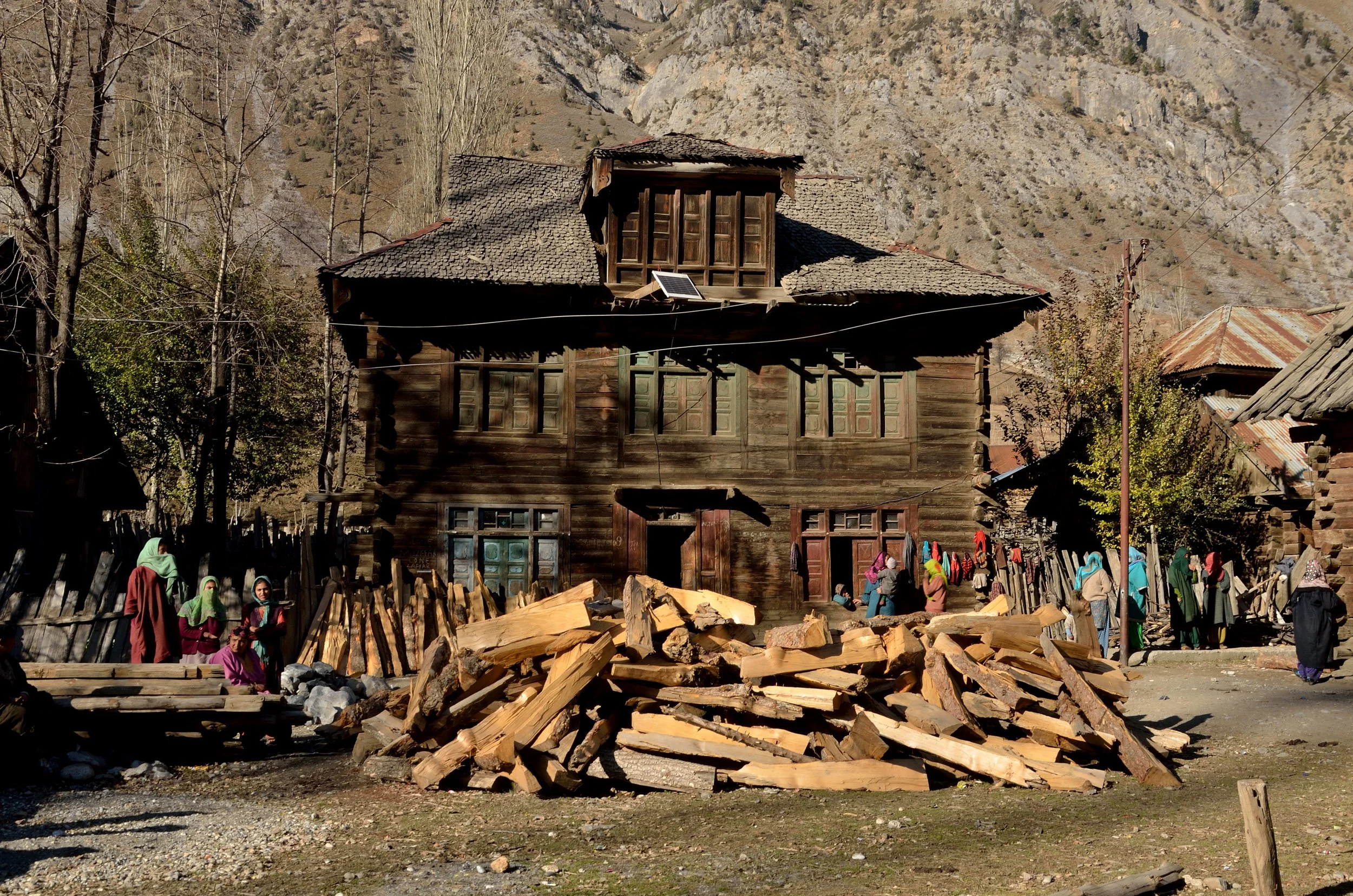
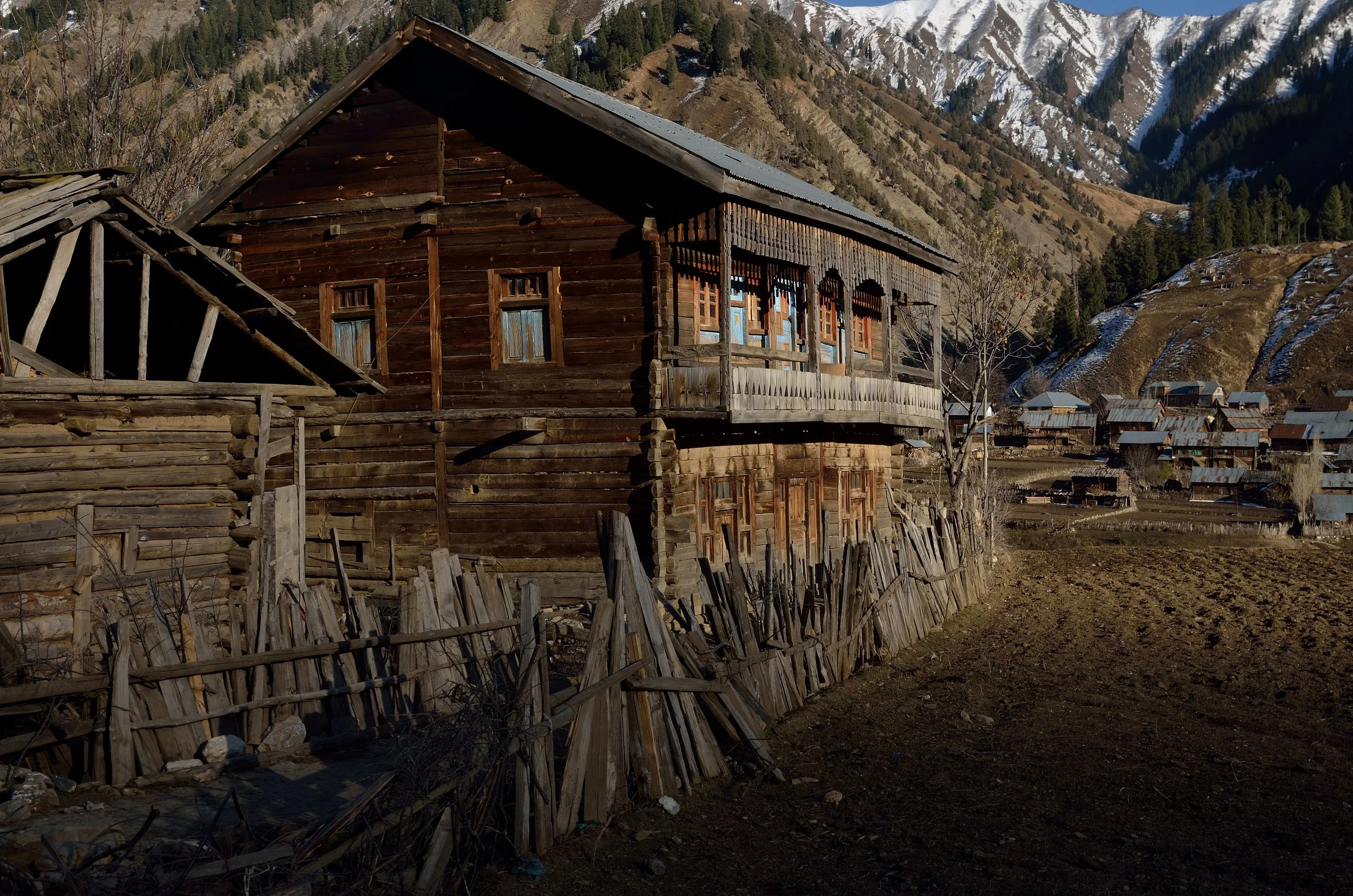
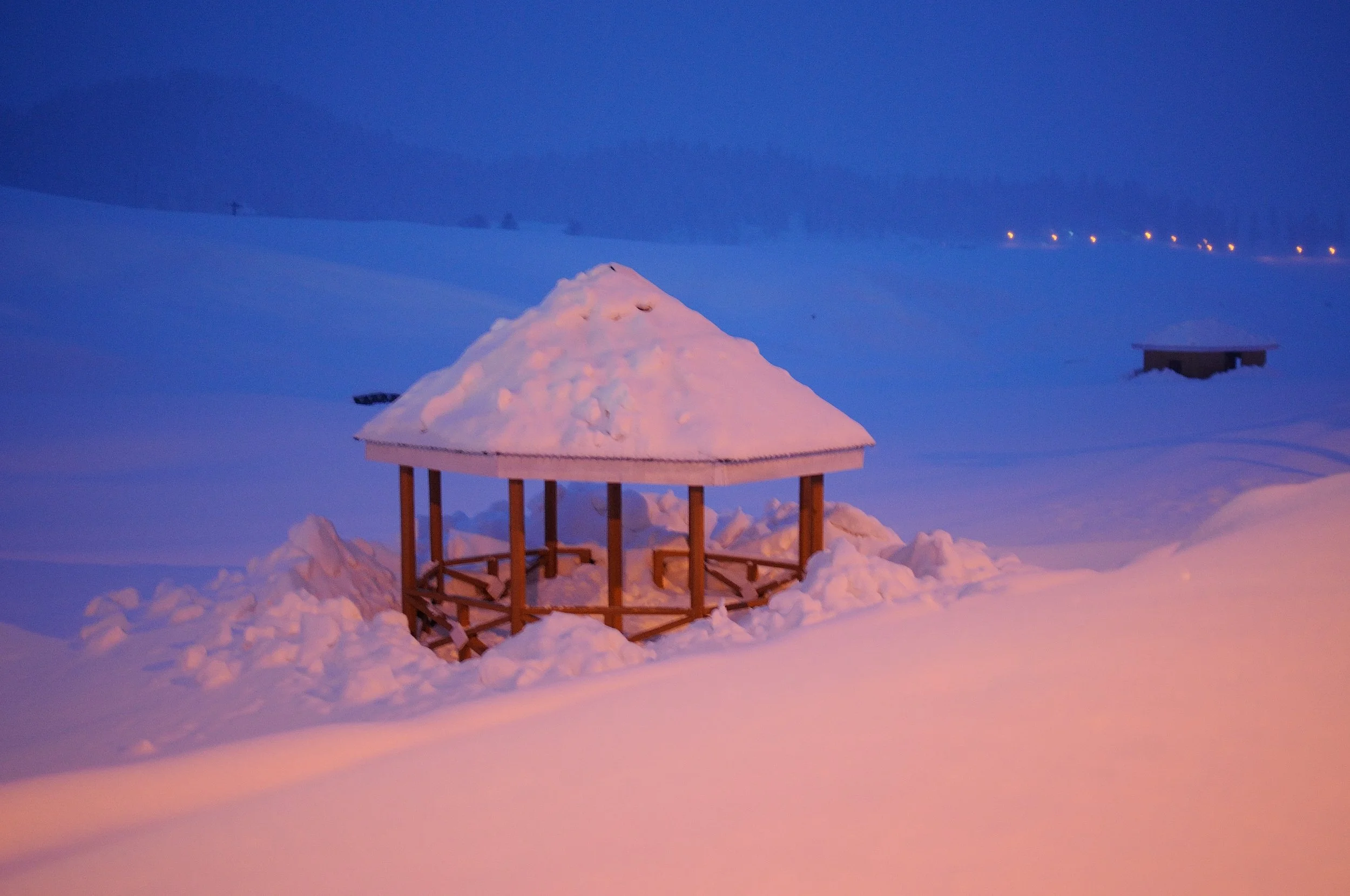
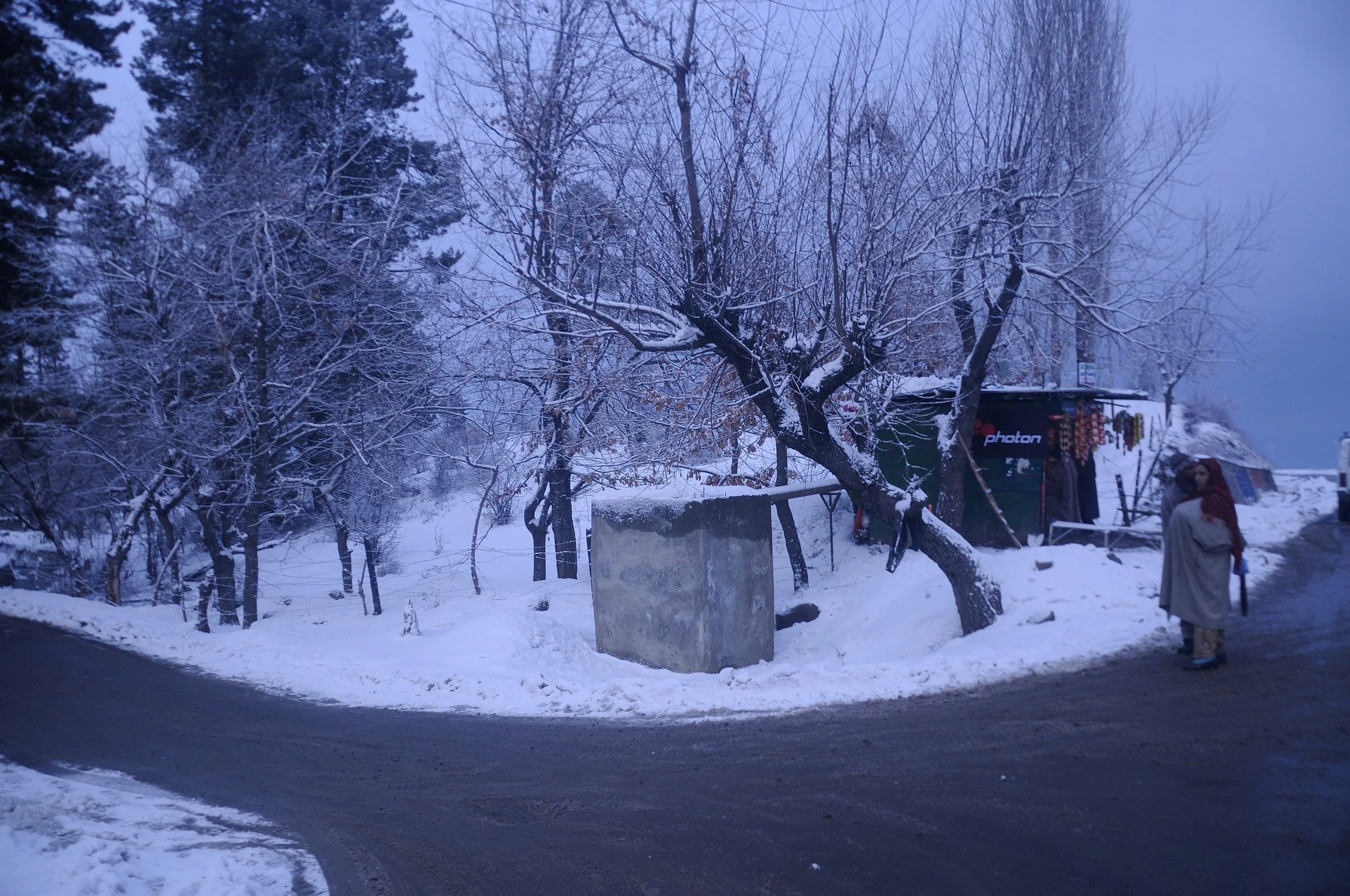
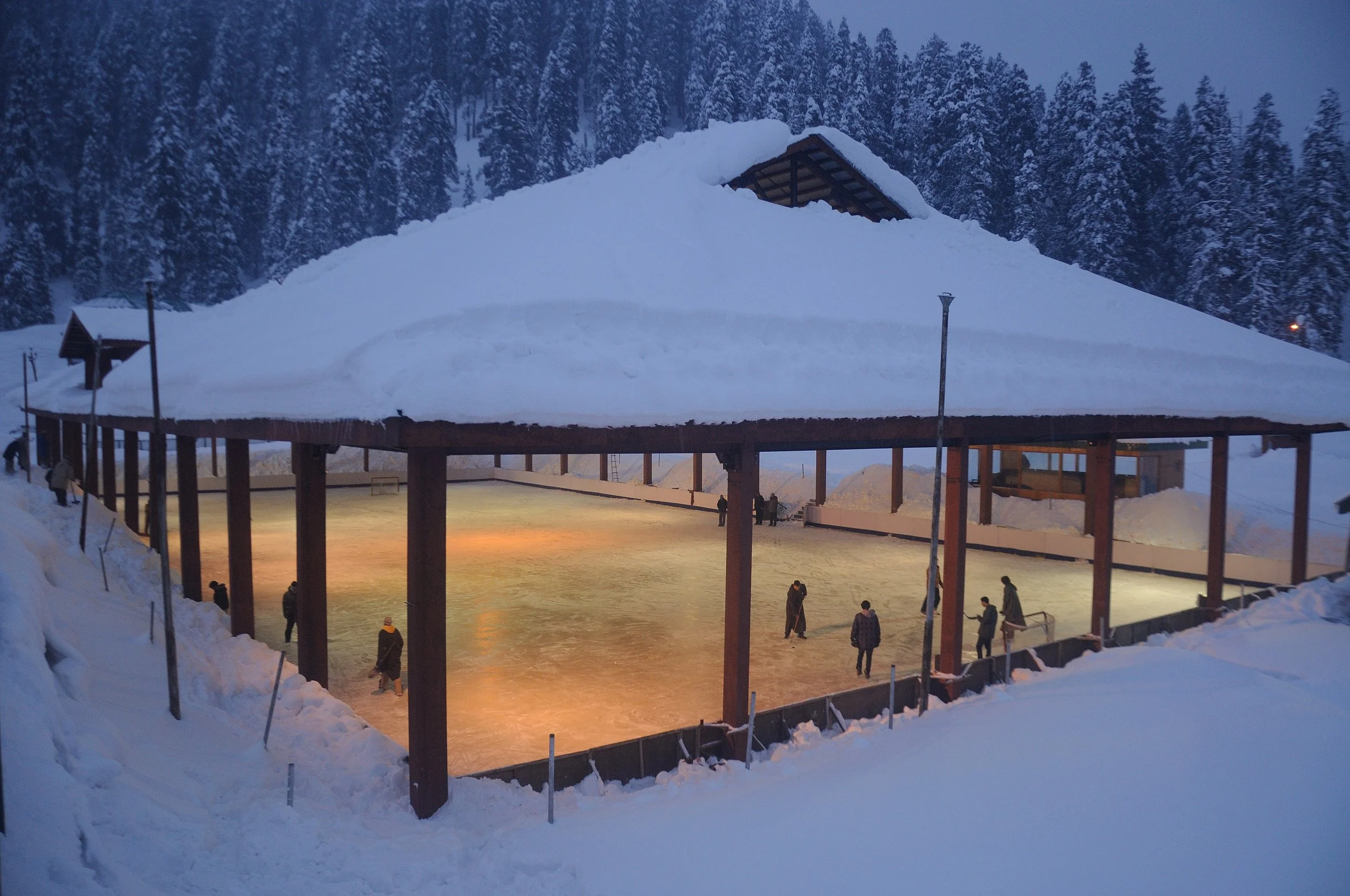
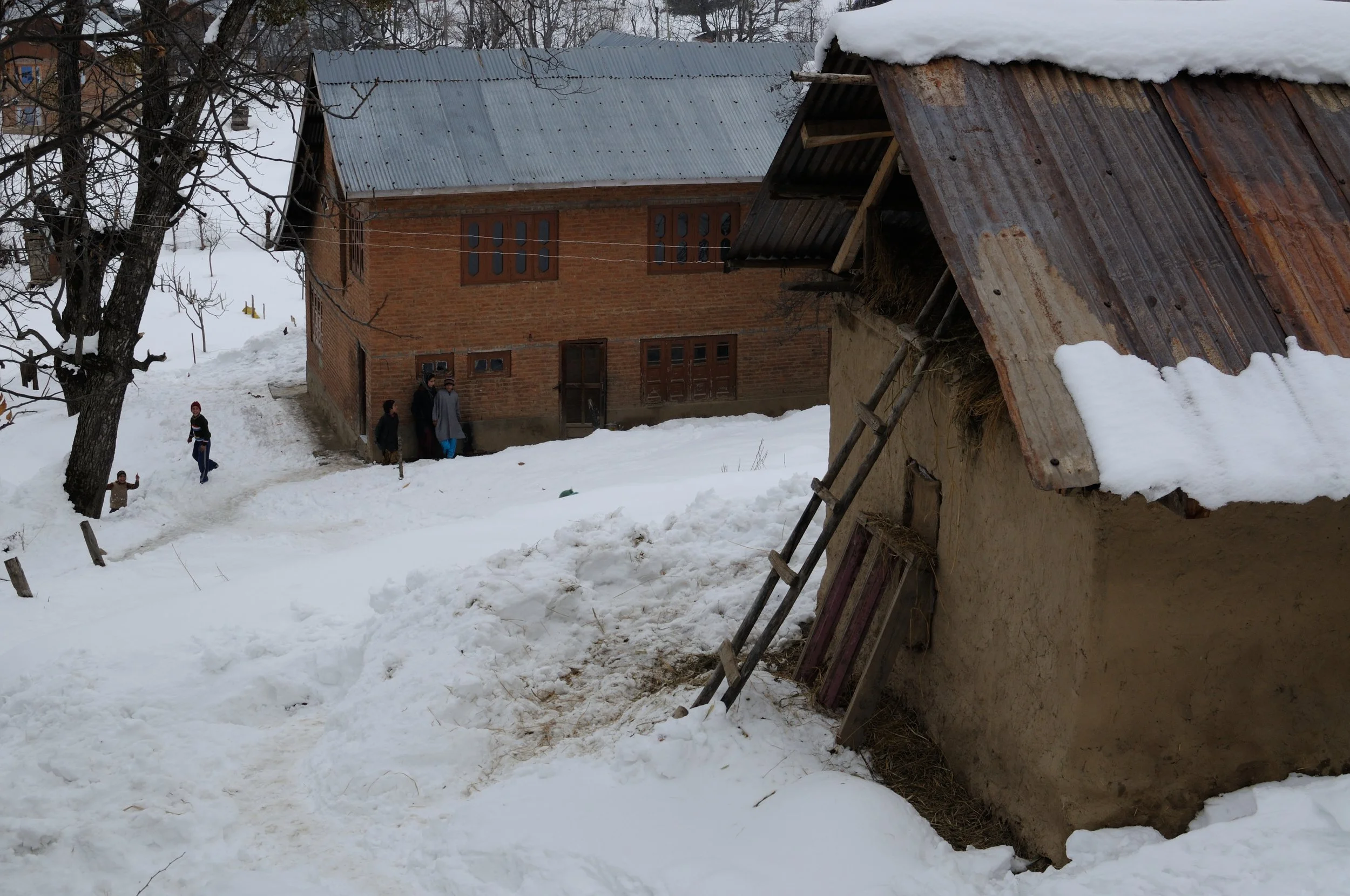
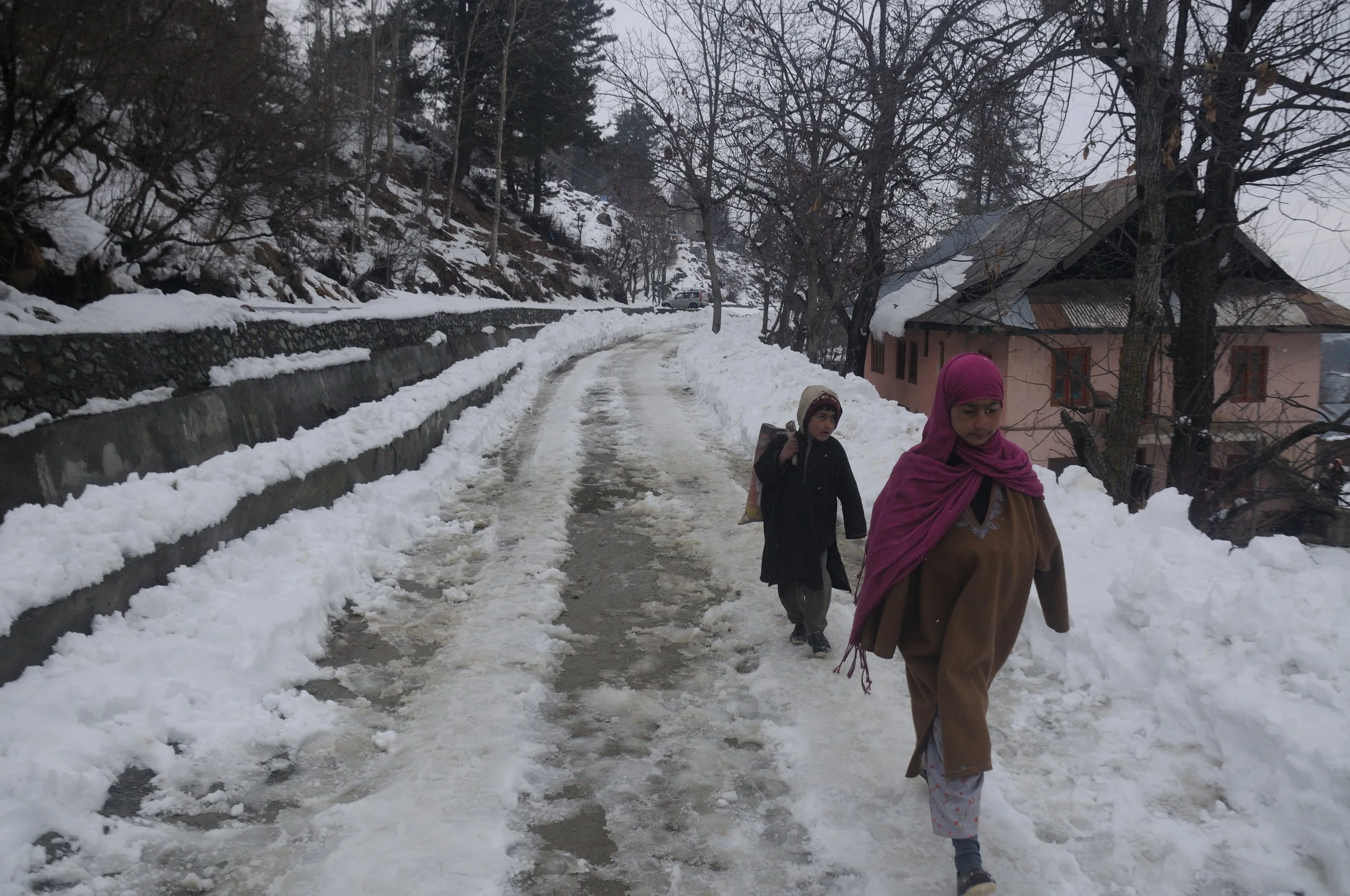
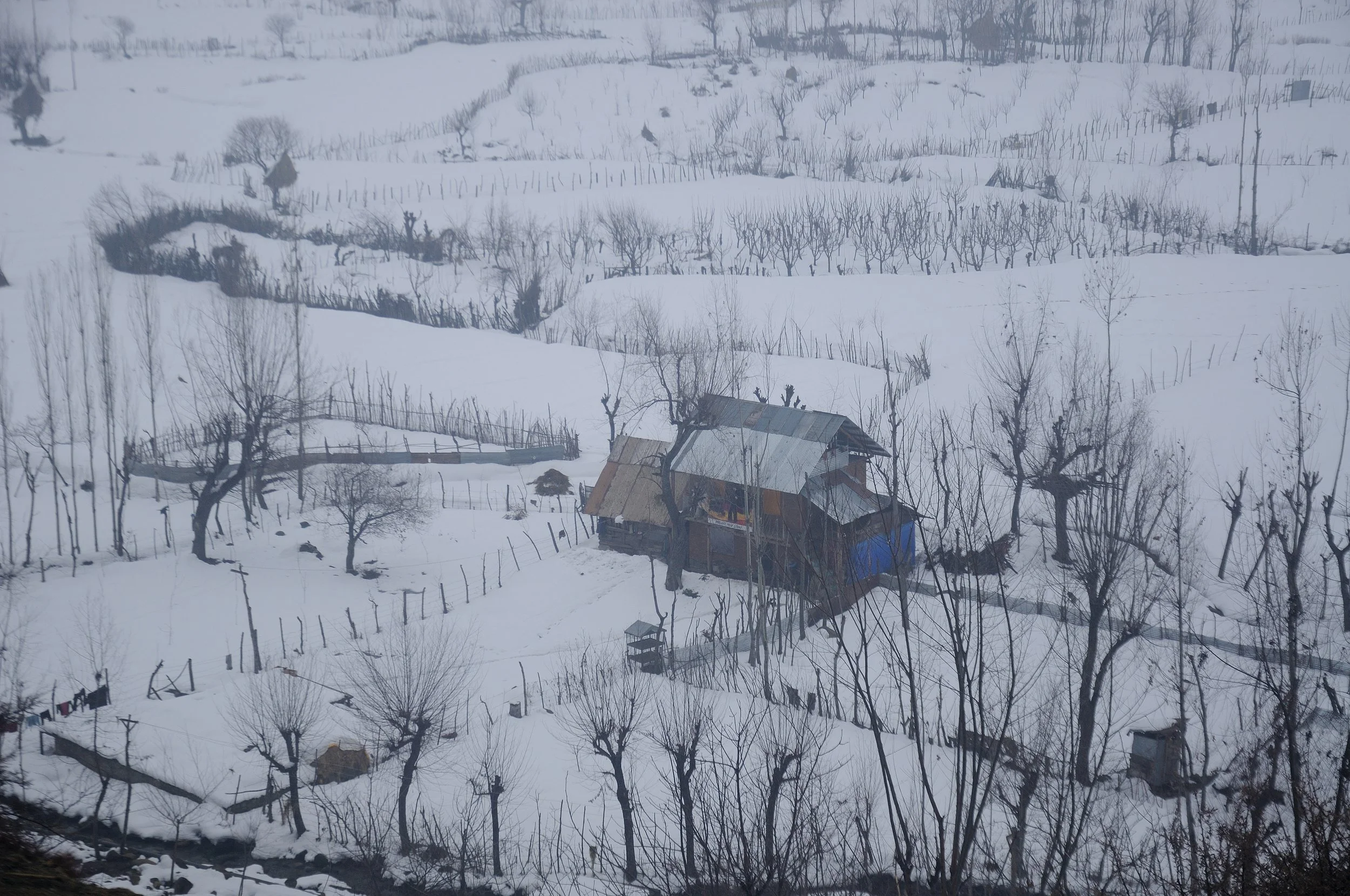
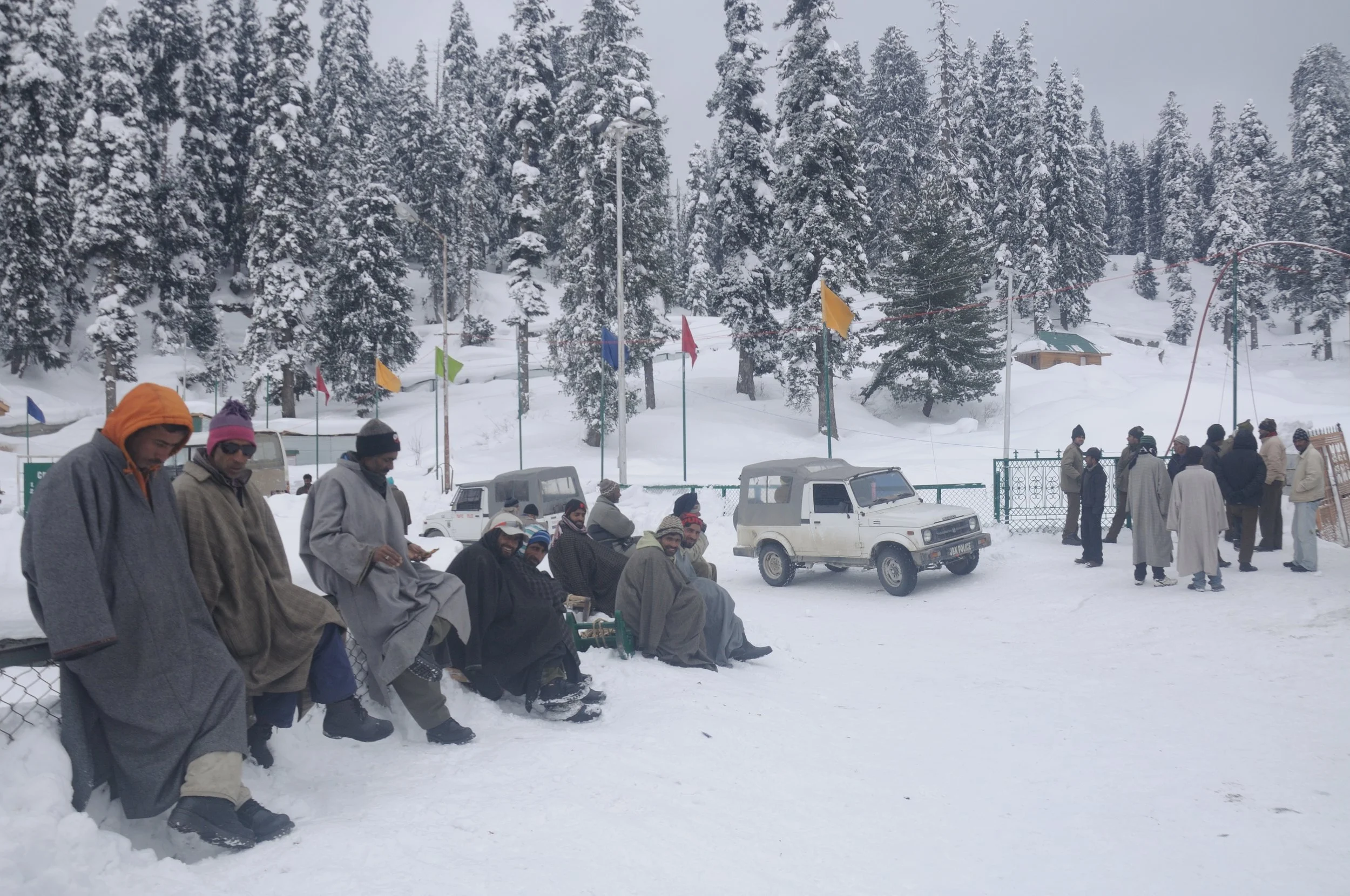
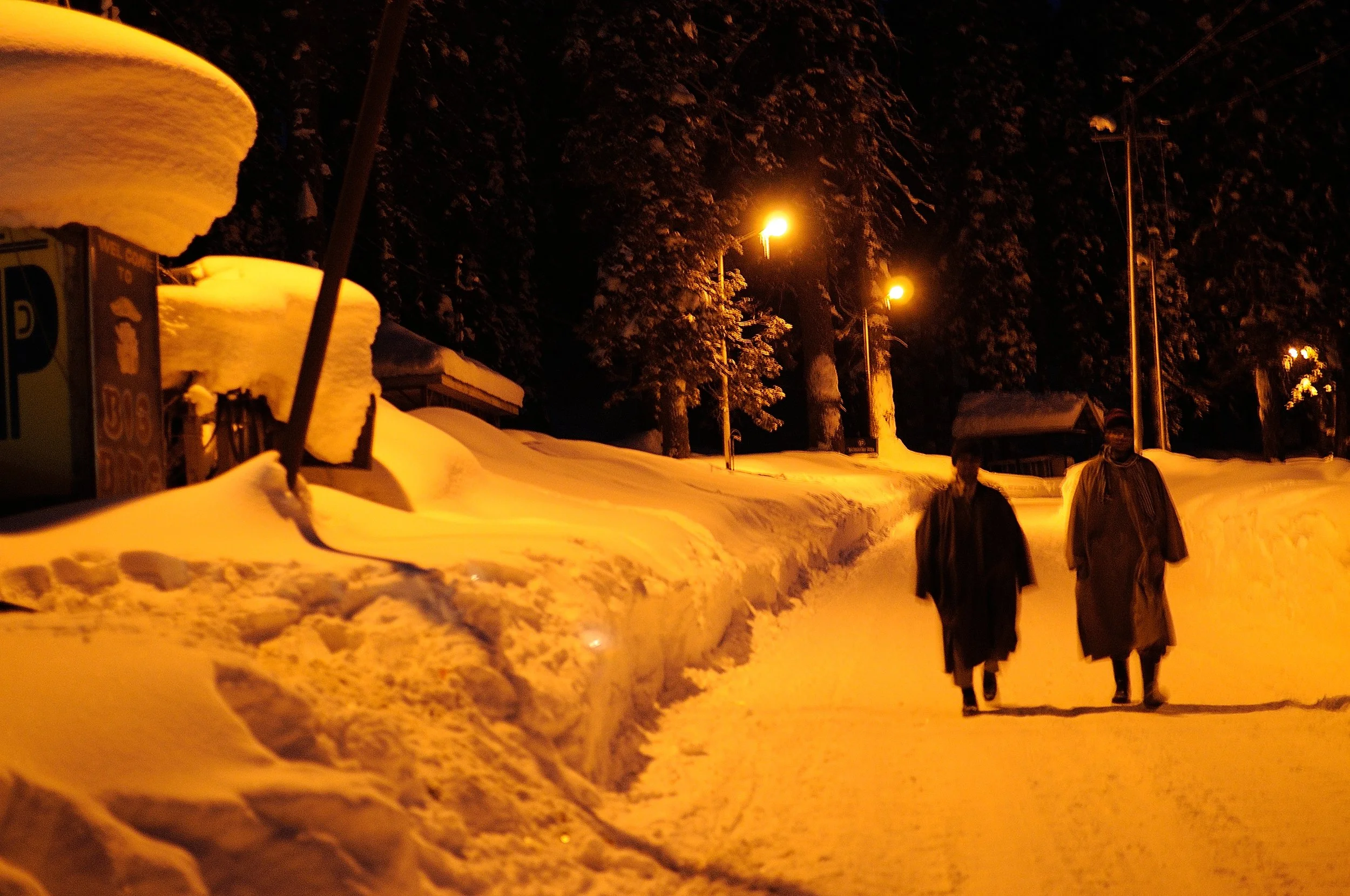
In the heart of turmoil, the Valley of Kashmir emerges as a haven of tranquility. Captured through my lens a decade ago, these images defy the chaos that intermittently engulfs the region. The landscape, kissed by the Himalayan embrace, reveals a resilience that transcends conflict.

Markets bustle with life as artisans and merchants persist, undeterred by shadows that threaten to linger. Amidst unrest, families gather, sharing stories under starlit skies, and children's laughter rings through meadows untouched by time.
Pilgrimage sites stand as pillars of hope, their spiritual significance transcending the clamor of discord. These images reflect a Kashmir that yearns for peace, a Kashmir where moments of tranquility persist against the odds.

The valley's narrative ebbs and flows, yet these photographs serve as an enduring testament to a community's determination to embrace life amidst uncertainty. As the years pass, they remain a visual testament to a people's unwavering spirit, preserving hope for a future where serenity triumphs over chaos.

View fullsize DSC_0339_6012.JPG
View fullsize DSC_2713_5934.JPG
View fullsize DSC_2715_5936.JPG
View fullsize DSC_2693_5933.JPG
View fullsize DSC_2688_5931.JPG
View fullsize DSC_2690_5932.JPG
 
View fullsize DSC_2923_5945.JPG
View fullsize DSC_2931_5946.JPG
 
View fullsize DSC_2721_5937.JPG
View fullsize DSC_2781_5940.JPG
View fullsize DSC_2780_5939.JPG
View fullsize DSC_2778_5992.JPG
View fullsize DSC_0626_6016.JPG
View fullsize DSC_9760_5998.JPG
View fullsize DSC_9799_6000.JPG
 
View fullsize DSC_0008_6006.JPG
View fullsize DSC_3759_5969.JPG
View fullsize DSC_2859_5943.JPG
View fullsize DSC_0192_6008.JPG
View fullsize DSC_9994_6005.JPG
View fullsize DSC_3037_5984.JPG
 
View fullsize DSC_0161_6007.JPG
View fullsize DSC_9715_5997.JPG
View fullsize DSC_9988_6004.JPG
 
View fullsize DSC_9656_5994.JPG
View fullsize DSC_9807_6001.JPG
 
View fullsize DSC_0491_6015.JPG
View fullsize DSC_9901_6003.JPG
View fullsize DSC_0489_6014.JPG
 
View fullsize DSC_3169_5980.JPG
View fullsize DSC_3173_5981.JPG
View fullsize DSC_3174_5982.JPG
View fullsize DSC_3182_5983.JPG
View fullsize DSC_3092_5978.JPG
View fullsize DSC_3143_5989.JPG
 
View fullsize DSC_3089_5977.JPG
View fullsize DSC_3032_5972.JPG
View fullsize DSC_3034_5973.JPG
View fullsize DSC_3038_5974.JPG
View fullsize DSC_3091_5985.JPG
View fullsize DSC_3780_5970.JPG
 
View fullsize DSC_3552_5961.JPG
View fullsize DSC_3210_5990.JPG
 
 
View fullsize DSC_3435_5953.JPG
View fullsize DSC_3484_5955.JPG
View fullsize DSC_3497_5956.JPG
View fullsize DSC_3338_5951.JPG
View fullsize DSC_3216_5947.JPG
View fullsize DSC_3220_5950.JPG
 

Tanmoy Chatterjee is a National Award Winning (Government of India), travel and documentary photographer based in Kolkata, India. With an experience of more than 20 years in this field, he has travelled across India, documenting various festivals, cultures and historical places.

 
The Festival Of Durga Puja
The Darjeeling Himalayan Railways
instagram
 
Learn more


Thursday 08.17.23
Posted by Progressive-Street
 
Newer / Older
Subscribe to newsletter