• ABOUT
  • GANG
  • FACES
  • STAFF
  • ProgressivE-zine
  • Books–PPH
  • Books SERIES
  • SHOP
  • Out Of Bounds – OOB
  • Fake World
    • Fake world / Confused Reality 2026
    • Fake World
  • NOTES From the Streets
  • PROTESTS in the World
    • 2026
    • 2025
    • 2024
  • FEATURED photographers
    • PHOTOS OF THE WEEK
    • PROGRESSIVE COVERS
    • STORY TIME
    • CHALLENGES
    • MATCHING MOMENTS
    • GALLERIES PDFS
  • Exhibitions
    • Exhibition
    • Exhibitions
    • Stations ... and stations ... and stations
  • Tips
  • Video
  • Index SEARCH
  • Contact
  • SPOKESPERSONS
  • ProgresFestival MAGAZINE

Progressive Street

  • ABOUT
  • GANG
  • FACES
  • STAFF
  • ProgressivE-zine
  • Books–PPH
  • Books SERIES
  • SHOP
  • Out Of Bounds – OOB
  • Fake World
    • Fake world / Confused Reality 2026
    • Fake World
  • NOTES From the Streets
  • PROTESTS in the World
    • 2026
    • 2025
    • 2024
  • FEATURED photographers
    • PHOTOS OF THE WEEK
    • PROGRESSIVE COVERS
    • STORY TIME
    • CHALLENGES
    • MATCHING MOMENTS
    • GALLERIES PDFS
  • Exhibitions
    • Exhibition
    • Exhibitions
    • Stations ... and stations ... and stations
  • Tips
  • Video
  • Index SEARCH
  • Contact
  • SPOKESPERSONS
  • ProgresFestival MAGAZINE

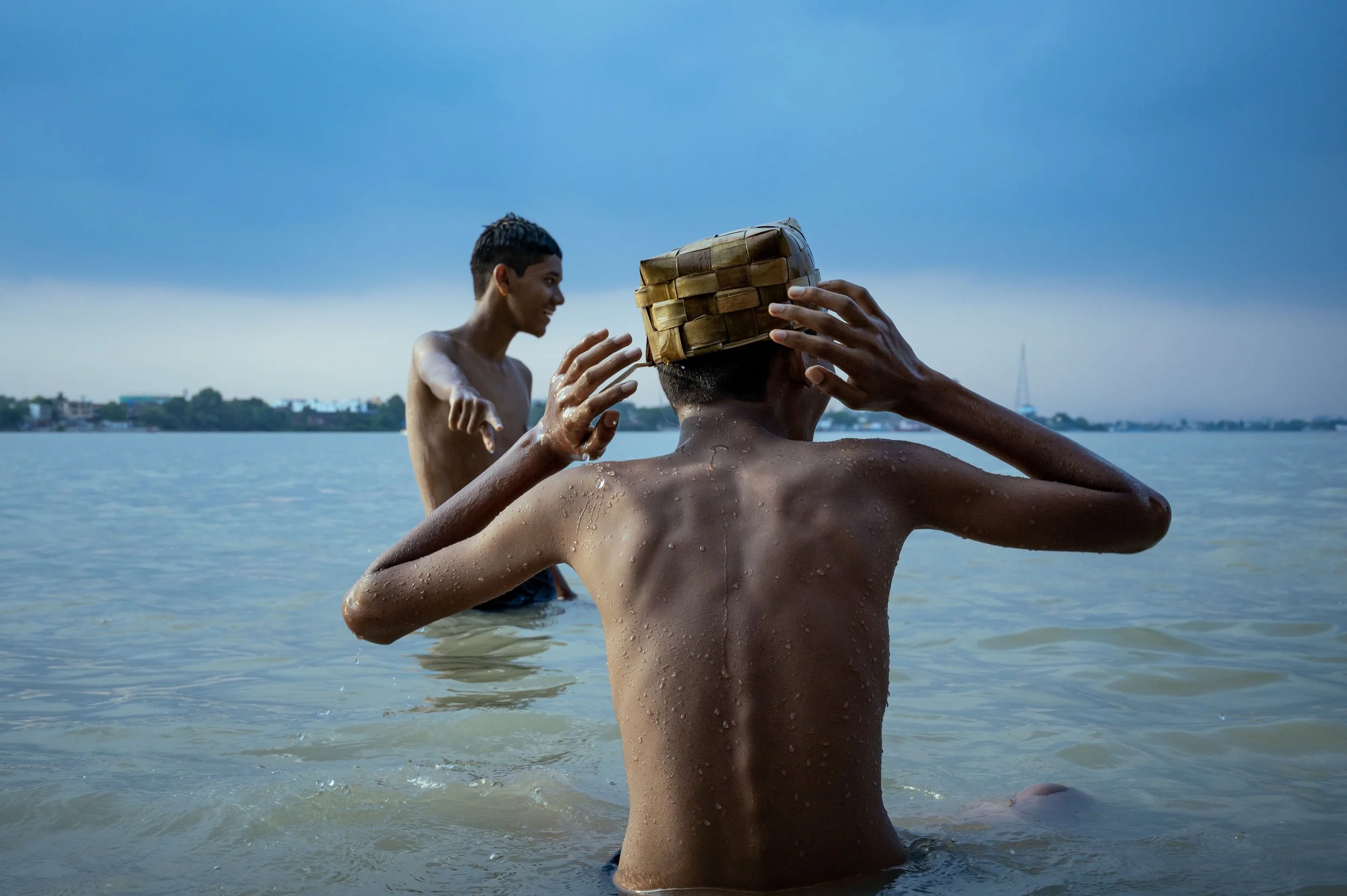
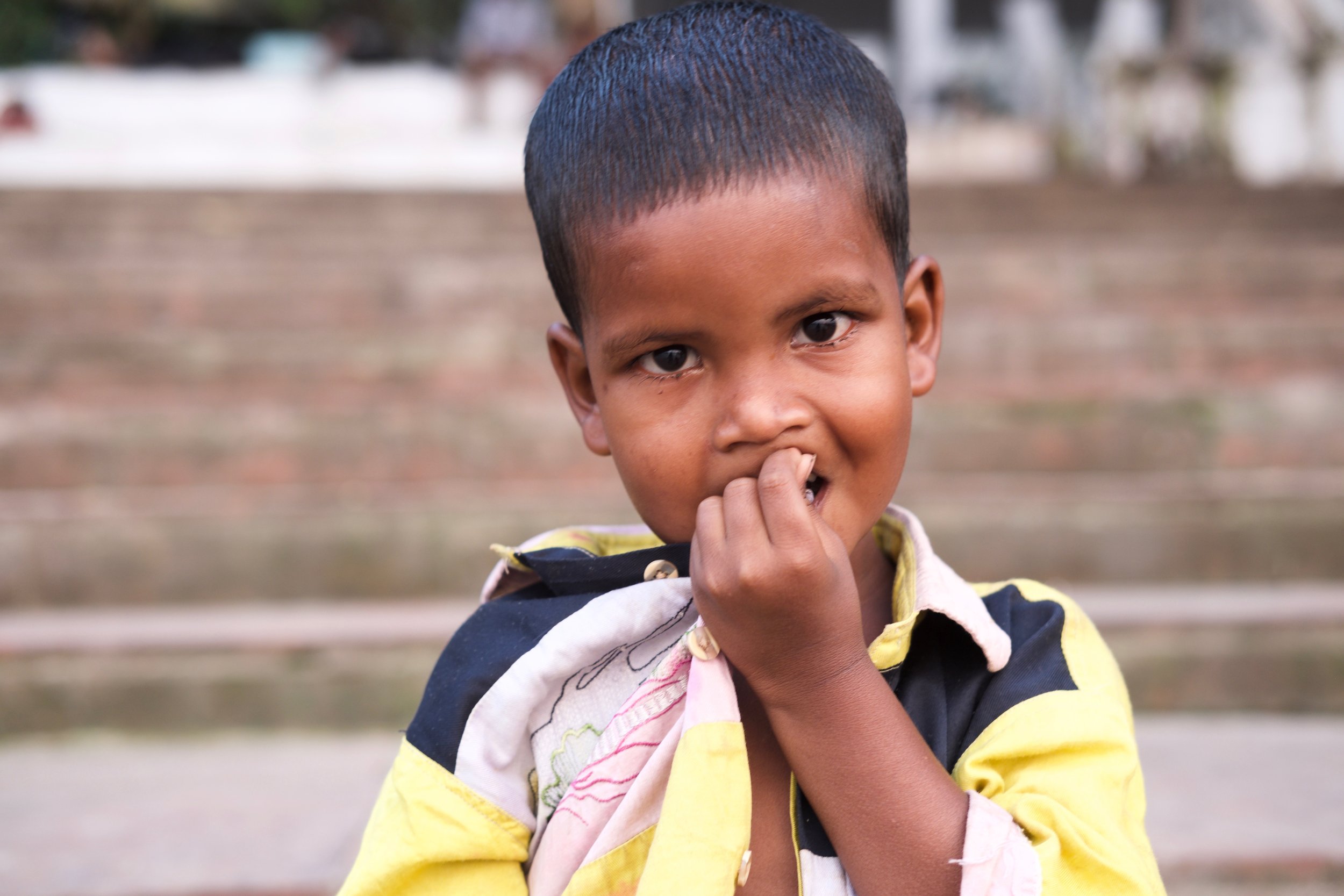
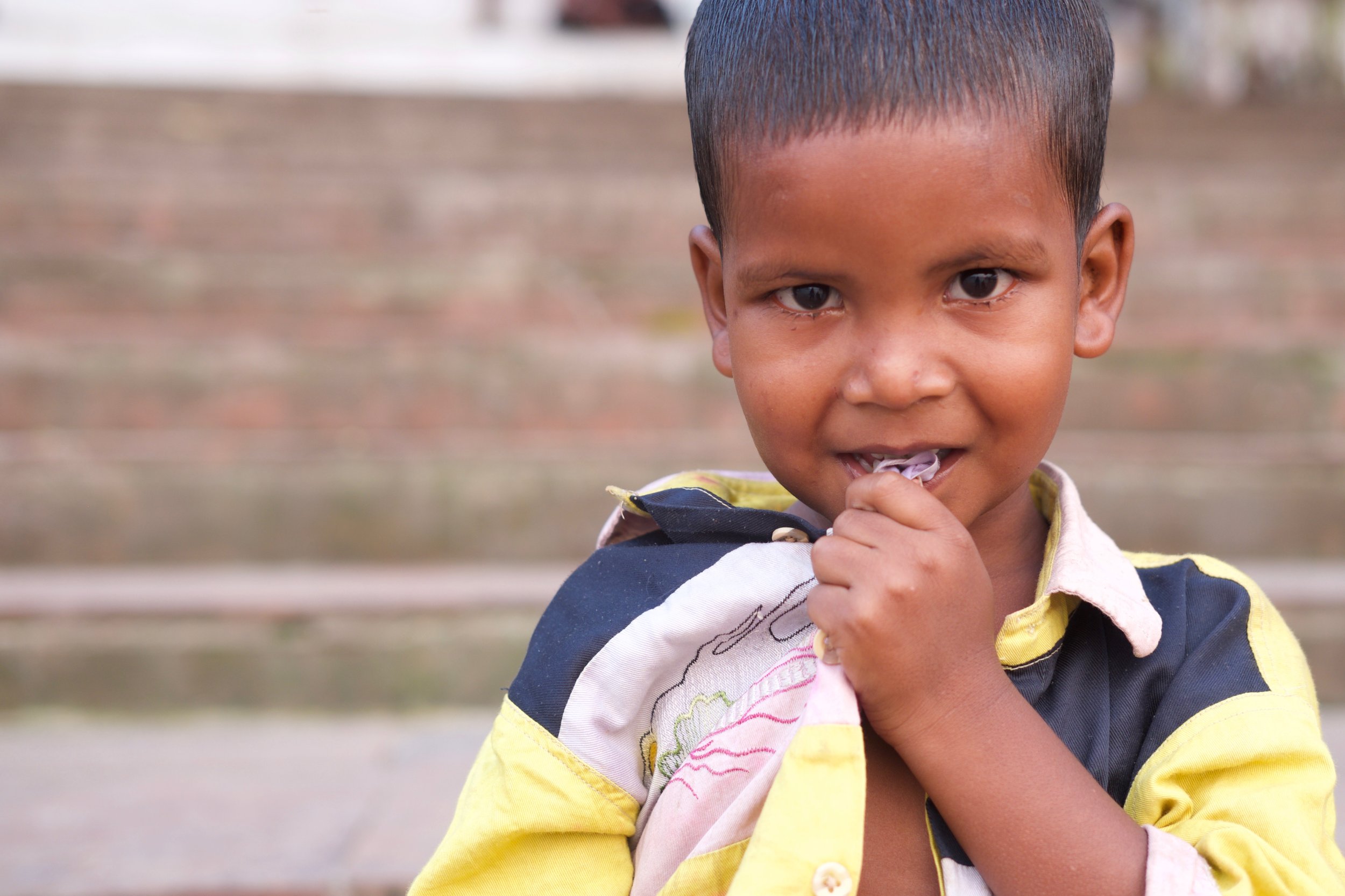
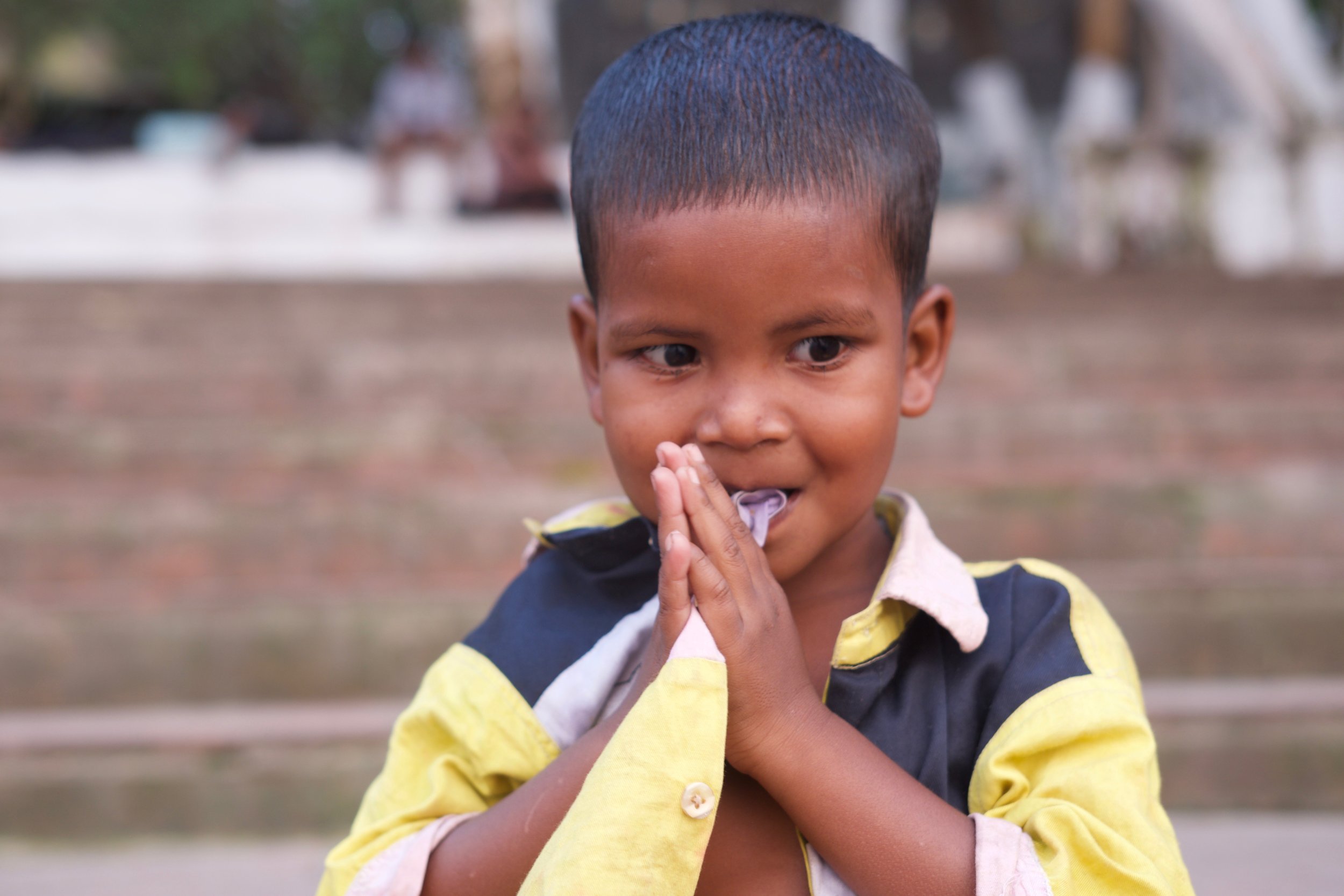
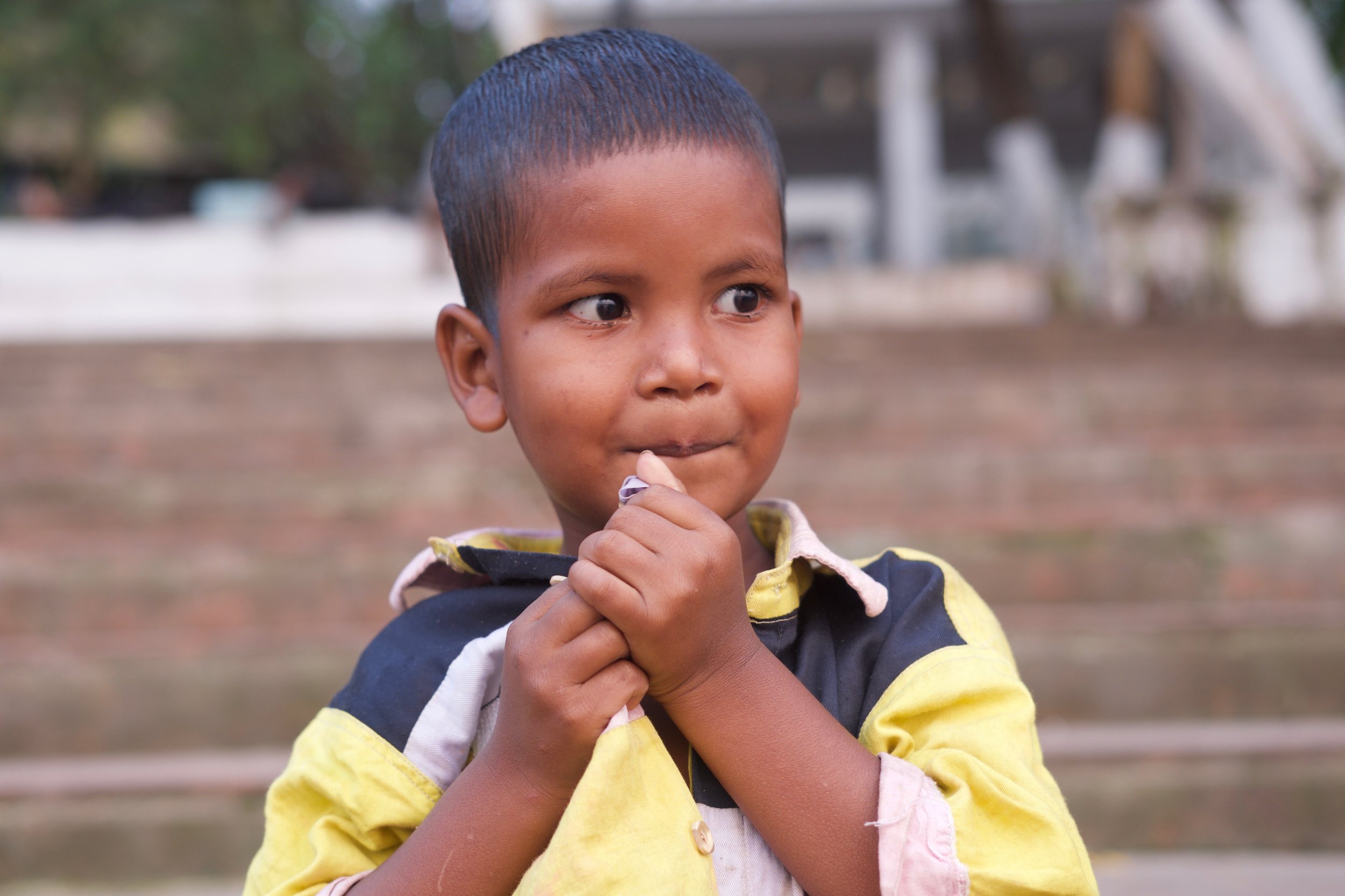
Kids Playing in the Ghats of Kolkata by Debraj Purkayastha

Kids Playing in the Ghats of Kolkata

Debraj Purkayastha

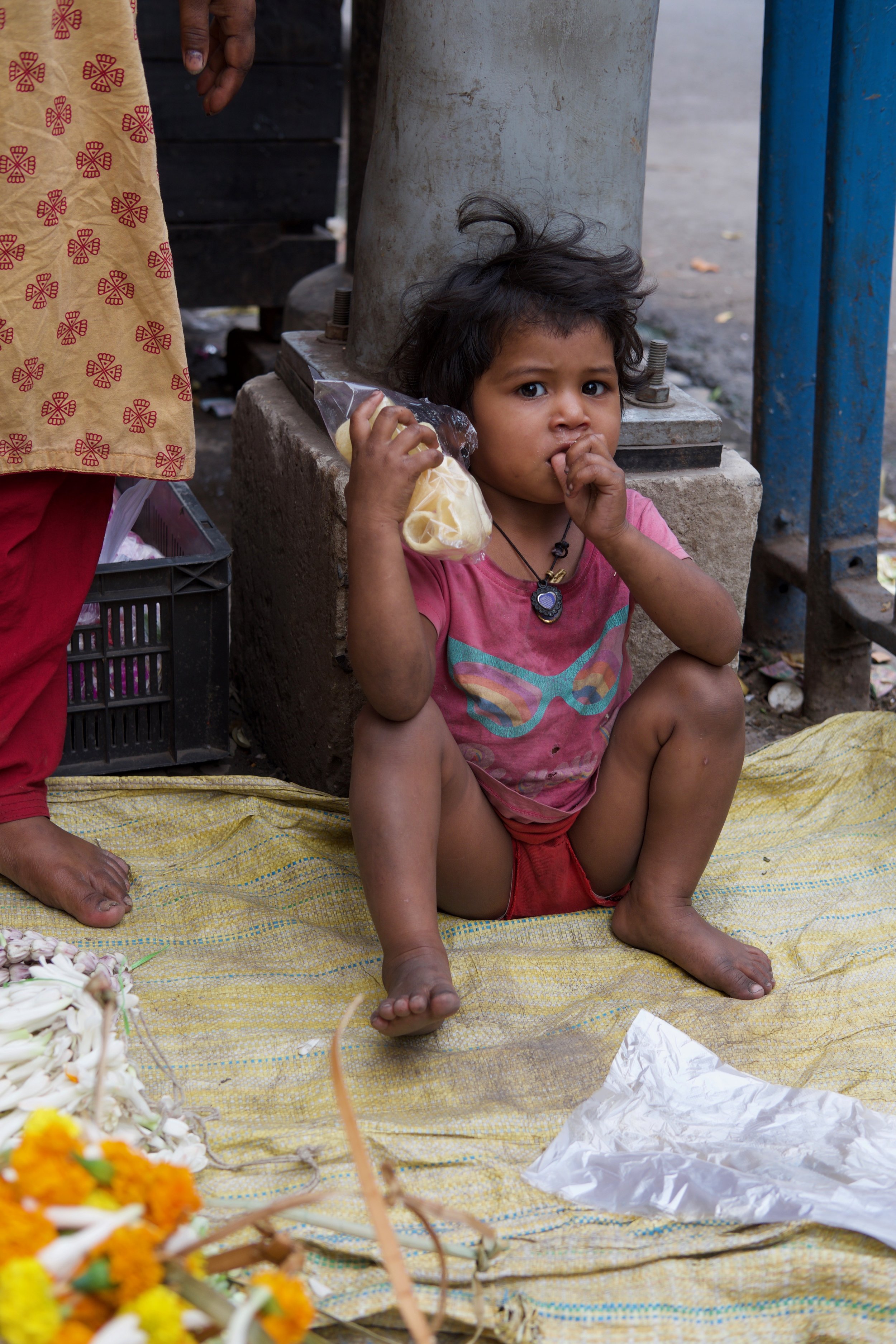
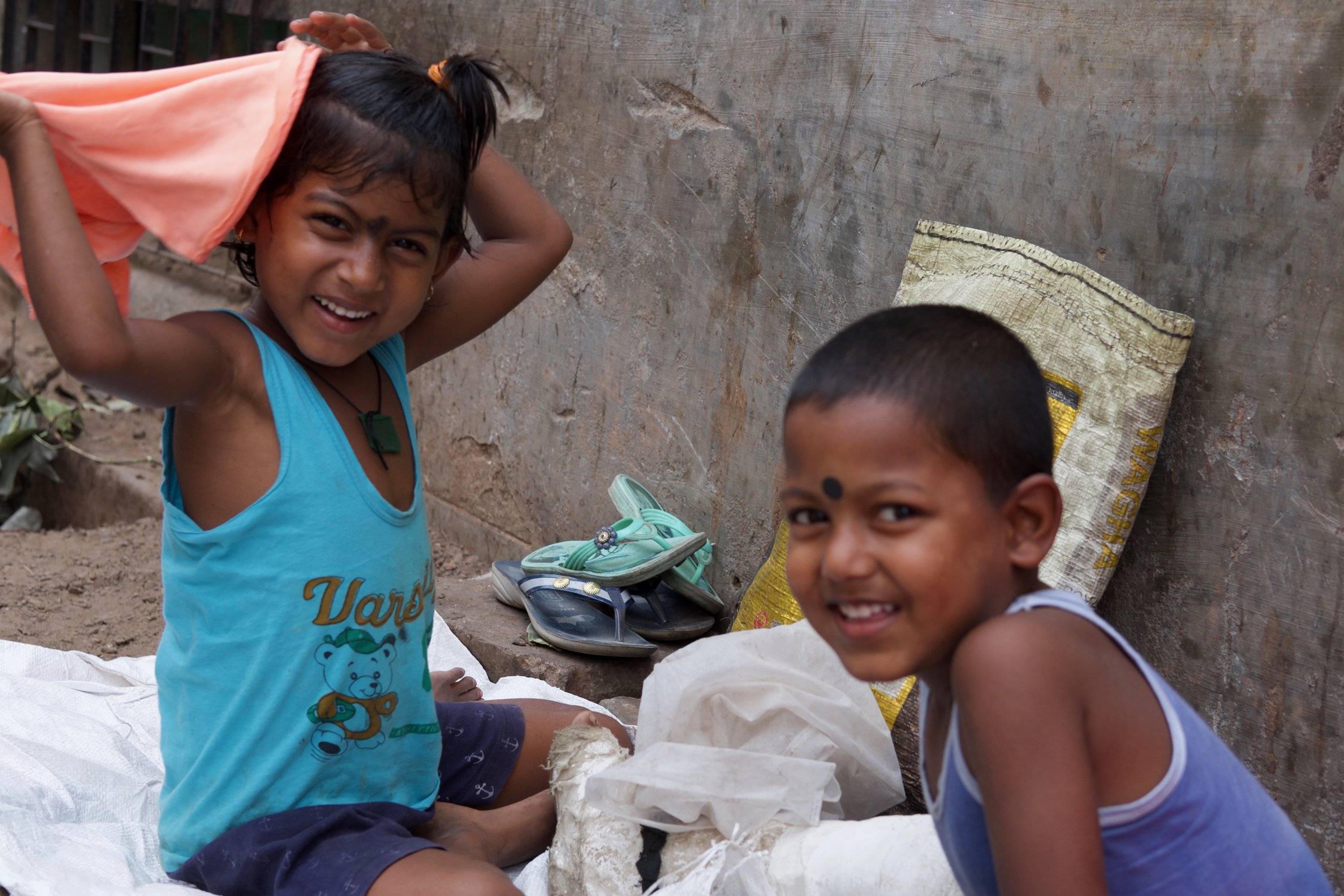
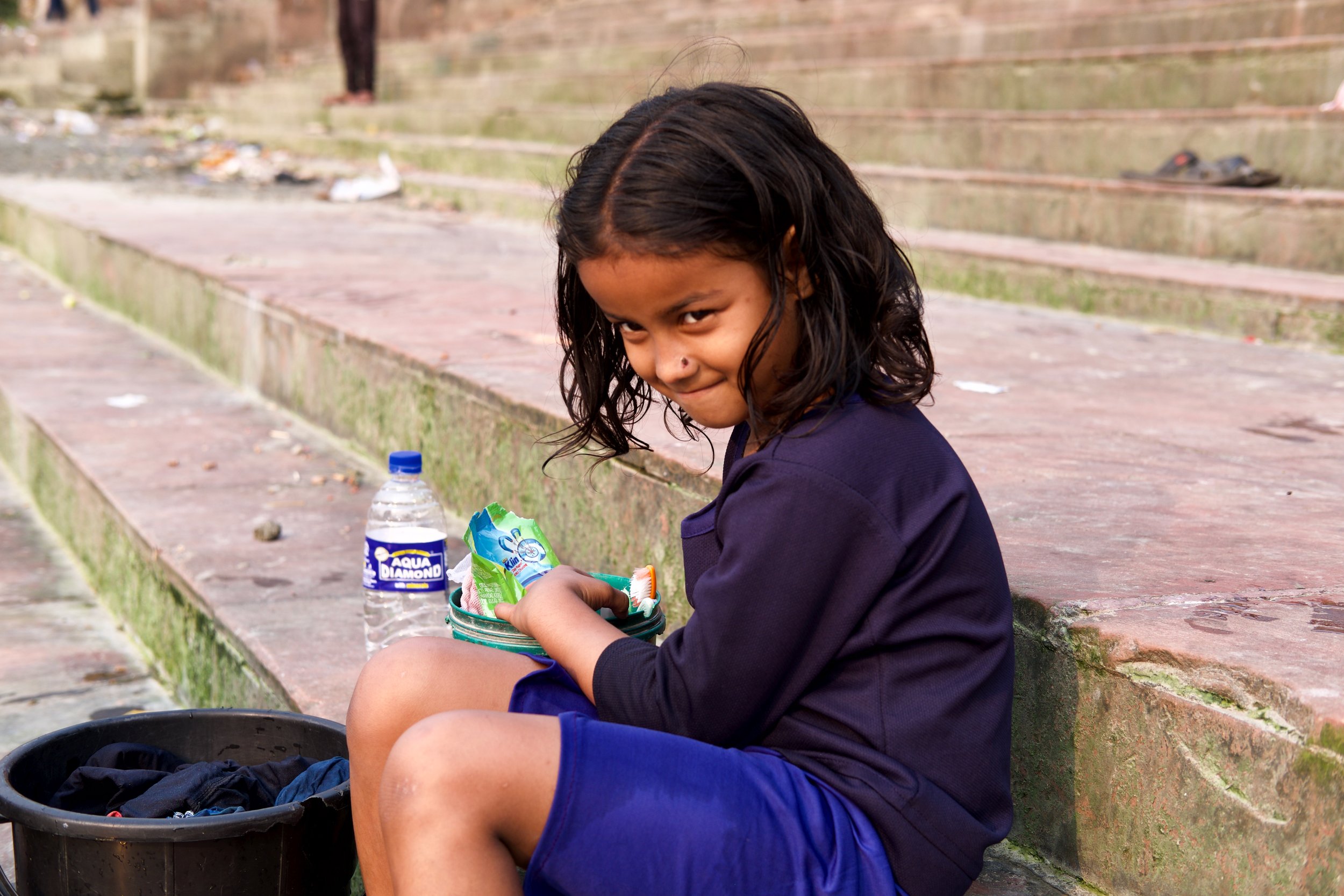
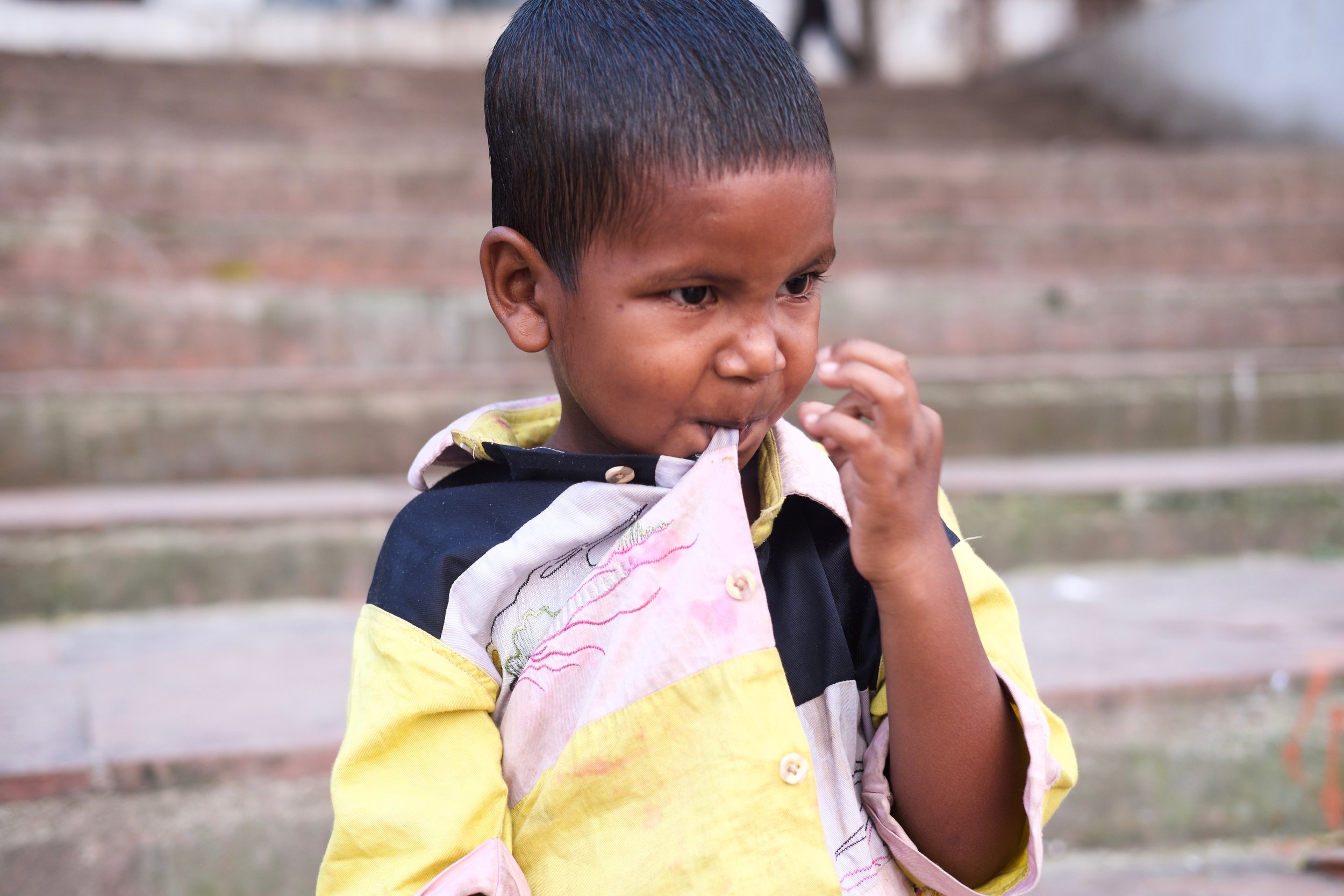
Kolkata, also known as the "City of Joy," seamlessly blends traditions, culture, and memories with its bustling urban landscape.

One of the city's nostalgic memories is of children playing in the iconic ghats*, which have always been a hub of joy, recreation, and bonding for people of all ages, creating a lasting nostalgia that warms the hearts of those who have grown up witnessing these enchanting scenes. Located primarily along the banks of the Hooghly River, the ghats have been integral to Kolkata's culture and history for centuries, serving as gathering points for spiritual rituals, leisurely strolls, and heartwarming interactions.

*a flight of steps leading down to a river

 
View fullsize 3_copy.jpg
View fullsize 4_copy.jpg
View fullsize 7_copy.jpg
View fullsize DSC_3958_copy.jpg
 
 
DEBRAJ PURKAYASTHA PHOTOGRAPHY
 
Debraj Purkayastha
 
ghats of Kolkota
Thursday 08.17.23
Posted by Progressive-Street
 

Focus On Christophe Boch

Focus On Christophe Boch

I chose to feature Christophe for this Focus On because his photographic style is refreshingly progressive. While we typically avoid images with exaggerated structure, Christophe's personal technique is exceptional and always unique. We love exploring different styles and spirits, so now I'll hand it over to him:

It's often difficult to me to find the words when I was ask to explain my Photographic Universe, and Especialy that "So Particular" style I put in the actual Photography Landscape. Usualy I was ask about technic, but for me technic comes in a second time only when I paint my Photographies. Yes like a said, I paint my Photographies, I don't edit them... It's totaly different in the Philosophy I bring throught my Photography Art.

I would particulary thanks my dear Friend Batsceba Hardy who told me "Ok" when I ask here if I can express myself "freely" in this interview.

Pearaps, I would really thanks again Progressive Street Photography, because like you know, my style will sweat perfect to the term of "Progressive".

I was born as a Medium, so since child I "See" and Fell some invisible things who surounded us. That's the reason my work is a real Mystical process and initiation in Other Worlds and Universes as thoose who we usualy know.

"Reality" like you cold that, isn't Real !

That's a fact ! We are All a Product of Cosmos before being childrens of Hearth. And my Cosmic vision, is Simply unique. I speak about cause it's important, but I was nursed by a Dog when I was a Child. So I have the Vision of an Animal, not as a Human.

When I start in Photography, I was working Only in colors, but always using the same Artistic Process, let my Soul play and Paint my works. I'm just the Eye who catch the Scenary. That's all, All who come after is my purest mystical Soul Expression. Without technic. Only Feeling. Feeling and only feeling. Cause if you look good at my works, You will see much more than just "One" Photography. You will find an Infinite numbers of differents pictures in just one of my catch.

Concerning the "Magic" that's most difficult to explain. I bring often High contrasts, Deep blacks, and Whites, always chasing Light in each catch, to bring out of my Pictures, What I see as Medium with a Cat Eye, and I'm sure of one thing, you Feel my Photography, before You watch it... So I let you try the Experience, to find in Yourself a Totaly other Dimension in your Own Art. That's what a teach to my Students. To dive deeper in their photos, to Bring out a Real Dimension and Show something more than just a pic.

I'm just a Visionar, before being a Photographer.

That's All.

If you want to know more, Feel free to contact me my Dear Friends.

An Other point I want to add, I try to use modern technology to bring out the Essence as The Giants like Cartier Bresson, Daïdo Moriyama, Marc Riboud had in their works at the All begining of "modern" Photography. Like I usualy say, I don't make photography, it's Photography who make me.

 
View fullsize 1.jpeg
View fullsize 2.jpeg
View fullsize dog no.jpeg
View fullsize dog no but leg.jpeg
View fullsize dog.jpeg
View fullsize tree & light 4.jpeg
View fullsize tree &light 1.jpeg
View fullsize Tree &light 6.jpeg
View fullsize trees and light 2.jpeg
View fullsize poudle 2.jpeg
View fullsize poudle.jpeg
View fullsize 354049472_989356235714065_5989478245754603106_n.jpg
View fullsize 356622915_996044735045215_8984698195671687873_n.jpg
View fullsize 358705855_1006648460651509_111349829771710850_n.jpg
View fullsize 361217405_1007319753917713_5117900598590134098_n.jpg
View fullsize Christophe Boch.jpeg
View fullsize 357466984_999965927986429_1666502220361196087_n.jpg
 
365152198_1019379686045053_8753519344587857848_n.jpg
365262361_1019379772711711_7407595856535330096_n.jpg
365258949_1019379592711729_854588542166365890_n.jpg
365302198_1019379876045034_1093770007698717117_n.jpg
365261466_1019380556044966_2333528837494974252_n.jpg
365152198_1019379686045053_8753519344587857848_n.jpg 365262361_1019379772711711_7407595856535330096_n.jpg 365258949_1019379592711729_854588542166365890_n.jpg 365302198_1019379876045034_1093770007698717117_n.jpg 365261466_1019380556044966_2333528837494974252_n.jpg
 
View fullsize 358395224_1004882180828137_2357203253528472421_n.jpg
View fullsize 365227761_1018734516109570_6675780644729601662_n.jpg
 
 
View fullsize 345468756_707056151104895_2716234437671427989_n.jpg
View fullsize 353461590_988071745842514_122903229470542429_n.jpg
View fullsize 357149654_998211874828501_7126796566407842502_n.jpg
View fullsize 357365782_1000610911255264_5800099712039460074_n.jpg
 
 
363355429_1019880305994991_7015847982758847187_n.jpg
363365112_1019880229328332_3709065082998968904_n.jpg
365228885_1019880419328313_1688562198426945217_n.jpg
365257627_1019880379328317_4332956895060517653_n.jpg
363355429_1019880305994991_7015847982758847187_n.jpg 363365112_1019880229328332_3709065082998968904_n.jpg 365228885_1019880419328313_1688562198426945217_n.jpg 365257627_1019880379328317_4332956895060517653_n.jpg
 
View fullsize 366811936_1021172572532431_2631024326032503302_n.jpg
View fullsize 366838704_1021922799124075_6420361740657348112_n.jpg
View fullsize 365459816_10163312089954488_259874667826718829_n.jpg
 
View fullsize 405271729_1078599190123102_4921029905402113389_n.jpg
View fullsize 406476573_1082461629736858_3662860301426675023_n.jpg
View fullsize 406805955_1079600883356266_6378804645471986508_n.jpg
View fullsize 402136130_1075279020455119_3939836350203842637_n.jpg
View fullsize 405263365_1079124960070525_846065893413919087_n.jpg
View fullsize 404330798_1074804093835945_2008860492924164845_n.jpg
View fullsize 398947020_1067081941274827_2675386346531671752_n.jpg
View fullsize 400048847_1071140400868981_7933657743642426268_n.jpg
 
Christophe Boch
TheShooter
Saturday 08.12.23
Posted by Progressive-Street
 

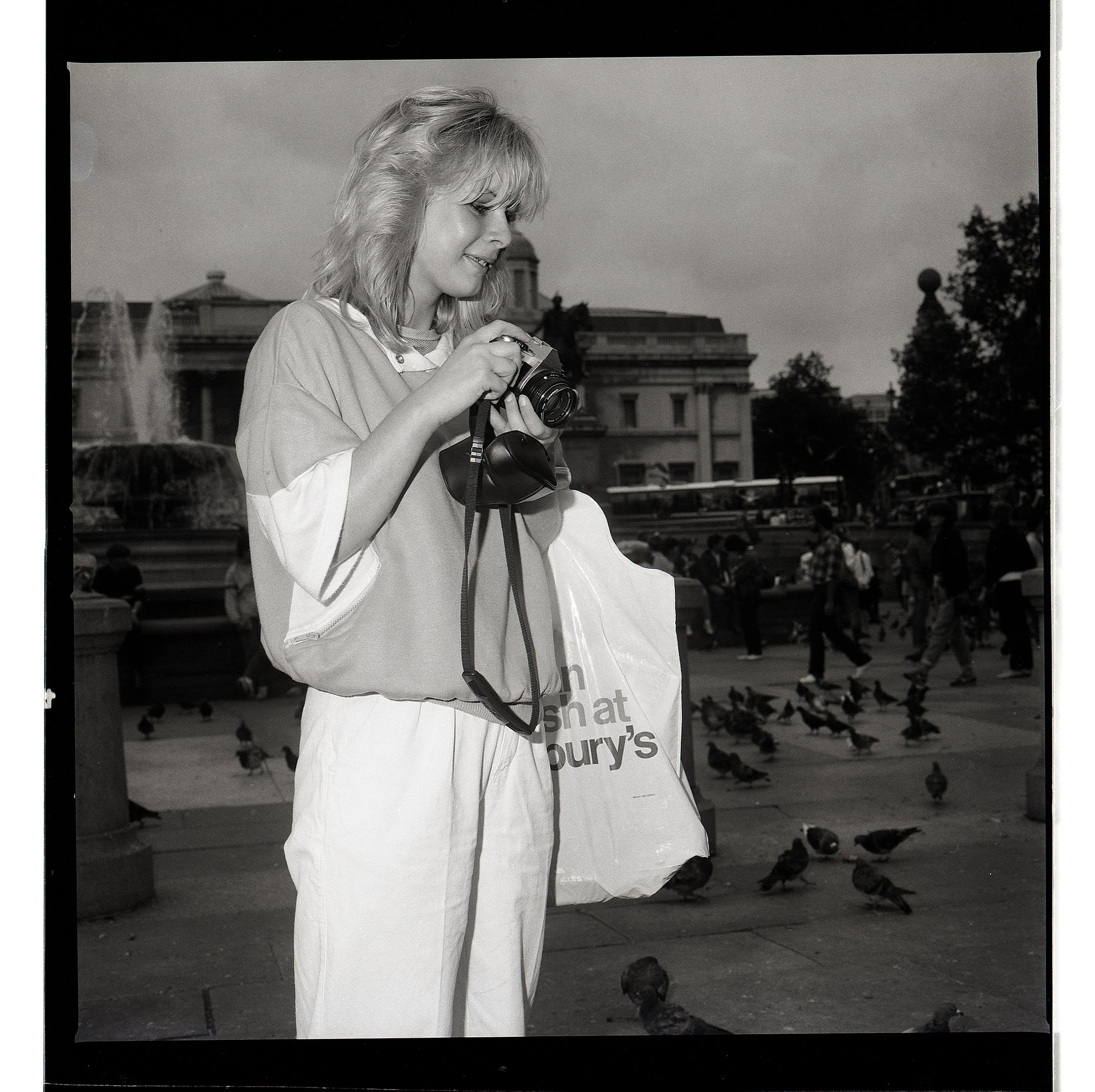
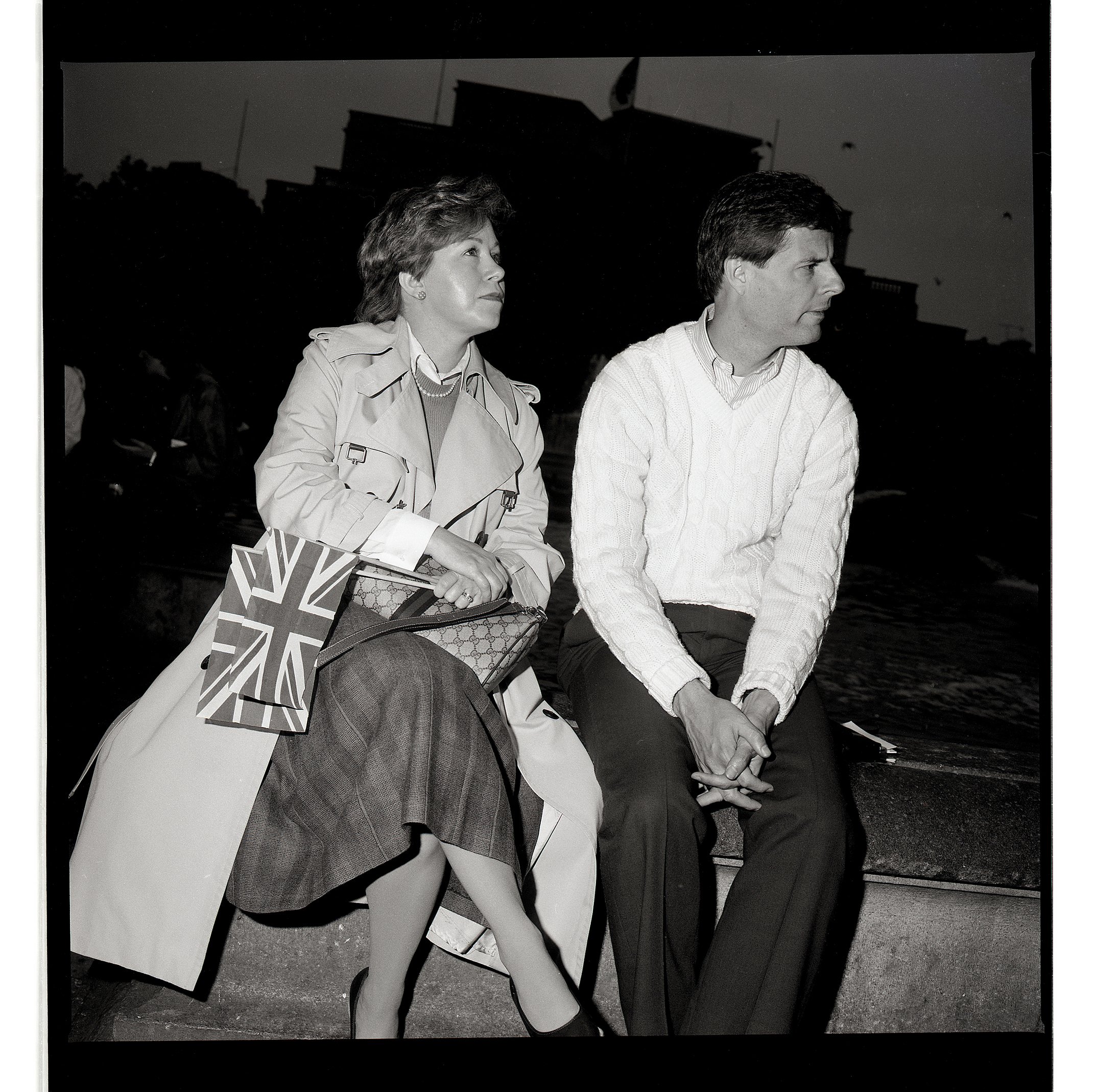
Trafalgar Square in 1984 by Eyal Izhar

Trafalgar Square

by Eyal Izhar

Many years have passed and I'm almost certain it was the summer in London, 1984. Or maybe it was the summer of 1987 when I went back to London for my honeymoon.  But how stupid i would have been to take the wonderful Metz 45ct and my old Hasselblad  with me on my honeymoon.  So yes, it was the summer of 1984 when I arrived on a  vacation and was foolish enough and curious enough to be dragged along as a tourist with such equipment for street photography in a foreign city.  An attempt to continue with  my street photography ( I think this term didn't exist at the 80' ) , taking snapshots using a hand held  Hasselblad  camera, that I had already begun in Israel, exploring human behavior in open spaces, families and tourists in public, moving, relating to each other,  exploring the relation to the surrounding, the subjects's physical gestures.
What caught my eye in Trafalgar Square was the human diversity, locals  but especially the tourists who always intrigue me as a photographer.  I'm fascinated by the observing and photography of foreigners from  different cultures, who comes from afar and spends a short time in a new, intriguing and challenging environment when his foreignness, in clothing, in language, in awe of the new and unfamiliar is evident.  People came to feed and take pictures and especially to be excited by pigeons.  If there's a bird I really don't like, it's a pigeon.  And on the streets, for photographers, it's not always easy with people.  So that's Two barriers that need to be dealt with.  And in general, to come from India or the USA to London, feed a pigeon and take a picture with it? Is this the best that London has to offer?
I don't know much about those taking pictures with pigeons: not the country of origin, not social status, not the purpose of the visit.  I only know that they are so happy in those seconds when  London's doves is with them , on them.
Each frame here is the single shot taken.  Kind of high stakes.  When there are only 12 frames in the roll, the camera has no motor, I couldn't shoot more and more. 


View fullsize img__LONDON_4753.jpg
View fullsize img__LONDON_4755.jpg
View fullsize img_LONDON_6802.jpg
View fullsize img_LONDON_6808.jpg
View fullsize img_LONDON_6801.jpg
View fullsize img_LONDON_6798.jpg
 
View fullsize img__LONDON_4758_-_Copy.jpg
View fullsize img_LONDON_6804.jpg
View fullsize img__LONDON_4757_-_Copy.jpg
 
 
View fullsize img__LONDON_4772.jpg
View fullsize img_LONDON_6809.jpg
View fullsize img__LONDON_4762_-_Copy.jpg
View fullsize img_LONDON_6805.jpg
View fullsize img__LONDON_4768.jpg
View fullsize img_LONDON_6806.jpg
 
 
Eyal Izhar
Sunday 07.09.23
Posted by Progressive-Street
 

Place project: the reception hall at Ben Gurion Airport, Israel by Uri Zilberman

Balloons

by Uri Zilberman

 In the process of the project the focusing change from people to balloons.  We noticed that the balloons actually talk instead of the people.  Just like the body speaks for us.  Just as the echoes of a headache, for example, are the words that are stuck in our head, the words that we are afraid to say - so the balloons also speak to us about our feelings.  For example, that young man who holds a red heart balloon and indicates with an embossment that he is waiting for a beloved girlfriend or the grandfather who holds a balloon in the shape of a bear.  It is not difficult to understand that he is waiting for a grandson or granddaughter.  Or that group of young people who are holding a bunch of balloons designed in the shape of a flower and are probably waiting for older relatives. And let's not forget the street artists who specialized in designing different shapes for balloons.  What does it mean?  The shape is a language.  Each balloon is a word, sentence, saying and even a whole story.  No wonder I encountered in the reception hall those who held balloons for a long time and did not let go.  If they slack off a little, the words will  disappear out of the 

  Sharing the project I spent long hours at the airport.  And I was amazed to see the amount of balloons there.  That is, they also have a cultural-local aspect.  In the old days, people welcomed those who came only themselves.  No balloons, or flowers. Then there were the placards with the inscriptions of  "Welcome back" and then moved to flowers.  Now is probably the time of the balloons.  It is enough to look at the ceiling of the reception hall.  There are no end balloons stuck there.  A carpet of balloons. There are special people who take down the balloons from the ceiling once a week. It’s, update their quantity and popularity.  In other words, I have no choice but to concentrate on the balloons. I understood that they are the most accurate for the story of the meeting and with all the strengths and subtleties.  If so, the more accurate name of the project is: balloons instead of people or the balloons that talk.

  Furthermore, I noticed that the balloons tell the whole story. it even occurred to me that the balloons tell us the story of the meeting before the meeting, while waiting, even before the meeting. As the camera captures the moment, so the balloons are constantly holding emotions.  They are the emotions themselves.

 
View fullsize DSCF5533.jpg
View fullsize DSCF7550.jpg
 
View fullsize DSCF1374.jpg
View fullsize DSCF7928.jpg
View fullsize DSCF5701.jpg
View fullsize DSCF9881.jpg
 
View fullsize DSCF1911.jpg
View fullsize DSCF5248.jpg
View fullsize DSCF1395.jpg
View fullsize DSCF5747.jpg
View fullsize DSCF5895.jpg
View fullsize DSCF7644.jpg
View fullsize DSCF5255.jpg
View fullsize DSCF5274.jpg
View fullsize DSCF5208.jpg
View fullsize DSCF7541.jpg
 
Uri Zilberman
Winter in Transylvania
Wednesday 07.05.23
Posted by Progressive-Street
 

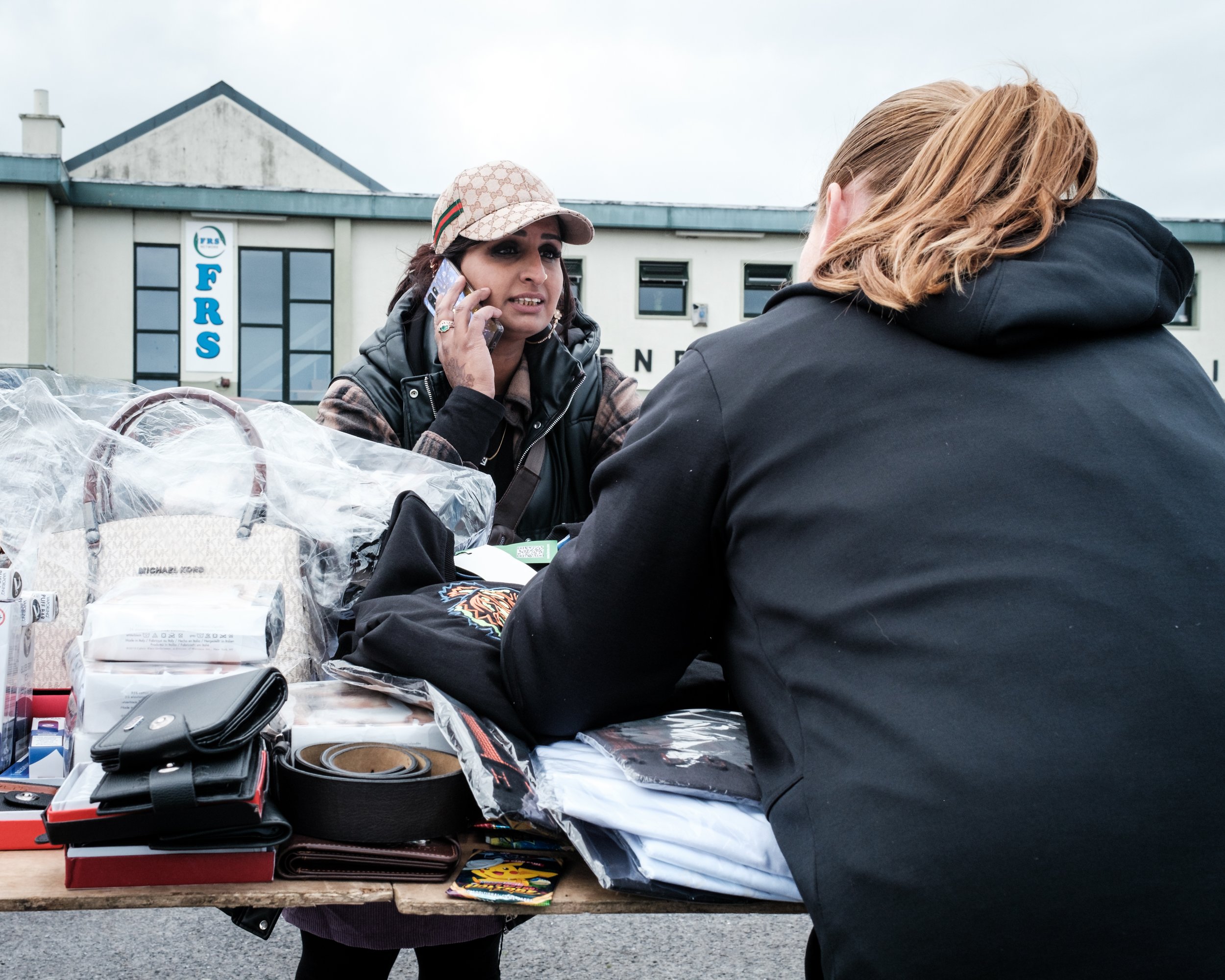
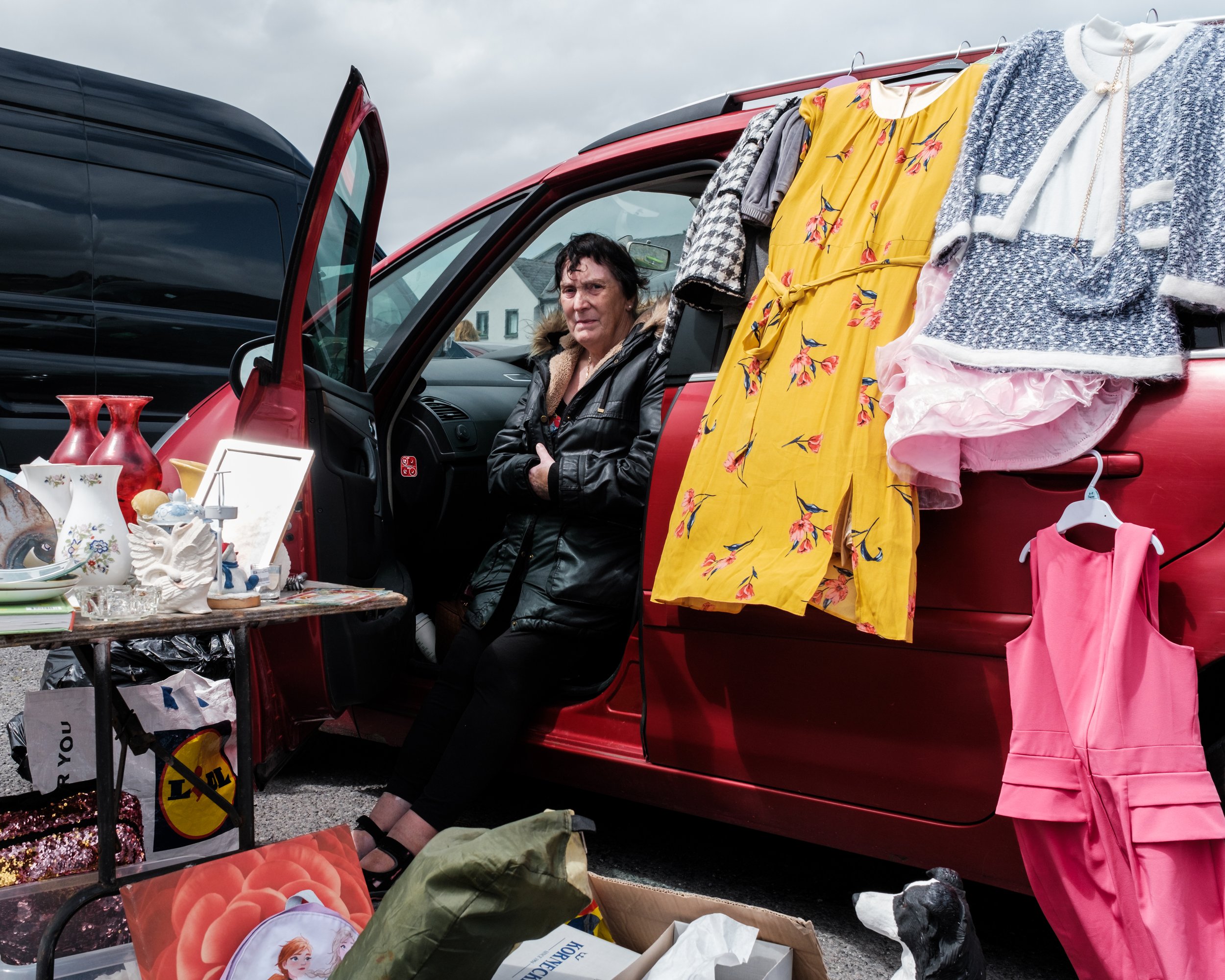
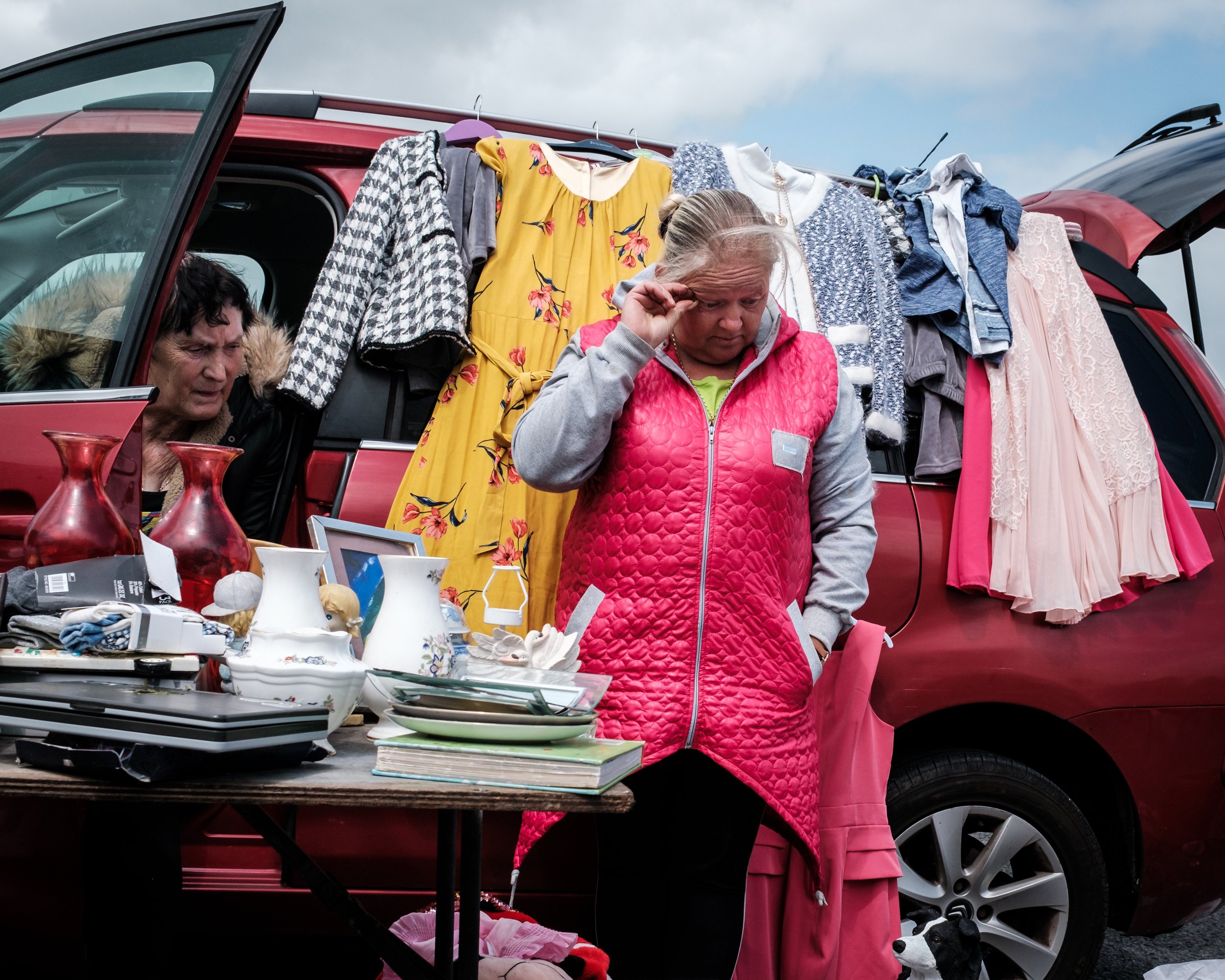
Athenry Car Boot Sale by Steve Scott

Athenry Car Boot Sale

by Steve Scott

Photography has always been a captivating medium for preserving memories and capturing the essence of a moment in time. As a resident of Athenry, Co. Galway, I have found myself drawn to a particular event that encapsulates the vibrancy and diversity of our local community—the car boot sale. This bustling gathering of sellers and buyers, held in the heart of Athenry, has become a significant part of my life, inspiring me to document its unique charm through the lens of my camera. In this short introduction, I will share my passion for photographing the local car boot sale and explain why it holds a special place in my heart.

One of the reasons I am drawn to photographing the local car boot sale is the incredible diversity it offers. Every month, people from all walks of life gather at this event to sell a wide range of goods, from antiques and collectibles to second-hand clothing and household items. The dynamic nature of the car boot sale means that each visit is a fresh opportunity to discover something new, capturing the excitement and surprises that unfold before my lens.

Beyond the commercial aspect, the car boot sale serves as a meeting point for the local community. It fosters a sense of camaraderie as neighbors, friends, and even strangers come together to exchange stories, haggle over prices, and form connections. These interactions create an atmosphere filled with laughter, enthusiasm, and a shared sense of purpose. Through my photography, I strive to capture these human connections, freezing them in time and showcasing the strong sense of community that thrives at the car boot sale.

Furthermore, the car boot sale provides a unique insight into the cultural tapestry of Athenry. From traditional Irish crafts and homemade baked goods to vintage artifacts that reflect our heritage, this event becomes a microcosm of our town's rich history and traditions. By photographing these elements, I aim to celebrate and preserve the essence of our local culture, documenting the diverse tapestry that exists within our community.

In addition to its cultural significance, the car boot sale also serves as a treasure trove of visual inspiration. The colorful stalls, interesting displays, and curious items on offer present an abundance of photographic opportunities. From close-up shots of intricate trinkets to candid portraits of enthusiastic shoppers, each photograph encapsulates a unique story, a moment frozen in time that allows me to share the captivating allure of the car boot sale with others.

In conclusion, photographing my local car boot sale in Athenry, Co. Galway has become a deeply cherished endeavor. Through my camera lens, I have discovered a captivating world filled with diverse characters, vibrant interactions, and a deep-rooted sense of community. This ongoing visual documentation not only allows me to preserve precious memories but also serves as a tribute to the rich cultural heritage and unique charm that defines our local car boot sale.

 
View fullsize DSCF6369.jpg
View fullsize DSCF6383.jpg
View fullsize DSCF6338.jpg
View fullsize DSCF6354.jpg
View fullsize DSCF6382.jpg
View fullsize DSCF6275.jpg
View fullsize DSCF6443.jpg
View fullsize DSCF6406.jpg
View fullsize DSCF6457.jpg
View fullsize DSCF6499.jpg
View fullsize DSCF6561.jpg
View fullsize DSCF6346.jpg
View fullsize DSCF6513.jpg
View fullsize DSCF6484.jpg
View fullsize DSCF6611.jpg
View fullsize DSCF6415.jpg
View fullsize DSCF6308.jpg
View fullsize DSCF6394.jpg
View fullsize DSCF6422.jpg
View fullsize DSCF6331.jpg
 
 
DSCF6318.jpg
DSCF6581.jpg
DSCF6318.jpg DSCF6581.jpg
 
Steve Scott
Tuesday 07.04.23
Posted by Progressive-Street
 

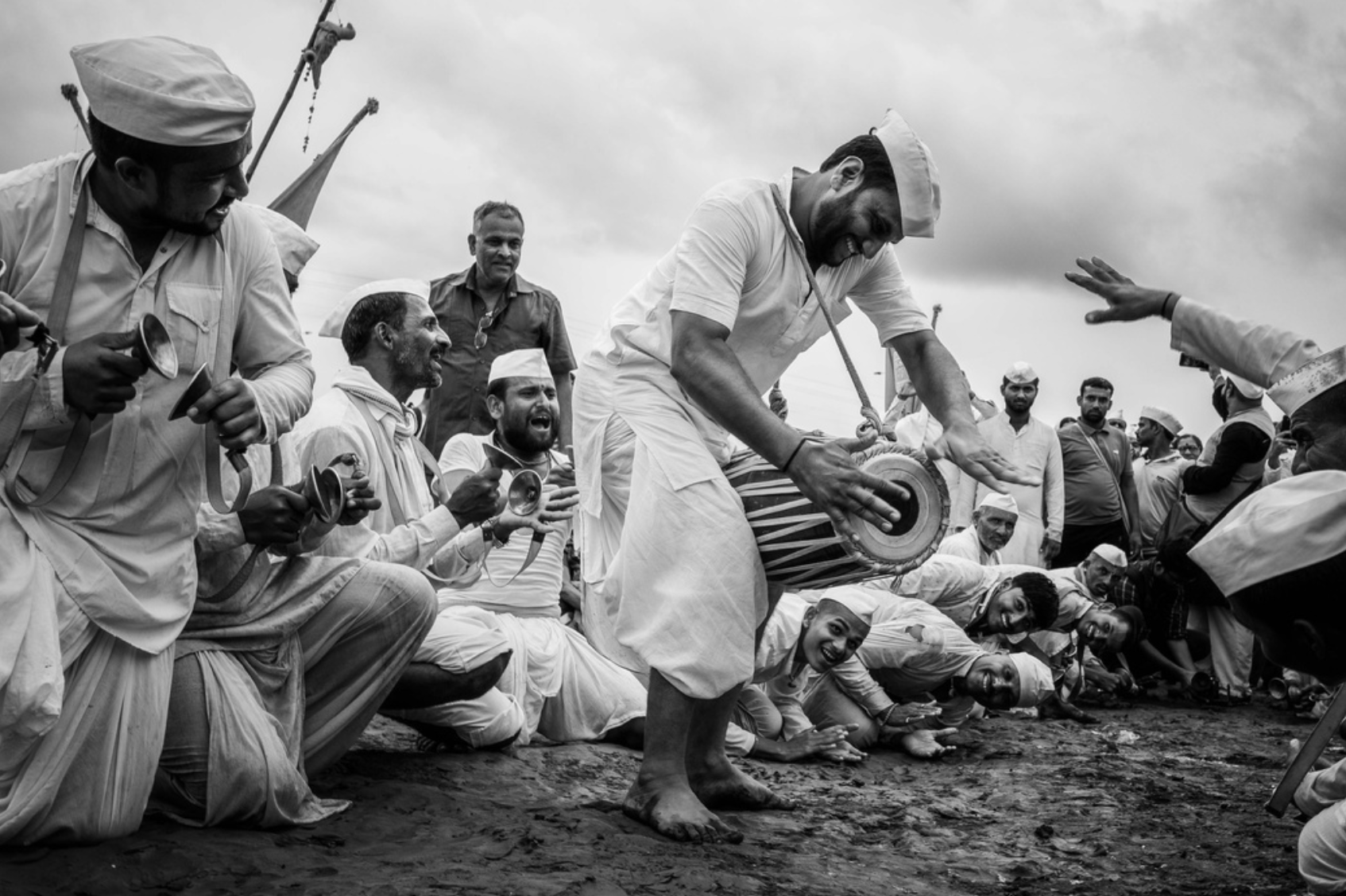
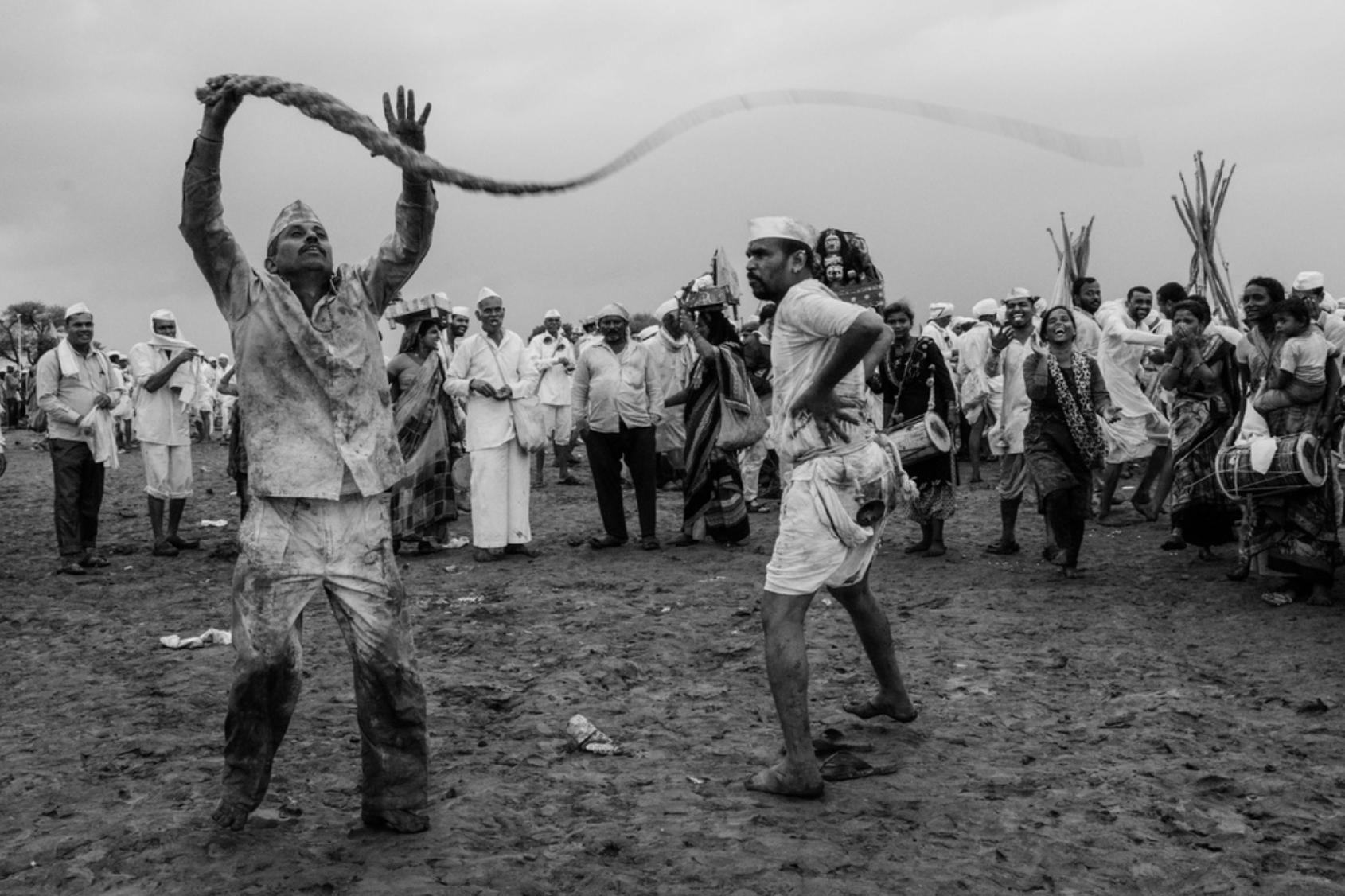
A JOURNEY OF TRANSFORMATION by Prachi Nisha Shetty

A JOURNEY OF TRANSFORMATION

by Prachi Nisha Shetty

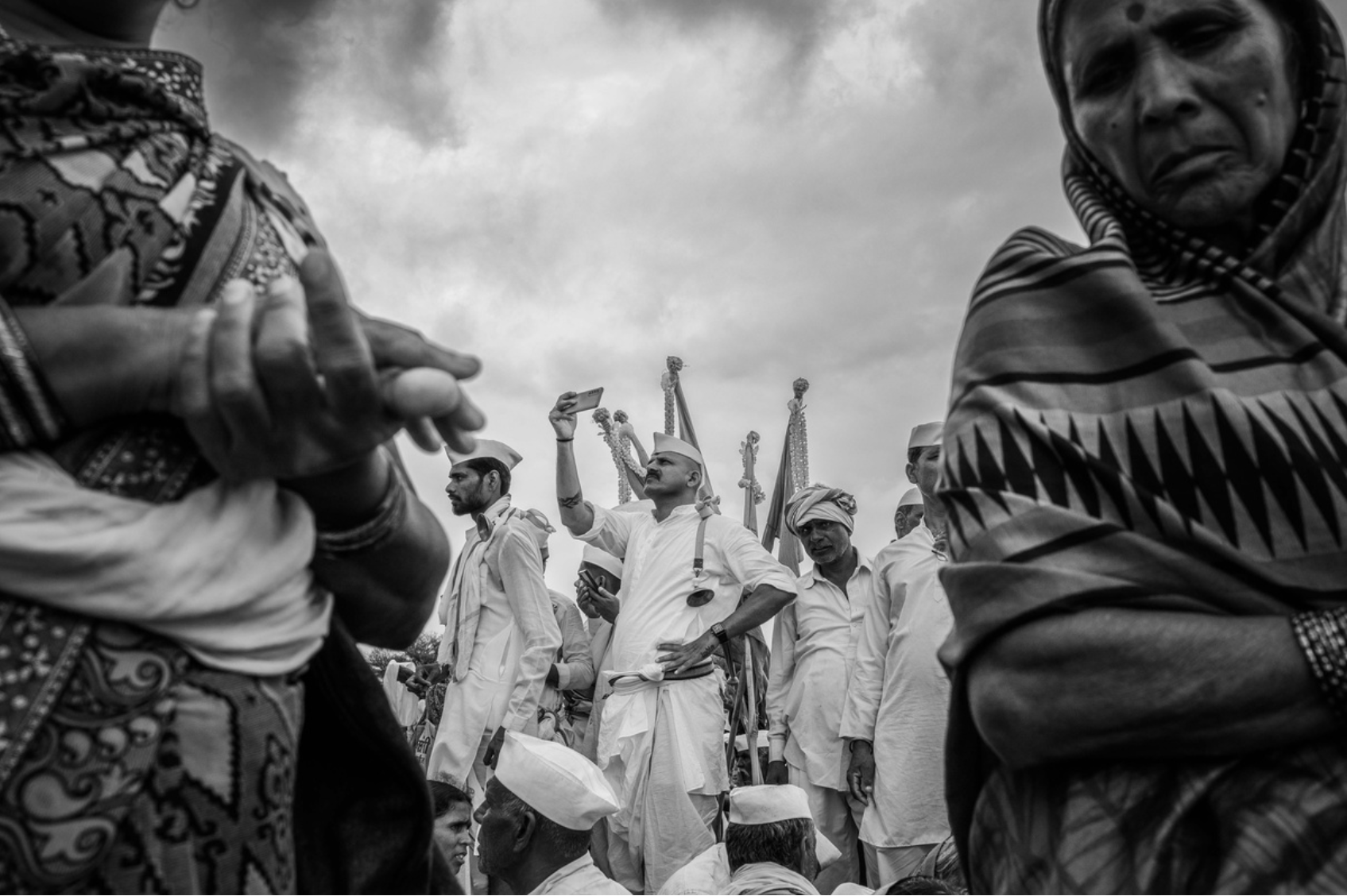
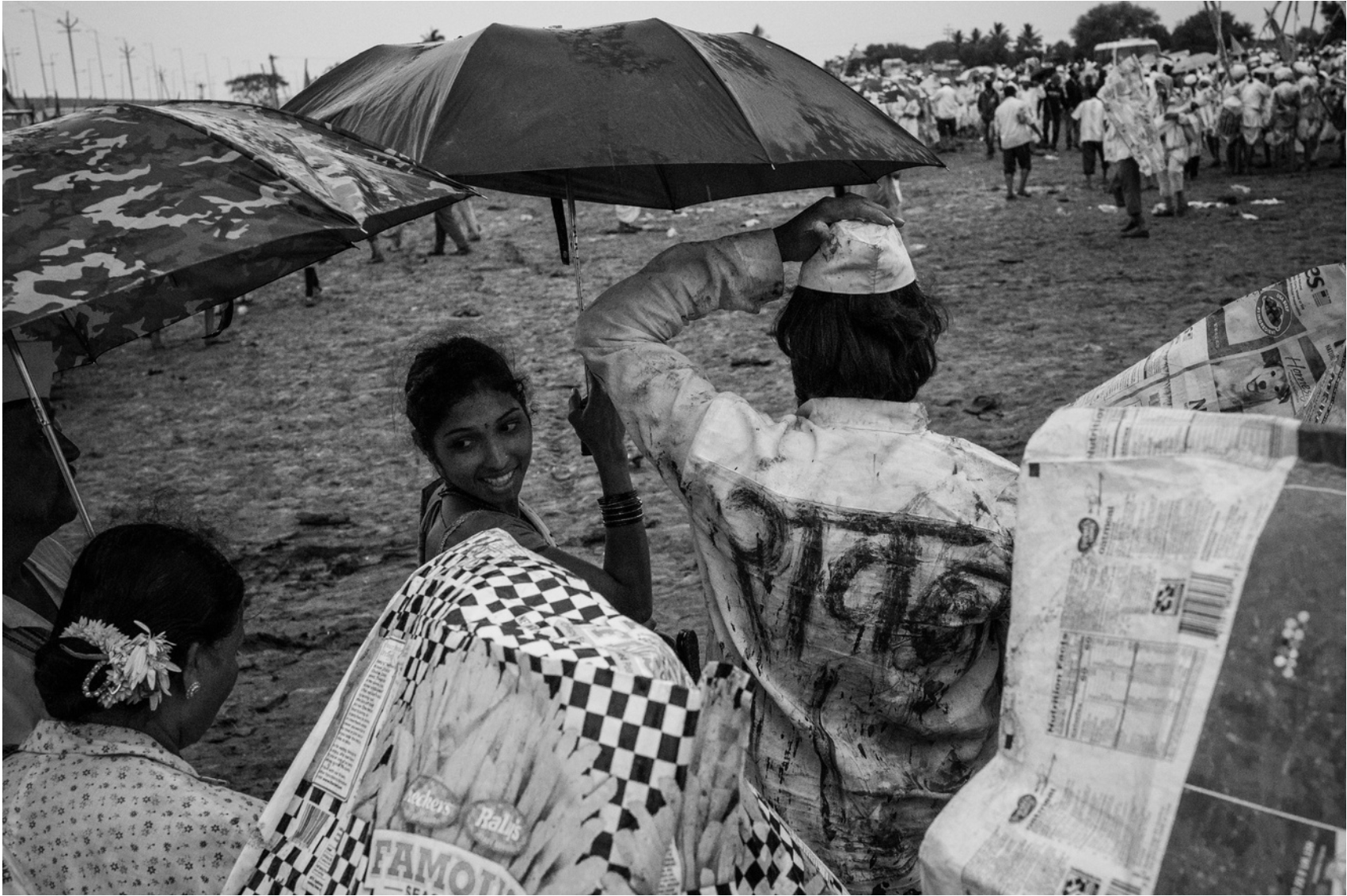
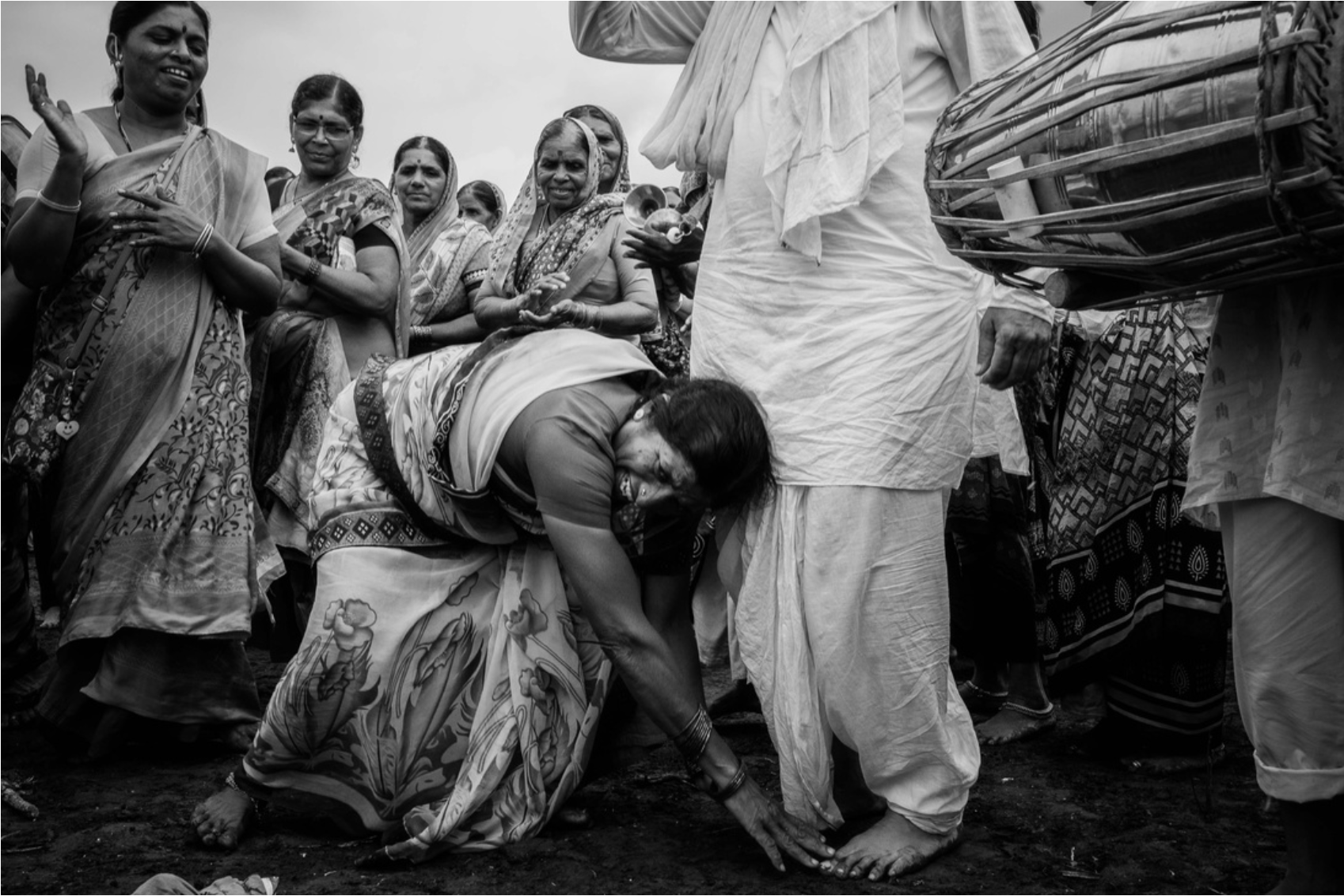
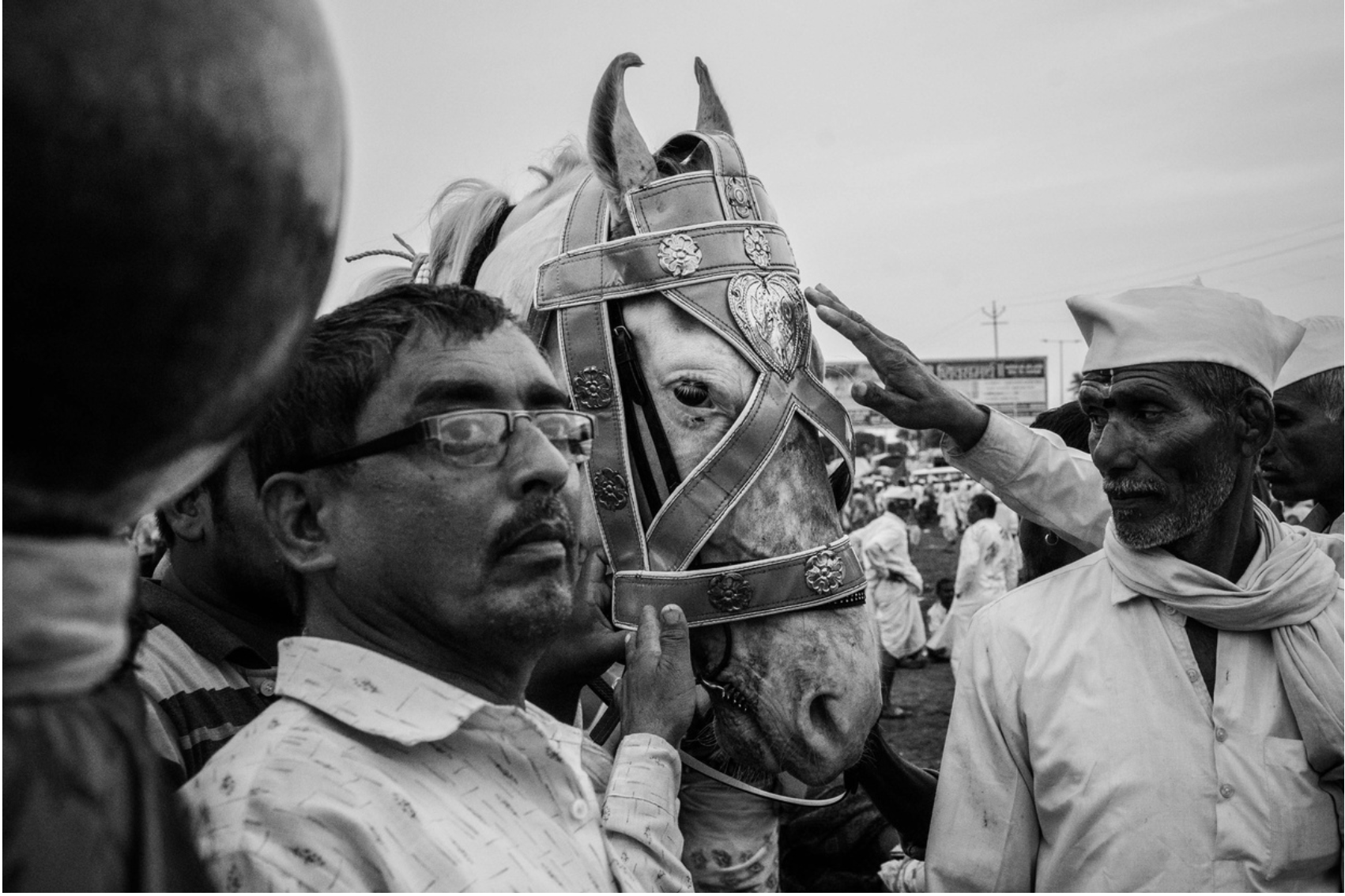
DOCUMENTING PANDHPUR WARI

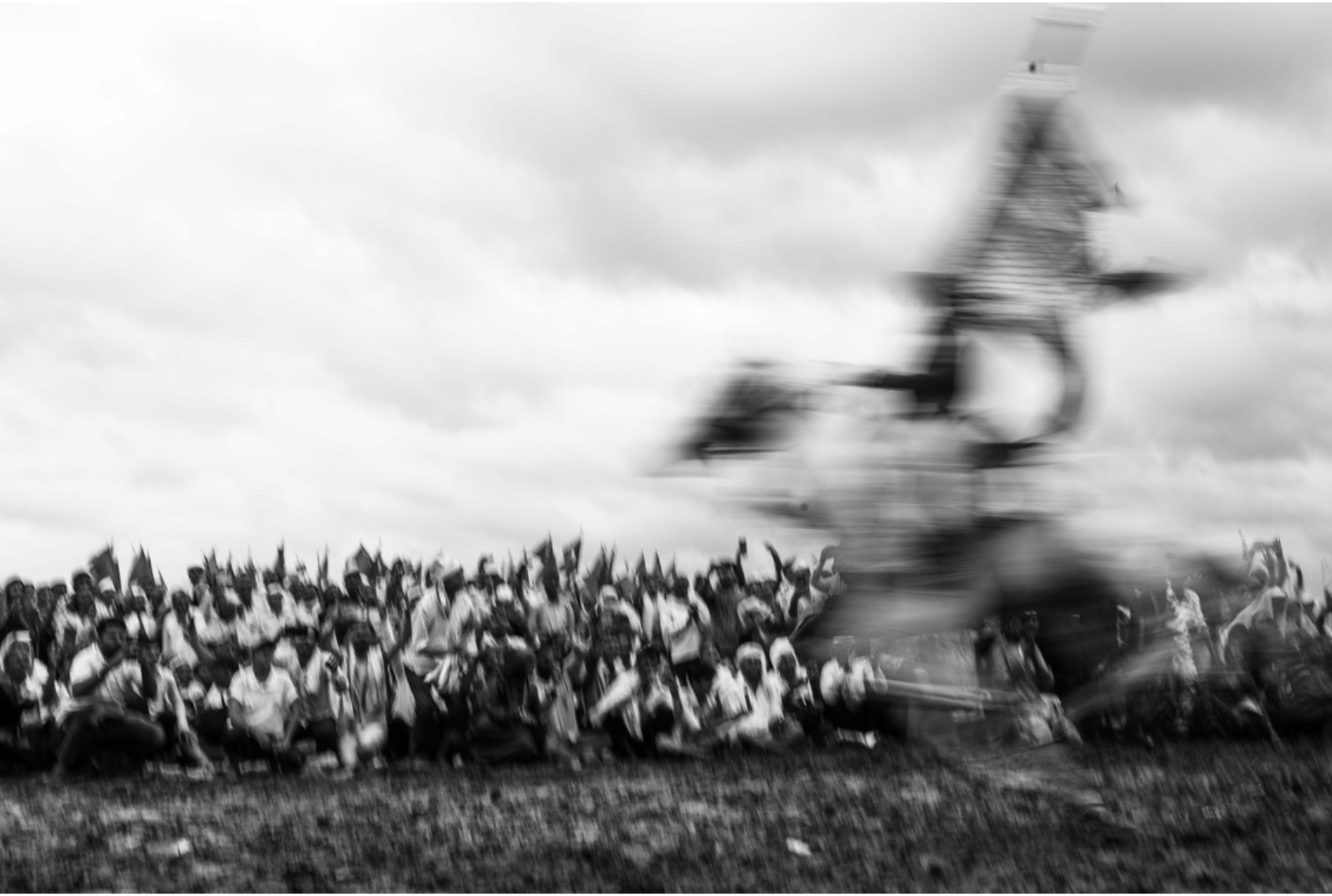
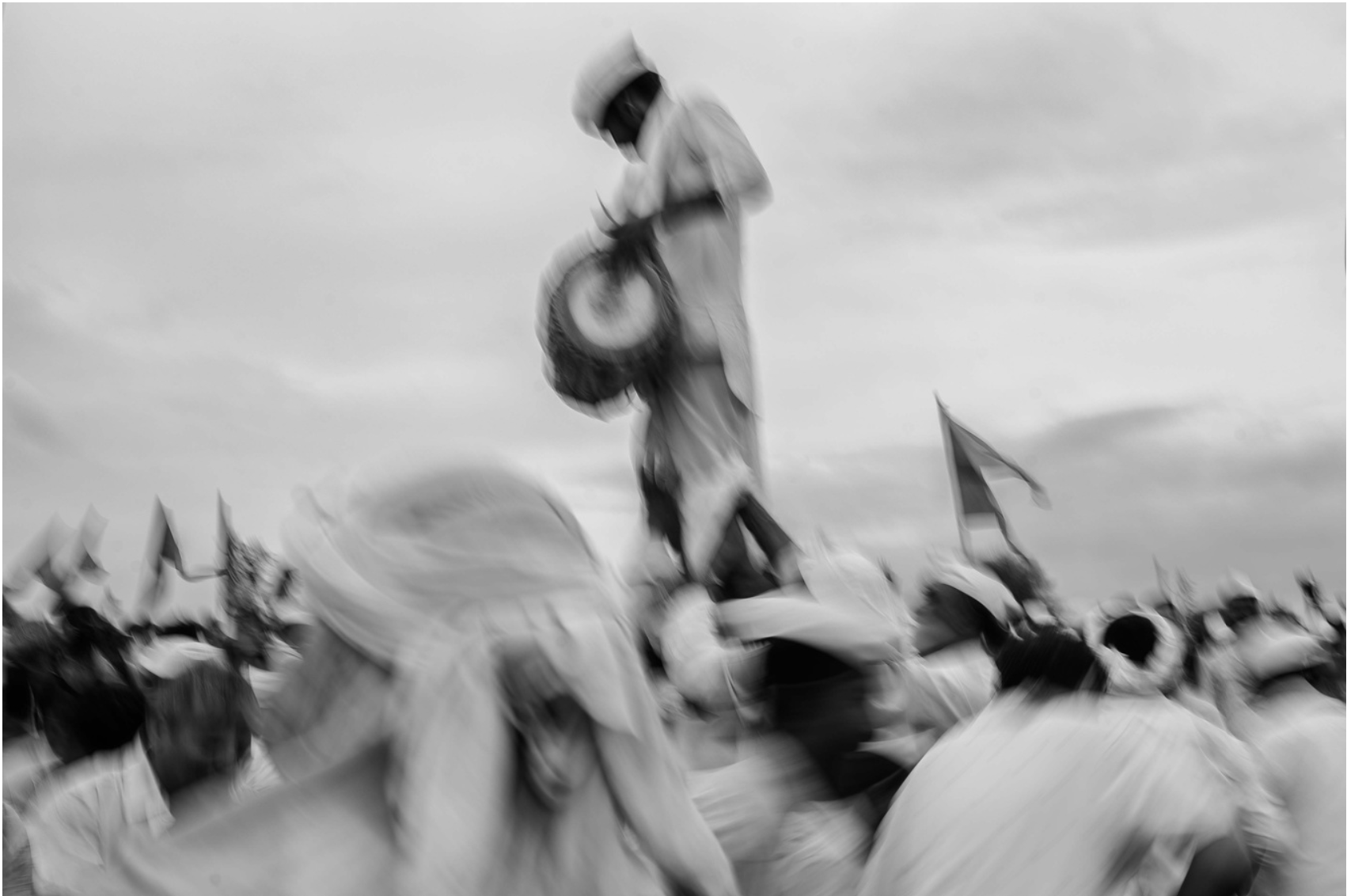
Life-changing experiences are often unexpected, taking us on journeys that challenge our perspectives and transform our lives forever. One such profound encounter in my life was documenting the extraordinary pilgrimage of Pandharpur Wari. This sacred journey, undertaken by millions of devotees, unravelled the essence of devotion, spirituality, and human connection. As I embarked on this adventure, little did I know that it would not only change my perception of faith but also leave an indelible mark on my soul.

The sun-drenched streets of Pandharpur reverberated with divine energy as the rhythmic chants of "Vithoba Mauli" filled the air. The annual Wari pilgrimage, dedicated to Lord Vithoba, had commenced. Armed with my camera and a heart brimming with anticipation, I joined the sea of devotees marching towards the holy city. The magnitude of this spiritual odyssey struck me as I witnessed people from diverse backgrounds united by their unwavering faith.

With every step I took, I encountered people with stories etched onto their faces. The devotion in their eyes was both captivating and humbling. Old and young, rich and poor, all came together, transcending societal boundaries. In their hearts, there was no room for differences; there was only the shared love for their beloved Lord Vithoba. The energy that surged through the crowds was electrifying, infused with an unyielding belief that transformed ordinary people into spiritual beings.

Pandharpur Wari not only evoked religious fervour but also offered a glimpse into the tapestry of humanity. As I interacted with fellow pilgrims, I discovered stories of sacrifice, resilience, and compassion. Strangers became friends, sharing meals and moments of laughter. The burden of their lives seemed momentarily lifted, replaced by a sense of camaraderie and shared purpose. In that space, I witnessed the power of collective devotion and the beauty of human connection.

The Wari pilgrimage was not merely a physical journey but a cultural kaleidoscope. The music, dance, and rituals intertwined harmoniously, reflecting the vibrant heritage of Maharashtra. The rhythmic beats of the mridang drums echoed through the streets, invoking primal energy. Dancers twirled, their vibrant attire creating a visual symphony. I captured these moments, aiming to encapsulate the essence of this rich cultural mosaic, forever preserving it in my photographs.

Amidst the chaos and exuberance, I found a quiet space within myself—a sanctuary for introspection and self-discovery. Pandharpur Wari became a mirror through which I confronted my own beliefs, values, and aspirations. It taught me that spirituality transcends religious dogmas and resides in the depths of our hearts. I questioned my own faith, grappling with the concept of devotion and the nature of the divine connection. This pilgrimage offered me the opportunity to explore my own spirituality and redefine my relationship with the divine.

As the Wari drew to a close, an overwhelming sense of gratitude enveloped me. Gratitude for the privilege of witnessing this transformative journey, for the people who shared their stories, and for the profound impact it had on my own life. I realized that documenting Pandharpur Wari was not just about capturing moments through the lens but about preserving a sacred legacy for generations to come.

Documenting the Pandharpur Wari was an experience that shattered the boundaries of my own perceptions and allowed me to witness the boundless power of devotion and human connection. It revealed the intricate threads that weave us together as a society, reminding me of our shared humanity. Through my photographs, I hope to convey the vibrancy, beauty, and profound spirituality of this pilgrimage. Pandharpur Wari will forever hold a cherished place in my heart—a testament to the transformative power of faith, culture, and the indomitable spirit of the human soul.

The pilgrimage not only invited me to witness the transformative power of faith in others but also encouraged me to embark on my own path of self-realization. As I reflect on the transformative experience of documenting Pandharpur Wari, the serendipitous alignment of my birthday on the 21st with the 21-day duration of the pilgrimage becomes a remarkable coincidence that deepens the significance of this journey. I sought to encapsulate the magnificence of this cultural tapestry, preserving the essence of these traditions within my 21 captured images.

View fullsize Screenshot 2023-06-29 alle 16.41.31.png
View fullsize Screenshot 2023-06-29 alle 16.41.43.png
View fullsize Screenshot 2023-06-29 alle 16.42.11.png
View fullsize Screenshot 2023-06-29 alle 16.42.20.png
View fullsize Screenshot 2023-06-29 alle 16.47.29.png
View fullsize Screenshot 2023-06-29 alle 16.47.39.png
View fullsize Screenshot 2023-06-29 alle 16.47.50.png
View fullsize Screenshot 2023-06-29 alle 16.50.52.png
Screenshot 2023-06-29 alle 16.52.08.png
Screenshot 2023-06-29 alle 16.52.17.png
Screenshot 2023-06-29 alle 16.52.26.png
Screenshot 2023-06-29 alle 16.52.36.png
Screenshot 2023-06-29 alle 16.52.46.png
Screenshot 2023-06-29 alle 16.52.08.png Screenshot 2023-06-29 alle 16.52.17.png Screenshot 2023-06-29 alle 16.52.26.png Screenshot 2023-06-29 alle 16.52.36.png Screenshot 2023-06-29 alle 16.52.46.png
Screenshot 2023-06-29 alle 16.52.55.png
Screenshot 2023-06-29 alle 16.53.03.png
 
Prachi Nisha Shetty
Pandharpur Wari
Thursday 06.29.23
Posted by Progressive-Street
 

Luck, money and work

by Eduardo Storch

On June 3, I went with two friends to the city of Florida, about 100 km from Montevideo, to see and photograph the celebration of “San Cono”, which takes place every June 3, on each anniversary of its arrival to the city. 
It was predicted that it would rain but except for some slight drizzle and heavy and threatening clouds, the weather accompanied the walk.

“Cono of Teggiano” was an Italian religious born in the city of Teggiano in the 12th century AD. in the Salerno region (Italy). Considered a saint by the local inhabitants, they transferred their cult from Teggiano to America, especially to the Uruguayan city of Florida 138 years ago and people came to pray for luck, money and work.

That day in the lottery game, the numbers corresponding to June (6) and 3, are limited since there are thousands of people who bet on those “lucky” numbers.

Beyond the traditional procession, which always takes place at 2 pm, there are many other celebrations that constitute a great popular festival and tourist attraction, so we assumed that it would be a good idea to visit and take photos.

Throughout the week there are musical shows, a paragliding show, a circus, rural tourism proposals, activities at the hippodrome and many others, apart from the religious celebration itself.

 The image of the saint is not administered by the religious authority but by a community of descendants of immigrants who publicize the festivity.

Since we arrived in the city, the great movement of buses from all parts of the country that brought the pilgrims was appreciated. There were closed streets, full restaurants and thousands of people everywhere. A true festival of colour, aromas, music and the bustle of street vendors.

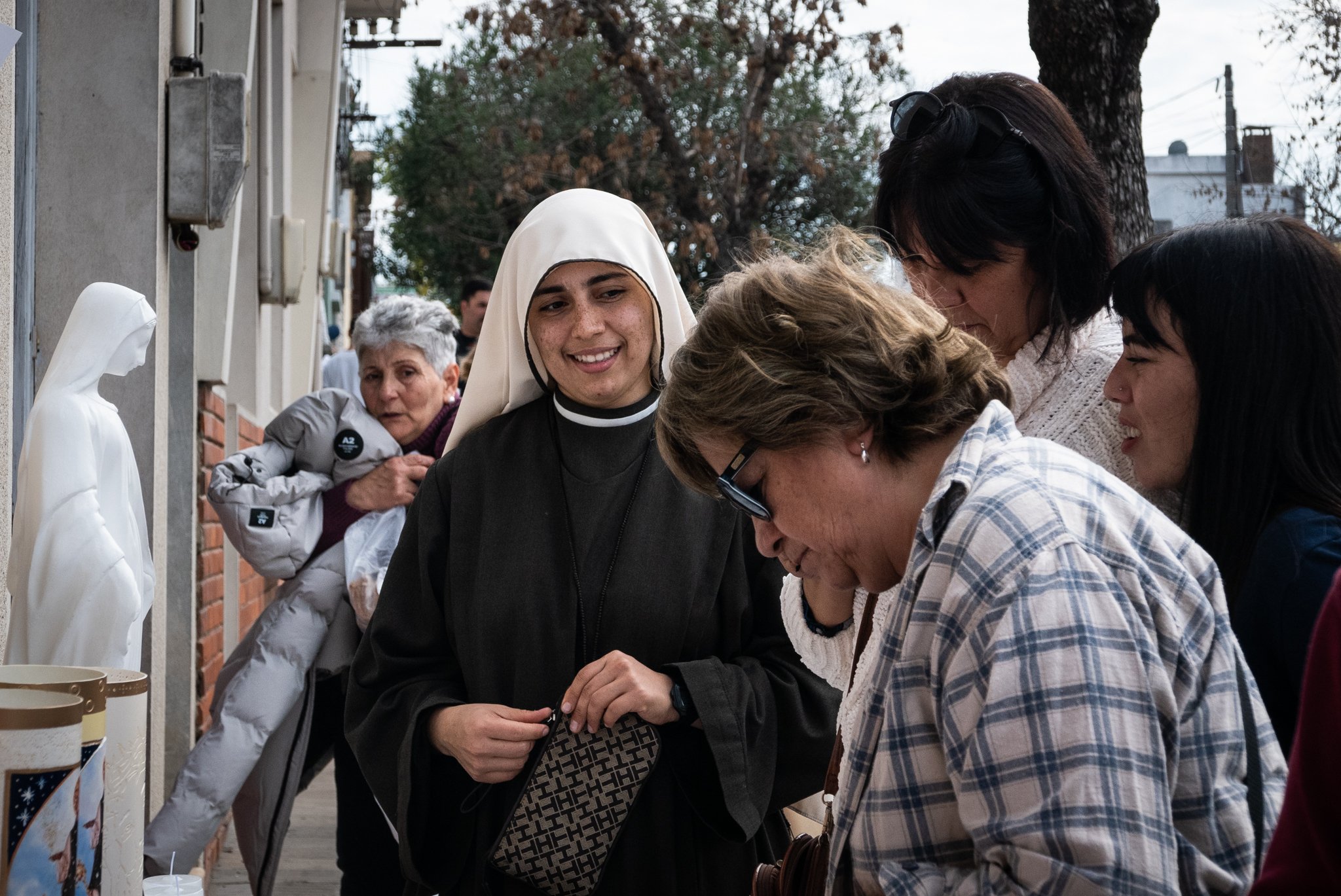
Since the early morning, around the Chapel of San Cono, a huge fair has been set up with stalls selling candles, stamps, key rings, pins and images of the saint everywhere, but in addition to these religious objects there are stands with stalls selling food, clothes, toys, stones, jewellery and thousands of other things.

Some people arrive the day before and make a real camp near the chapel with the objects they sell.

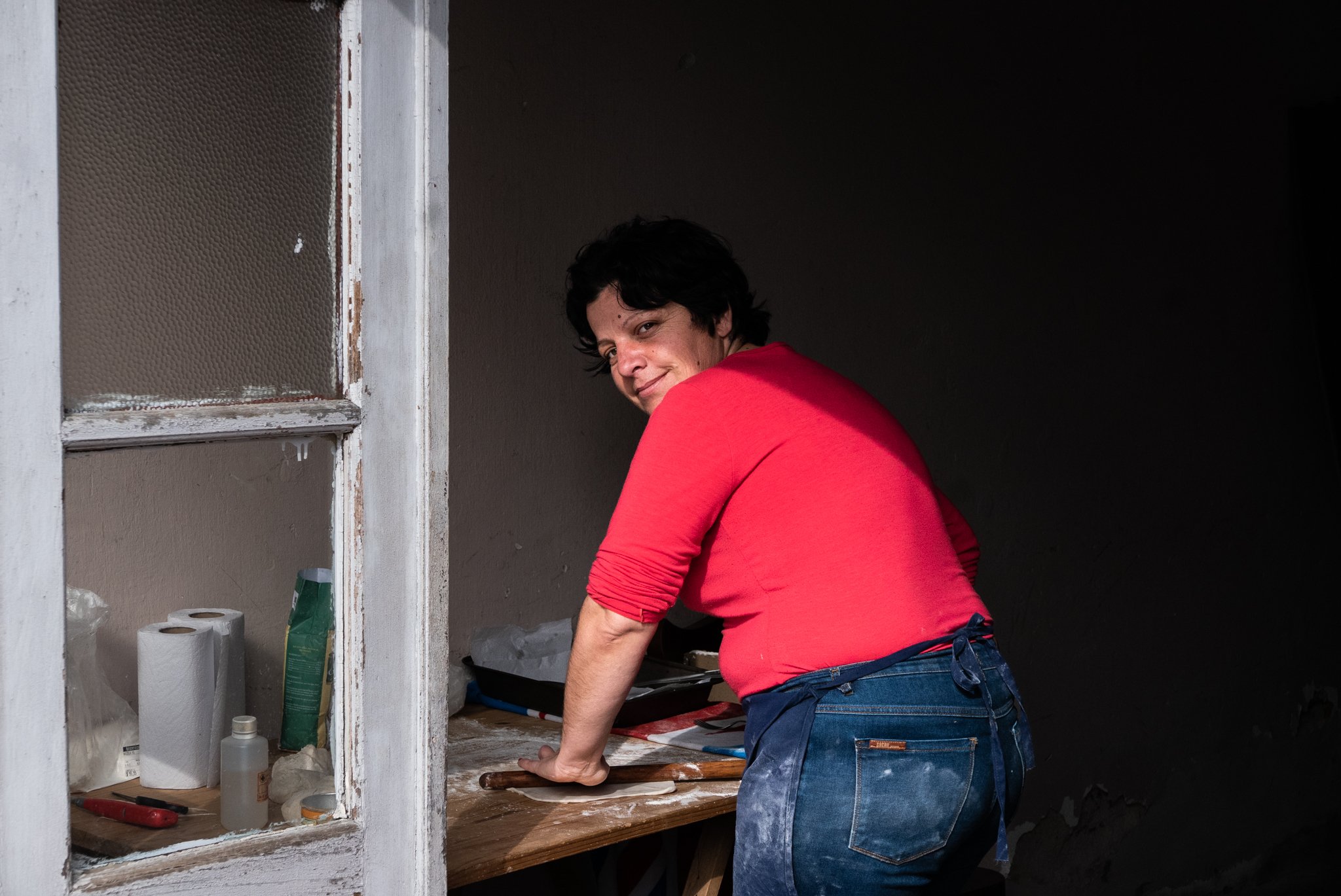
Outside the procession circuit, the locals also offer all kinds of things at their doorsteps, from pizza, hot water, empanadas, caramelized peanuts, churros, hot dogs, puffed corn, barbecue, and even clothing or handicrafts. The city seemed to have been transformed into a large outdoor mall.

Usually the chapel is visited by thousands of people, but on the day of San Cono an immensity of men and women, children and entire families arrive.

Everyone tries to get close to the image of San Cono, touching his clothes, caressing him, leaving him offerings, giving him money and hanging rosaries, bracelets, watches, rings and all kinds of offerings.

At the back of the chapel there is a room for offerings. There are various bicycles, bridal gowns, diverse clothing, sports shirts, showcases full of valuable rings, necklaces, bracelets, watches and other diverse jewellery, dolls and the widest variety of imaginable offerings.

That room is guarded by the police and you can't take pictures. When I consulted the reason for this ban, they told me that it was because that room had been robbed on a few occasions and they did not want its content to be disclosed.

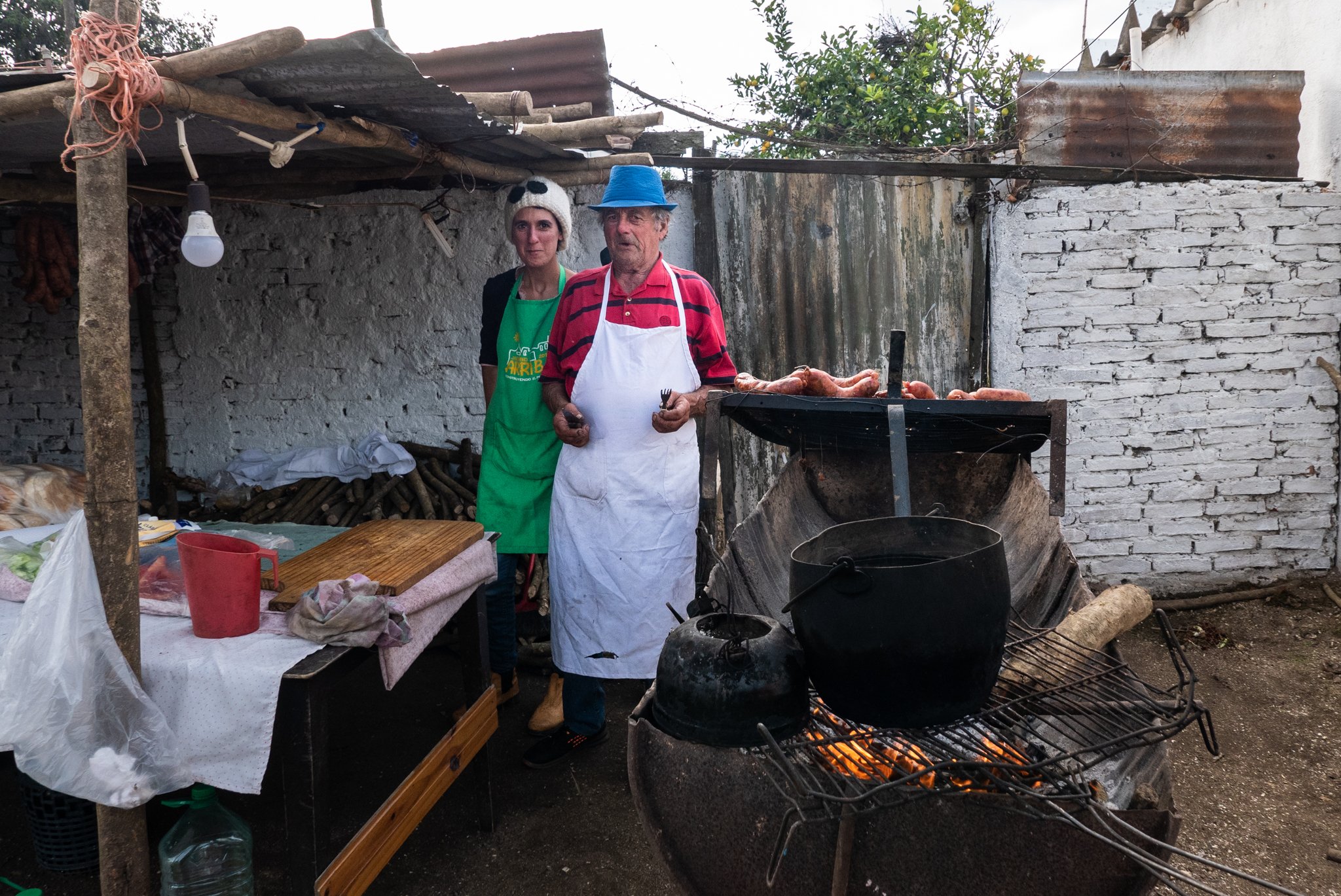
With difficulty we found a restaurant where we could have lunch since they were all full. What predominated in the gastronomic offer was the traditional roast, chorizos, but also schnitzel, fries with the inevitable fried egg on top...

At 2:00 p.m. the procession began punctually, some people walked barefoot carrying the sculpture of the saint on their shoulders through the streets of the city and accompanied by thousands of faithful despite the threatening rain that day. Prayers and thanks to San Cono were constantly passed through the loudspeakers distributed along the route.

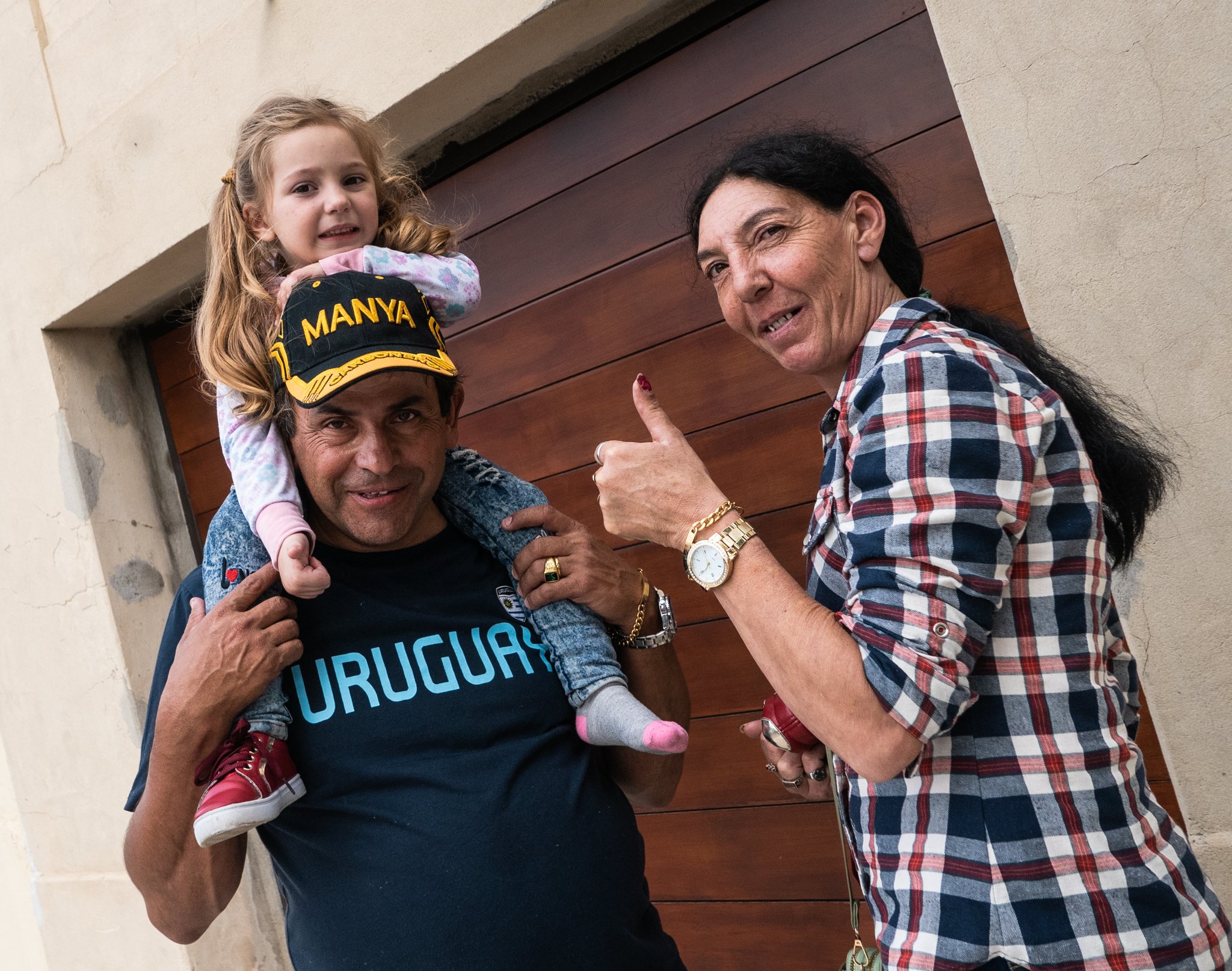
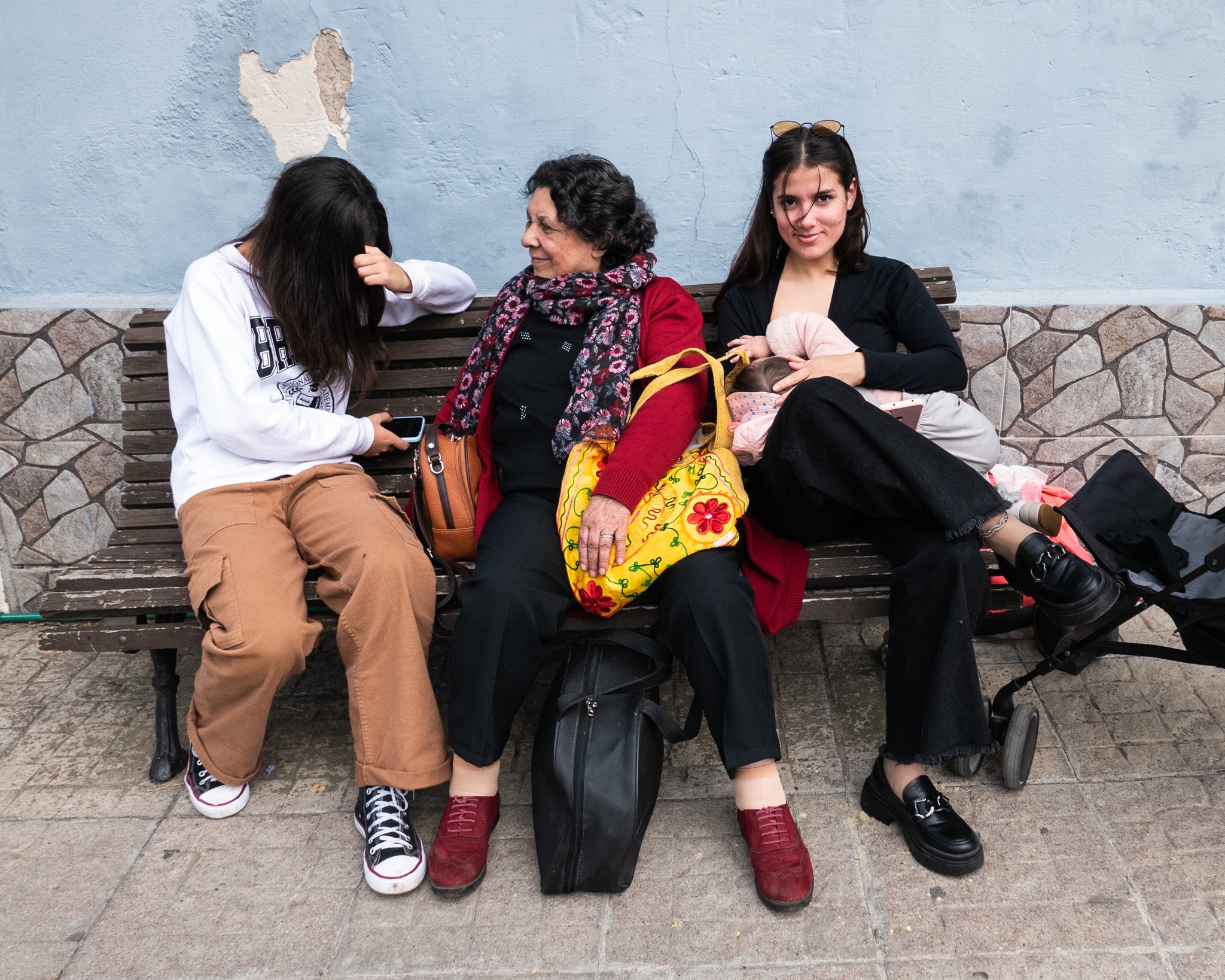
We walked with the pilgrims, I was able to do some "close-ups", and then we walked around and photographed places in the environment, as well as interesting characters that we met along the way, most of whom were completely oblivious to the celebration, and many others who also offered something at the door of their modest houses on the outskirts, which allowed us to complete the stories that occur during the festivity and that I want to share with you.

P1160037.jpg
P1160040.jpg
P1160043.jpg
P1160048.jpg
P1160045.jpg
P1160051.jpg
View fullsize P1160046.jpg
View fullsize P1160052.jpg
View fullsize P1160062.jpg
View fullsize P1160070.jpg
View fullsize P1160066.jpg
View fullsize P1160072.jpg
View fullsize P1160101-2.jpg
View fullsize P1160106.jpg
View fullsize P1160113.jpg
View fullsize P1160158.jpg
View fullsize P1160197.jpg
View fullsize P1160217.jpg
View fullsize P1160276.jpg
View fullsize P1160280.jpg
View fullsize P1160282.jpg
View fullsize P1160254.jpg
View fullsize P1160284.jpg
View fullsize P1160262.jpg
View fullsize P1160288.jpg
View fullsize P1160289-2.jpg
View fullsize P1160294.jpg
 
Eduardo Storch
Friday 06.16.23
Posted by Progressive-Street
 

The houses near the tracks By Miki Shauder

The houses near the tracks

by Miki Shauder

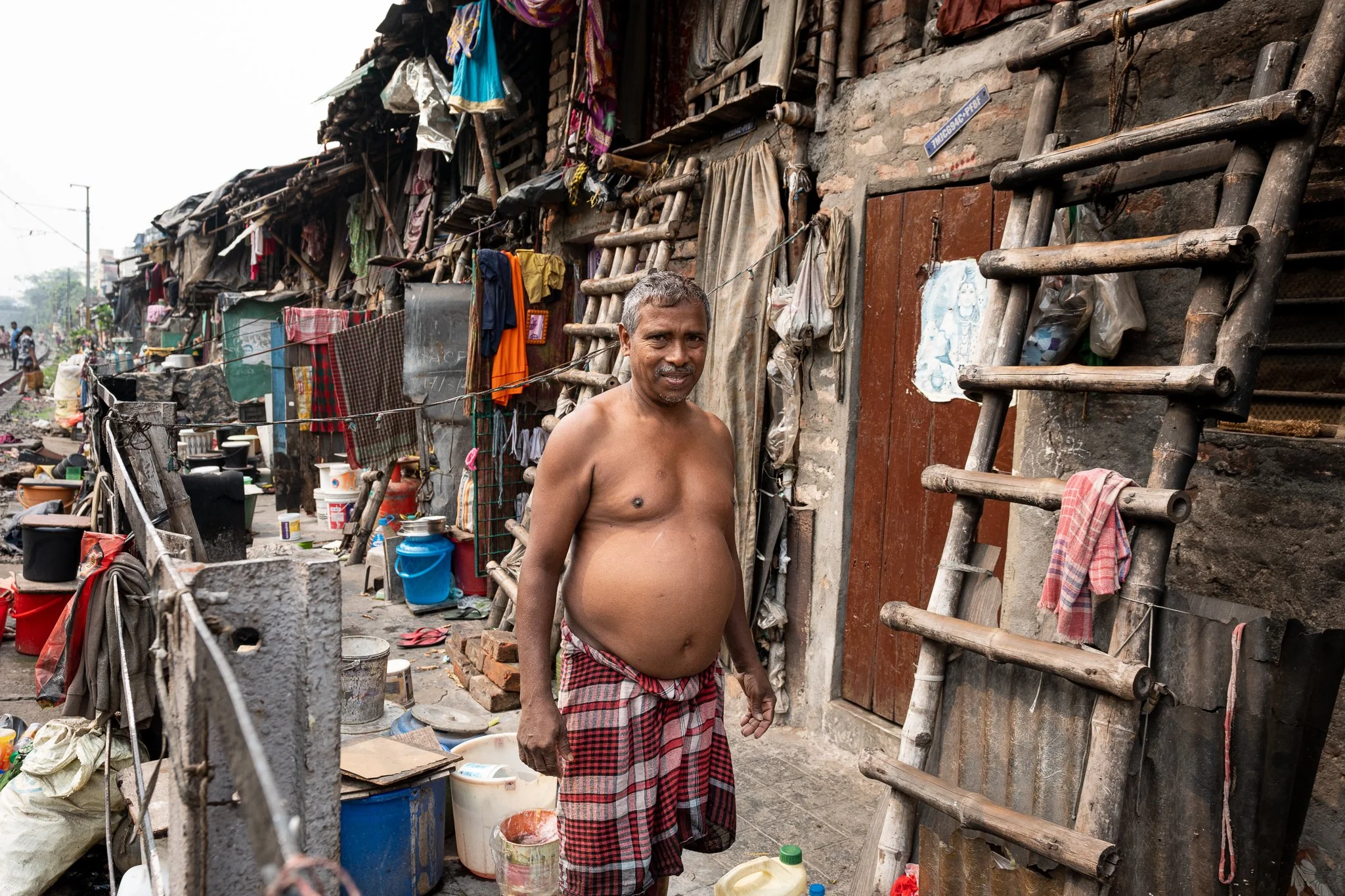
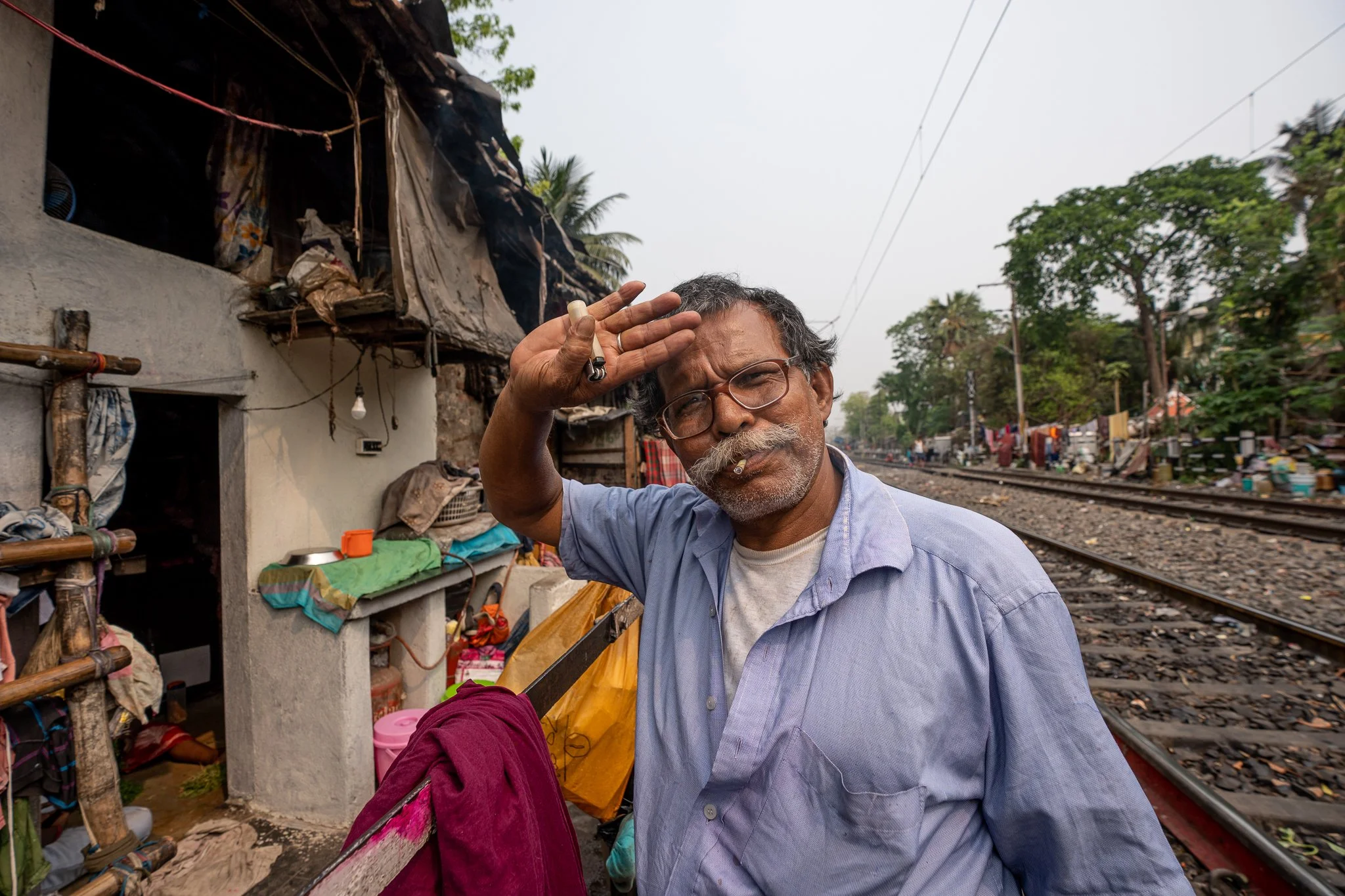
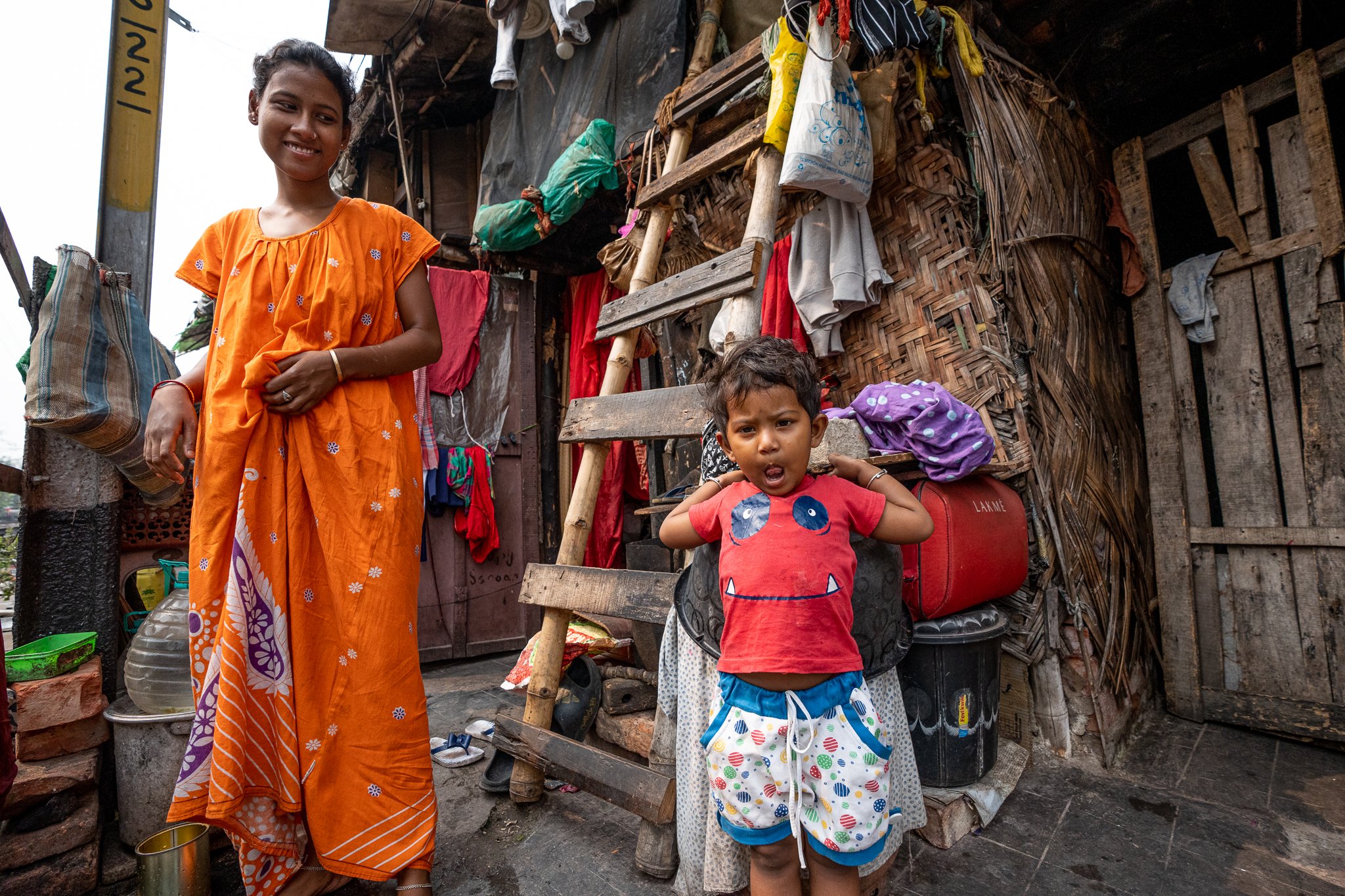
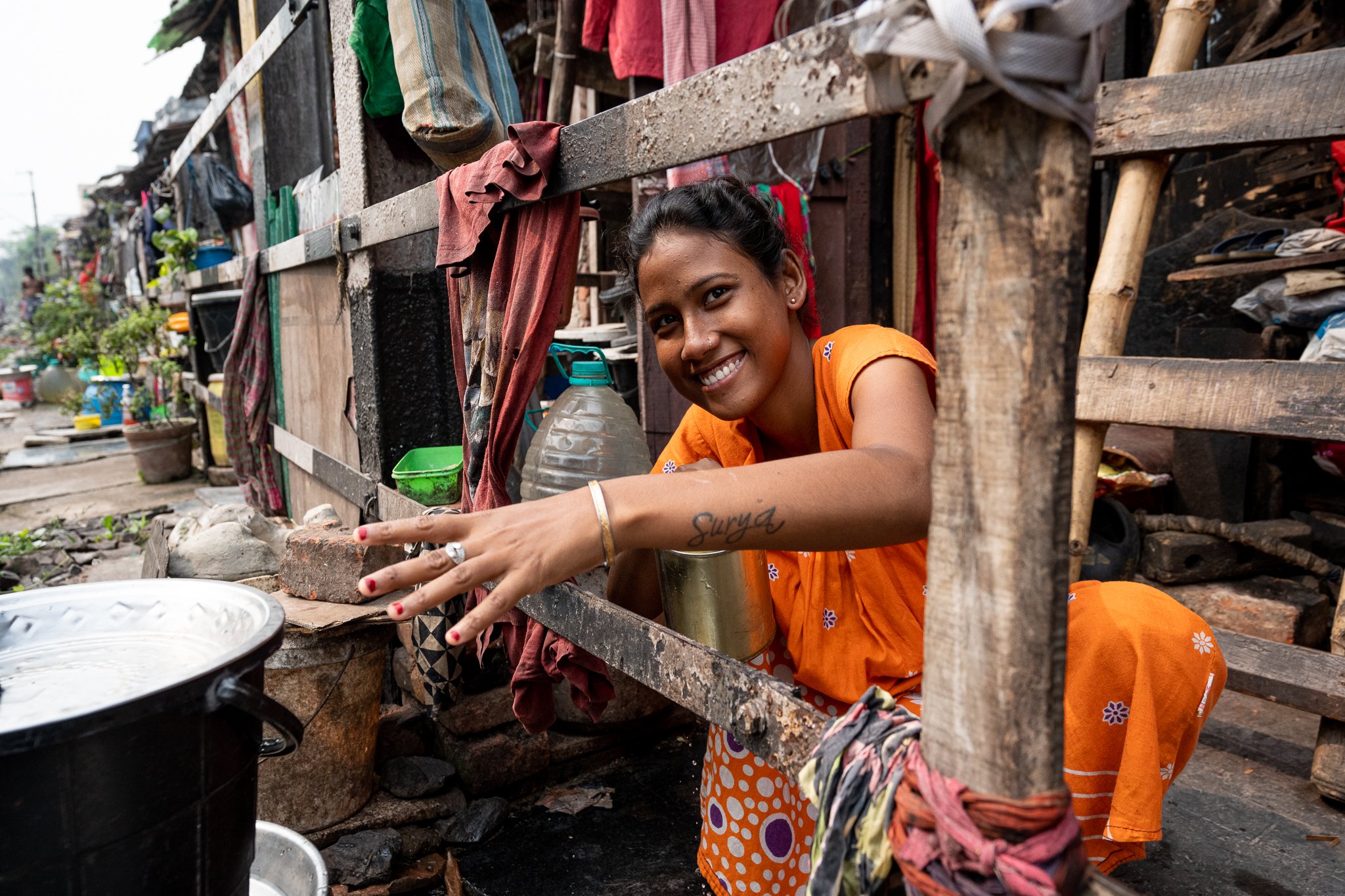
I agreed to publish this photo shoot in its entirety, with so many images because I think Miki wanted to show a reality, so difficult for many of us to understand, used to comfort and so many useless luxuries. On the one hand his reportage shows us images of absolute poverty and on the other it offers us such joyful expressions.
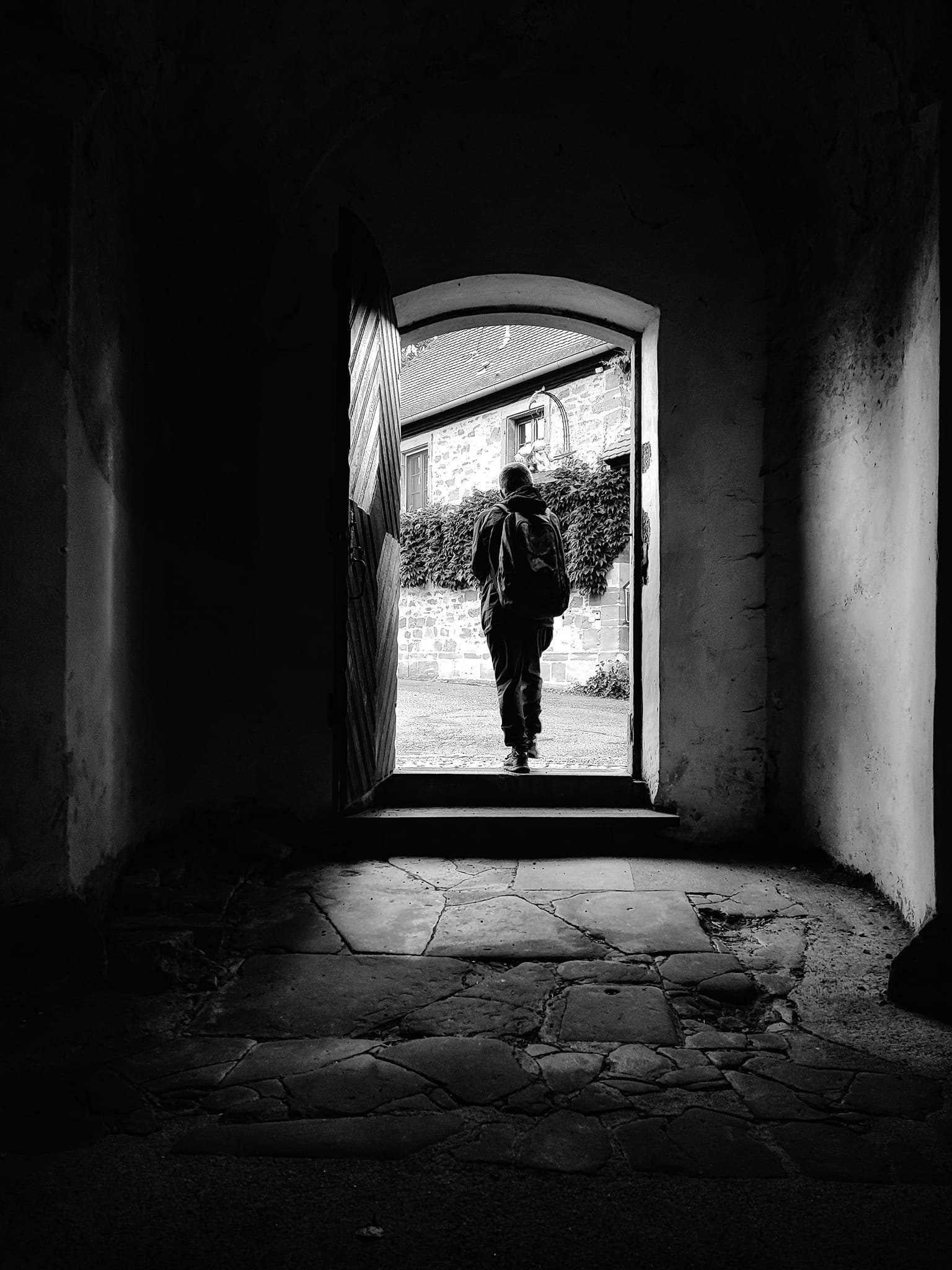
This is the true spirit of a street photographer, who doesn't look for images for the sake of the image, but wants to show us reality and make us think, both about good things and bad things. Thinking is what we should all be doing when we look at an image, rather than have the photo safari spirit. As one of our photographers says, in some countries it is easy to find images ... this time without any filter.

peace and love

B.

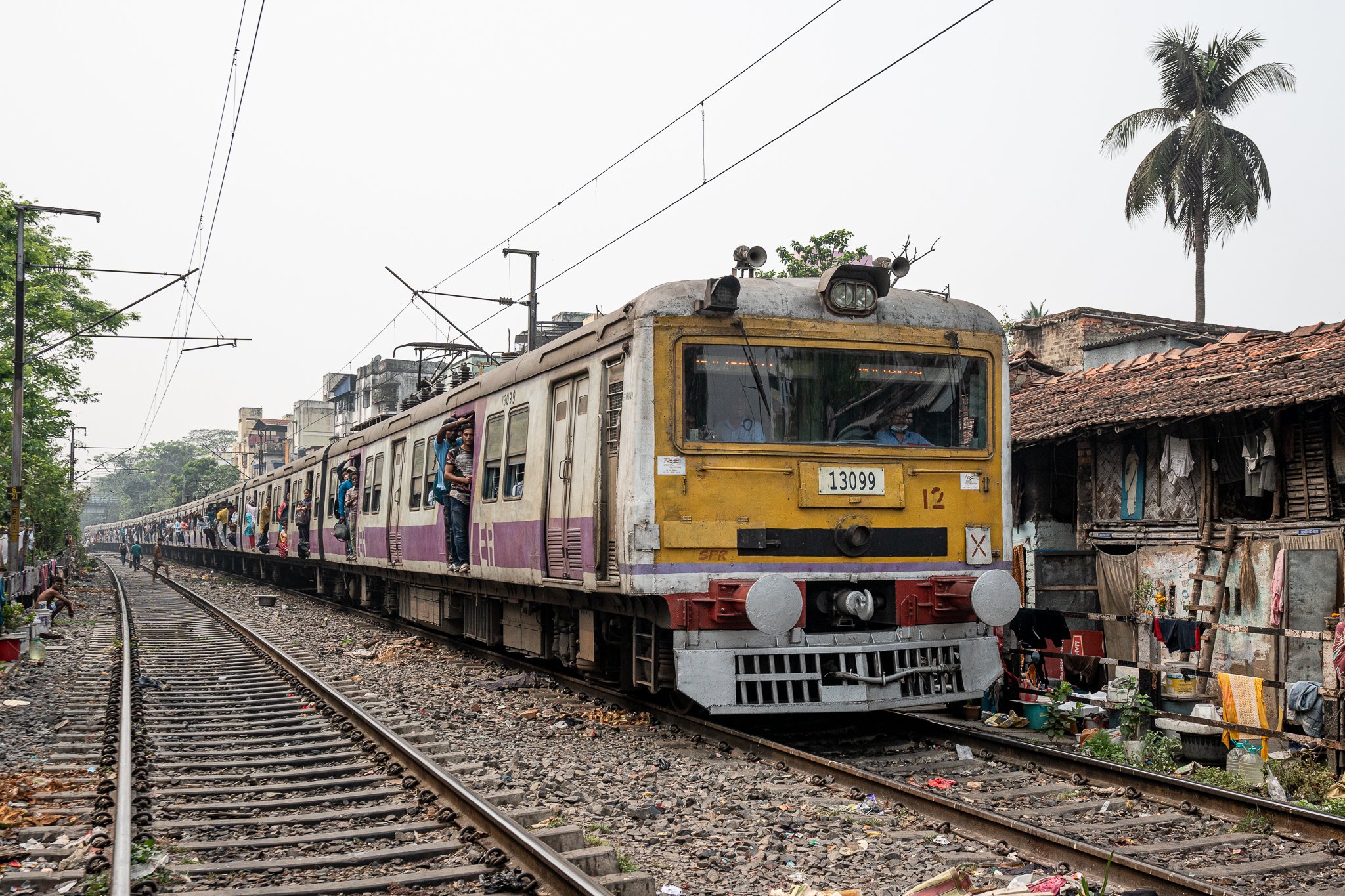
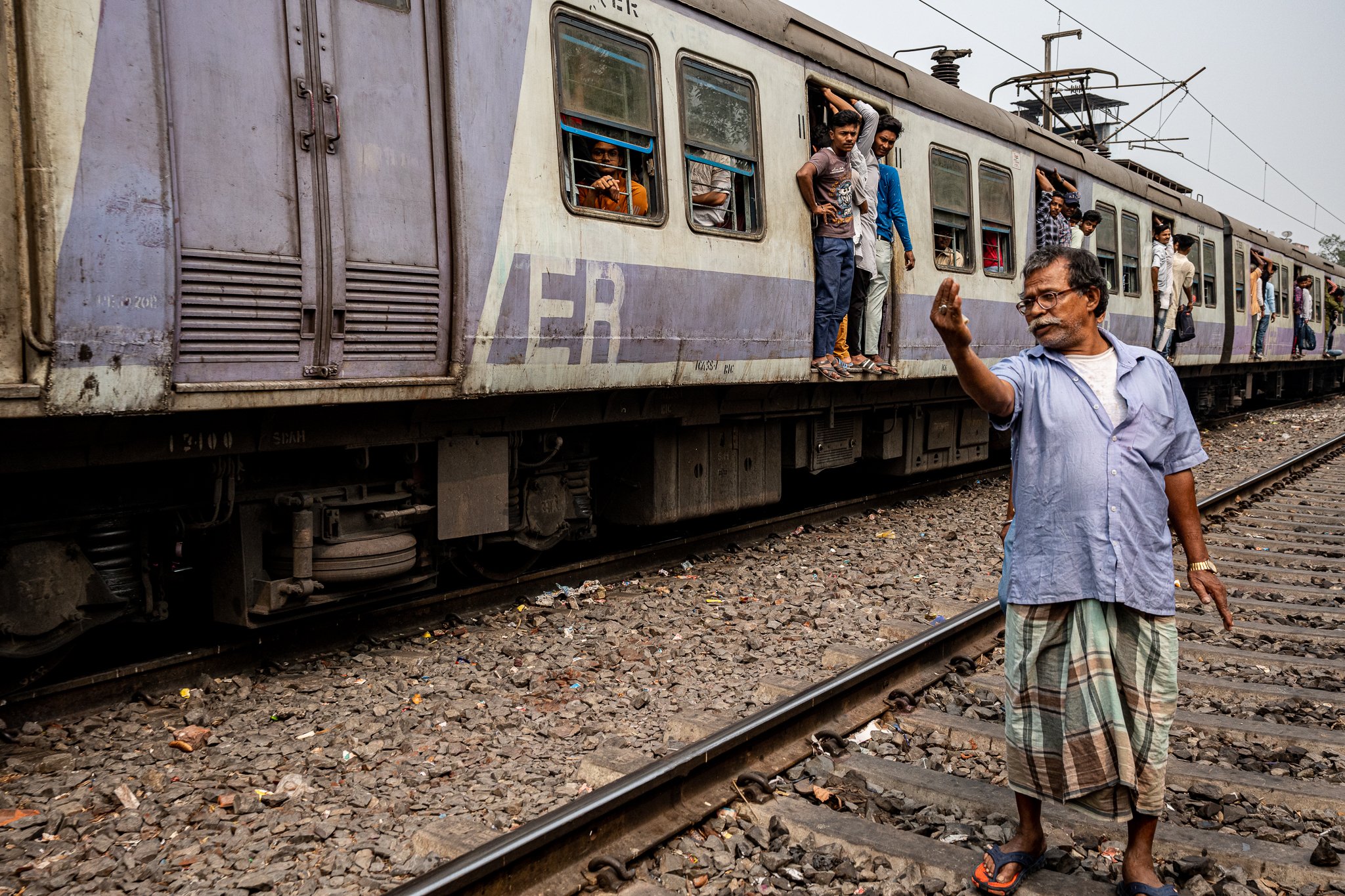
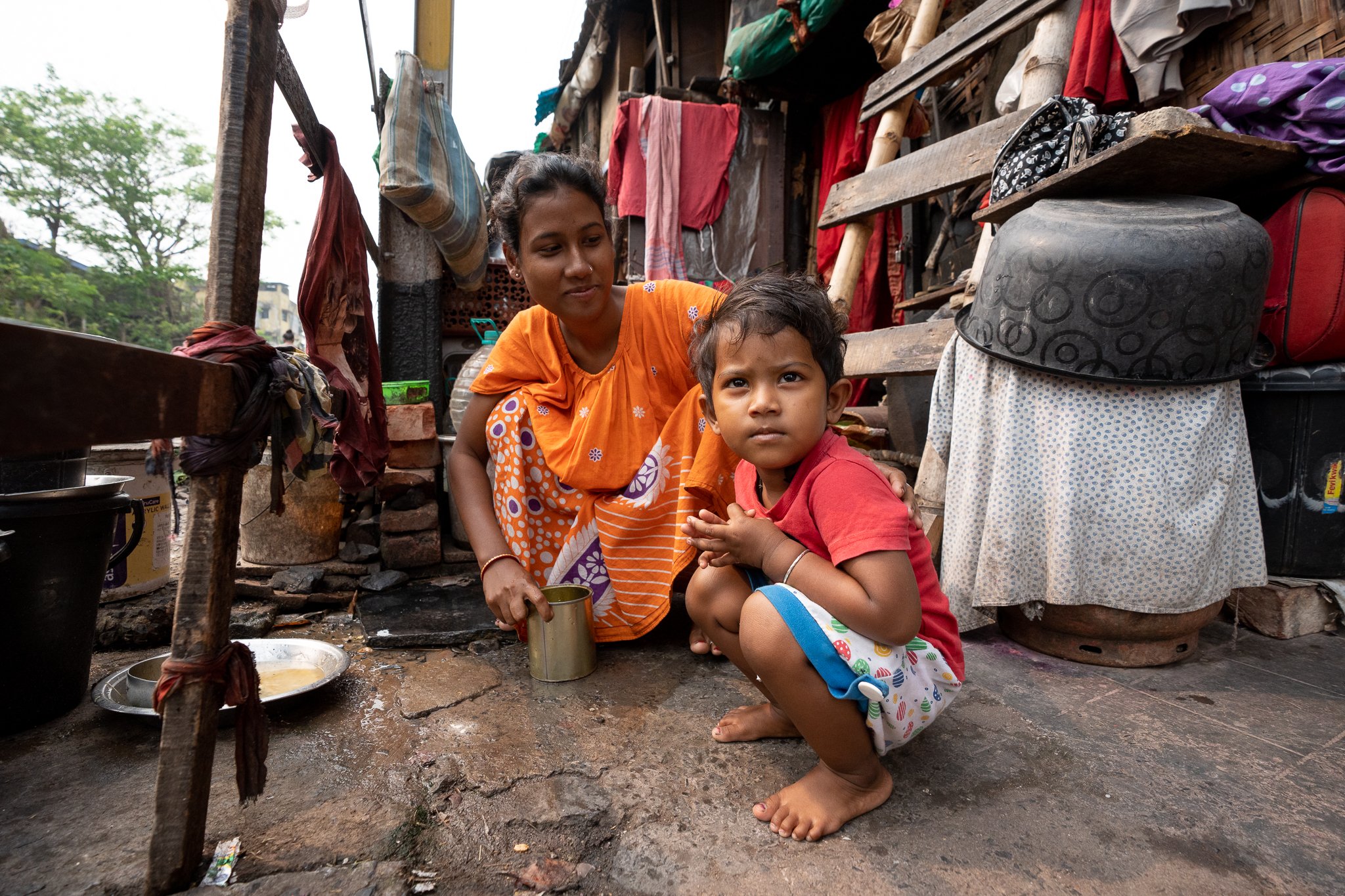
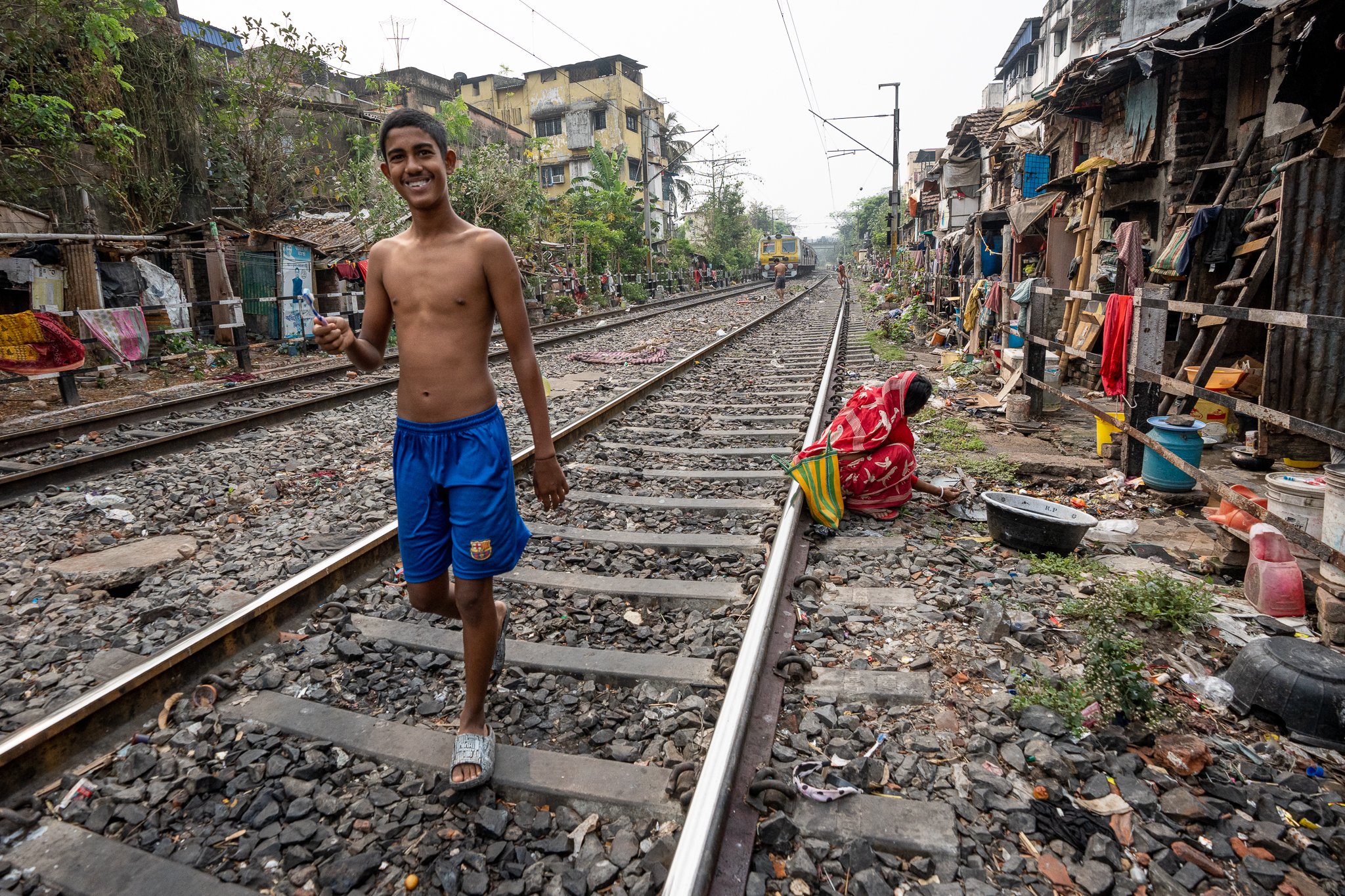
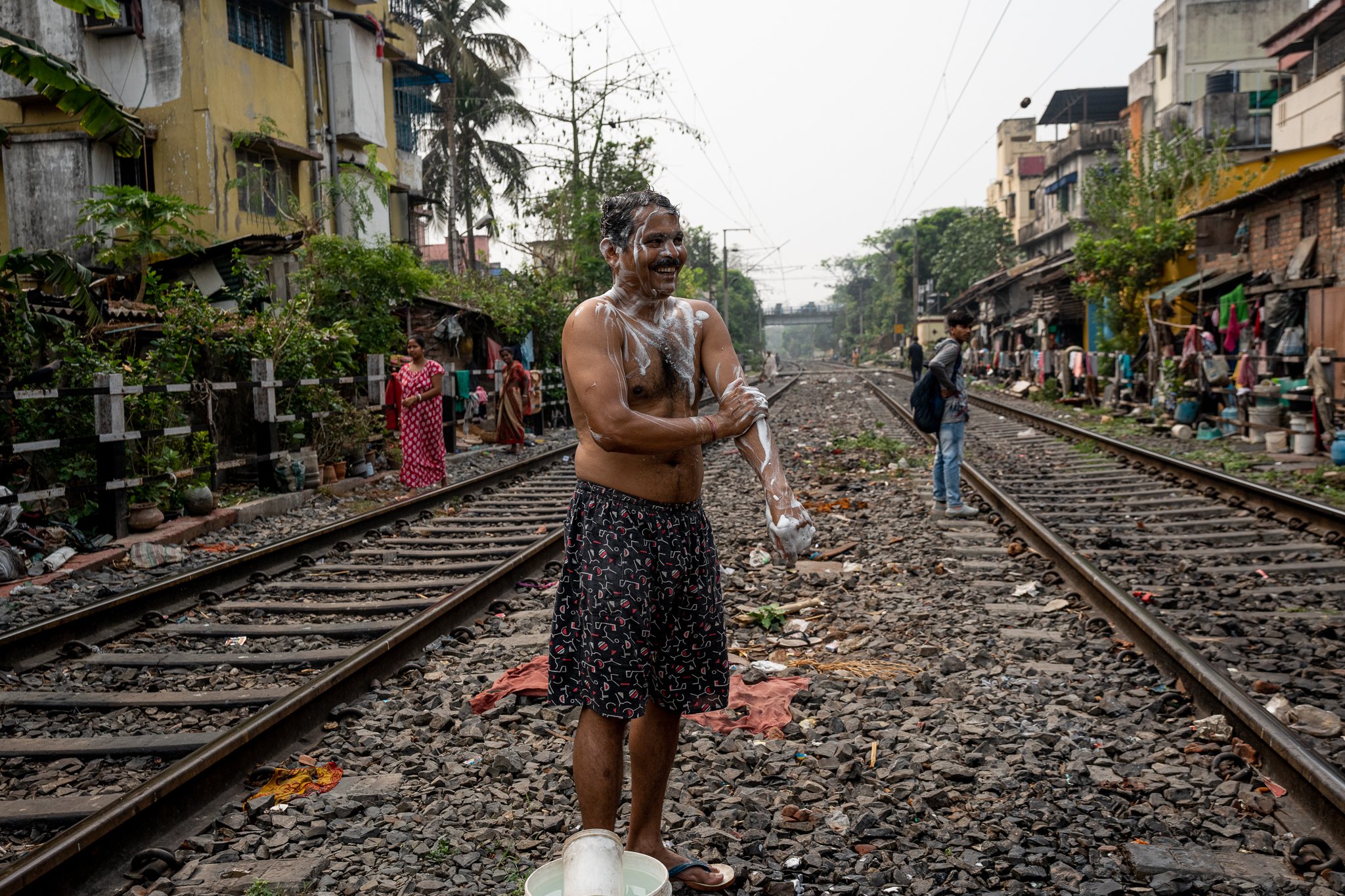
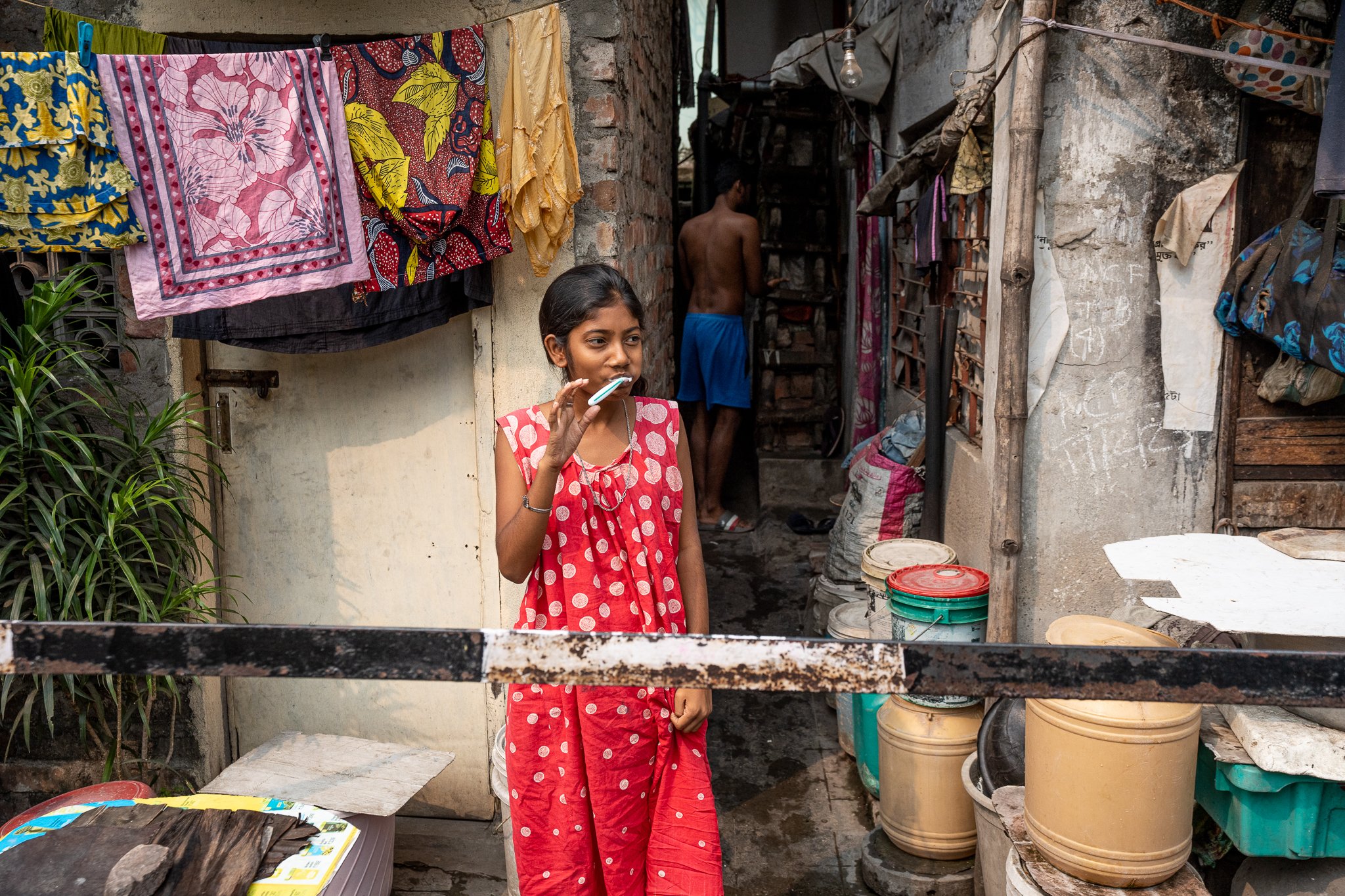
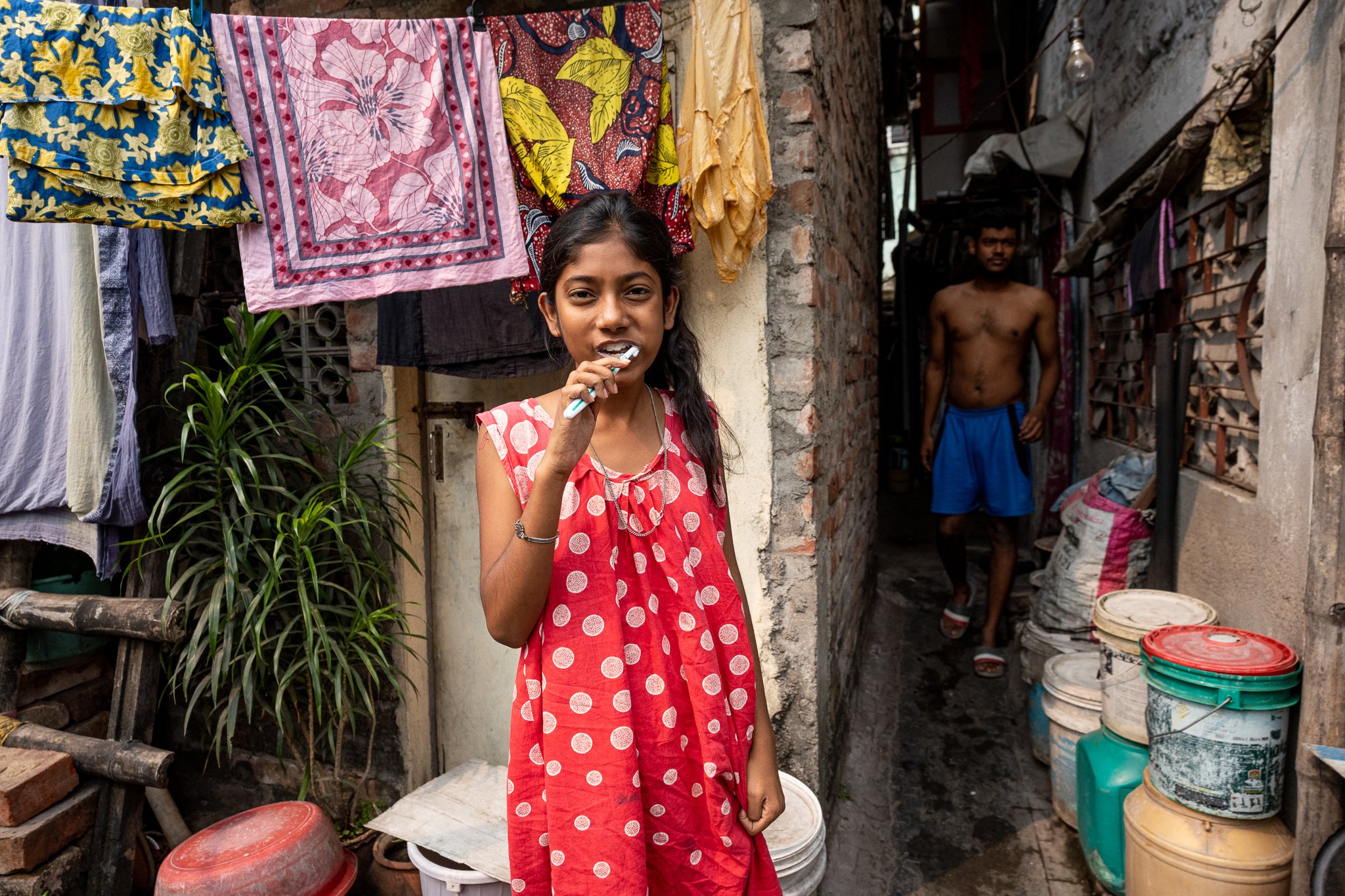
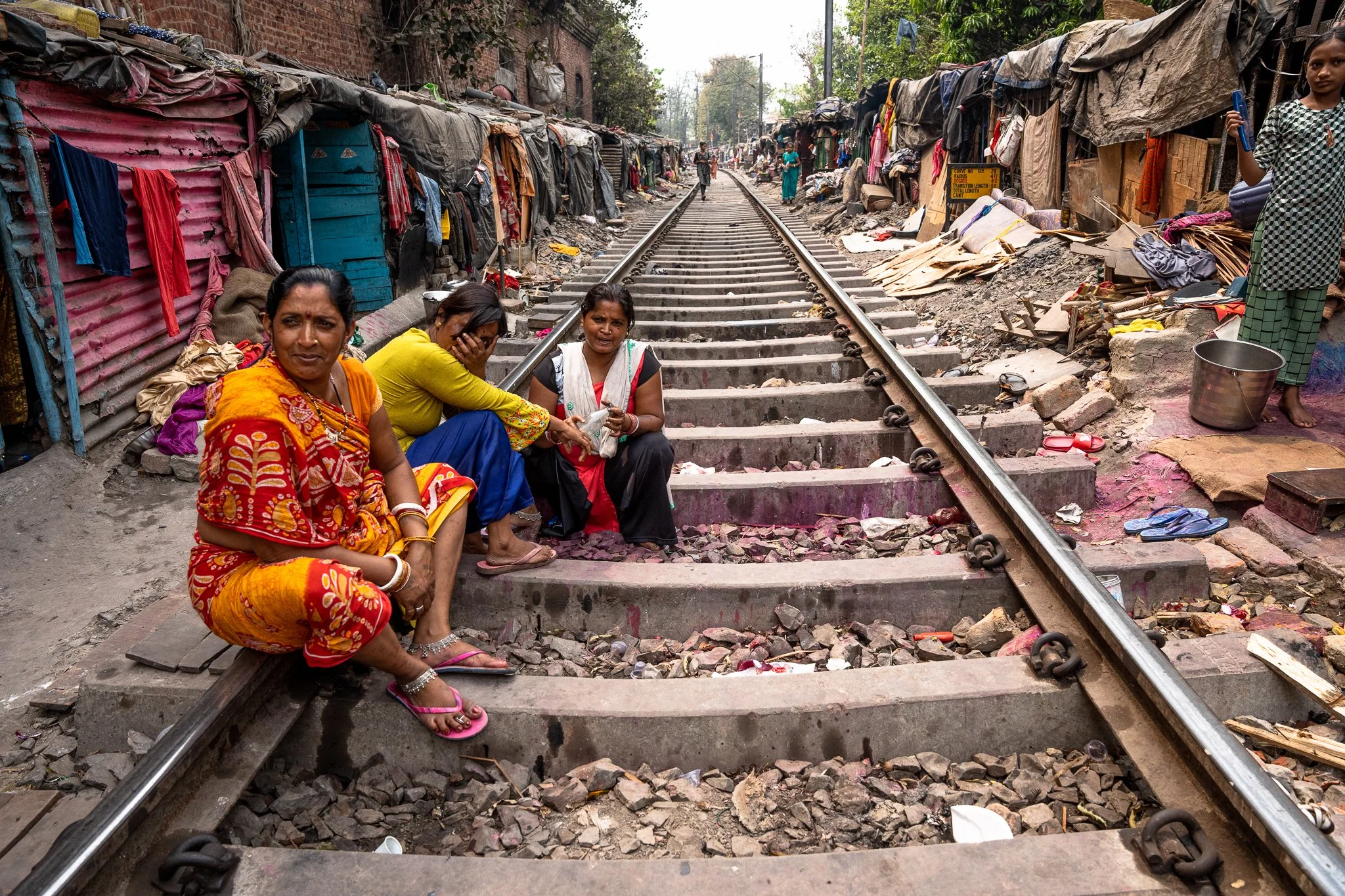
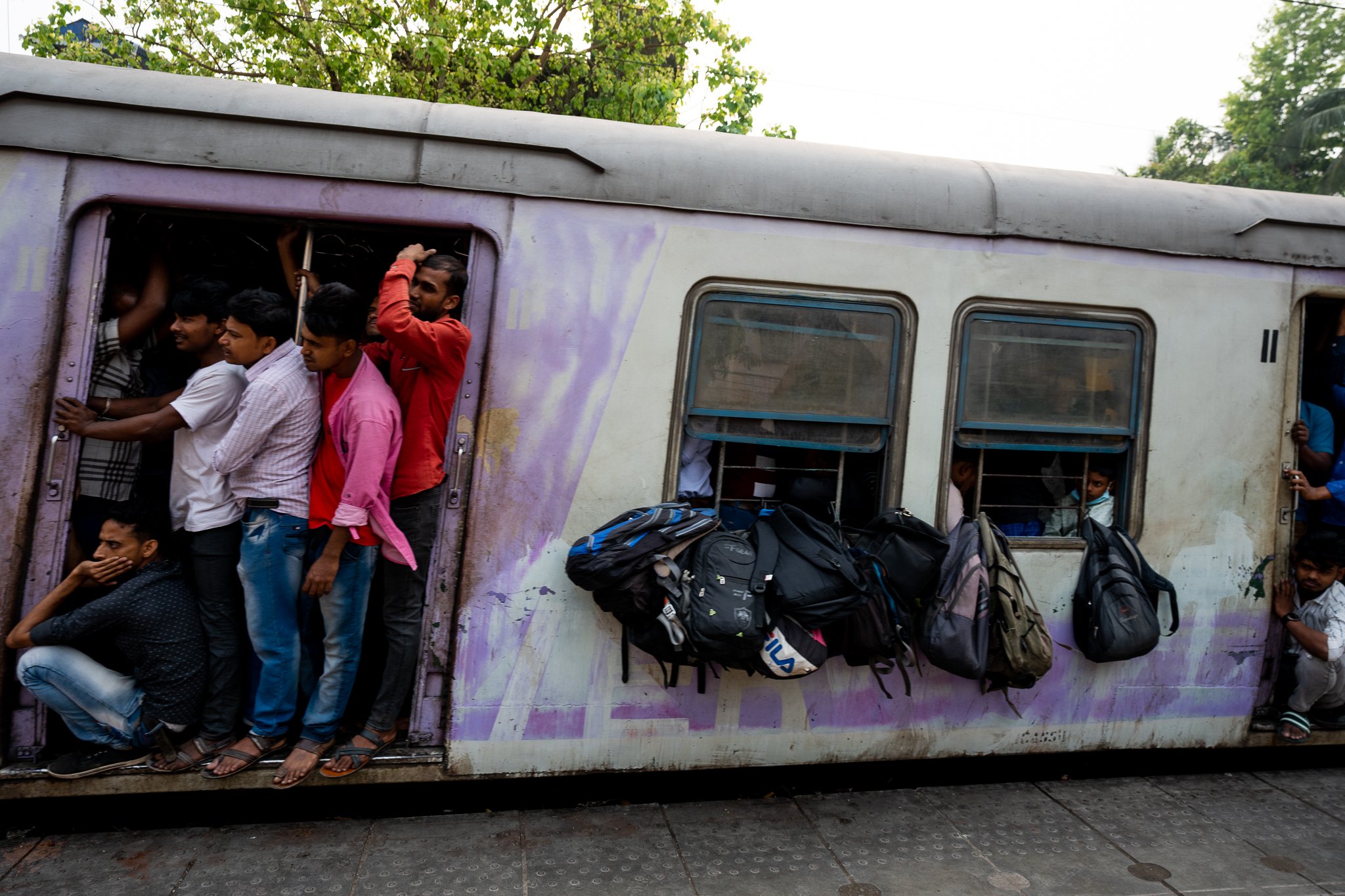
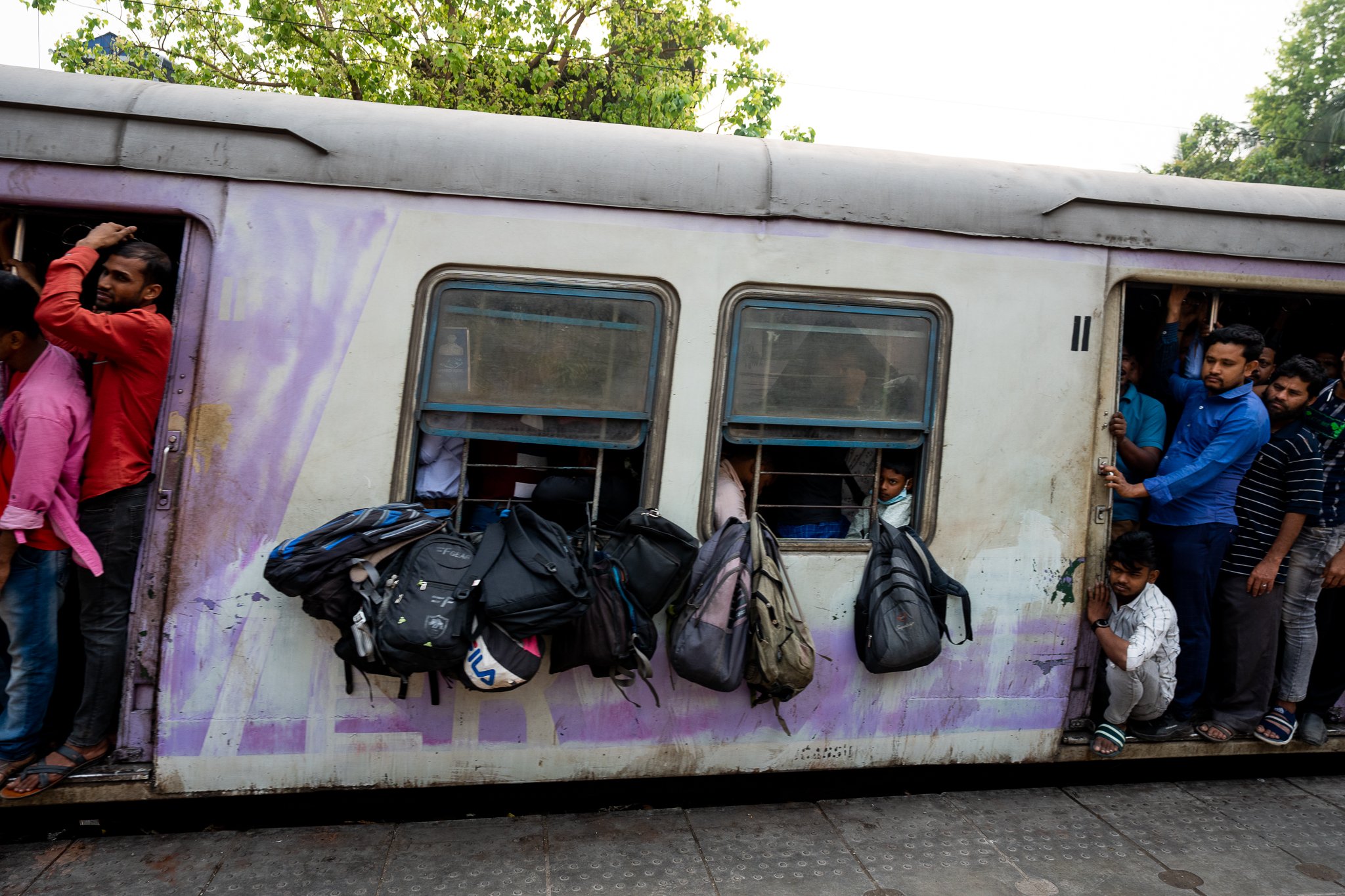
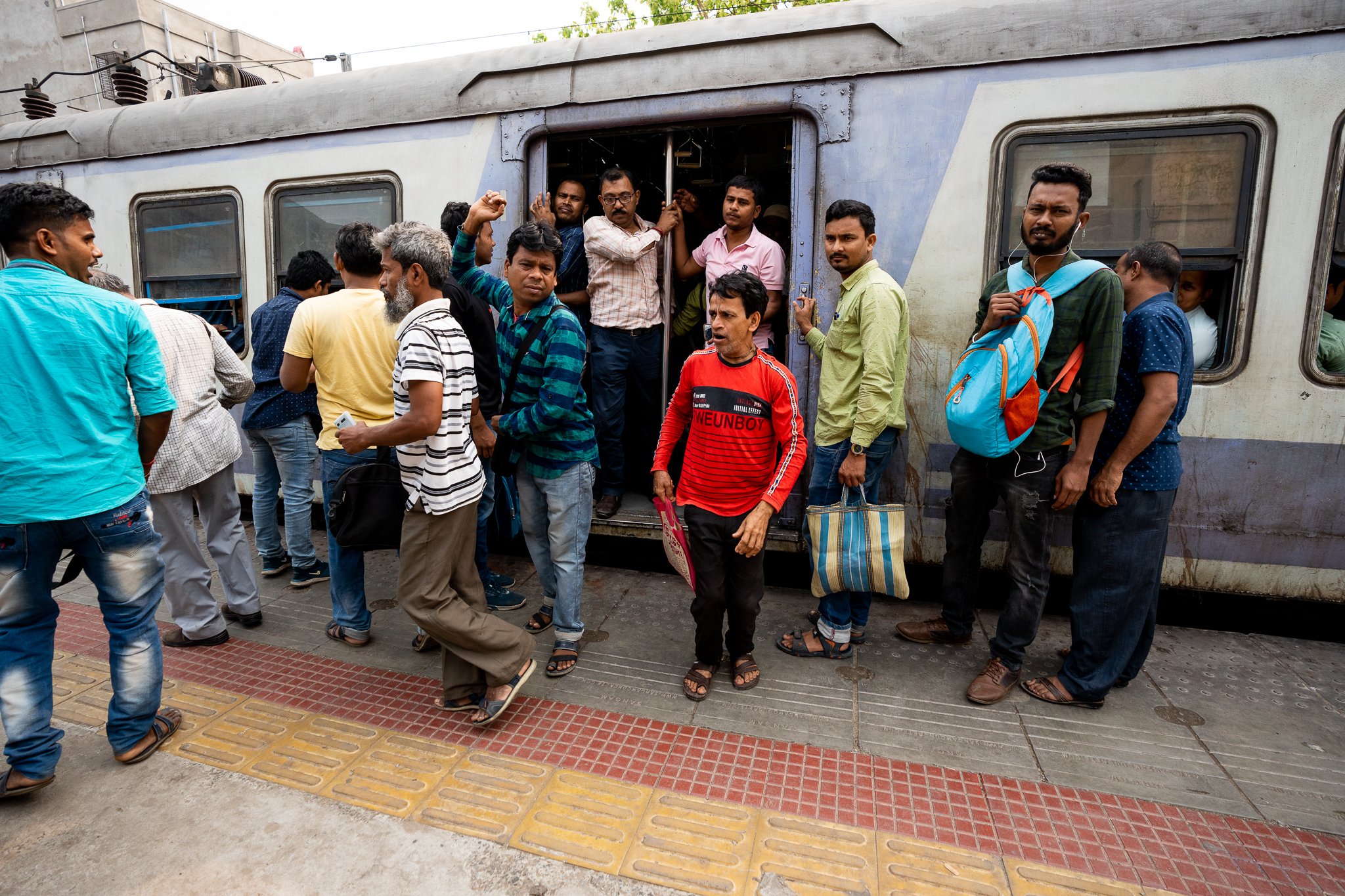
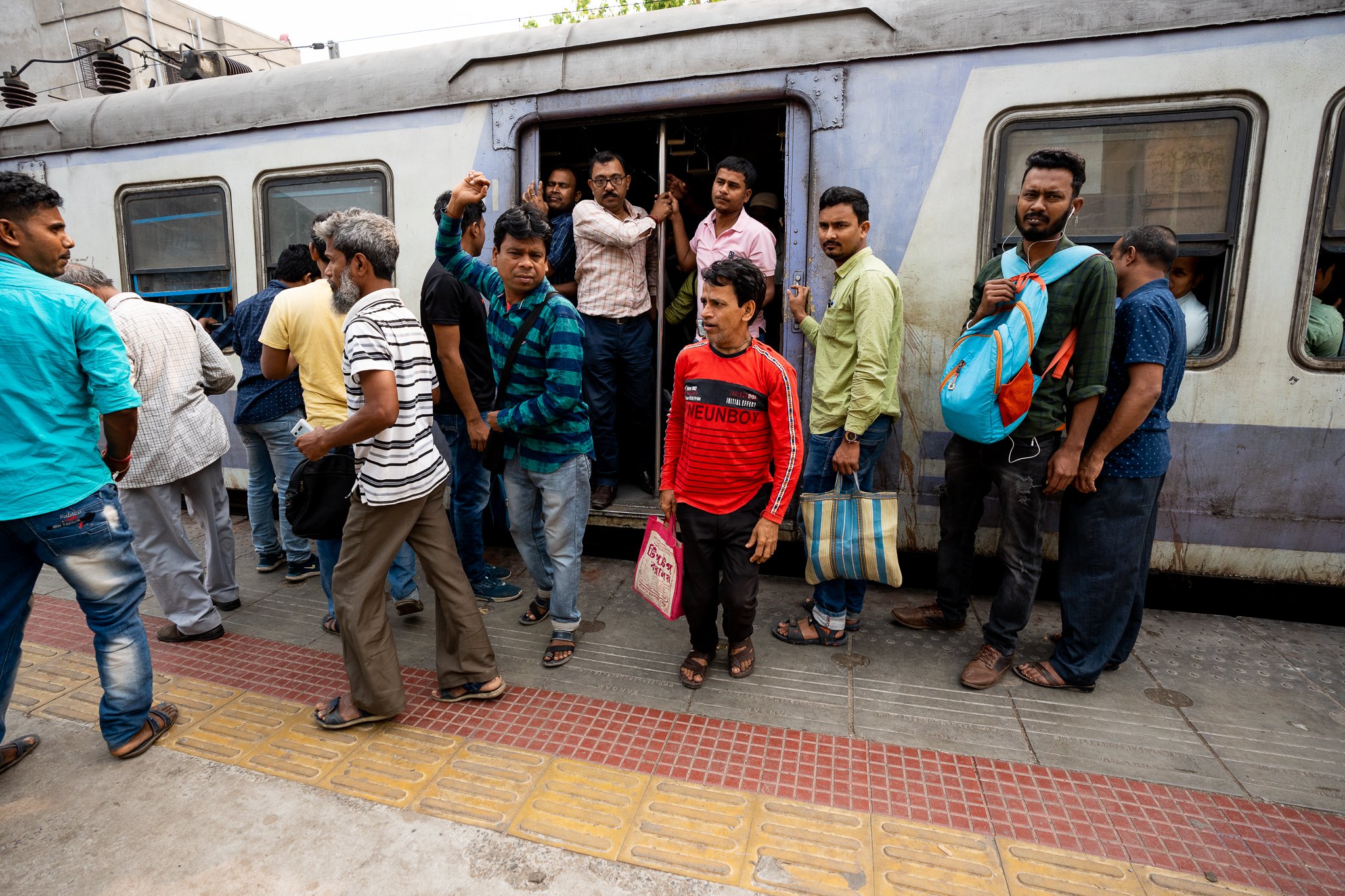
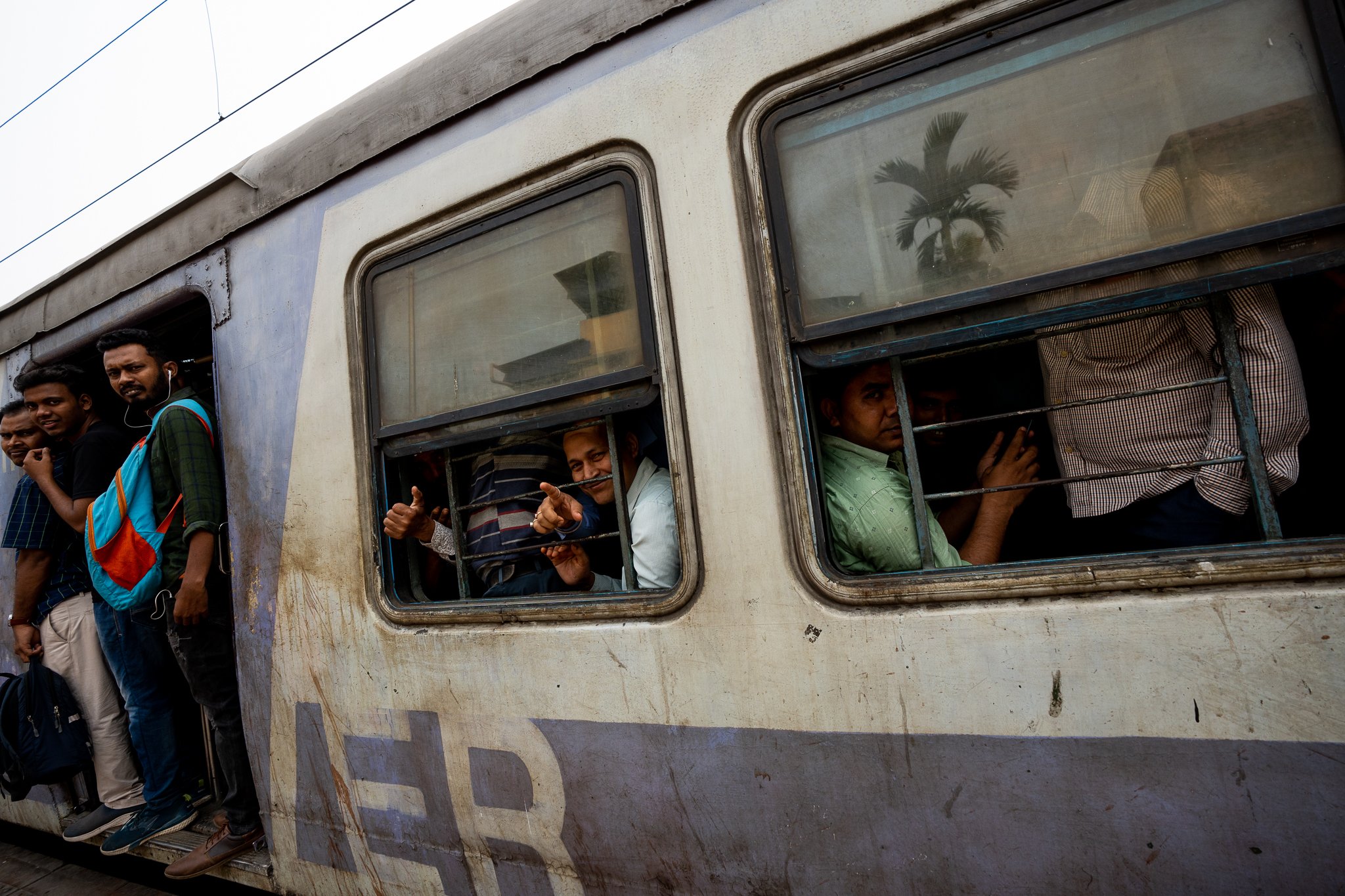
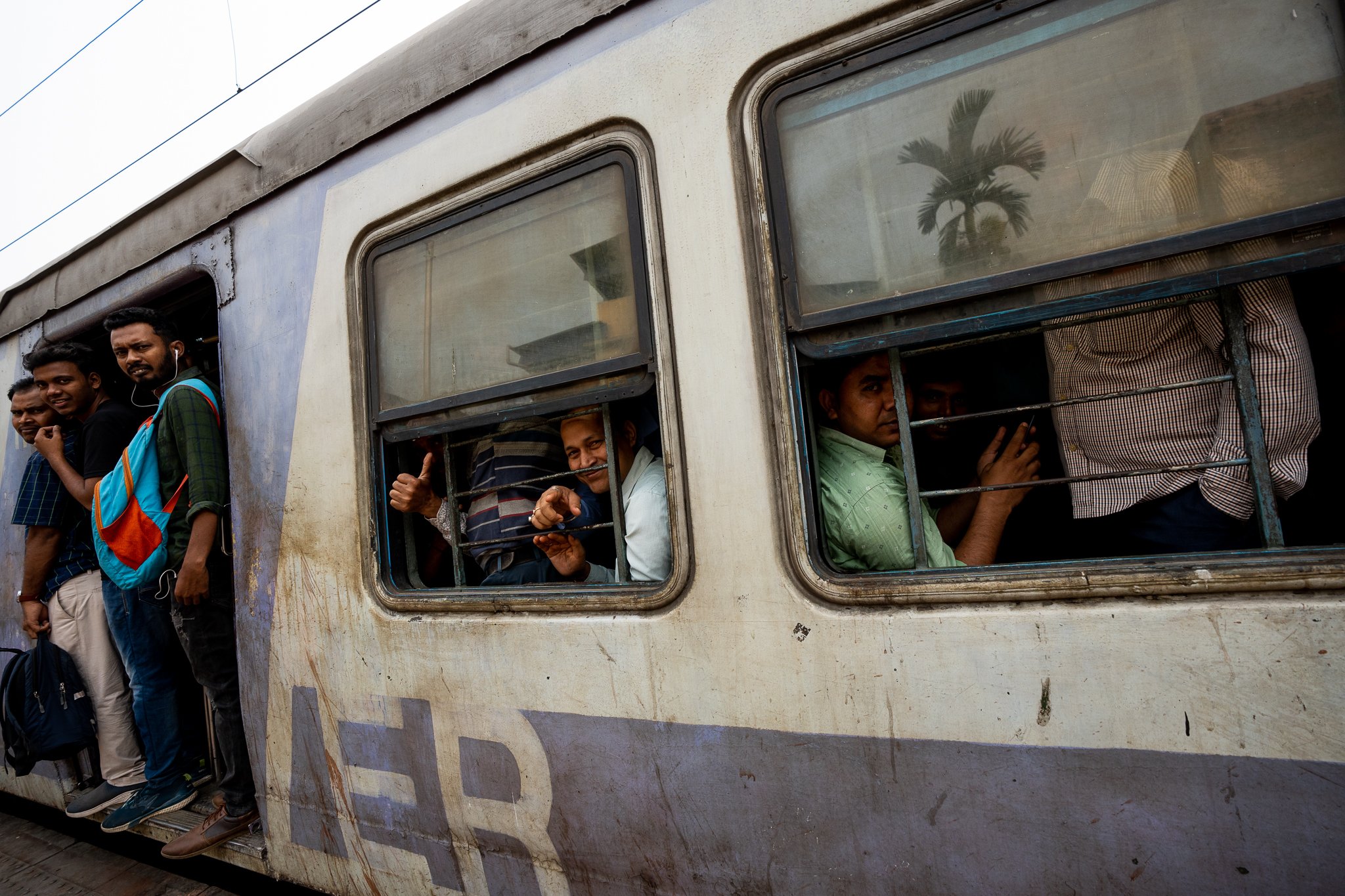
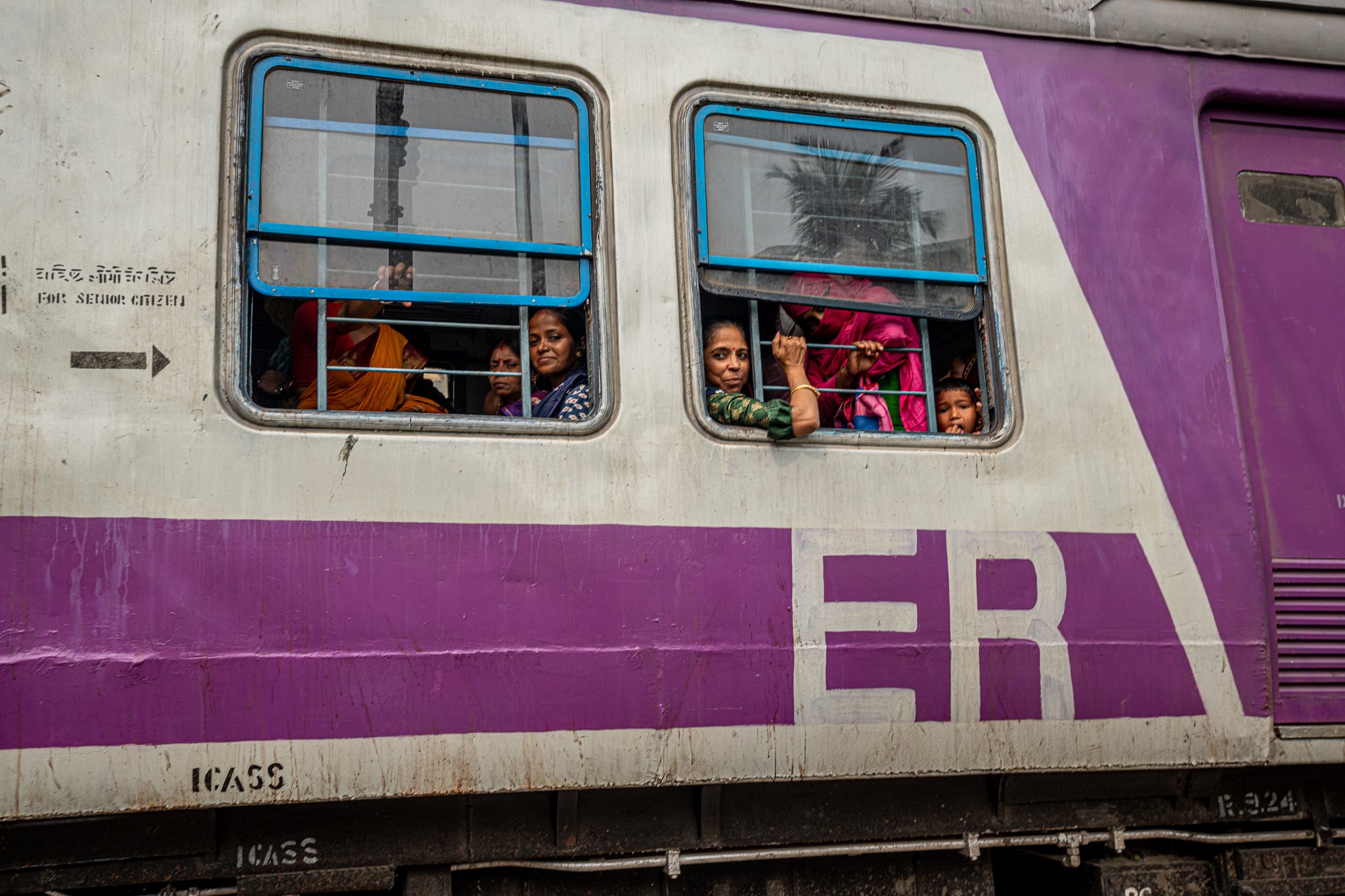
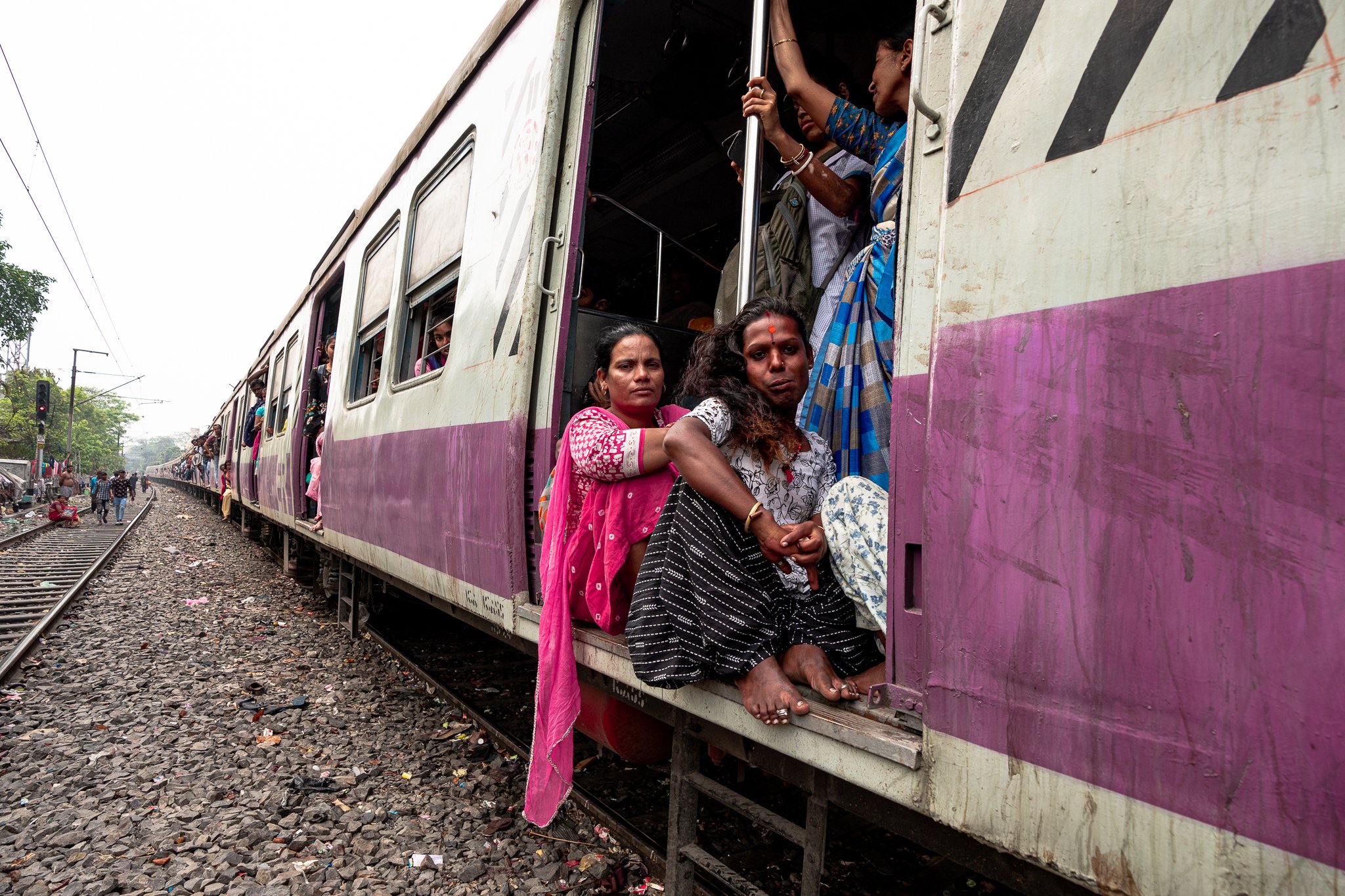
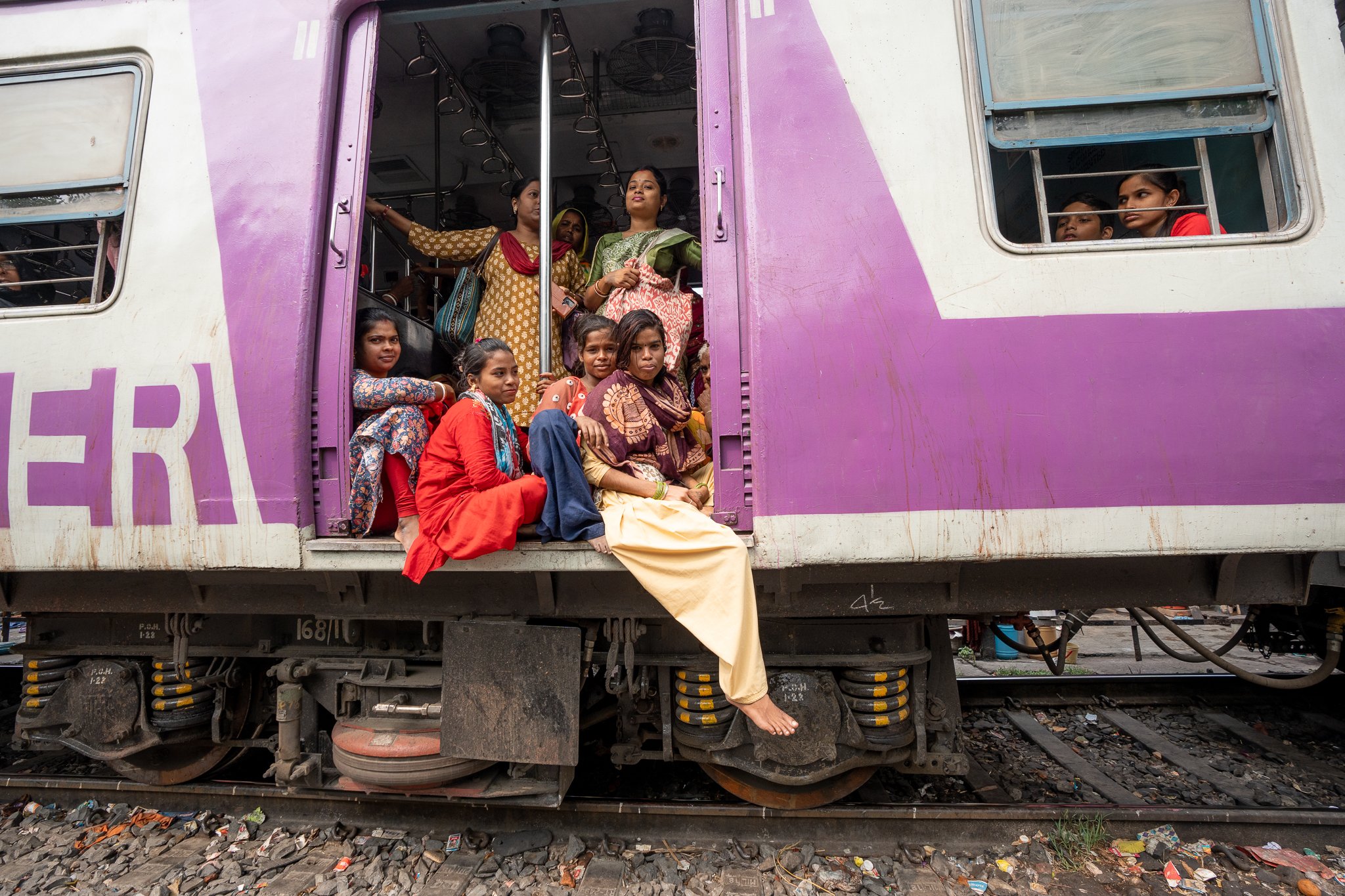
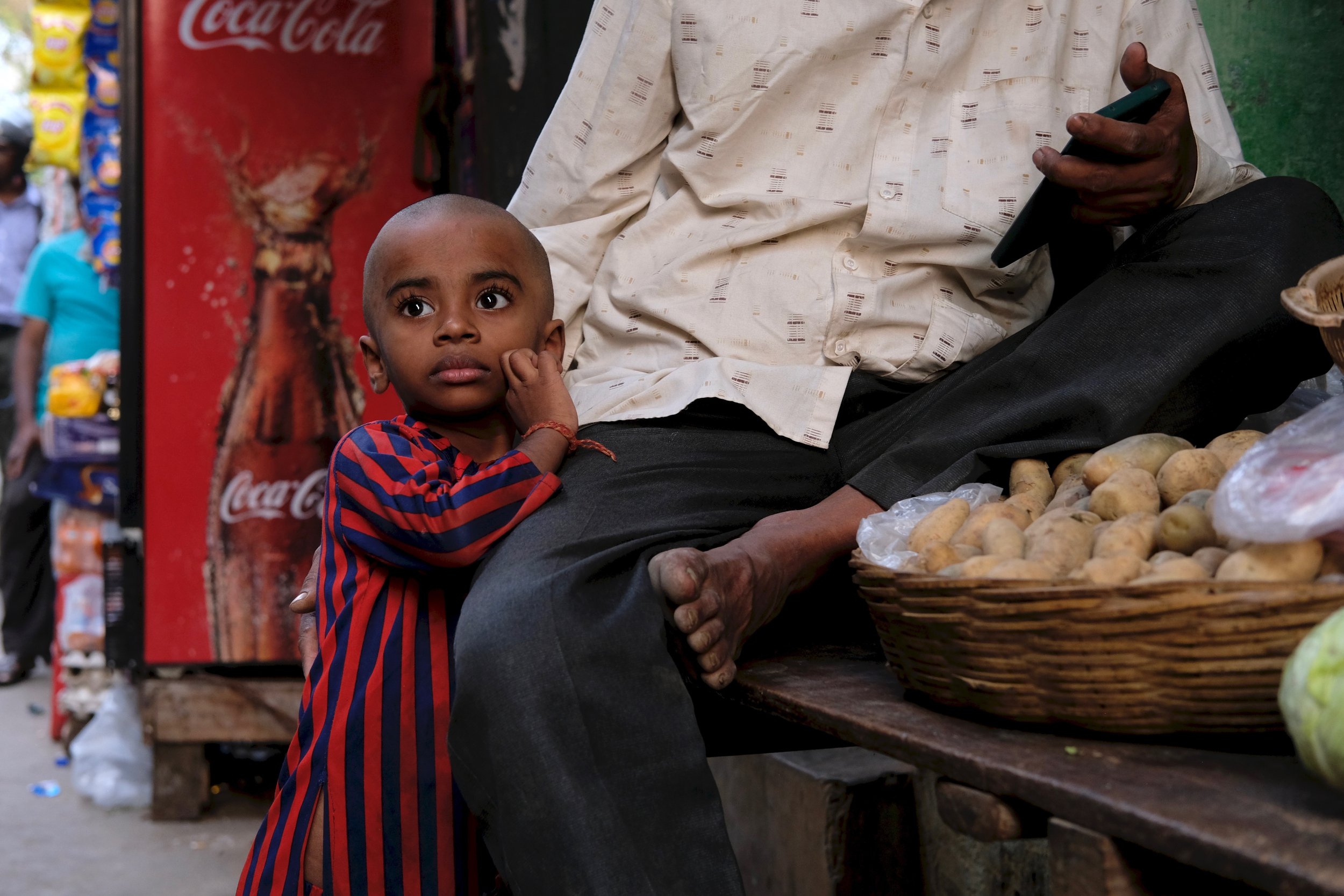
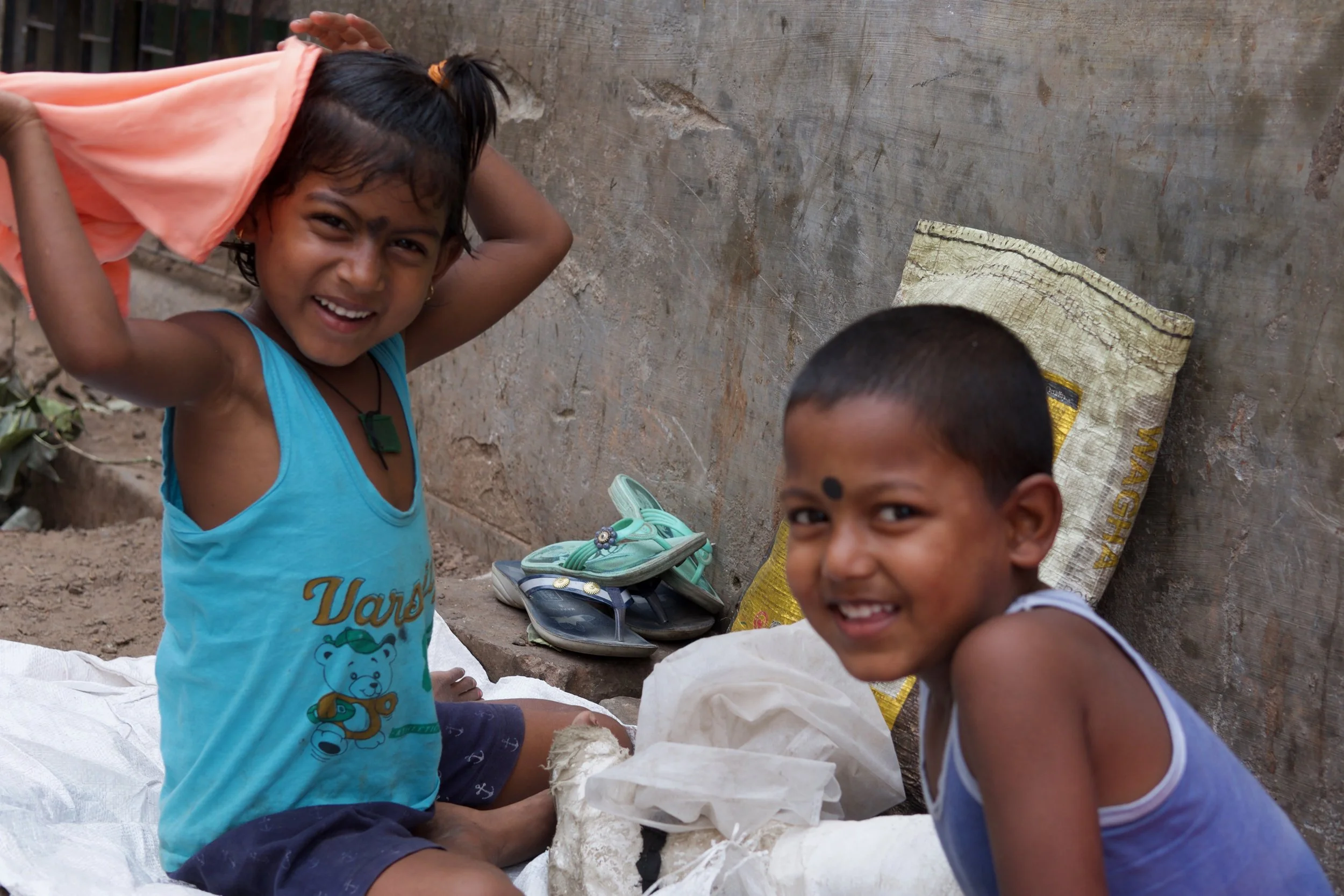
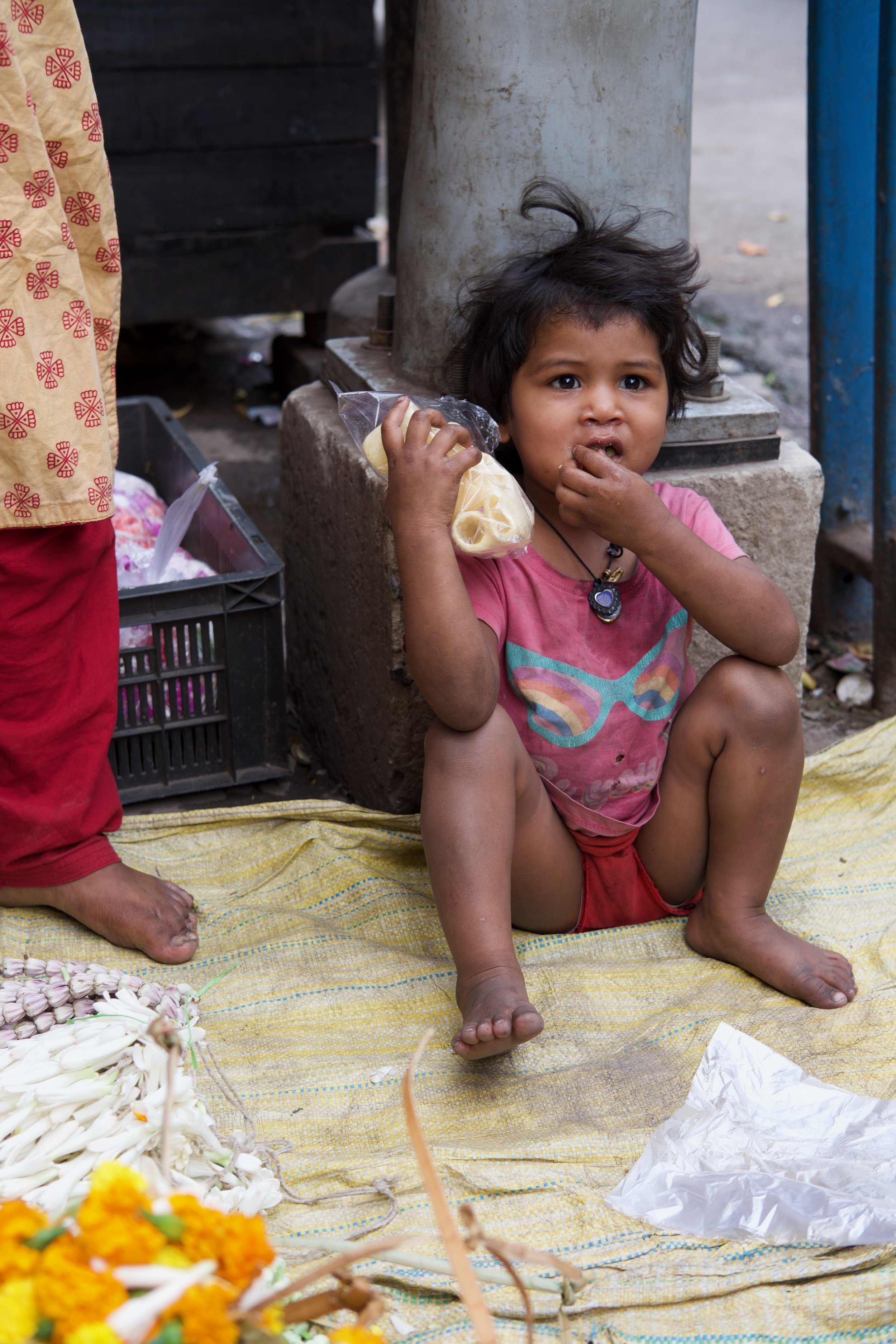
In Calcutta, I searched the neighbourhood where people live on the railroad. This is one of the poorest and most overpopulated neighbourhoods of this city, where many hundred thousand of homeless people live on the streets. Getting to know this neighbourhood which is called Anand Nagar, the City of Joy, got me thinking. I come from a different culture but I could clearly see the happiness in the eyes of the railway people in spite of their poverty. It would be nice to see this joy in the eyes of all humans. I believe that a street photographer must face these realities with a different eye, and ask himself many questions. I've tried.

There is a very famous book that talks about the city of joy, it's a novel, but it tells of true stories.

City of Joy by Dominique Lapierre

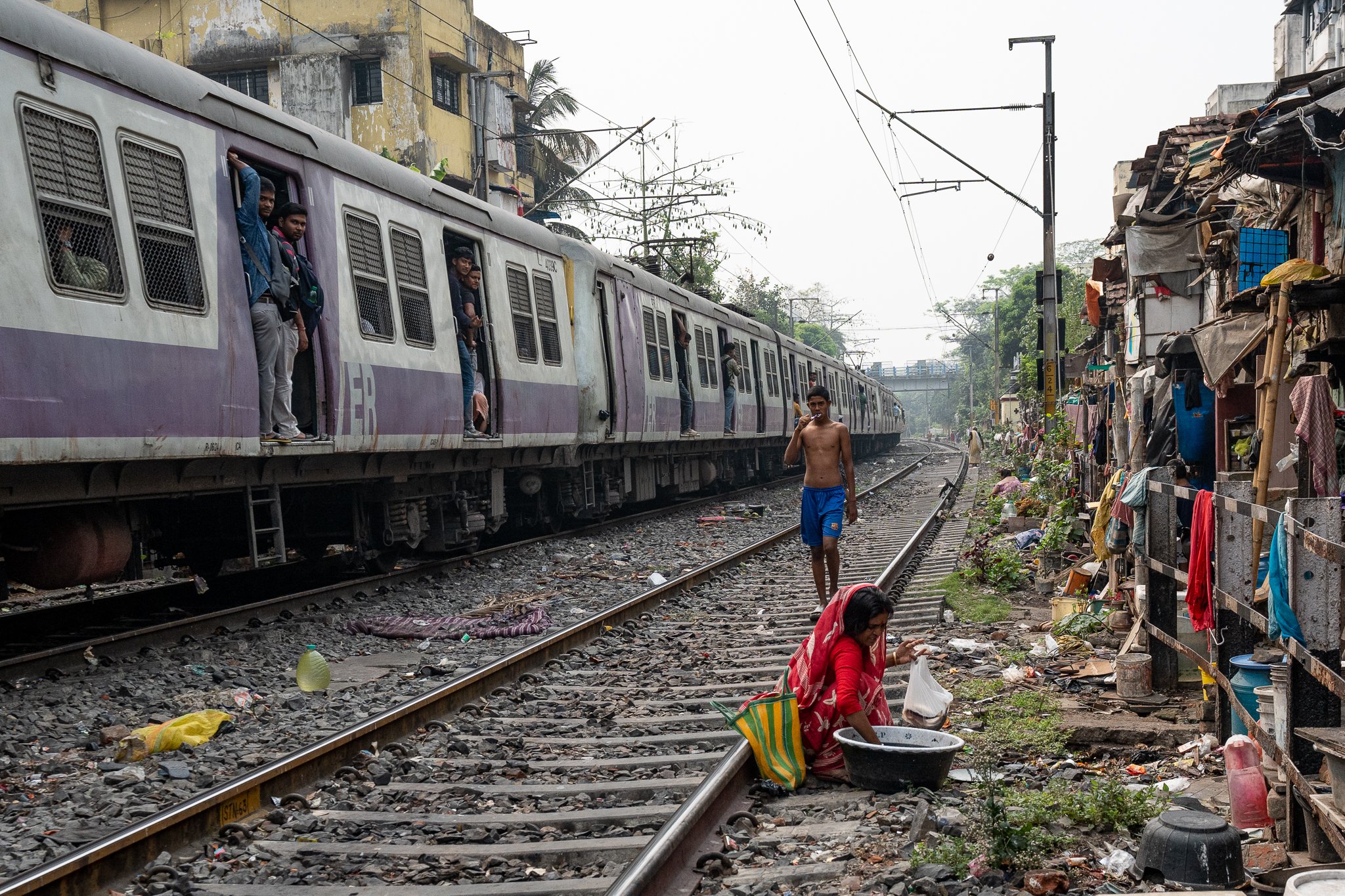
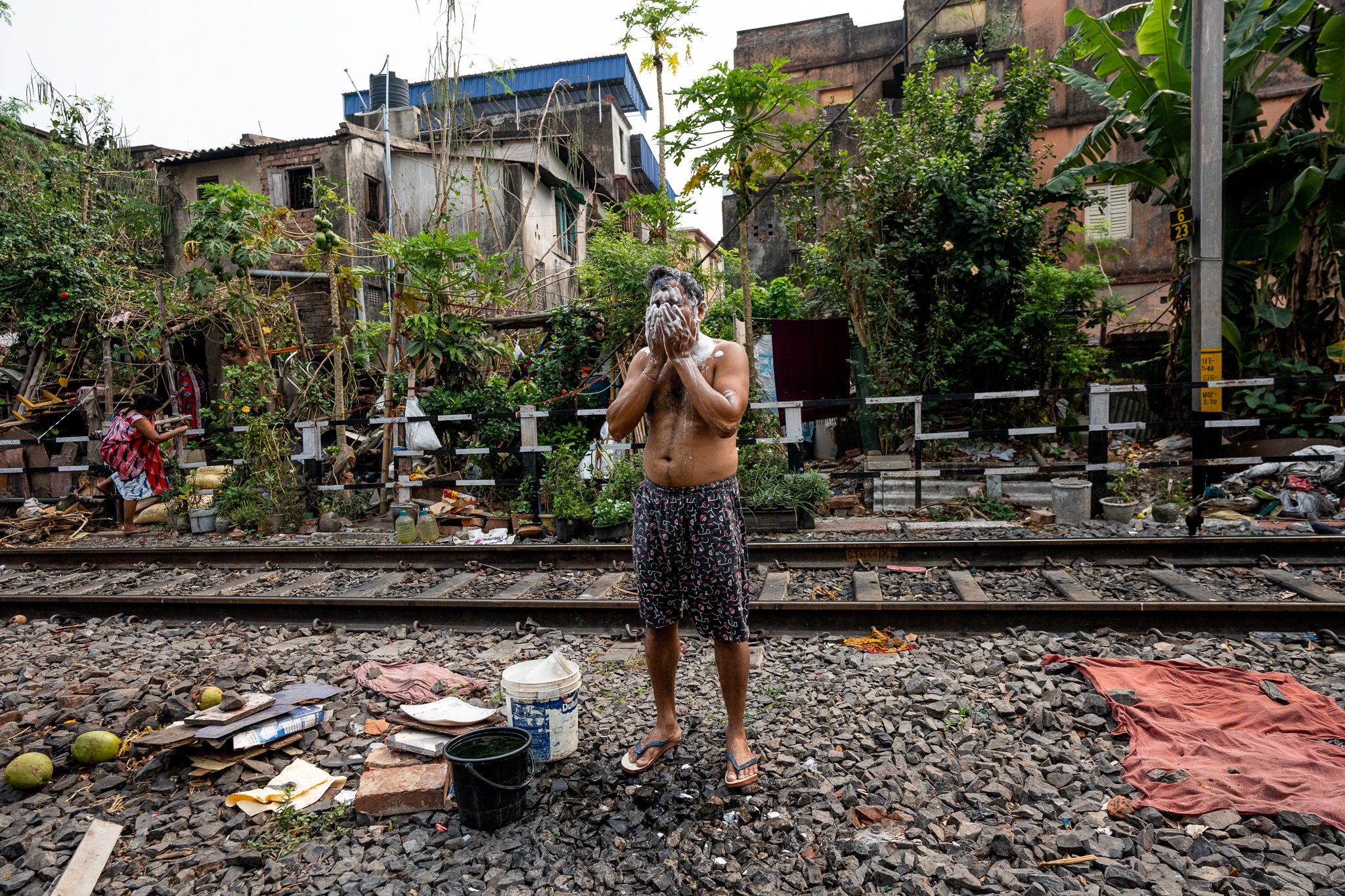
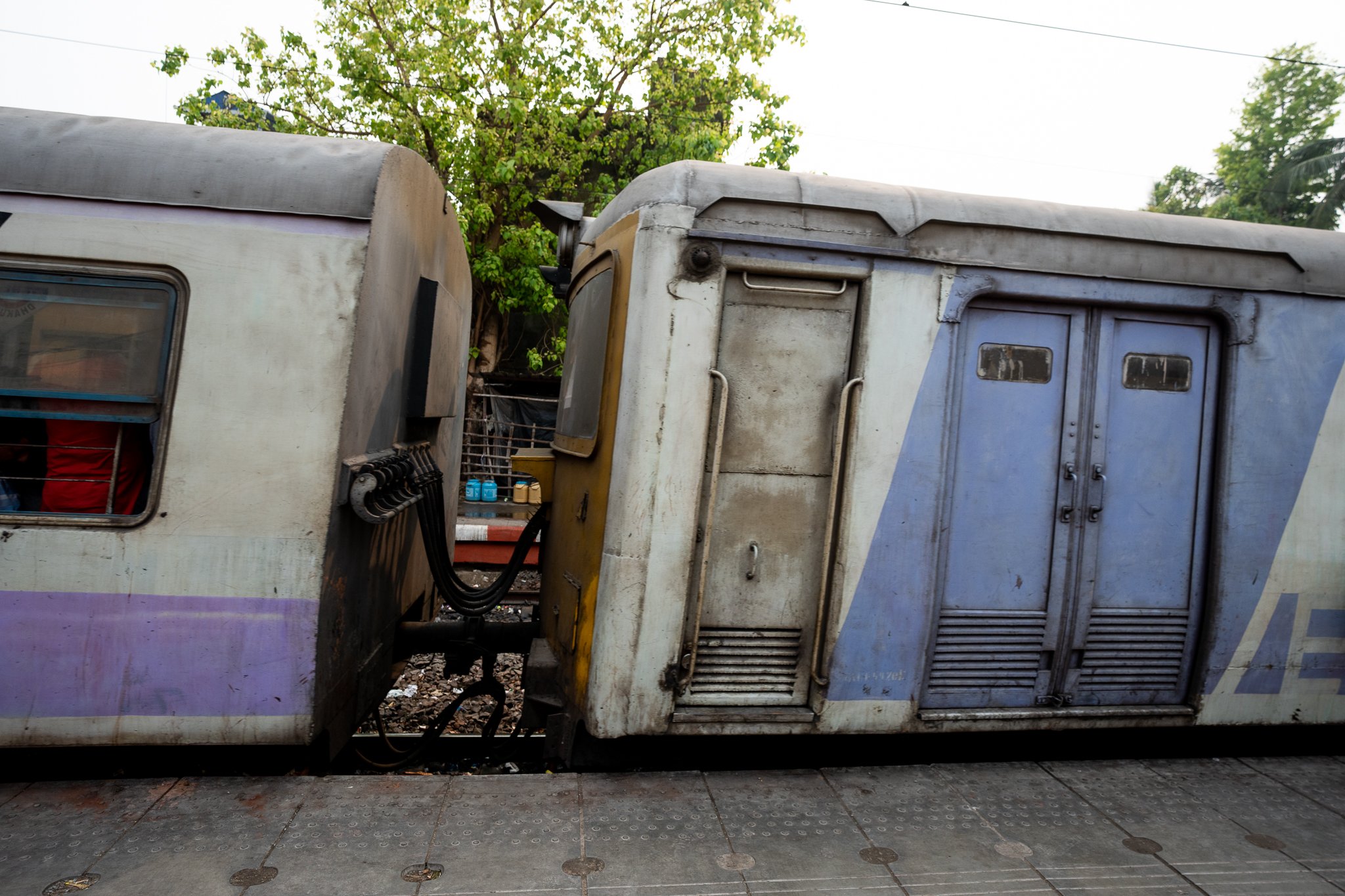
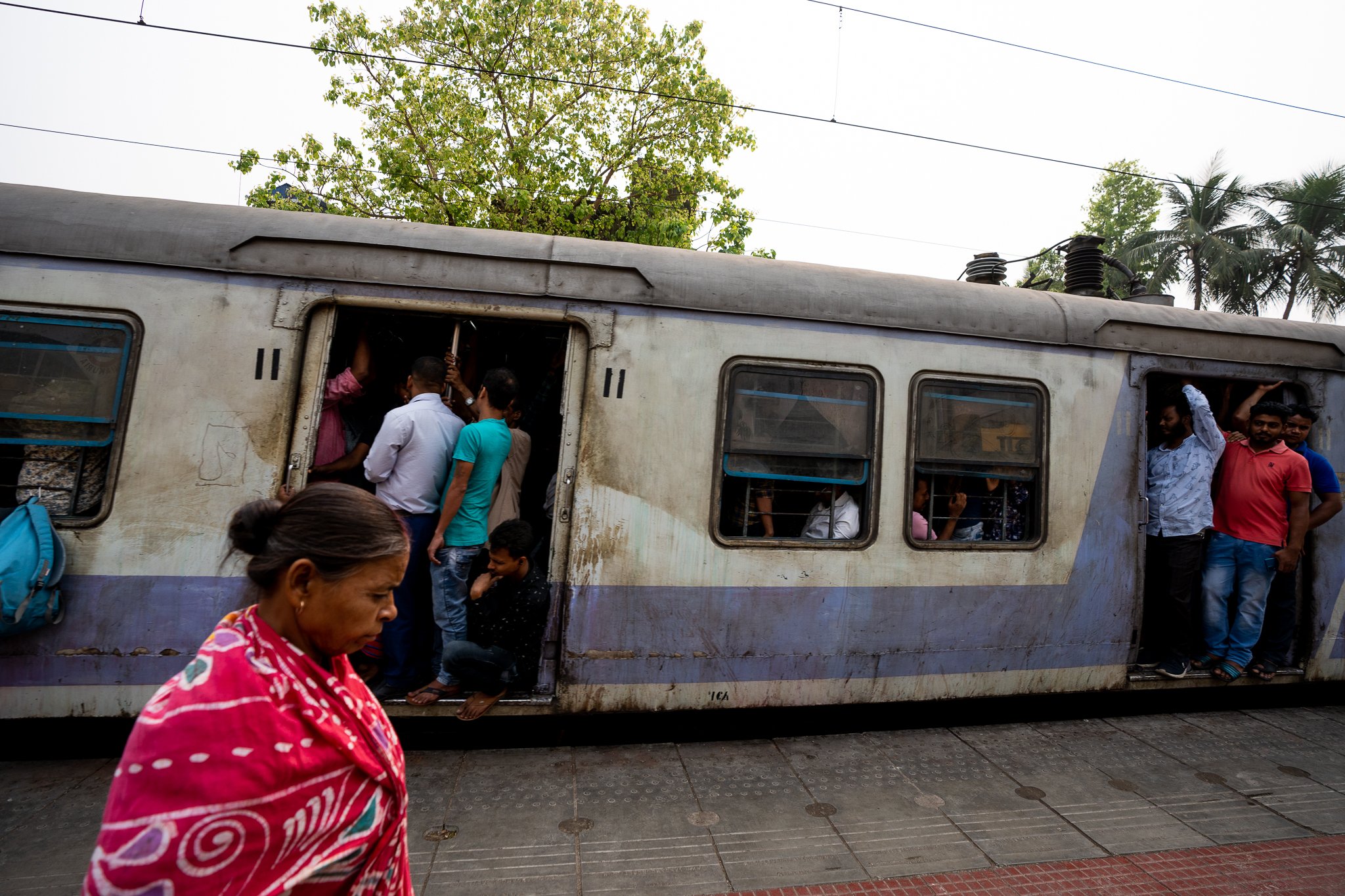
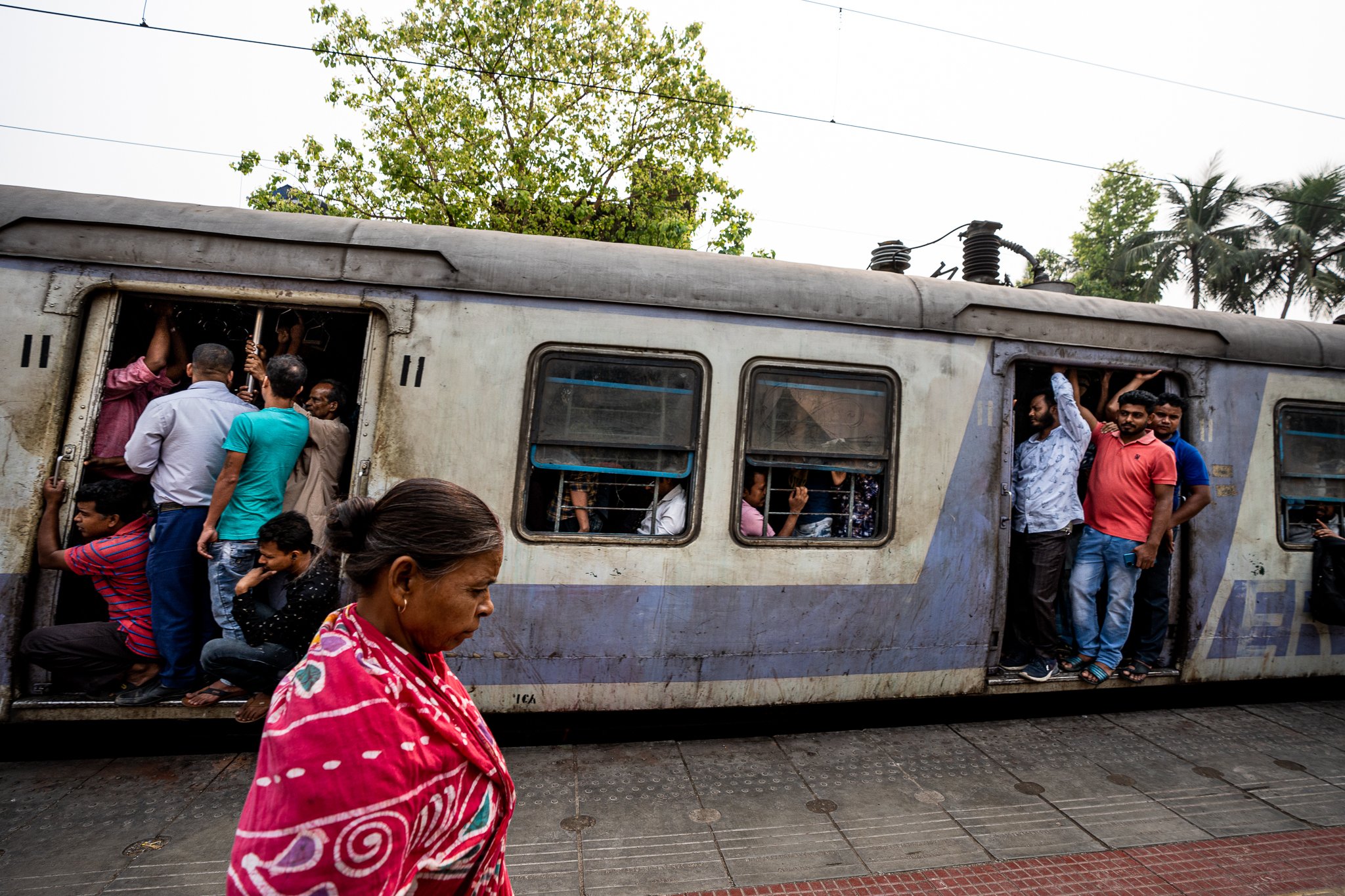
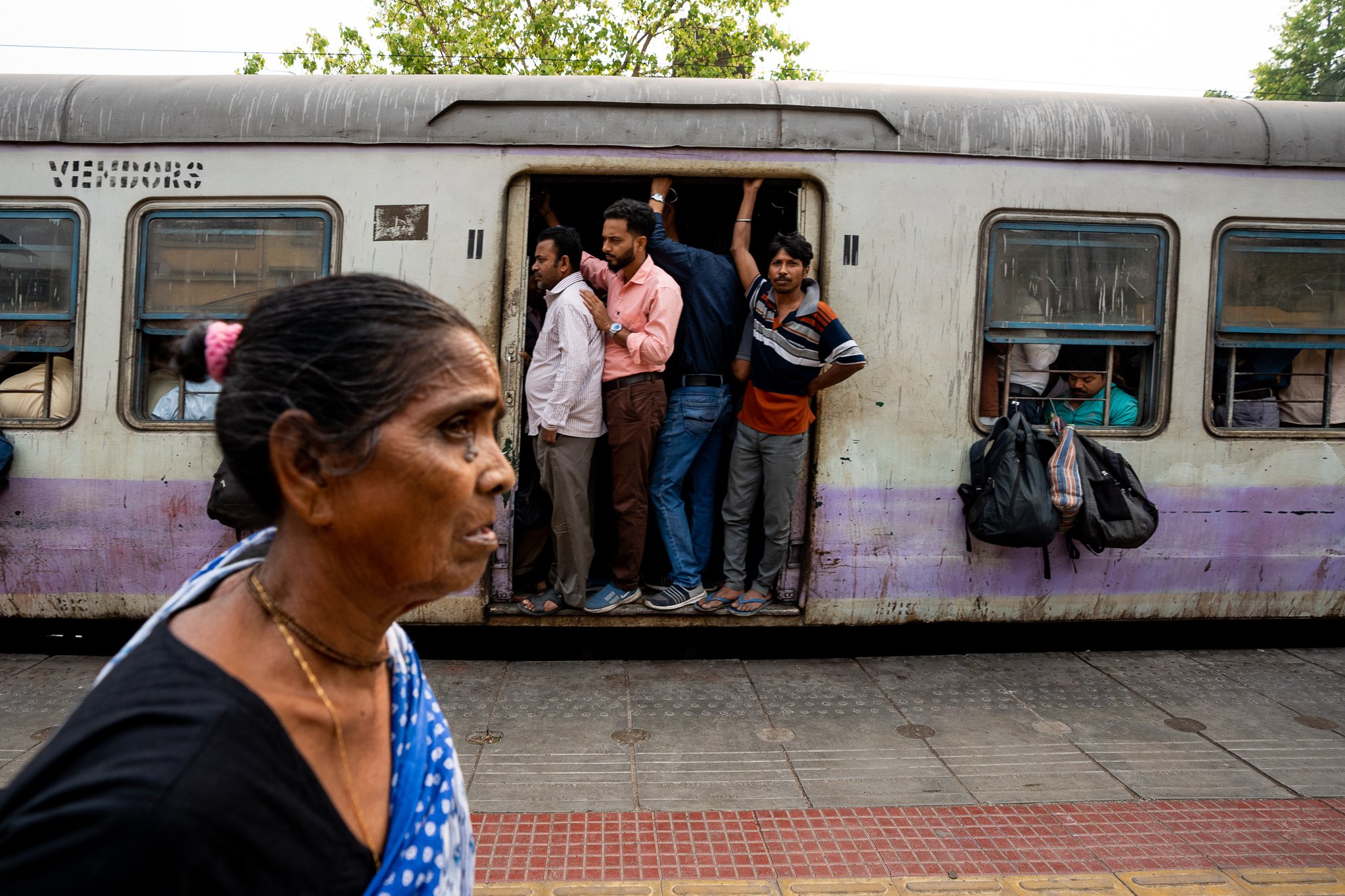
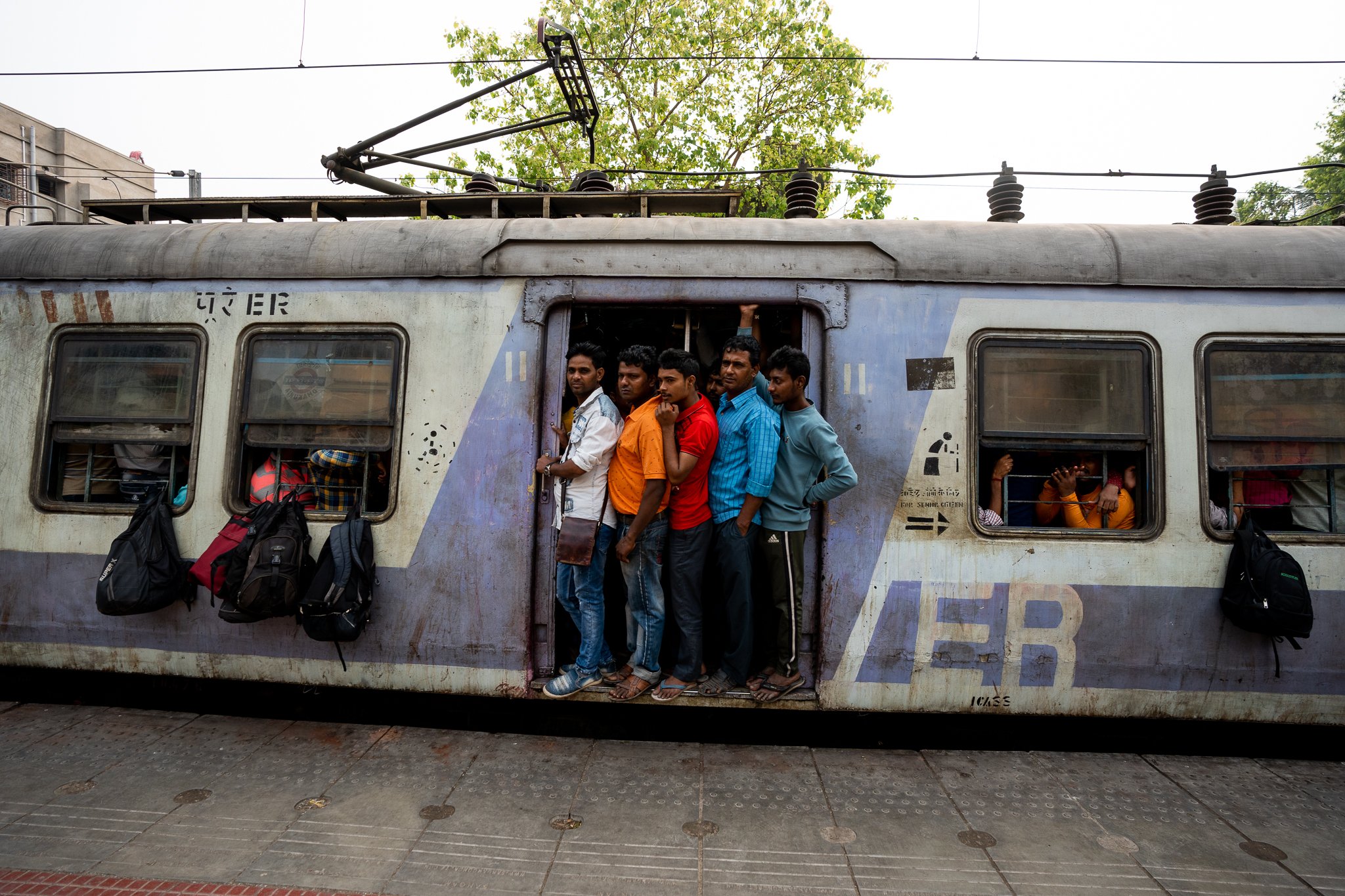
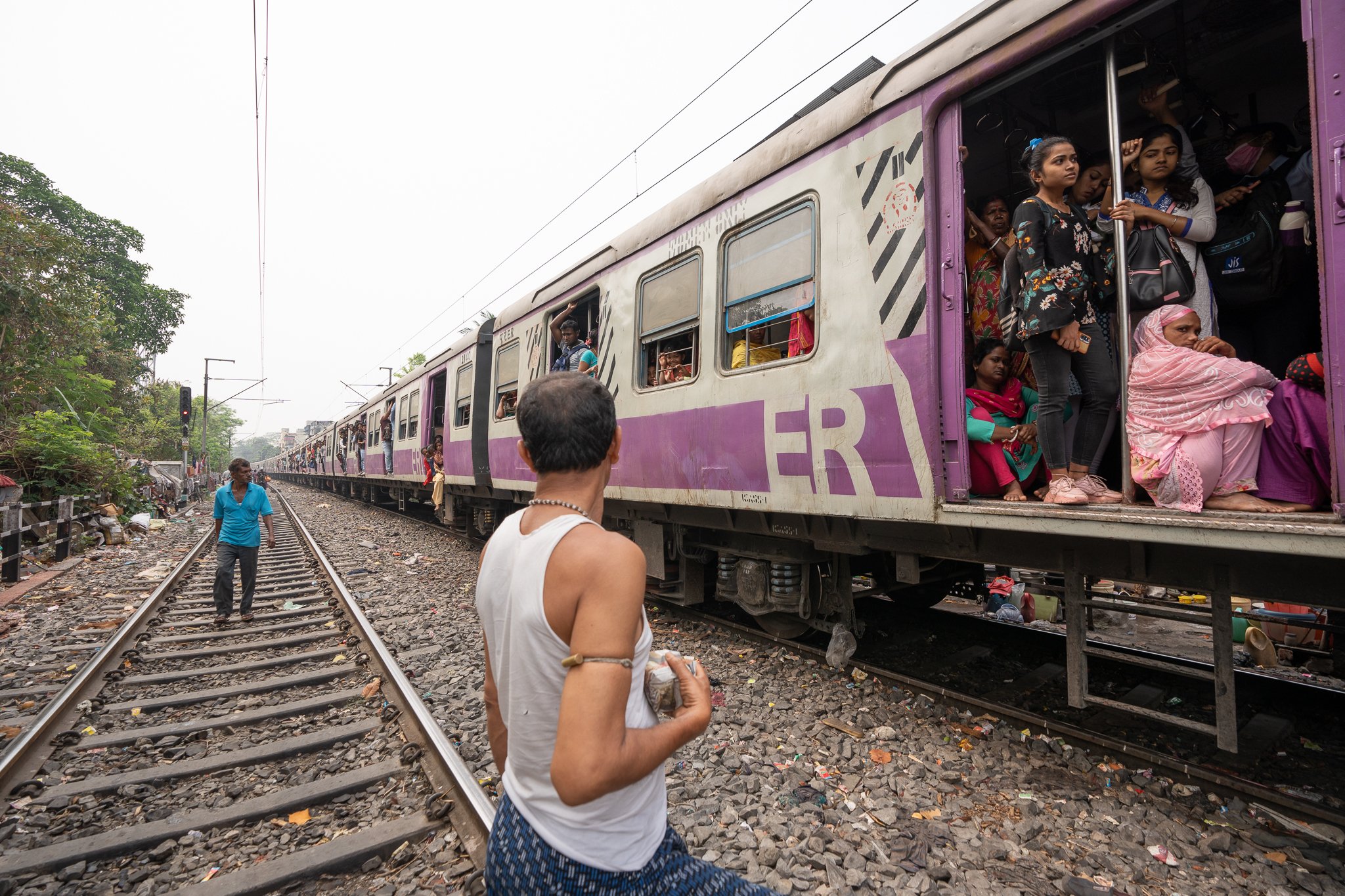
The train passes every few minutes in the morning, during which the railroad people lead their lives, brush their teeth, wash their faces, prepare breakfast and wash the dishes.

The houses are a bedroom only, a bamboo ladder and ropes used to climb to the second floor where the small children usually sleep. And inside the small shrines, there is a small temple for prayer.

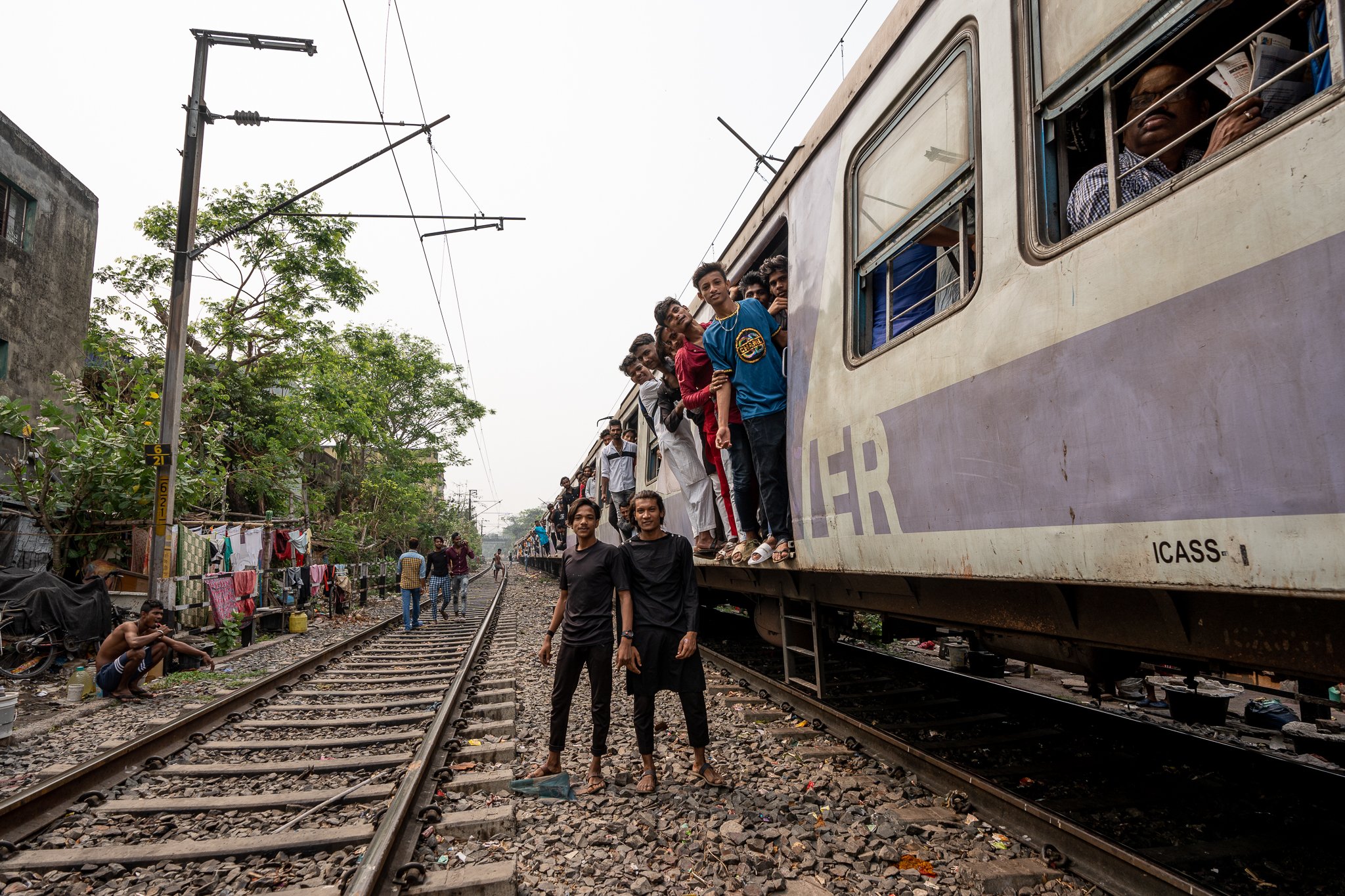
The trains pass a tiny touching distance from the house and the living area. In crowded areas, there is a small separation fence, and in other areas, the house is right on the tracks without any separation.

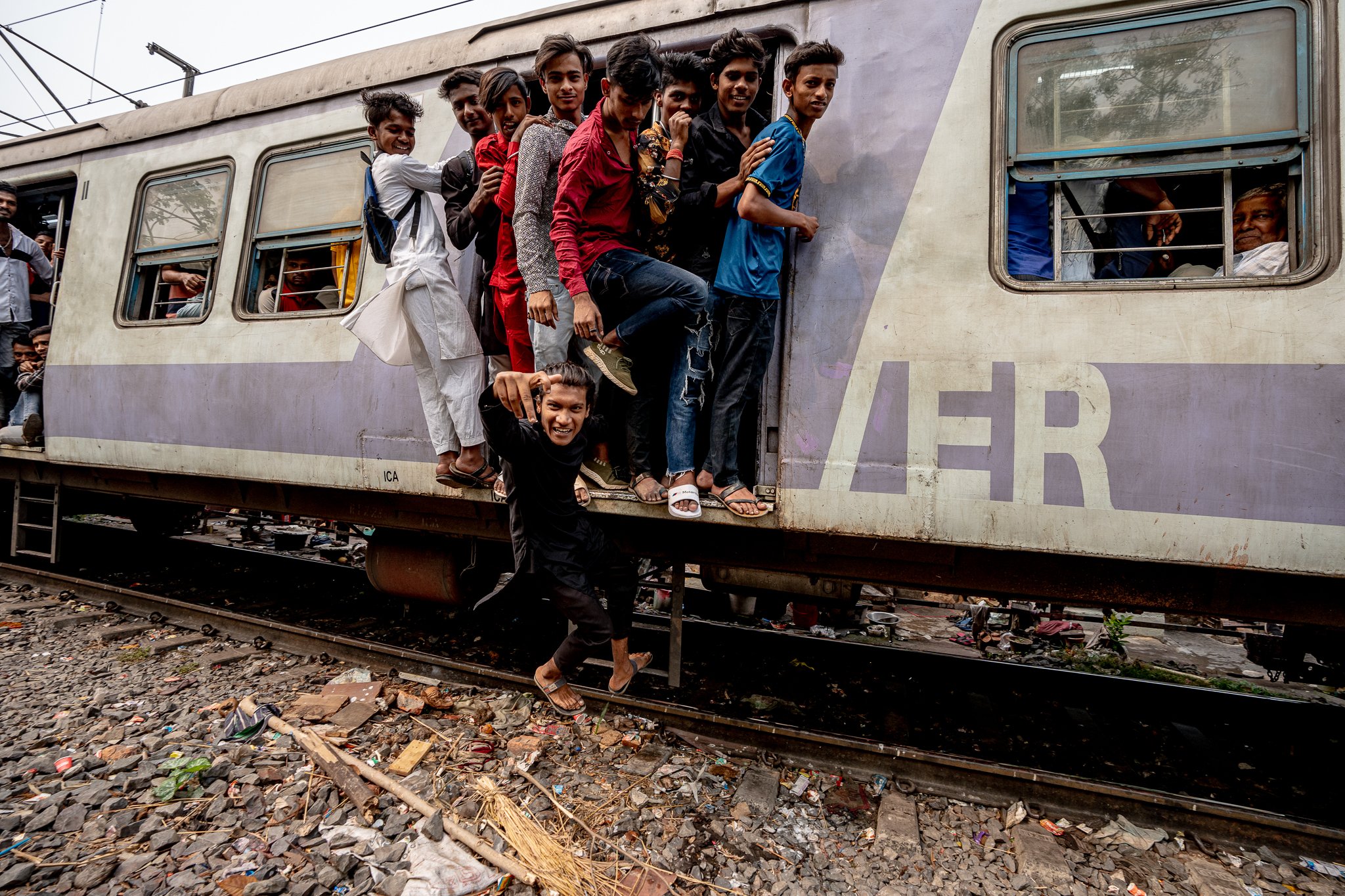
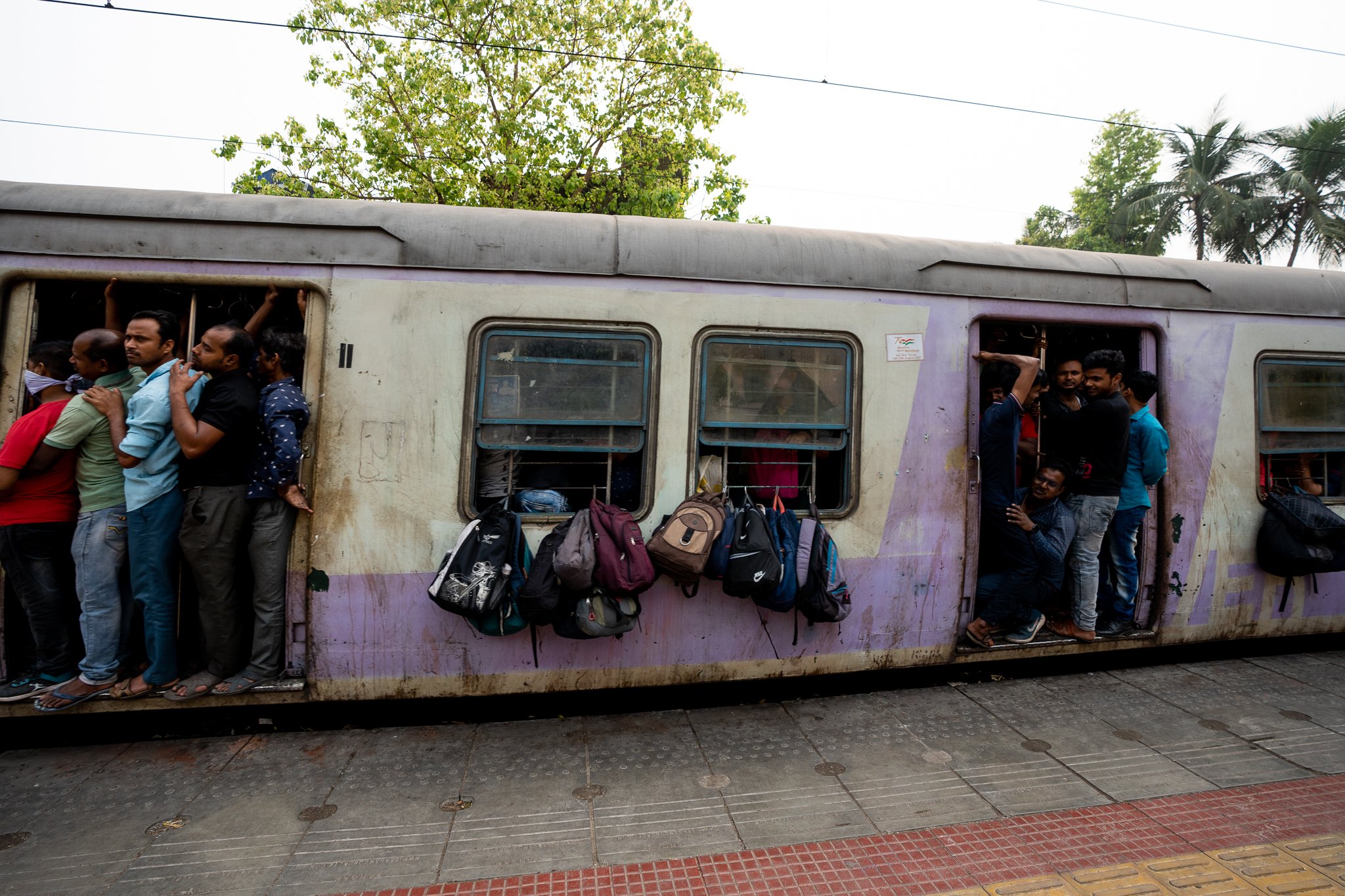
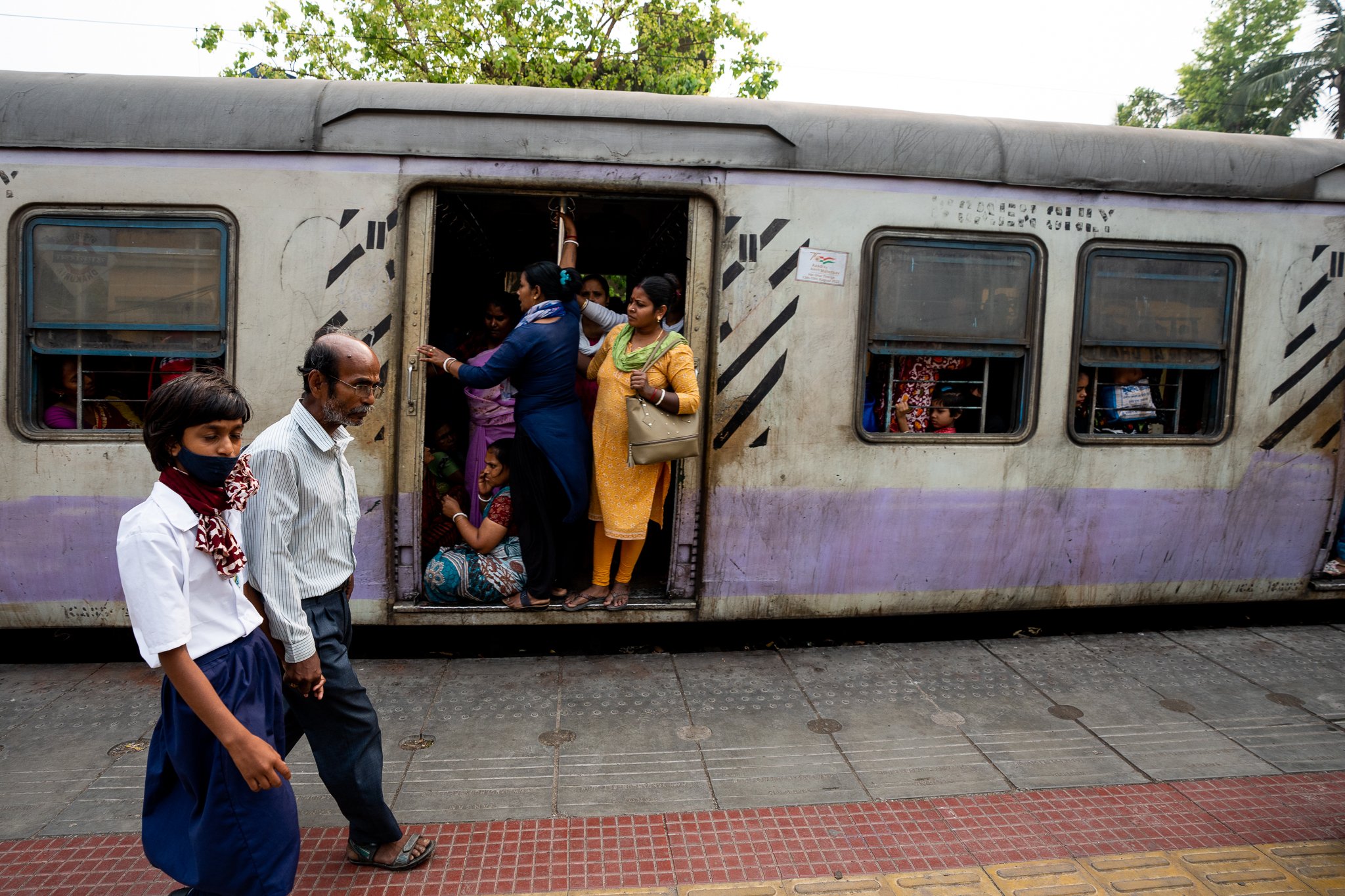
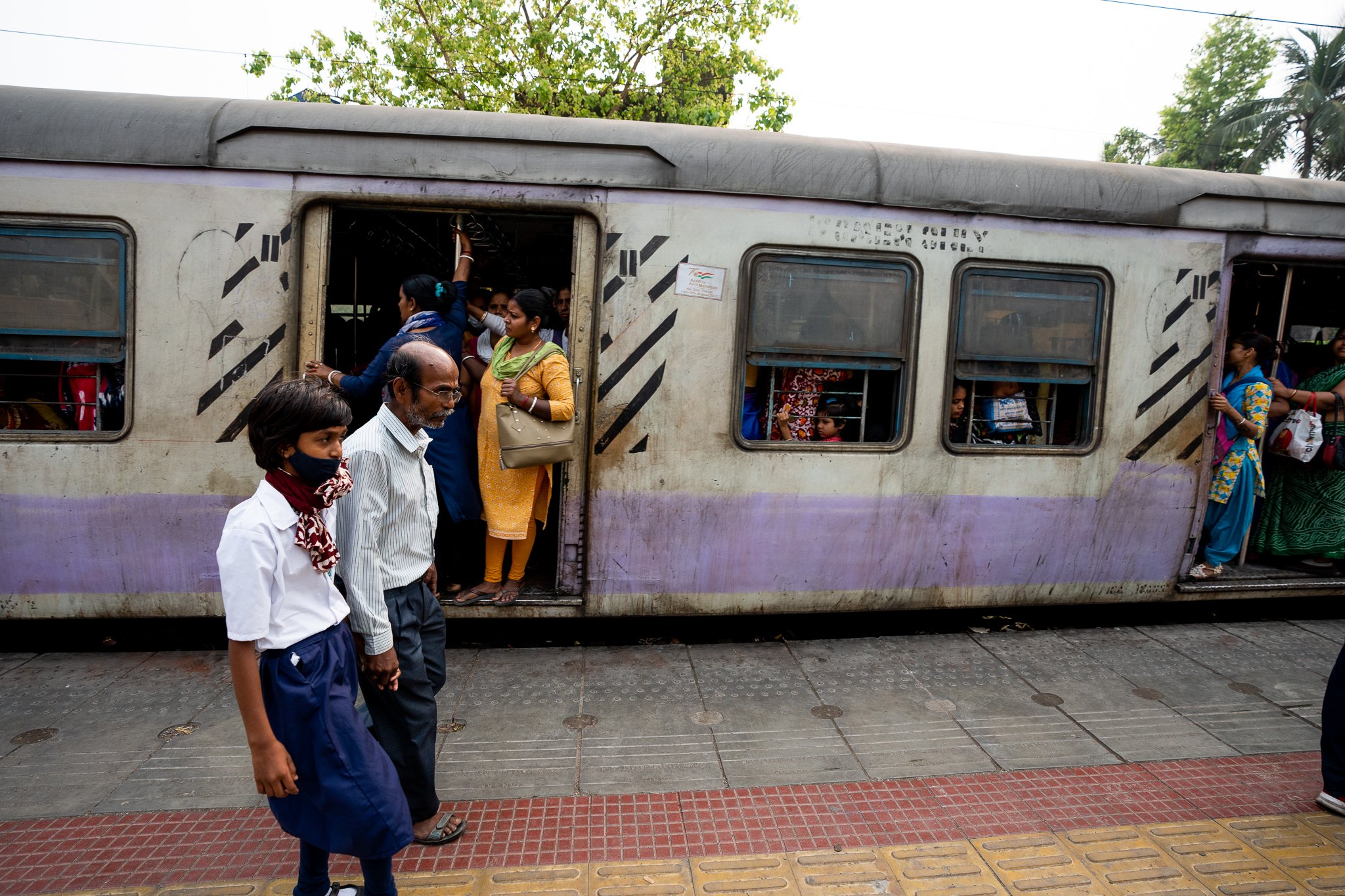
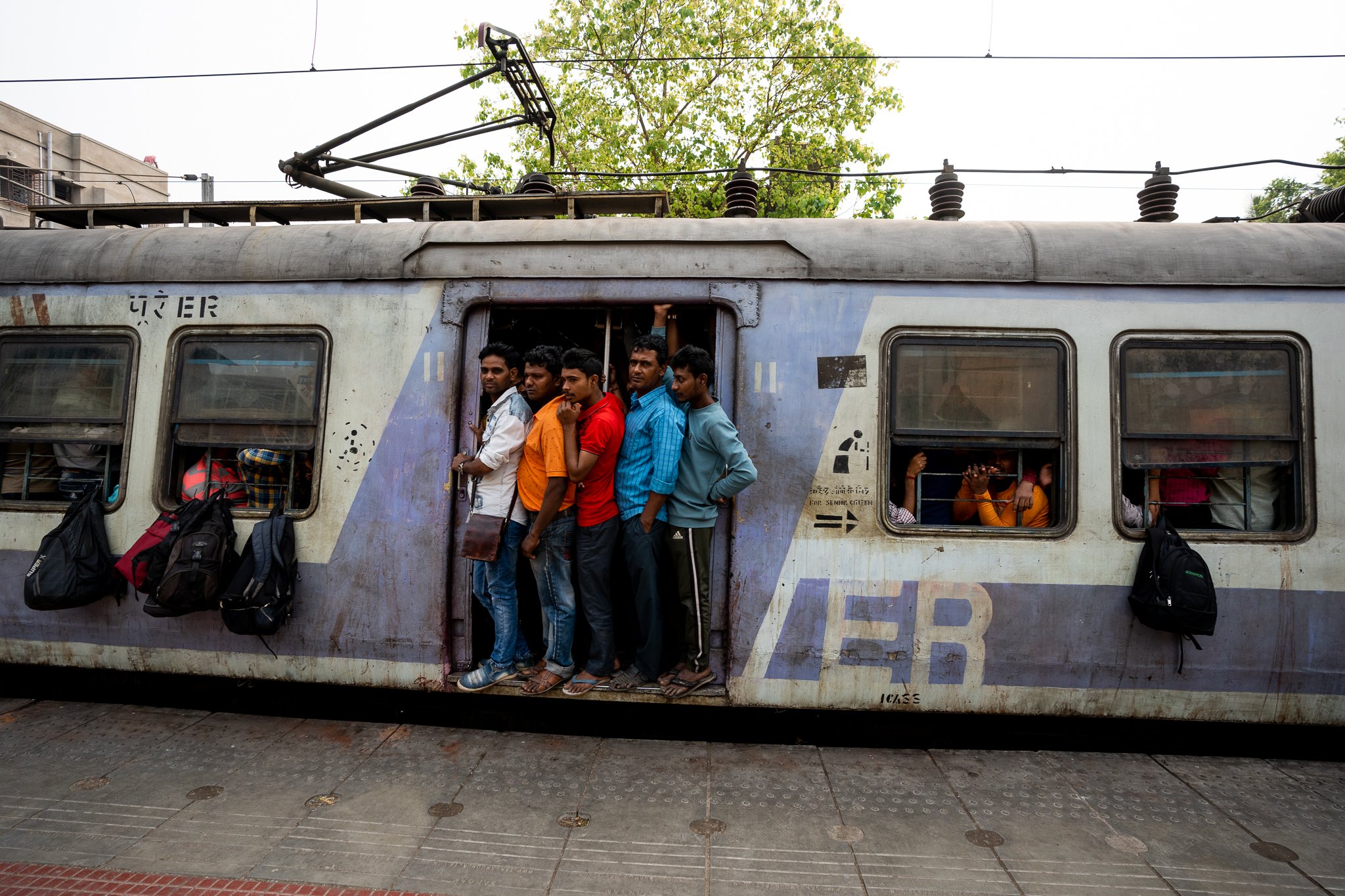
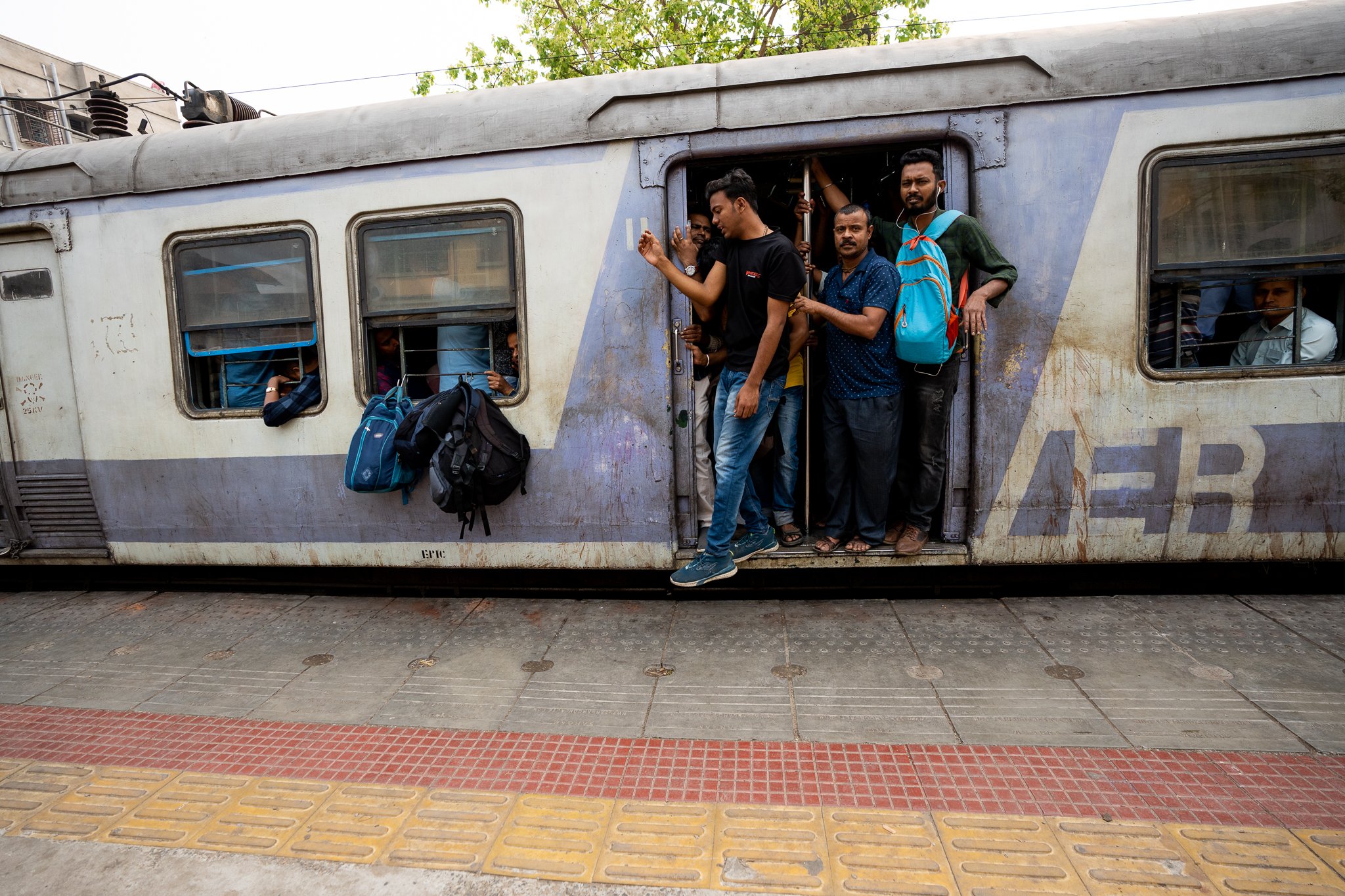
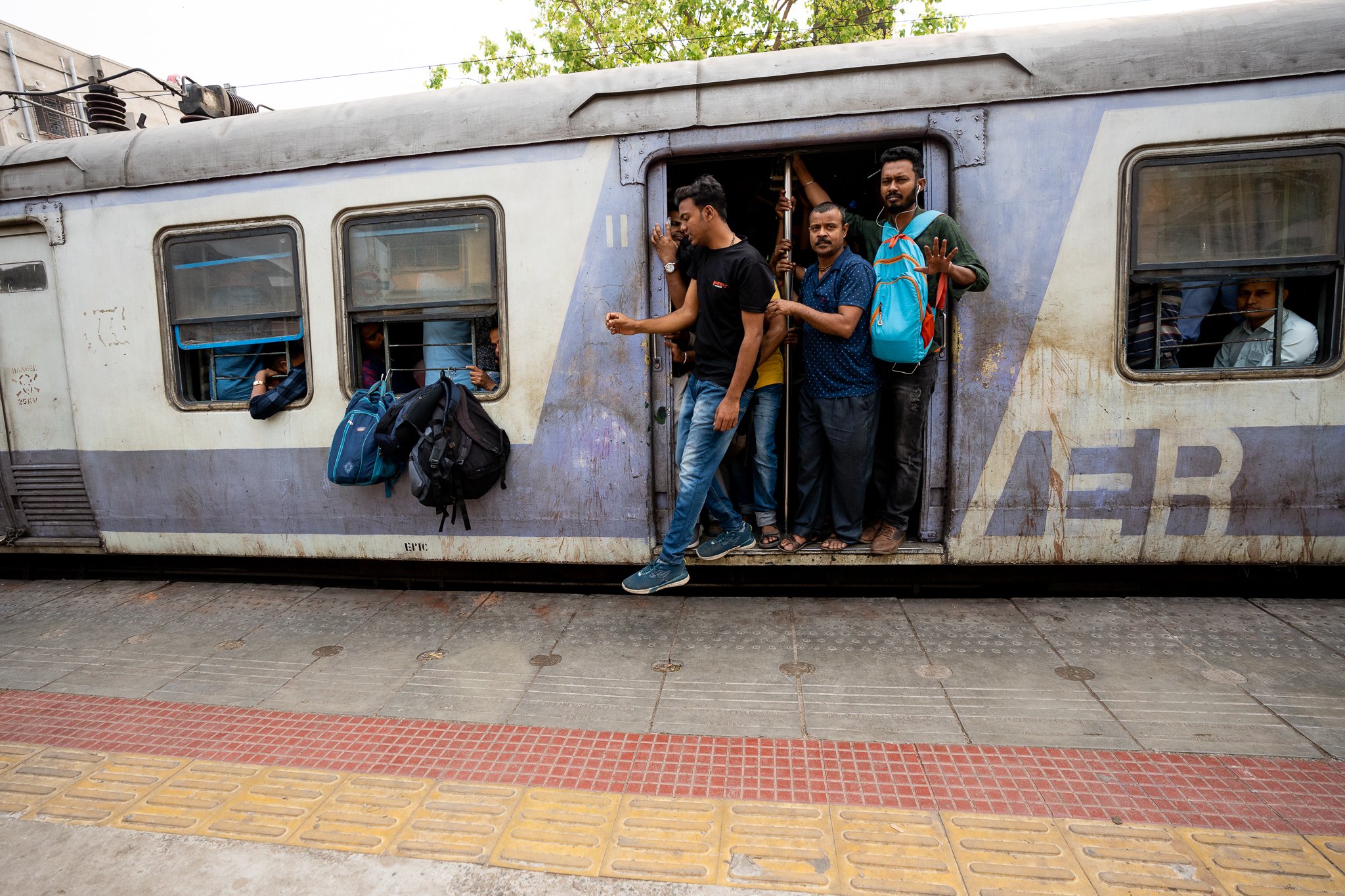
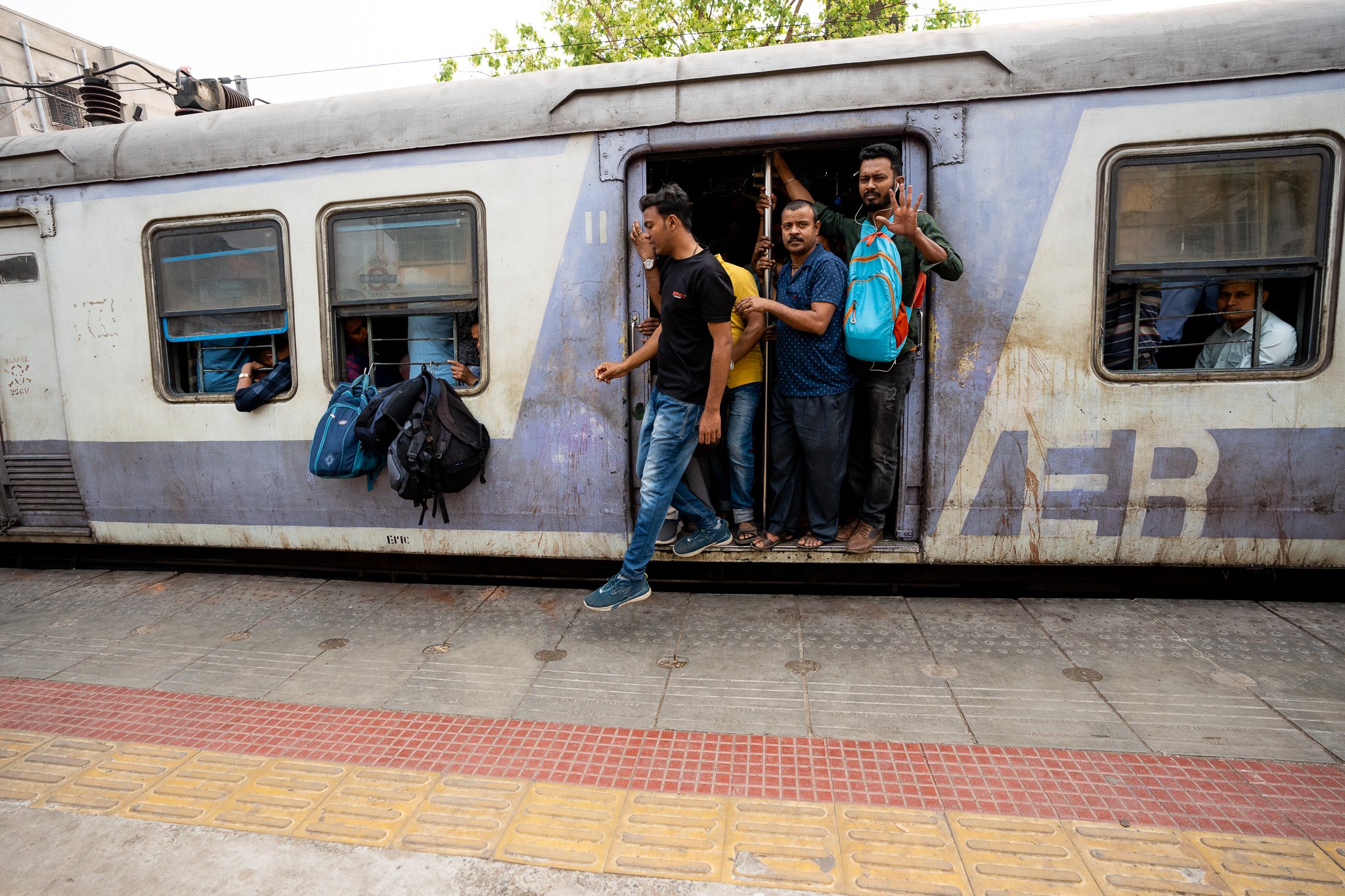
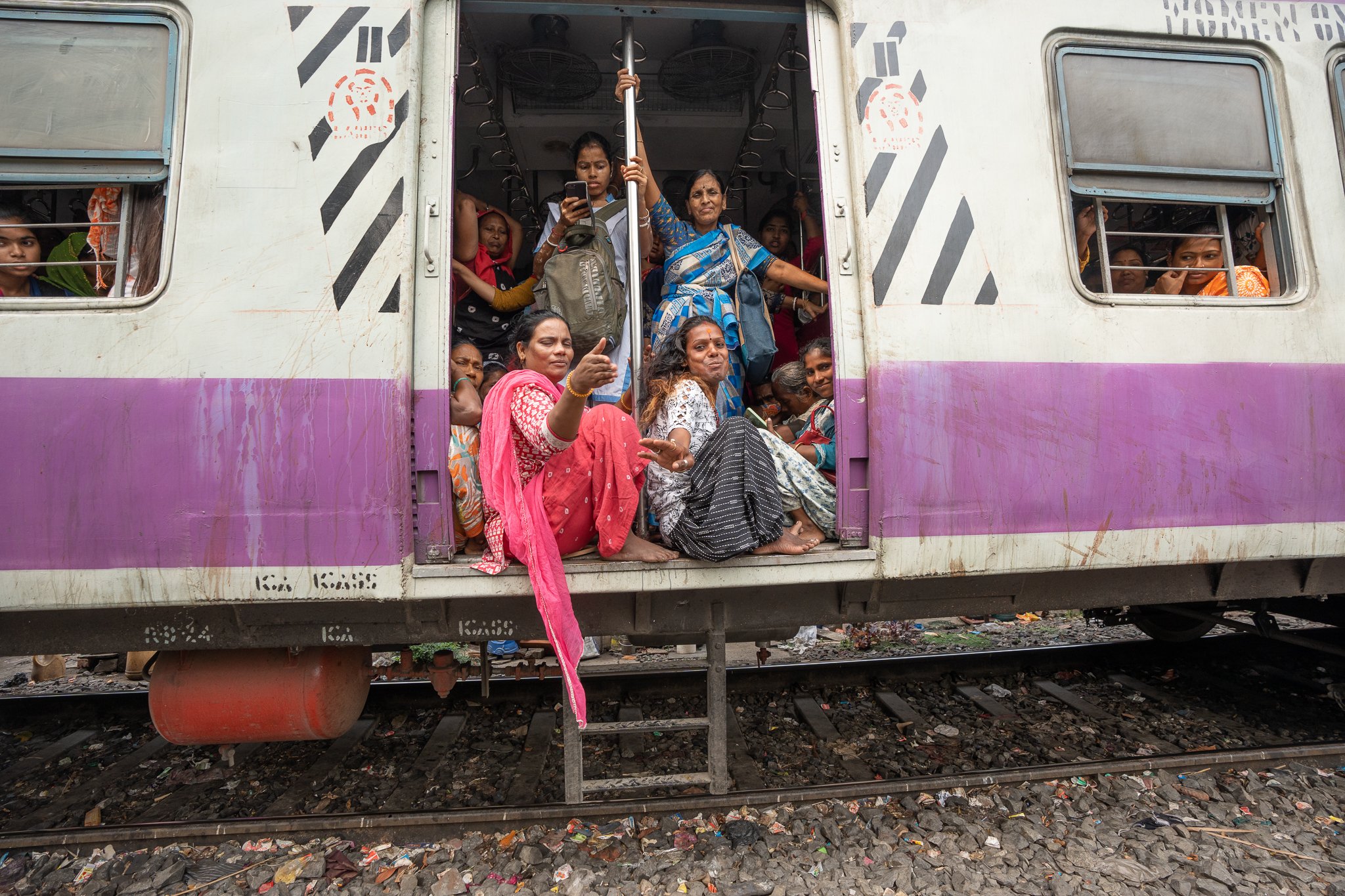
At the same time, on the train, people stand at the doors and in the aisles, whether on their way to school or work and look at their homes and the people on the track.

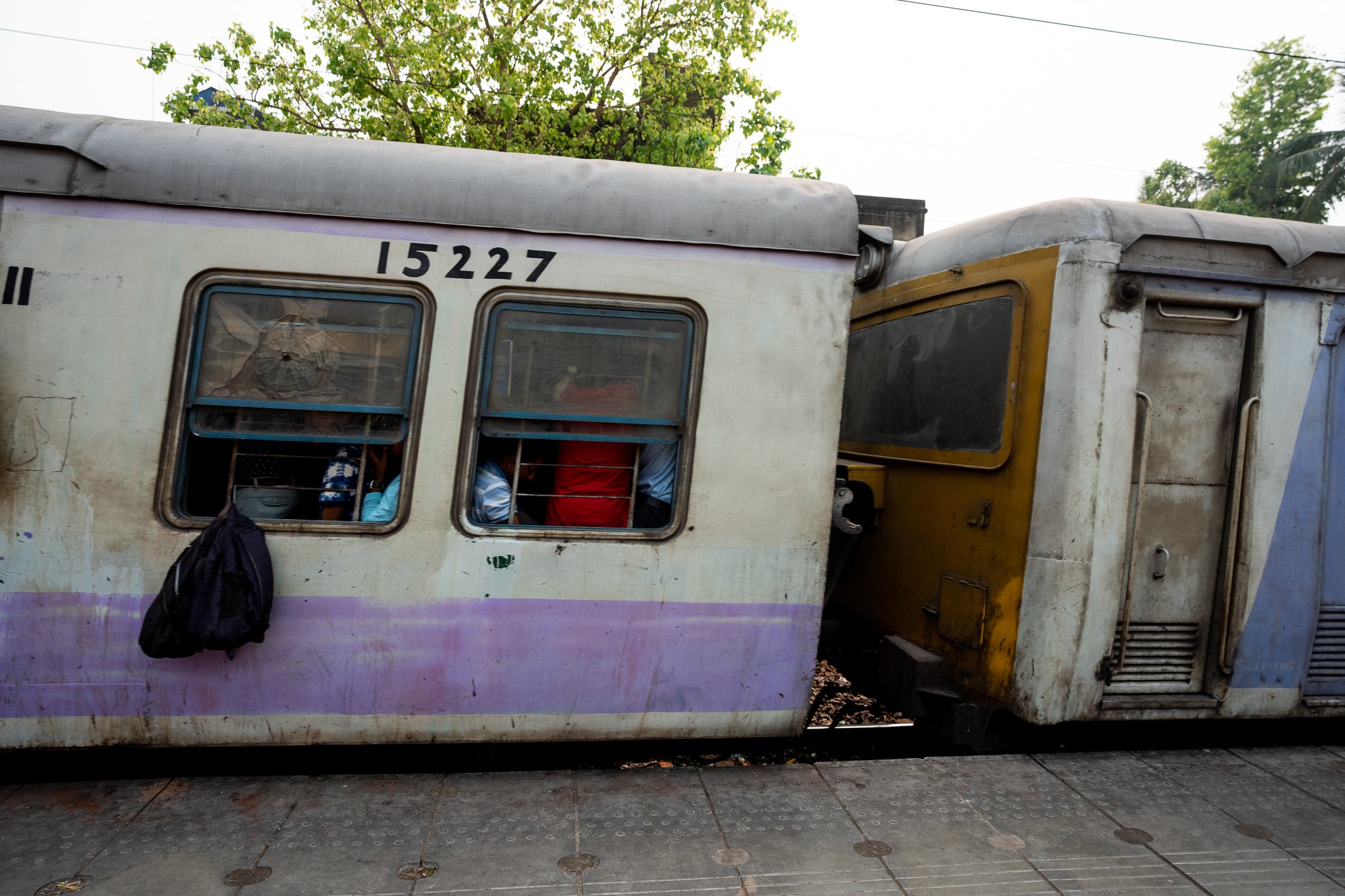
The bags are hung outside the train on the windows to save space. 

 
SIX02415.jpg
SIX02474.jpg
SIX02517.jpg
SIX02501.jpg
SIX02415.jpg SIX02474.jpg SIX02517.jpg SIX02501.jpg
 
View fullsize SIX01981.jpg
View fullsize SIX01986.jpg
View fullsize SIX02002.jpg
View fullsize SIX01993.jpg
View fullsize SIX02008.jpg
View fullsize SIX02013.jpg
View fullsize SIX02025.jpg
View fullsize SIX02029.jpg
View fullsize SIX02039.jpg
View fullsize SIX02102.jpg
View fullsize SIX02042.jpg
View fullsize SIX02143.jpg
View fullsize SIX02115.jpg
View fullsize SIX02096.jpg
View fullsize SIX02322.jpg
View fullsize SIX02594.jpg
View fullsize SIX02178.jpg
View fullsize SIX02645.jpg
 
 
SIX02385.jpg
SIX02392.jpg
SIX02403.jpg
SIX02385.jpg SIX02392.jpg SIX02403.jpg
View fullsize SIX02576.jpg
View fullsize SIX02581.jpg
 
SIX02167.jpg
SIX02173.jpg
SIX02190.jpg
SIX02201.jpg
SIX02290.jpg
SIX02291.jpg
SIX02167.jpg SIX02173.jpg SIX02190.jpg SIX02201.jpg SIX02290.jpg SIX02291.jpg
View fullsize SIX02236.jpg
View fullsize SIX02246.jpg
View fullsize SIX02259.jpg
View fullsize SIX08555.jpg
View fullsize SIX08558.jpg
View fullsize SIX08563.jpg
View fullsize SIX08589.jpg
View fullsize SIX08569.jpg
View fullsize SIX08610.jpg
SIX01927.jpg
SIX01928.jpg
SIX01929.jpg
SIX01930.jpg
SIX01931.jpg
SIX01932.jpg
SIX01933.jpg
SIX01934.jpg
SIX01938.jpg
SIX01939.jpg
SIX01940.jpg
SIX01941.jpg
SIX01942.jpg
SIX01943.jpg
SIX01944.jpg
SIX01945.jpg
SIX01950.jpg
SIX01949.jpg
SIX01951.jpg
SIX01952.jpg
SIX01953.jpg
SIX01954.jpg
SIX01955.jpg
SIX01956.jpg
SIX01927.jpg SIX01928.jpg SIX01929.jpg SIX01930.jpg SIX01931.jpg SIX01932.jpg SIX01933.jpg SIX01934.jpg SIX01938.jpg SIX01939.jpg SIX01940.jpg SIX01941.jpg SIX01942.jpg SIX01943.jpg SIX01944.jpg SIX01945.jpg SIX01950.jpg SIX01949.jpg SIX01951.jpg SIX01952.jpg SIX01953.jpg SIX01954.jpg SIX01955.jpg SIX01956.jpg

In India the problem of violence against women on convoys had reached such dimensions that in 2009, in addition to the dedicated carriages already present by law for two years, the then-new minister Mamata Banerjee had set up the Ledies Special, trains entirely prohibited to the men, who connected the suburbs to the city centers of New Delhi, Calcutta, Mumbai and Chennai.

SIX02661.jpg
SIX02673.jpg
SIX02687.jpg
SIX02696.jpg
SIX02706.jpg
SIX02661.jpg SIX02673.jpg SIX02687.jpg SIX02696.jpg SIX02706.jpg
 
 
Miki Schauder
Thursday 05.25.23
Posted by Progressive-Street
 

Fascinating days in Kolkata by Patricia Kerkhofs

Fascinating days in Kolkata

by Patricia Kerkhofs

When diversity meets in harmony, we experience the blessings of civilisations instead of their clash. 

My photography intends to show these moments of harmony while being briefly part of a world outside my usual cultural environment.

The look and the attitude of a child reflect perfectly the unbiased curiosity for the things to come, for a step outside their comfort zone.

I approached them sensitively and thoughtfully. I was instinctively verifying if they really wanted to be photographed or not.

A child lives the moment without prejudice but with the necessary level of precaution for the evil traps of an urban jungle. Although they are fragile little human beings, I am fascinated by the light in their eyes, the light of joy and hope. Irrespective of the chaos surrounding them, the noise and the erratic behaviour of the world of adults, I cherish this moment, this fascinating cocoon of honesty.

I have tried to capture a little moment of friendship, of inquisitive looks, of sympathy between two human beings of different age and of very different backgrounds.

However, my intention is not to ignore the challenging daily circumstances these children are facing, certainly those belonging to inferior caste such as the dalits. They carry serious responsibilities within their families and share in the heavy duties and sufferings of every days live.

Consequently some photographs will expose less gloomy faces but mature expressions of worries and sorrow. But my intention is still the same, capturing a moment with deepest respect for the cultural particularity of the society these children are living in. My street photography during these few days was one of true love and admiration for the incredible and wonderful city of Kolkata and the children conveying hope for a better future.

It was a life changing and enriching experience that I shall never forget. 

Kolkata, the city of joy, you will always be in my heart as well as the lovely children. 

 
View fullsize _DSF8051 3.jpg
View fullsize _DSF8053.jpg
View fullsize _DSF8064.jpg
View fullsize _DSF8173.jpg
View fullsize _DSF8172.jpg
View fullsize _DSF8174.jpg
View fullsize _DSF8176 2.jpg
View fullsize DSCF7126.jpg
View fullsize DSCF7289.jpg
View fullsize DSCF7290.jpg
View fullsize DSCF7363 2.jpg
View fullsize DSCF7366.jpg
 
DSCF7405.jpg
DSCF7406.jpg
DSCF7405.jpg DSCF7406.jpg
 
DSCF7363 2.jpg
DSCF7436.jpg
 
DSCF7484.jpg
DSCF7485.jpg
DSCF7486.jpg
DSCF7487.jpg
DSCF7488.jpg
DSCF7484.jpg DSCF7485.jpg DSCF7486.jpg DSCF7487.jpg DSCF7488.jpg
 
View fullsize DSCF7517.jpg
View fullsize DSCF7520.jpg
 
DSCF7577 2.jpg
DSCF7578.jpg
DSCF7577 2.jpg DSCF7578.jpg
 
DSCF7587.jpg
DSCF7588 2.jpg
DSCF7587.jpg DSCF7588 2.jpg
 
View fullsize DSCF7634.jpg
View fullsize DSCF7635 2.jpg
View fullsize DSCF7638.jpg


Instagram
Tuesday 05.23.23
Posted by Progressive-Street
 

Life in transit: airport photography by Ubo Pakes

Life in transit

by Ubo Pakes

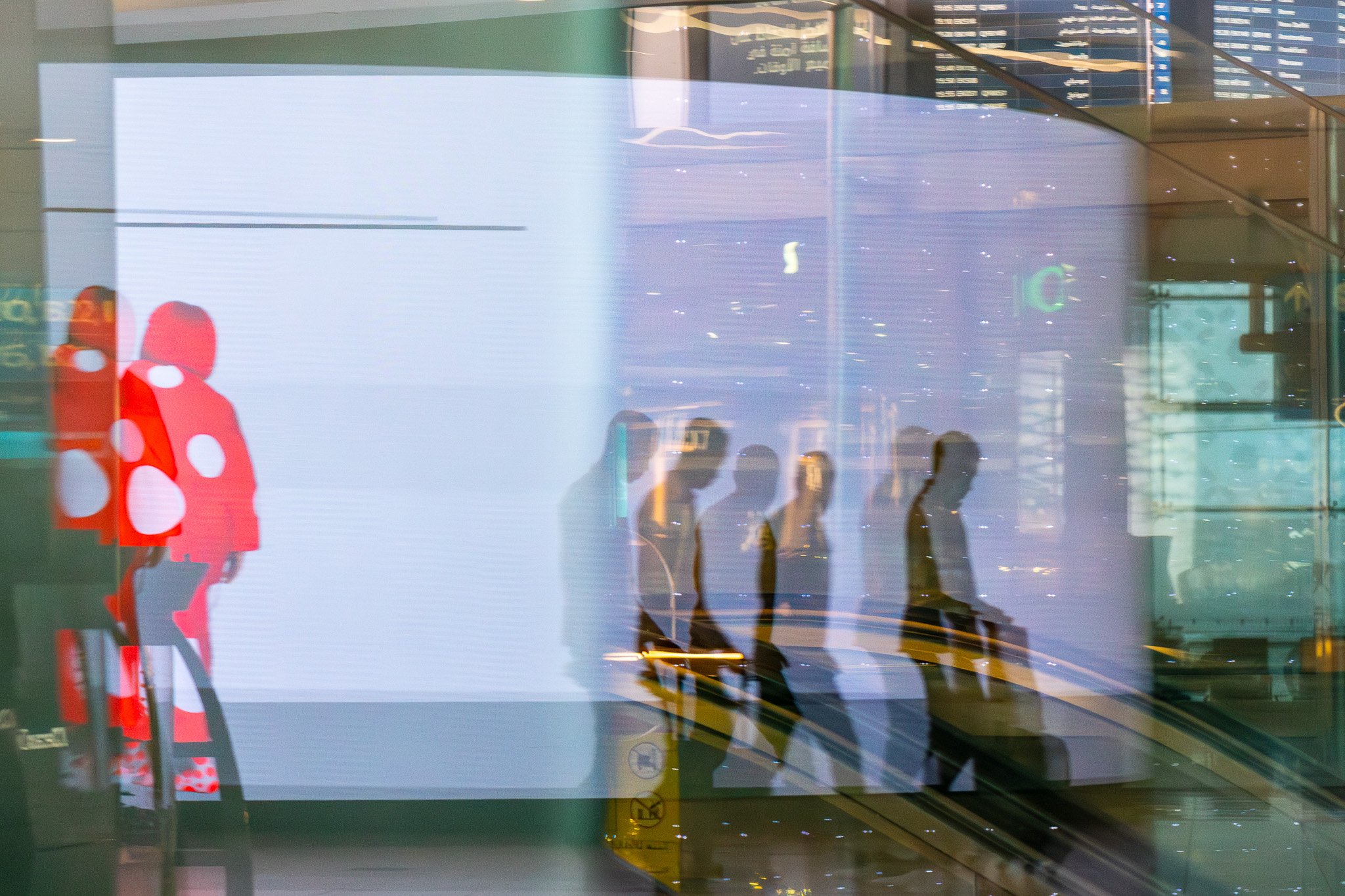
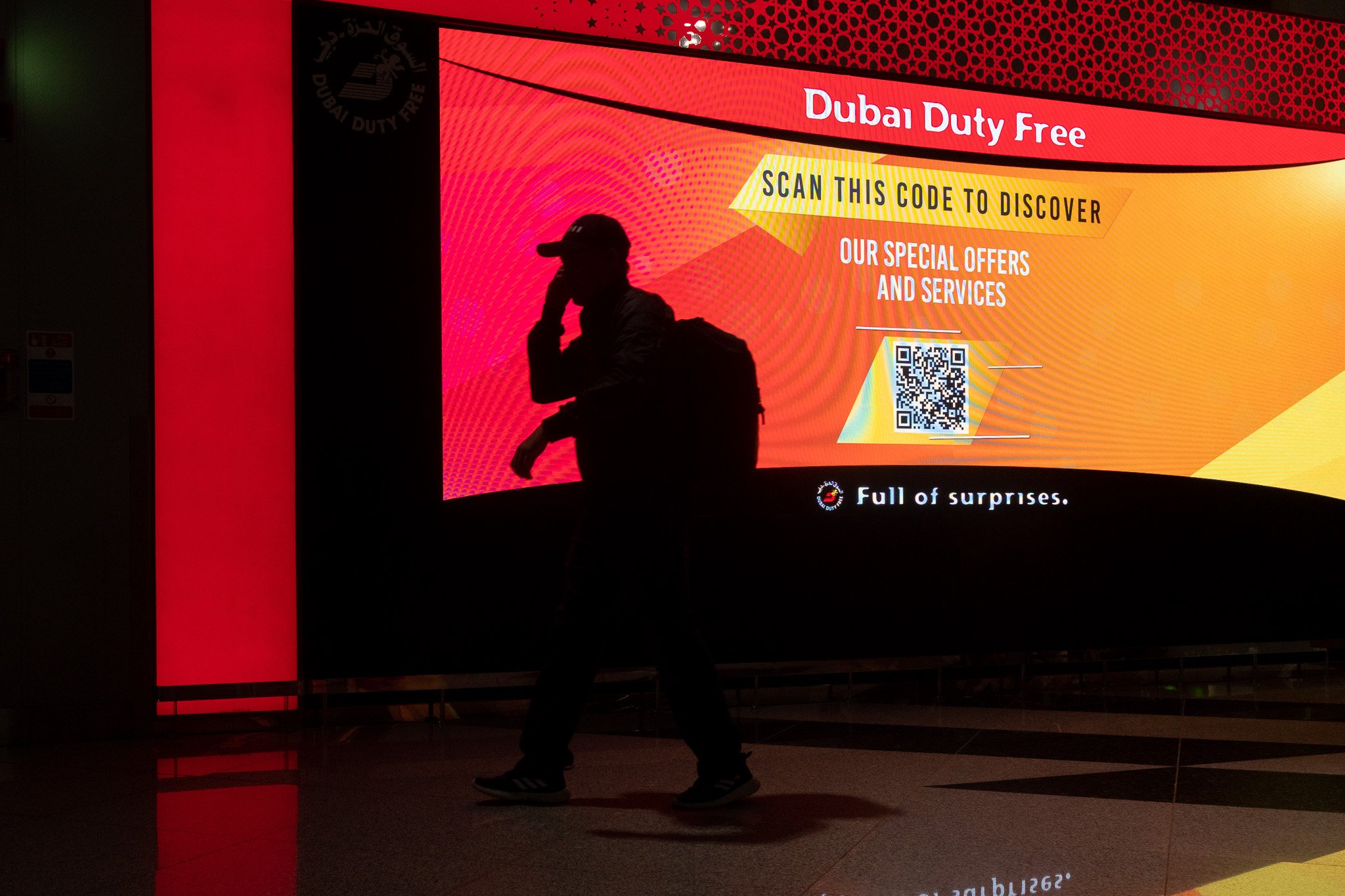
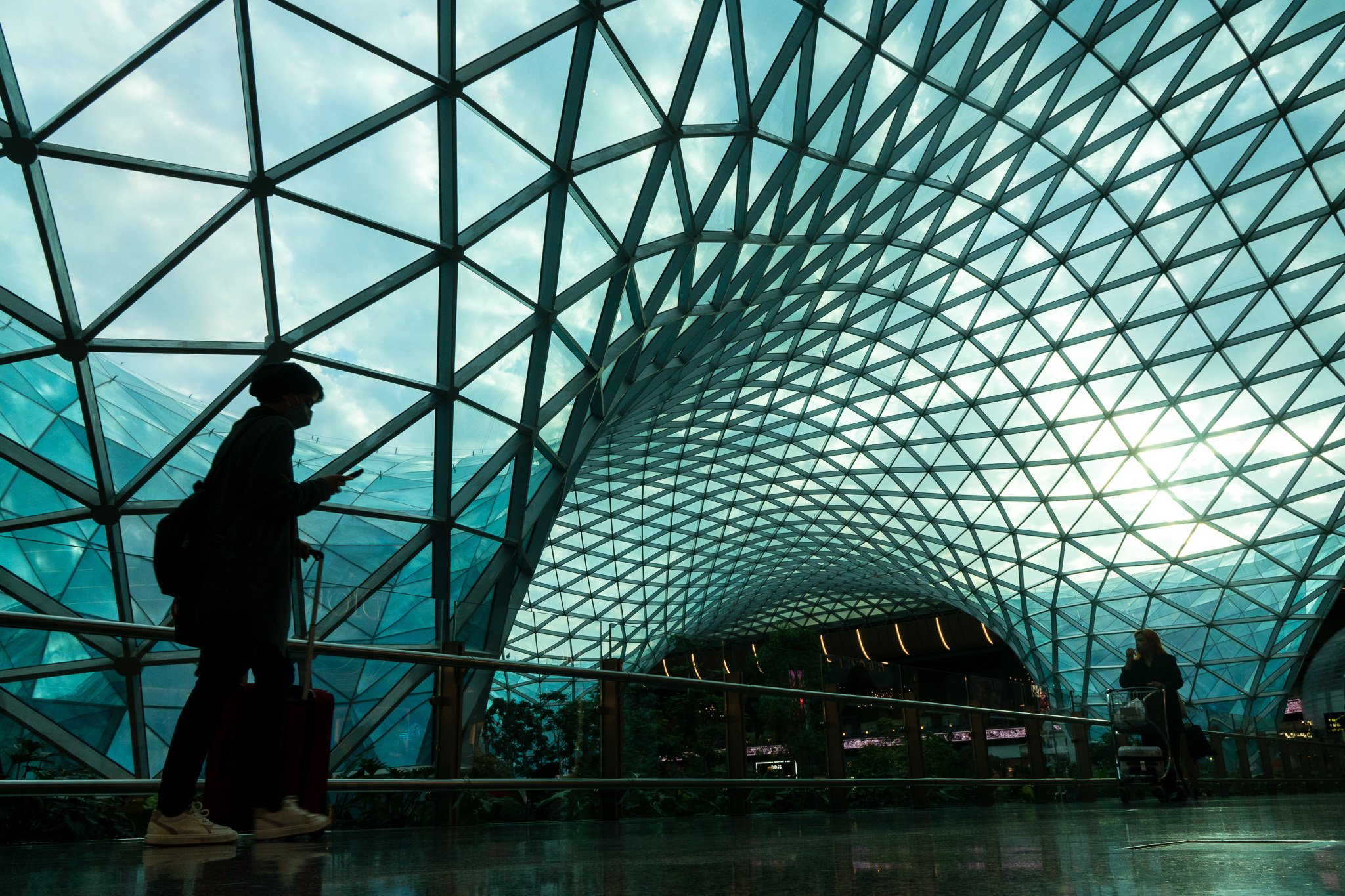
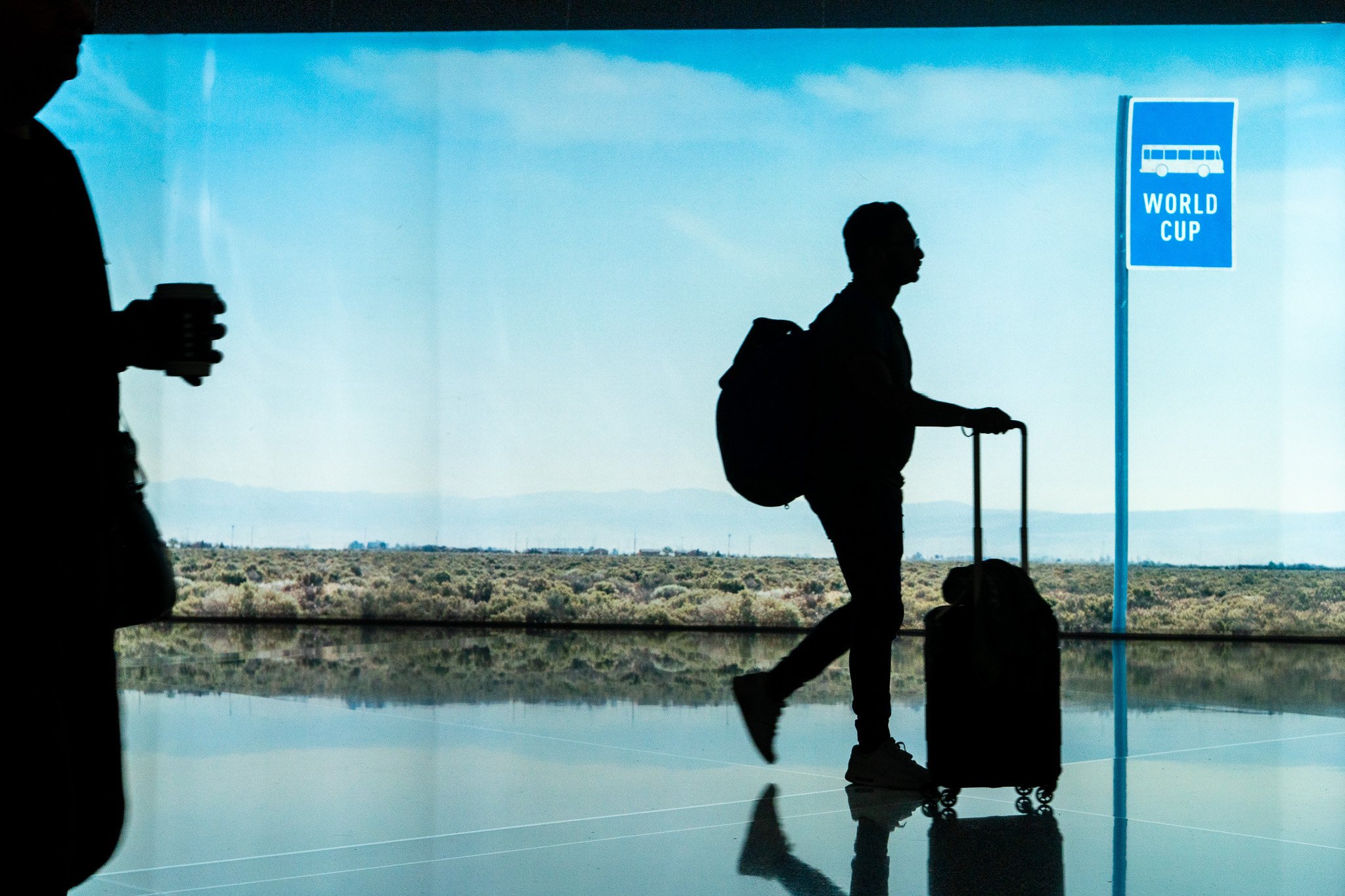
Recently I have spent quite a lot of time at international airports due to the stopovers at long flights. These airports are like mini cosmoses where people from literally all over the earth gather, stay for a while, and move on again. These mini cosmoses appear to have two main goals. The first is of course the obvious goal of traveling and catching connecting flights. But these airports also seem to be huge commercial hubs where no expenses are spared to entice people to spend money. There are all kinds of luxury goods on display and some shops have large LCD screens or other devices to advertise their products or projected lifestyle.

Many of the people however that temporary inhabit this cosmos appear to be very much busy with their own things. Looking for their next gate, keeping family and things together in the hustle bustle of the airport, looking for a place to rest or refresh or just communicate with the rest of the world with their gadget. There are people walking around everywhere. Even though the airport is for all these people a place in-between travel, everyone seems to be busy I was fascinated by how many people just pass by the shops and their screaming ads without paying attention.

These backgrounds however also presented themselves with other opportunities. These tend to change contents or show moves and animations. I started to work on a series of photos in which I let people walk in front of these screens as a silhouette, so that they are anonymous, a scene where the background is just as important as the person in front of it. An image then emerges of an anonymous completely artificial world that the airports have become. An image that is as fleeting as the time people spend in this place. A place where persons and environment are connected, but also appear to be oblivious of each other.

DSC04761-2.jpg
DSC04777-Enhanced-NR.jpg
DSC04791-2.jpg
DSC04868-2.jpg
DSC06238-2.jpg
DSC06263-2.jpg
Sunday 05.21.23
Posted by Progressive-Street
 

The Patron Saint of Impossible Causes by Federico Borobio

The Patron Saint of Impossible Causes

Federico Borobio

I had been in Mexico City for a week, and it was time to get out of my colorful and friendly neighborhood of Coyoacán to seek out the intensity of the Centro Histórico and its surroundings. As almost always, I made the trip to my destination without any particular expectations. Letting things unfold, with my antennae open but relaxed. On the spur of the moment, riding the subway again felt exciting. I had last done so before the pandemic.

I got off at Hidalgo station, and as I climbed the stairs I came upon a series of stalls of religious items spread out on a wide plaza. It was a good surprise. Promising. These kinds of expressions always catch my attention, and I began to walk through them taking my time, not rushing, letting whatever was going to happen, or not, happen. A few minutes later, with my peripheral vision I perceived that from my right an important movement of people was approaching. They began to approach and pass by me. More and more, until I was surrounded, since I was in the middle of the way of that large group carrying statues of a saint, flowers, posters. On the spot I started to shoot my camera. Some watched me with curiosity, others stopped to pose, most of them continued on their own and moved forward. At a certain moment, I noticed a small commotion: a woman was handing out bottles of water (the sun was already beating down hard at that time of the day).

After the first moment of bewilderment (I had just come out of the subway in an empty square!), I began to accompany the group, who in their advance crossed the square and continued until they turned the corner, where they were lost from sight. I followed them, of course, and finally the mystery was revealed: indeed, I was in front of some kind of procession, as meters ahead I could see a grand church. I would later learn that it was the church of Saint Hippolytus and Cassian, built in 1521 and known as the Church of Saint Jude Thaddeus. The interior was packed. On the street, a crowd lined up to enter. People kept arriving from all corners. Between photos, I was devouring everything with my eyes and chatting with the attendees to understand a little better what was happening there: I knew then that they were celebrating St. Jude Thaddeus, patron saint of the impossible, lost causes, those super difficult ones. I felt it completely appropriate to my idealistic personality, always ready to challenge that kind of epics of dubious outcome. I had never heard it mentioned, and although I am not religious, a believer or whatever you call it, I immediately thought "this is the saint for me." The "official" day of St. Jude Thaddeus, I later learned, is October 28. On that day the place explodes with people. But in Mexico, and in many other places on the continent, he is also celebrated on the 28th of each month. Of course, it was February 28, and I got off at Hidalgo station. A date with destiny, at least photographically speaking.

The parade of devotees continued all day long. To thank, to give, to ask, to nourish their hope. Very humble people in their great majority, carrying images, portraits, t-shirts, caps of the saint, flowers. Children in costumes, with the color green (hope) of the saint always present. Many gave away holy cards, flowers, candies, coffee, food, or just water to endure the heat and the long lines.

I was especially entertained chatting with a young member of a group of volunteers dedicated to helping people with social problems, addictions, work, housing. Most of them come to the great Mexican capital looking for an opportunity that usually costs more than imagined. Impossible, lost, super difficult causes. Those where a ray of hope can make a difference. He told me his name was Marcos. That day he and his companions were collaborating in the organization of the human tide, giving directions, helping an elderly person with the stairs, bringing calm to a disturbed or exalted person, lending a hand in whatever was needed.

After chatting for quite a while with Marcos, if we can call a bombardment of questions from an inquisitive and somewhat out-of-place Argentine photographer a conversation, I received his kind gift of a St. Jude keychain, which would remain with me for the rest of the trip and which I keep to this day. I carried it on every outing of the Patitas Machucadas Tour, day after day and, I must say, I felt accompanied and protected by the little image.

View fullsize 05-P1249066.jpg
View fullsize 07-P1249105.jpg
View fullsize 12-P1249073.jpg
View fullsize 16-P1249124.jpg
View fullsize 13-P1249174.jpg
View fullsize 14-P1248937.jpg
View fullsize 11-P1249181.jpg
View fullsize 17-P1248864.jpg
View fullsize 06-P1249166.jpg
View fullsize 03-P1249116.jpg
View fullsize 04-P1249041.jpg
View fullsize 18-P1249104.jpg
 

I do documentary, social and street photography. I love walking the streets, observing and conversing with people, getting to know their lives, strengthening ties, and that all of this permeates my work. Some recognitions and exhibitions:

- Sony World Photography Awards 2023. Shortlisted photographer in the Latin America Professional Award.

- Mobile Photo Awards 2022. Honorable Mention.

- Pinélides Fusco Award for political photography. Second Prize and collective exhibition. Faculty of Arts UNLP. La Plata, Argentina, 2020.

- Collapse, from the euphoria of change to the Argentina of helplessness. Book and traveling group exhibition. Faculty of Philosophy and Letters and other spaces. Buenos Aires, Argentina, 2019.

- Workers Workers. Group exhibition organized by Mónica Hasenberg. Buenos Aires, Argentina, 2019.

- Group exhibition of the Jalón Ángel International Photography Award. Museum of Zaragoza. Spain, 2019.

- Mobile Photo Awards 2018. Honorable Mention.

recursosculturales
Federico Borobio
Saturday 05.20.23
Posted by Progressive-Street
 

Bygone Era by Steve Scott

Bygone Era

by Steve Scott

This splendid locomotive stopped at my local station in Athenry Co. Galway for everyone to see, and appreciate.

No 131 was built in Glasgow in February 1901 for the Great Northern Railway (Ireland) and ran between Dublin and Belfast.

I enjoy photographing steam trains for their timeless beauty and captivating nostalgia. The sight of billowing steam, elegant locomotives, and vintage carriages evokes a sense of wonder and transports me to a bygone era. Each photograph I capture tells a story, capturing the power and grace of these magnificent machines, the details along with the people that work on these locomotives, from the gleaming brass fittings to the rhythmic chugging sound, create a sensory experience that I find both thrilling and soothing. Preserving these moments through photography allows me to share the awe-inspiring the allure of steam trains with others and immortalize a piece of history that continues to mesmerize and inspire.

 
View fullsize DSCF4672.jpg
View fullsize DSCF4683.jpg


View fullsize DSCF4898.jpg
View fullsize DSCF4755.jpg
 
View fullsize DSCF4817.jpg
View fullsize DSCF4575.jpg


Steve Scott
 
 
no. 131
 
Tuesday 05.16.23
Posted by Progressive-Street
 

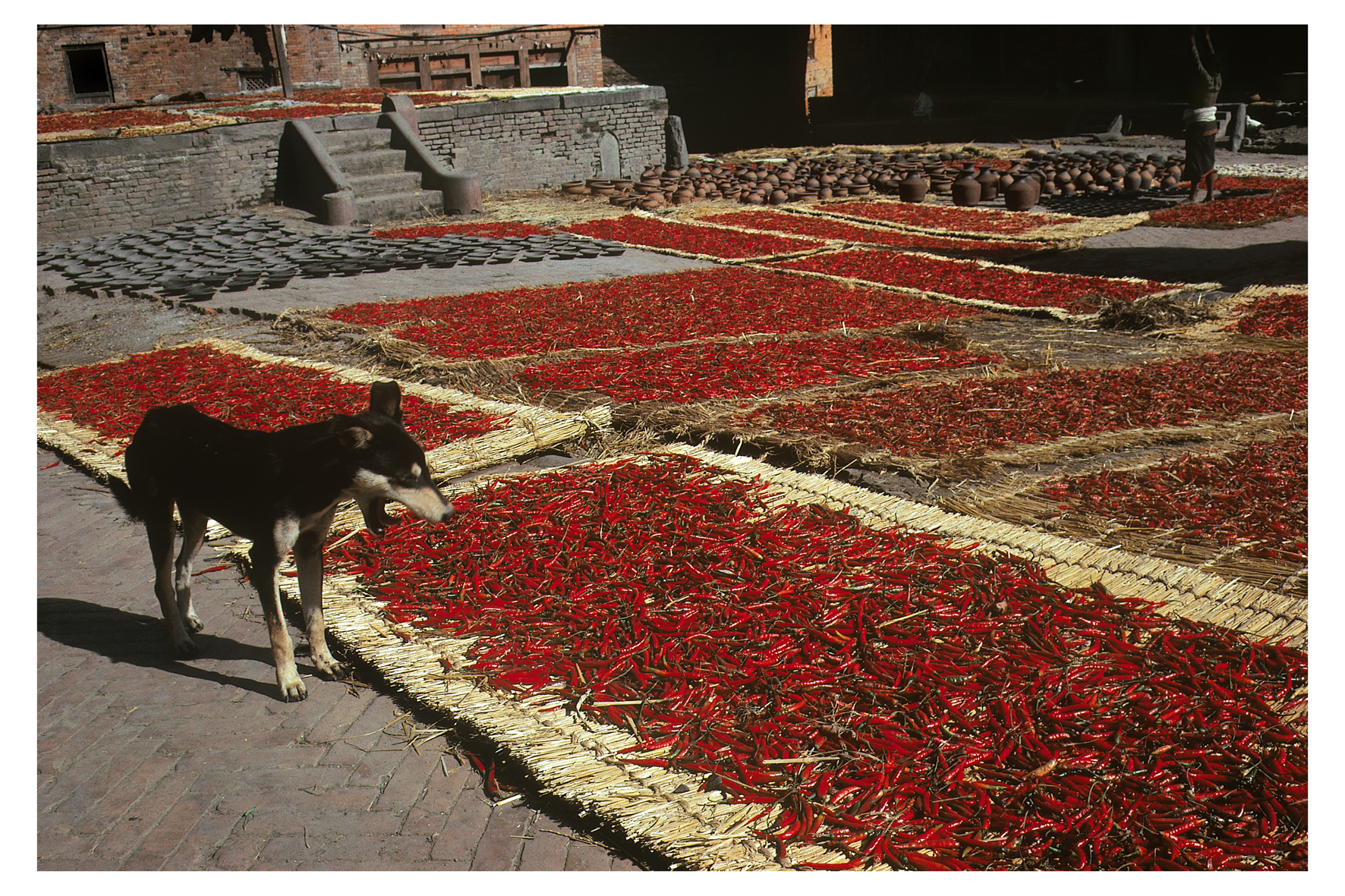
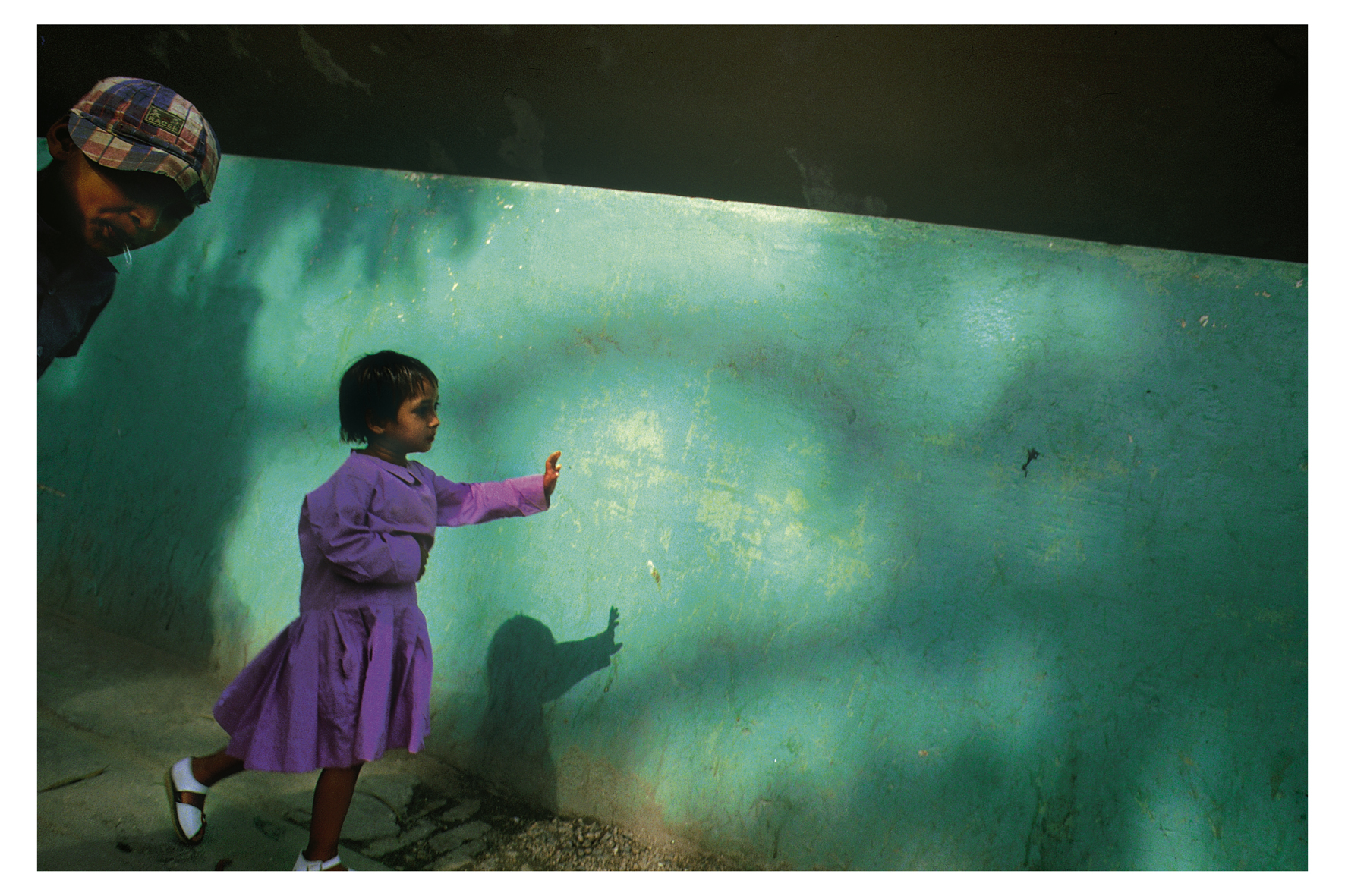
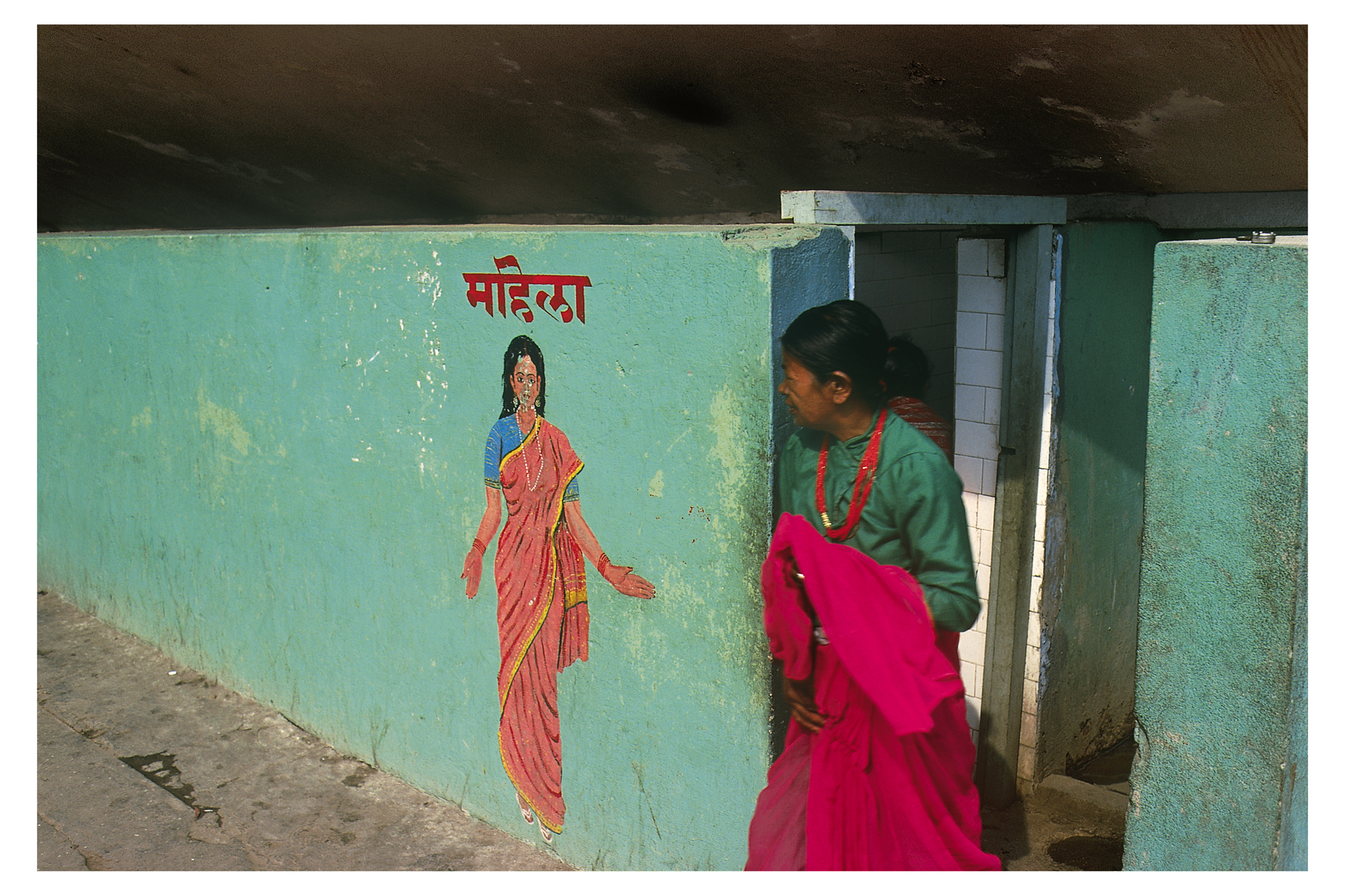
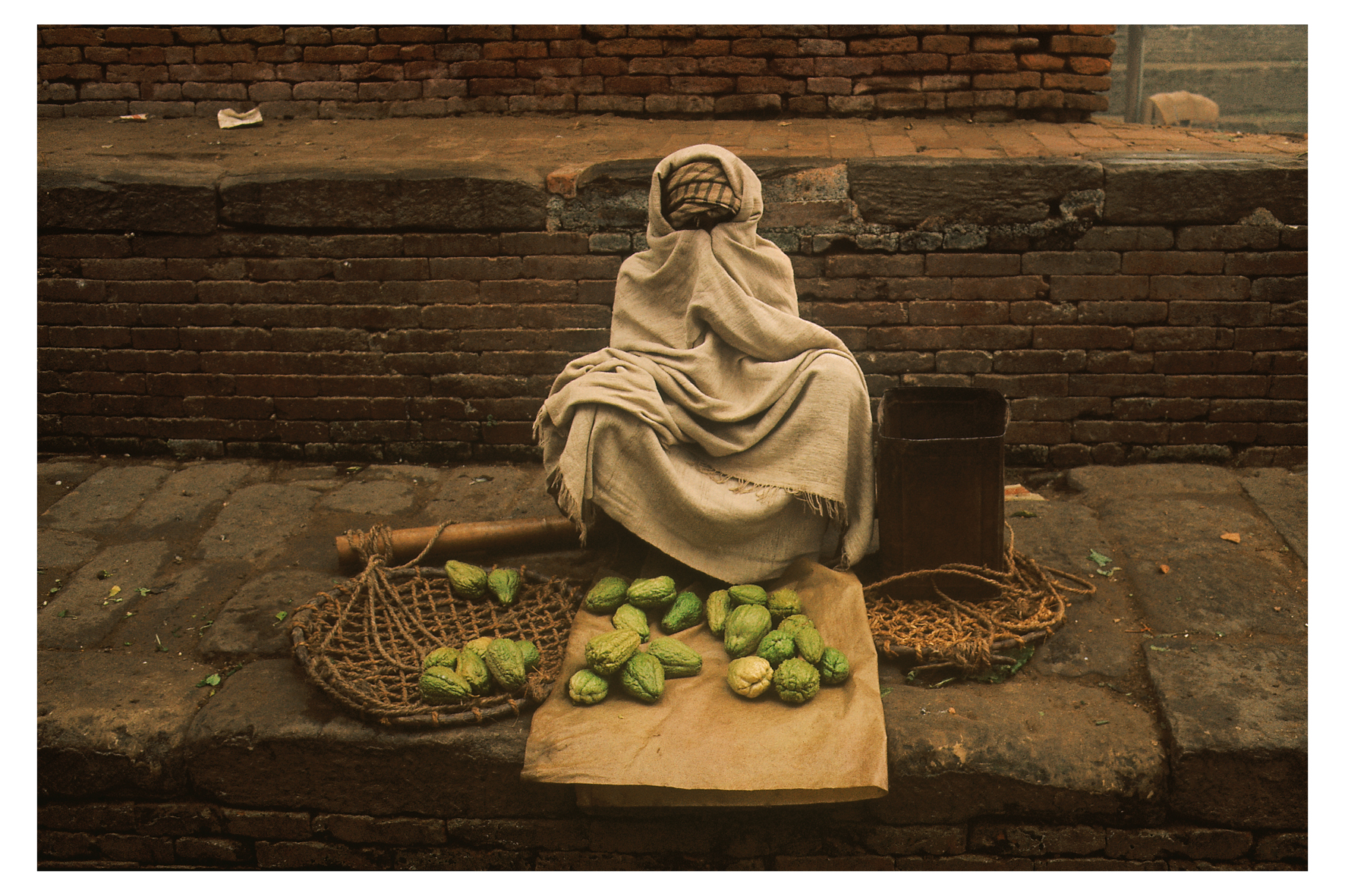
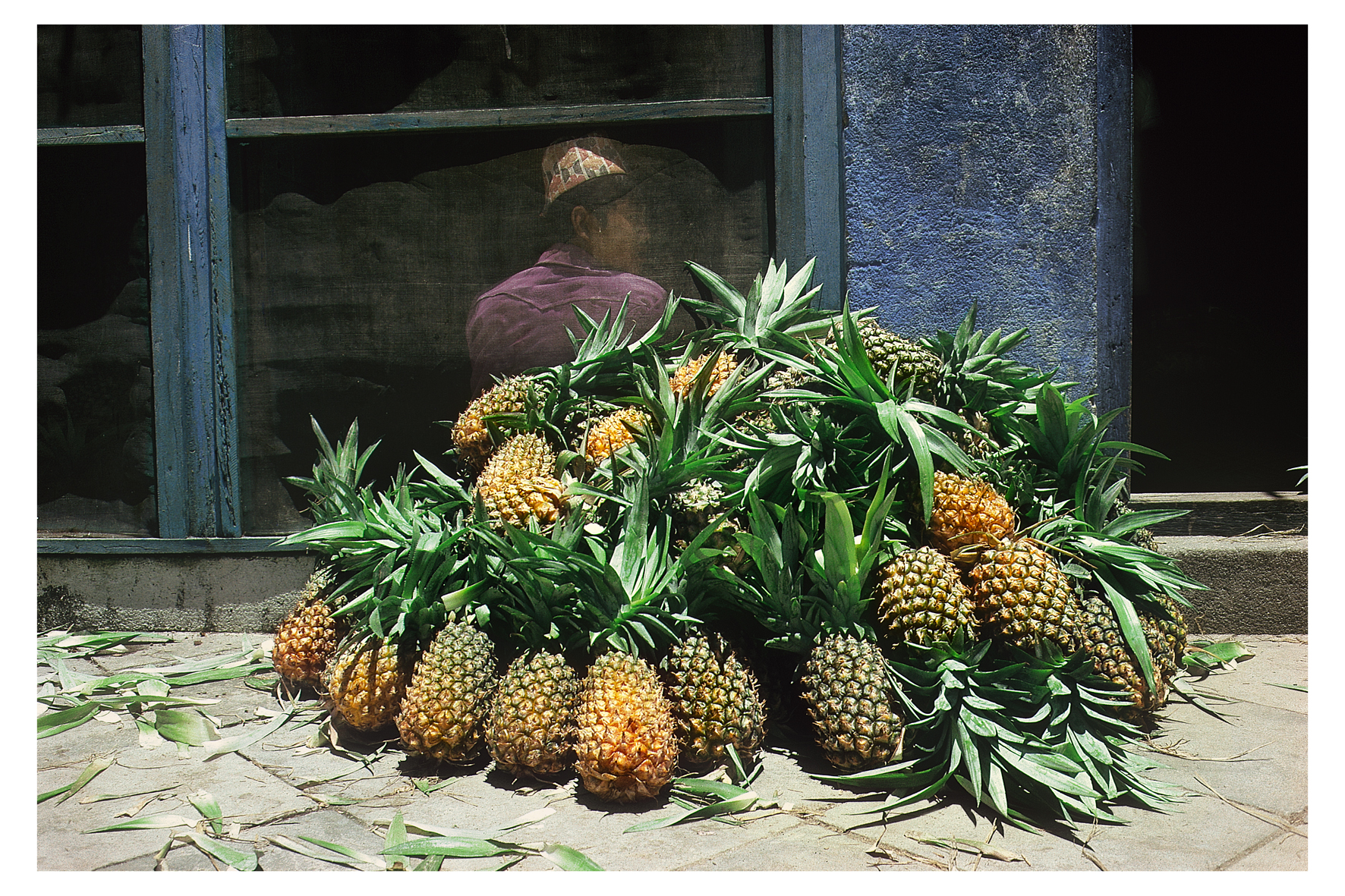
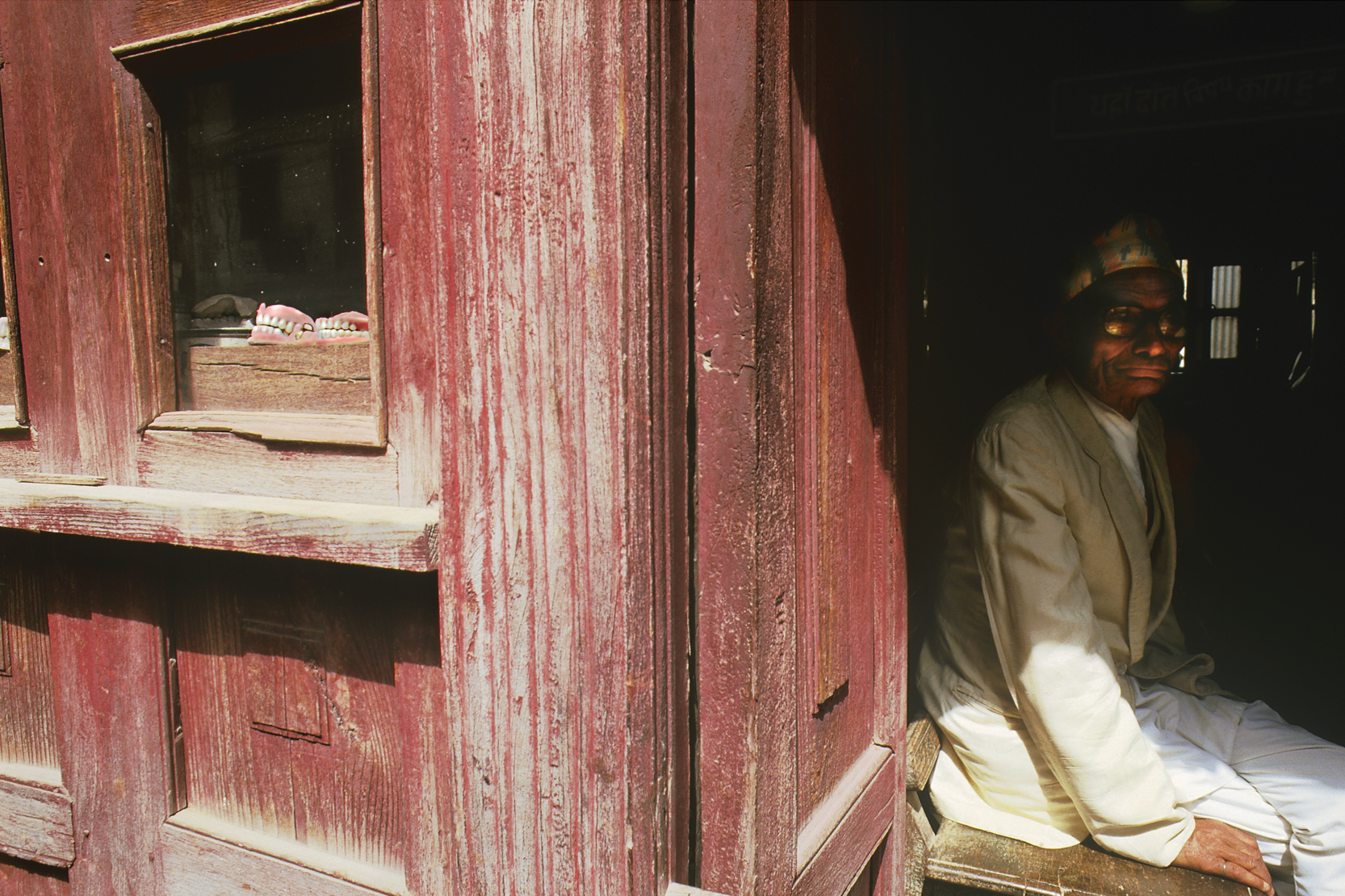
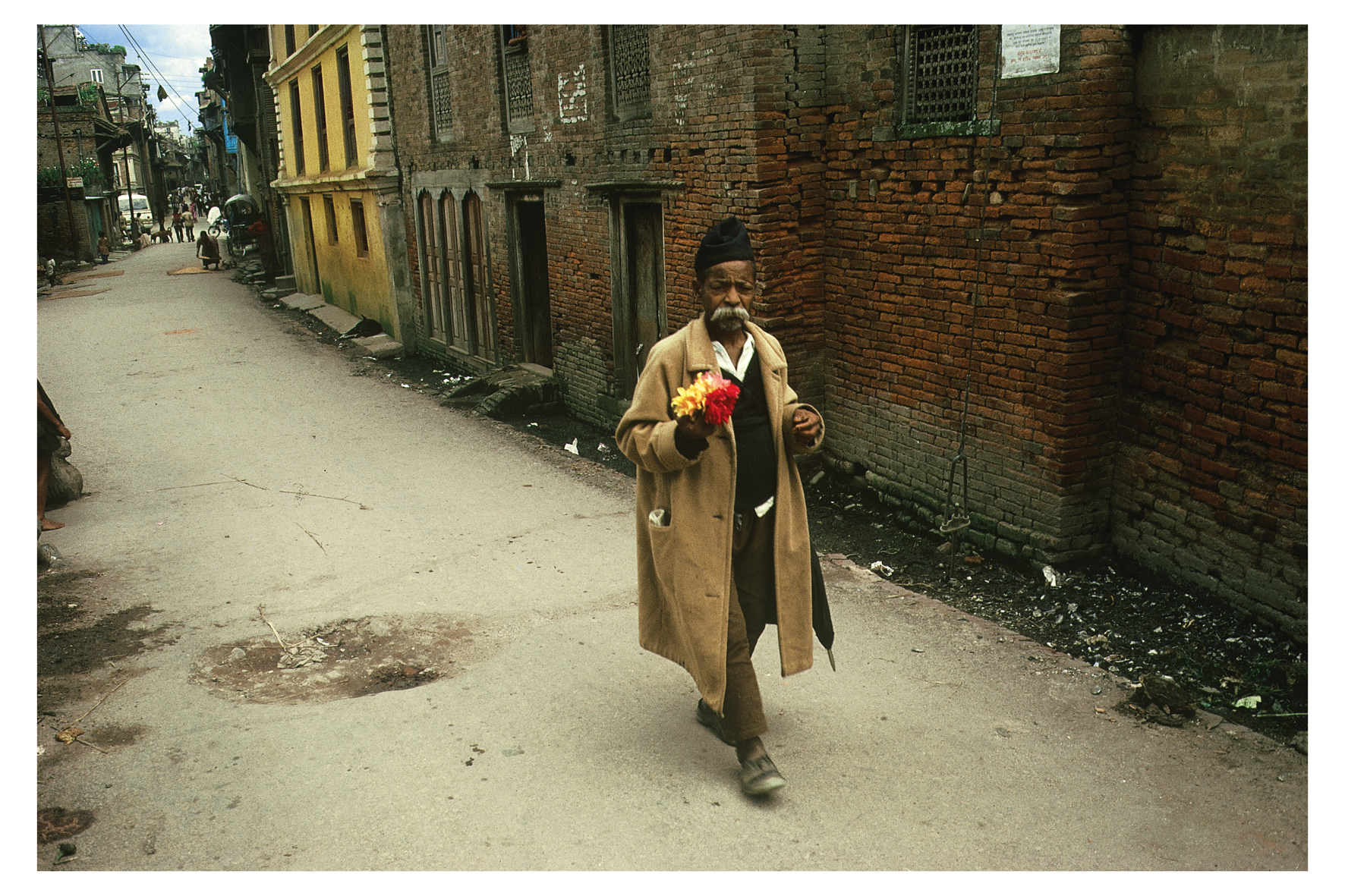
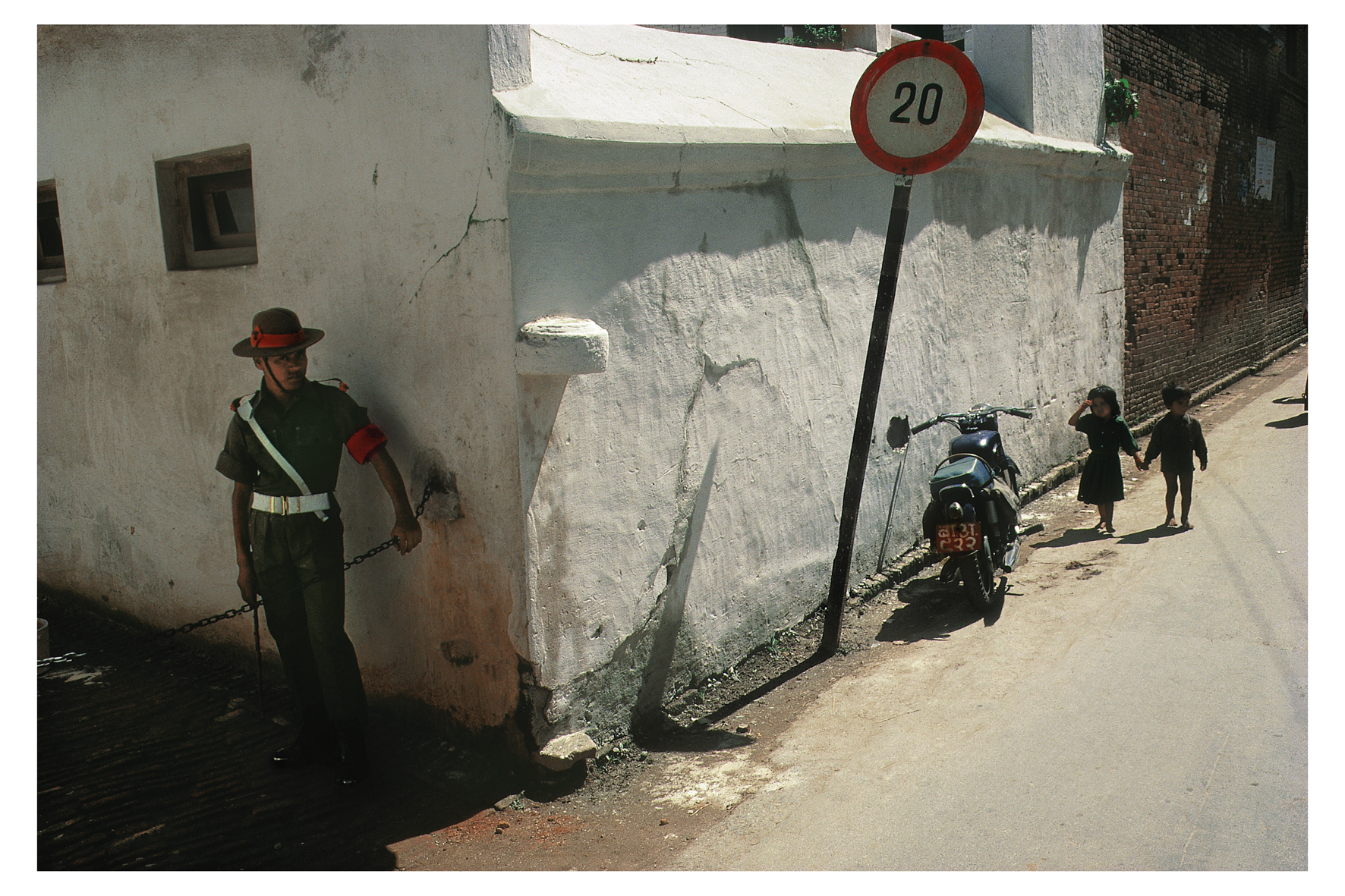
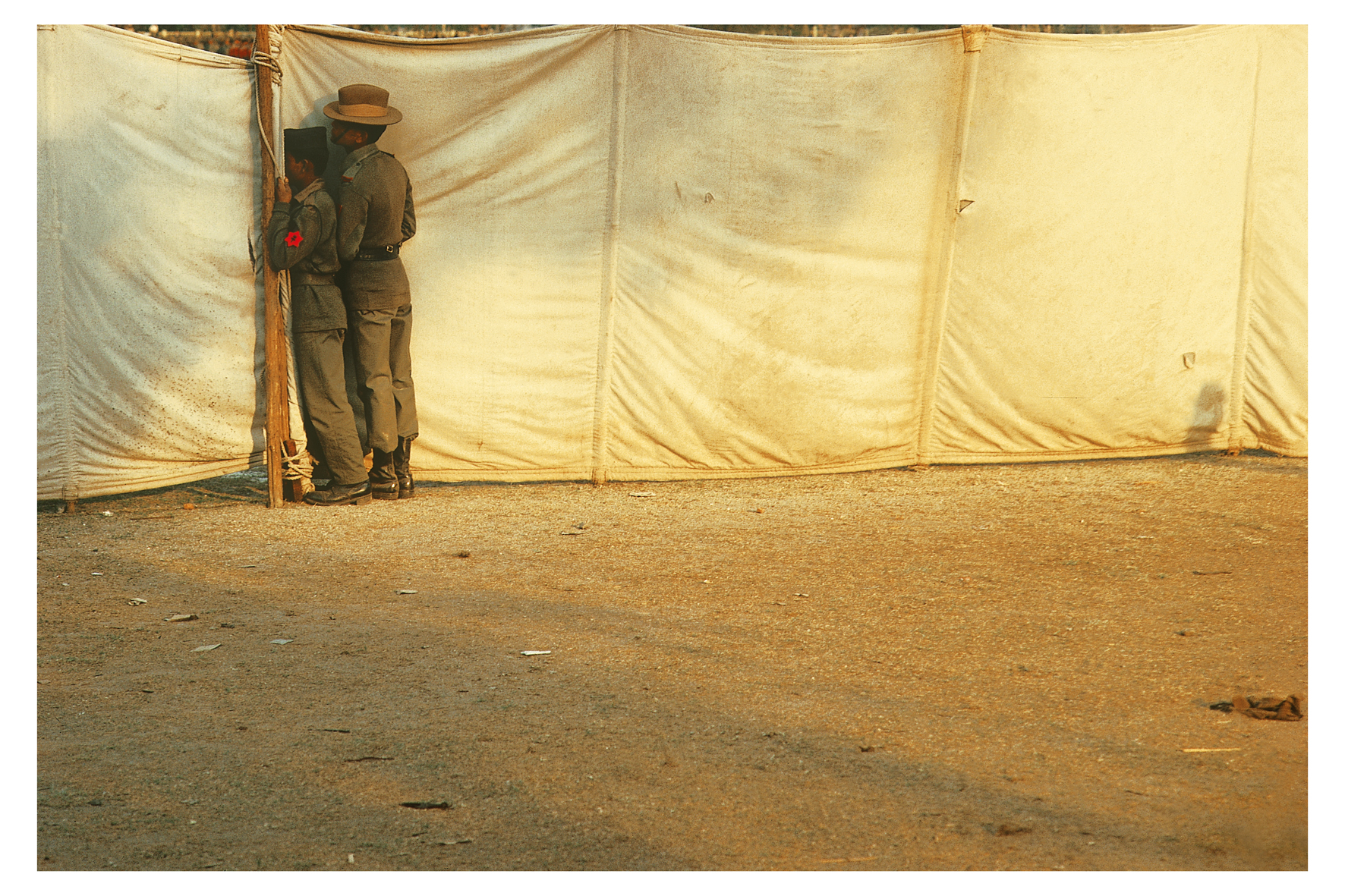
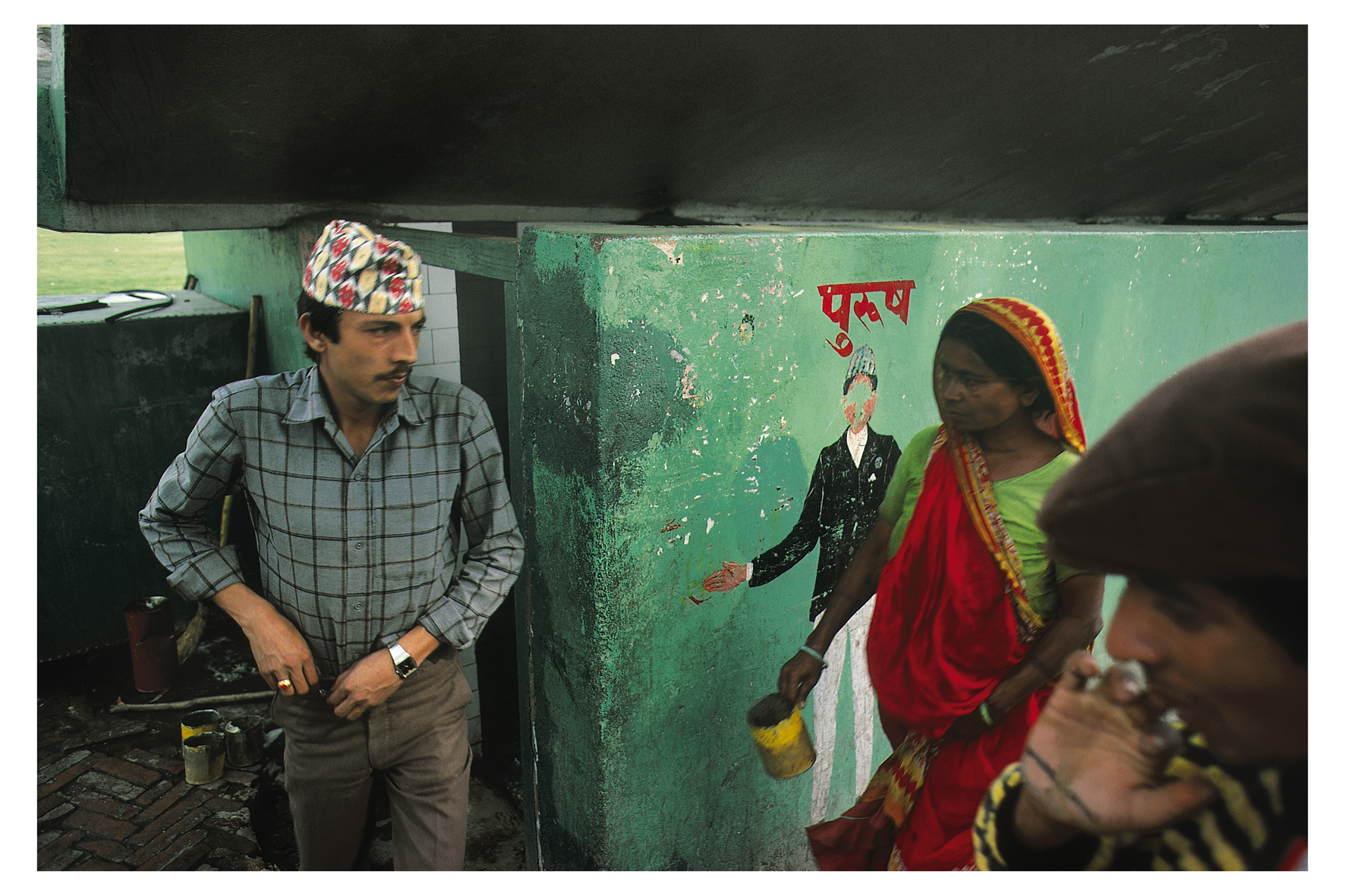
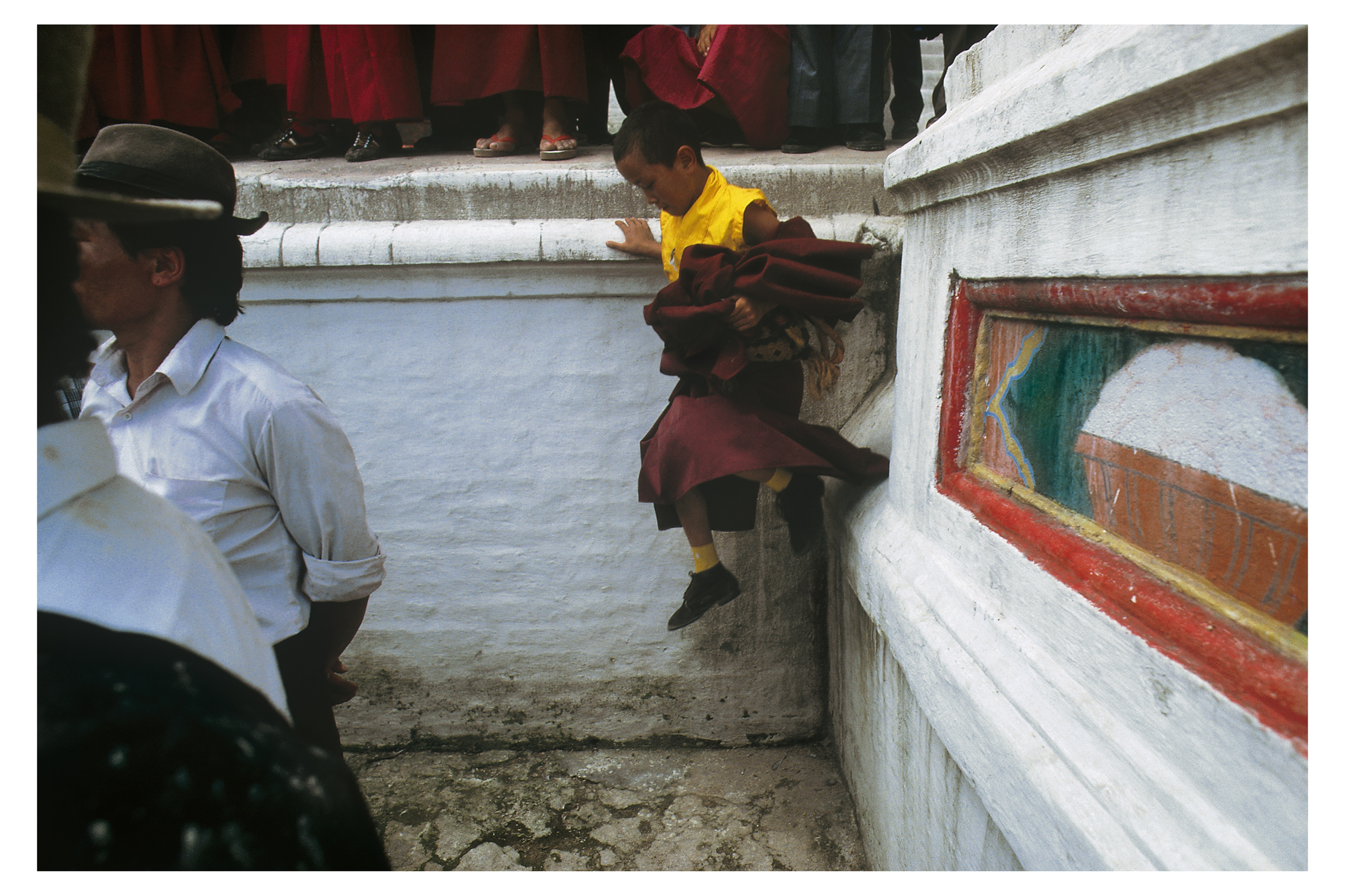
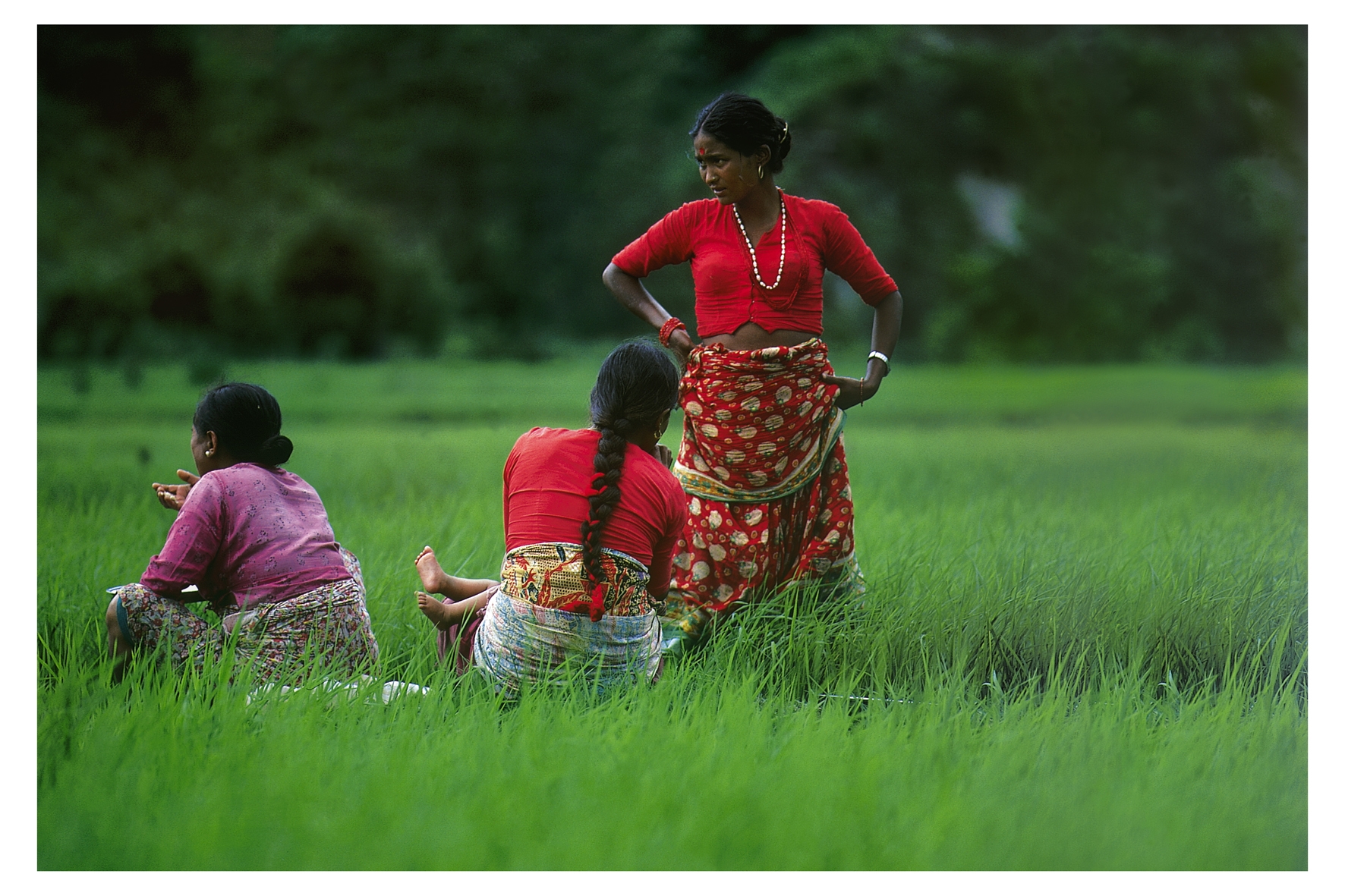
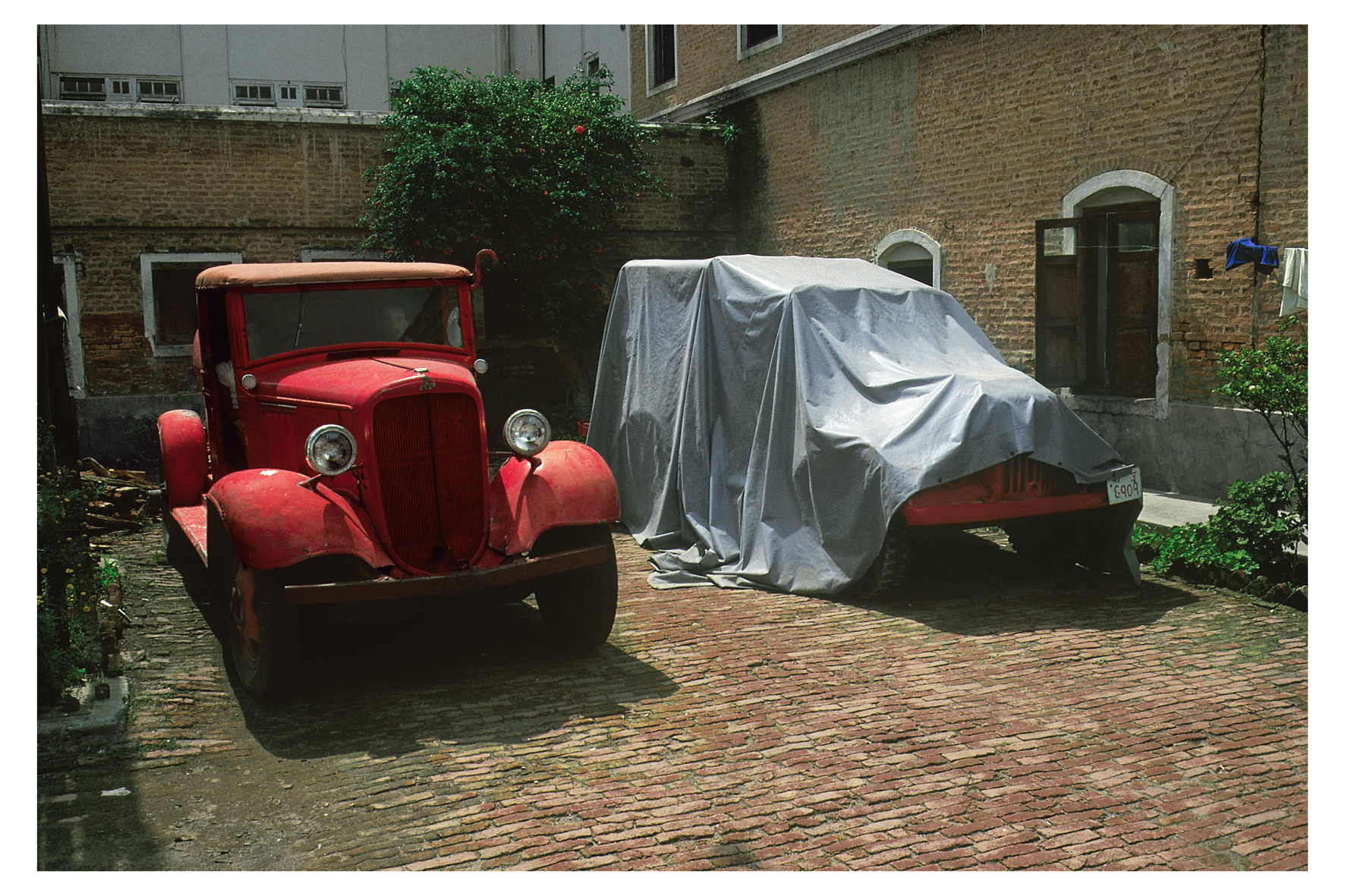
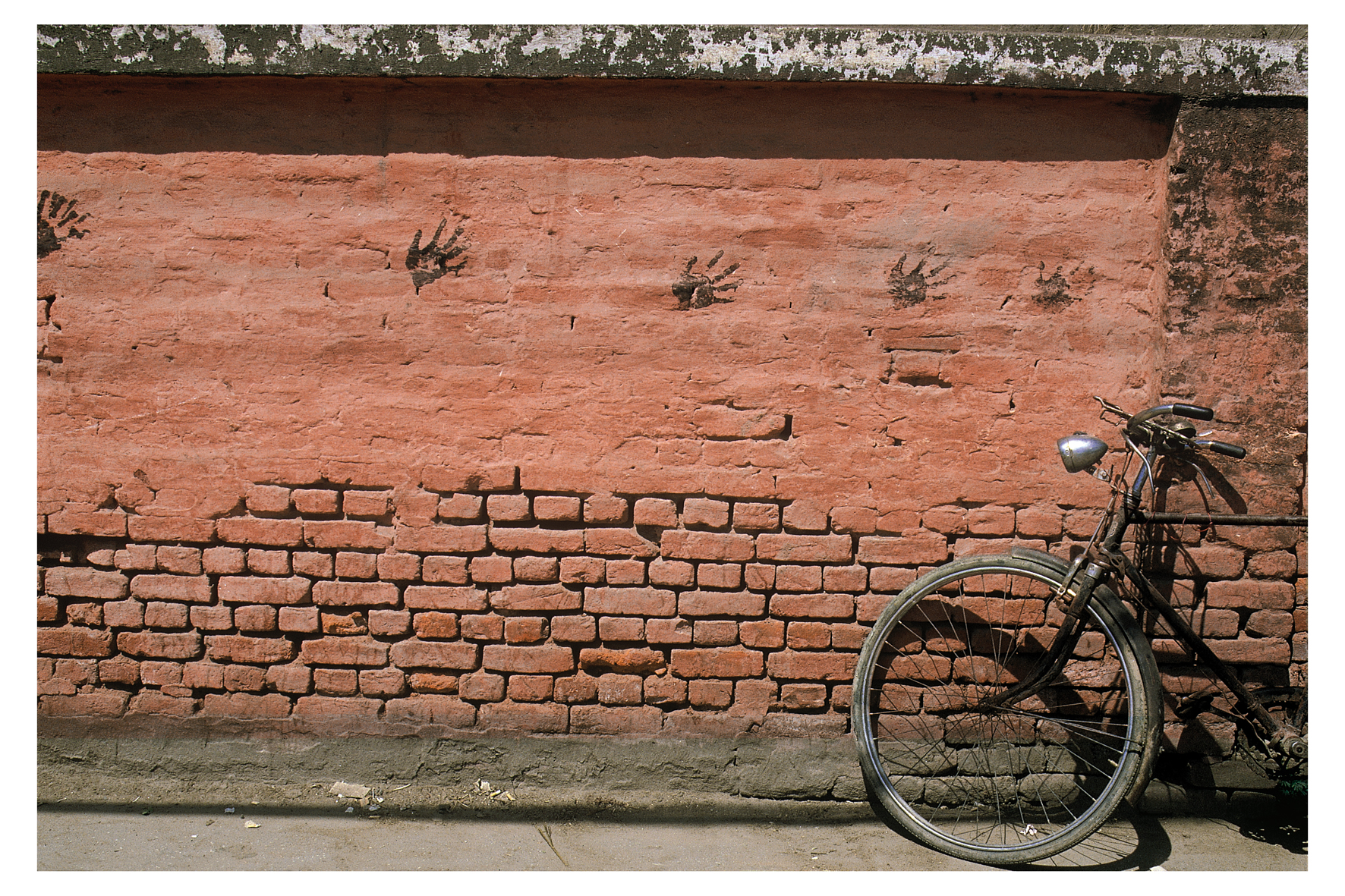
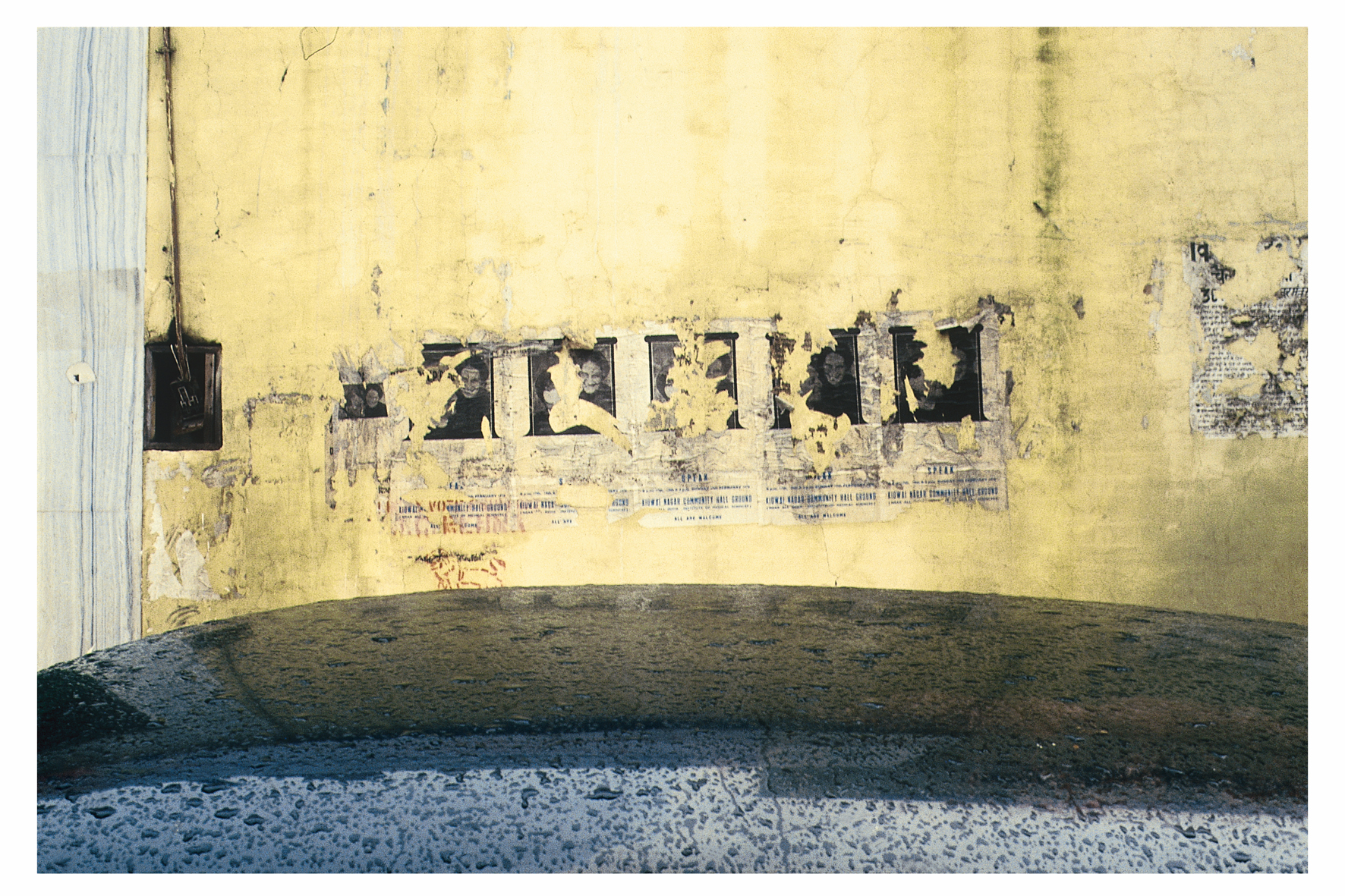
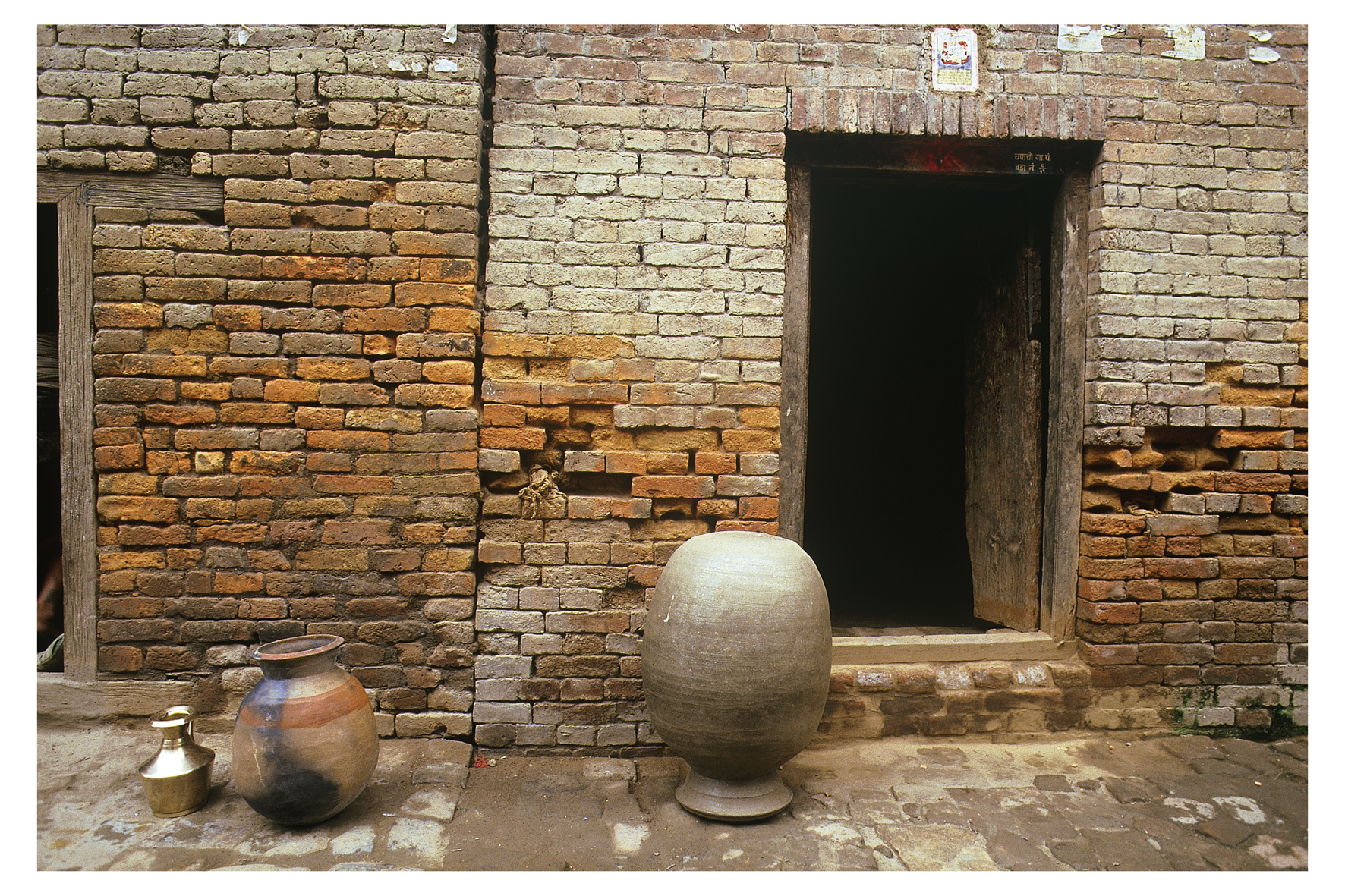
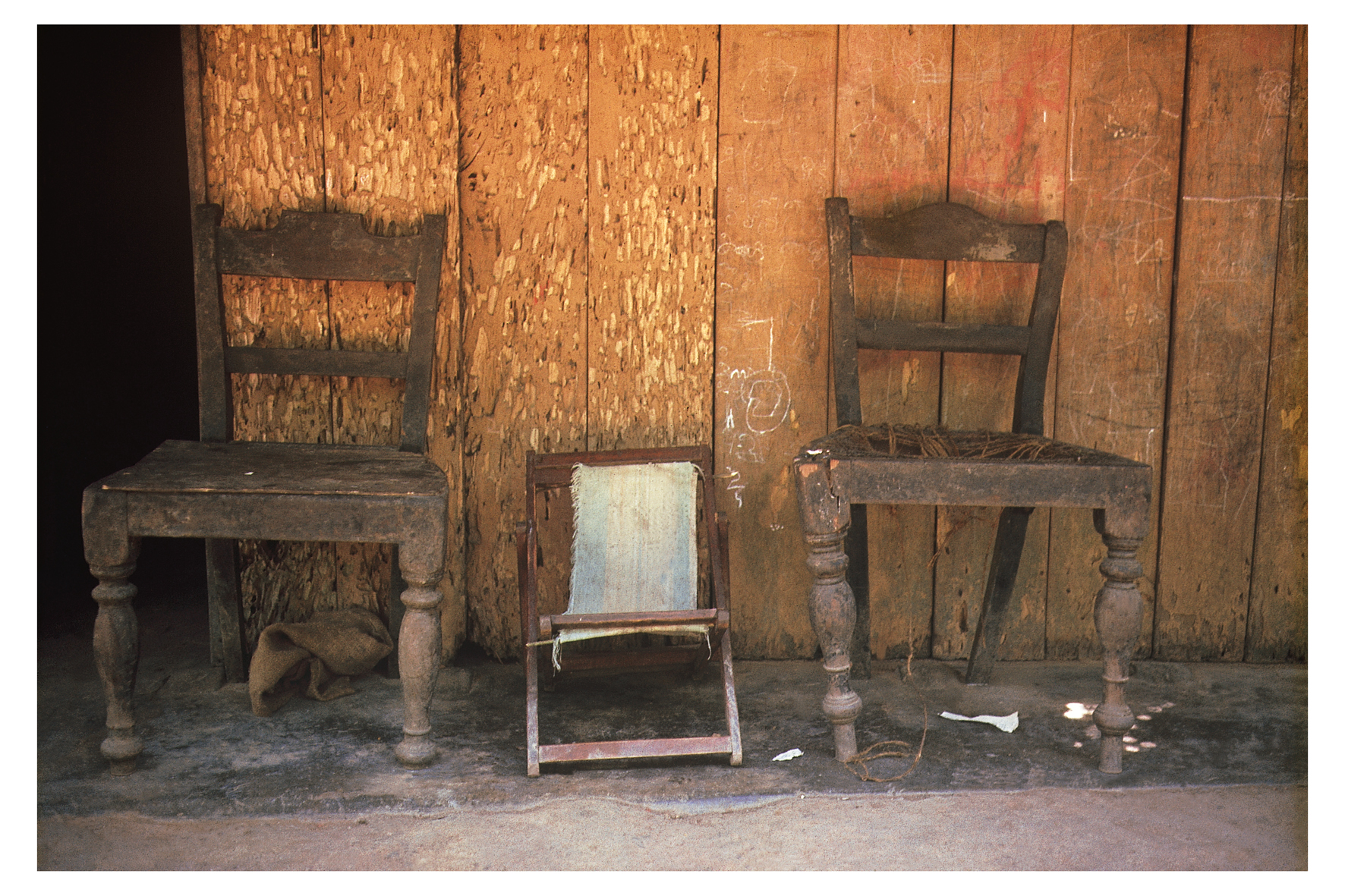
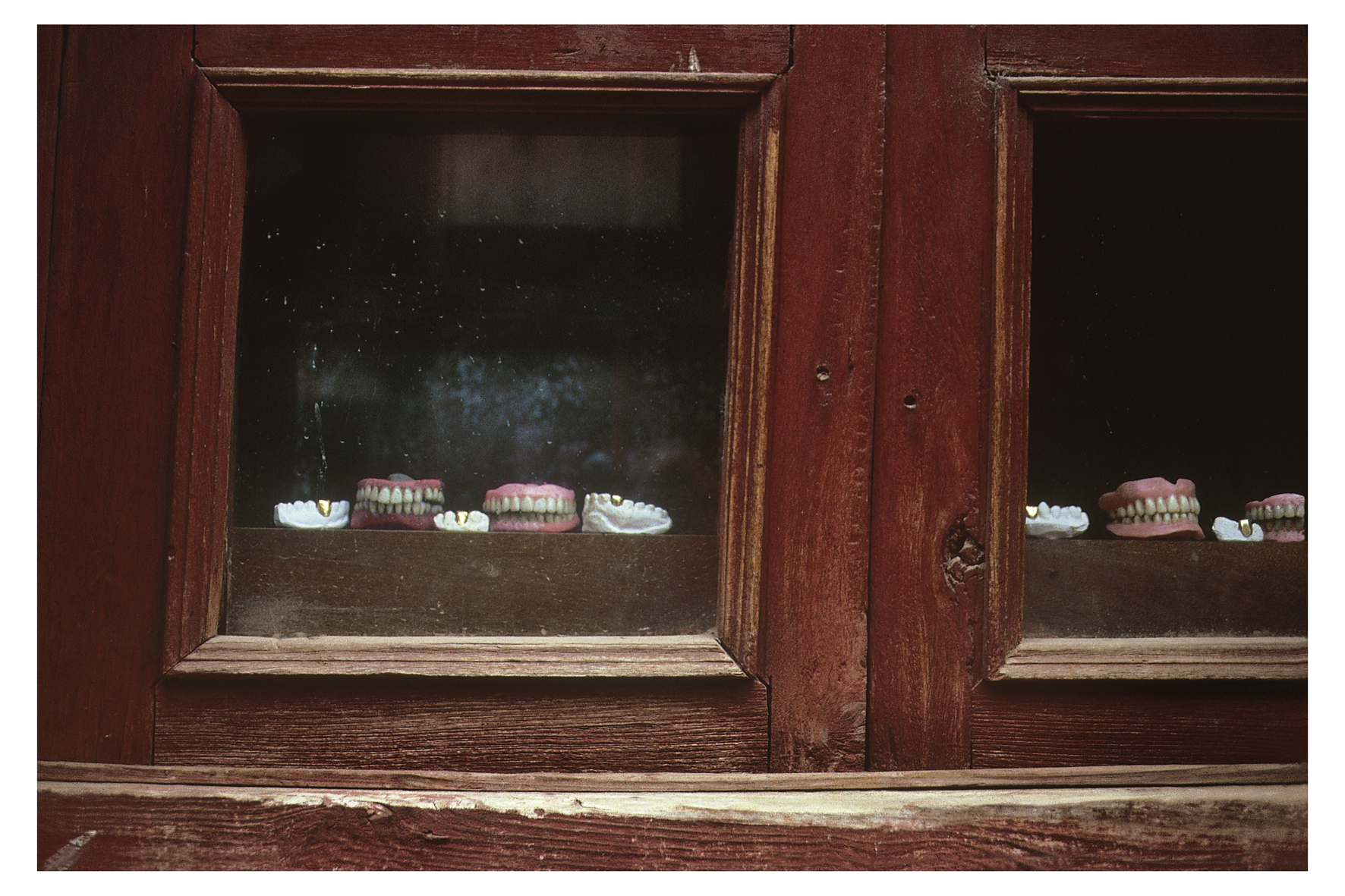
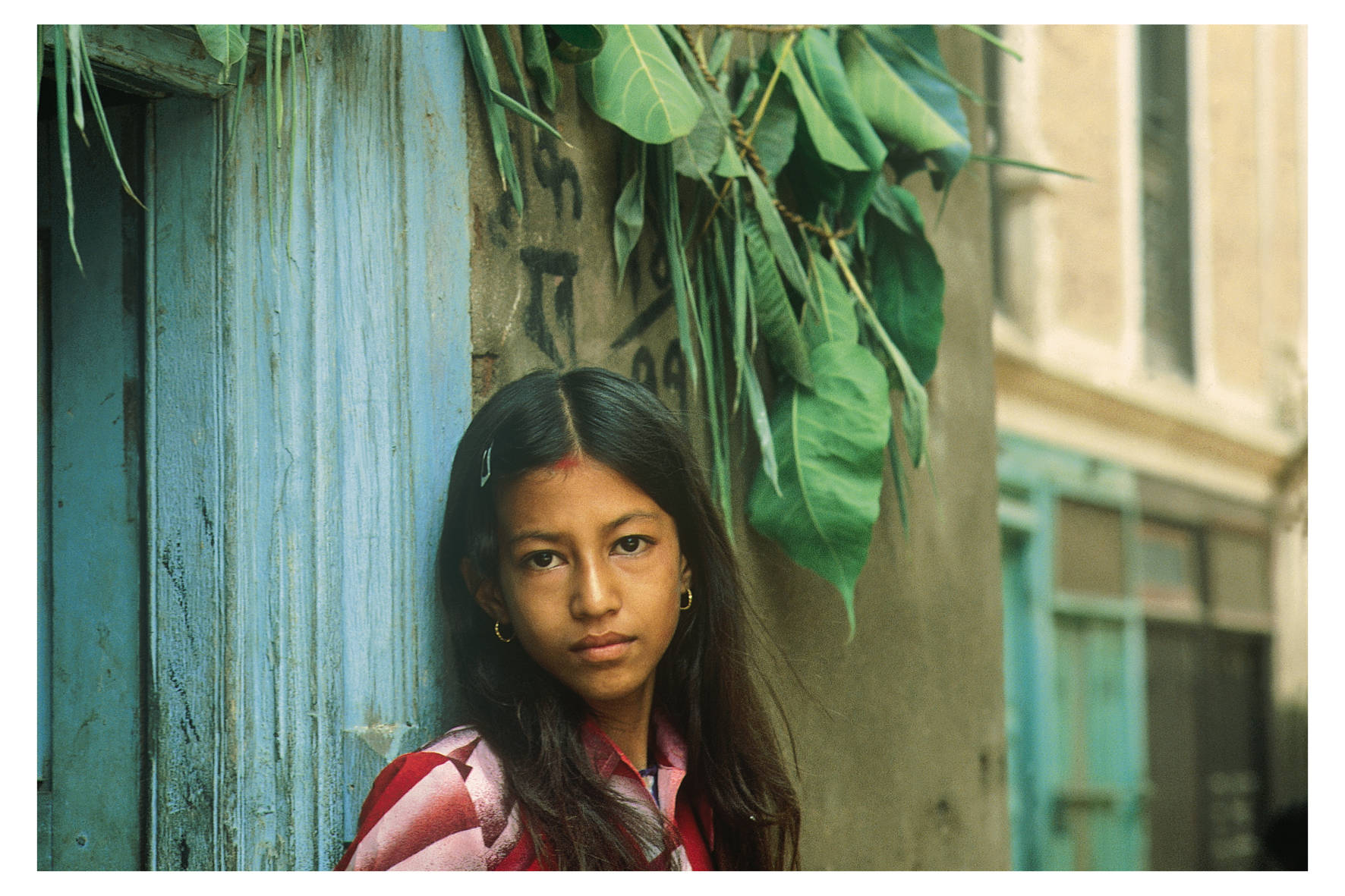
Kathmandu in the seventies by Alain van Hille

Kathmandu in the seventies

by Alain van Hille

There was a time when Nepal was happy and pollution hadn't started to darken the Kathmandu valley.
Rivers were full of water, There was still a King and no Maoïsts, and bicycles were plentiful and more numerous than cars. Every evening one could dream of looking at the sunset on the Himalayan peaks.
Those times are long gone, but the images are still there to remind us it was not an illusion. Kathmandu was a Shangri-La.


Early in the morning when the lights of dawn break through the mist that soften the valley, I took my bicycle and waited for life and colours to appear as I travelled through the labyrinth of streets, paths and courtyards of the city.
It is a labyrinth of moving images and lives that randomly trace paths of destiny waiting to be deciphered, caressed by the eye. It is enough to wait when moving, to be the nomadic spectator in the heart of the rhythmic beats of the city. Contemplation is action. Above all, don't provoke things, life in Kathmandu is rich enough to do just that, wait! Wait and let the senses be intoxicated with the images that present themselves.


Kodachrome

 
View fullsize Nepal_43.png
View fullsize Nepal_1.png
View fullsize Nepal_58.png
View fullsize Nepal_86.png
View fullsize Nepal_75.png
View fullsize Nepal_73.png
View fullsize Nepal_84.png
View fullsize Nepal_90.png
View fullsize Nepal_97.png
 
Nepal_46.png
Nepal_26.png
Nepal_7.png
Nepal_89.png
Nepal_4.png
Nepal_45.png
Nepal_93.png
Nepal.png
Nepal_74.png
Nepal_47.png
Nepal_46.png Nepal_26.png Nepal_7.png Nepal_89.png Nepal_4.png Nepal_45.png Nepal_93.png Nepal.png Nepal_74.png Nepal_47.png
View fullsize Nepal_4.png
View fullsize Nepal_16.png
View fullsize Nepal_31.png
View fullsize Nepal_20.png
View fullsize Nepal_57.png
View fullsize Nepal_37.png
View fullsize Nepal_54.png
View fullsize Nepal_56.png
View fullsize Nepal_71.png
View fullsize Nepal_69.png
 
Nepal_12.png
Nepal_15.png
Nepal_13.png
Nepal_18.png
Nepal_10.png
Nepal_19.png
Nepal_38.png
Nepal_25.png
Nepal_60.png
Nepal_81.png
Nepal_39.png
Nepal_76.png
Nepal_49.png
Nepal_88.png
Nepal_87.png
Nepal_91.png
Nepal_95.png
Nepal_102.png
Nepal_12.png Nepal_15.png Nepal_13.png Nepal_18.png Nepal_10.png Nepal_19.png Nepal_38.png Nepal_25.png Nepal_60.png Nepal_81.png Nepal_39.png Nepal_76.png Nepal_49.png Nepal_88.png Nepal_87.png Nepal_91.png Nepal_95.png Nepal_102.png
View fullsize Nepal_8.png
View fullsize Nepal_14.png
View fullsize Nepal_50.png
View fullsize Nepal_23.png
View fullsize Nepal_61.png
View fullsize Nepal_80.png
View fullsize Nepal_101.png
View fullsize Nepal_92.png
View fullsize Nepal_21.png
View fullsize Nepal_24.png
View fullsize Nepal_42.png
View fullsize Nepal_78.png
View fullsize Nepal_28.png
 
Alain van Hille
flickr
Friday 04.28.23
Posted by Progressive-Street
 

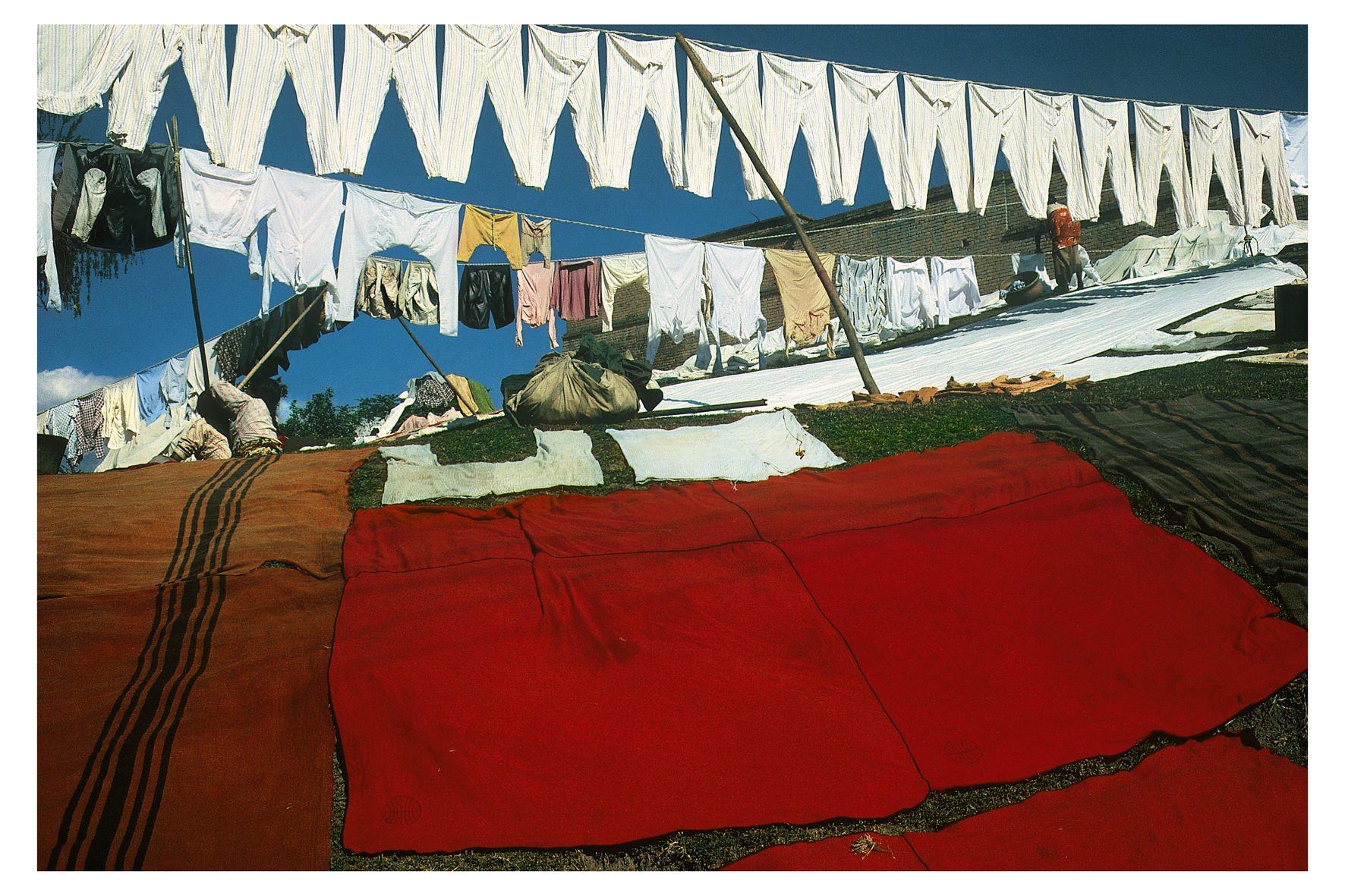
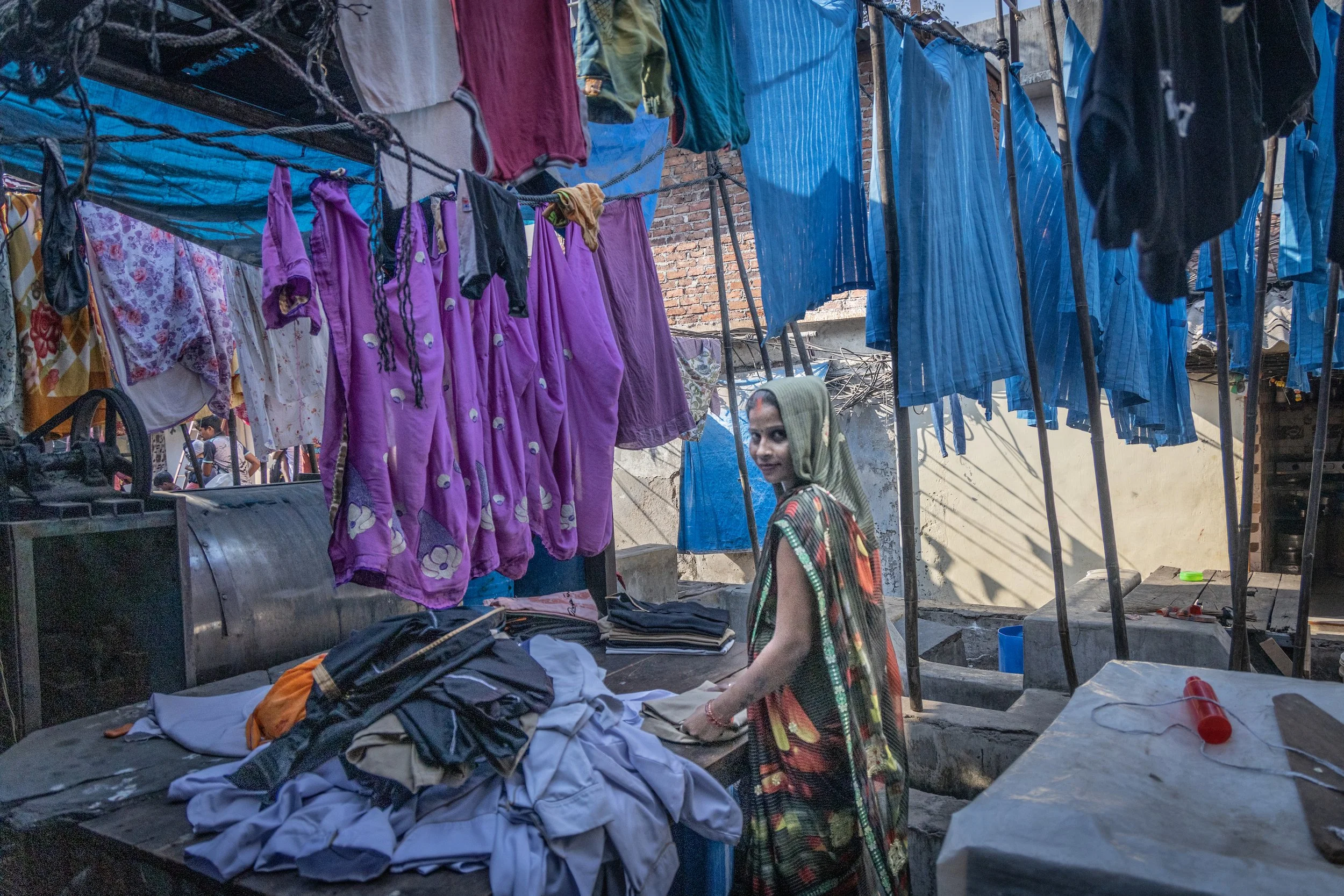
The laundromat by Tali Nevo

The laundromat

by Tali Nevo

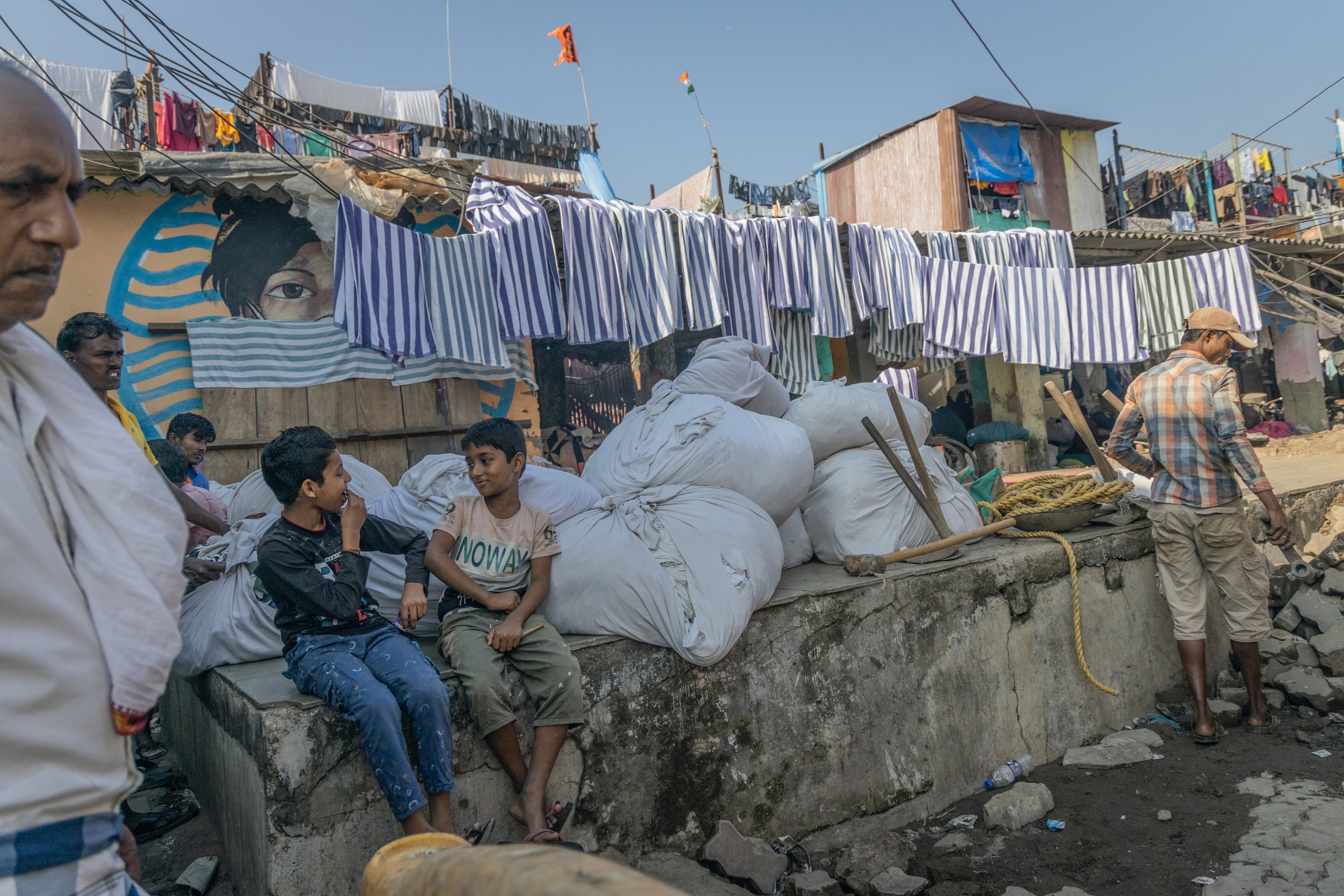
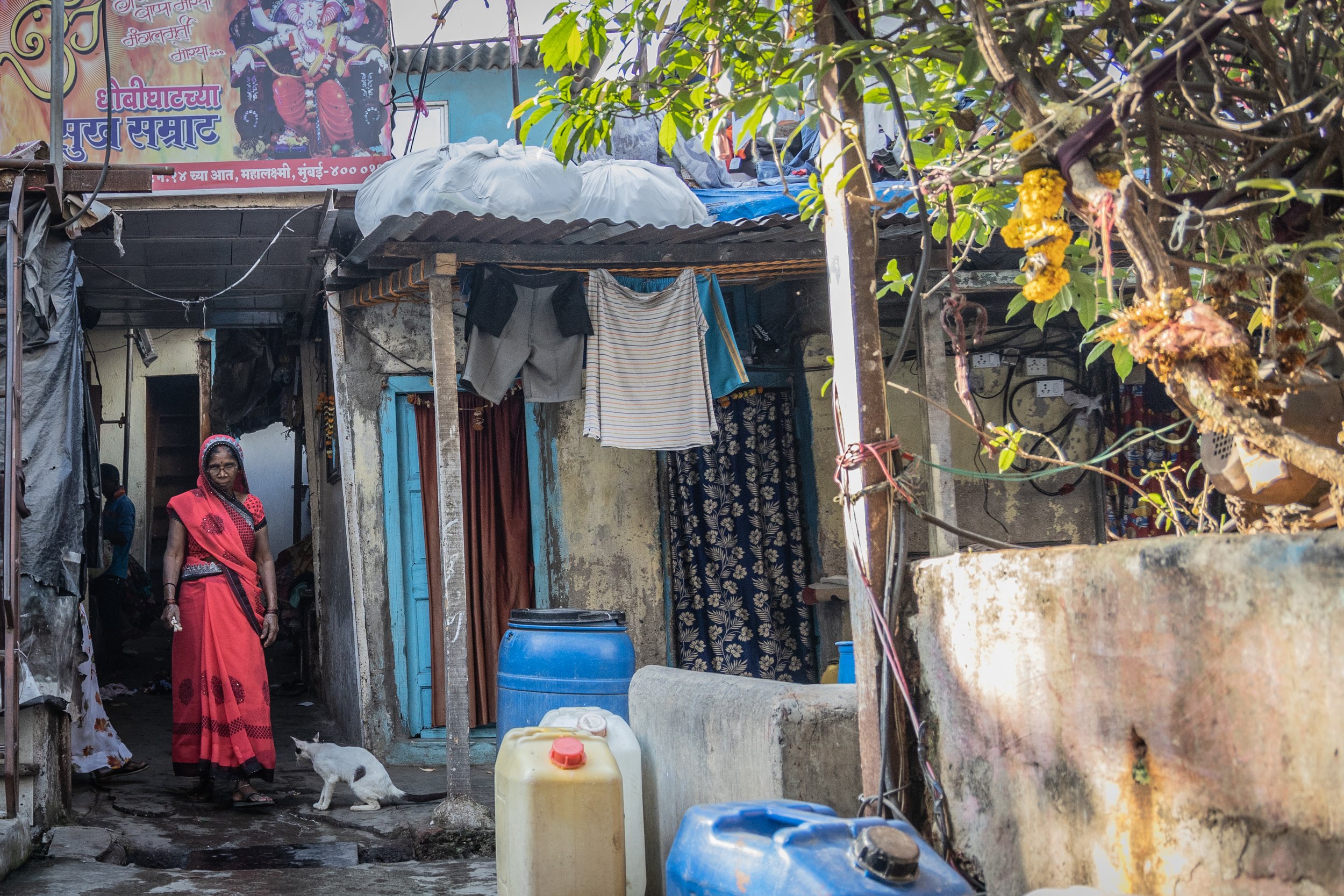
Mumbai’s Laundromat employs roughly 7,000 workers and is called “Mahalaxmi Dhobi Ghat” which means the place where men wash and dry clothing. It has been operating for over 140 years and not much has changed since its very founding. 

Mumbai’s Laundromat serves the mass public who cannot afford to purchase laundry machines or simply do not have the space at home to do laundry. 

They also launder for hotels, restaurants, and hospitals – each industry according to its specific needs and standards. Each load is done separately, such as colours, jeans, whites, delicates, and so on. 

Despite the vast quantity of laundry they receive and handle, they are highly careful and take full responsibility for damaged or lost goods. 

The old steam irons they use are heavy and each weighs at least 5 kg, I tried to lift one myself and immediately put it back down since the weight was too much for me to hold in a single hand. I don’t understand how malnourished teenagers and even children are able to work with these from dawn until evening.

Entire families live within the laundry complex and there are in fact full communities that live there. They cook, shower, and even learn there. With my own eyes, I witnessed children playing in between the rows of hanging laundry. They were entertained and looked genuinely happy. One can hear the laughter echoing throughout the alleys.

Mothers with small children juggled washing laundry in large tubs while also watching their children at the same time. 

I wandered in between giant outdoor sinks and the endless rows of hanging laundry on ropes. 

I entered the expansive ironing room and visited one of their “apartments” which is a single room meant for an entire family. I realized that this is the best possible reality for them, they work hard and are genuinely proud of what they do.

For a moment, I sat on the side and thought to myself how simple life truly is.

Perhaps it is in fact us who have gotten accustomed to the endless rat race of life, complications, and stress. 


View fullsize 8.jpg
View fullsize 3.jpg
View fullsize 5.jpg
View fullsize 10.jpg
View fullsize 9.jpg
View fullsize 6.jpg


.

.

208A1041.jpg


The day that I decided that I was out of excuses was the day that I decided to realize an old dream of mine.

I would put aside all of the chores, which never end, and make time to study photography.

And so, after over two decades in various managerial positions in the hotel industry –  including event management, marketing in large chains and hotel management – I decided to move forward with my favorite part of the hospitality industry: the people, encounters and trips, leaving behind the demanding managerial lifestyle.

I knew it was love as soon as I took up the camera.  The ability to see everything from a different perspective of deep observation, quickly capturing a moment, a look, a movement.  Wherever I look today, I see things differently, through the lens.  I see the second for the right shot to introduce a slightly different viewpoint.

I am realizing my love for hospitality through my business – Bayit BaTeva in the Upper Galilee where I live and my love for people, encounters and trips, through my lens.

Since then, my passion has been to perpetuate the people, encounters, places and special moments, the diverse landscapes and fine details.

Today I am fully captivated by photography, seeking to convey my point of view.

You are welcome to visit…

Tali Nevo
Saturday 04.22.23
Posted by Progressive-Street
 

Broken Dreams Beneath the Ashes by Anwar Ehtesham

Broken Dreams Beneath the Ashes

by Anwar Ehtesham

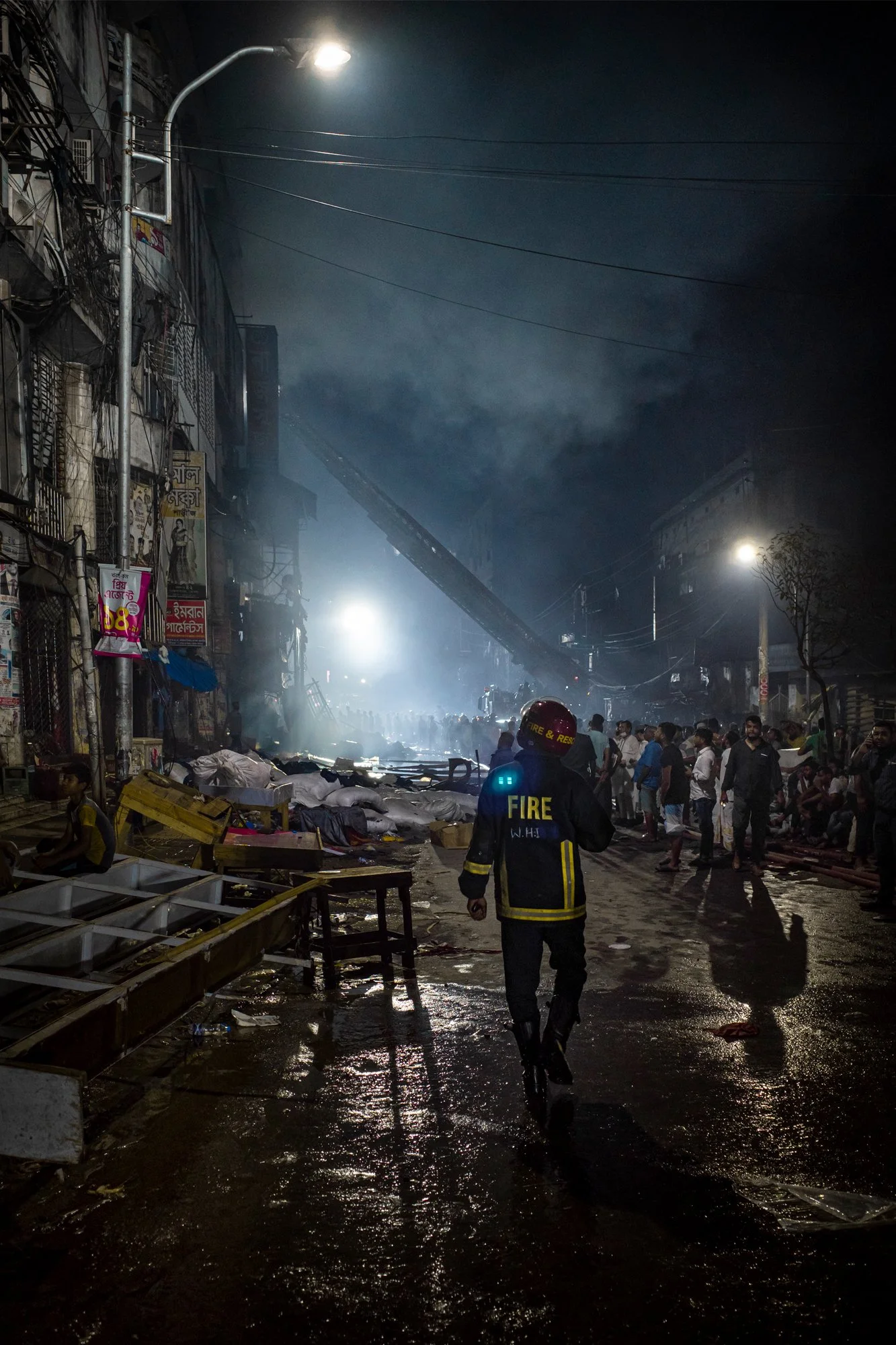
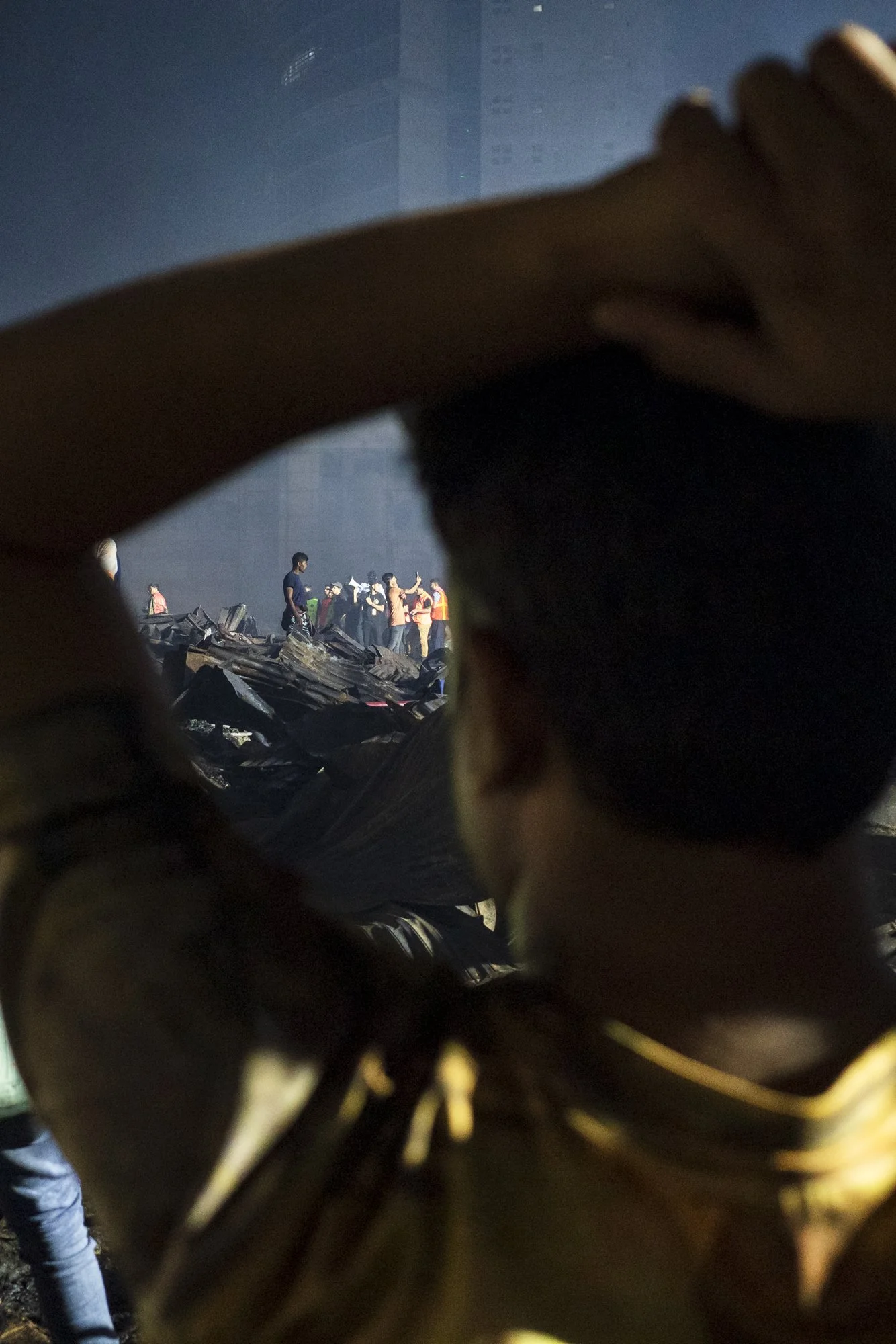
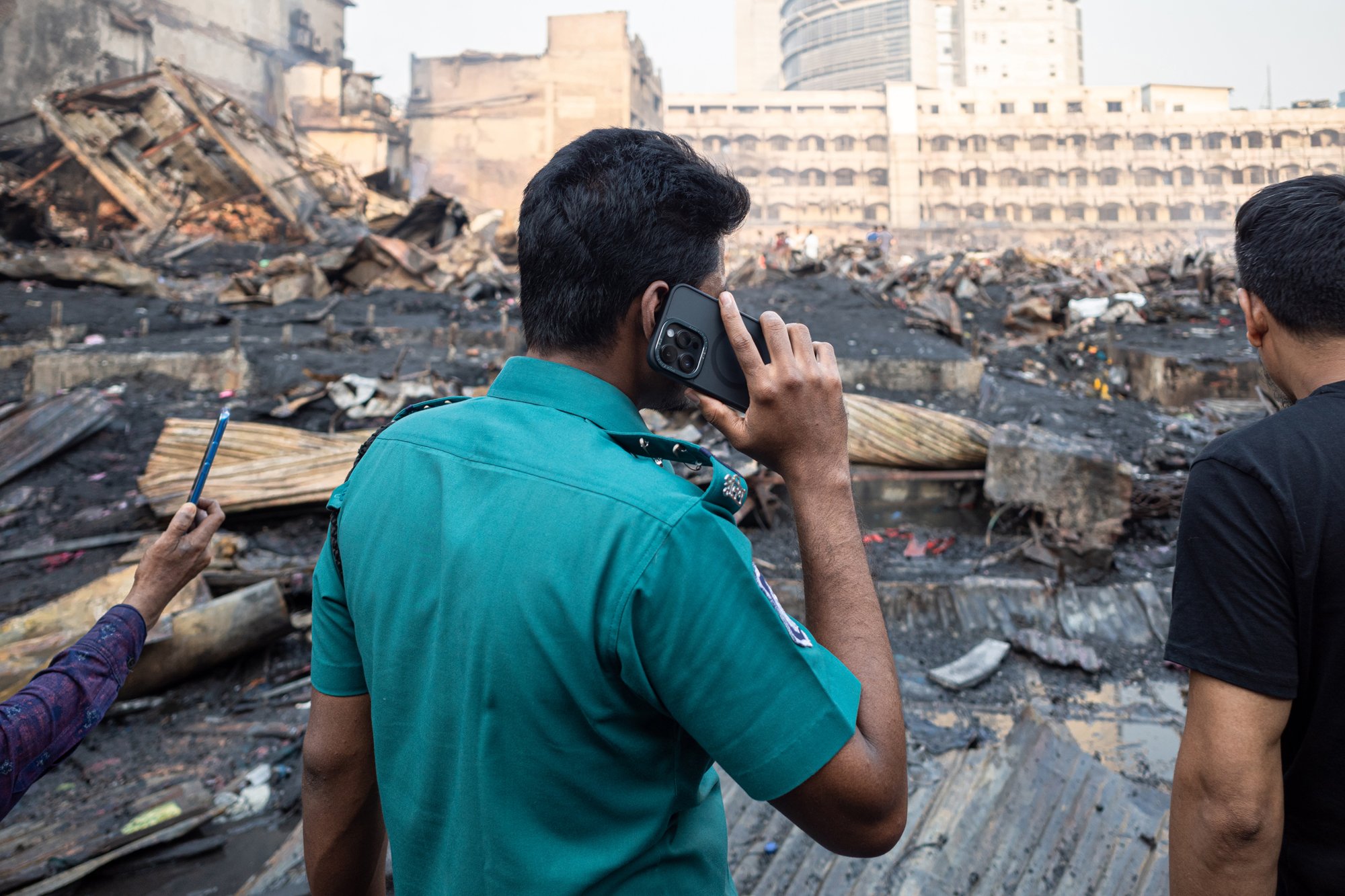
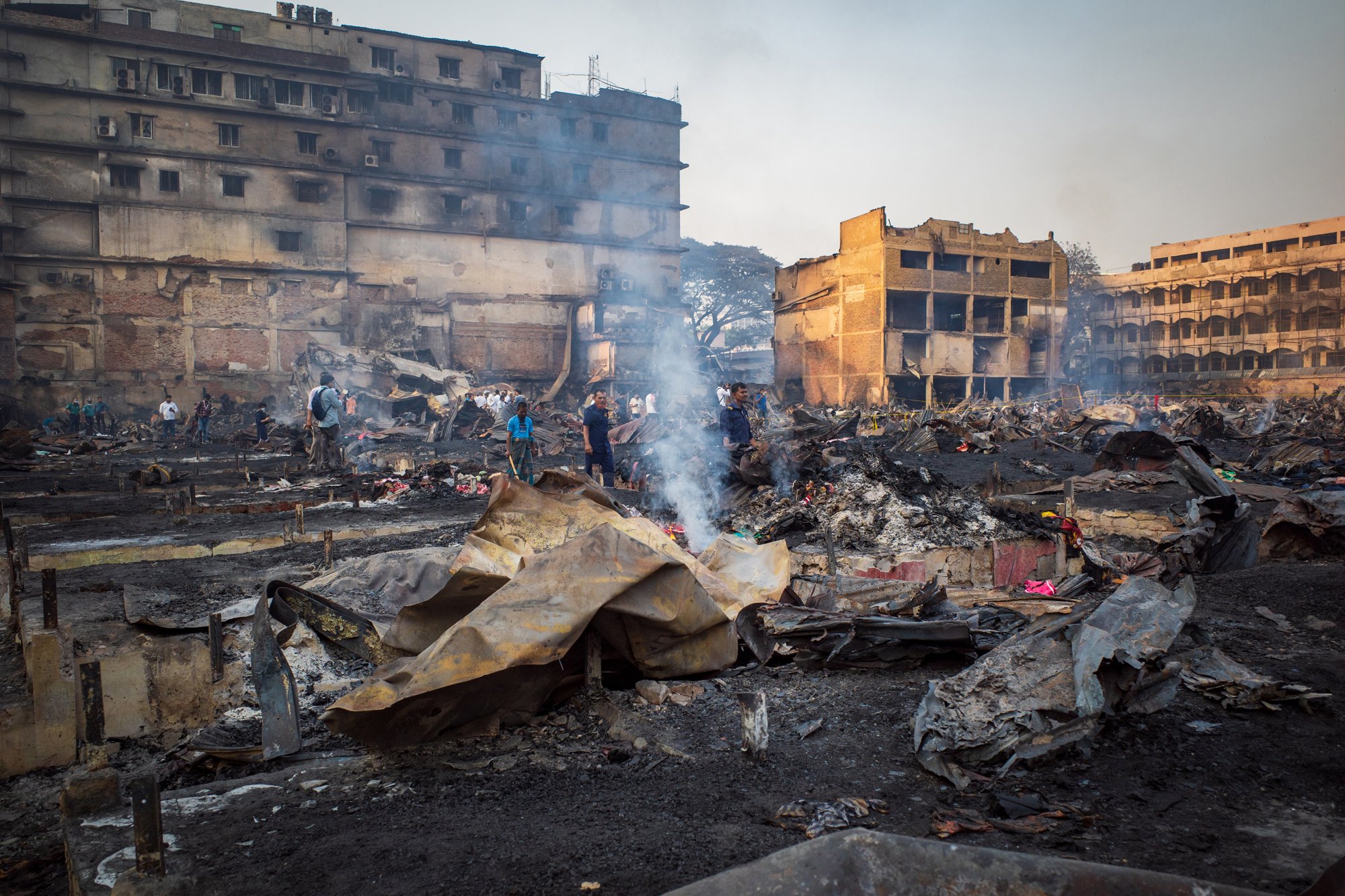
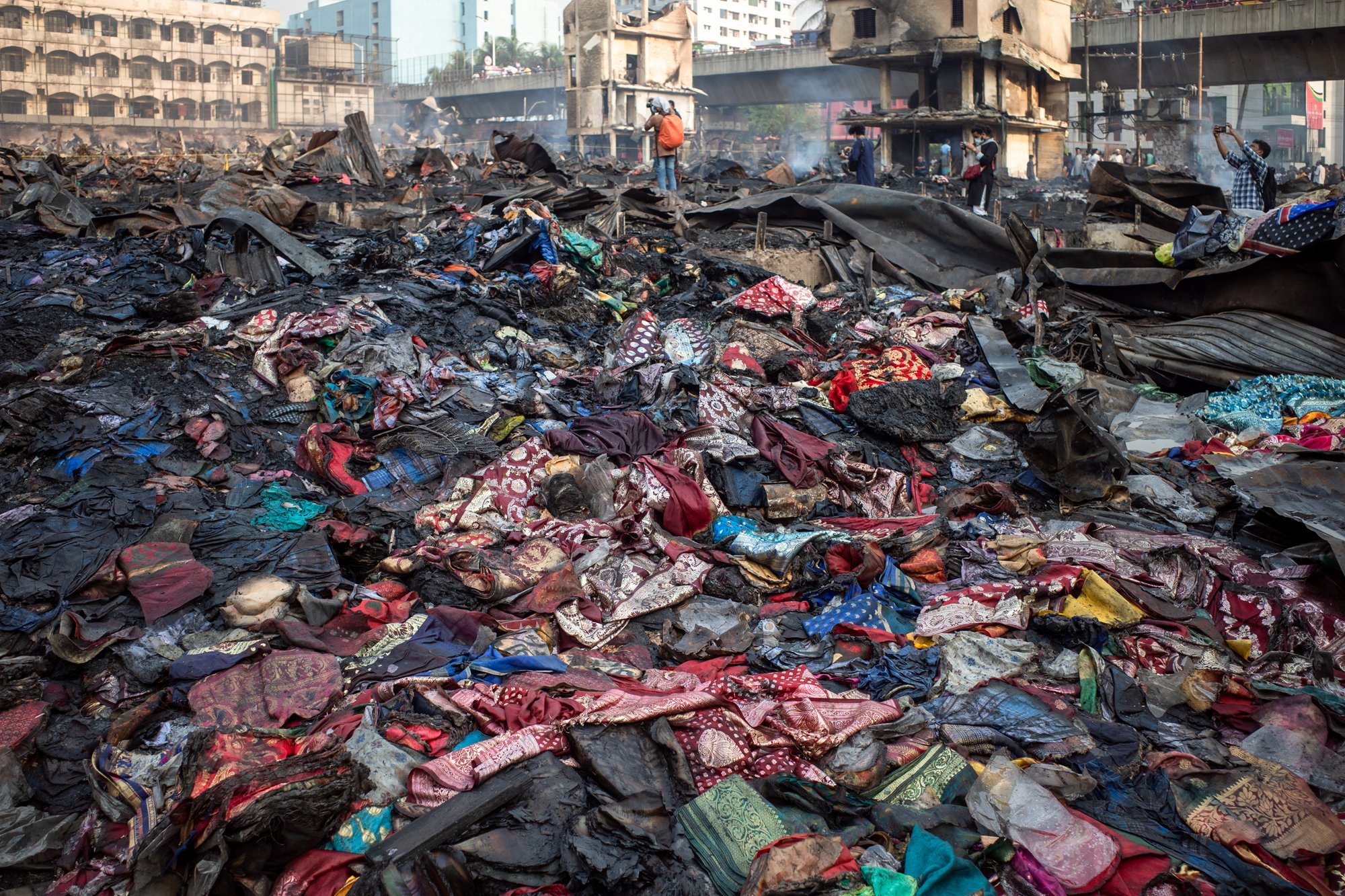
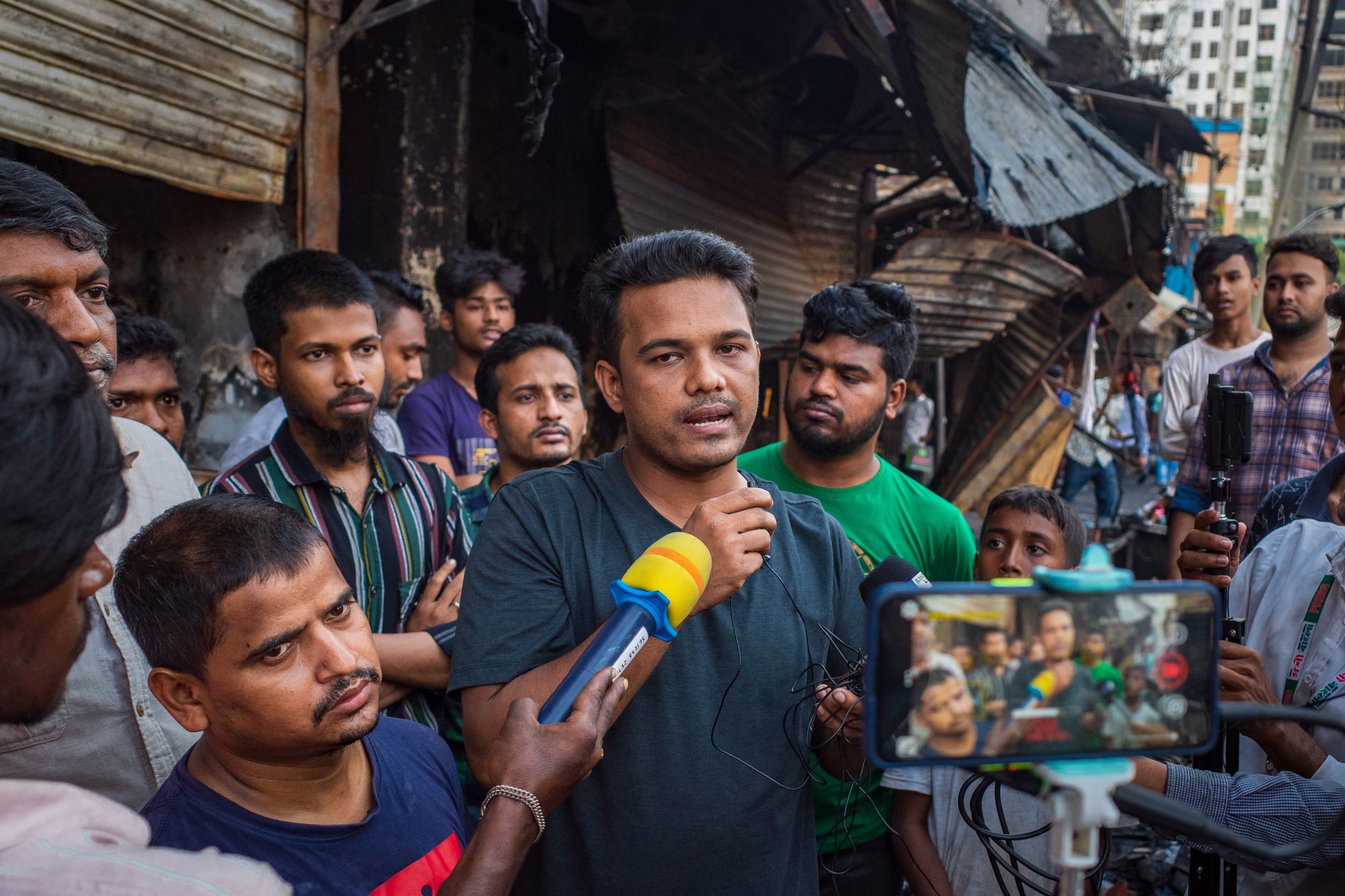
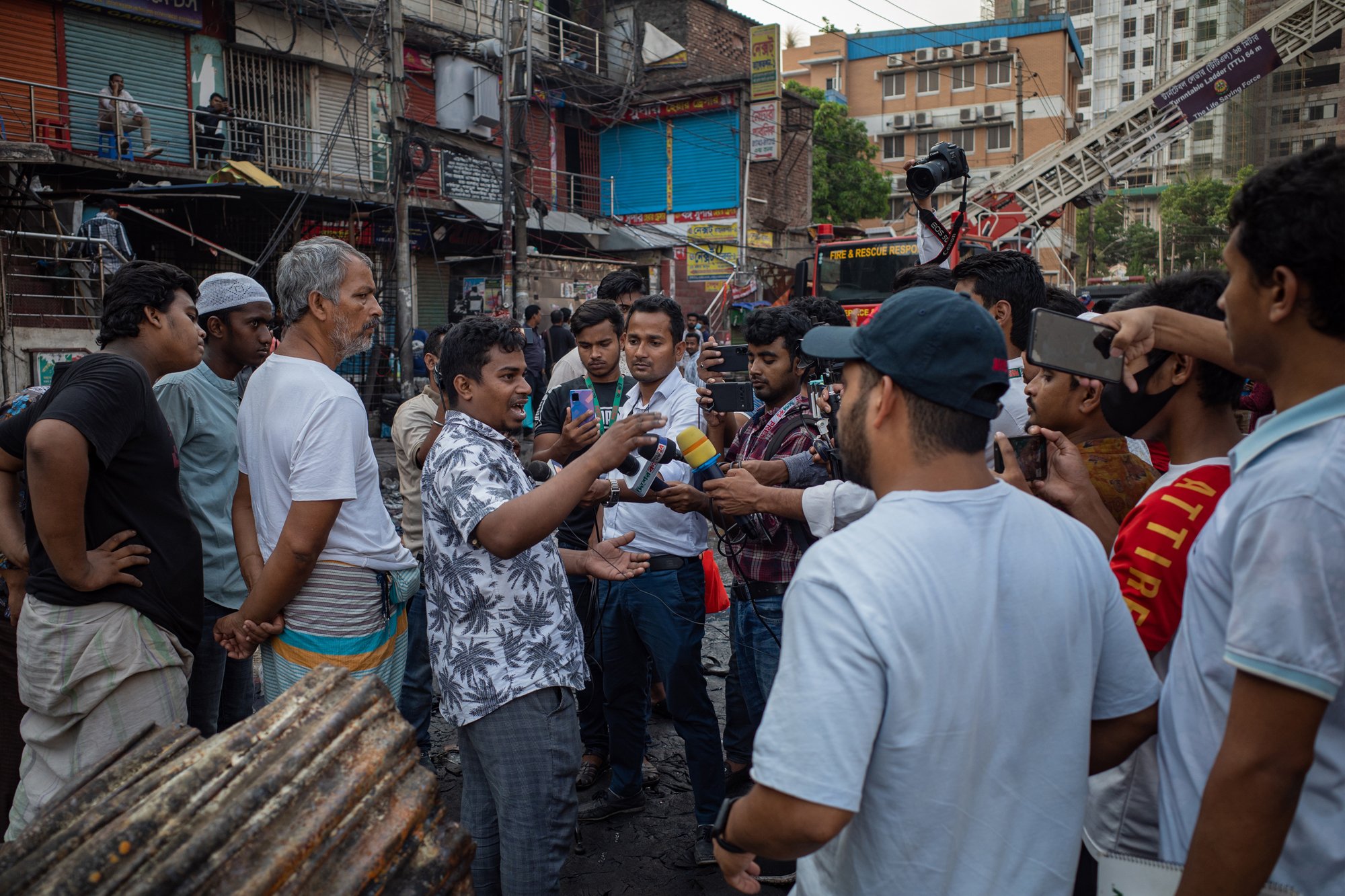
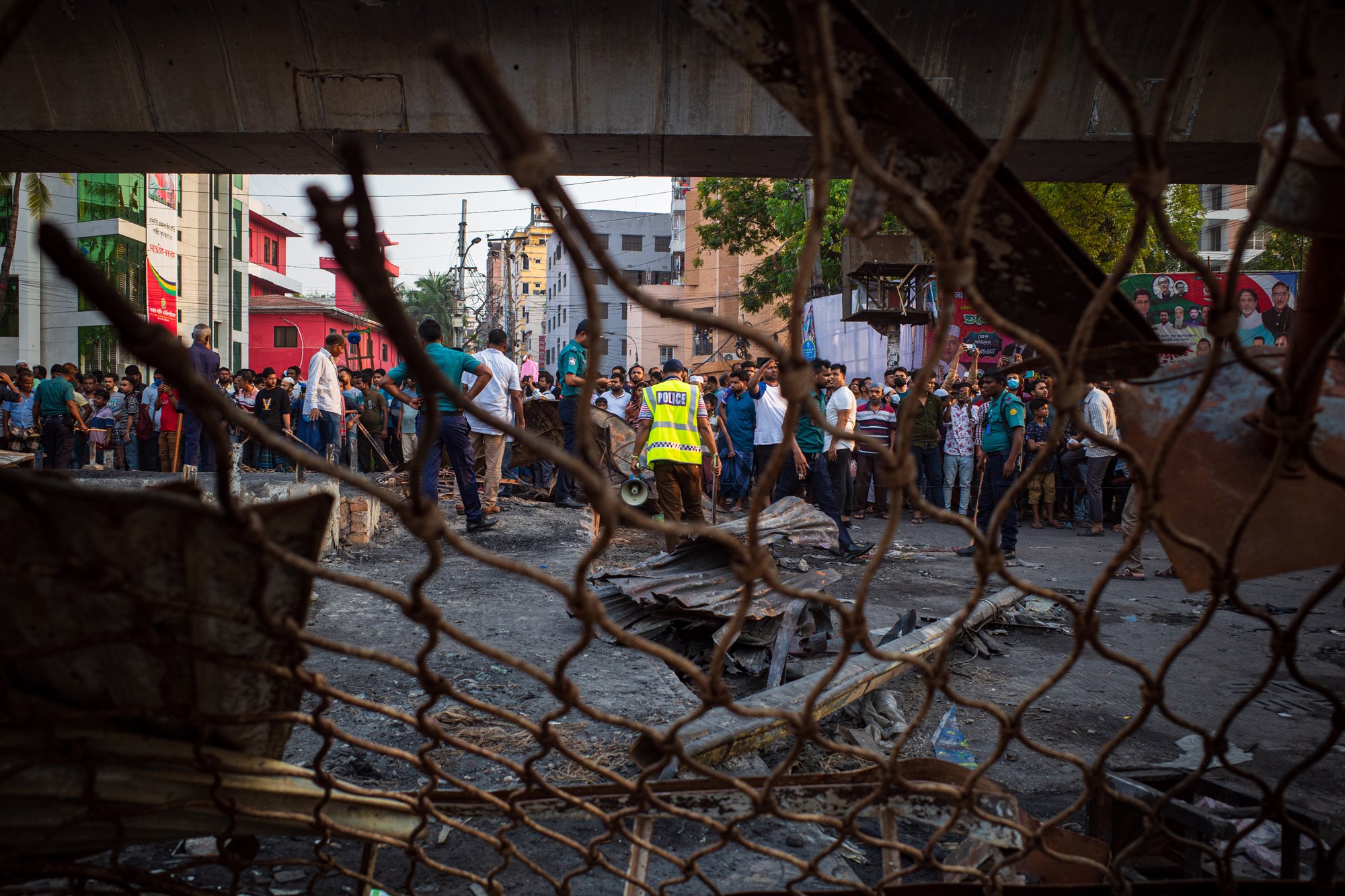
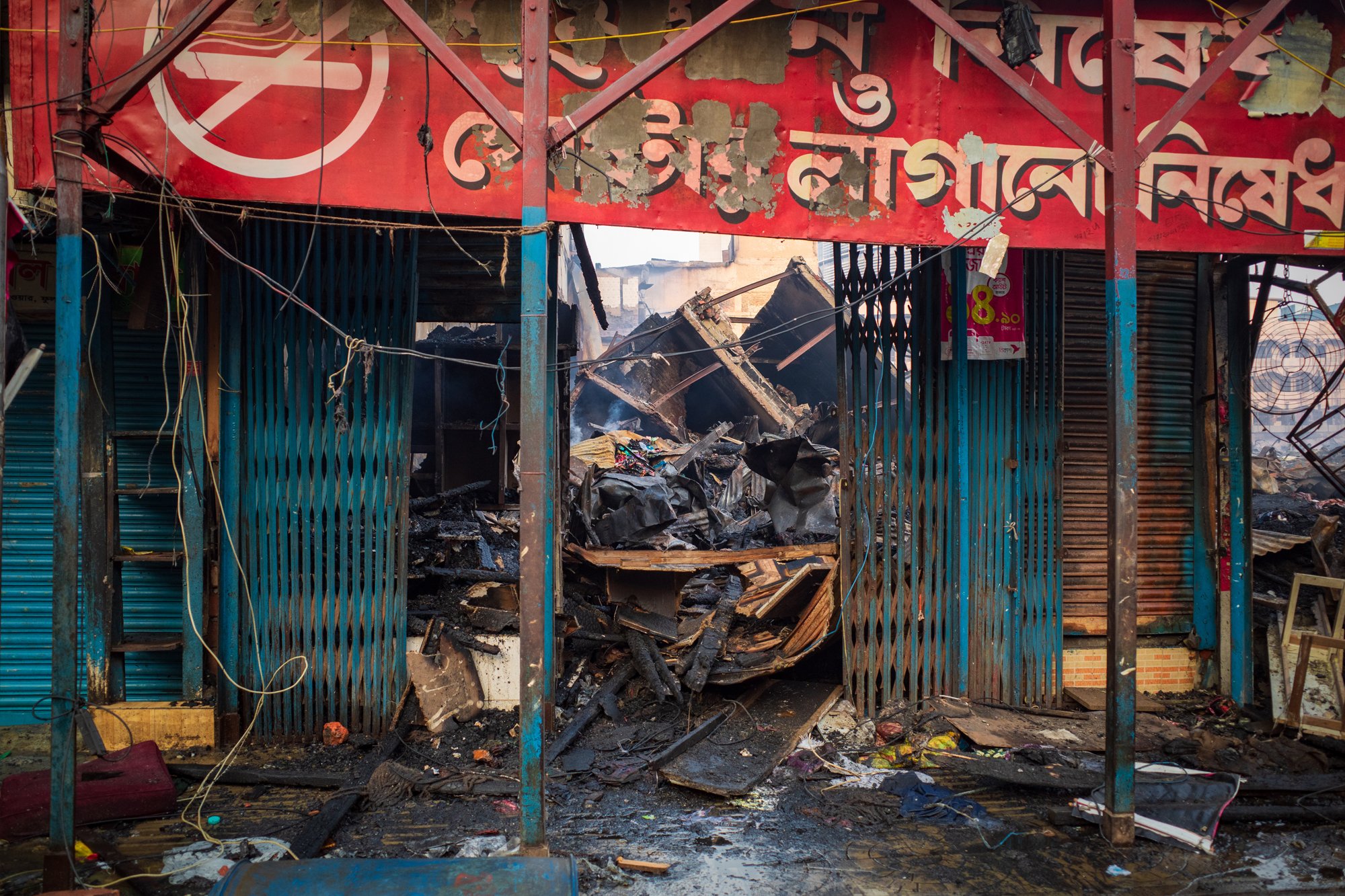
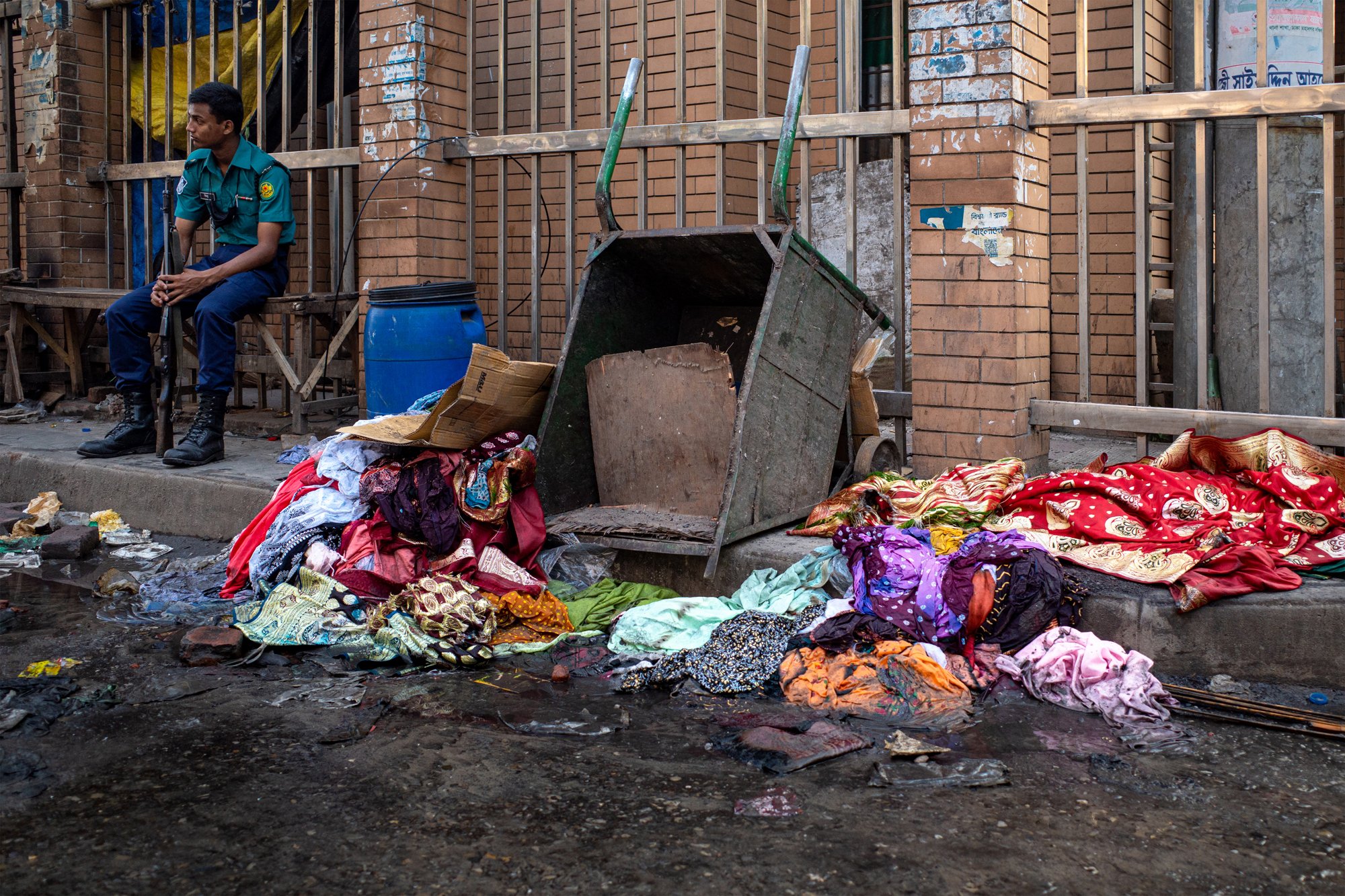
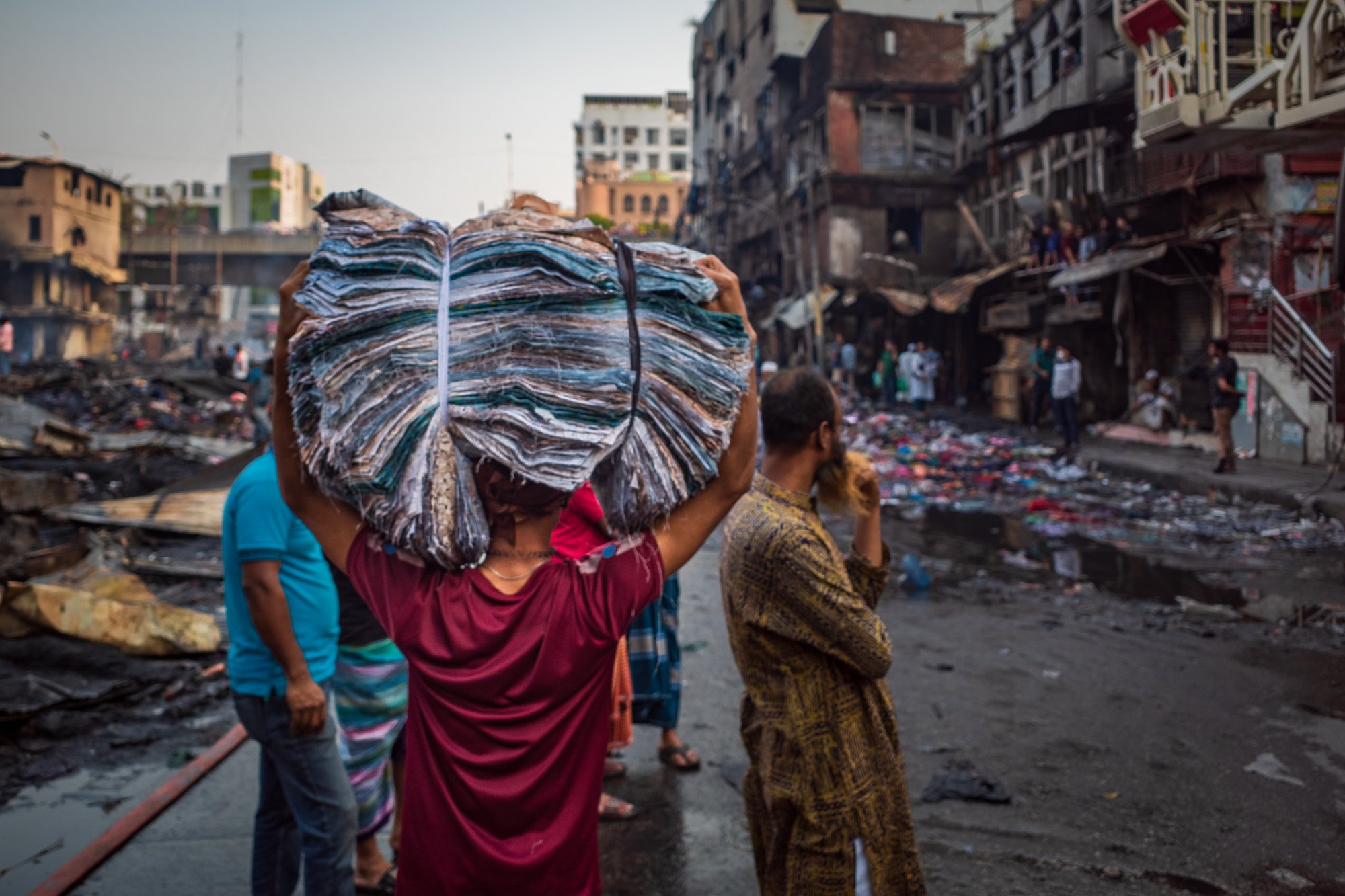
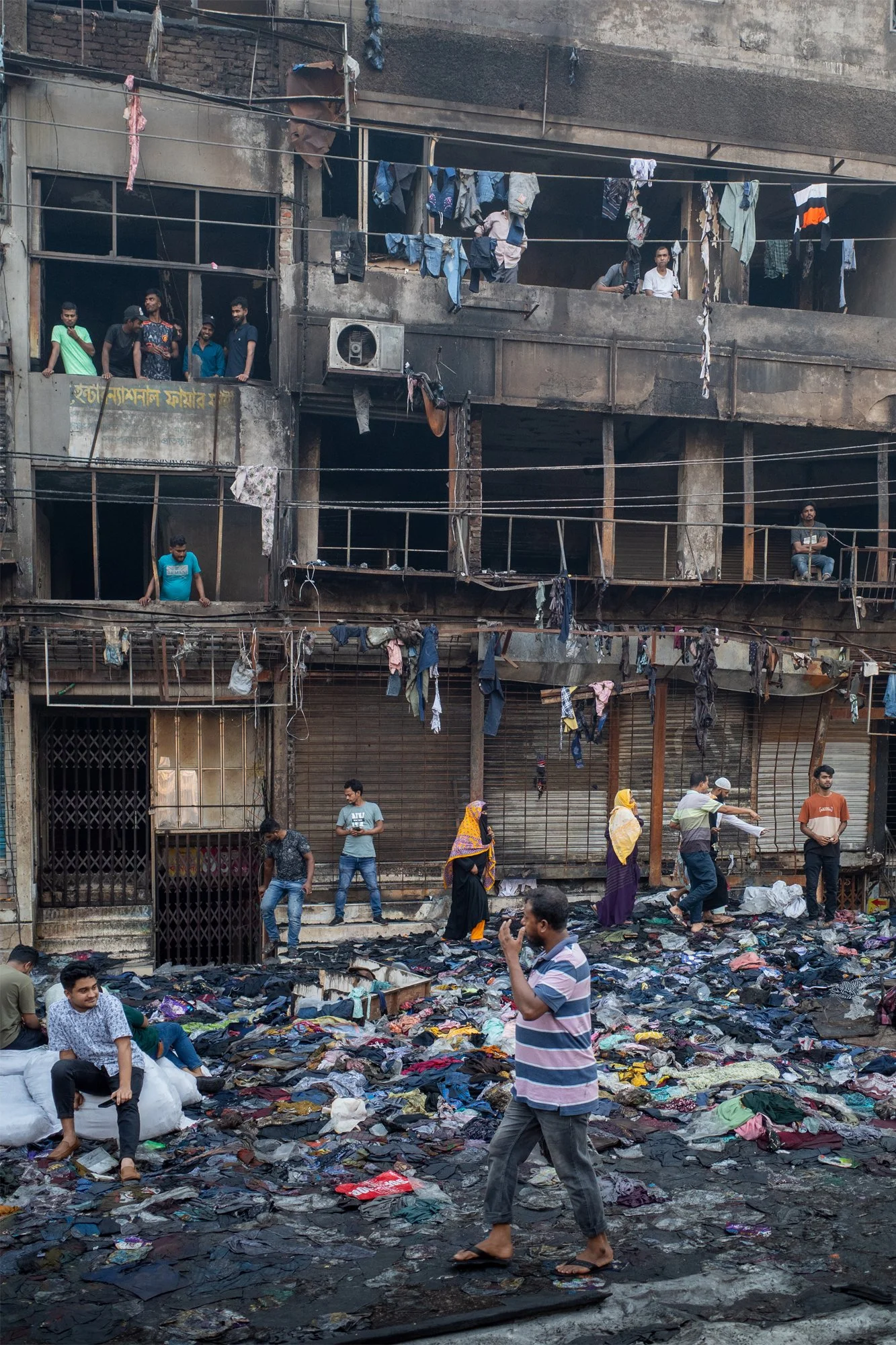
Once again, the city of Dhaka, Bangladesh's capital, was struck by a devastating fire. This time, the blaze engulfed Bongo Bazar, the largest retail and wholesale ready-made garments market in the city, comprising approximately 5,000 outlets. The fire broke out on April 4, 2023, quickly spreading and leaving the city's oldest neighbourhoods covered in thick black smoke.

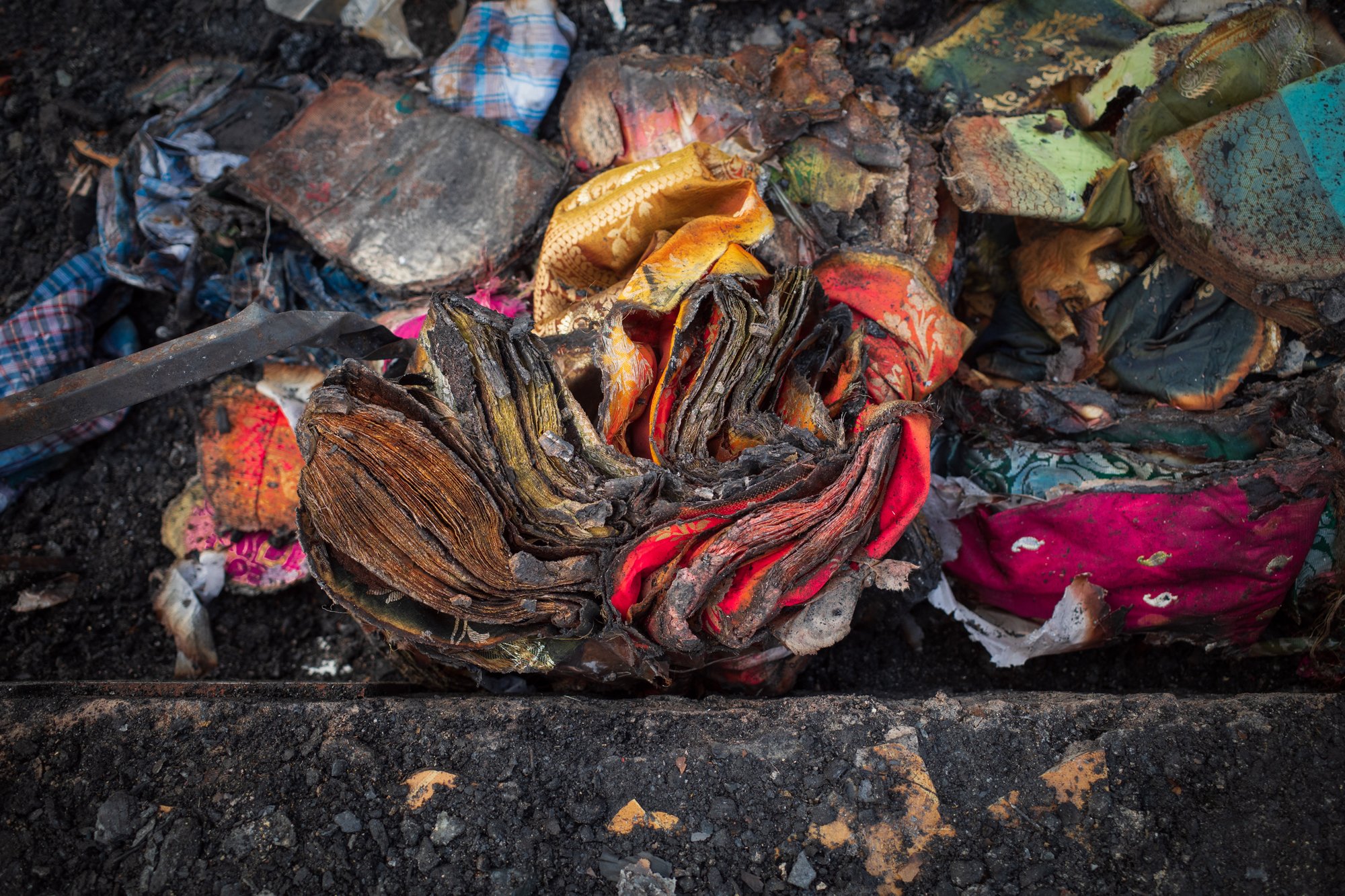
The recent fire, while not resulting in any loss of life, has had a profound effect on those affected. Bongo Bazar and four neighbouring clothing markets were ravaged by the blaze, leaving approximately 400,000 business owners without a means of livelihood and around 1 million workers without jobs just before the country's largest religious celebration, Eid-ul Fitr, which marks the end of Ramadan.

The bustling Bongo Bazar was a haven for small business owners and aspiring entrepreneurs who invested their time, energy, and resources to create better lives for themselves and their families. However, the fire destroyed their dreams, leaving them with the daunting task of starting over from scratch.

The victims, many of whom were sole breadwinners for their families, now face financial turmoil, struggling to make ends meet. The loss has put their aspirations of providing for their families, sending their children to school, and building a stable future on hold.

As the community copes with the aftermath, it's essential to prioritize safety measures and take the necessary steps to prevent future incidents.

Camera: Ricoh GR 3

View fullsize AnwarEhtesham_01.jpg
View fullsize AnwarEhtesham_03.jpg
View fullsize AnwarEhtesham_05.jpg
View fullsize AnwarEhtesham_06.jpg
View fullsize AnwarEhtesham_07.jpg
View fullsize AnwarEhtesham_09.jpg
View fullsize AnwarEhtesham_10.jpg
View fullsize AnwarEhtesham_11.jpg
View fullsize AnwarEhtesham_13.jpg
View fullsize AnwarEhtesham_15.jpg
 
 
View fullsize AnwarEhtesham_17.jpg
View fullsize AnwarEhtesham_19.jpg
AnwarEhtesham_22.jpg
AnwarEhtesham_21.jpg
AnwarEhtesham_25.jpg
AnwarEhtesham_26.jpg
AnwarEhtesham_28.jpg
AnwarEhtesham_33.jpg
AnwarEhtesham_23.jpg
AnwarEhtesham_29.jpg
AnwarEhtesham_32.jpg
AnwarEhtesham_34.jpg
 
Anwar Ehtesham
Tuesday 04.11.23
Posted by Progressive-Street
 

“Close Encounters of Photographic Kind”

“Close Encounters of Photographic Kind”

by Edurado Storch

International Women's Day March
“Close Encounters of Photographic Kind”

On March 8, I went with my friend Alfredo to take photos at the march for International Women's Day, on Avenida 18 de Julio. We met in a bar near one of the points of the call, to have a coffee and chat about street photography, while the time for the march approached.

While waiting for my friend, I had my first close encounter.

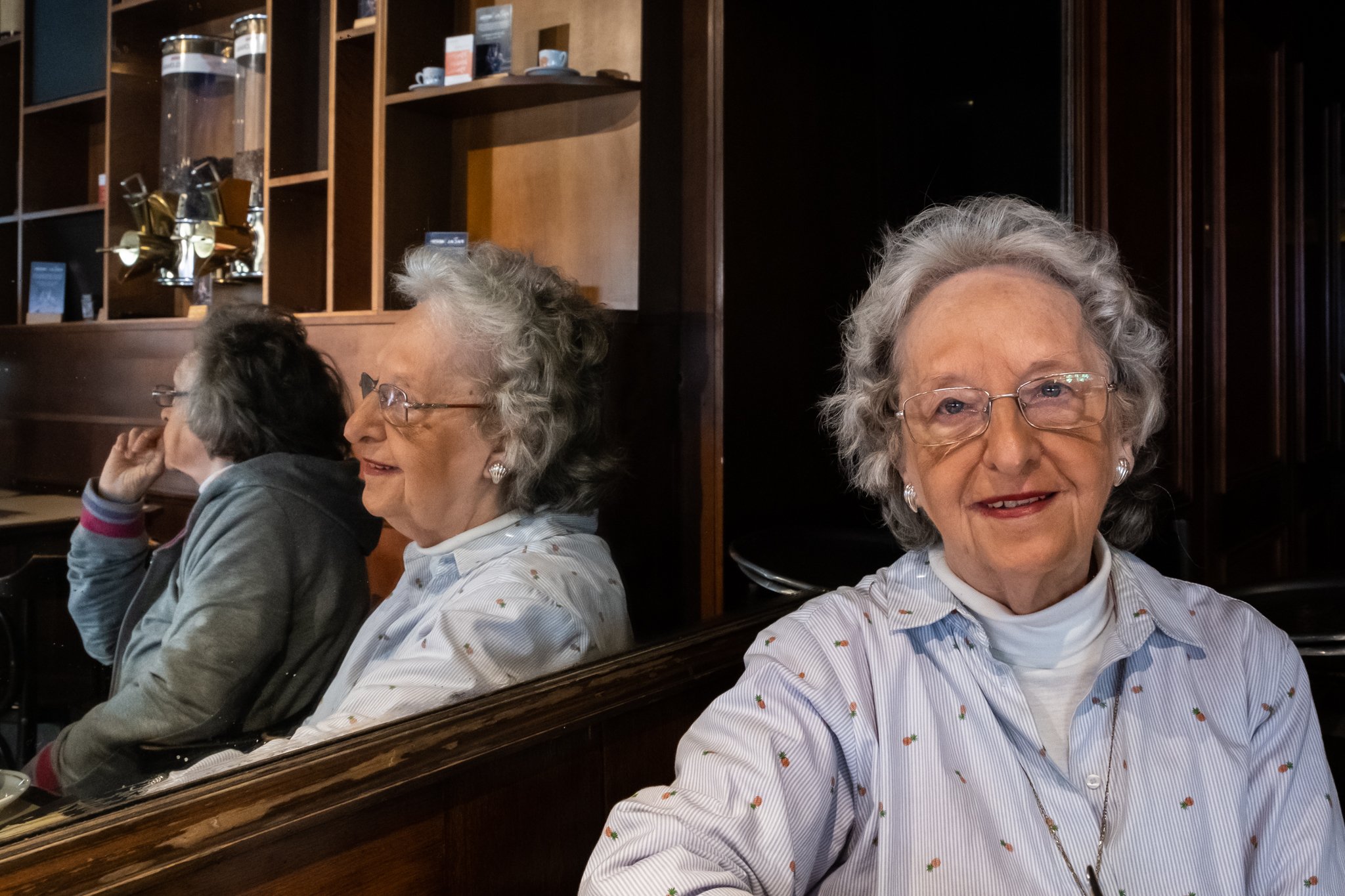
I saw two identical old ladies drinking coffee at the table in the corner. I had an irresistible urge to photograph them, so I asked permission to sit with them, and I told them so.
One of them, quite reticent, said that the waiter had just taken a photo of them.
"But I didn't take any of them and I'd love to," I told them and added that I was a retired doctor, passionate about street photography, who had lived in the neighbourhood, and that my parents had lived near there and I mentioned the name of the building.
"That's where we live," one of them told me, with whom I continued the conversation cheerfully and she agreed to be photographed.
I asked them if they were related because I saw them as identical, and she told me that they are sisters, but I don't know if they are twins. I didn't want to insist on that and I took the photo of her taking advantage of the reflection in the mirror, where you can see that the sister had chosen to look to her side, but she wasn't upset.
I showed them the photos that they liked, we said goodbye kindly and then they quickly went home, because they didn't want the march to complicate crossing the avenue.
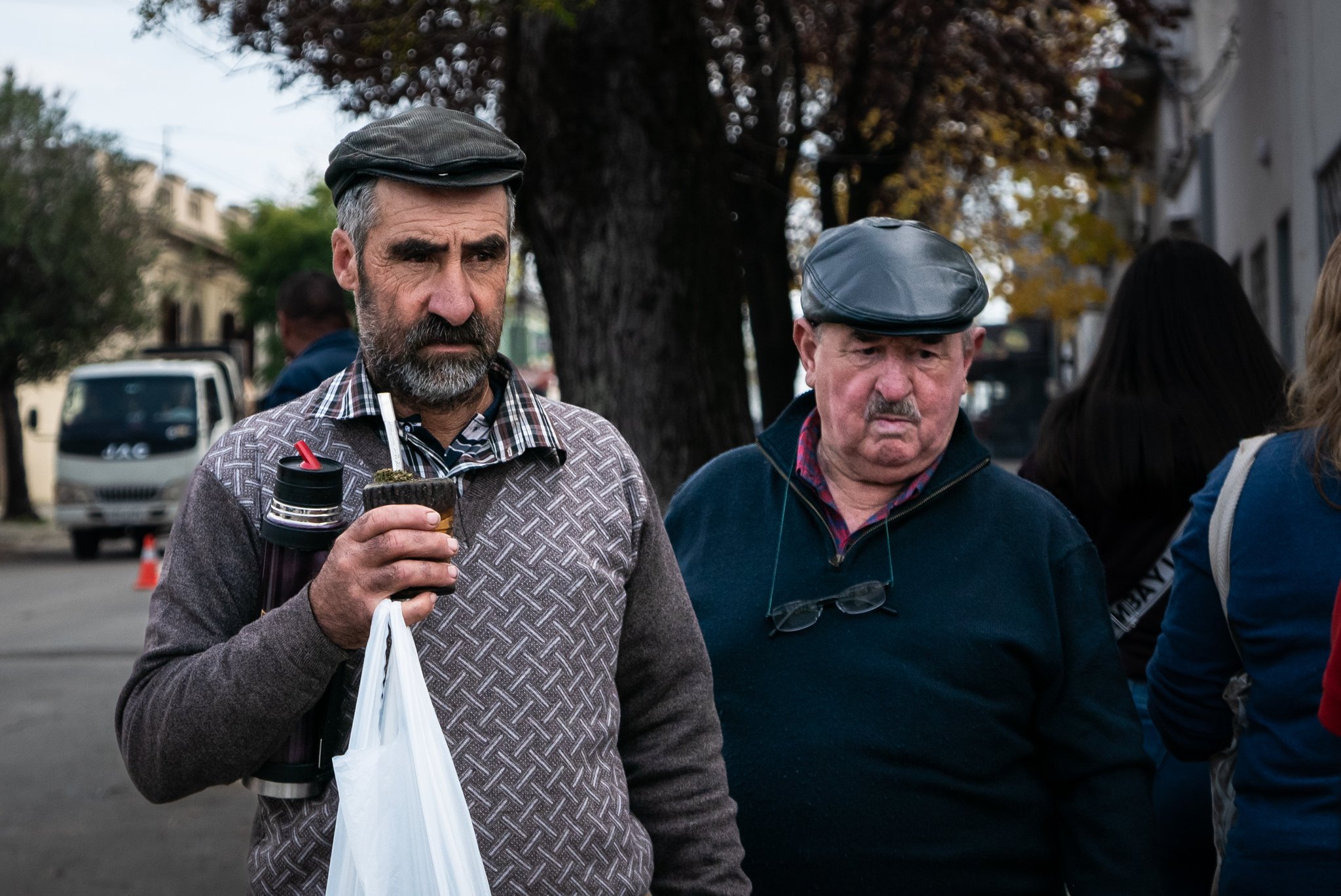
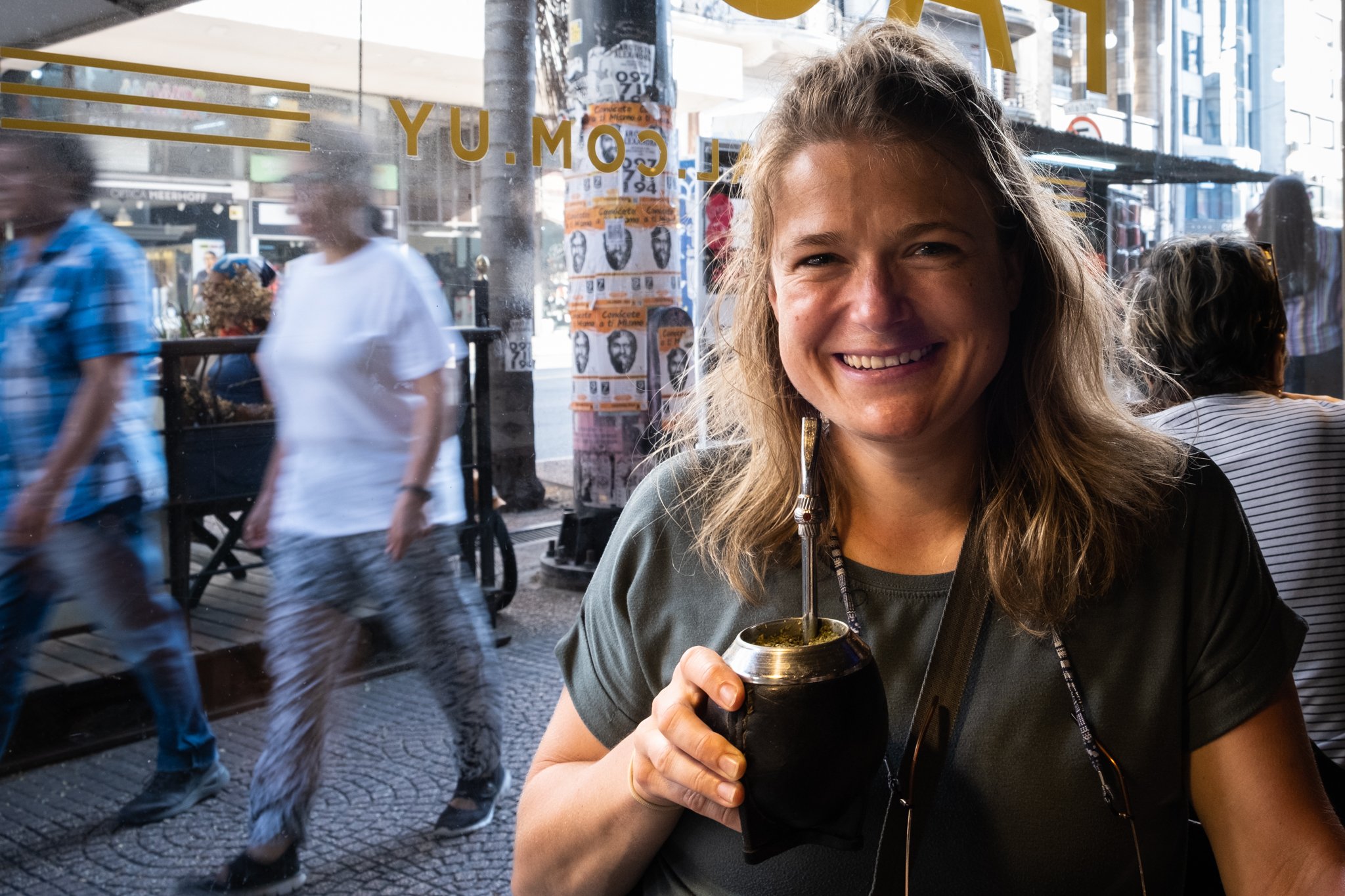
Then Alfredo arrived and while we were talking, a young woman came in with a "mate and thermos" under her arm, which contrasted with her foreign appearance, and even more so when she ordered a quince tart to accompany the mate.
She was my second close encounter.
Since I wanted to take a picture of her, I went up to her table to ask her permission and it turns out that it was Jana, a young German woman who works in tourism and who was on vacation in Uruguay. She told me that she liked the country a lot and when I asked him about the mate, which she had very well prepared and that she fed it very well, she told me that, since everyone carried the mate and thermos under their arms, she wanted to try it and do the same as the others. the rest.
She wasn't too convinced when she told me that she liked the beverage.
When I told her that she was an OB-GYN (currently retired) and that my last name is Storch, she was very amused, like all those who understand German and know that my last name means stork.
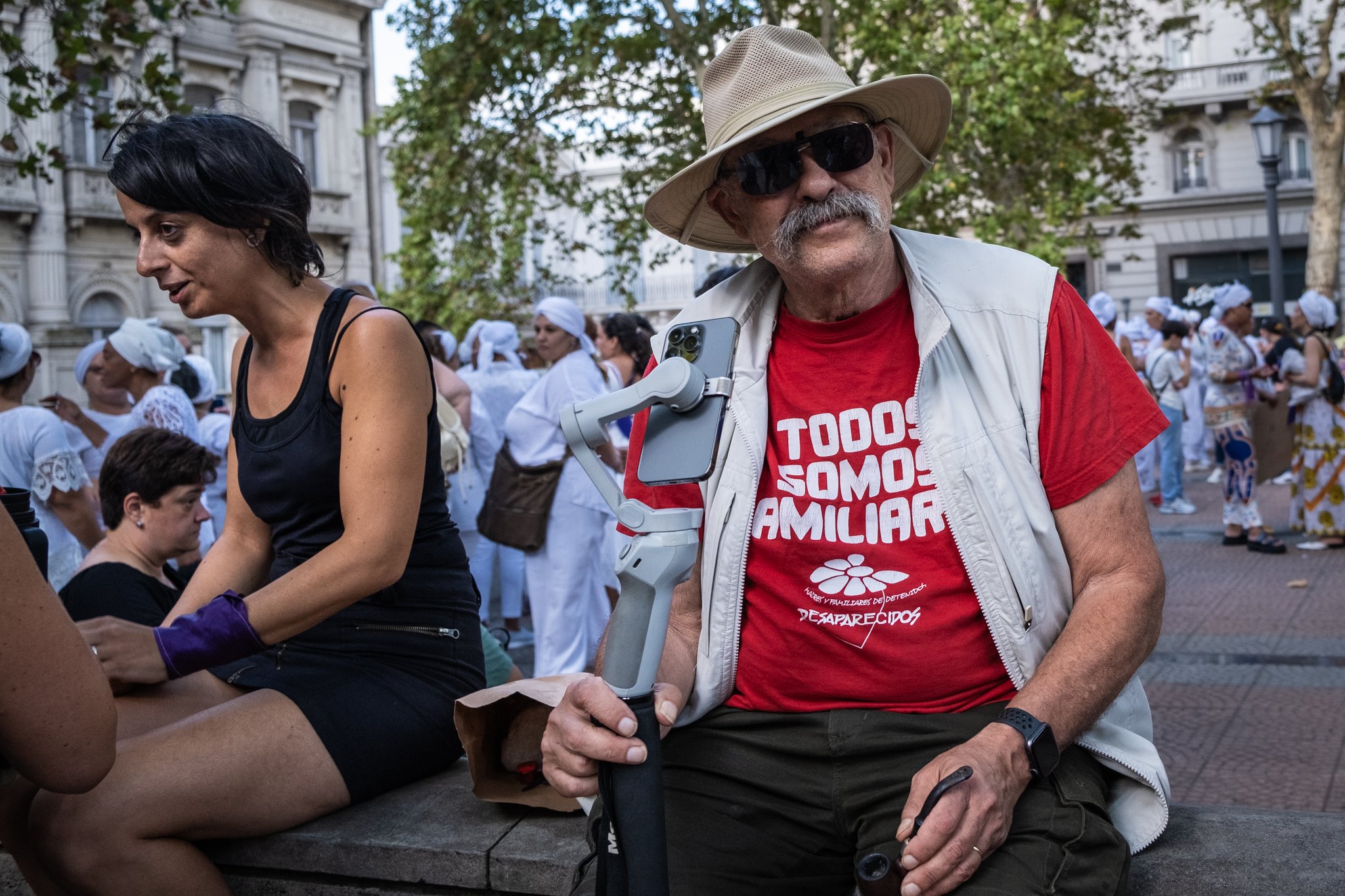
While I was talking to her, through the window, I saw a very interesting man passing by, with a wide-brimmed hat, who also seemed foreign from his appearance, and who was holding a cell phone mounted on a sophisticated cell phone stick.

He was my third close encounter
Having reached Liberty Square, which was one of the meeting places, I saw him again sitting next to one of the stairs that go down to Rondeau street.
I approached him and told him that I liked his phone holder, to which he responded in English telling me that he spoke very little Spanish.
Then he told me that he was from Toronto and that he spent about 5 months a year in Uruguay, during the harsh Canadian winter, especially in the northwest, where he currently lived.
His name is Benny and we talked animatedly about the cell phone support, the photos he took and also about Canada and Uruguay, where he said he felt very comfortable.
He had gone to the march and had a T-shirt claiming for those who disappeared during the dictatorship. We said goodbye, and I crossed to the small square where the Statue of Liberty stands.
There were many young women with banners, clothing and graffiti alluding to 8M.
When I went closer to take some photos, my attention was caught by a very cheerful young woman, with big sunglasses and bright lipstick.
She was my fourth close encounter

When she saw me with the camera in hand walking towards her, she smiled and also took a picture of me.
I asked her name, but I didn't understand it and given her accent I asked her where she was from.
She said that she was Iranian and that she had been in Uruguay for 5 months. She looked happy and enjoying a lot with her friends, who were calling for her from the sidewalk, so she said goodbye and she ran towards them.
I was left thinking that here she would be wonderful, given the difficulties and limitations of women in that country.
In reality, most of the meetings were close, because, although the number of people who went to the march was huge, and I took group and general photos, but I highlight those four meetings that were really different
I always try to be as close to people as possible when taking photos of them.
We even exchange a few words, smiles and many later follow me on the networks.
Close encounters with people is something I really enjoy about street photography.

Montevideo. Uruguay. March, 2023

DSCF0876.jpg
DSCF0877.jpg
DSCF0905.jpg
DSCF0950.jpg
View fullsize DSCF0945.jpg
View fullsize DSCF1043.jpg
View fullsize DSCF1083.jpg
View fullsize DSCF1091.jpg
 
Eduardo Storch
Monday 03.13.23
Posted by Progressive-Street
 

Taking my time with films

Taking my time

with films

by Aurélien Bomy

Since April 2022, I’m back to analogue photography.

At that time, I asked my father for his old camera: A Minolta XD5 with a 50 mm / f1.7 fixed lens from 1979 (just one year younger than me). The camera he used when I was a child.

In my practice and in my production I have a rather precise taste for a certain form of aesthetics, ambience, or atmosphere that I would like to be able to approach and I shoot a lot at night. I find inspiration in many photographers’ work and in many movies.

I had already noticed the inimitable rendering of certain films, especially for night shots and cold or neon lights. In particular the Cinestill 800 T (made with Tungsten) which produces all those red halos around the white artificial lights.

So I already knew I had to move in that direction and when my father gave me his Minolta, I engaged in an analogue street photo practice.

At the very beginning, I was a bit impressed and I was afraid that the pictures would be messed up as the films cost a bit of money (between six and twenty Euros for a roll of Thirty-six exposures in 135 format, on average of 10 Euros). But very quickly, after I developed my first roll, I felt much more comfortable and I took a liking to this practice. I then shot almost frantically during the early days to learn and familiarise myself with the camera.

 I love to test the renditions of the different B&W or colour films.

Some of my favourite films, for the moment, are the Cinestill 800 T, the Kodak Vision 3 500 T and the Kodak Portra 400 for colour, and the Ilford HP5 Plus 400 and Washi S 50 for B&W.

At the moment I am particularly fascinated by film photography because of its texture, its grain, its materiality, its substance and I am looking to experiment with new films to discover their rendering!

I’d like to test the Kodak Gold for colour and Kodak Tri X for B&W and many other films. But some films are hard to find, out of stock or even not produced anymore.

I learn a lot with analogue photography. What I learn from this is useful for both analogue and digital, as I also continue to take digital photos.

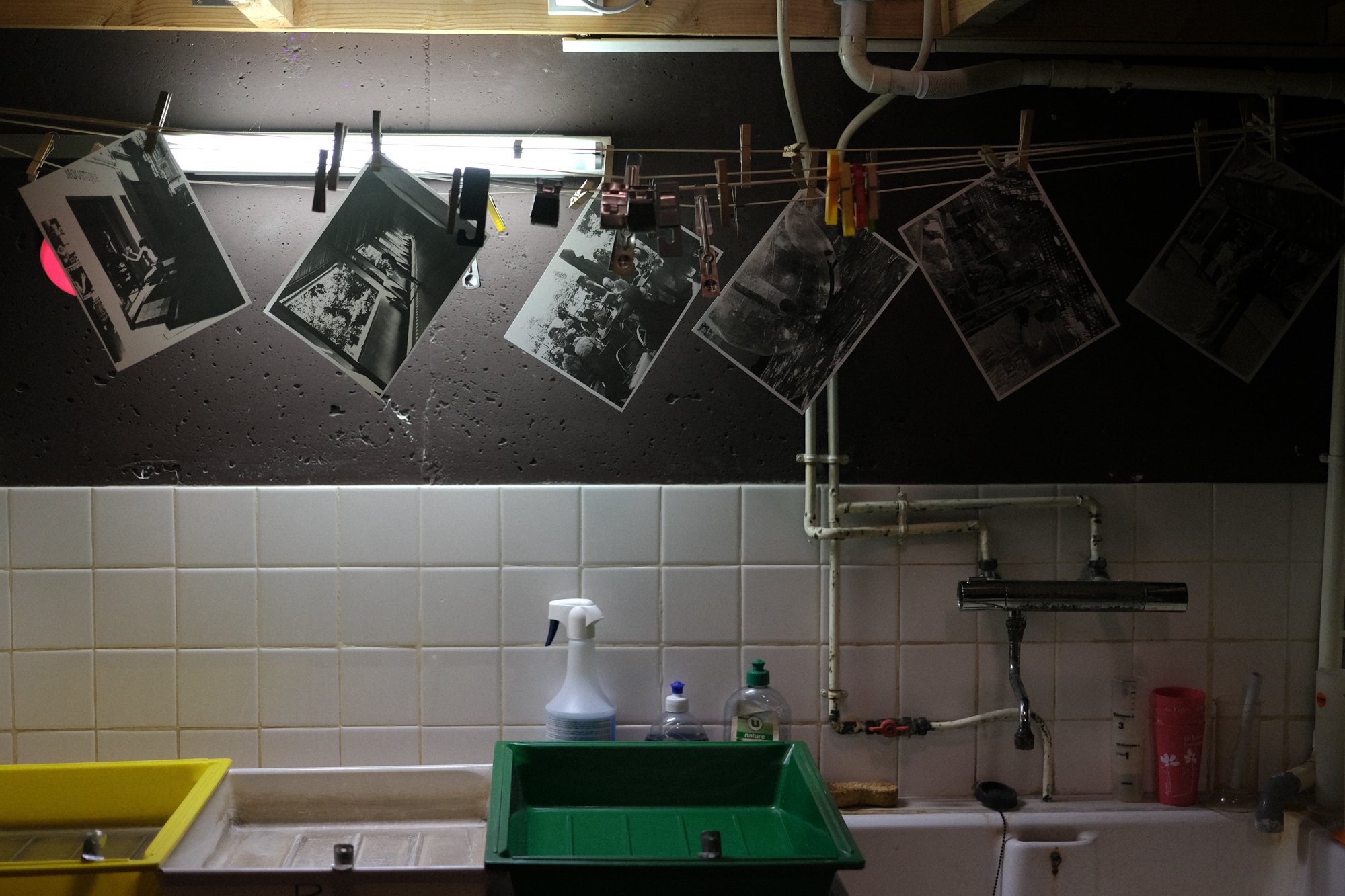
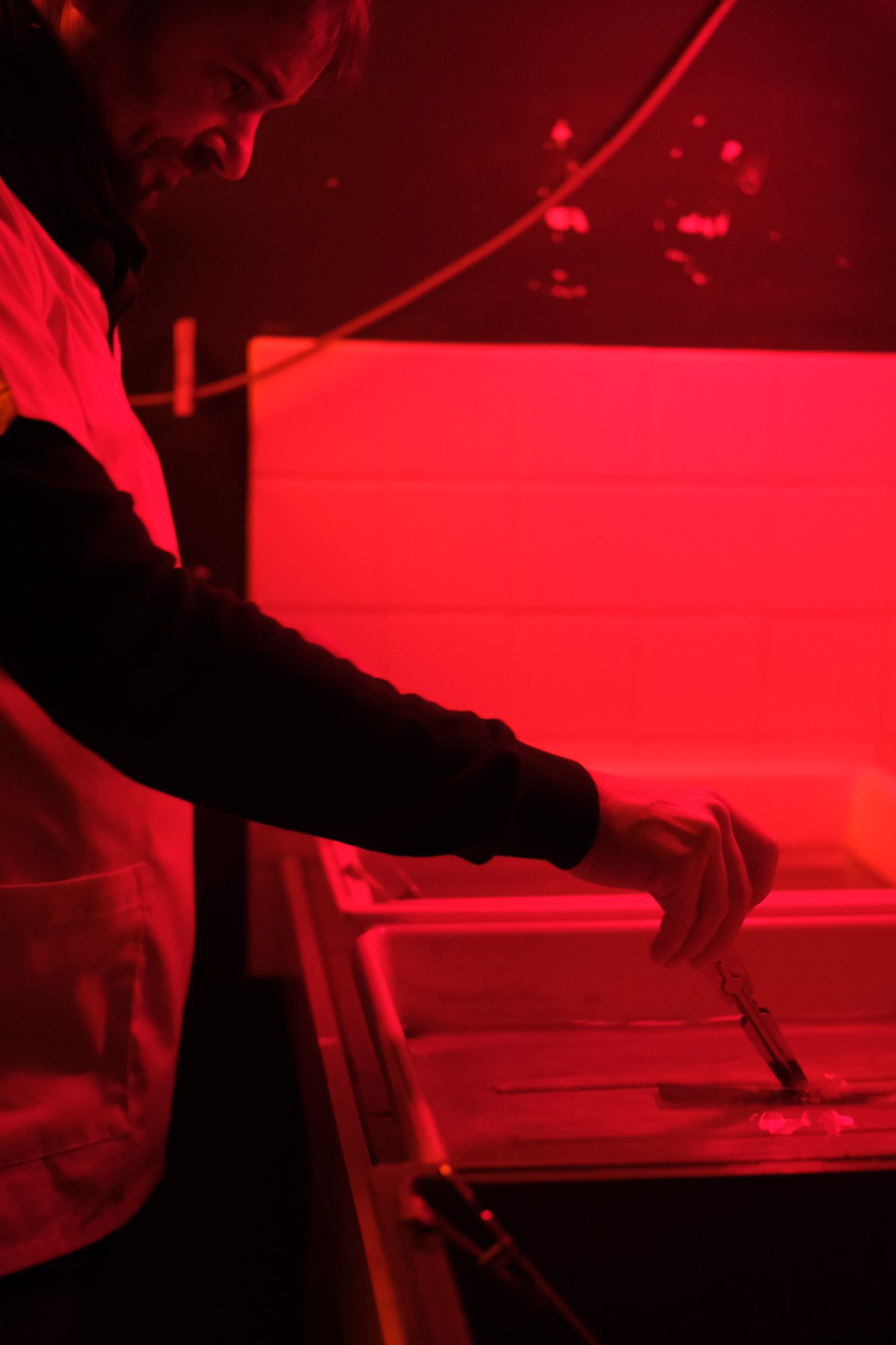
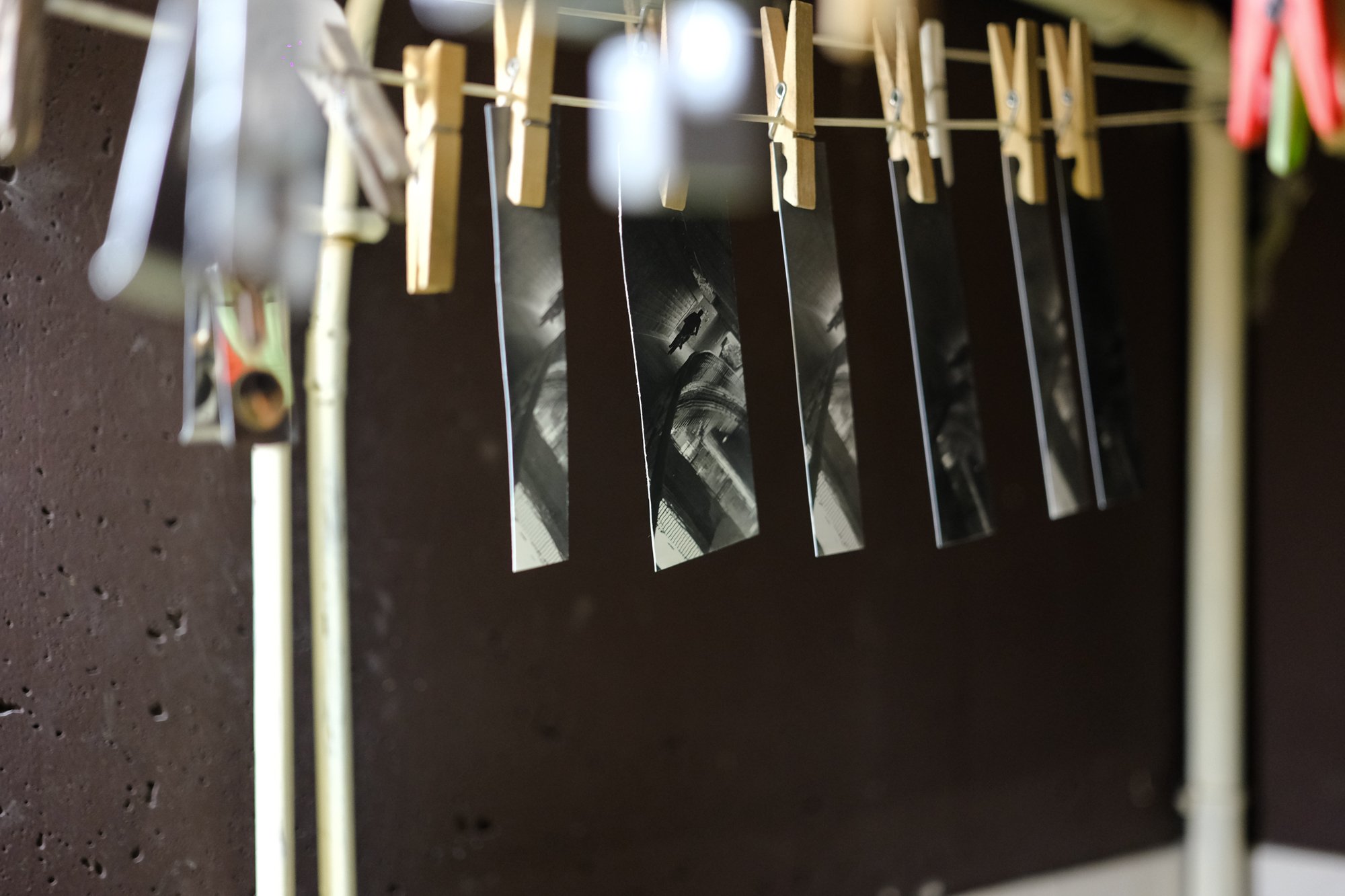
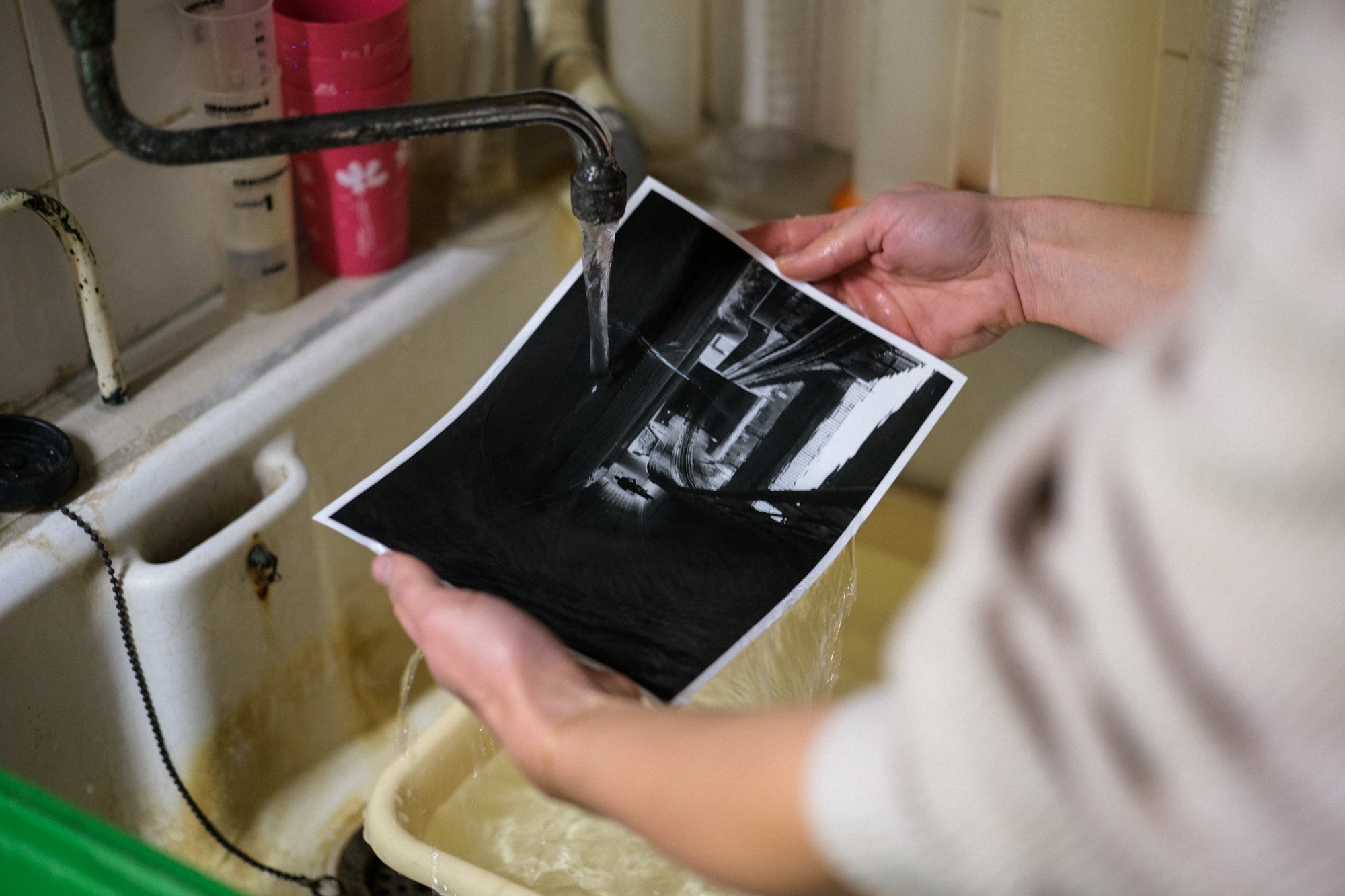
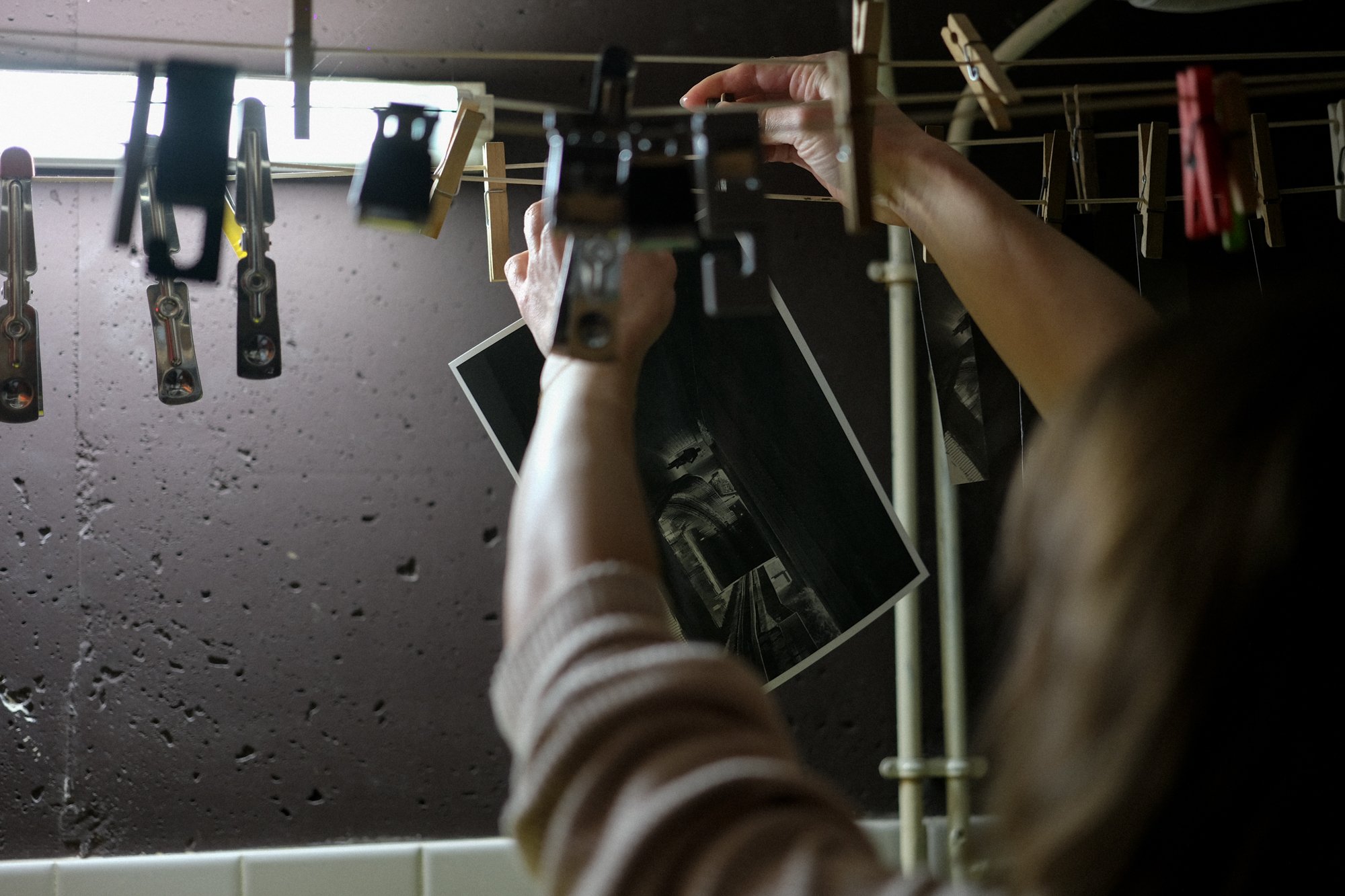
In B&W, I develop films and make the prints myself with a close friend. For colour, I ask for a professional lab.

My practice is also changing, as it is a less immediate process where you don't know the result right away, you learn to be less sure of yourself and also to trust yourself without certainty, without the possibility of checking. It's a very different relationship to time. And as the films and the process cost a bit of money, we apply ourselves more to the placement, the composition and the adjustments before releasing the shutter.

For digital, I choose colour or B&W in post-production. It is the composition and the intensity of the photo that will make me decide, depending on what I want to say. Sometimes it is because a series is more coherent this way that I decide to switch to B&W.  For analogue photography, it is very different. I don’t do any post-processing. The choice (of Color/BW and of sensitivity/ film speed) has to be made beforehand when you decide which film to load into the camera. So you don’t load a 50 or 100 ASA for the night and conversely not an 800 ASA for the daytime. It is therefore also necessary to plan the type of photos to be taken according to the film.

The best would be to have two cameras; One loaded with colour and the other with B&W or with two different film speeds to be able to shoot in different conditions!

Thus, I learn that if on one hand, one must learn to use the camera, on the other hand, one must also learn not to use it! Not to take it out, or even to decide not to take it and to allow yourself time when you are not going to photograph (this is often when you regret not having taken it! but never mind! The photos we never took will continue to exist in us and will guide us the next time).

Knowing how not to use it is also a way of specifying one's choices, intention and position, a point of view!


My objective is to continue to learn, discover and create images with a certain freedom, according to the encounters I can make. This approach implies allowing the unexpected, the unforeseen, and the surprise. It is also a question of not foreseeing too much, and not programming too much.

So I say to myself « Be patient! Take your time! There is always something to learn! »


To be continued…


Here are some of the photos  I took with the different films :

BW

-        Ilford HP5 plus 400:

View fullsize AurelienBomy-HP5plus400-1.jpg
View fullsize AurelienBomy-HP5plus400-2.jpg
View fullsize AurelienBomy-HP5plus400-3.jpg

-        Foma Pan 100:

View fullsize AurelienBomy-FomaPan100-1.jpg
View fullsize AurelienBOMY-FomaPan100-2.jpg
View fullsize AurelienBomy-FomaPan100-3.jpg

-        Washi S 50 (unfortunatly this film with hight contrasts won’t be produced anymore):

View fullsize AurelienBomy-WashiS50 (1).jpg
View fullsize AurelienBomy-WashiS50 (2).jpg
View fullsize AurelienBomy-WashiS50 (3).jpg
 

Color

-        Kodak Portra 400 (The finest grain film with great color grading)

View fullsize AurelienBomy-Portra400-1.jpg
View fullsize AurelienBomy-Portra400-3.jpg
View fullsize AurelienBomy-Portra400-2.jpg
View fullsize AurelienBomy-Portra400-4.jpg

-        Kodak Pro Image 100

View fullsize AurelienBomy-KodakProImage100 (1).jpg
View fullsize AurelienBomy-KodakProImage100 (2).jpg
View fullsize AurelienBomy-KodakProImage100 (3).jpg
View fullsize AurelienBomy-KodakProImage100 (4).jpg
View fullsize AurelienBomy-KodakProImage100 (5).jpg

-        Kodak Vision 3 - 500 T (500 ASA Tungsten 135 film used in cinema movies, reels reconditioned in 36 exp. Rolls, developpement with a special chimical process ECN-2)

View fullsize AurelienBomy-KodakVision3500T (2).JPG
View fullsize AurelienBomy-KodakVision3500T (3).jpg
View fullsize AurelienBomy-KodakVision3500T (1).jpg
View fullsize AurelienBomy-KodakVision3500T (4).jpg

-        Cinestill 800 T (Tungsten film)

View fullsize AurelienBomy-Cinestill800T (1).jpg
View fullsize AurelienBomy-Cinestill800T (2).jpg
View fullsize AurelienBomy-Cinestill800T (6).jpg
View fullsize AurelienBomy-Cinestill800T (4).jpg
View fullsize AurelienBomy-Cinestill800T (3).jpg
View fullsize AurelienBomy-Cinestill800T (5).jpg
View fullsize AurelienBomy-Cinestill800T (9).jpg
View fullsize AurelienBomy-Cinestill800T (10).jpg
View fullsize AurelienBomy-Cinestill800T (7).jpg
View fullsize AurelienBomy-Cinestill800T (8).jpg


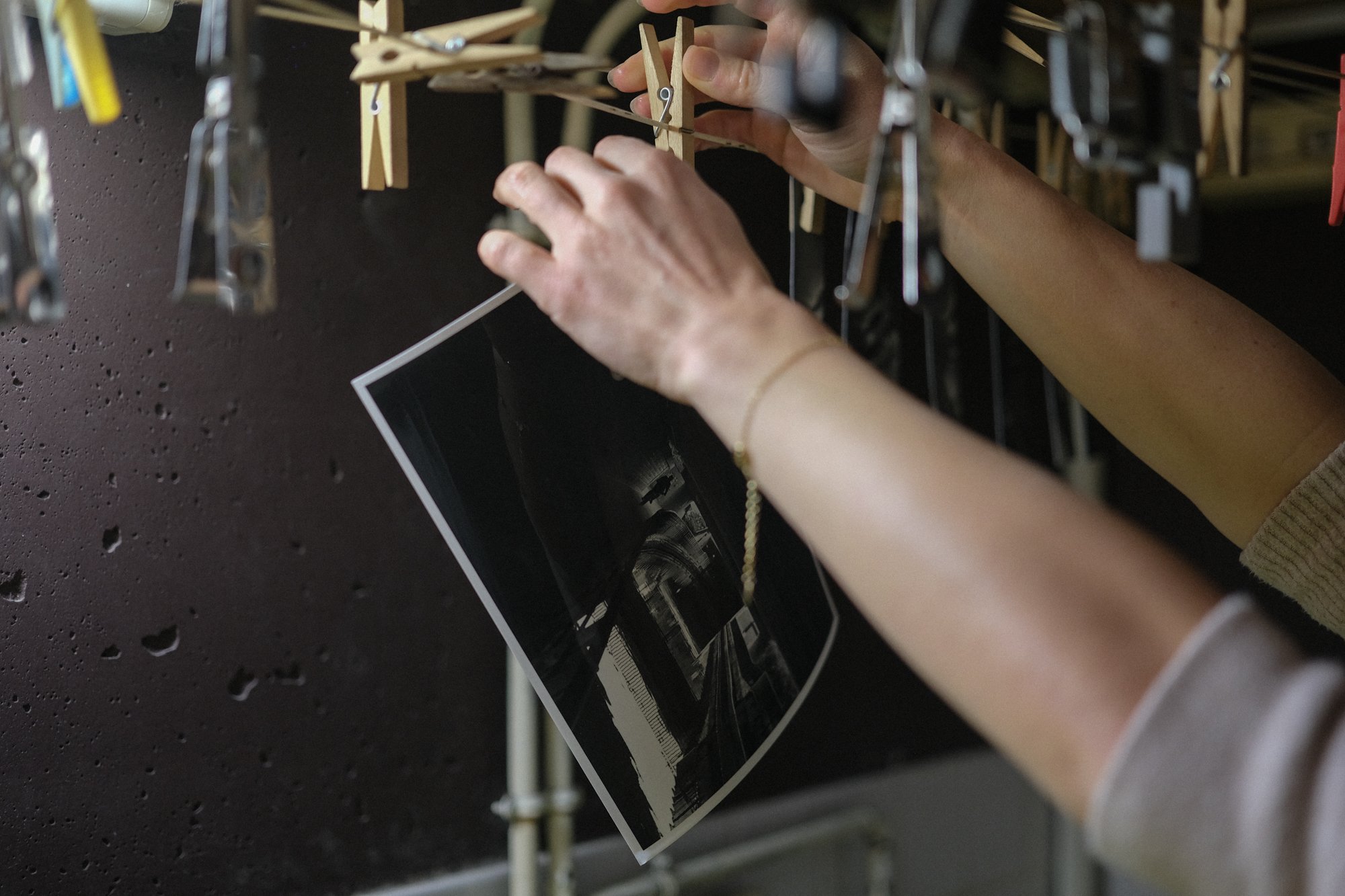
And now a few photos of the Bw printing work  at the lab

AurelienBomy-PrintingWork-1.JPG
AurelienBomy-PrintingWork-2.JPG
AurelienBomy-PrintingWork-3.JPG
AurelienBomy-PrintingWork-4.JPG
AurelienBomy-PrintingWork-5.JPG
AurelienBomy-PrintingWork-15.JPG
AurelienBomy-PrintingWork-18.JPG
AurelienBomy-PrintingWork-20.JPG
AurelienBomy-PrintingWork-21.JPG
AurelienBomy-PrintingWork-22.JPG
AurelienBomy-PrintingWork-1.JPG AurelienBomy-PrintingWork-2.JPG AurelienBomy-PrintingWork-3.JPG AurelienBomy-PrintingWork-4.JPG AurelienBomy-PrintingWork-5.JPG AurelienBomy-PrintingWork-15.JPG AurelienBomy-PrintingWork-18.JPG AurelienBomy-PrintingWork-20.JPG AurelienBomy-PrintingWork-21.JPG AurelienBomy-PrintingWork-22.JPG
 
 
Aurélien Bomy
Friday 02.17.23
Posted by Progressive-Street
 

Desafío by Bernardo Tomé

Desafío

by Bernardo Tomé

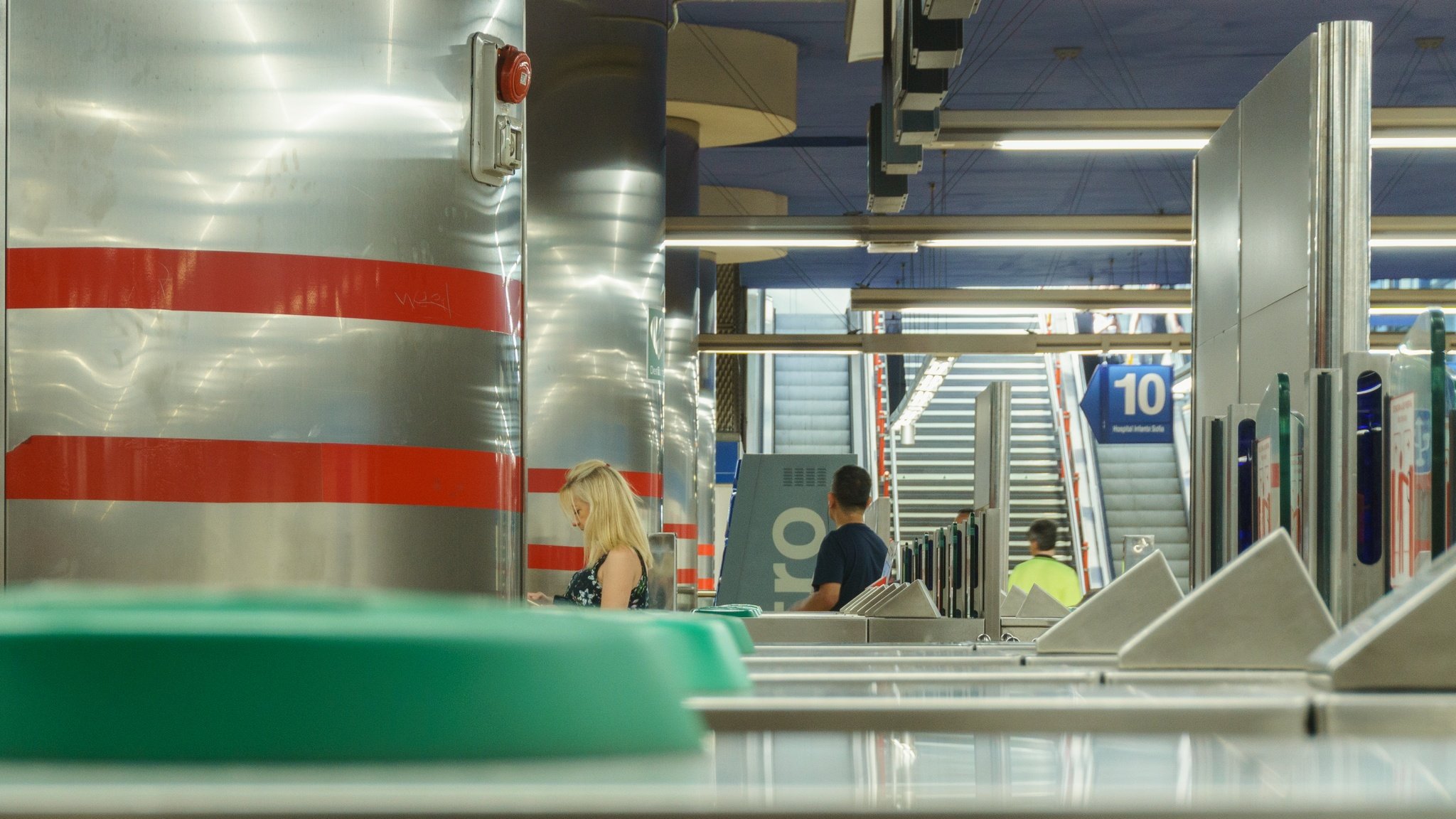
“Yo, que vivo en una ciudad pequeña y no existe el metro, cada vez que voy a una ciudad en la cual este medio de transporte es esencial para la movilidad, no dudo en coger la cámara y pasarme horas fotografiando a la gente en ese ambiente. Amo las estaciones, las idas y venidas, el rio de gestos, pensamientos que llevan en el rostro, desentrañar conversaciones e ilusiones. Las historias que esconden tras la mirada afable o hosca.En fin que la variedad de fauna humana que se puede observar y retratar es inmensa, por lo que para mi es un día que disfruto como el niño que sube por primera vez a un tiovivo.”

"I, who live in a small city and there is no subway, every time I go to a city in which this means of transport is essential for mobility, I do not hesitate to take the camera and spend hours photographing people in that environment. I love the seasons, the comings and goings, the river of gestures, and thoughts that are on my face, unravelling conversations and illusions. The stories they hide behind the affable or sullen look.
In short, the variety of human fauna that can be observed and portrayed is immense, so for me it is a day that I enjoy as the child who climbs for the first time to a merry-go-round."

View fullsize 20230216_00005.jpg
View fullsize 20230216_00008.jpg
View fullsize 20230216_00007.jpg
View fullsize 20230216_00009.jpg
View fullsize 20230216_00004.jpg
View fullsize 20230216_00006.jpg
.

.

20230216_00003.jpg
 
 
Bernardo Tomé
Friday 02.17.23
Posted by Progressive-Street
 

Yegna by Jeanmichel Randrianarivelo

Yegna

by Jeanmichel Randrianarivelo

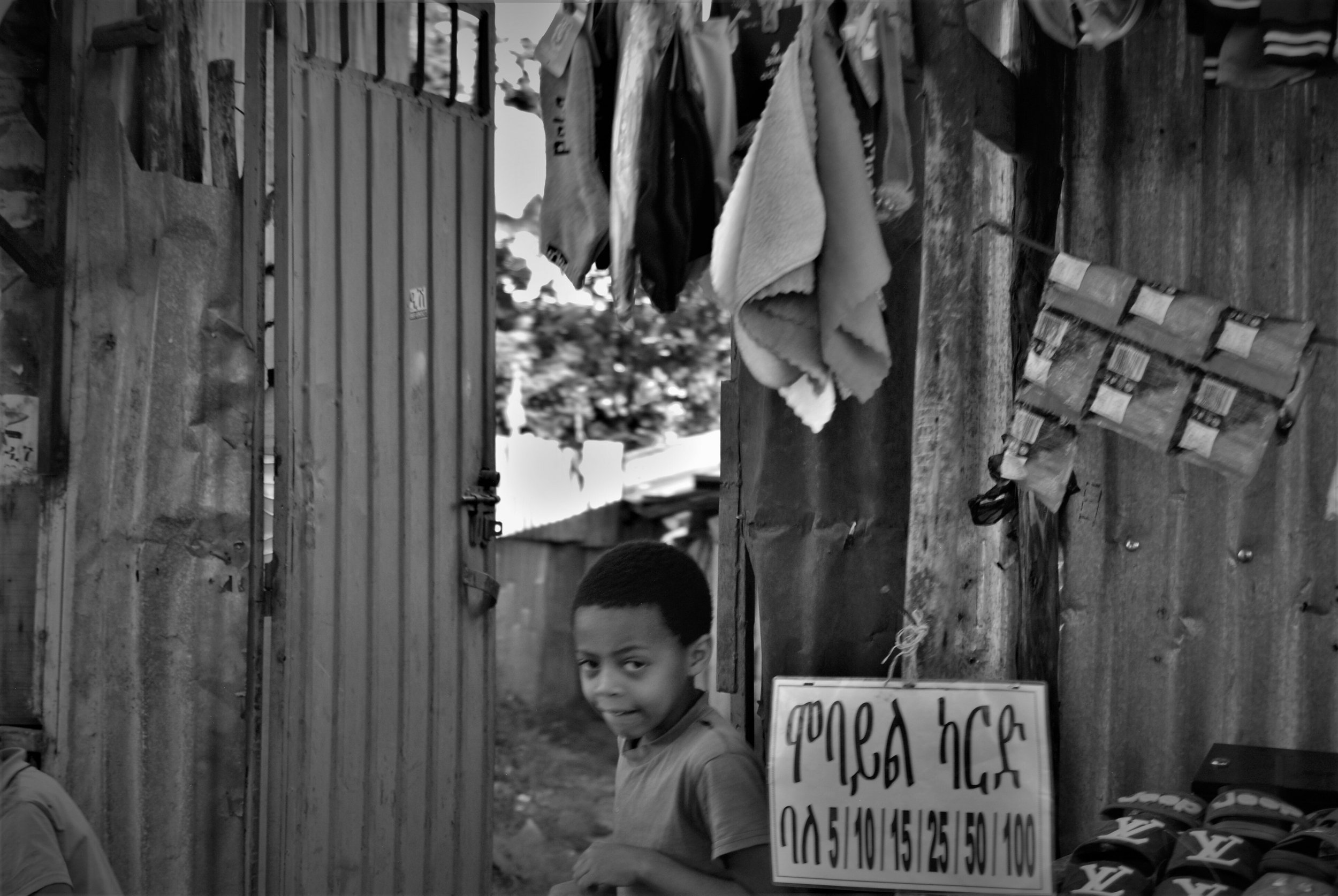
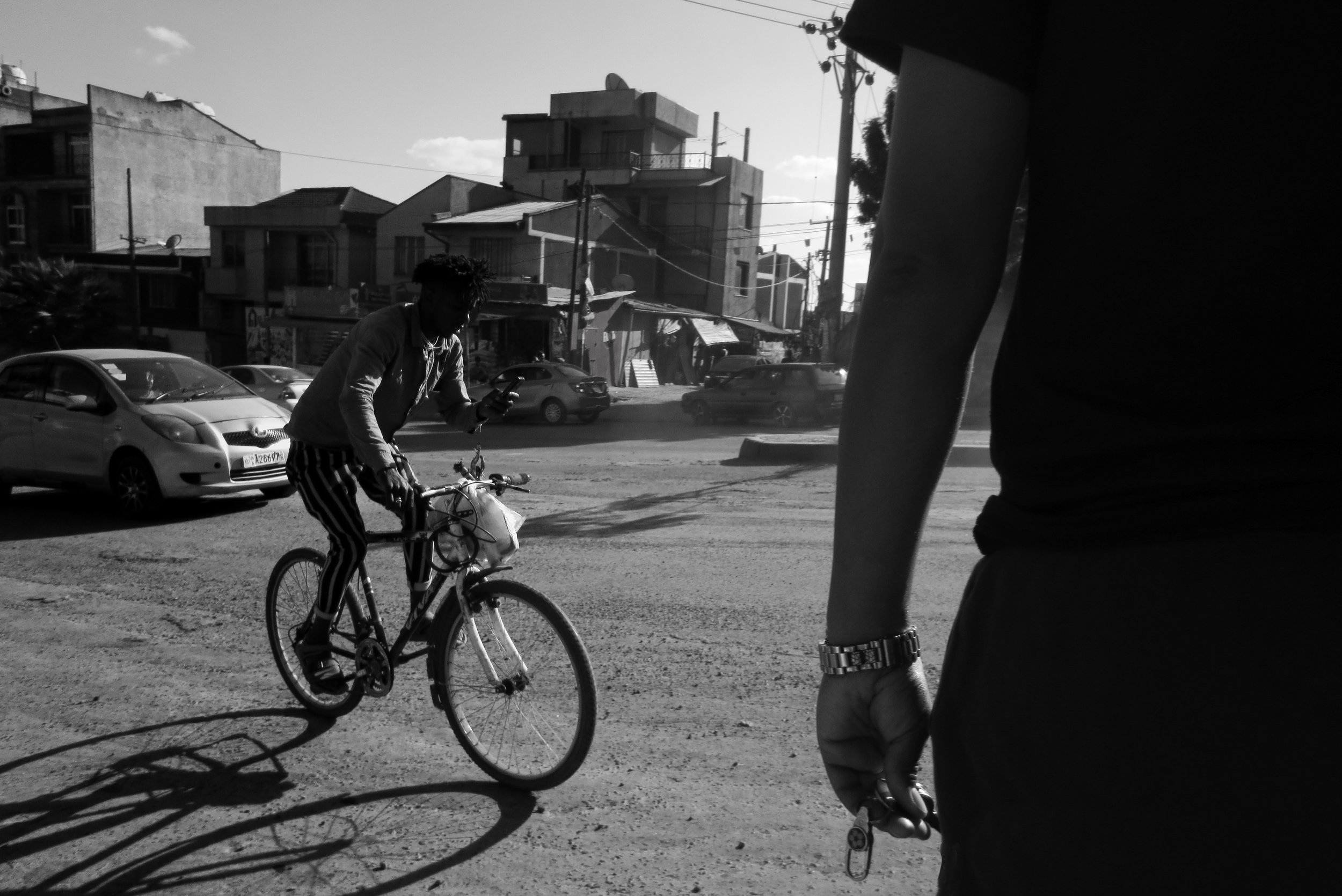
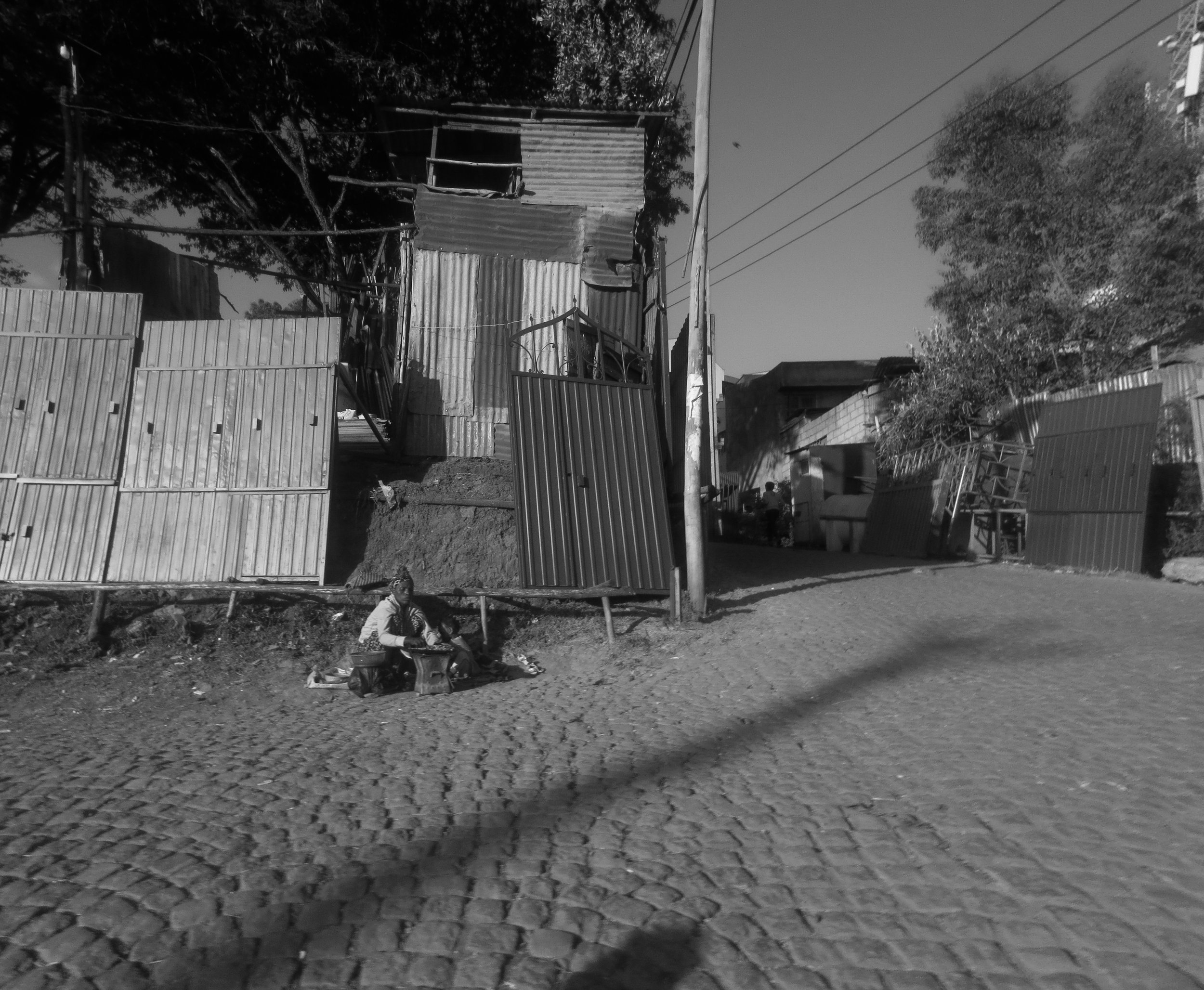
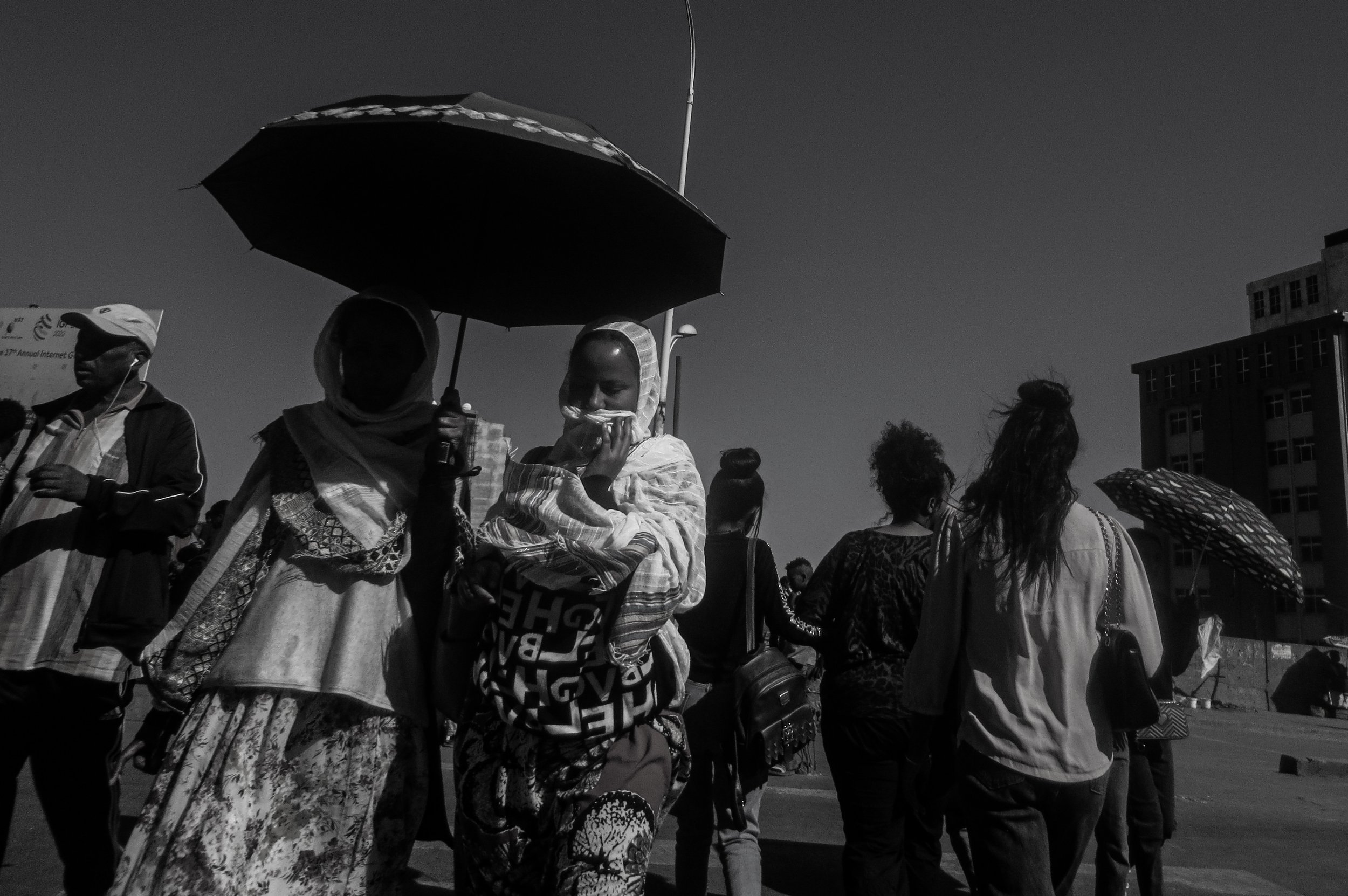
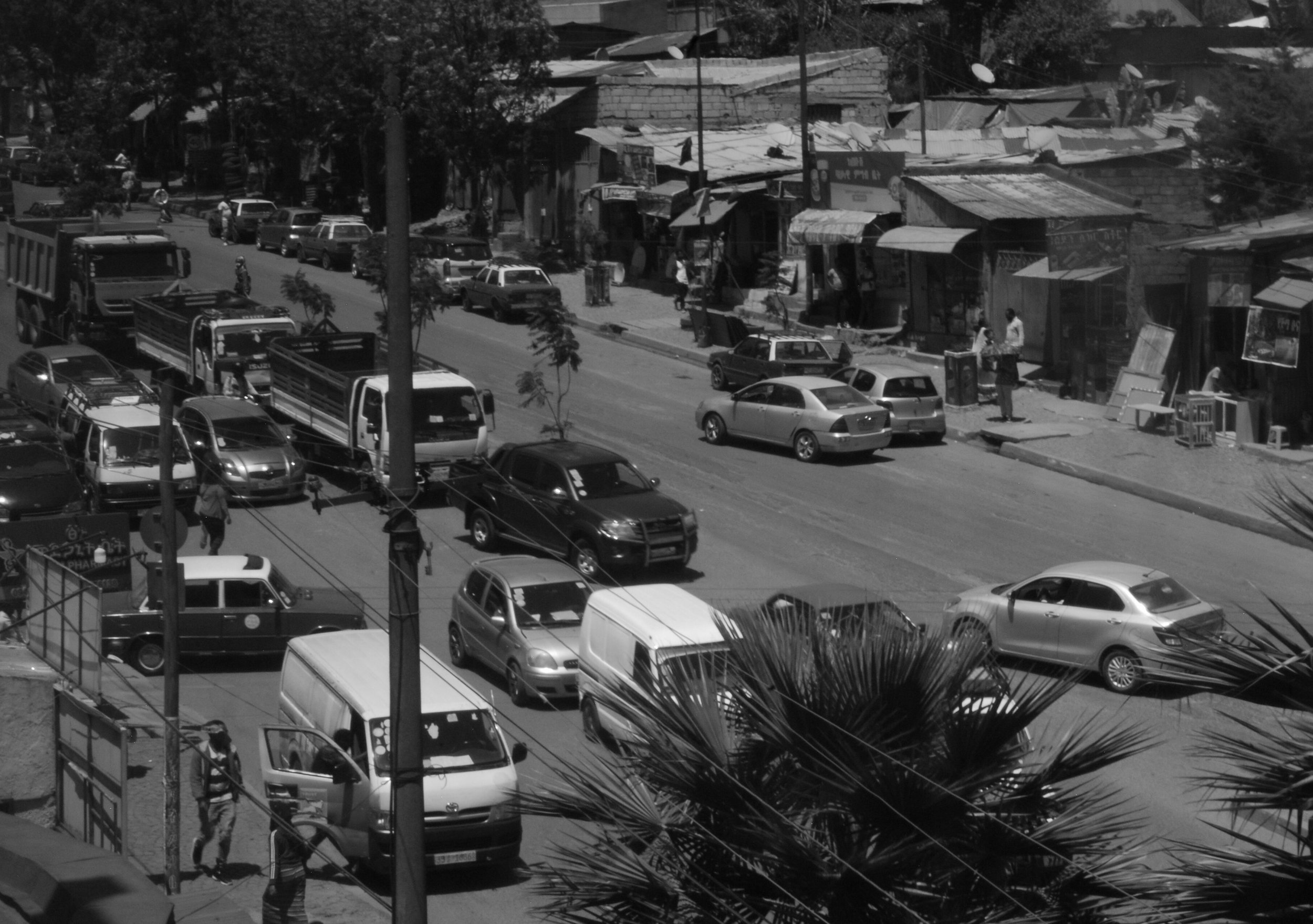
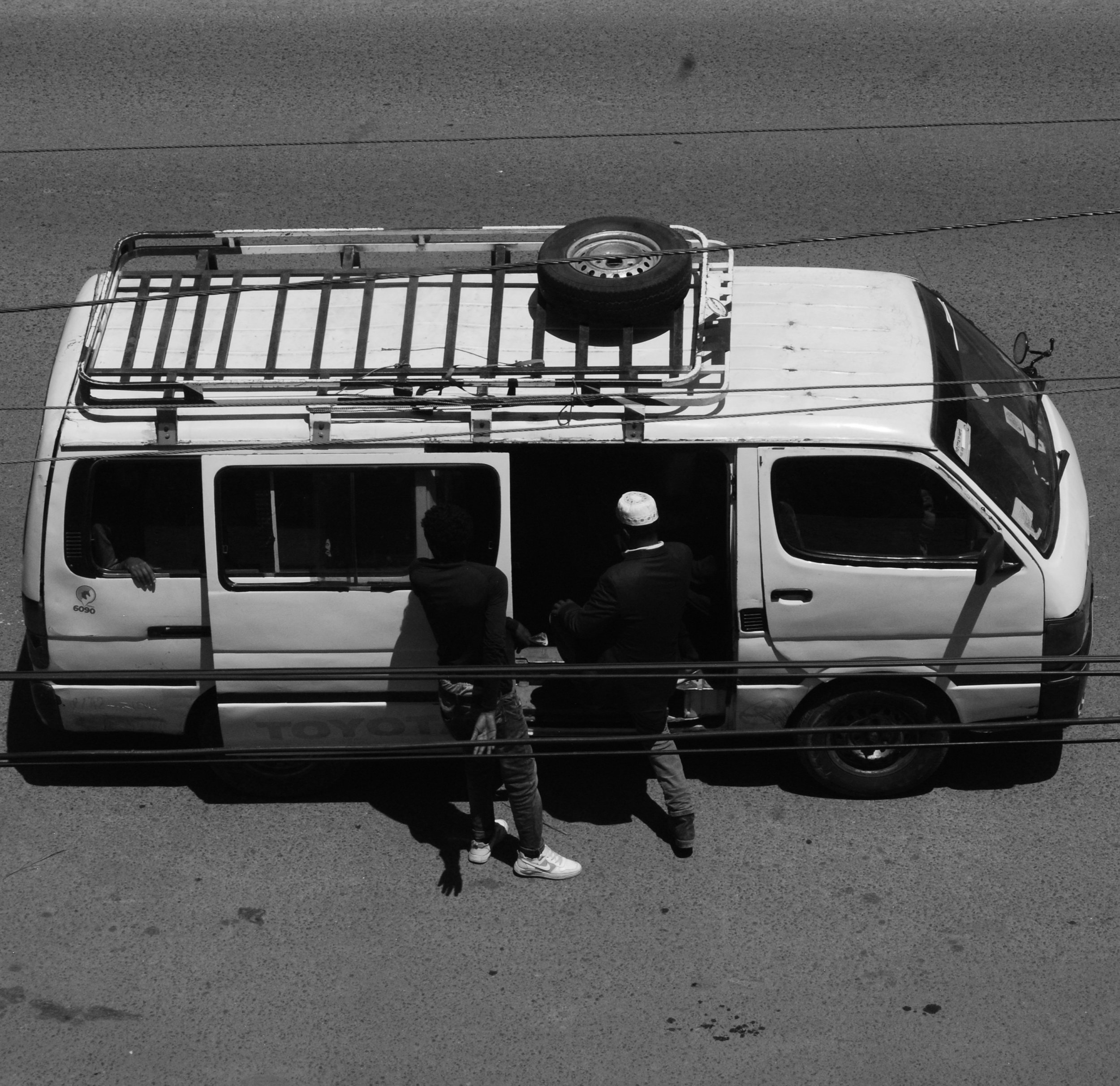
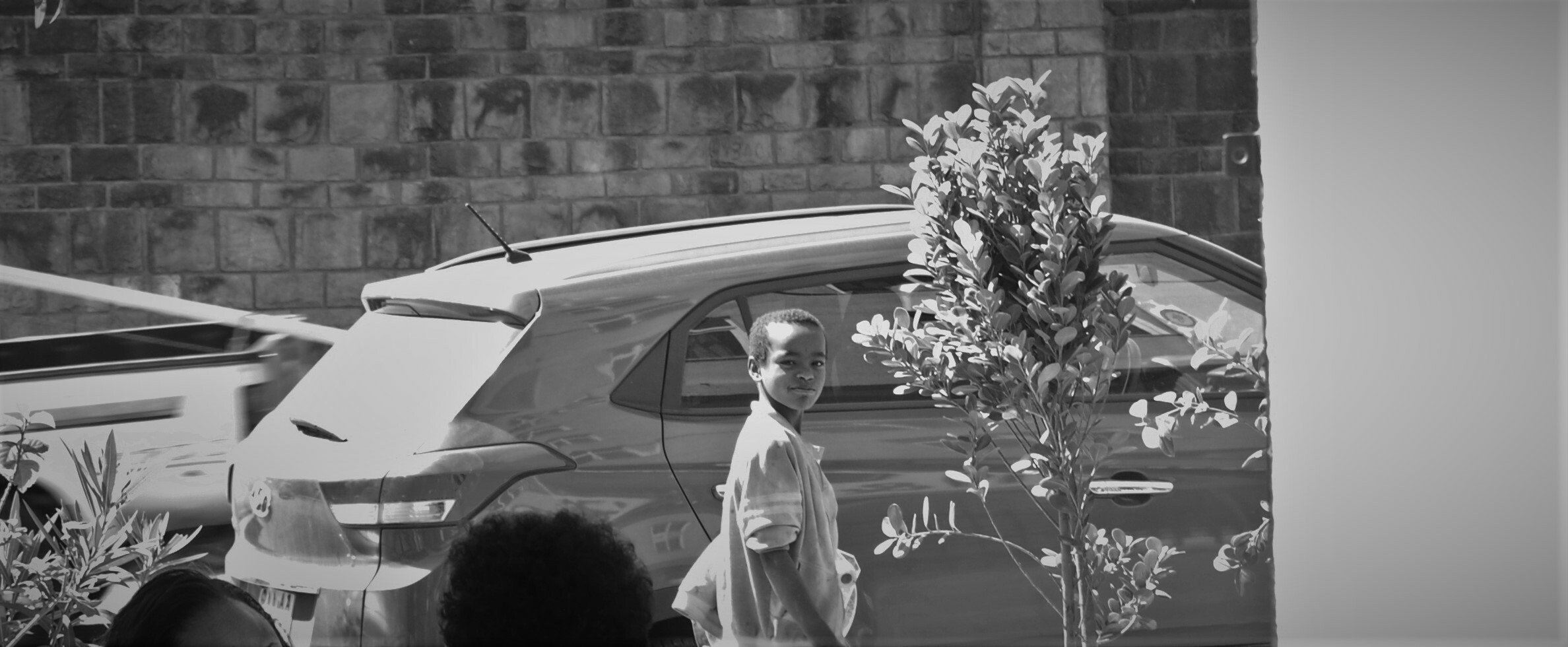
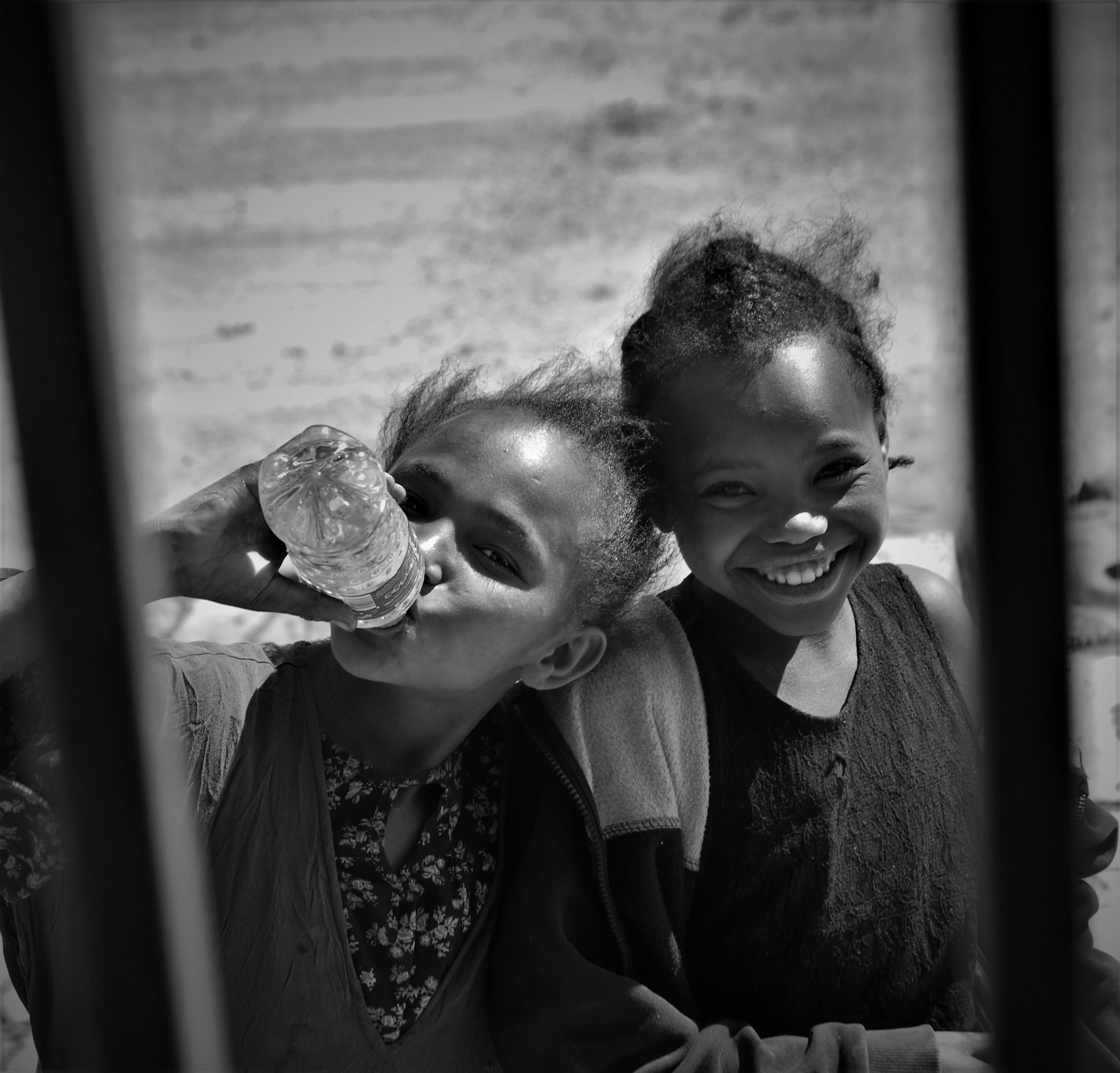
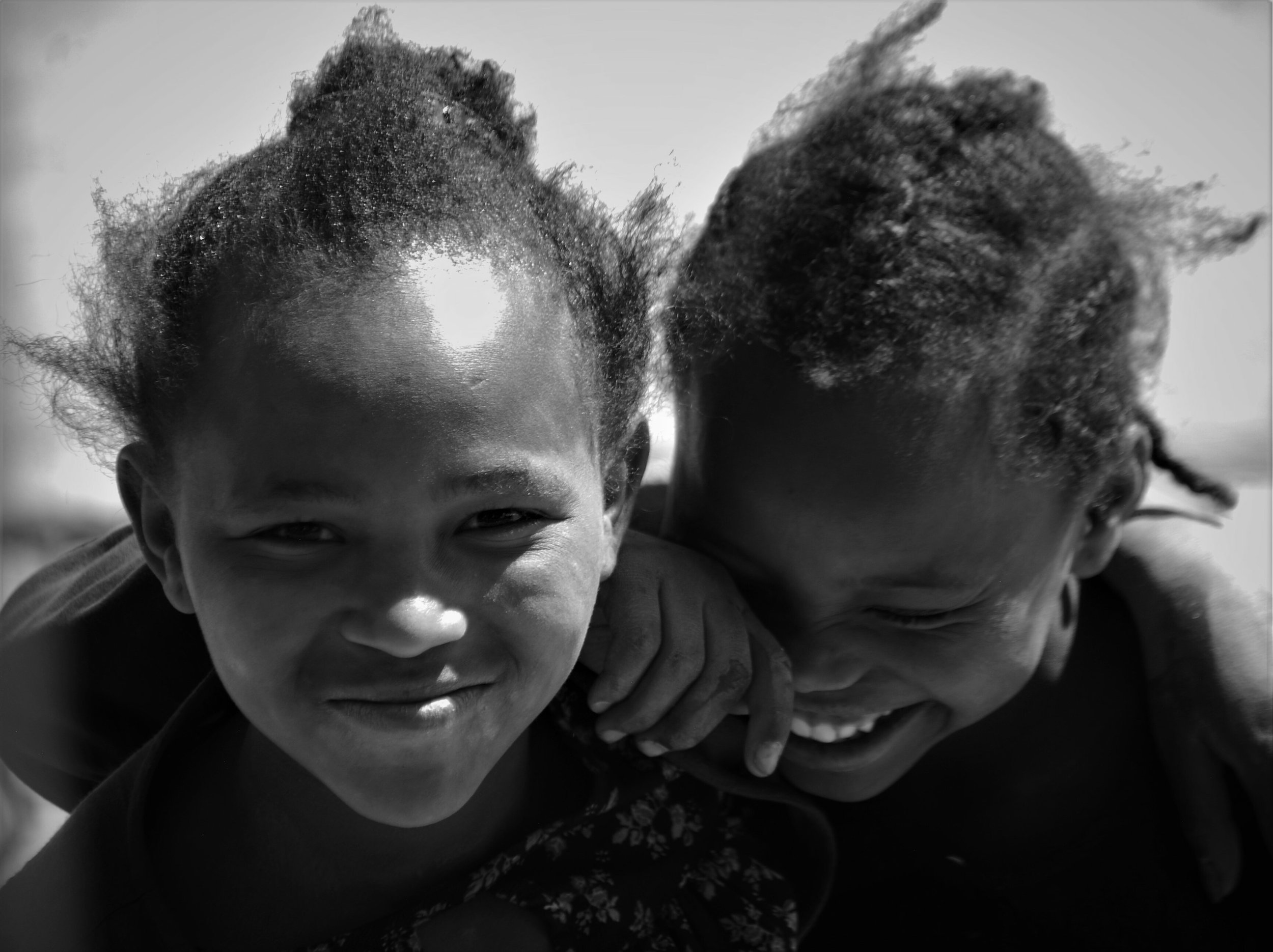
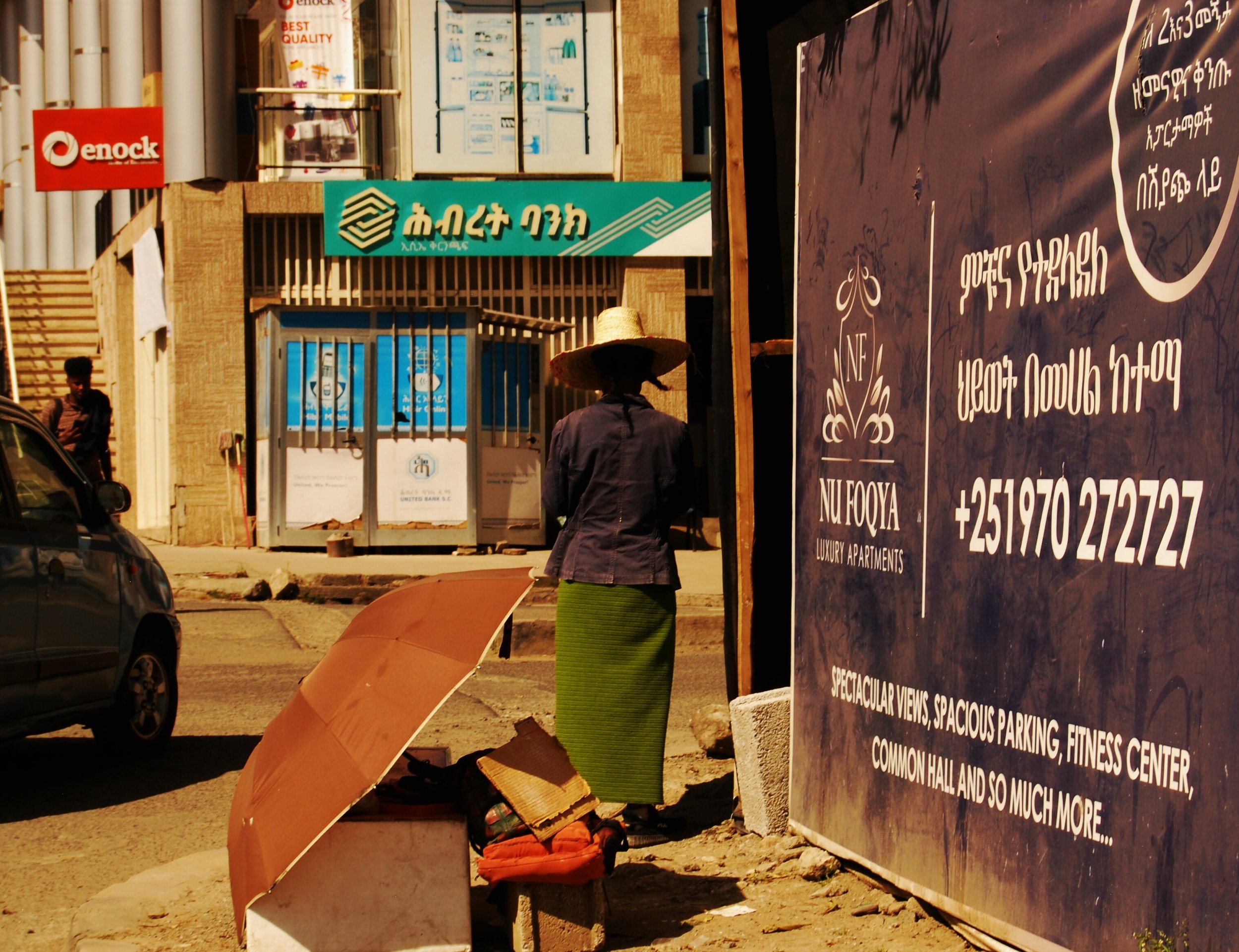
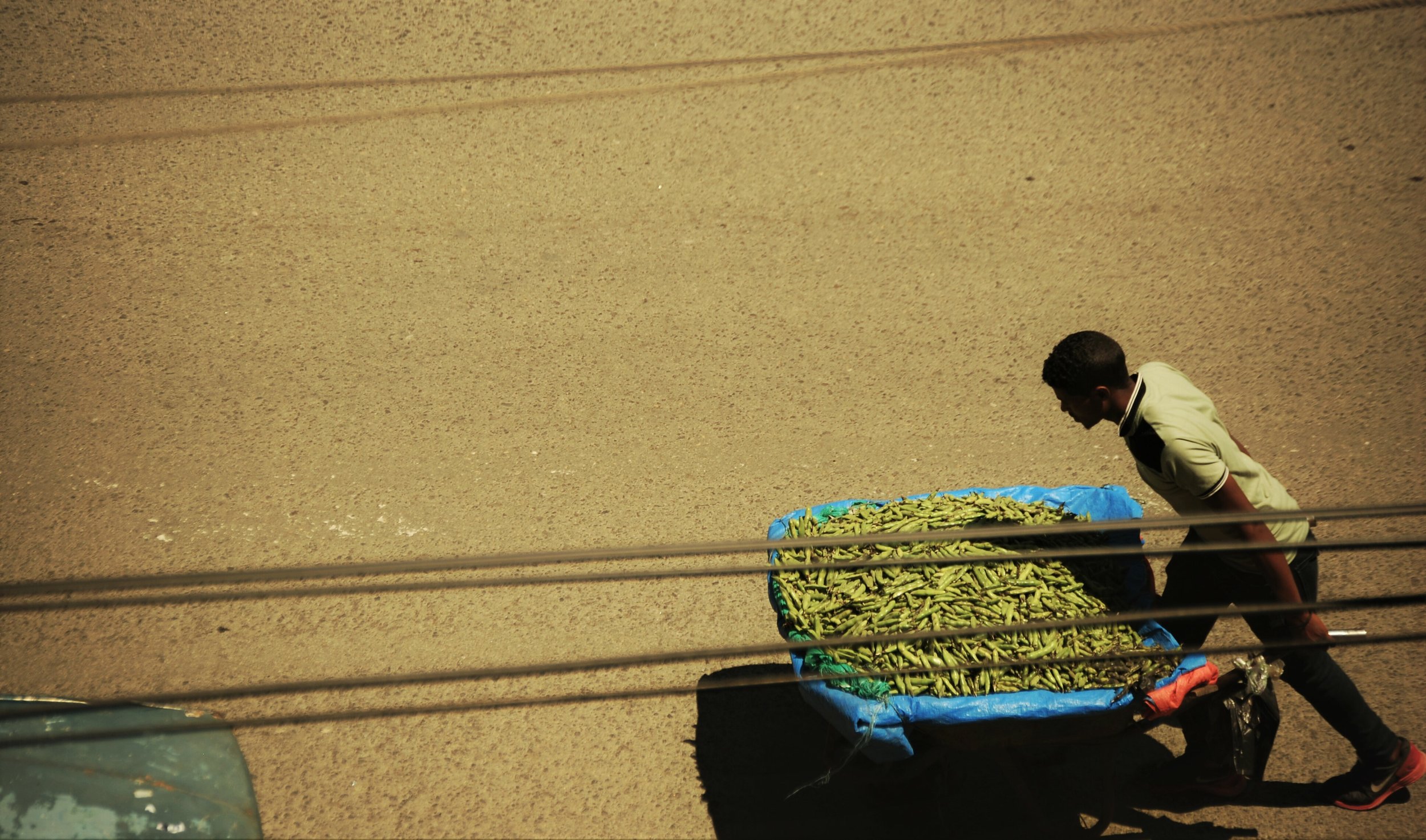
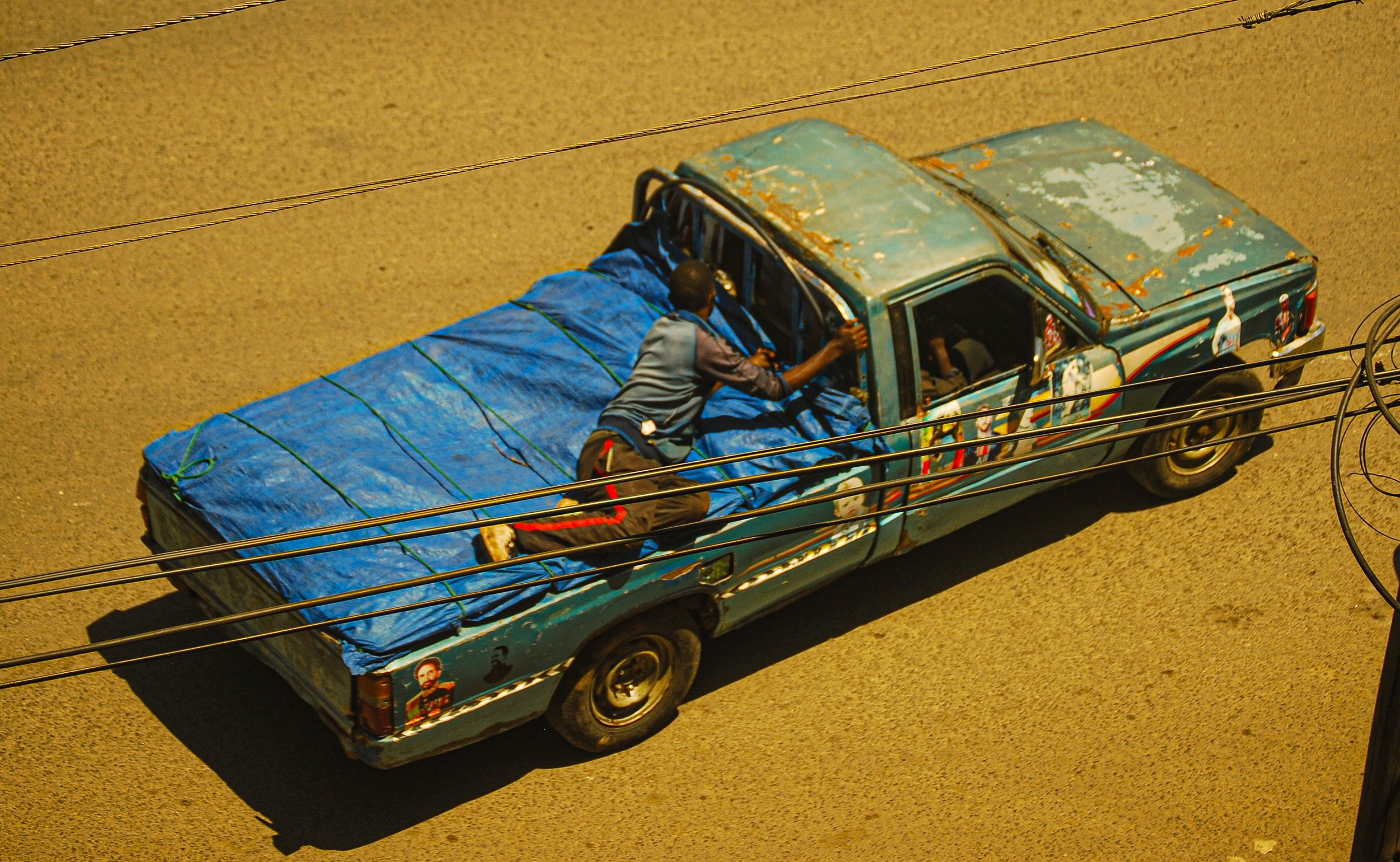
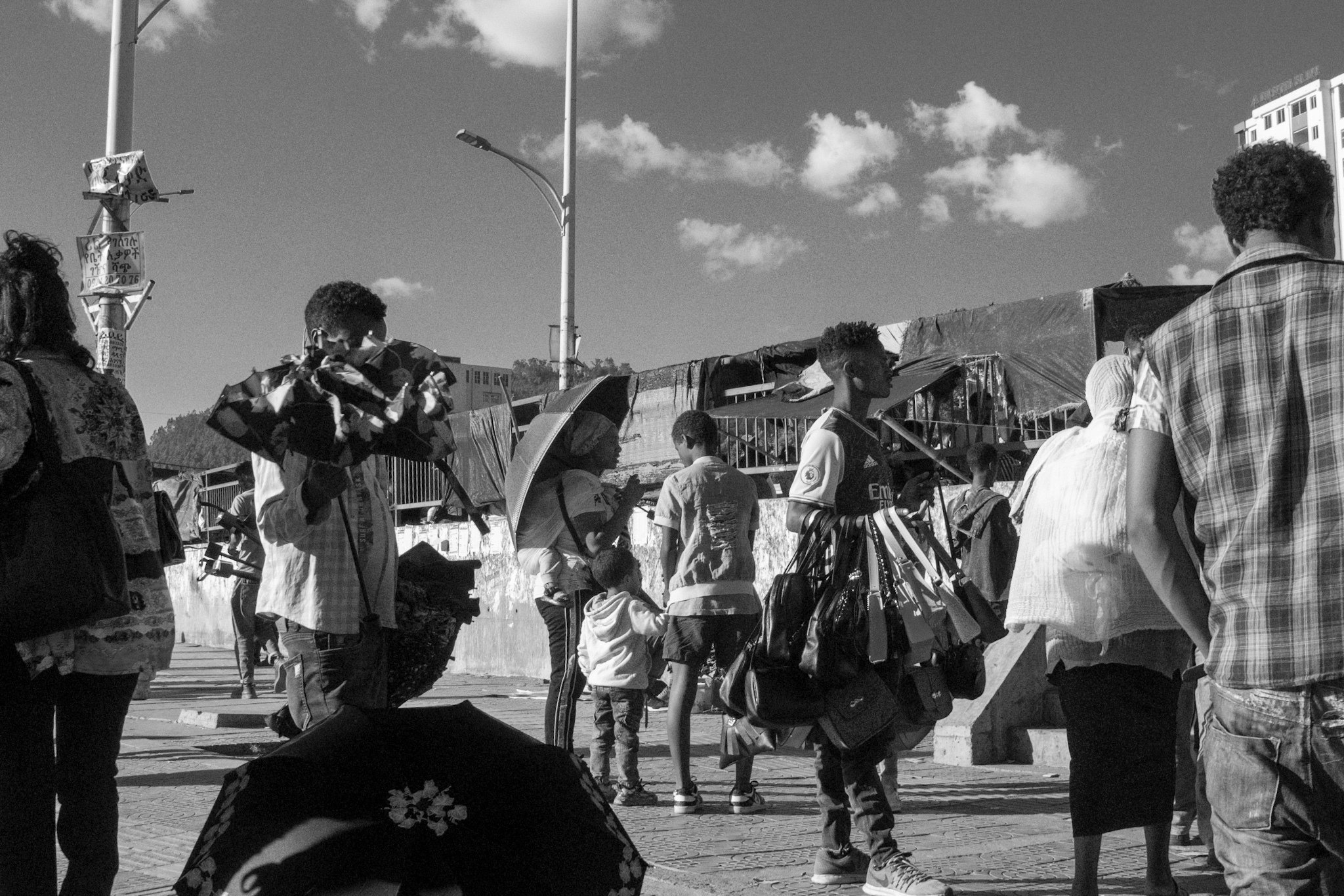
I'm a young street photographer based in Addis Ababa Ethiopia.

I have always been amazed by the randomness and sheer chaos of Addis, and have been documenting it since I was very little.

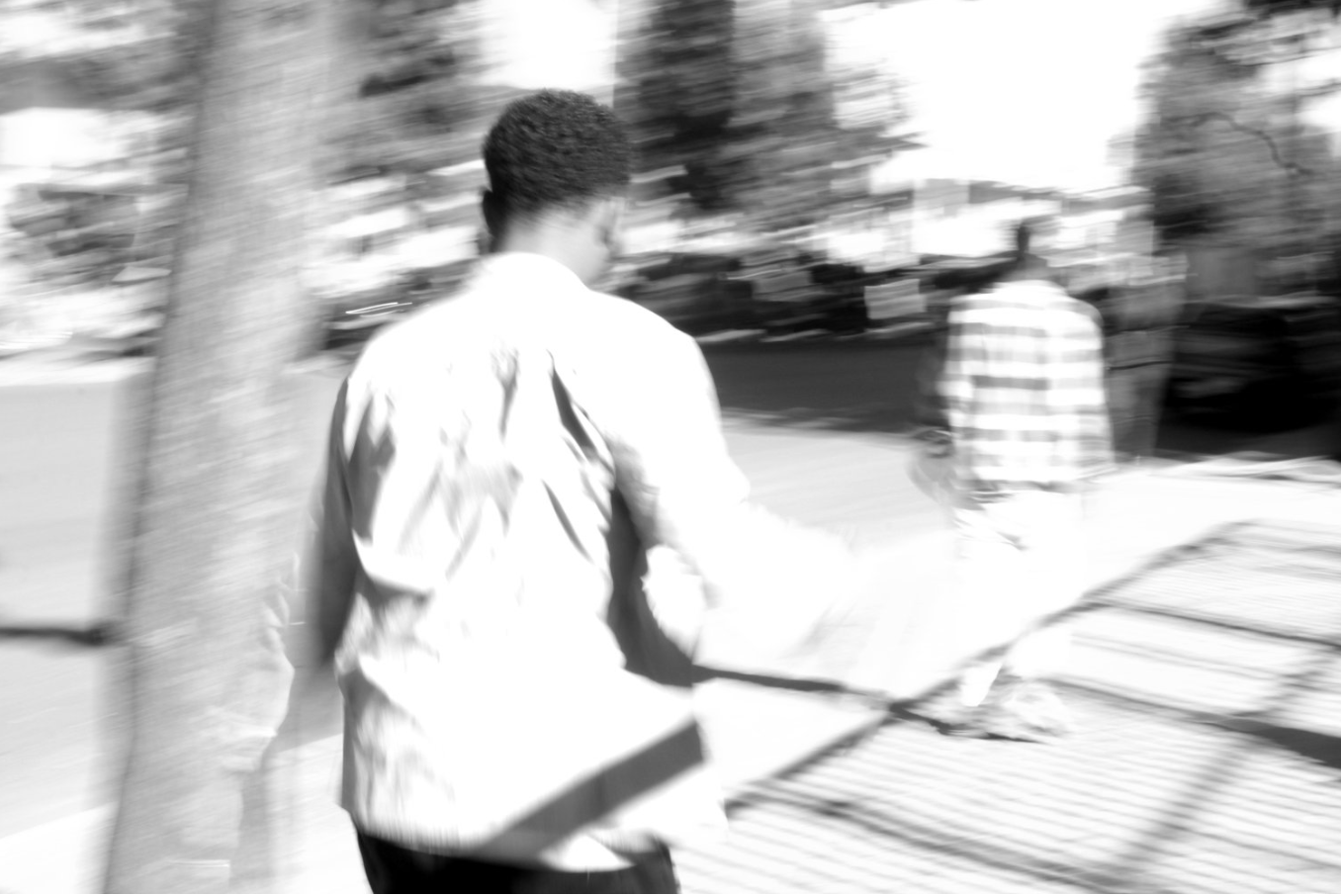
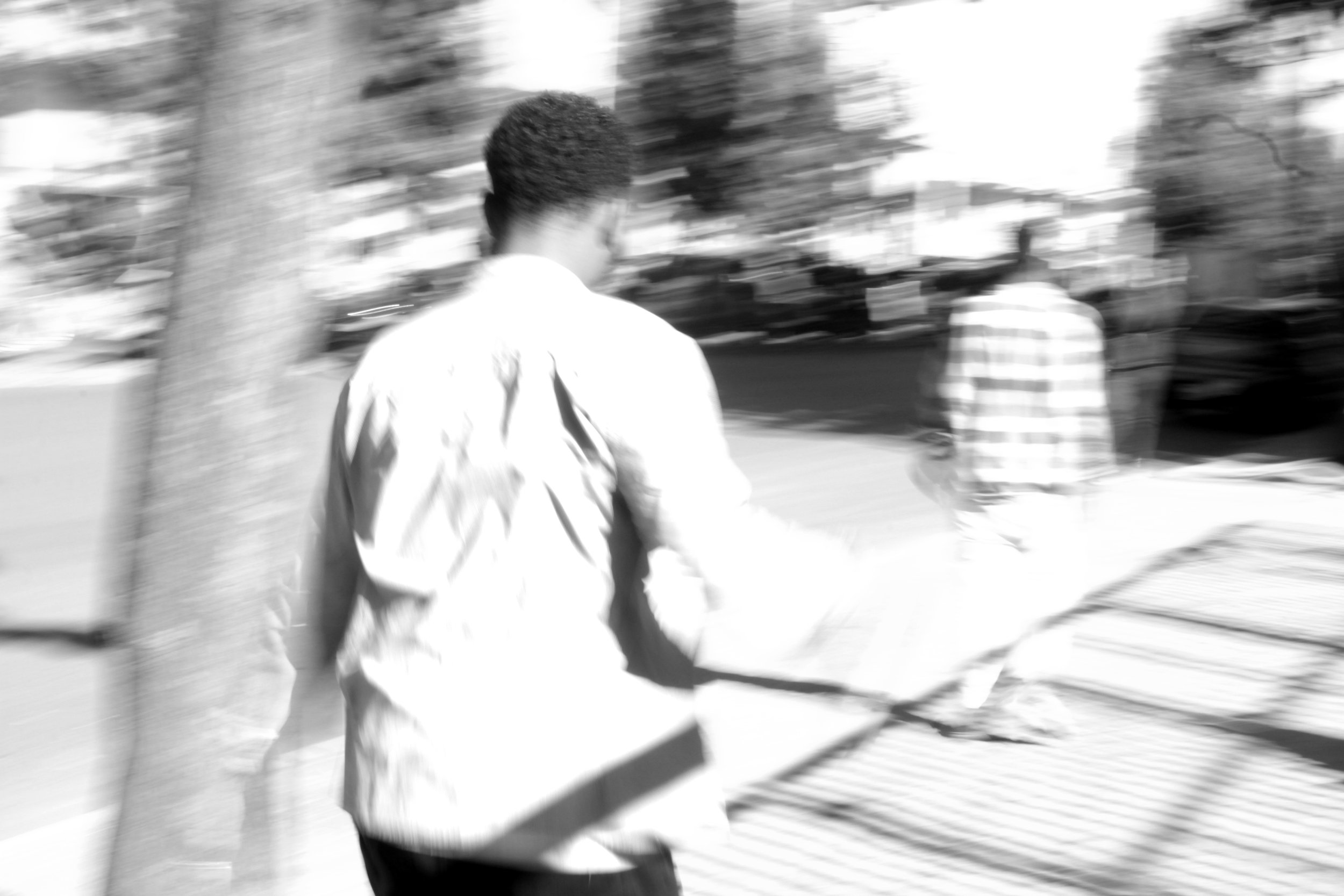
 1. This photo captures a man walking quickly, but with a surreal feeling due to the slow shutter speed. He is blurred out of focus and almost appears to be moving in slow motion, creating an abstract sense of movement that stands out against the sti

1. This photo captures a man walking quickly, but with a surreal feeling due to the slow shutter speed. He is blurred out of focus and almost appears to be moving in slow motion, creating an abstract sense of movement that stands out against the still environment around him.

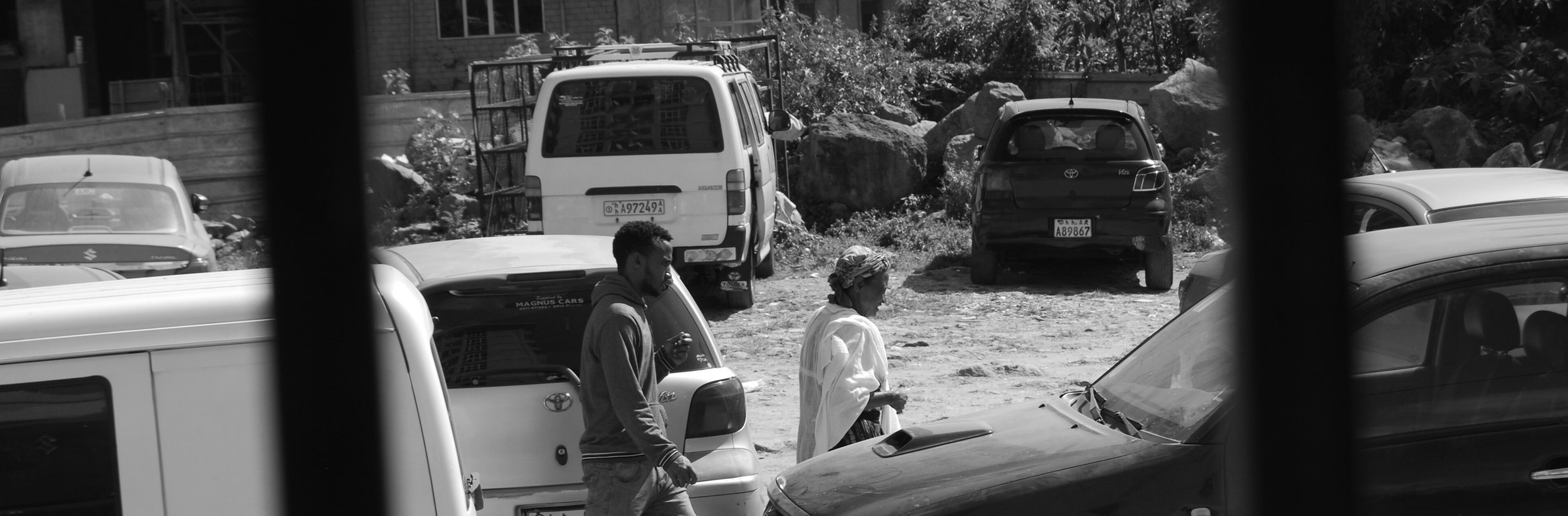
 2. A mother and her grown son walking side-by-side down a city street. Her encouraging presence provides guidance for the uncertain road ahead.

2. A mother and her grown son walking side-by-side down a city street. Her encouraging presence provides guidance for the uncertain road ahead.

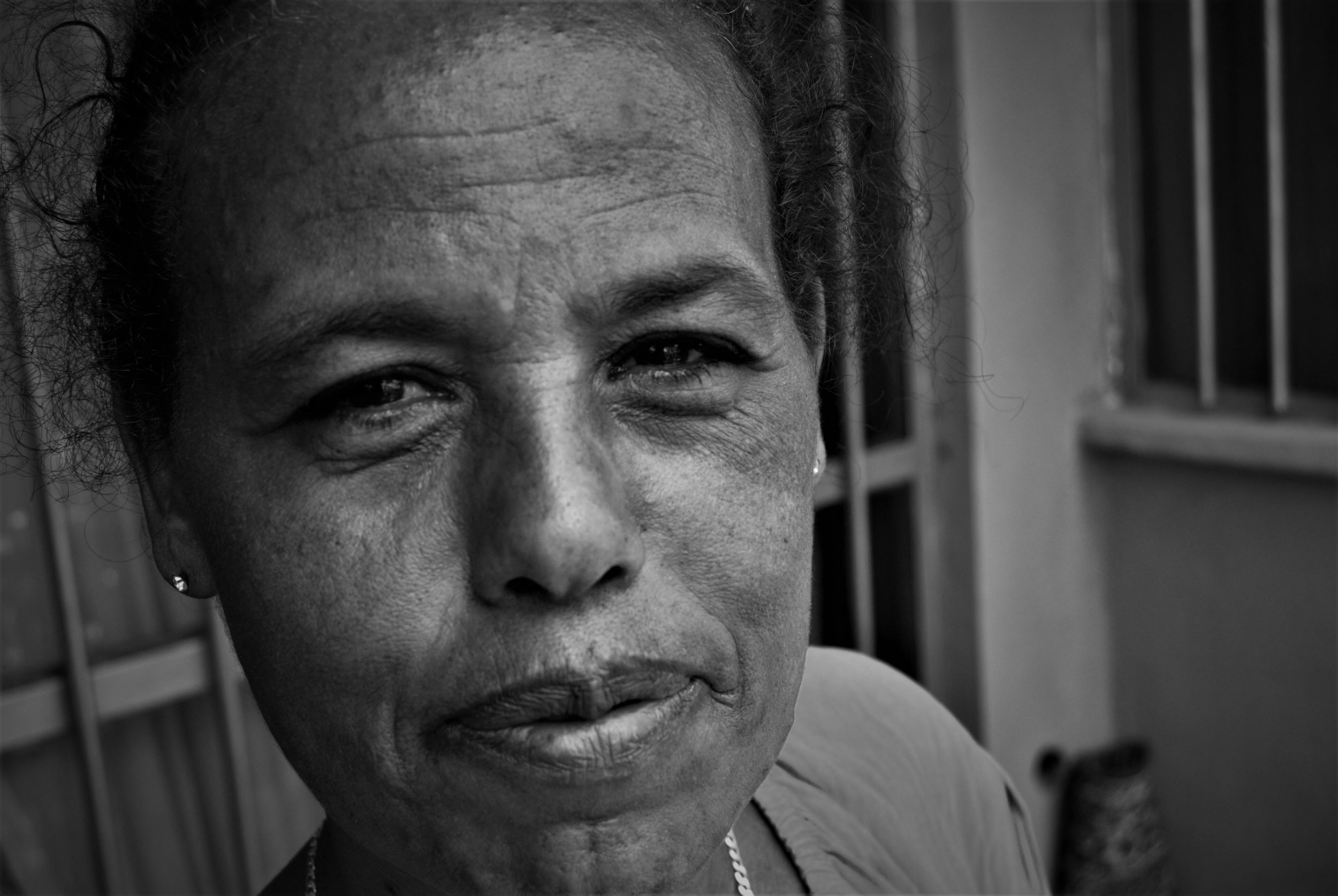
3. A candid photo of my mother on  sunny summer day.

3. A candid photo of my mother on sunny summer day.

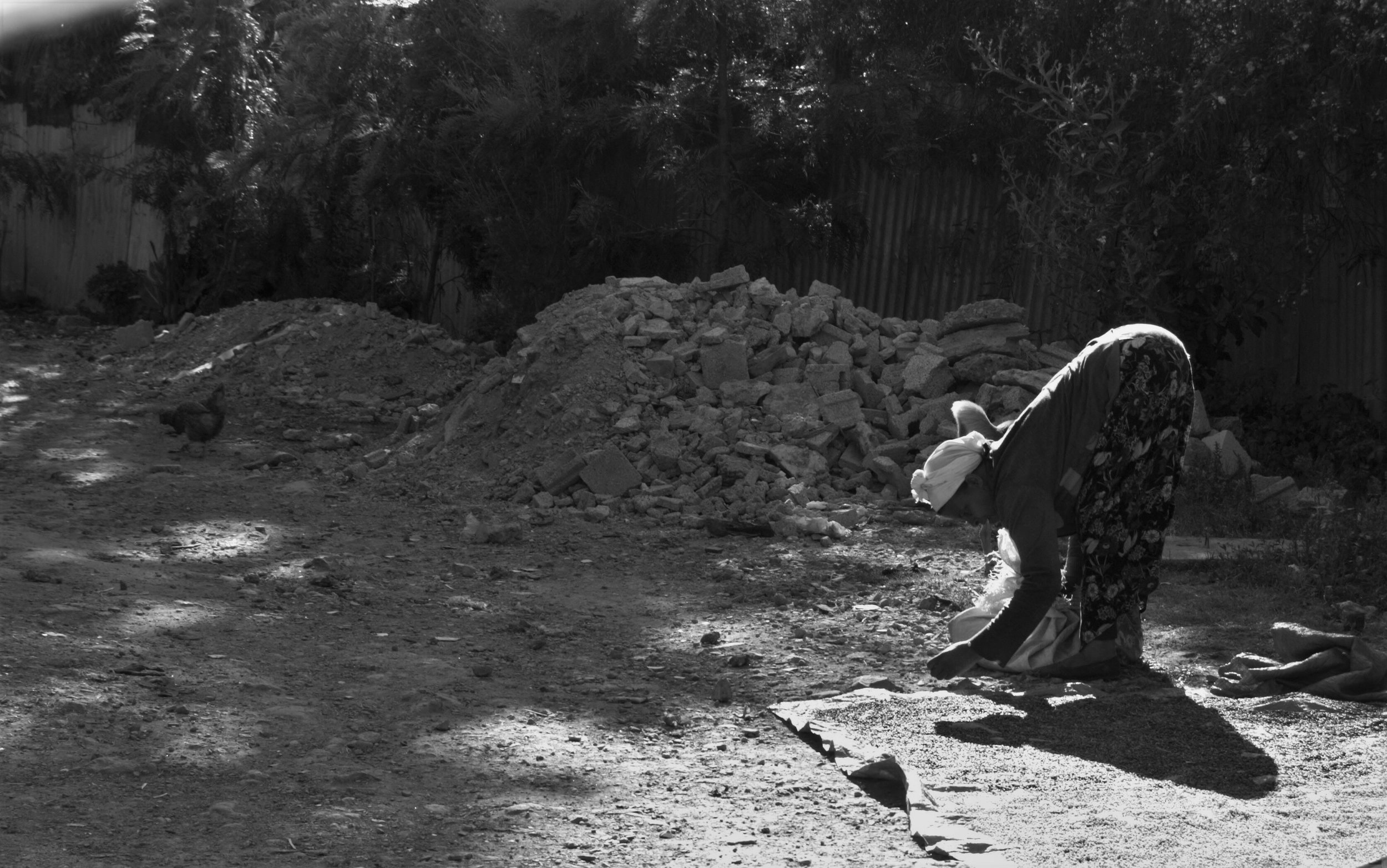
 4. This photo features a woman drying a traditional Ethiopian spice called "berbere," which is composed of several spices, chili peppers, and herbs. She has carefully sorted through her ingredients, arranging them into neat piles in front of her. Th

4. This photo features a woman drying a traditional Ethiopian spice called "berbere," which is composed of several spices, chili peppers, and herbs. She has carefully sorted through her ingredients, arranging them into neat piles in front of her. The sun shines brightly from an open window above, illuminating the vibrant colors of each piece in the berbere mix.

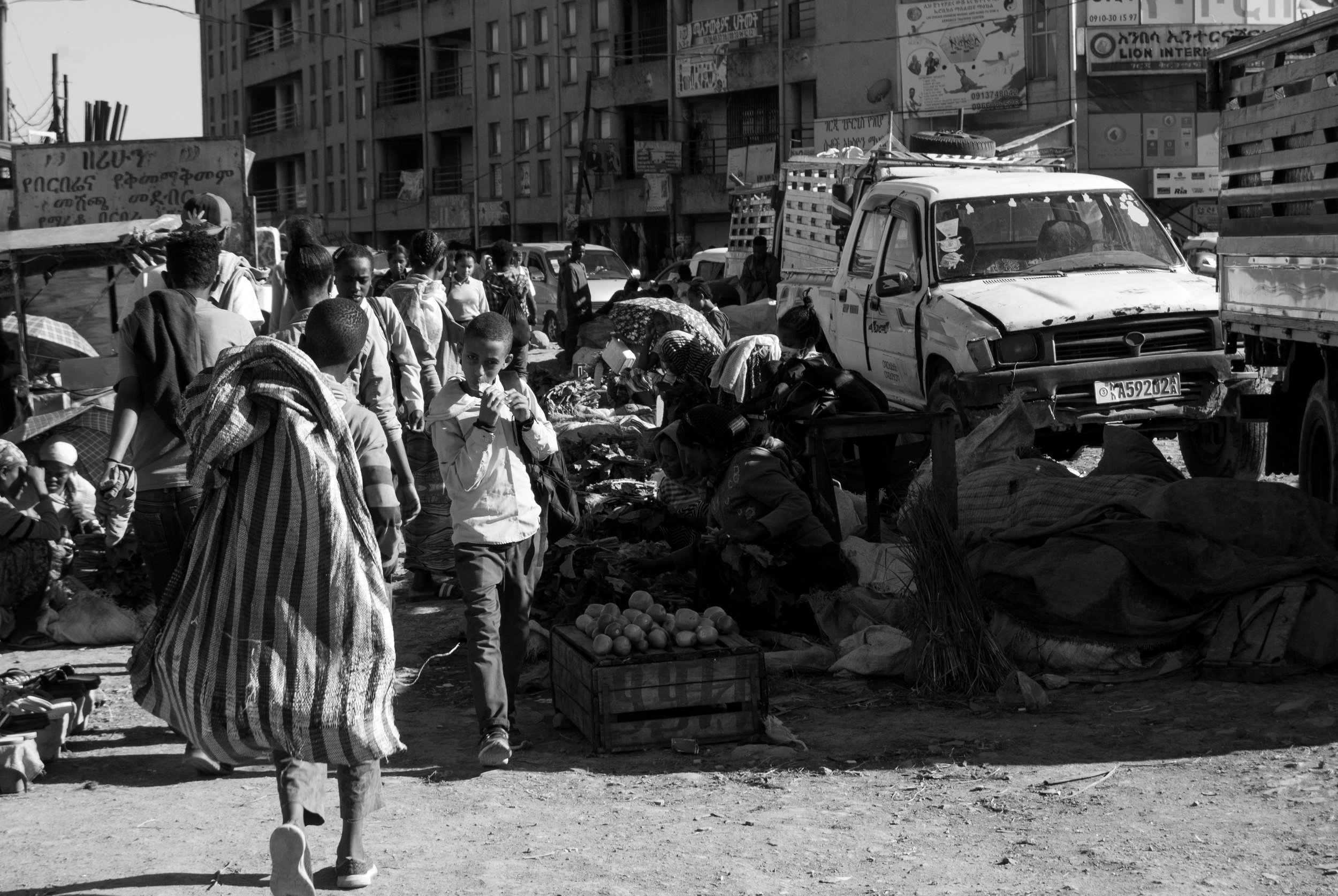
 5. This bustling market in the Gerji area of Addis Ababa is full of vibrant colors, sounds, and energy. Vendors sell everything from food and spices to clothes and housewares, while haggling shoppers from near and far fill the aisles. These streets

5. This bustling market in the Gerji area of Addis Ababa is full of vibrant colors, sounds, and energy. Vendors sell everything from food and spices to clothes and housewares, while haggling shoppers from near and far fill the aisles. These streets come alive every day with shoppers trying to find the best deals and vendors doing whatever it takes to make their mark.

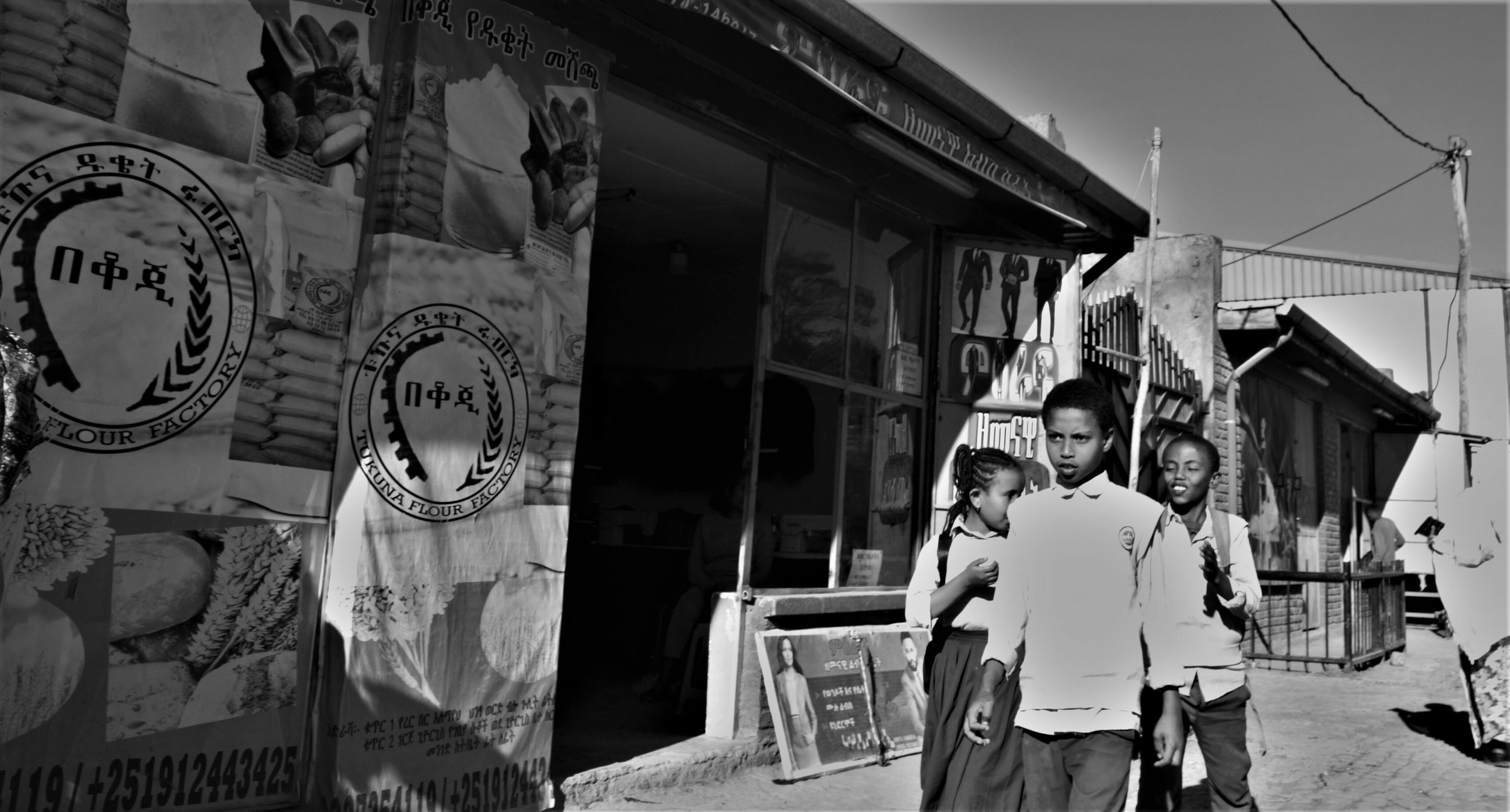
6. A photo of a children returning from school on a sunny after-noon.

6. A photo of a children returning from school on a sunny after-noon.

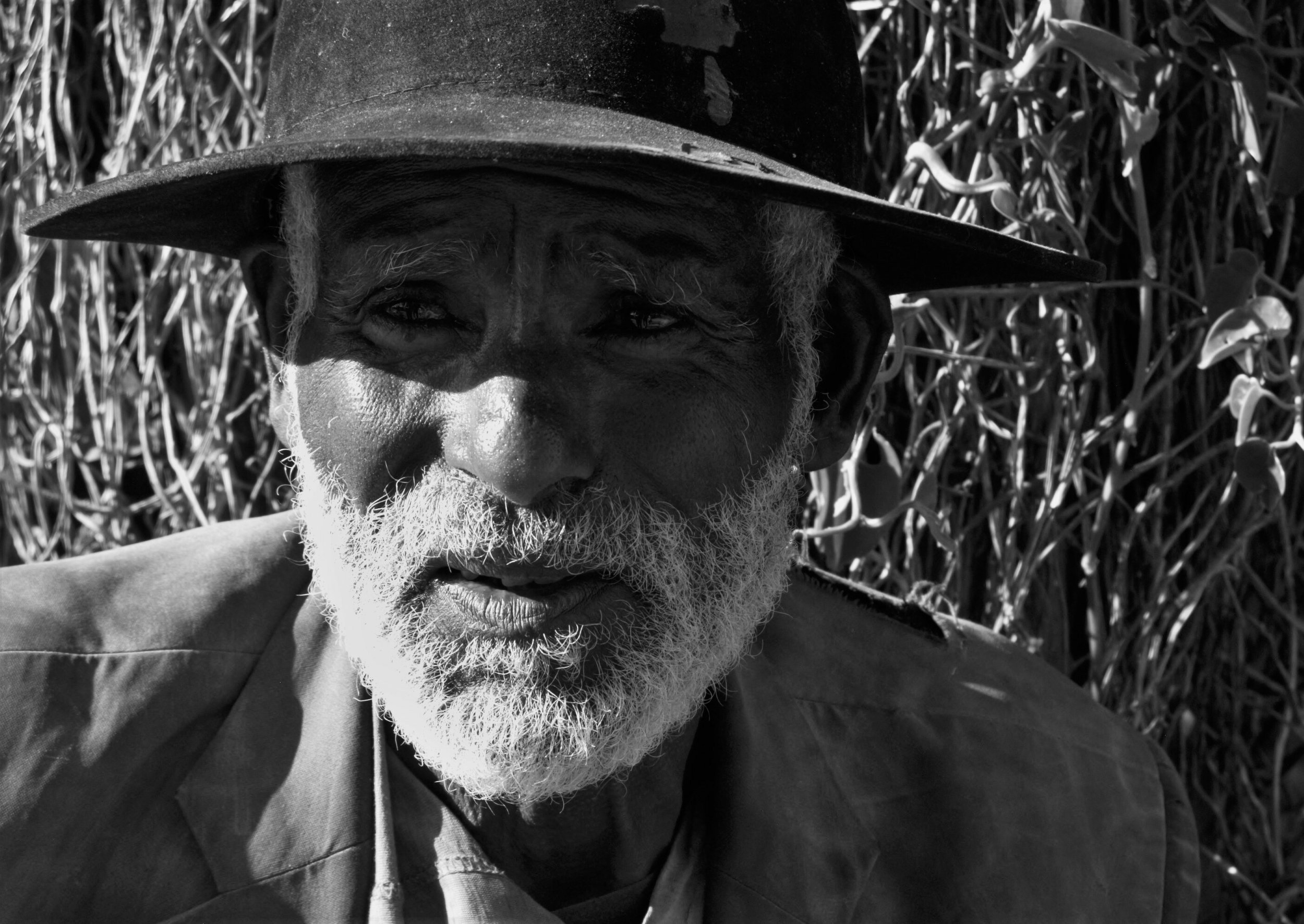
7. An aged man in his late 80s wearing a wide-brimmed hat, squinting in the bright midday sun. He is standing with his hand on a cane and looking off into the horizon.

7. An aged man in his late 80s wearing a wide-brimmed hat, squinting in the bright midday sun. He is standing with his hand on a cane and looking off into the horizon.

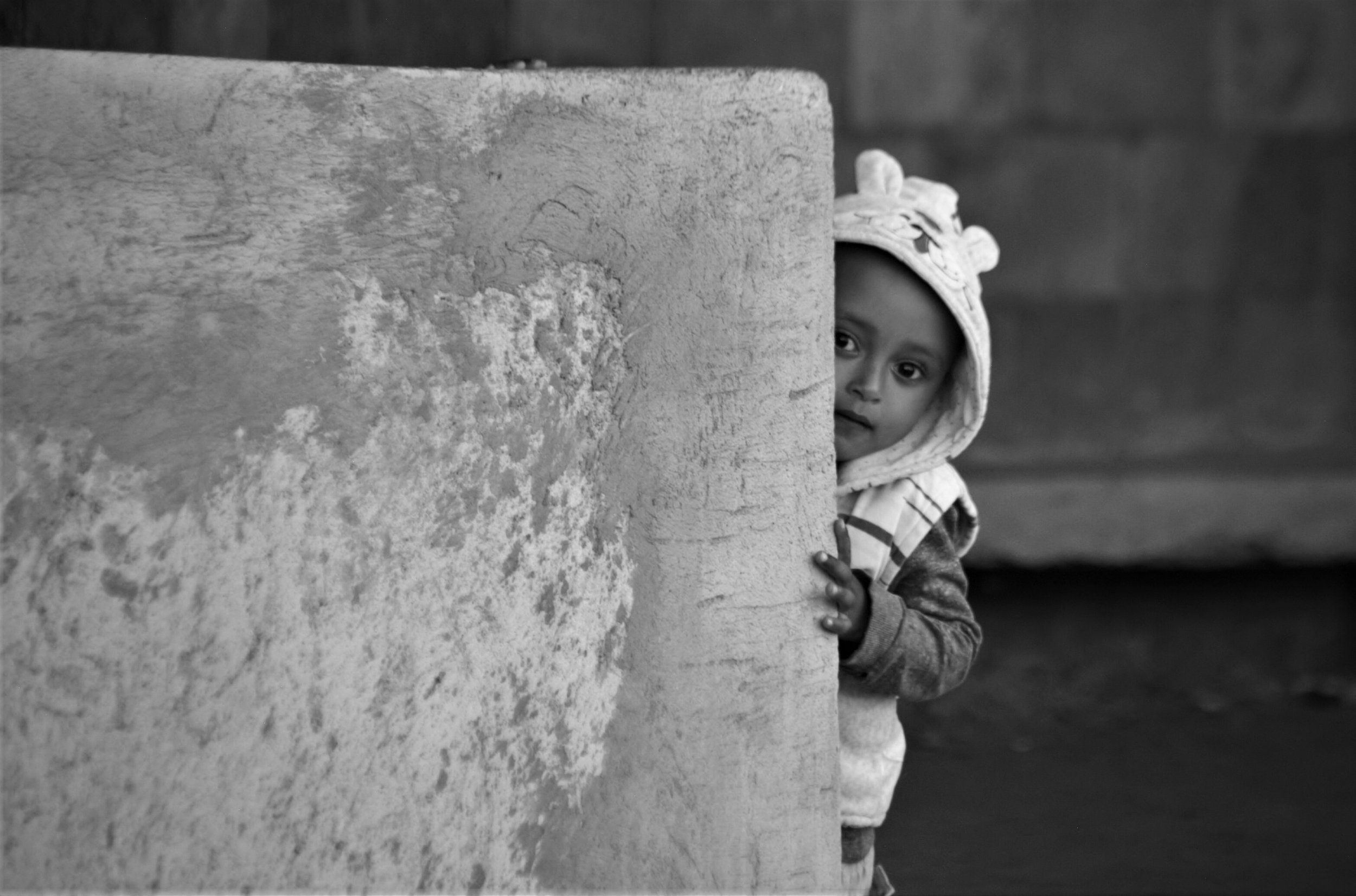
8. A young child crouches down behind a wall, eyes wide with anticipation, eagerly waiting to be found while playing hide and seek.

8. A young child crouches down behind a wall, eyes wide with anticipation, eagerly waiting to be found while playing hide and seek.

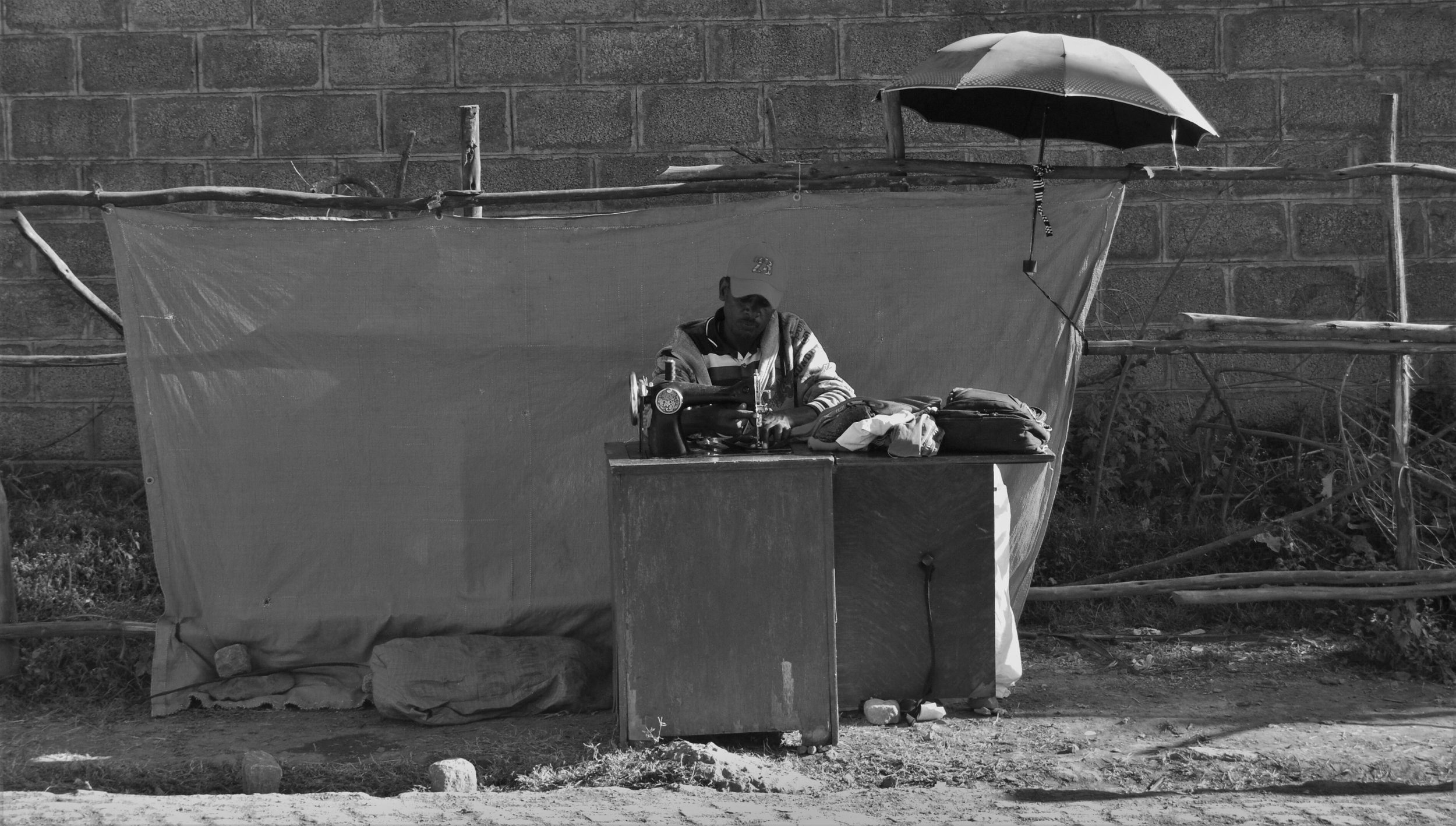
 9. A taylor is seen working at a small table in the street side, using a sewing machine to create clothing items. Various rolls of fabric and small tools are spread around her table as she diligently works on her latest project. He sits in front of

9. A taylor is seen working at a small table in the street side, using a sewing machine to create clothing items. Various rolls of fabric and small tools are spread around her table as she diligently works on her latest project. He sits in front of a colourful wall mural watching his every move while a passerby walks behind him, further adding to the vibrant atmosphere.

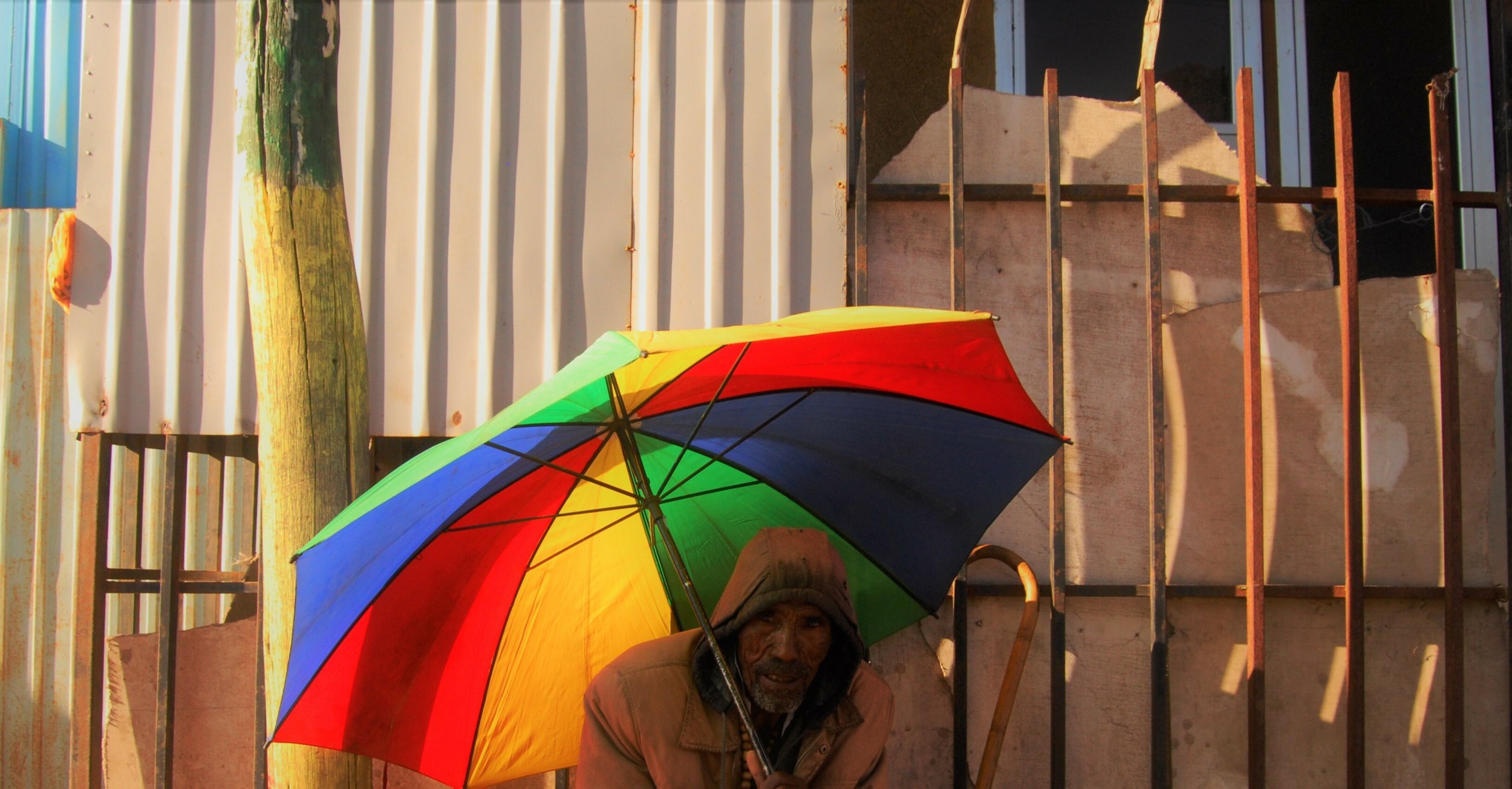
10. A photo of an senior man holding a colorful umbrella.

10. A photo of an senior man holding a colorful umbrella.

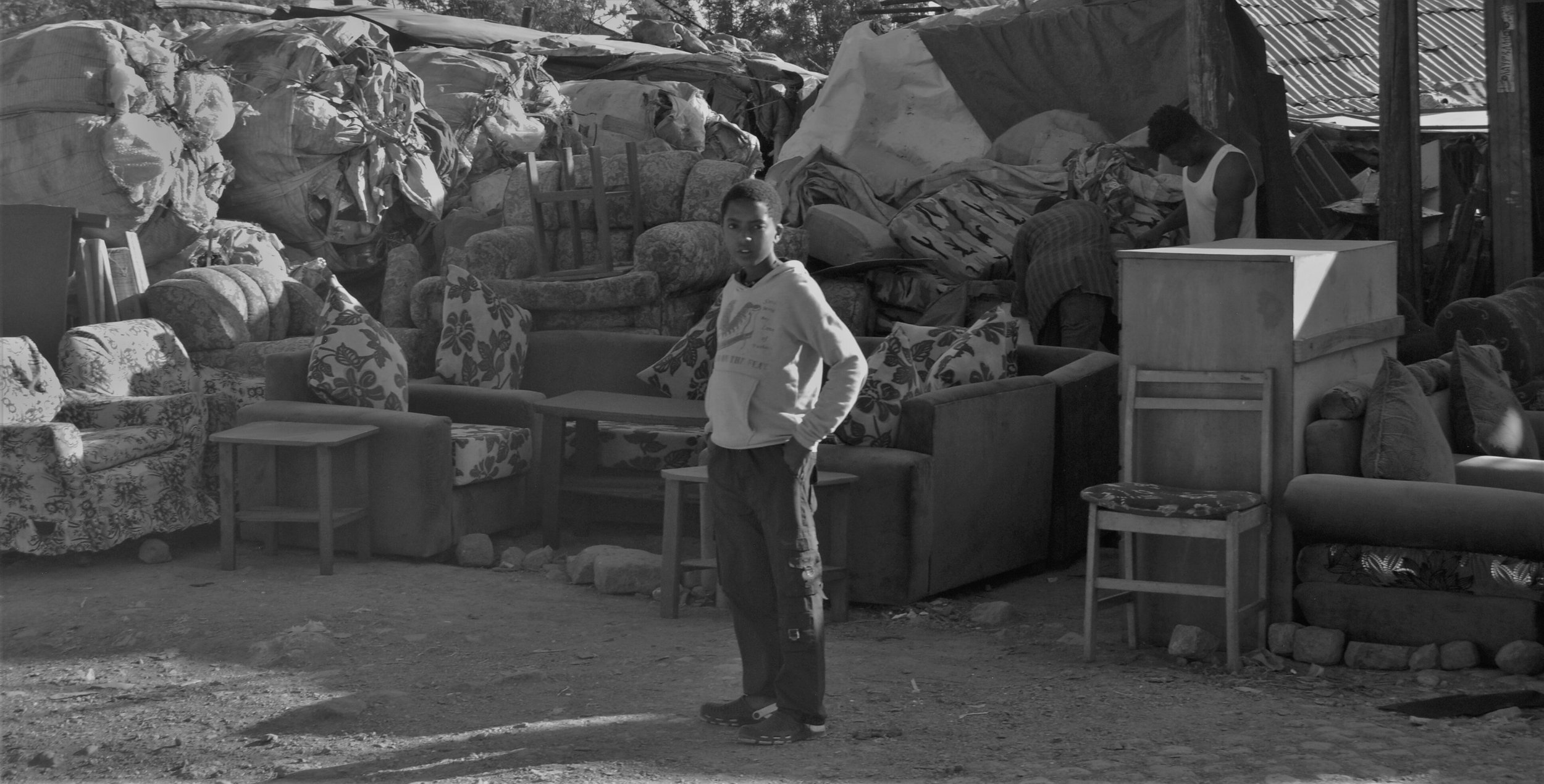
 11. In this photo, a young boy stands proud in front of his family's used furniture shop. He stares into the camera with a smile, proud of the hard work he has put in to ensure his family's business is successful. The store has several pieces of fur

11. In this photo, a young boy stands proud in front of his family's used furniture shop. He stares into the camera with a smile, proud of the hard work he has put in to ensure his family's business is successful. The store has several pieces of furniture on display.

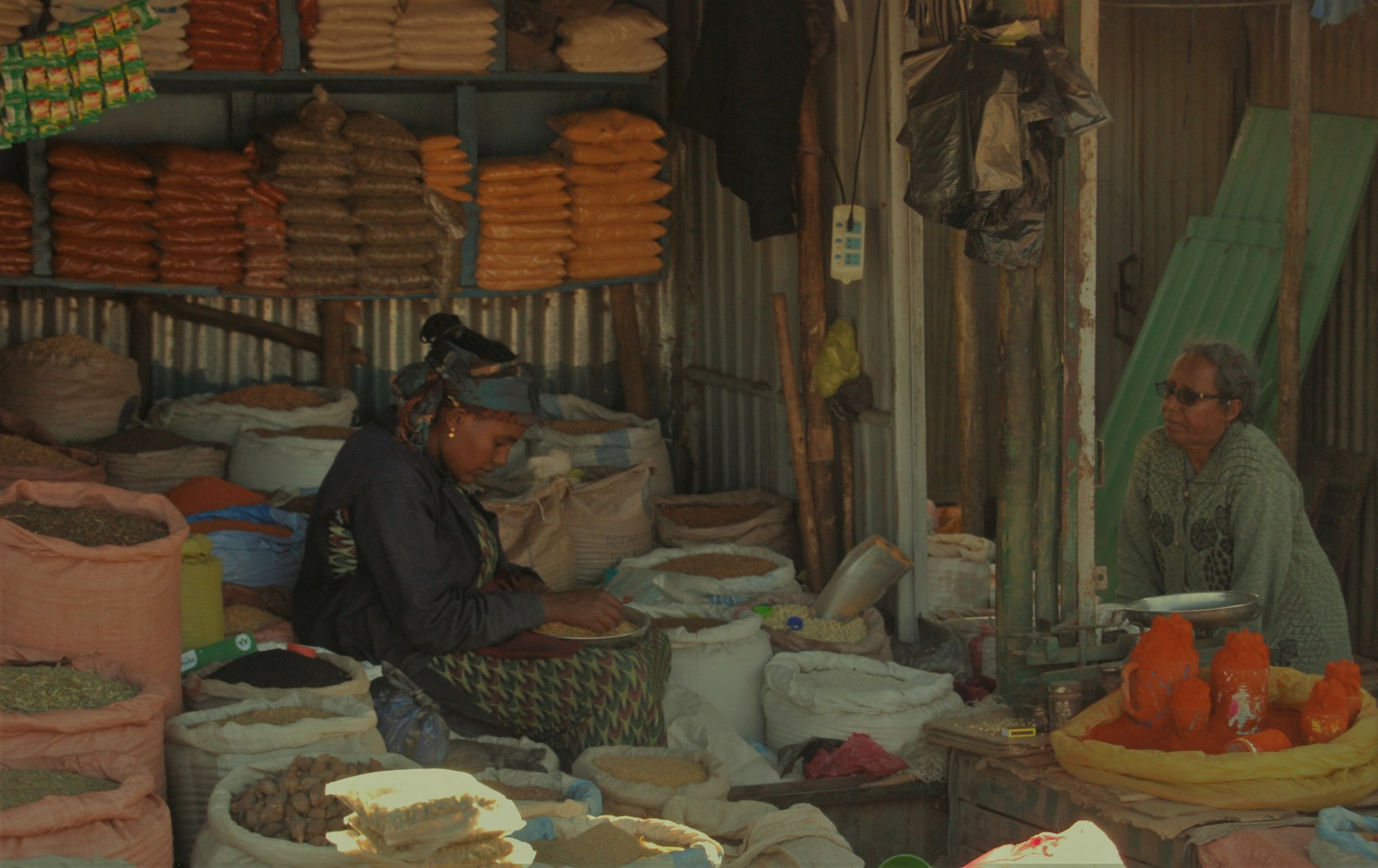
 12. An old lady sits behind a small wooden cart filled with an array of colourful spices. She is wearing a traditional headscarf and has a smile on her face as she greets customers. Her wrinkled hands are carefully measuring out the spices into smal

12. An old lady sits behind a small wooden cart filled with an array of colourful spices. She is wearing a traditional headscarf and has a smile on her face as she greets customers. Her wrinkled hands are carefully measuring out the spices into small bags for purchase. The aroma of the spices fills the air around her cart, drawing in curious shoppers.

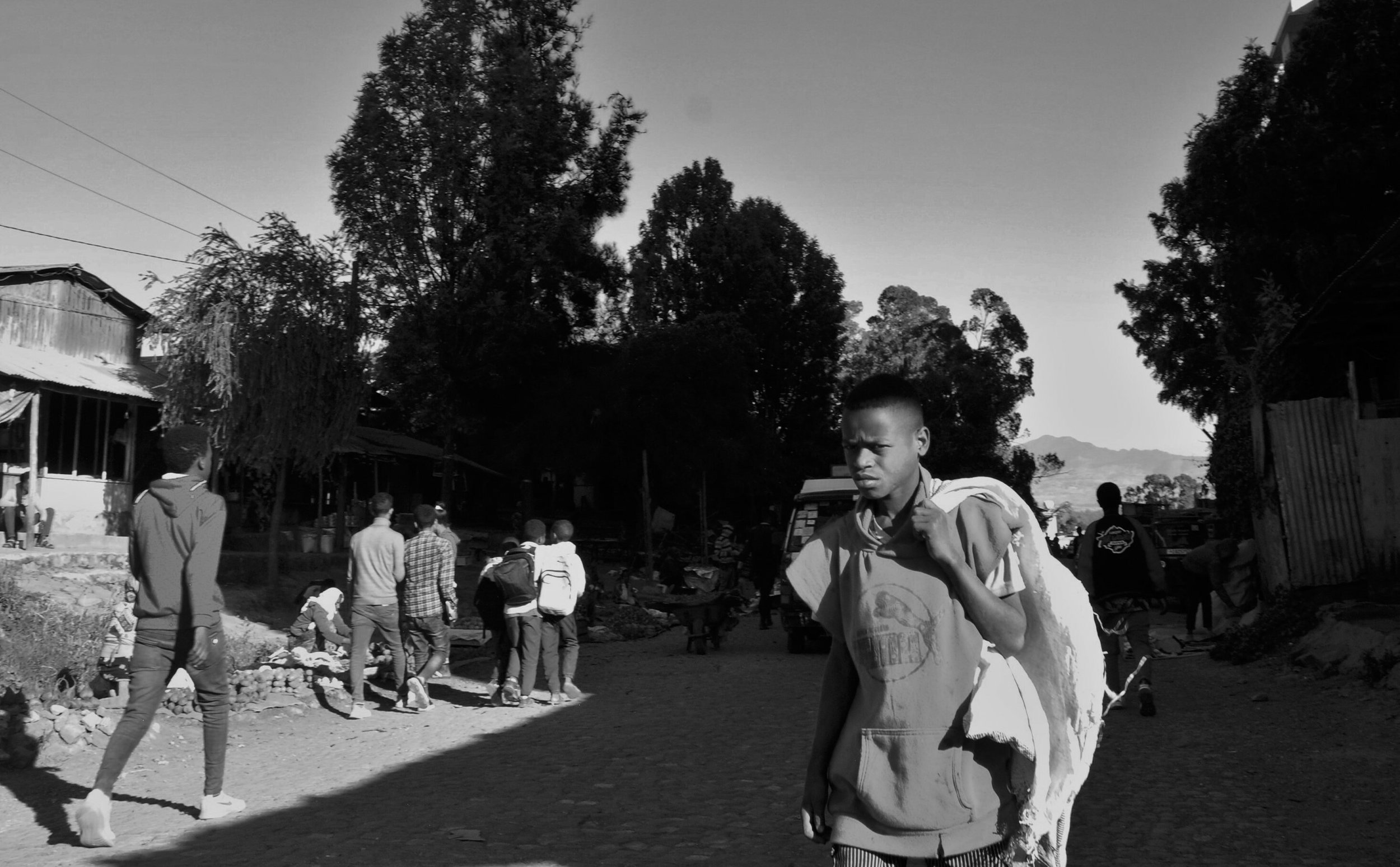
 13. In the photo, a young boy is seen carrying multiple plastic bags in his hands. He appears to be working. He has a determined look on his face, suggesting he is focused on completing his task. The plastic bags likely contain various items, and th

13. In the photo, a young boy is seen carrying multiple plastic bags in his hands. He appears to be working. He has a determined look on his face, suggesting he is focused on completing his task. The plastic bags likely contain various items, and the boy seems to be carrying a heavy load.

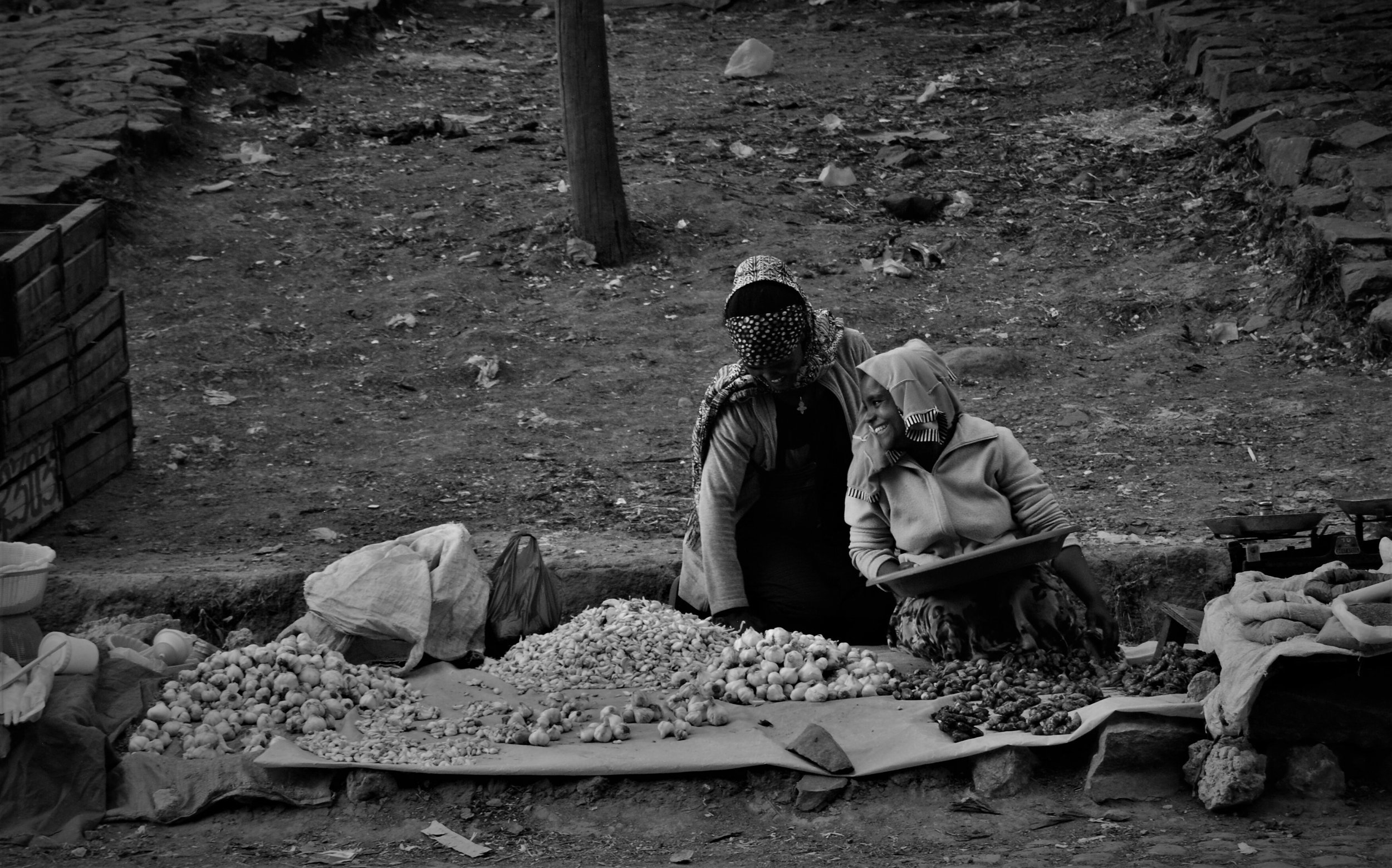
 14. Two mothers selling vegetables at a local market. The women in brightly-coloured attire sit at the back of their stall, surrounded by tubs of fresh vegetables. They smile brightly, looking proud of the vegetables they have to offer. The vibrant

14. Two mothers selling vegetables at a local market. The women in brightly-coloured attire sit at the back of their stall, surrounded by tubs of fresh vegetables. They smile brightly, looking proud of the vegetables they have to offer. The vibrant colours of the vegetables, the mothers’ clothing and the lively atmosphere of the market give the scene a serene and inviting feel.

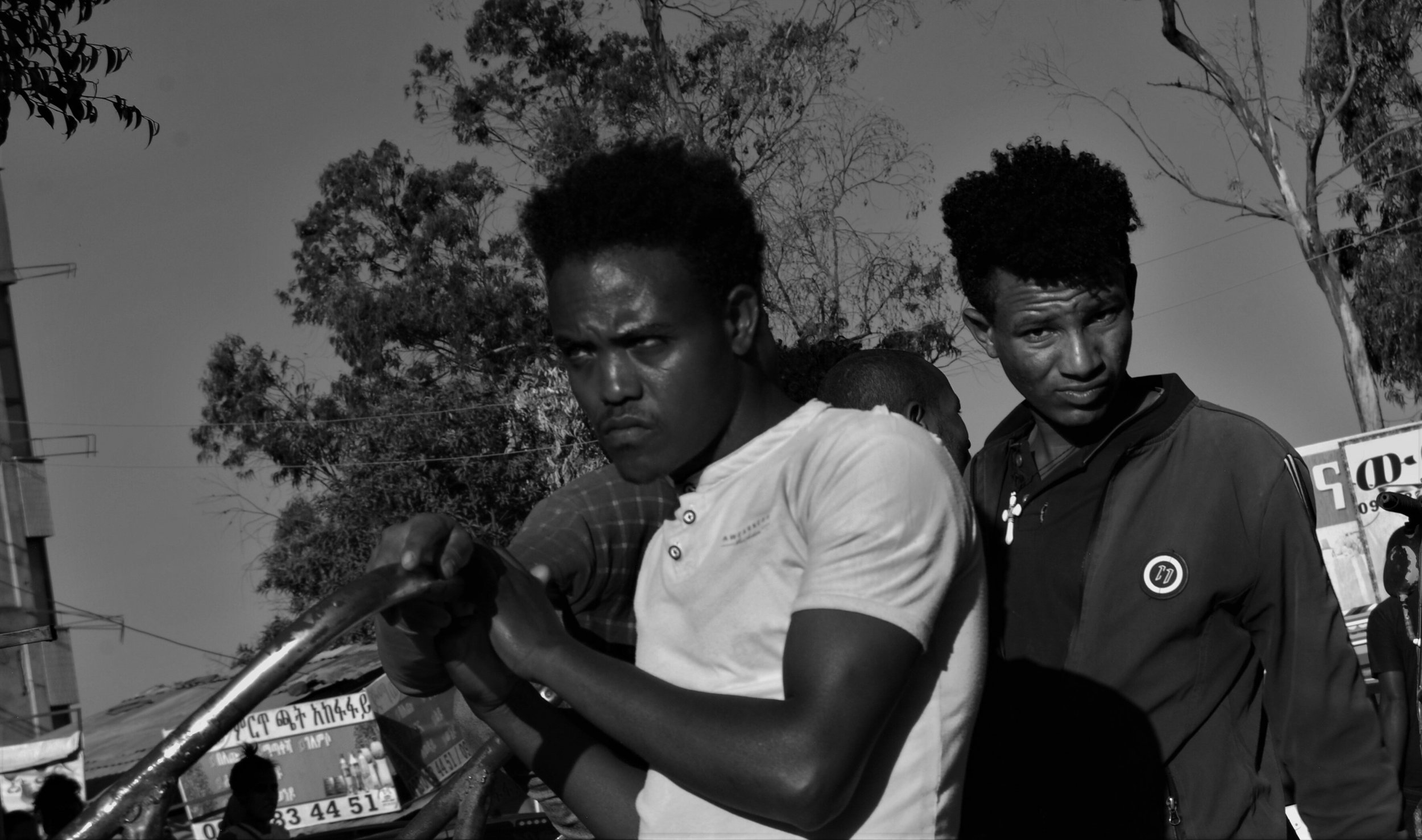
 15. In this image, two-day labourers wait in an open-air market, hoping to be hired by passersby. They are both wearing old clothes and have the same determined expression on their faces- a look of determination and hope, to find an opportunity and

15. In this image, two-day labourers wait in an open-air market, hoping to be hired by passersby. They are both wearing old clothes and have the same determined expression on their faces- a look of determination and hope, to find an opportunity and make a living. Despite their worn clothes and probably difficult day-to-day lives, they remain strong in their spirit and are confident they will find work.

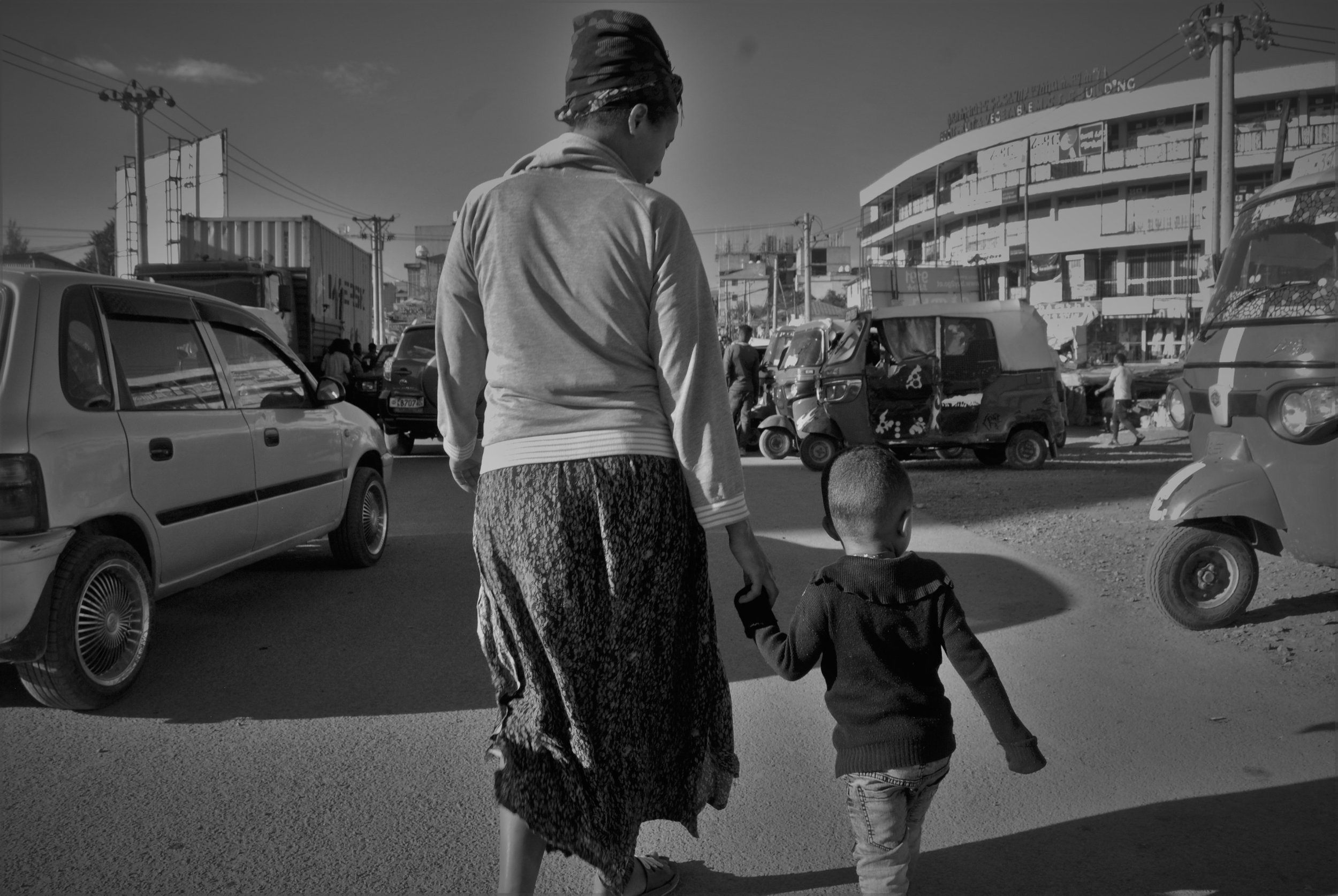
 16. A vibrant photo capturing a mother and her child, while they stroll through the bustling market holding hands. Their stylish clothing highlights the loving relationship between them and their contentment as they enjoy a day together.

16. A vibrant photo capturing a mother and her child, while they stroll through the bustling market holding hands. Their stylish clothing highlights the loving relationship between them and their contentment as they enjoy a day together.

 17. A young boy stands in the middle of his backyard, gazing out over the open fields and trees beyond. He looks out at the world around him with a sense of wonder and curiosity, dreaming of what could be out there.

17. A young boy stands in the middle of his backyard, gazing out over the open fields and trees beyond. He looks out at the world around him with a sense of wonder and curiosity, dreaming of what could be out there.

 18. A young man is riding his bicycle along a road, engrossed in checking his phone with one hand as he pedals with the other. With the sun setting in the background.

18. A young man is riding his bicycle along a road, engrossed in checking his phone with one hand as he pedals with the other. With the sun setting in the background.

 19. In the photo, a mother and her daughter are seen selling clothes by the side of a road, displaying various items of clothing such as shirts, dresses, and pants. The daughter, who looks to be around 10 years old, is sitting next to her mother, he

19. In the photo, a mother and her daughter are seen selling clothes by the side of a road, displaying various items of clothing such as shirts, dresses, and pants. The daughter, who looks to be around 10 years old, is sitting next to her mother, helping to arrange the clothes and possibly assisting customers. Both the mother and daughter have smiles on their faces, indicating that they are happy and content with their work.

 20. A group of women are seen crossing a busy street, each holding a colourful umbrella to shield themselves from the hot sun. The umbrellas add a pop of colour to the otherwise grey and damp scene. The women appear to be in a hurry, as they briskly

20. A group of women are seen crossing a busy street, each holding a colourful umbrella to shield themselves from the hot sun. The umbrellas add a pop of colour to the otherwise grey and damp scene. The women appear to be in a hurry, as they briskly make their way across the road.

 21. This photo shows a busy junction. Cars, buses, and other vehicles are seen moving along in all directions. Pedestrians wait at crosswalks and traffic light signals for drivers to take turns entering and leaving the junction. In the background, b

21. This photo shows a busy junction. Cars, buses, and other vehicles are seen moving along in all directions. Pedestrians wait at crosswalks and traffic light signals for drivers to take turns entering and leaving the junction. In the background, busy buildings exhibit the hustle and bustle of the urban landscape.

 22. An elderly man in Ethiopia is stepping into a traditional taxi a brightly coloured mini-bus-style taxi. This is a common sight in many parts of the country, providing an affordable transport option for locals and visitors alike.

22. An elderly man in Ethiopia is stepping into a traditional taxi a brightly coloured mini-bus-style taxi. This is a common sight in many parts of the country, providing an affordable transport option for locals and visitors alike.

22a. A smiling boy

22a. A smiling boy

 23. Two little girls laugh and smile, eyes twinkling and faces beaming with joy as they enjoy a moment of fun and happiness.

23. Two little girls laugh and smile, eyes twinkling and faces beaming with joy as they enjoy a moment of fun and happiness.

 23 a. Two little girls laugh and smile, eyes twinkling and faces beaming with joy as they enjoy a moment of fun and happiness.

23 a. Two little girls laugh and smile, eyes twinkling and faces beaming with joy as they enjoy a moment of fun and happiness.

 24. A woman displaying various trinkets and souvenirs for sale. The scene takes place on a road side.

24. A woman displaying various trinkets and souvenirs for sale. The scene takes place on a road side.

25.A man in a white T-shirt and blue jeans pushes an orange trolley full of green peas along a dusty road.

25.A man in a white T-shirt and blue jeans pushes an orange trolley full of green peas along a dusty road.

 26.A man lies in the back of an old pickup, which is filled with avocados, a striped shirt, and he smiles contentedly at the camera

26.A man lies in the back of an old pickup, which is filled with avocados, a striped shirt, and he smiles contentedly at the camera

 27. This busy street in Megenagna, Addis Ababa shows a dense concentration of honking vehicles and people going about their daily activities. You can see stores, restaurants, and vendors bustling around. The street is filled with bicycles, motorcycl

27. This busy street in Megenagna, Addis Ababa shows a dense concentration of honking vehicles and people going about their daily activities. You can see stores, restaurants, and vendors bustling around. The street is filled with bicycles, motorcycles, and cars manoeuvring through the crowded street. The buildings are colourful and the air is filled with the smells of food and the bustle of the city.


Jeanmichel Randrianarivelo
Sunday 02.12.23
Posted by Progressive-Street
 

Al ritmo de "candombe"

Al ritmo de "candombe"

by Eduardo Storch

Llamadas de San Baltasar - The “Calls” of San Baltasar

 The Uruguayan carnival is a very important part of popular culture and has its own characteristics,  typically centred on "Candombe".

"Candombe" was the most important and significant dance and musical-religious expression of the Afro-collective, and it continues to be one of the most eloquent musical expressions, having spread to such an extent throughout society that it is one of the cultural elements that identify the country.

It is synonymous with Uruguay to such an extent that it has been declared "Intangible Cultural Heritage of Humanity" by UNESCO.

The slaves that were brought to the country, as well as their descendants, maintained the traditions of Africa, with their dances and drums that, over time, acquired the current rhythm of “Candombe”


Of the many carnival activities, the "San Baltasar Parade" takes place every year on January 6th, Three Kings Day, and pays tribute to Baltasar, the black king, and in my opinion, is the most authentic expression of that heritage.

Those parades are called “llamadas” (the call) and this is due to the fact that originally, a group of “candomberos” (a group of drummers) would go out on the street playing their drums "calling and encouraging" others to join them in the celebration.

The “comparsas” have several components, with a large group of drums, preceded by dancers and typical characters from the time of slavery, such as the old mother, the healer or sorcerer and the broom, accompanied by banners and flags.

Currently, this joyful and contagious popular expression, with the roar of drums and full of people of all ages, has become quite touristy.

However, "The Calls of San Baltasar" continues to maintain the essence and identity of “the calls”, and constitutes the first event that takes place throughout the carnival.

For me, the public is part of the show, whether it is the neighbours from the windows, balconies and roof terraces of their houses, or the people who celebrate and dance in the street to the rhythm of the very loud sound of the drums, that as they pass by, resound into your chest, beating together with the rhythm of the heart.

P1140909.jpg
P1140921.jpg
P1140914.jpg
P1140933.jpg
P1140935.jpg
P1140909.jpg P1140921.jpg P1140914.jpg P1140933.jpg P1140935.jpg
View fullsize P1140967.jpg
View fullsize P1140961.jpg
View fullsize P1150098.jpg
View fullsize P1150137.jpg
View fullsize P1150109.jpg
View fullsize P1150314.jpg
View fullsize P1140997.jpg
View fullsize P1150006.jpg
View fullsize P1150198.jpg
View fullsize P1150284.jpg
View fullsize P1150063.jpg
View fullsize P1150300.jpg
View fullsize P1150144.jpg
View fullsize P1150183.jpg
View fullsize P1150213.jpg
 

My name is Eduardo Storch, I am 76 years old.
I was born and I live in Montevideo, the capital of Uruguay.
I am an OBGYN and have been practising Obstetrics and Gynecology since 1973. I retired from clinical practice 3 years ago.
I am an amateur photographer and about 10 years ago I began to face it more seriously. I went to a Photography School where I did basic courses and workshops and continued attending other workshops in order to have a more complete vision. In all of them, I participated in collective exhibitions. I am currently participating in a workshop of Street Photography and Photojournalism, which is what I am most interested in. In the last three years, since my retirement, I have dedicated more seriously to photography. In 2020 I obtained the second prize in the Photography Contests of the Uruguayan Medical Association (CMU) and in the Uruguayan Medical Labor Union (SMU). In 2021 I obtained a National Award from the Ministry of Culture and Education and first prize at SMU. In 2022 I won the first prize of SMU again I have done a couple of projects about "street work", and another about "people over 90 years old" - "Nonagenarians" and I am looking forward to improving my work

Eduardo Storch
Wednesday 02.01.23
Posted by Progressive-Street
 
Newer / Older
Subscribe to newsletter