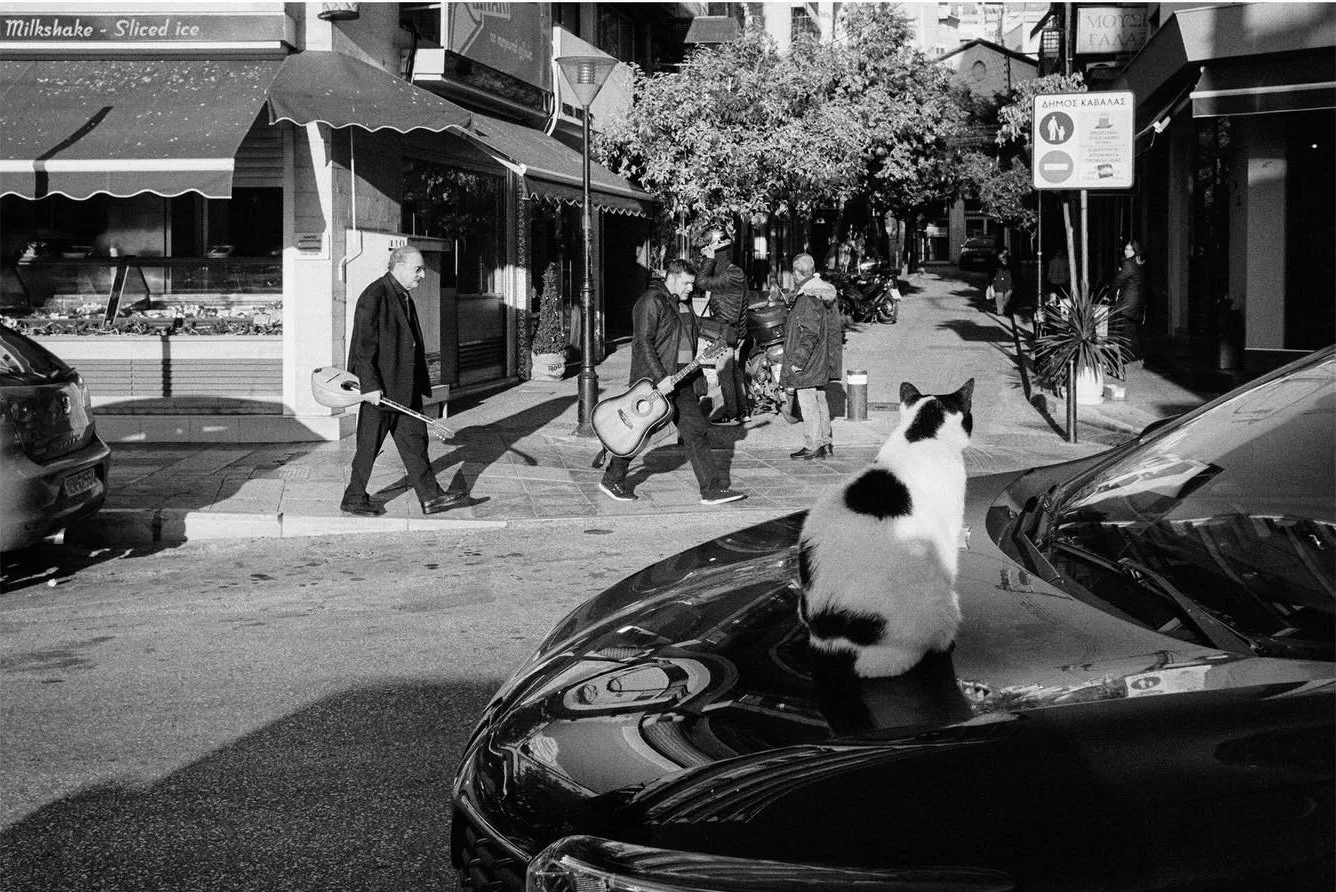
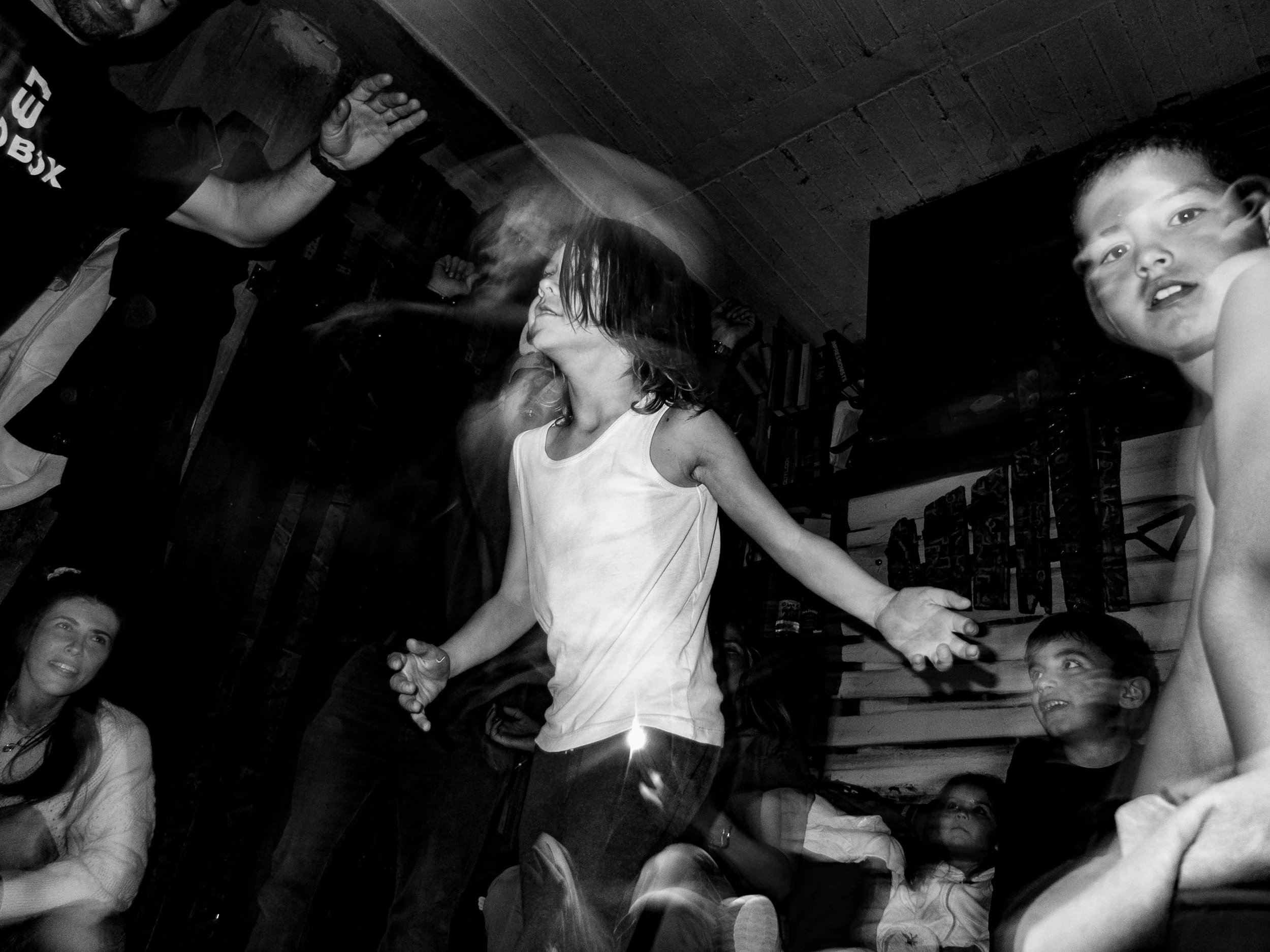
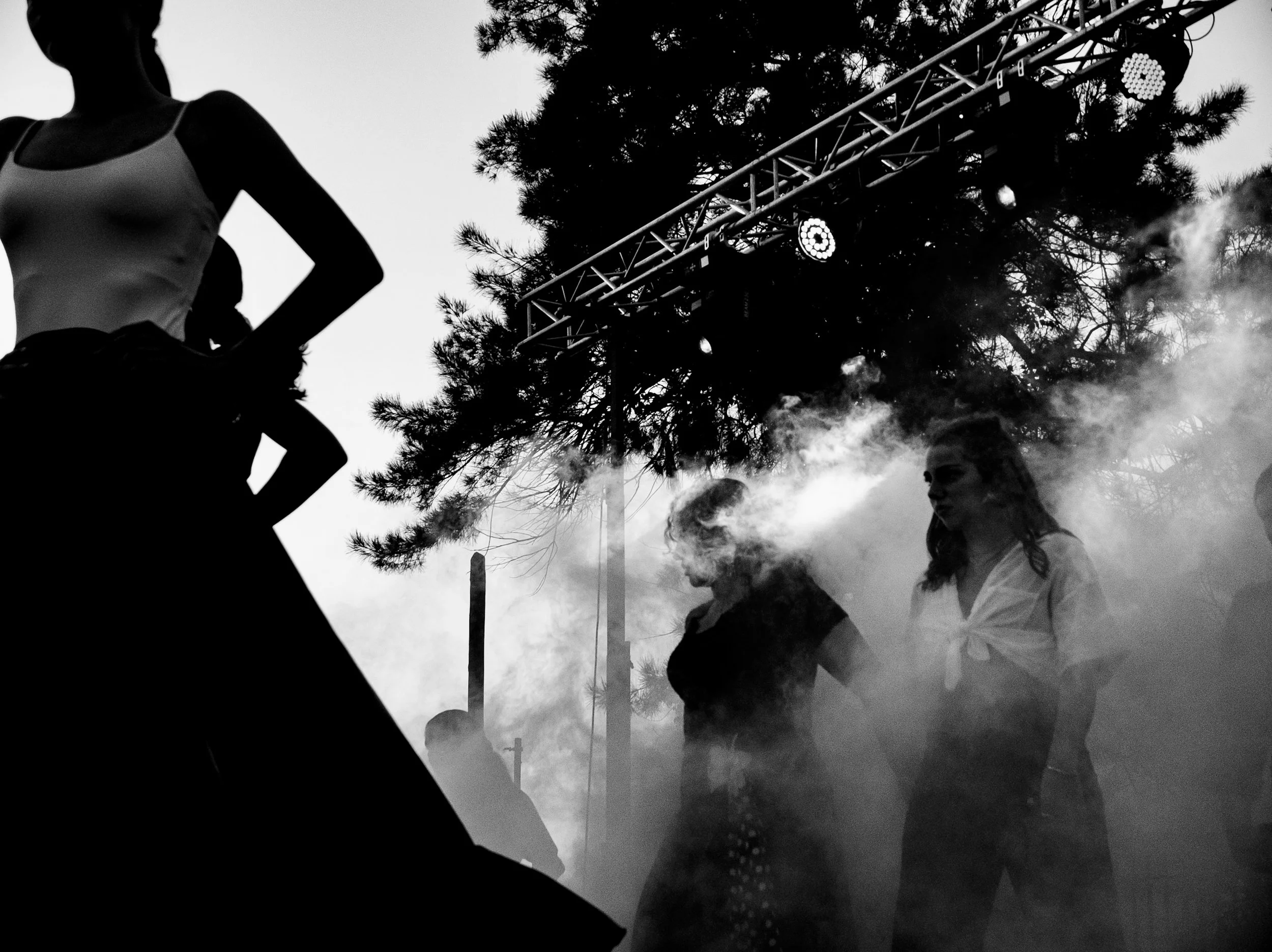
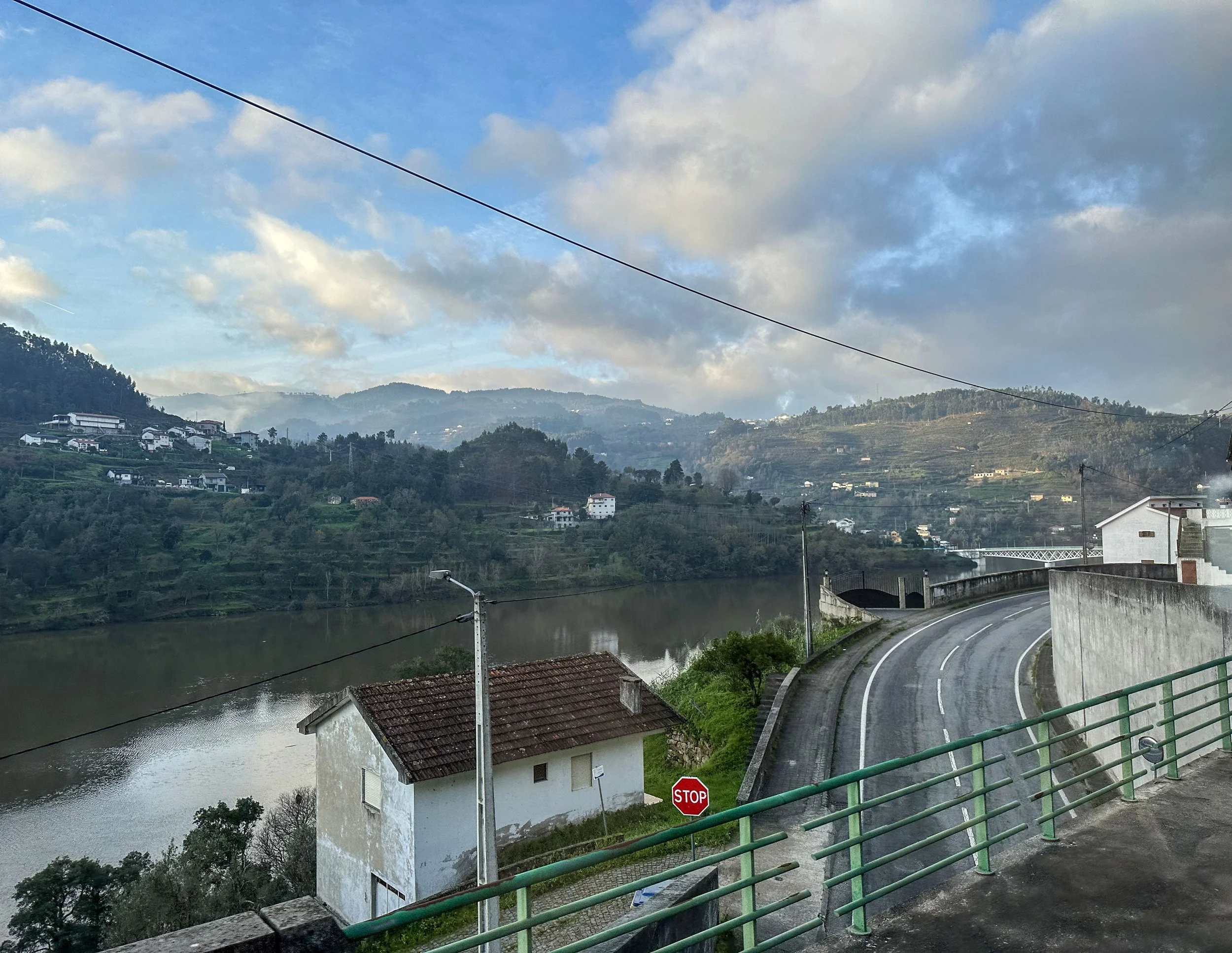
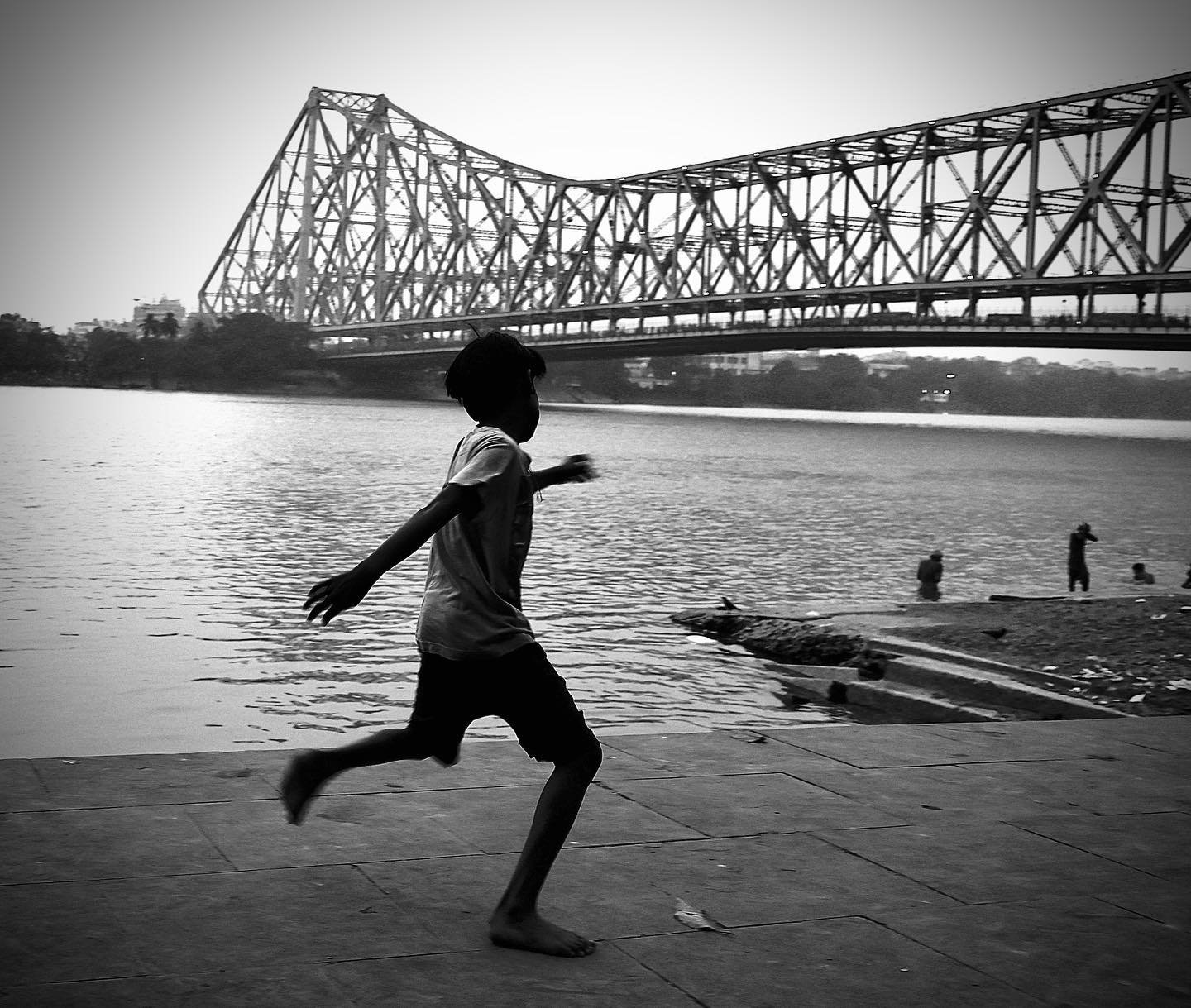
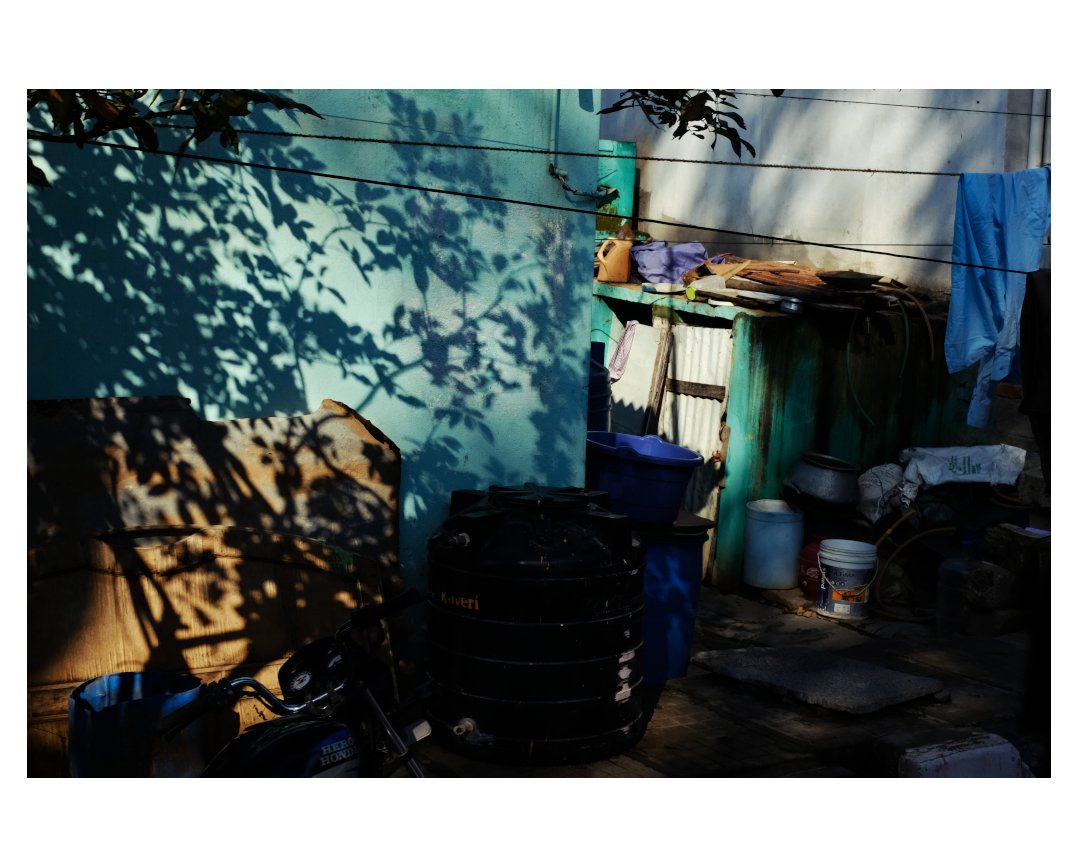
Leica MP | Ilford HP5 pushed to 800 | 35mm Summicron, TTartisan 28mm 1:5,6 & 50mm Nokton
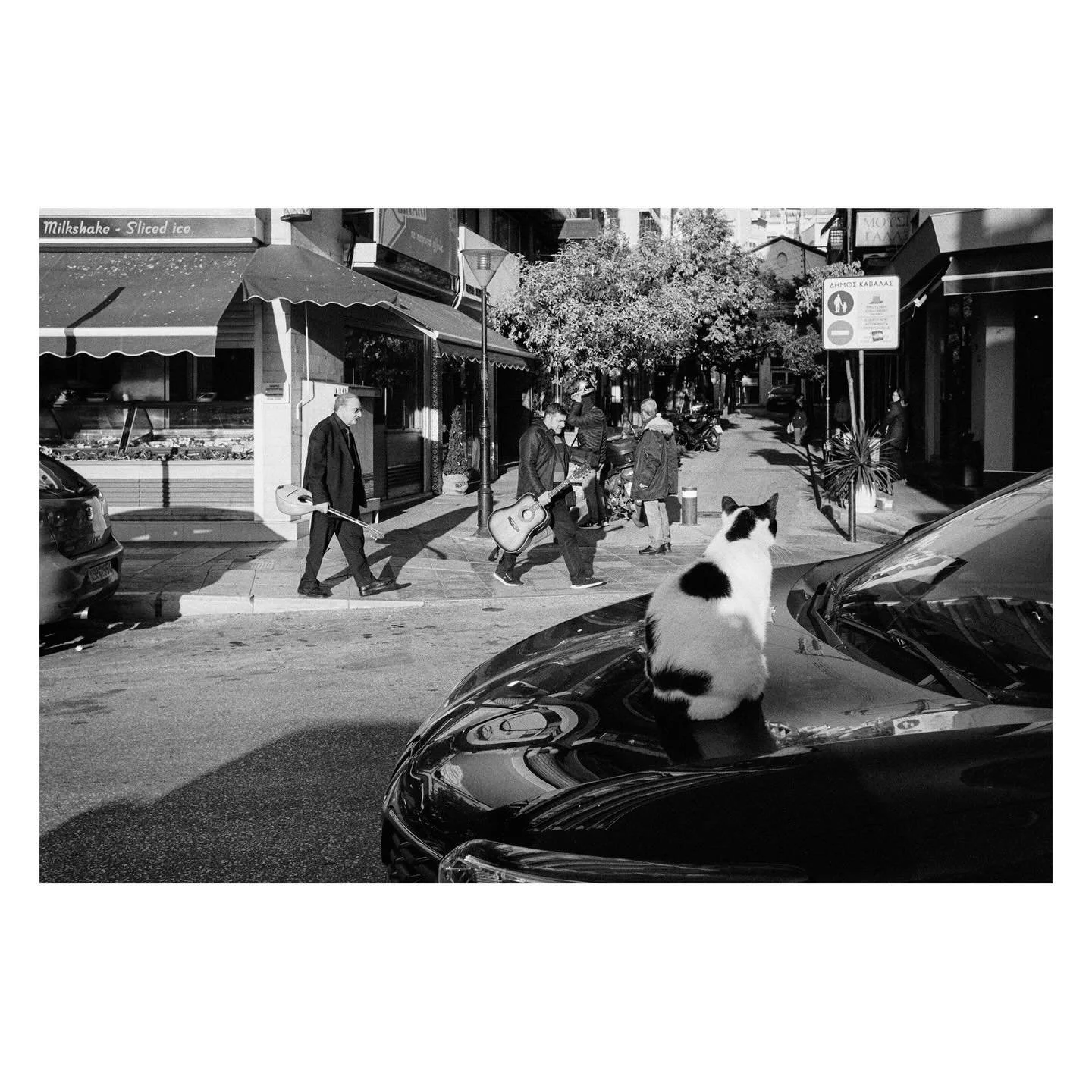
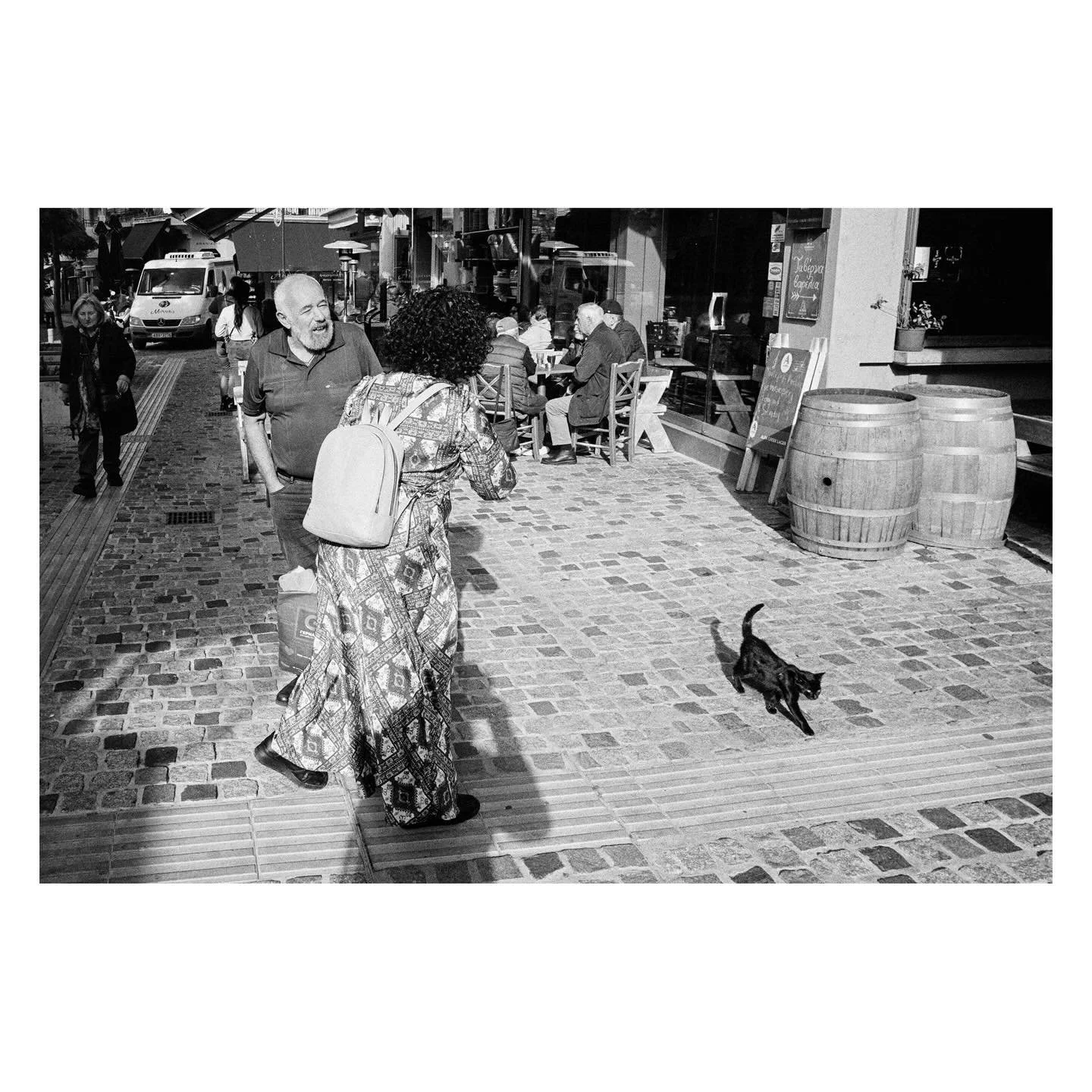
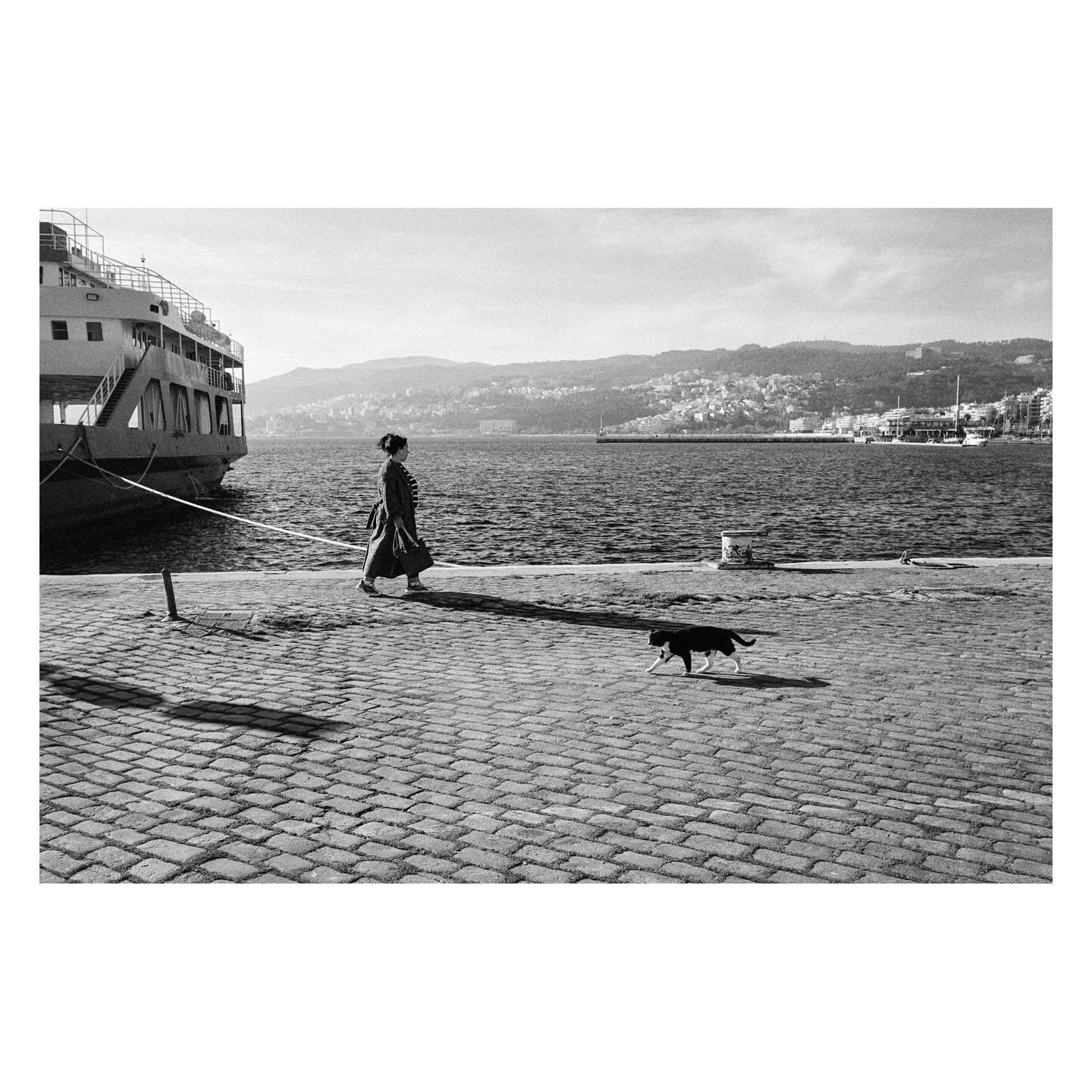
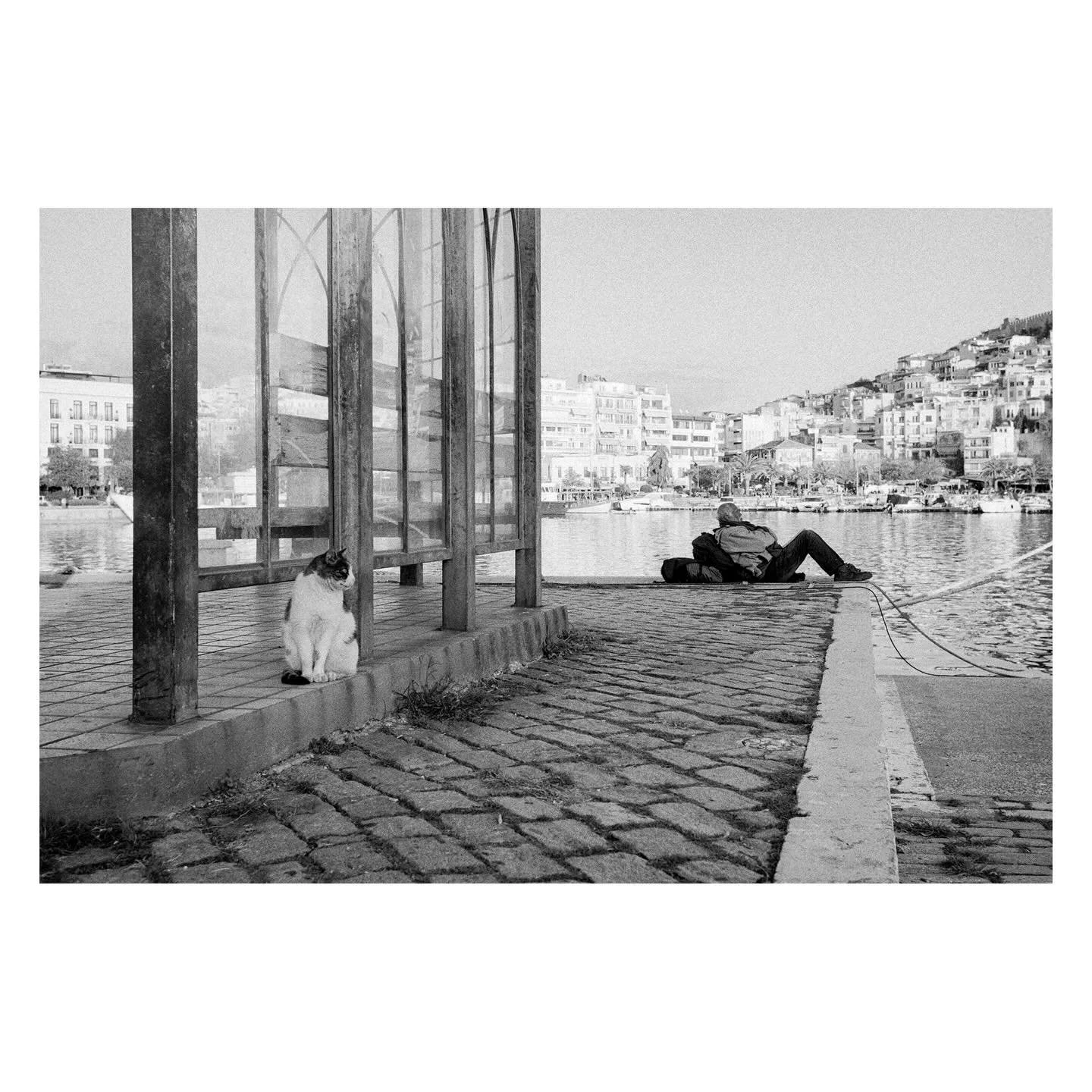
Leica MP | Ilford HP5 pushed to 800 | 35mm Summicron, TTartisan 28mm 1:5,6 & 50mm Nokton
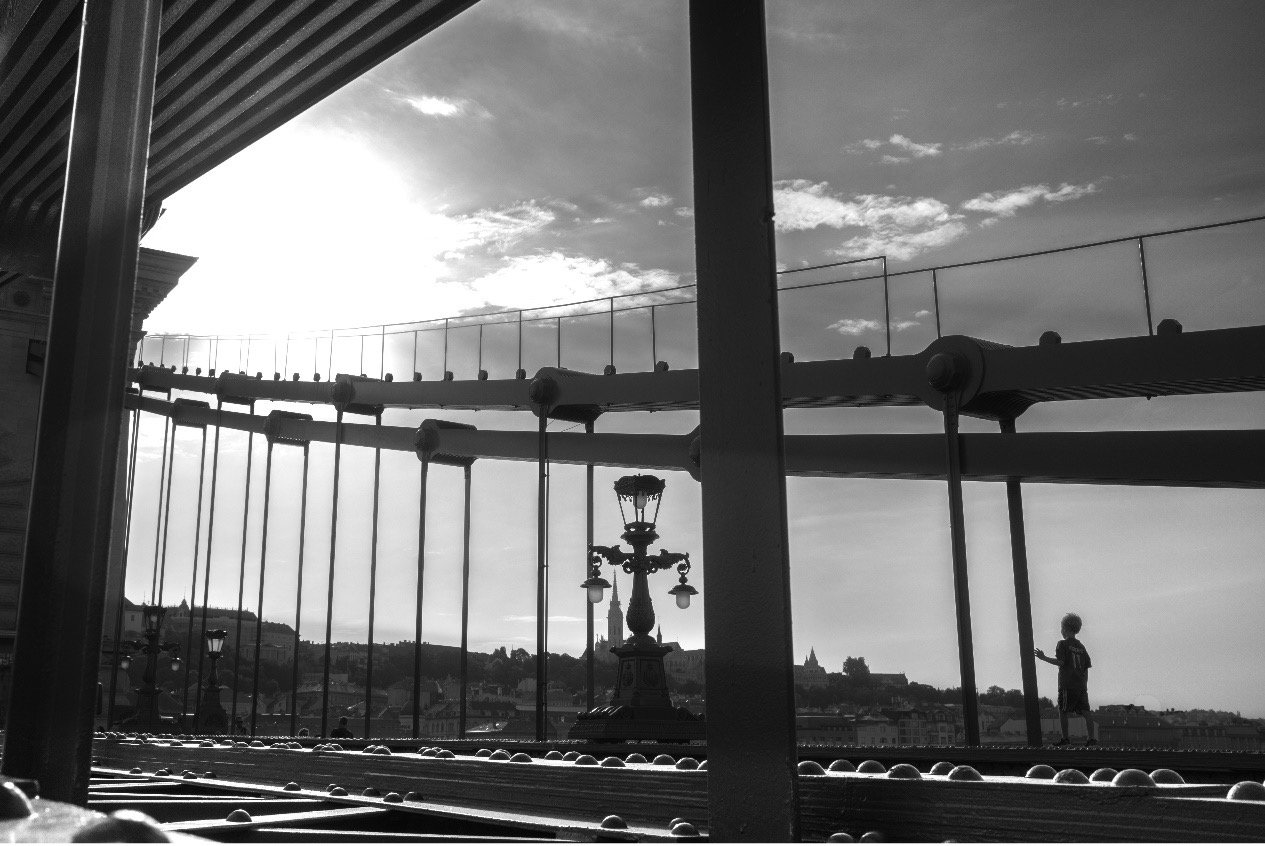
Budapest
by Bruno Lavi
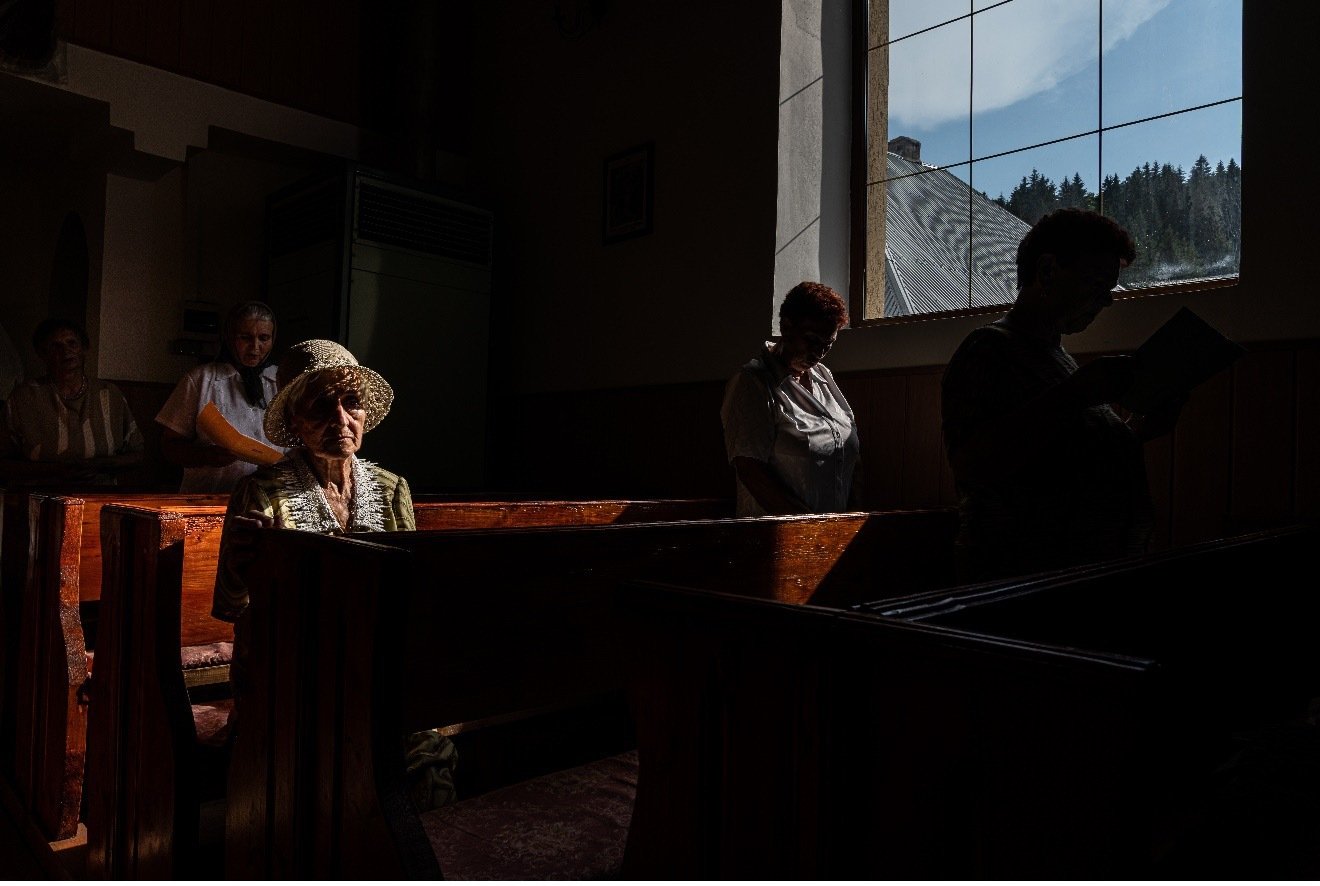
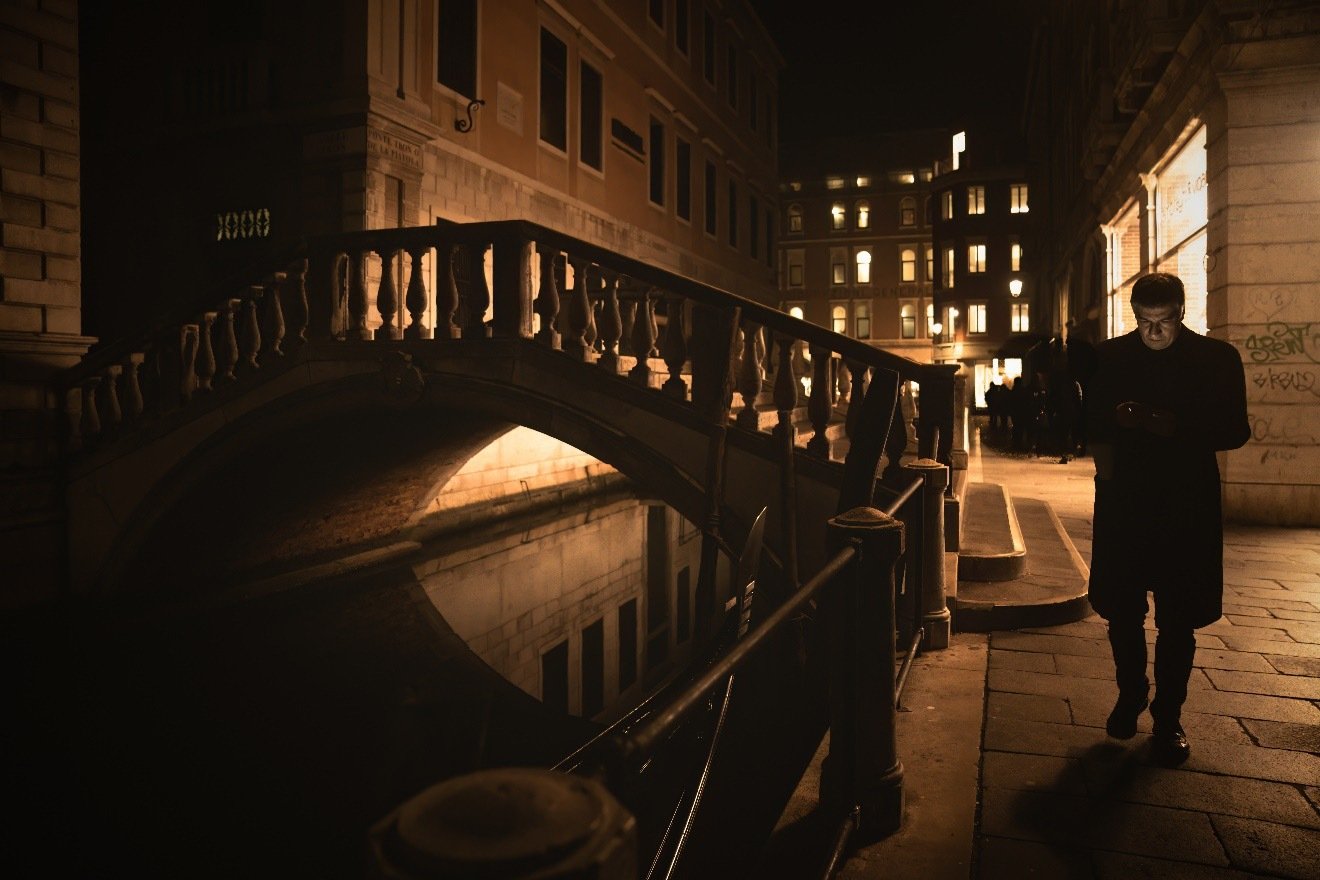
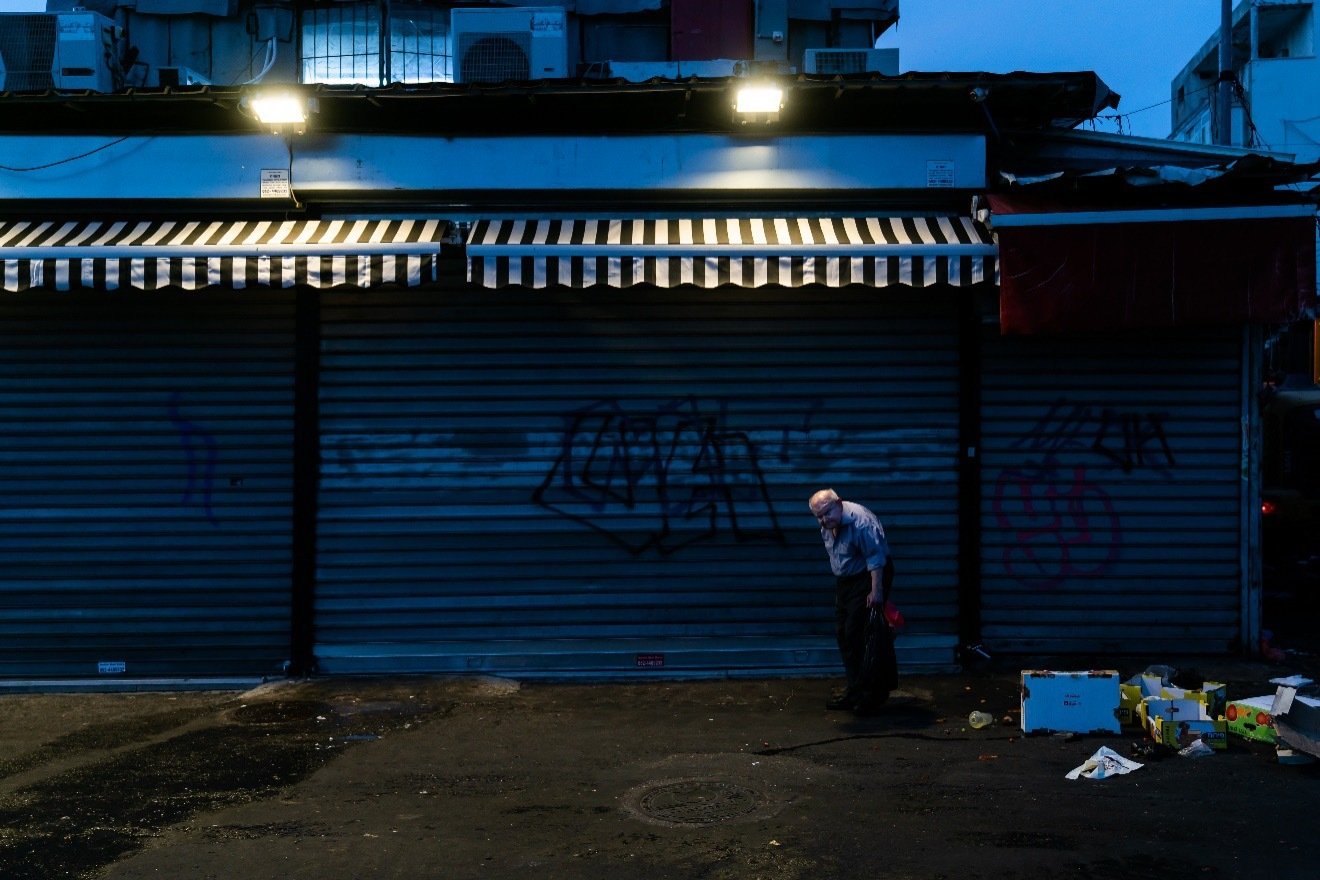
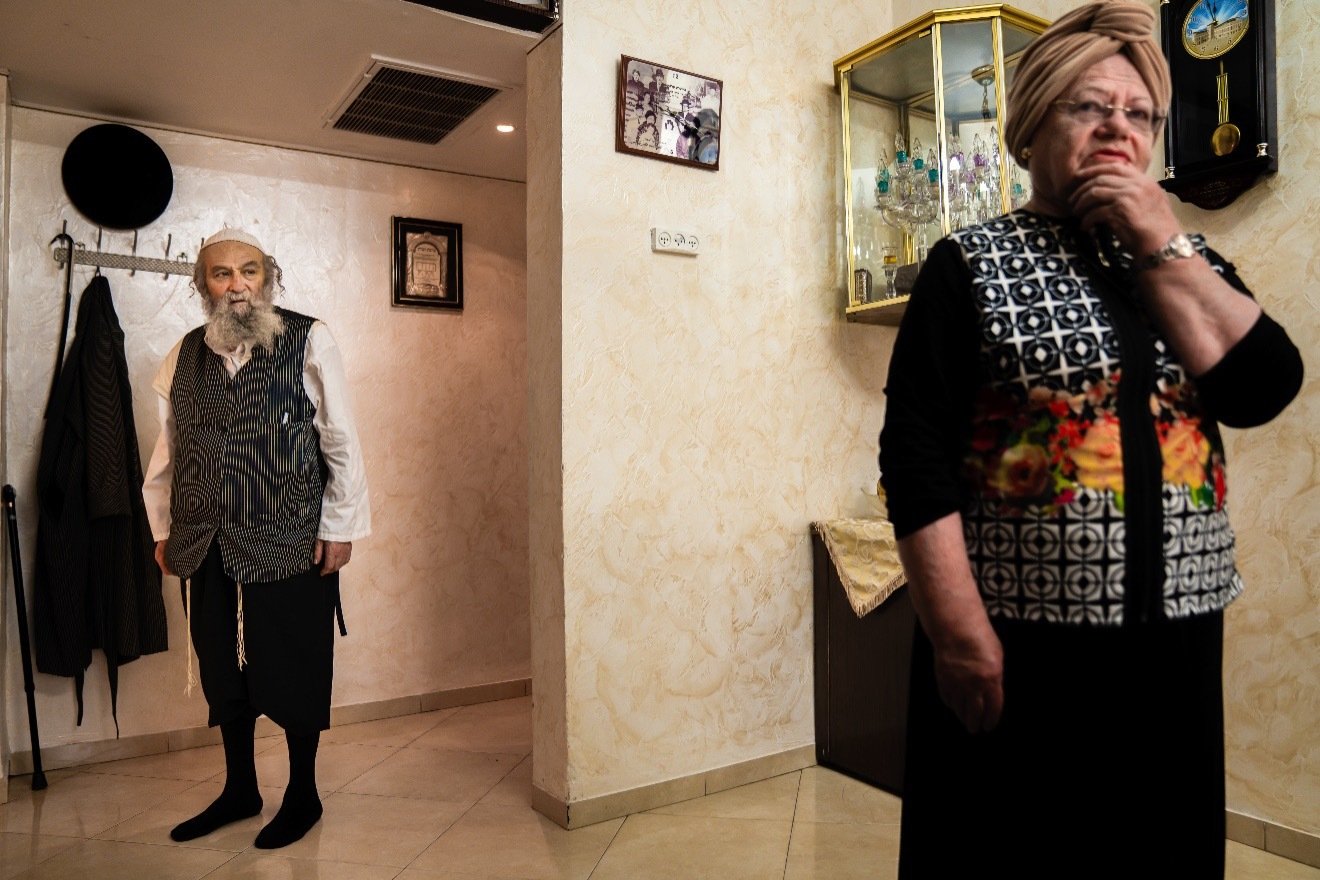
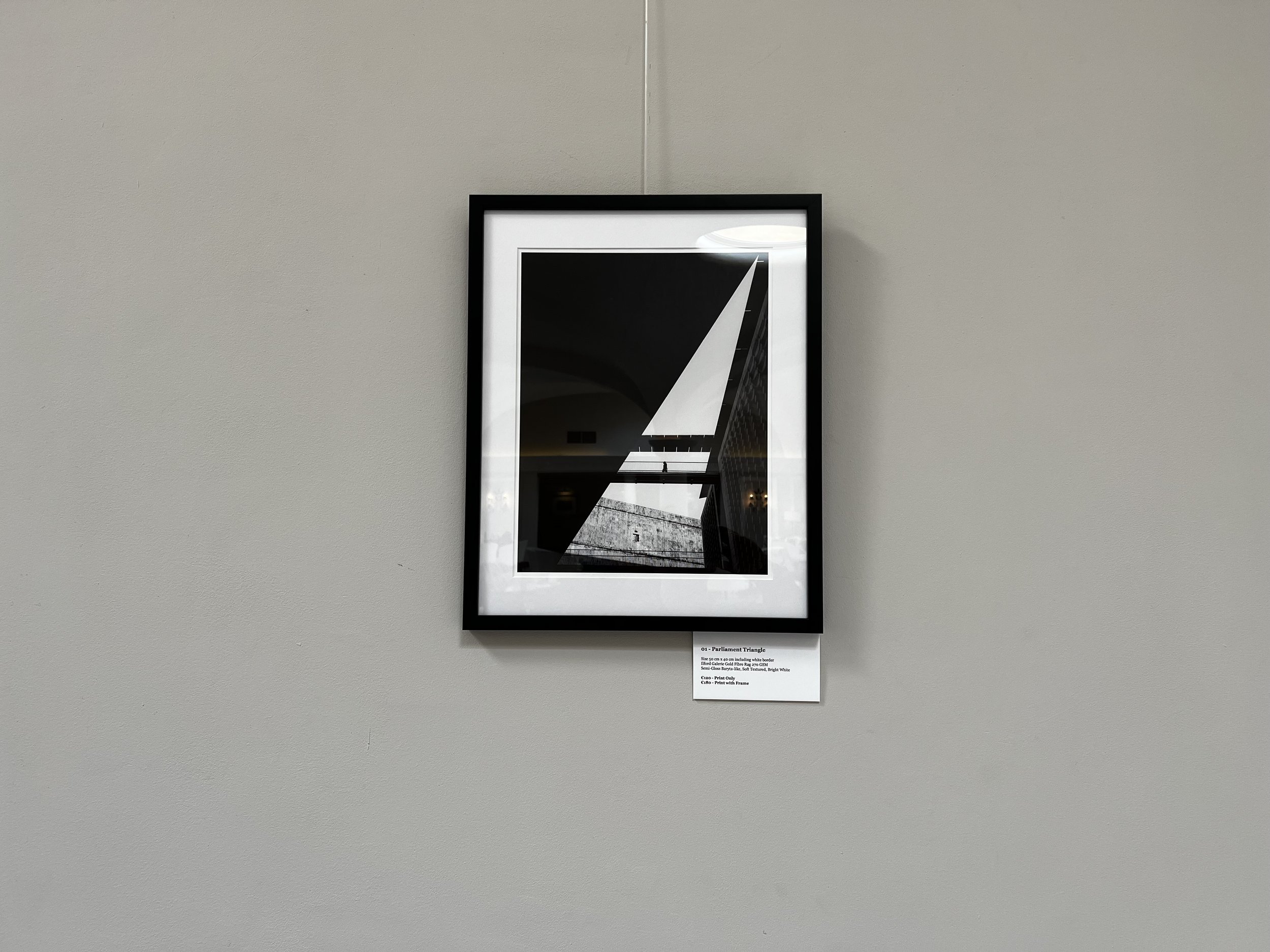
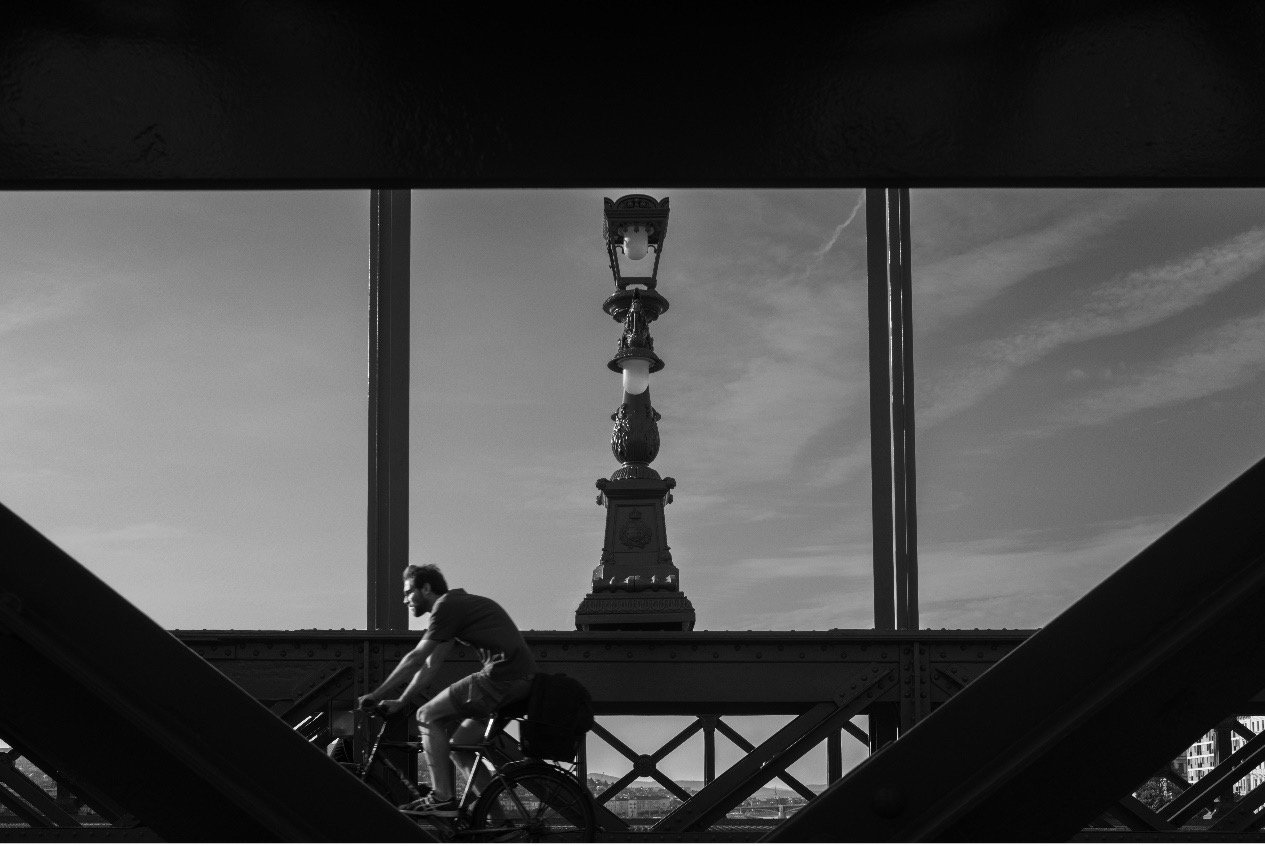
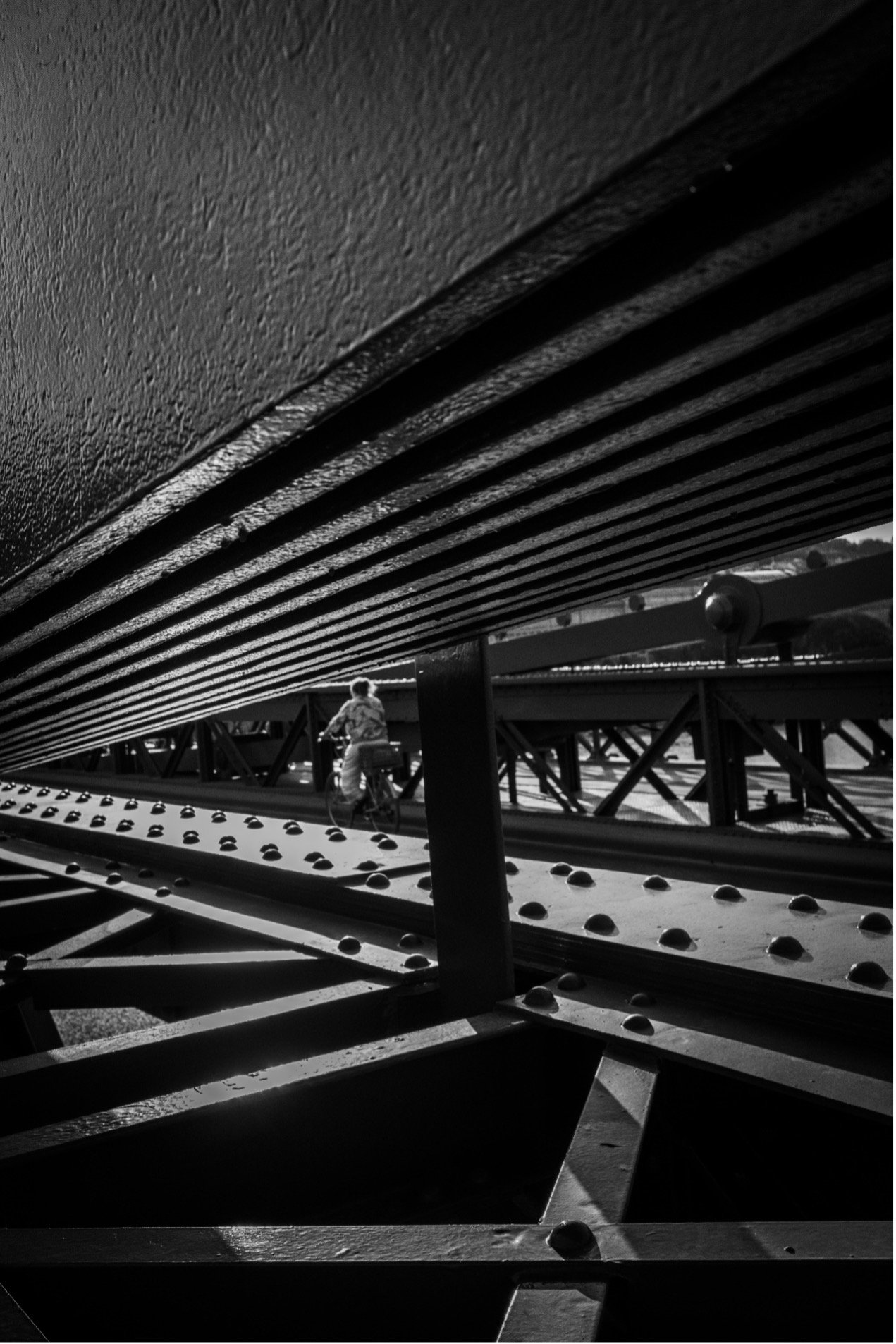
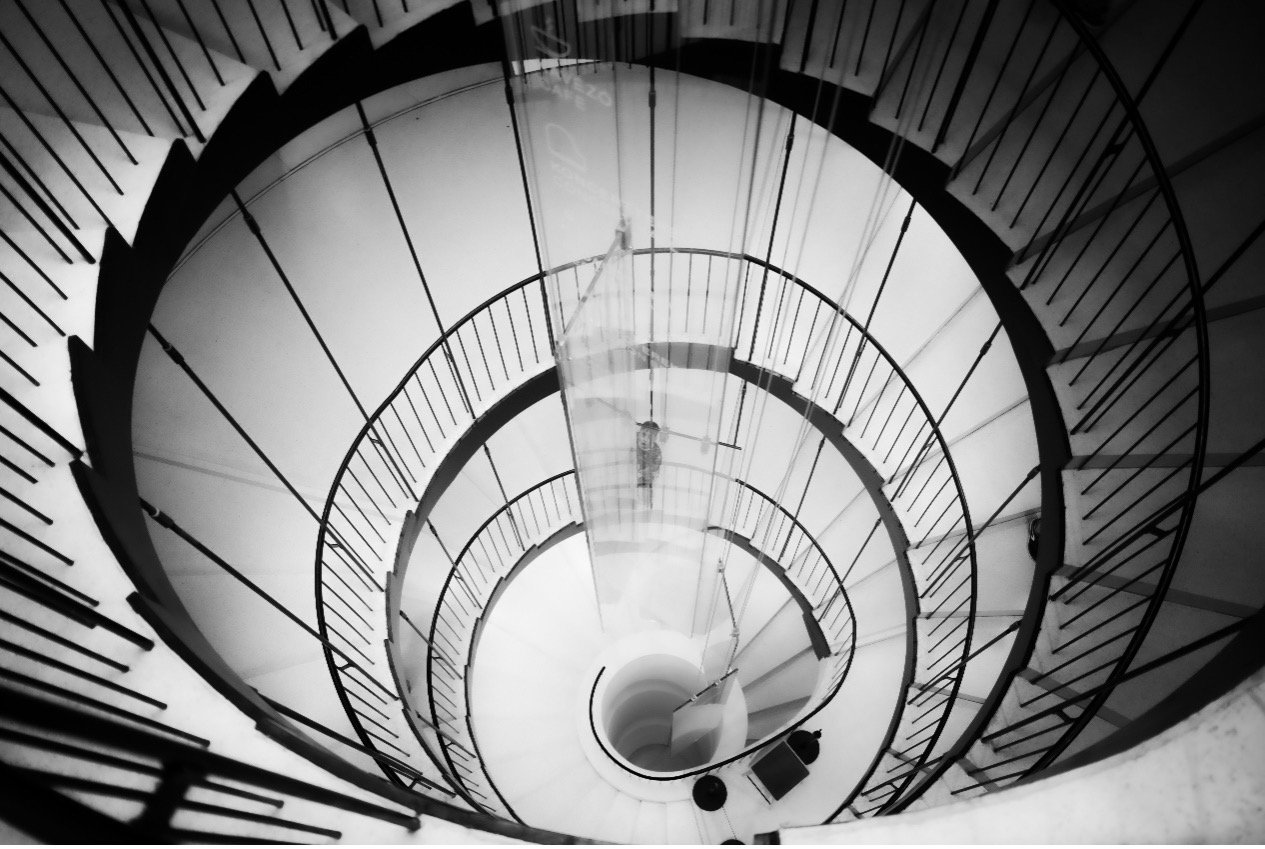
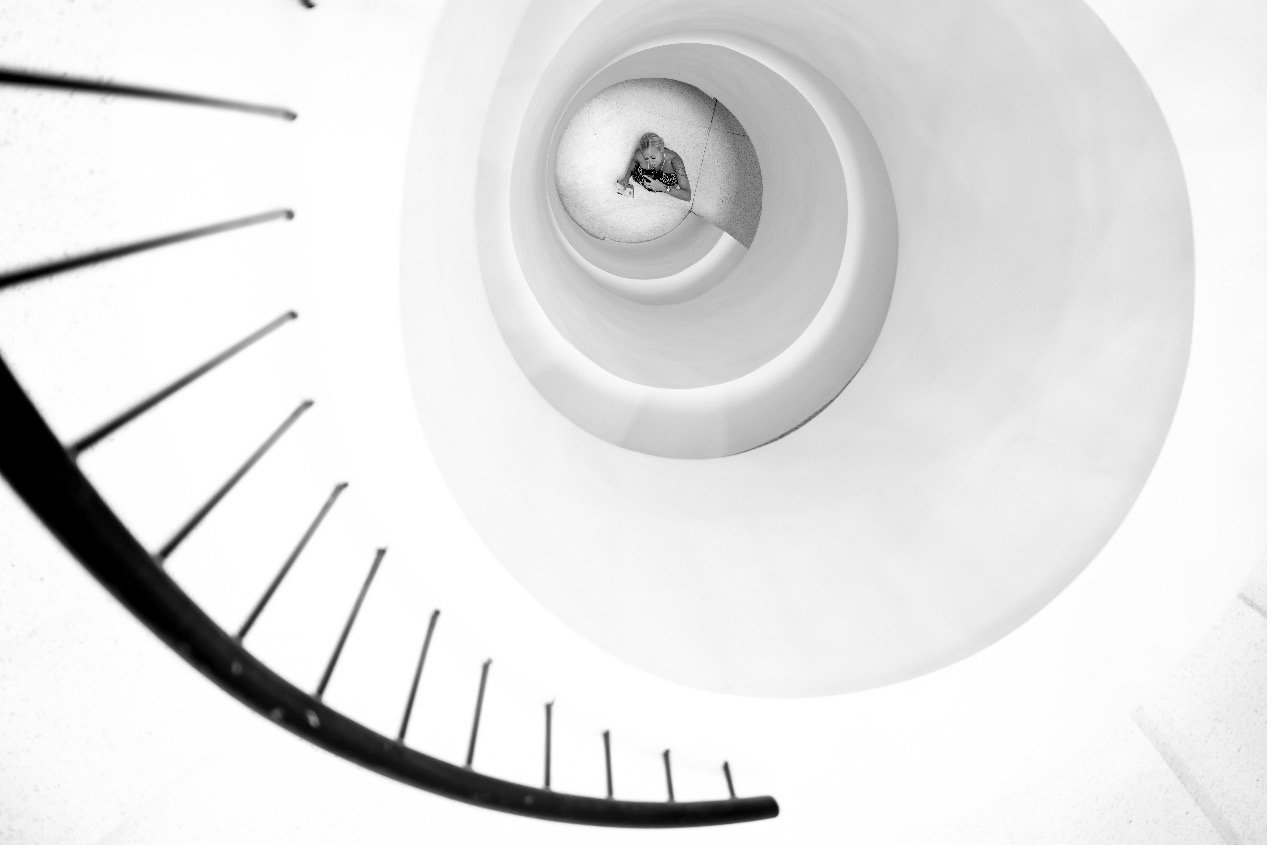
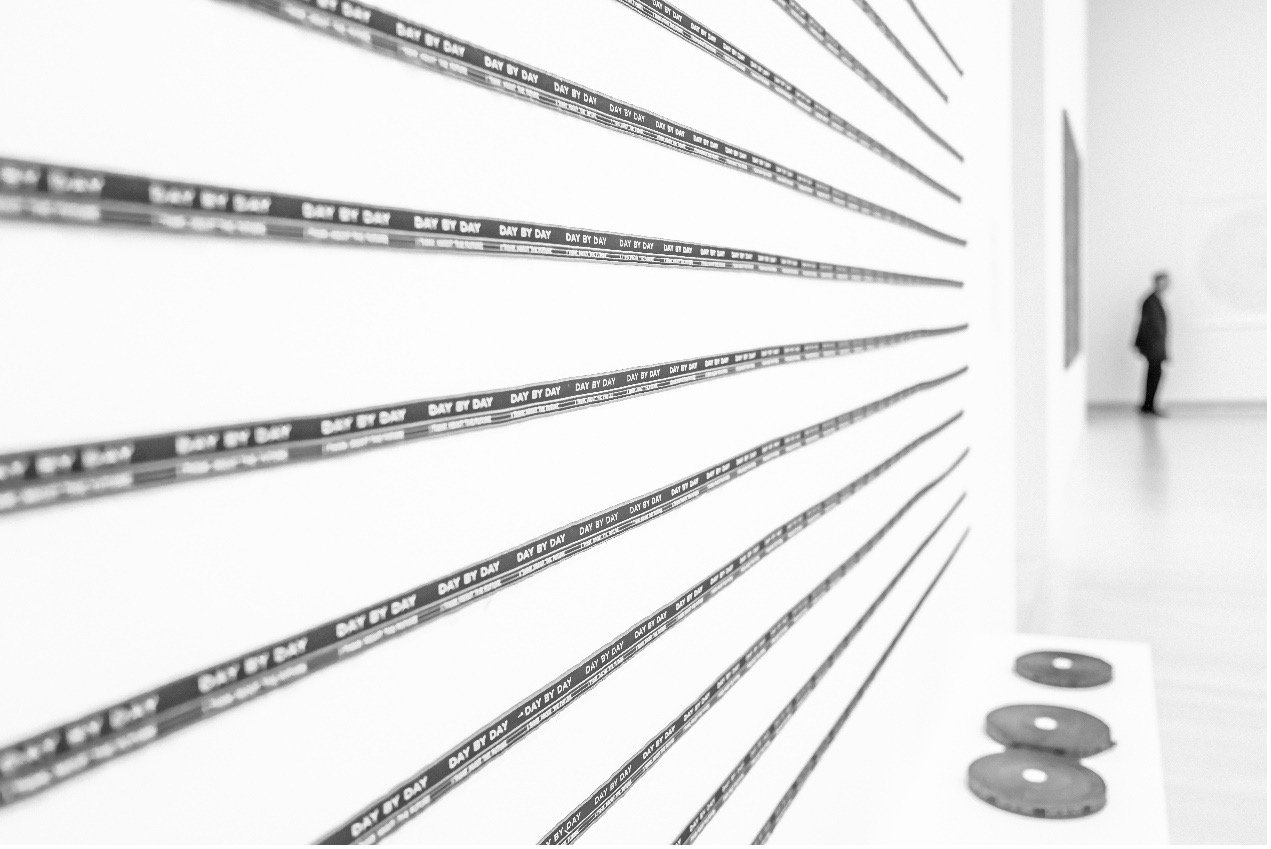
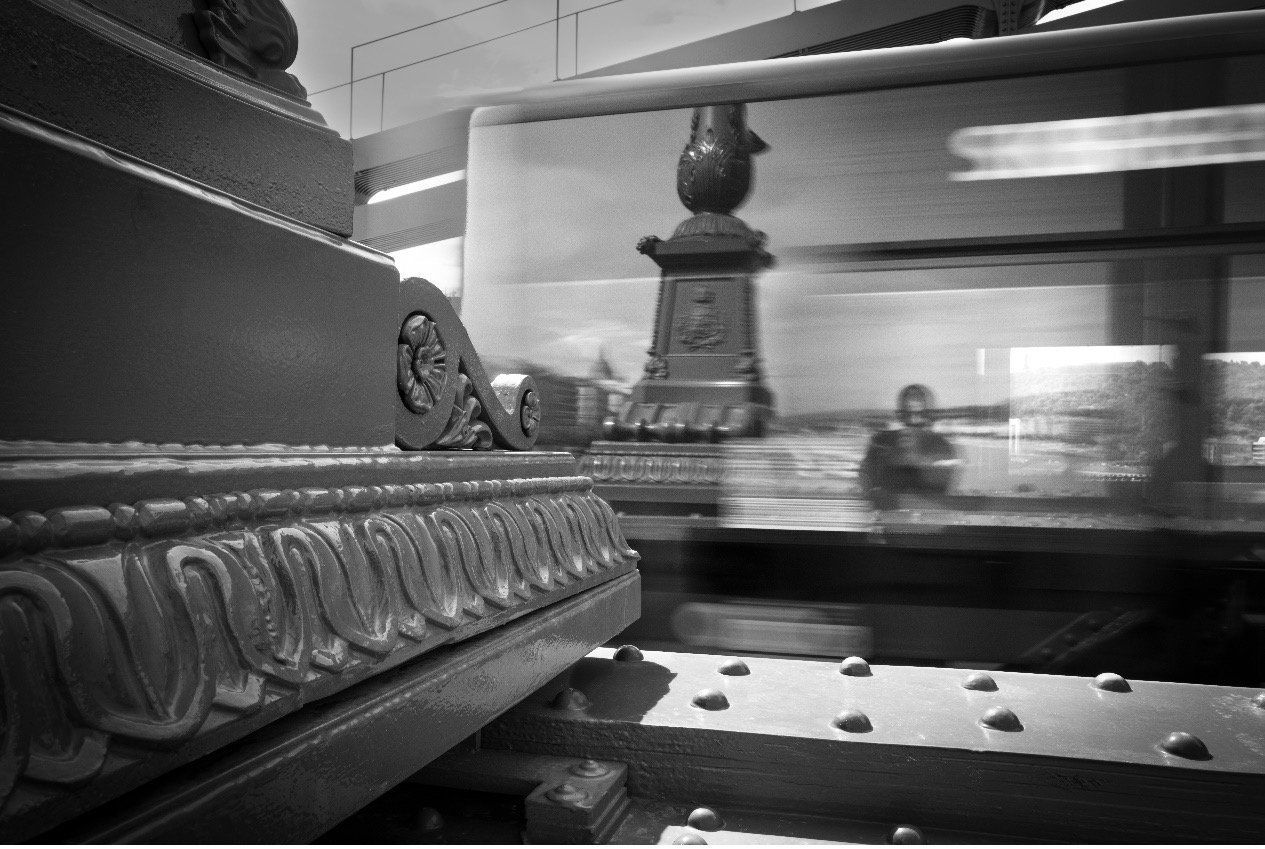
In Budapest, where the Danube divides Buda from Pest, the city is a living testament to the power of geometry, a silent symphony of shapes and forms that tell stories without words. Here, the architecture, museums, and bridges speak in a language of angles and arcs, creating an urban feeling that is as palpable as the cool breeze that drifts from the river at dawn.
The geometry of Budapest is not just a matter of lines and angles, but a tapestry woven from history, culture, and the lingering echoes of an empire. The city's bridges and museums stand as silent witnesses to its Austro-Hungarian roots, each structure a chapter in a story told through stone, steel, and space.
Bridges span the Danube like elegant, architectural equations, each one a solution to the problem of crossing the mighty river. The Széchenyi Chain Bridge, with its iron links and stone pylons, is a study in balance and symmetry. The cables stretch taut, forming perfect parabolas that connect the twin shores, while the arches beneath them echo the gentle curve of the water below. In the early morning, when the mist rises from the Danube, the bridge seems to float, its reflection in the water a ghostly double that adds another layer to the city’s geometry.
As night falls, the city transforms. The lights from the bridges flicker on, illuminating their geometric forms against the darkened sky. The museums, too, take on a different character, their façades bathed in soft, artificial light that highlights their structural beauty. The streets, empty now, become a grid of glowing lines, leading the eye toward the river, where the reflections of the buildings and bridges merge into a shimmering, geometric tapestry.
In Budapest, the geometry of the city is more than just a matter of shapes and forms. It is an expression of the city’s soul, a silent language that speaks of history, art, and the enduring connection between the natural and the man-made. The bridges, museums, and buildings are not just structures; they are the elements of an urban feeling, a sense of place that lingers long after the last light has faded from the sky.
And as the day turned to night, the city continued to breathe, its urban feeling a blend of old and new, a reminder that the past was always present, shaping the geometry of the future.
Parallel Realities
by Catia Montagna
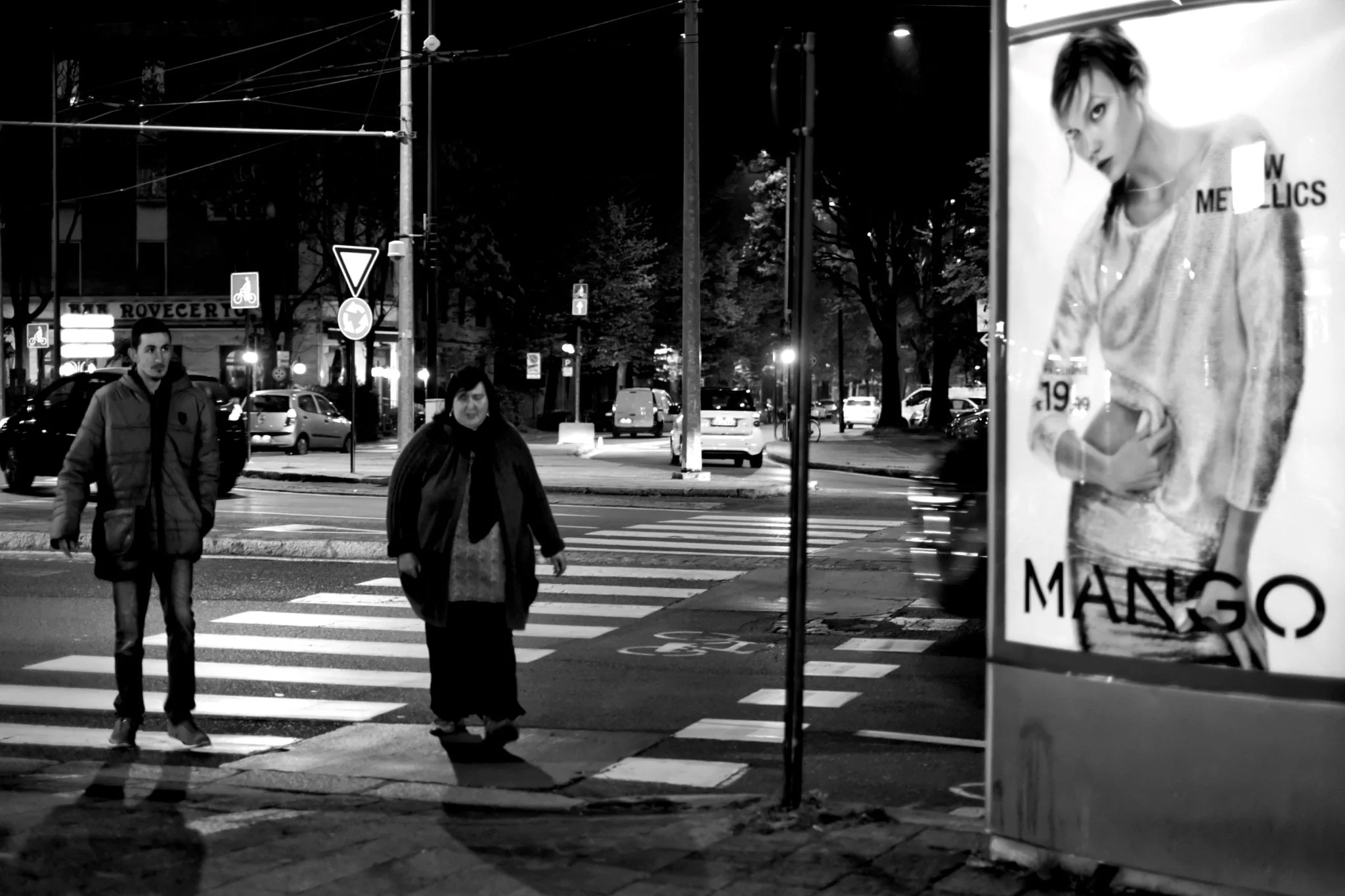
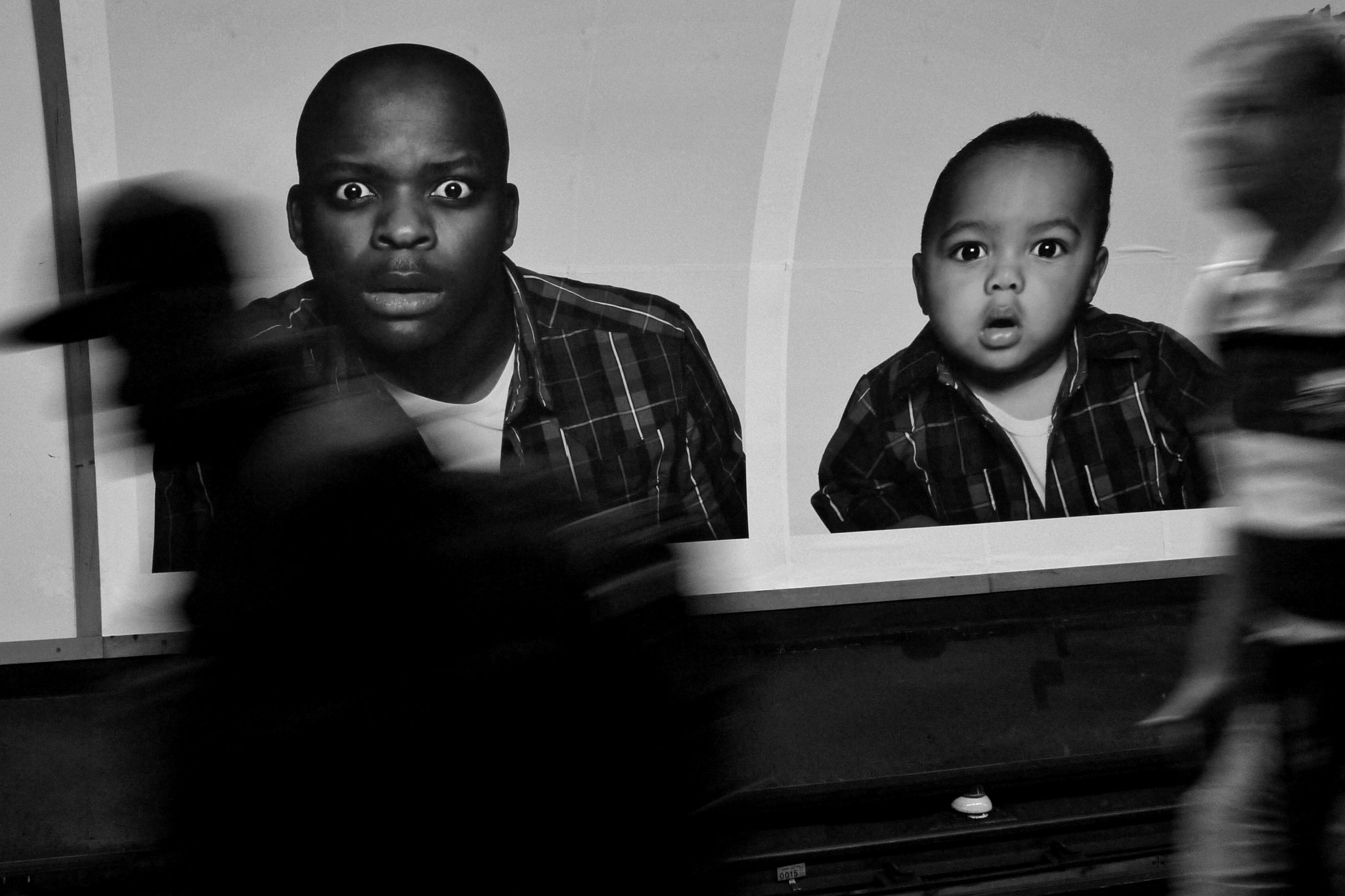
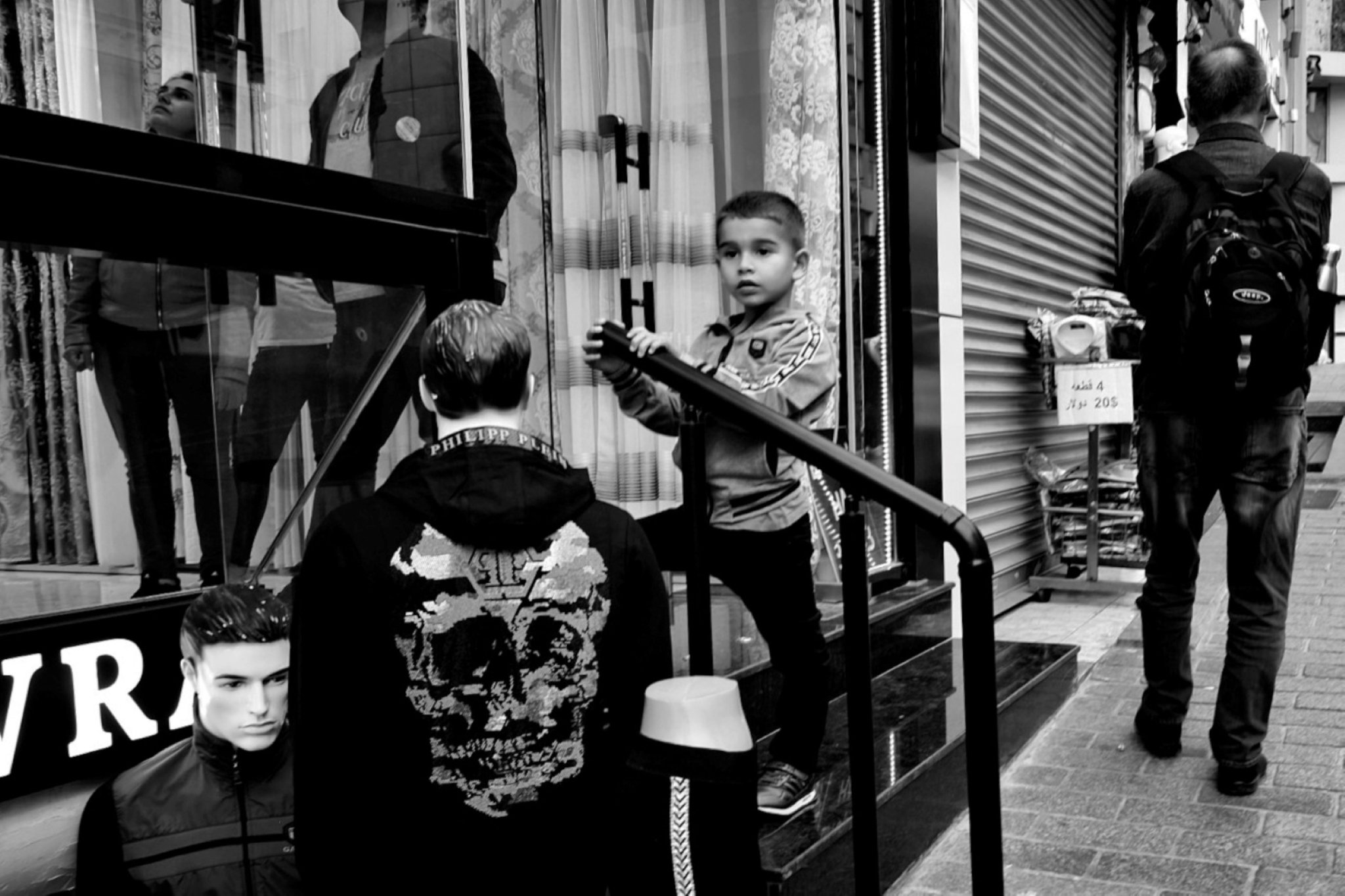
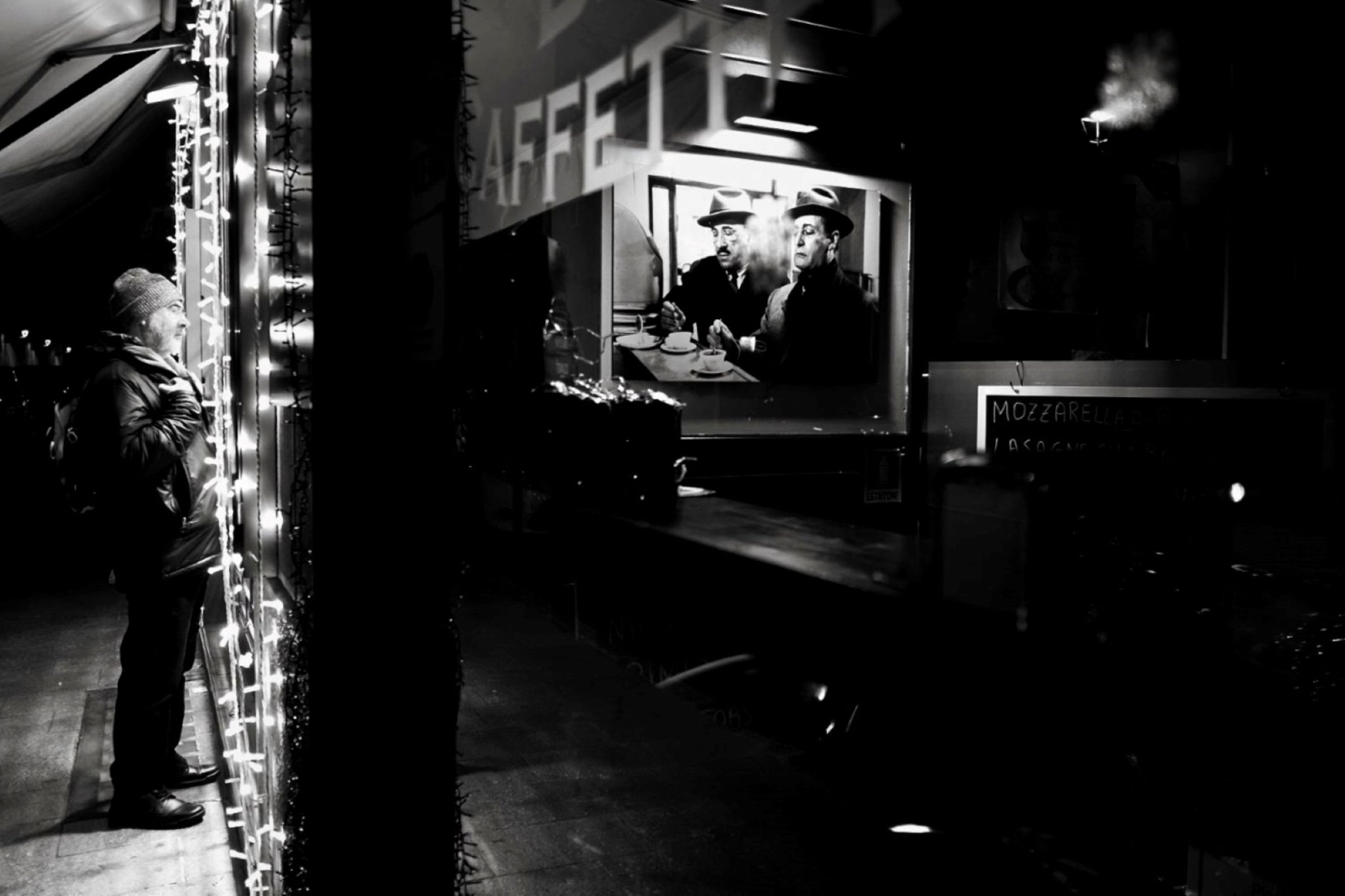
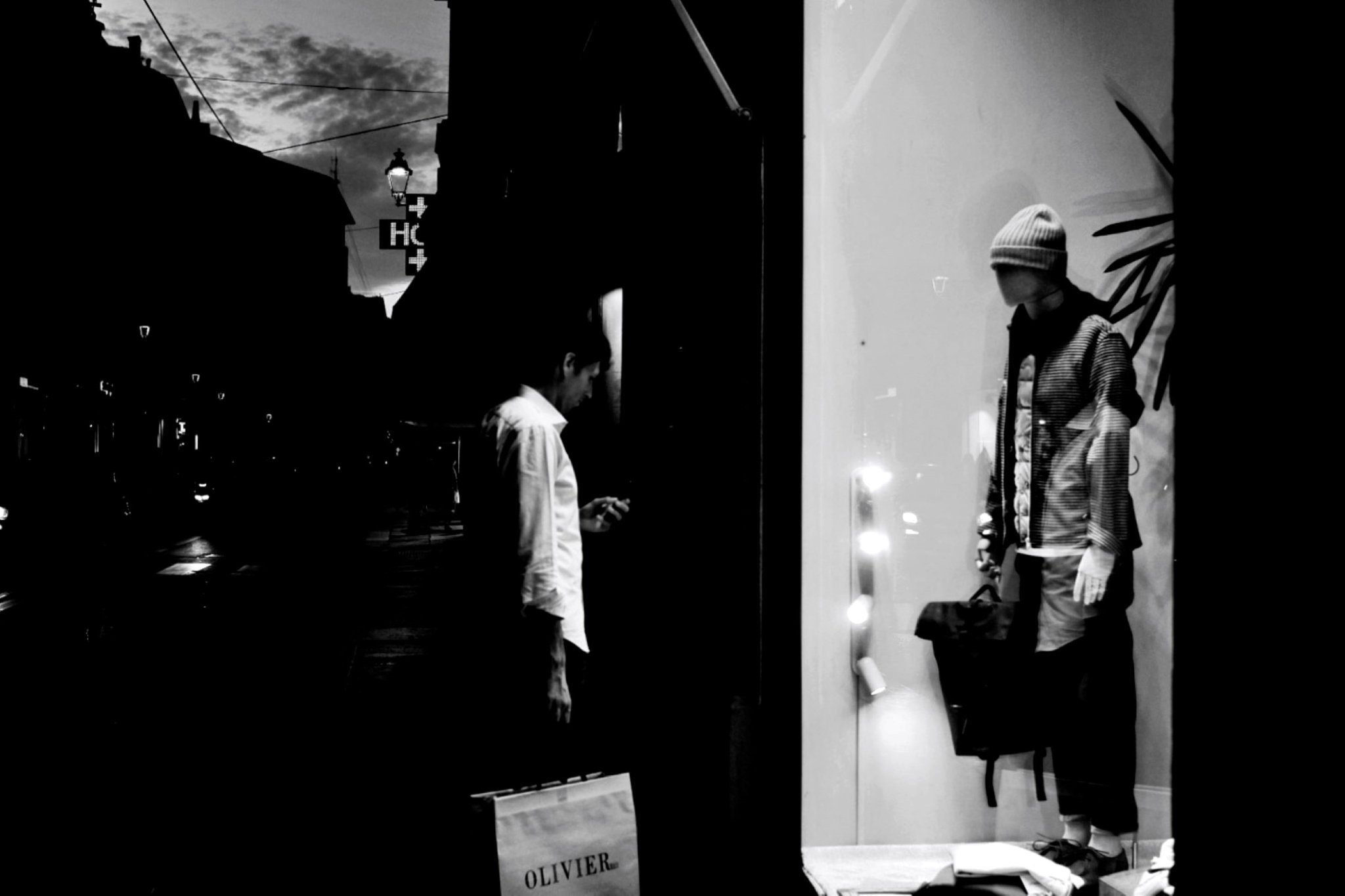
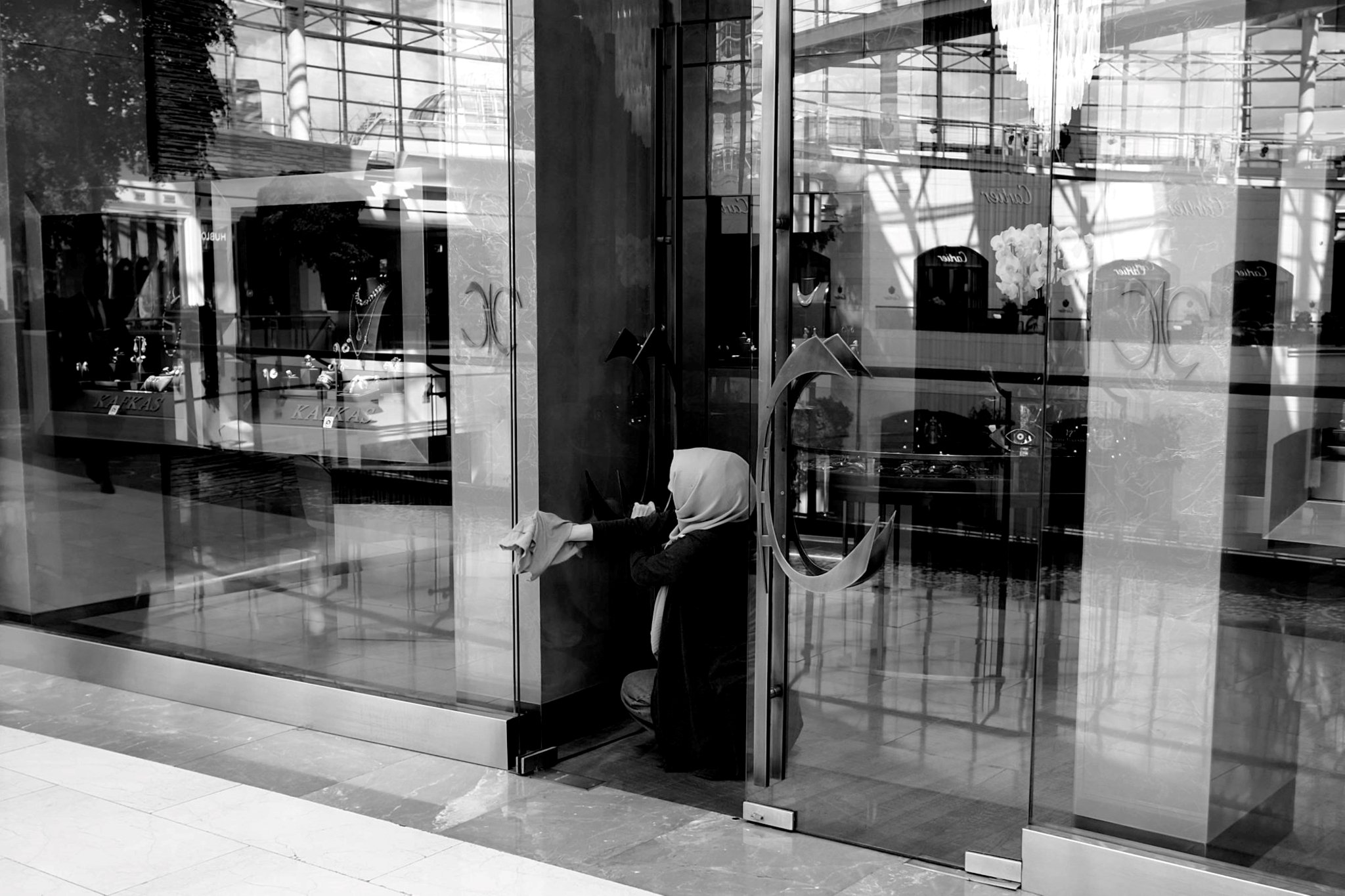
"I consider consumerism as a form of fascism worse than the classical one ... A form of fascism capable of homogenising societies by depriving of reality the different lifestyles." (Pier Paolo Pasolini)
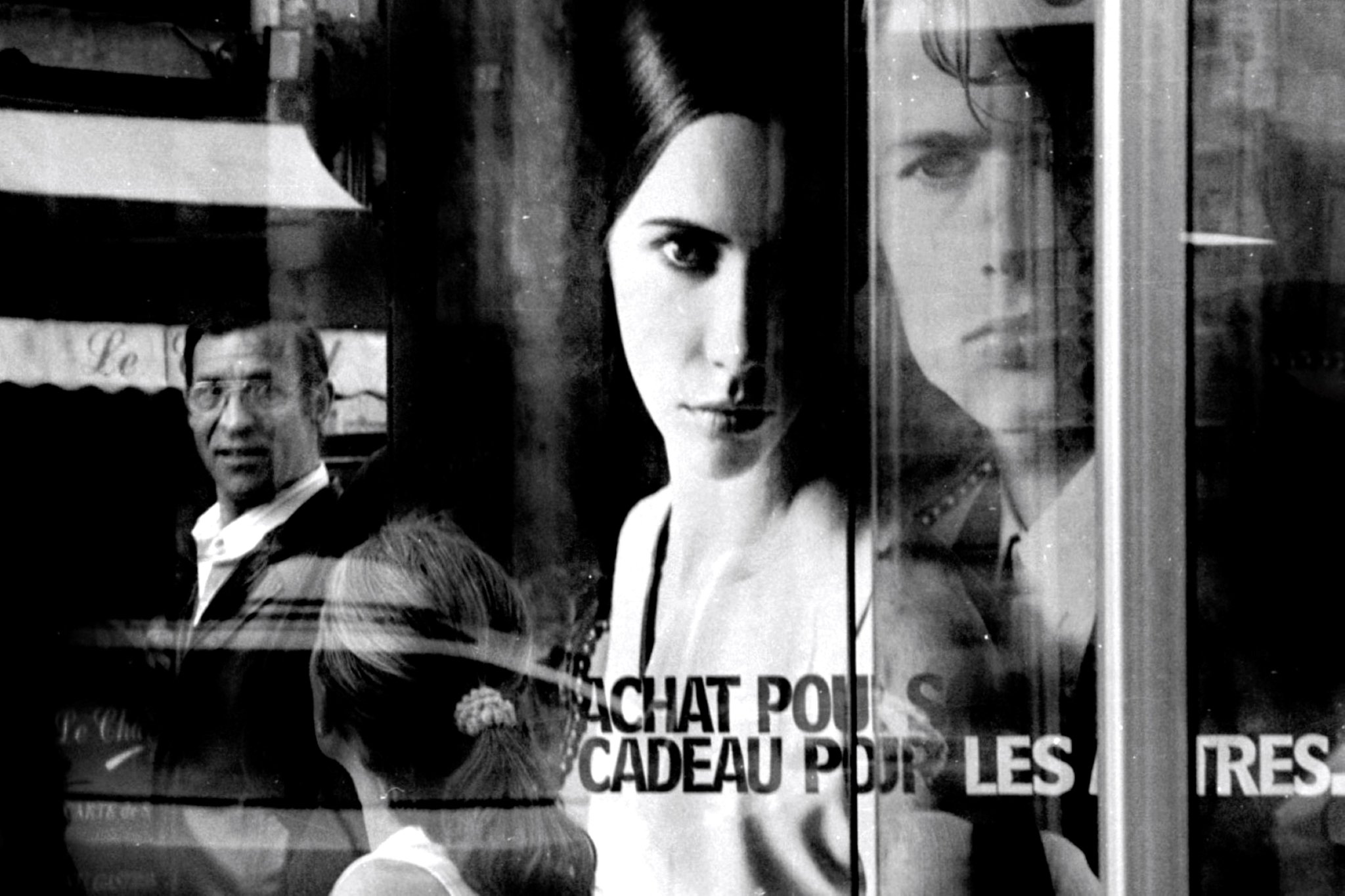
The world over, we go about our life surrounded by images and messages designed to draws us into an artificial world that commodifies our daily experiences. By offering the alluring suggestion of a comforting escape from our ‘normal’, these images generate ever evolving material needs. But, crucially, they also propose unattainable role models. Palpable is then the contrast between our real lives and the idealised lives of this glossy other world we are invited to crave for. A world that makes our normality look 'imperfect'.



A few hours with Eridano
by Catia Montagna
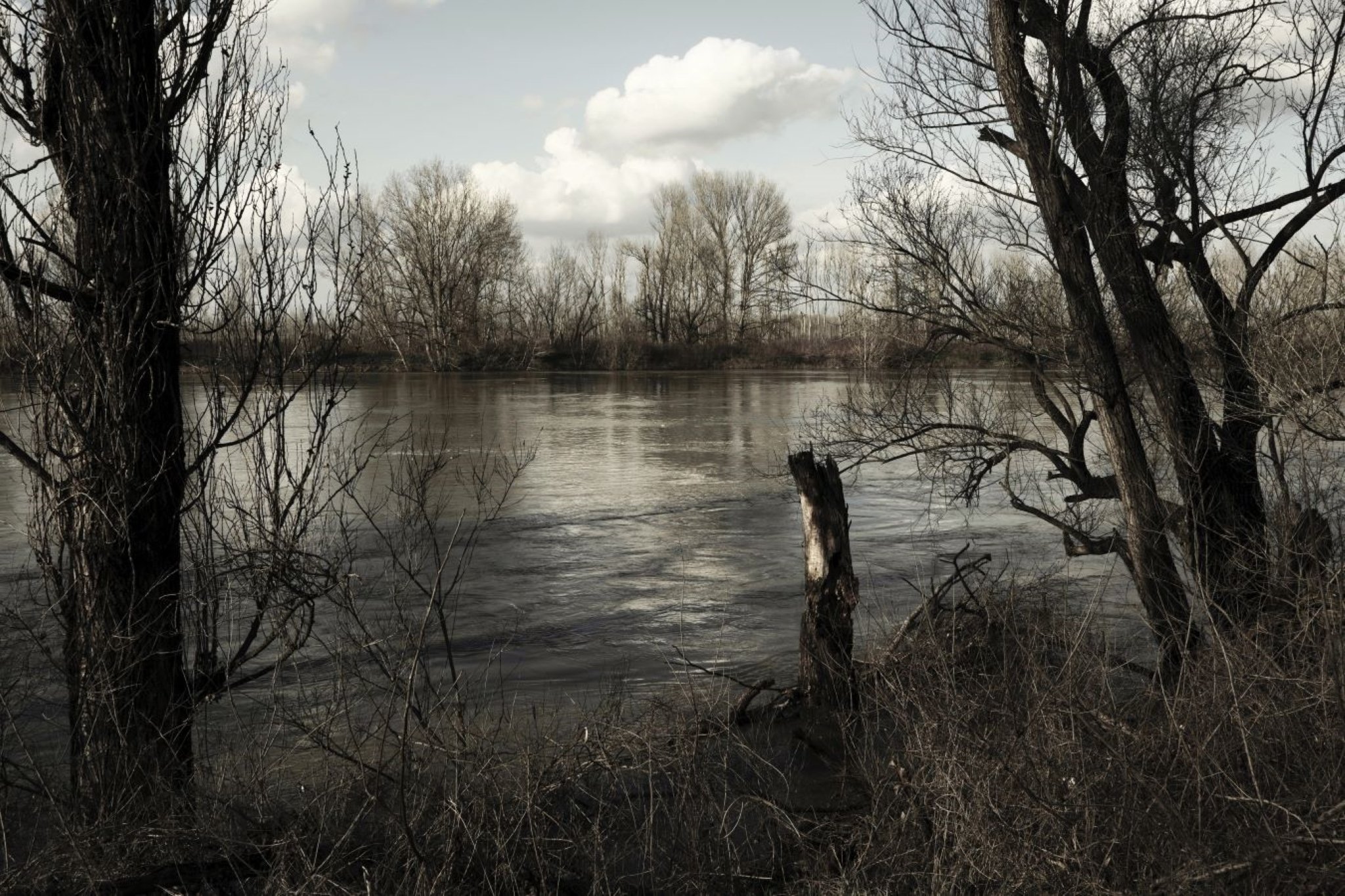
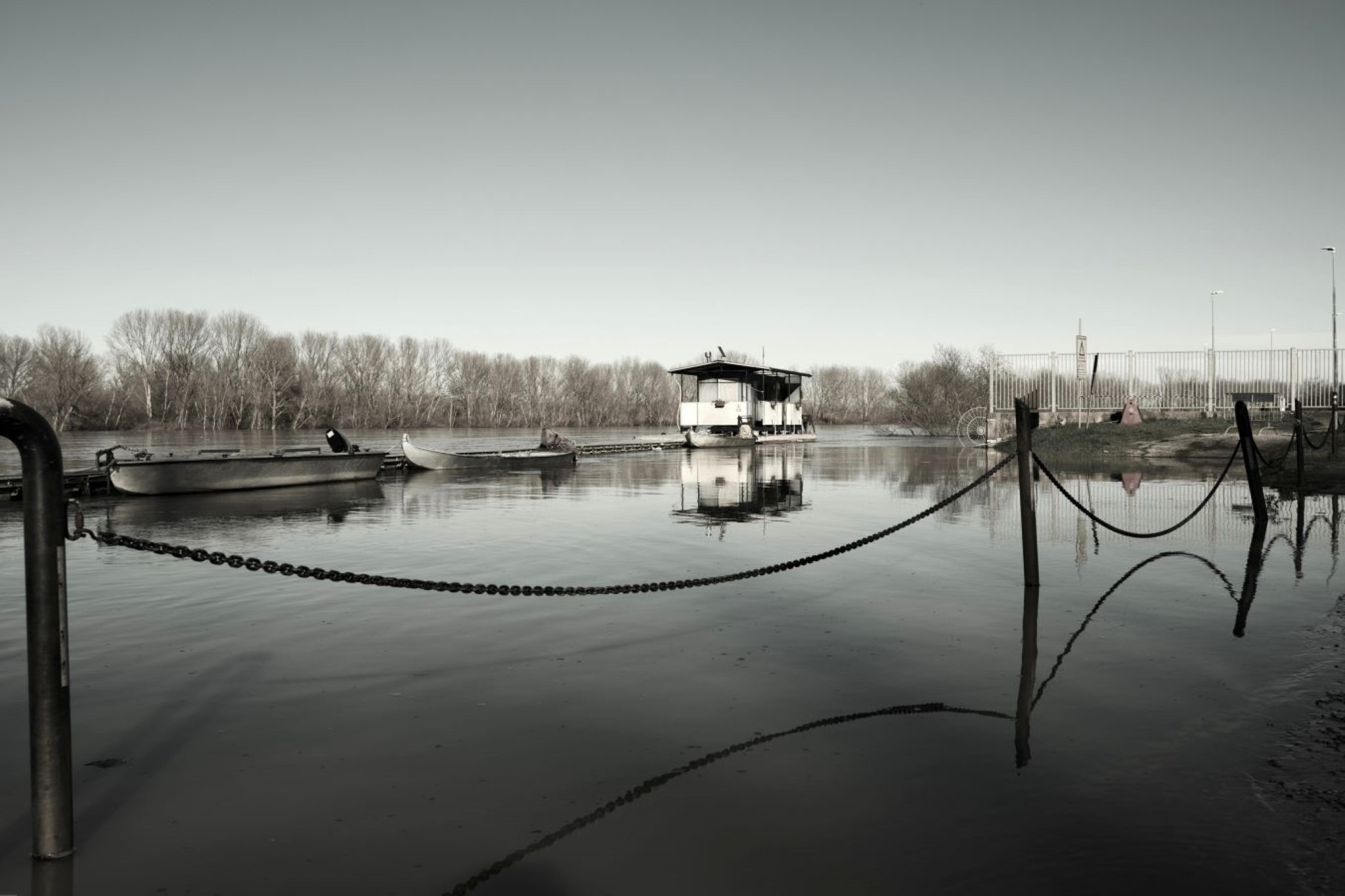
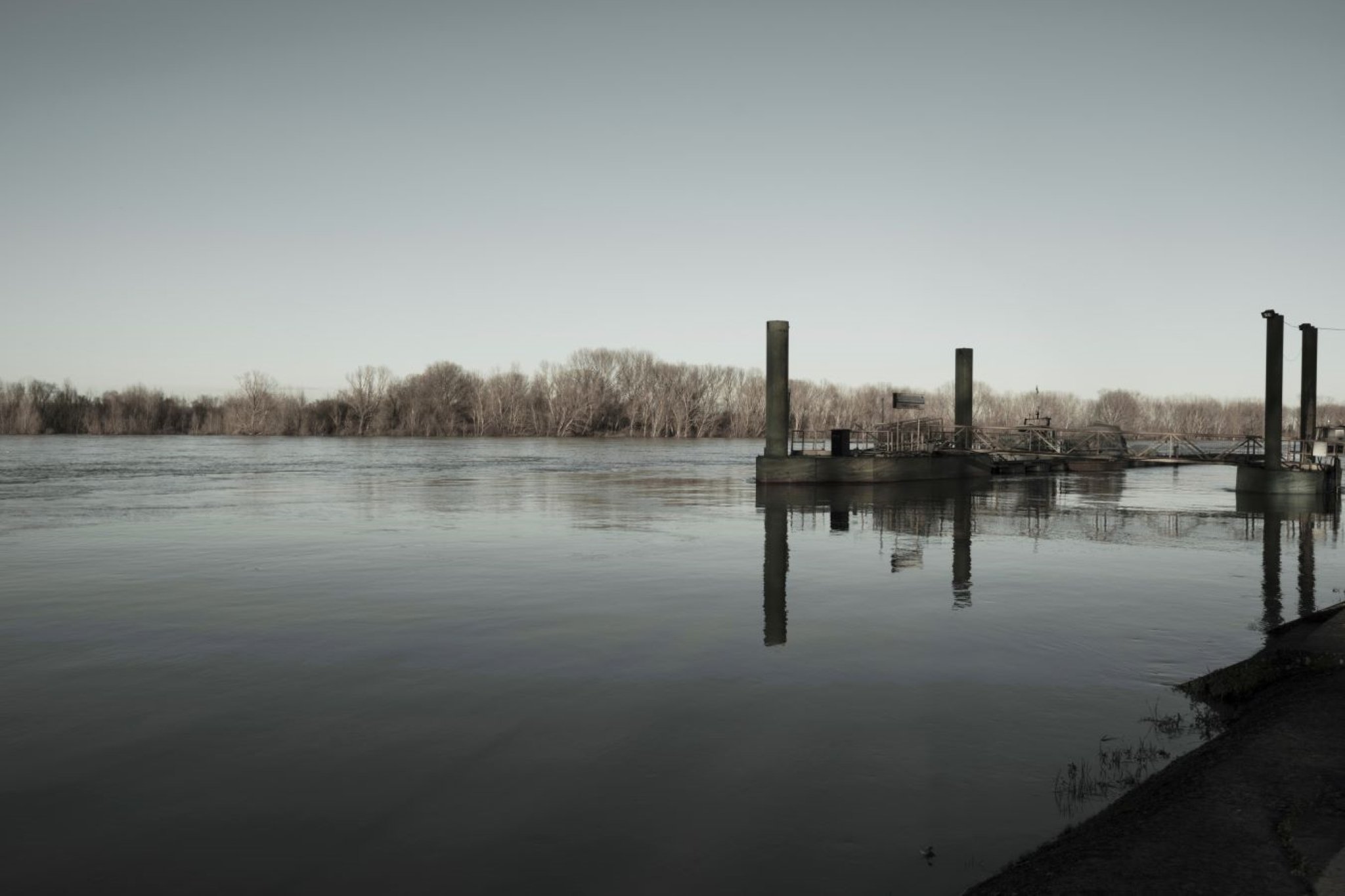
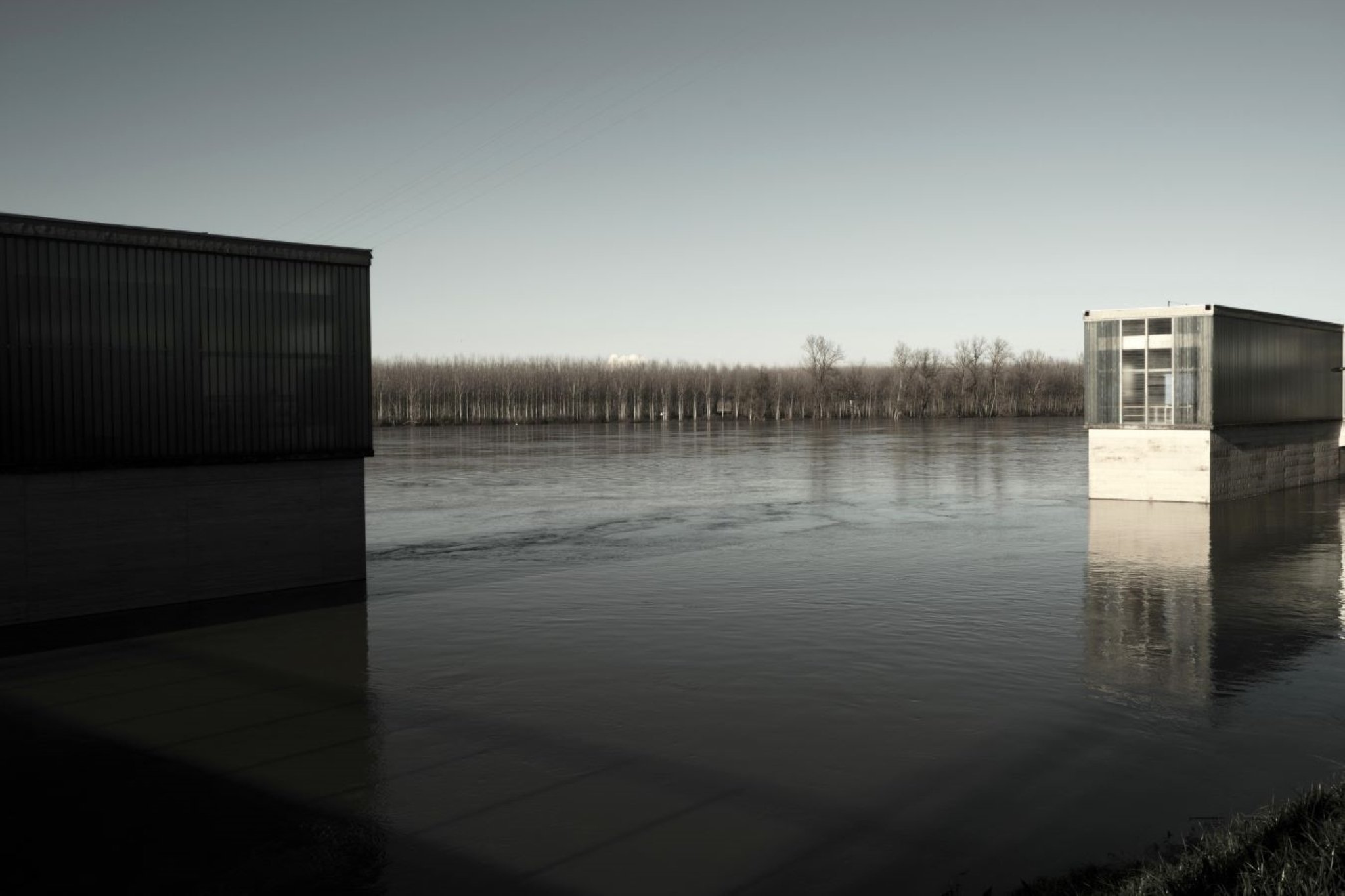
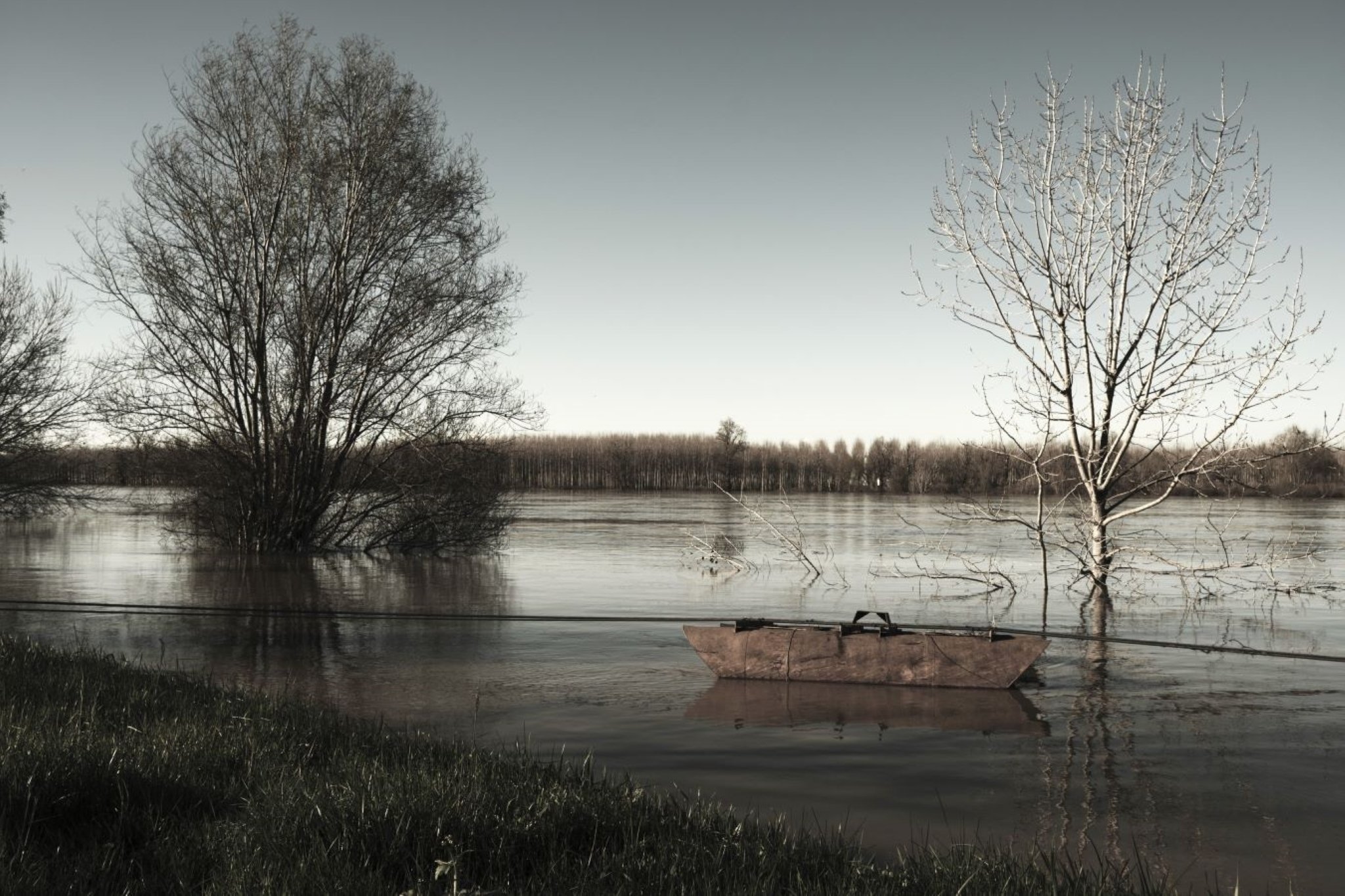
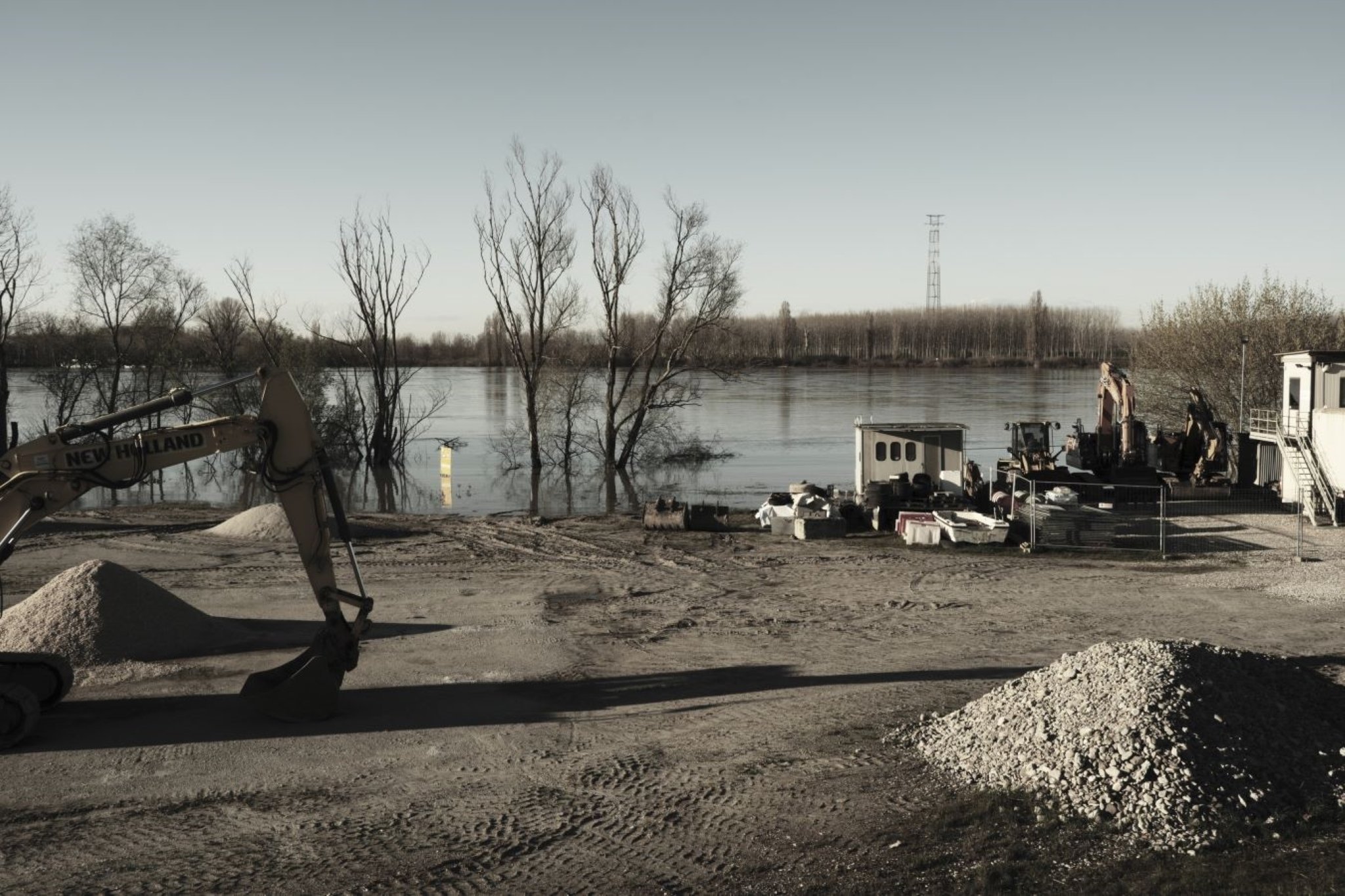
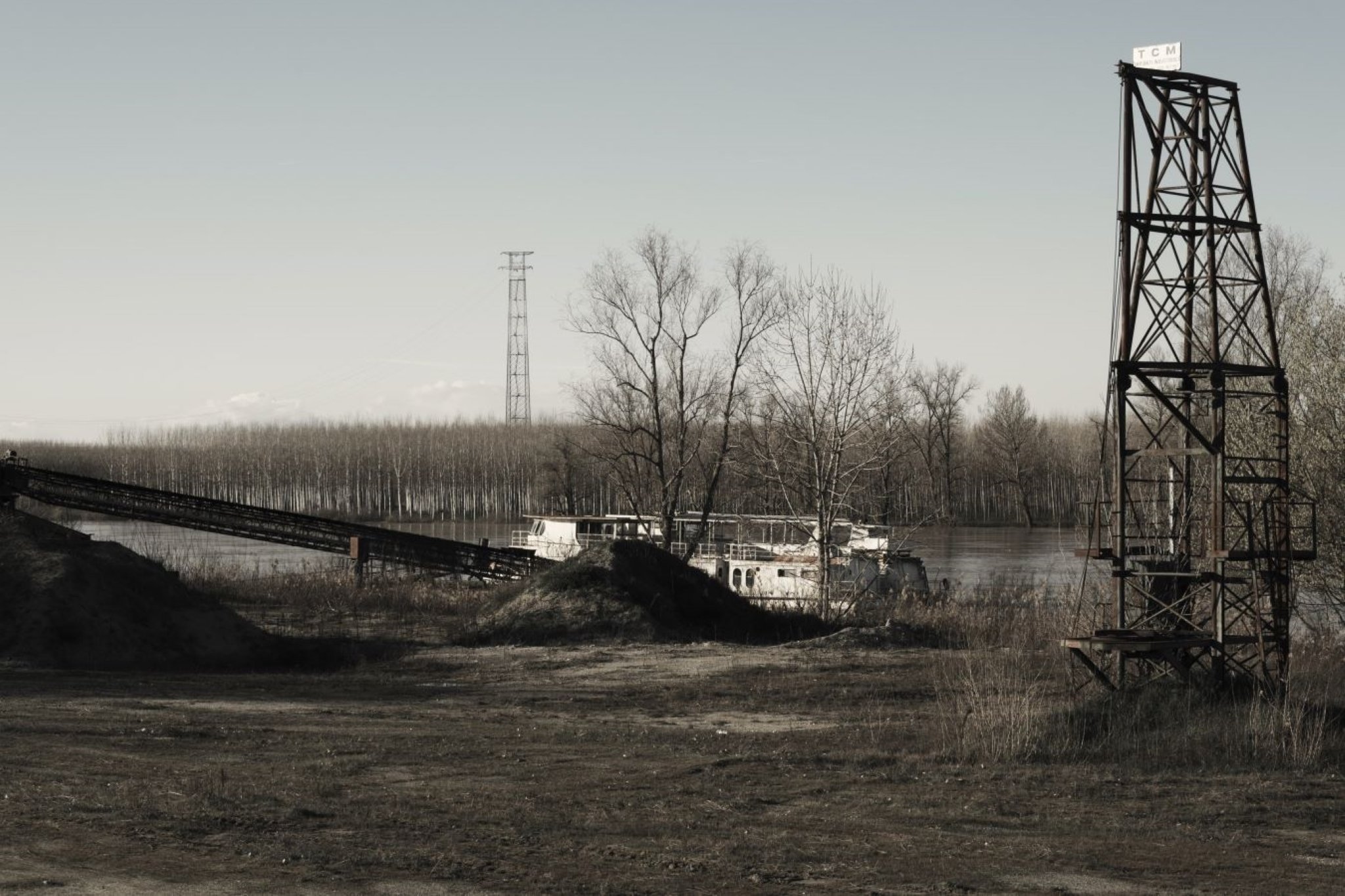
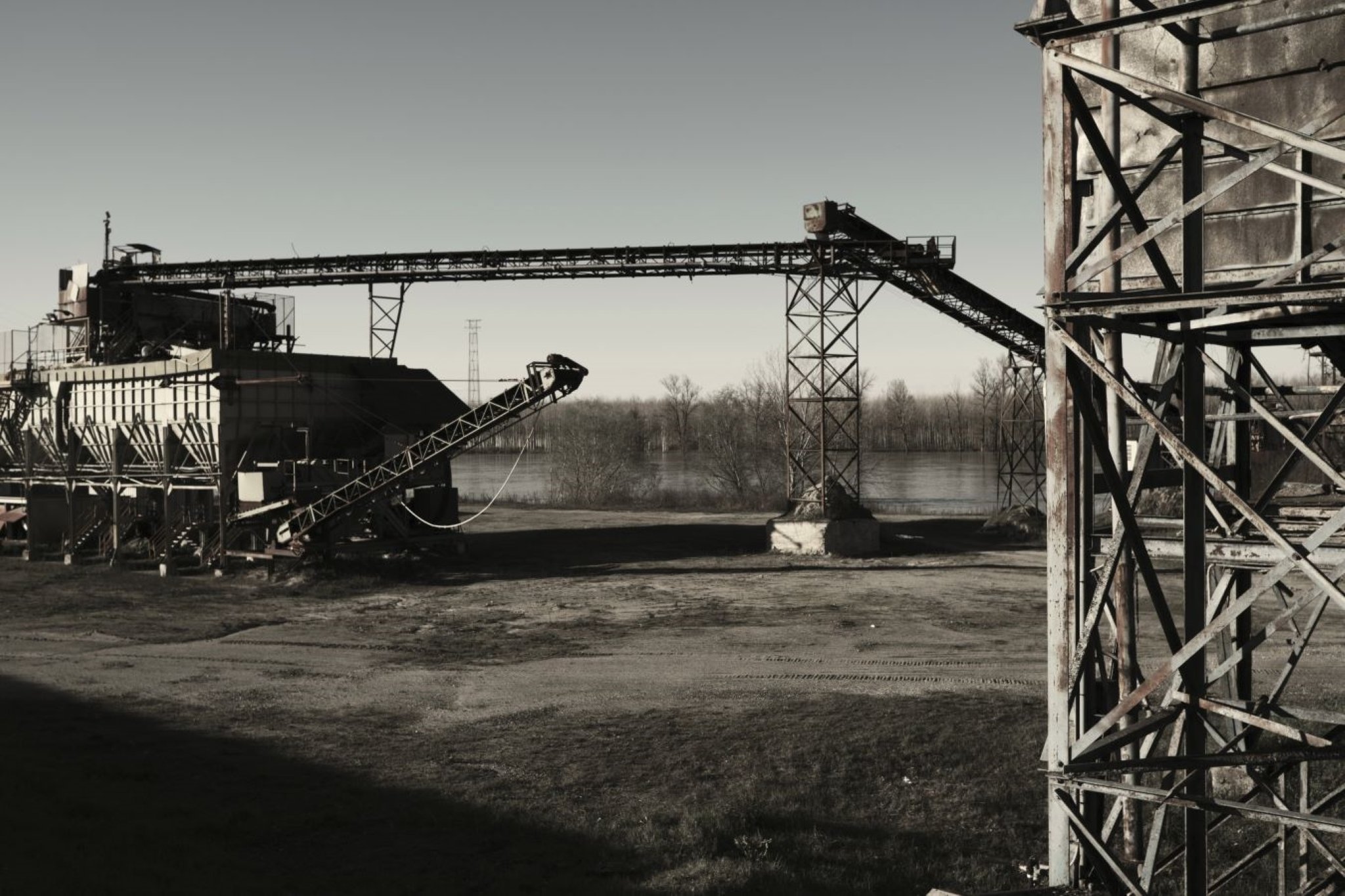
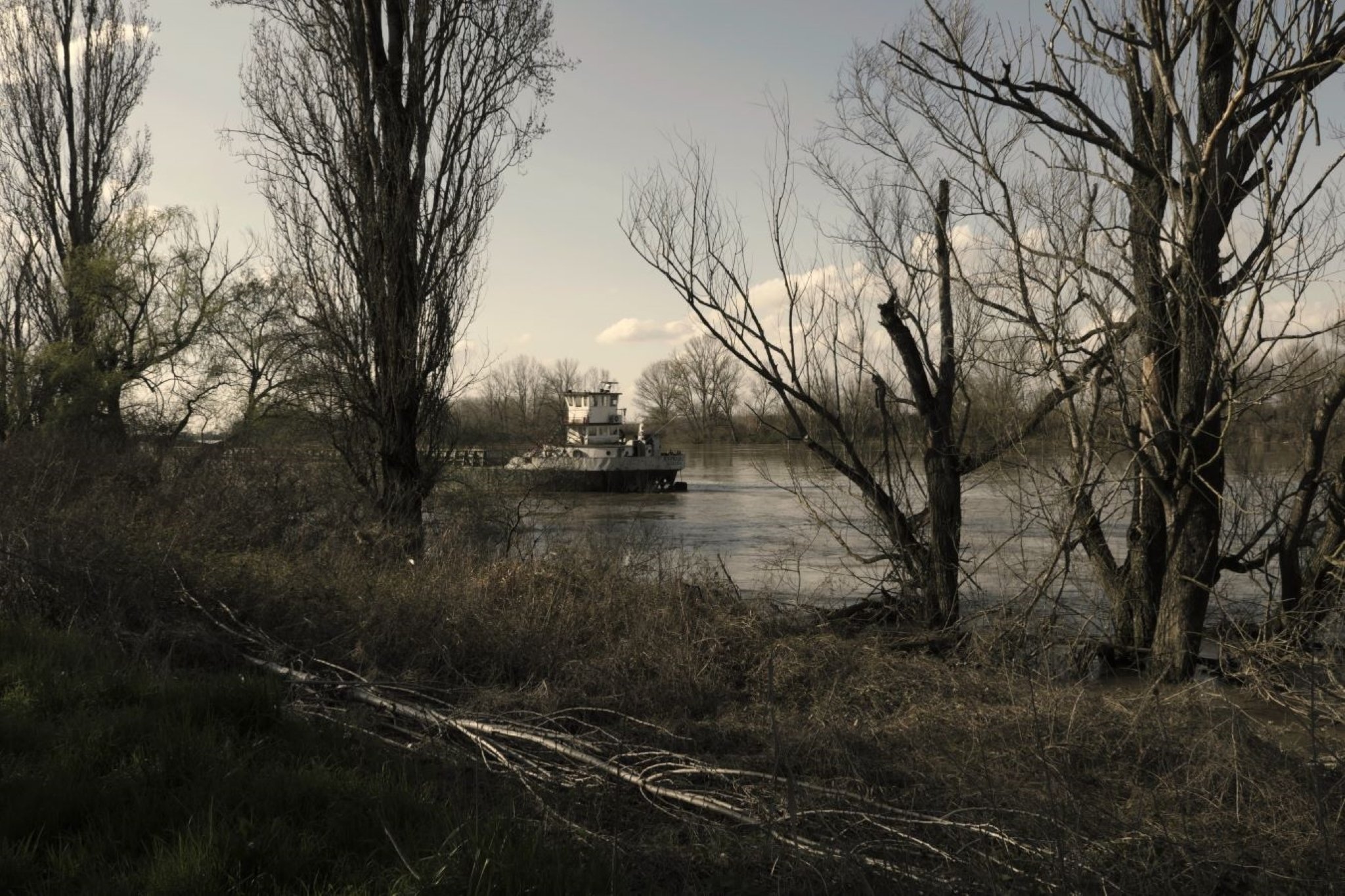
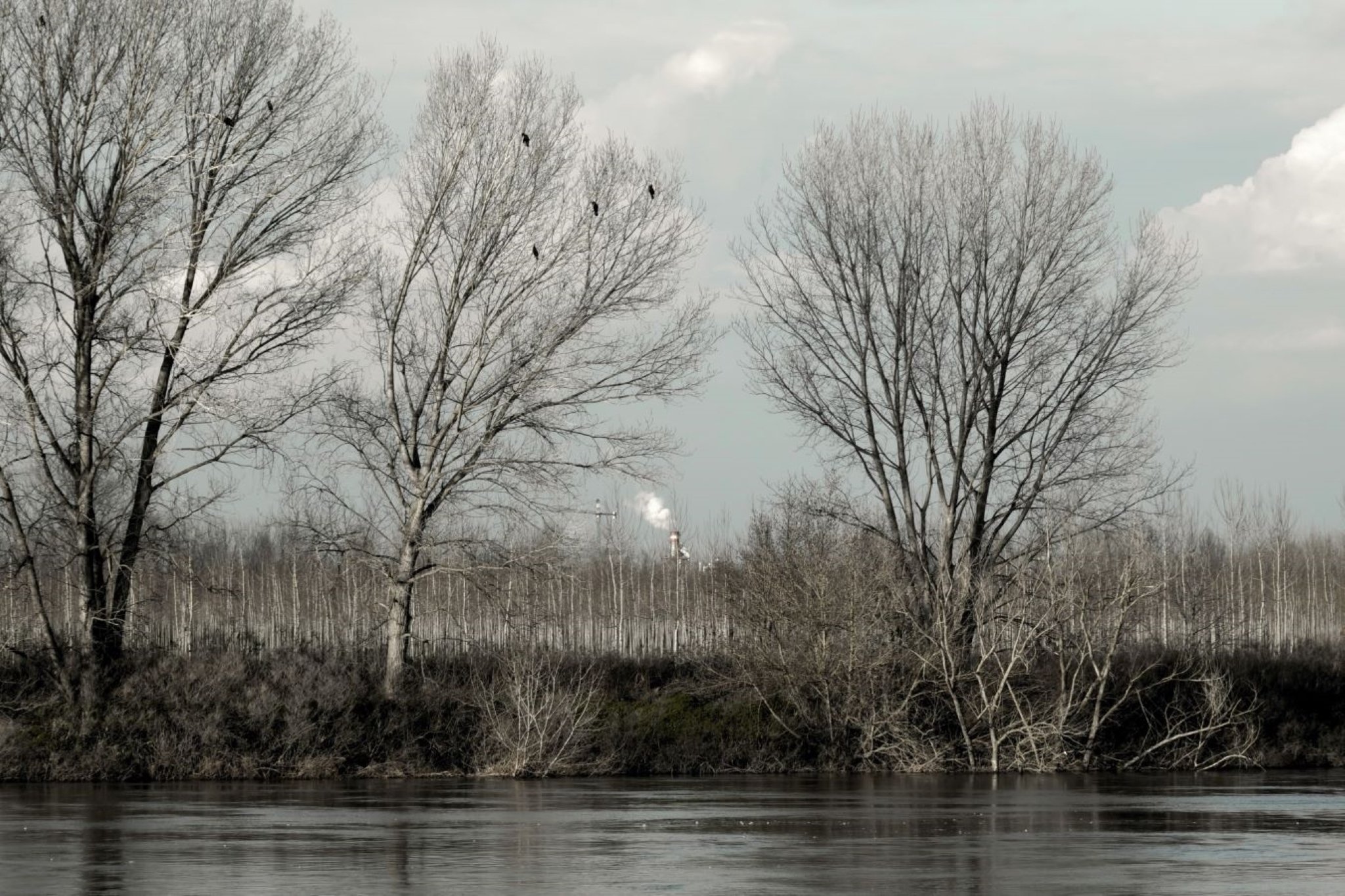
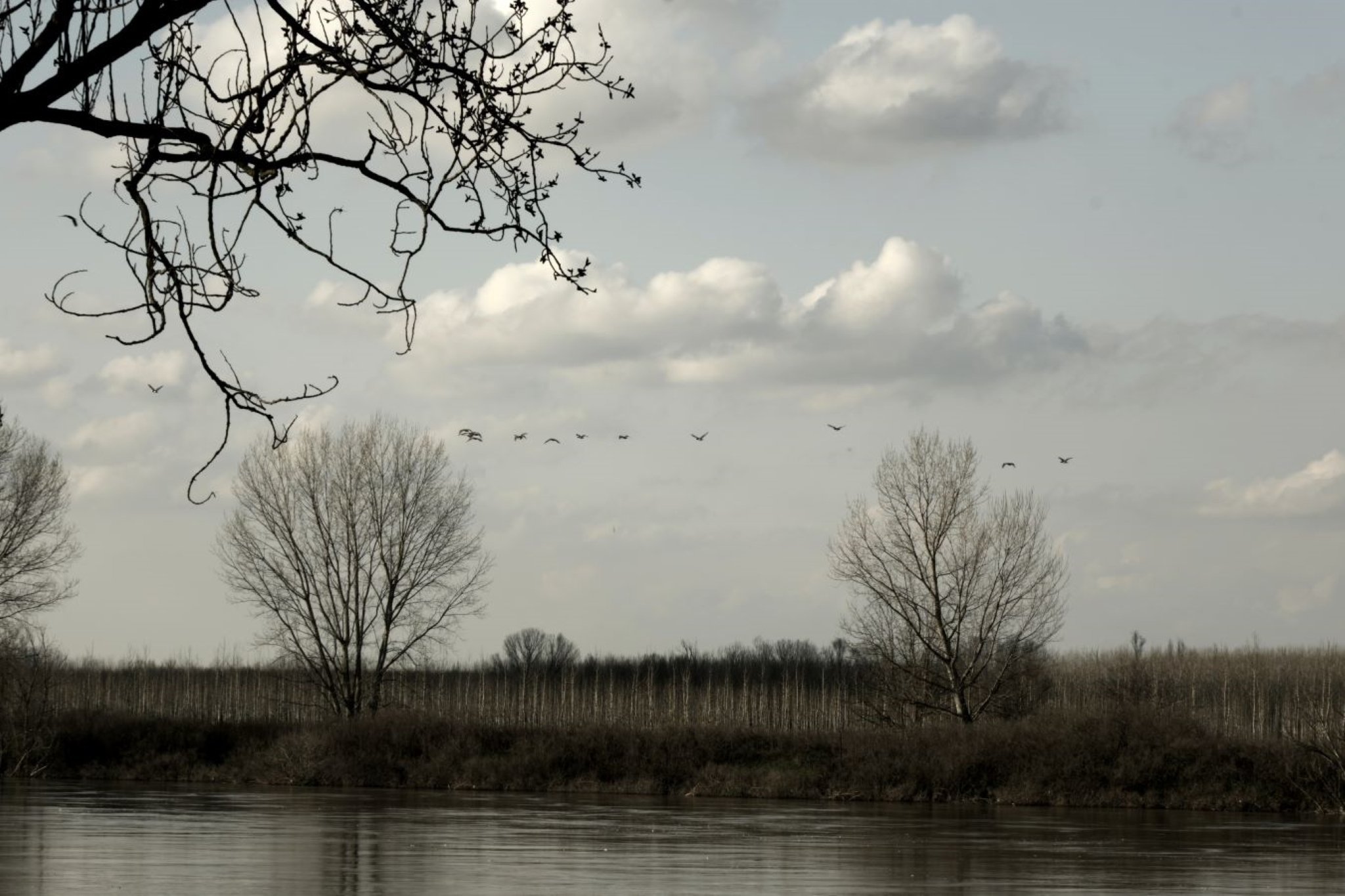
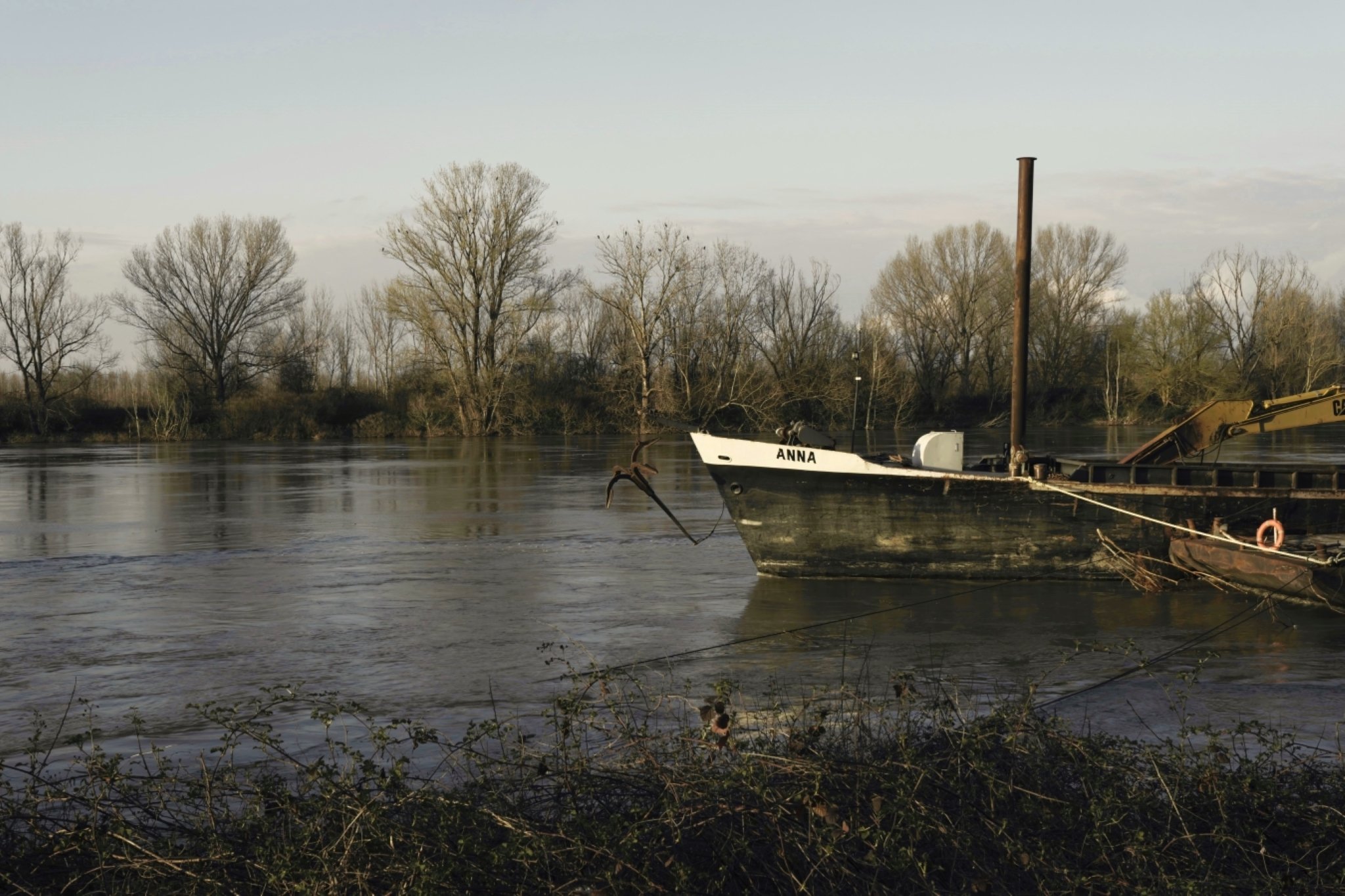
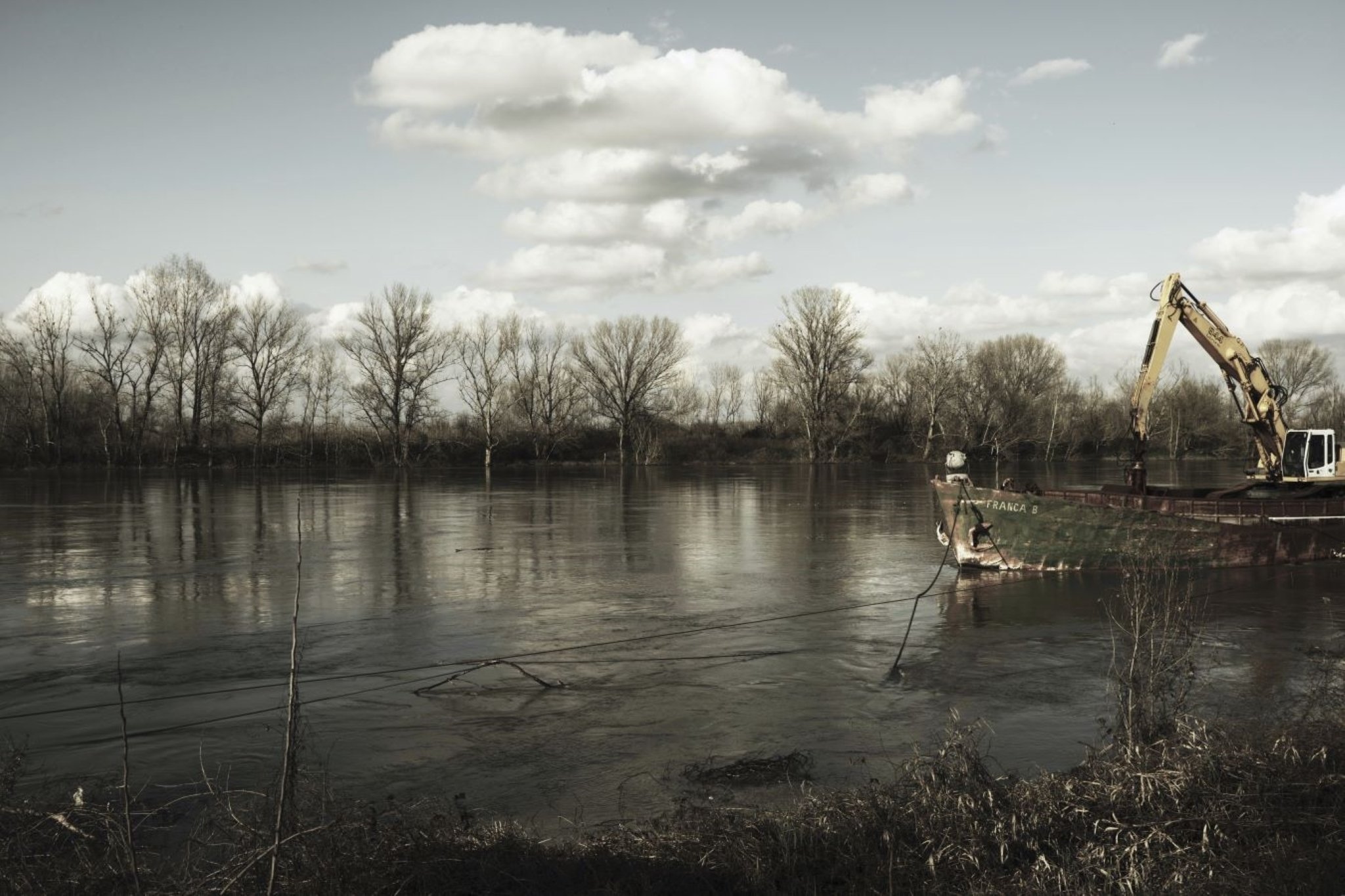
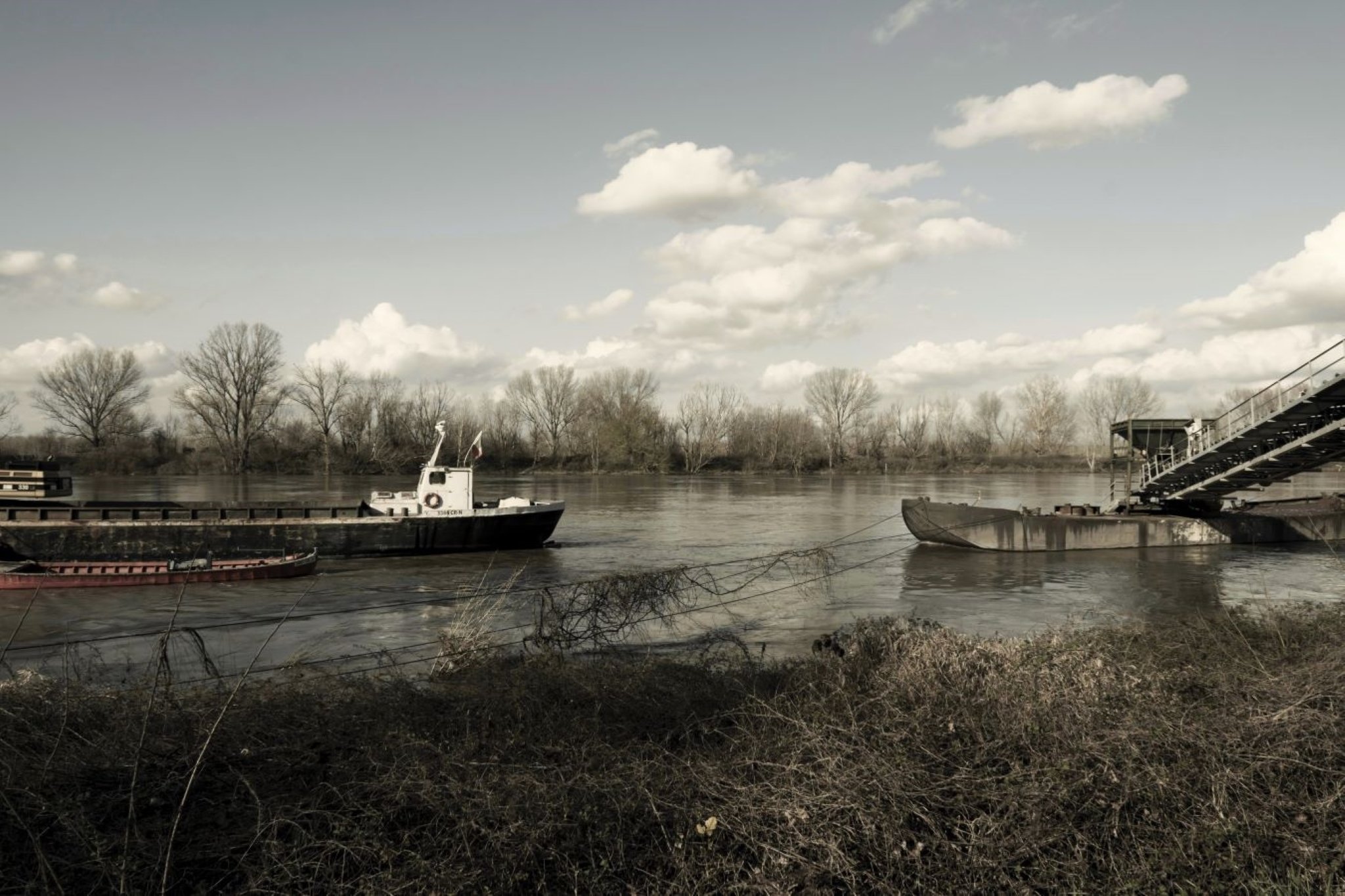
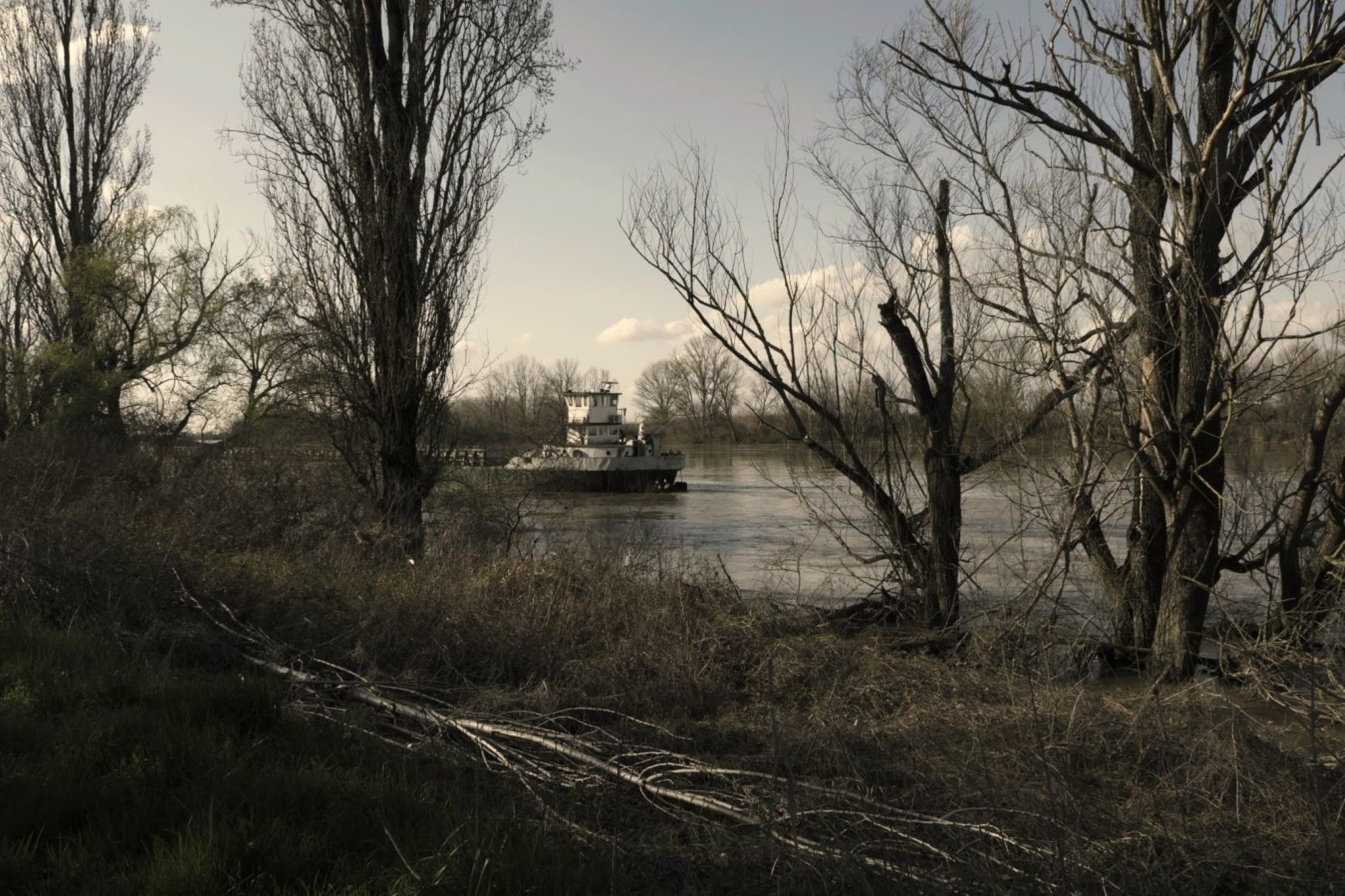
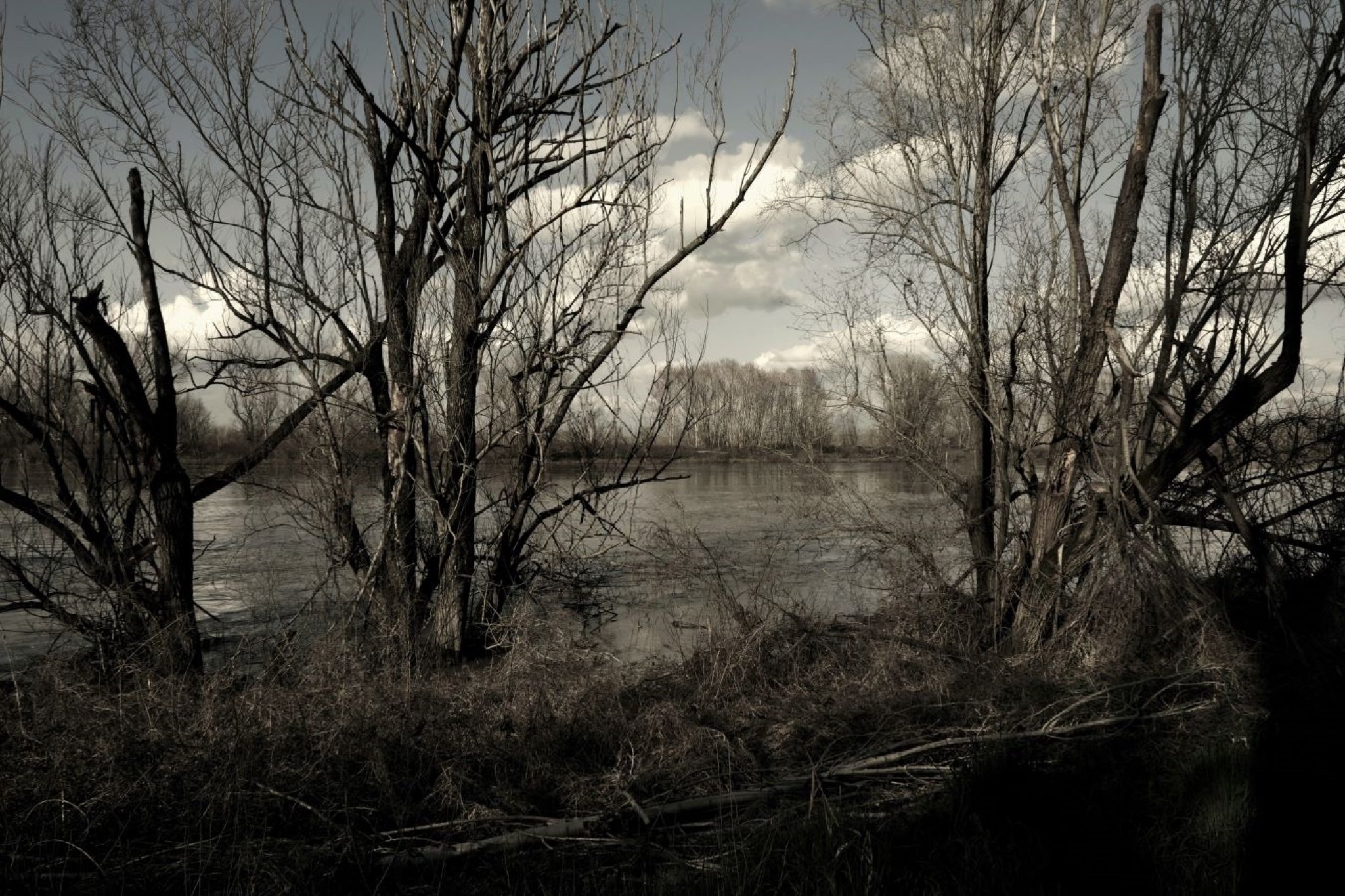
I am originally from the Emilia Romagna region of Italy, whose northern border is delimited by the Po – known in Roman times as Eridano – the widest and longest of Italian rivers. A fascinating river, the Po is the soul and lifeblood of the fertile valley that stretches from west to east across northern Italy and is one of the most important industrial and agricultural areas in Europe.
I have never lived near the river and do not visit it often. Recently I had the opportunity to spend a few hours on its banks in Boretto, at a time when it was threatening to flood the surrounding areas.
The last time I had crossed it was in the summer of 2022, the year of the worst drought the river had seen in two centuries. I was then assailed by a deep sense of anguish and anxiety that went far beyond the knowledge of the terrible consequences the drought was having on the environment and the economy of the country. Eridano was dying. To see it now so full of water was a relief, but my relief was veiled with melancholy at the known vulnerability of a river scarred by intense human activity and the effects of climate change.
I selected a film simulation setting on my Fuji camera with low saturation and good contrast. During post-production, I slightly decreased the saturation even more, mostly to reduce the blue in the sky, and adjusted the temperature slightly higher. I think the final result closely matches how I envisioned and "heard" the scenes.
Eridano is a Mythological river in direct connection with the Underworld, linked to the death of Phaeton, who fell into it. In ancient times, it was often identified with real rivers: the Rhone (Aeschylus) and the Po (in the majority of writers); others placed it in the regions of Northern Europe.

OLD MAN'S PHOTOWALK
by Bogo Pečnikar
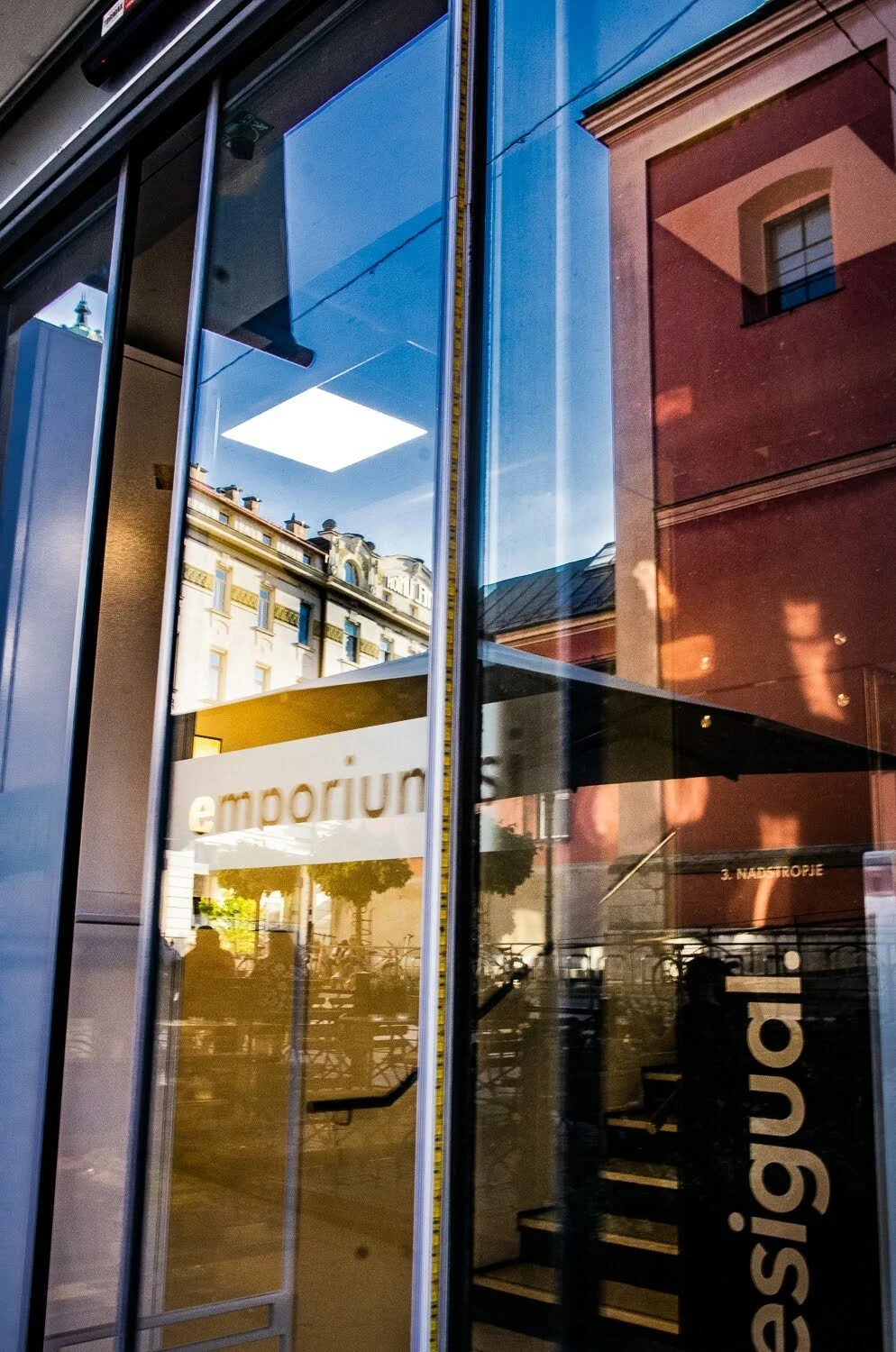
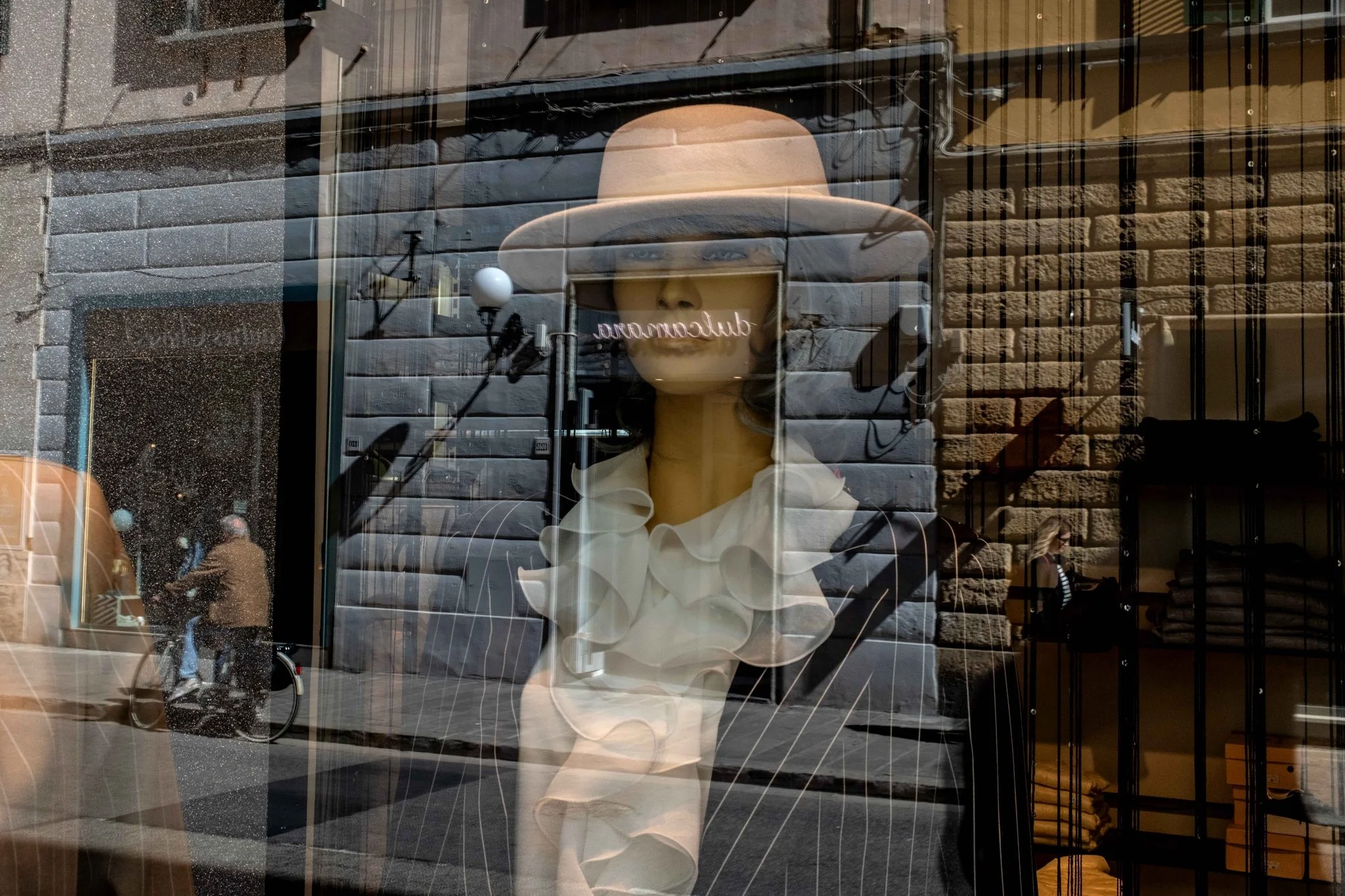
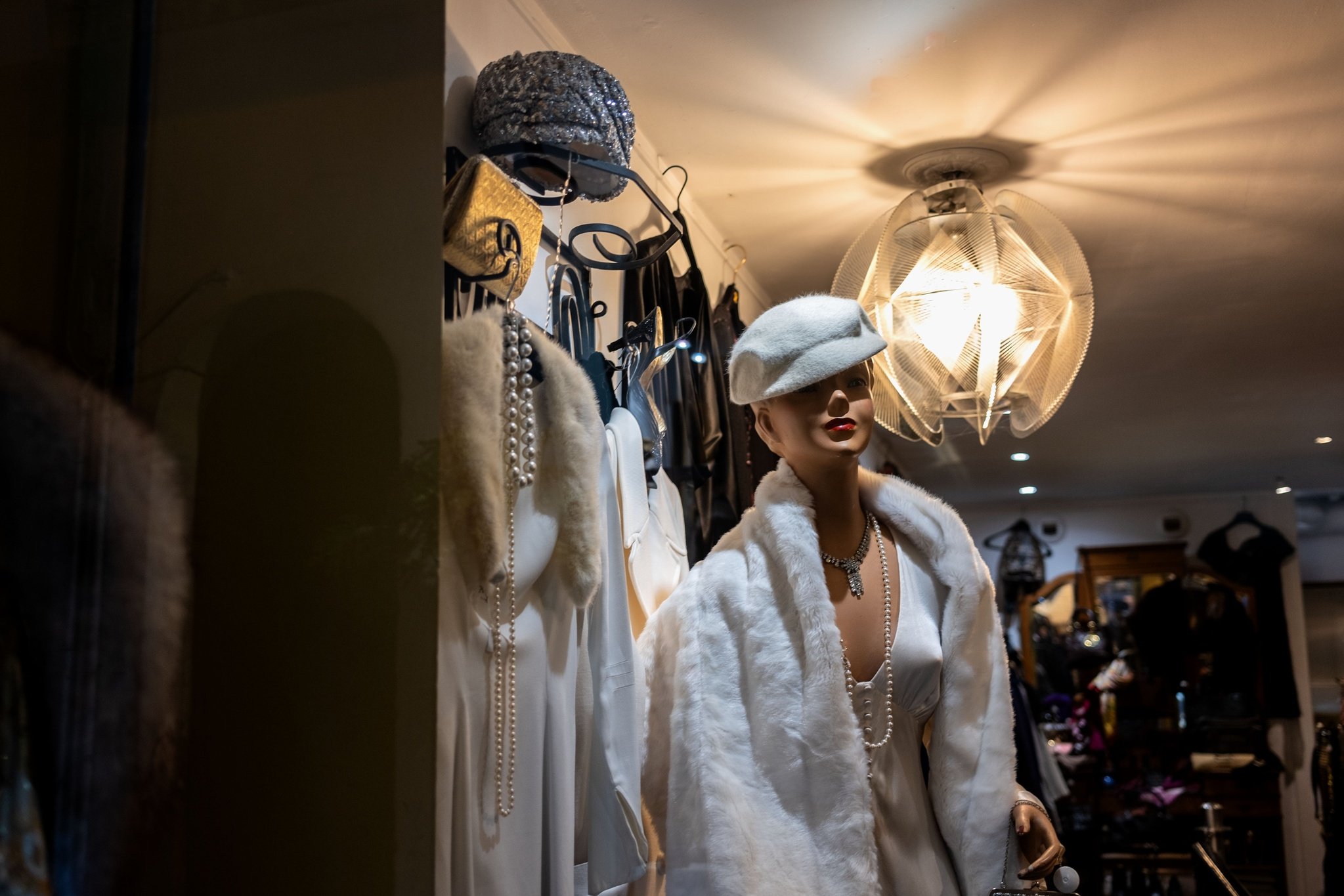
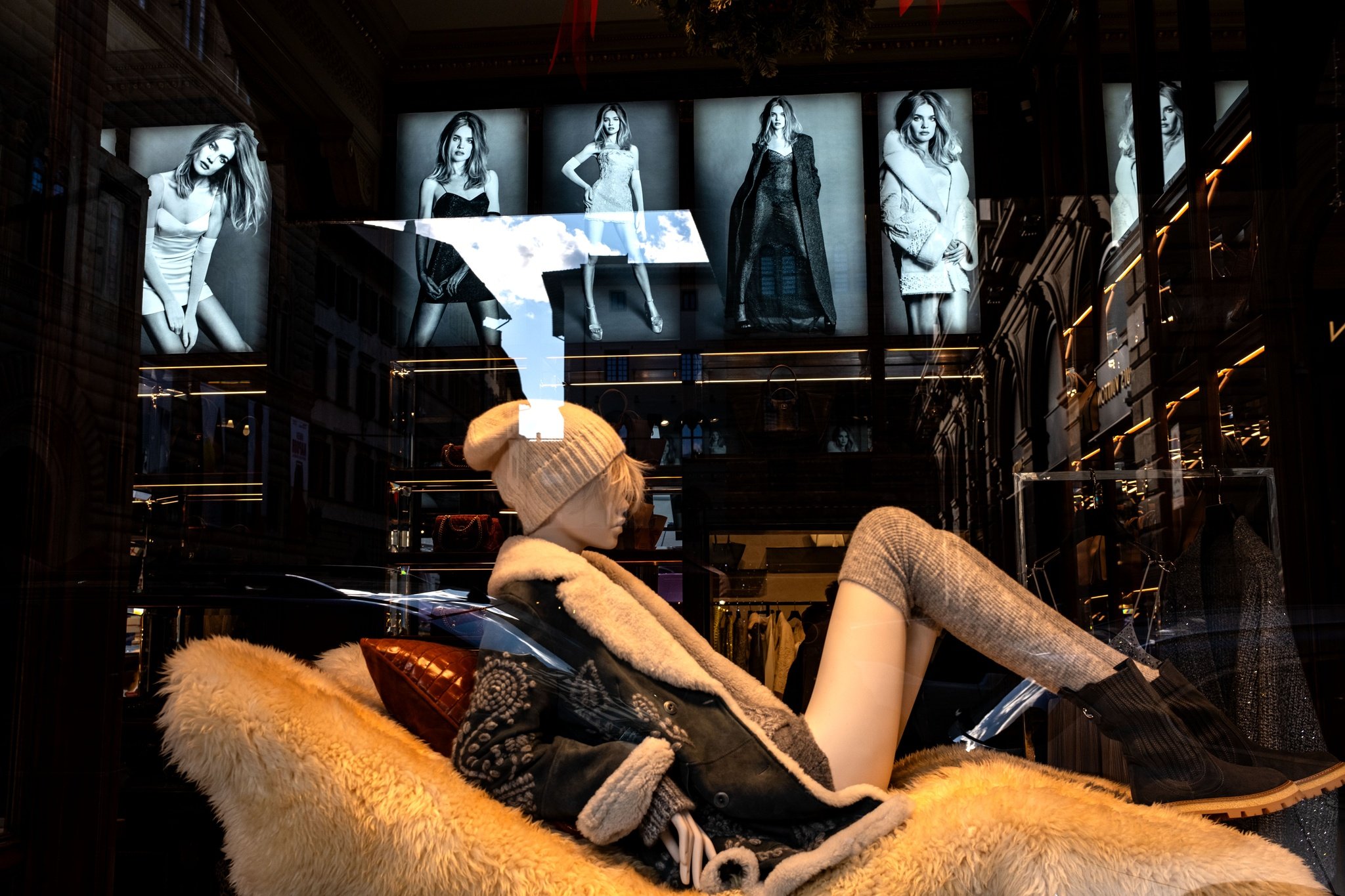
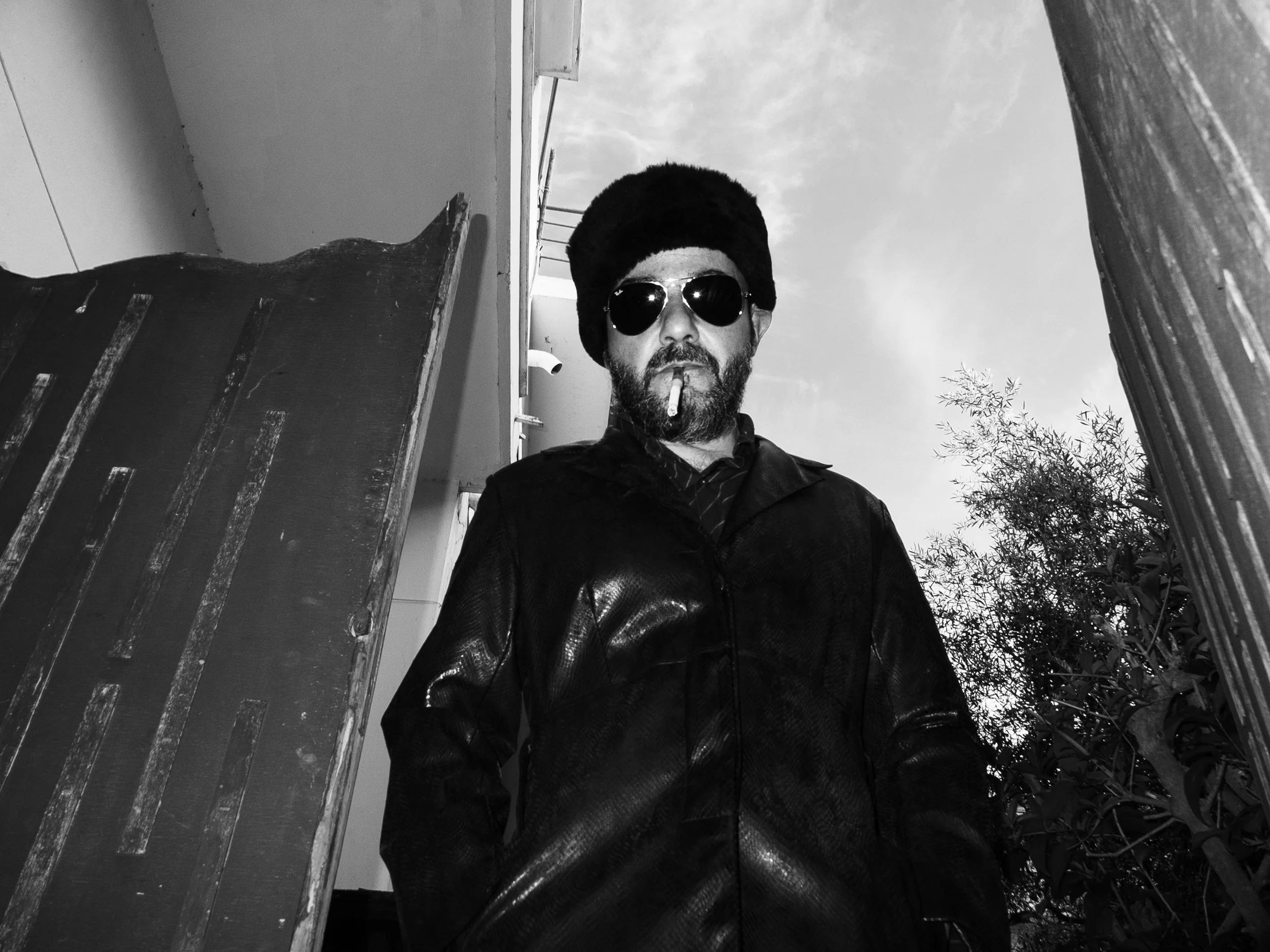
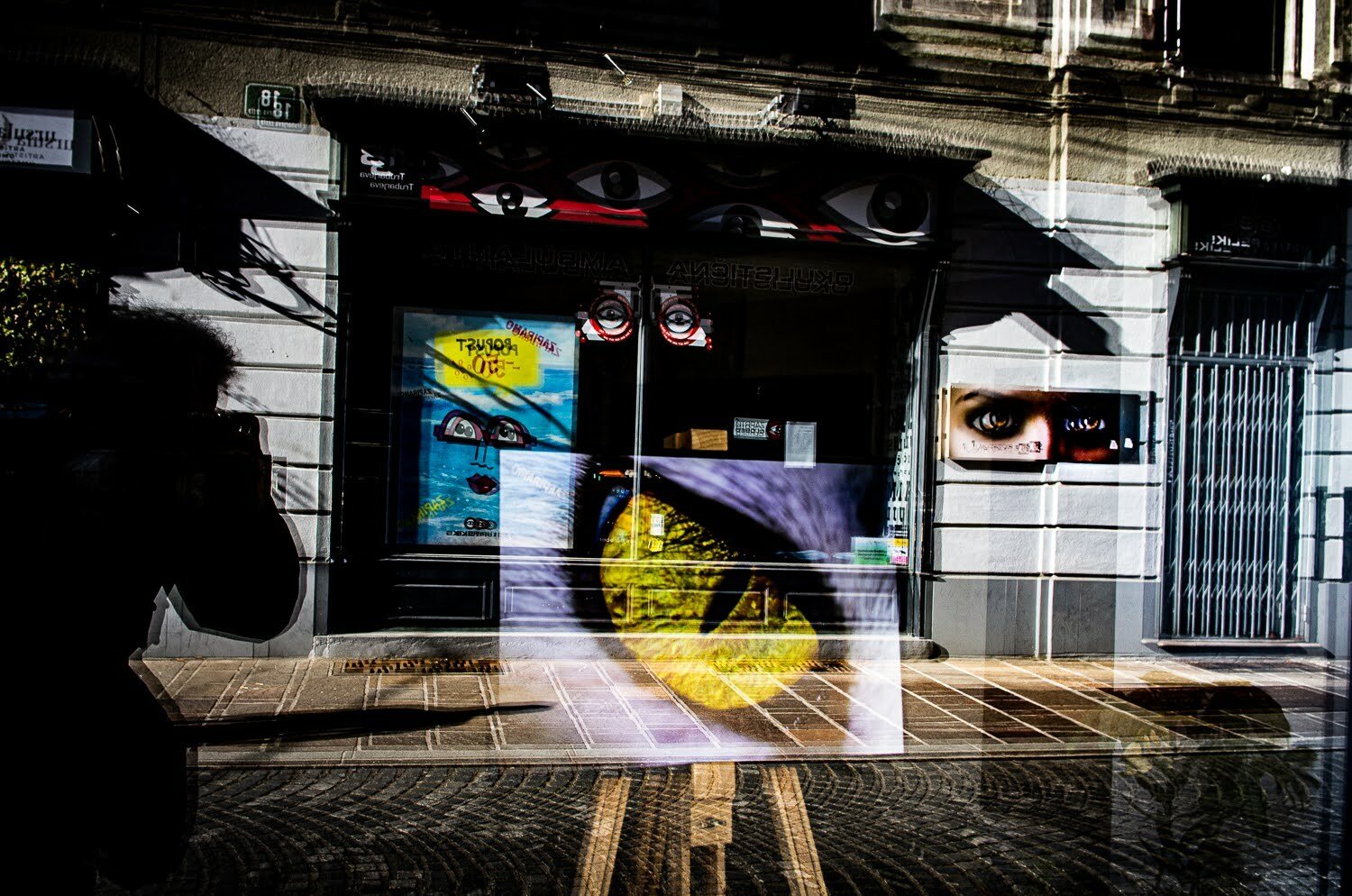
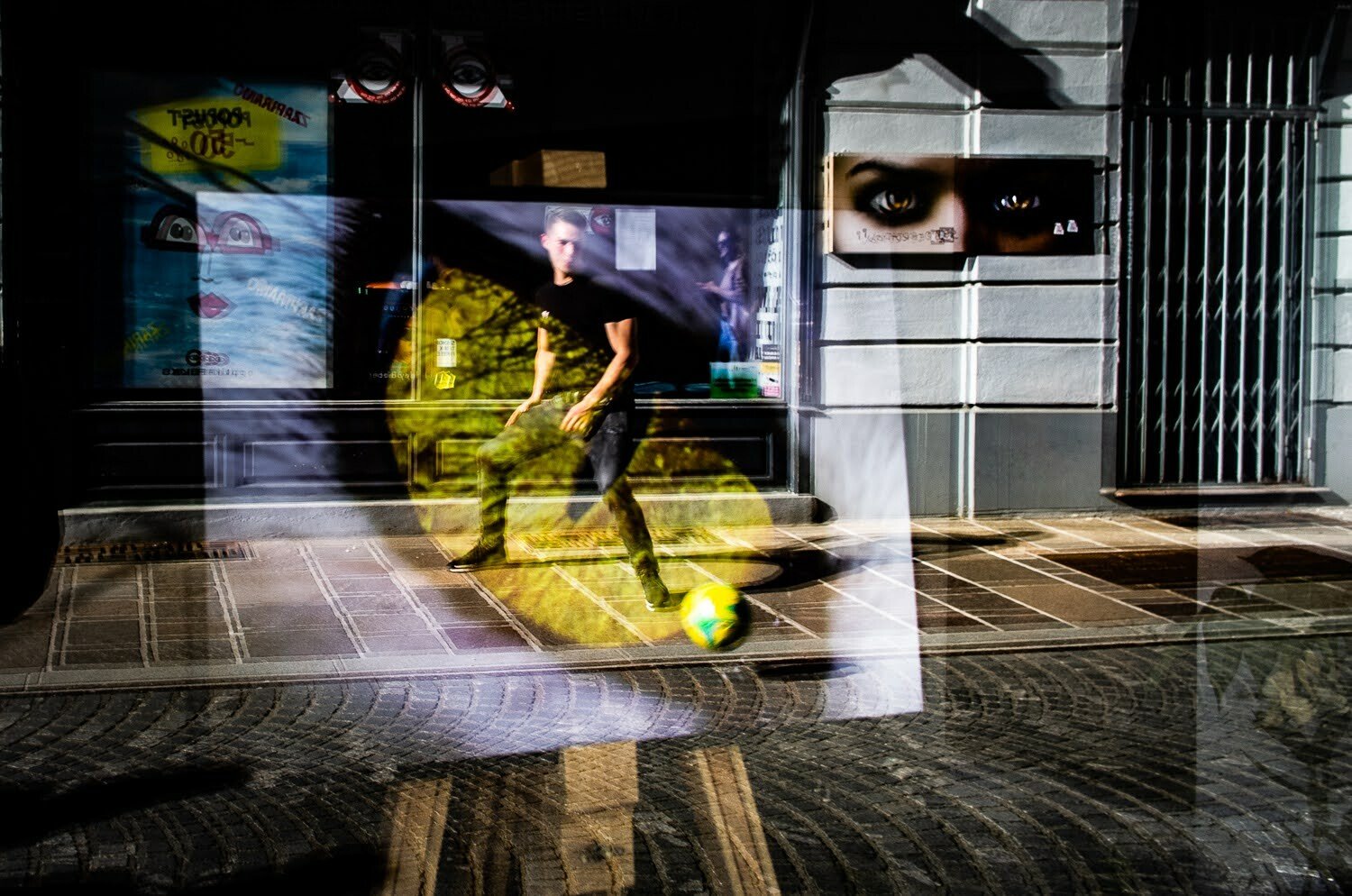
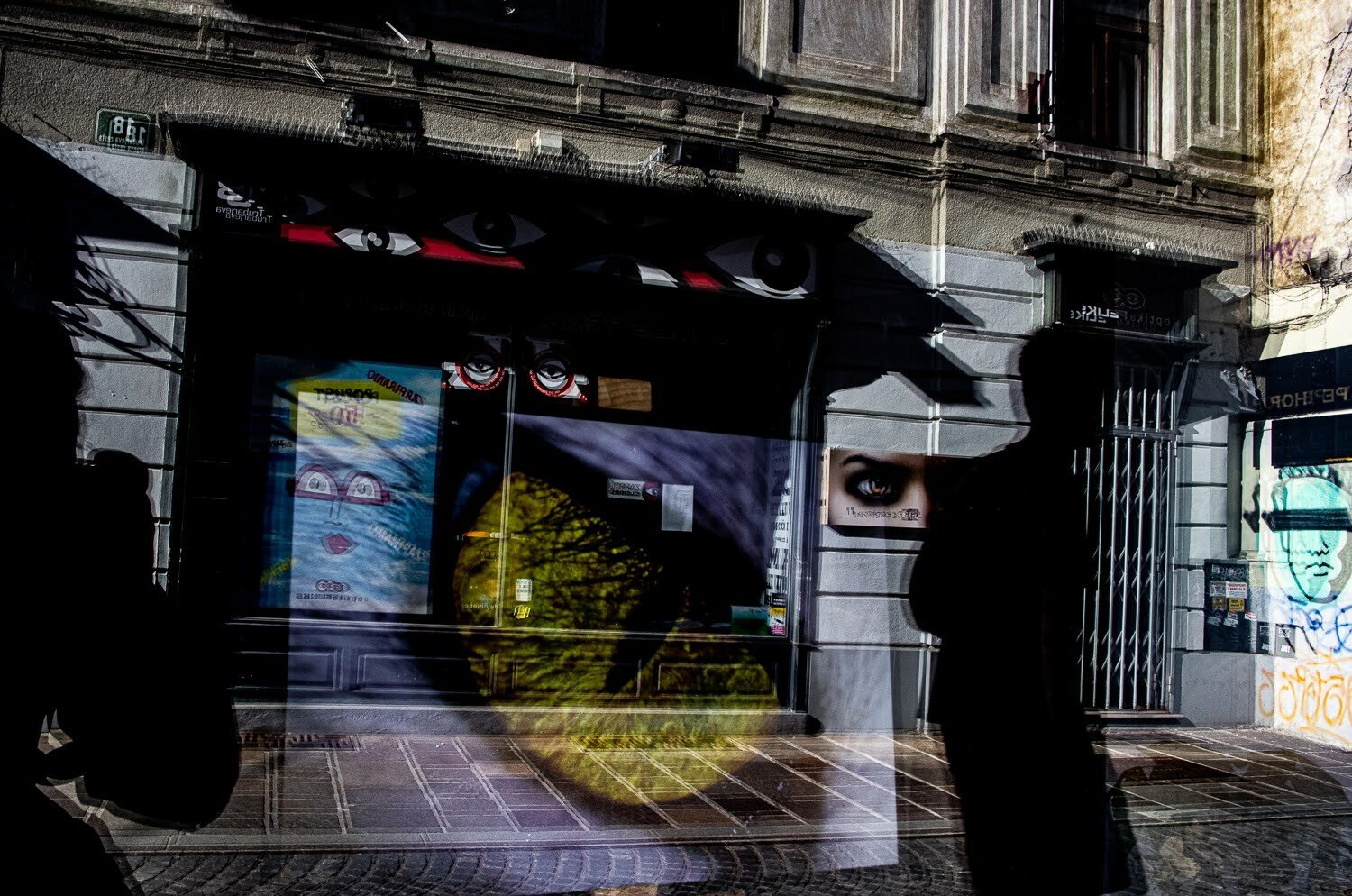
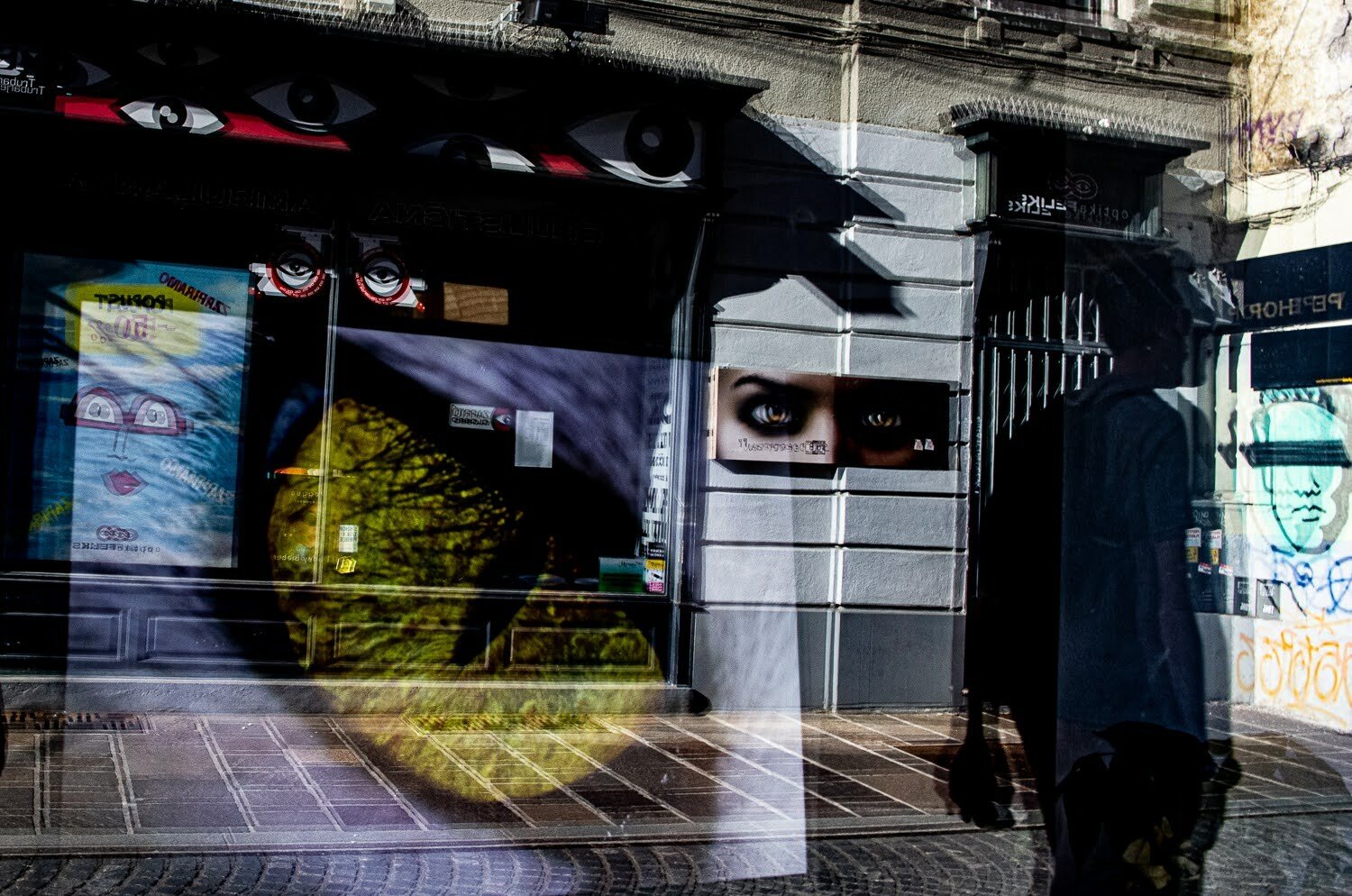
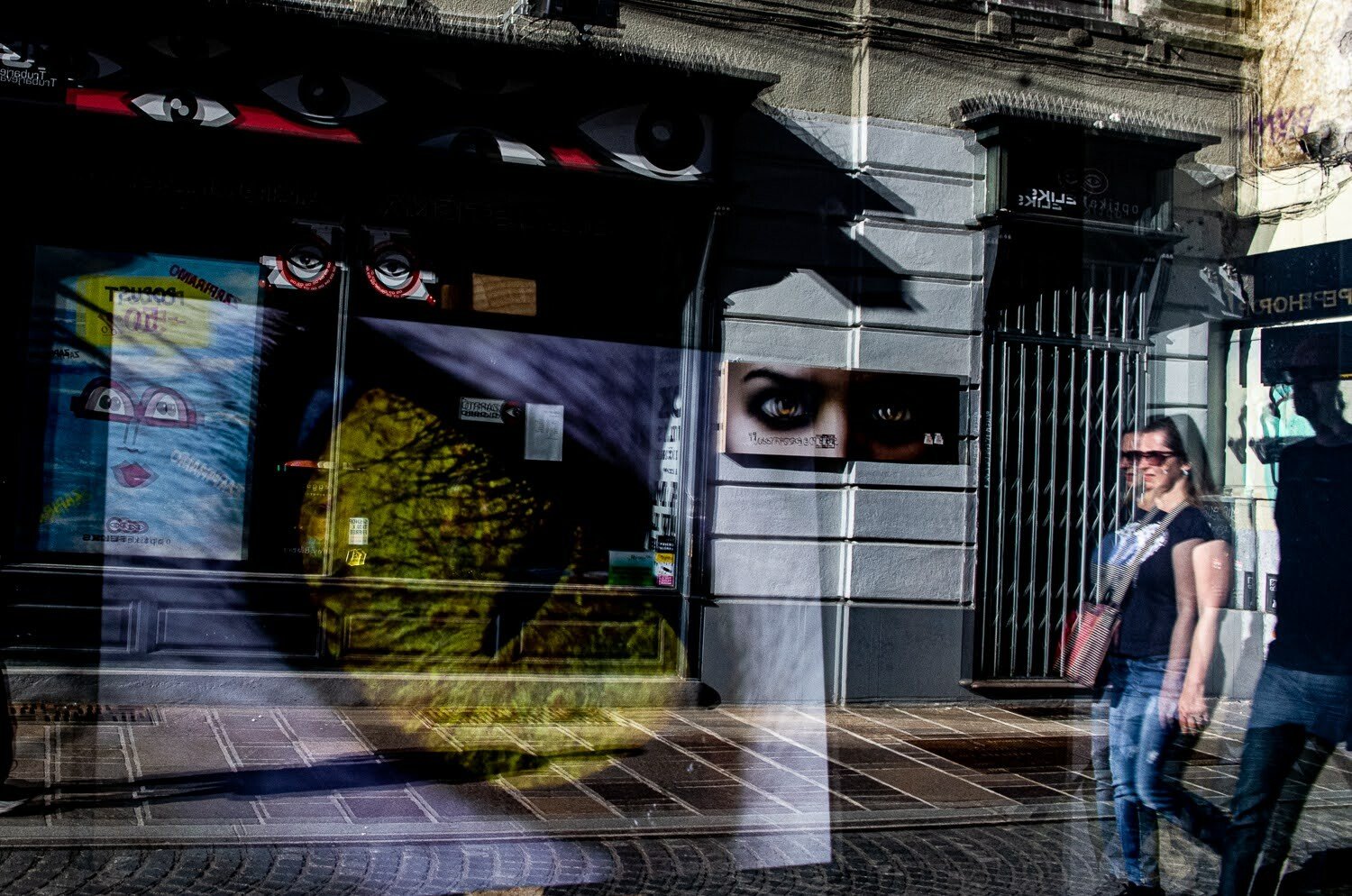
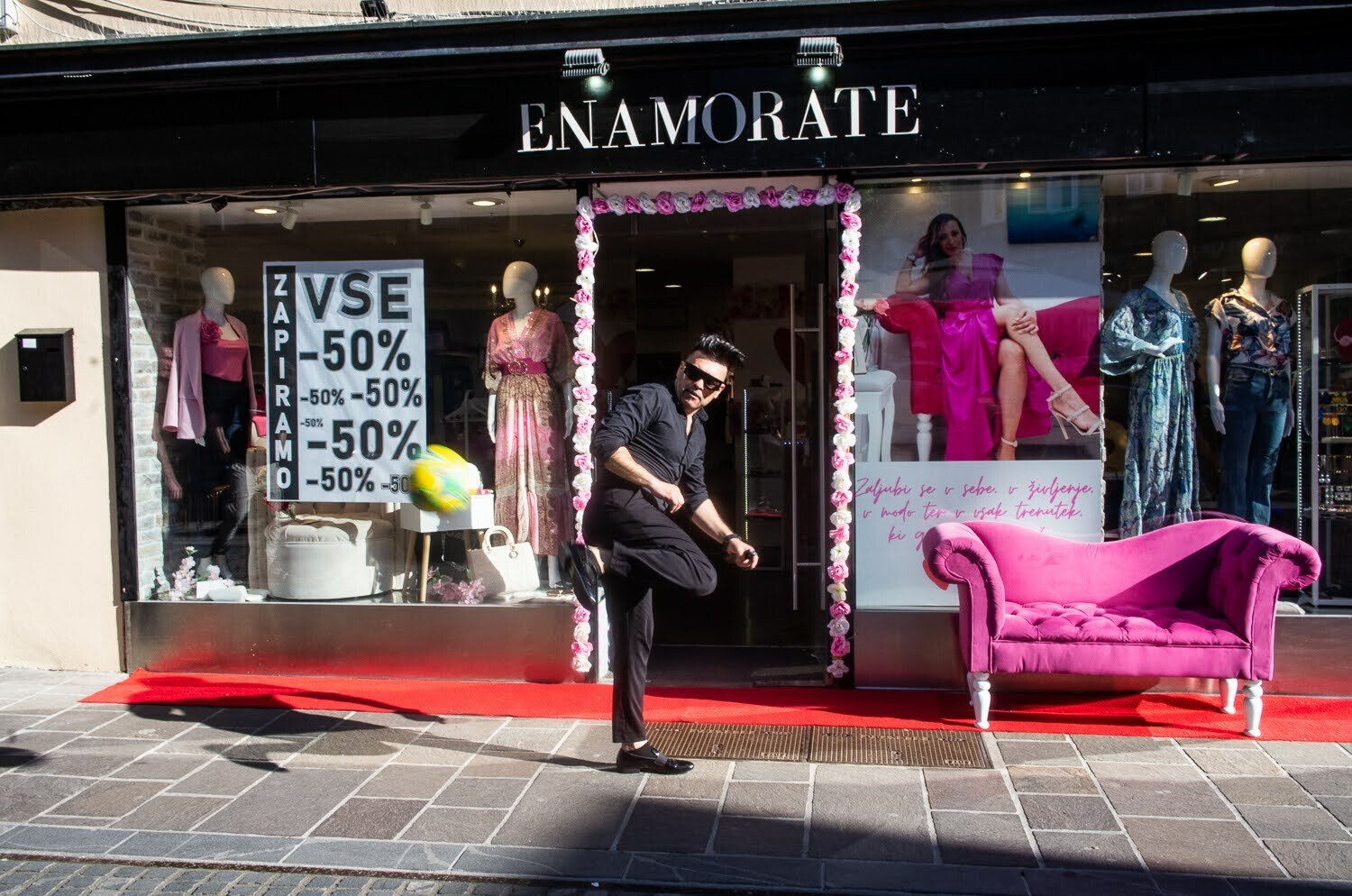
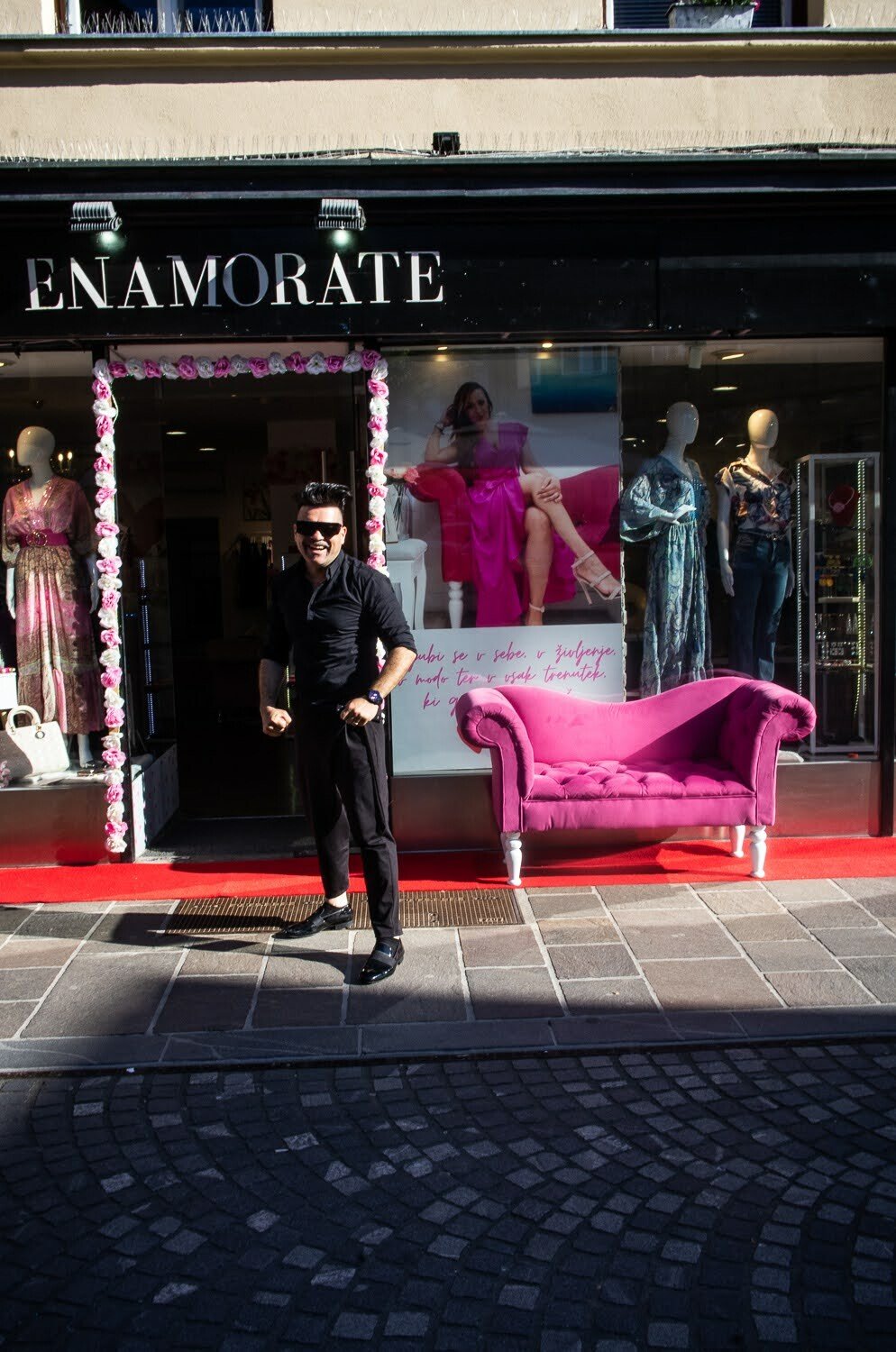
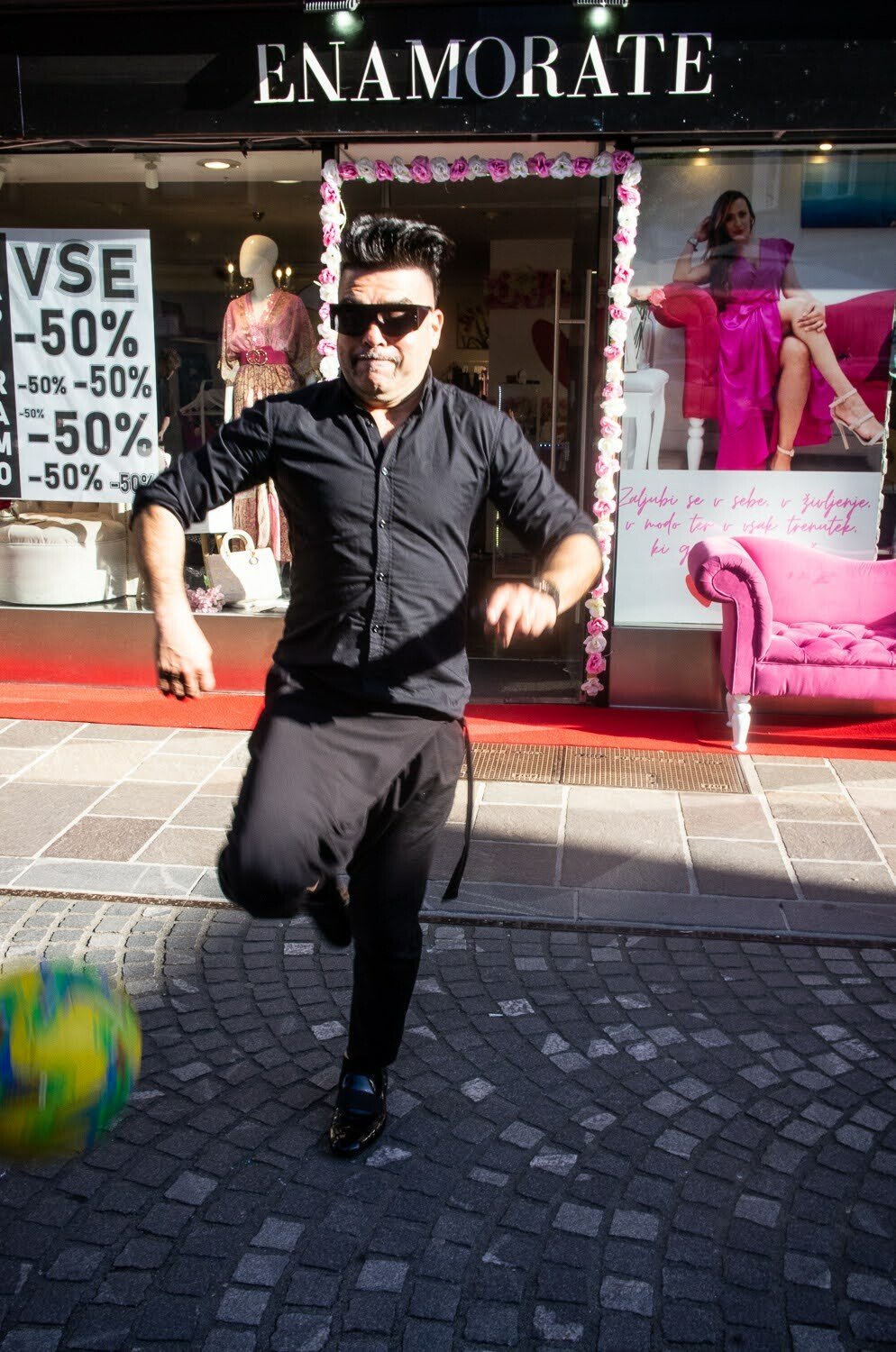
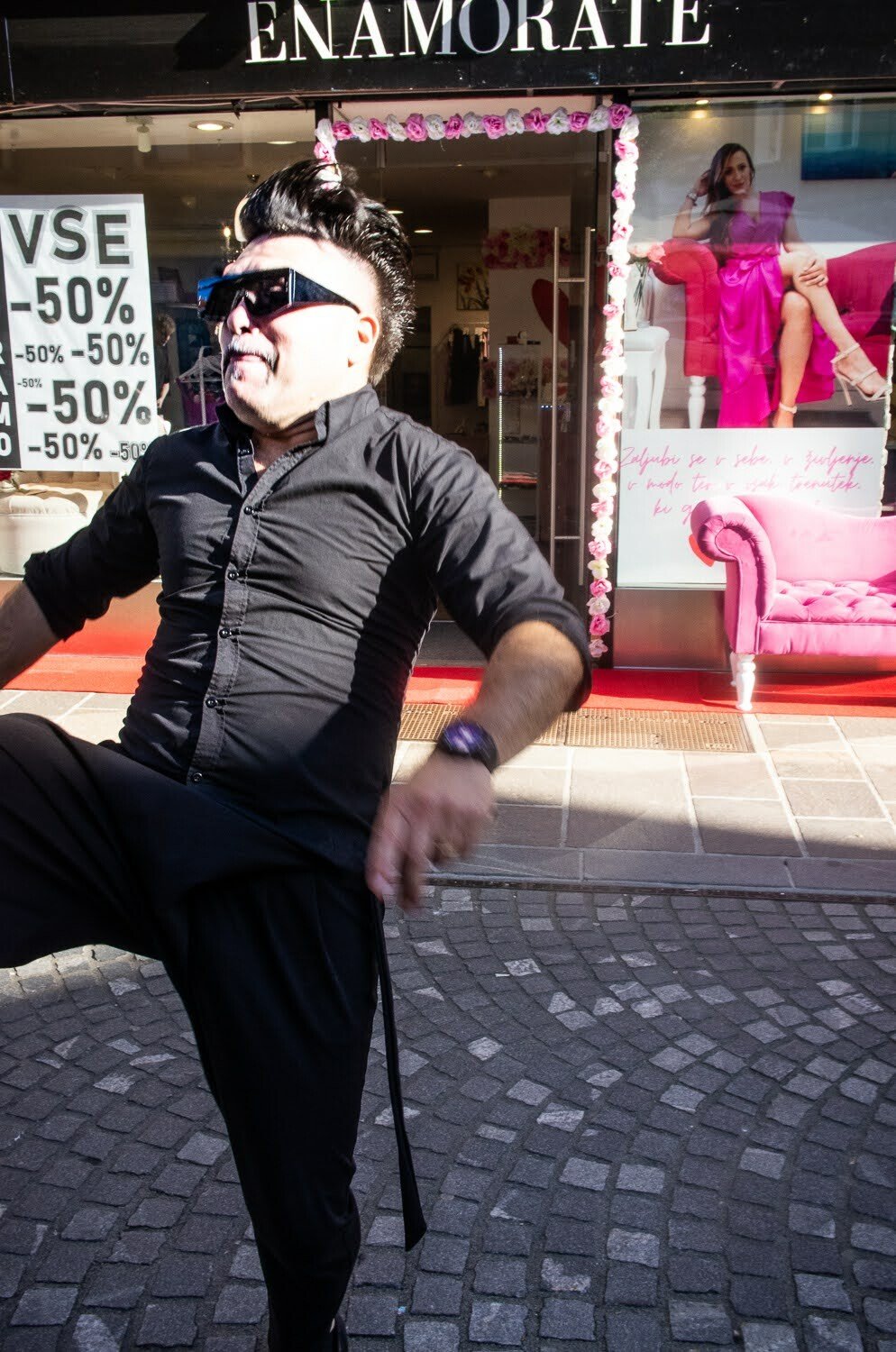
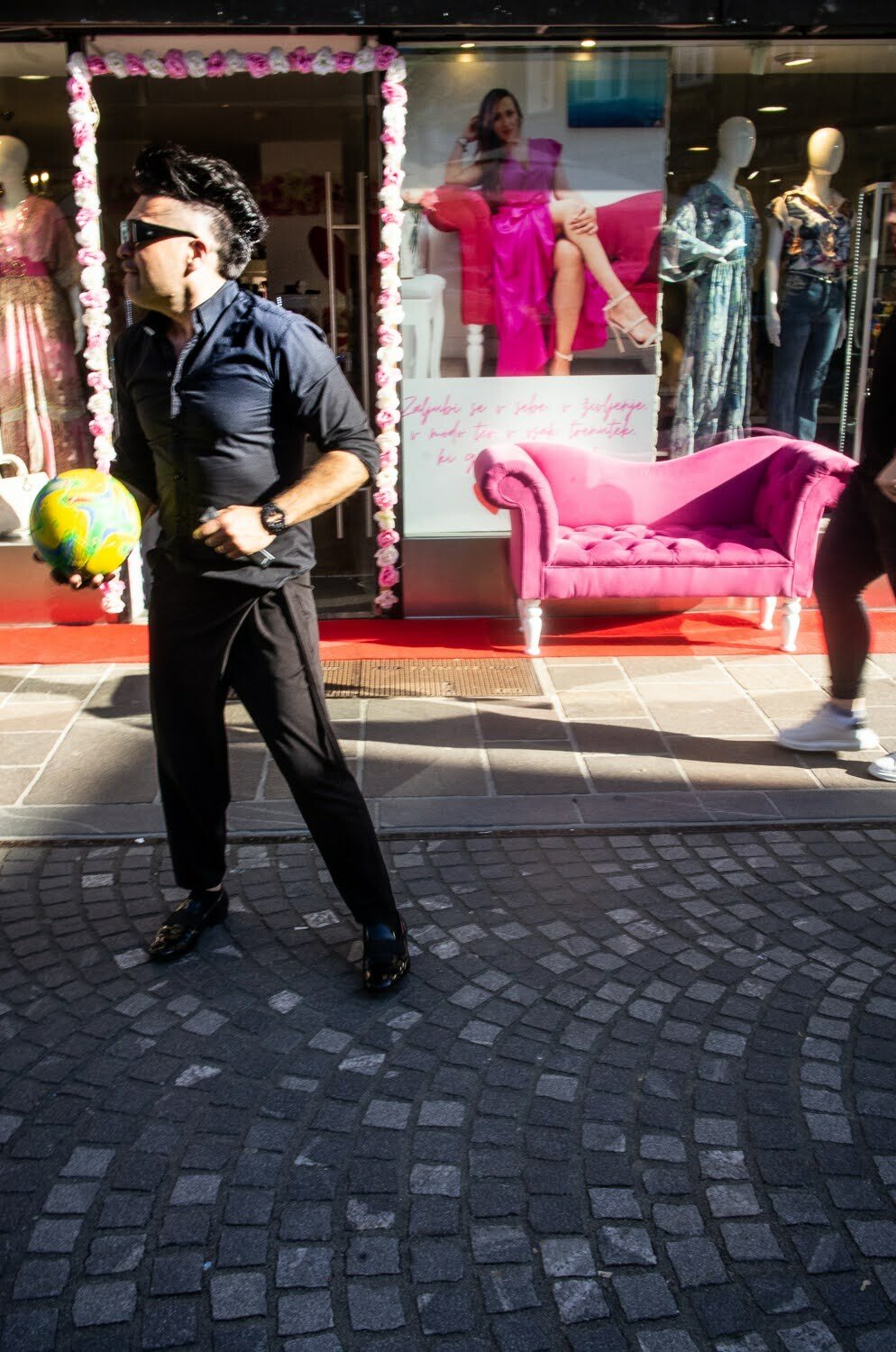
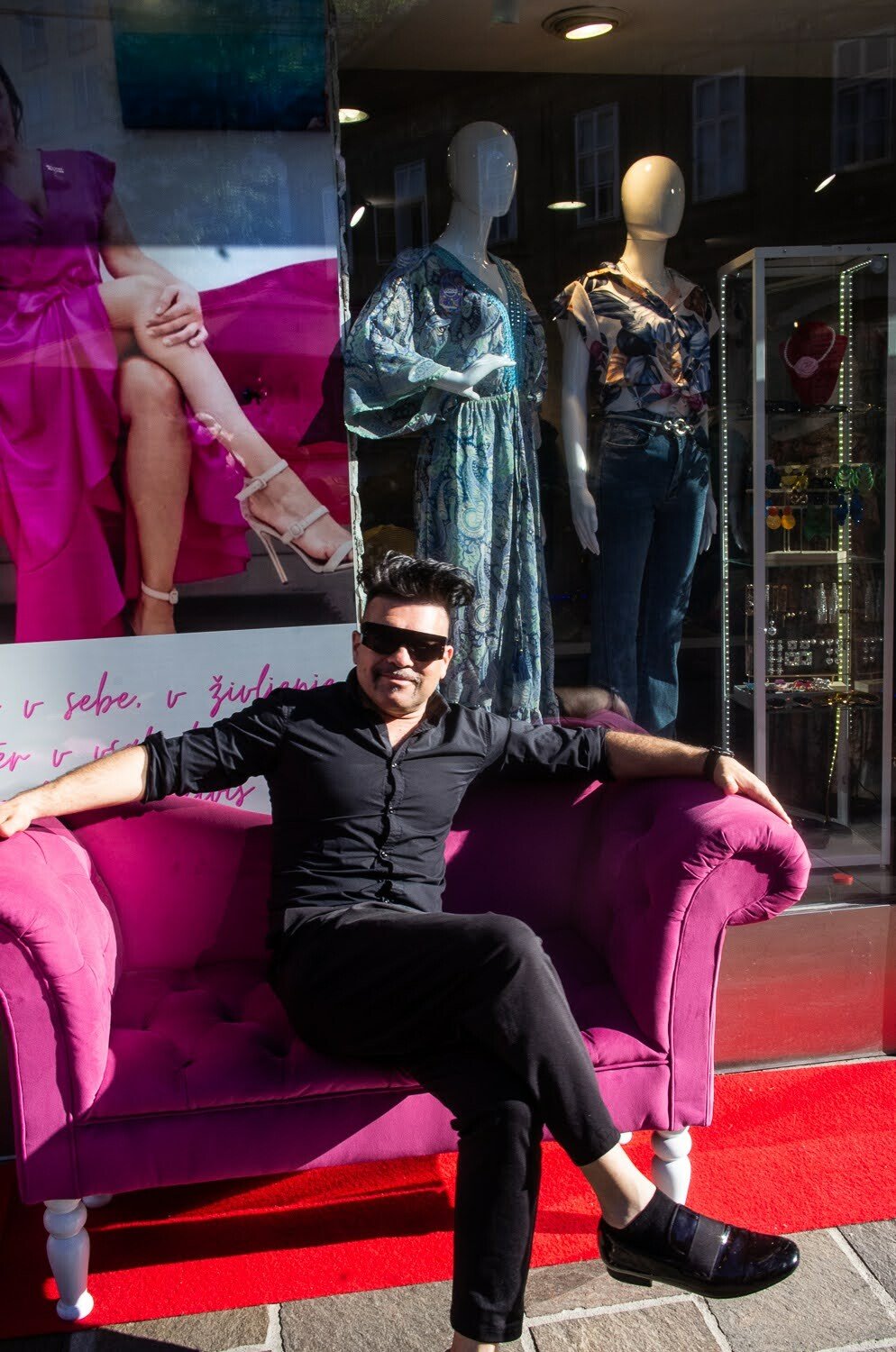
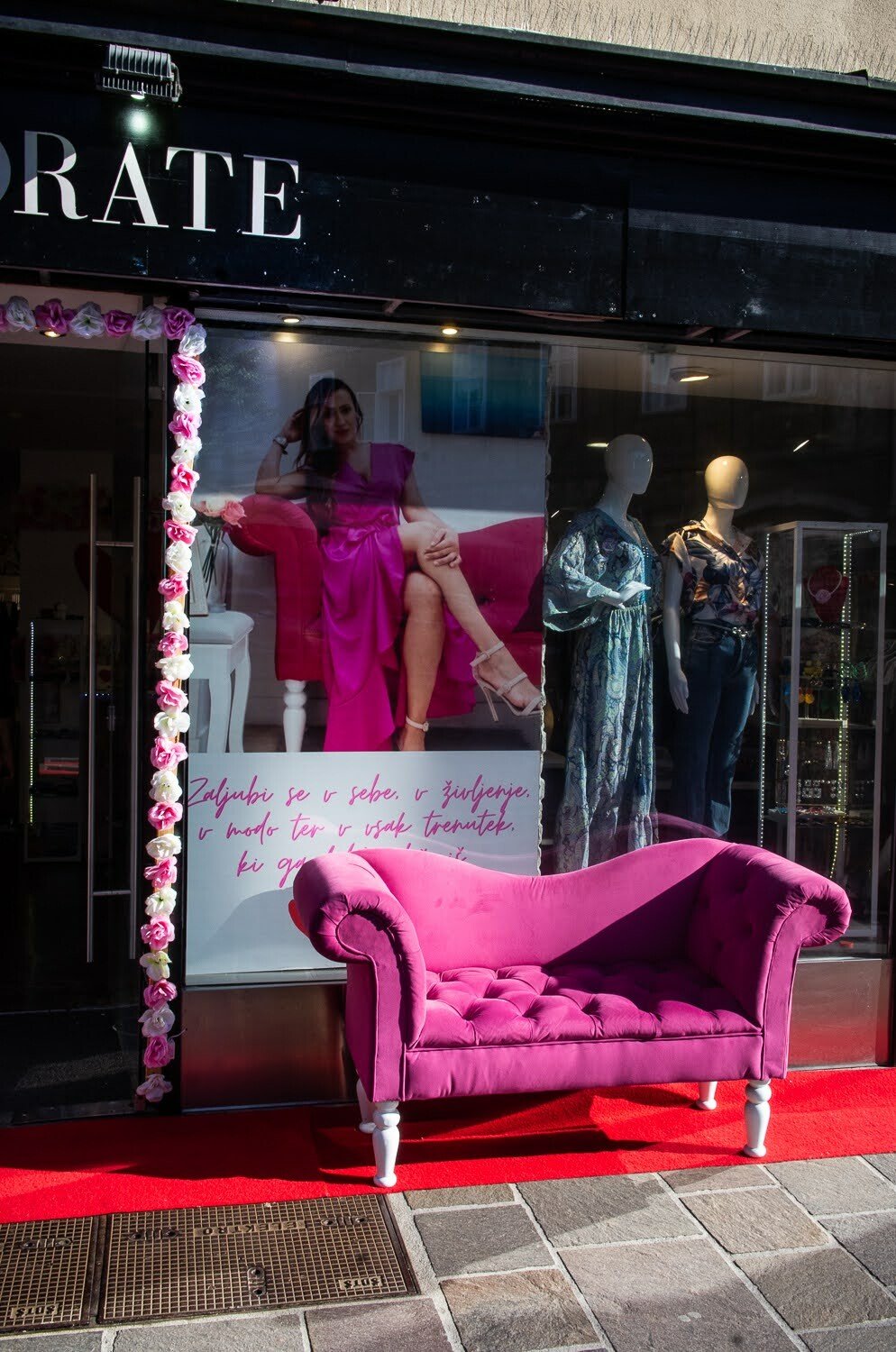
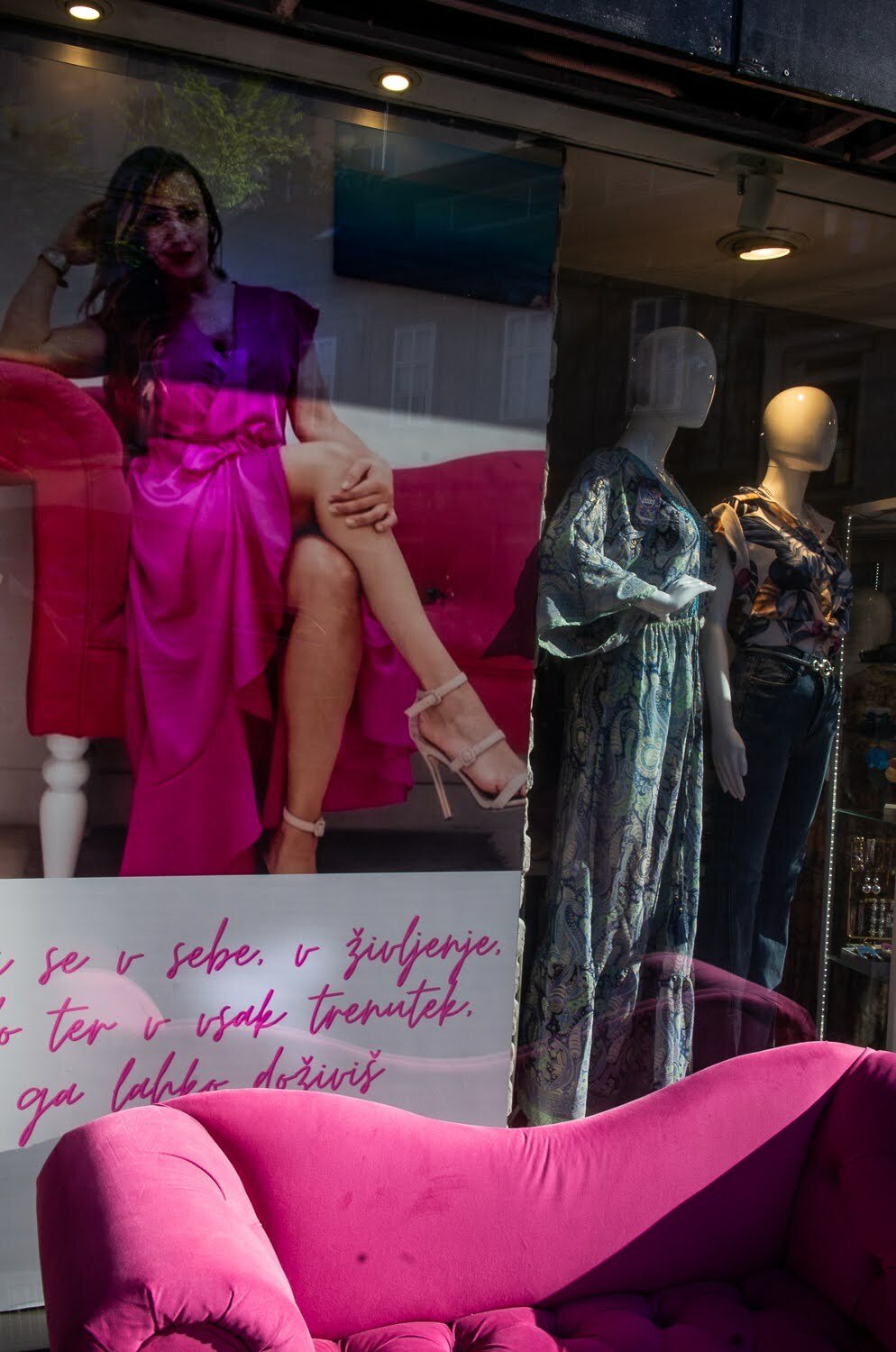
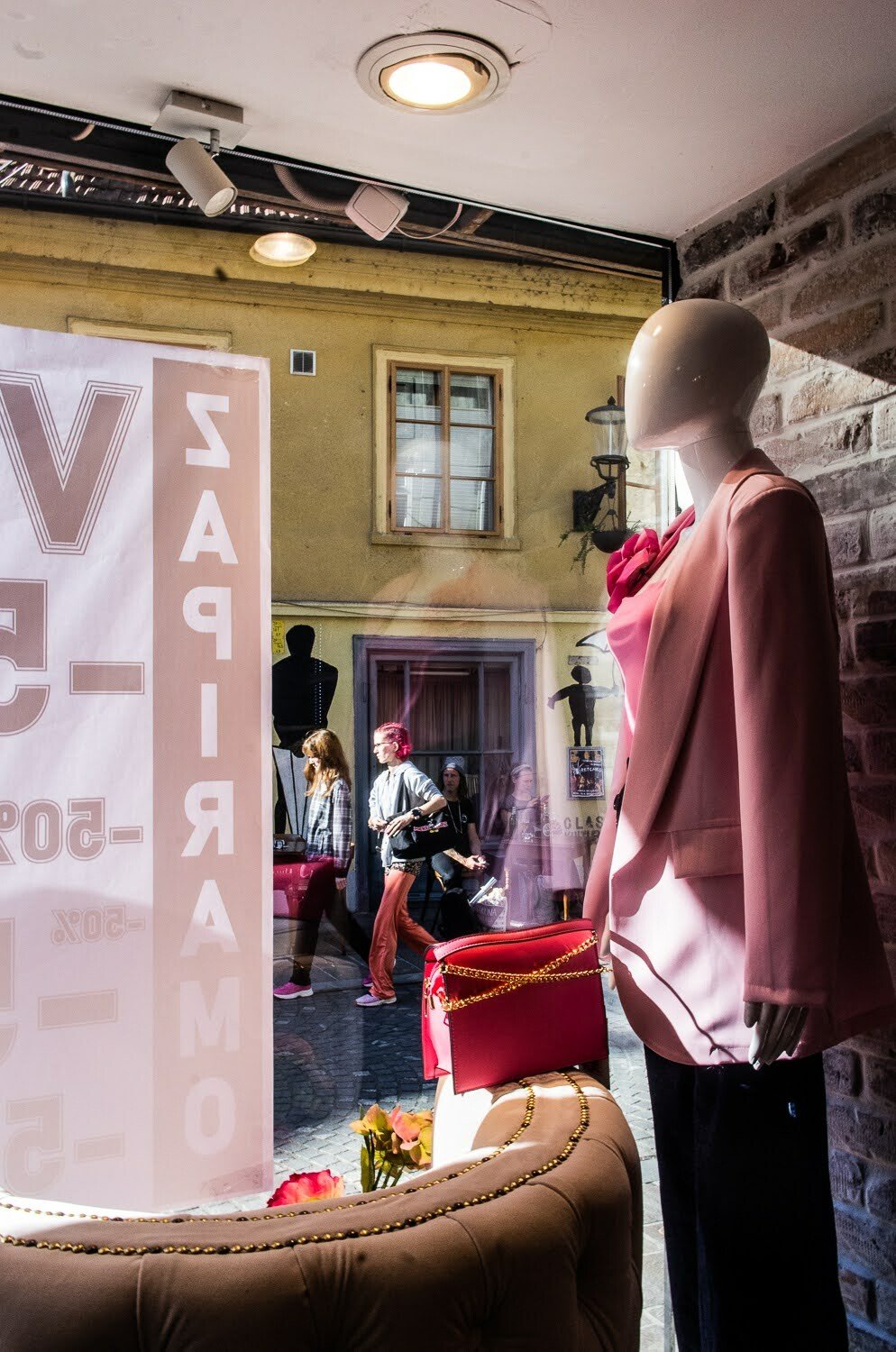
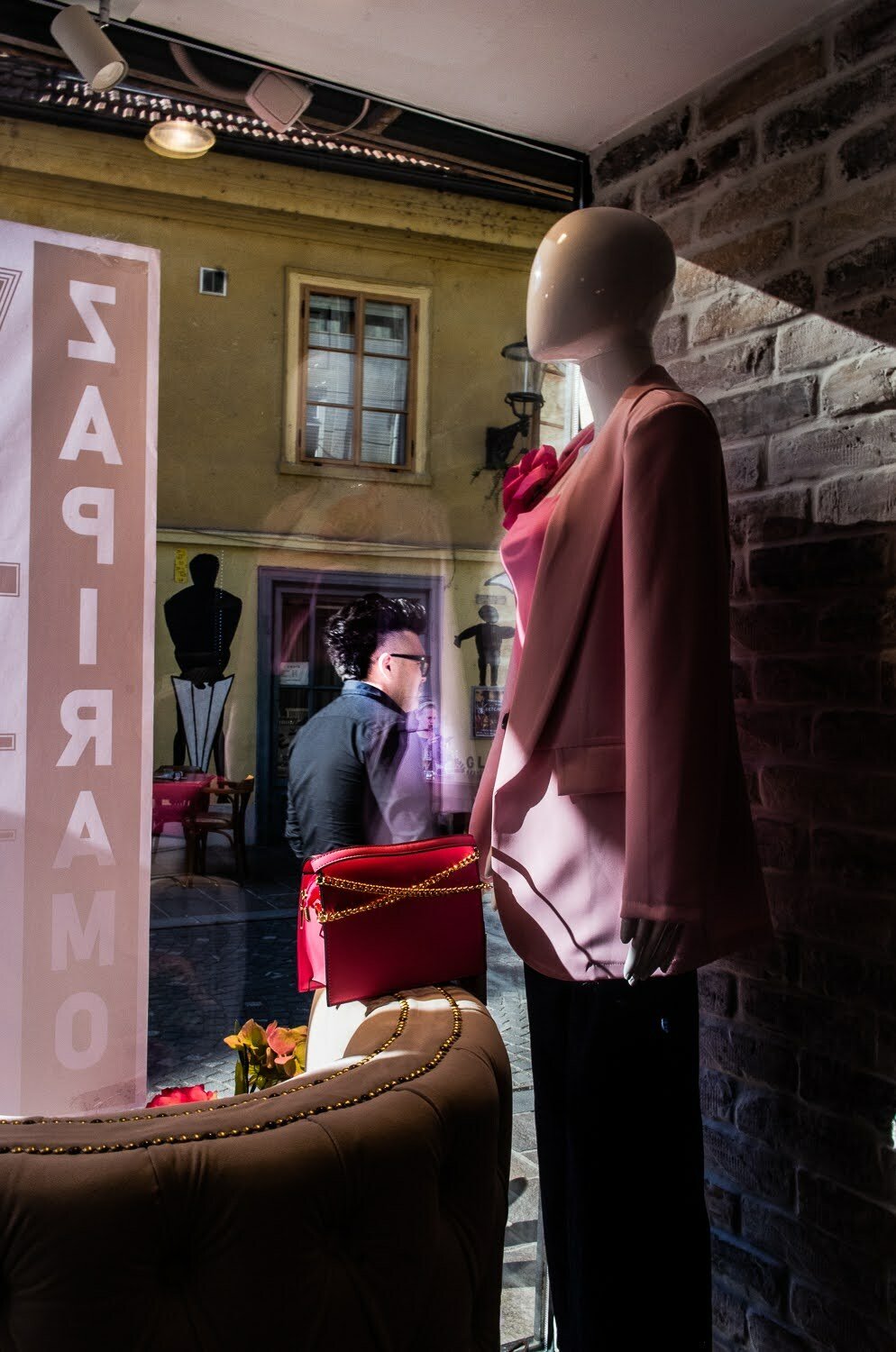
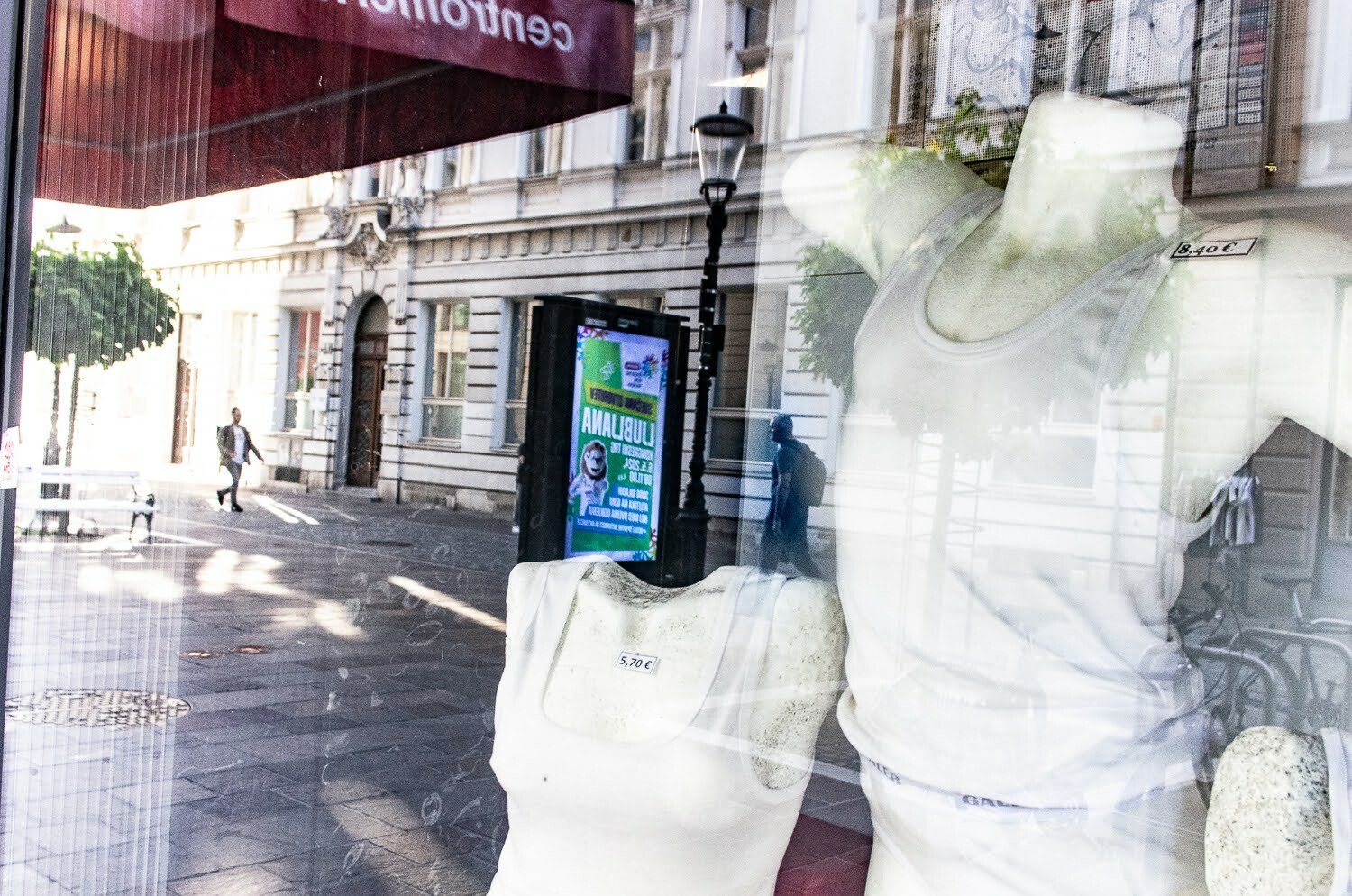
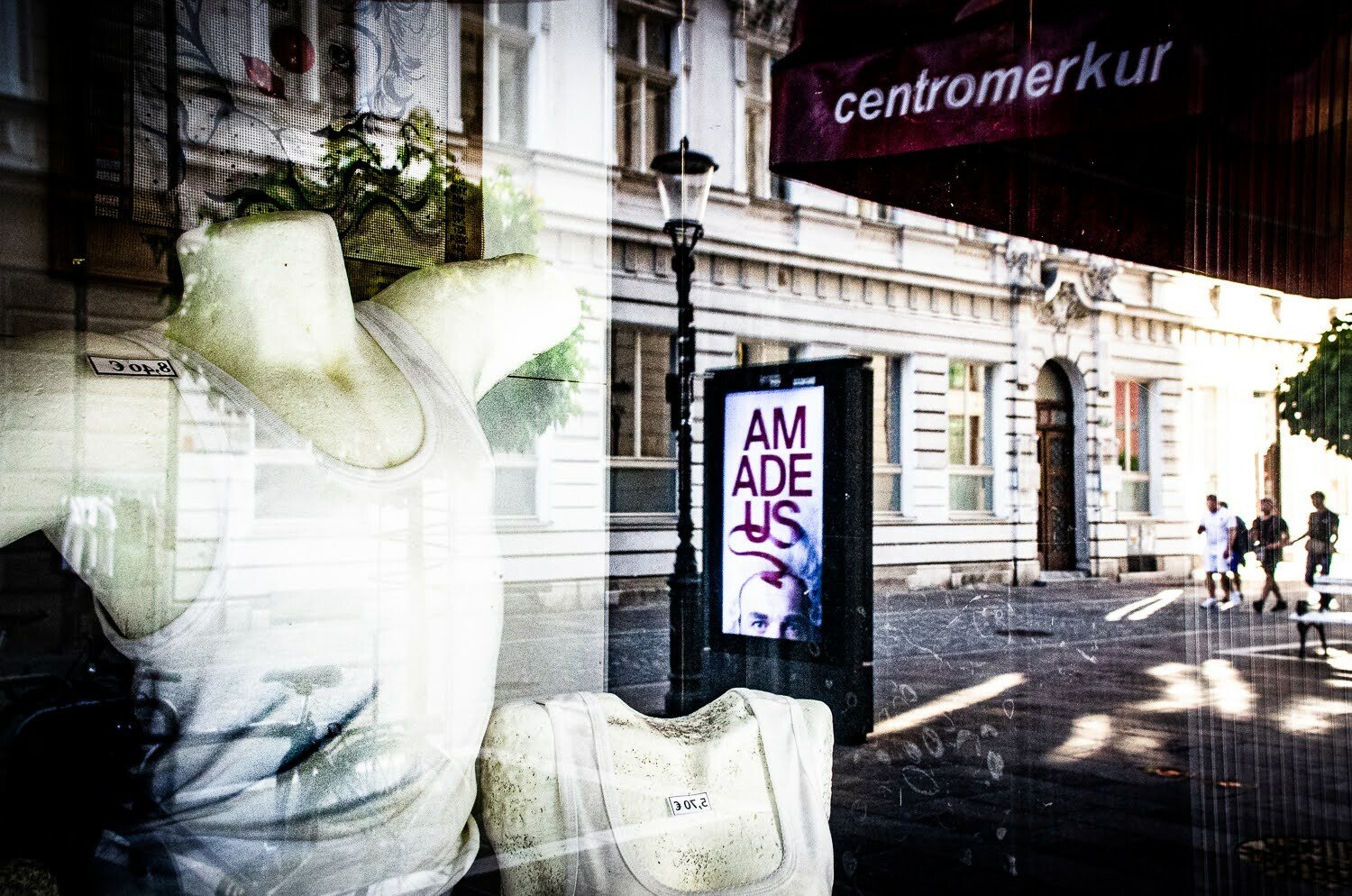
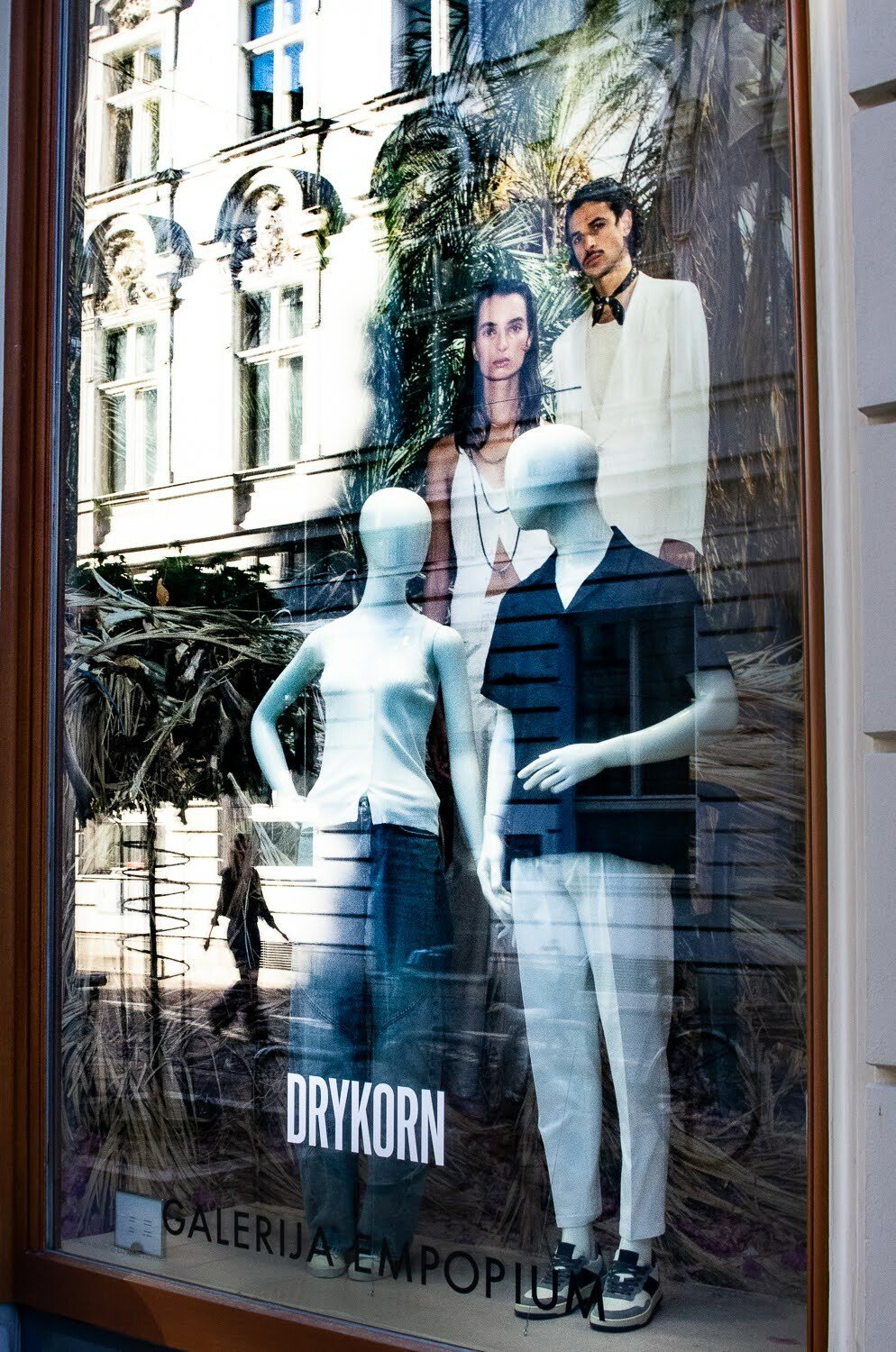
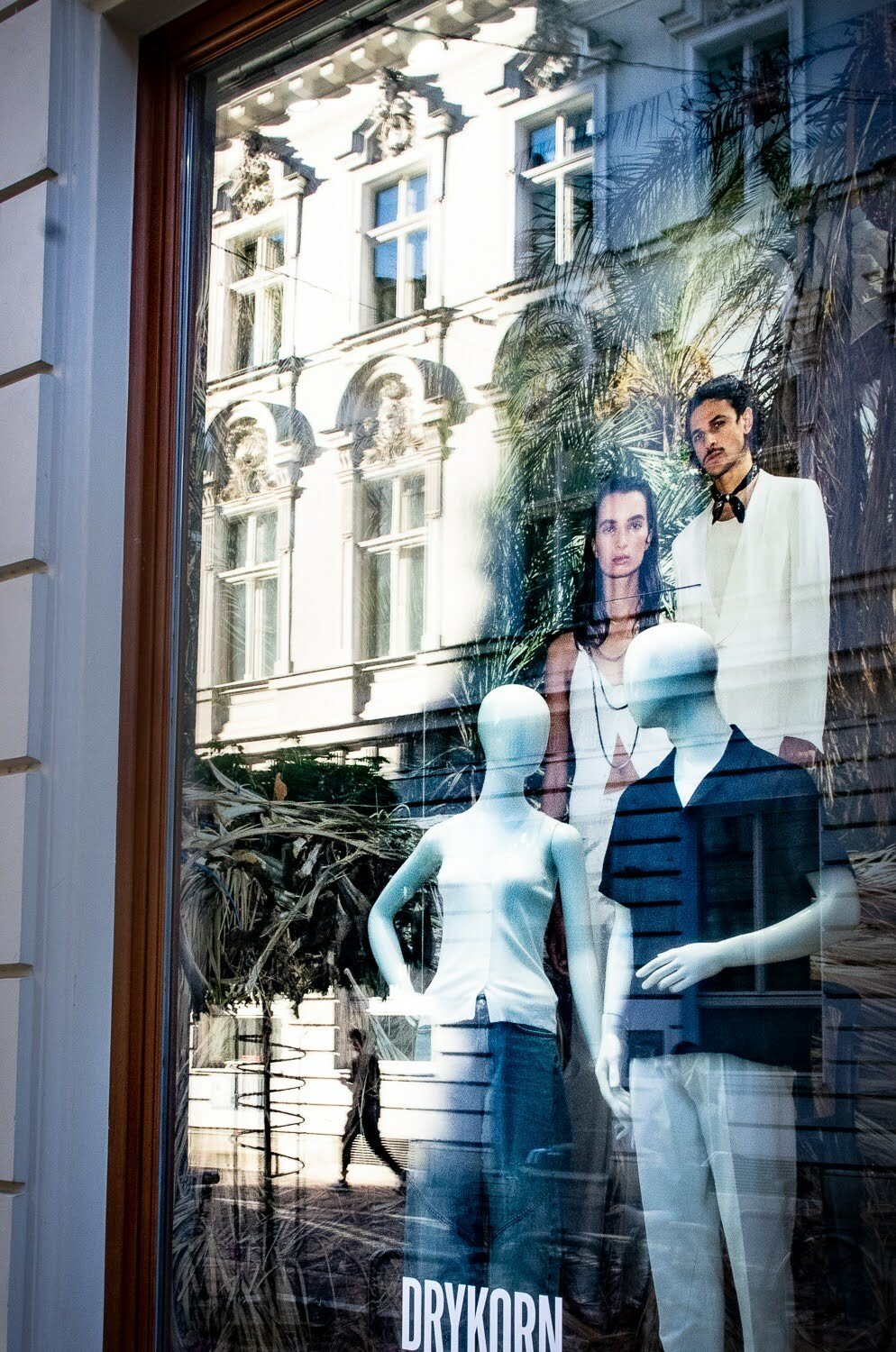
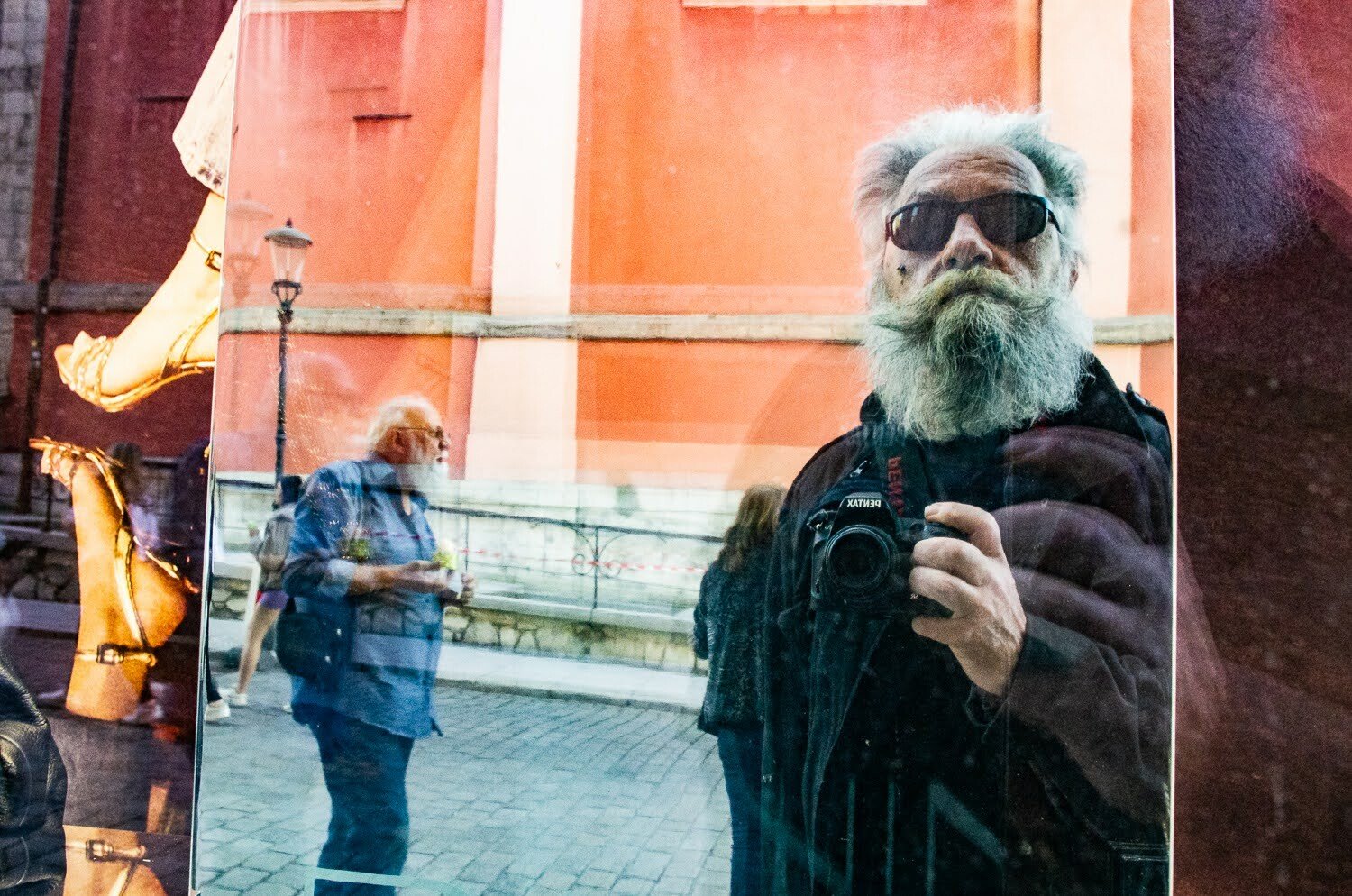
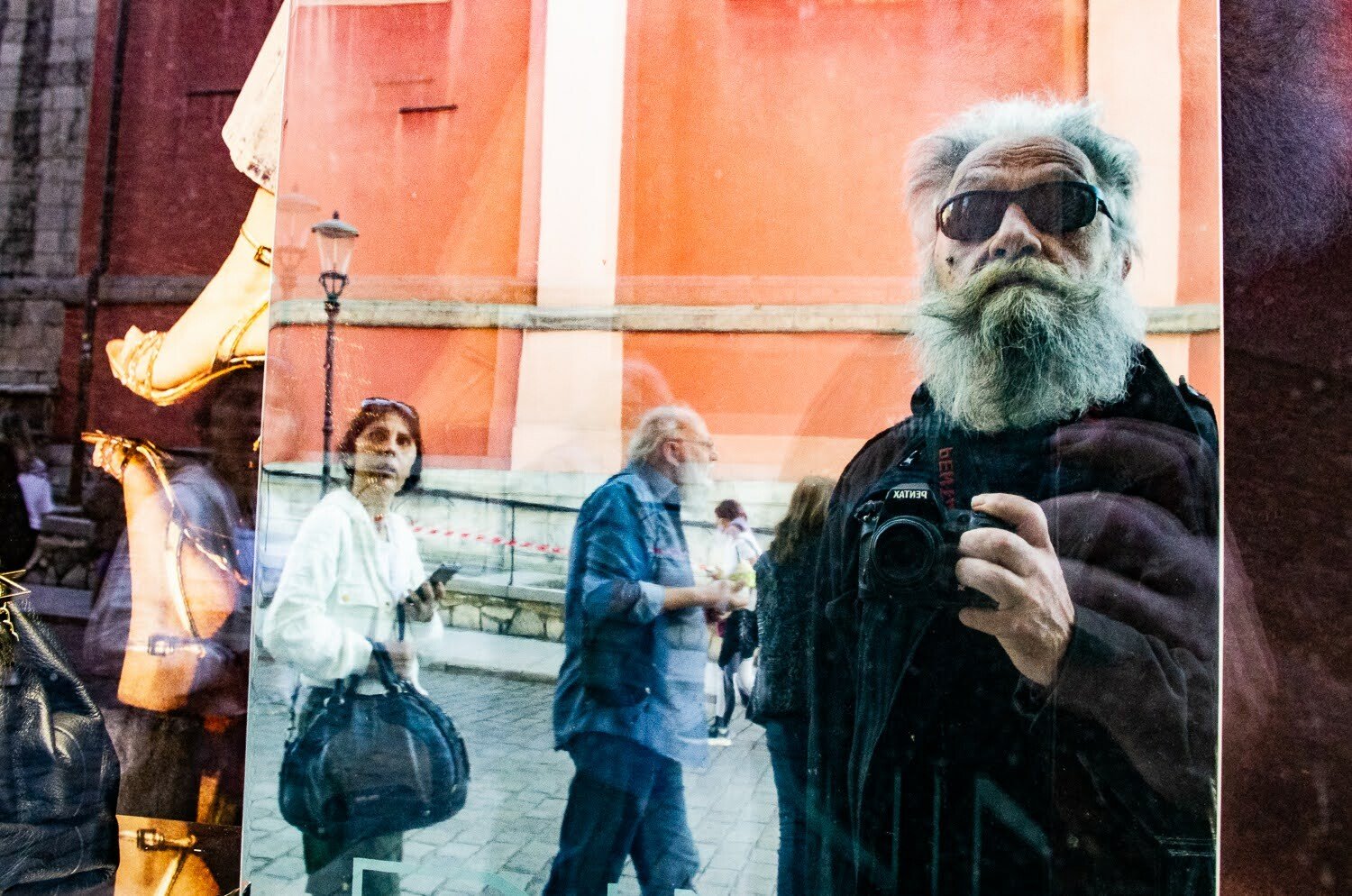
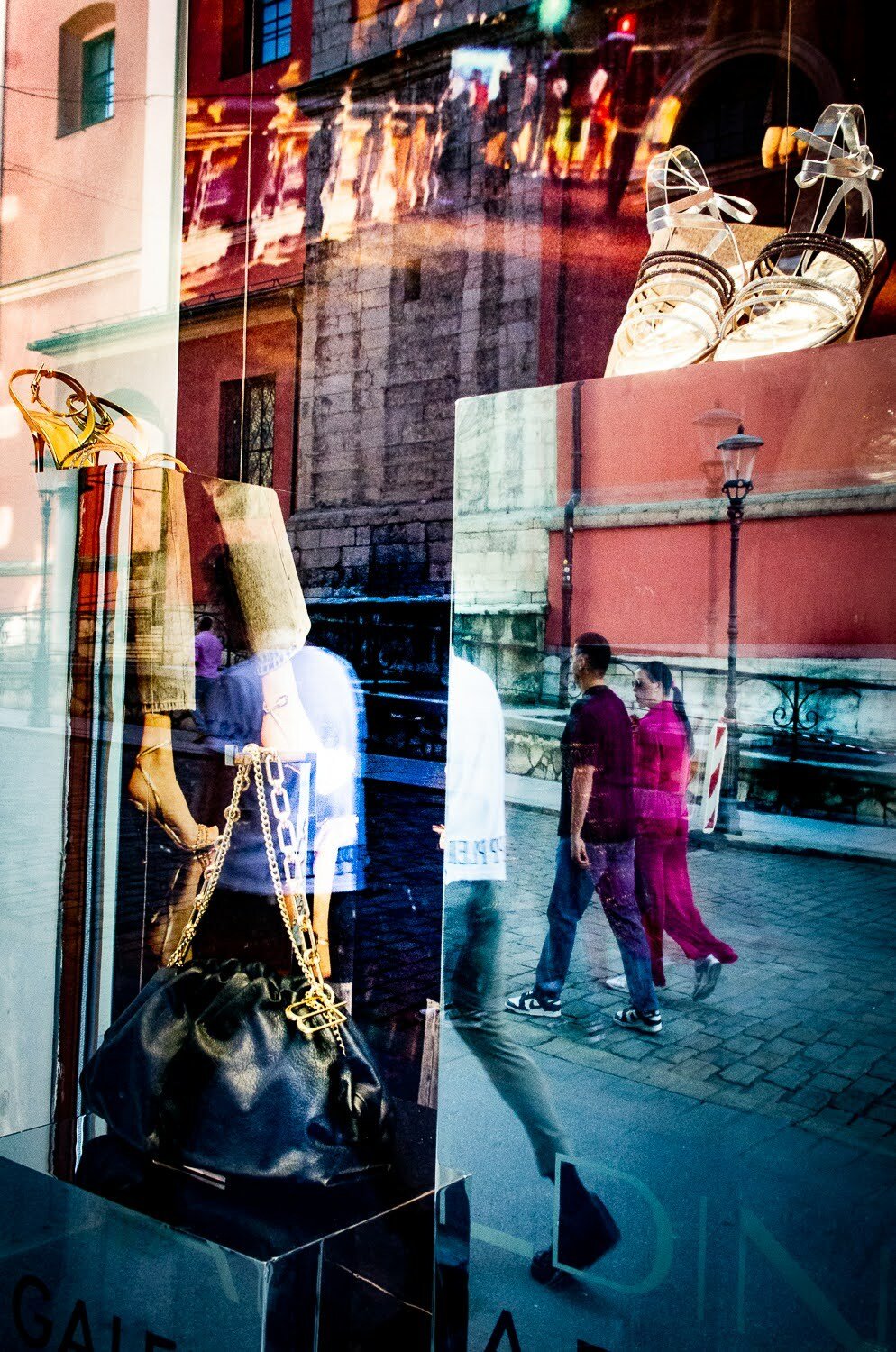
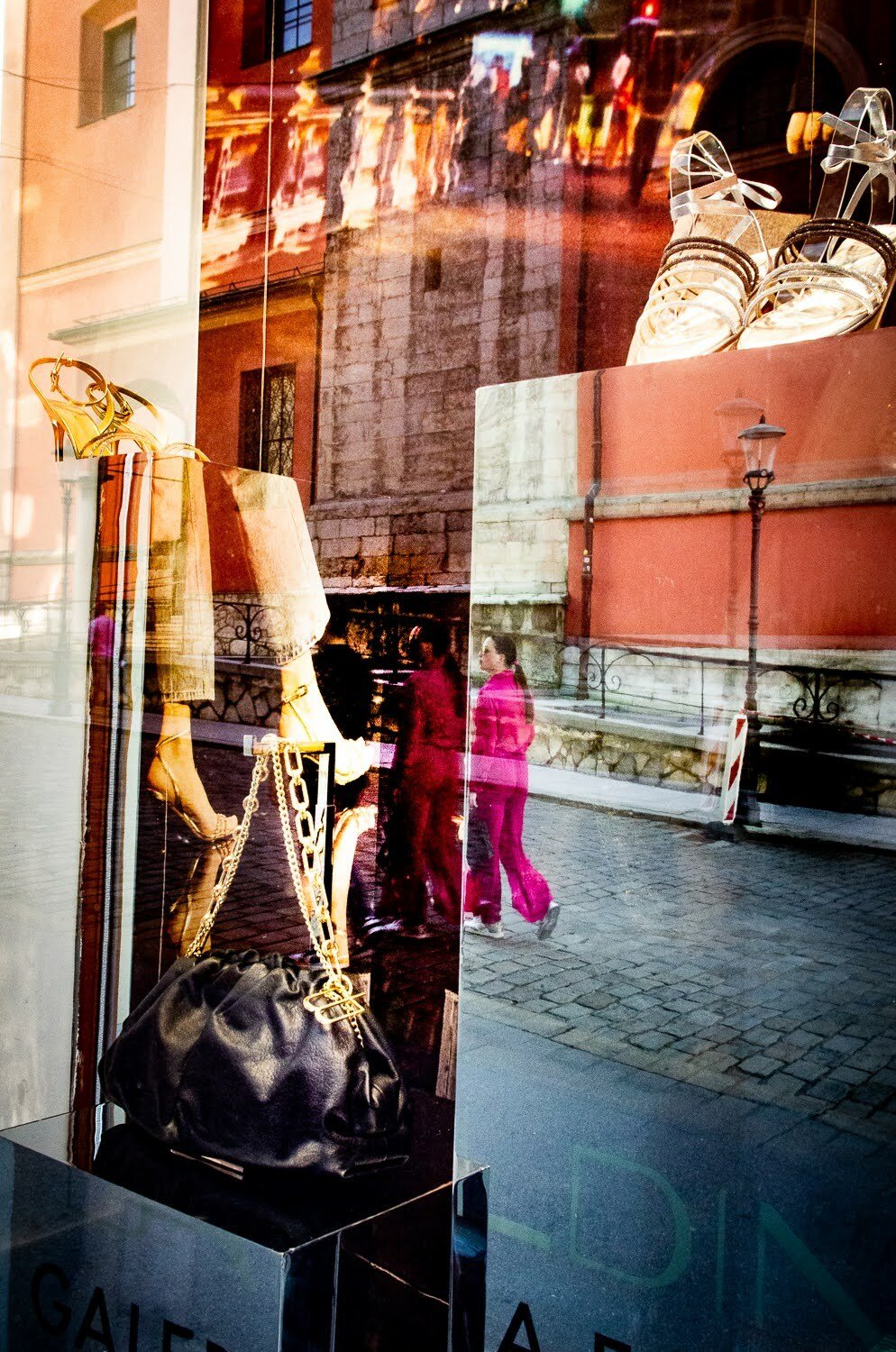
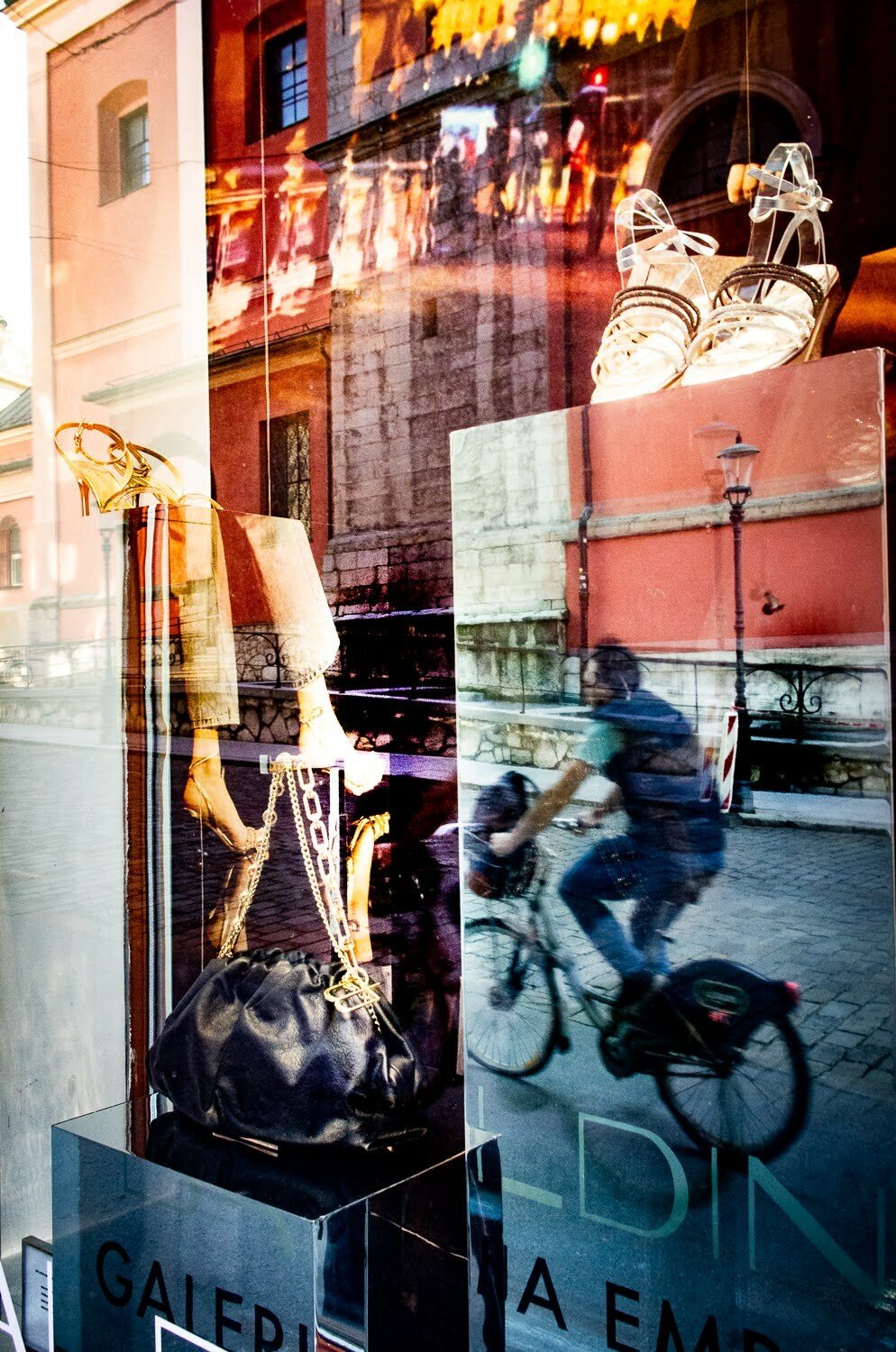
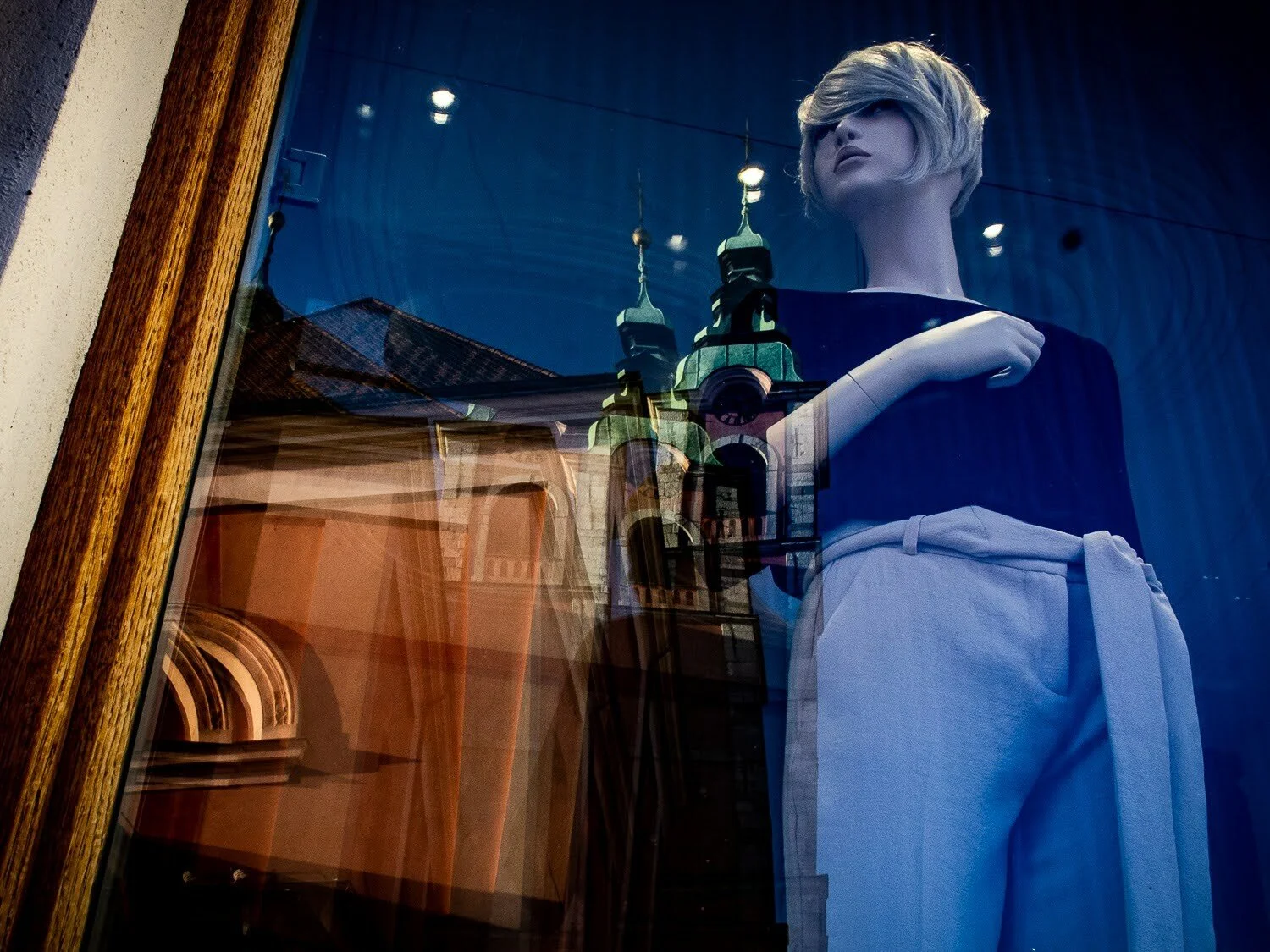
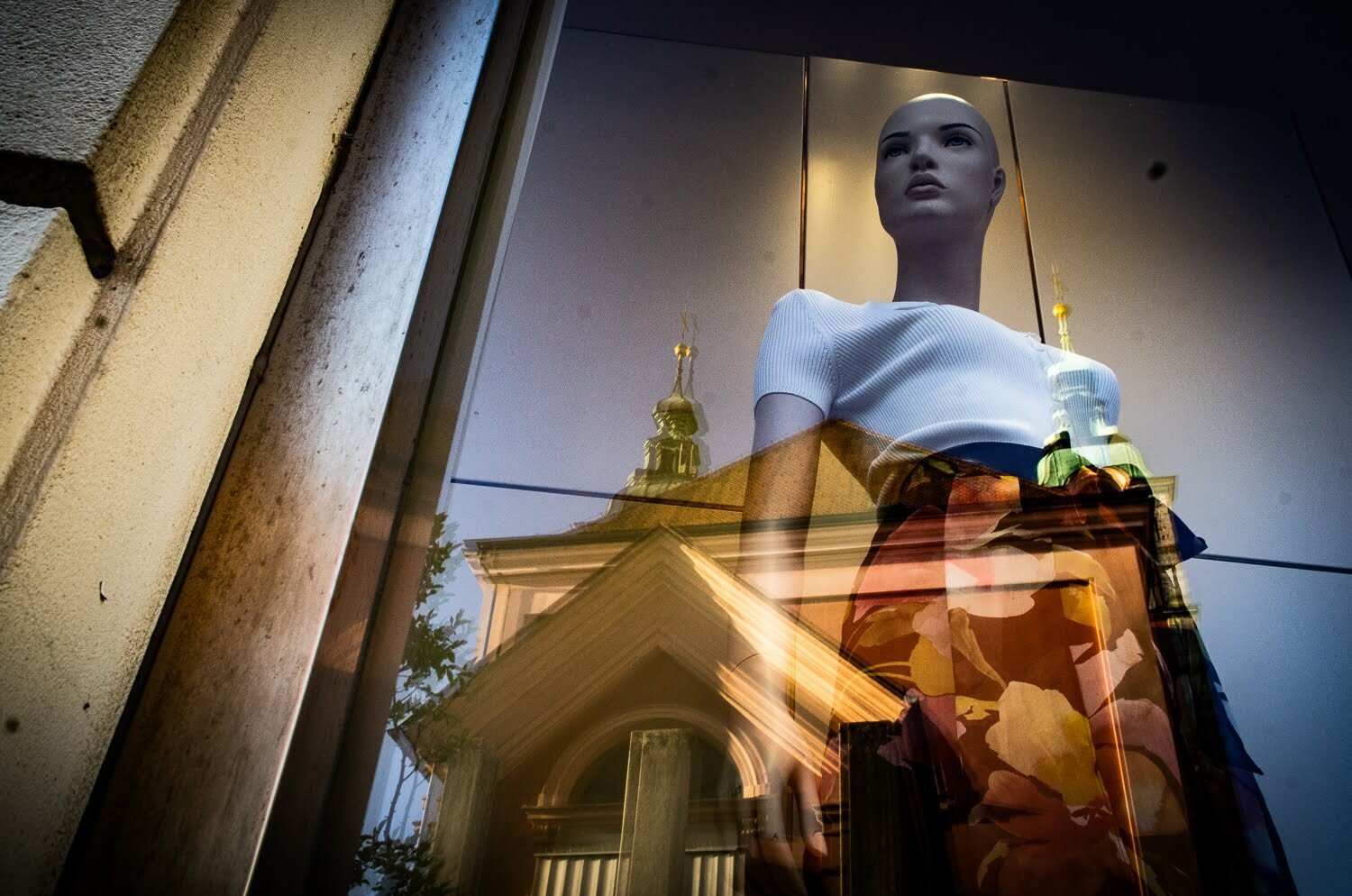
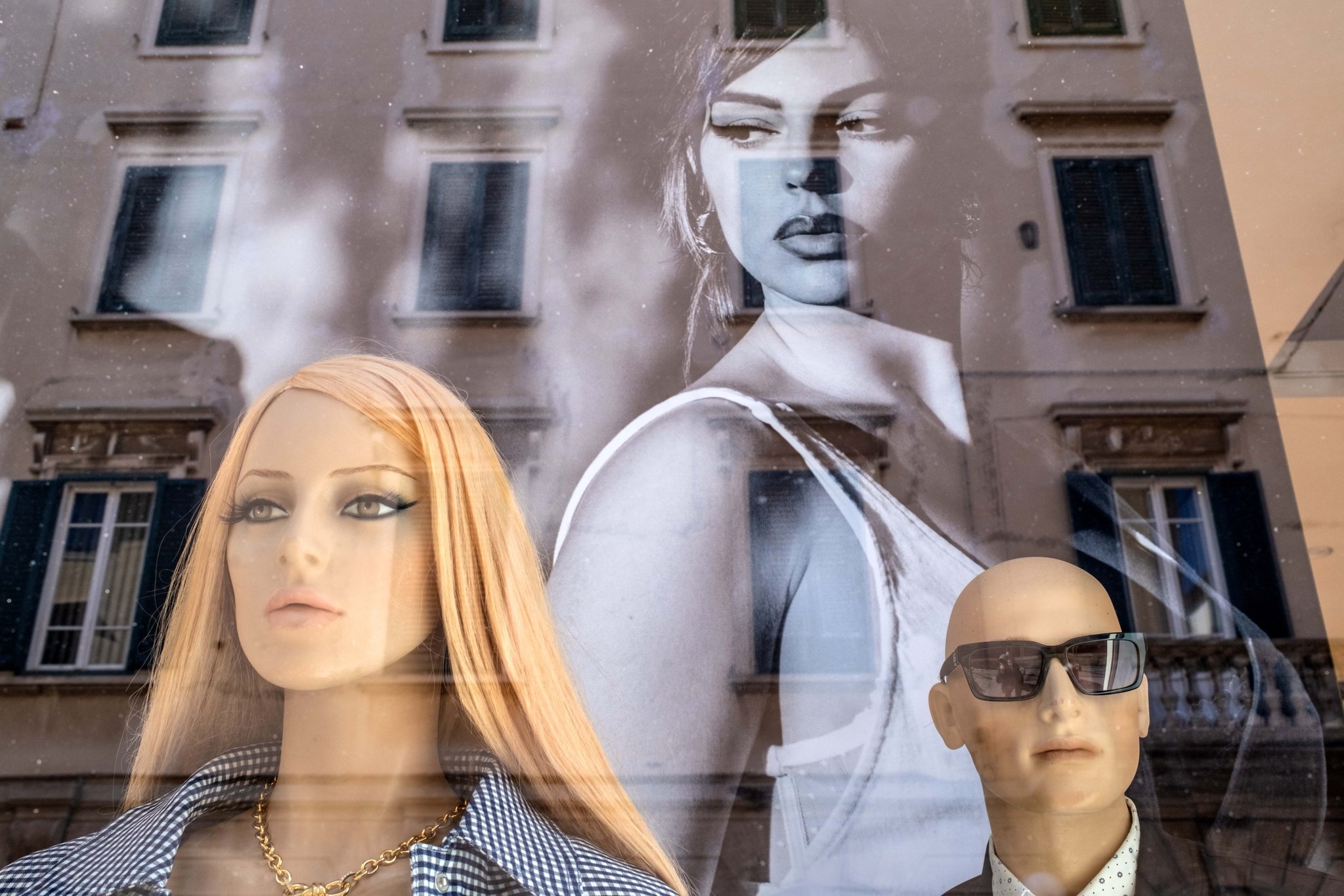
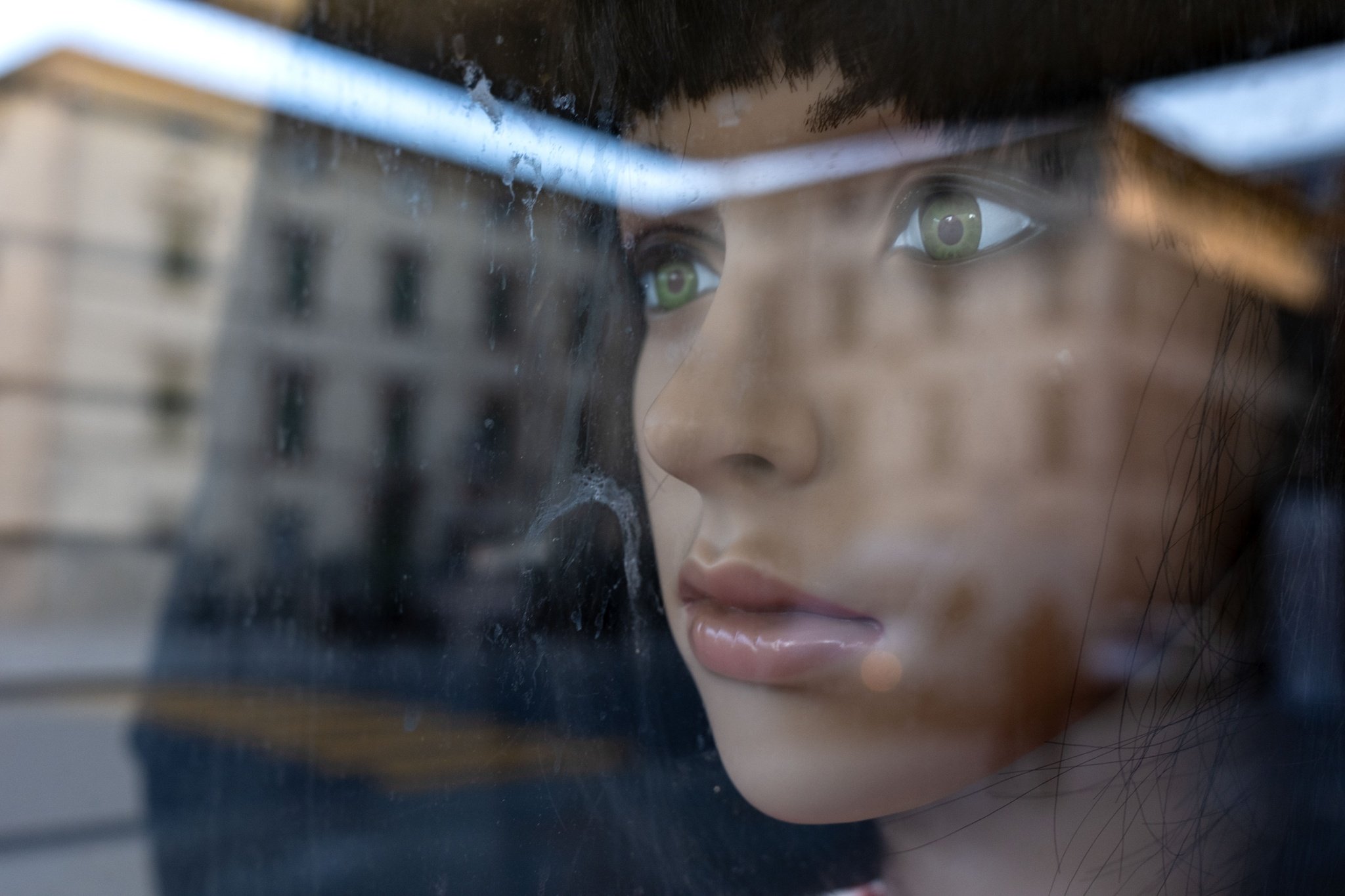
If ever you need a tonic to lift your spirits, you can always take a walk with our Bogo, through the streets of Lublijana. He describes this as ‘an old man’s walk’ but he does himself a disservice. He has always had a different way of looking at things, a passion for colour and a fascination with the fake world. Strolling through the beautiful streets of his hometown, Bogo pauses in front of the shopfront mannequins and interprets their unspeaking ways, connecting their body language and expressions with the vibrant scenes around. Patient and adept, he finds a little time to capture some of the local characters, himself included, as he adds to his portfolio of selfies. It’s an interesting, light hearted take on the world with more than a smattering of cheery bright weather to warm your mood. Why not take a moment to enjoy his fruitful walk.
(Keef Charles)





















Almost Human
by Roberto Bartolini
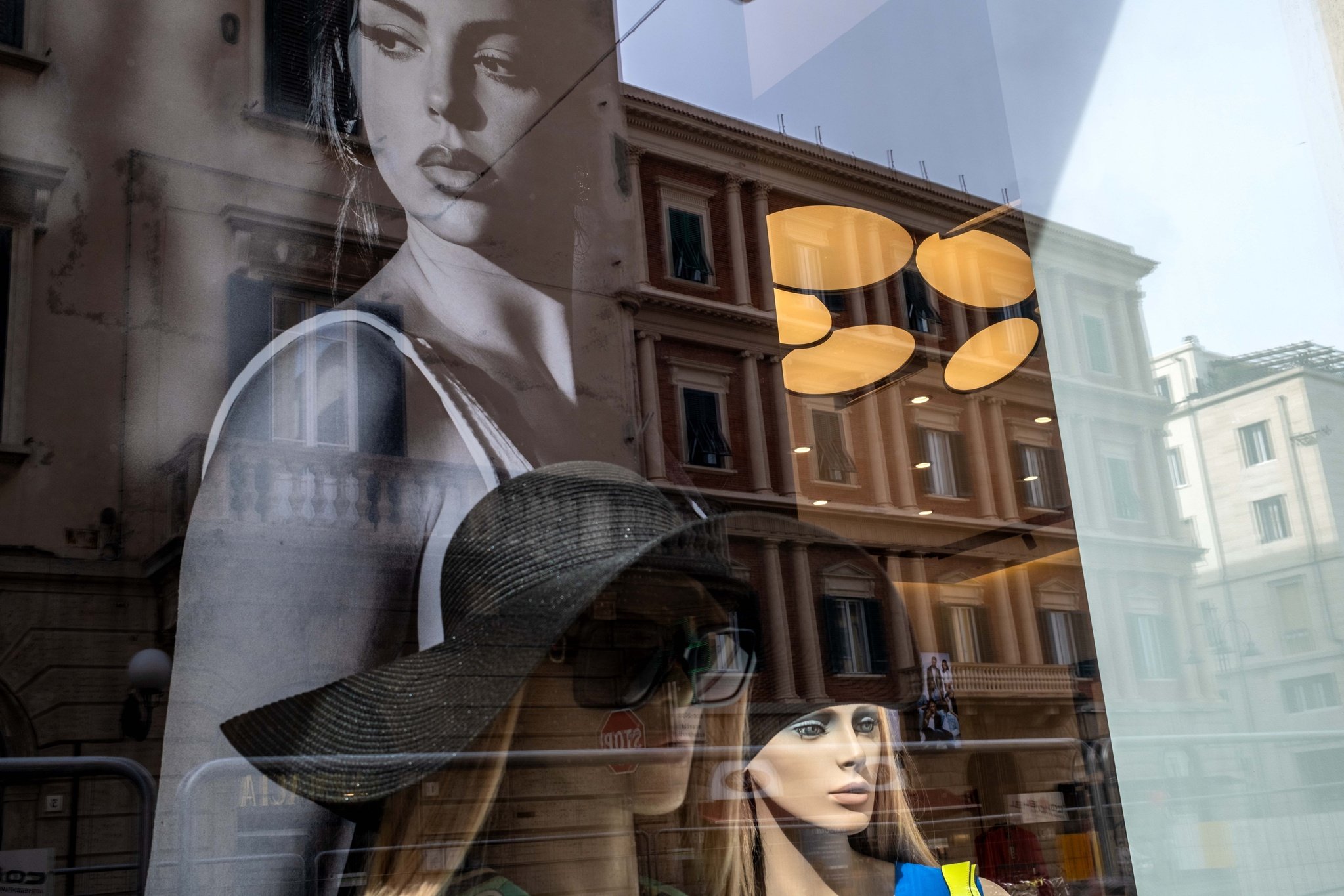
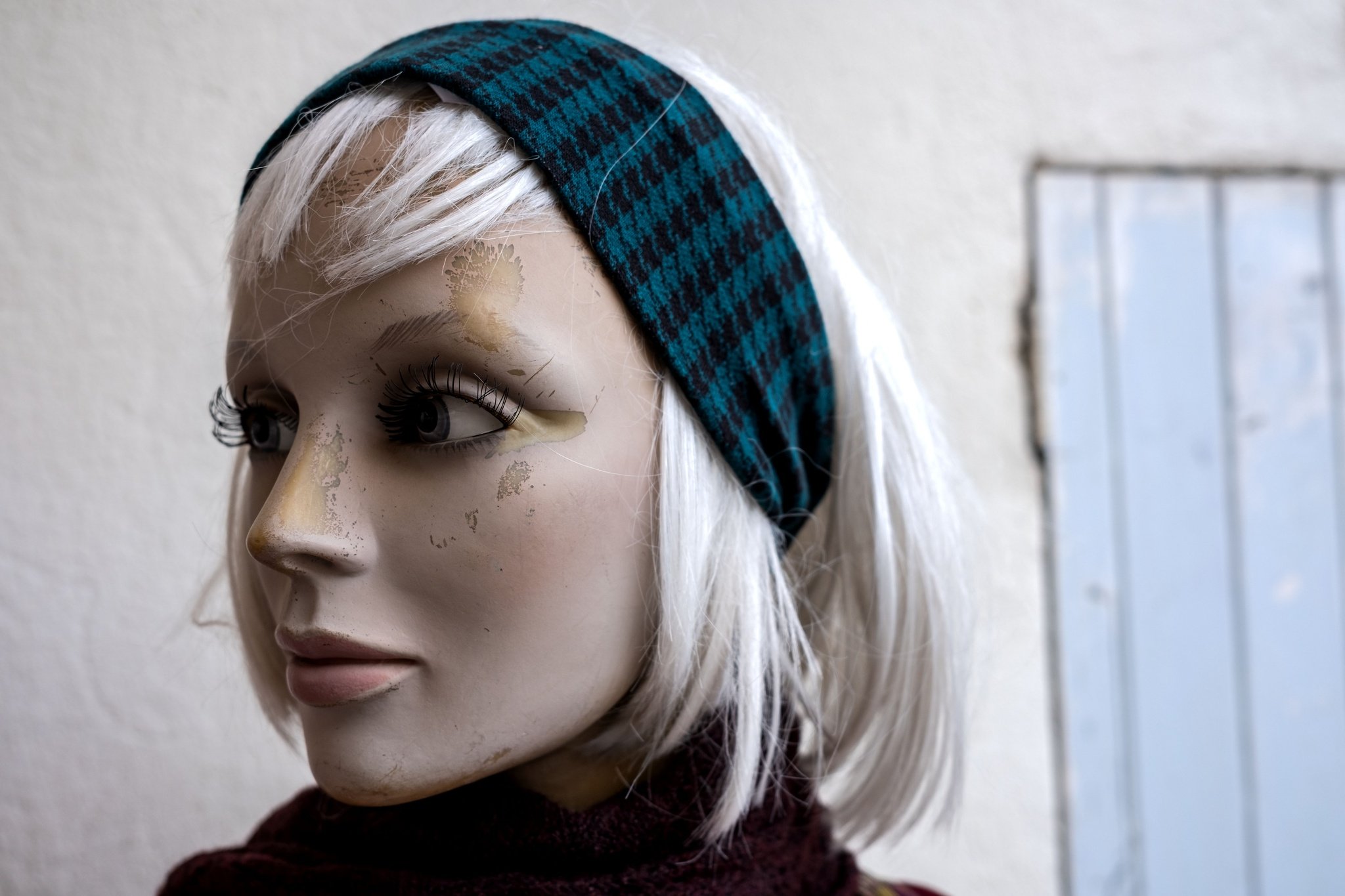
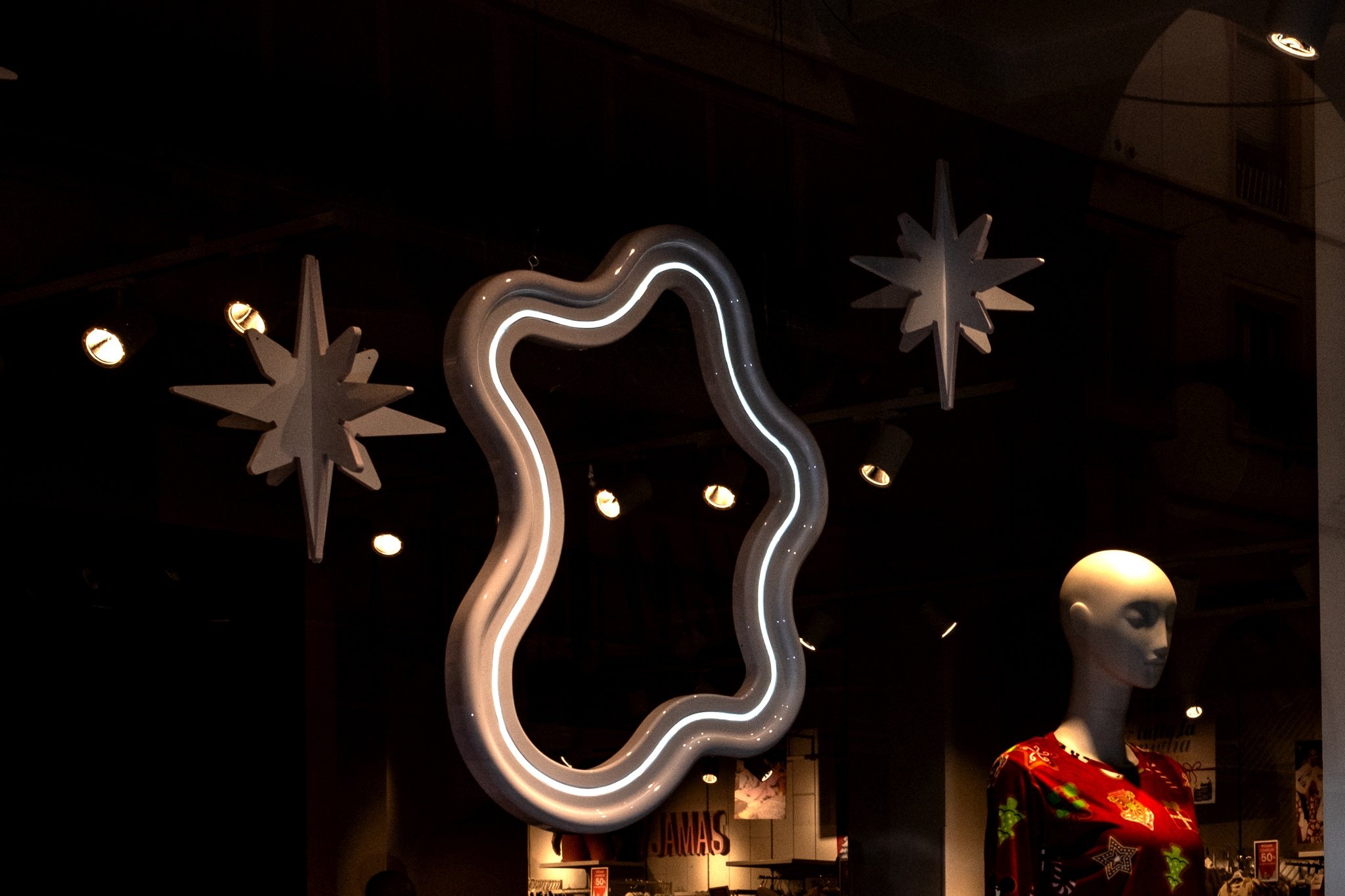
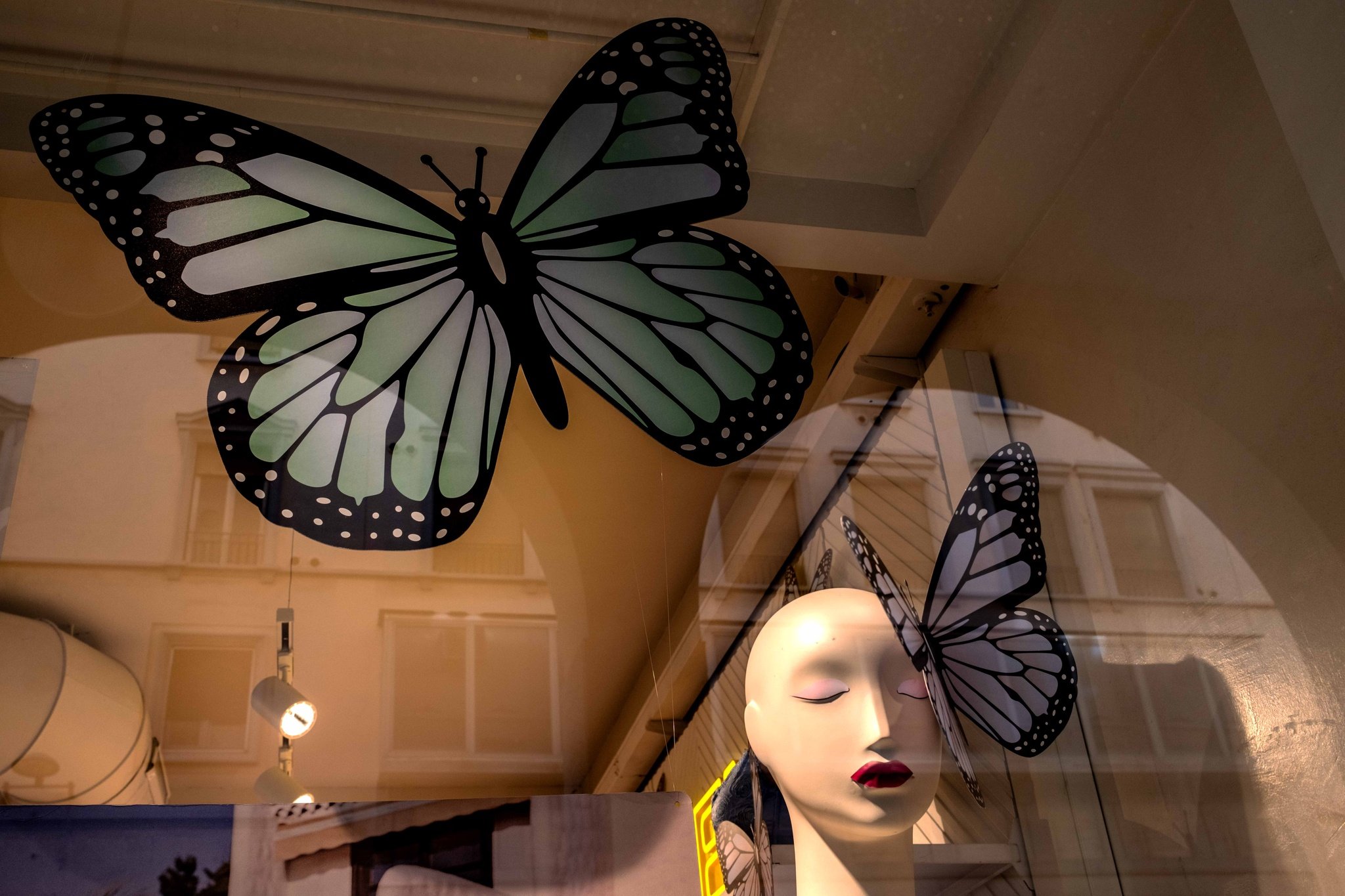
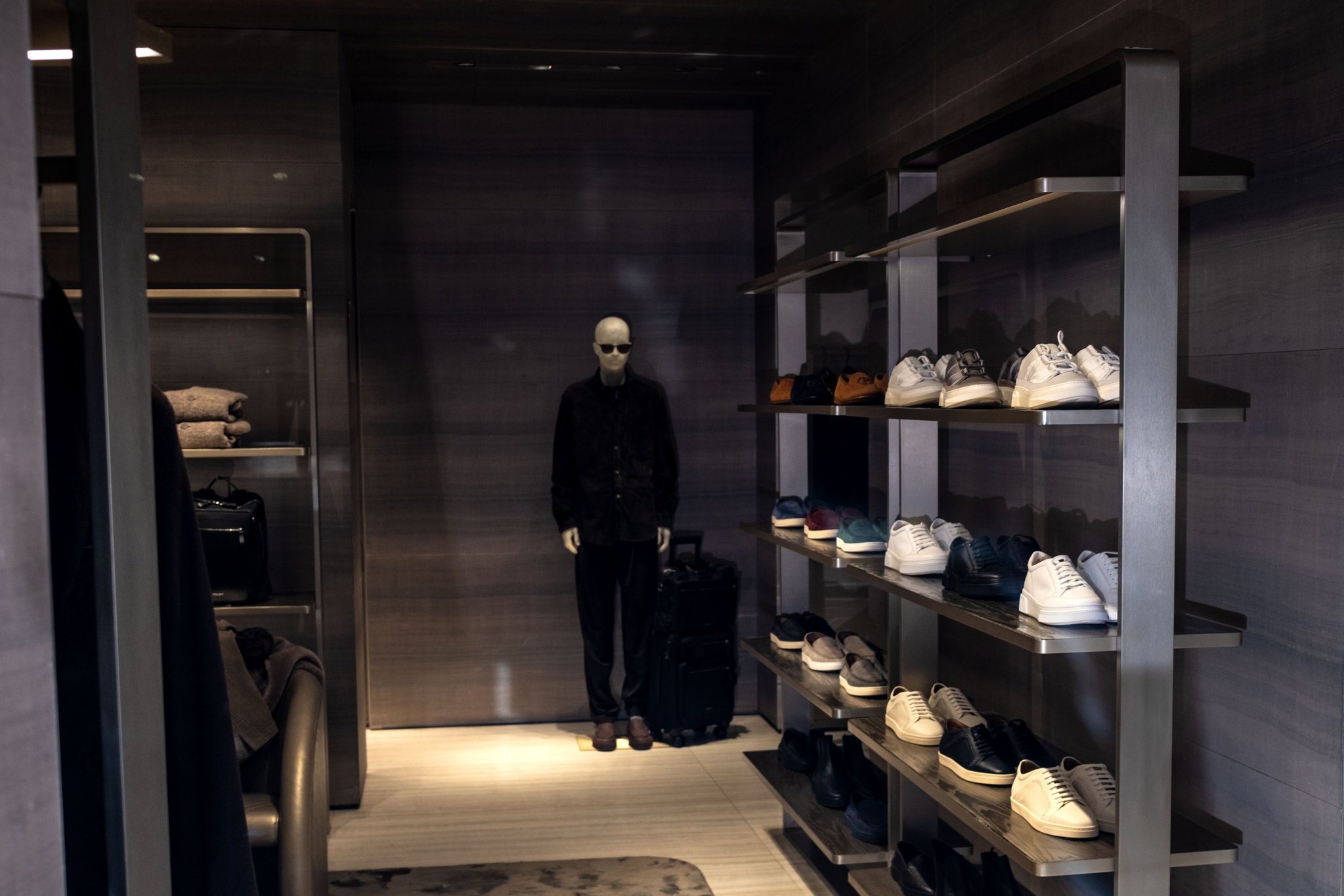
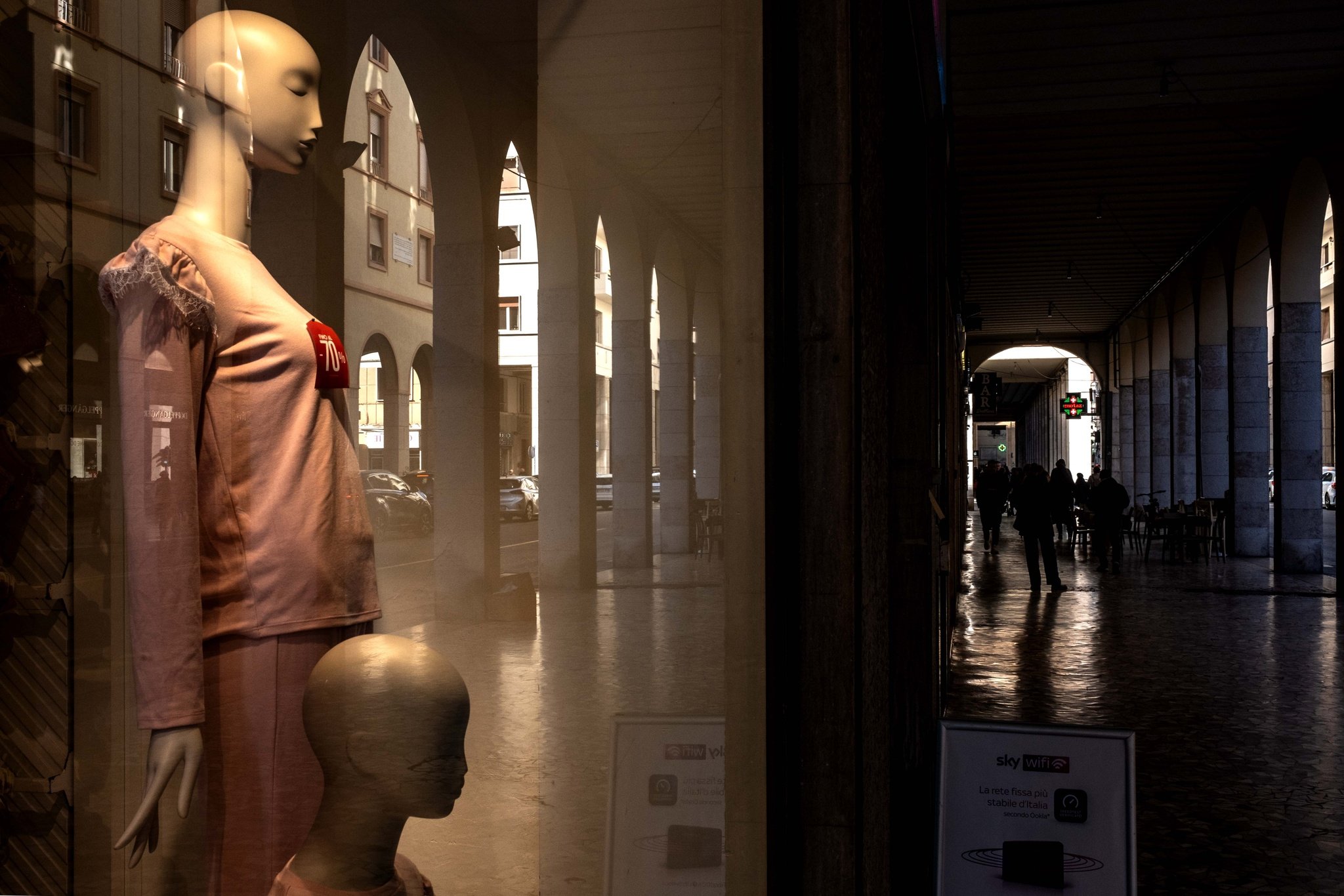
I have always been attracted to mannequins. Since I was a child. They have always fascinated or worried me. A bit like humans. This is why I have always seen them as "Almost”
Ever since I was a child, I stopped in front of the shop windows where there were mannequins. They were less realistic than many models today but they still attracted me. I imagined them having their own stories, just like they were people.
Sometimes I imagined myself of a feminine beauty. What could she think about staying there, being stared at all day? Sometimes, those with slightly disturbing expressions were there as punishment. To pay for some kind of crime or sin. I wondered if they had parents, siblings or other relatives.
Once I grew up, I lost this imagination, but I have always continued to be attracted to them. I can't help but stop and look at them carefully. Almost always I don't even know what shop it is.
One day I listened to a song by Renato Zero, an Italian singer, it's called
“MANNEQUINES”
Who pulls your strings,
Is it God or Satan?!
Who pulls your strings, is it male or female?!
Who prays to you, who hates you, who will wait for you...
Someone, or something, will certainly move the strings!
Mannequins,
faceless, ageless...
Thin threads united by fate...
The same destiny, the same truth!
The mannequin has a soul, and perhaps, he doesn't know it!
It's too early to go...
Too early to understand...
Too early to die...
Why, soon, we don't know!
When the reason,
that your threads will move,
It's just, time...
And all too soon, it will come!
Who pulls your strings,
He's a drunken father, to be pitied!
There are few threads,
What moves your mother,
What too many children he has!
Progress plays,
Against your naivety!
But there is your conscience,
And sooner or later, he will win!
Mannequins,
Faceless, ageless! Mannequins,
In the hands of those who are dummy, already!
Mannequins,
In old faces!
Dummies, us!
Mannequins,
We will always be, as long as you want!
The mannequin lets go...
He abandons himself to your will...
The mannequin, always hopes,
That his fate will change...
He is a faithful friend,
Until he finds out,
Which can only go...
The first steps, he will move!
When to dummies,
A meaning, come on!
Among those mannequins,
You won't stay...
The mannequins, they grow,
But in them, it will remain...
The desire to try,
In the skin of a man...
How are you!!!
Let's give it two!

COSSACK AGAINST BALKANS by George Koulouridis
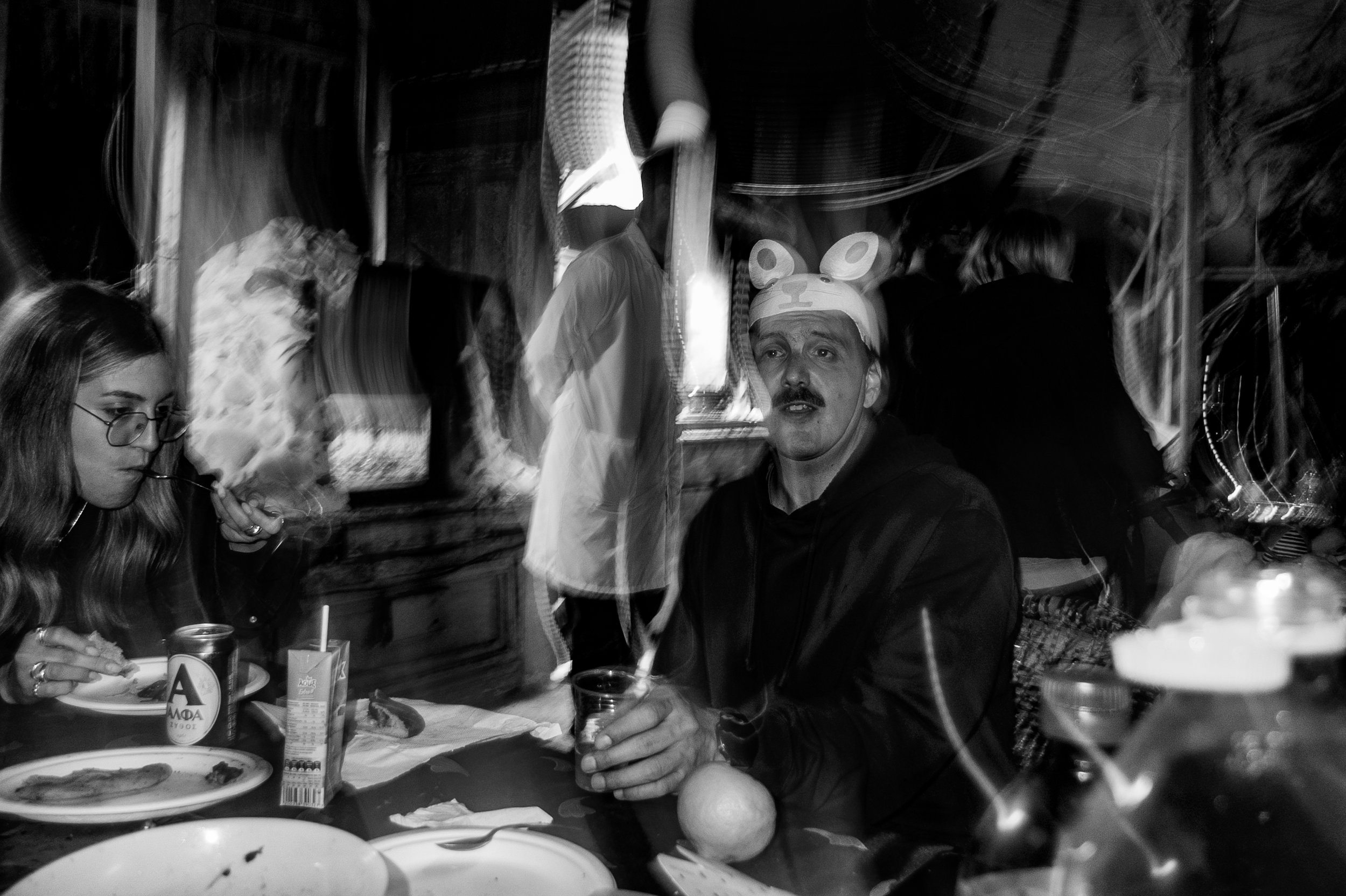
One day in a small town in Greece, a group of guys with their families gathered in a beautiful place to have fun. Suddenly a ruthless, speechless, slightly lost Cossack appeared out of nowhere, quietly wandering around the area. This enigmatic strange guy wandered aimlessly around the place, standing next to a loose Balkan guy, pointing at him with his pistol under the look of a big butcher, who nervously held two huge blades in his hands and was about to stain his all-white uniform. Everyone was wondering What is this guy doing here? Secret Agent; Paid executioner; Forgotten Bolshevik; No one knew… It was only a matter of time before the bloodshed began...Who will make the wrong move first? Fortunately, God helped to avoid the worst with the strange Cossack and Balkans become friends, drinking and dancing until the morning…
We come together and create something magical. The moments we share are beautiful and shine brightly even during our darkest times. It's like a movie that isn't played by actors but rather built and created by a company of people who pour their hearts and emotions into it. You can see the bond and connection in their eyes, which makes every moment wonderful. Every corner of the space carries a message; the flavours, the music, and the children's voices fill the atmosphere and bring out the child in all of us. We all become kids again in this special place. The children of the company are already preparing to take over from their parents to continue this fairy tale. We are lucky to have experienced it. Good friends are hard to find, but having them by our side is all we could ask for. Words cannot fully convey the aura and energy that this place gives us, but fortunately, there are pictures that can give you a glimpse of the magic.
Chalkida Greece, 17/03/2024
Life is better with friends / and a sense of humour.
/Friends who can make /you laugh until your stomach hurts.
by Giorgio Capello


My very productive foggy excursion
by Bruce Saille
I woke up the morning of January 25th around quarter to five. I looked out the window and saw that it was extremely foggy. I got dressed, grabbed my camera and was out the door.
I decided to set my ISO at 5000 and just see what I could do with a handheld, no tripod, which is not my normal way of shooting. The first thing I saw right out my door was a beautifully lit, foggy street with a full moon peeking through the clouds. I quickly took a few frames before the moon disappeared. I walked further and saw my second shot and then I was shooting a third shot of a lit street when then this man came walking down the street on his way to work heading right into my shot.
After that, I started to believe that the photo Gods were with me. I crossed the street to our community park and was surprised by this swing set that had good light coming in from the side. I started walking back home and was intrigued by a house emitting smoke from its chimney and was backlit by the local gas station. My final shot of the morning was a garage that was right behind me. When I got home, I thought I had a productive start to my day and was very pleased with what I shot.
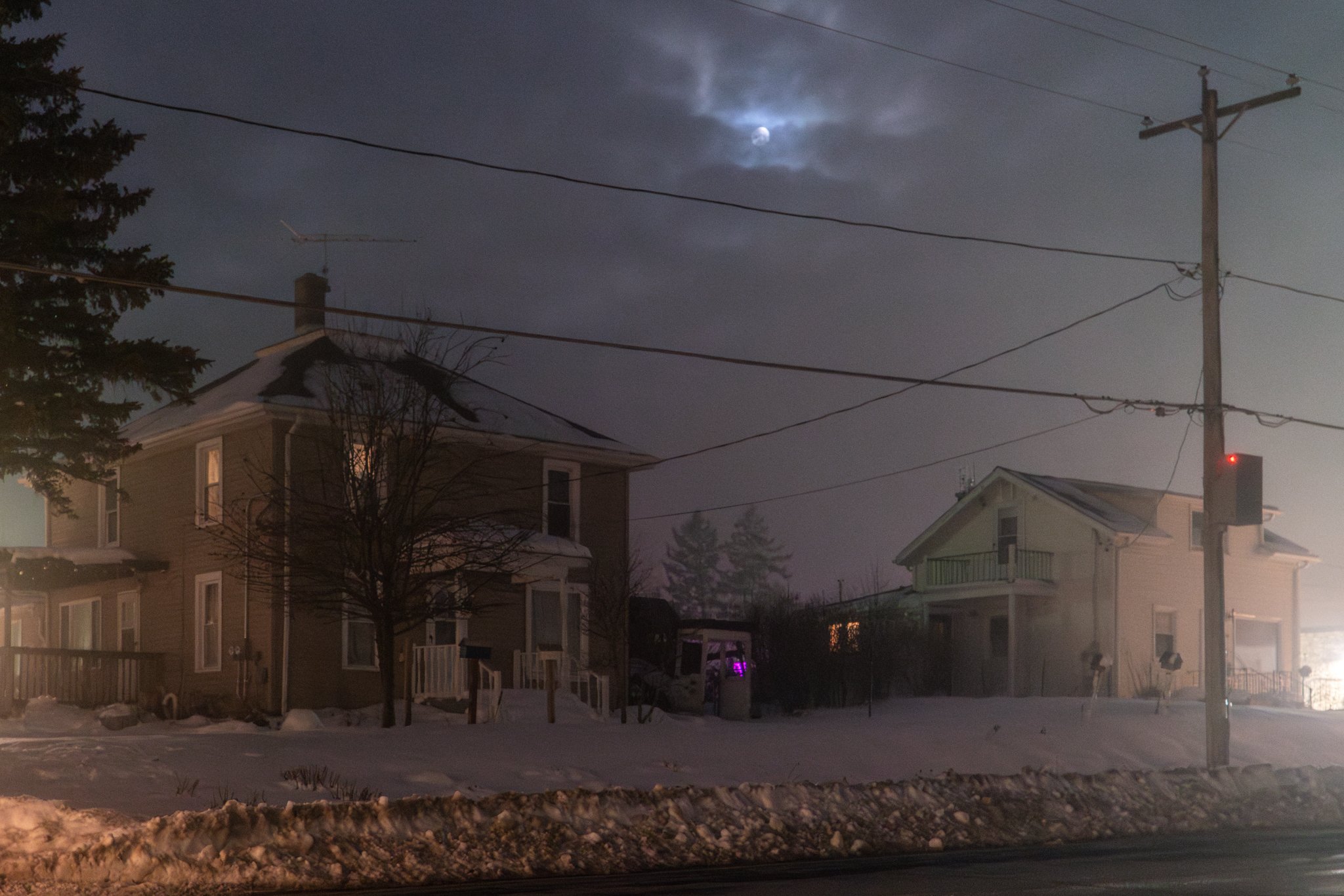
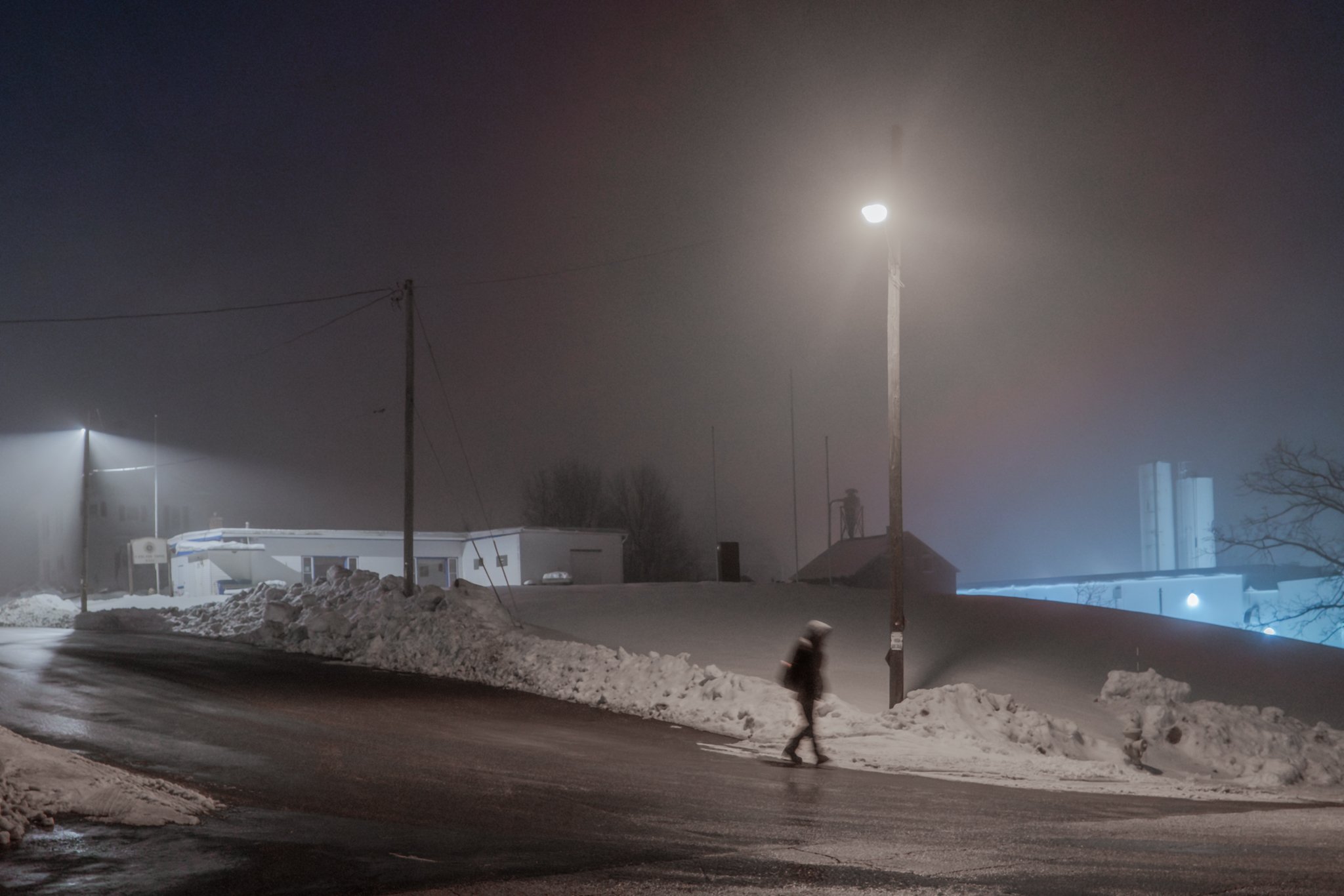
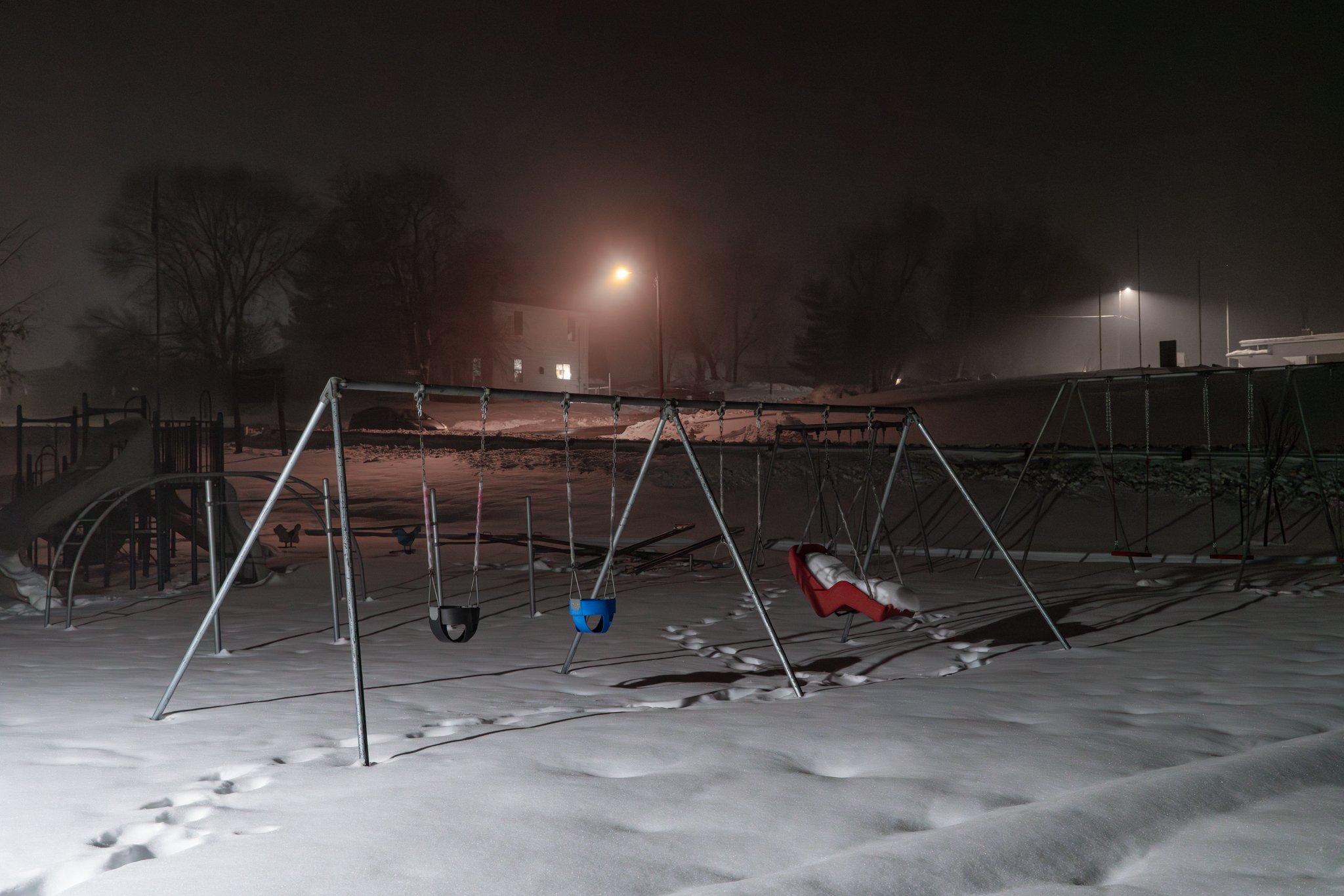
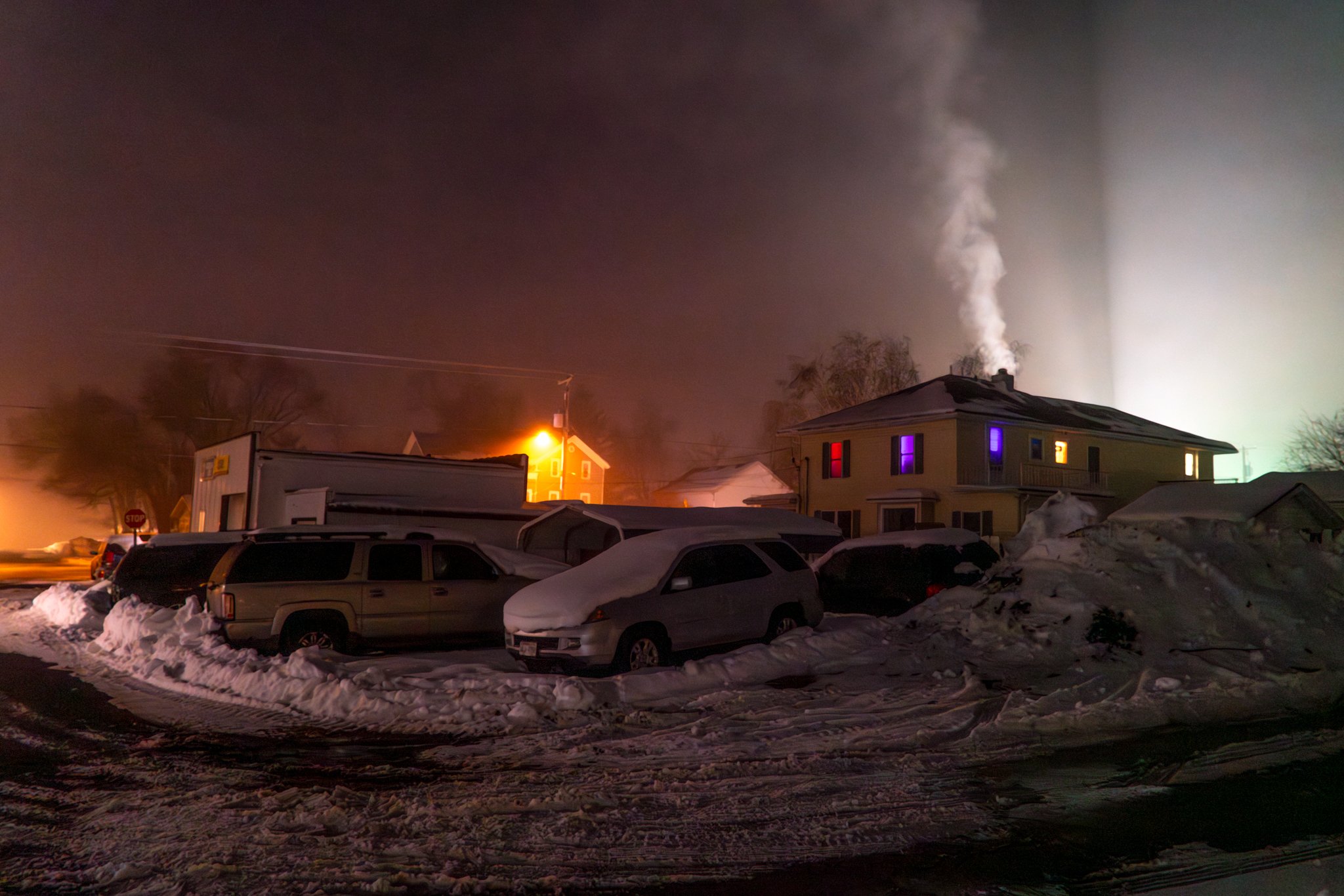
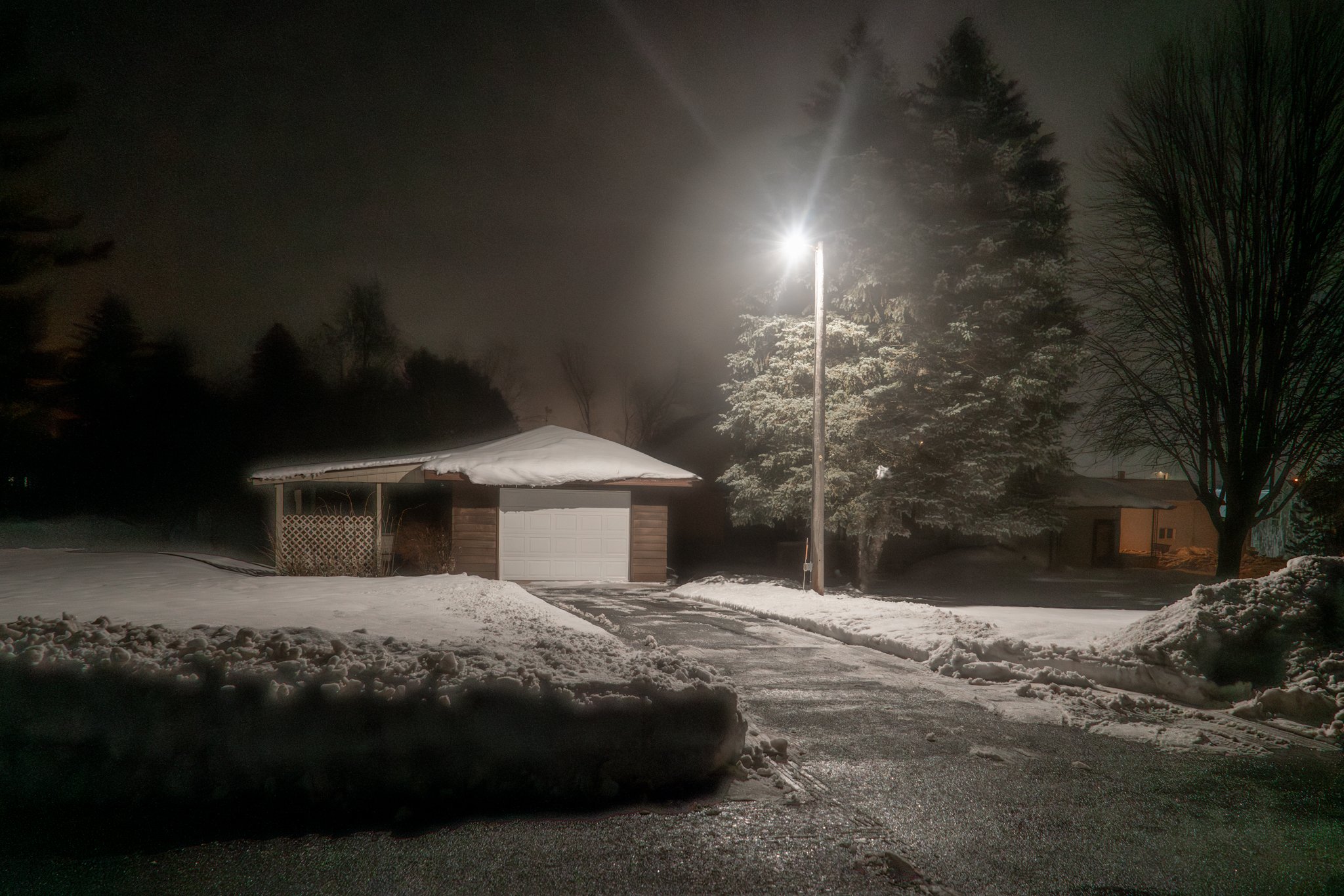
The sun came up and most of the fog lifted. But when the sun set, the fog returned.
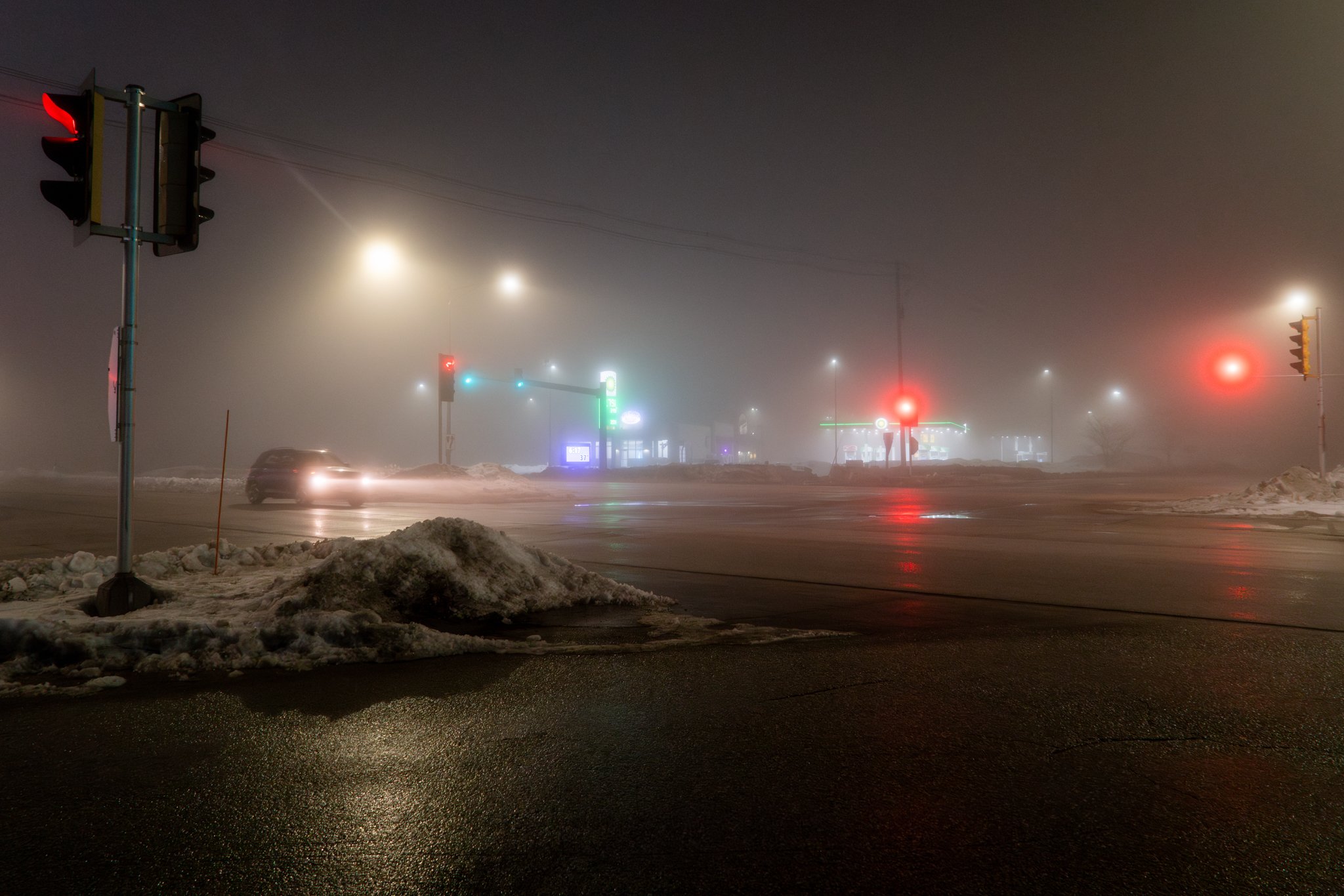
I decided I would go and photograph in the small city of Plymouth, which is about 15 minutes from my home. I headed out the door this time with my tripod. I knew that the first shot I wanted to make was at an intersection controlled by traffic lights on the edge of Plymouth. Shortly after I made the shot that I was satisfied with, it began to rain. It wasn’t heavy rain so I went downtown to see what else I might find. My last shots of the day were taken underneath a parking structure.
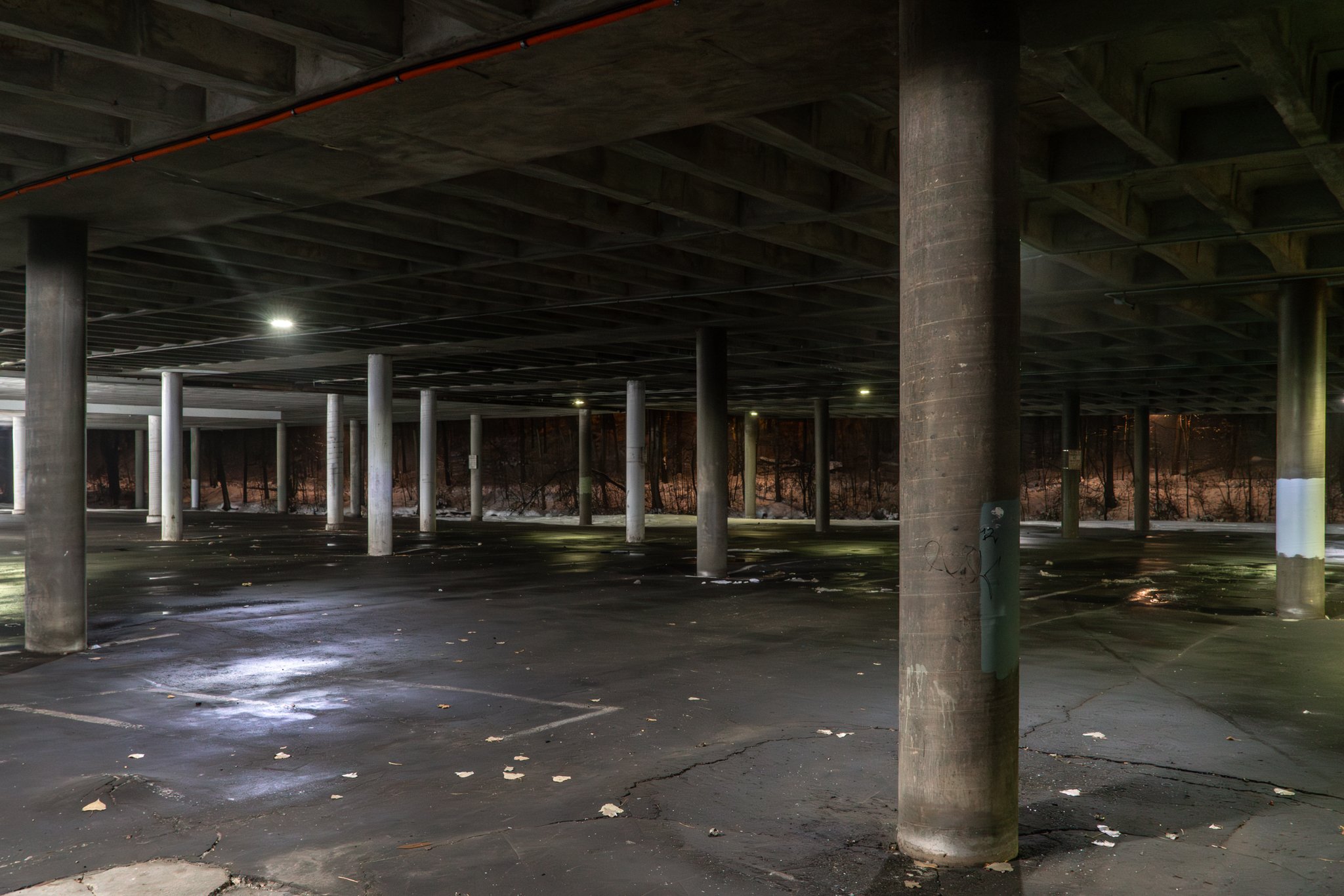
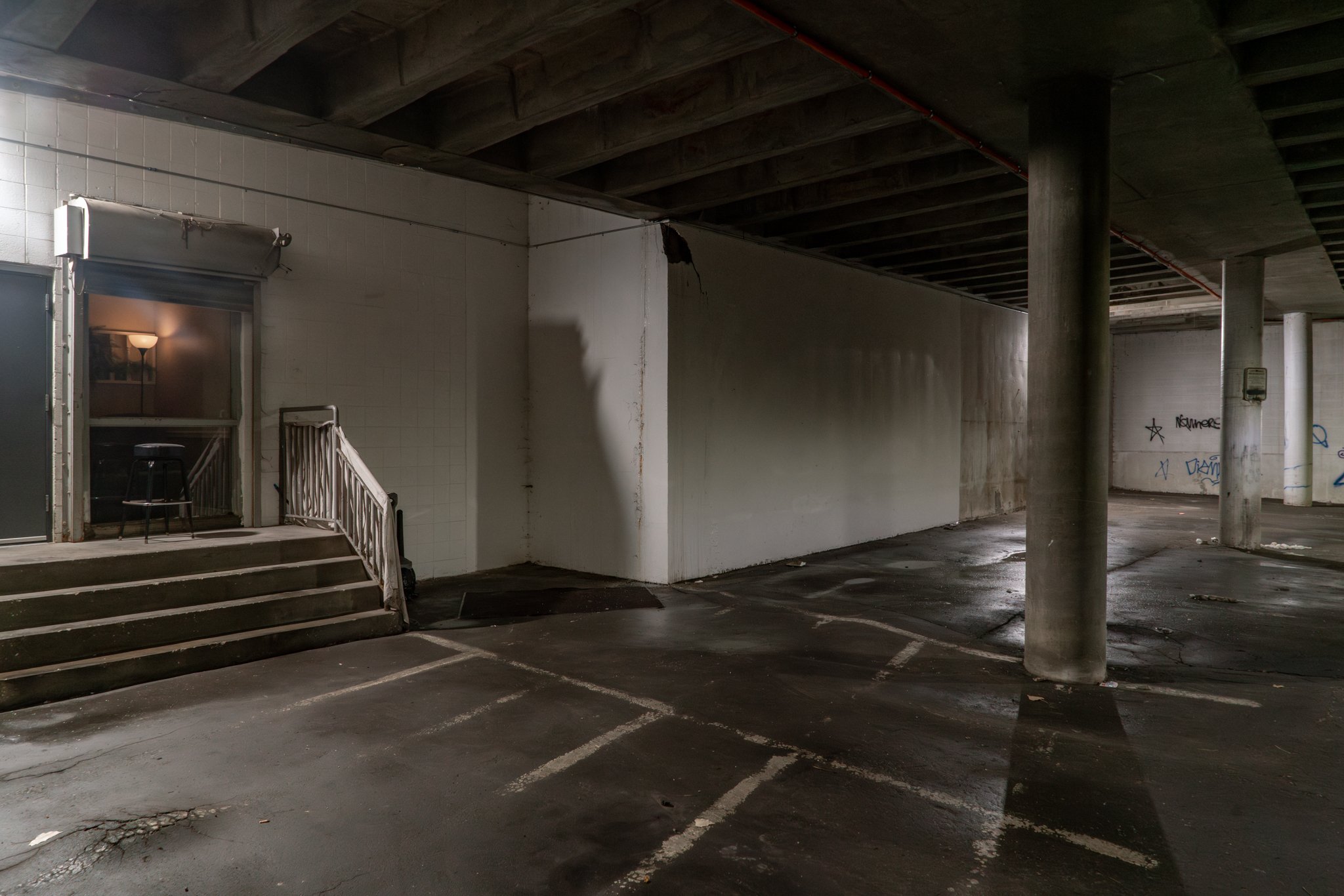
I’ve seen this area many times during the day but never at night. I made a few different shots and decided that since the rain wouldn’t stop, I would call it a day. I hope you enjoy these shots as much as I do.

Dieweg cemetery
by Ana Maria Prelipcean
“Remember that you are dust and to dust you shall return”
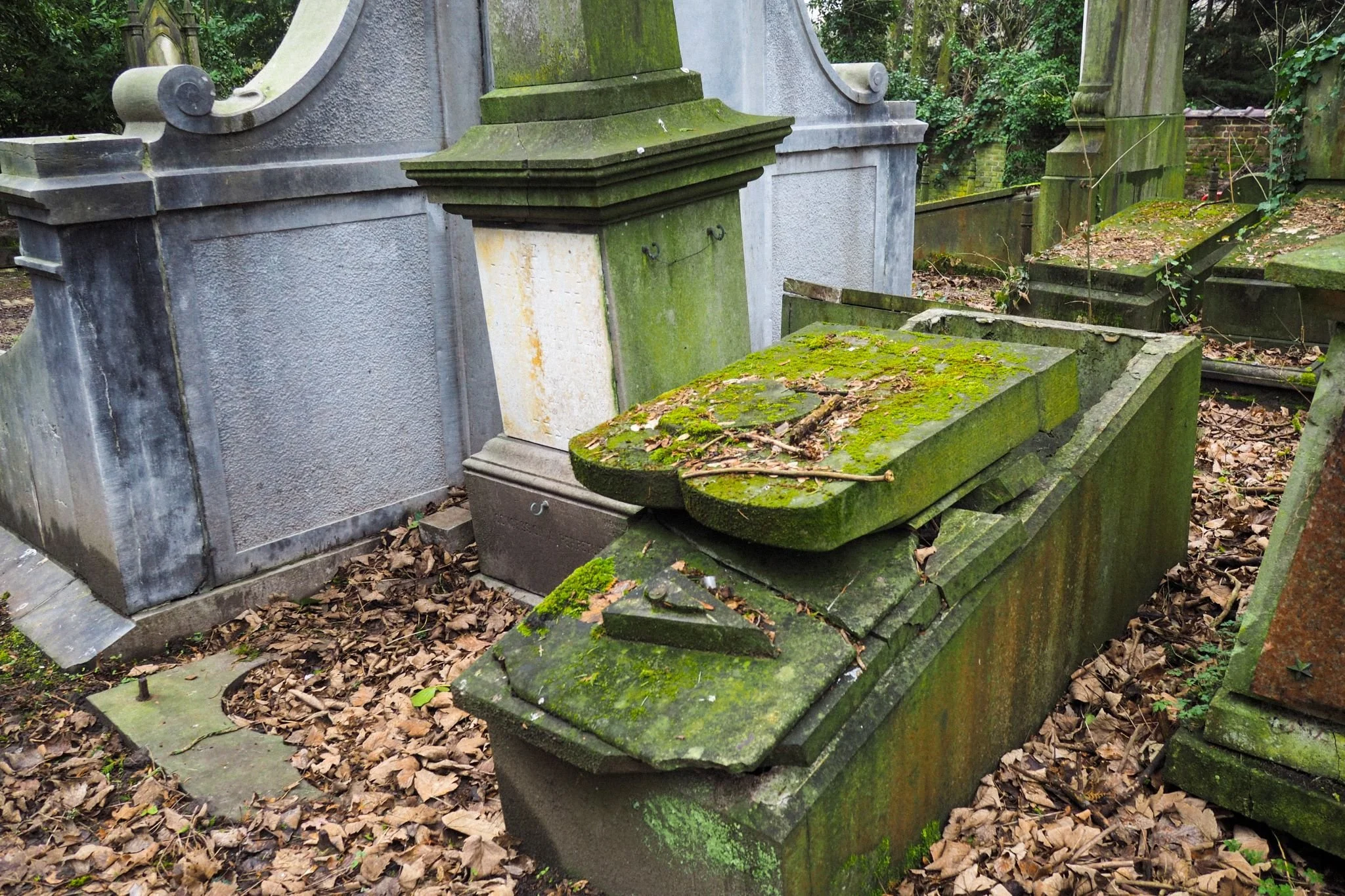
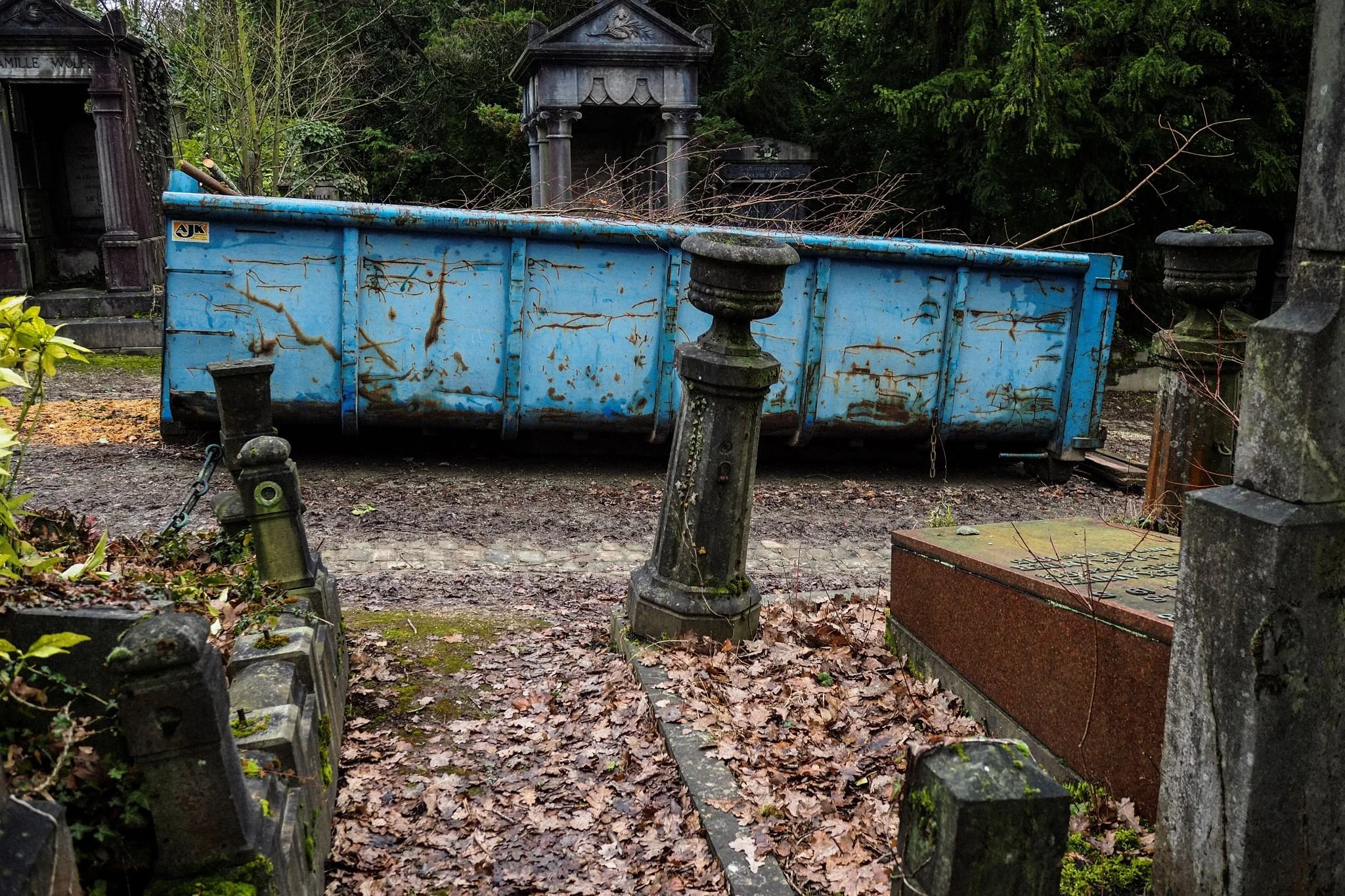
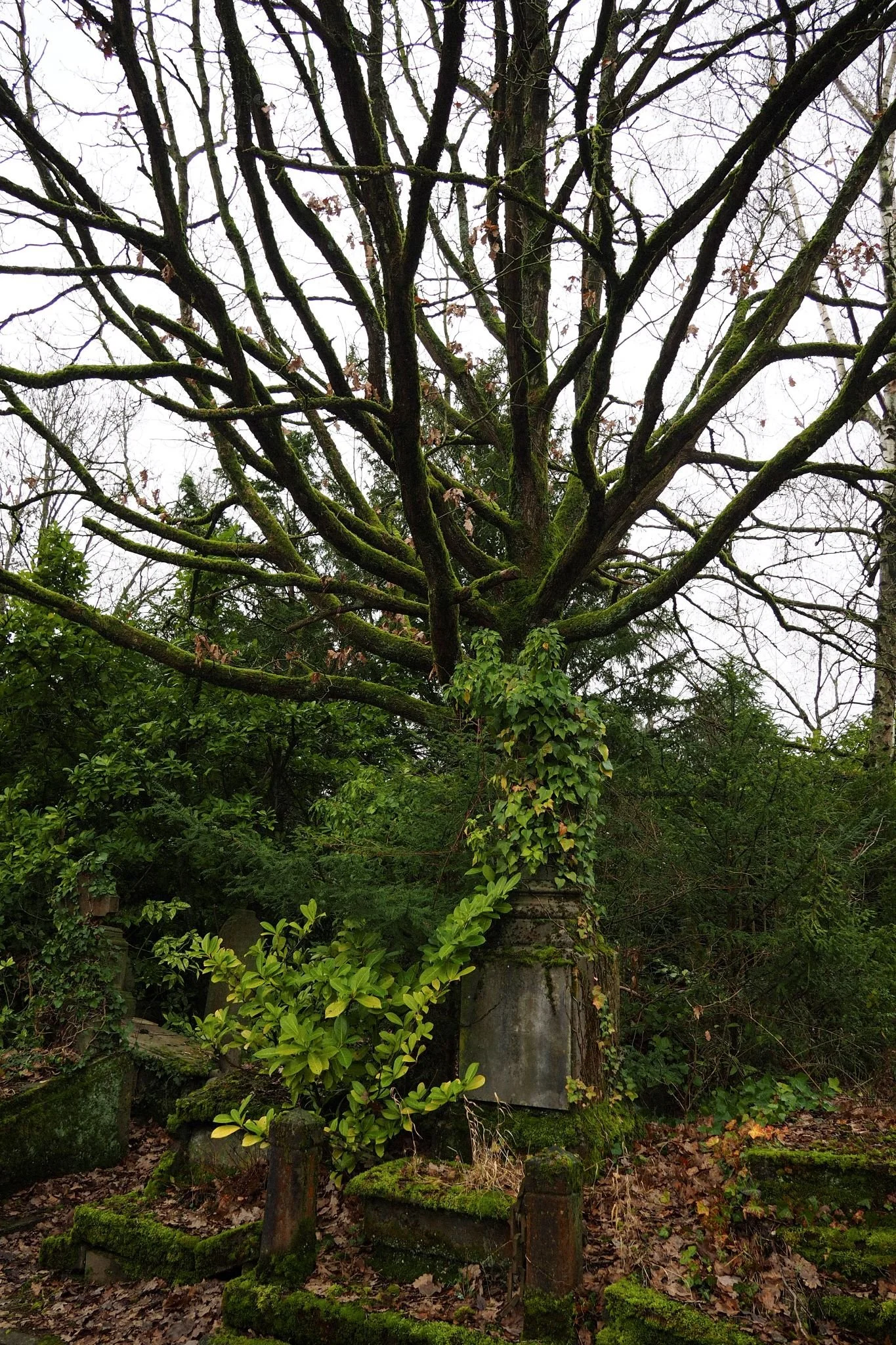
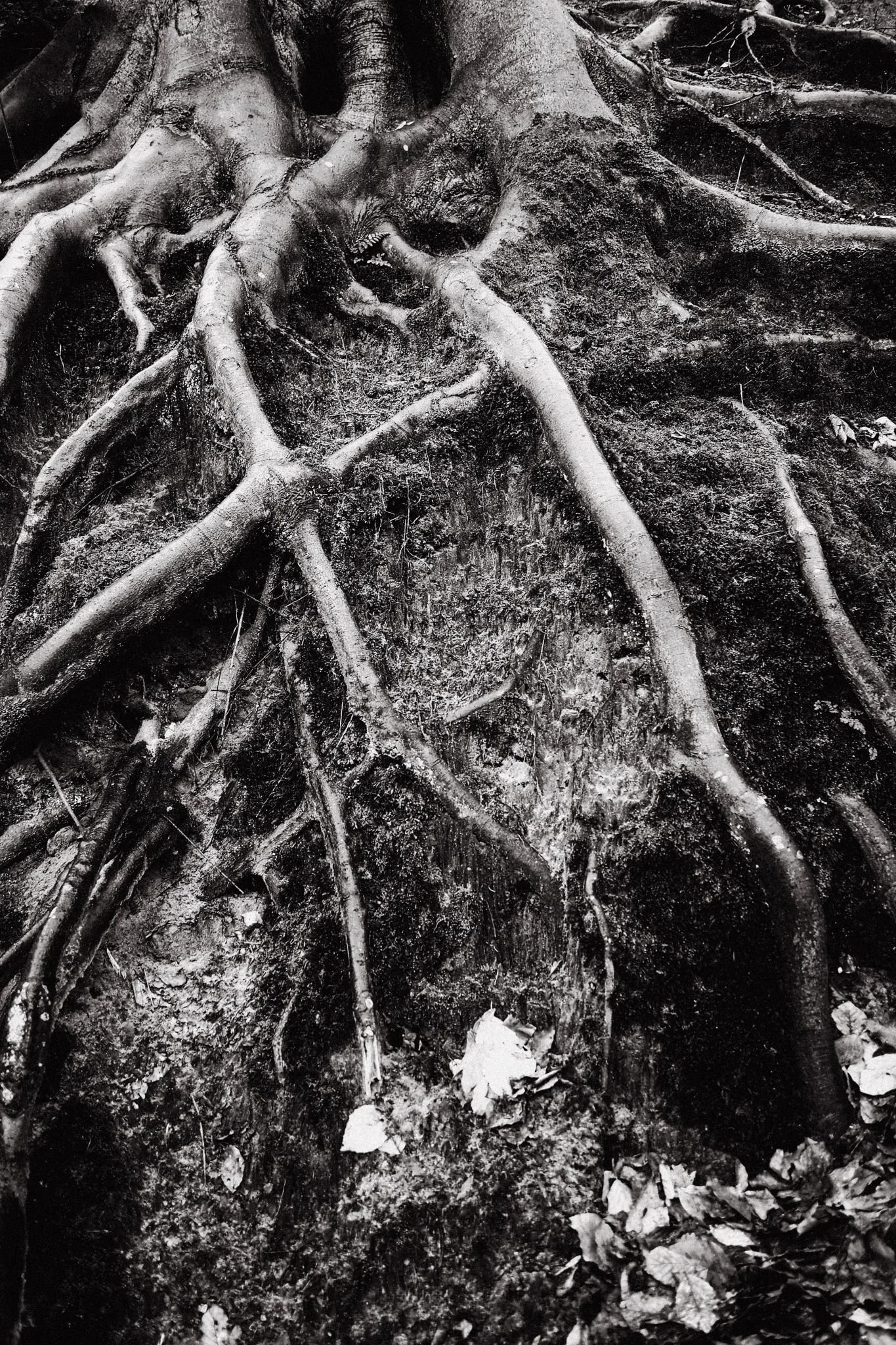
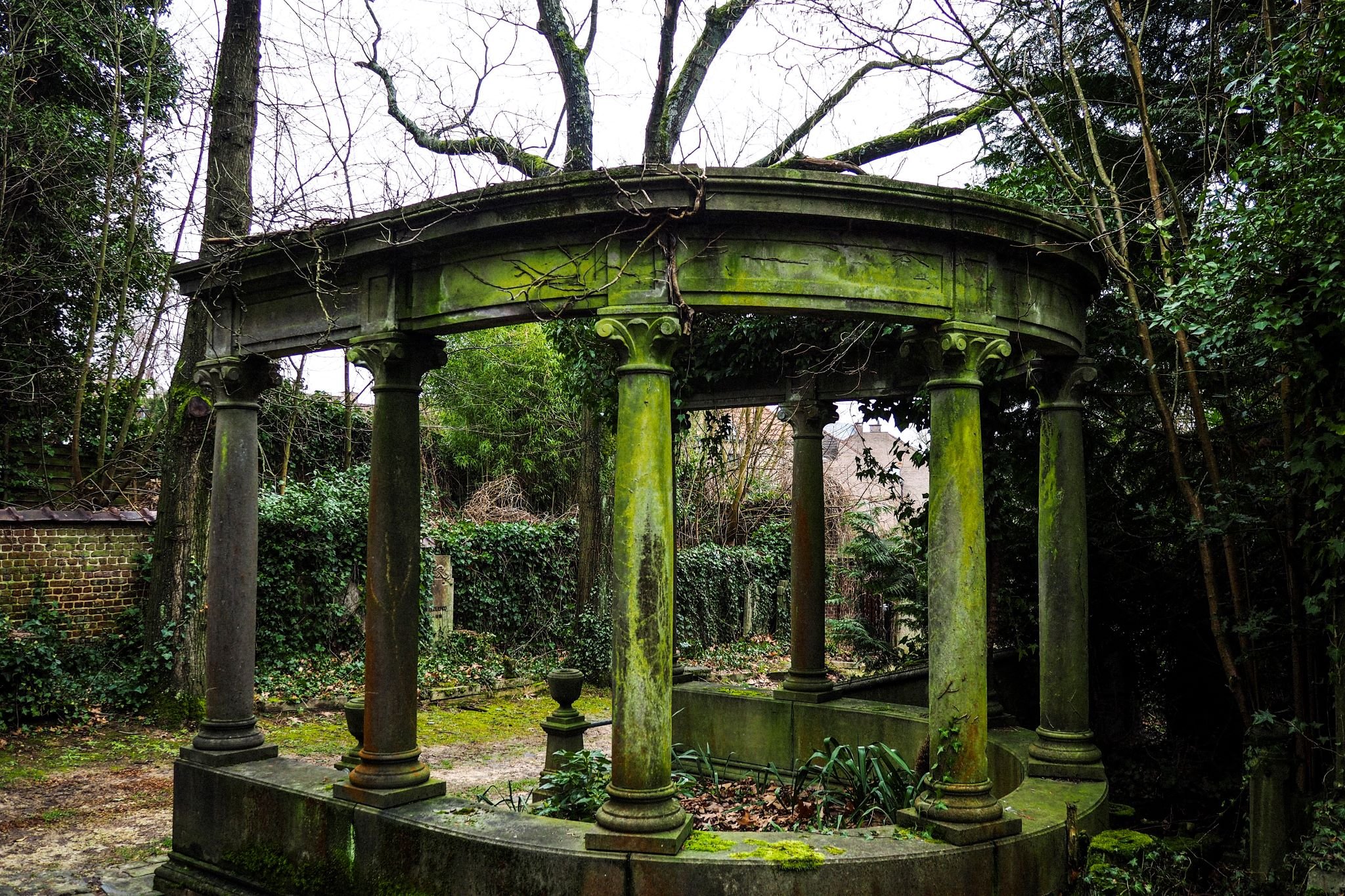
Beautiful and a little bit creepy for a lot of tourists, but romantic and calm for me. That’s the perfect description for the walk in Dieweg cemetery, on the outskirts of Brussels, during a cold January day. Constructed after the cholera epidemic in 1866 and abandoned in 1958, the cemetery fell into a state of decay offering now a unique visual experience. The nature reclaimed the stones and covered them in ivy and weeds, so the graves seem to be out of this world.
I’ve ever been fascinated about cemeteries, about these quiet spots in every city I go because I learnt not to be afraid of death. In these places, everything is quiet, maybe too quiet for someone used to the everyday noise and this experience may be overwhelming. But after a while, the brain stops asking questions and I can get in touch with the surroundings, with the birds, the leaves and the trees and I enter a different world that no longer exists. Reading the names on the stones, seeing all the faded photos of the dead, I can imagine a lot of stories about their lives: what did they do, whom did they love, were they happy, were they forgotten forever? I remembered some words in a poem by Robert Frost….
(“In a disused graveyard”)
The living come with grassy tread
To read the gravestones on the hill;
The graveyard draws the living still,
But never any more the dead.
The verses in it say and say:
‘The ones who living come today
To read the stones and go away
Tomorrow dead will come to stay.’
....and I left the place with a heart full of joy, with the desire to live the life fully.




In the captivating realm of photography, there exists a mystical force that breathes life into every image - light. From the very beginning of my photographic journey, I found myself drawn to this ethereal element, its radiant dance across the world stirring a deep yearning within me. I soon discovered that mastering the art of chasing light would become the compass guiding me through the labyrinth of creativity and self-discovery.
Chasing light was not a mere technique; it was a spiritual journey of embracing the moment and finding serenity amidst chaos. Armed with an entry-level crop sensor camera and a basic kit lens, I refused to let technical limitations deter me from my quest. Instead, I dove headfirst into the dance of light and shadows, learning to be patient, attuned, and present in each fleeting moment.
Amidst the hustle and bustle of life, I embarked on a soul-stirring journey to capture the essence of light. Armed with a simple crop sensor camera and a basic kit lens, I learned to harness the true power of photography, where the art of illumination transcends the boundaries of equipment. I discovered that in the quest for the perfect shot, the camera becomes an extension of the photographer's soul, a medium to paint emotions and create visual poetry.
As I navigated the streets and alleys, I discovered a transformative way of perceiving the world - embracing the present moment. No longer rushing to capture a scene, I allowed the light to lead my lens, patiently awaiting the perfect confluence of elements. With each click, I learned to be fully present, letting go of the chaos around me and immersing myself in the symphony of light and shadow. It was a profound realization that the art of photography is not merely about freezing moments in time but about experiencing life's fleeting beauty.
Through my pursuit of light, I came to realize that the ultimate award for a photographer is the photograph itself. Each image holds within it the artist's vision, dedication, and emotional connection to the moment. It is a timeless masterpiece, a tangible representation of the photographer's soul, and the ultimate possession that becomes a part of their legacy.
"I never let any failure stop me," I assert with unwavering resolve. Failure, I realize, is not an endpoint but a stepping stone towards growth. Each rejection and setback has been a vital source of illumination on my creative journey. Embracing these experiences with humility and resilience, I have evolved as an artist, learning to glean wisdom from the shadows of failure. The journey towards mastery is not void of darkness; rather, it is in these moments that the true power of light becomes apparent.
Vision emerges from the depths of the heart, where the luminous seeds of creativity reside. It is the fire that ignites the soul, guiding the lens toward visual poetry. Inspiration, like a radiant halo, illuminates my path, drawn from films, books, and the masterpieces of fellow artists. Each encounter with life's kaleidoscope fuels the glow of creativity, infusing depth and emotion into every captured moment. I believe that the pursuit of light is, in essence, the pursuit of inspiration, a beacon leading me to unseen realms of artistic expression.
In the enchanting world of photography, chasing light has been a transformative journey of self-discovery and artistic growth. As I continue to pursue this captivating art, I find myself one photograph away from capturing that elusive masterpiece, where light and subject merge into poetic harmony. Through the lens, I have discovered a sanctuary of serenity, and in sharing my visual stories, I hope to inspire others to embrace the beauty of chasing light and finding profound peace within their own creative pursuits. Let us embark on this ethereal journey together, as we capture the essence of life through the magic of light.
The Project Unfolds:
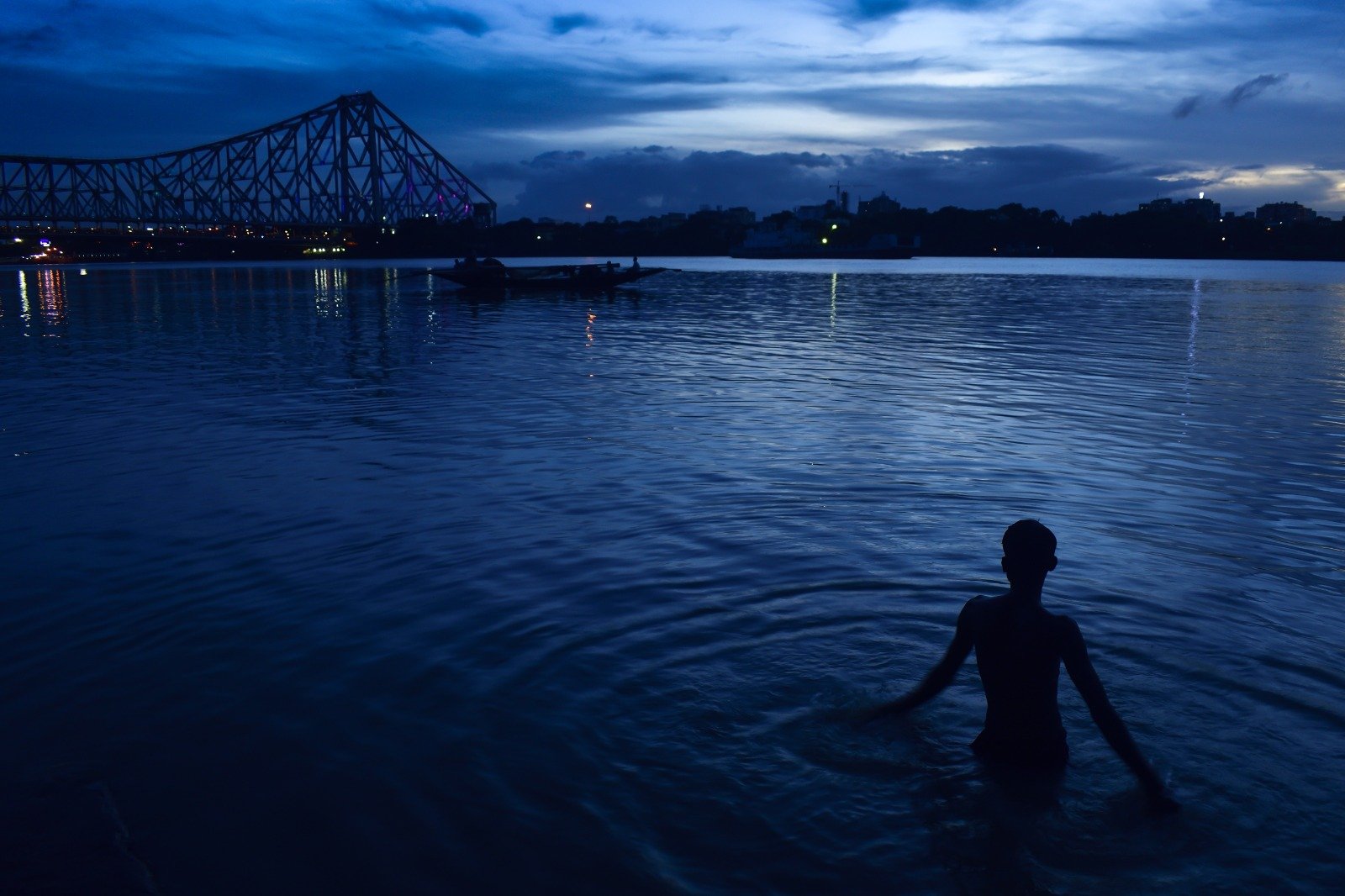
In the mesmerizing realm of photography, a new project has taken shape - "Varanasi, A Place Where Death Is Celebrated." Guided by the elusive dance of light, I embarked on an enthralling visual journey through the sacred city. Varanasi, a place of profound spirituality and cultural heritage, presented unique challenges with its tricky light conditions. As I chased the elusive light, each photograph became a narrative, weaving tales of spiritual significance and ancient rituals. The beauty hidden within the shadows of Varanasi's timeless landscape unfolds before your eyes, inviting you to experience the mysteries of life and death.
My desire to someday compile these captivating visuals into a book fuels my passion for this project. With light as the guiding force, this collection aspires to resonate with your soul and evoke a deeper appreciation for the enigmatic charm of Varanasi.
Stay tuned for further updates on this compelling journey into the heart of one of the world's most revered cities.

Special Thanks To: In closing, I extend my heartfelt gratitude to the photographers who played a pivotal role in introducing me to the captivating world of light. Tanmoy Chatterjee, Joydip Mitra, and veteran Indian Photographer Shibnath Basu, your guidance and mentorship have been invaluable on this transformative journey. You ignited the spark that set me on the path of chasing light and discovering the magic within.
And to Batsceba Hardy, special thanks for being a constant source of inspiration and unwavering support. Your belief in my vision has been a guiding light, and I am deeply grateful for the encouragement that has propelled me forward.
To all the fellow photographers who share the same passion for light and artistry, your presence in this creative community has been a source of motivation and camaraderie. Together, we explore the infinite possibilities of photography, chasing the ephemeral beauty of light and capturing moments that resonate with the human spirit.

George Koulouridis
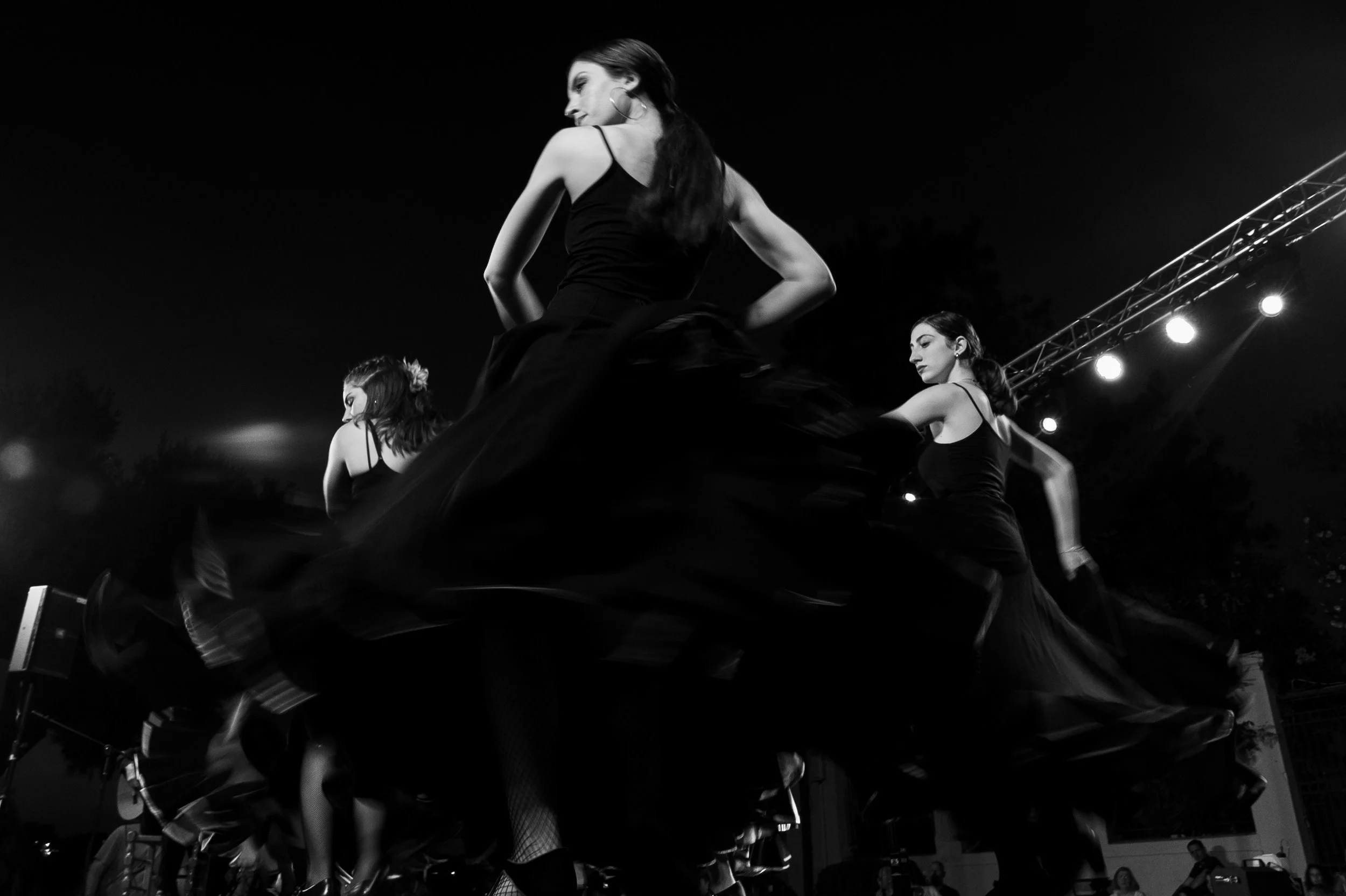
Some street photo walks last a little longer than others, it's because some moments are engraved deep in your heart and at night just before you fall asleep they still sing softly to you.
You hear the heels of the dancers, the guitars, the castanets, the claps they still give the beat and a word you never forget: “OLE!”
Welcome to the magical world of flamenco.
Chalkida, Greece 19/06/2023
by Shimi Cohen
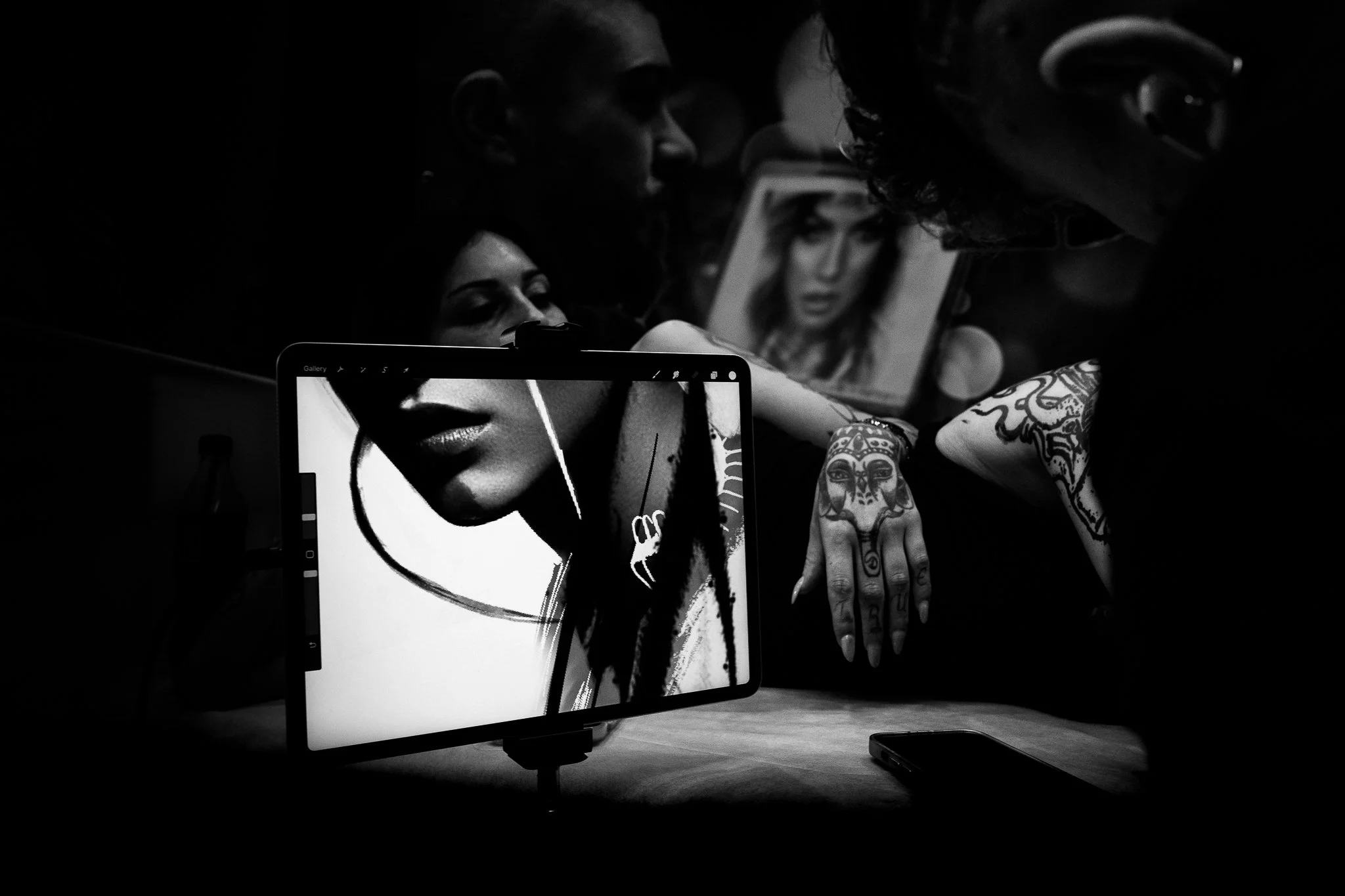
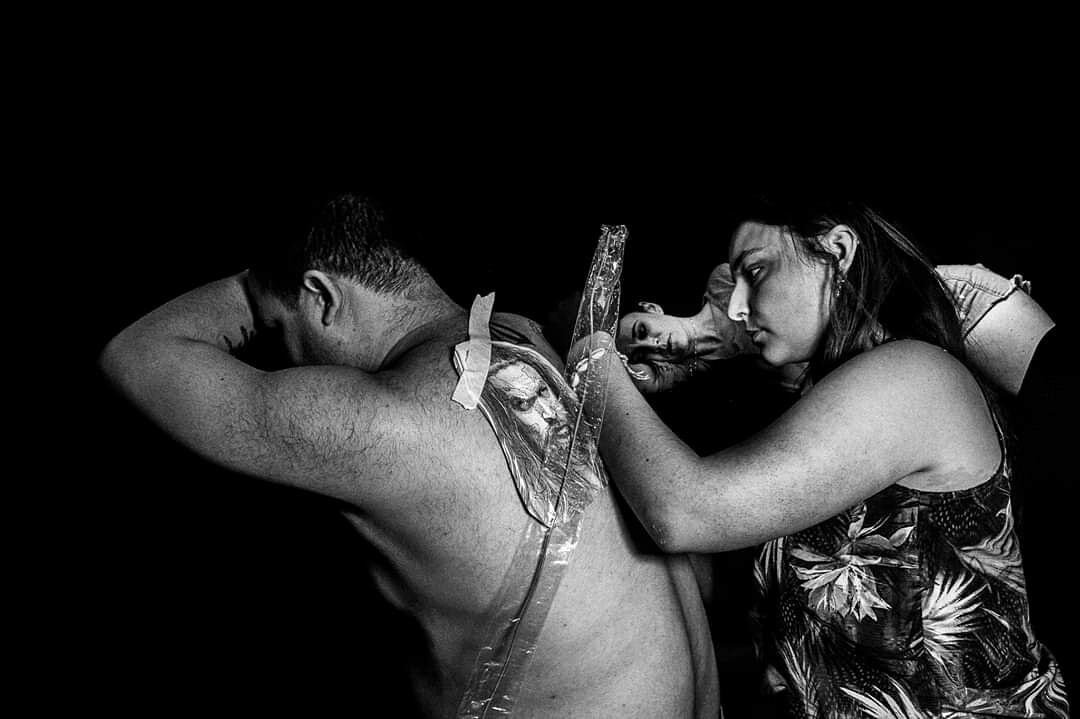
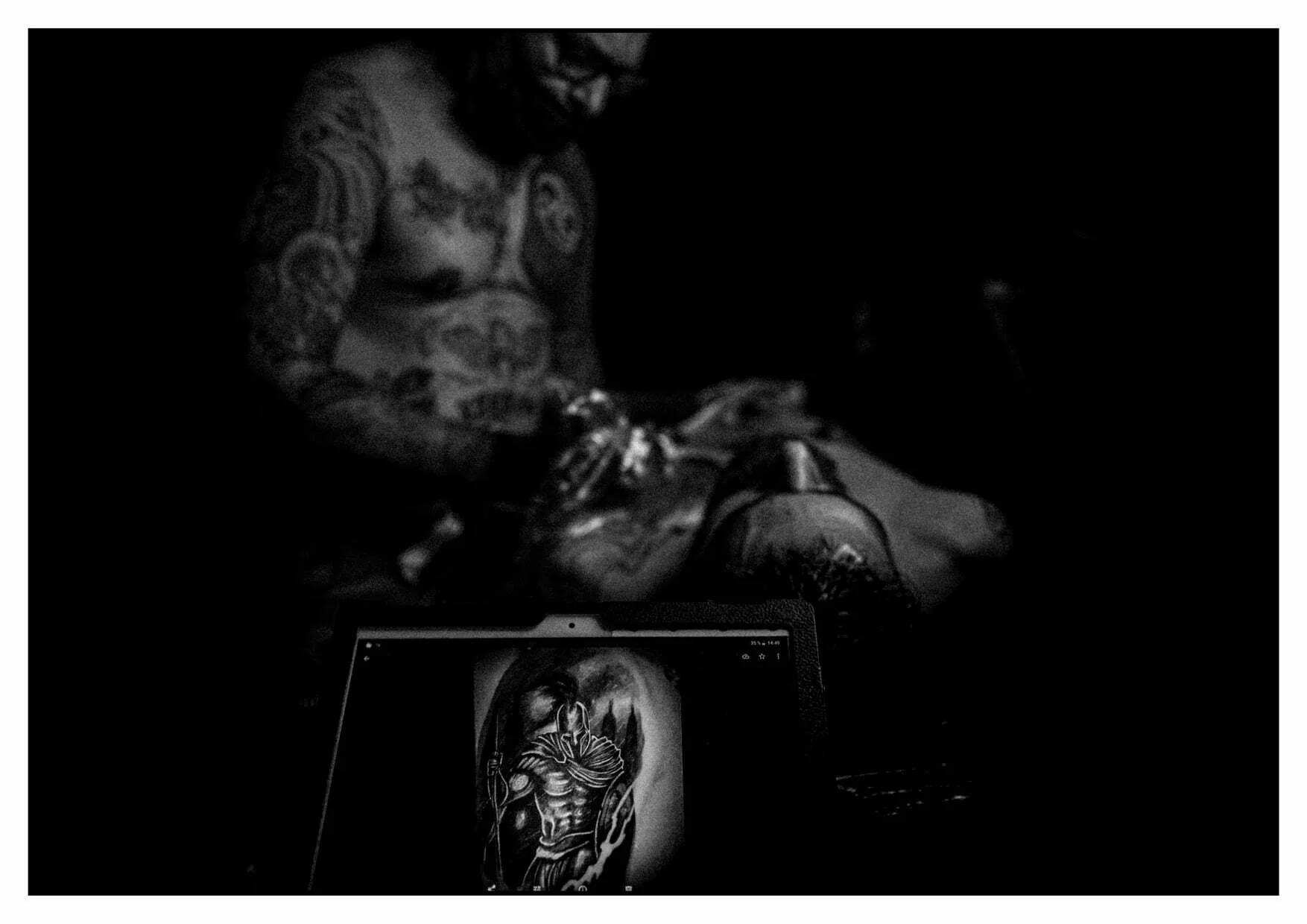
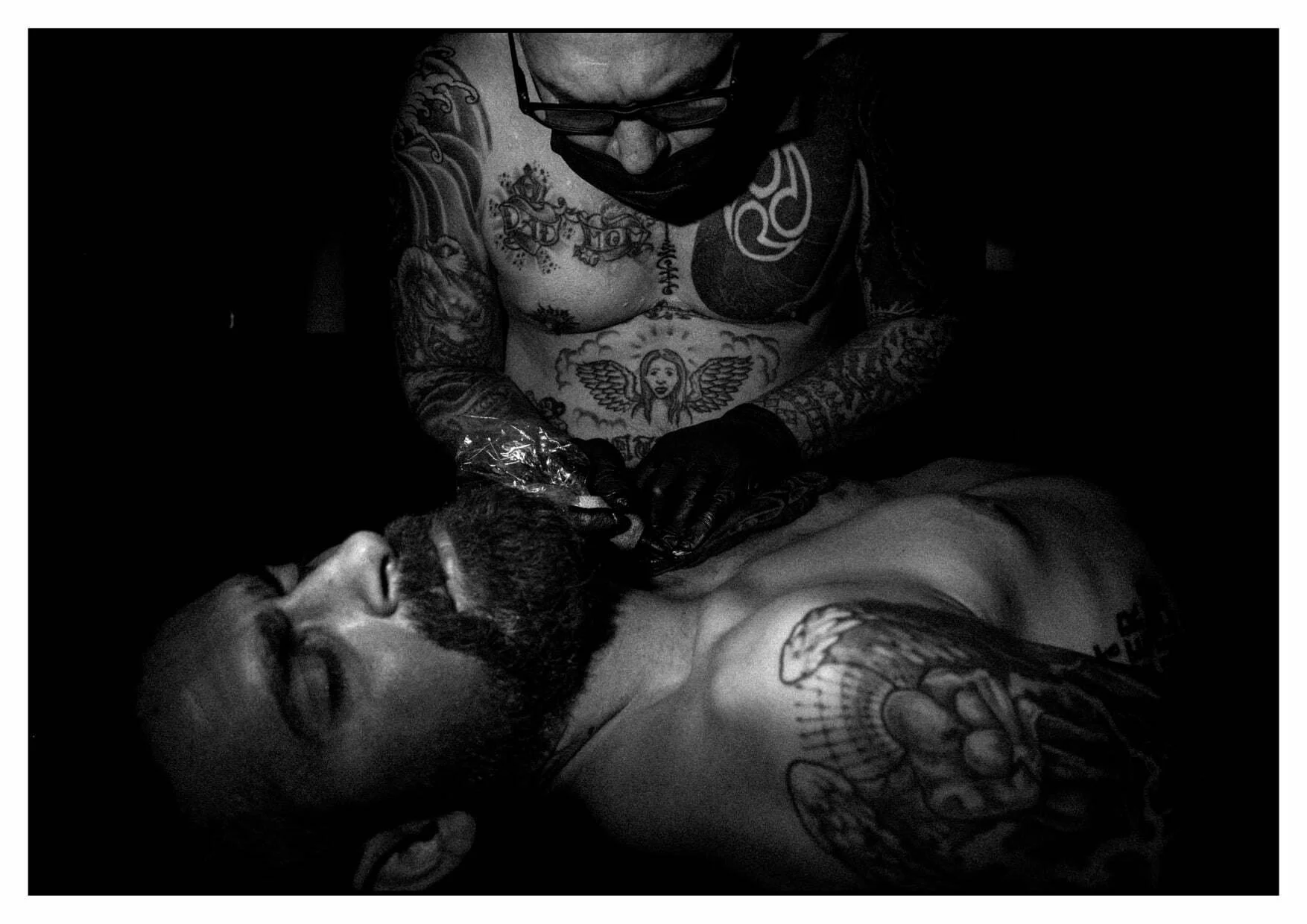
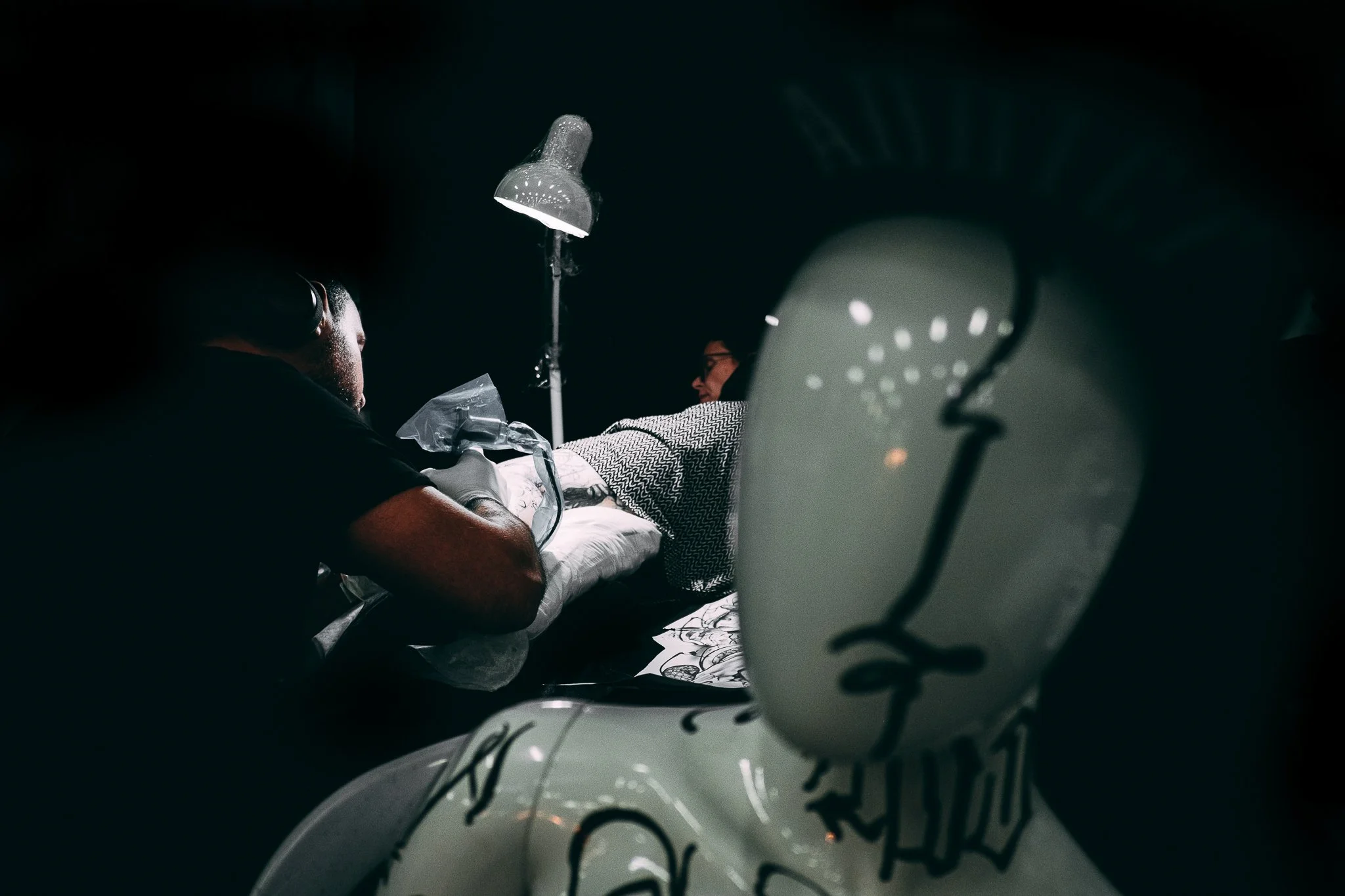
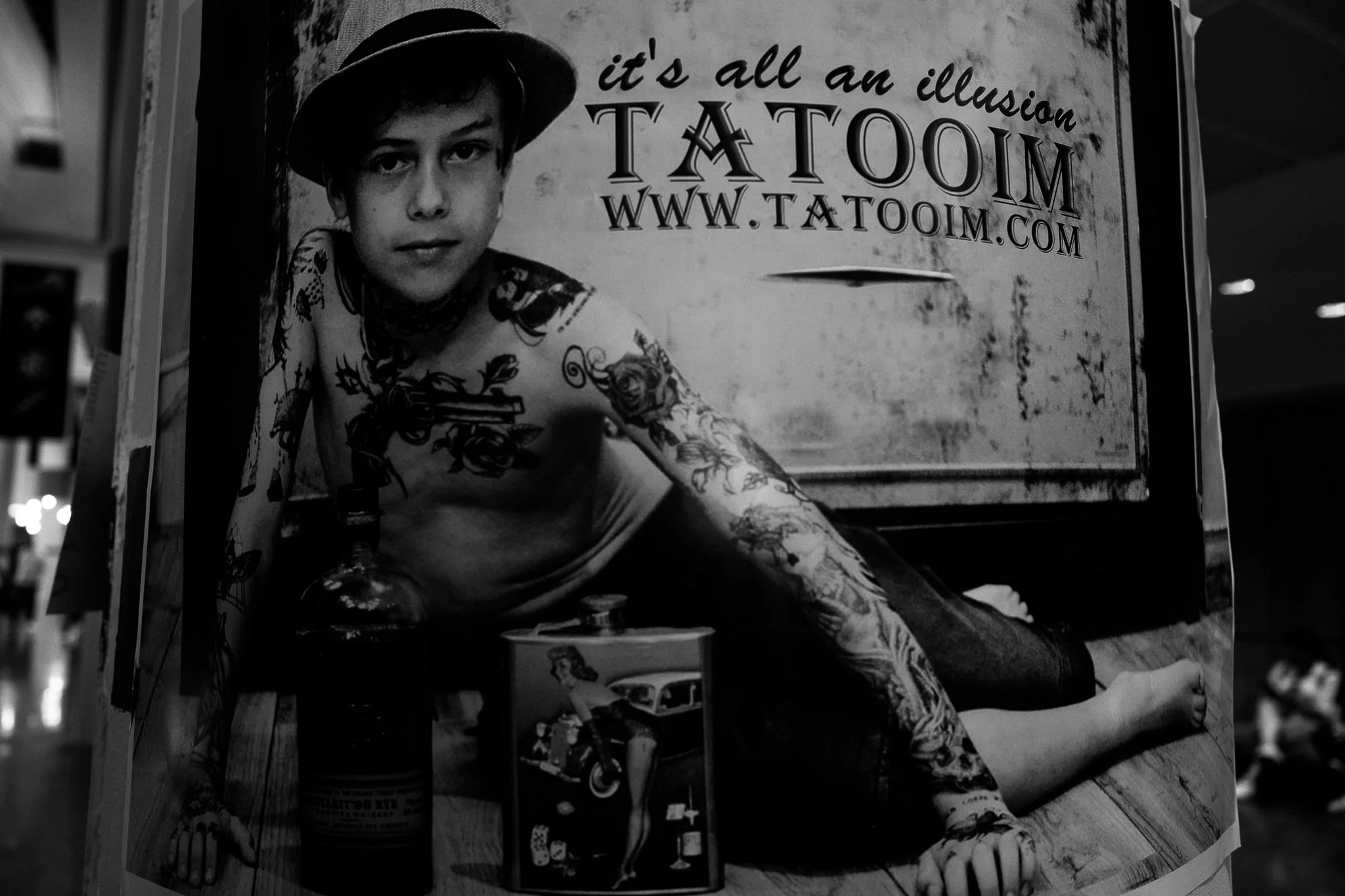
Tattooing made a comeback in England and Europe in the 19th century, when tattooing became popular among royal families of the late 1800's. In fact, the mother of Winston Churchill, Lady Randolph Churchill, had a tattoo of a snake on her wrist.
The biggest allergy issue the customer needs to worry about is with latex, as the tattoo artist usually uses latex gloves. (We use a latex and non-latex glove to ensure all clients are safe) You might want to ask your tattoo artist ahead of time if they would be able to switch to another type of gloves for your tattoo.
Even with a slight allergy to latex, you may want to have different gloves, as the tattoo artist will be doing a lot of stretching the skin and touching already tattooed areas. This can lead to swelling, irritation, breakouts, rashes, and more discomfort than necessary. This can negatively affect the healing process and tattoo outcome. It's why we always have Nitrile gloves on hand for any clients with allergies.
There are many metals that are put into (cheaper) tattoo inks, including nickel, which is said to be the most common metal allergy. Most normal earrings are made from nickel, so if you can wear those you probably don't have an allergy to Nickle. Our inks are organic, gluten free, and vegan friendly to ensure you're experience with us is a positive one.
Henna tattoos, which are not actual tattoos, but a dye that stains the skin for a few weeks, have chemical para-phenylene diamine (PPD), which can cause the “tattooed” areas to be swollen or itchy for months. Worse, it causes your body to become PPD hyper-sensitive, and be unable to touch things dyed with PPD, which is a chemical in many clothing dyes. Doctors suggest people with sensitive skin should avoid henna tattoos. A list of ingredients on packages of henna tattoo dye should let the customer know if that brand includes PPD or not.
Different physical reactions to tattooing have been reported by medical professionals in America and Britain, and although not a major issue in any way, it is important to discuss. Most reactions are due to allergies to the latex gloves worn by tattoo artists, sensitivities to metals within the tattoo ink, infections caused by unclean practices, and sun exposure.
Most people with metal sensitivities, especially mercury, have reactions or irritation for prolonged periods of time after getting tattooed. The color red is considered the biggest culprit for metal reactions. These reactions can leave the skin itchy and sore for months or even longer. Some people can develop a sensitivity to mercury that they did not previously have because of the tattoo. Your doctor can prescribe topical creams that are able to take away any discomforts related to metal sensitivity.
Infections, while not common, can be a difficult problem to not only cure but to pinpoint the actions that caused them. You may have gotten infected by something your tattoo artist did, or something you did on your way home, or while trying to heal your tattoo. You should keep your tattoo absolutely clean for the first few days of healing, keeping it away from germ infested areas and objects like diapers, litter boxes, stagnant water, etc. You will be able to tell that you have an infection by discoloring of the tattoo or the skin around the tattoo. If the surrounding skin becomes red or inflamed, you should bring it to the attention of a doctor.
New tattoos are sensitive and need to be protected from the elements. This means that prolonged exposure to the sun will damage the new tattoo, and cause soreness, swelling, and/or it will become hot to the touch. New tattoos also need to be safe from extreme temperatures. This includes water temperature, so take precautions when washing your tattoo that the water is not hot. Also keep your tattoo from being rubbed or bumped, as too much friction will cause damage to your permanent body art.

by Miriam Aadli
“I only needed one day’s shooting with Myriam to realise her passion for photographing people, although it came as no surprise, having met her a couple of days earlier. She has a palpable energy when shooting and people very often warm to her. They connect, which as you can see, adds to her beautiful and heartfelt storytelling.” Keef Charles
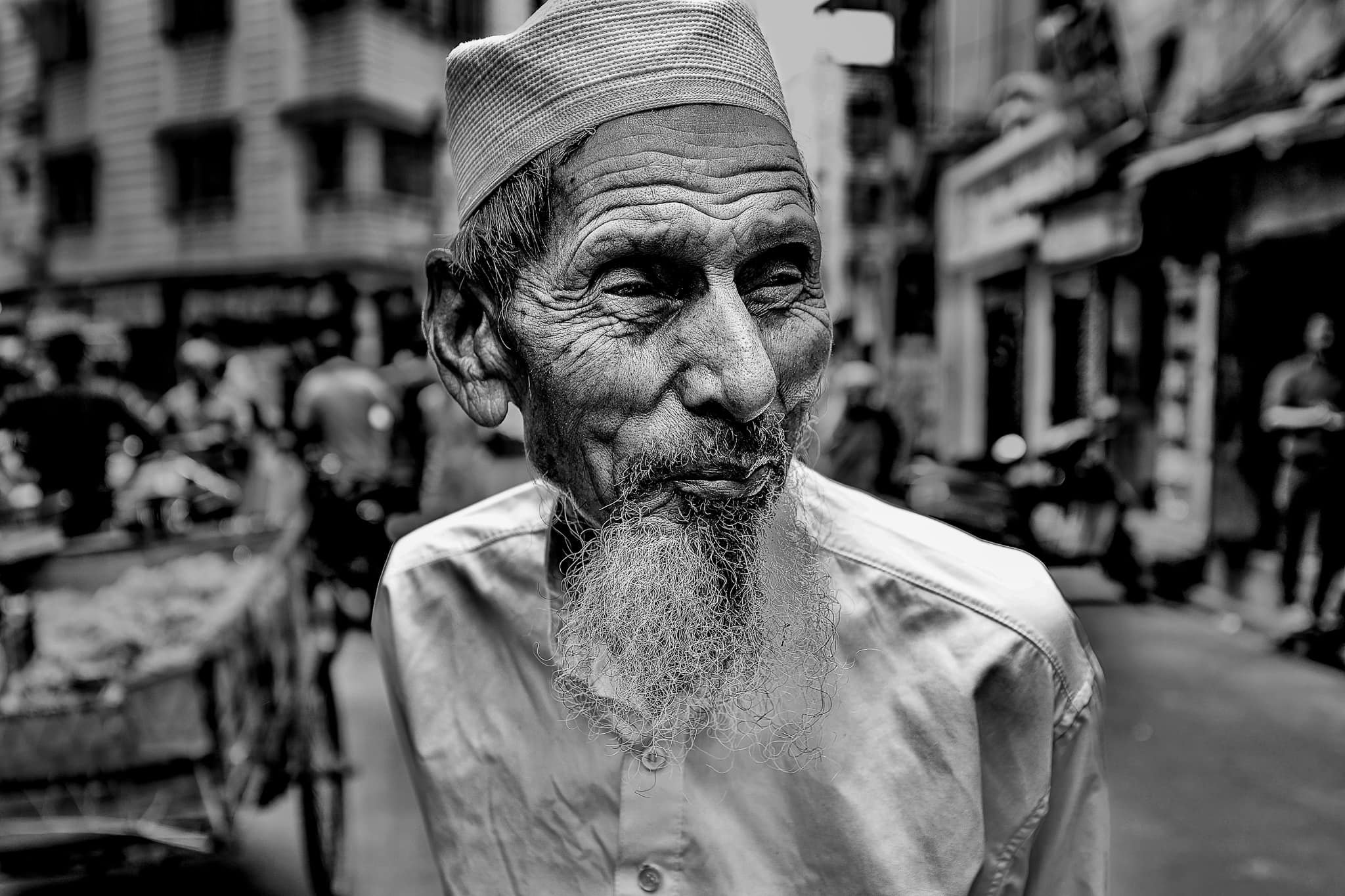
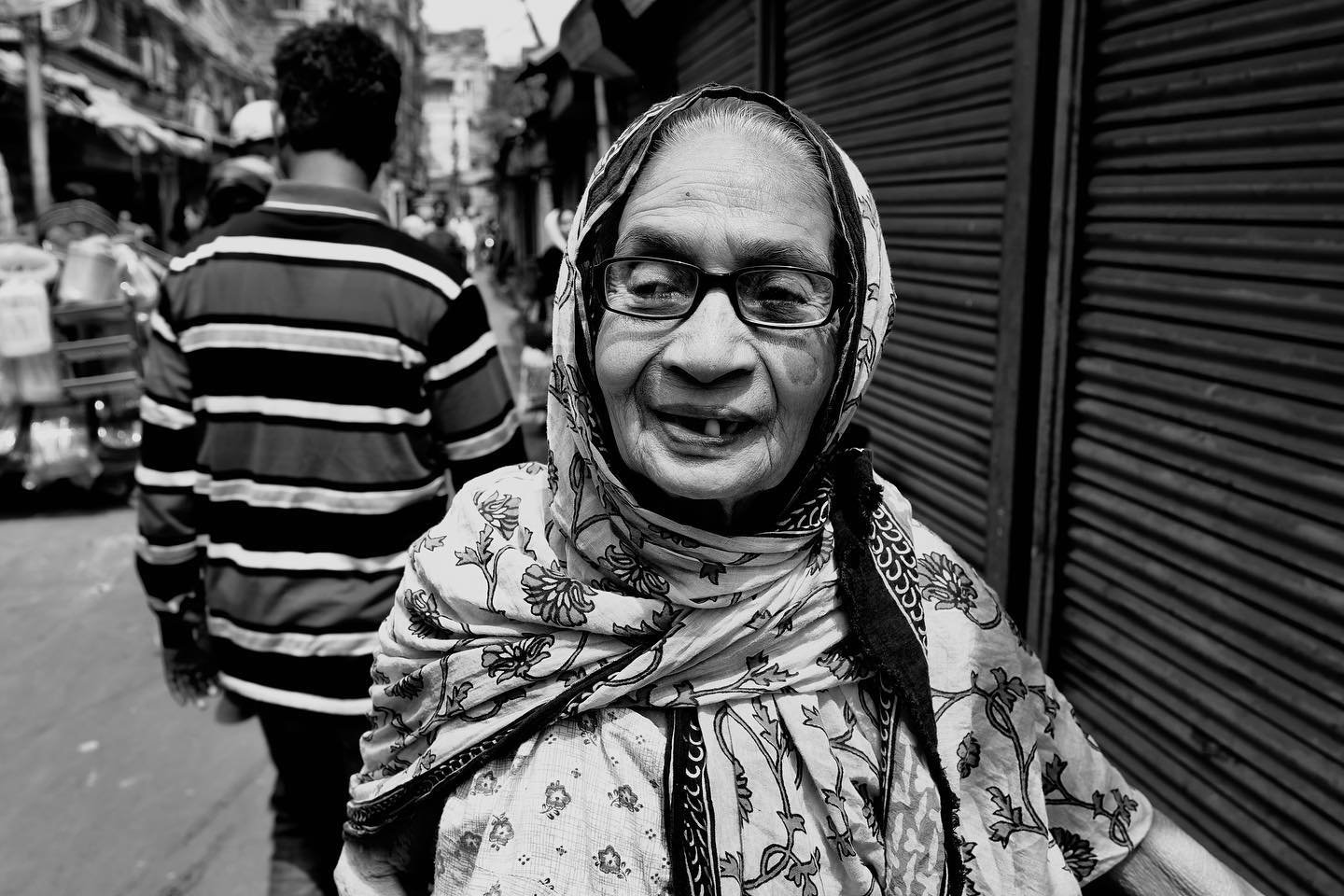
I would like to tell you about this intense moment that I experienced thanks to Patricia Kerkhofs, Niklas Lindskog, Keef Charles, when we shot together. I wanted to photograph this beautiful old lady, I thought she didn't want me to, but then she left to take off her glasses to look at me better. She approached me, we intertwined our hands naturally, then she hugged me very tightly in her arms. I let you imagine the emotion that pierced me. Thank you to all three for taking me to this place, thank you to Keef Charles for having immortalized this magical moment.
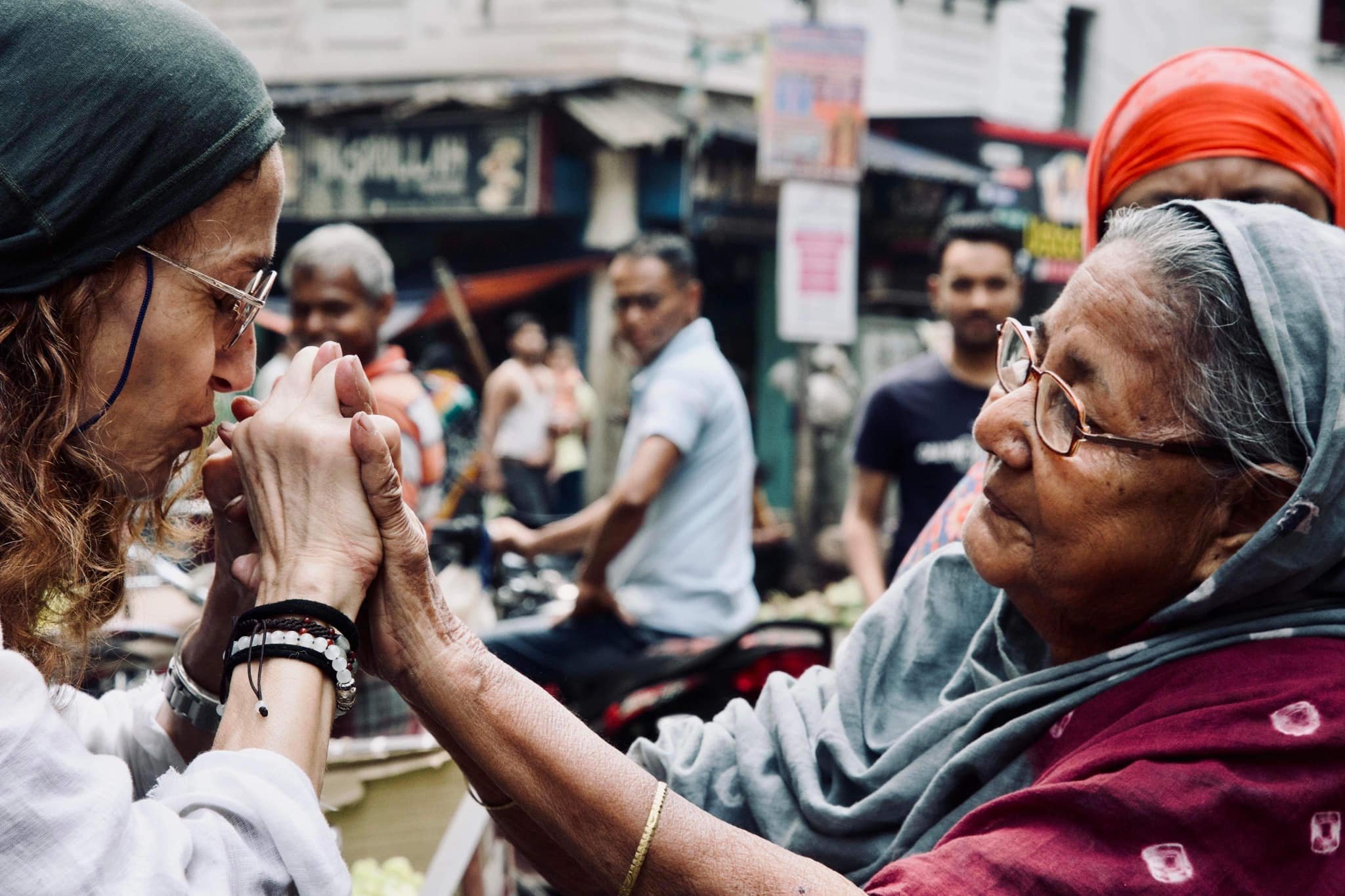
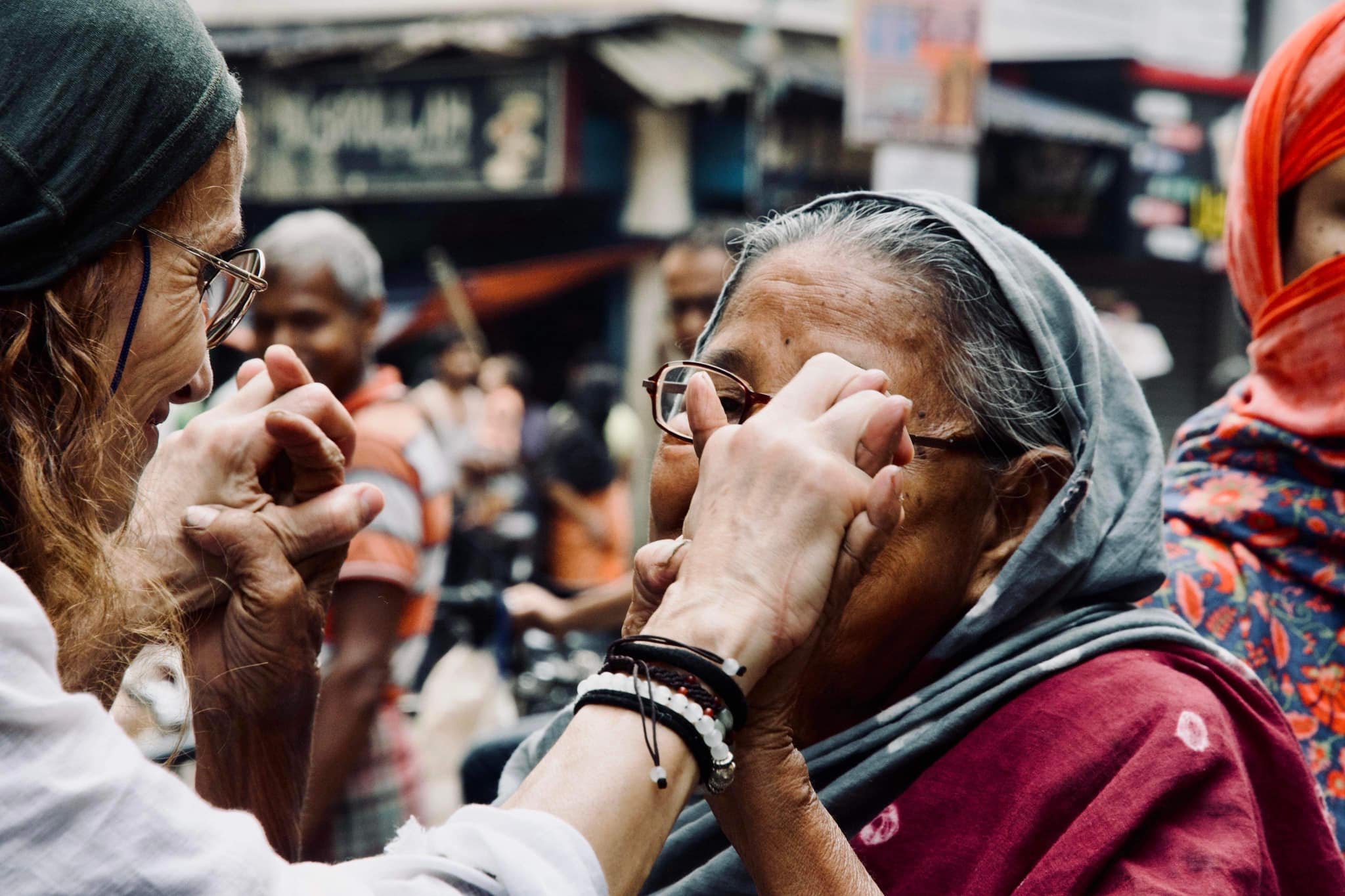
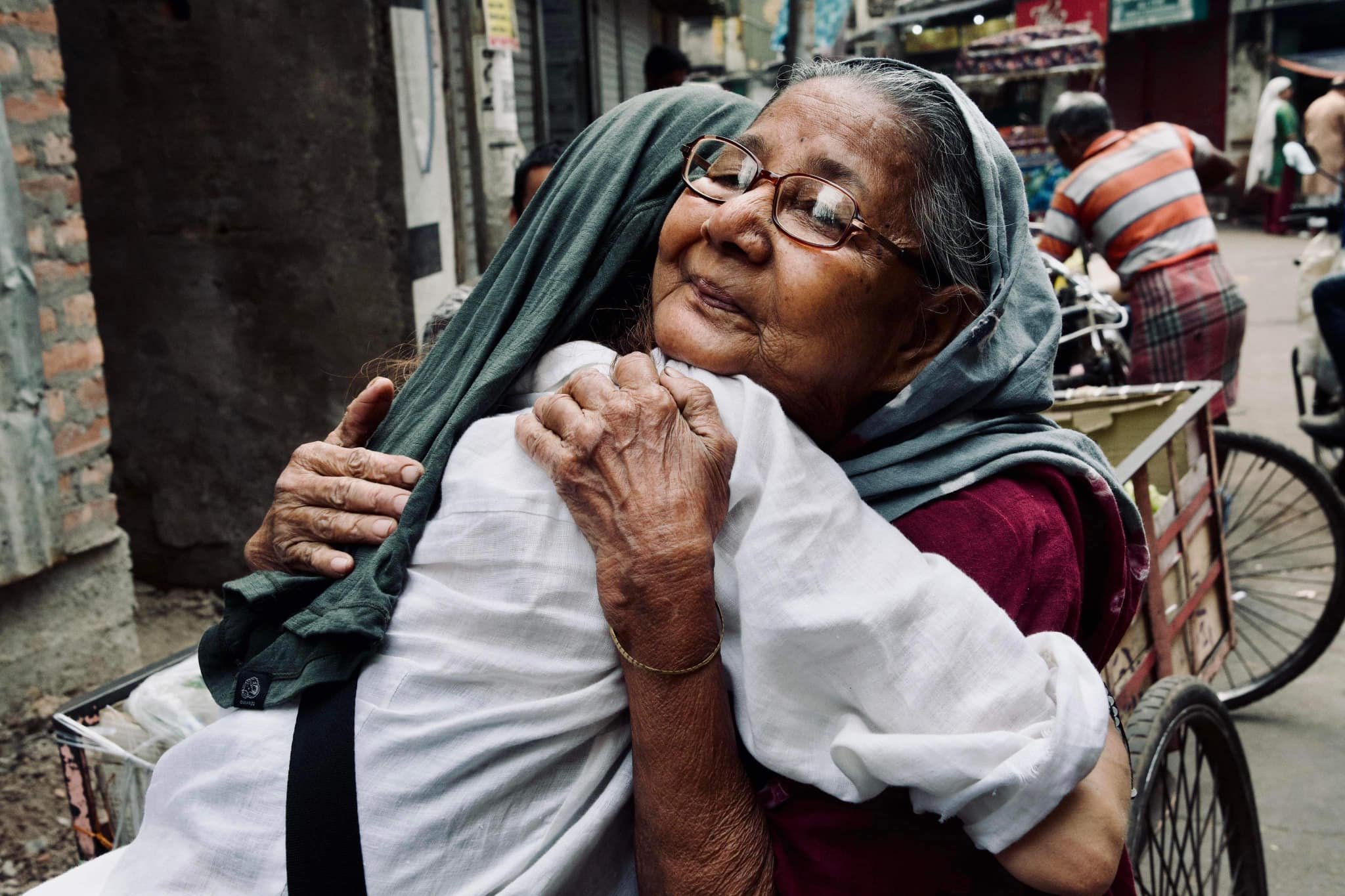
©Keef Charles


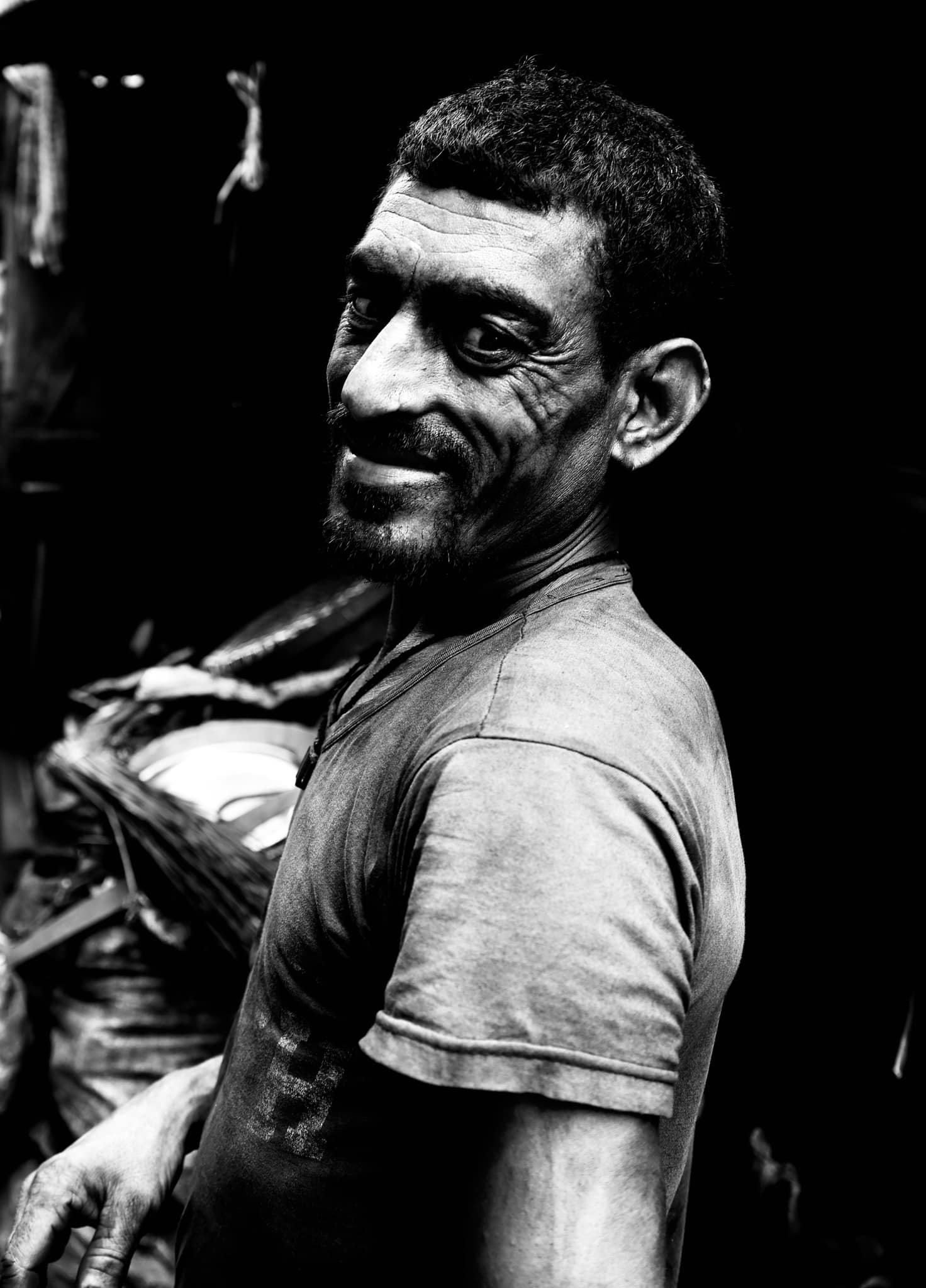
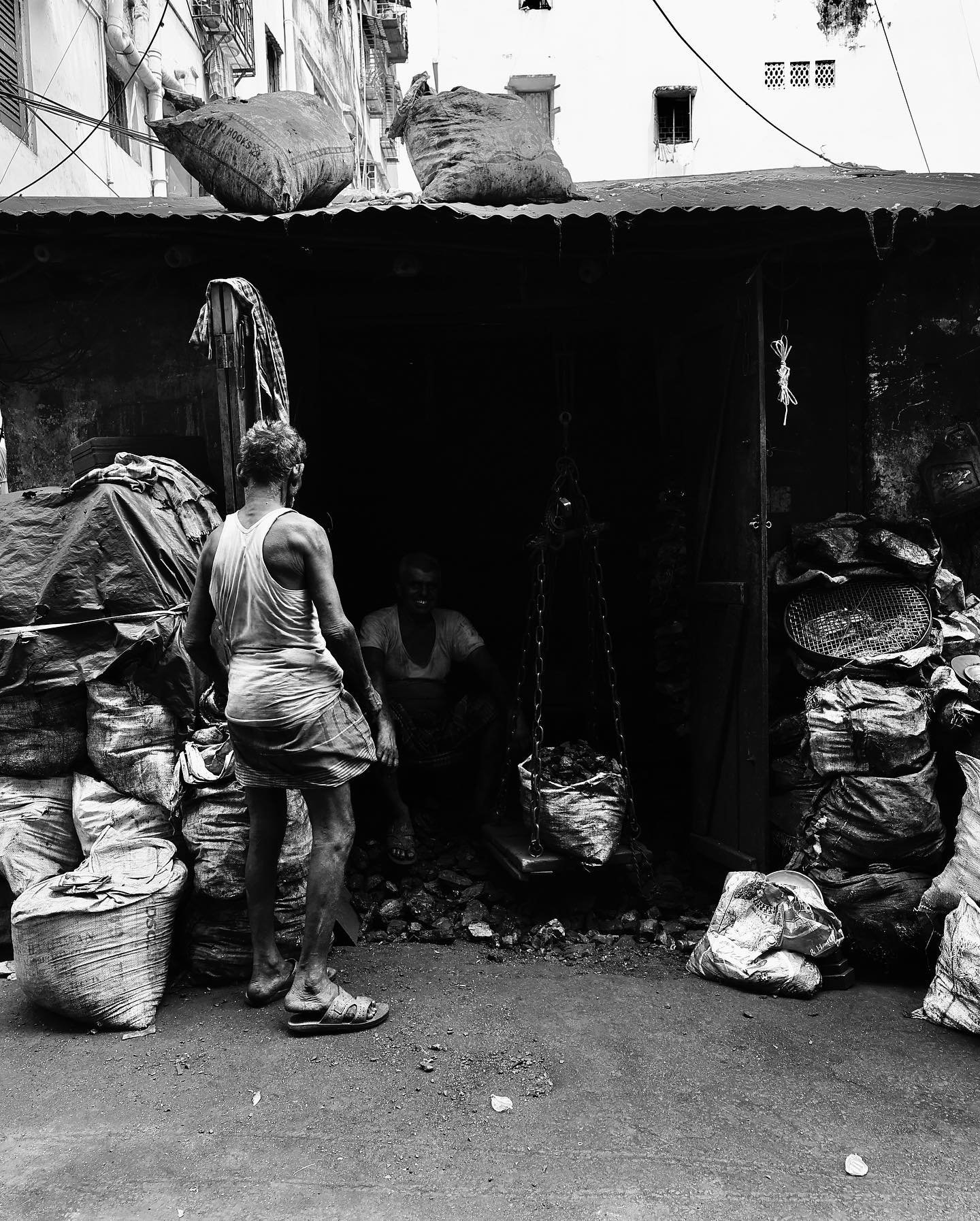
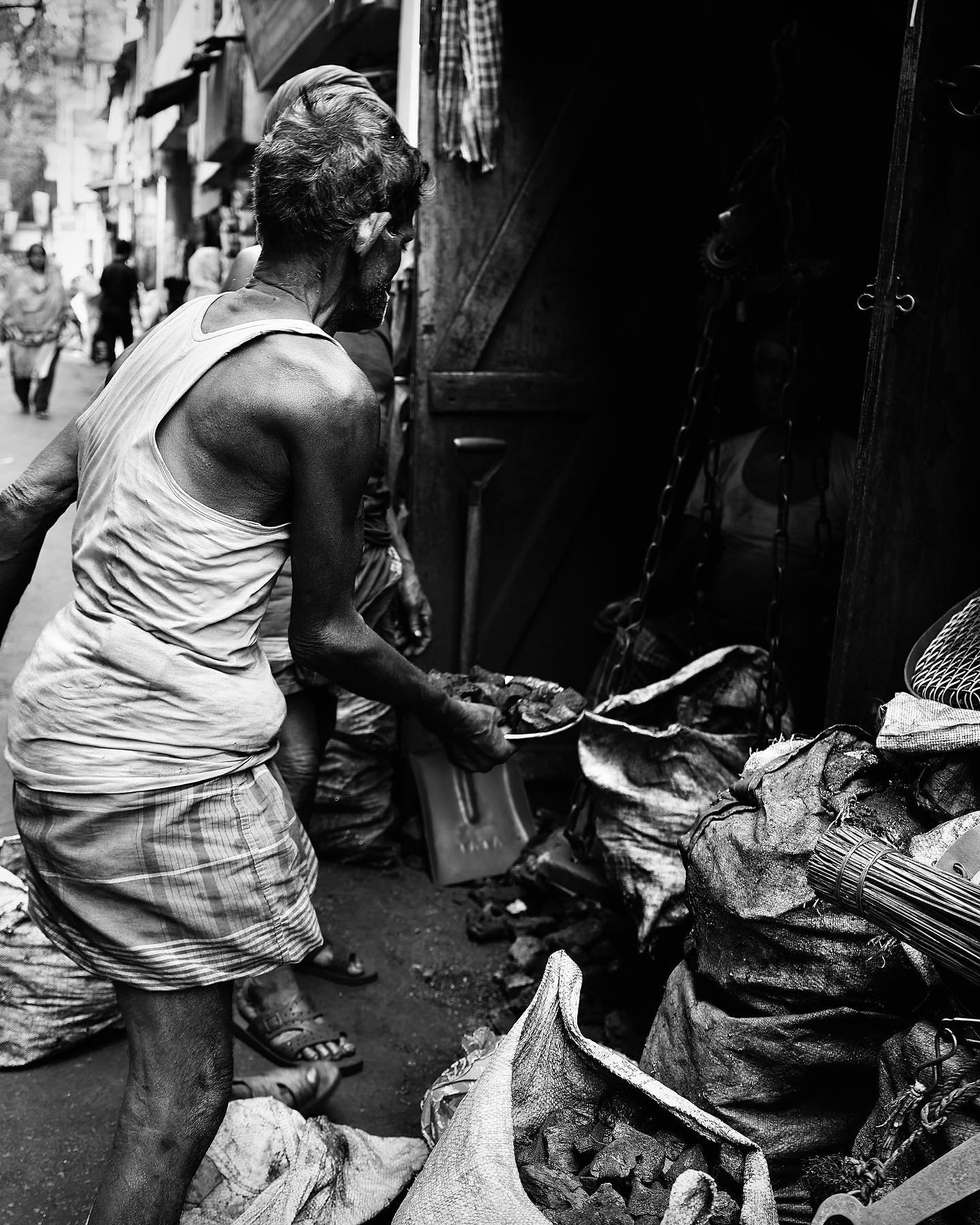
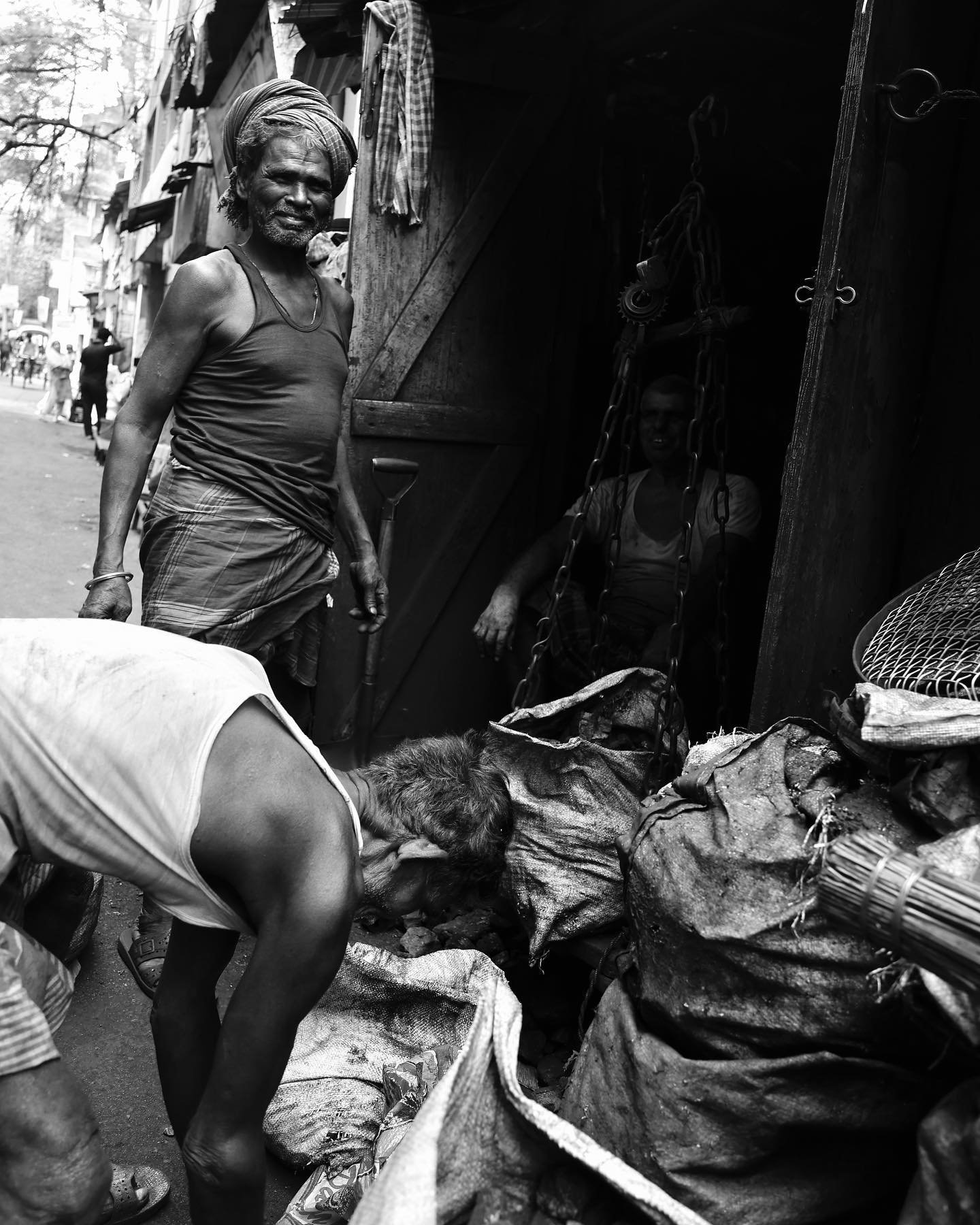
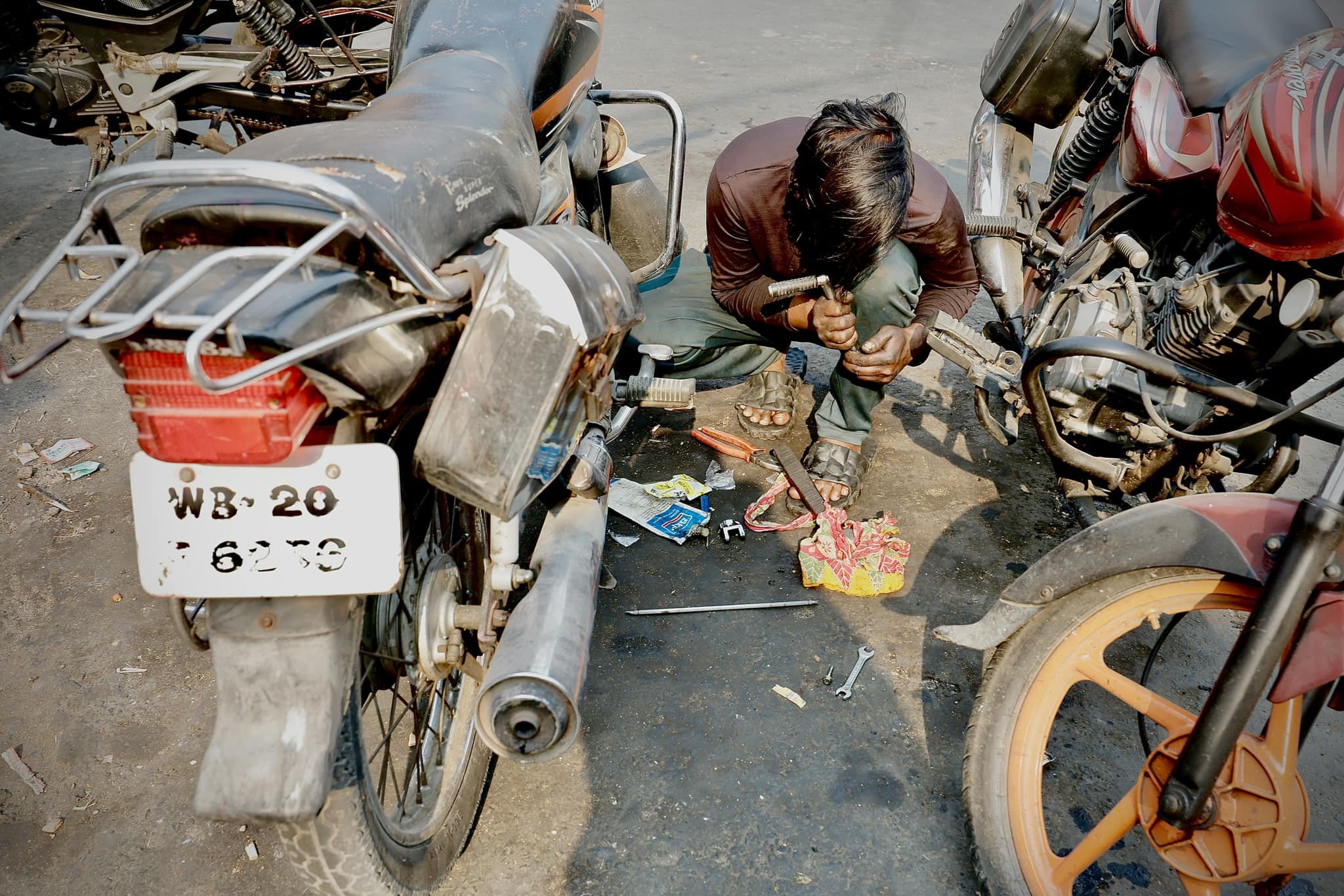
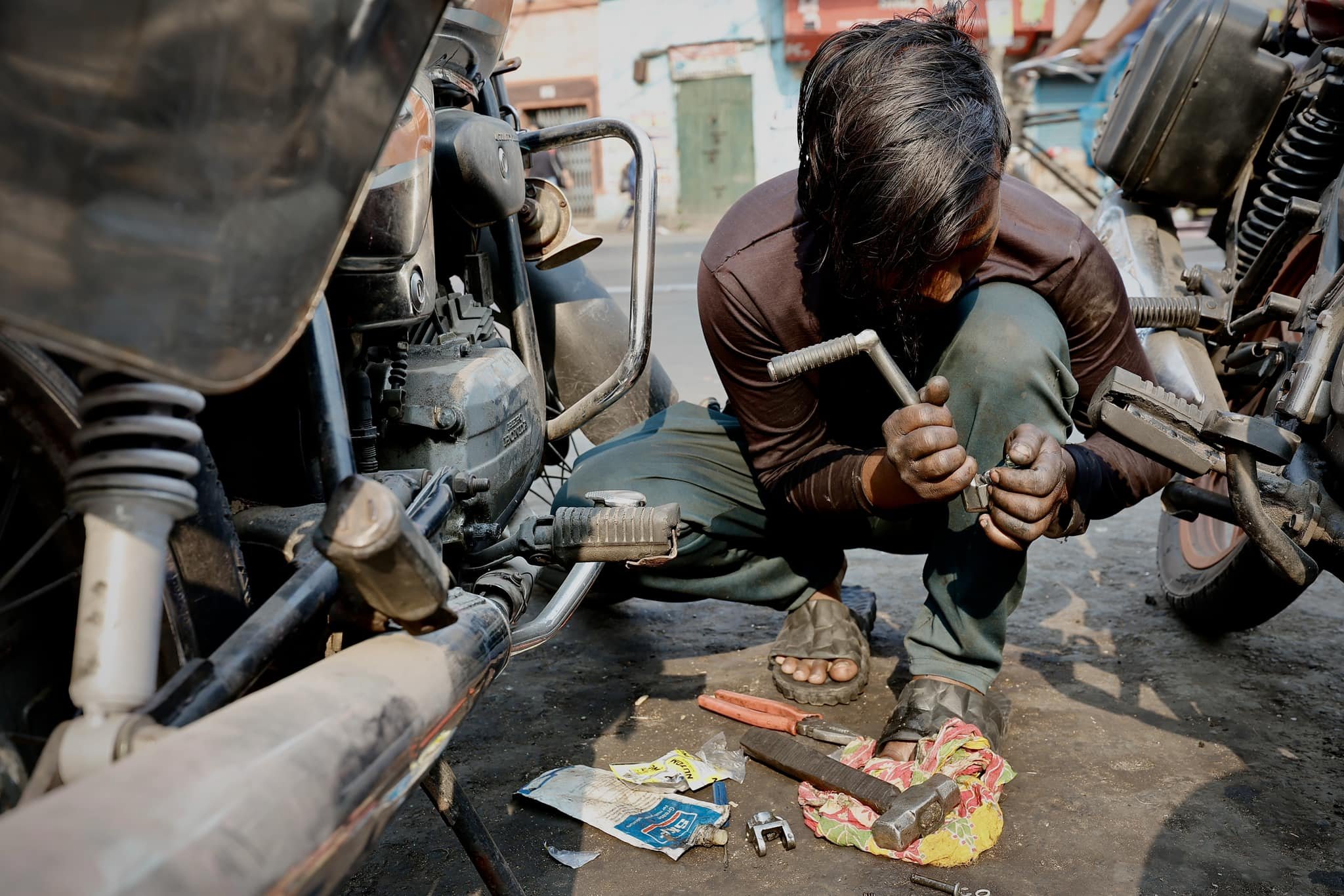
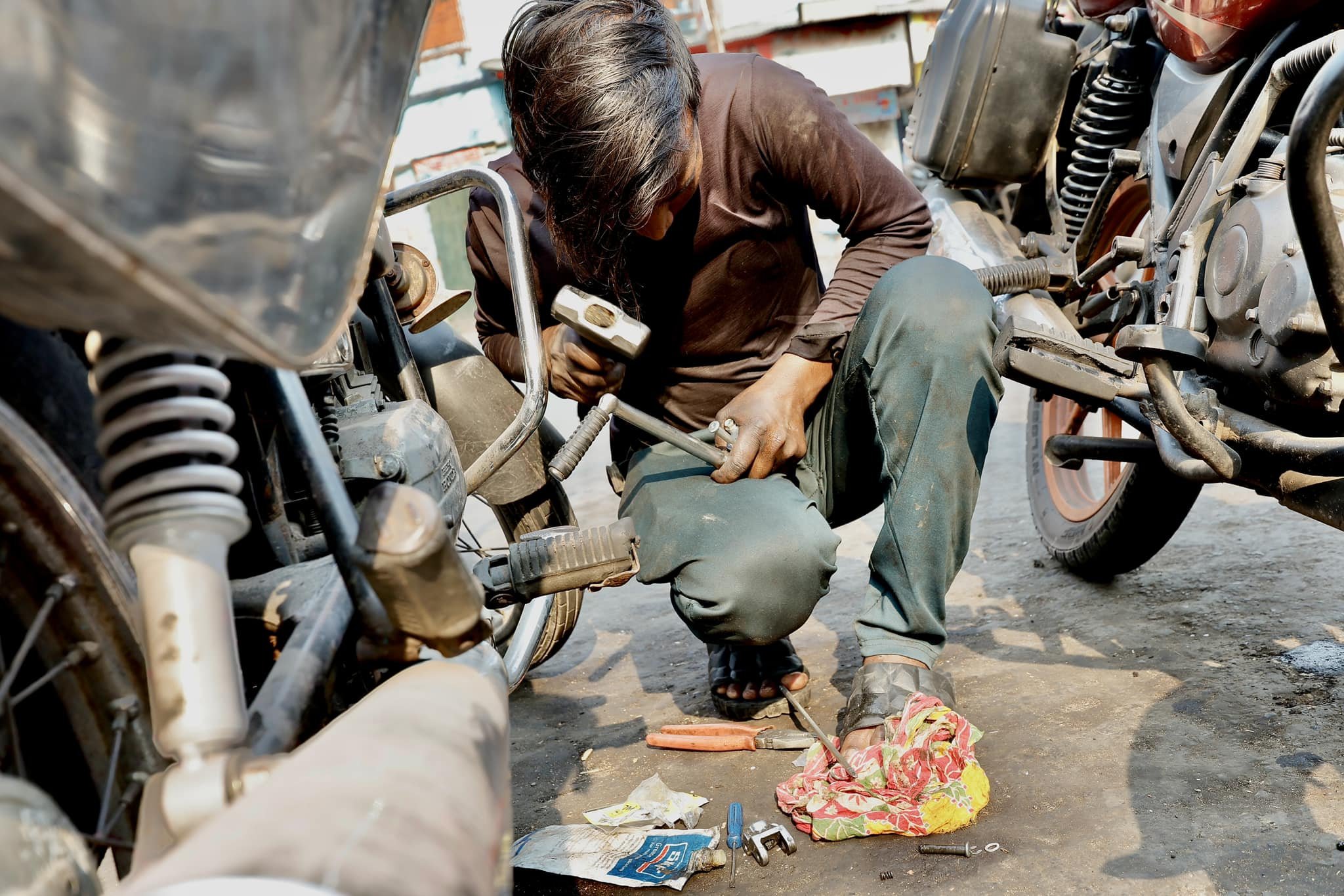
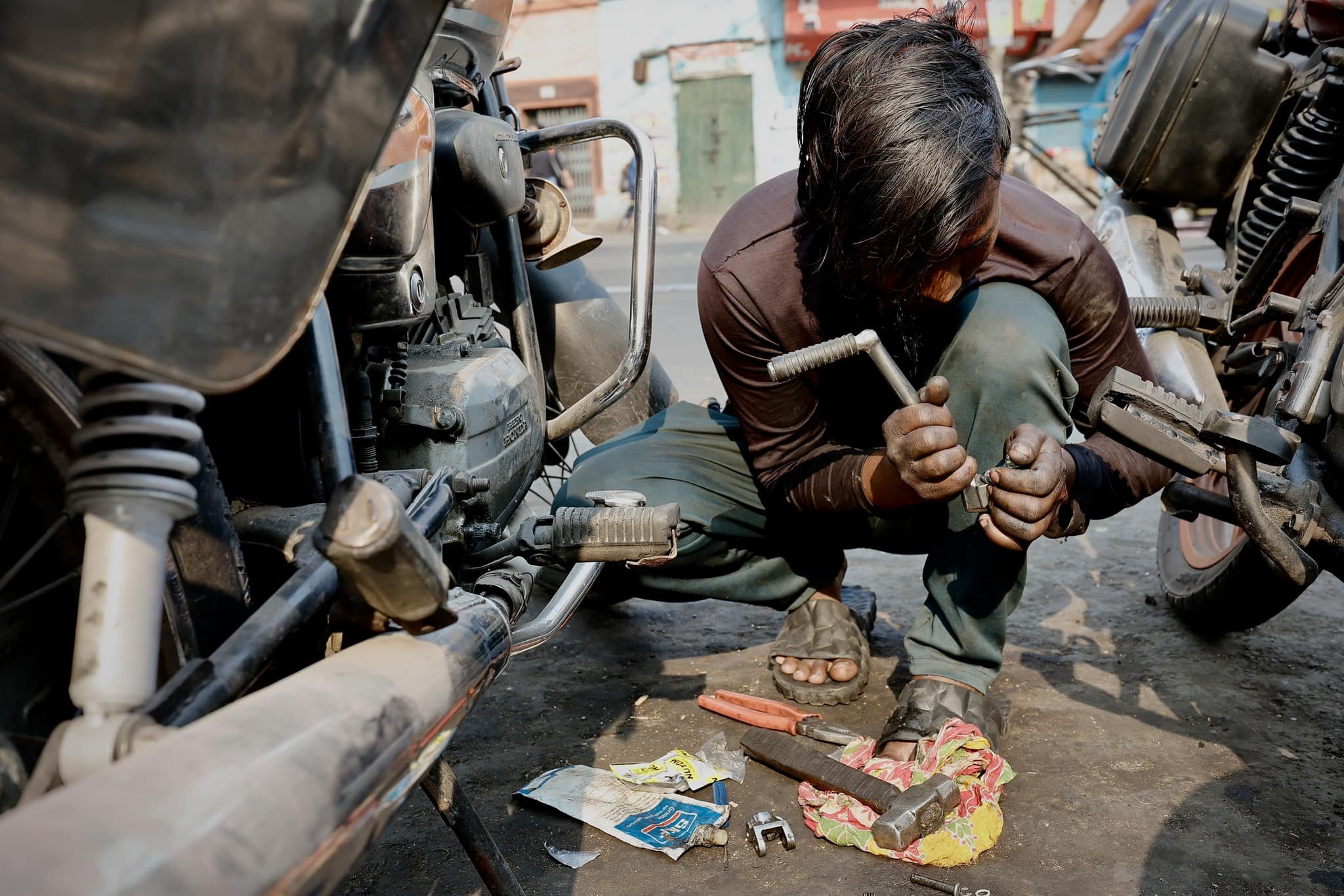
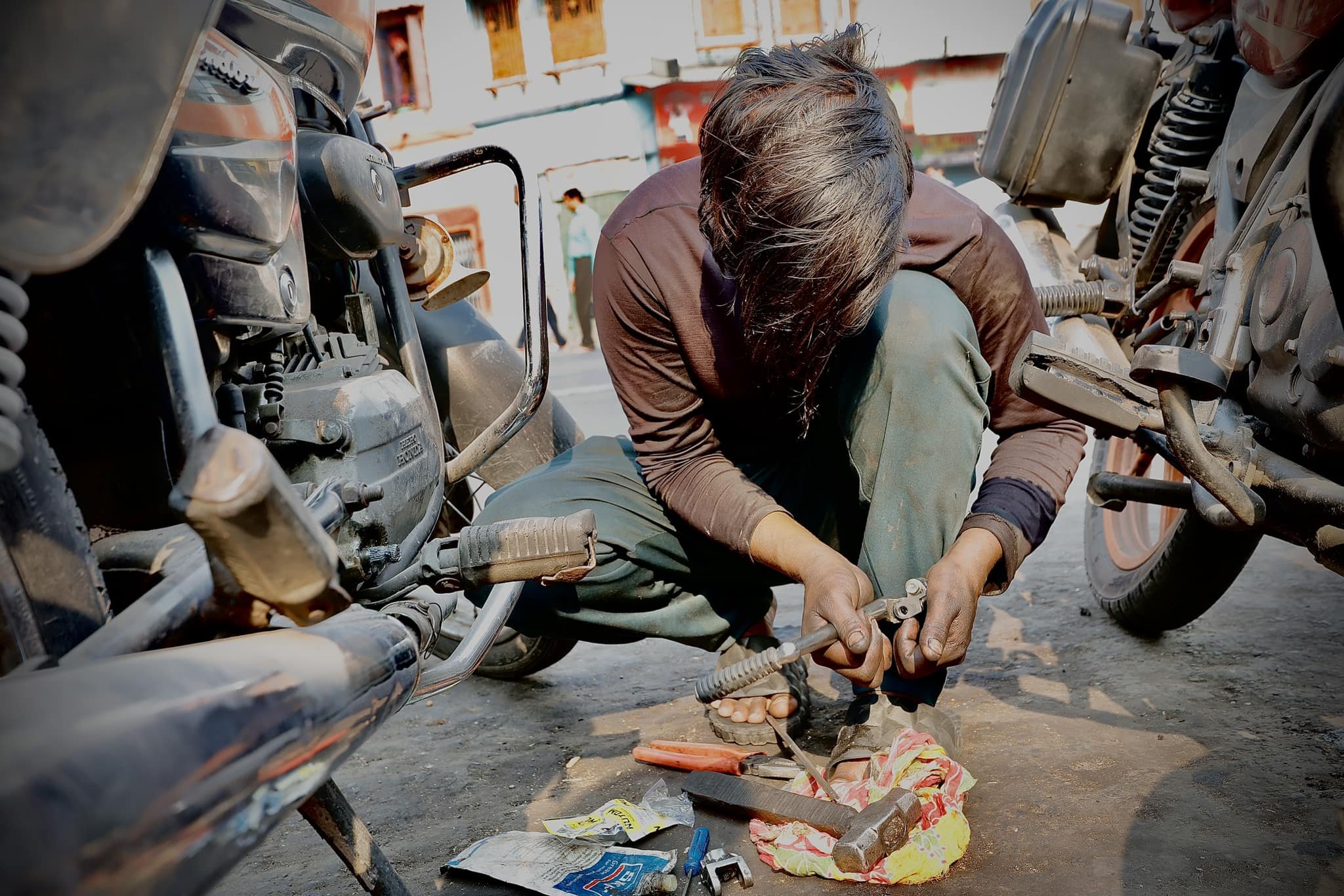
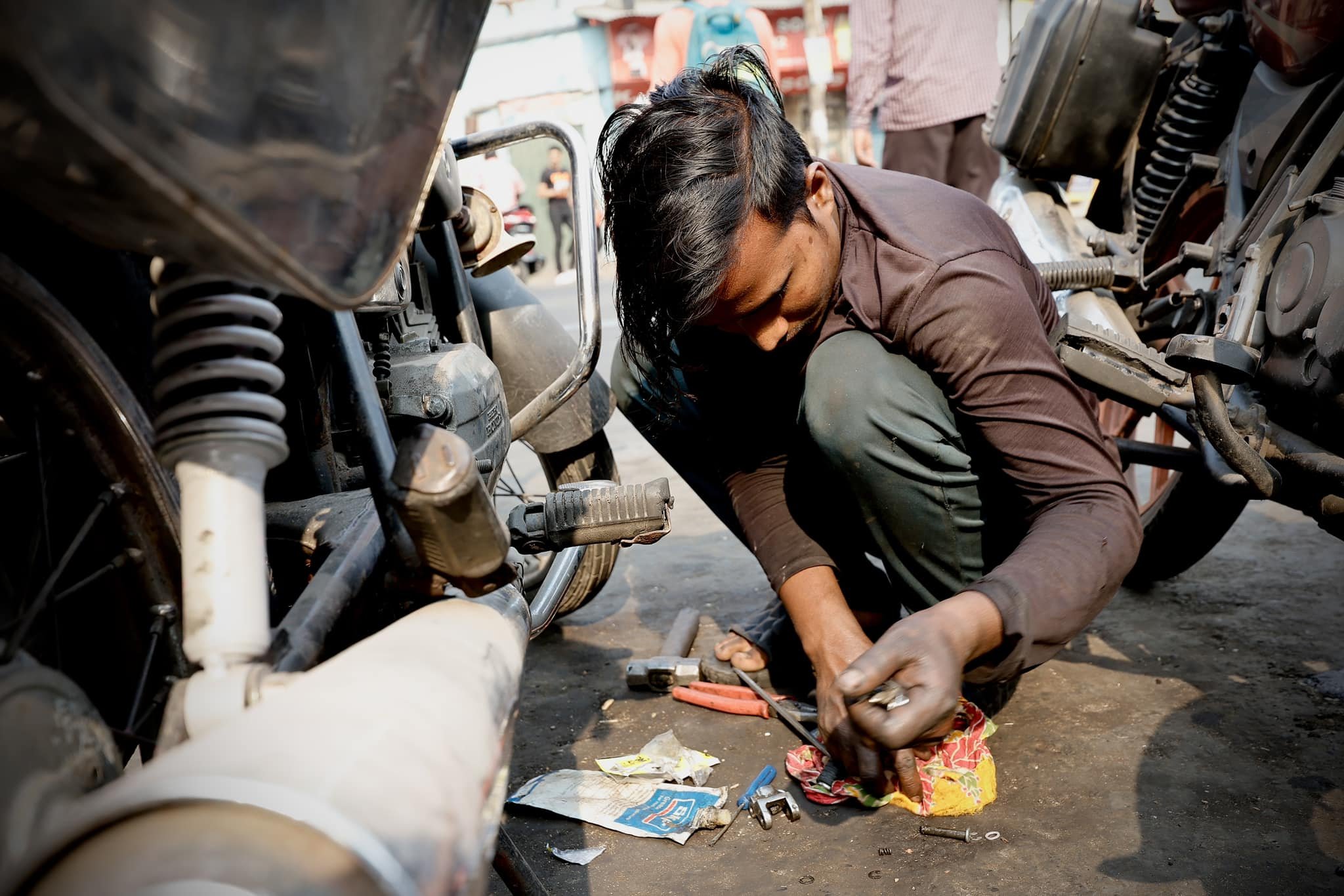
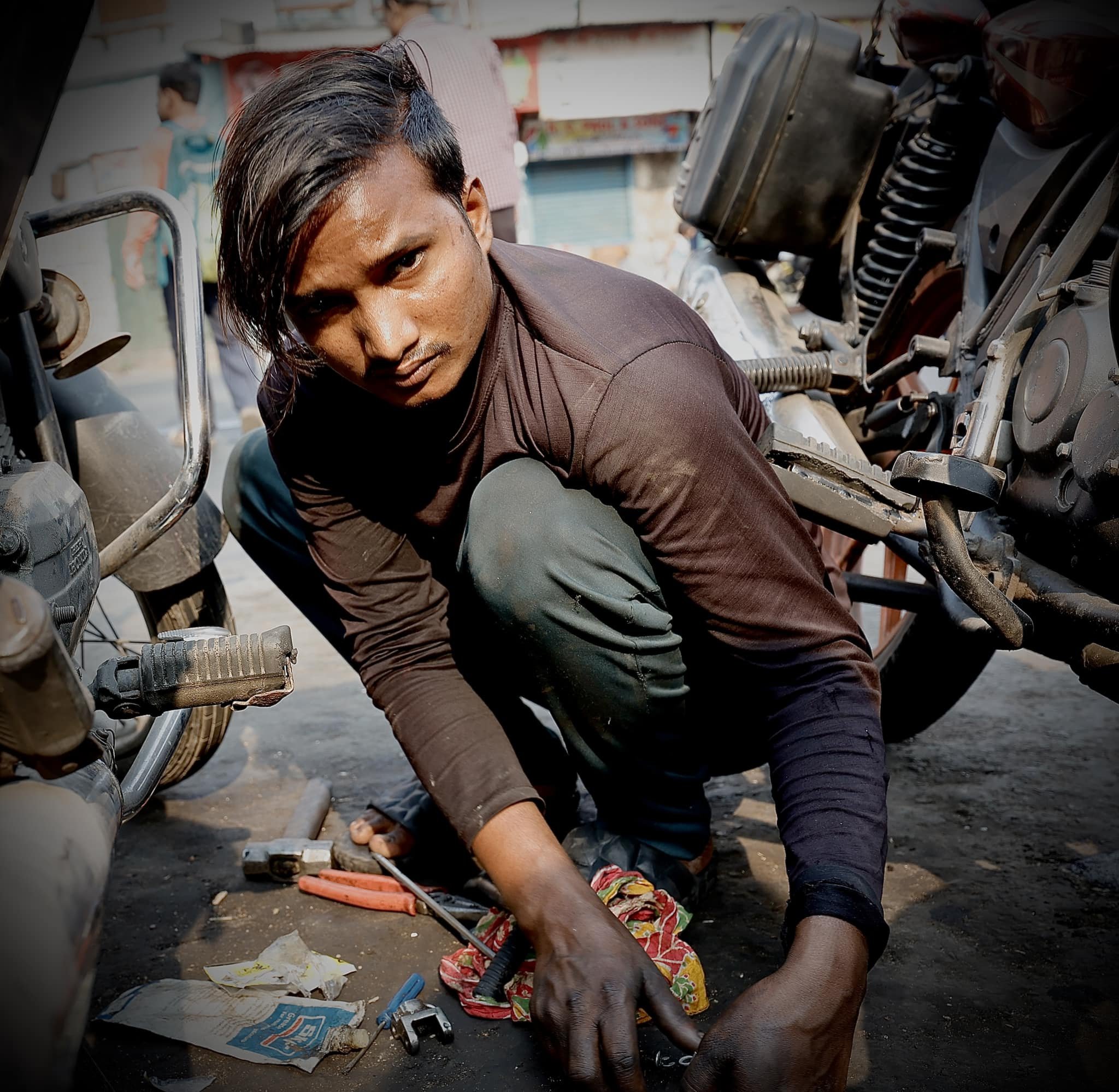
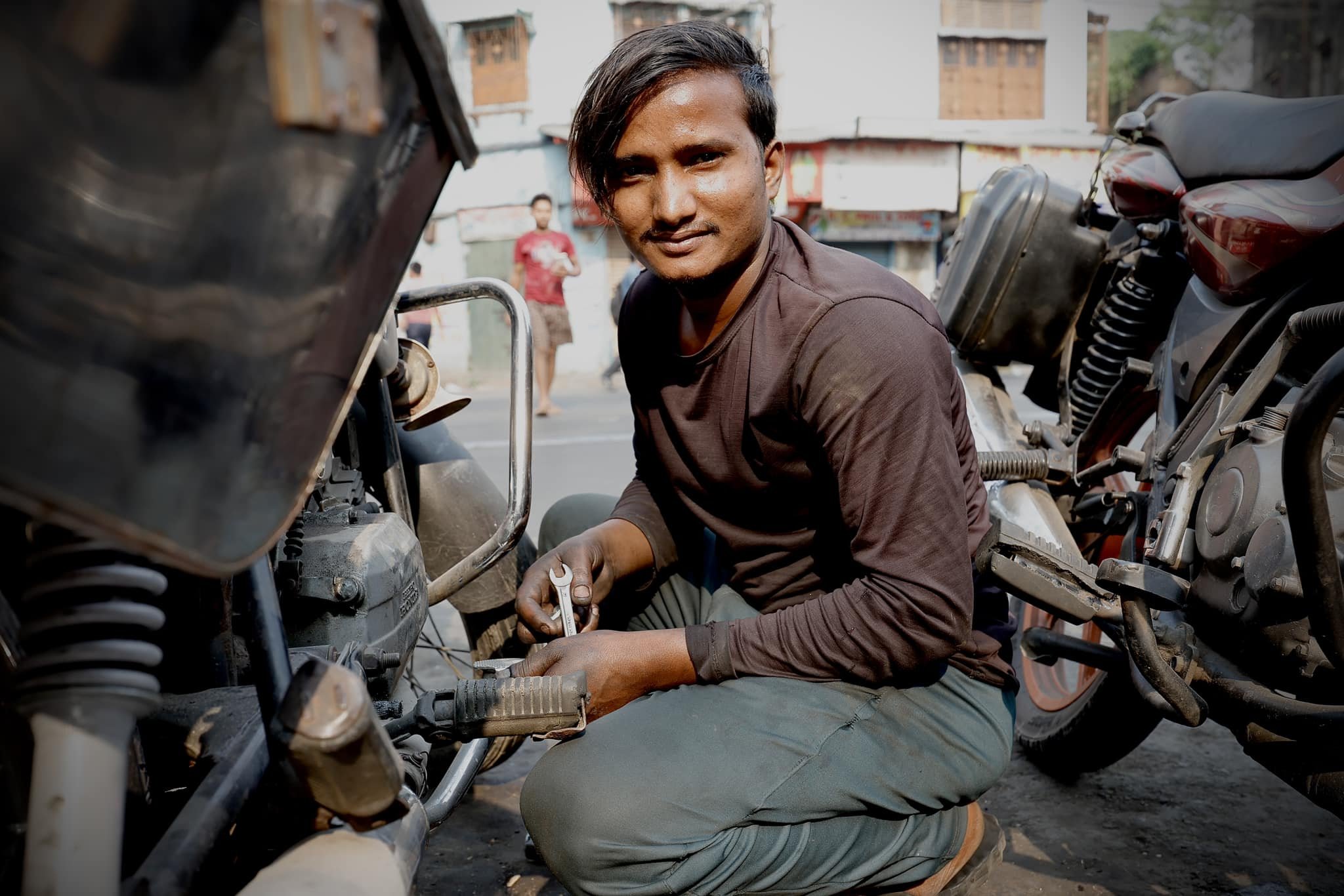
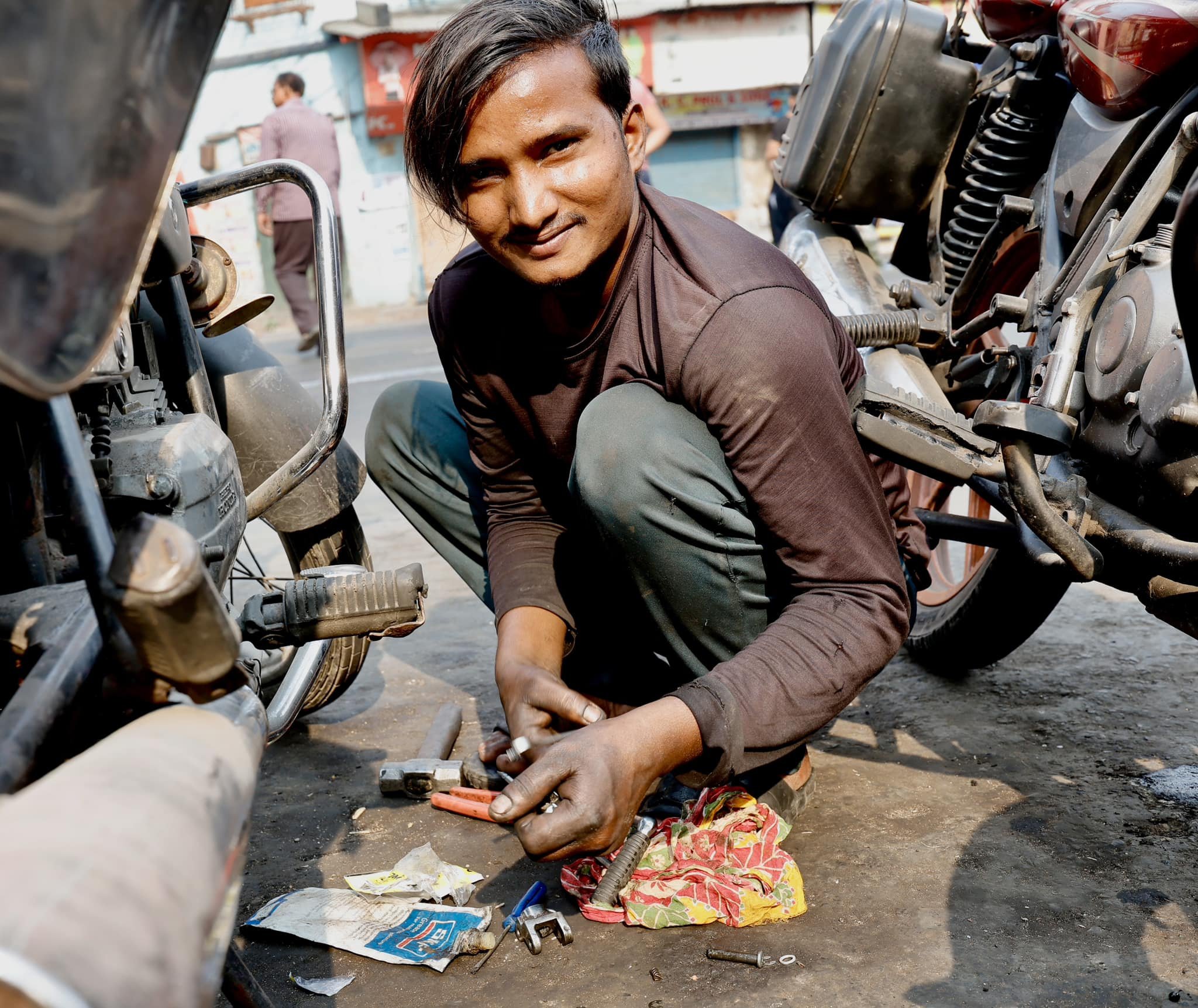
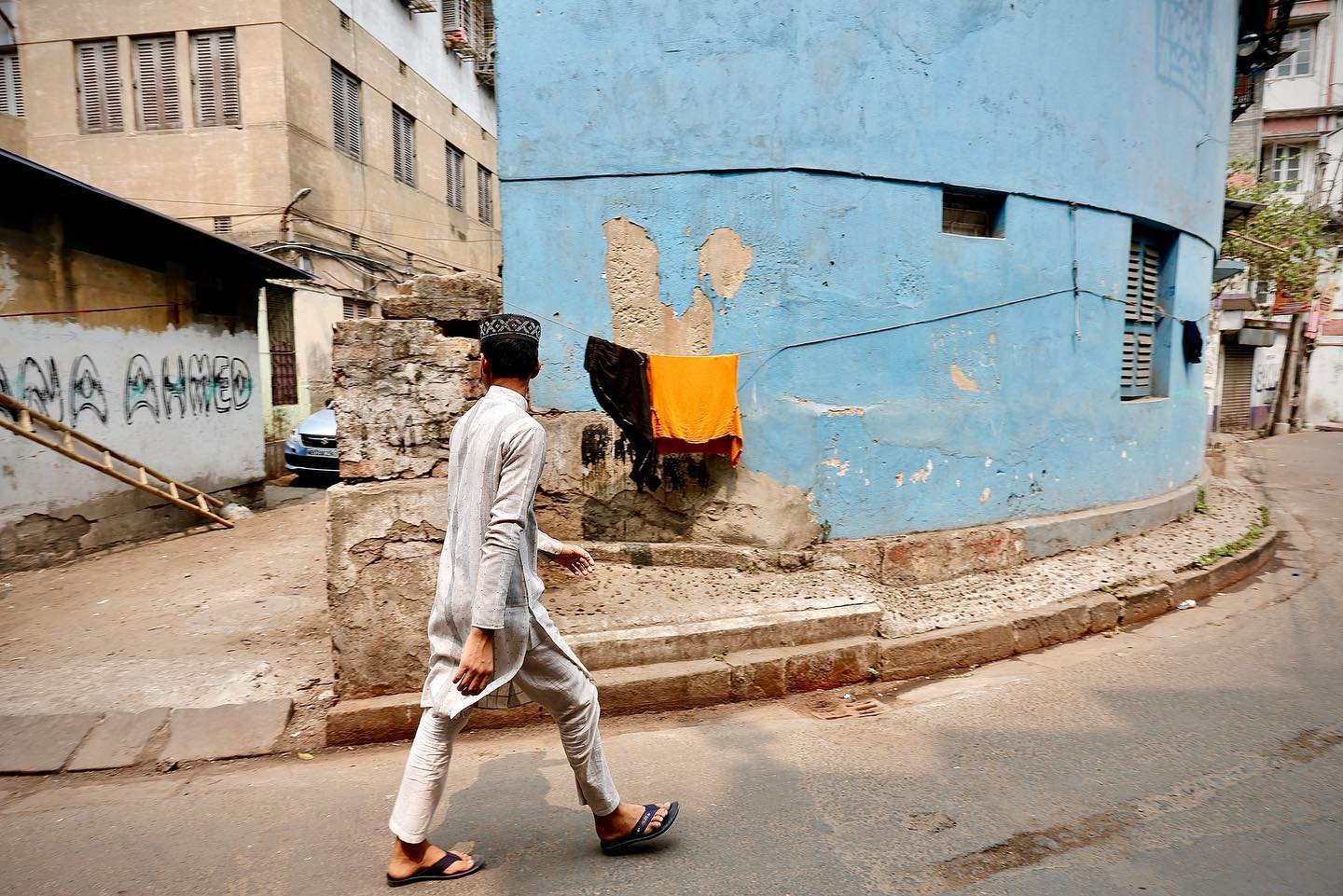
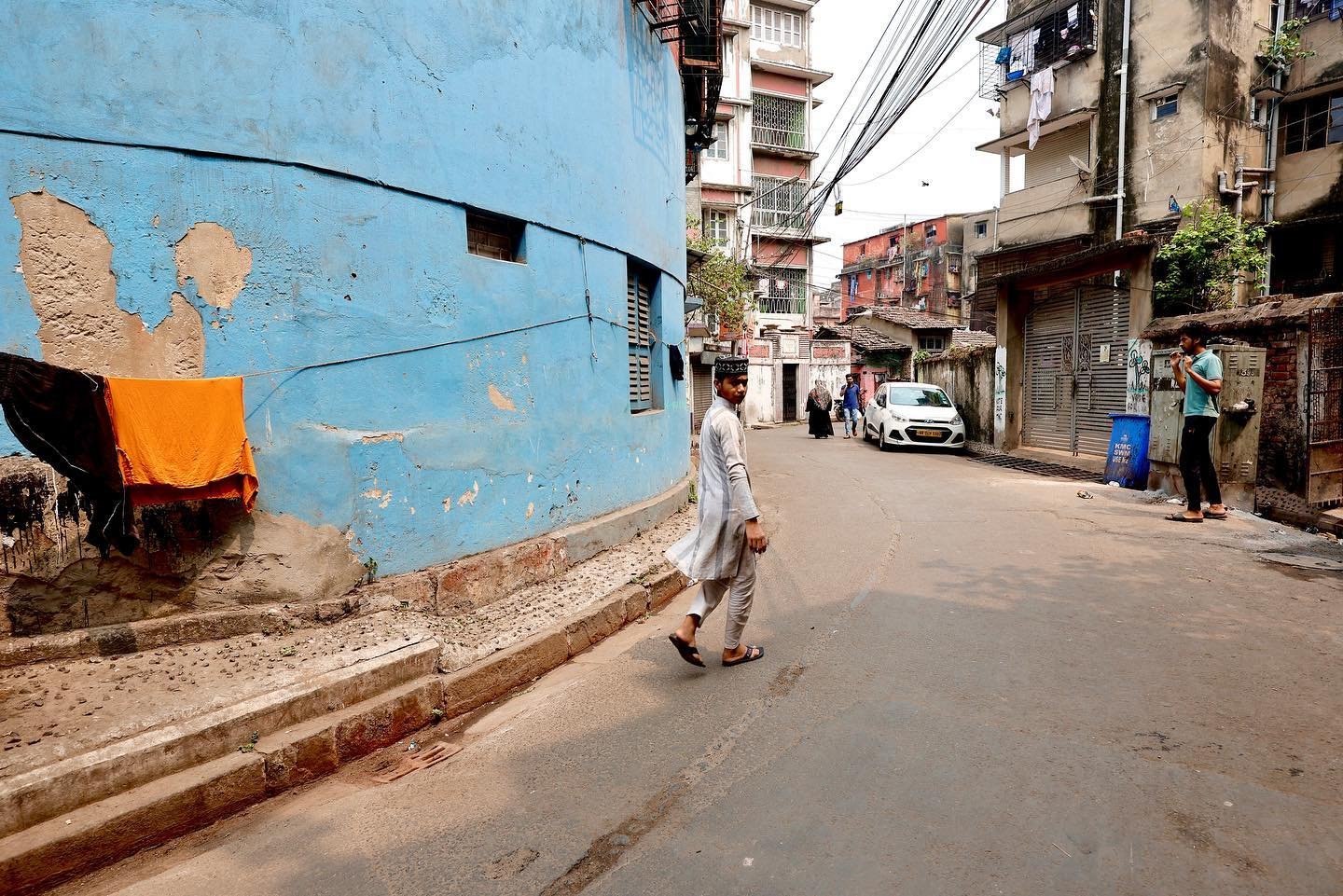
I stopped to photograph a mechanic, a young man engrossed in his repairs. After a while, to gain his attention, I coughed, “hum hum”, he raised his face to me astonished, and we burst out laughing. It was a nice meeting.



Man & Dog
by Martin Agius
“A man's soul can be judged by the way he treats his dog.” Charles Doran
I have always been fascinated by how dogs love human beings. There are many people who consider dogs to be members of their families because of their loyalty, companionship, and unconditional love.
I have always wanted to have a dog, but when I used to live with my mum, she never wanted one. I grew up and got married, and my wife kept asking me to get a dog, and I always said no for the very simple reason that I didn’t have much time and I loved to travel a lot.
Last year, I was on a journalistic job where the authorities seized around fifty dogs from a guy who was mistreating the dogs, and many of them were sick. I felt so sorry for them, and I nearly cried too. All of a sudden, I decided I wanted to adopt one of these dogs. When I told my wife, she was over the moon.
I started contacting the authorities, and I even asked for help from people who worked in animal welfare. After a few days, I got the sad news that the dogs were so sick, many were blind, and they were also crossbred, so there was not much hope for them. I was so saddened by this news, and when I told my wife, she was really upset.
I told my wife that we should adopt a dog, and she agreed. I did the necessary things by applying and filling out forms, but I found a lot of red tape, and things were really becoming difficult. I know that these things shouldn’t be easy, but why all this hassle when you can go and buy a dog and have no hassle? So we decided to buy a dog, and we decided to buy a Beagle. I searched for Beagle breeders and started calling them, but no one had any puppies for sale. Finally, we found a breeder who had a female Beagle for sale, the last one from the litter. We went to see her, and we immediately fell in love with her. We bought her and made the necessary arrangements with the authorities to register her in our name. Her name was Holly, and we decided to keep it.
She really changed our lives. My wife was really happy, but we were feeling sorry for Holly, as when we went to work, she was alone. We were discussing this matter and thinking of adopting a dog so she will have company when we are not home. Out of the blue, the wife of the breeder that we bought Holly from asked my wife if she would like to adopt a Papillon dog that she had bred but never sold. She was willing to give it to us for free, as she knew from my wife’s Facebook how well-treated and loved Holly was. She told her that we would go and see the Papillon and bring Holly with us, so we'll see if they will go along. When we arrived and introduced them together, they immediately made friends with each other and started playing. We ended up taking the Papillon named Benz home with us. We made the necessary arrangements with the authorities to register him in our name and also rename him Gilmore. Life really became good, and we are a big family now.
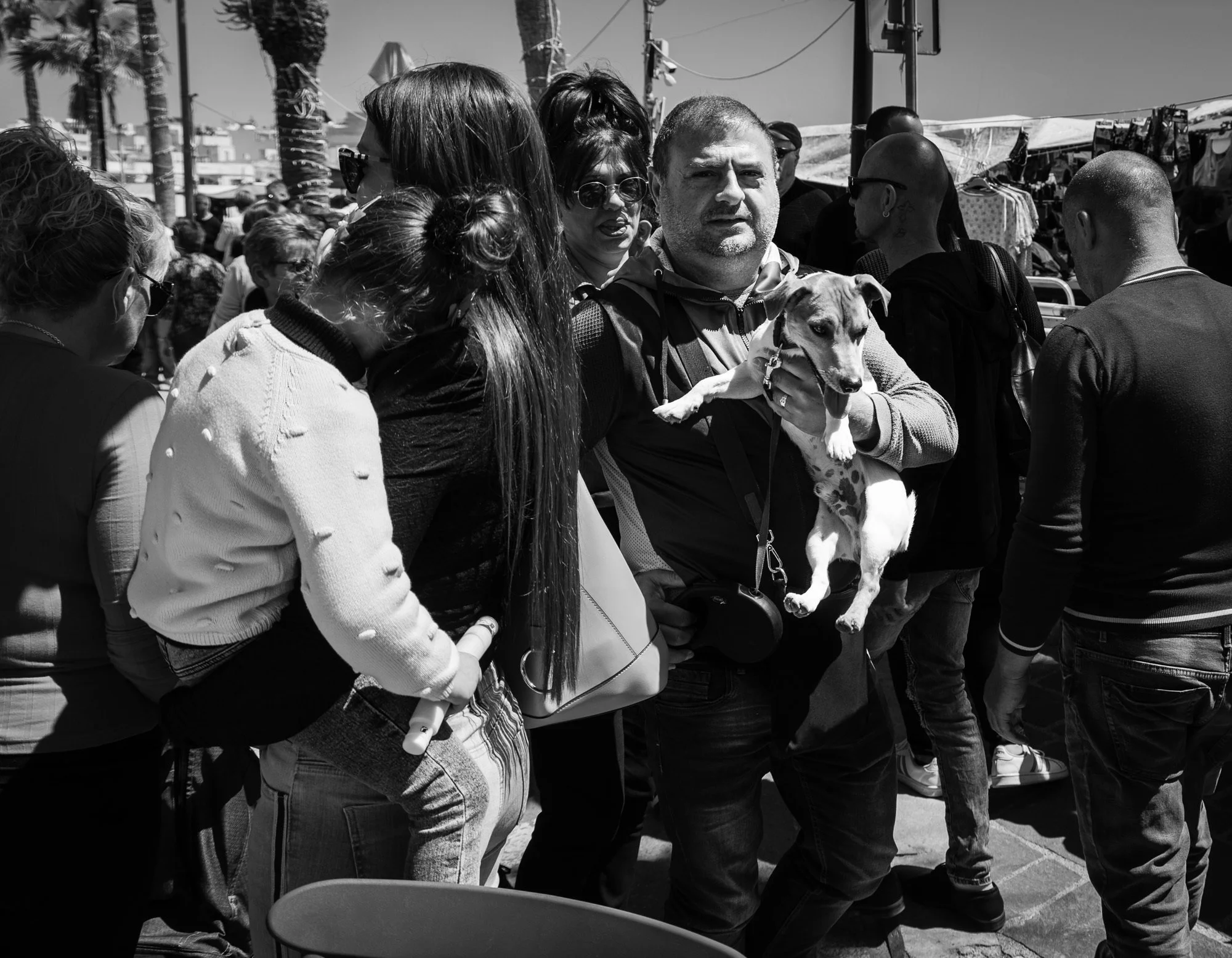
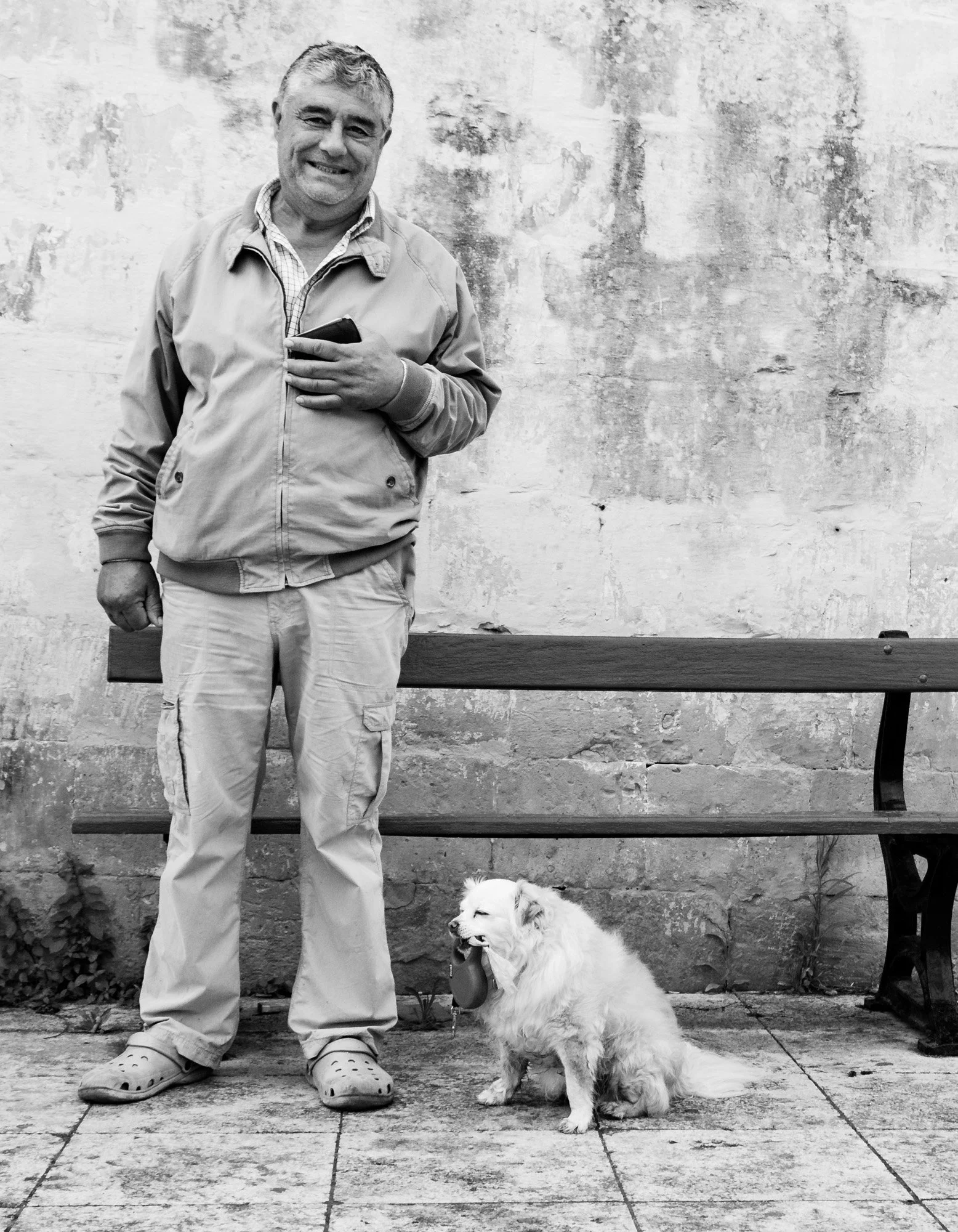
Since we had the dogs, I started looking at people with dogs from a different perspective. When I am out for Street Photography, people with dogs started attracting me more. However, as Joel Meyerowitz points out, sometimes going through your photographs will reveal a pattern. It is so true. A few days ago I shot two guys with a dog in their arms, and an idea came to mind to make a project or series called Man and Dog.
When I found some time, I went through my Street Photography collections in Lightroom, and I really found the pattern that Joel Meyerowitz describes. I was shooting "Man and Dog" for so many years, but it never occurred to me that I was doing so. I found many images from Malta, but also from London, Brussels, Sicily, Milan, Matera, and Rome. I made a new collection, and obviously, I named it Man and Dog. But not only that, but I also had some images of "Woman and Dog," which I decided to make into a collection and project. These will be ongoing projects with others that I already have.
Going out to shoot with multiple projects in mind will be more fruitful than going out with just one project. Going out with just one project will make it much harder to go home with an image, but going out with multiple projects in mind increases the chances of capturing one image for a project are much better. Sometimes we still go home with nothing, but that is OK. The main thing was that we went out, trained our minds and eyes, walked, relaxed our minds, had a coffee or beer, and enjoyed ourselves.
In the future watch out for the Woman & Dog Series which I am still building up.

Where's My Man?


Look at me


Gotcha

Off to Work the Fields

Watching You

En route
by Siddhartha Mukherjee
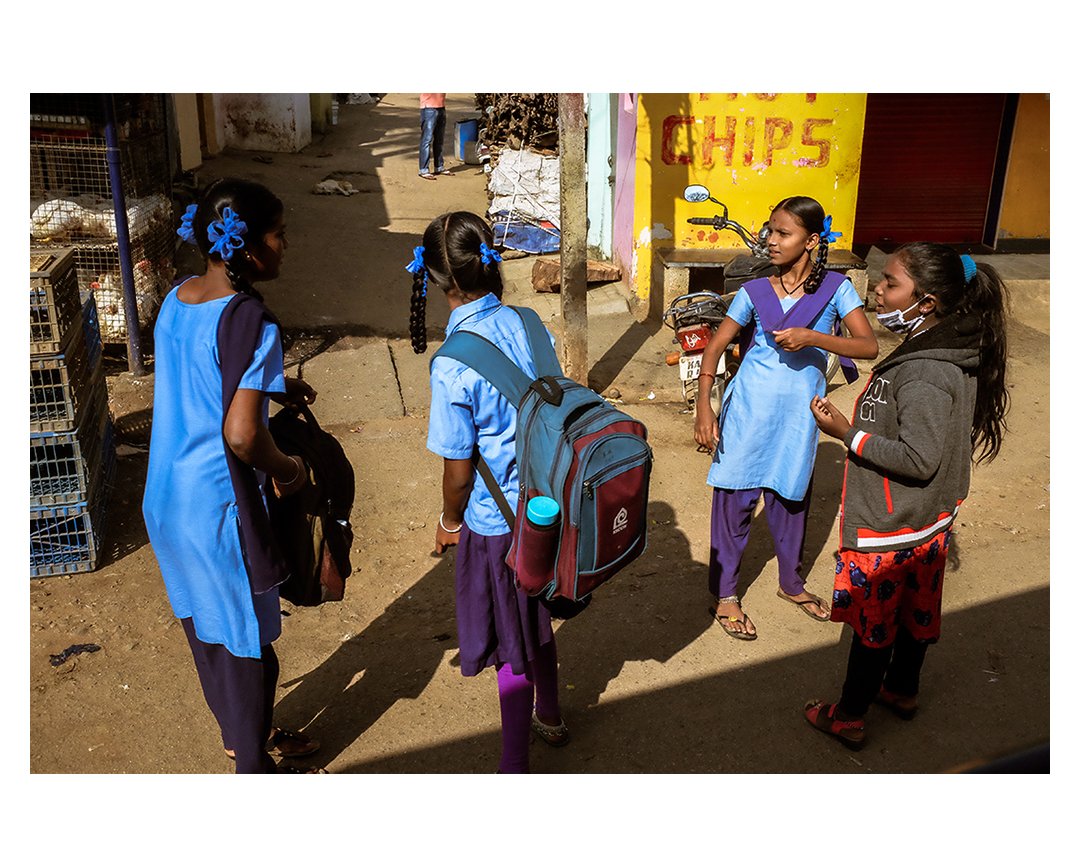
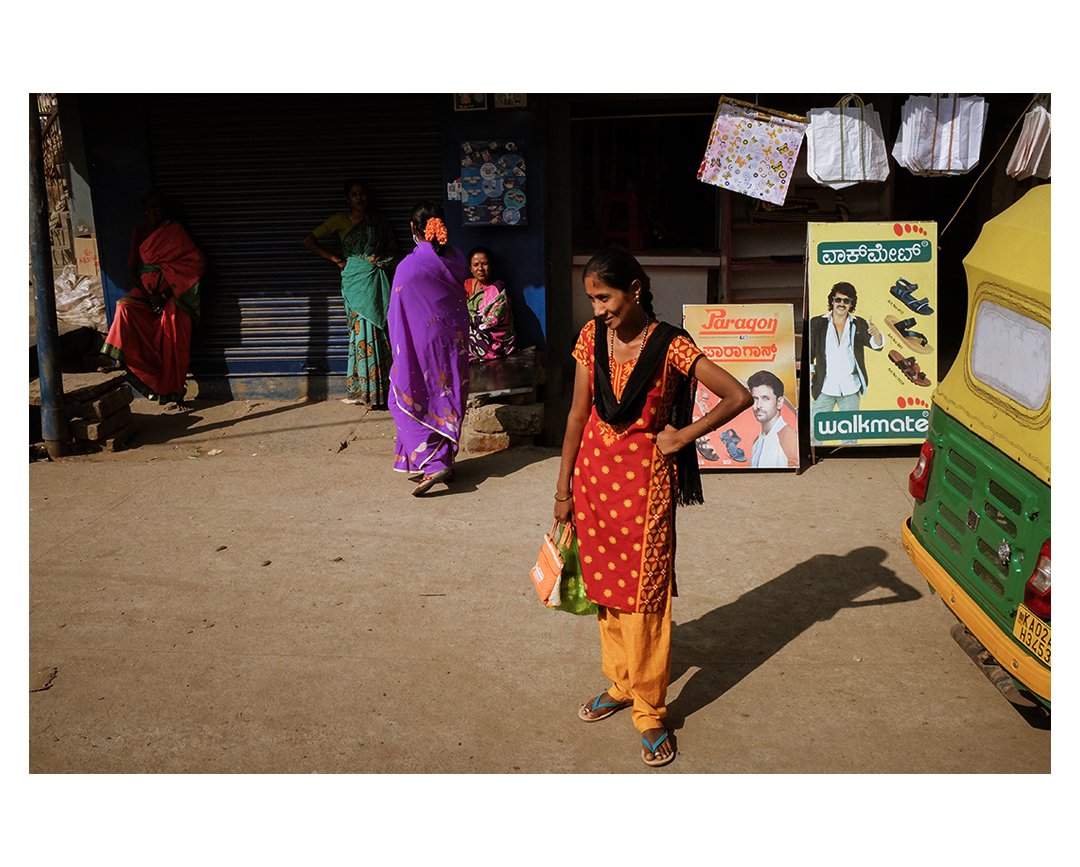
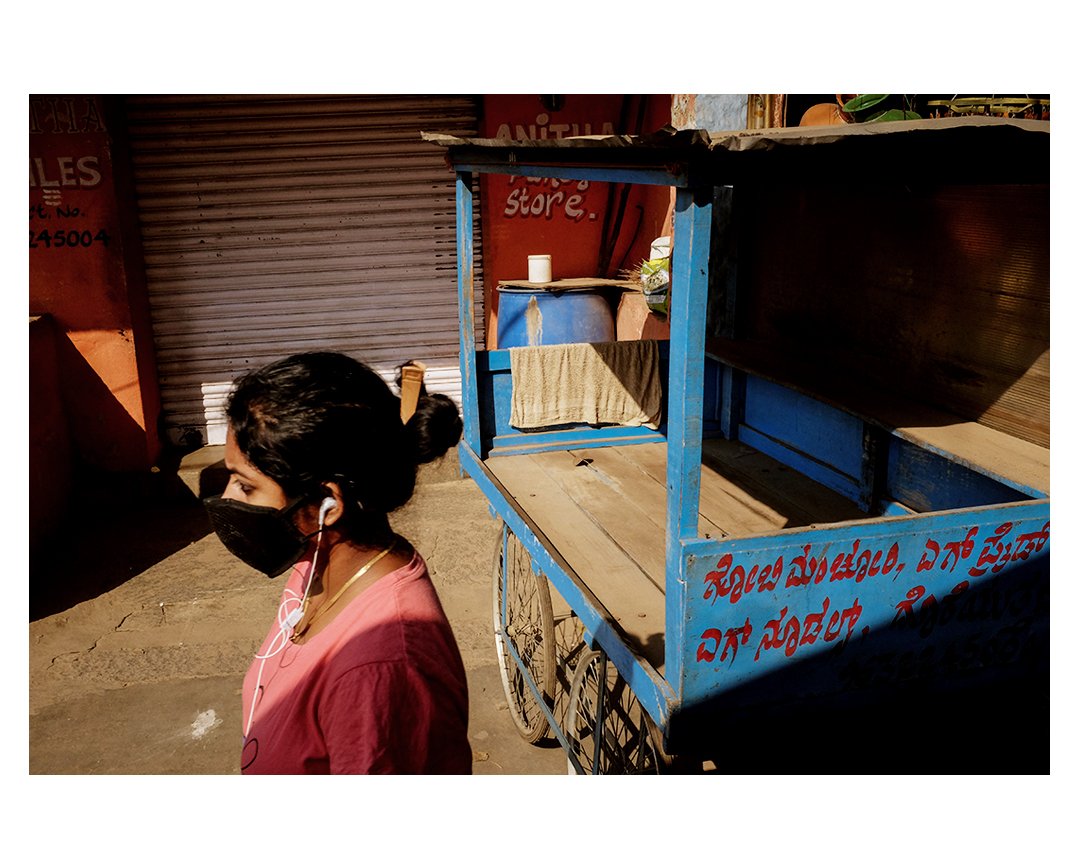
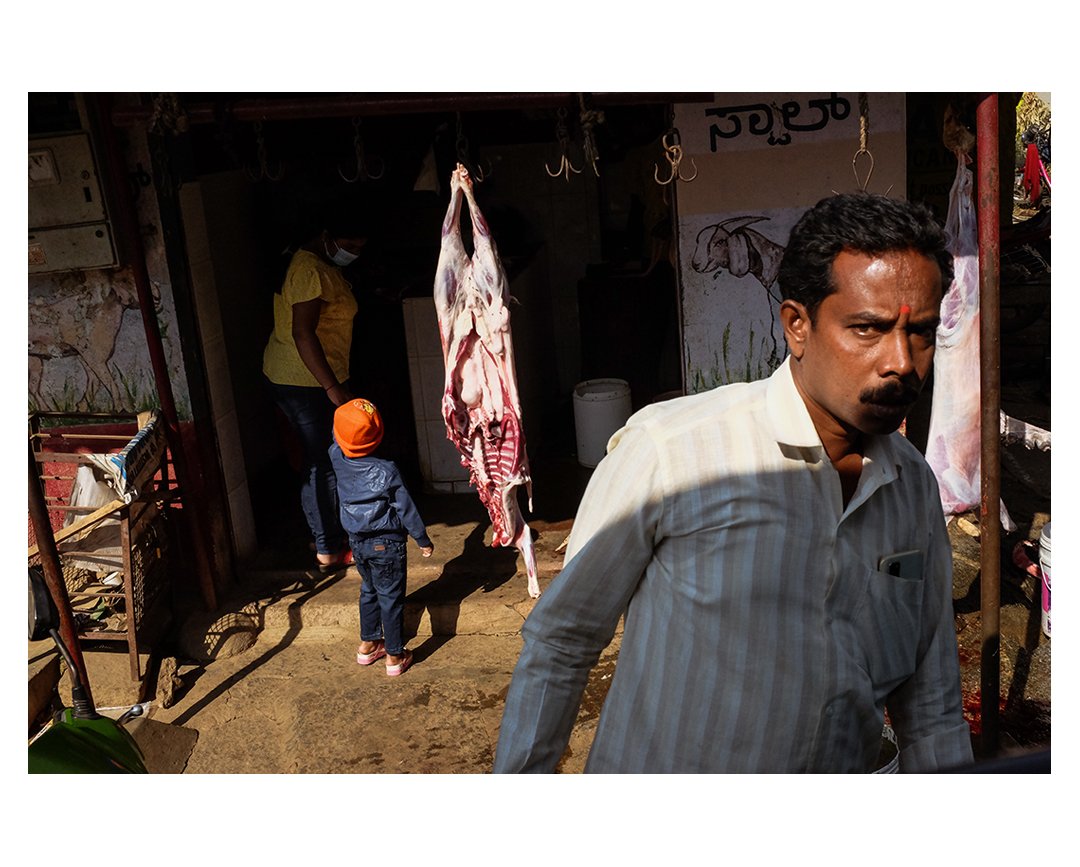
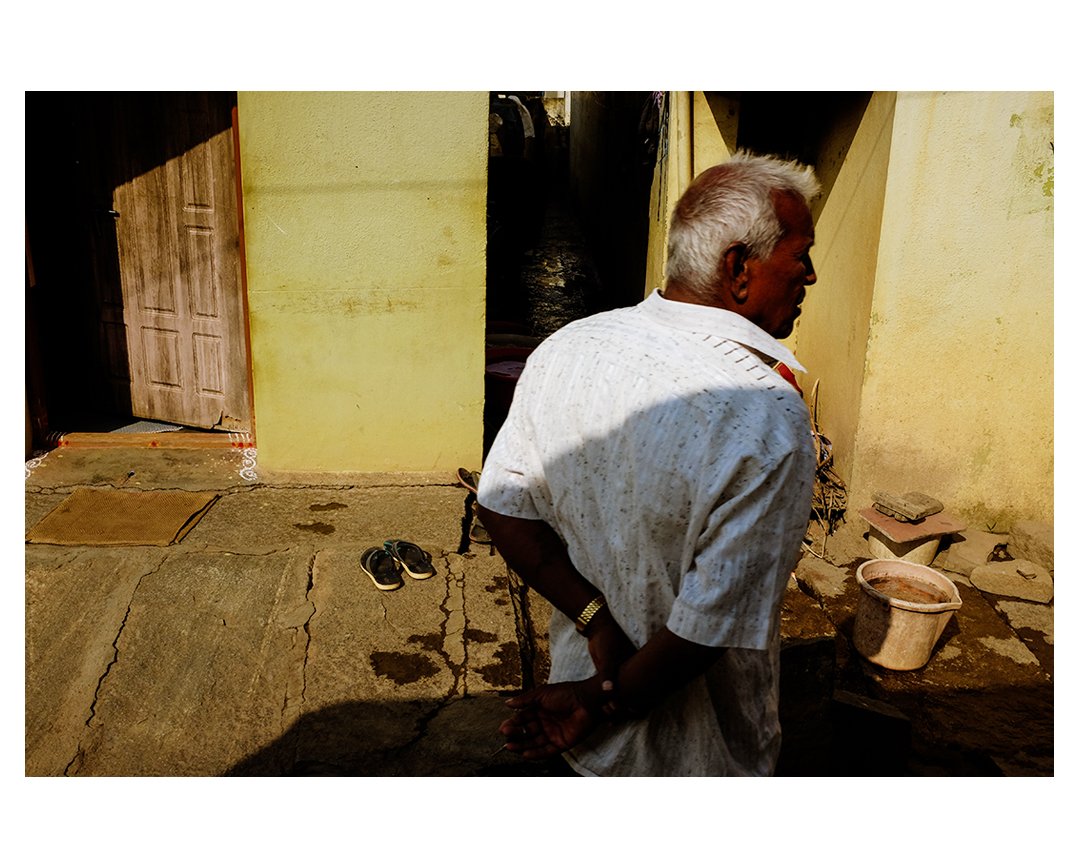
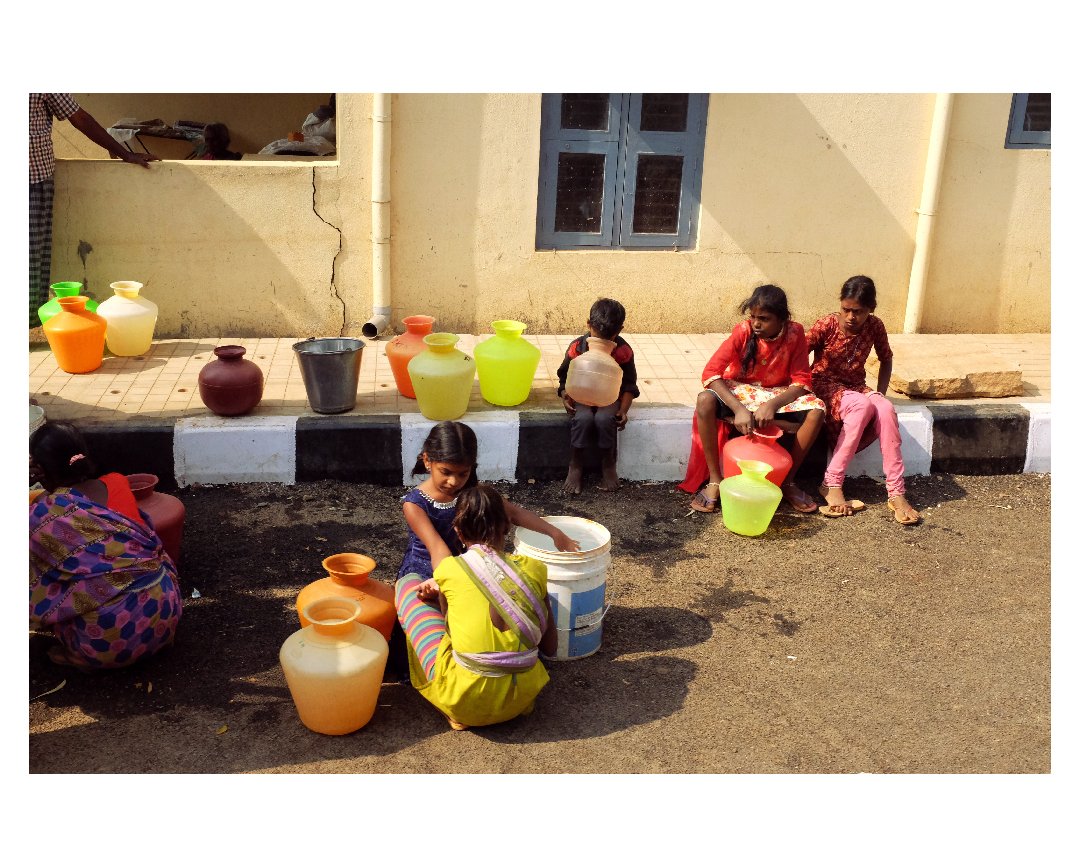
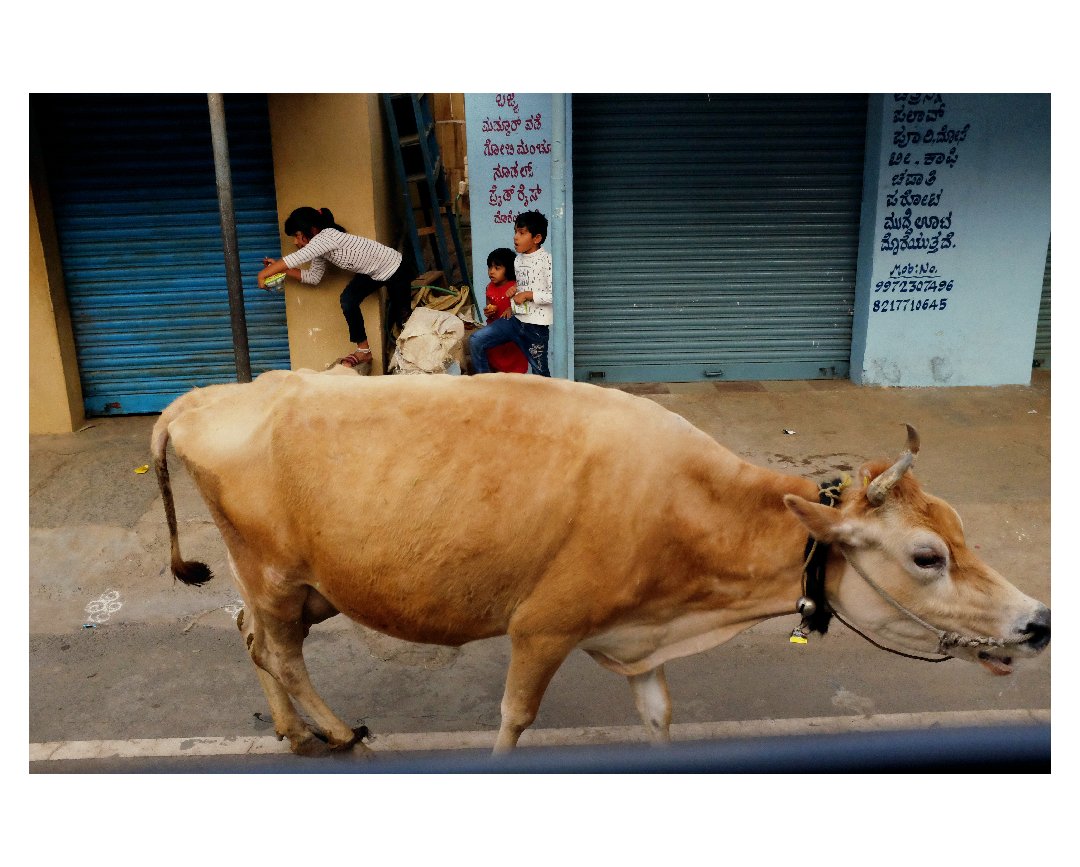
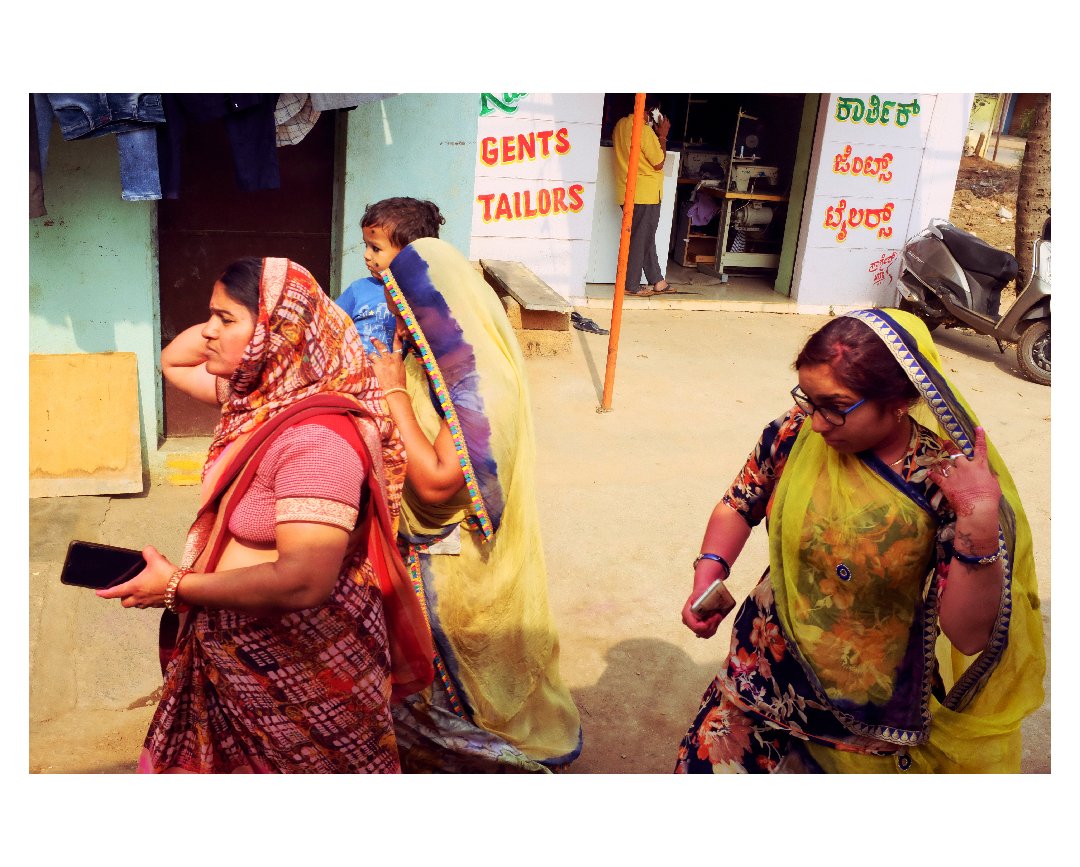
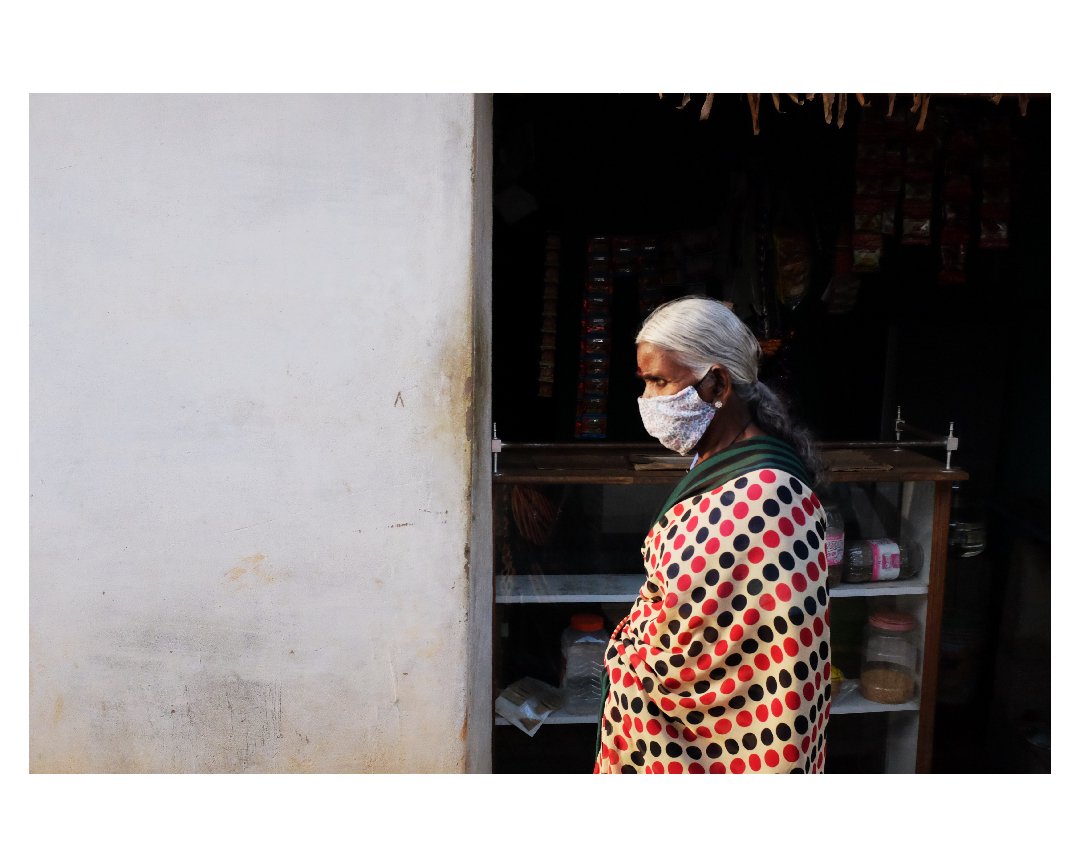
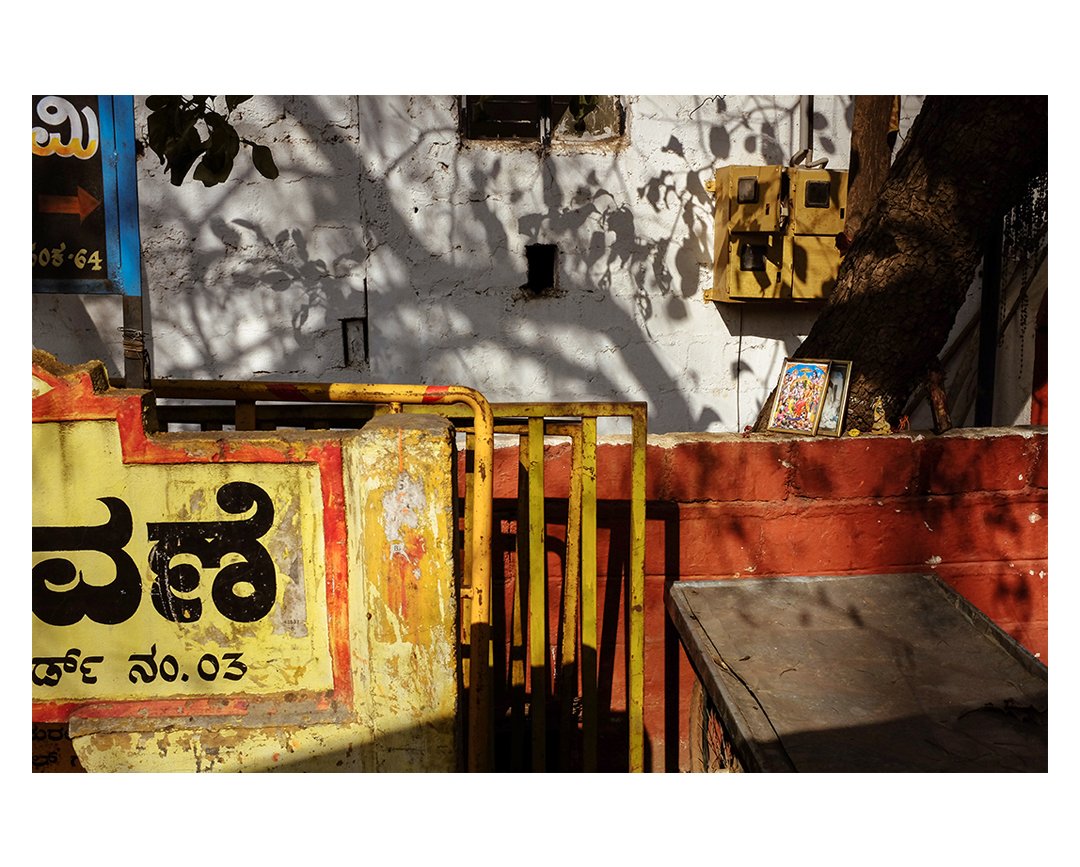
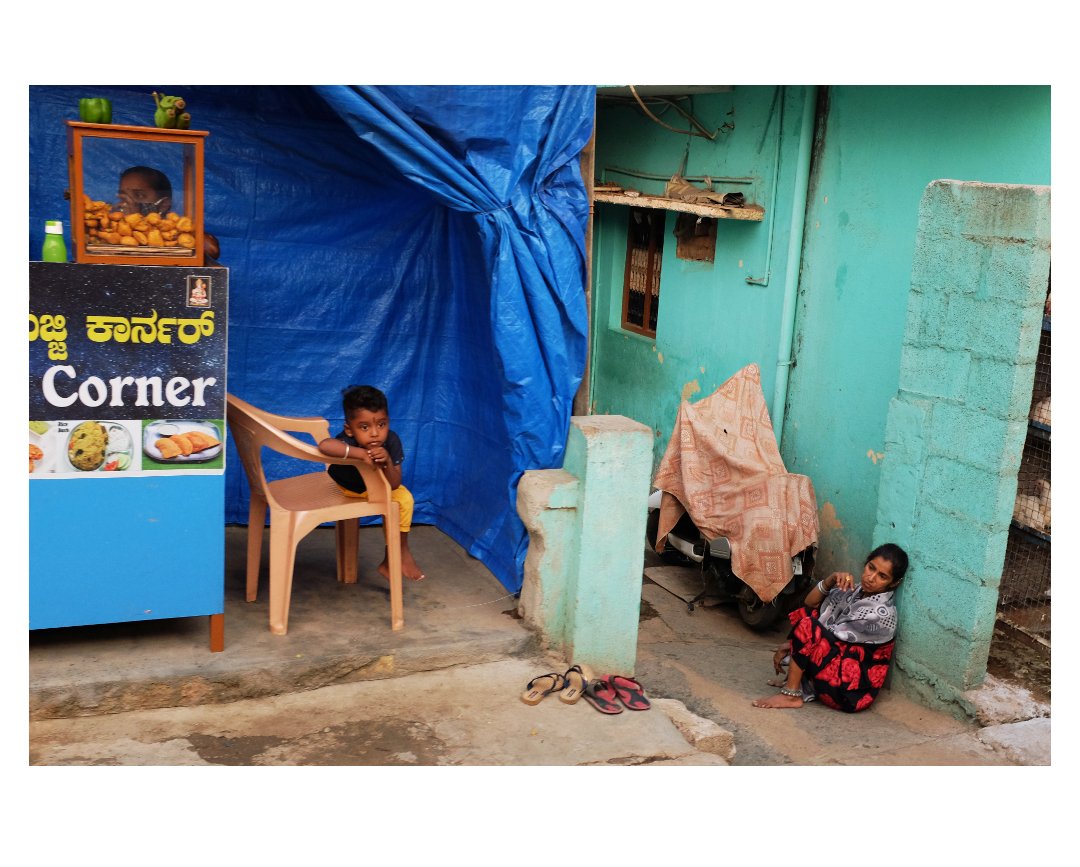
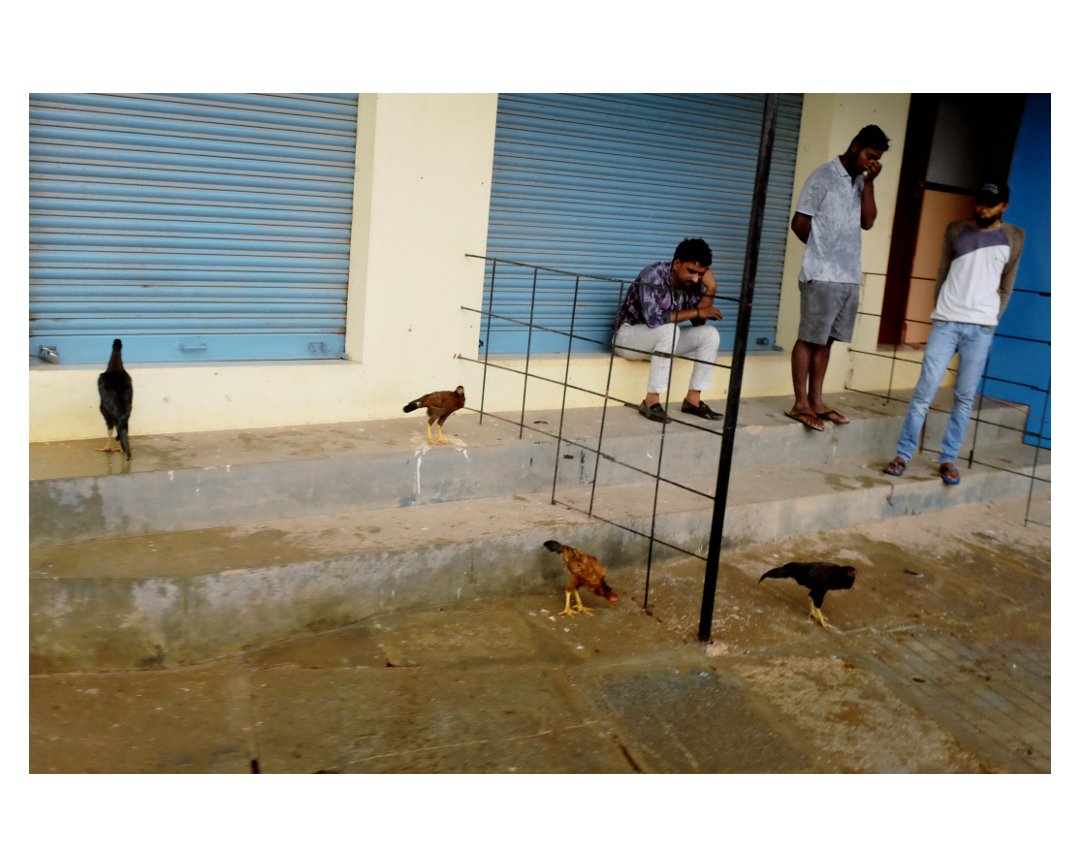
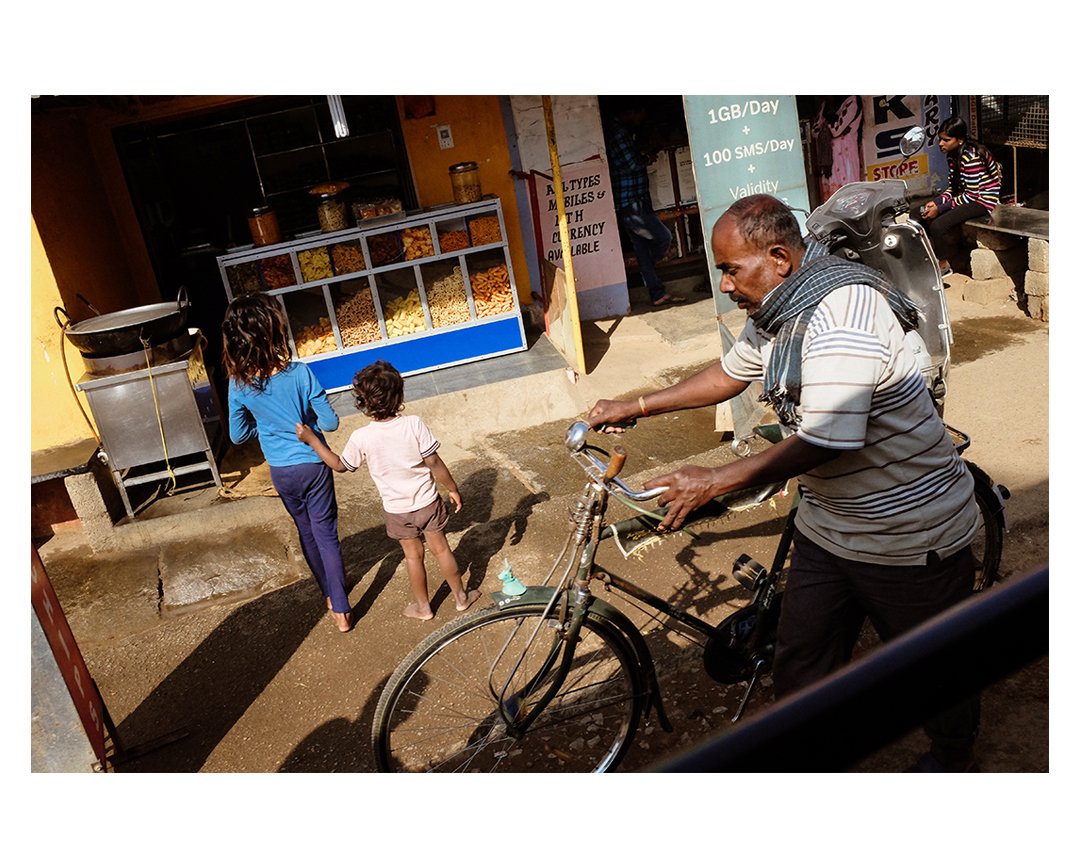
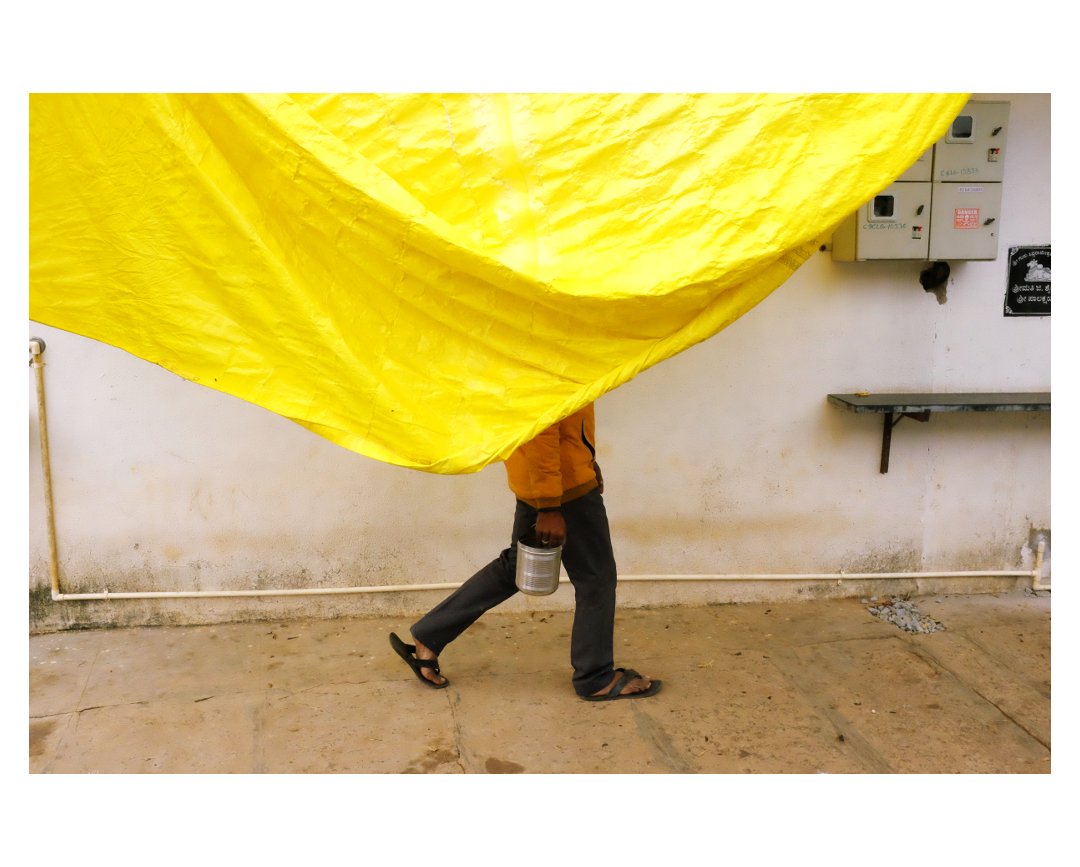
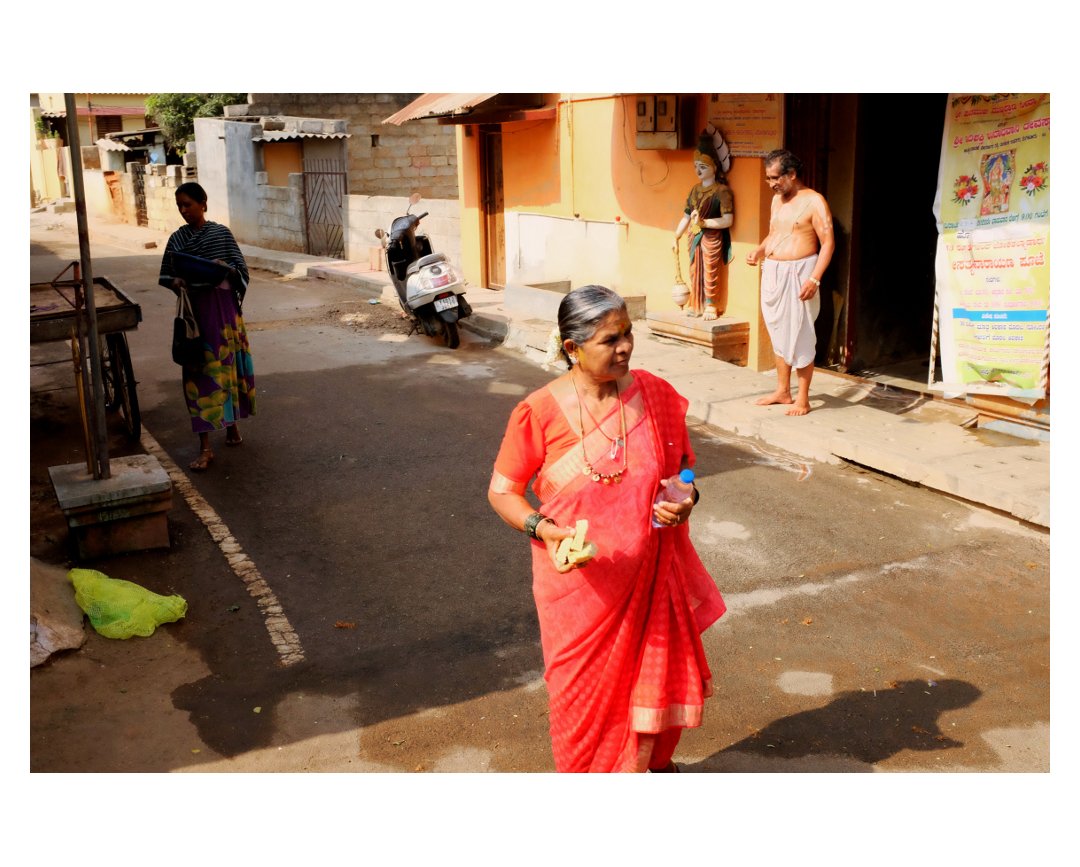
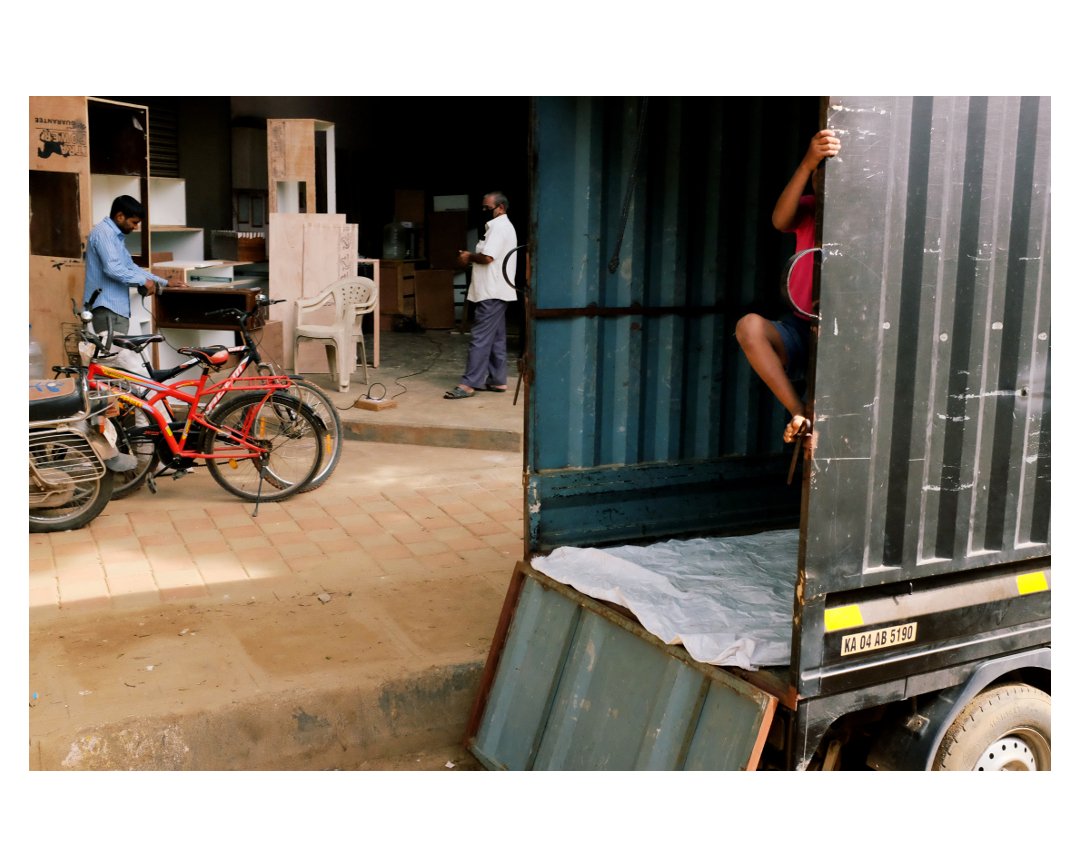
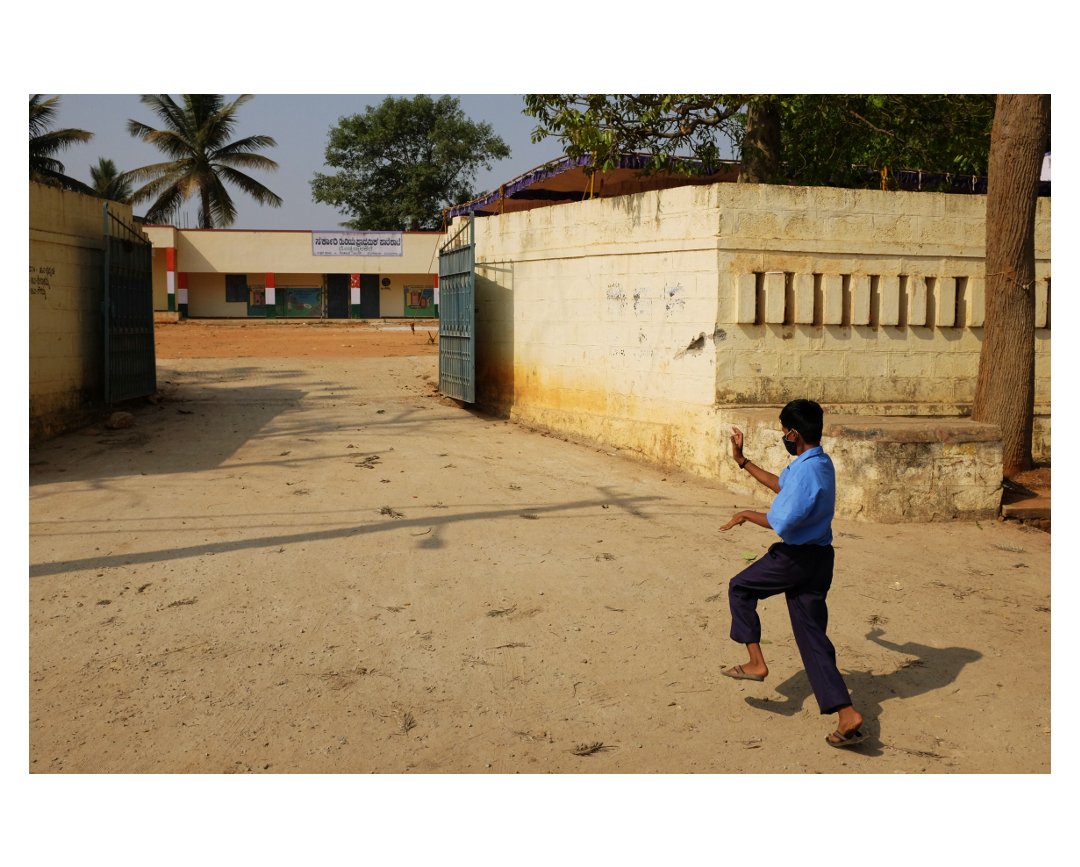
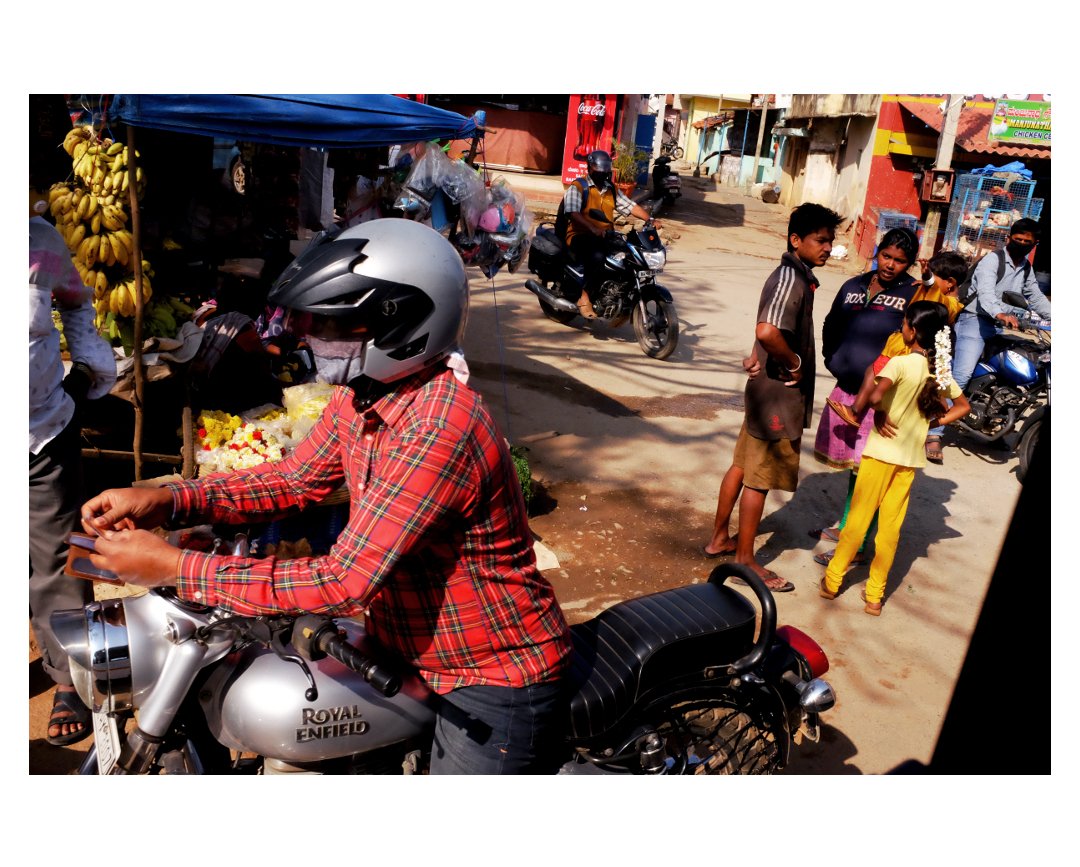
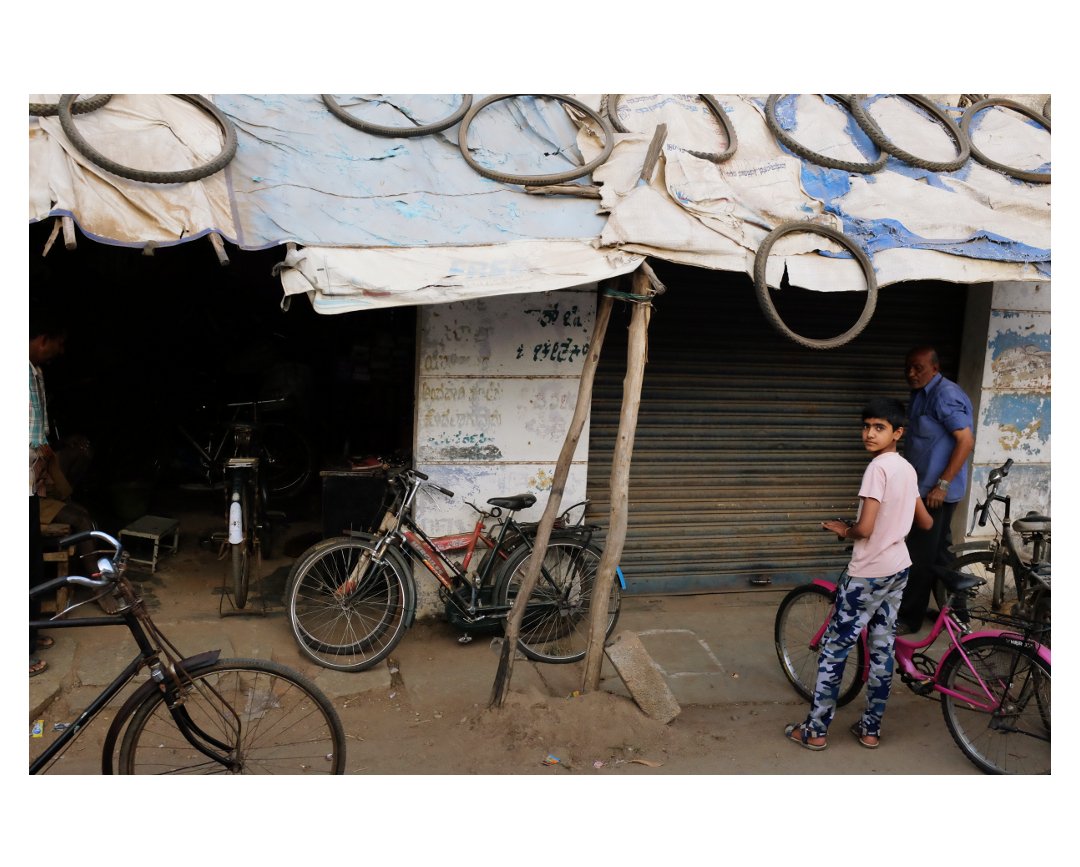
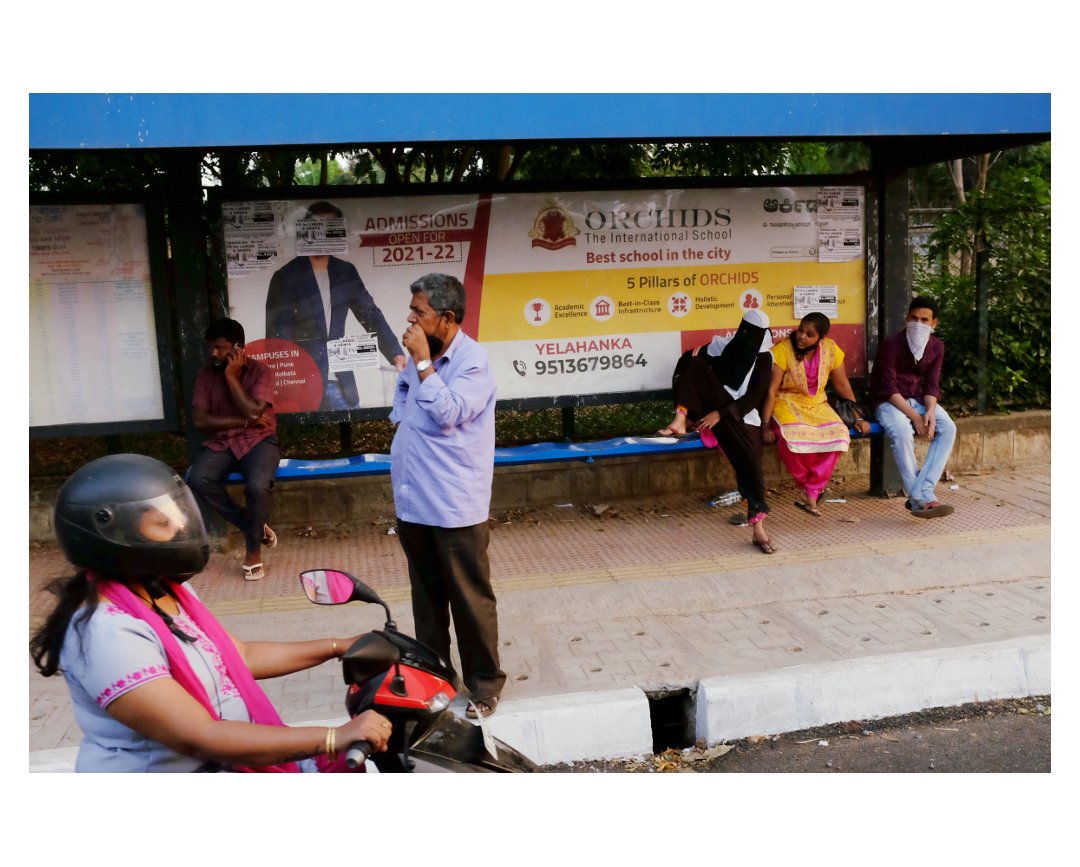
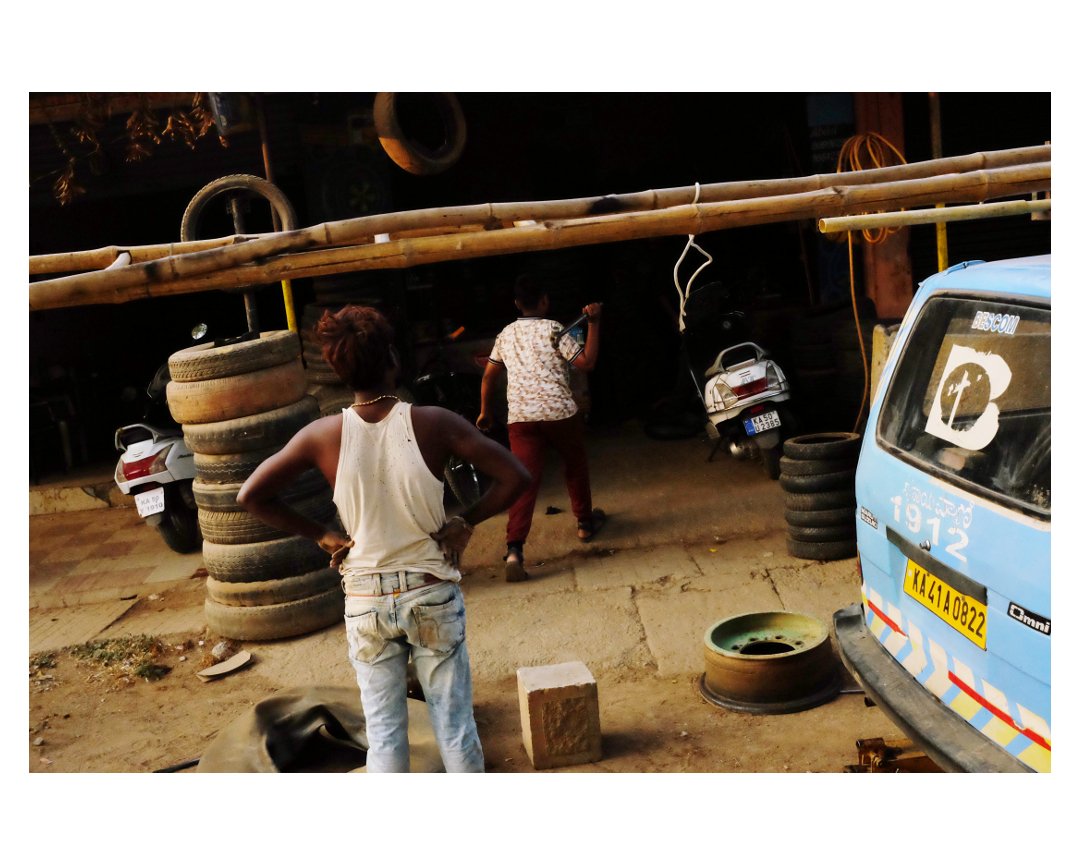
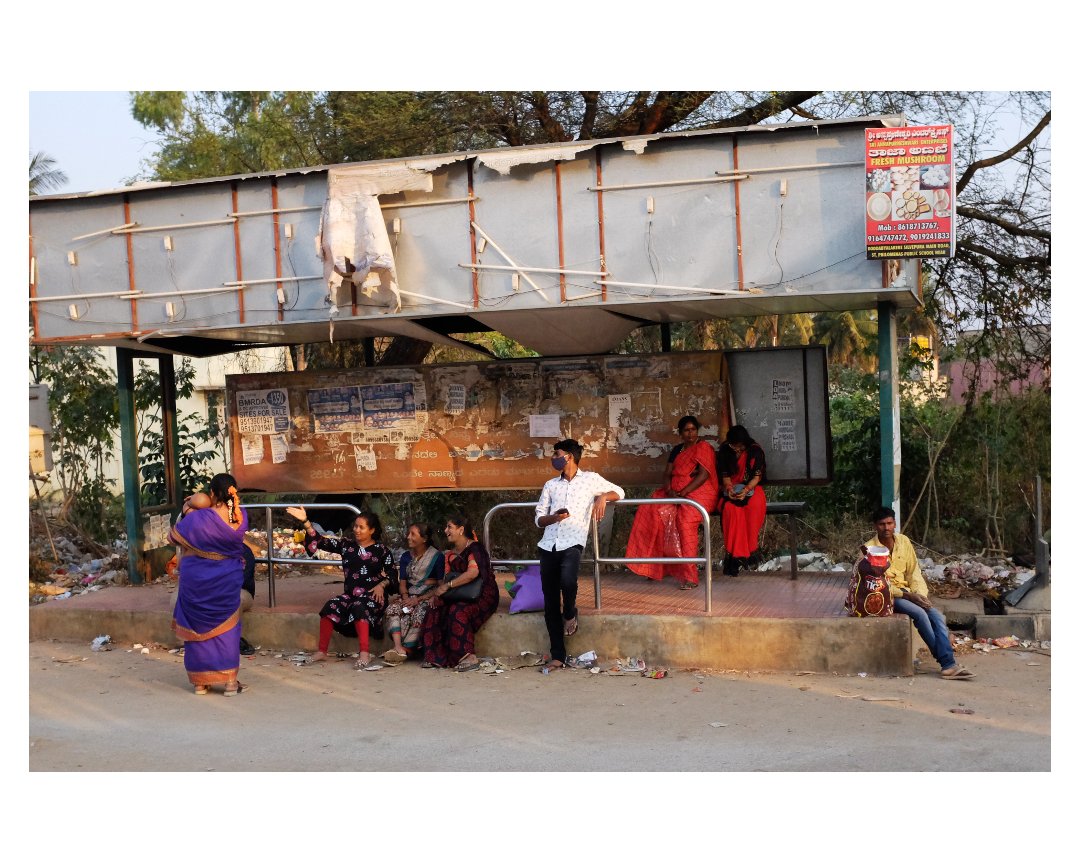
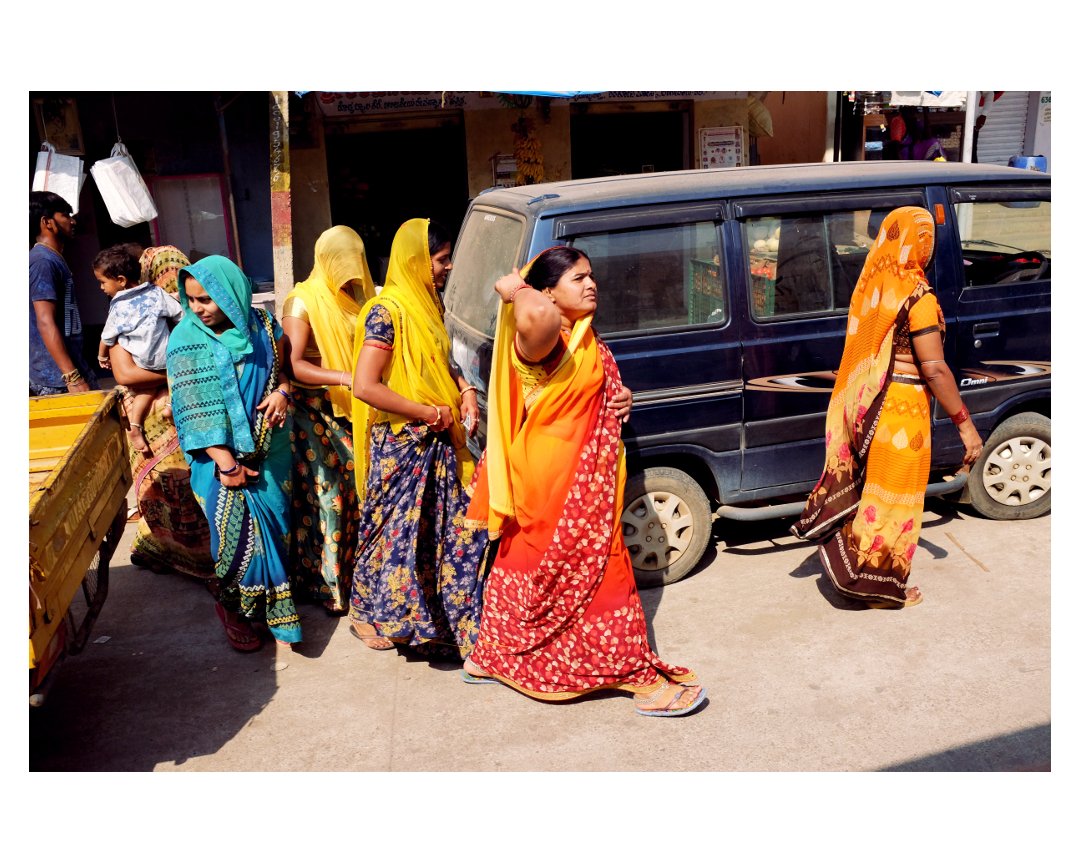
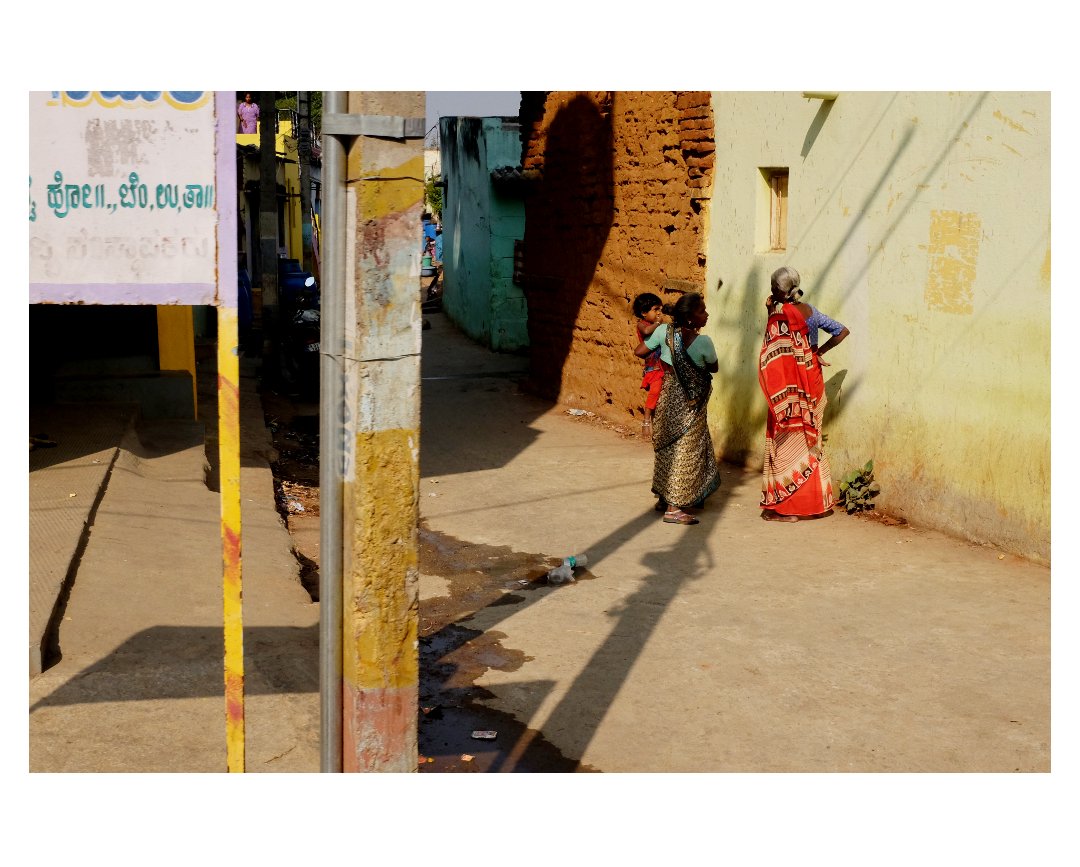
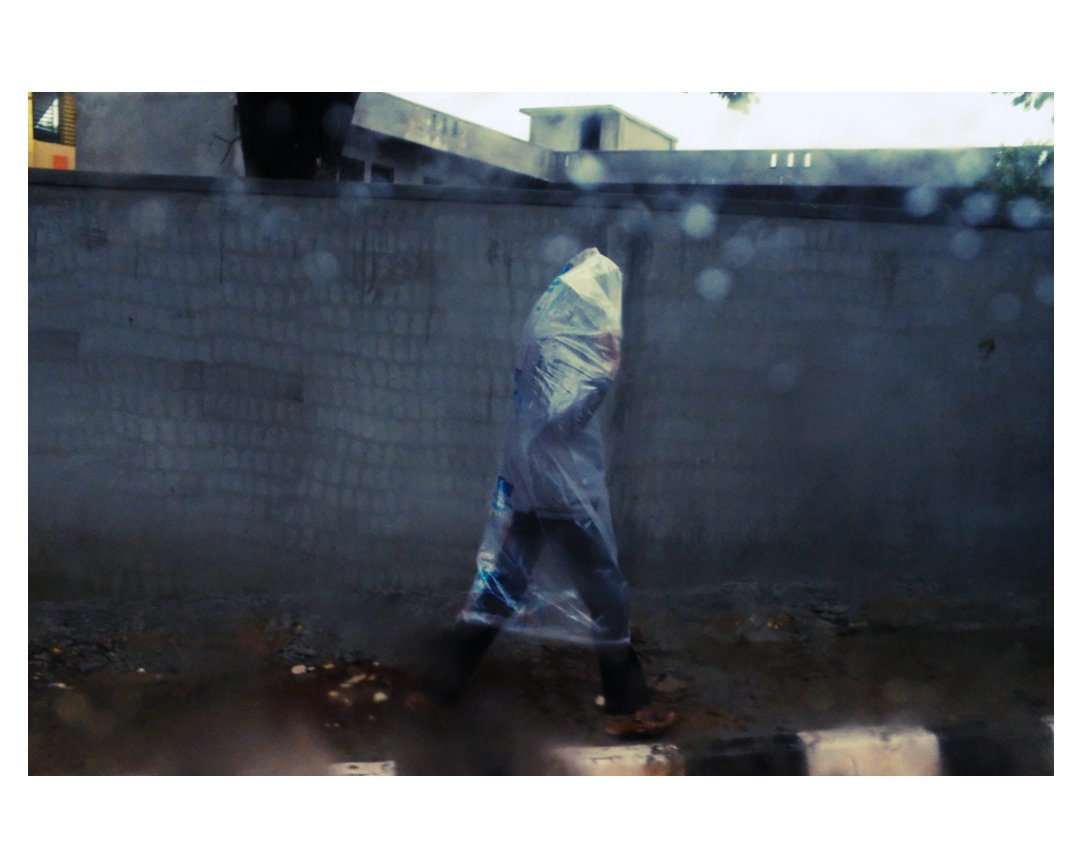
Often referred to as the "Silicon Valley" of India, Bangalore reaches out to the skies with its glass and concrete tech parks, much like the aspirations afloat in the city. However, a parallel world, of vibrant and lively neighbourhoods with a more reticent disposition, also coexists. My daily commute to work at the International Center for Theoretical Sciences is a journey through these fringes of Bangalore, where people's lives and environments become a single organic entity.
"En route" tries to capture the fleeting emotions of this entity, going from placid and playful to high drama and chaos, often within the blink of an eye.
I liken this to an "Opera" with its mercurial movements, animated characters and atmospheric settings. The photographs, moreover, are shot from a moving (speeding!) bus, which lends them an urgency, and a consistency in perspective which almost seems like "a view from the box seats", although the distance between the drama and the audience at times vanishes. The series is yet another humane manifesto emerging despite the troubled times.


by James Payne
In January 2023 my fiancé and I decided to take a short train trip from Porto Portugal to Pinhao Portugal, just to enjoy a n adventure together. We arrived at the train station shortly after dawn and boarded a nearly empty train and were soon rolling through the hills and mountains through the Douro Valley. I had expected to take photos once we arrived in Pinhao, but the soft foggy light outside the train window was irresistible.
The results of my taking those photos has challenged many of my long-held biases. But first a little personal history to explain. As a teenager my only photographic interest was photographing natural landscapes. I avoided any indication that mankind had ever inhabited the earth; no fence, signpost, or road were included in my compositions. I worked in that “style” for several years.
My interest in photography eventually compelled me to enroll in a Cinema and Photography program where I was immediately challenged to expand my thinking. I was required to work in black and white, which I found unnatural. Next were courses in darkroom techniques such as solarization, polarization, color separations, etc. A straight photograph was considered a weak effort. I experimented but was never comfortable with these approaches to photography. However, I found my path in 1977 when I visited New York City, armed with a 35mm camera, a 20mm lens, and many rolls of Kodachrome 25. I quickly discovered my real interest, people in their natural environment. The resulting images were very rich in color and sharper than any other 35mm color film. Man-made environments replaced natural landscapes, the interaction of people within the cities they inhabited was too intriguing to ignore. As digital cameras evolved since then the ability to control sharpness and color has steadily increased also.

So why the story? Because the train trip and resulting photos have challenged my comfort zone again. My desire to carefully compose images, shoot in the highest resolution, image in the richest colors have all been softened, literally and figuratively. Aiming my camera out the train window eliminated most of the tools I have used for decades, helping me realize that I have been unconsciously relying on value presumptions that are self-limiting. The separation between urban and rural landscapes were also blended during the short trip.
I realized in hindsight that as the train rolled along I had almost no control of composition because there wasn’t enough time to zoom in or out, and I couldn’t change the angle or perspective. I also had no control of lighting. My image making was reduced to how quickly I could recognize the image as it sped past, and how quickly I could press the shutter. I had to chose which object in the frame I would aim at so there was usually some focus. Everything else in the foreground and background blurred from the motion close to the train and the fog that blurred distant objects. The surprise was how the images were more emotional, and less intellectual. I am not sure that I could replicate the process due to the variables involved, but I am now ambitious to let go of some of my photographic habits and desires and explore the emotional aspects of image making by not relying on controlling the results as much. Now the task will be changing the method of post-shoot image selection, and post-production. While the images from the trip are not extraordinary, I am enjoying them, but the discovery of the chance to free myself from some presumptions and values was an unexpected benefit of a romantic adventure.


People are performers in my photos, ‘performing’ for me in the scene I desire. This results in a ‘Simultaneous Coalition’, in which, part of the image is composed (the background composition) and part is spontaneous (the passer-by).
Henri Cartier Bresson
I believe that the above quote from Henri Cartier-Bresson, a French legendary photographer, adequately reflects who I am and what I do today. Being a photojournalist by trade, effort is made to keep these ideas in mind as I work. Such contemplation, has assisted me in concentrating more on what I need to accomplish when I push the shutter - whether during my professional work or in my personal ventures till this very day.
Gathering experience through the years in Photojournalism and Street Photography, have helped these two genres grow and develop simultaneously. This journey started in 2009, when I was still in the Armed Forces of Malta. One fine day, out of the blue, I was given the opportunity to act as the official photographer of the Armed Forces for the last few months just before my retirement.
Practice, trial and error, researching, reading books and watching YouTube Street vloggers, all have contributed towards my learning and discovering more about this genre of Street Photography. Asking questions to street photographers abroad helped me progress and also make new friends. Searching for Geometries, Lines, Architecture, Harsh Light and Shadow, to capture the Decisive Moment and bring ‘order’ in the ‘chaos’ that a city can bring, became part of my searching and being. The journey of photographic self-development continued by going abroad and expanding my horizons to places such as London, Sicily and Milan.
Throughout these years. I have won many awards locally and abroad. I have had my work exhibited locally, in the UK and Europe.
I started being acknowledged by photographers and publishing photographic editors abroad, and my work started being published in printed and digital magazines. All this led to interviews for printed magazines, online websites and podcasts in Europe, USA, Asia and Australia. Needless to say, I started teaching Street Photography too, which, so far, all the courses have been of success. Seeing ex-students doing well in competitions, has also brought about an added gratification and feel good factor in my life, in relation to this profession.
Last year, I was invited to take part in the ‘ProgresFestival’ in Milan, whereby I was interviewed and was given the opportunity to speak in front of other renowned worldwide Street Photographers. This, to me, was quite a personal achievement, not to mention, an honour too.
In fact, I was invited to join and be a part of the Progressive Street Gang, which I now form a part of and am truly honoured and grateful for. A special thanks go to Batsceba Hardy, the founder of Progressive Street.
The body of work submitted for this exhibition includes my most current Fine Art Street Photography, which, in my opinion, best captures the essence of my photography and acquired individualistic style.
On a final note, I would like to thank the people who have brought me to where I am today. A special big thanks go to my wife, Therese, for her full support and patience, the Phoenicia Hotel, for this opportunity to exhibit here, Mariella Pisani Bencini, for accepting to inaugurate my exhibition this evening, Bernadette Carabott for the proofreading, my best friend, Joe Francalanza, for his priceless help, Joe Cassar, the editor of the Newspaper I work for, who has been of a gateway to my photographic career, Keith & Vanessa Mizzi for the video and editing which will be coming out soon, Clifton Fenech for filming the inauguration and Vince Piscopo for taking the photos of this event, and the Malta Photographic Society, for their continuous help and support throughout the years and to my dear friend Matthew of Photoimages and his wife Marisa for their help and support in printing this exhibition and much more. Last but not least, another heartfelt thanks go to all my followers and those who believe in me.
Thank you.


I WANT TO BE A STAR
by João Coelho
Once a week they gather in this large yard to train acrobatic gymnastic compositions that they will perform on beaches and esplanades on weekends. At the end of the performances, a can is passed around the audience to collect a few coins from those who are amazed by their acrobatics. When they return home, exhausted and nearly as soon as the sun sets on the horizon, they divide what they have collected among everyone. Often, what they earn is barely enough to pay for the collective cabs from the distant neighborhood where they live. Even knowing this, they always show enthusiasm and pride in what they do and strive with genuine professionalism to present a perfect performance.
Pedro, the oldest and the mentor of the group, works at a stall selling phone cards, but is known in the neighborhood as the artist. Besides acrobatic gymnastics, he performs at neighborhood parties as a musician and singer in his spare time. He started teaching gymnastics to his nephews and some neighborhood children about 5 years ago, but after noticing that some of them were particularly gifted, he started inventing more and more complicated and physically demanding exercises and choreographies. Soon the gymnastics evolved into acrobatics, with elaborate compositions of strength, balance, and contortion. The success of their first performances in the neighborhood where they live led them to try their luck in places increasingly distant from home, at beaches and esplanades in the city that allowed the group's performances.
Today the group is formed by about 10 elements, where Beny, Pedro's youngest daughter and the group's mascot that everyone cherishes, shines. Besides correcting gestures and positions in each element of the group, Pedro is constantly creative and rehearses new exercises and choreographies during the training sessions. Many times they are simply impossible to perform, the laws of physics are immutable and impose limits on strength, equilibrium, and imagination. Other times, there are broad smiles on all of them as they realize they have just discovered something new and exciting to explore and possibly perform.
Pedro also has to be creative to set up the conditions for training. An old tarp laid over the dirt floor prevents sand and small stones from sticking to their feet when they climb over each other's shoulders. A pair of old tires is used as a trampoline for jumping into the air, and a handmade weight with two rounds of cement at each end is used to improve arm strength. While the older members of the group work on strength and flexibility, the younger and lightweight ones perfect their contortion and equilibrium so that they can perform movements on the shoulders of the more experienced ones. It is like an orchestra in which everyone has a role to play in order to ensure a harmonious sound is created.
The curiosity they all felt to learn acrobatic exercises from the group's mentor quickly turned into passion and dedication for an art. When they return from school on Thursdays and gather here to train at the end of the day, they all forget the fatigue of the day and put on the skin of gymnasts committed to their individual improvement.
All of them aspire to be stars of this art, including little Beny. She is only 5 years old, but from an early age her father instilled in her a taste for gymnastics and acrobatics. She listens carefully to her father's instructions and has already learned to pose balanced on one hand, up there near the clouds as if she were the real star of the company. Mischievous and restless, she often interrupts her own and her elders' training, provoking them to pay attention to her and play with her. Invariably, no one resists her sweet seduction and everyone surrenders to her revealing their immense fondness for her.
Often the training is also interrupted by games and small challenges among the elders to test each other's strength and dexterity. These are moments of relaxation that create stronger bonds between them and make the training a kind of relaxed gathering of great friends. Here, everyone is equal and there are no distinctions between genders, ages, or physical abilities. Everyone helps each other, flaws are accepted and encouraged to be corrected, and successes are celebrated by all, especially the younger ones.
This is how Thursday afternoons are spent in this backyard in the suburbs of the city, a makeshift gym where imagination has its limits only in the impossible and where this group shows that they are, in fact, a united and happy family in what they do. This is where they indulge in a passion they discovered at an early age, overcoming tiredness and all the difficulties of a hard life to show their art on the beaches at the weekend. They all dream of being known as artists in the neighborhood where they live, like Pedro, their mentor. This is the stage where they learn to be stars
To see all the photos click


Homage to Mr Edward Hopper
by Bruno Lavi
Edward Hopper (1882-1967) was an American painter, considered one of the most important among American painters. Best known for his realistic paintings depicting loneliness in contemporary American reality.
Hopper studied at the New York School of the Arts. The meeting with the teacher Robert Henri established Hopper's artistic concept, which will focus on the experience of the developing urban reality of the United States.
Hopper along with George Bellows, John Sloan, all students of Robert Andre, were referred to as the “Trash Can Cluster group”. The origin of the nickname stems from this group's focus on issues that describe the chaotic and biting urban experience of New York.
It is true that at the time of Hopper's work, Europe was at the peak of abstract cubism, which Hopper was very impressed by, but his artistic path was characterized by realism with influences from the impressionist currents.
In his works, Hopper dealt a lot with the loneliness of the city's residents within the urban reality.
His paintings depict scenes from the resident's life so realistically that sometimes it looks more like a photograph than a painting.
The scenes depict simple situations, service buildings, modest rooms, cityscapes, in which the person usually fits in solitude.
The look of the person appearing in his paintings evokes a feeling of isolation but also of hope.
Hopper’s paintings wonderfully describe "together but alone".
Couples at home who each have a different direction of gaze or occupation, customers in a cafe or bar who do not communicate with each other, meetings without communication on the city streets are just a few examples of the atmosphere of loneliness together.
When I shoot the urban landscape, I am often accompanied in my thoughts by Hopper's paintings.
In the streets of the various cities, I look for similar situations in which the element of urban loneliness is found in the tiringly busy environment.
I have always seen a challenge in emphasizing the urban isolation in the city streets and bringing in my work the dissonance between the busy tired city and the loneliness of a person who lives in the city or visits it.
Out of respect, love for his paintings and influence on my work, I bring here a concentration of photographs in the spirit of Edward Hopper's atmosphere.